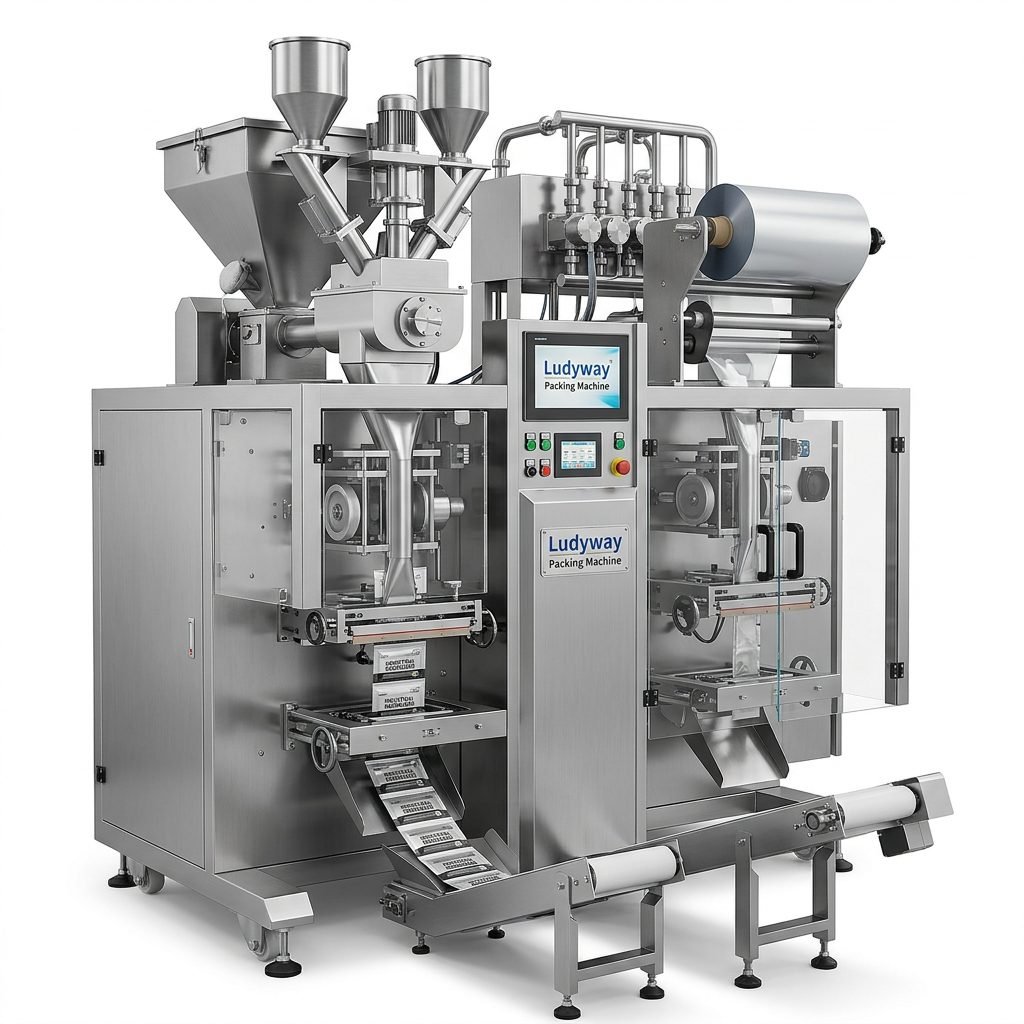
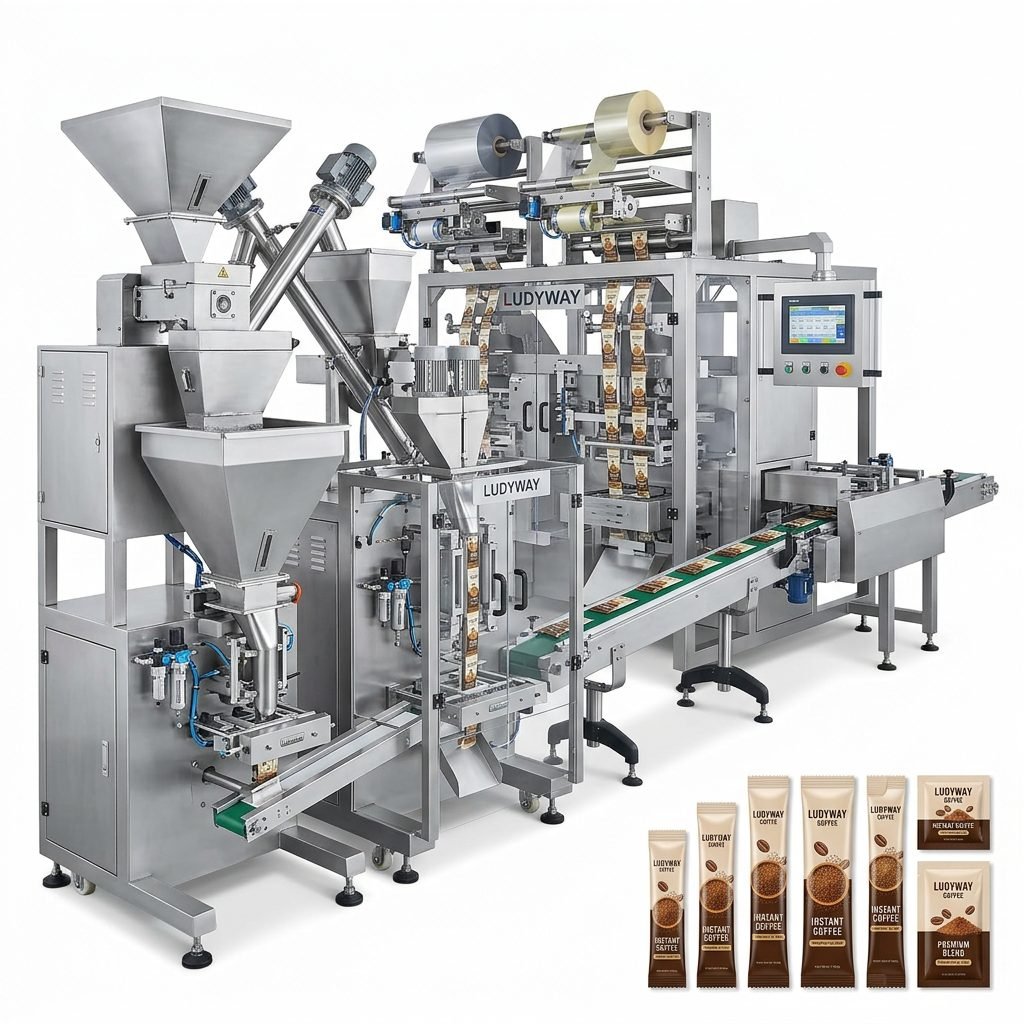
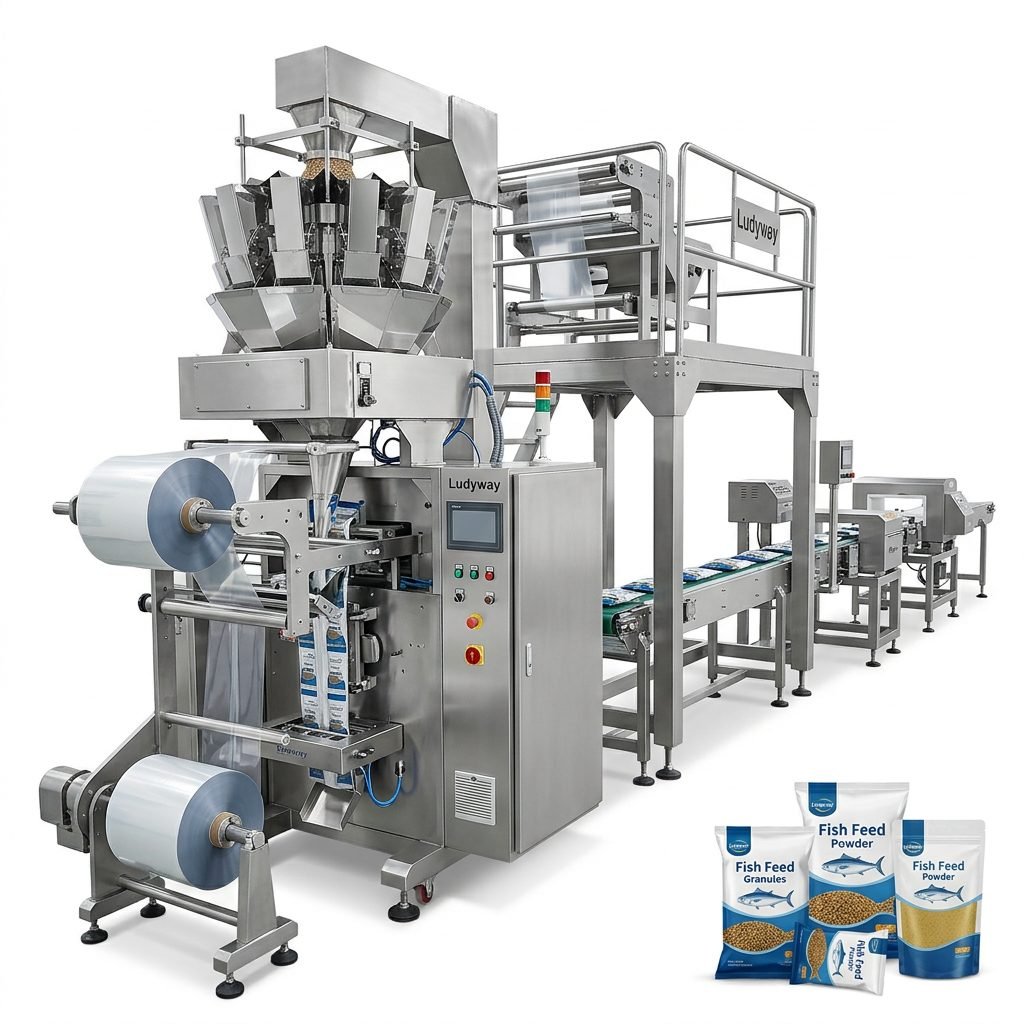
Investing in a tea capsule packaging machine is a significant decision for tea producers, co-packers, and beverage brands looking to enter or expand in the single-serve capsule market. The cost of these specialized machines varies widely — from $15,000 for semi-automatic tabletop units to over $500,000 for fully automated, high-speed production lines. Understanding what drives these price differences is essential to making an informed purchasing decision that aligns with your production goals and budget.
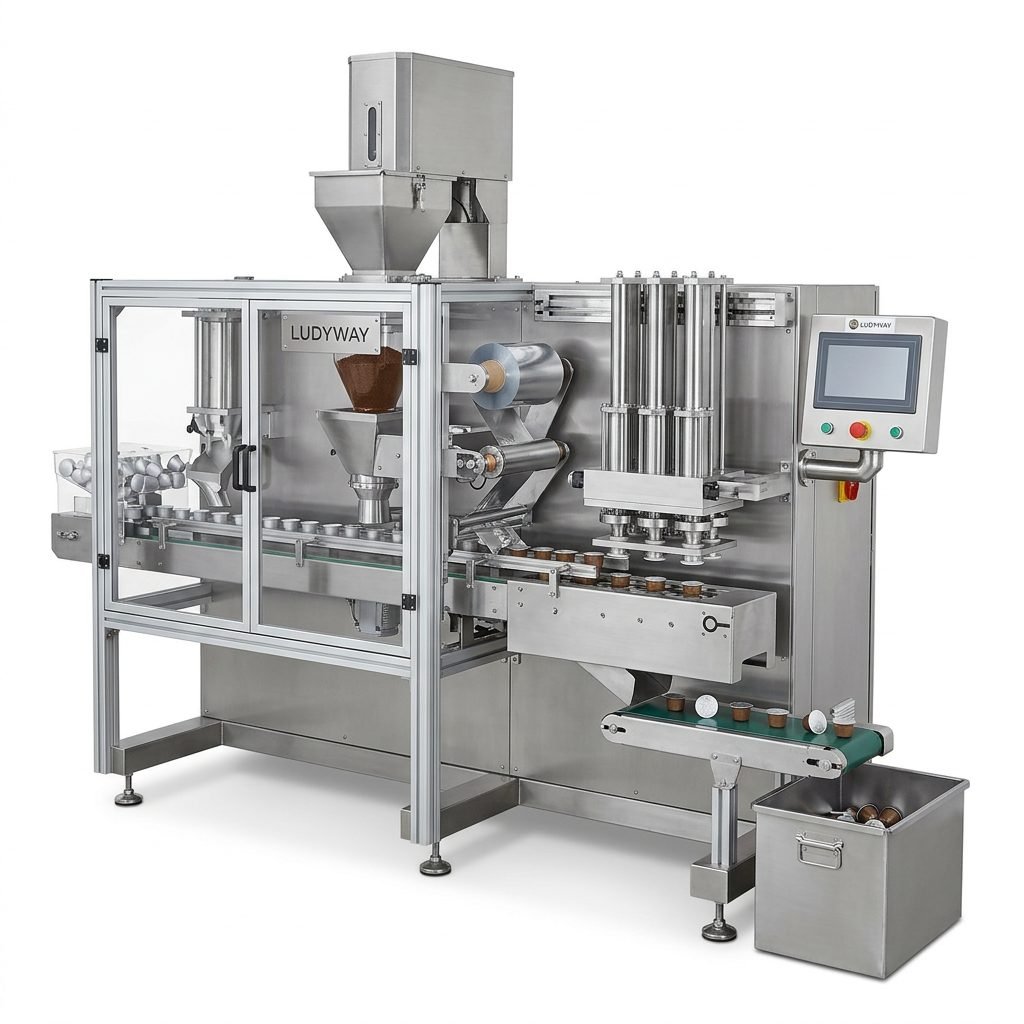
Tea Capsule Packaging Machine Price Ranges by Type
The table below summarizes the typical cost ranges for different categories of tea capsule filling and sealing equipment. These figures reflect industry averages and may vary based on customization, brand, and regional supplier differences.
| Machine Type | Typical Output | Price Range (USD) | Best Suited For |
|---|---|---|---|
| Semi-Automatic Tabletop | 15–30 capsules/min | $15,000 – $45,000 | Startups, R&D, small-batch production |
| Automatic Single-Lane | 40–80 capsules/min | $50,000 – $120,000 | Mid-size tea brands, regional producers |
| Multi-Lane High-Speed System | 200–600+ capsules/min | $150,000 – $350,000 | Large-scale manufacturers, global brands |
| Fully Automated Turnkey Line | 500–1,200+ capsules/min | $300,000 – $600,000+ | High-volume contract packers, multinational operations |
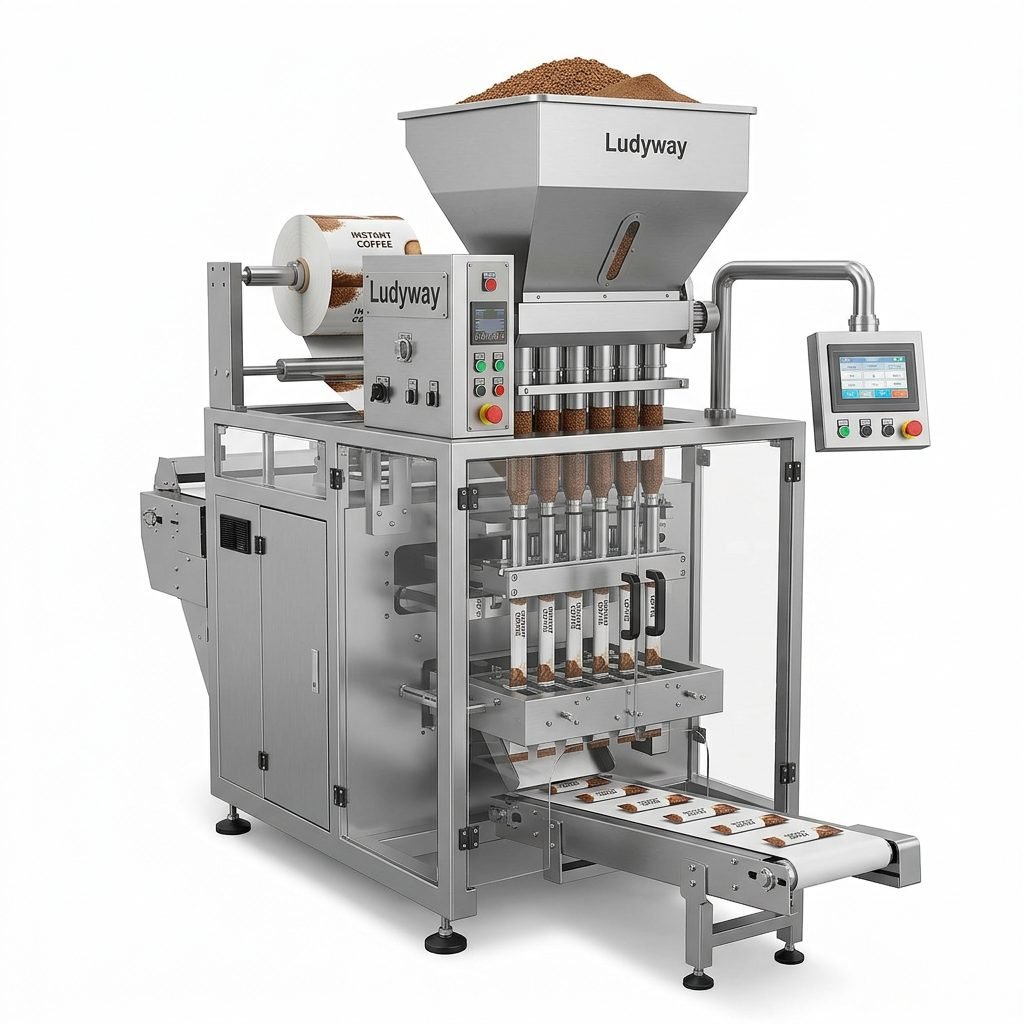
Key Factors That Influence Tea Capsule Packaging Machine Costs
Understanding the variables that impact pricing helps buyers evaluate quotes more effectively and avoid overpaying for unnecessary features. Here are the main cost drivers:
1. Automation Level
The degree of automation is the single largest cost determinant. A manual or semi-automatic machine requires significant operator involvement for capsule loading, filling, and sealing. In contrast, a fully automated system integrates dosing, nitrogen flushing, sealing, and ejection with minimal human intervention. Each additional automation module increases both upfront investment and long-term labor savings.
2. Production Speed and Throughput
Higher output machines demand more sophisticated engineering, precision components, and robust control systems. A machine rated for 600 capsules per minute will cost substantially more than one rated for 60 capsules per minute. Buyers should carefully forecast their production needs over a 3–5 year horizon to avoid under-investing in capacity or overspending on unused throughput.
3. Capsule Compatibility and Format Flexibility
Machines designed to handle multiple capsule formats — such as K-Cup style, Nespresso-compatible, and proprietary pod designs — typically command a premium. Additionally, the ability to switch between different tea blends, particle sizes, and fill weights requires adjustable dosing mechanisms that add to the base cost. According to PMMI packaging industry research, format flexibility is increasingly valued by co-packers serving diverse clients.
4. Material Handling and Filling Technology
Tea leaves and herbal blends present unique challenges compared to ground coffee. The bulk density variation, moisture sensitivity, and particle size distribution of tea require specialized auger fillers, volumetric dosing, or combination weighers. Machines equipped with precision multi-head weighers for tea granules add $20,000–$60,000 to the total cost but deliver superior accuracy and reduced product giveaway.

5. Sealing Technology and Barrier Protection
Tea capsules require hermetic sealing to preserve freshness, aroma, and shelf life. Machines with nitrogen flushing and MAP (Modified Atmosphere Packaging) capabilities cost more but are essential for oxygen-sensitive tea products. The Flexible Packaging Association notes that barrier packaging innovation continues to drive equipment upgrades across the single-serve beverage sector.
6. Customization and Compliance Requirements
Machines built to meet FDA, EU, or ISO standards for food contact materials involve additional engineering, documentation, and validation costs. Custom features such as branded capsule embossing, integrated label printing, or vision inspection systems can add $15,000–$80,000 to the project total. For regulatory guidance, manufacturers can reference FDA food packaging regulations and ISO packaging standards.
Additional Costs Beyond the Machine Price
Smart budgeting requires accounting for expenses beyond the initial equipment purchase. Consider these additional investments:
- Installation and commissioning: Typically 5–10% of the machine cost, covering on-site setup, calibration, and operator training.
- Auxiliary equipment: Air compressors, nitrogen generators, capsule hoppers, and conveyor systems may add $15,000–$50,000.
- Tooling and change parts: Format-specific tooling for different capsule sizes can cost $5,000–$25,000 per set.
- Maintenance and spare parts: Budget 2–4% of machine value annually for preventive maintenance and critical spares.
- Shipping and logistics: International freight for large packaging machinery can range from $5,000–$25,000 depending on destination.

Comparing Chinese vs. European Tea Capsule Machine Manufacturers
The geographic origin of the equipment significantly impacts pricing. The table below compares the two dominant manufacturing regions:
| Factor | Chinese Manufacturers | European Manufacturers |
|---|---|---|
| Typical Price Range | $50,000 – $300,000 | $150,000 – $600,000+ |
| Lead Time | 8–16 weeks | 16–30 weeks |
| Customization Flexibility | High — willing to adapt designs | Moderate — standardized platforms |
| After-Sales Support | Improving rapidly; remote and on-site options available | Established global service networks |
How to Get the Best Value for Your Investment
Securing the right tea capsule packaging machine at a fair price requires a strategic approach. Here are actionable recommendations:
- Define your specifications clearly before requesting quotes — include capsule format, target output, fill weight range, and any special requirements like nitrogen flushing or multi-flavor capability.
- Request detailed quotations from at least three suppliers, comparing not just the machine price but also tooling costs, warranty terms, installation support, and spare parts availability.
- Visit manufacturing facilities or request live video demonstrations to verify build quality and performance claims before committing.
- Negotiate comprehensive packages that include installation, operator training, and an initial spare parts kit — these bundled deals often provide 10–15% better overall value.
- Consider total cost of ownership (TCO) over a 5–7 year period, factoring in energy consumption, maintenance labor, downtime risk, and expected machine lifespan.
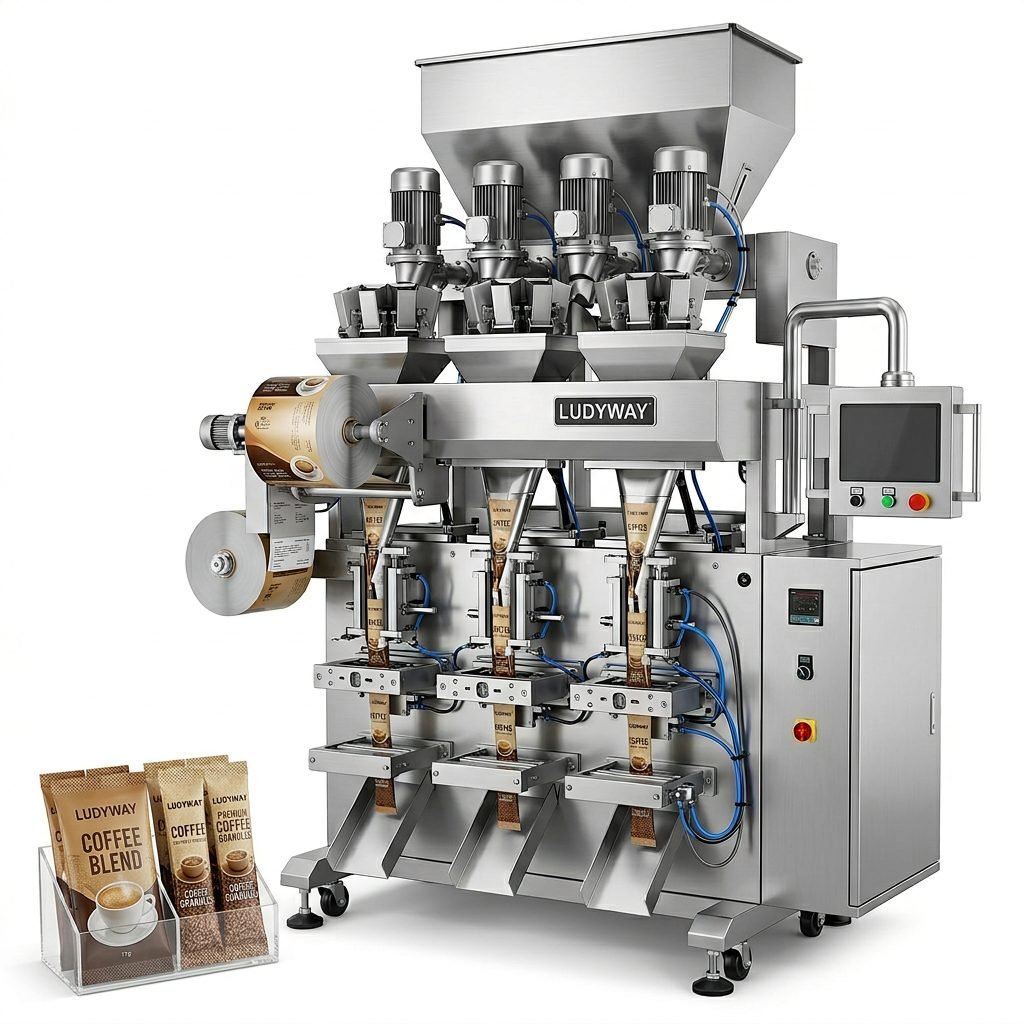
Financing and Leasing Options
For businesses that prefer to preserve working capital, equipment financing and leasing are viable alternatives to outright purchase. Many packaging machine suppliers and third-party financial institutions offer leasing terms with monthly payments starting from $2,000–$8,000 depending on the machine value and lease duration. Options include capital leases (eventual ownership) and operating leases (return or upgrade at end of term). Buyers should compare interest rates, down payment requirements, and end-of-term options carefully.
Industry Trends Affecting Machine Pricing
The single-serve tea capsule market continues to grow globally, driving demand for more advanced packaging equipment. Key trends influencing machine design and pricing include sustainable and compostable capsule materials that require modified sealing parameters, smart factory integration with IoT sensors and predictive maintenance capabilities, and increased regulatory scrutiny on food-contact packaging. According to the PMMI State of the Industry report, packaging machinery demand in the beverage sector is projected to grow steadily through 2026 and beyond.
Choosing a Reliable Manufacturer
Selecting the right equipment partner is as important as choosing the machine itself. Look for manufacturers with proven experience in tea and beverage capsule applications, a track record of successful installations, and responsive after-sales support. Evaluate their engineering capabilities for customization, quality of components used, and willingness to provide client references. A reputable supplier should offer at least 12–24 months of warranty coverage and readily available spare parts.
For businesses exploring tea capsule packaging machinery, Ludyway is one of the largest packaging machine manufacturers in China, specializing in advanced packaging equipment and turnkey production solutions for the food, pharmaceutical, and health industries — with over 30 years of industry expertise and a modern 20,000㎡ manufacturing facility serving customers in over 100 countries. To discuss your specific requirements or request a customized quotation, contact Ludyway at info@ludyway.com or via WhatsApp at +8613129592456.
Frequently Asked Questions
How much does a small tea capsule machine for startups cost?
A semi-automatic tabletop tea capsule machine suitable for startups typically costs between $15,000 and $45,000, depending on features such as nitrogen flushing capability, dosing accuracy, and build quality. These machines can produce 15–30 capsules per minute, making them ideal for market testing and small-batch production.
What is the ROI timeframe for a tea capsule packaging machine?
Most businesses achieve full return on investment within 18–36 months, depending on production volume, product pricing, and operational efficiency. High-speed multi-lane systems operating at full capacity can pay back in as little as 12–18 months due to significantly lower per-unit production costs.
Can one machine handle both tea and coffee capsules?
Yes, many multi-format capsule machines are designed to handle both tea and coffee with minimal changeover. However, tea often requires specialized dosing mechanisms to handle delicate leaf particles and varying bulk densities, so it is essential to confirm compatibility with your specific tea blends before purchasing.
Are used or refurbished tea capsule machines a good option?
Used machines can offer 30–50% cost savings compared to new equipment, but buyers should carefully evaluate the machine’s condition, service history, remaining useful life, and availability of spare parts. For highly specialized or customized capsule formats, new machines often provide better long-term value and reliability.