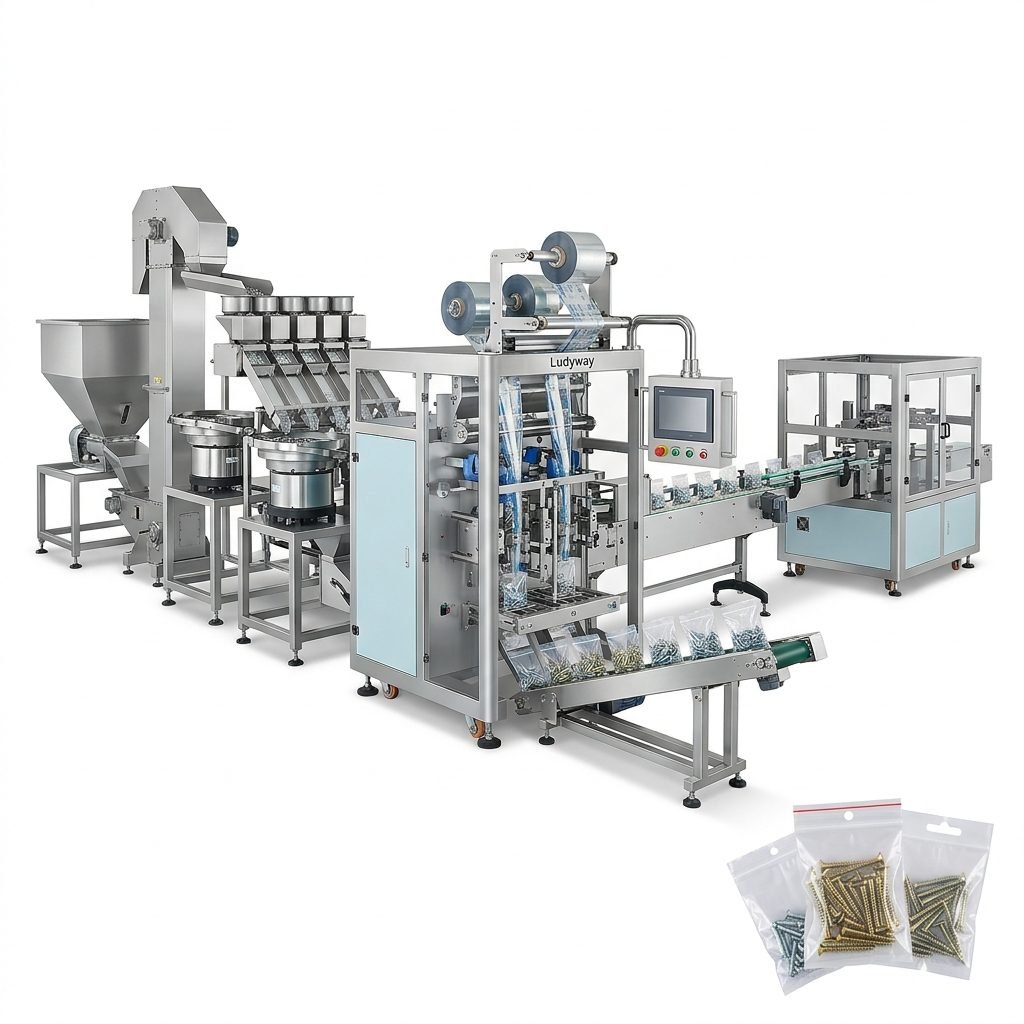
Choosing the right cheese packaging machine is not only about packing speed. It also affects
product freshness, shelf life, hygiene, labor costs, and retail presentation.
Because cheese comes in many forms—blocks, slices, shredded cheese, grated cheese, cubes, sticks, and soft processed cheese—the ideal packaging solution depends on your product type, output goals, and market requirements.
For manufacturers, co-packers, and food brands, the best investment is a system that matches both current production needs and future expansion plans. A poorly matched machine can lead to sealing failures, product waste, downtime, and inconsistent pack quality.
Why Cheese Packaging Requires the Right Machine Configuration
Cheese is sensitive to oxygen, moisture, contamination, and temperature variation. Different cheese categories behave differently during packaging:
- Hard cheese blocks often need vacuum packaging or thermoforming for longer shelf life.
- Shredded cheese usually requires pouch filling with accurate weighing and optional nitrogen flushing.
- Sliced cheese needs precise stacking, feeding, and sealing for retail-ready packs.
- Soft or processed cheese may require cup, tray, or sachet filling depending on viscosity and format.
- Cheese sticks or snack portions need compact packs with strong sealing and consistent dimensions.
This means one universal machine rarely fits every cheese application. The right solution should align with your cheese texture, packaging material, and required output.
Key Questions to Ask Before Choosing a Cheese Packaging Machine
Before comparing models, define your production requirements clearly. These questions help narrow down the most suitable system:
- What cheese format are you packing?
- What pack style do you need: vacuum bag, pouch, tray, thermoformed pack, flow wrap, or sachet?
- What is your expected speed per minute or per hour?
- Do you need modified atmosphere packaging or nitrogen flushing?
- What level of automation do you want: semi-automatic or fully automatic?
- Will the machine handle one SKU or multiple sizes?
- What hygiene and cleaning standards must the line meet?
- Do you need integration with weighing, coding, labeling, cartoning, or case packing?
Main Types of Cheese Packaging Machines
| Machine Type | Best For | Key Advantage |
|---|---|---|
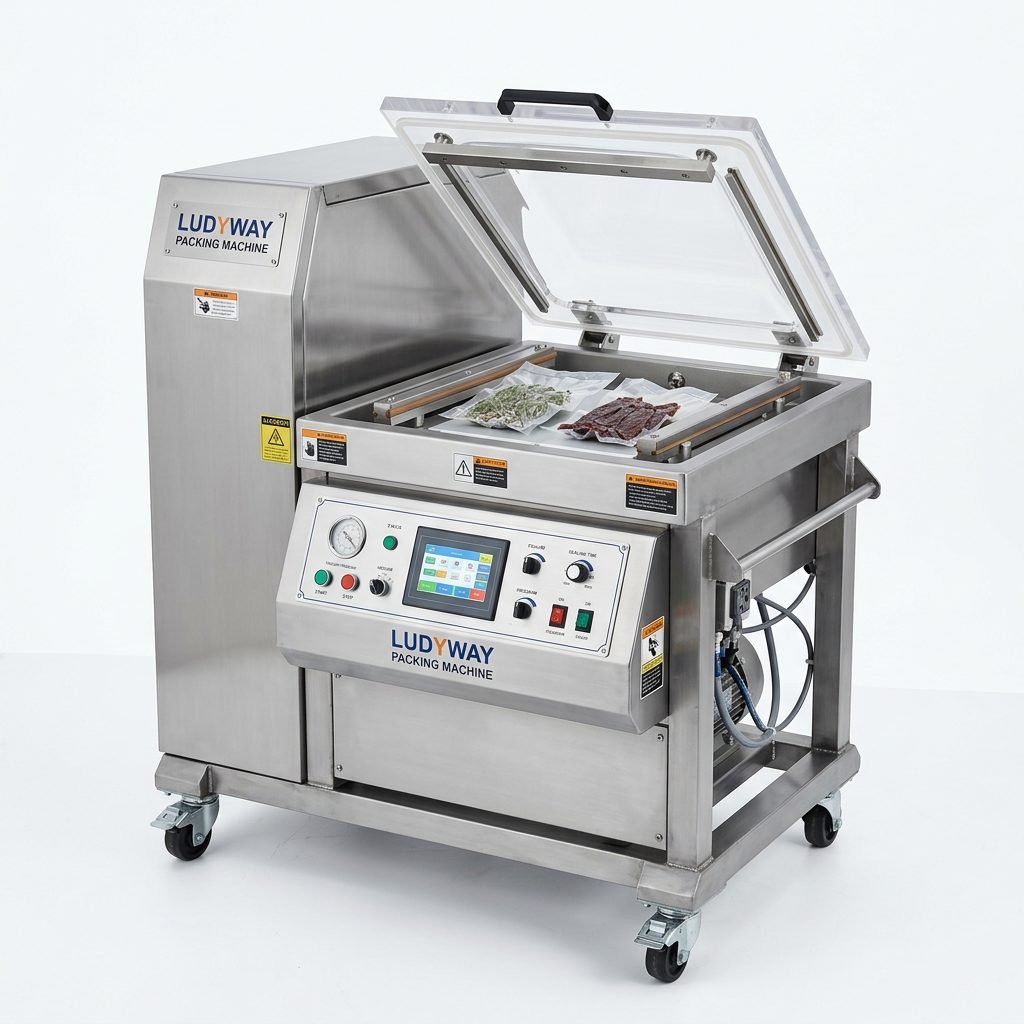
| Vacuum Packaging Machine | Cheese blocks, wedges, hard cheese | Extends shelf life by reducing oxygen exposure |
| Thermoforming Packaging Machine | Retail cheese portions, sliced cheese, premium packs | High efficiency and attractive shelf presentation |
| Premade Pouch Filling Machine | Shredded or grated cheese | Flexible pouch formats and convenient resealable options |
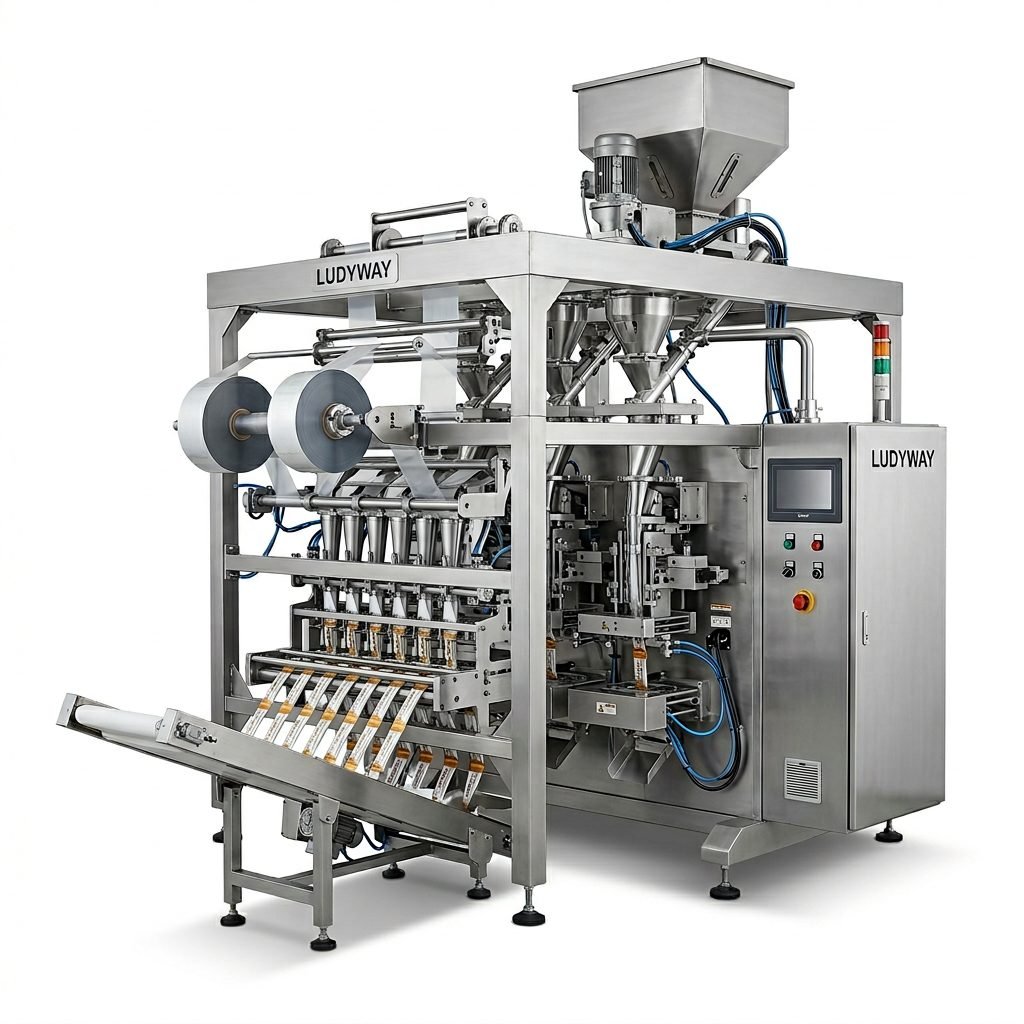
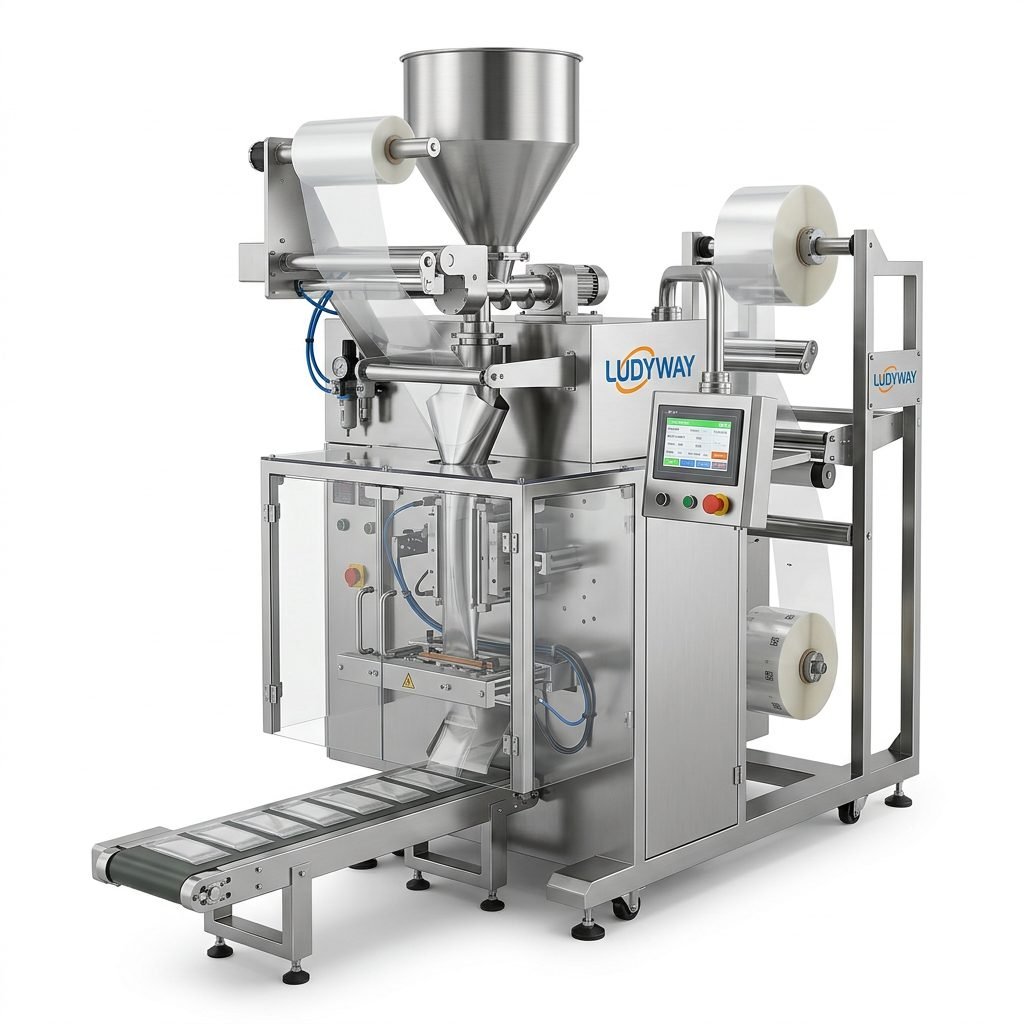
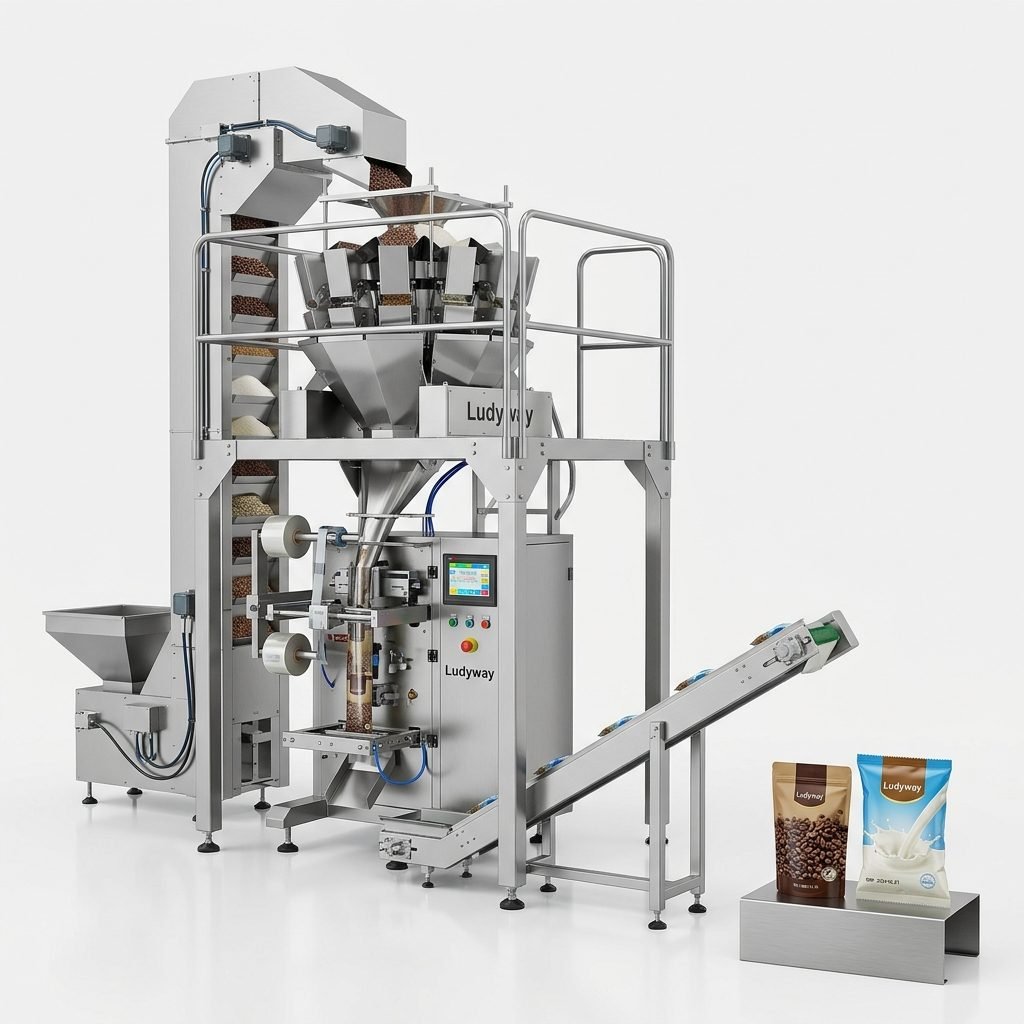
| Vertical Form Fill Seal Machine | Loose shredded cheese or cheese bits | Efficient continuous bag forming and filling |
| Flow Wrapping Machine | Cheese bars, sticks, single portions | Fast wrapping for snack-style products |
| Cup/Tray Filling and Sealing Machine | Cream cheese, cheese dips, spreadable cheese | Accurate filling with hygienic sealing |
How to Match the Machine to Your Cheese Product
1. Cheese Form Matters Most
Product form is the first selection factor. A machine designed for free-flowing shredded cheese will not be suitable for sticky soft cheese or solid cheese blocks. If your product changes shape easily, feeding and sealing design become even more important.
2. Packaging Style Should Match Retail and Distribution Needs
Retail brands often prefer packaging that improves shelf appeal and consumer convenience, such as resealable pouches or vacuum skin packs. Foodservice buyers may focus more on bulk efficiency and durability. Export-oriented companies may need stronger barrier films and more stable seals for long-distance transport.
3. Speed Must Fit Real Production, Not Just Maximum Claims
Many buyers focus on the highest speed in the catalog, but actual output depends on product feeding, operator skill, changeover frequency, and downstream equipment. A machine should deliver stable real-world performance, not just theoretical speed.
Important Technical Features to Evaluate
- Sealing quality: Reliable seals reduce leaks, contamination, and product returns.
- Filling accuracy: Especially important for shredded, grated, or portioned cheese packs.
- Material compatibility: The machine should work with your selected films, trays, or pouches.
- Hygienic design: Stainless steel construction and easy-clean structure are essential for dairy products.
- Changeover efficiency: Fast format changes help if you run multiple SKUs.
- Gas flushing or vacuum option: Useful for extending freshness.
- Integration ability: The machine should connect smoothly with weighing, coding, labeling, checkweighing, and cartoning systems.
Semi-Automatic vs Fully Automatic Cheese Packaging Solutions
| Option | Best For | Consideration |
|---|---|---|
| Semi-Automatic | Small plants, startups, pilot production | Lower initial cost but higher labor dependence |
| Fully Automatic | Medium to large factories, high-volume lines | Higher efficiency, better consistency, easier scaling |
If labor costs are rising or output targets are increasing, a fully automatic line usually offers better long-term value. It can reduce human contact with the product, improve hygiene control, and maintain more consistent sealing and filling results.
Why Hygiene Standards Are Critical in Cheese Packing
Dairy packaging equipment must be easy to clean and designed to minimize contamination risks. When evaluating a machine, check for:
- SUS304 or suitable food-grade stainless steel contact parts
- Tool-free or simplified cleaning areas
- Reduced dead corners where residue can build up
- Stable sealing under chilled-room conditions if needed
- Compatibility with food safety and plant sanitation procedures
In cheese production, sanitation is not just a compliance issue—it directly influences product stability and brand reputation.
Don’t Overlook Upstream and Downstream Equipment
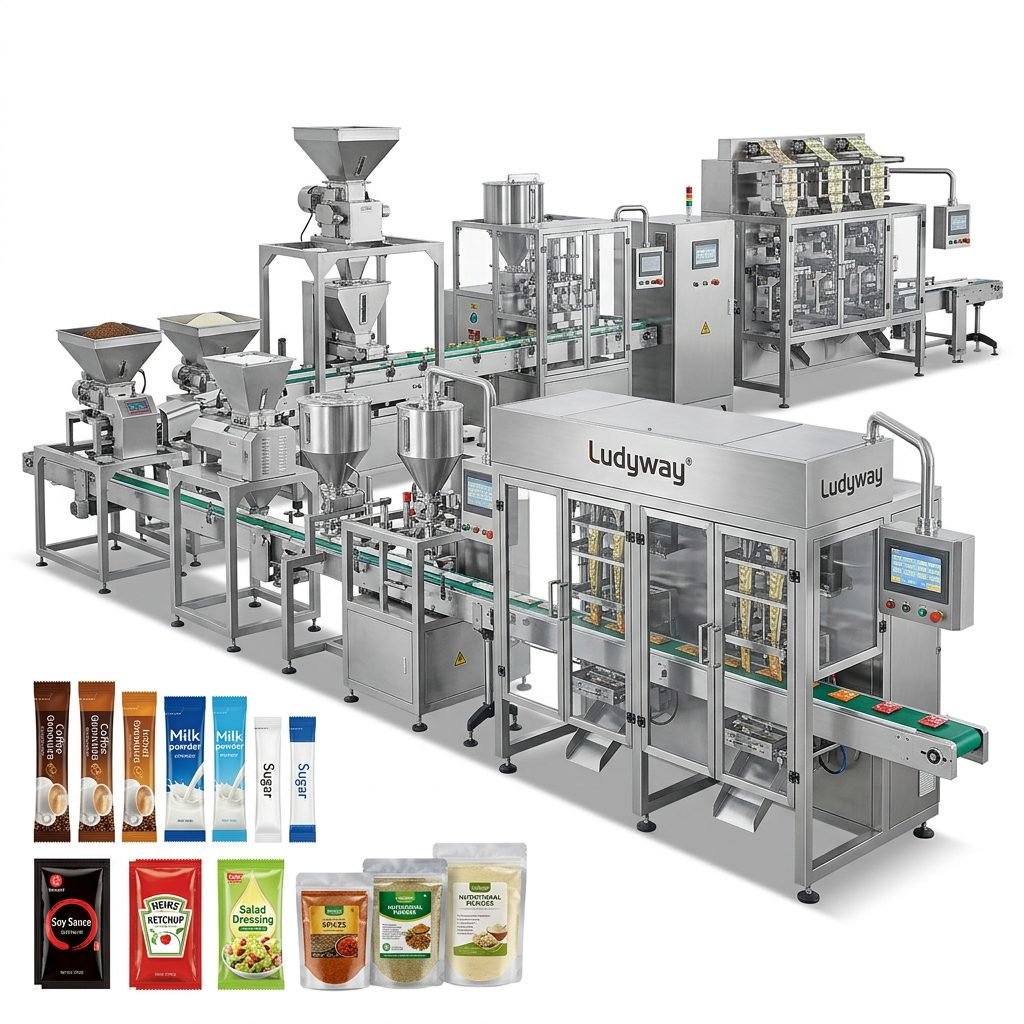
A cheese packaging machine performs best when it is part of a complete workflow. Depending on your application, you may also need:
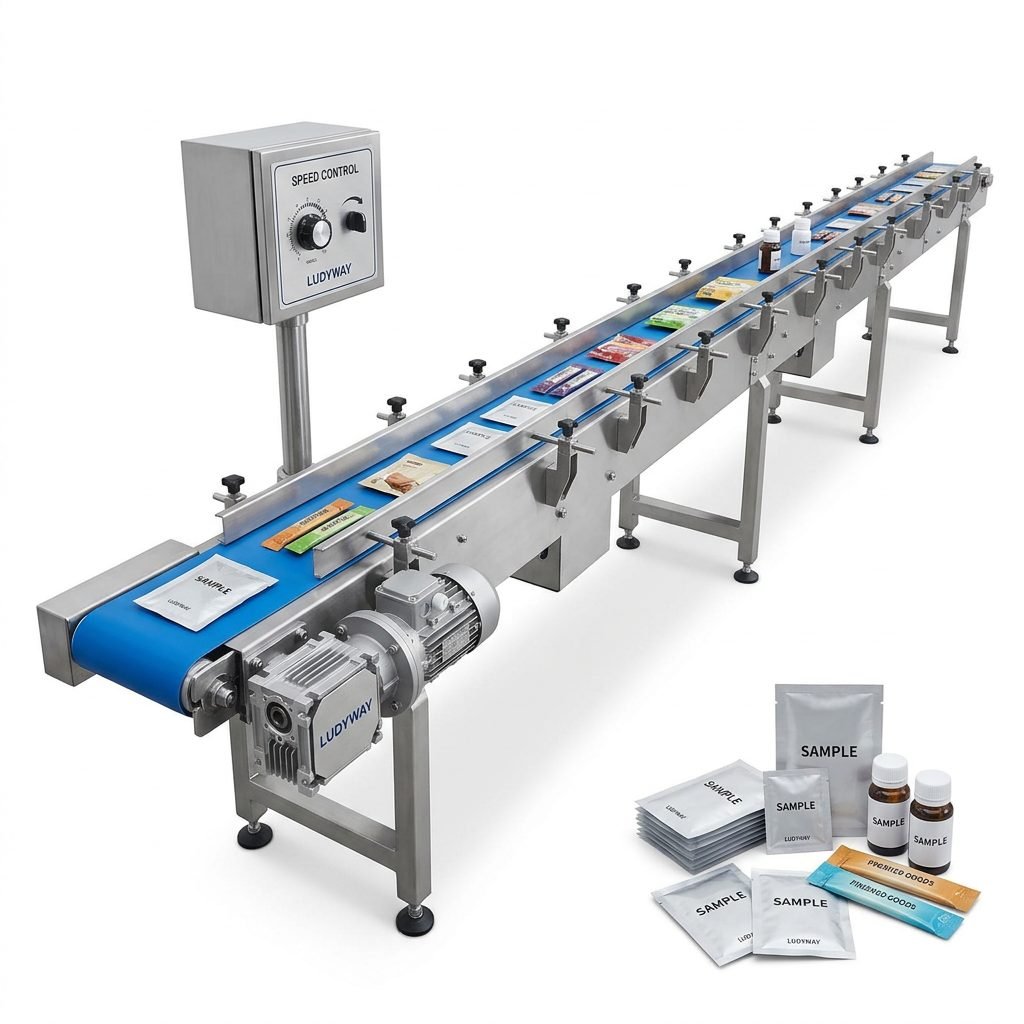
- Conveyors and product feeding systems
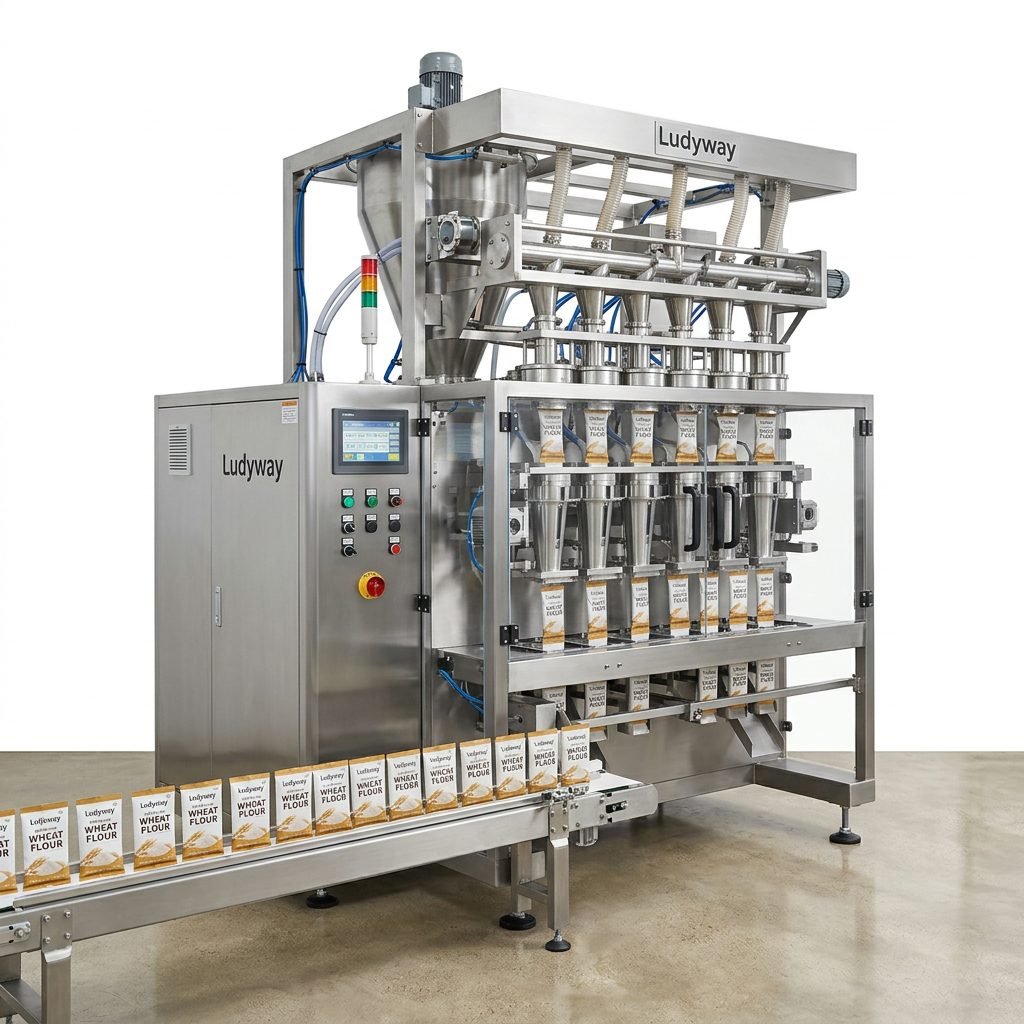
- Multihead weighers or linear weighers
- Vacuum systems or gas flushing modules
- Date coding and batch printing devices
- Metal detectors and checkweighers
- Cartoning, case packing, and palletizing equipment
Buyers looking for long-term efficiency often prefer a supplier that can support not only the main machine but also the full line integration.
Common Mistakes When Buying a Cheese Packaging Machine
- Choosing based only on price instead of total operating value
- Ignoring actual cheese behavior during filling and sealing
- Underestimating cleaning and maintenance needs
- Buying a system with limited flexibility for future SKUs
- Not verifying film or packaging material compatibility
- Skipping trial testing before final purchase
A lower-cost machine may become expensive if it causes downtime, packaging waste, or poor seal performance. The smarter choice is a solution that balances efficiency, reliability, hygiene, and scalability.
How to Evaluate a Supplier
Beyond machine specifications, supplier capability matters. You should assess:
- Industry experience in food and dairy-related packaging
- Customization ability for your product and pack type
- Factory strength and engineering capacity
- Installation, training, and after-sales support
- Availability of spare parts and remote technical support
- Experience with export projects and turnkey lines
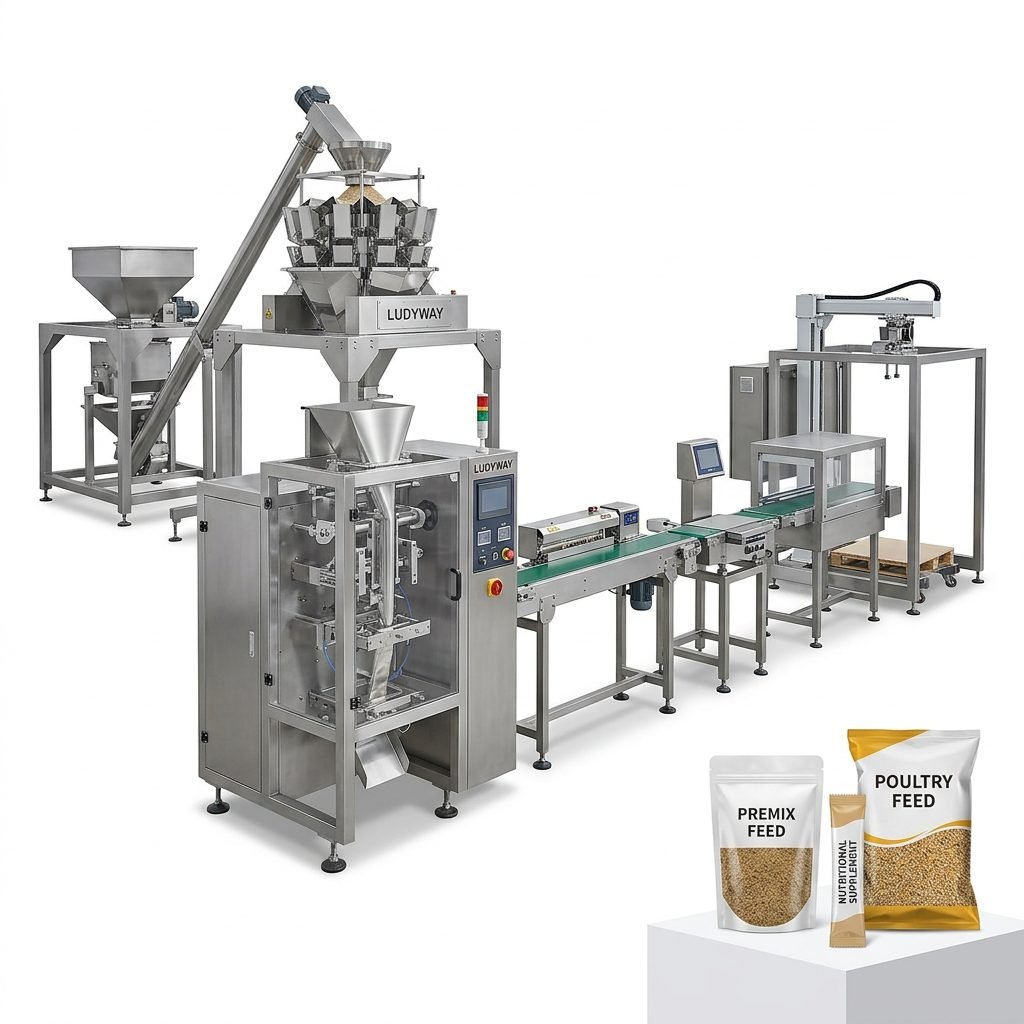
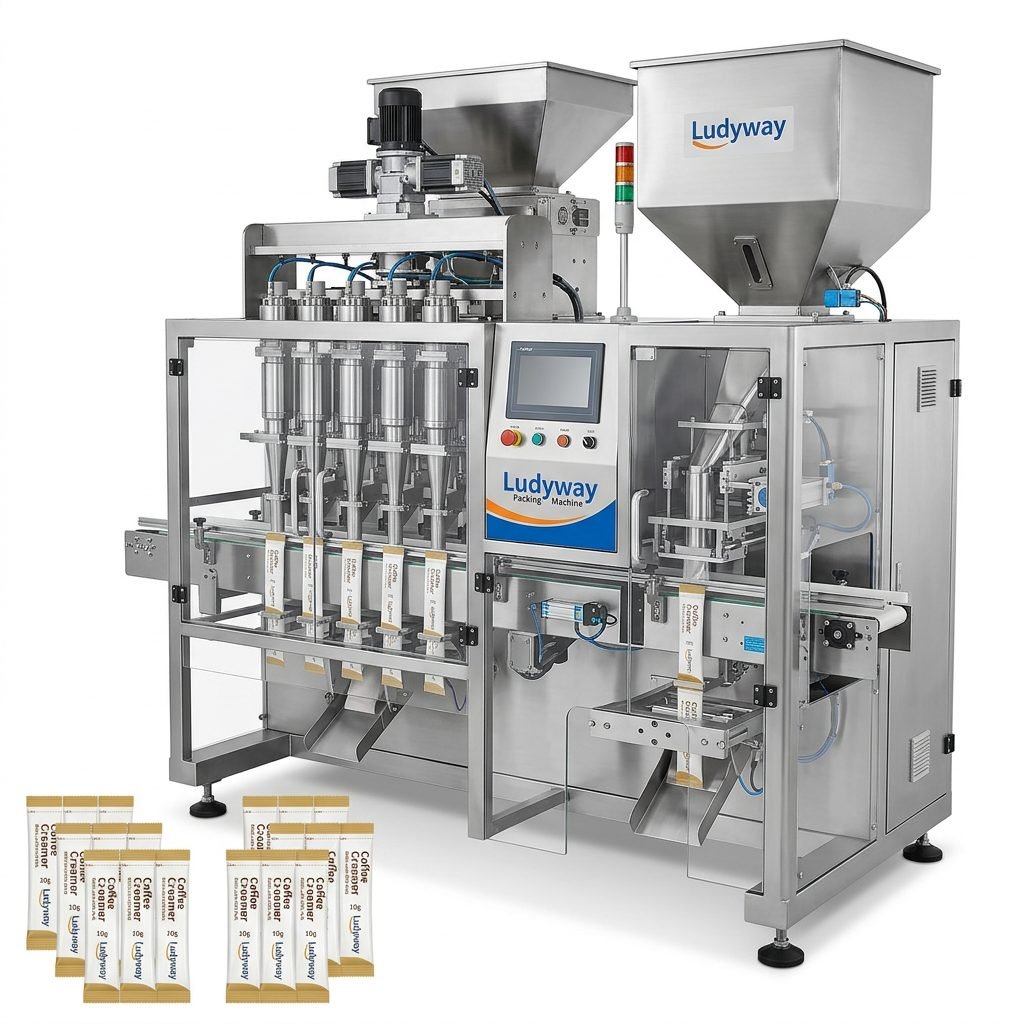
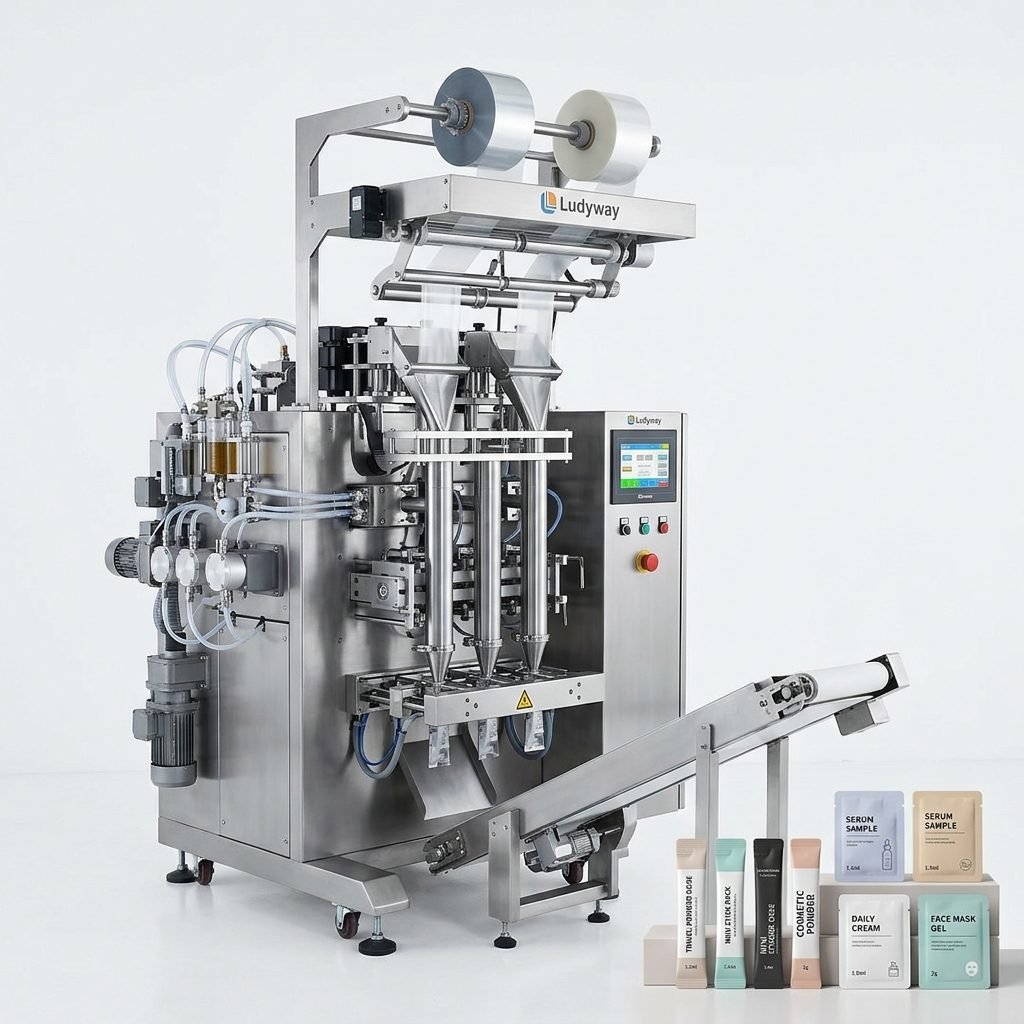
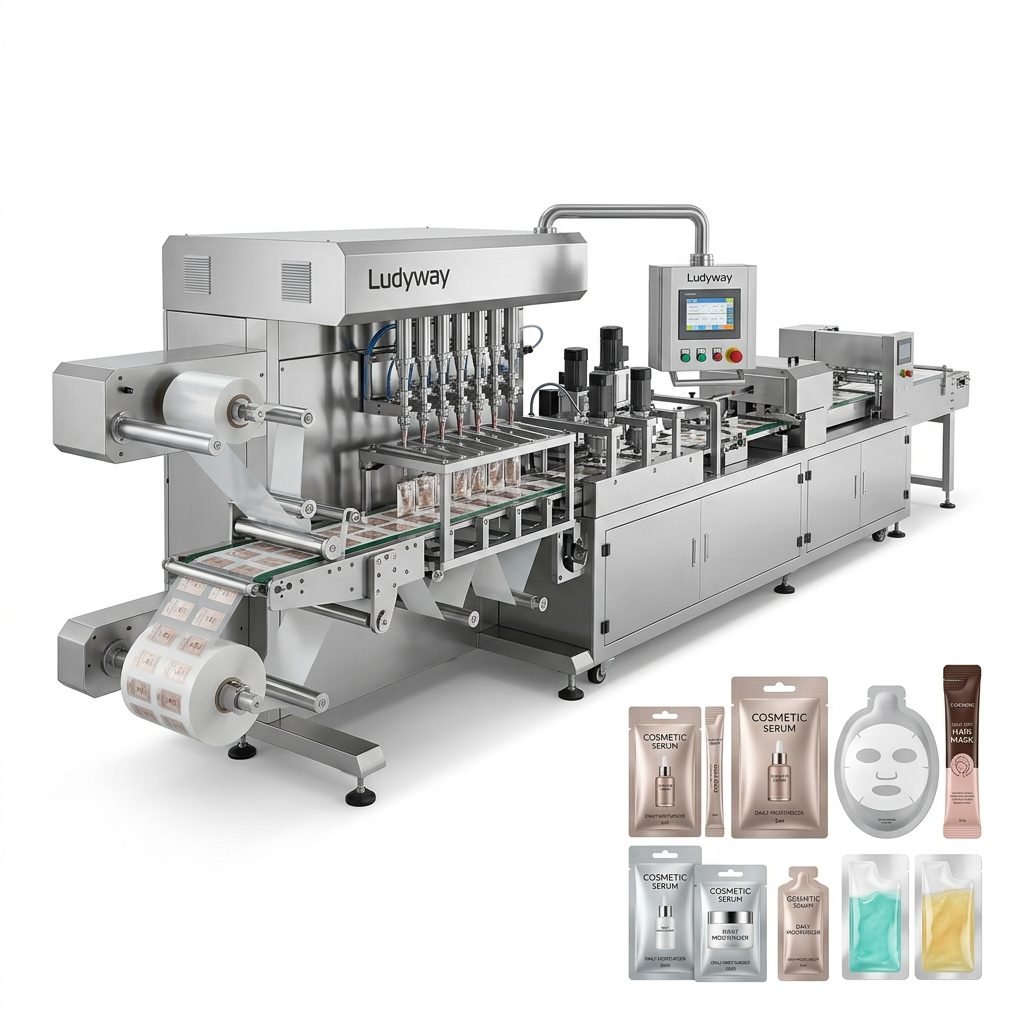
If you need a partner with broad packaging expertise, Ludyway cheese packaging machine solutions can be considered for businesses seeking scalable food packaging systems, custom automation support, and turnkey packaging line integration.
Quick Selection Guide
| Your Need | Recommended Direction |
|---|---|
| Hard cheese blocks with long shelf life | Vacuum or thermoforming packaging machine |
| Shredded cheese in retail pouches | Premade pouch filler or VFFS machine with weighing system |
| Snack cheese sticks | Flow wrapping solution |
| Cream cheese or cheese spread | Cup or tray filling and sealing machine |
| Multiple pack sizes and future product expansion | Modular automatic system with quick changeover capability |
Final Buying Perspective
The right cheese packaging machine should do more than seal packs. It should support your brand’s quality goals, improve production efficiency, and give you room to grow. Start with the cheese type, then evaluate packaging format, shelf-life goals, output speed, hygiene design, and line integration.
When these factors are matched correctly, you get a packaging solution that delivers efficient cheese packing, stable product quality, and better long-term return on investment.