Selecting the right rice bag packing machine is one of the most important decisions for rice mills, food processing companies, and agricultural product suppliers. An efficient automatic packaging machine can significantly improve production speed, reduce labor costs, maintain product freshness, and ensure consistent bag weights. However, with dozens of models, technologies, and configurations available on the market, the selection process can feel overwhelming.
This guide walks you through every critical factor you need to evaluate before investing in a rice packaging machine — from product characteristics and bag formats to automation levels and after-sales support. Whether you are upgrading an existing packaging line or building a new production facility, this comprehensive buyer’s resource will help you avoid costly mistakes and choose equipment that matches your current needs and future growth plans.

1. Understand Your Rice Product Characteristics
Before evaluating any rice bag packing machine, you need to analyze the physical properties of your rice product. Different rice varieties — long-grain, short-grain, basmati, jasmine, parboiled, or broken rice — behave differently during the filling and packaging process. Key product characteristics include:
- Granule size and shape: Uniformity impacts the accuracy of volumetric and weighing filling systems
- Bulk density: Affects bag volume calculations and the selection of appropriate bag dimensions
- Moisture content: High-moisture rice may require modified atmosphere packaging or vacuum sealing
- Flowability: Determines how smoothly the product moves through hoppers, feeders, and filling tubes
- Fragility: Determines whether gentle handling mechanisms are needed to prevent grain breakage
- Temperature sensitivity: Freshly milled rice may require cooling before packaging to prevent condensation inside sealed bags
Accurate product analysis ensures the automatic packaging equipment you select is configured with the correct dosing system, auger type, weigh cell resolution, and material contact surfaces.
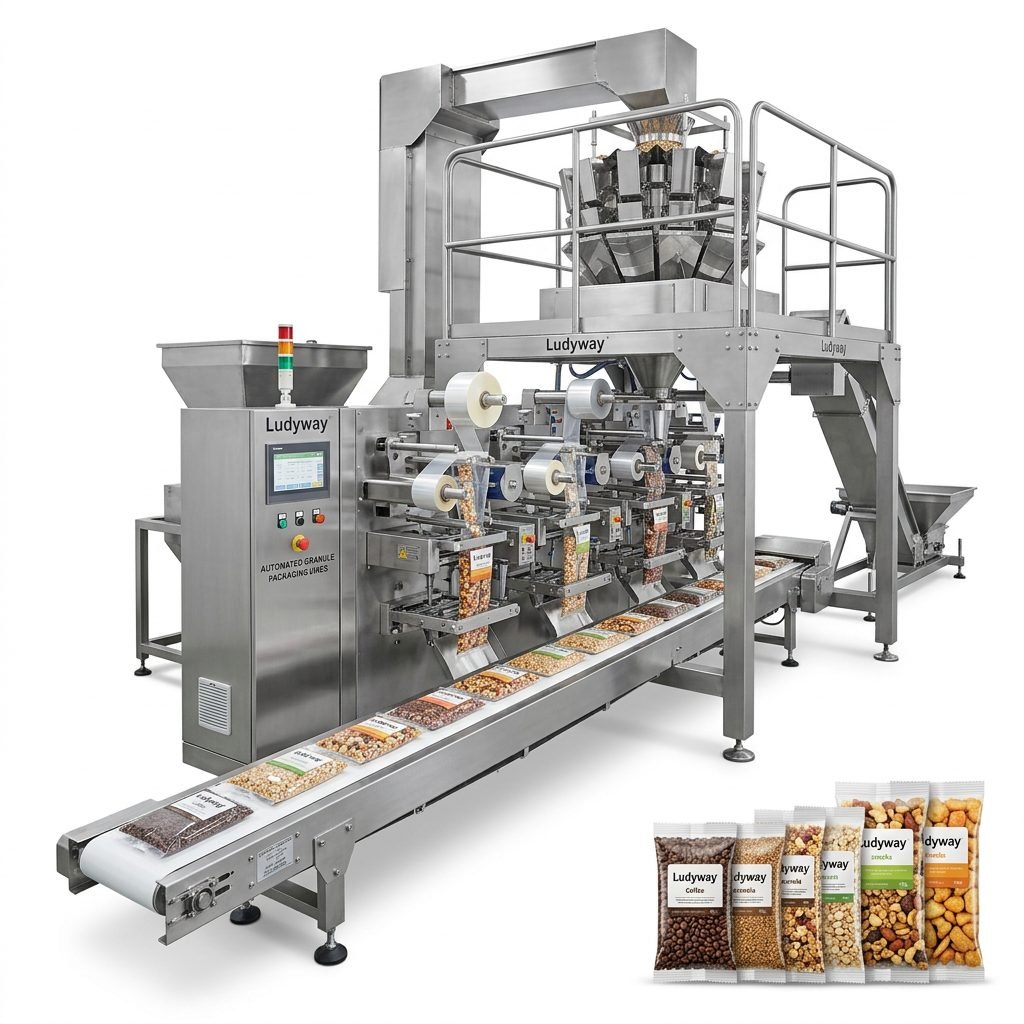
2. Define Your Target Bag Format and Size Range
Rice is packaged in a wide variety of bag types and sizes, ranging from small consumer retail packs to large industrial bulk bags. Your rice packaging machine must be compatible with your target formats and provide flexibility for future product line expansions. Common bag formats include:
| Bag Format | Typical Weight Range | Common Applications |
|---|---|---|
| Pillow pouch / Stick pack | 5g – 500g | Single-serve, seasoning, instant rice packs |
| Premade pouch (zipper, stand-up) | 500g – 5kg | Retail premium, organic, specialty rice |
| Woven polypropylene / laminated bag | 5kg – 50kg | Wholesale, bulk distribution, export |
| Jumbo / Big bag (FIBC) | 500kg – 2000kg | Industrial bulk handling, storage, sea freight |
| Vacuum brick pack | 500g – 5kg | Extended shelf life, export, premium quality protection |
Selecting a machine that can handle multiple bag sizes and formats with quick changeover capabilities provides the operational flexibility many rice manufacturers need as they expand into new markets or customer channels.
3. Evaluate Filling and Weighing Technology
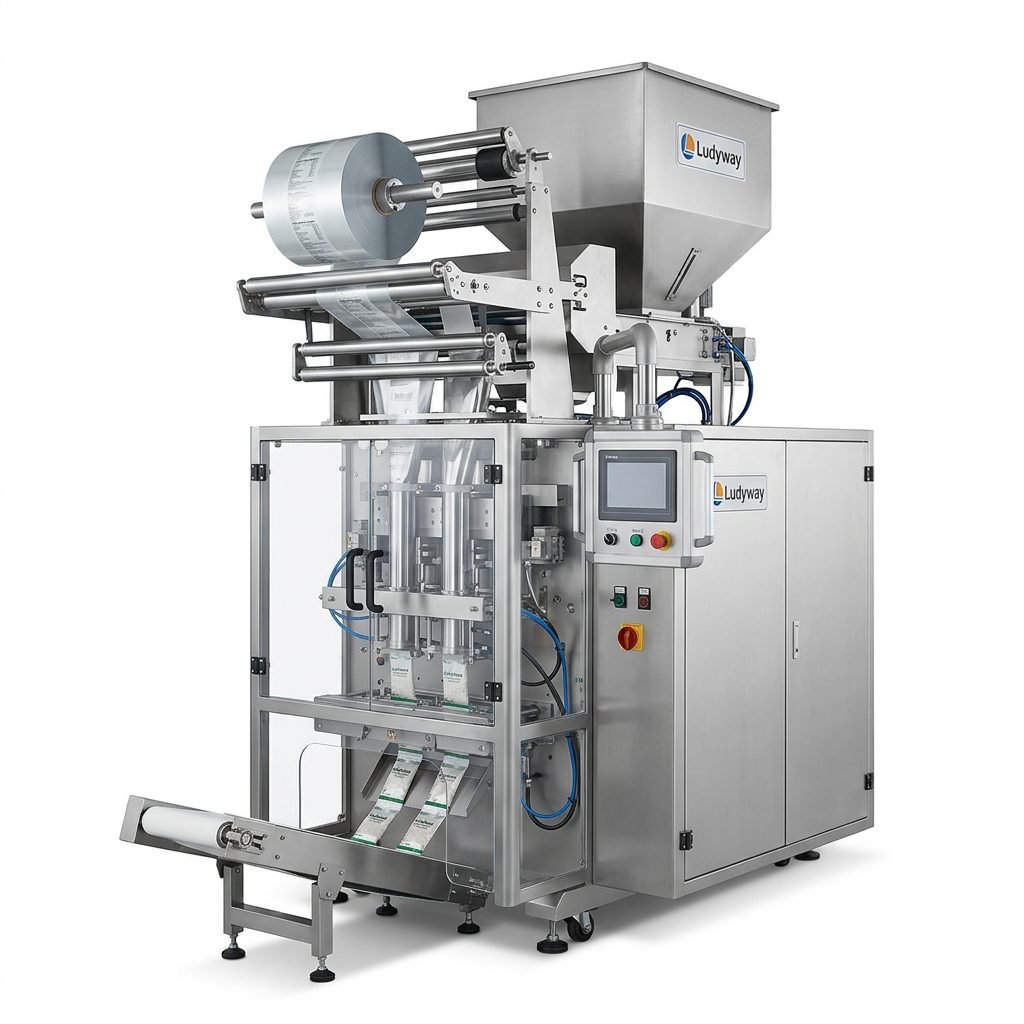
The filling system is the heart of any rice bag packing machine. The appropriate technology depends on your target speed, accuracy requirements, budget, and rice type. Different weighing technologies offer distinct advantages for specific applications:
- Volumetric cup filler: Cost-effective for free-flowing rice with consistent density; ideal for small to medium-sized packs where minor weight variations are acceptable
- Multi-head weigher combination scale: Delivers high speed and excellent accuracy for larger bag weights; computer-controlled heads select the best combination of partial weights to reach the target total; widely used in professional rice packaging lines
- Linear weigher: Suitable for medium-speed applications; offers good accuracy at a lower cost than multi-head systems
- Net weigh scale (single head): High-precision bulk weighing for large bags (25kg–50kg); individually weighs each bag fill before discharge
- Gross weigh scale: Weighs product directly in the bag during filling; simpler mechanical design but generally slower than net weighing systems
For high-volume rice packaging operations where speed and consistency are critical, multi-head weighers provide the best balance of throughput and accuracy. These systems are particularly effective when combined with automatic feedback loops that adjust fill parameters in real time.
4. Consider Automation Levels and Line Integration
Rice packaging machinery ranges from semi-automatic standalone units to fully automated integrated packaging lines. Understanding your operational requirements helps determine the right level of automation investment. Key automation considerations include:
- Bag feeding: Manual bag placement, automatic bag pick-up and opening, or continuous roll-fed form-fill-seal operation
- Filling control: Basic timer-based filling versus servo-driven precision dosing with automatic tare compensation
- Sealing technology: Heat sealing, impulse sealing, ultrasonic sealing, or vacuum sealing with gas flushing capability
- Quality control integration: Checkweighers for weight verification, metal detectors for contaminant detection, X-ray inspection for foreign body identification, and vision systems for seal integrity inspection
- Downstream equipment: Automatic cartoning, case packing, palletizing systems, stretch wrapping, and labeling solutions
Key Insight: Investing in a higher level of automation upfront often delivers a faster return on investment through reduced labor costs, fewer giveaway losses, higher throughput, and consistent packaging quality. Many manufacturers find that automated lines pay for themselves within 12–24 months through operational savings alone.
5. Assess Production Speed and Capacity Requirements
Matching machine speed to your current and projected production volumes prevents costly bottlenecks or overspending on unnecessary capacity. When calculating required throughput, consider these factors:
- Current daily production volume in metric tons or number of bags
- Peak season demand fluctuations (harvest periods often create significant volume spikes)
- Target bag sizes and how they affect machine cycle rates
- Available shift patterns and operating hours per day
- Planned growth over the next 3–5 years
- Line efficiency assumptions (typically 80–90% for well-maintained equipment)
As a general guideline, select a machine capable of exceeding your current maximum demand by 25–30% to accommodate growth, peak volumes, and maintenance downtime without compromising order fulfillment.
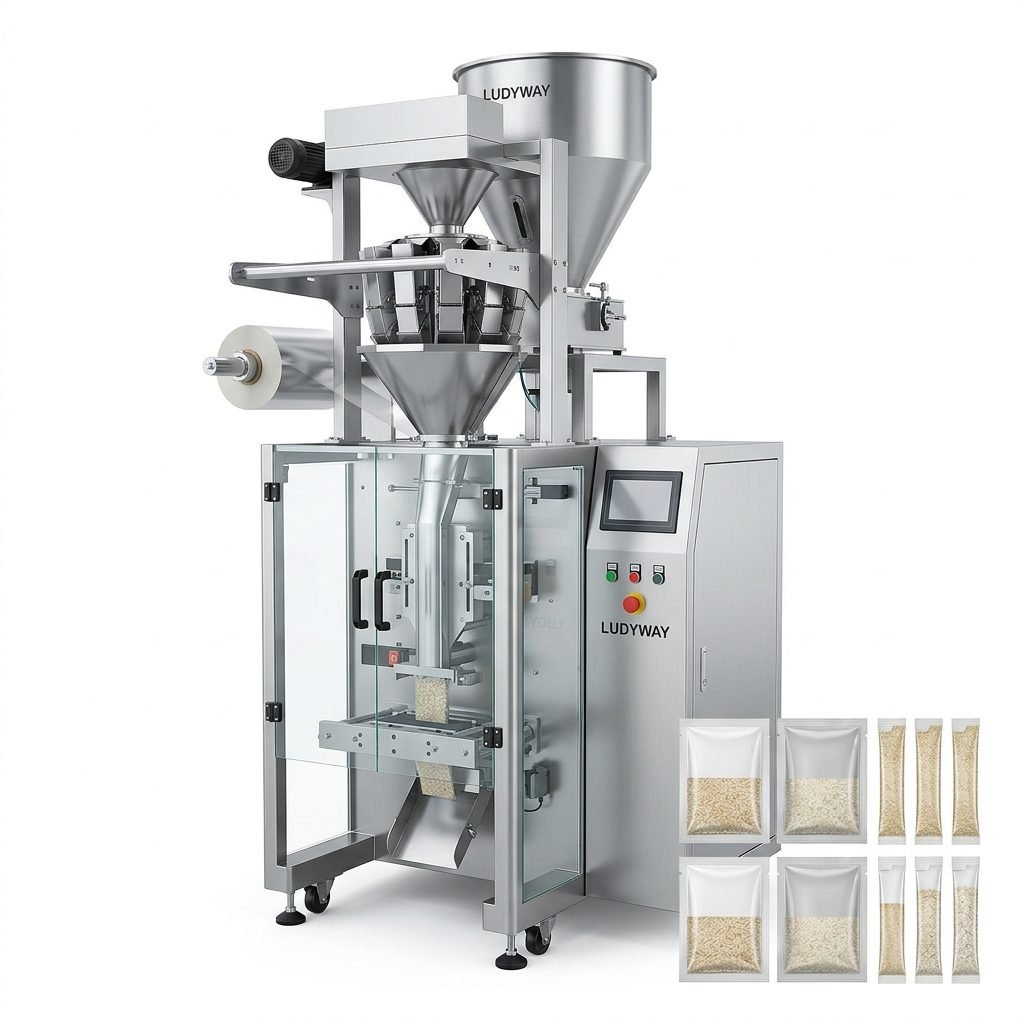
6. Material Compatibility and Sealing Quality
The packaging material you plan to use significantly influences machine selection. Different rice bag materials require specific sealing parameters and machine configurations to achieve reliable, leak-proof seals. Common rice packaging materials include:
- Laminated films (PET/PE, BOPP/CPP): Multi-layer structures offering moisture barrier, printability, and seal strength for retail packs
- Polyethylene (PE) monolayer: Economical option for basic protection in shorter supply chains
- Woven polypropylene with inner liner: Durable construction for bulk bags exposed to rough handling during transport
- Kraft paper with PE liner: Natural appearance with functional moisture protection for specialty and organic rice products
- Biodegradable and compostable films: Emerging materials requiring specific temperature control and sealing validation for environmental compliance
Verify that the machine’s sealing system — temperature range, pressure control, dwell time adjustment, and jaw design — is suitable for your chosen packaging materials. Poor seal integrity leads to product leakage, moisture ingress, contamination, and costly returns.
7. Evaluate Machine Construction and Durability
A rice packaging machine represents a significant capital investment that should deliver reliable performance for many years. Construction quality directly impacts machine longevity, maintenance costs, and operational uptime. Key construction factors to assess include:
- Frame material: Stainless steel construction resists corrosion in humid rice mill environments and supports food-grade sanitation requirements
- Product contact surfaces: Food-grade stainless steel (304 or 316 grade) with smooth finishes to prevent product buildup and facilitate cleaning
- Sealing jaw quality: Precision-machined sealing surfaces with consistent temperature distribution and durable non-stick coatings
- Pneumatic and electrical components: Branded industrial-grade components from established suppliers provide reliable long-term performance and easier spare parts sourcing
- Dust and moisture protection: Sealed bearings, protected electronics enclosures, and appropriate IP ratings for production environments
- Wear parts: Hardened filling augers, ceramic-coated contact surfaces, and easily replaceable wear components
Request detailed specifications on materials of construction, component brands, and frame warranty terms when comparing different manufacturers.
8. Check Certifications and Compliance
Depending on your target markets and industry requirements, your rice bag packing machine may need to comply with specific safety, hygiene, and regulatory standards. Confirm that the equipment and manufacturer can meet applicable requirements:
- CE marking: Required for equipment sold in the European Economic Area
- FDA compliance: Relevant for food contact materials and equipment used in products exported to the United States
- GFSI-recognized schemes (SQF, BRC, FSSC 22000): Equipment design that supports facility certification under these food safety standards
- ISO 9001: Quality management system certification demonstrating consistent manufacturing processes
- OHSAS / ISO 45001: Occupational health and safety management demonstrating safe machine design principles
- GOST-R / EAC: Certification requirements for machinery entering Russia and Eurasian Customs Union markets
Manufacturers experienced in international markets can provide appropriate certification documentation and configure machines to meet destination country requirements.
9. Compare Total Cost of Ownership
The purchase price is only one component of the total cost of operating a rice packaging machine over its service life. A comprehensive cost analysis that considers long-term operational expenses enables better investment decisions. Evaluate these cost elements:
| Cost Category | Key Considerations |
|---|---|
| Equipment purchase price | Base machine cost including standard accessories and tooling |
| Installation and commissioning | Site preparation, utilities connection, technician travel, and on-site setup |
| Operator training | Initial and ongoing training to ensure proper machine operation and safety |
| Energy consumption | Electrical power, compressed air, and any other utility requirements |
| Spare parts | Recommended spare parts inventory, component availability, and pricing |
| Maintenance labor | Routine maintenance frequency, complexity, and required technician skill level |
| Packaging material waste | Film waste during startups, changeovers, and due to machine-related defects |
| Product giveaway | Excess product dispensed above target weight due to filling inaccuracy |
| Downtime costs | Lost production capacity during unplanned stoppages or extended repair periods |
A machine with a higher initial price but superior accuracy, reliability, and lower maintenance requirements may deliver significantly lower total cost of ownership over a 5–10 year operating period compared to a less expensive alternative.
10. Supplier Evaluation and Technical Support
Your relationship with the packaging machinery manufacturer extends far beyond the initial equipment sale. Thorough supplier evaluation protects your investment and ensures long-term operational success. Assess potential suppliers on these criteria:
- Industry experience: Track record in rice and granule product packaging specifically, with verifiable customer references
- Manufacturing capabilities: In-house production facilities, quality control processes, and engineering expertise that enable customized solutions
- Application testing: Availability of machine trials using your actual rice product to validate performance before purchase commitment
- Installation support: On-site installation, commissioning, and operator training services provided by qualified technicians
- After-sales service: Responsive technical support, troubleshooting assistance, and remote diagnostic capabilities
- Spare parts availability: Local or regional parts inventory, online ordering systems, and reasonable delivery times for critical components
- Warranty terms: Clear warranty coverage, duration, and exclusions for major components and systems
- Customization capability: Engineering capacity to adapt standard equipment to your specific production requirements and factory layout
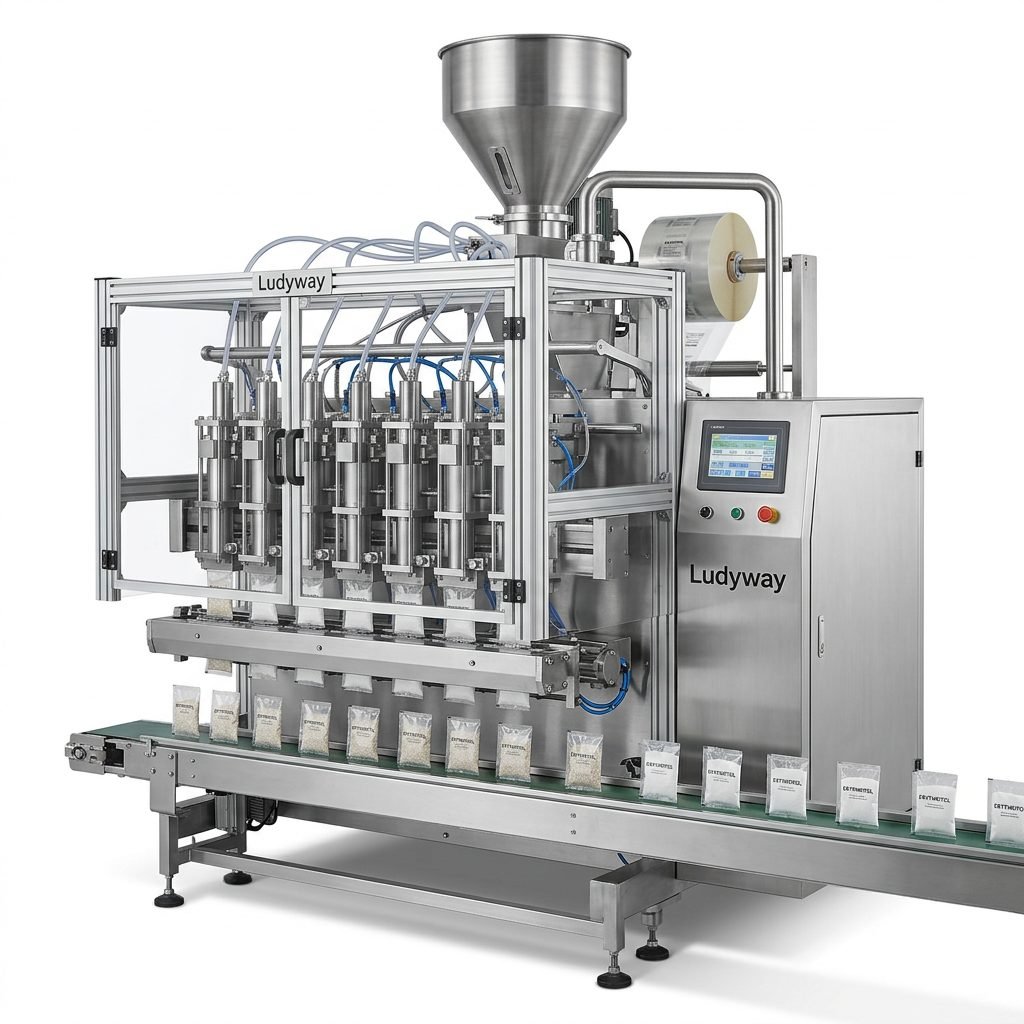
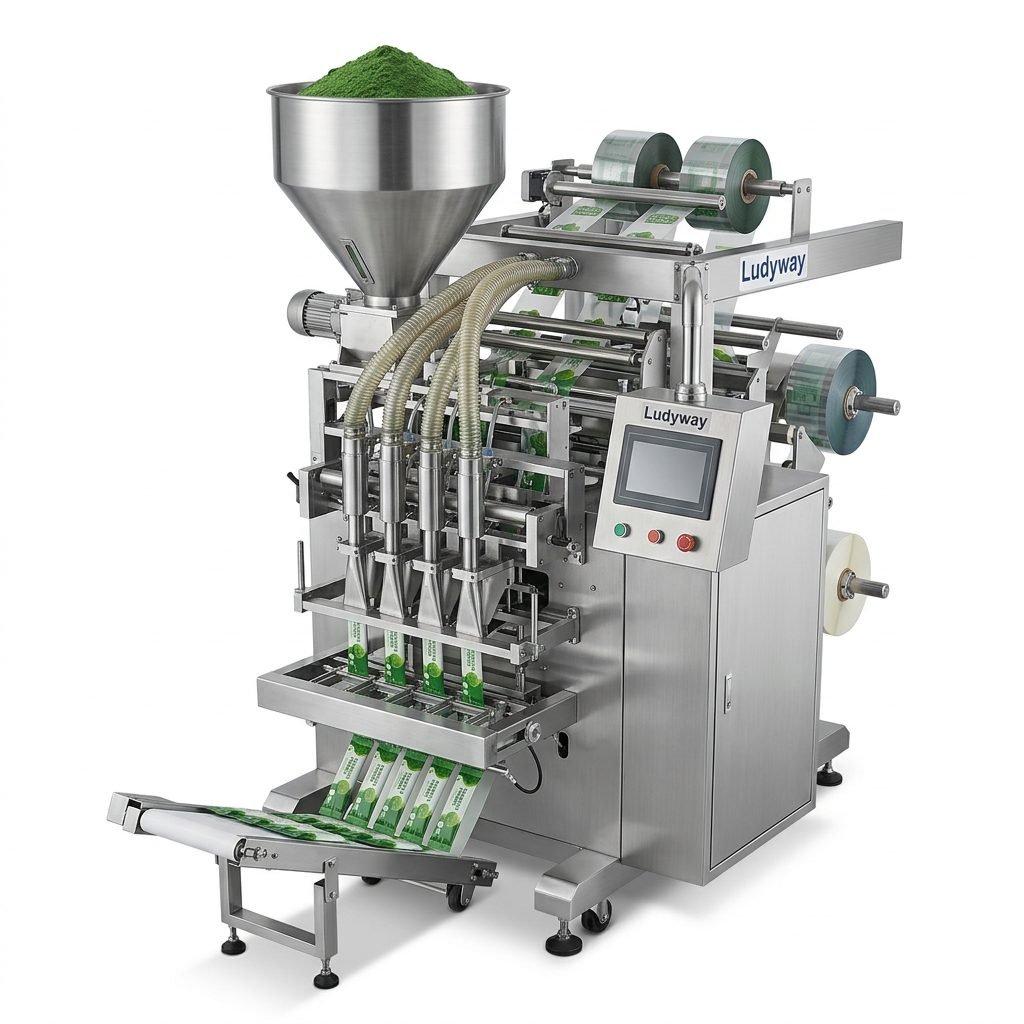
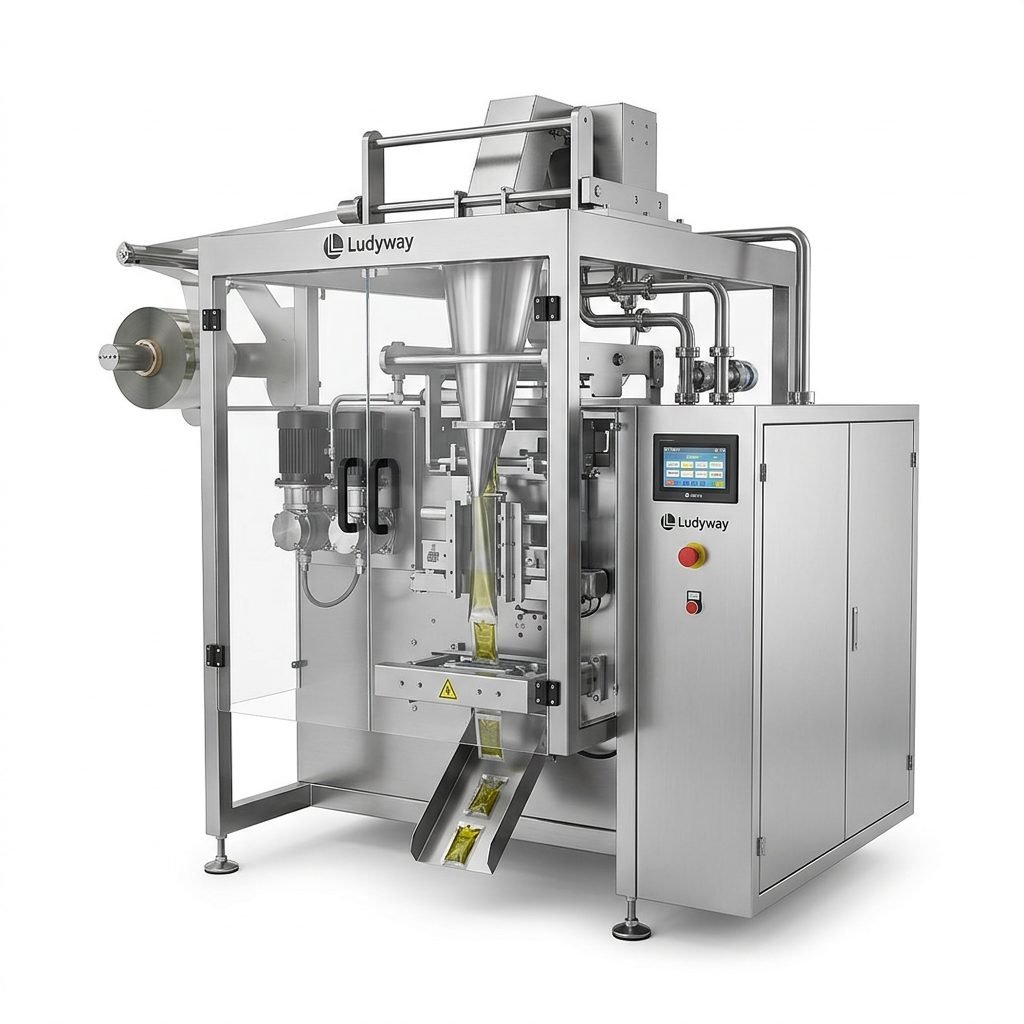
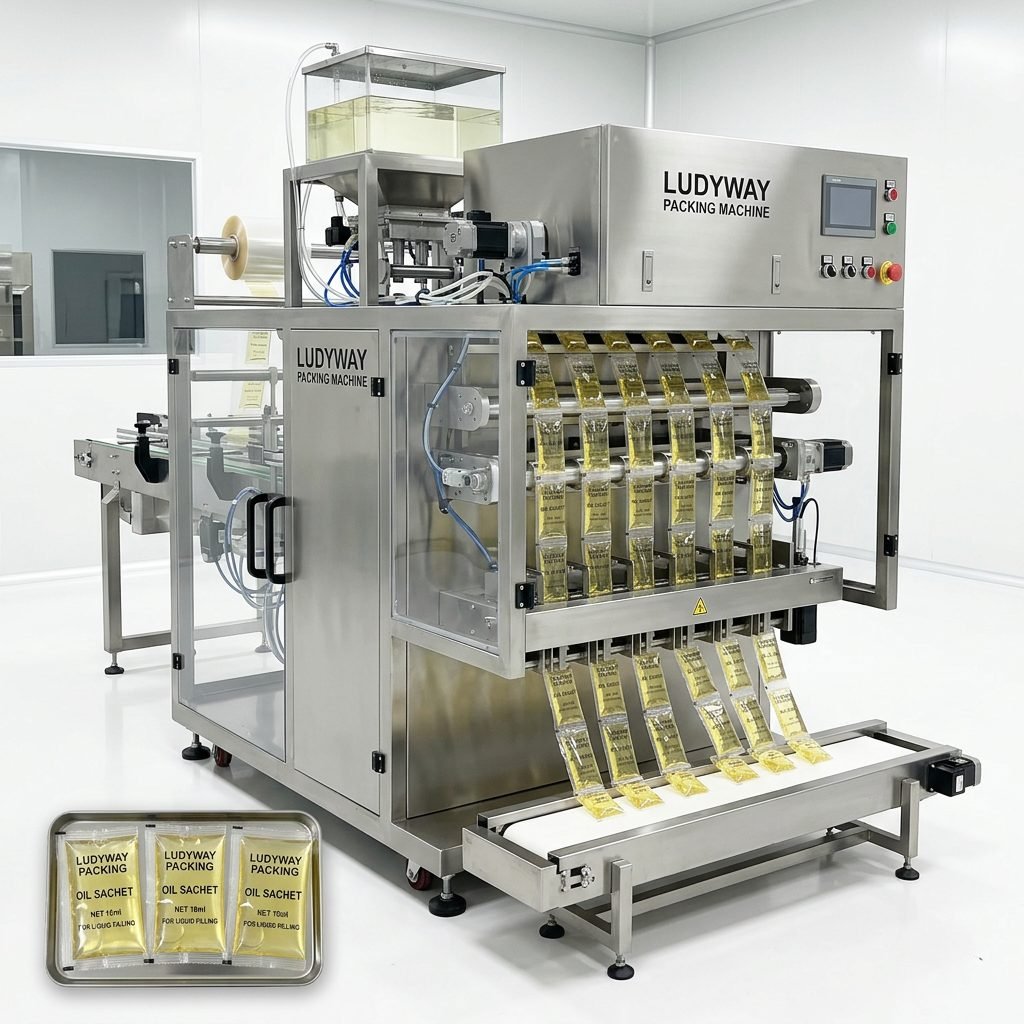
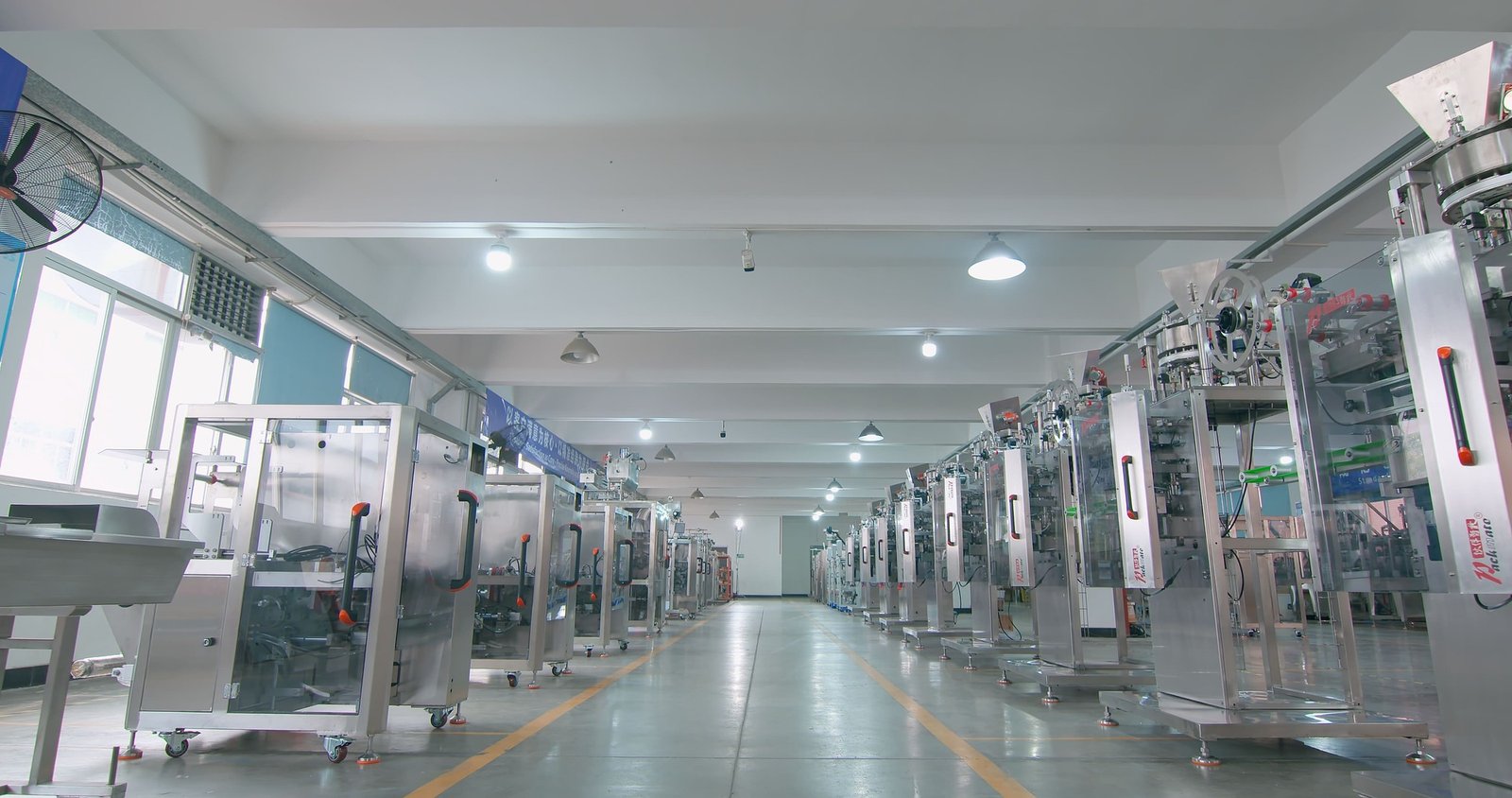
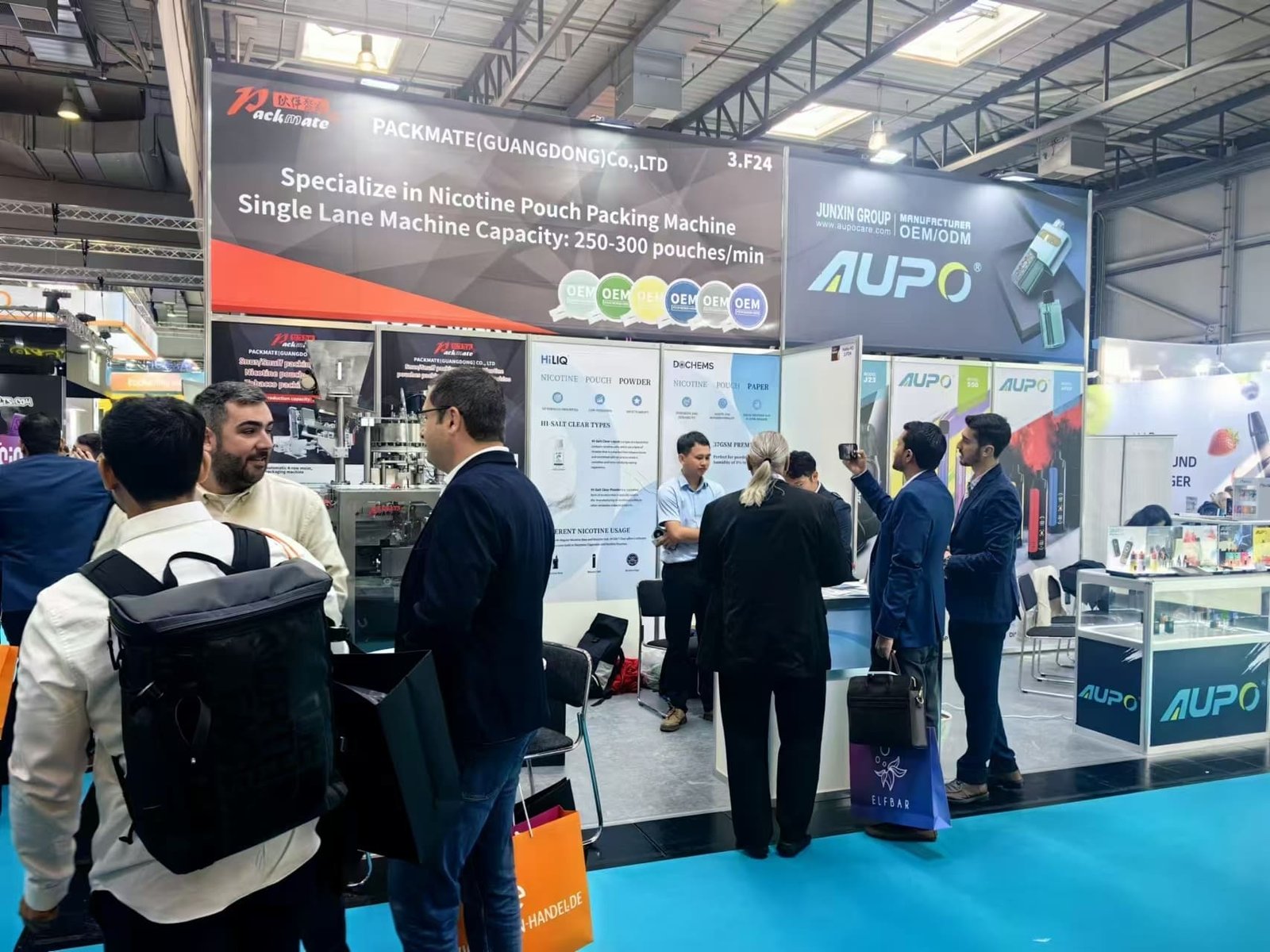
For example, Ludyway Machinery — a China-based packaging machinery manufacturer with more than 30 years of industry experience — provides integrated packaging solutions, including machine selection, system integration, customization, installation, commissioning, and ongoing technical support for manufacturers across more than 100 countries. The company’s 20,000-square-meter manufacturing facility and engineering team of over 130 professionals support a comprehensive portfolio of over 50 packaging machine models designed for various product types, bag formats, and production capacities. This approach allows rice manufacturers to work with a single supplier for their entire packaging equipment requirement.
11. Plan for Installation, Training, and Ongoing Maintenance
Smooth installation and effective operator training are critical for achieving rapid production ramp-up and long-term machine reliability. Proper planning in these areas reduces startup delays, prevents early equipment damage, and ensures your team can operate and maintain the machine effectively:
- Pre-installation preparation: Confirm utility requirements — electrical supply specifications, compressed air capacity and quality, and any special ventilation or dust extraction needs. Prepare level flooring with appropriate load-bearing capacity. Arrange for material handling equipment to position the machine.
- Operator training program: Comprehensive training should cover machine operation, parameter adjustment, daily cleaning procedures, basic troubleshooting, safety protocols, and product changeover procedures
- Maintenance schedule: Establish a preventive maintenance calendar covering daily, weekly, monthly, quarterly, and annual tasks. Document all maintenance activities for traceability and warranty compliance
- Spare parts management: Maintain an inventory of critical spares — sealing elements, heating cartridges, thermocouples, belts, bearings, sensors, and common wear components — based on manufacturer recommendations and lead times
- Remote support access: Many modern packaging machines include remote diagnostic capabilities that allow manufacturer technicians to troubleshoot issues, adjust parameters, and guide on-site staff without requiring a service visit

12. Future-Proofing Your Investment
The rice bag packing machine you select should support not only your current production requirements but also your long-term business strategy. Future-proofing considerations that protect your investment and enable business growth include:
- Modular design: Machines that can be upgraded with additional lanes, advanced control systems, or integration modules as production volumes increase
- Format flexibility: Quick-change tooling that enables switching between different bag sizes, styles, and materials with minimal downtime
- Industry 4.0 readiness: IIoT connectivity, production data collection, OEE monitoring, predictive maintenance alerts, and integration with plant-wide manufacturing execution systems
- Sustainability features: Film-saving technology, energy-efficient drives and heating systems, compatibility with recyclable and bio-based packaging materials, and lean material waste management
- Regulatory adaptability: Machine design that can be updated to comply with evolving food safety regulations, labeling requirements, and environmental standards in different markets
- Scalable automation: Ability to add robotic palletizing, automatic guided vehicles, automated guided vehicle integration, or central SCADA control as your facility expands
Key Resources for Further Research
- PMMI Business Intelligence – Packaging Machinery Market Research
- Flexible Packaging Association – Industry Resources and Data
- ISO Packaging Standards
- FDA Food Packaging and Food Contact Substances
- Ludyway Packaging Machinery Global Growth Trend Report
Frequently Asked Questions
What is the typical packaging speed for a rice bag packing machine?
Packaging speed varies significantly based on bag size, filling technology, and automation level. Small sachet machines may achieve 60–120 packs per minute per lane, while multi-lane systems can reach several hundred packs per minute. Bulk bag lines for 25–50kg bags typically operate at 4–10 bags per minute.
Can one machine handle multiple rice varieties?
Yes, most modern rice packaging machines can handle different rice varieties with minimal adjustment. However, significant differences in granule size, density, or flowability may require changing certain contact parts, adjusting filling parameters, or recalibrating weighing systems.
How long does installation and commissioning typically take?
Installation and commissioning time depends on machine complexity and site readiness. Simple standalone machines may be operational within 2–3 days, while fully integrated packaging lines can require 1–3 weeks for complete setup, testing, and operator training.
What maintenance is required for rice packaging equipment?
Regular maintenance includes daily cleaning to remove rice dust and debris, weekly inspection of sealing elements and wear parts, monthly checks of pneumatic systems and sensors, and annual comprehensive service of major mechanical and electrical components.