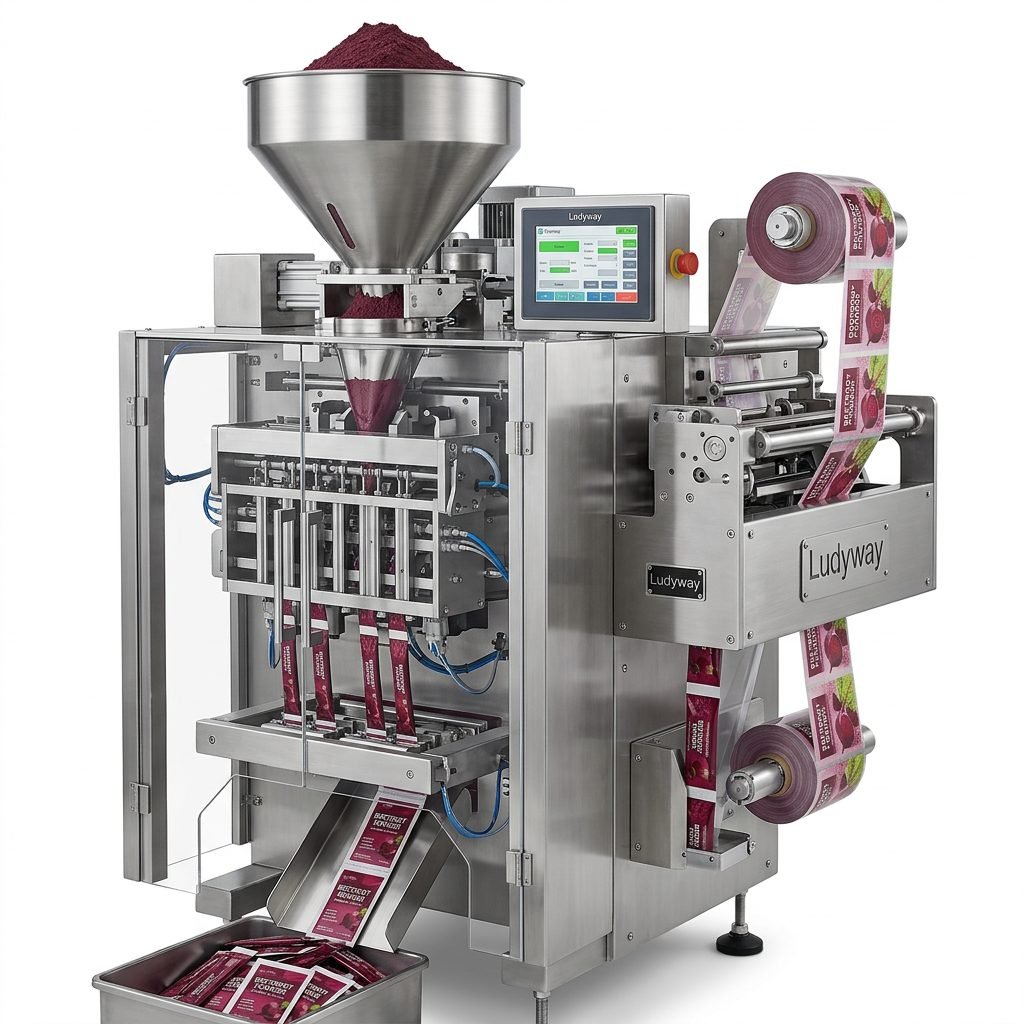
Launching a dog food packaging operation in the United States requires careful planning, strict adherence to FDA and AAFCO regulations, and high-performance machinery capable of handling everything from dry kibble to semi-moist treats and powdered supplements. Setting up a dog food packaging machine production line correctly can dramatically improve your production speed, reduce labor costs, and ensure consistent product quality across every unit.
Understanding U.S. Regulatory Requirements for Dog Food Packaging
Before investing in equipment, you must understand the regulatory landscape. The FDA’s Food Packaging and Food Contact Substances division sets strict guidelines on materials that come into contact with pet food. Additionally, AAFCO provides model regulations for label formats, ingredient definitions, and nutritional claims. Your packaging line must be designed to operate within these frameworks, ensuring food safety, traceability, and accurate labeling.
Core Components of a Modern Dog Food Packaging Line
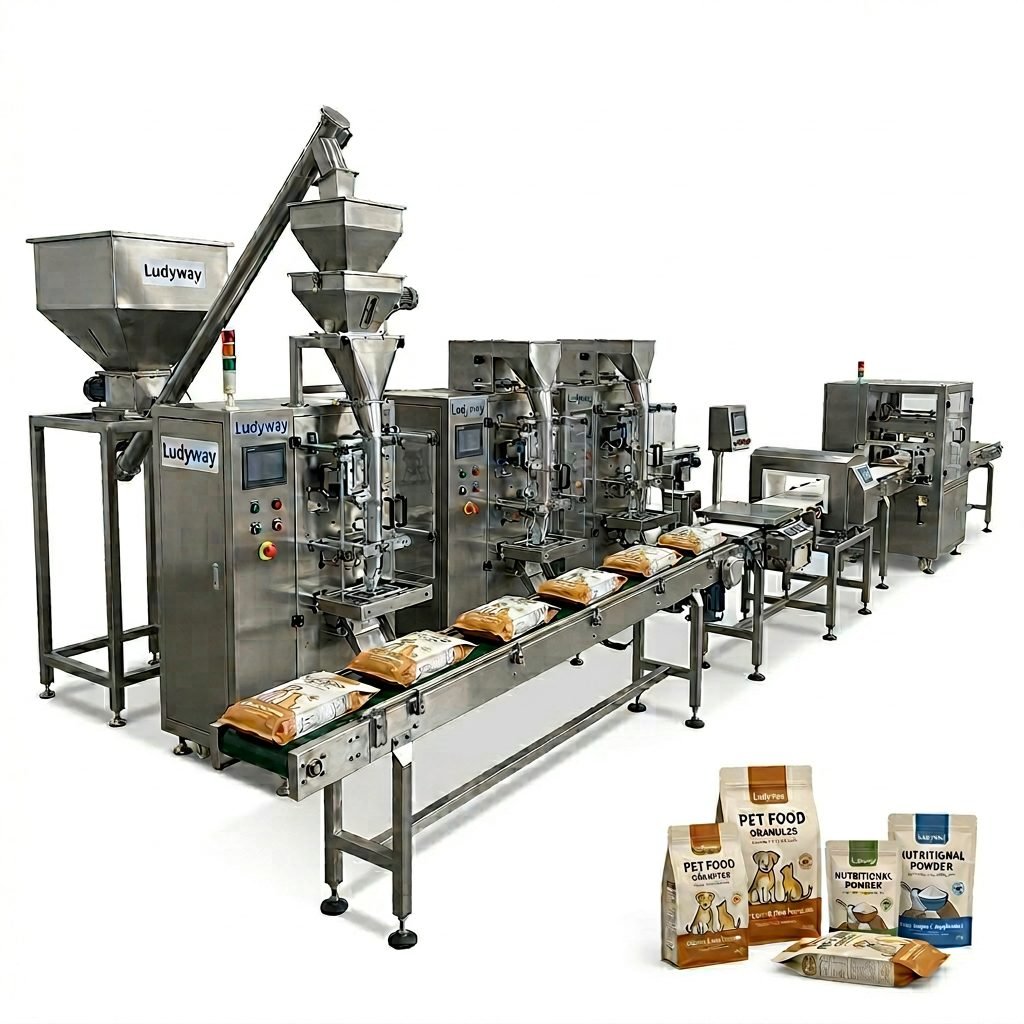
A complete dog food packaging line consists of multiple integrated modules. These components work in harmony to move product from bulk storage to a sealed, labeled package ready for distribution. Below are the essential systems you need to evaluate:
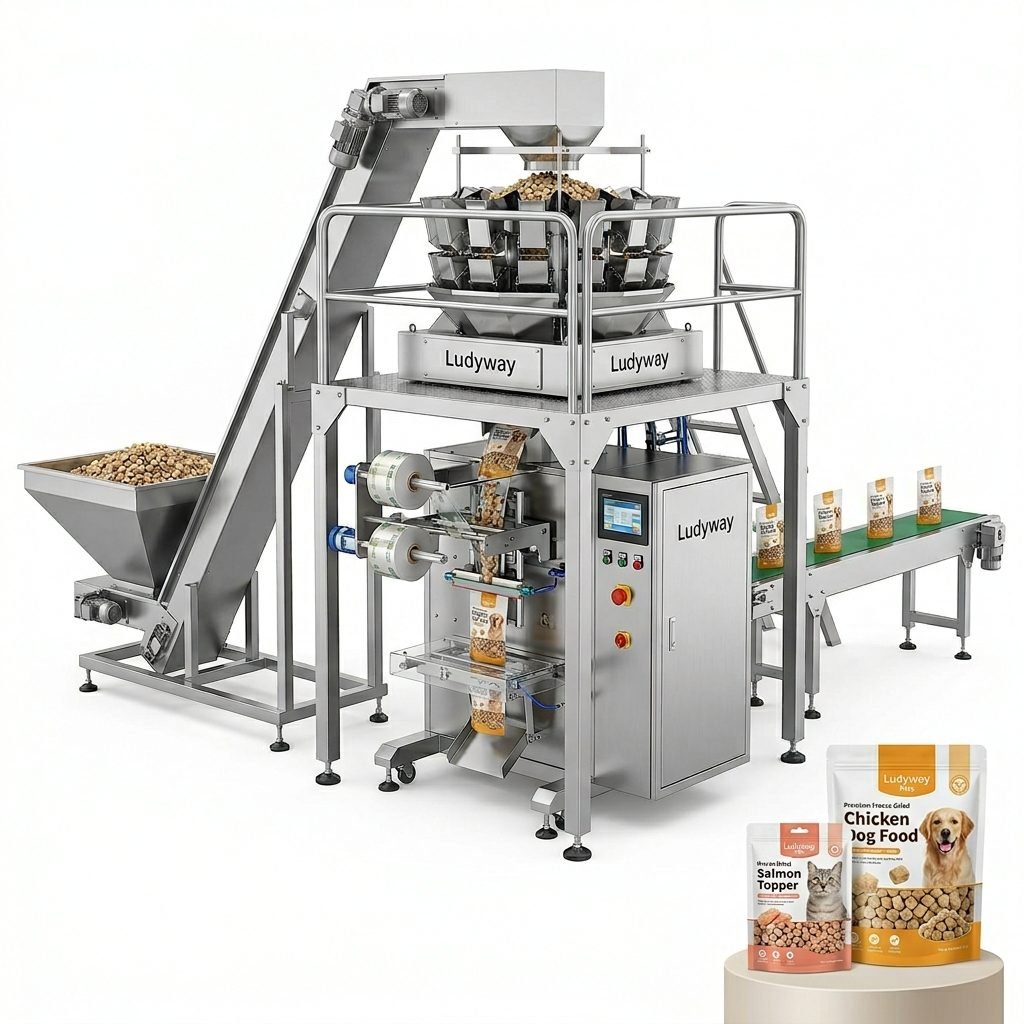
- Feeding and Conveying Systems: Bucket elevators, inclined conveyors, and vacuum feeders transport raw granules without degradation.
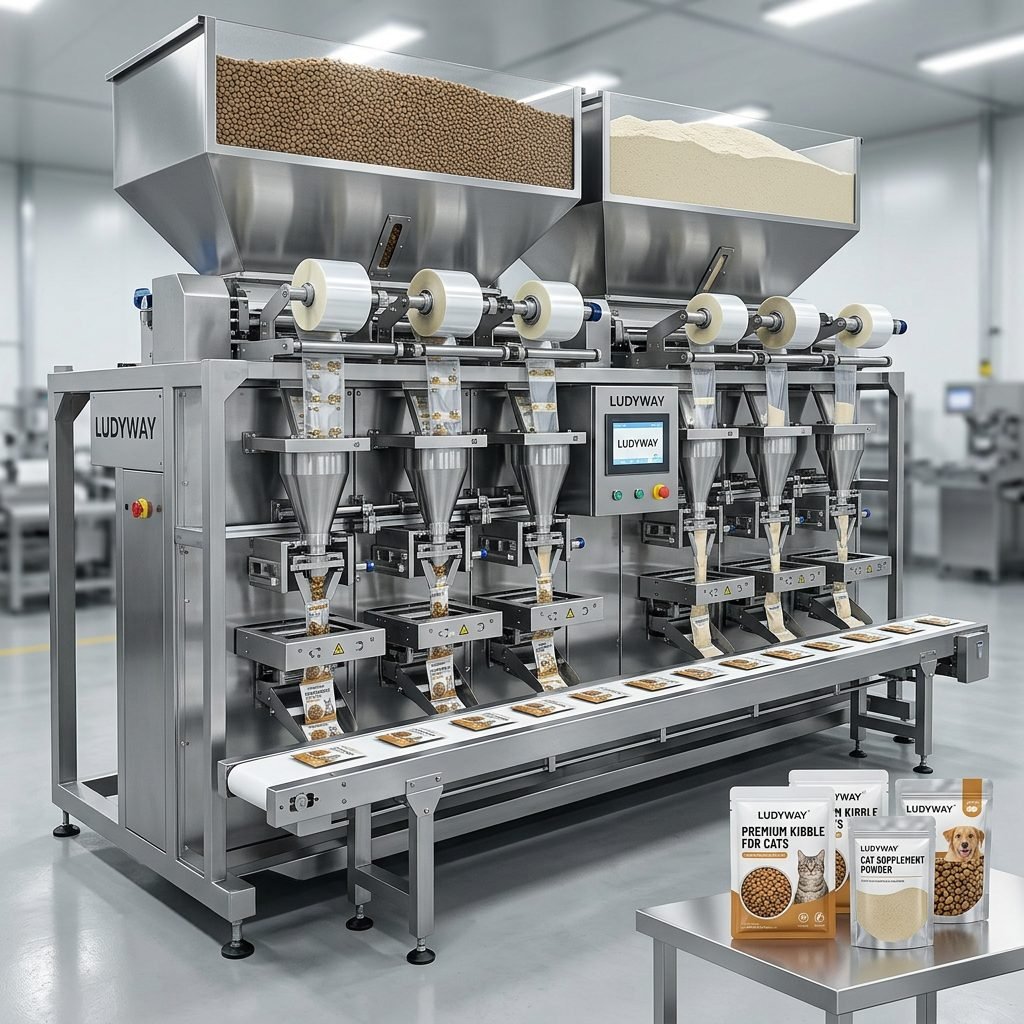
- Multi-Head Weighing and Filling: High-precision scales ensure each bag meets the declared net weight.
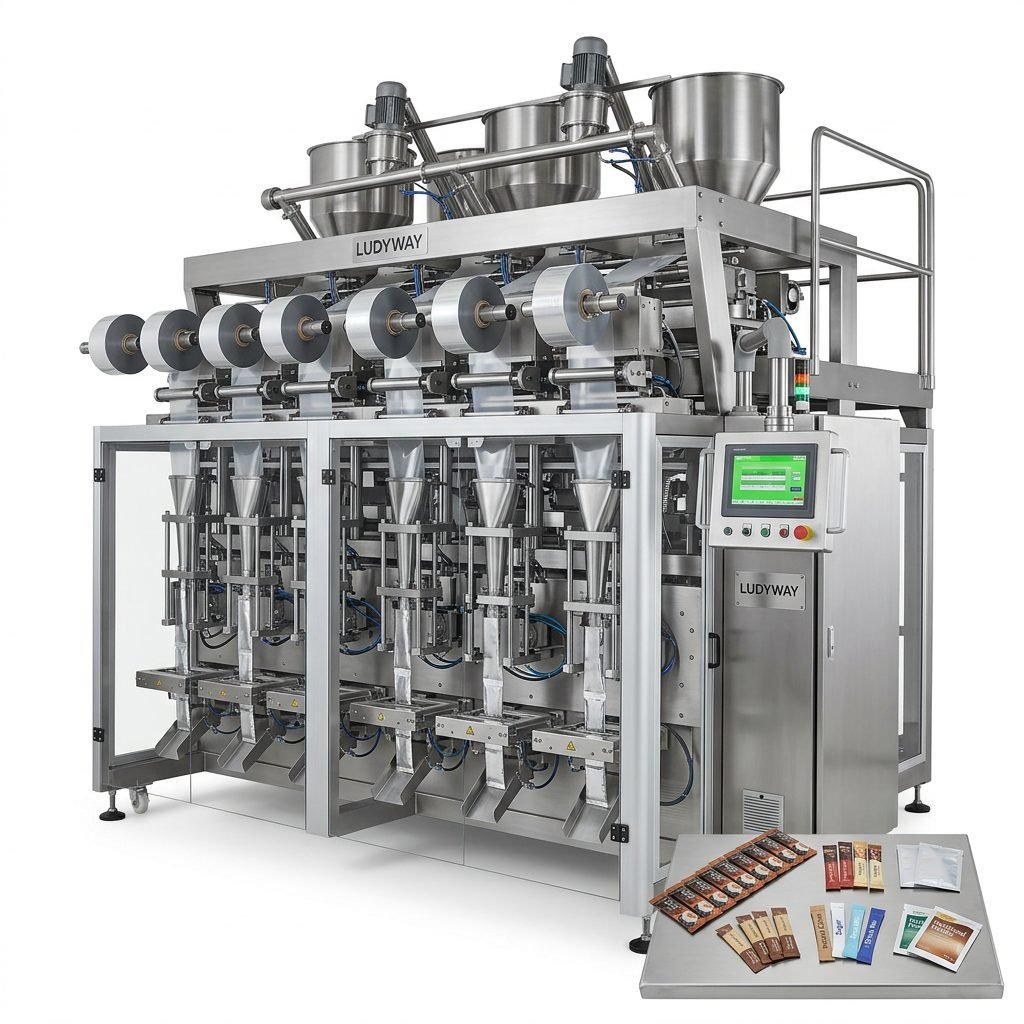
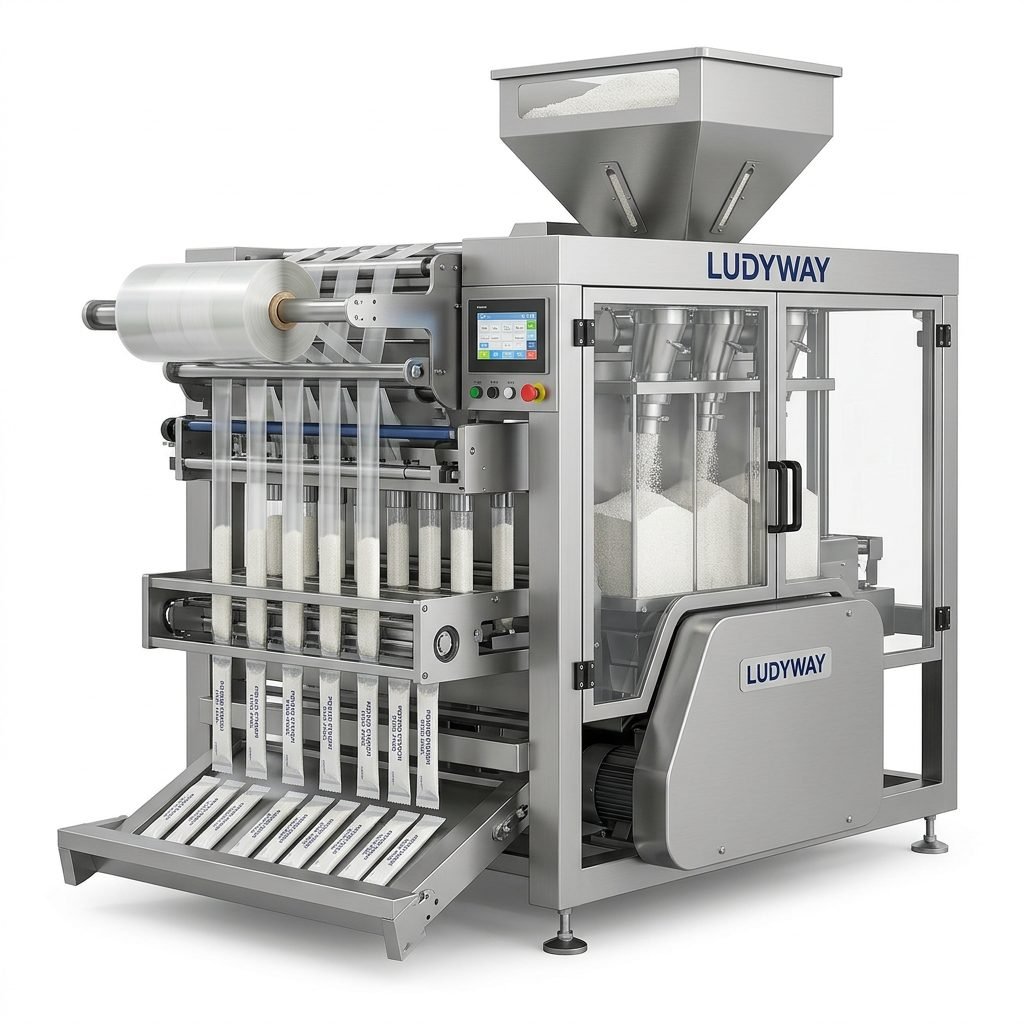
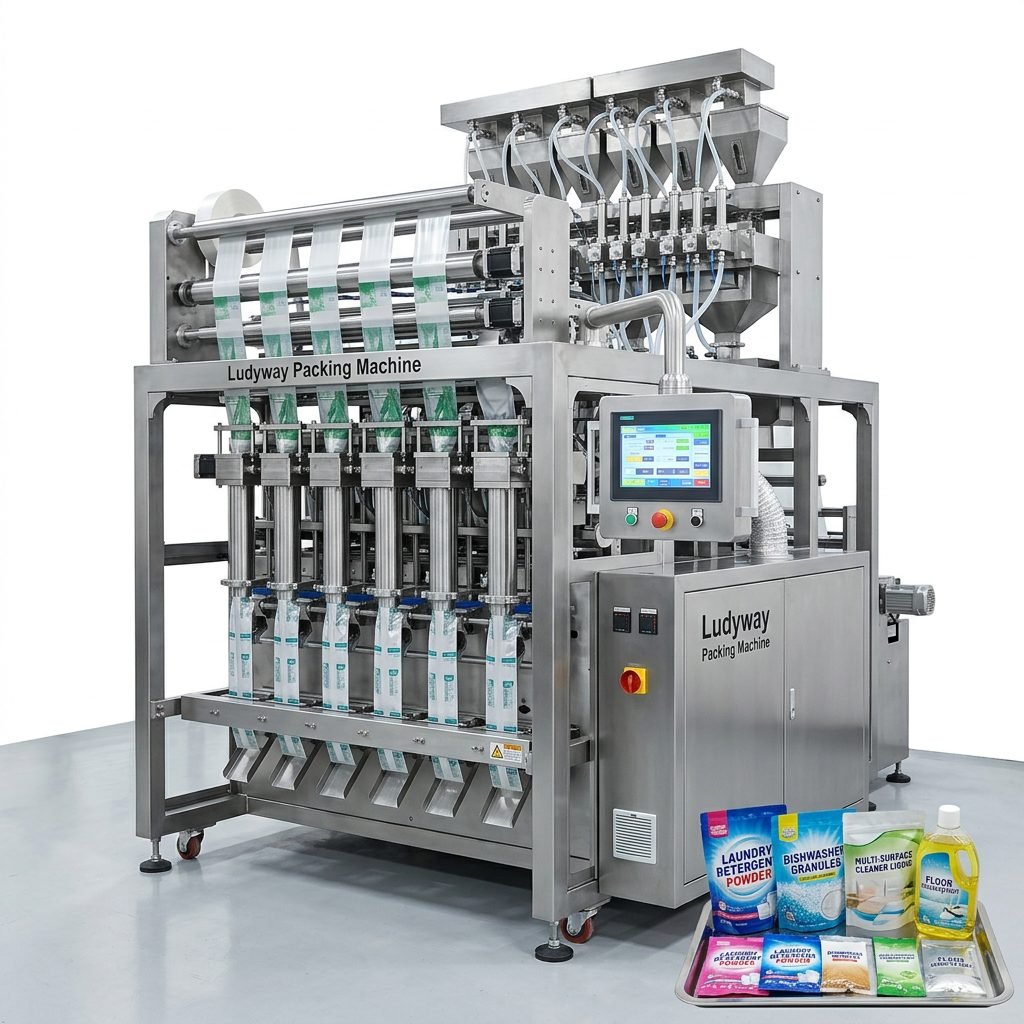
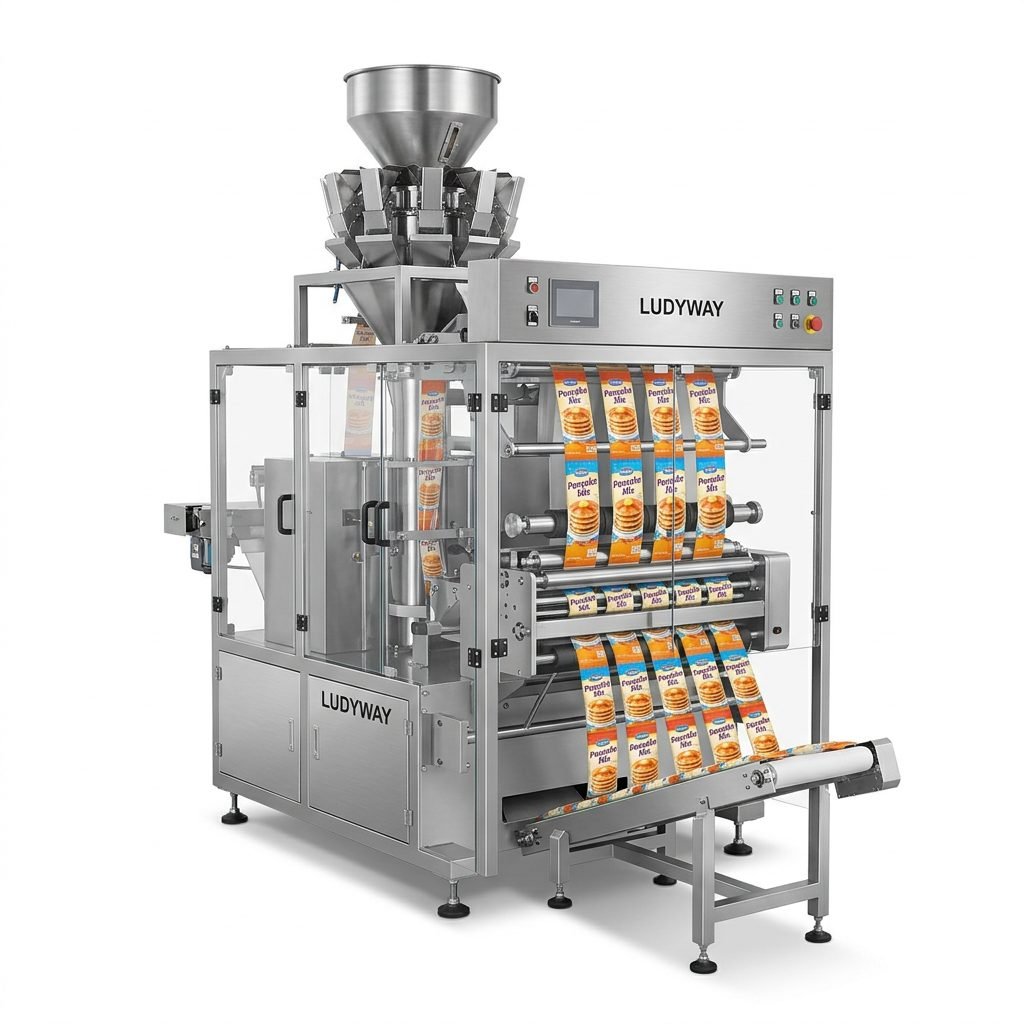
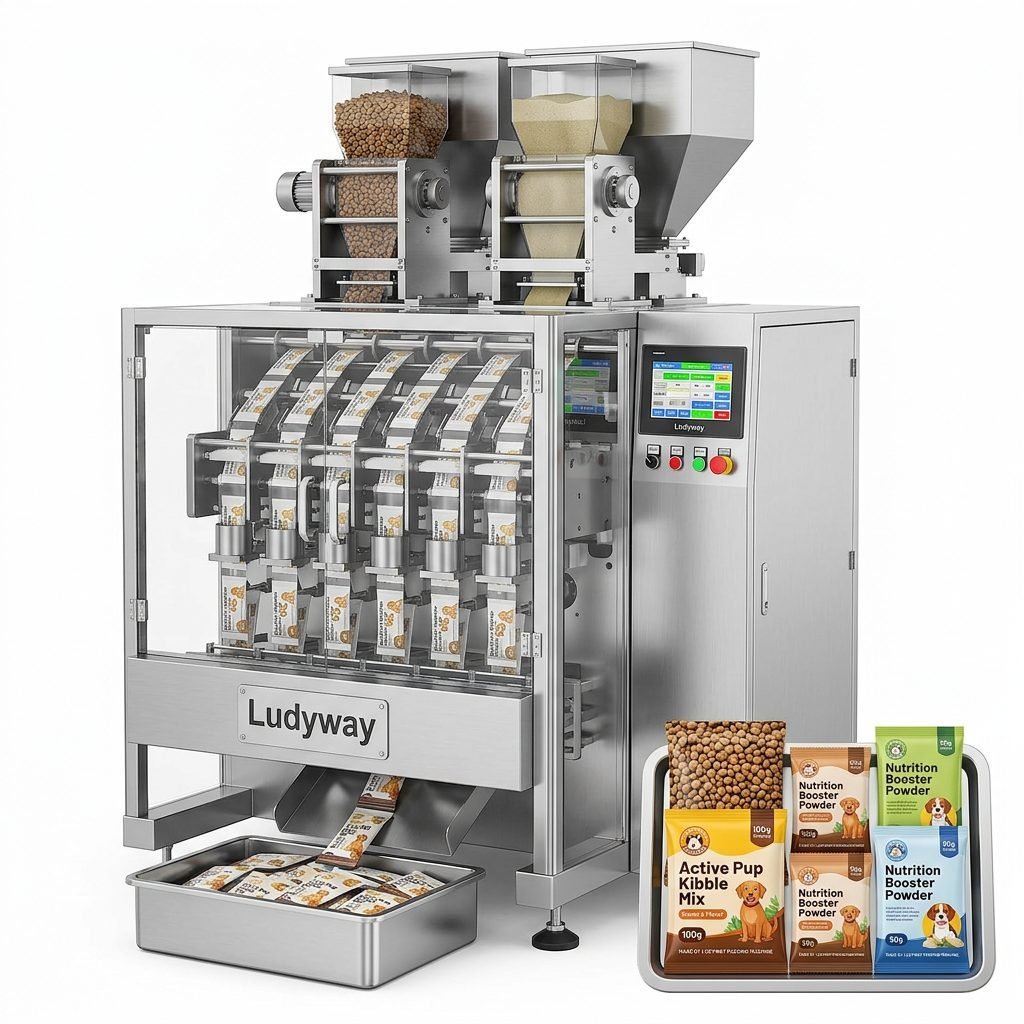
- Packaging Machine Core: Vertical form-fill-seal (VFFS) units for pouches or multi-lane stick pack machines for single-serve portions.
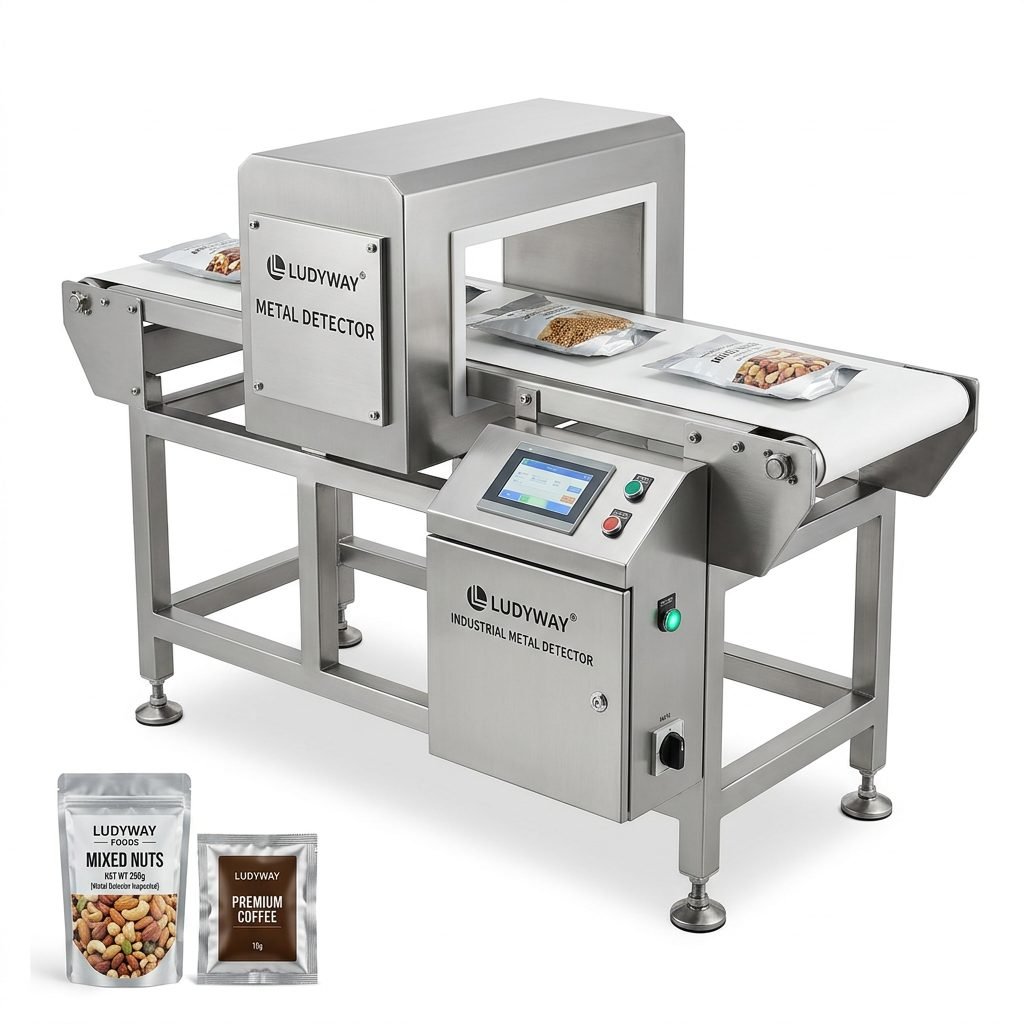
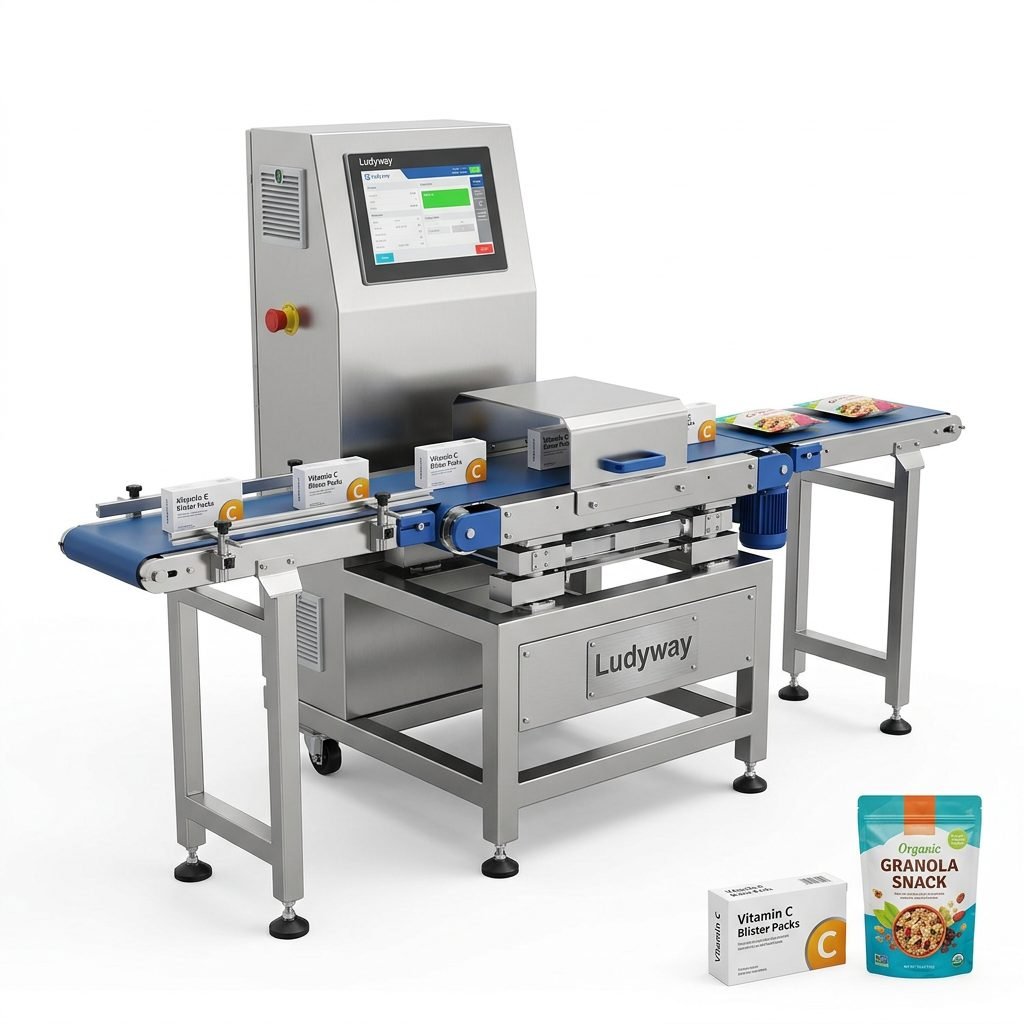
- Inspection and Quality Control: Dynamic checkweighers, metal detectors, and vision inspection systems remove defective packages.
- End-of-Line Automation: Carton erectors, case packers, and robotic palletizing systems handle finished product efficiently.
Step 1: Choose the Right Packaging Format for Your Dog Food
The packaging format directly influences your machine selection. Common formats in the U.S. market include:
| Packaging Format | Typical Application | Ideal Machine Type |
|---|---|---|
| Pillow Pouches / Flat Bottom Bags | 5lb to 50lb dry kibble bags | Vertical Form-Fill-Seal (VFFS) or Premade Pouch Rotary Fillers |
| Multi-Lane Stick Packs | Single-serve powder supplements, probiotic sachets | Multi-Lane Stick Pack Machine with Auger or Volumetric Fillers |
| Sachets / 3-Side Seal Bags | Sample packs, dental treats, wet food toppers | High-Speed Sachet Packaging Line with Liquid or Granule Fillers |
Step 2: Automation Levels and Throughput Planning
Determine your target output per minute early in the process. A small co-packer might need 30-50 packages per minute, while a large-scale manufacturer could require 200+ stick packs per minute across multiple lanes. Automation reduces manual handling, improves hygiene, and ensures consistent fill weights. Consider whether you need a semi-automatic setup or a fully integrated system with automatic feeding, filling, sealing, coding, and cartoning.
Step 3: Integrating Inspection and Food Safety Systems
U.S. retailers and regulatory bodies increasingly demand robust quality controls. Your production line must include critical inspection points:
- Metal Detection: ISO compliant industrial metal detectors screen for ferrous and non-ferrous contaminants. Check out this high-sensitivity conveyor-type model designed for food processing lines.
- Checkweighing: Dynamic checkweighers automatically reject packages outside weight tolerances, guaranteeing compliance and minimizing giveaway.
- Vision Systems: Industrial vision inspection systems verify print quality, label placement, and seal integrity at high speed.
Step 4: Facility Layout and Utility Requirements
Proper floor plan design minimizes bottlenecks. You need dedicated areas for raw material staging, primary packing, secondary cartoning, and pallet wrapping. Consider ceiling height for vertical conveyors, floor drainage for washdown areas, and electrical specifications for three-phase power. Conveyor systems with custom speed and length configurations allow seamless connectivity between rooms.
Step 5: Customizing for Specialty Dog Food Products
The pet food industry now encompasses much more than kibble. Your line may need versatility to handle freeze-dried raw pieces, wet food pouches, powdered supplements, or dental stick treats. Multi-lane machines can switch between granule and powder products with minimal changeover time. For example, an automated freeze-dried dog treat system requires gentle handling to prevent product breakage.
Step 6: End-of-Line Palletizing and Documentation
Once products are packed, automated case packing and palletizing systems become essential for high-volume production. Robotic palletizing cells can handle multiple SKUs simultaneously, stacking cartons onto pallets with precision. Integration with coding and labeling systems ensures each pallet carries traceable batch information, critical for recalls or inventory management under FDA 21 CFR Part 11 requirements.
Key Suppliers and Industry Data Sources
For market research, the PMMI Business Intelligence Library provides state-of-the-industry reports that benchmark packaging machinery trends in North America. The Flexible Packaging Association also offers resources on sustainable materials increasingly popular in pet food packaging.
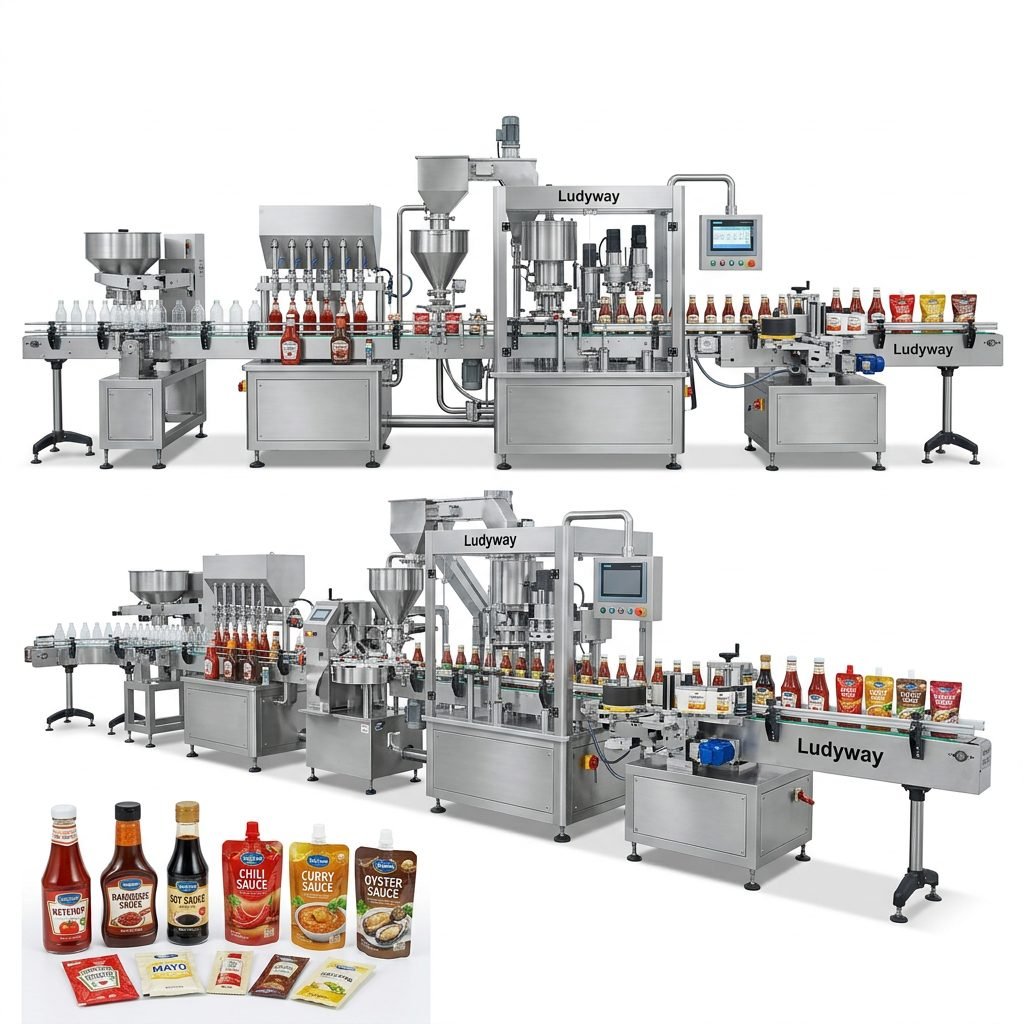
A leading manufacturer in this space, Ludyway, provides integrated turnkey lines that encompass everything from granule feeding through final palletizing, leveraging over 30 years of packaging machinery experience and a 20,000㎡ production facility. Their equipment spans multi-lane stick pack, sachet, and fully automated pouch systems suitable for dog food granules, powders, and wet products.
Installation, Training, and After-Sales Support in the U.S.
Installing a complete line requires coordination with local technicians, electrical contracting, and staff training. Look for suppliers who offer remote diagnostics, U.S.-based spare parts inventory, and comprehensive training programs. A clearly defined commissioning timeline should include Factory Acceptance Testing (FAT) before shipment and Site Acceptance Testing (SAT) after installation.
Understanding Packaging Trends and Sustainability
The Flexible Packaging Association’s State of the U.S. Flexible Packaging Industry report highlights growing demand for recyclable films and reduced material usage. When setting up a new line, consider machines that can run mono-material films and register the thicker seals they often require. This future-proofing aligns with both retailer sustainability goals and consumer preferences.
Cost Considerations and ROI Timeline
Total investment varies widely based on throughput and automation level. A basic semi-automatic setup might start in the lower six-figure range, while a fully integrated multi-lane system with robotic palletizing can exceed $1 million. However, labor reduction and throughput increases often yield a payback period of 18-36 months. Key factors influencing cost include:
- Number of packaging lanes and filling heads
- Integration of automatic checkweighers and metal detectors
- Customization for unique bag shapes or spouted pouches
- Secondary automation like cartoning and case packing
Summary Checklist for U.S. Dog Food Packaging Line Setup
| Phase | Key Actions |
|---|---|
| Planning | Define target format, throughput, and budget; visit PACK EXPO for supplier evaluation. |
| Regulatory | Align with FDA and AAFCO standards; prepare label artwork for nutritional panels. |
| Equipment | Select feeder, filler, sealer, inspection, and end-of-line modules from a single integrator. |
| Installation | Complete FAT, SAT, and operator training; document all standard operating procedures. |
By following these steps and choosing machinery designed for hygienic, high-speed production, you position your dog food brand for sustainable growth and compliance in the competitive U.S. market. Prioritize suppliers with turnkey integration capabilities and robust domestic support networks to minimize downtime and accelerate your go-to-market timeline.