Choosing the right beans packaging machine is not only about speed. It is also about product protection, filling accuracy, bag appearance, labor savings, and long-term operating cost. Whether you pack coffee beans, red beans, mung beans, soybeans, black beans, kidney beans, or mixed bean products, the machine you select will directly affect your production efficiency and brand performance.
In this guide, you will learn how to compare machine types, evaluate technical specifications, and identify the best solution for your packaging line.
Why the Right Beans Packaging Machine Matters
Beans are available in many forms, and each form creates different packaging challenges:
- Whole dry beans may require gentle handling to reduce breakage.
- Coffee beans often need aroma protection, degassing options, or nitrogen flushing.
- Small bean packs for retail need high speed and attractive sealing.
- Bulk bean bags need stable weighing accuracy and strong bag sealing.
- Mixed bean products require consistent dosing and product flow control.
A poor machine choice can lead to underweight bags, damaged beans, seal failures, more waste, and frequent downtime. A well-matched system improves output while keeping package quality stable.
Main Types of Beans Packaging Machines
The best machine depends on your packaging format, production volume, and bean type. Below are the most common options.
1. Vertical Form Fill Seal Machines
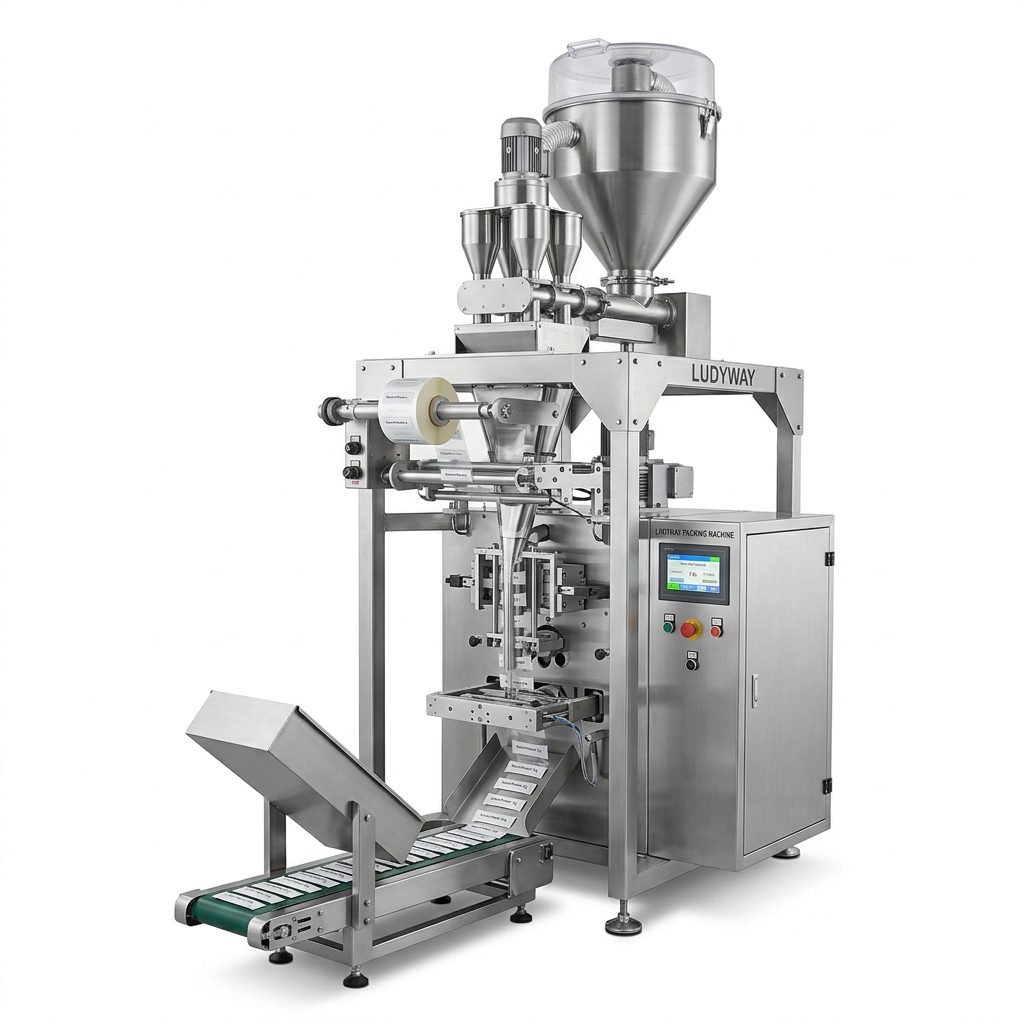
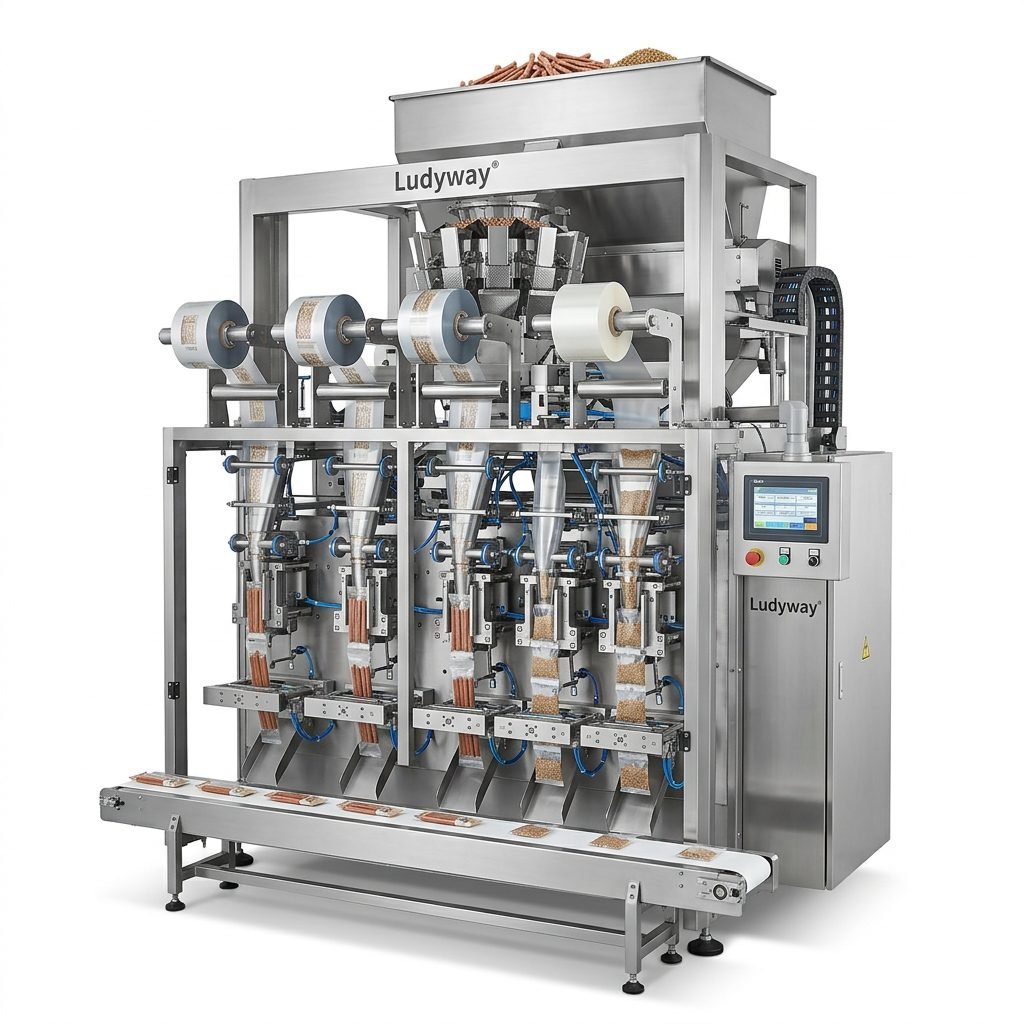
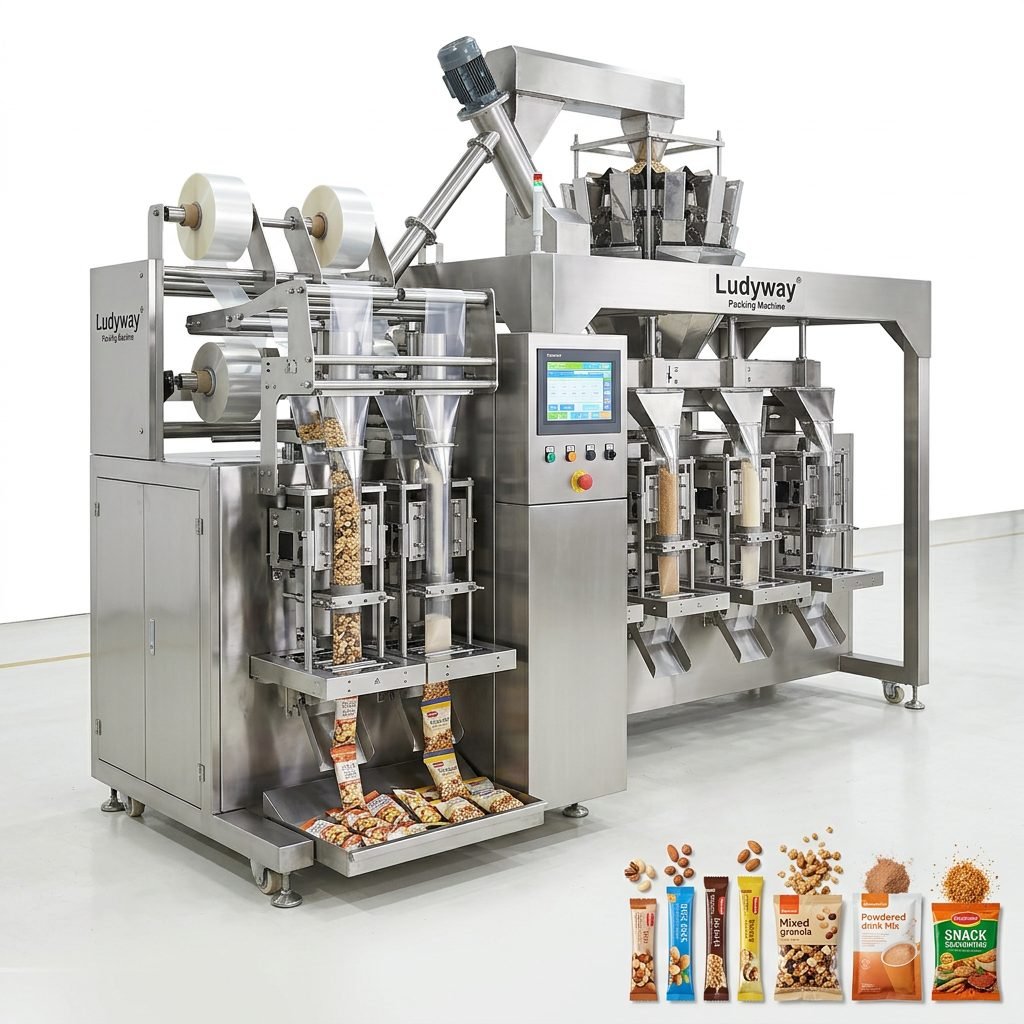
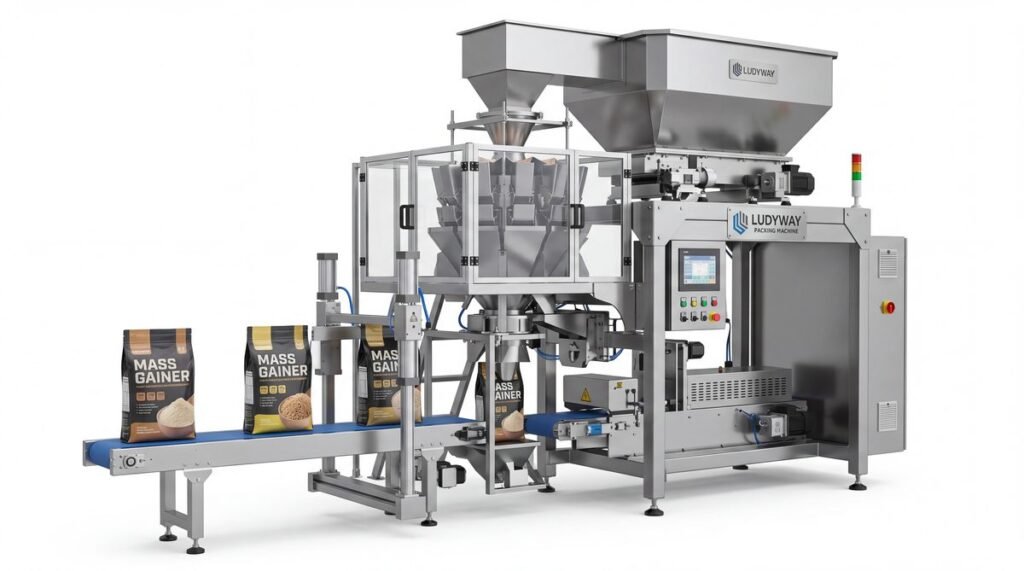
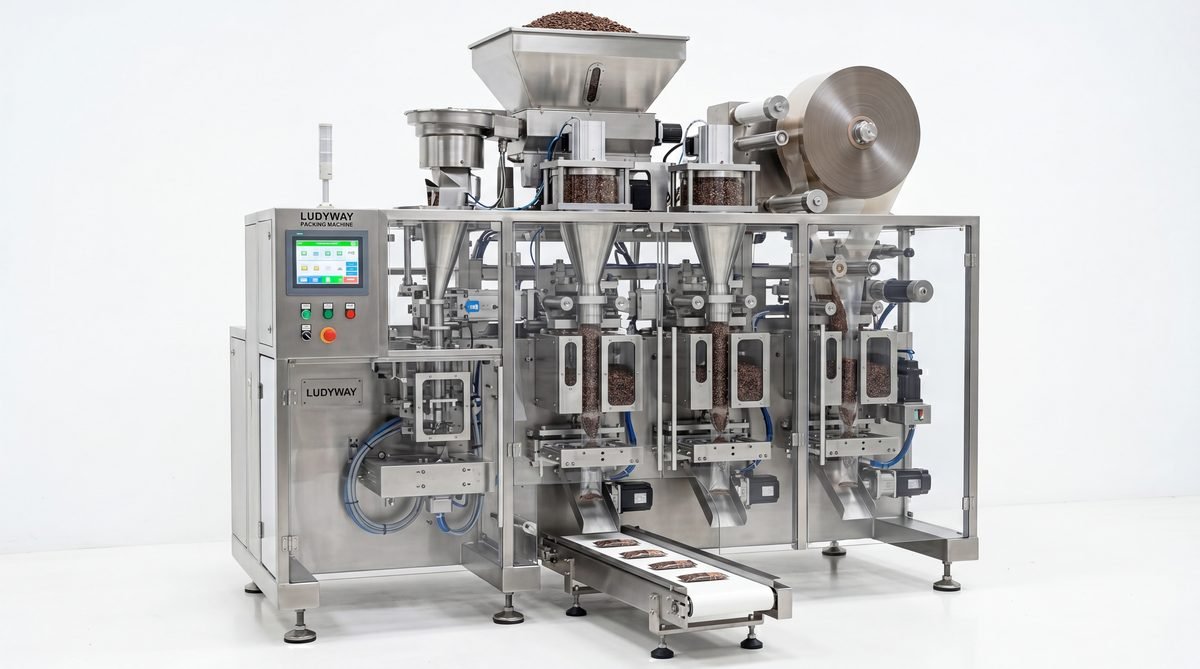
VFFS machines automatically form bags from roll film, fill the beans, and seal the package. They are widely used for pillow bags, gusset bags, and quad seal bags.
- Suitable for medium to high-speed production
- Good for retail and commercial bean packs
- Flexible bag sizes
- Can integrate multihead weighers for better accuracy
2. Premade Pouch Packaging Machines
These machines fill and seal preformed pouches such as stand-up pouches, zipper pouches, or flat pouches.
- Excellent for premium bean packaging
- Better shelf appearance
- Ideal for coffee beans and value-added bean products
- Can support zipper closure and special pouch designs
3. Bulk Bagging Machines
Bulk bagging systems are used for larger pack sizes such as 5 kg, 10 kg, 25 kg, or more.
- Designed for industrial or wholesale distribution
- Often paired with weighing systems, conveyors, and sewing or heat sealing units
- Useful for agricultural suppliers and food processors
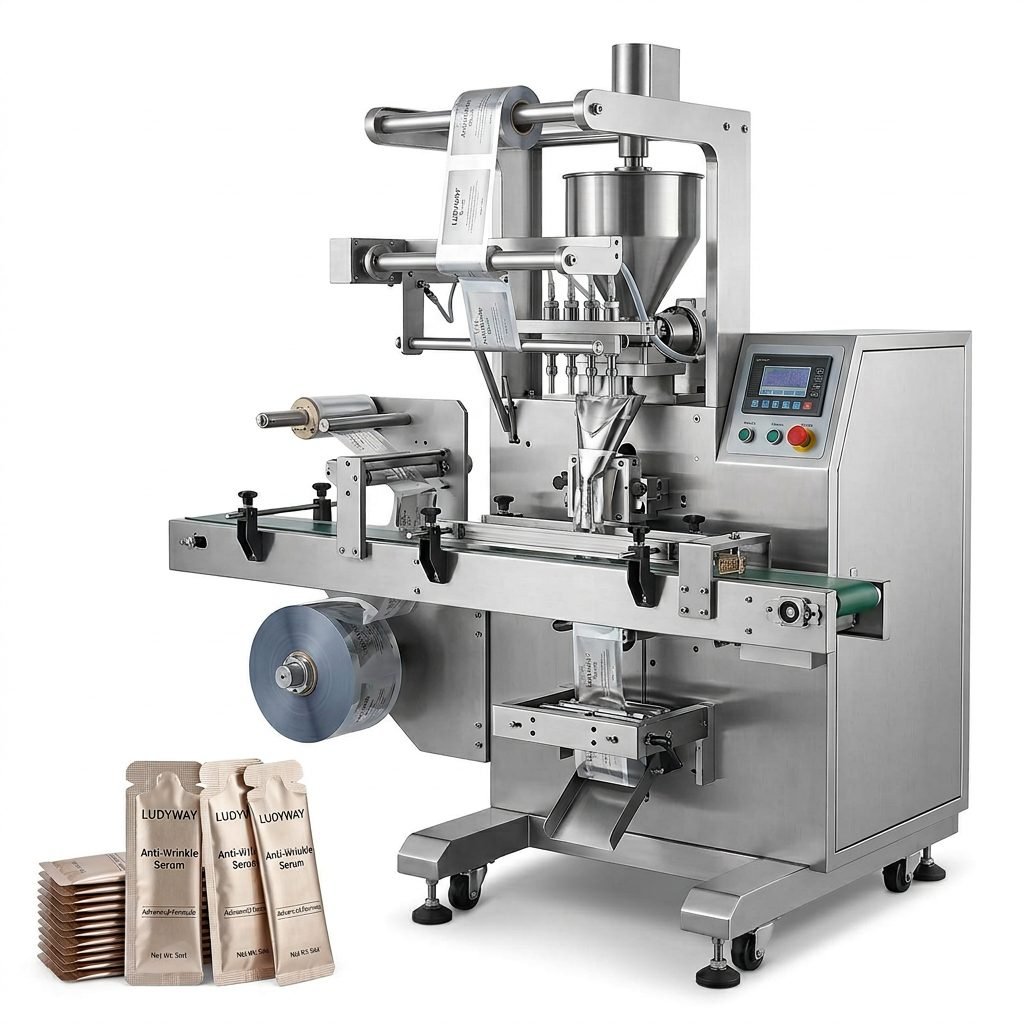
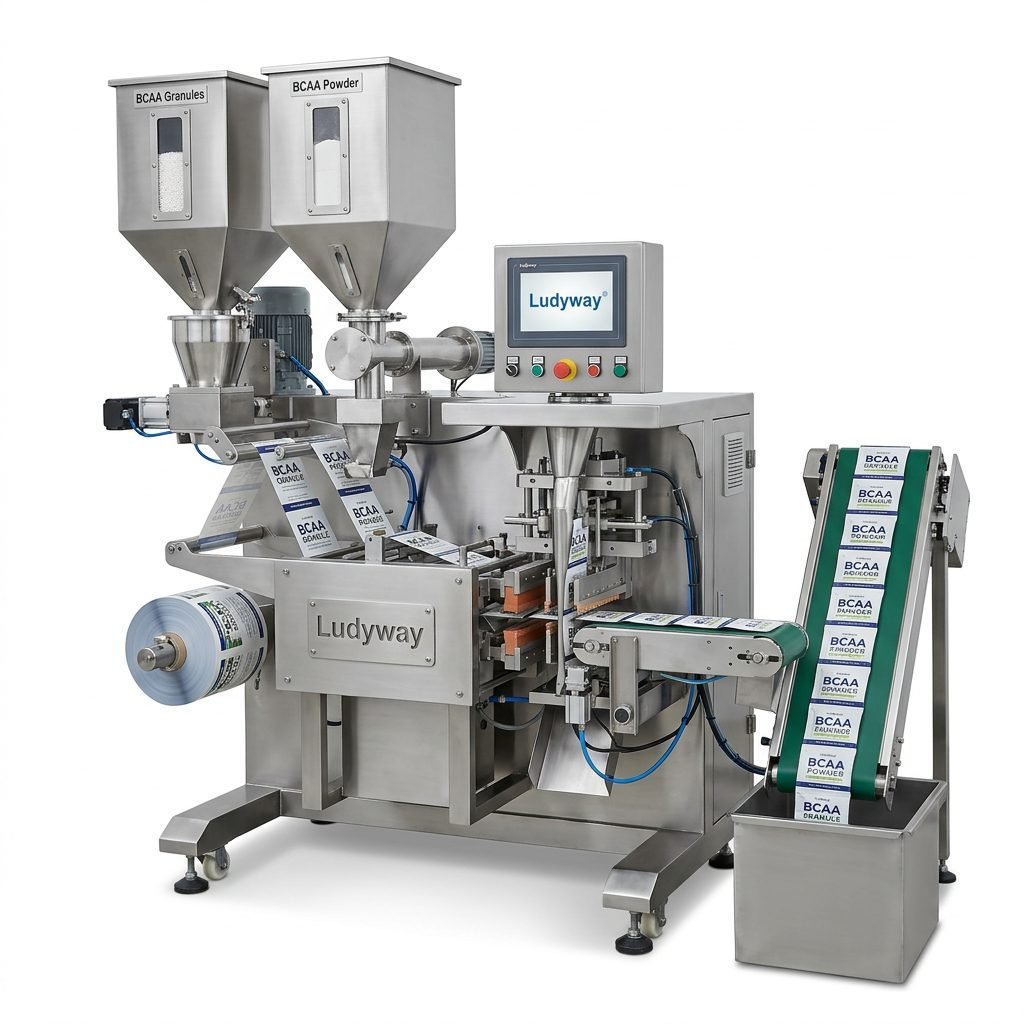
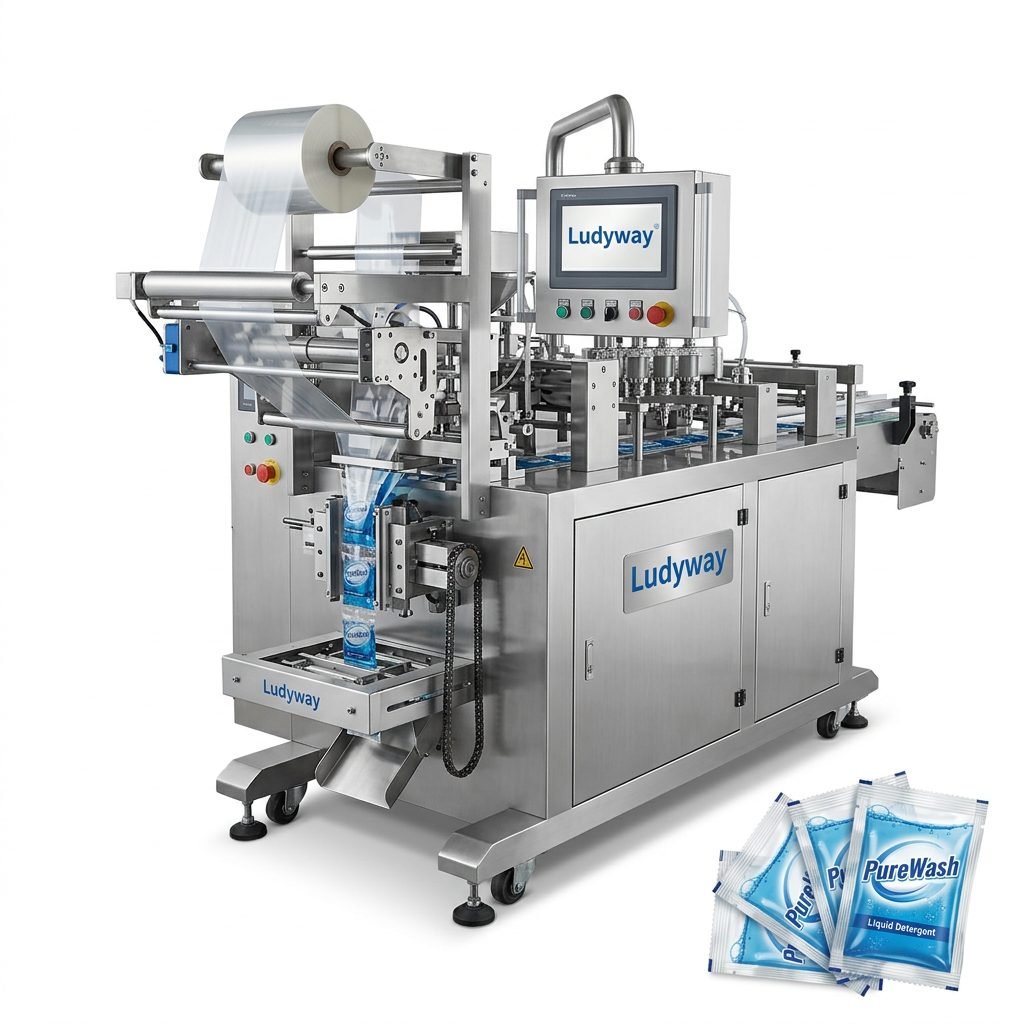
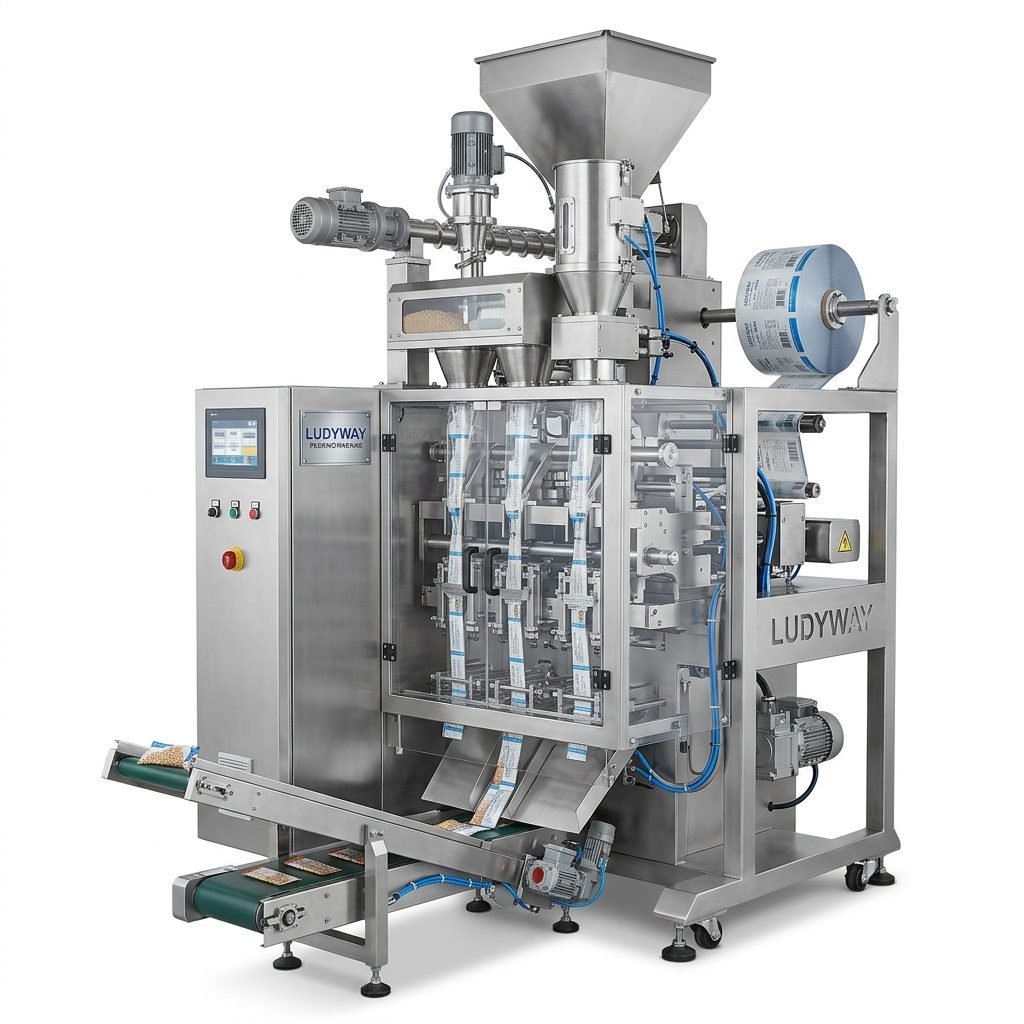
4. Multi-Lane Stick Pack or Sachet Machines
These are less common for whole large beans but can work for small granule-like bean products, roasted coffee granules, or powdered bean-based mixes.
How to Choose Based on Bean Product Type
| Bean Product | Recommended Machine | Key Consideration |
|---|---|---|
| Coffee beans | VFFS or premade pouch machine | Freshness, degassing valve, nitrogen flushing |
| Dry edible beans | VFFS with weigher or bulk bagging machine | Accurate weight, low breakage, efficient feeding |
| Mixed bean products | VFFS with multihead weigher | Uniform mix control and stable dosing |
| Large bulk bean packs | Automatic bagging line | Heavy-load handling and bag strength |
| Bean powder or instant bean mix | Sachet or stick pack machine | Powder dosing precision and seal cleanliness |
Key Features to Evaluate Before Buying
Packaging Speed
Check the actual output in bags per minute, not only the theoretical speed. Real production speed depends on bean size, pack size, weighing method, and bag style.
Weighing Accuracy
For beans, accurate filling is essential. Multihead weighers are often preferred because they offer better speed and precision for free-flowing granular products.
Bag Type Compatibility
Make sure the machine supports the packaging style you want, such as:
- Pillow bags
- Gusset bags
- Quad seal bags
- Stand-up pouches
- Zipper pouches
- Bulk sacks
Material Handling and Bean Protection
Beans can chip or crack if the drop distance is too high or if the transfer path is rough. Choose a machine with smooth product contact parts and controlled discharge.
Seal Quality
A reliable seal protects beans from moisture, contamination, and air exposure. For coffee beans especially, this is critical for preserving aroma and shelf life.
Automation Level
If you want to reduce labor and increase consistency, consider a line that includes:
- Automatic feeding
- Weighing and filling
- Metal detection
- Date coding
- Checkweighing
- Cartoning or case packing
- Palletizing
Cleaning and Maintenance
Machines should be easy to clean and maintain. This is especially important if you handle different bean varieties or switch between food-grade products regularly.
Important Questions to Ask a Machine Supplier
- What bean products has this machine packed successfully before?
- What is the real output range for my required bag size?
- What weighing system is included?
- Can the machine handle future packaging upgrades?
- How easy is changeover between different bag sizes?
- What spare parts and technical support are available?
- Can the machine integrate with a full packaging line later?
Common Mistakes When Choosing a Beans Packaging Machine
- Buying only based on the lowest price
- Ignoring future production expansion
- Choosing a machine without testing the real bean sample
- Overlooking seal strength and bag appearance
- Not checking after-sales support and spare parts supply
The cheapest machine is not always the most economical. If it causes downtime, product waste, or inconsistent bag quality, total operating cost will rise quickly.
Recommended Configuration for Efficient Bean Packaging
For many bean packaging projects, an efficient setup may include:
| System Component | Function |
|---|---|
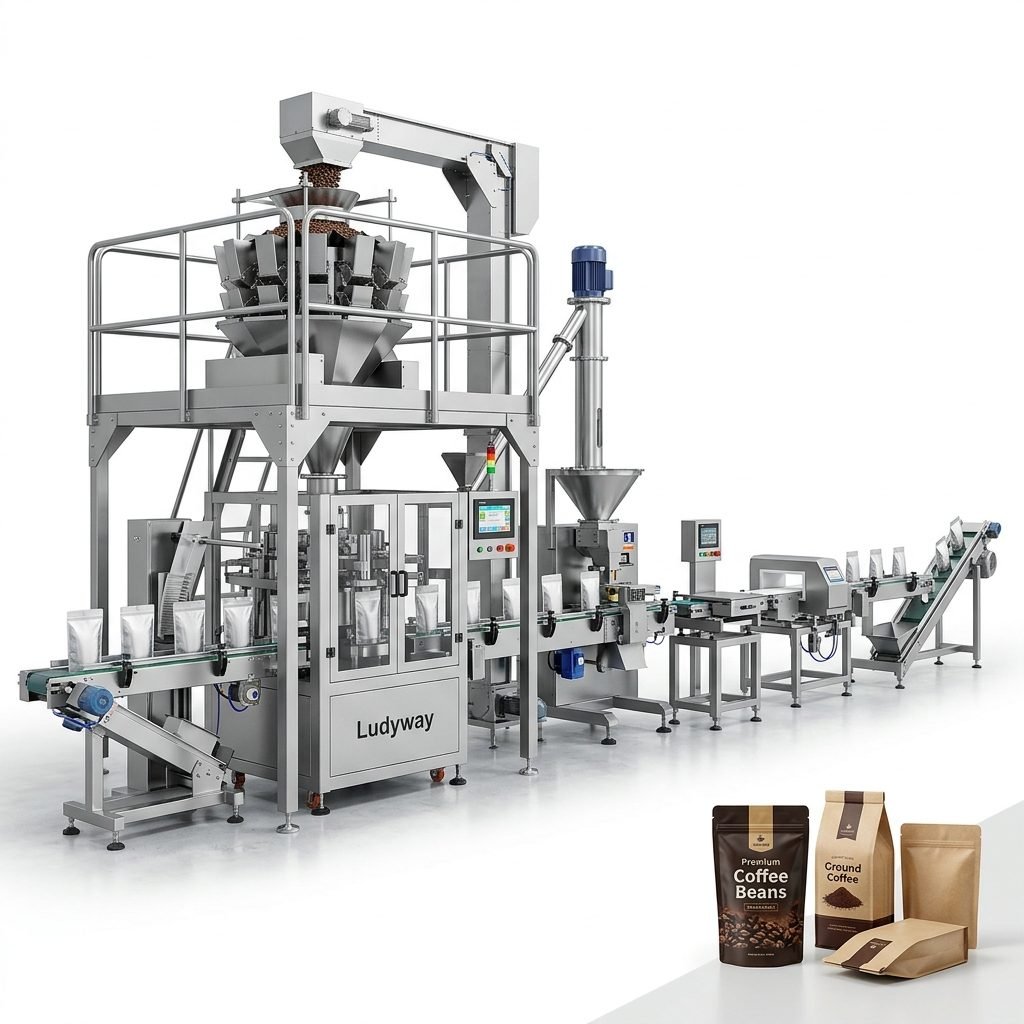
| Z-type bucket elevator or conveyor | Feeds beans automatically to the weighing unit |
| Multihead weigher | Provides fast and accurate dosing |
| VFFS or premade pouch machine | Forms or fills and seals the package |
| Metal detector and checkweigher | Improves product safety and quality control |
| Date coder | Prints batch and production information |
| Case packing or palletizing system | Automates end-of-line packaging |
Should You Choose a Standalone Machine or a Turnkey Line?
If your production is still small, a standalone bean packing machine may be enough. But if you want better scalability, lower labor dependence, and more consistent output, a turnkey line is usually the smarter long-term investment.
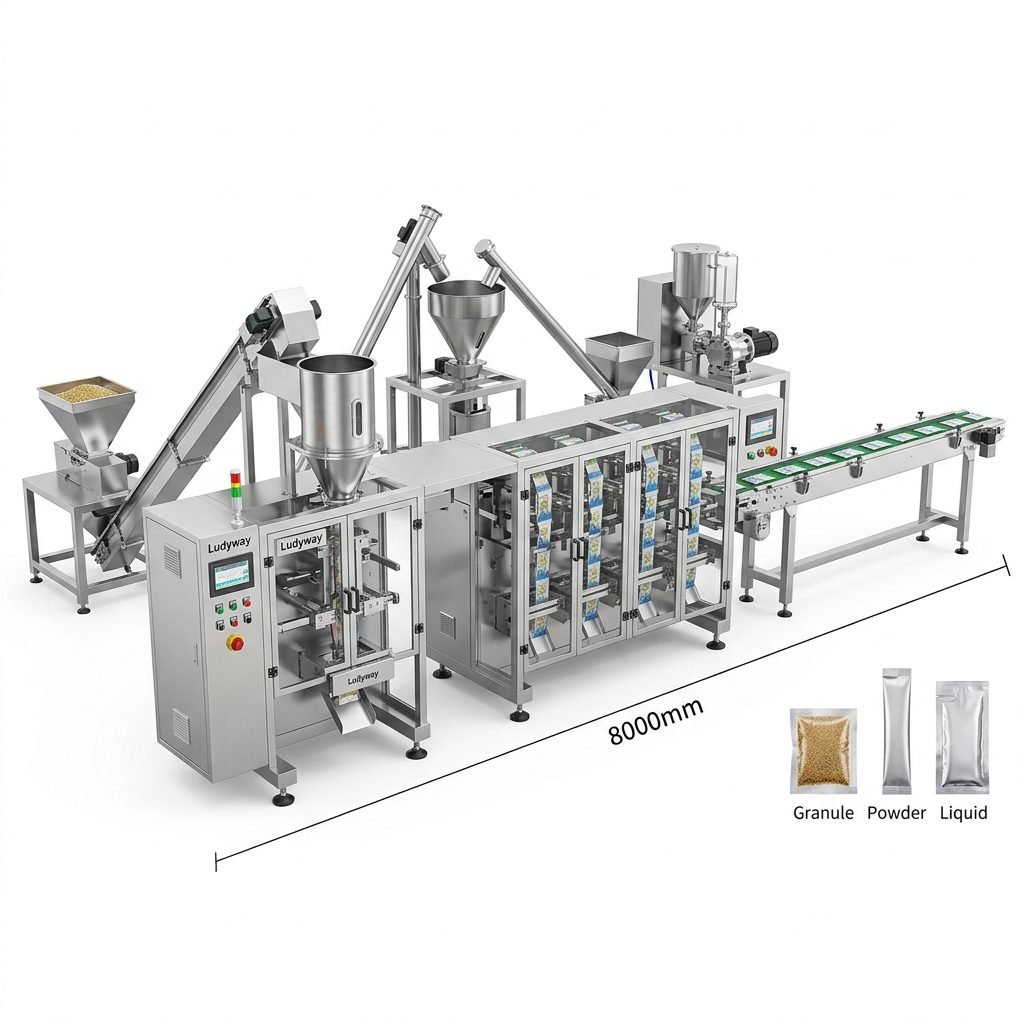
For businesses seeking an experienced supplier, beans packaging machine manufacturer Ludyway provides automatic packaging machines and turnkey packaging lines for food, pharmaceutical, health supplement, and related industries, backed by over 30 years of manufacturing experience.
How to Match Machine Capacity with Your Business Stage
Start-Up or Small Batch Production
- Lower investment budget
- Flexible bag sizes
- Semi-automatic or compact automatic models
- Suitable for testing market demand
Growing Brand or Regional Supplier
- Need higher speed and repeatable quality
- Automatic weighing and sealing become essential
- Better changeover and less manual labor
Large Factory or Export-Oriented Operation
- Full automation is usually more cost-effective
- Integration with inspection, coding, cartoning, and palletizing
- Focus on uptime, technical support, and long-term scalability
Final Buying Checklist
- Confirm your bean type and flow characteristics
- Define pack size, bag style, and target output
- Check filling accuracy and sealing performance
- Ask for sample testing with your own product
- Review machine material, hygiene design, and maintenance access
- Make sure the supplier can support installation and service
- Think about future line expansion before purchasing
Conclusion
The best beans packaging machine is the one that fits your product, packaging format, speed target, and growth plan. A good solution should protect bean quality, deliver stable output, reduce labor, and help your packaging operation stay competitive.
Before making a final decision, compare machine types carefully, test with real bean samples, and work with a supplier that understands both standalone machines and complete packaging line integration. That approach will help you build a more efficient, reliable, and profitable bean packaging process.