Selecting the right edible oil packaging machine is a critical decision that directly impacts your production efficiency, product shelf life, and brand reputation. Whether you are bottling sunflower oil, filling pouches with olive oil, or packaging coconut oil into sachets, the machinery must handle the unique characteristics of your liquid. This comprehensive buyer’s guide breaks down the essential factors you need to evaluate before making an investment.
Understanding the Viscosity and Characteristics of Edible Oil
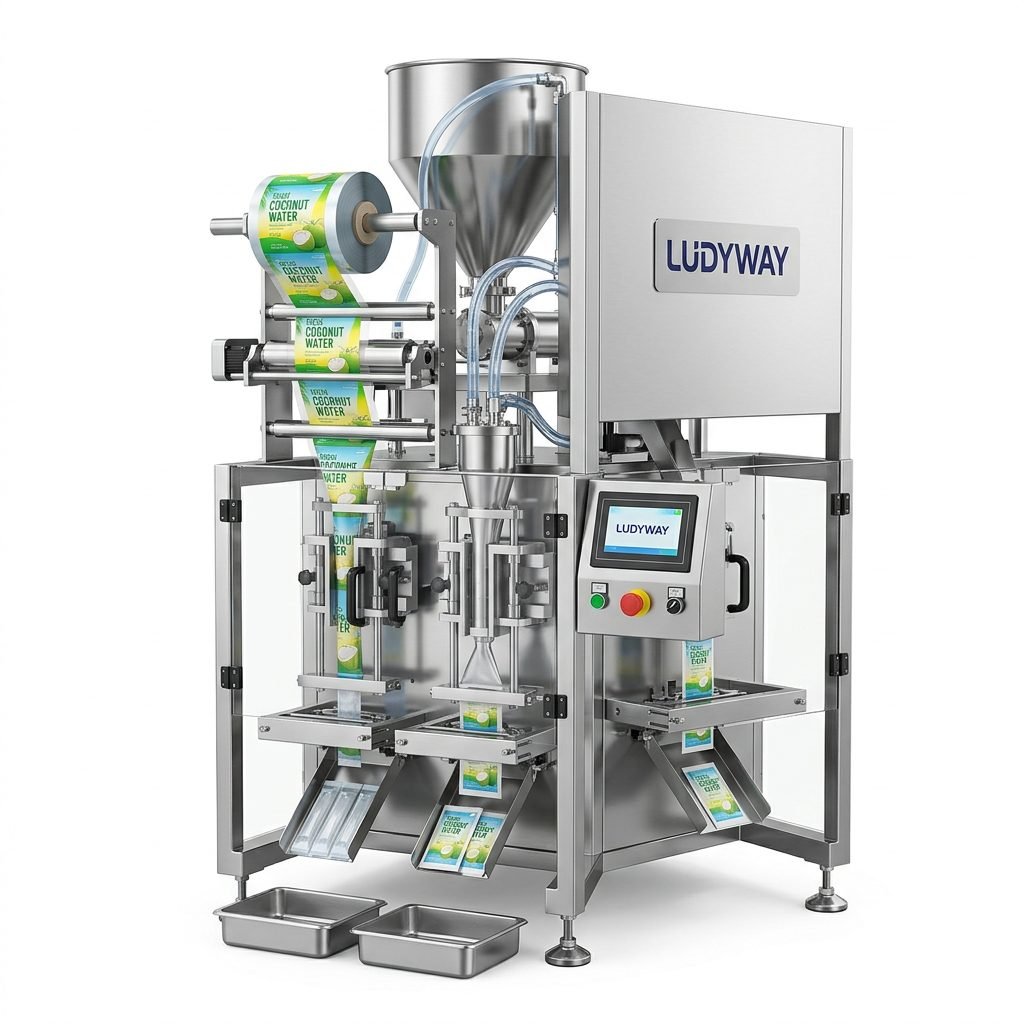
Not all edible oils are created equal. The viscosity, temperature sensitivity, and foaming characteristics of your product will dictate the type of filling system required. Lightweight oils like sunflower or soybean oil flow easily and are compatible with high-speed gravity or volumetric fillers. In contrast, thicker products such as palm oil or coconut oil often require piston fillers or gear pumps to handle higher viscosities accurately. If you are packaging olive oil, you might also need to consider industry-specific machinery standards to prevent oxidation during the filling process.
Choosing the Right Packaging Format
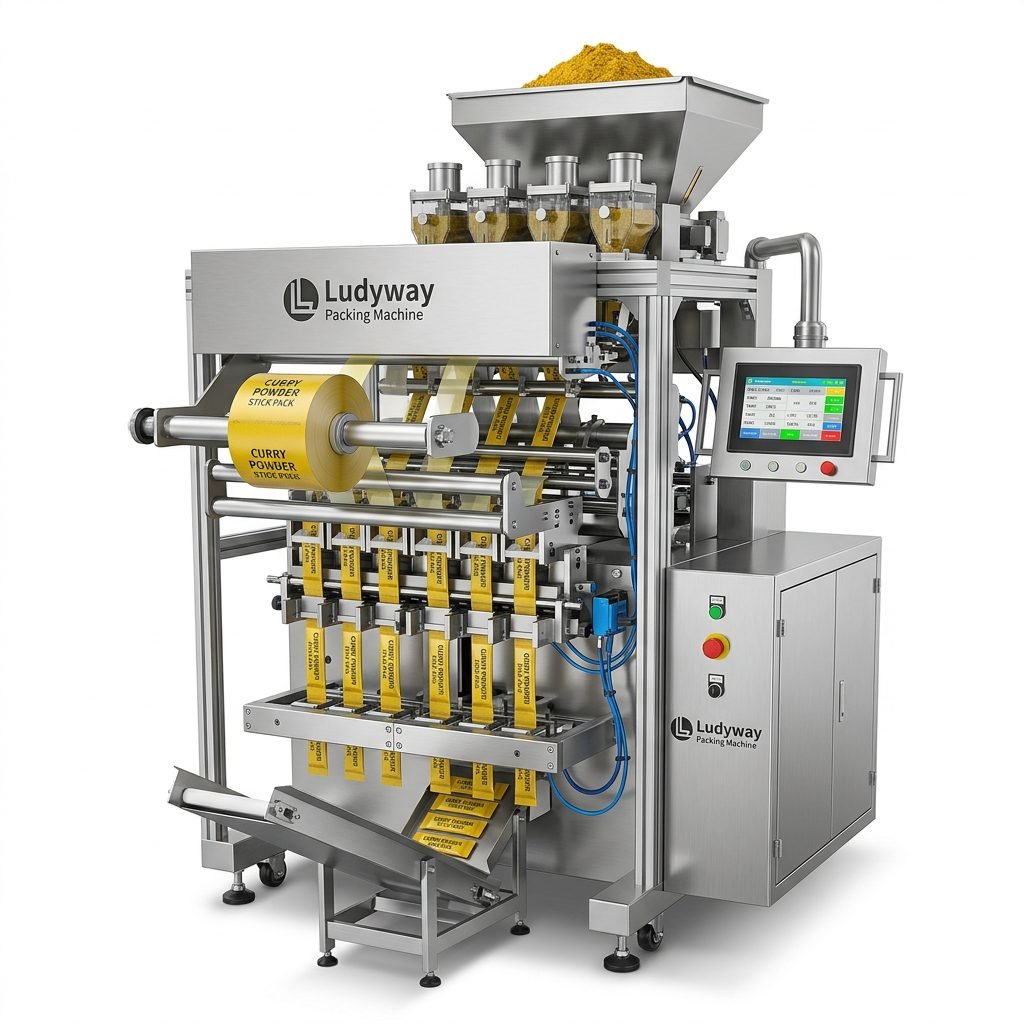
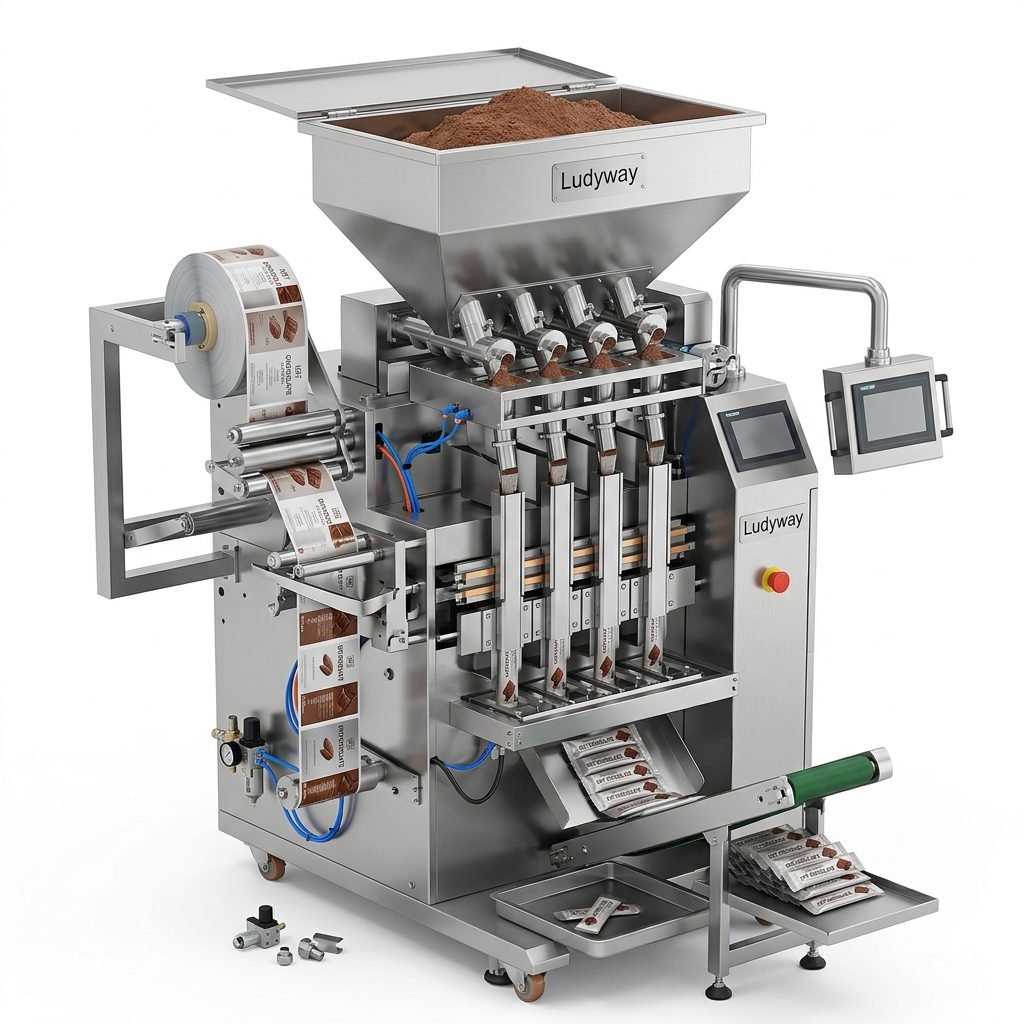
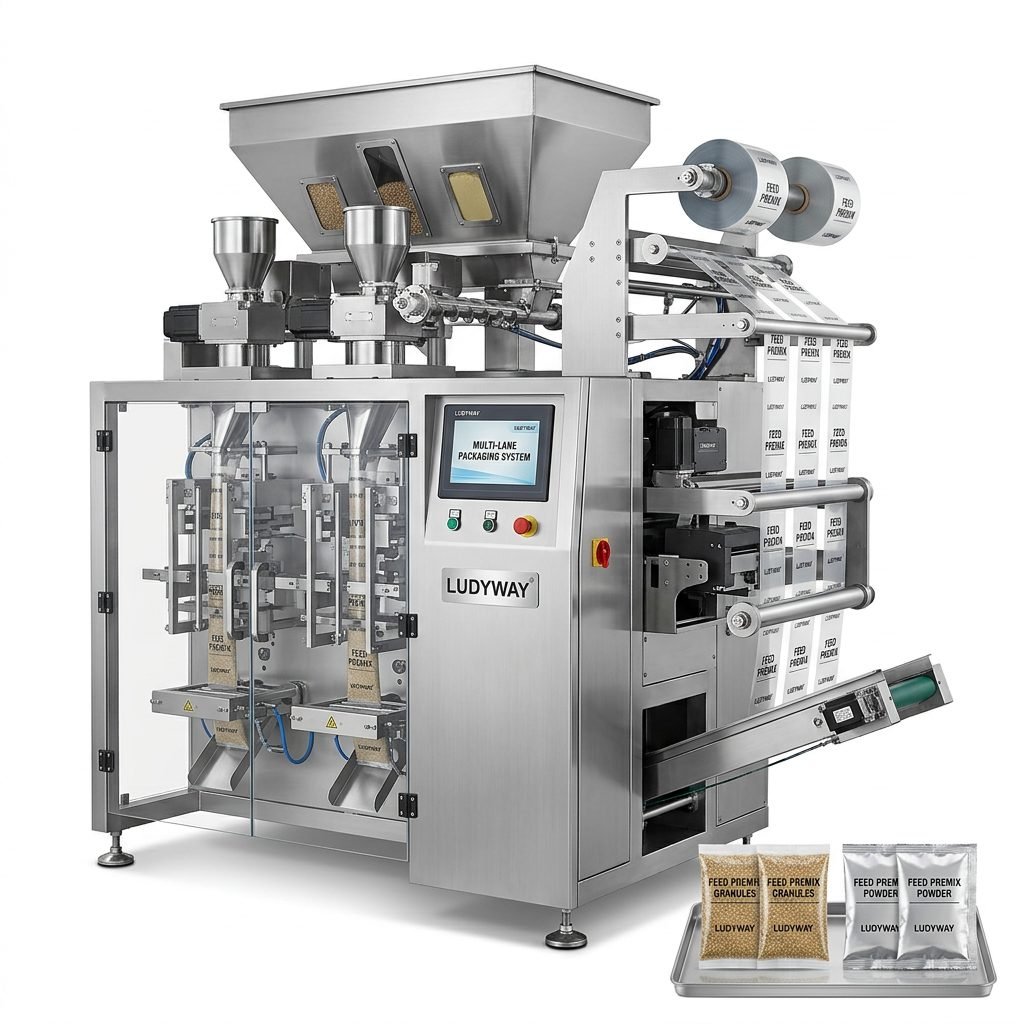
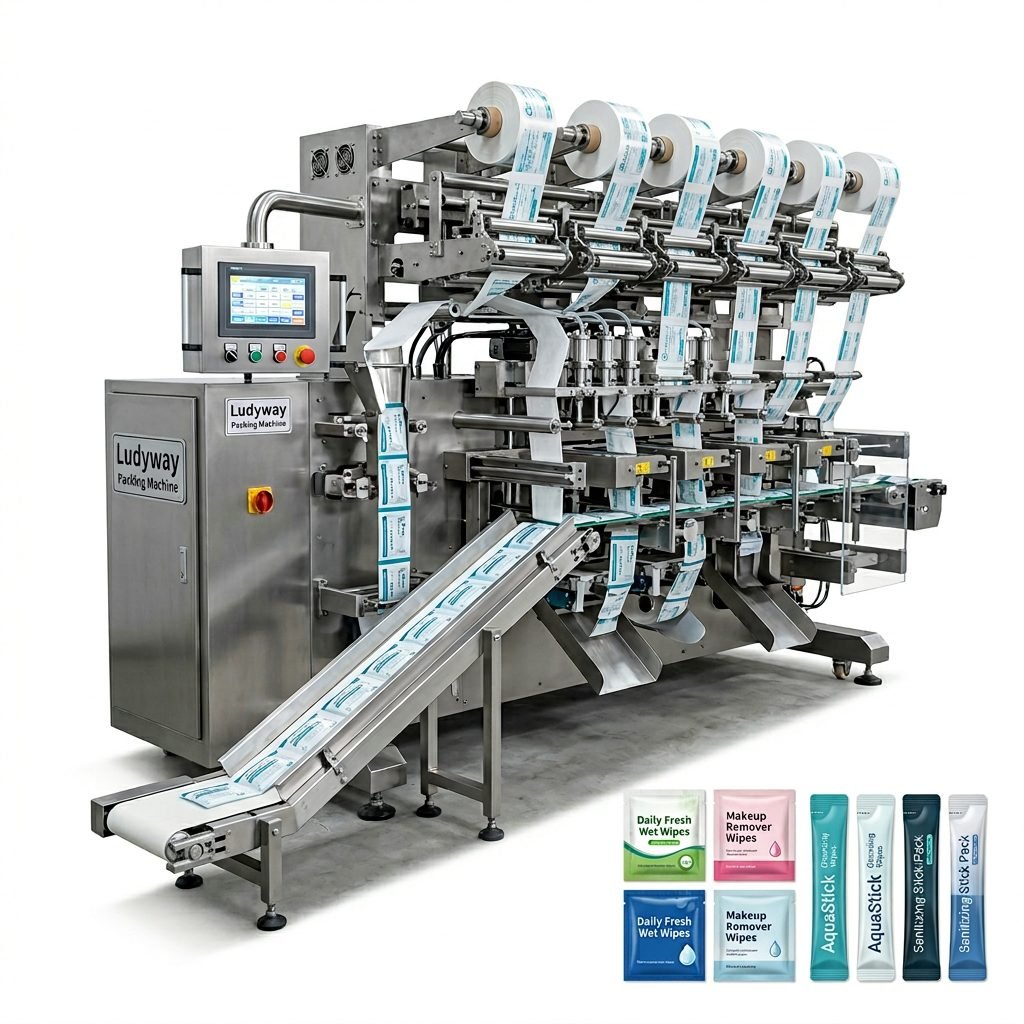
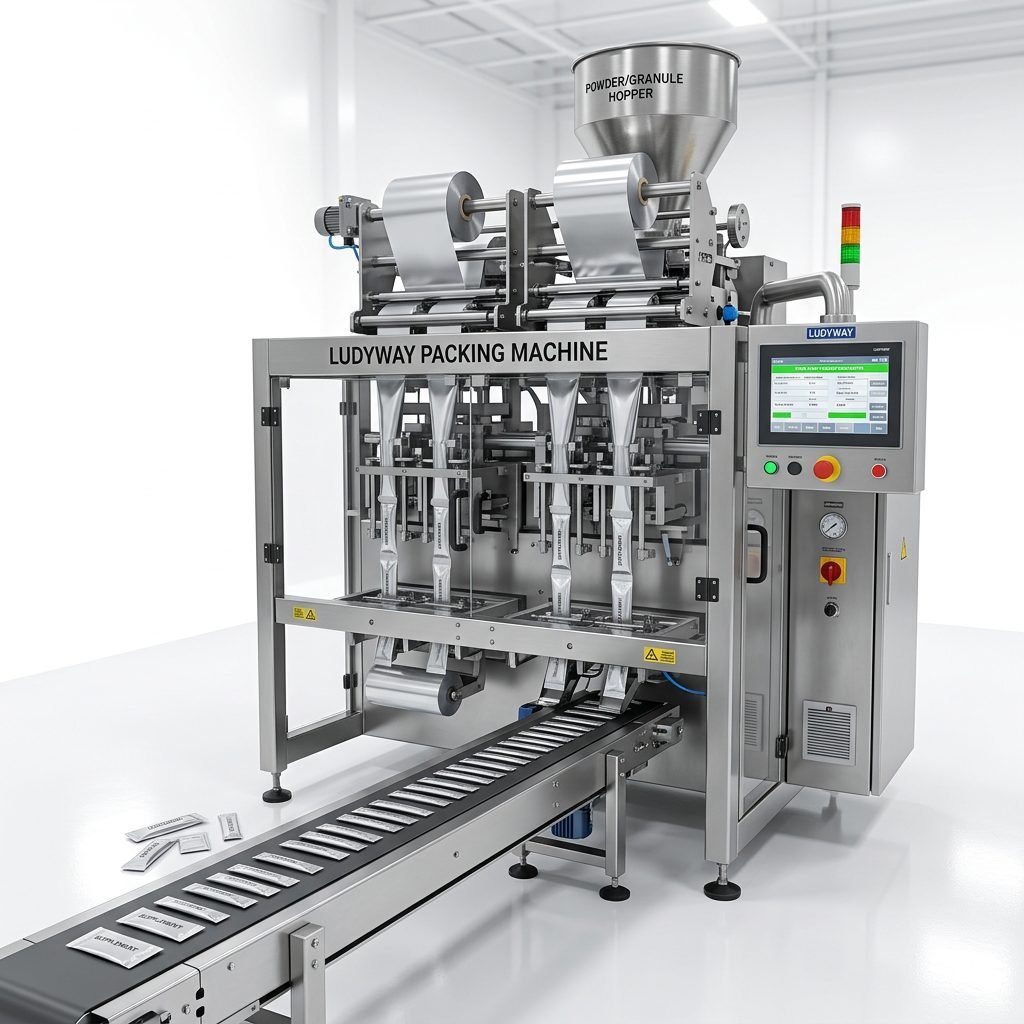
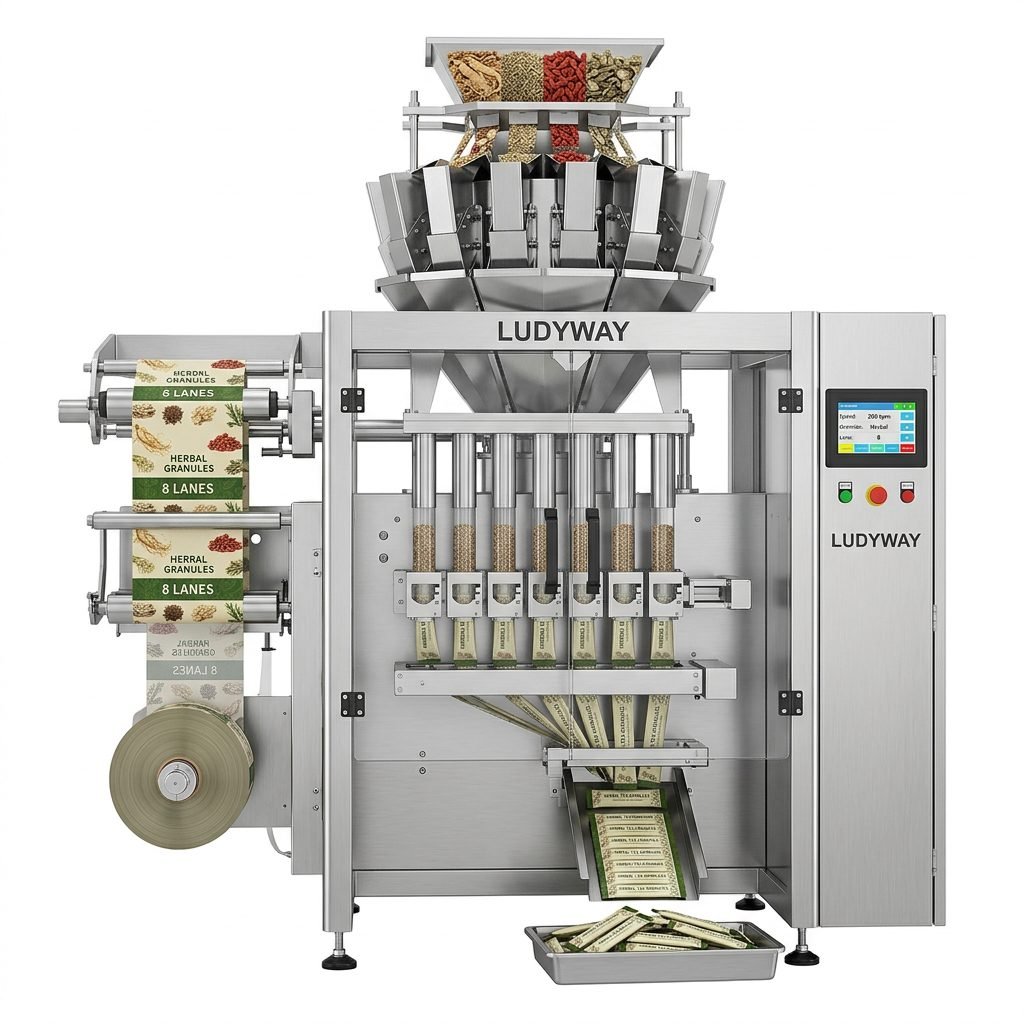
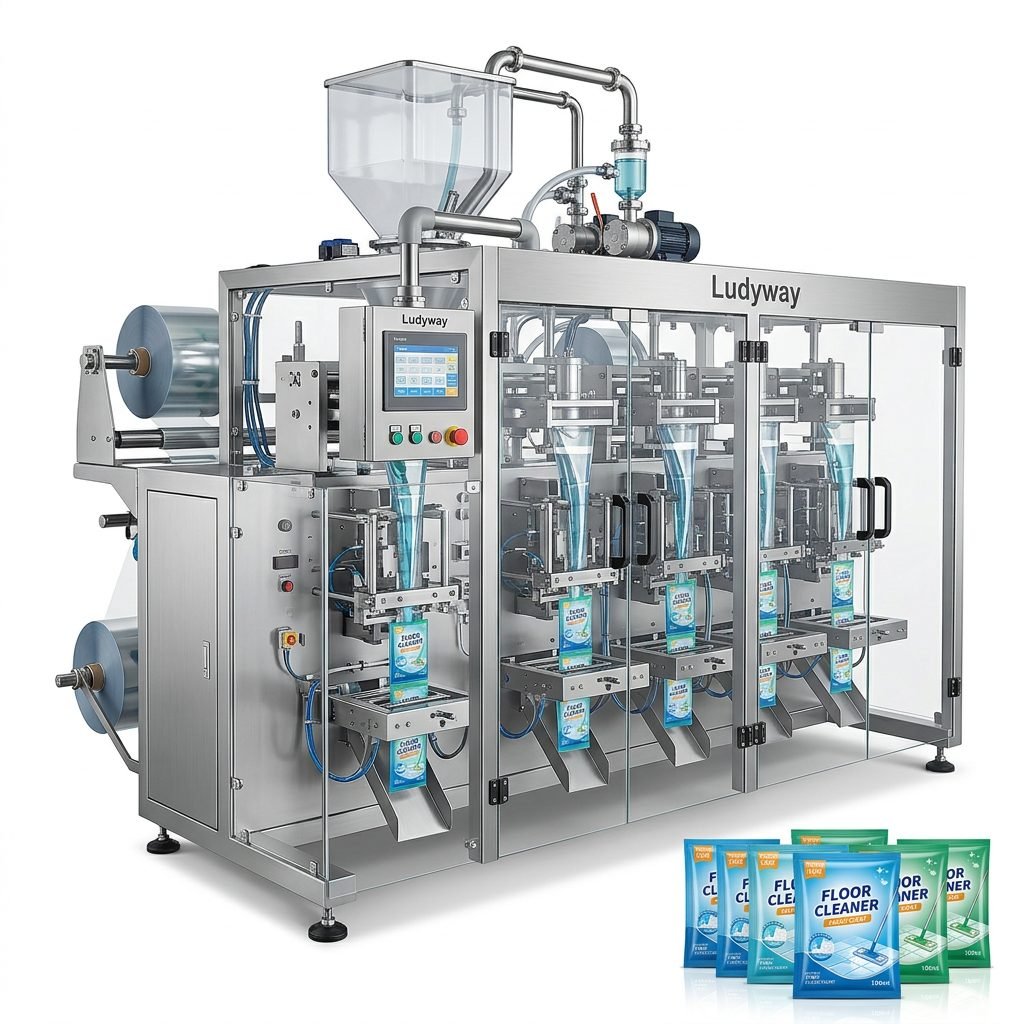
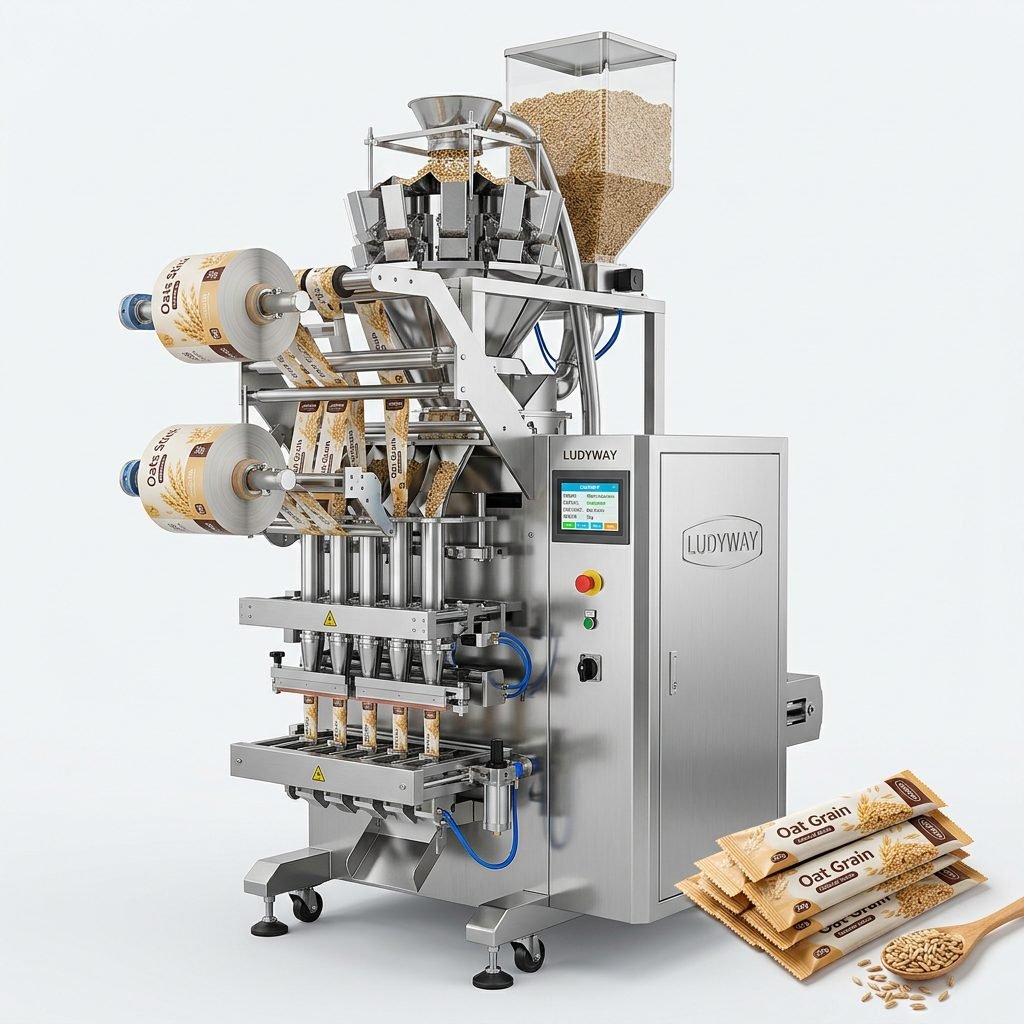
Your target market determines the format. Are you producing single-serve sachets for the hospitality industry, stick packs for on-the-go consumption, or large family-size PET bottles? A single machine may not suit all formats. Flexible packaging options are covered extensively by resources like The Flexible Packaging Association. You must define whether you need a bag-in-box system, a rigid bottle filling line, or a multi-lane sachet stick pack machine that handles high-speed production for sample-sized oils. Multi-format flexibility often comes with a higher upfront cost but provides long-term versatility.
Speed, Accuracy, and Drip Prevention
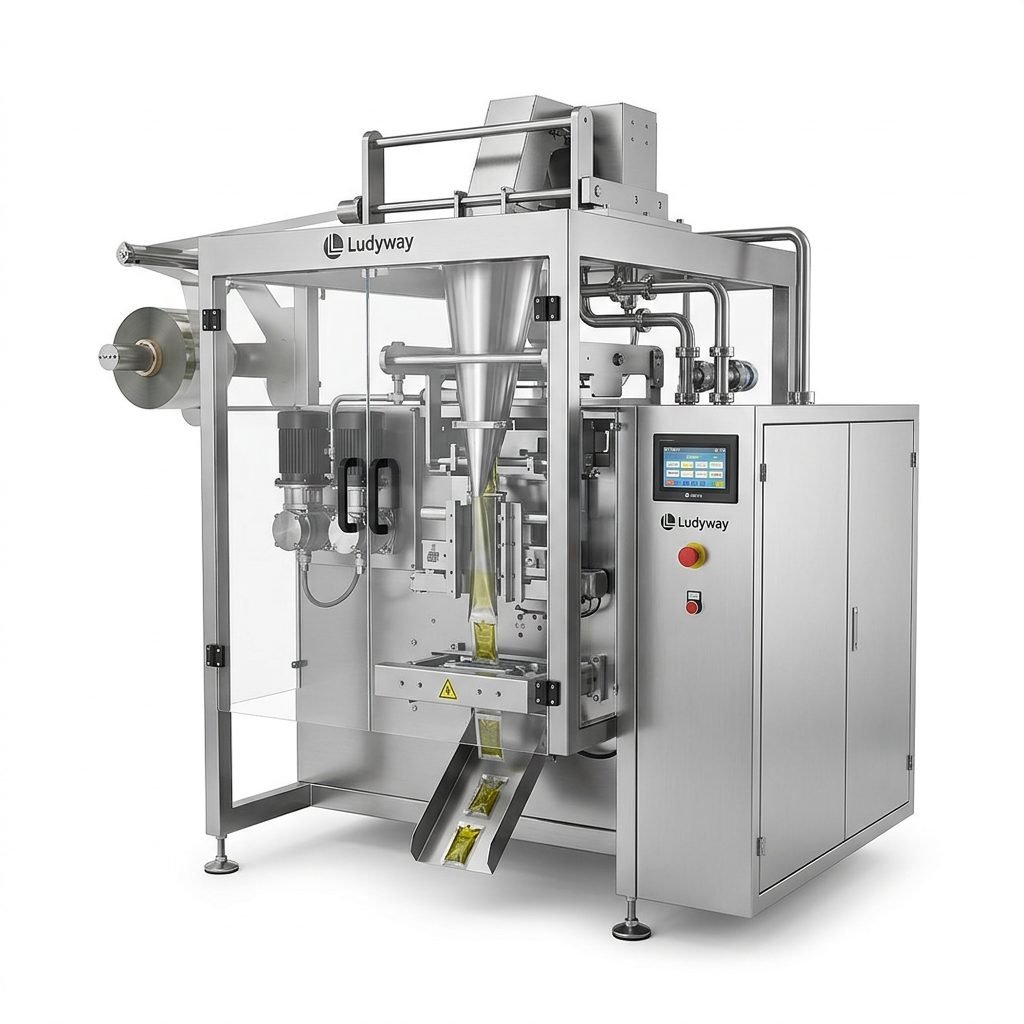
In the edible oil sector, drip control is non-negotiable. Oil residues on the exterior of a bottle or pouch can cause secondary packaging failures, labels to peel, and unsanitary conditions. Look for machines equipped with anti-drip nozzles, retracting heads, or vacuum suction systems. Speed must not compromise fill accuracy. Modern servo-driven auger or piston fillers allow you to fine-tune filling parameters to achieve a margin of error within ±0.5%. Check the PMMI Business Intelligence reports for benchmarking current production speed standards in the oil packaging industry.
Material Compatibility and Construction
Edible oil can be corrosive or degrading to certain materials over time. The wetted parts—those in direct contact with the oil—must be made from food-grade stainless steel (typically SS304 or SS316L). This prevents chemical reactions that could taint the oil or degrade machine components. The entire frame should be robust enough to support 24/7 operation. Reviewing FDA food contact substance guidelines ensures your packaging solution remains compliant with safety standards.
Table: Comparing Common Filling Technologies for Edible Oil
| Filling Technology | Best For | Key Advantage |
|---|---|---|
| Gravity Filler | Low-viscosity, foamy-free oils | Simple design, easy to clean |
| Piston Filler | Viscous oils (olive, coconut) | High accuracy, handles particulates |
| Pump (Servo) Filler | High-speed multi-lane lines | Programmable, minimal dripping |
| Net Weight Filler | Large containers/totes | Checks weight in real-time |
Automation Level and Integration Capabilities
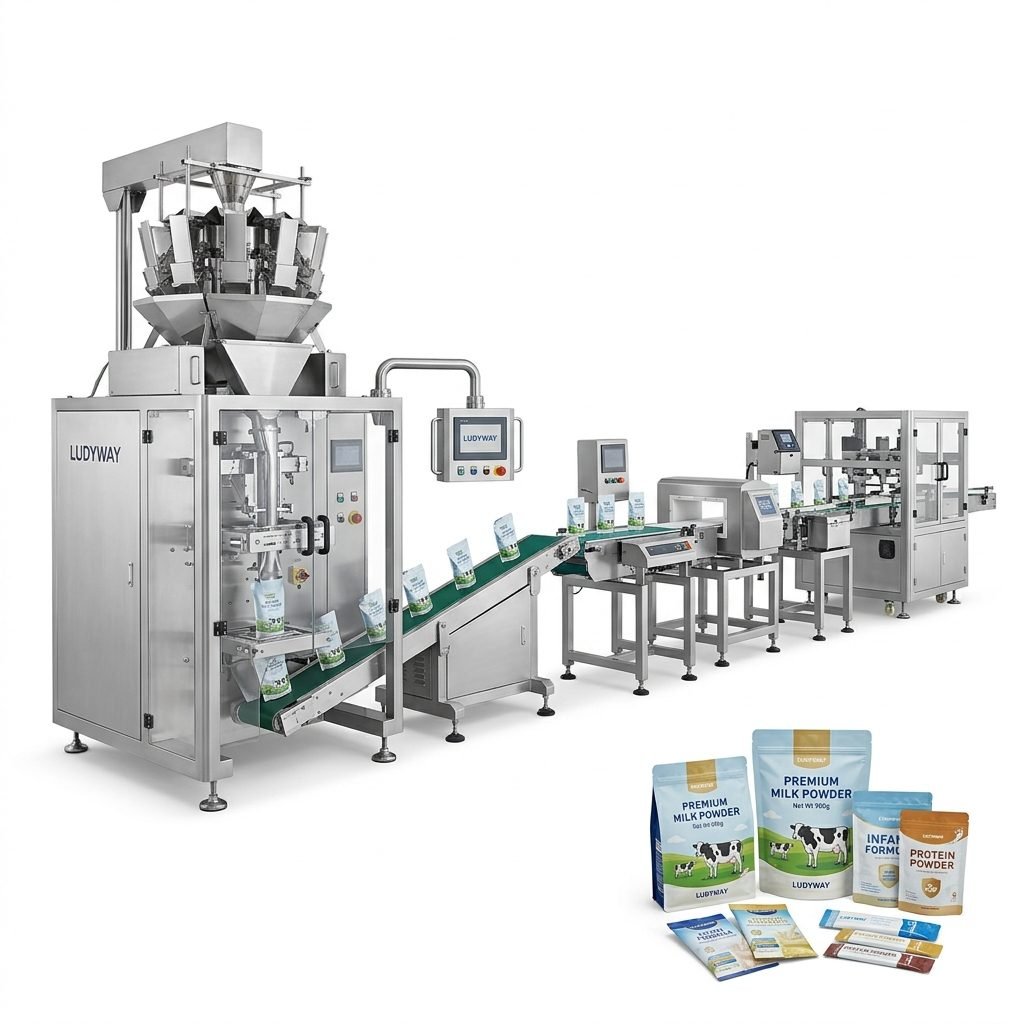
Manual loading and unloading may be acceptable for startups, but growing manufacturers benefit from automatic capping, labeling, and cartoning systems. Consider how the edible oil packaging machine connects with upstream and downstream equipment. Ludyway Machinery, a China-based packaging machinery manufacturer with over 30 years of experience, often configures integrated turnkey systems that combine filling, sealing, and palletizing for global clients. This integration reduces manual handling and contamination risks.
Cleanability and Changeover Efficiency
Oil residue can go rancid quickly if machines are not cleaned properly. Select a design that features tool-free disassembly for product-contact parts. If you package multiple oil types (e.g., canola and extra virgin olive oil) on the same line, quick-changeover mechanisms are vital. The time spent purging and cleaning between batches directly affects your Overall Equipment Effectiveness (OEE). According to information from PMMI packaging resources, efficient changeover is the leading demand in modern flexible packaging facilities.
Protecting Shelf Life: Headspace and Gas Flushing
Oxygen is the enemy of oil. To extend shelf life and prevent rancidity, your equipment should support Nitrogen (N2) gas flushing or vacuum sealing. This is particularly important for premium oils rich in polyunsaturated fats. The packaging machine must create a secure seal that prevents leaks while maintaining a consistent inert headspace. Confirming that your machine meets ISO packaging standards can help you achieve the required Modified Atmosphere Packaging (MAP) results.
Key Technical Specifications to Verify
- Power Requirements: Voltage and phase compatibility for your factory floor.
- Air Consumption: Pneumatic systems need dry, oil-free compressed air.
- IP Rating: Protection against liquid splashes during washdowns (IP65 or higher recommended).
- Control System: PLC interfaces with touchscreen HMI for recipe management.
- Safety Features: Emergency stops and guarding as per local regulations.
Evaluating Total Cost of Ownership (TCO)
The purchase price is just one part of the equation. A comprehensive buyers guide always looks at the Total Cost of Ownership. This includes:
- Spare Parts: Cost and availability of seals, o-rings, and nozzles.
- Energy Efficiency: Motor efficiency ratings and standby power consumption.
- Waste Factor: How much product is lost during fill cycles or changeovers?
- Technical Support: Remote monitoring capabilities and on-site service response times.
Investing in a robust machine with low oil-film adherence reduces long-term operational expenses dramatically.
Testing Before Buying
Never purchase an edible oil packaging machine without a factory acceptance test (FAT). Run your actual product through the equipment at the manufacturer’s facility or a local test center. Assess the fill accuracy, seal integrity, drop test results, and ease of operation. This validation phase is critical to ensuring the machine meets your specific needs before shipment. For industries closely allied with food safety, adherence to documents like the FDA food packaging guidelines establishes a strong baseline for quality assurance.
Conclusion
Choosing the best oil filling solution requires a deep technical look at viscosity, material compatibility, and automation goals. By prioritizing drip control, gas flushing capabilities, and robust stainless steel construction, you secure both product quality and production efficiency. Whether integrating with a fully automated line or opting for a semi-automatic setup, verifying real-world performance data and long-term support capabilities will guarantee a sound investment in your production future.