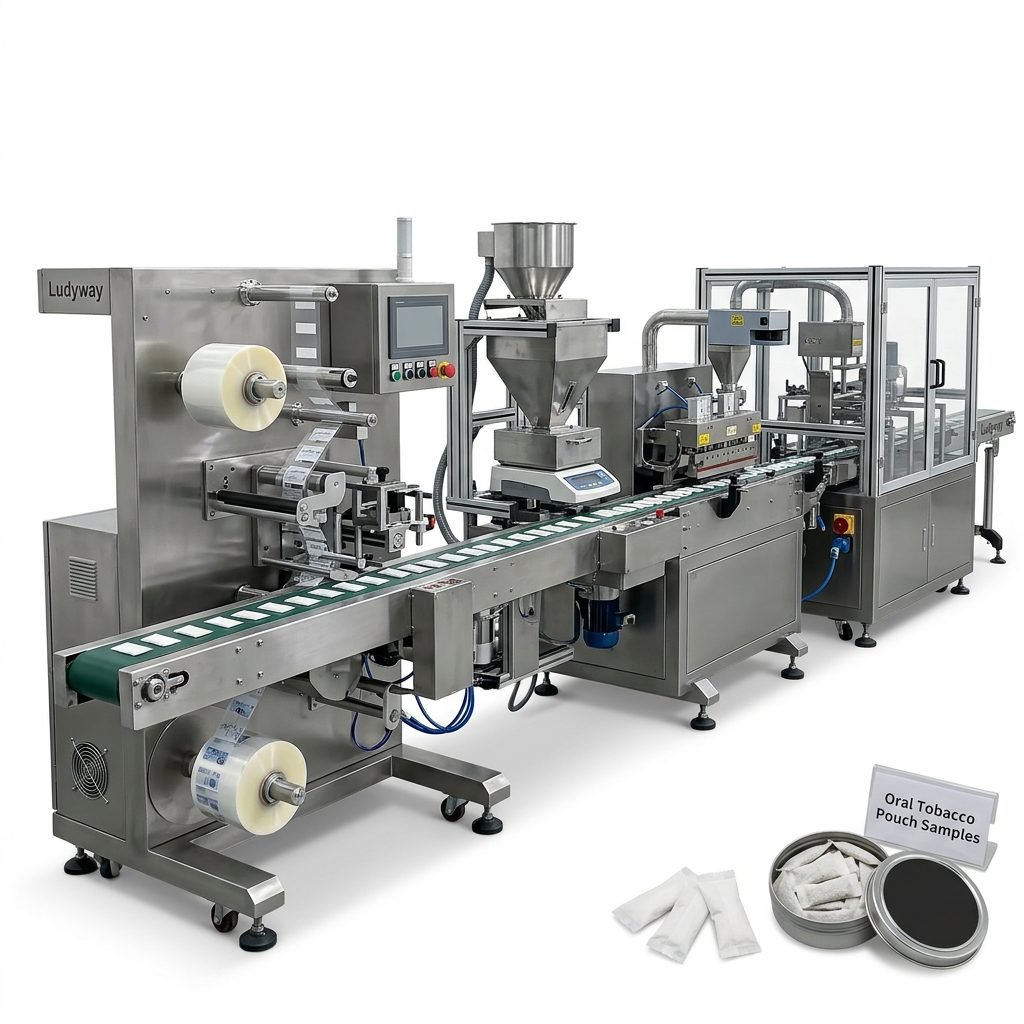
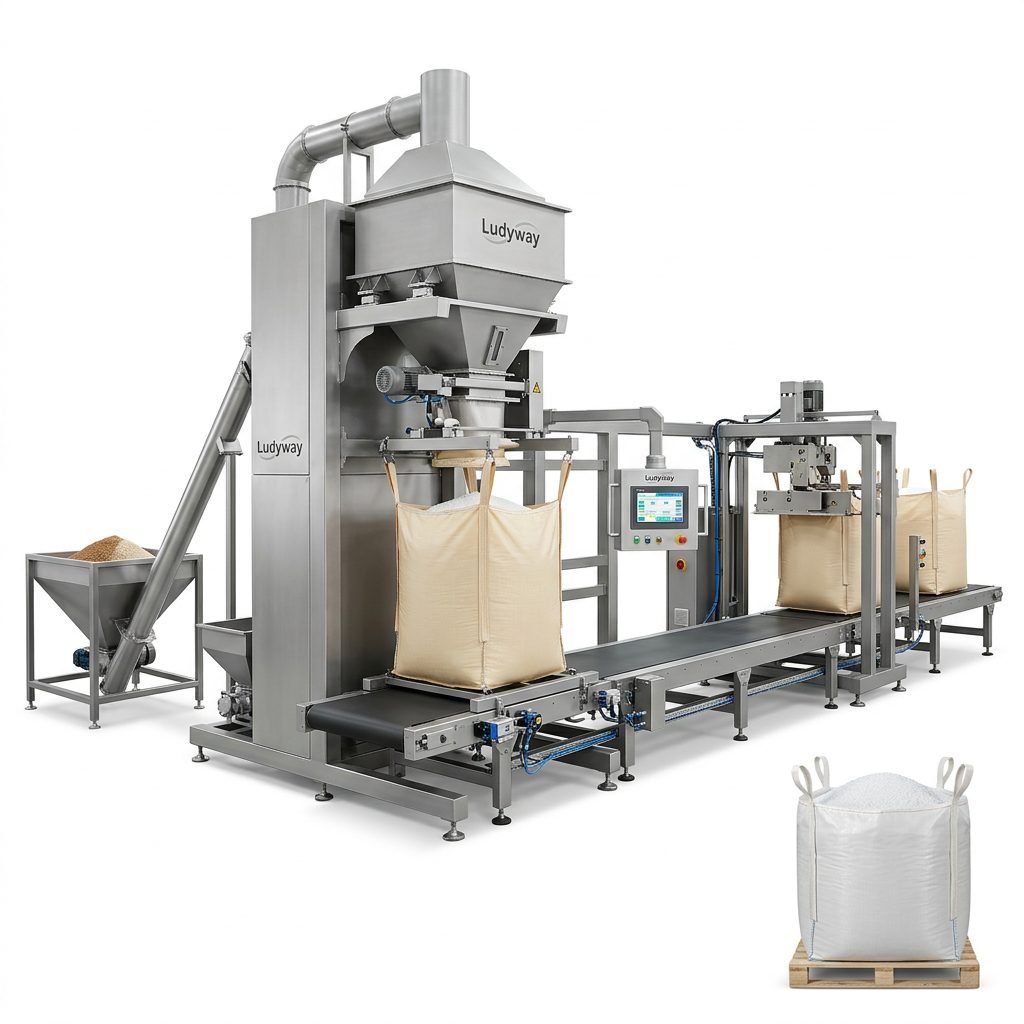
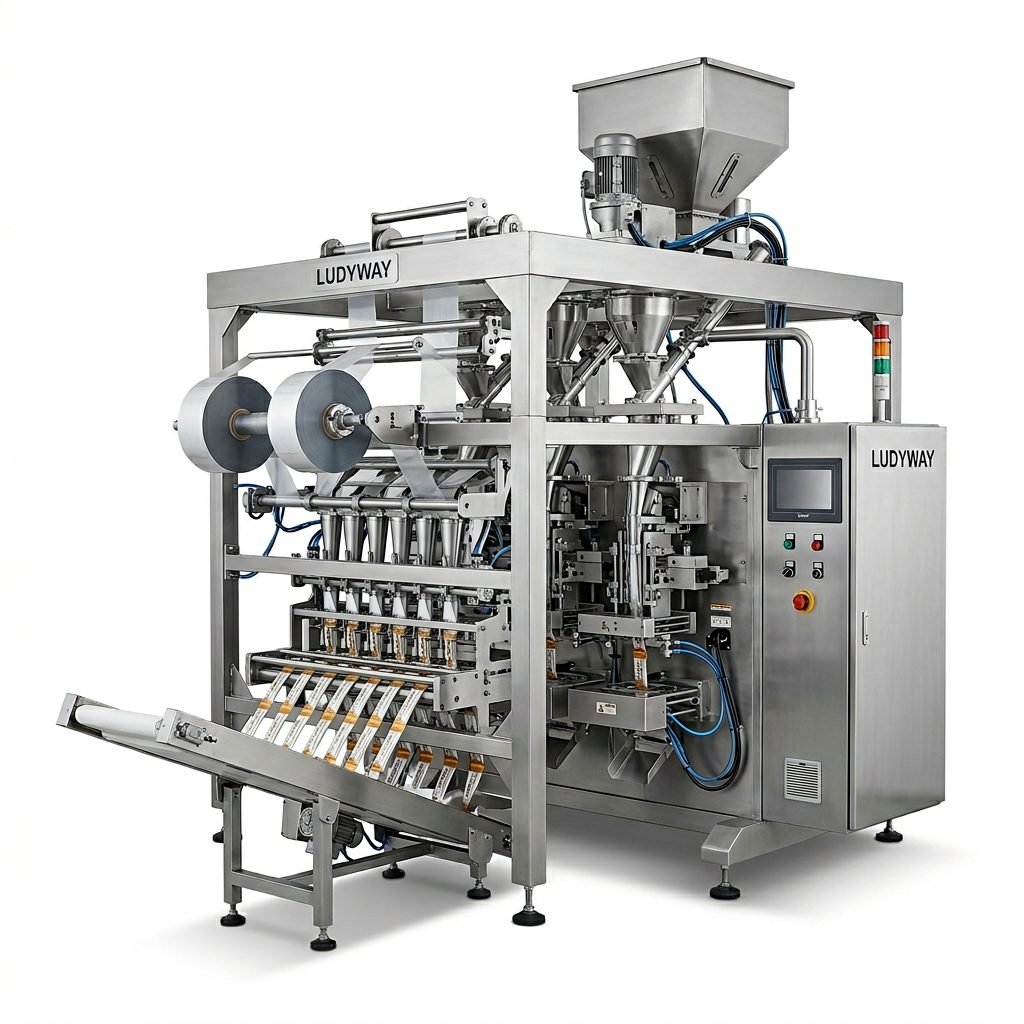
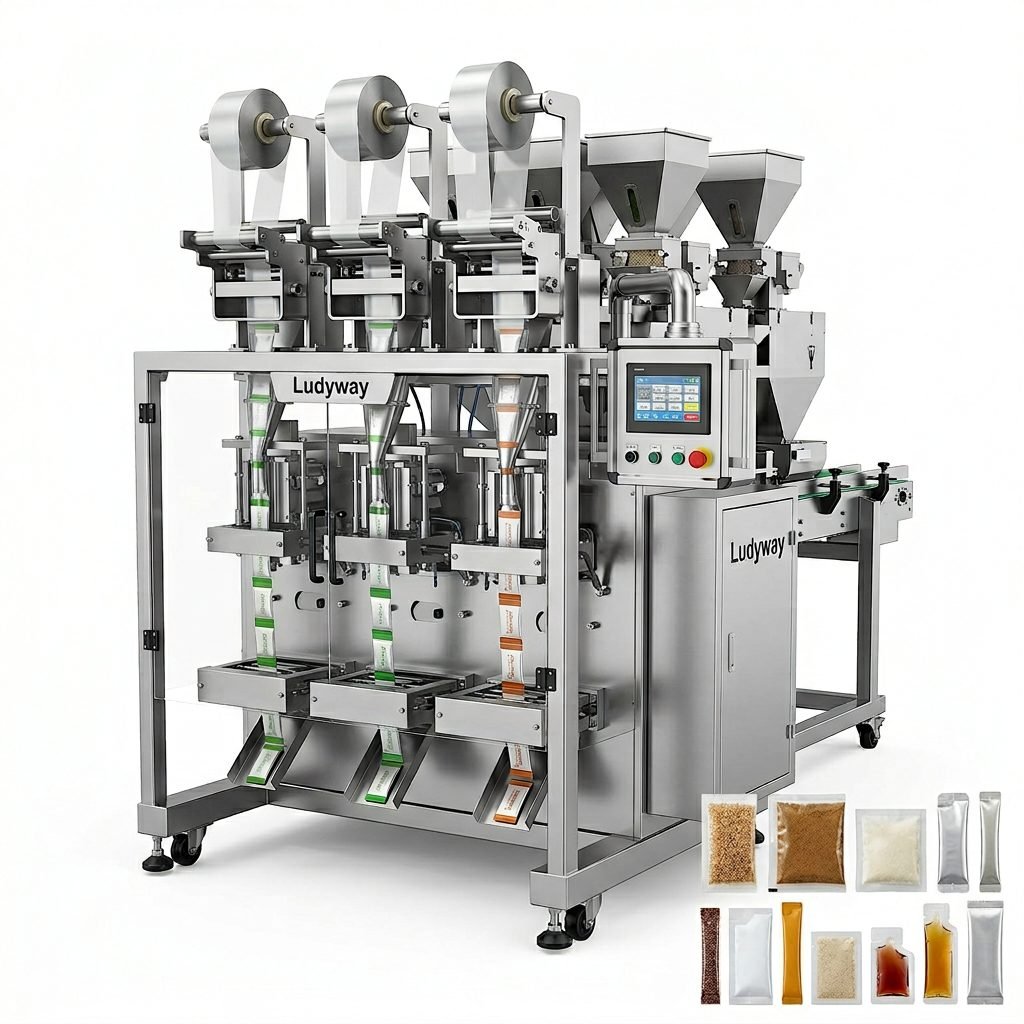
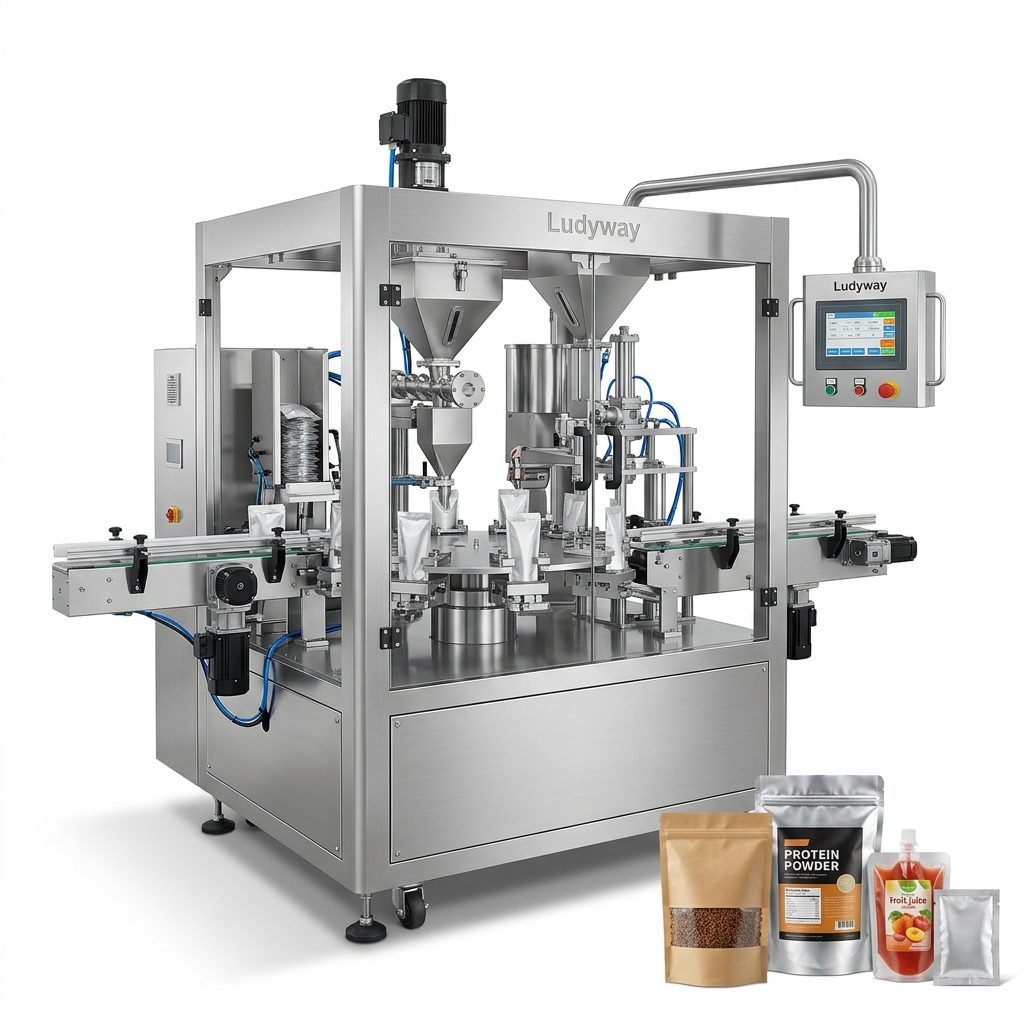
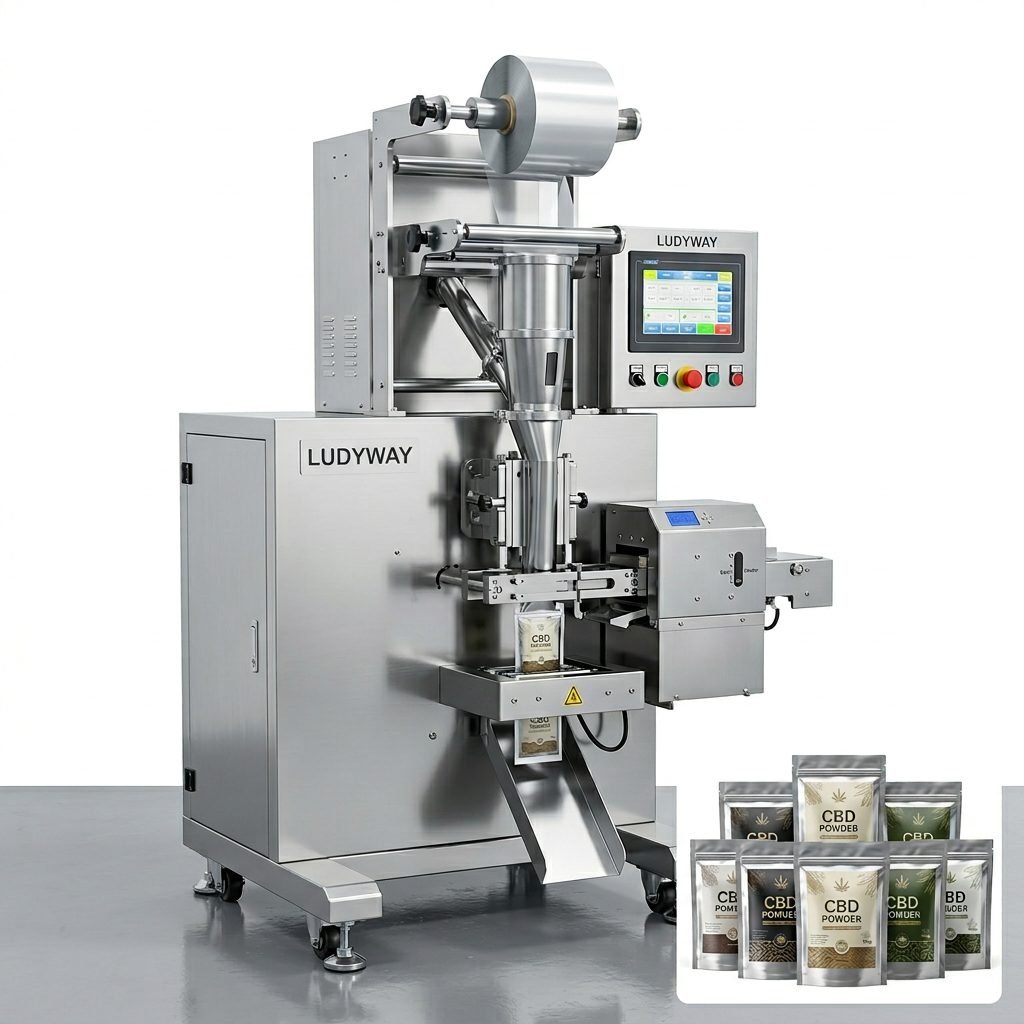
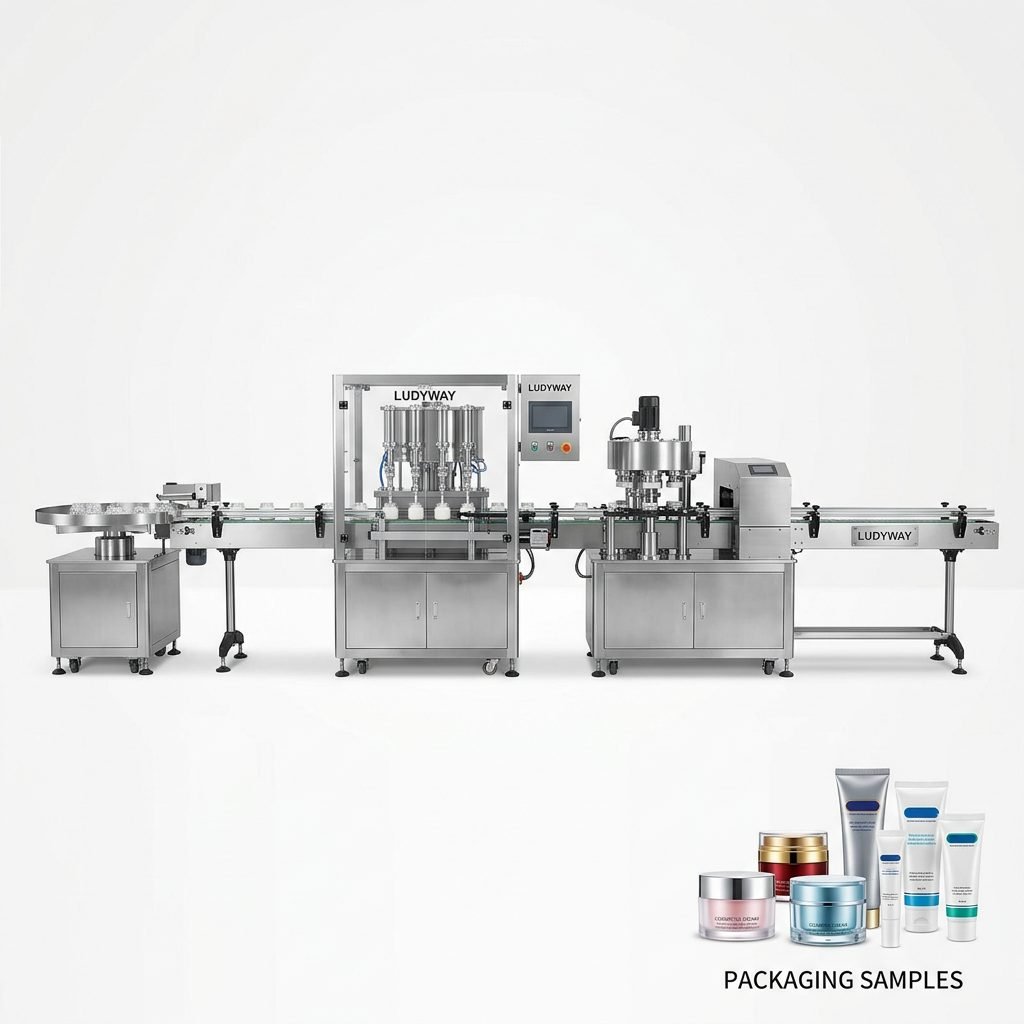
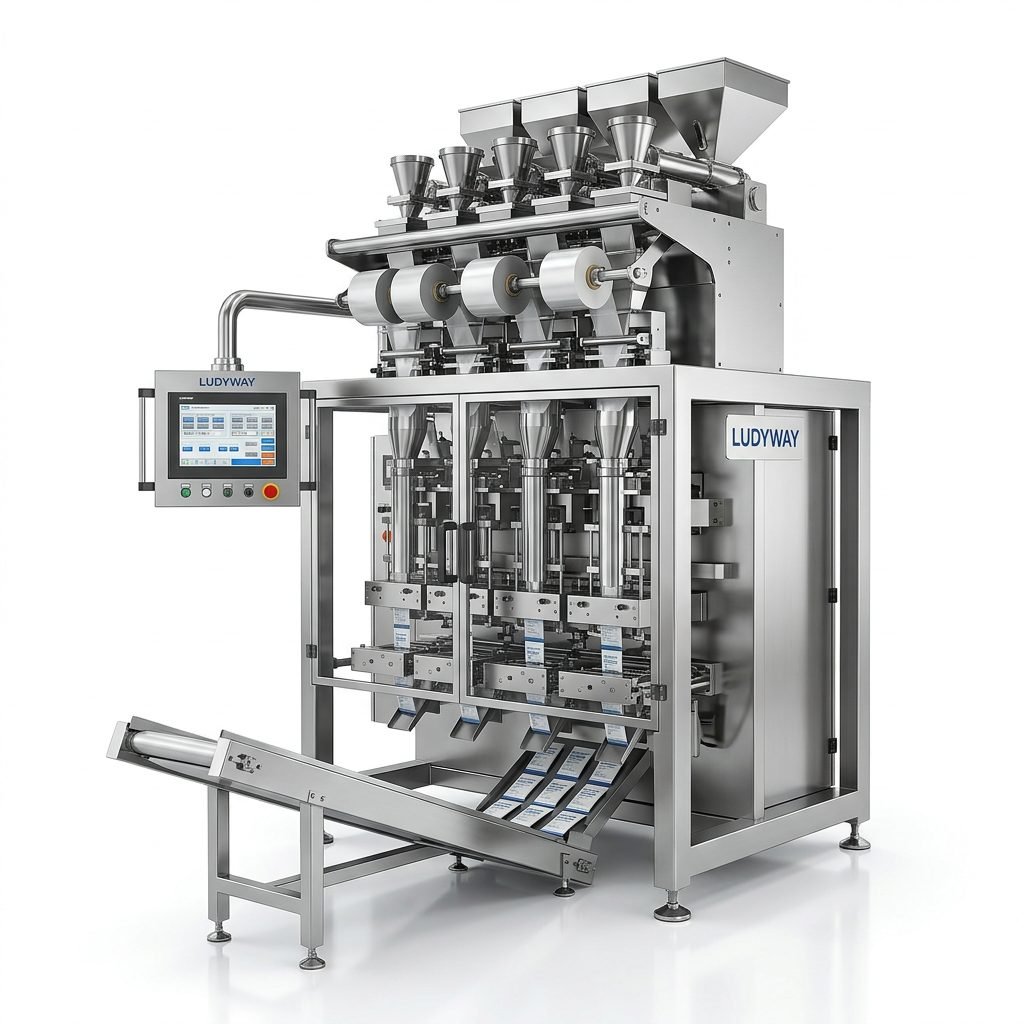
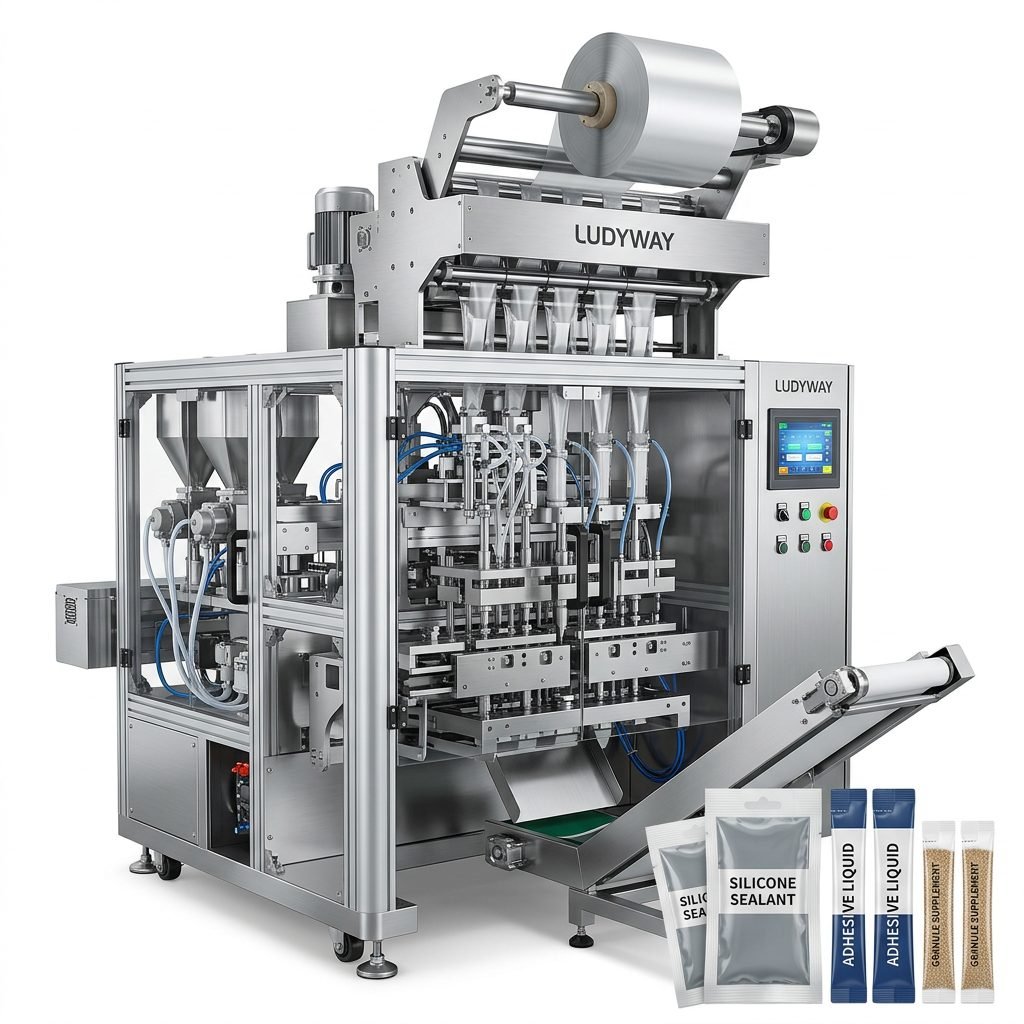
Investing in a tea bag pouch packing machine is a strategic decision that affects your production capacity, packaging quality, and long-term operational costs. With a wide range of machine types, configurations, and technology levels available, understanding what to look for before making a purchase can save you from costly mistakes and production bottlenecks.
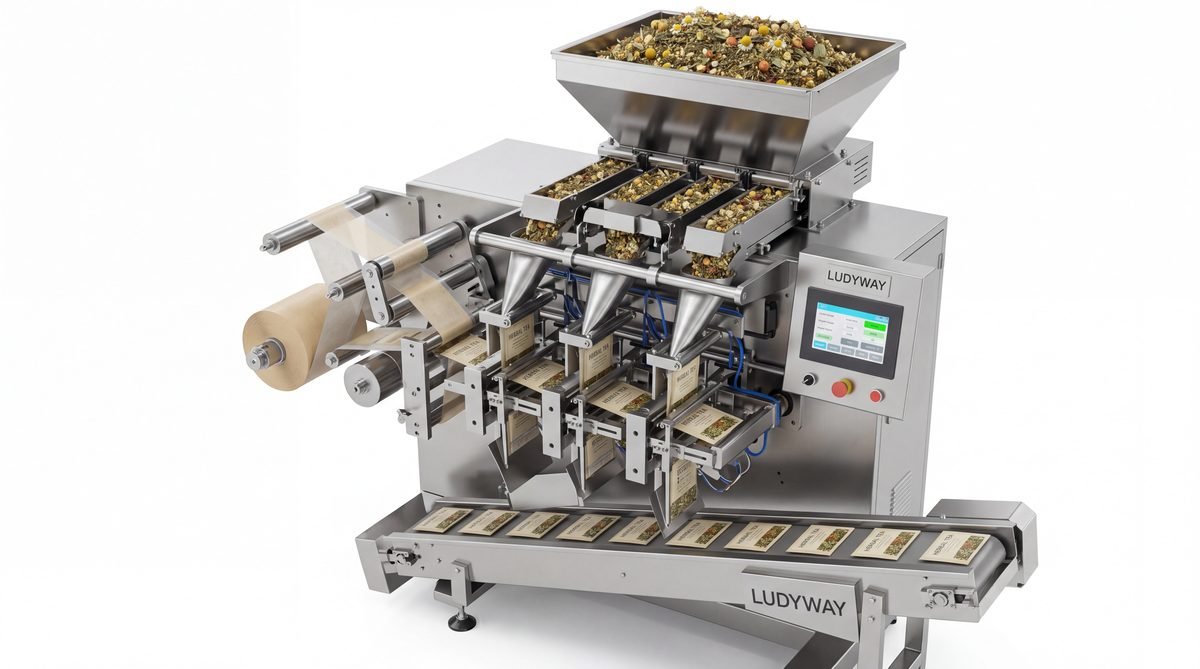
This guide walks you through every critical factor to evaluate when choosing the right tea bag pouch packing machine, from production requirements and machine features to supplier qualifications and after-sales support. Whether you are scaling up from manual packing or replacing an existing line, the following framework will help you make an informed decision aligned with your business goals.
Understanding Your Production Requirements
Before comparing machine models, you must define your own production parameters clearly. Making assumptions at this stage often leads to mismatched equipment and unnecessary capital expenditure.
Production Volume and Speed
How many pouches do you need to produce per minute, per shift, or per day? Tea bag pouch packing machines range from semi-automatic models producing 30–40 pouches per minute to high-speed multi-lane systems capable of delivering over 400 pouches per minute. Project your output requirements not just for today but for the next three to five years. A machine that meets current demand but cannot scale will limit your growth.
Packaging Format and Bag Style
Tea is packaged in various pouch formats, each requiring different machine configurations. The most common formats include flat three-side-seal sachets, four-side-seal pouches, stick packs, stand-up pouches with zippers, and pyramid tea bags. Your machine must be compatible with the exact bag dimensions, material structure, and closure type your product requires.
| Bag Format | Typical Application | Speed Range (Pouches/min) | Key Consideration |
|---|---|---|---|
| Three-Side-Seal Sachet | Single-serve loose tea, herbal blends | 40–300 | Most versatile; fits multi-lane setups |
| Stick Pack | Instant tea powder, matcha, functional beverages | 60–500 | Compact packaging; excellent for powder products |
| Stand-Up Pouch with Zipper | Premium loose-leaf tea, retail packs | 20–80 | Requires zipper applicator; higher material cost |
| Pyramid Tea Bag | Whole-leaf tea, specialty infusions | 30–120 | Specialized machine; string-and-tag attachment |
Product Characteristics: Leaf, Powder, or Blend?
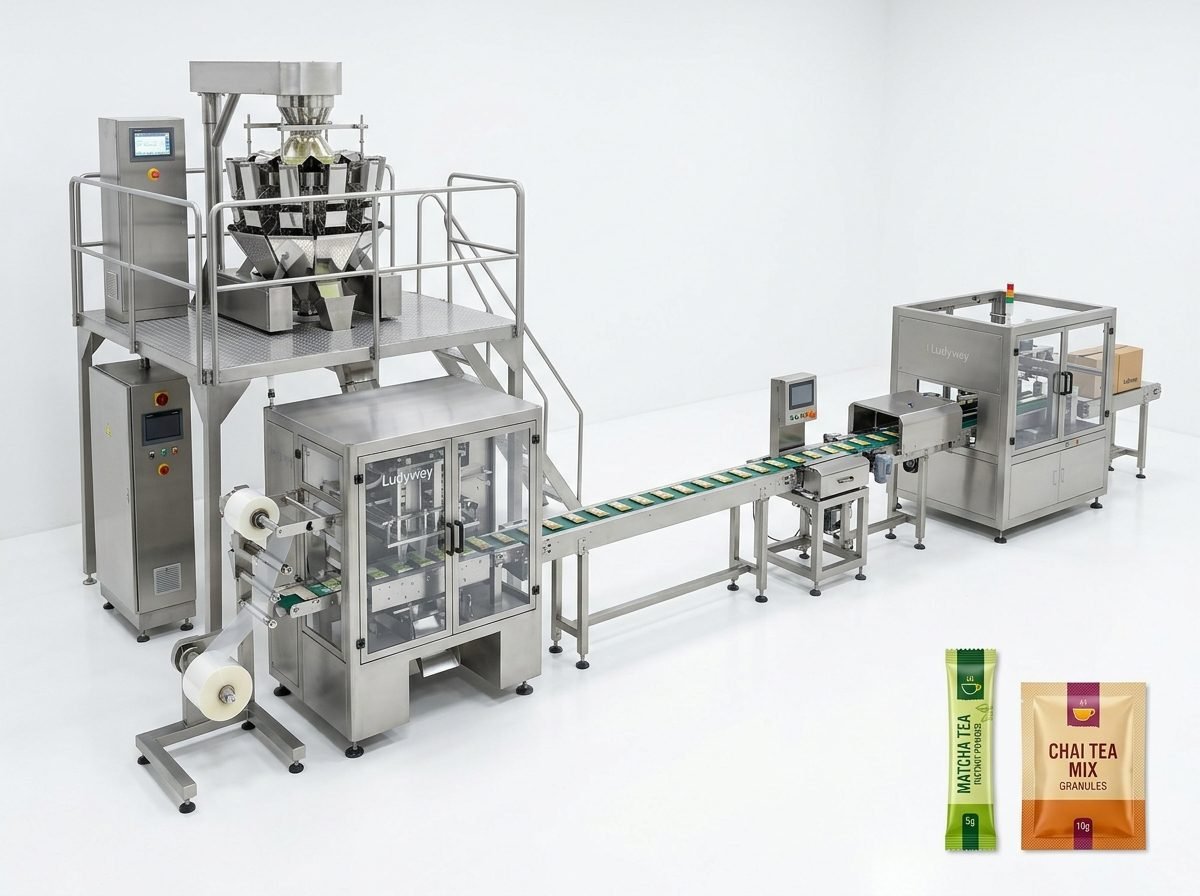
The physical properties of your tea product significantly influence machine selection. Whole-leaf teas require gentle handling and volumetric filling mechanisms that avoid crushing delicate leaves. Powdered teas such as matcha or instant chai demand precision dosing systems with dust-control features to maintain accuracy and workplace cleanliness. Herbal blends with mixed particle sizes need auger fillers or multi-head weighers that can handle inconsistent bulk density. Failing to match the filling technology to your product type will result in inconsistent pack weights, product waste, and excessive machine downtime.
Key Technical Features to Evaluate
Not all tea bag pouch packing machines offer the same technical capabilities. The following features directly impact your operational efficiency, product quality, and total cost of ownership.
Filling and Dosing Accuracy
For tea products, dosing precision is critical. Overfilling erodes your profit margin by giving away product; underfilling risks regulatory non-compliance and customer complaints. Look for machines equipped with servo-driven auger fillers, multi-head combination weighers, or volumetric cup systems depending on your product type and target accuracy level. Machines with automatic feedback correction can adjust fill weights in real time, maintaining consistency across long production runs.
Sealing Integrity and Packaging Material Compatibility
Tea is highly sensitive to moisture, oxygen, and aroma loss. The sealing system must produce hermetic, consistent seals across every pouch without damaging the packaging material. Evaluate the temperature control precision of the sealing jaws, the pressure adjustment range, and whether the machine supports flexible packaging materials such as laminated films, aluminum foil composites, biodegradable films, and paper-based structures. Poor sealing leads to product spoilage, shelf-life reduction, and costly returns.
Multi-Lane Capability and Scalability
If you anticipate significant volume growth, a multi-lane tea bag pouch packing machine offers a clear advantage. Multi-lane systems can run 4, 6, 8, 10, or even more lanes simultaneously, multiplying output without proportionally increasing floor space or operator requirements. Some multi-lane machines allow individual lane control, enabling you to run different flavors or blends concurrently. From a packaging machinery market perspective, the trend toward multi-lane automation continues to accelerate as manufacturers seek higher throughput with fewer resources.
Automation and Control Systems
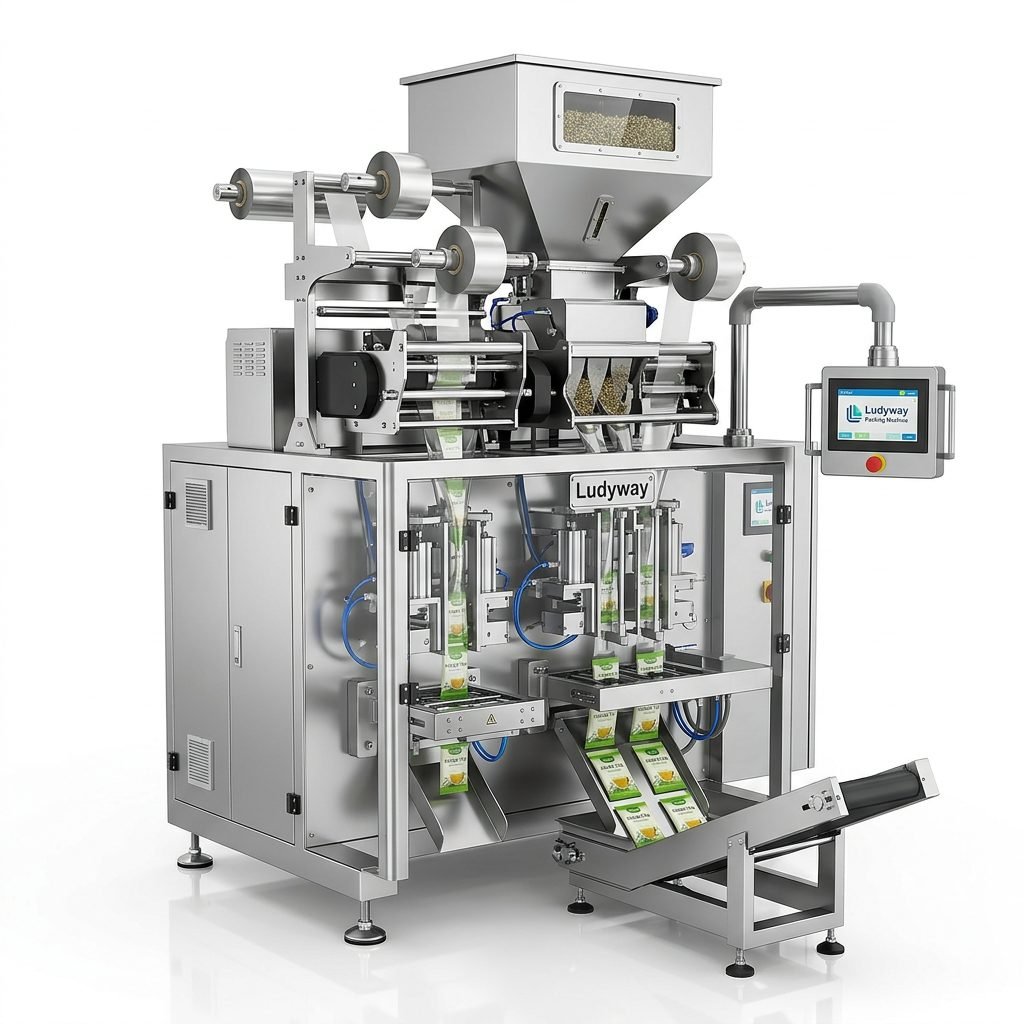
Modern tea bag pouch packing machines feature programmable logic controllers and human-machine interfaces that simplify operation, recipe management, and diagnostics. Key automation capabilities to look for include:
- Automatic film splicing — minimizes downtime during roll changes.
- Servo-driven motion control — provides precise, repeatable movements for filling and sealing stations.
- Integrated inspection systems — check seals, print quality, and fill levels in real time.
- Remote monitoring and diagnostics — enables troubleshooting without on-site technician visits.
- Recipe storage — stores multiple product and packaging format settings for rapid changeovers.
Changeover Flexibility
If you produce multiple tea varieties or pack sizes, rapid changeover capability is essential. Machines with tool-free adjustment, memory-stored recipes, and modular lane configurations allow operators to switch between products or bag sizes in minutes rather than hours. This flexibility is especially valuable for co-packers and manufacturers serving diverse retail channels.
Evaluating Machine Build Quality and Compliance
The construction quality of your tea bag pouch packing machine determines its durability, reliability, and maintenance requirements over years of continuous operation.
Frame Construction and Materials
Look for machines built with heavy-gauge stainless steel frames and food-grade contact parts. Stainless steel resists corrosion from tea dust and cleaning chemicals while meeting hygiene standards for food production environments. The machine should feel solid and vibration-resistant during high-speed operation — excessive vibration accelerates wear on mechanical components and compromises sealing consistency.
Compliance with International Standards
Depending on your target markets, your packaging equipment may need to comply with FDA regulations for food contact materials, CE marking requirements for the European Union, or other regional certifications. Verify that the manufacturer can provide appropriate documentation and that the machine design supports compliance with relevant safety and hygiene standards.
| Assessment Factor | What to Look For | Why It Matters |
|---|---|---|
| Frame Material | 304 or 316 stainless steel | Corrosion resistance, hygiene compliance |
| Sealing Jaw Material | Hard-anodized aluminum or coated steel | Seal consistency, longevity |
| Electrical Components | Recognized brands (Siemens, Schneider, Omron) | Reliability, spare parts availability |
| Certifications | CE, UL, FDA-compatible design | Market access, regulatory compliance |
| Warranty Coverage | Minimum 12 months on core components | Risk mitigation, manufacturer confidence |
Choosing the Right Supplier and Manufacturer
The relationship with your equipment supplier extends far beyond the initial purchase. A reliable partner provides engineering support, installation assistance, operator training, and ongoing technical service that keeps your production running smoothly.
Manufacturer Experience and Industry Track Record
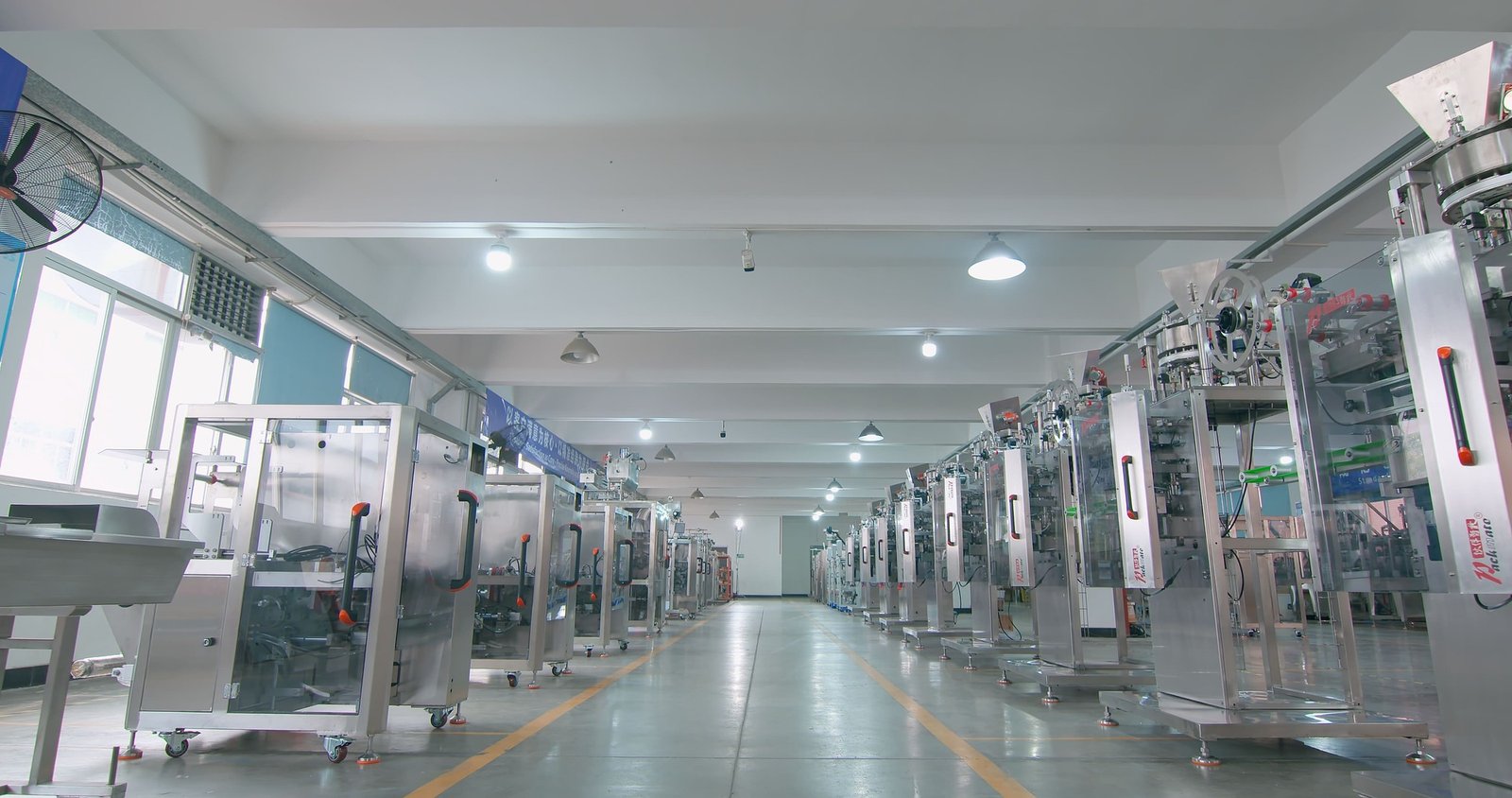
Look for manufacturers with a demonstrated history in the packaging machinery industry, ideally with specific experience in tea or dry-powder packaging applications. Companies with decades of engineering heritage bring valuable application knowledge that translates into practical machine design, reliable performance, and efficient problem-solving. A manufacturer that has served over 100 countries and maintained a strong export trajectory demonstrates credibility and global service capability. For example, Ludyway Machinery — a China-based packaging machinery manufacturer with more than 30 years of experience — has developed a broad portfolio of automatic packaging equipment and turnkey solutions, serving industries including food, beverage, and pharmaceuticals across more than 100 countries.
Customization and Engineering Capabilities
Standard machines rarely meet every requirement perfectly. The best suppliers offer custom engineering services that adapt machine configurations to your specific product, packaging material, facility layout, and automation goals. Whether you need modified filling systems, integrated checkweighers, nitrogen-flushing capability for extended shelf life, or custom coding and labeling integration, confirm that the manufacturer has in-house engineering resources to deliver tailored solutions — not just off-the-shelf equipment.
After-Sales Support and Spare Parts Availability
Even the best machinery requires maintenance and occasional repairs over its lifespan. Before committing to a purchase, investigate the supplier’s after-sales support infrastructure. Key questions to ask include:
- Is remote technical support available for troubleshooting and diagnostics?
- What is the typical response time for on-site service requests?
- Are critical spare parts stocked locally or available for expedited shipment?
- Does the supplier provide comprehensive operator and maintenance training?
- Is there an established network of service engineers covering your geographic region?
Total Cost of Ownership and ROI Analysis
The purchase price of a tea bag pouch packing machine is only one component of its total cost. A thorough financial assessment should account for installation, training, ongoing maintenance, spare parts, packaging material compatibility, energy consumption, and potential downtime costs. A lower-priced machine that requires frequent repairs, produces inconsistent seals, or lacks service support may ultimately cost significantly more than a higher-quality alternative.
Calculating Payback Period
Estimate your return on investment by comparing the automated machine’s throughput and labor requirements against your current packing method. Consider the following simplified framework:
- Labor savings — how many operators does the automated line replace or reassign?
- Product waste reduction — how much product is saved through improved dosing accuracy?
- Film material optimization — does the machine minimize film waste during startups and changeovers?
- Increased throughput — how much additional revenue can higher production capacity generate?
- Quality improvement — how does better seal integrity reduce returns and protect brand reputation?
Making the Final Decision
After evaluating your production requirements, technical specifications, supplier qualifications, and total cost of ownership, the final step is to validate your shortlisted options through real-world testing. Whenever possible, arrange for product trials using your actual tea products and preferred packaging materials on the machine you intend to purchase. Observing the machine’s performance with your own product provides insights that specification sheets and sales presentations cannot convey. Pay attention to fill accuracy, seal quality, ease of operation, changeover speed, and overall machine stability during extended runs.
Choosing the right tea bag pouch packing machine is a long-term strategic decision that shapes your production efficiency, product quality, and competitive position for years. By following a structured evaluation process — grounded in your specific production data and validated through hands-on testing — you can select equipment that meets your current needs and scales with your future growth.