Asia has become the global manufacturing hub for food production, and with that comes an increasing demand for efficient, high-speed packaging solutions. Setting up a food tray packaging machine production line in Asia—whether in China, India, Vietnam, Thailand, or Indonesia—requires careful planning, from understanding regional market dynamics to selecting the right equipment and navigating local regulations. This guide walks you through every critical step to ensure a successful and scalable food tray packaging operation.
Why Asia Is the Strategic Choice for Food Tray Packaging
The Asia-Pacific region dominates the global food packaging market, driven by rapid urbanization, rising disposable incomes, and a booming processed food sector. Countries like China, India, and Southeast Asian nations are witnessing unprecedented growth in ready-to-eat meals, frozen foods, and convenience products—all of which rely heavily on tray packaging. According to the latest PMMI state of the industry report, packaging machinery demand in Asia is projected to outpace other regions through 2026.
Establishing a production line here offers advantages including lower labor costs, proximity to raw material suppliers, and access to a vast consumer base. However, success depends on understanding local infrastructure, workforce availability, and regulatory frameworks that vary significantly across Asian markets.
Step 1: Define Your Food Tray Packaging Requirements
Before investing in any machinery, you need to clearly define your production goals. Key considerations include:
- Product type: Are you packaging fresh produce, frozen meals, baked goods, or ready-to-eat items? Different products require different tray materials and sealing methods.
- Production volume: Daily or hourly output targets will determine whether you need a semi-automatic or fully automatic packaging machine solution.
- Tray materials and sizes: Common materials include PET, PP, aluminum, and biodegradable options. Your machine must be compatible with your chosen tray specifications.
- Sealing technology: Options range from heat seal and vacuum seal to modified atmosphere packaging (MAP), which extends shelf life significantly.
Step 2: Evaluate Location and Facility Infrastructure
Choosing the right location within Asia can make or break your operation. Key factors to evaluate include:
Power Supply and Utilities
Food tray packaging machines—especially high-speed automated systems—require stable electricity, compressed air, and sometimes nitrogen for MAP applications. In some Southeast Asian countries, power fluctuations are common, so investing in voltage stabilizers or backup generators is essential. Check the ISO packaging standards for equipment operating requirements.
Facility Layout and Workflow
An optimized production line layout minimizes material handling and maximizes throughput. Consider the following zones:
- Raw material receiving and storage area
- Tray forming and filling station
- Sealing and inspection zone
- Secondary packaging and palletizing area
- Finished goods warehouse
A well-designed layout reduces operator movement, prevents cross-contamination, and supports lean manufacturing principles that are increasingly adopted across Asian factories.
Step 3: Select the Right Food Tray Packaging Machine
The heart of your production line is the tray packaging machine itself. Understanding the different types available helps you make an informed decision. Below is a comparison of common food tray packaging machine categories:
| Machine Type | Best For | Sealing Method | Typical Speed | Automation Level |
|---|---|---|---|---|
| Manual Tray Sealer | Small-scale production, startups | Heat seal | 5-15 trays/min | Manual |
| Semi-Automatic Tray Sealer | Medium production volumes | Heat seal / MAP | 15-40 trays/min | Semi-automatic |
| Fully Automatic Inline Sealer | High-volume food processing | MAP / Vacuum / Heat seal | 40-120 trays/min | Fully automatic |
| Rotary Tray Packaging System | Very high-speed, continuous production | MAP / Heat seal | 100-200+ trays/min | Fully automatic |
| Thermoforming + Tray Seal Combo | Integrated tray forming and sealing | MAP / Vacuum | 60-150 trays/min | Fully automatic |
VFFS vs. Tray Packaging: Which Fits Your Product?
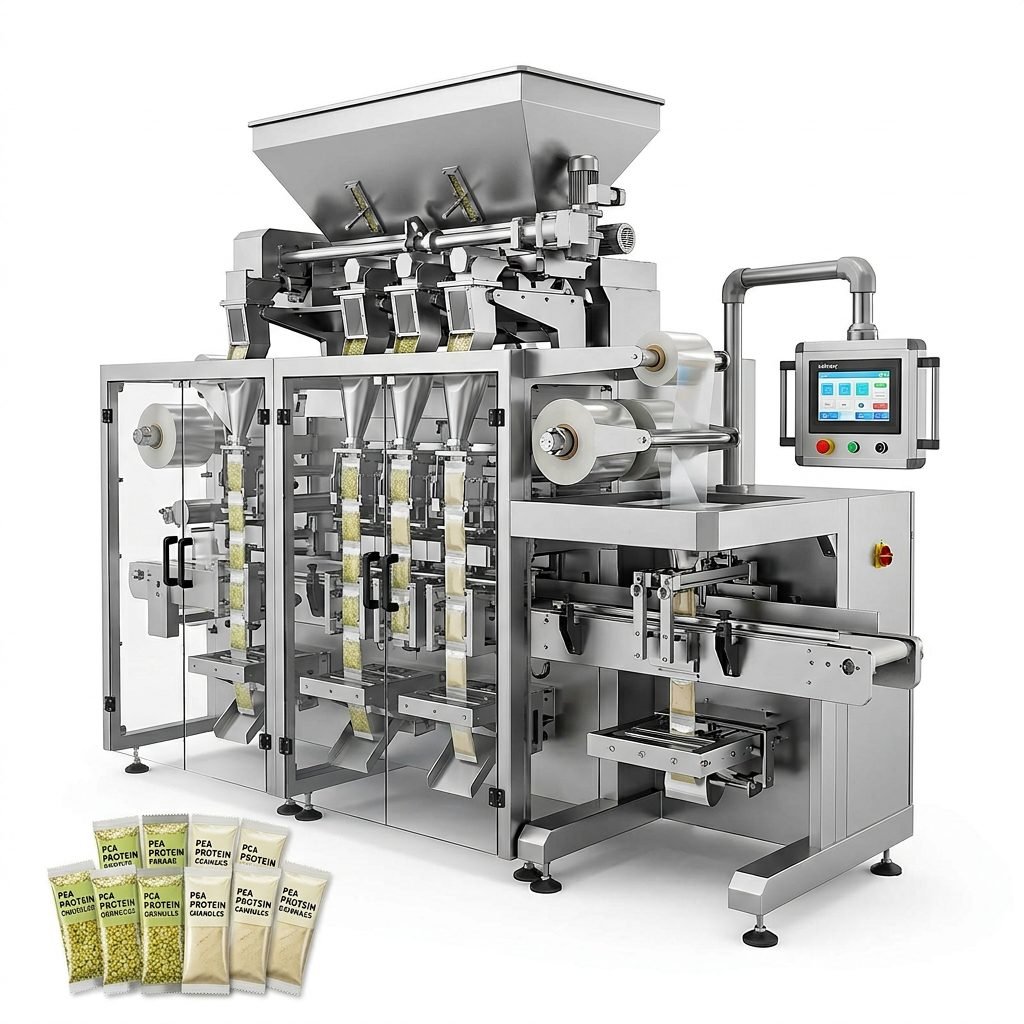
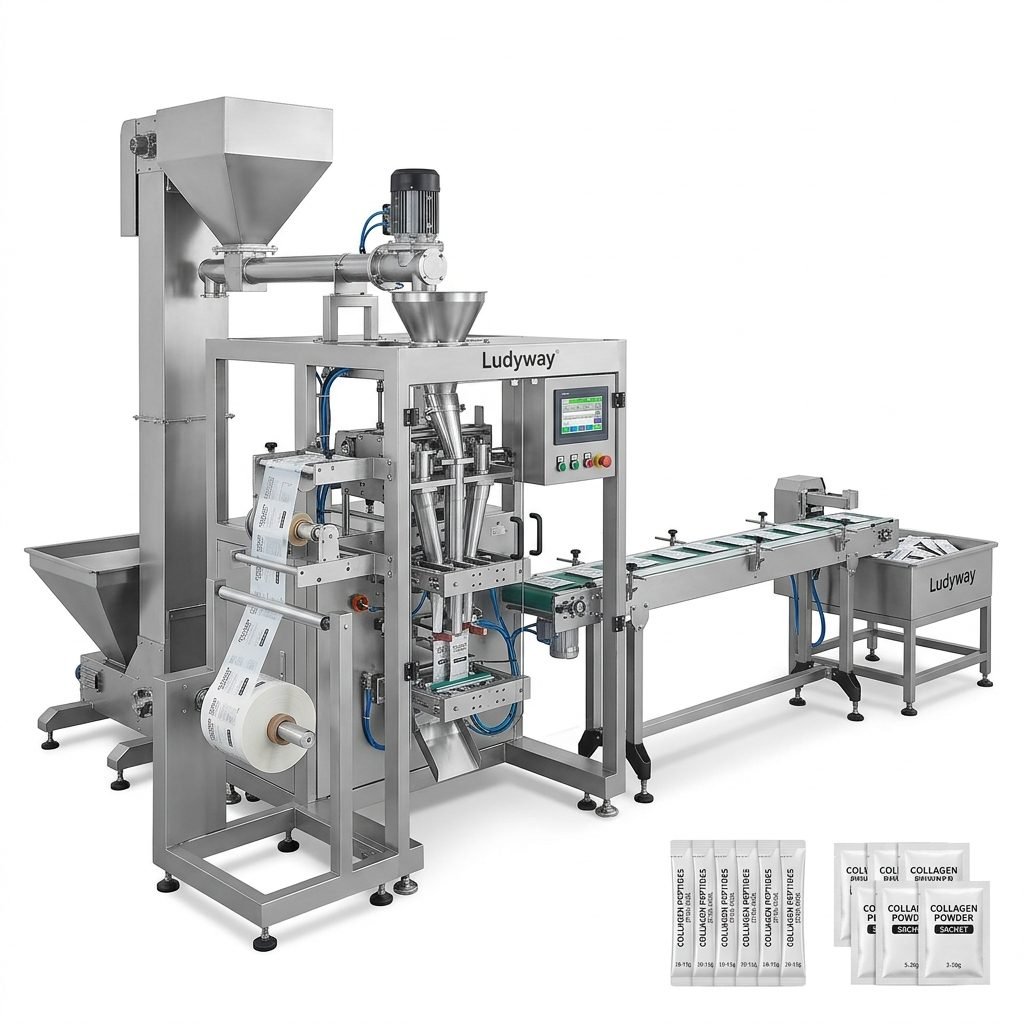
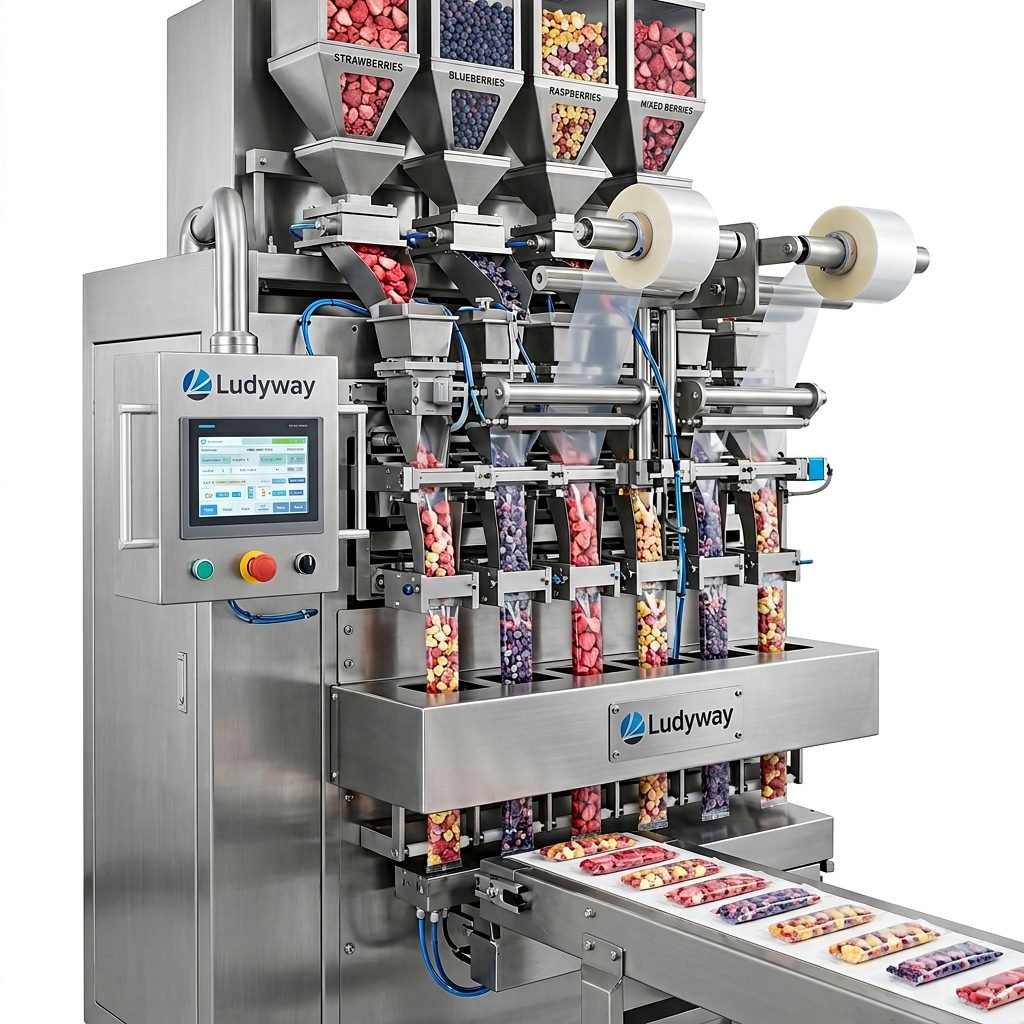
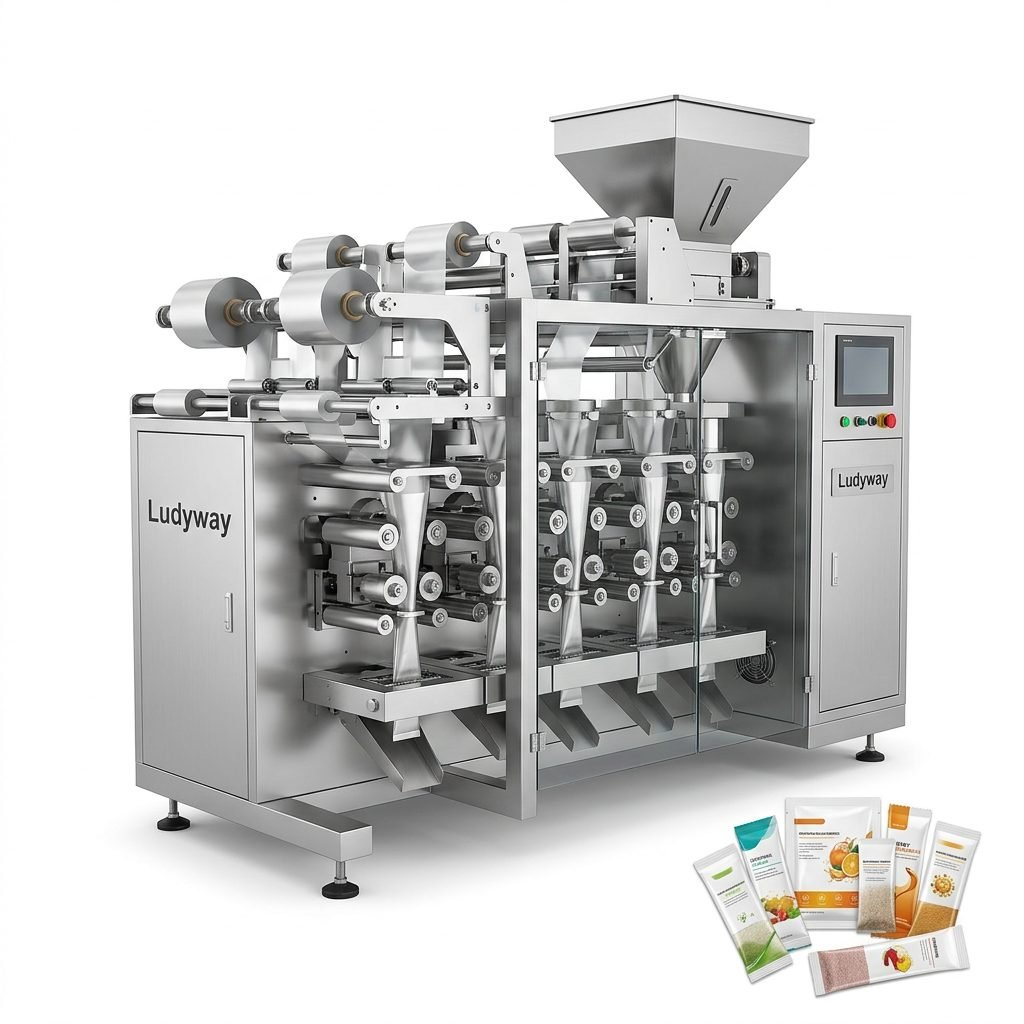
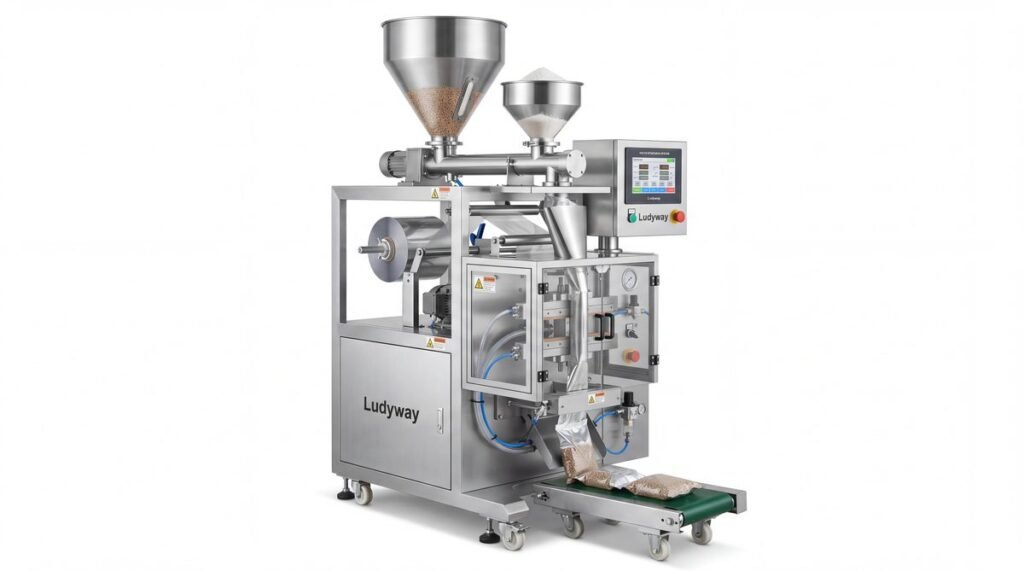
While flexible packaging solutions like VFFS (Vertical Form Fill Seal) are popular for granule and powder products, food tray packaging remains the preferred choice for products requiring shape retention, premium presentation, and extended shelf life through MAP technology. Trays also offer better stacking and retail display advantages.
Step 4: Understand Regulatory Compliance in Asia
Food packaging regulations vary across Asian countries, but most are aligning with international standards. Key compliance areas include:
- Food contact material safety: Ensure tray materials and sealing films comply with local food safety laws. Refer to FDA food contact substances guidelines as a benchmark, even for Asian markets.
- GMP and HACCP requirements: Most Asian countries now mandate Good Manufacturing Practices and Hazard Analysis Critical Control Points for food processing facilities.
- Halal certification: In Muslim-majority markets like Indonesia and Malaysia, Halal certification for both the product and packaging process is essential.
- Environmental regulations: The European packaging waste regulations are influencing Asian policies on sustainable packaging, with increasing emphasis on recyclable and biodegradable tray materials.
Step 5: Build a Reliable Supply Chain
A food tray packaging line depends on a steady supply of trays, lidding films, labels, and secondary packaging materials. In Asia, supply chains are generally well-developed, but quality consistency can vary. Key strategies include:
- Qualifying multiple tray and film suppliers across different Asian countries to mitigate risk
- Establishing clear quality specifications and conducting regular supplier audits
- Considering on-site tray thermoforming to reduce logistics costs and ensure just-in-time availability
- Building buffer stock for critical consumables, especially if importing from another region
Step 6: Installation, Commissioning, and Workforce Training
Once your equipment arrives, proper installation and commissioning are critical. This phase typically includes:
Equipment Installation
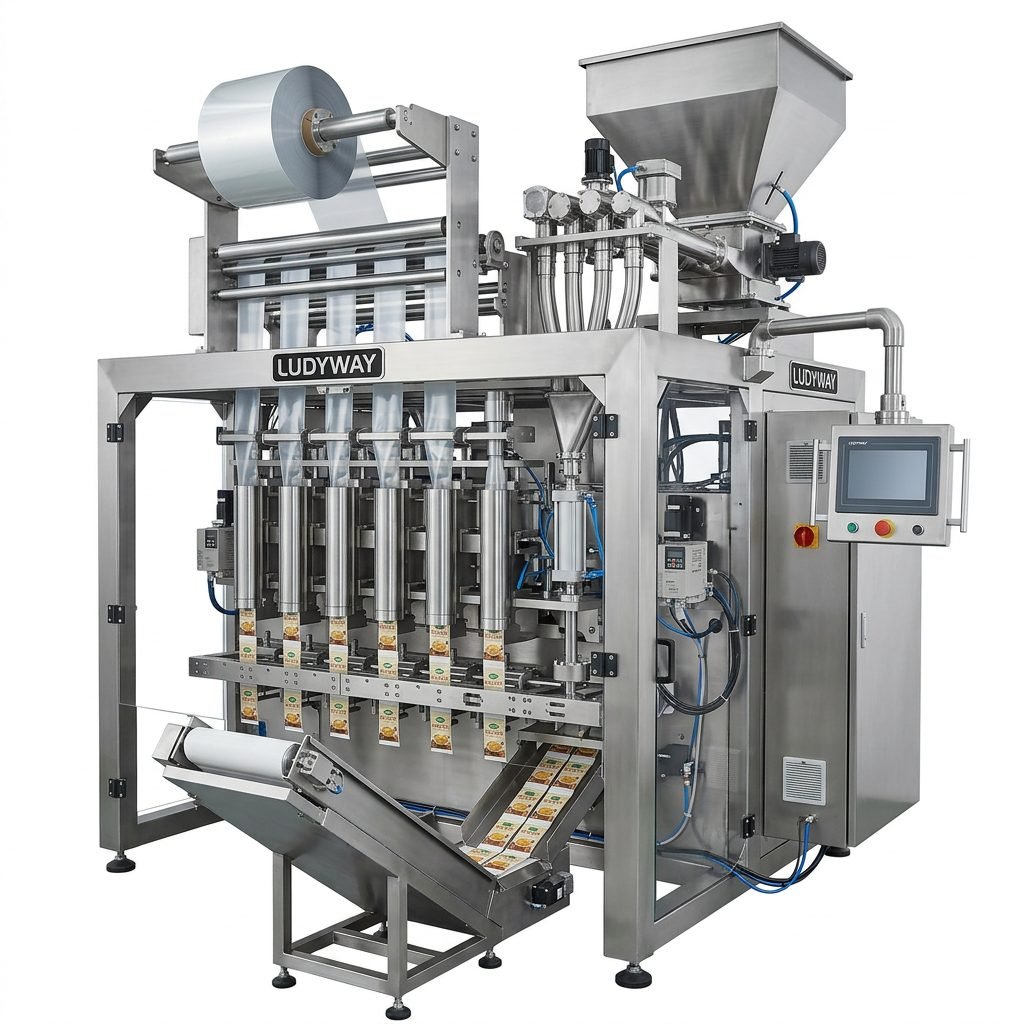
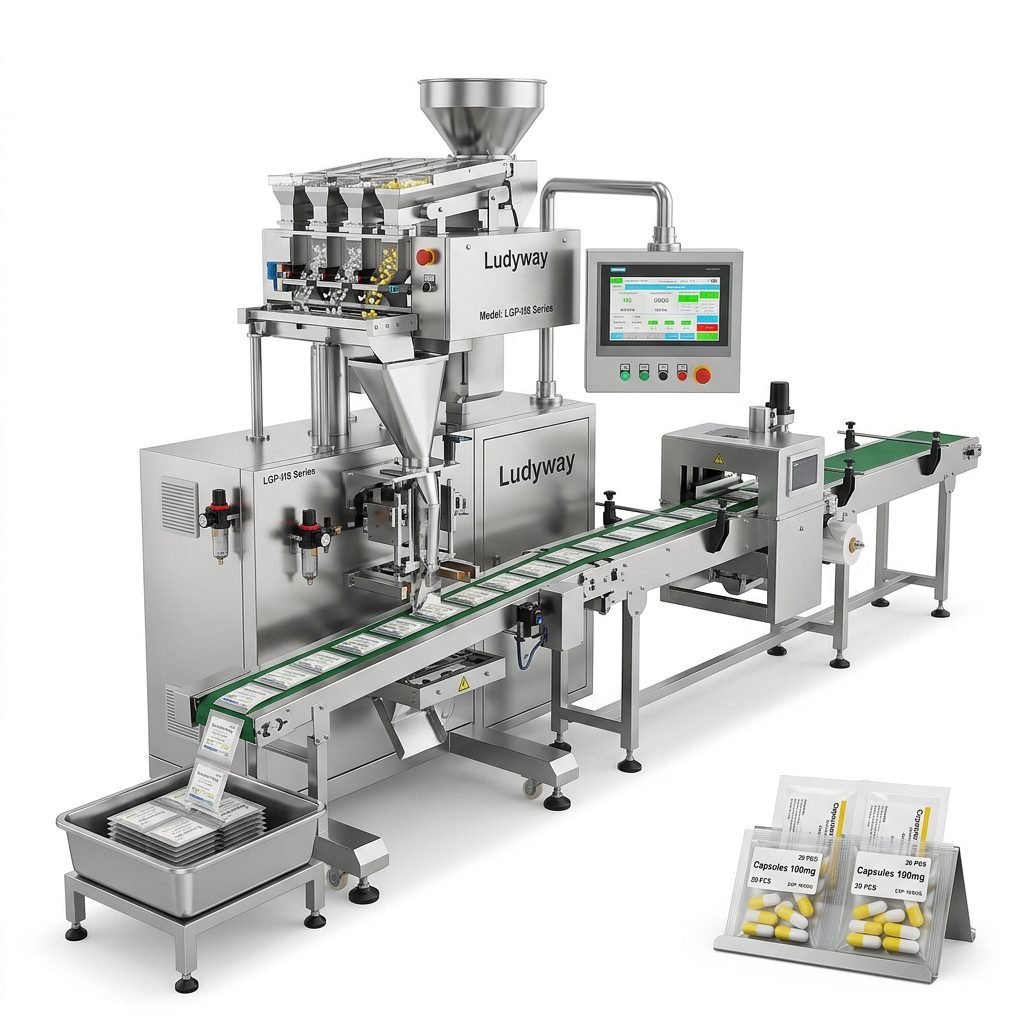
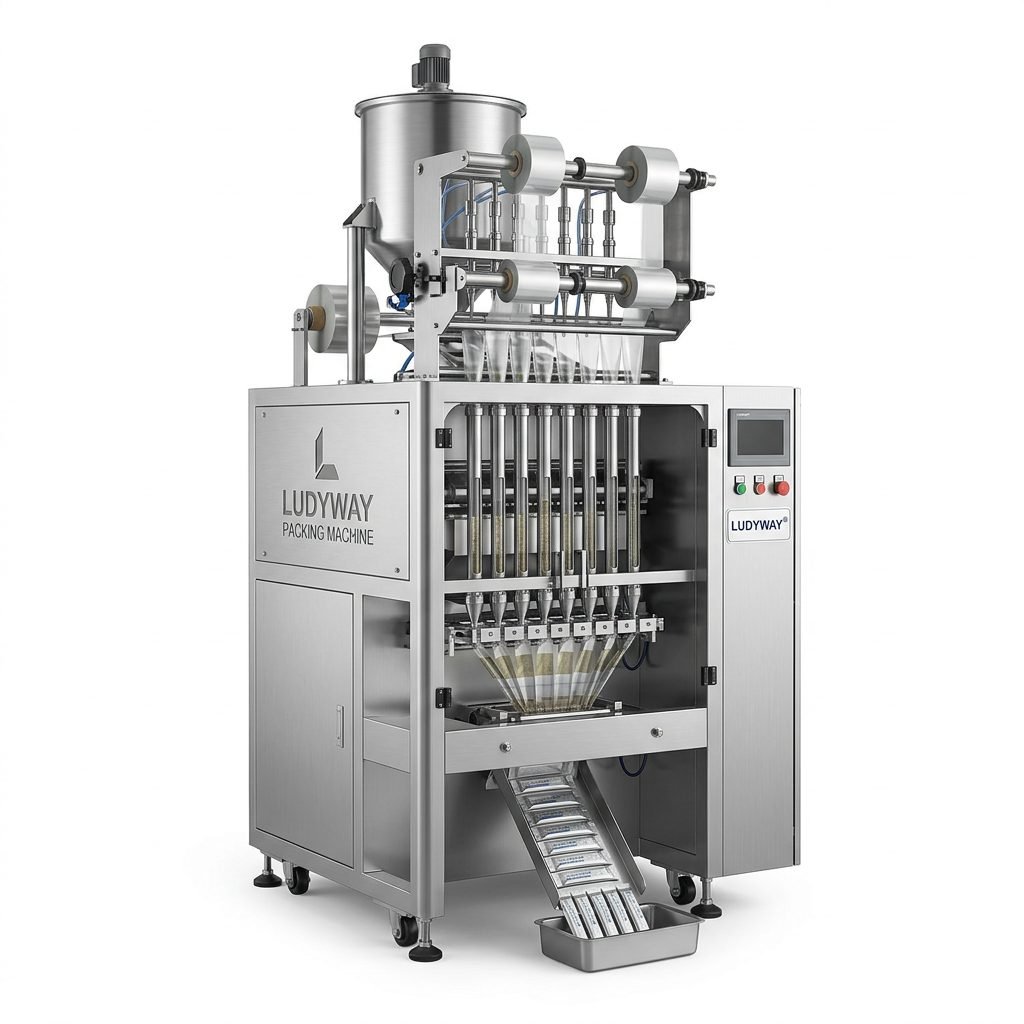
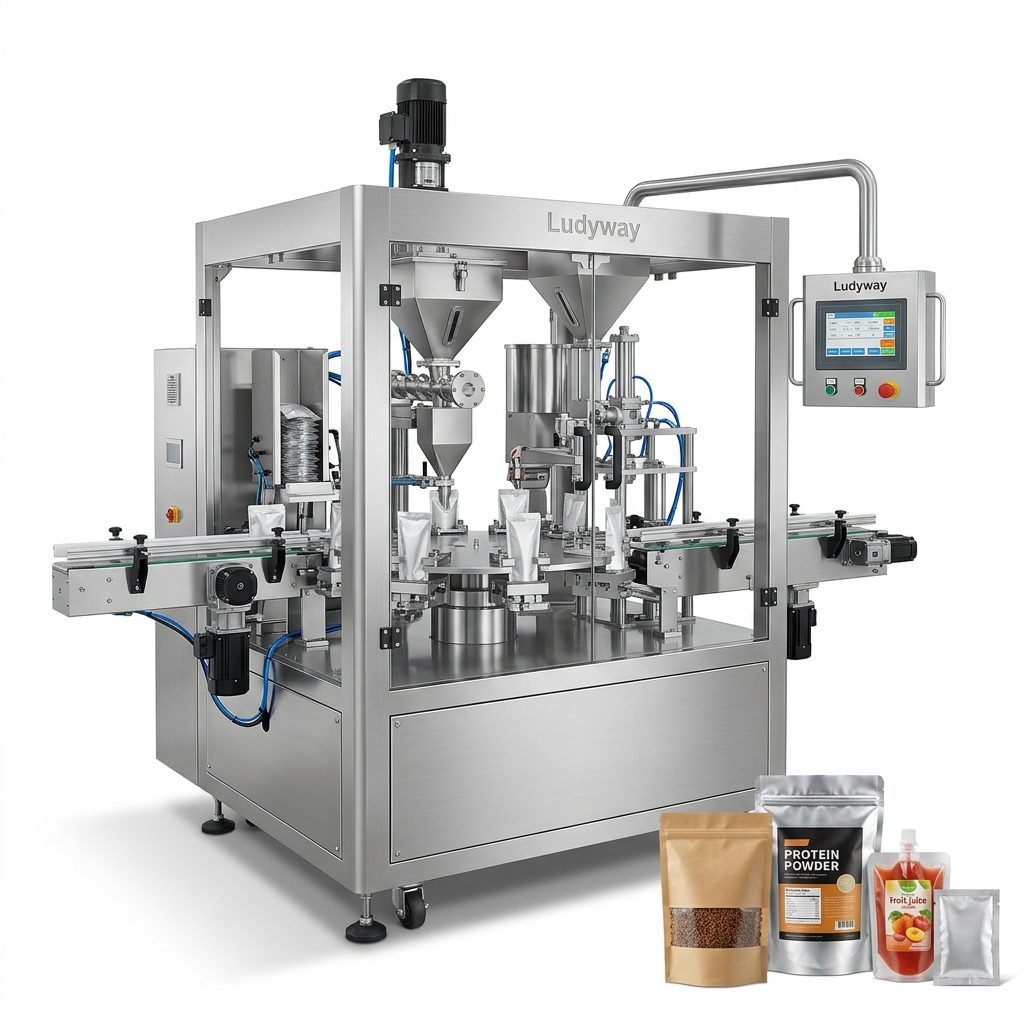
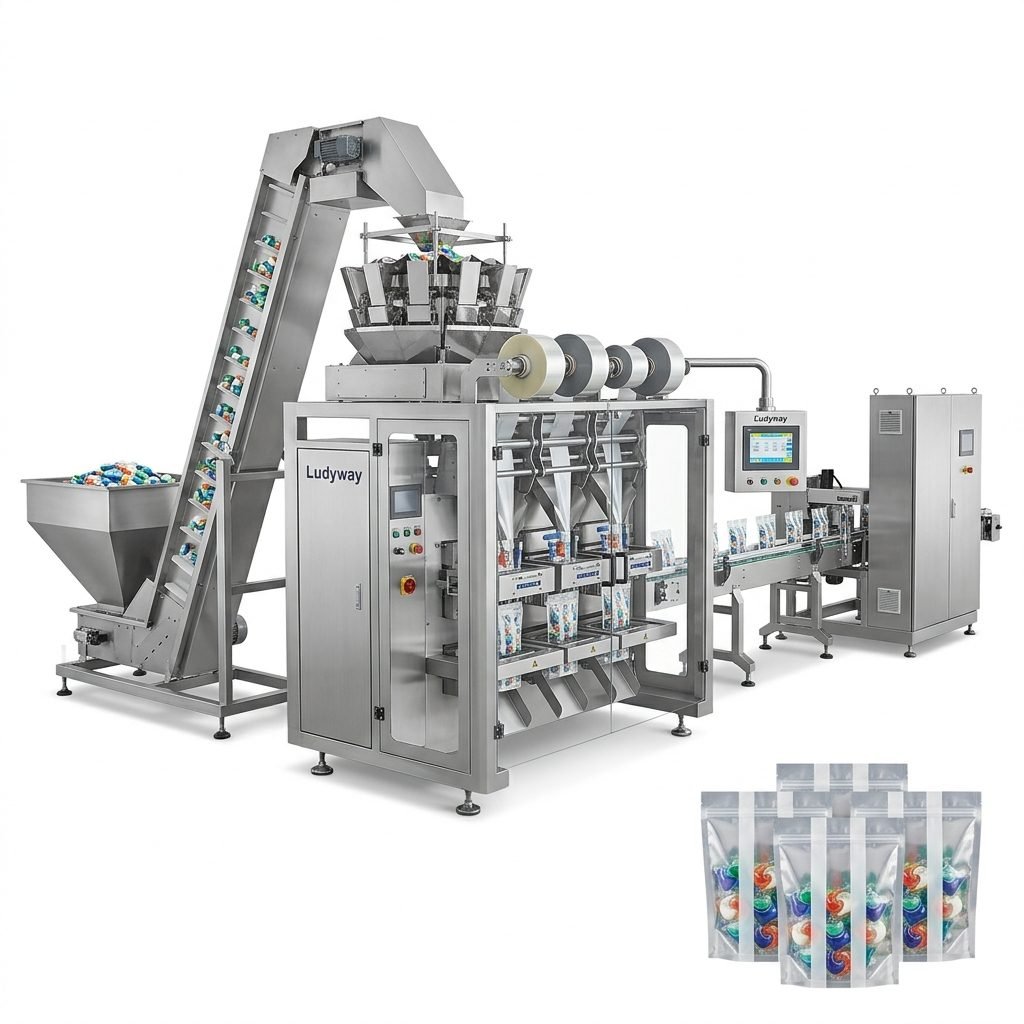
Work with experienced technicians who understand both the machinery and local conditions. Companies like Ludyway, one of the largest packaging machine manufacturers in China with over 30 years of industry expertise and a 20,000㎡ modern production facility, provide comprehensive on-site installation support and turnkey production line solutions across Asia, ensuring equipment is properly calibrated for local operating environments.
Operator Training
Invest in thorough training programs for machine operators, maintenance staff, and quality control personnel. Well-trained teams reduce downtime and extend equipment lifespan. Develop standard operating procedures (SOPs) in local languages and conduct refresher training periodically.
Trial Production Runs
Before full-scale production, conduct trial runs to validate:
- Seal integrity and leak testing results
- MAP gas mixture accuracy (if applicable)
- Production speed against design specifications
- Changeover times between different tray formats
Step 7: Implement Quality Control and Maintenance Protocols
Consistent product quality requires robust quality control (QC) and preventive maintenance programs. Essential QC checkpoints include:
- Seal strength testing at regular intervals using burst tests or tensile testers
- Residual oxygen analysis for MAP-packaged products
- Visual inspection systems for label placement, date codes, and seal integrity
- Metal detection and X-ray inspection for foreign object contamination
Preventive maintenance schedules should follow manufacturer recommendations and be adapted to local operating conditions, including humidity and temperature variations common in tropical Asian climates. Refer to ISO 11607 standards for packaging validation requirements.
Step 8: Optimize for Efficiency and Scale
Once your line is operational, continuous improvement becomes the focus. Asian manufacturers increasingly adopt Industry 4.0 principles to enhance efficiency:
- Implement OEE (Overall Equipment Effectiveness) tracking to identify bottlenecks
- Integrate IoT sensors for real-time machine health monitoring
- Use data analytics to optimize changeover sequences and reduce downtime
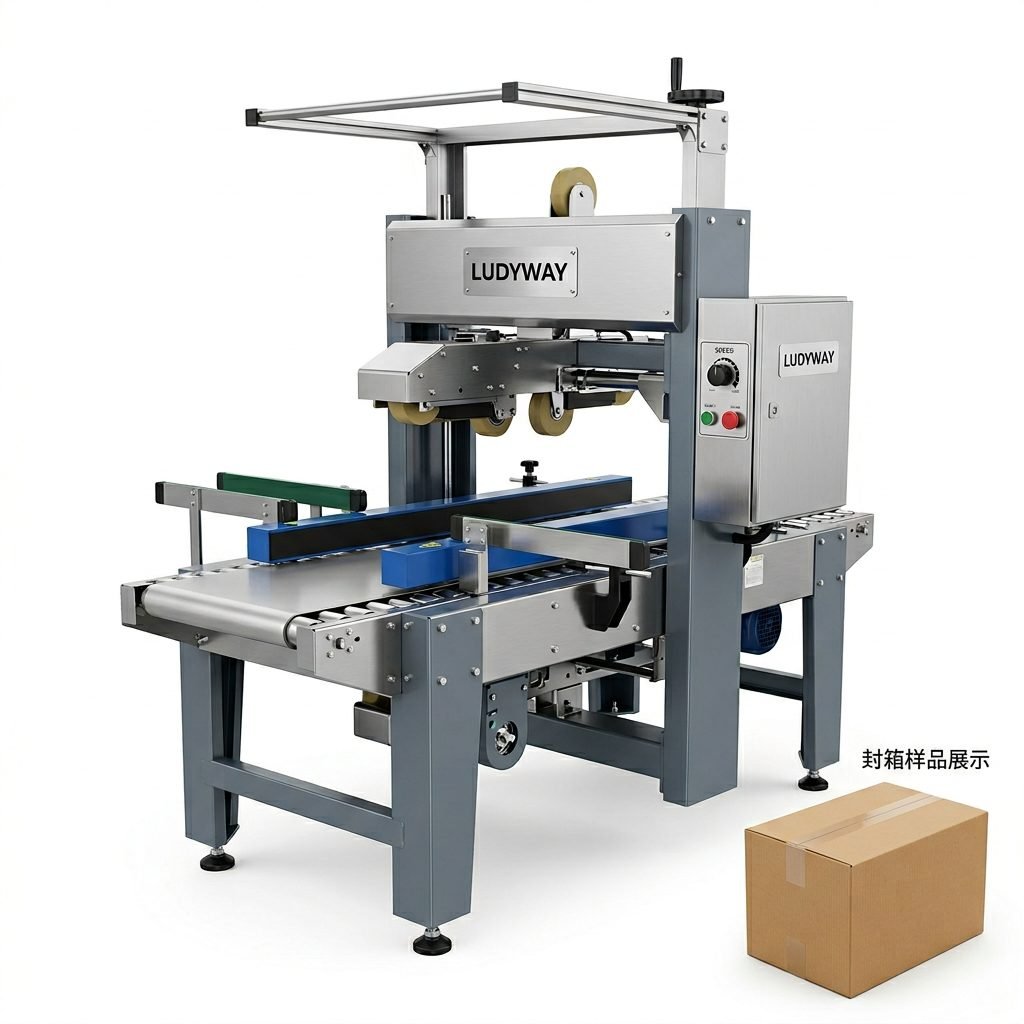
- Automate secondary processes like cartoning, case packing, and palletizing
The PMMI business intelligence resources offer valuable benchmarks for packaging line efficiency in global markets.
Cost Considerations for an Asian Food Tray Packaging Line
Budgeting for a complete food tray packaging line involves multiple cost categories. Below is a typical breakdown for a mid-to-high-volume operation in Asia:
| Cost Category | Estimated Range (USD) | Notes |
|---|---|---|
| Tray sealing machine (inline automatic) | $50,000 – $250,000 | Depends on speed and MAP capability |
| Conveyor and handling systems | $15,000 – $60,000 | Customized to facility layout |
| Inspection and QC equipment | $20,000 – $80,000 | Metal detectors, X-ray, vision systems |
| Secondary packaging (cartoning, case packing) | $40,000 – $150,000 | Optional but recommended |
| Installation and training | $10,000 – $30,000 | Including travel and on-site support |
| Facility modifications | $20,000 – $100,000+ | Utilities, flooring, cleanroom requirements |
Future Trends Shaping Food Tray Packaging in Asia
Staying ahead of industry trends ensures your investment remains competitive. Key developments to watch include:
- Sustainable packaging: Growing consumer pressure and regulatory mandates are driving adoption of recyclable mono-material trays, compostable films, and reduced plastic usage. The EPA sustainable materials management framework is influencing Asian environmental policies.
- Smart packaging integration: QR codes, NFC tags, and temperature indicators embedded in tray packaging enhance traceability and consumer engagement.
- Robotics and automation: Collaborative robots (cobots) are increasingly used for tray loading and unloading, reducing labor dependency in tight Asian labor markets.
- E-commerce ready packaging: With Asia’s e-commerce boom, tray packaging must withstand the rigors of direct-to-consumer shipping while maintaining product integrity.
Key Takeaways for Your Food Tray Packaging Line Setup
Setting up a food tray packaging machine production line in Asia is a significant but rewarding investment. Success hinges on thorough planning, selecting the right equipment partner, understanding local regulatory landscapes, and building a resilient supply chain. By following the steps outlined in this guide, you can establish a production line that delivers consistent quality, operational efficiency, and scalability for years to come.
For more insights on packaging machinery and turnkey production solutions, explore the Flexible Packaging Association resources or visit PACK EXPO International to stay updated on the latest packaging innovations and equipment demonstrations.
Frequently Asked Questions
What is the average setup time for a food tray packaging line in Asia?
From equipment ordering to full production, expect 3 to 6 months, depending on equipment complexity, facility readiness, and regulatory approval timelines in your specific Asian country.
Can I use the same tray packaging machine for multiple product types?
Yes, most modern tray sealing machines support quick-change tooling for different tray sizes and formats. However, product characteristics (liquid, solid, frozen) may require different sealing parameters and MAP gas mixtures.
Is MAP technology necessary for my food tray packaging?
MAP (Modified Atmosphere Packaging) can extend shelf life by 50% to 400% depending on the product, making it highly valuable for fresh meat, seafood, prepared meals, and bakery items. If shelf life and distribution reach are priorities, MAP is a worthwhile investment.