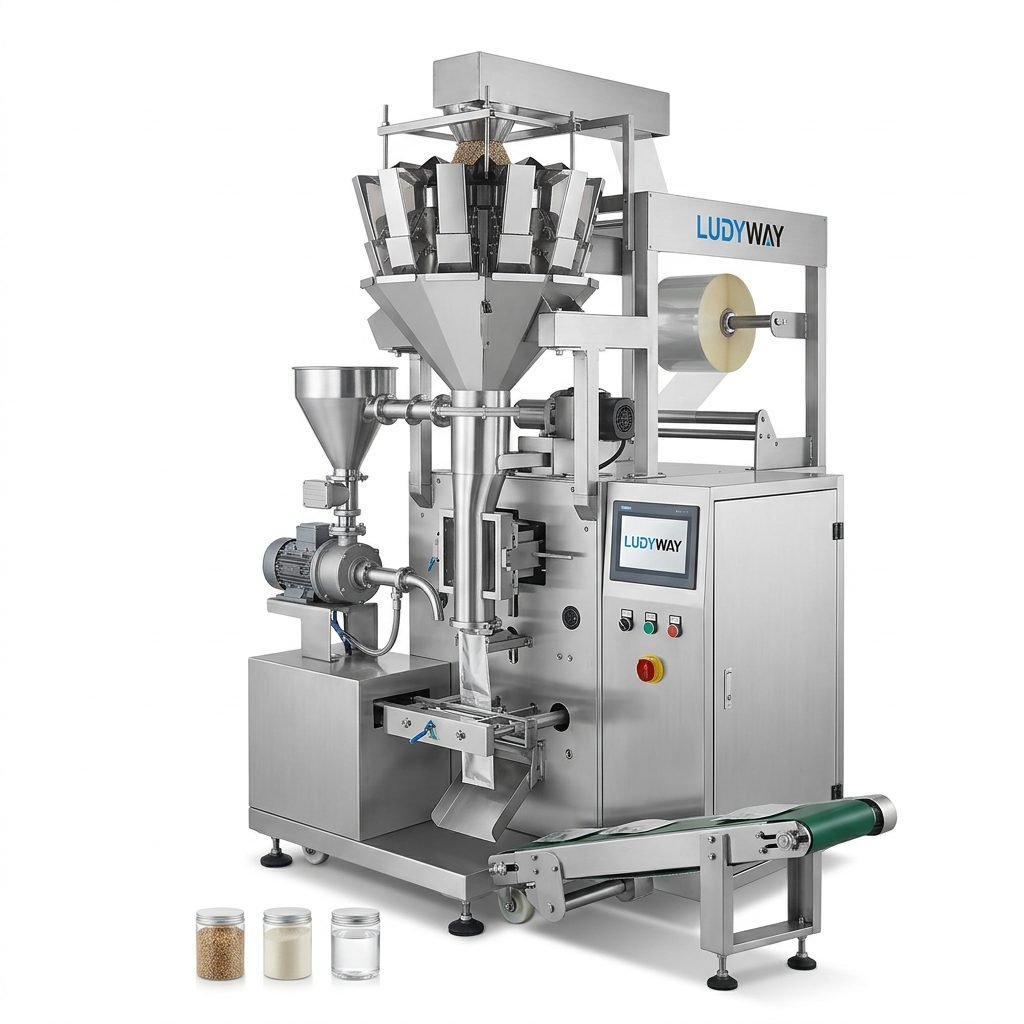
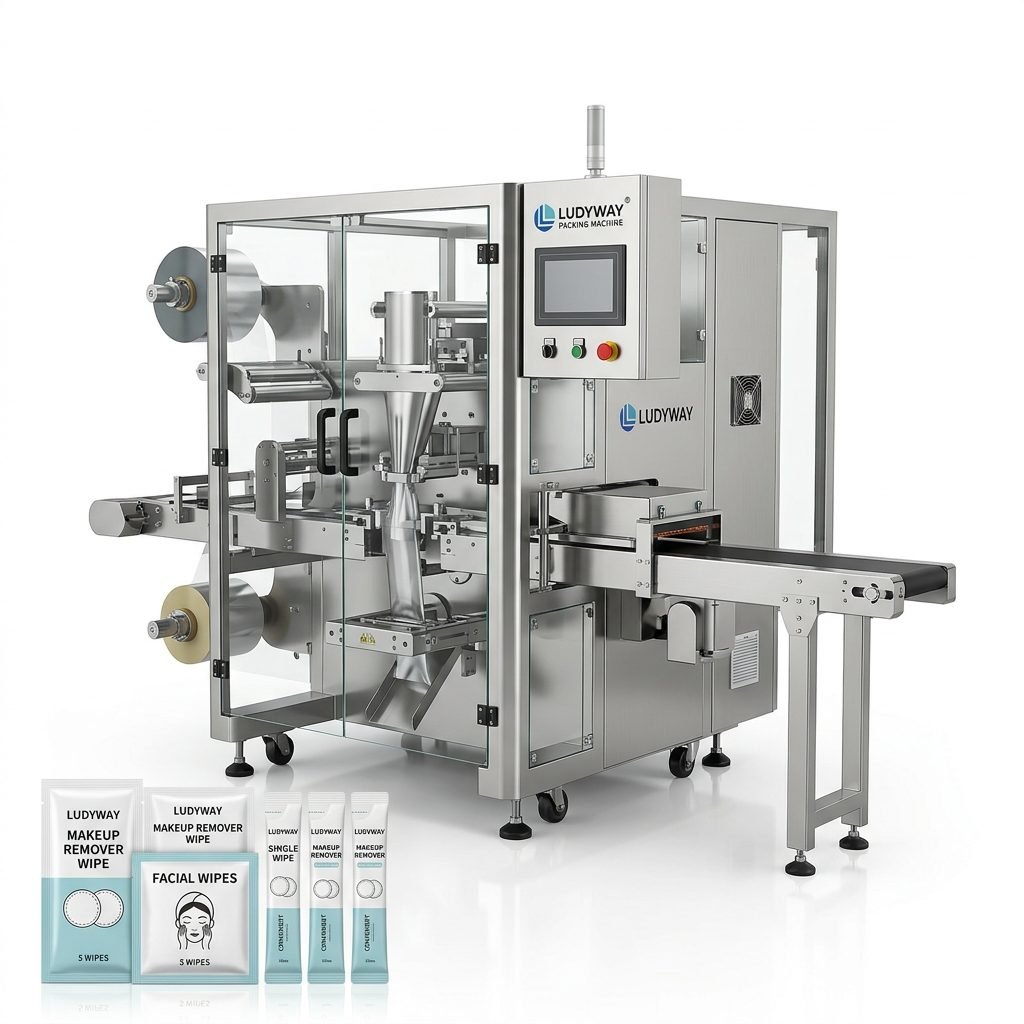
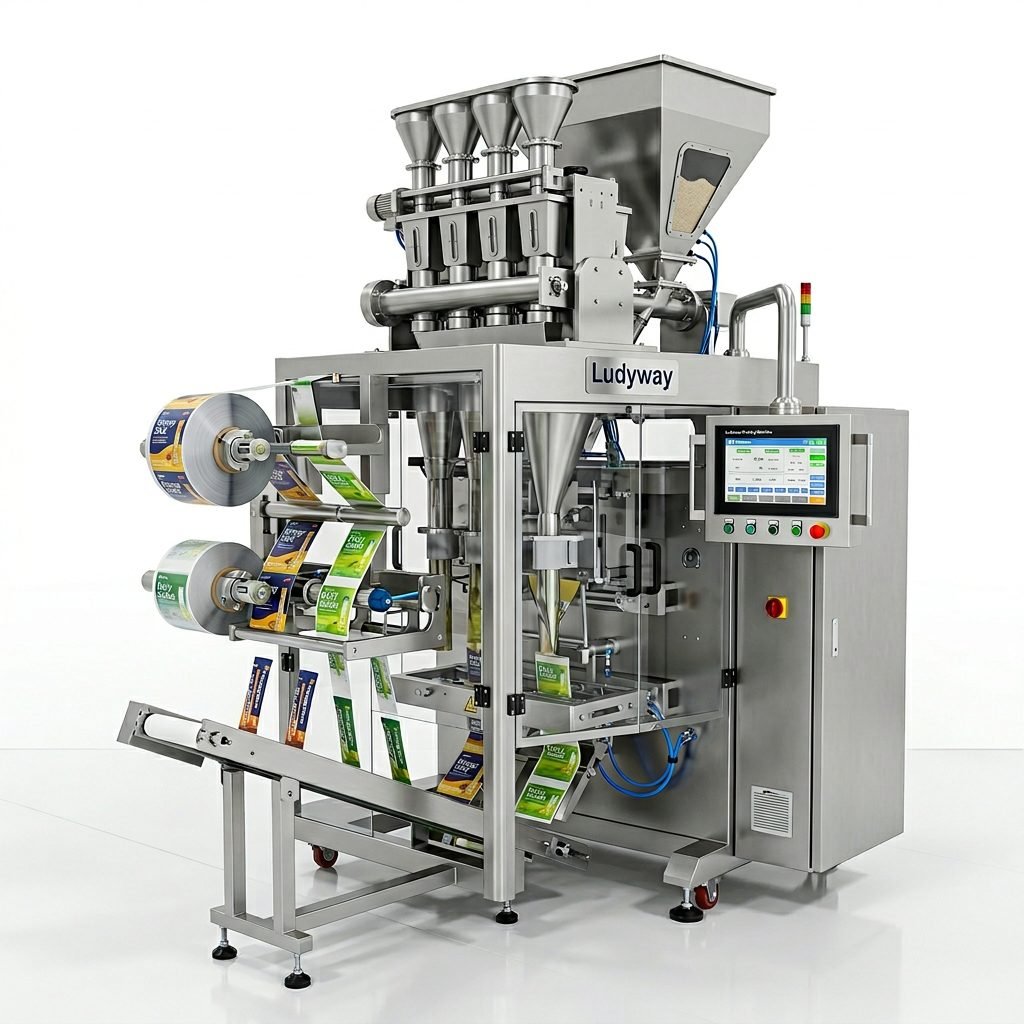
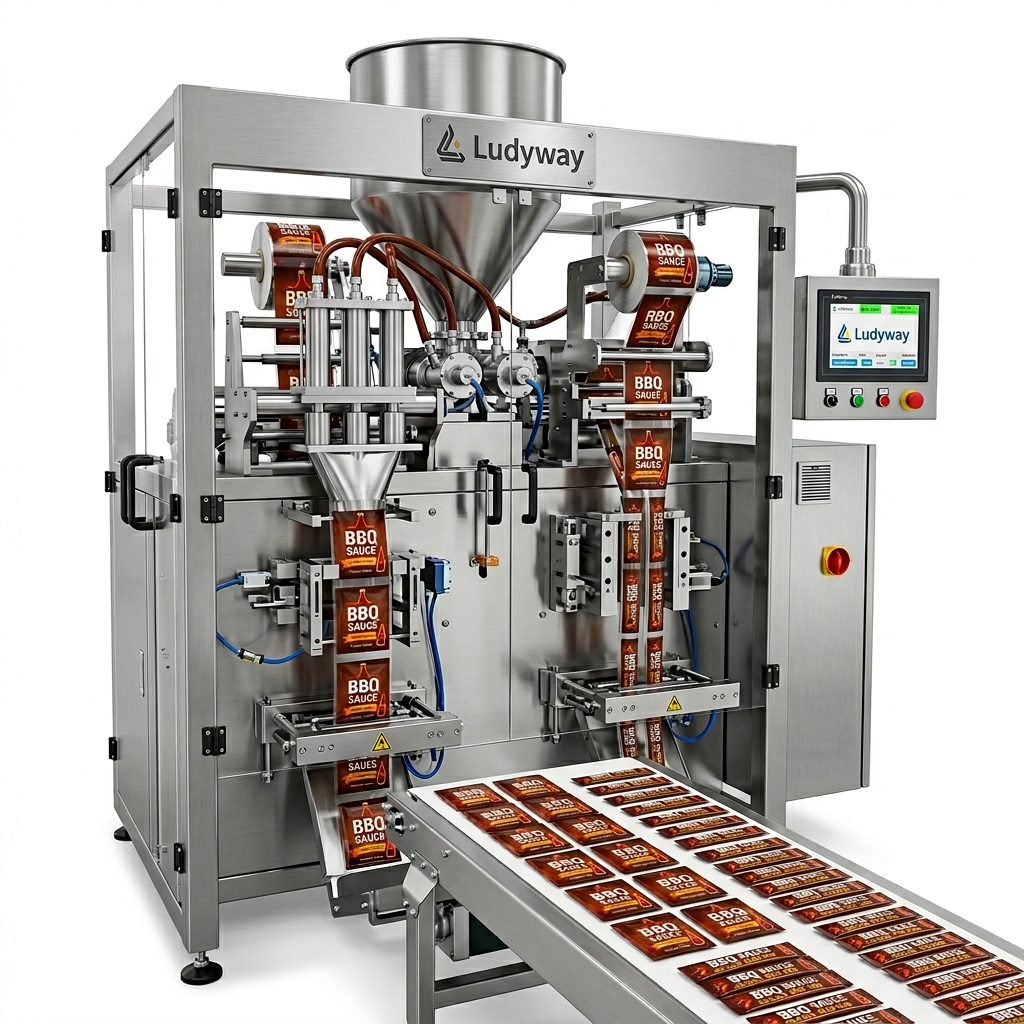
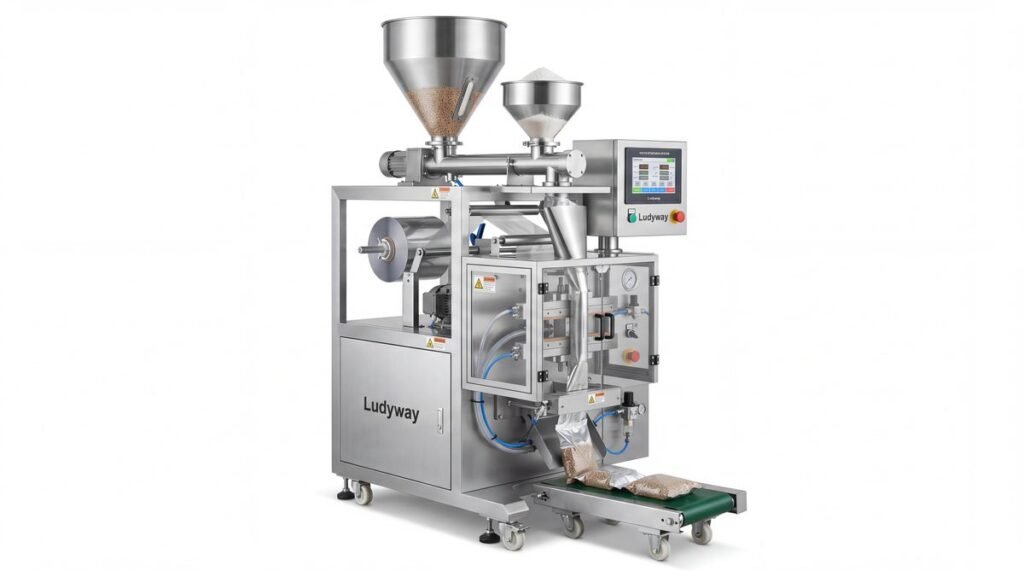
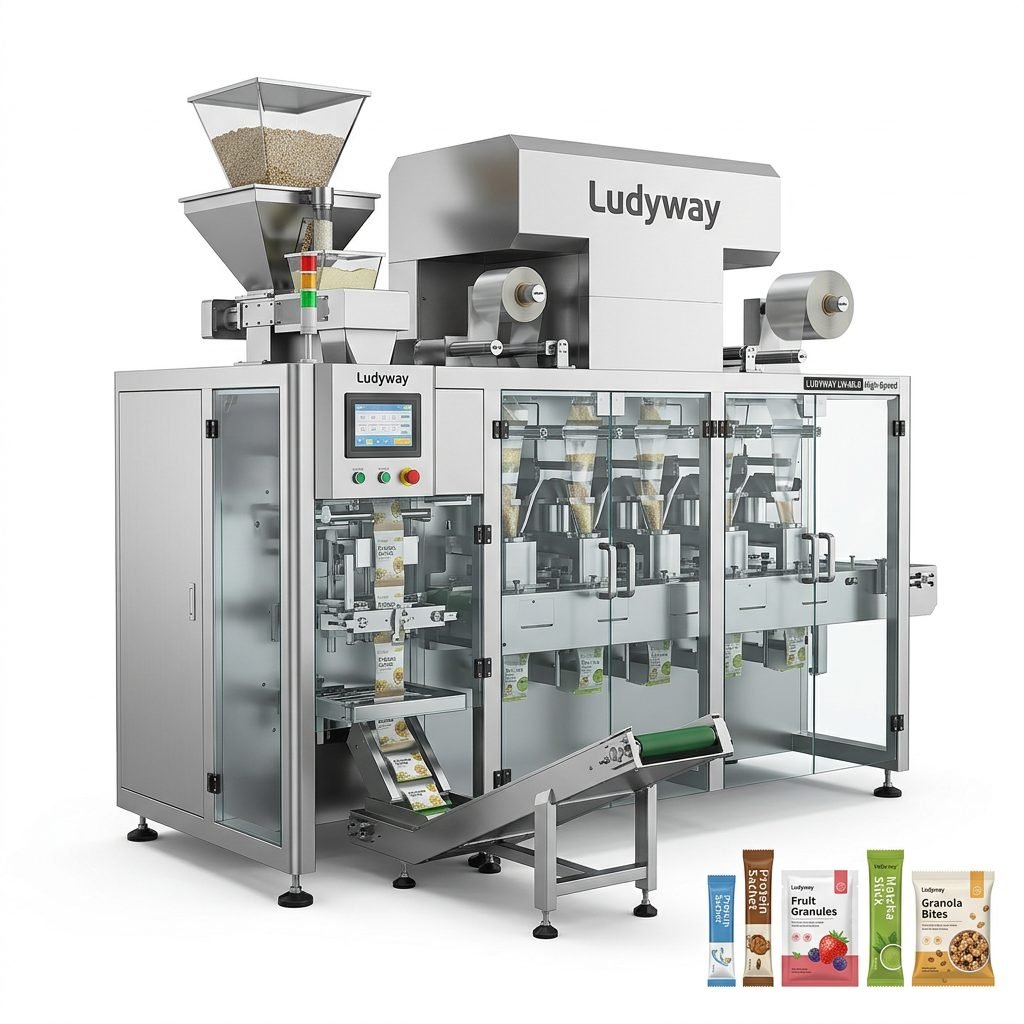
Establishing a pizza packaging machine production line in China requires navigating a complex landscape of equipment selection, factory integration, and regulatory compliance. Whether you are launching a frozen pizza brand or scaling an existing operation, this guide breaks down the critical stages of setting up a high-efficiency line, from initial planning to full-scale production, ensuring you leverage China’s manufacturing strengths while avoiding common pitfalls.

Defining Your Production Requirements
Before sourcing machinery, you must precisely define your product specifications. Pizza packaging involves distinct challenges depending on whether you are handling fresh, frozen, or shelf-stable products. The primary considerations include film material compatibility, modified atmosphere packaging (MAP) requirements, and throughput speed. A typical industrial line needs to handle various pizza diameters without compromising seal integrity. Your project scope should clearly outline the desired packaging format, such as flow wrap, shrink wrap, or vacuum skin packaging, as this dictates the core machinery needed.
| Project Aspect | Key Considerations | Typical Specification |
|---|---|---|
| Product State | Fresh, Frozen, or Dry | Frozen (-40°C capable) |
| Packaging Style | Flow Wrap vs. Shrink | Horizontal Flow Wrapper |
| Speed | Packs per minute | 30-120 ppm |
| Film Material | Barrier properties | Laminated OPP/PE |
Step-by-Step Line Configuration
Setting up the line is a multi-phase process that integrates hardware, software, and facility utilities. The following steps outline a systematic approach to building a cohesive production unit.
1. Core Feeding and Alignment Systems
The line starts with an automatic feeding conveyor that aligns pizzas for the infeed. For frozen pizzas, a high-speed automated packaging line often integrates a product indexing system that spaces the pizzas correctly before they enter the wrapper. The conveyor belts must be rated for low temperatures and condensation to prevent slipping. Servo-driven laning systems ensure that even irregularly shaped products enter the film precisely, minimizing film waste.
2. Film Unwinding and Forming Section
This is the heart of the overwrapper. You need a robust unwind stand with automatic tension control. For pizza, the forming box must accommodate the height and width of a typical pizza box without puncturing the film. Many manufacturers in China now offer no-product, no-bag automatic stop features, which significantly reduce film consumption during gaps in production flow.
3. Sealing and Shrinking Technology
The thermal compatibility is vital for pizza. Excess heat can melt cheese or alter the texture of toppings if the product is not strictly separated by an insulating package interior. End seal jaws and fin seal wheels must be calibrated to create hermetic seals for MAP applications. After wrapping, a hot air or steam shrink tunnel is used to tighten the film around the box. The configuration of this tunnel drastically affects the aesthetic of the final product on store shelves.
4. End-of-Line Automation
Post-wrapping, the line requires automated checkweighing, metal detection, and case packing. Integrating a turnkey packaging solution ensures that the inspection systems communicate directly with the primary wrapper to reject non-conforming packs without stopping the line. Finally, a robotic palletizer configured for cold storage environments will stack your finished cases efficiently.
Navigating Procurement and Factory Layout
When balancing cost and quality, evaluating the build quality of the frame and the brand of electrical components (such as PLCs and servo motors) is essential. You should request a Factory Acceptance Test (FAT) before shipment. When designing the factory floor layout, ensure adequate clearance around the machine for sanitation, maintenance, and film roll changes. The layout must optimize the flow from the spiral freezer to the wrapper infeed to prevent temperature abuse of frozen pizzas.
Key Technologies Enhancing Efficiency
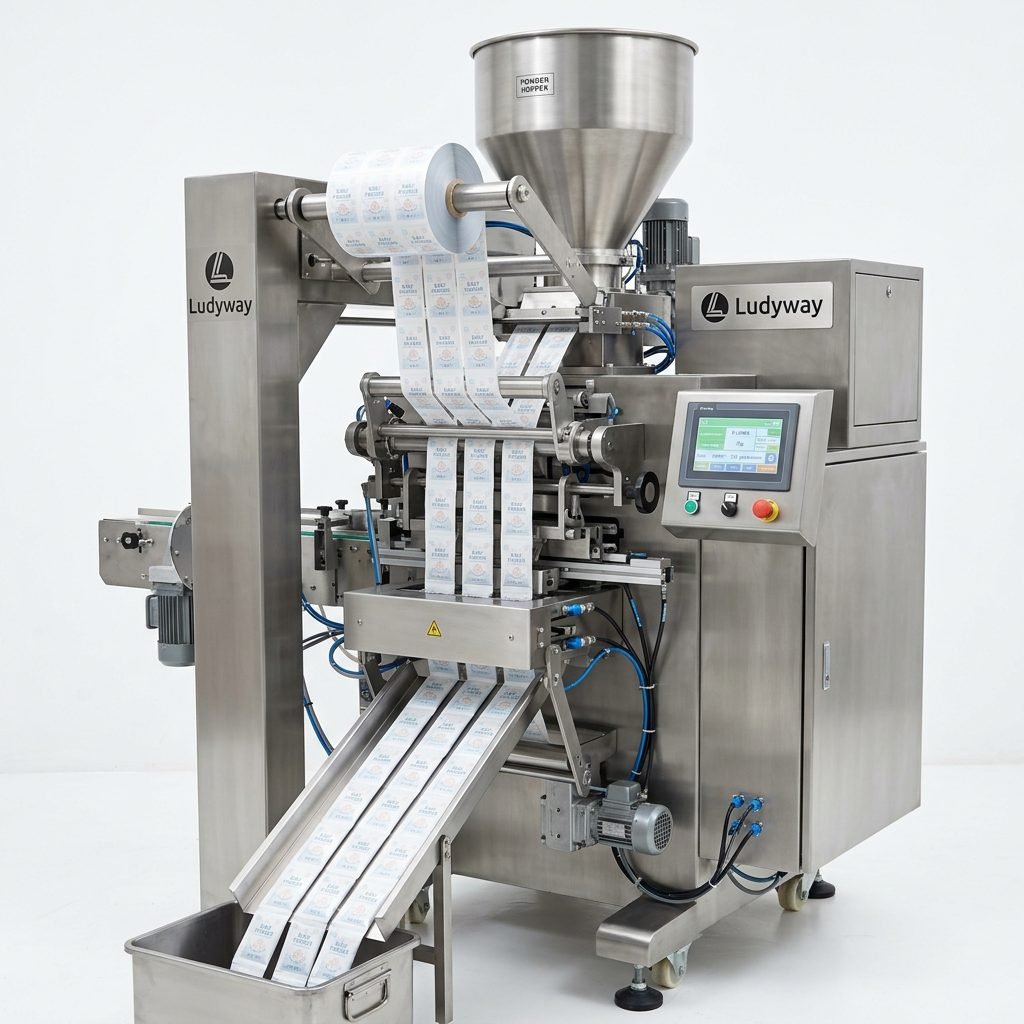
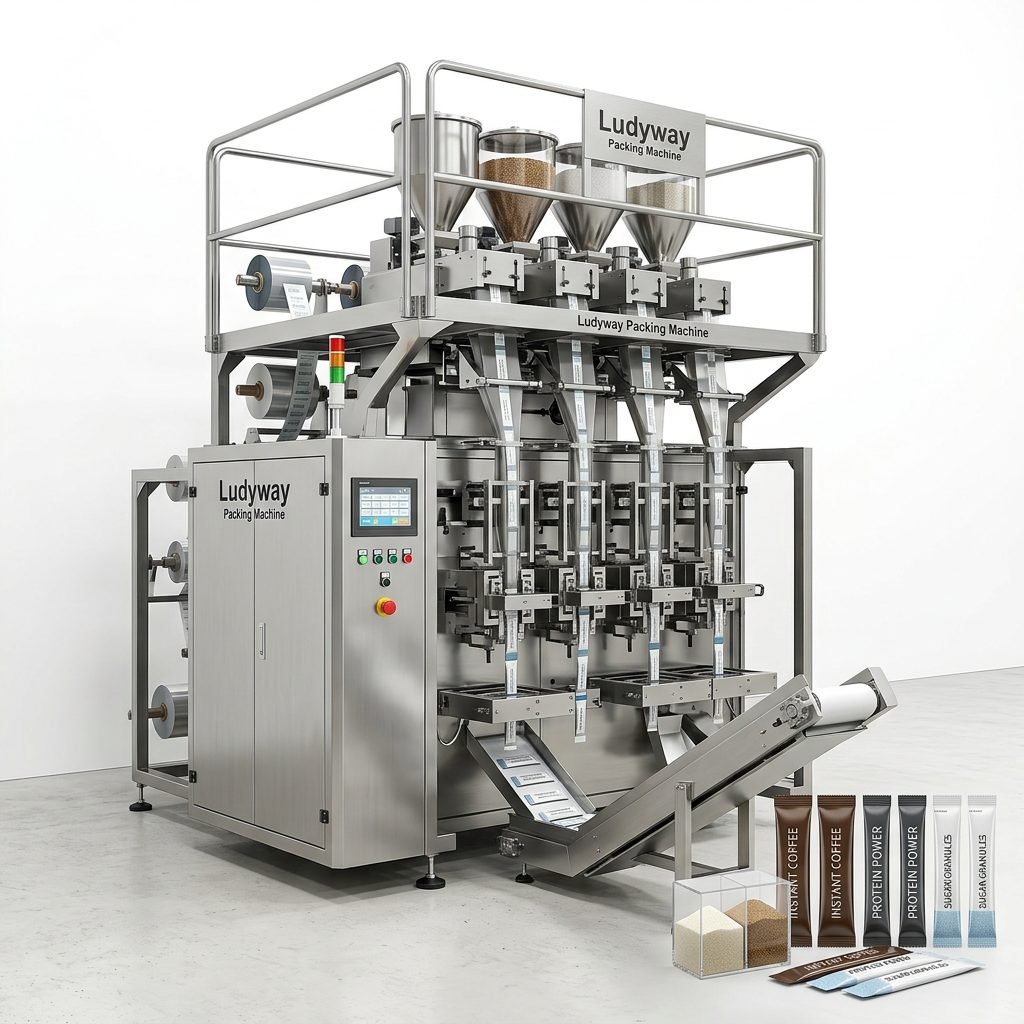
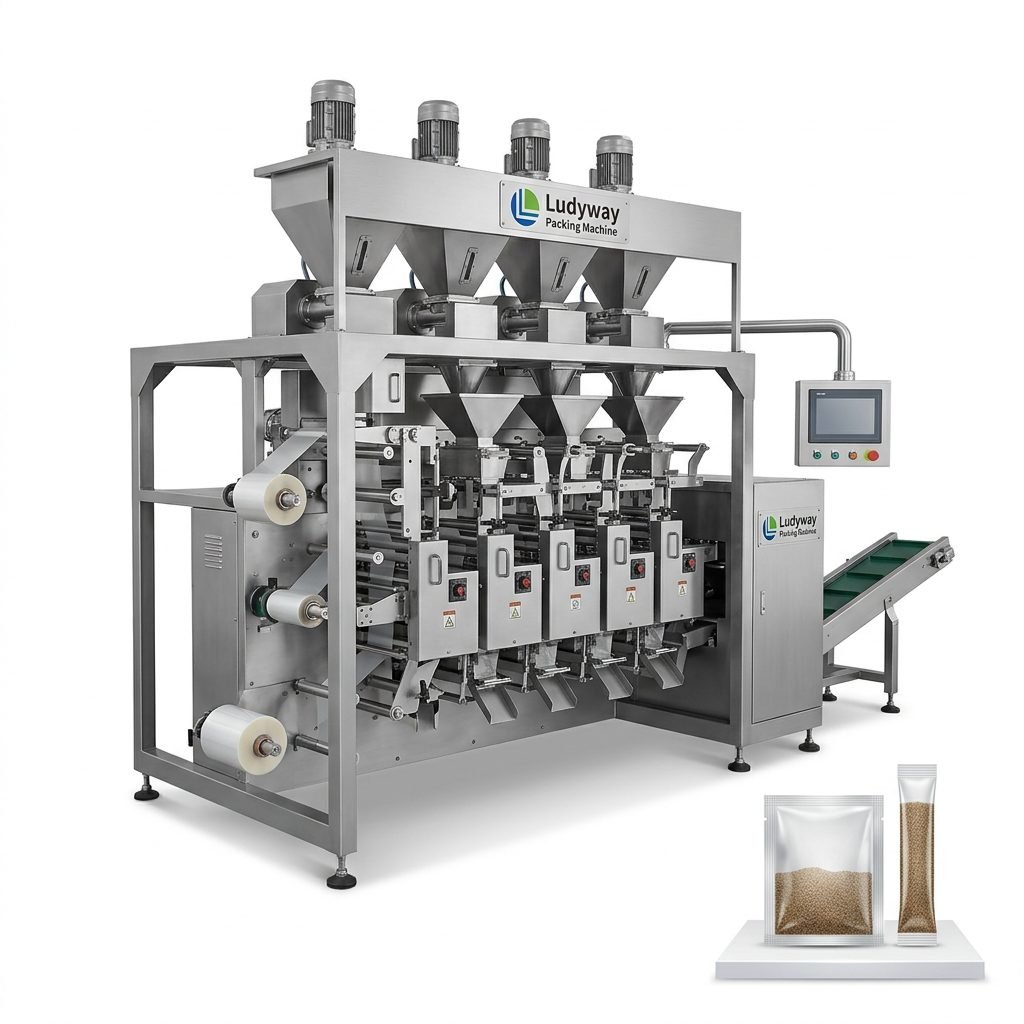
- Multi-lane configurations: For smaller pizza slices or calzones, multi-lane stick pack lines can double output without doubling the machinery footprint.
- Gas flushing (MAP): Essential for fresh pizzas, nitrogen or CO2 flushing extends shelf life. The sealing unit must include gas injection lances.
- Quick-change modules: If you package both small and family-sized pizzas, modular forming tubes allow for size changeovers in a matter of minutes.
- Vision inspection systems: Automatically rejects packs with incomplete seals or misaligned labels before they leave the facility.
Selecting a Reliable Equipment Partner
Choosing a partner with a deep vertical integration strategy is crucial. For instance, Ludyway operates a 20,000㎡ manufacturing facility and has developed over 50 intelligent packaging machine models over its 30-year history, serving customers in more than 100 countries. A partner with such a technical background can provide crucial support for the entire lifecycle of a pizza packaging machine production line, from initial design integration to ongoing technical maintenance.
Comparing Chinese and European Equipment Models
| Feature | Chinese Manufacturers | European Manufacturers |
|---|---|---|
| Cost Efficiency | High investment value | Premium pricing |
| Customization | Highly flexible, rapid design changes | Standardized modules |
| Automation Level | Full servo-driven digital systems | Advanced diagnostics |
| Lead Time | Generally shorter supply chain | Longer for parts |
Installation, Validation, and Training
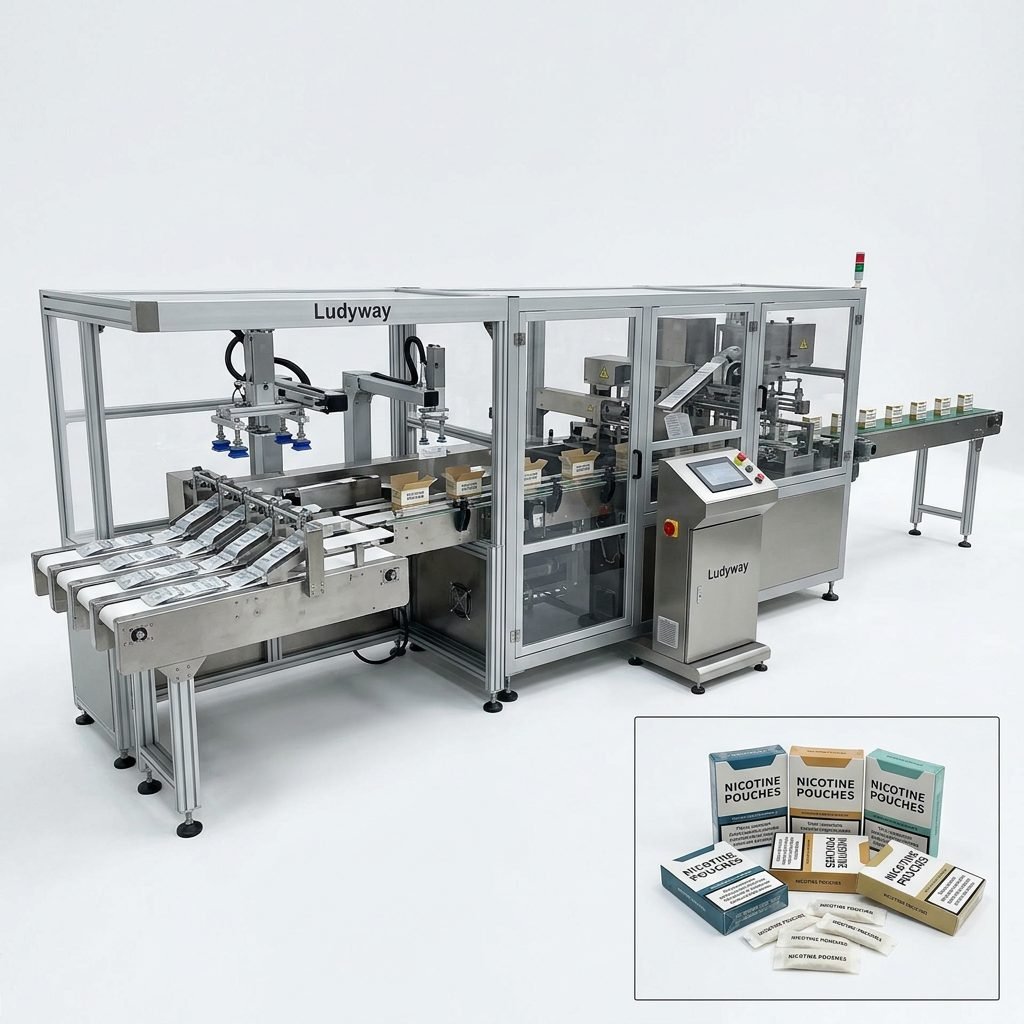
Once the machinery arrives, the installation process must be meticulously planned. The commissioning phase includes Site Acceptance Testing (SAT), where the line must run at the guaranteed speed for a specified period without critical failures. Validation protocols (IQ/OQ/PQ) are essential for food safety compliance, documenting that the equipment is installed correctly, operates within design parameters, and consistently produces a package within specifications. Comprehensive operator training on HMI touchscreens, film splicing, and lockout-tagout procedures is the final step before handing over the line to production.
Critical Quality Control Checkpoints
- Seal Integrity Testing: Use a vacuum leak tester to verify hermetic seals, particularly for gas-flushed packages.
- Residual Oxygen Analysis: For MAP pizza, ensure the residual O2 level is below 2% to guarantee shelf life.
- Temperature Monitoring: Frozen pizzas must remain at -18°C; verify that the packaging machinery operates flawlessly in this thermal envelope.
- Print Quality Inspection: Automated optical character recognition (OCR) systems ensure that date codes are accurate and legible on every pack.
Post-Setup Optimization and Support
After the line is running, the focus shifts to Overall Equipment Effectiveness (OEE). Continuous improvement is vital. Remote monitoring technologies allow engineers to diagnose potential faults before they cause a line stoppage. You can find more detailed industry performance benchmarks and packaging standards through resources like the PMMI Business Intelligence Library and updates from the Flexible Packaging Association. Partnering with a supplier that offers extensive spare parts availability and remote technical support in China ensures that your pizza packaging line maintains minimal downtime and maximum output throughout its operational life.