Choosing the best packaging machine for pharmaceutical companies is not only about speed. In regulated industries, the right system must support product safety, dosage accuracy, packaging consistency, validation, and long-term production efficiency. Whether you package tablets, capsules, powders, granules, oral liquids, or medical sachets, the ideal solution should match your product characteristics, compliance requirements, and future expansion plans.
For pharmaceutical manufacturers, contract packers, nutraceutical brands, and healthcare product companies, the decision often comes down to one key question: Which packaging machine delivers reliable output without compromising quality or compliance? The answer depends on several technical and operational factors discussed below.
Why pharmaceutical packaging machine selection matters
Pharmaceutical packaging is far more demanding than general consumer packaging. Machines must support clean production, stable sealing, accurate filling, traceability, and repeatable performance across batches. A poor equipment choice can lead to:
- Inconsistent fill weights or dose counts
- Frequent downtime and maintenance interruptions
- Packaging defects such as poor seals or damaged blisters
- Difficulty meeting GMP and validation requirements
- Higher labor costs and lower line efficiency
- Limited flexibility for new SKUs or dosage forms
By contrast, a well-matched machine improves productivity, reduces waste, protects sensitive pharmaceutical products, and helps maintain a smooth workflow from primary packaging to secondary and end-of-line handling.
Start with your product and packaging format
The first step is to define exactly what you are packaging. Pharmaceutical products vary greatly in flowability, sensitivity, moisture tolerance, fragility, and required dosage precision. The machine must be designed around both the product form and the final package style.
Common pharmaceutical product types
- Tablets
- Capsules
- Powders
- Granules
- Oral liquids
- Pastes or gels
- Effervescent formulations
- Medical and health supplement sachets
Common pharmaceutical packaging formats
- Blister packs
- Sachets
- Stick packs
- Bottles
- Pouches
- Strip packs
- Cartons
- Integrated turnkey packaging lines
| Product Type | Recommended Packaging Machine | Key Consideration |
|---|---|---|
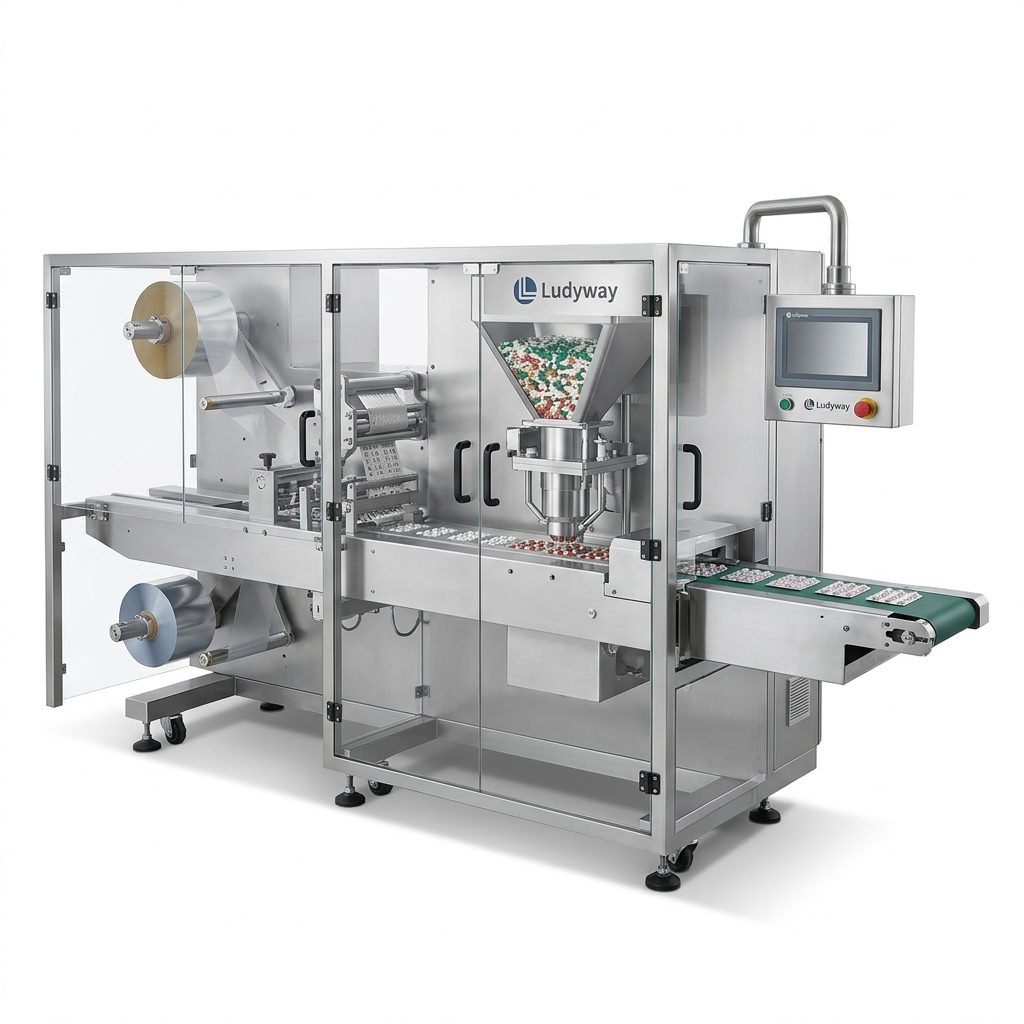
| Tablets / Capsules | Blister machine, counting bottling line, cartoning line | Count accuracy, product protection, serialization |
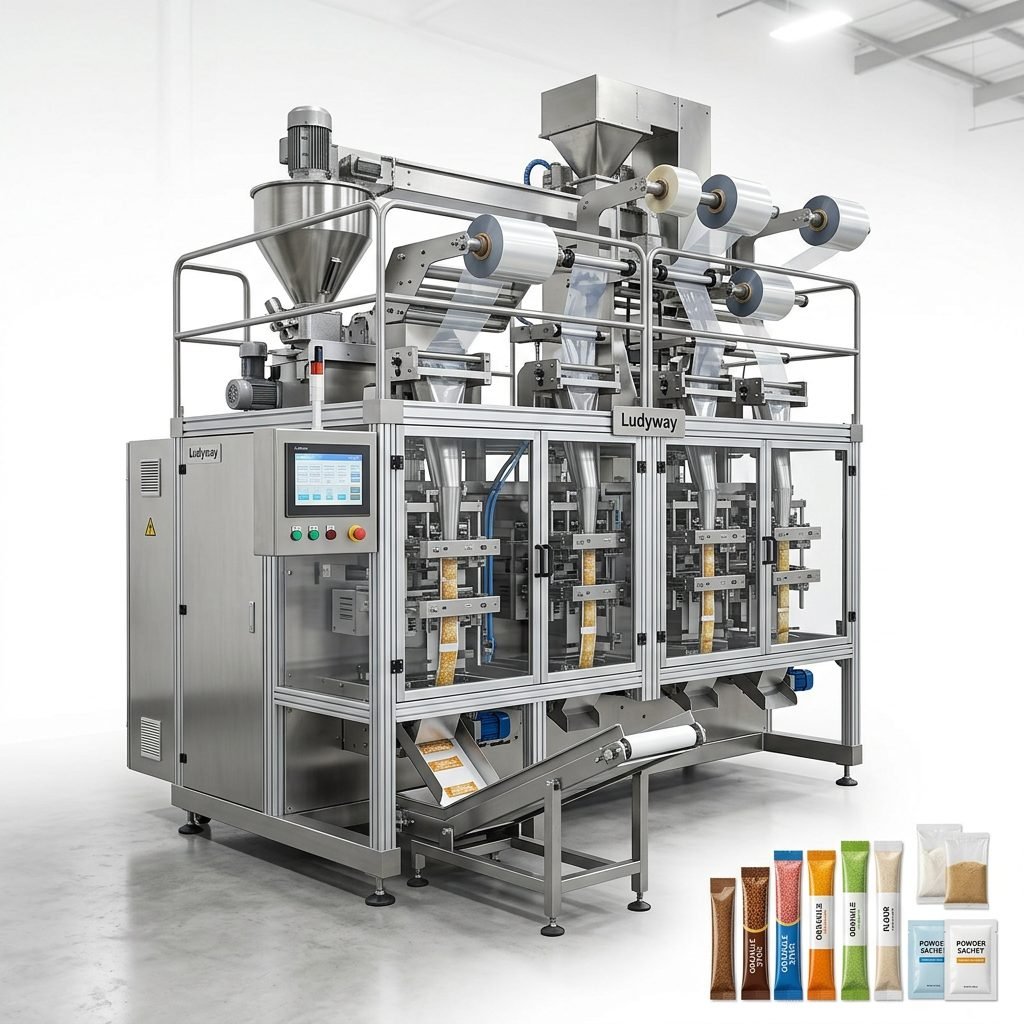
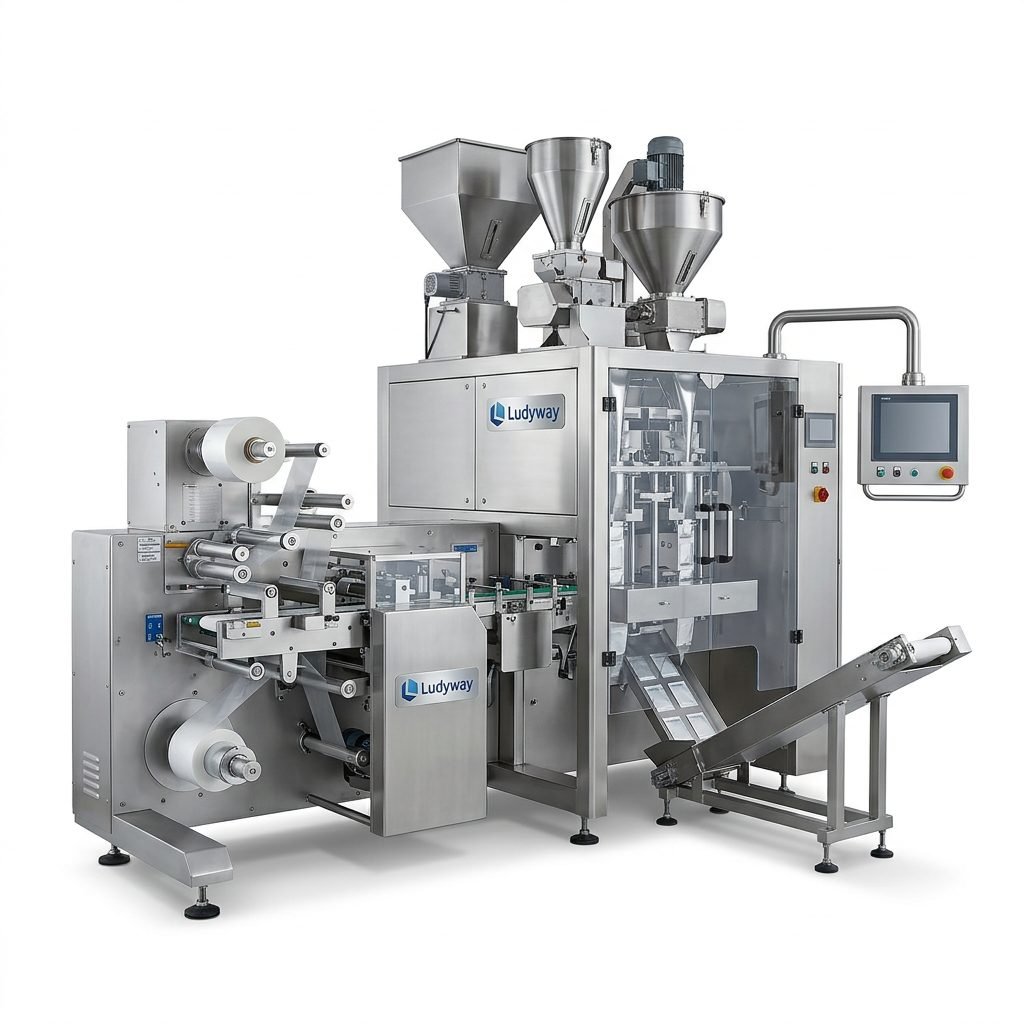
| Powders | Sachet or stick pack machine with auger filler | Dust control, dosing precision, seal integrity |
| Granules | Multi-lane sachet or stick pack machine | Flow consistency, high-speed filling |
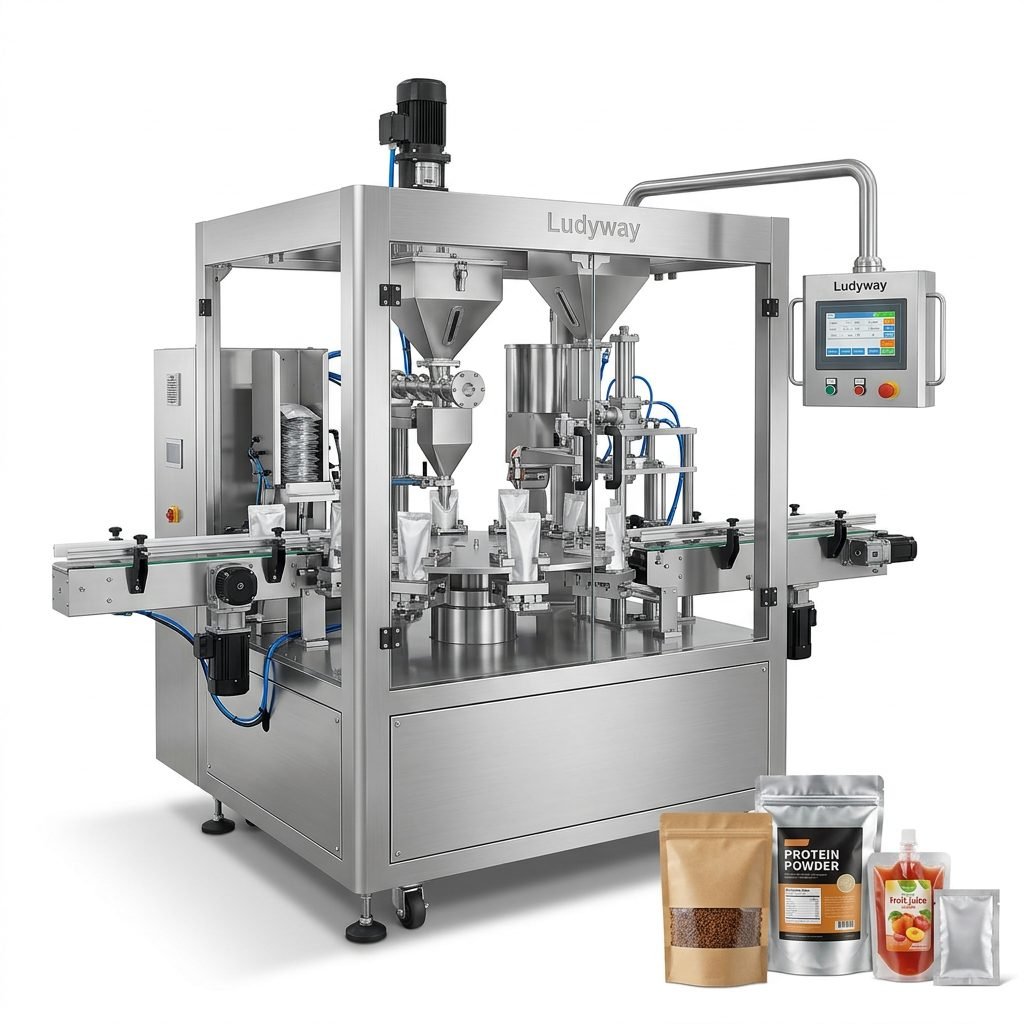
| Oral Liquids | Liquid sachet machine, bottle filling and capping line | Leak prevention, hygienic filling |
| Medical gels / pastes | Sachet filling and sealing machine | Viscosity handling, accurate sealing |
Key factors to evaluate before buying
1. Packaging accuracy
In pharmaceuticals, filling accuracy is essential. Even small deviations can create quality issues, rejection risks, or compliance concerns. Ask suppliers for actual tolerance ranges based on your product type, not just standard catalog values. Powder and granule products especially require stable dosing systems and consistent feeding.
2. Machine speed vs. real output
A high-speed machine on paper is not always the best choice in practice. Real output depends on changeover time, reject rates, operator skill, maintenance frequency, and upstream/downstream synchronization. Focus on stable production speed instead of peak speed alone.
3. Compliance and validation support
Your packaging equipment should be suitable for GMP-oriented production environments and easy to validate. This includes documentation support, clear operating logic, traceable components, and stable mechanical and electrical design. For many buyers, supplier support for FAT, SAT, IQ, OQ, and related documentation is highly valuable.
4. Material compatibility
The machine should be built with suitable contact materials and surfaces for pharmaceutical production. Consider corrosion resistance, cleaning convenience, hygienic design, and whether the machine can handle your packaging film, foil, bottle, blister material, or carton format without instability.
5. Cleaning and maintenance
A machine that is difficult to clean can slow production and increase contamination risk. Look for designs that allow quick disassembly, easy access to filling zones, and minimal dead corners. Maintenance should also be straightforward, with spare parts availability and remote technical support if possible.
6. Flexibility for multiple SKUs
Many pharmaceutical companies now run smaller batches and more product variations. If you plan to package multiple formulas or pack sizes, select a machine with flexible changeover capability. This is especially important for contract manufacturing and fast-growing healthcare brands.
7. Integration with the full line
A standalone machine may solve one process, but a full packaging line creates greater efficiency. Consider how the machine connects with feeders, conveyors, checkweighers, metal detectors, coding systems, cartoners, case packers, and palletizing equipment. Good integration reduces labor dependency and improves production continuity.
How to match machine type to pharmaceutical applications
Blister packaging machines
Blister machines are ideal for tablets, capsules, and unit-dose pharmaceutical products. They offer strong product protection, dosage separation, and convenient traceability. They are commonly used when moisture barrier performance and retail presentation matter.
Best for:
- Tablets and capsules
- Unit-dose medicine packs
- Products requiring strong barrier packaging
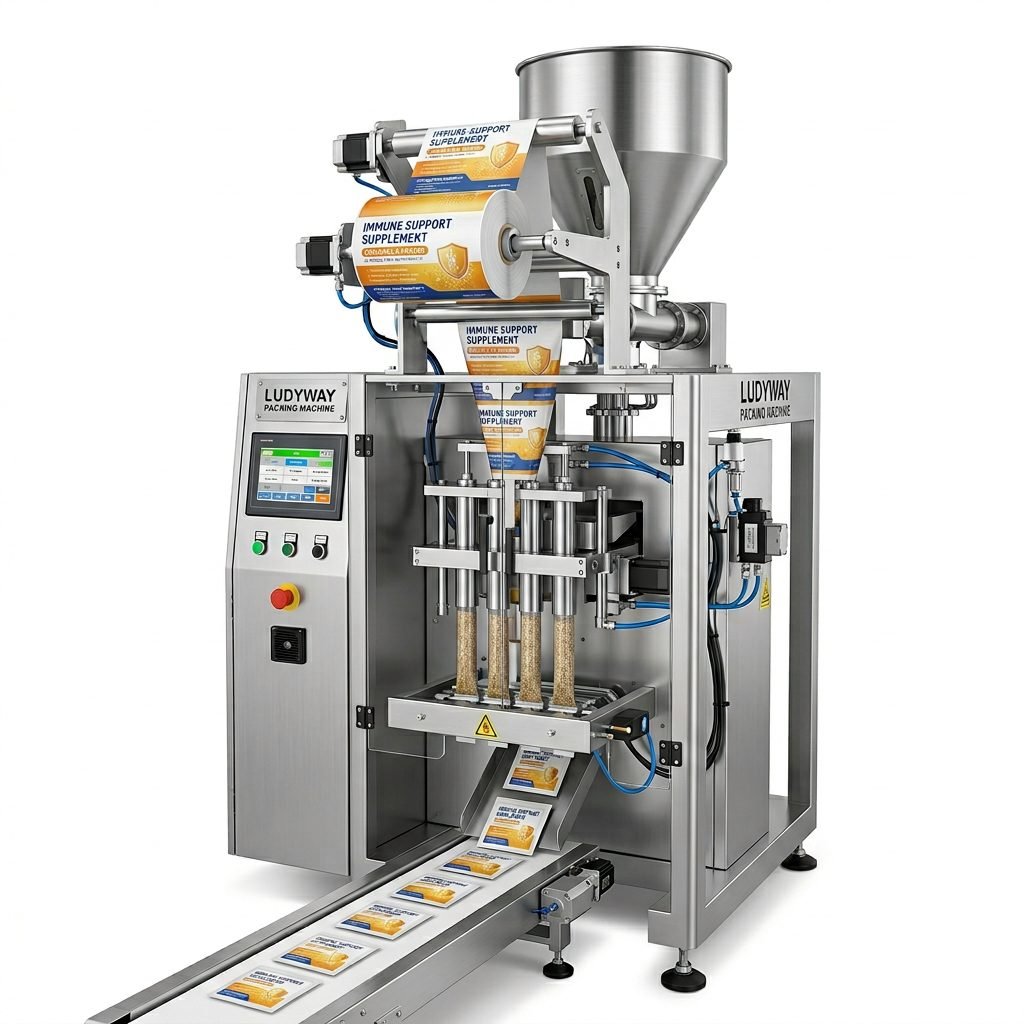
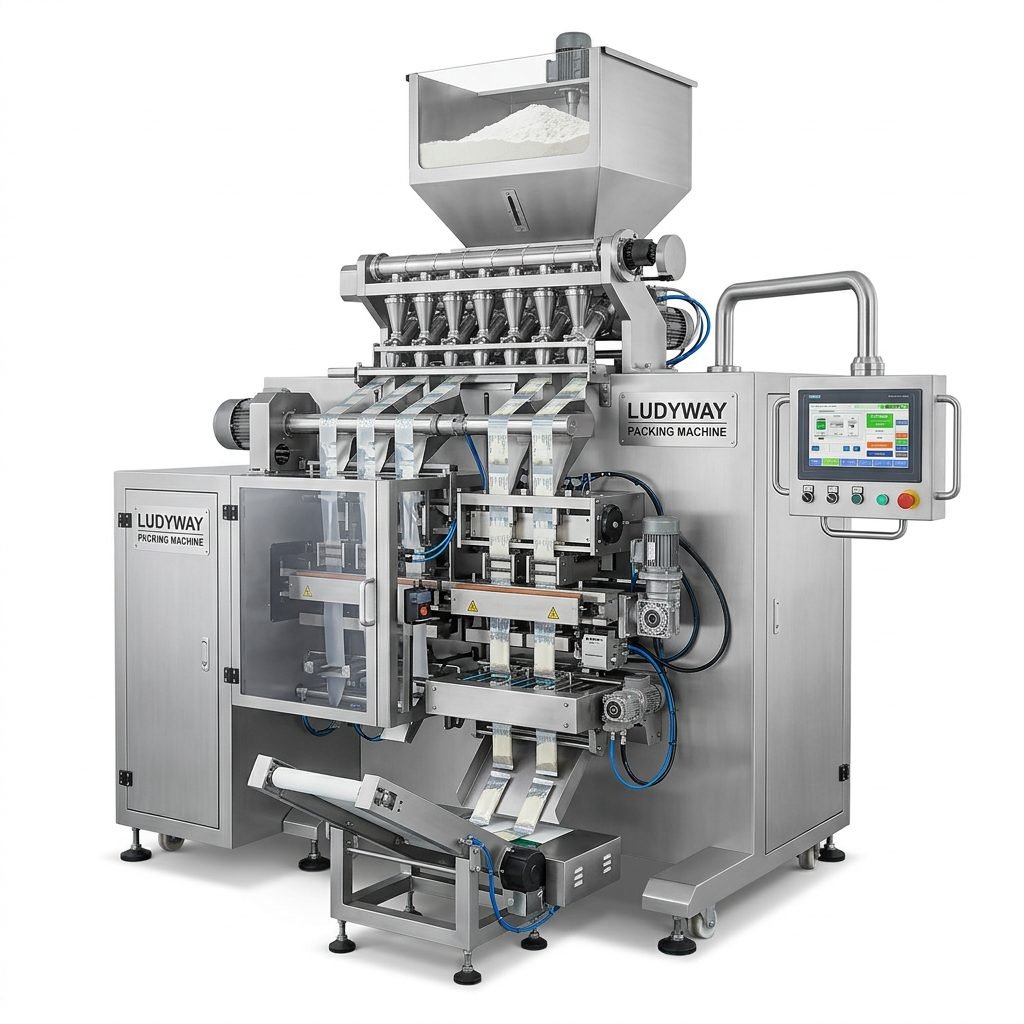
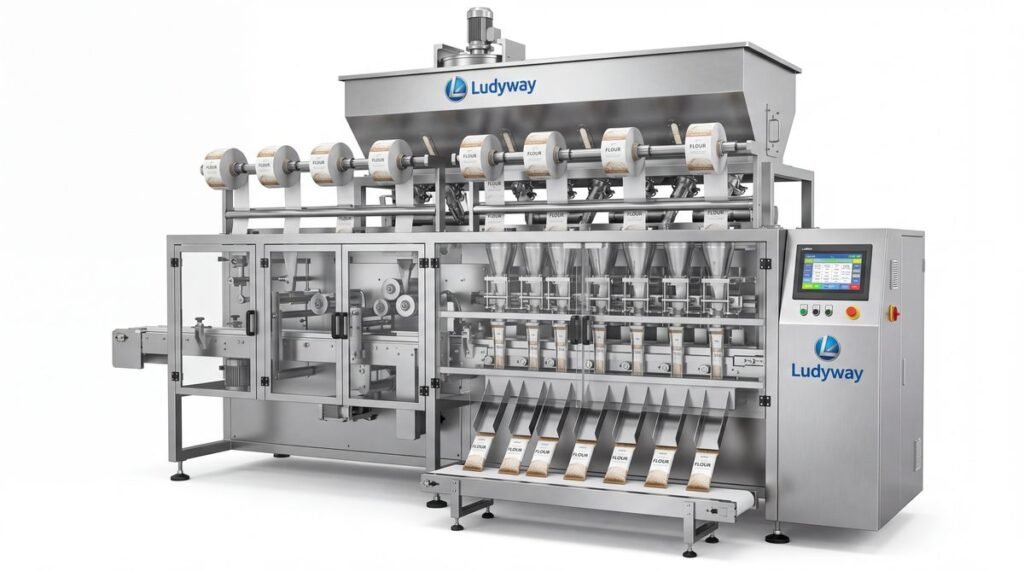
Sachet and stick pack machines
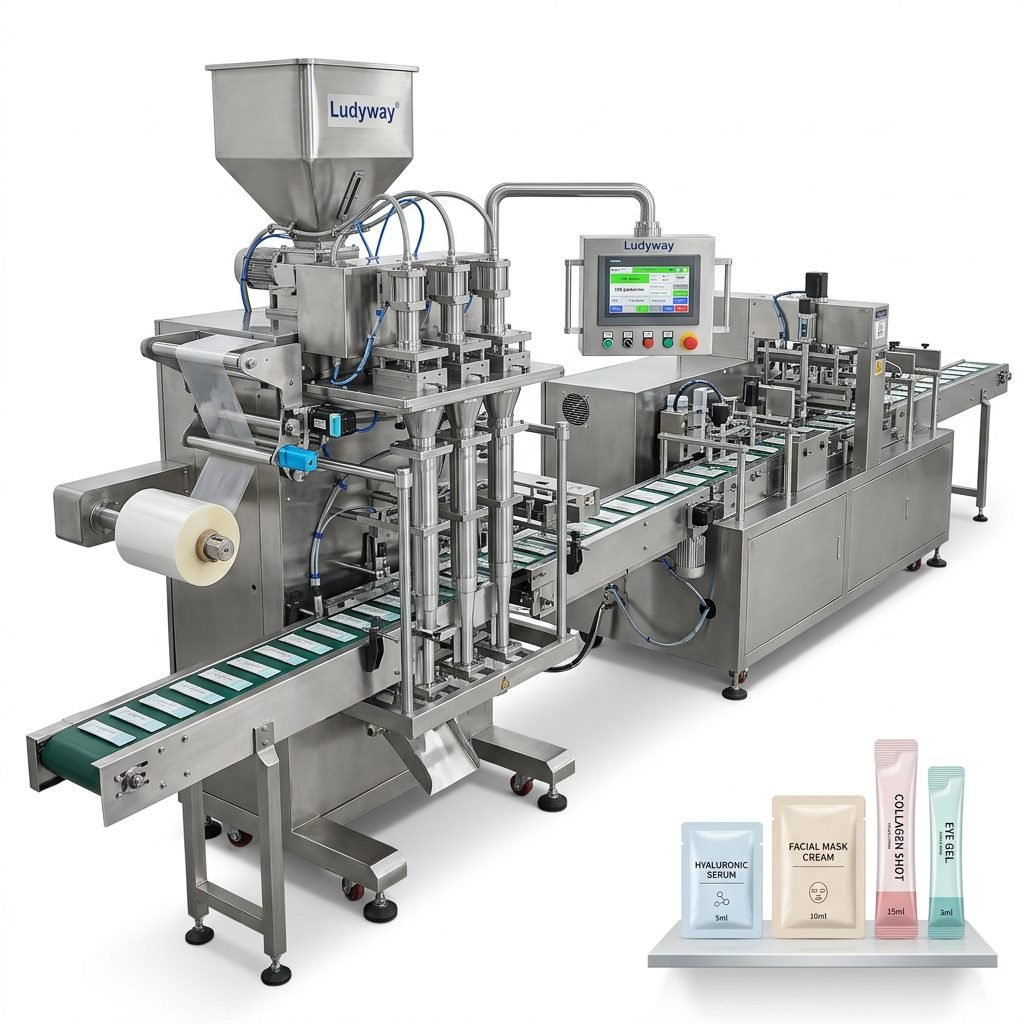
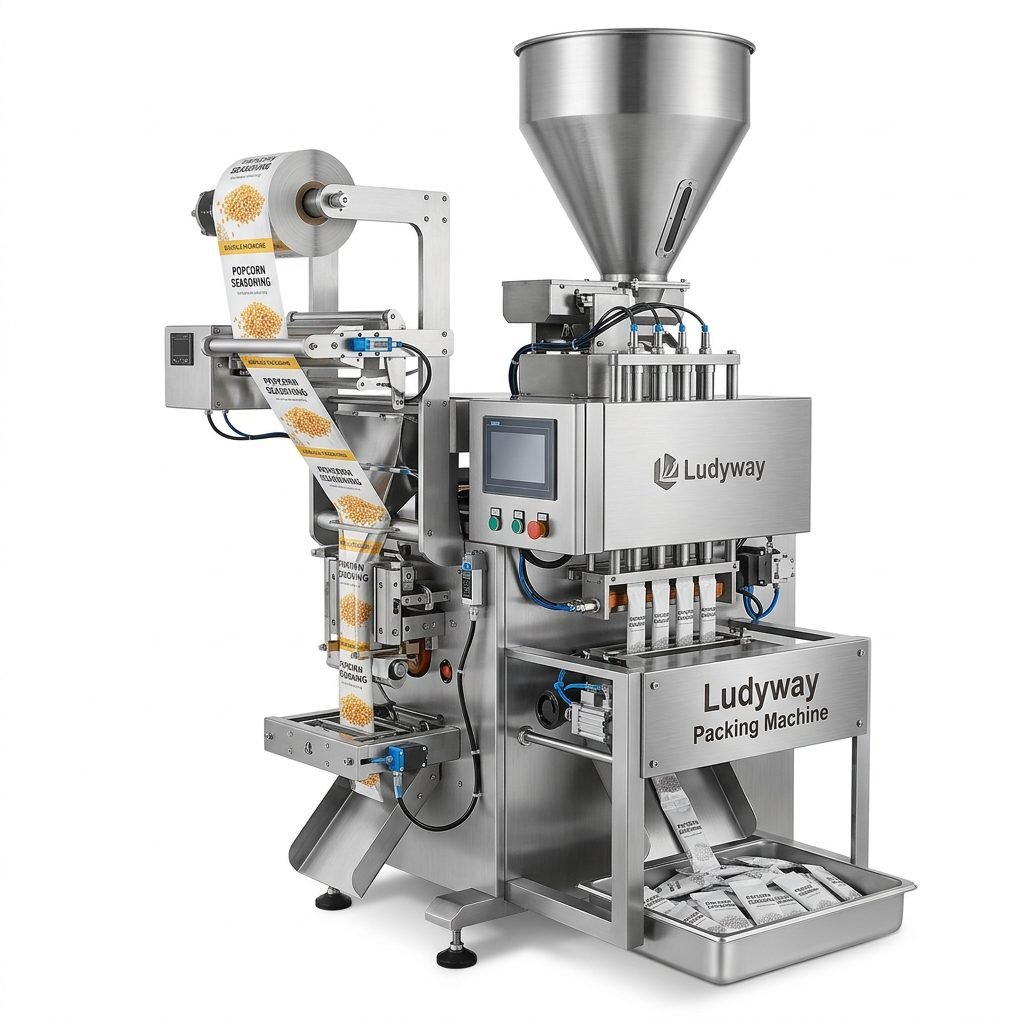
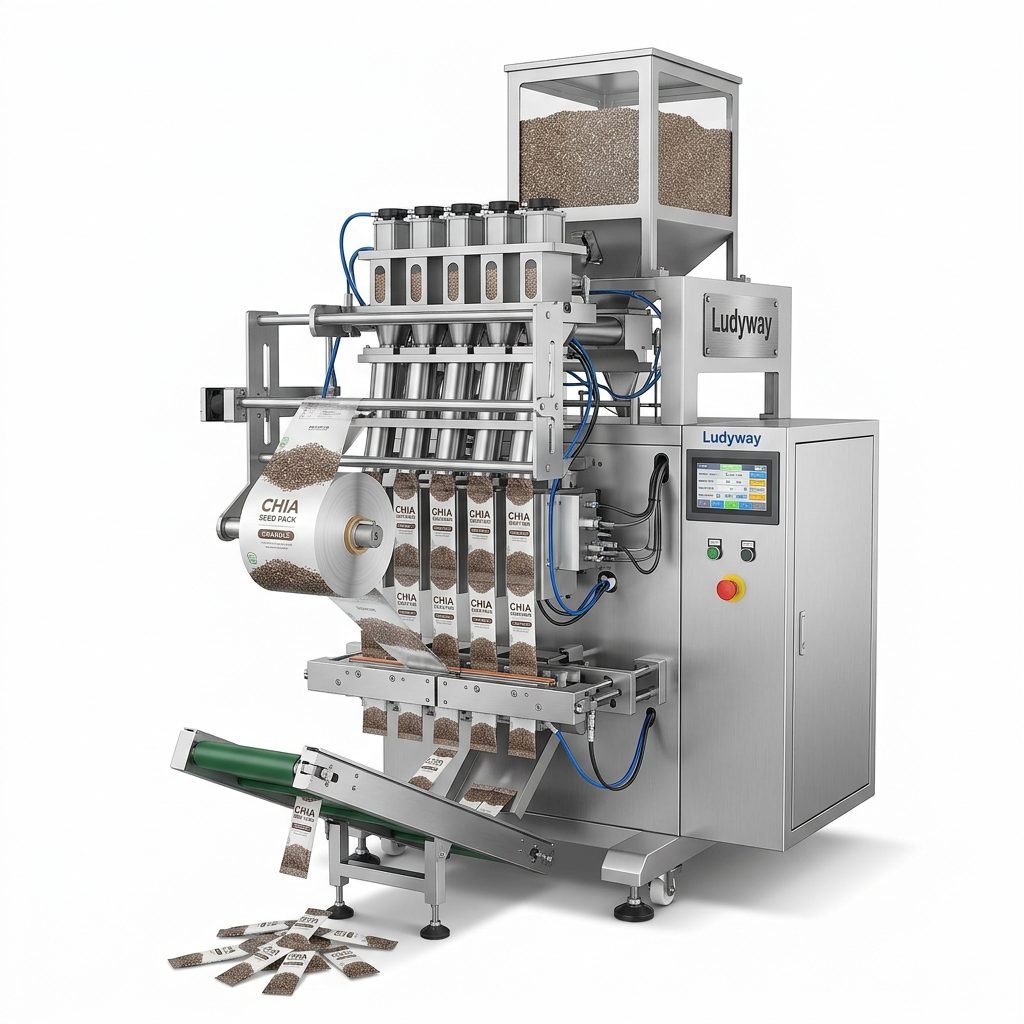
These machines are widely used for pharmaceutical powders, granules, oral rehydration salts, probiotics, herbal formulations, and nutraceutical products. Multi-lane systems can significantly increase output while keeping individual dose packs compact and consumer-friendly.
Best for:
- Single-dose powders and granules
- Travel-size medical and supplement products
- High-volume pharmaceutical sachet production
Bottle filling and counting lines
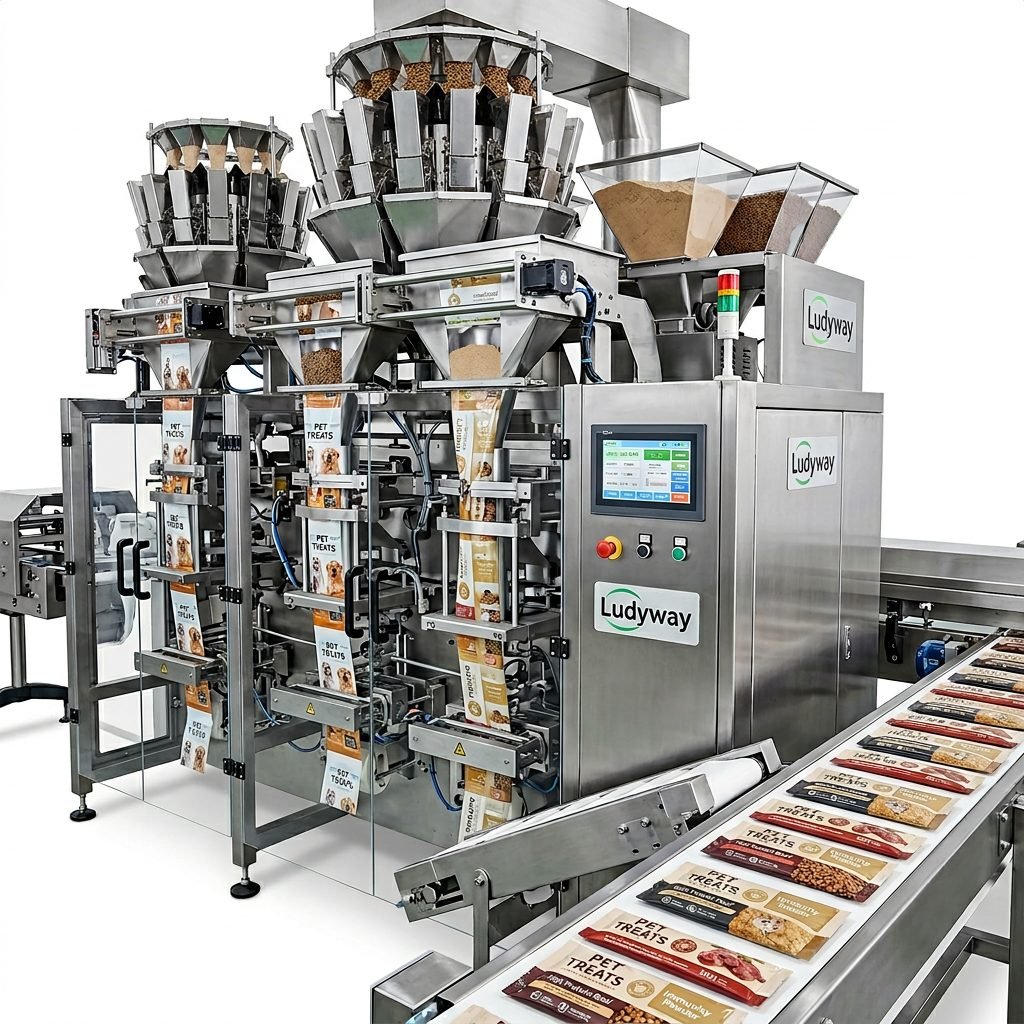
For capsules, tablets, and oral liquids, bottle lines are a common solution. These typically include bottle unscrambling, counting or filling, capping, induction sealing, labeling, and cartoning. They are suitable for retail-ready pharmaceutical packaging and nutraceutical operations.
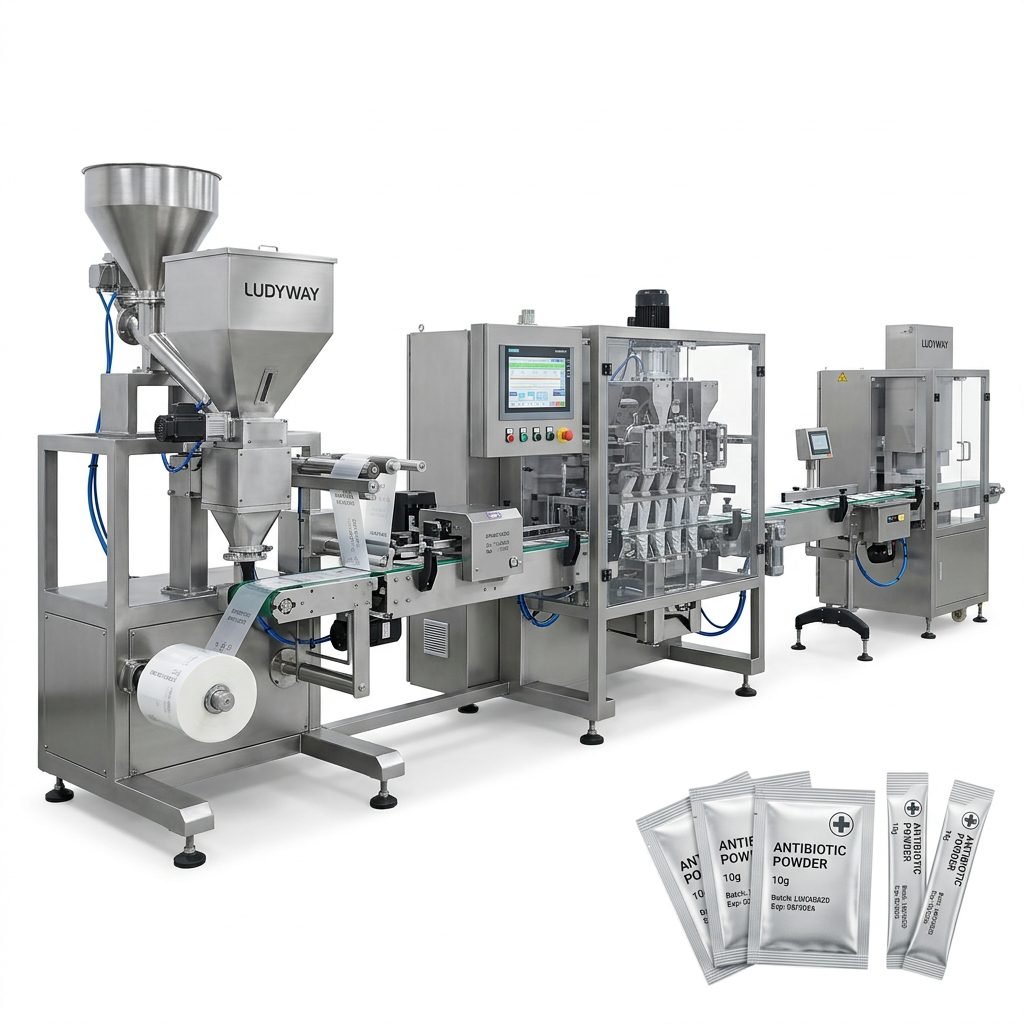
Turnkey pharmaceutical packaging lines
If your operation needs synchronized automation from primary packaging to final boxing, a turnkey line is often the most efficient choice. This approach minimizes compatibility problems between separate machines and provides a more consistent production flow.
Questions pharmaceutical buyers should ask suppliers
- What products and dosage forms has this machine already handled successfully?
- What is the tested filling accuracy for my formulation?
- How easy is cleaning, product changeover, and batch switching?
- Can the machine support future packaging formats or higher speeds?
- What certifications, testing, and inspection processes are available?
- Can you provide installation, training, spare parts, and remote support?
- Do you supply only one machine or complete line integration as well?
| Selection Area | What to Check | Why It Matters |
|---|---|---|
| Filling System | Auger, piston, counting, liquid pump, volumetric system | Matches dosage form and accuracy needs |
| Automation Level | Semi-auto, fully automatic, turnkey line | Affects labor, throughput, and scalability |
| Machine Layout | Footprint, operator access, integration points | Ensures smooth plant installation |
| After-Sales Support | Training, manuals, spare parts, technical response time | Reduces downtime and ownership risk |
| Customization | Pack size, lane count, feeding method, coding options | Supports unique pharmaceutical requirements |
Common mistakes to avoid
- Choosing based on price alone instead of total lifecycle value
- Ignoring product-specific filling and sealing behavior
- Buying a machine with no room for future capacity growth
- Overlooking validation documents and compliance support
- Failing to test packaging materials before final purchase
- Selecting a supplier with weak technical service capability
A pharmaceutical packaging machine is a long-term production asset. Low initial cost can become expensive if the machine causes instability, rejects, or constant maintenance interruptions.
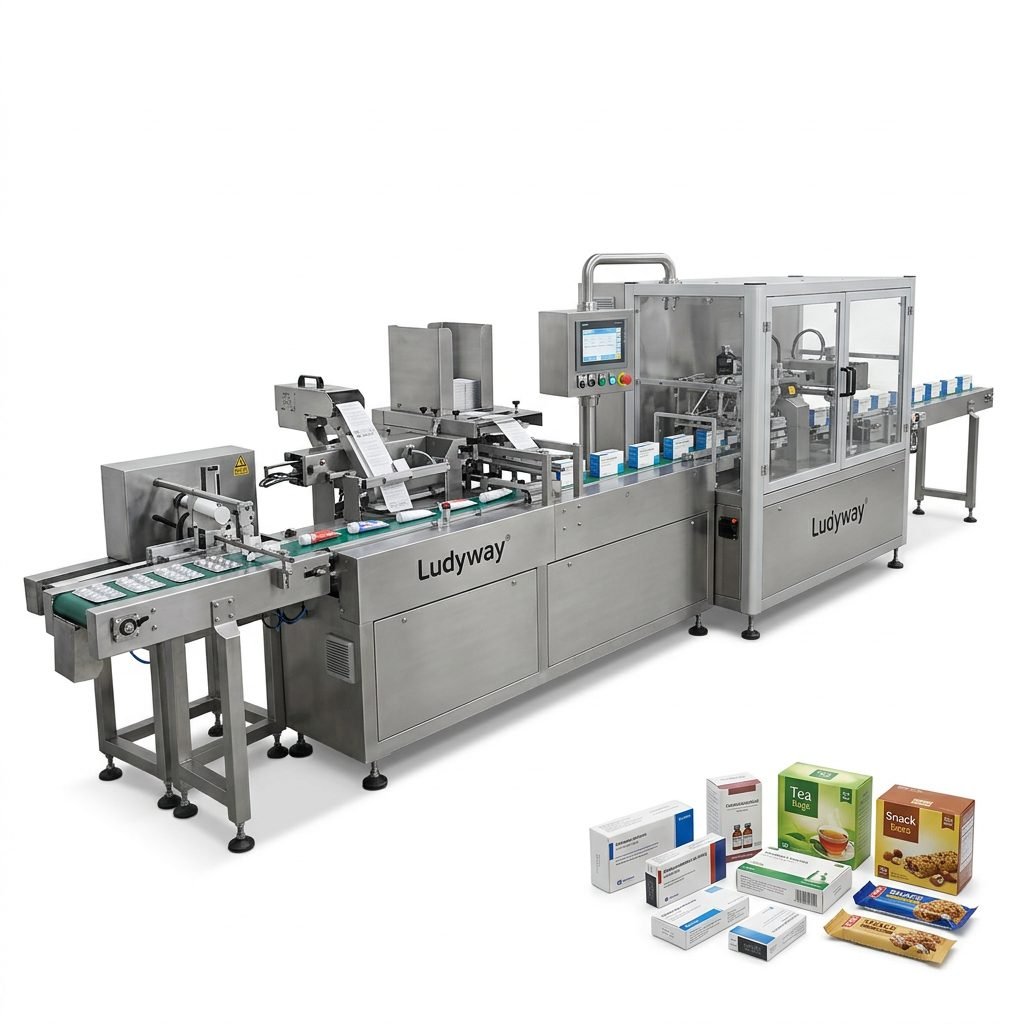
Why turnkey solutions are increasingly preferred
Many pharmaceutical companies are moving beyond standalone equipment and investing in integrated packaging lines. A turnkey solution can combine feeding, filling, sealing, coding, inspection, cartoning, case packing, and palletizing into one coordinated system. This reduces interface problems between different vendors and improves overall automation efficiency.
For businesses seeking scalable equipment from a manufacturer with broad packaging experience, pharmaceutical packaging machines from Ludyway can be considered for sachets, stick packs, blister applications, bottle filling, and complete packaging line projects.
Signs you have found the right solution
A suitable machine or line should offer the following advantages:
- Consistent and accurate packaging quality
- Stable operation during long production runs
- Easy cleaning and convenient maintenance access
- Compatibility with your product and packaging materials
- Flexible configuration for current and future SKUs
- Reliable technical support after installation
Final buying checklist for pharmaceutical companies
Before making your final decision, confirm these points with the supplier:
- Your exact product samples have been tested
- The proposed speed matches your daily production target
- The filling and sealing method fits your dosage form
- The equipment supports GMP-oriented operation and documentation needs
- The machine can integrate with upstream and downstream systems
- Spare parts and technical service are clearly defined
- The system can scale as your pharmaceutical business grows
The best packaging machine for pharmaceutical companies is the one that combines precision, compliance, flexibility, and dependable long-term performance. When these factors are aligned, the result is not just better packaging, but a stronger and more efficient pharmaceutical production operation.