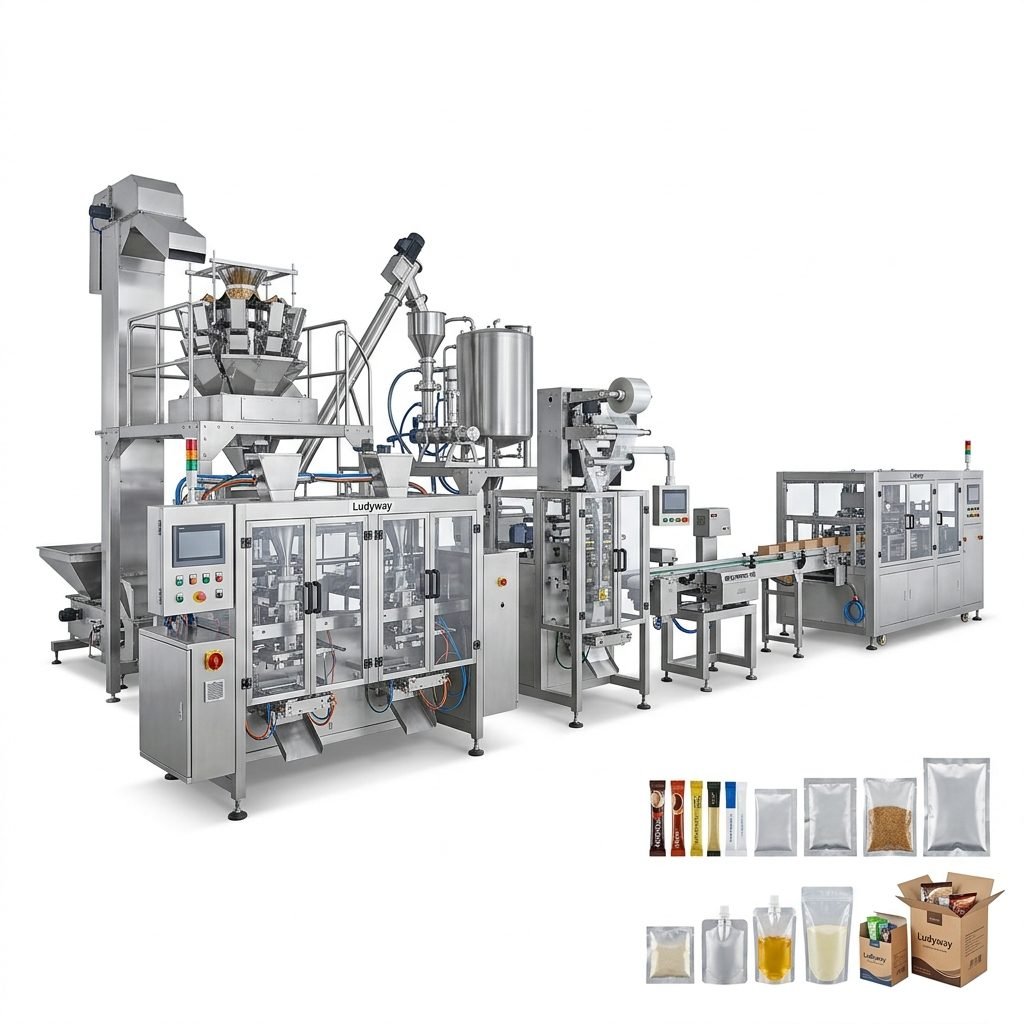
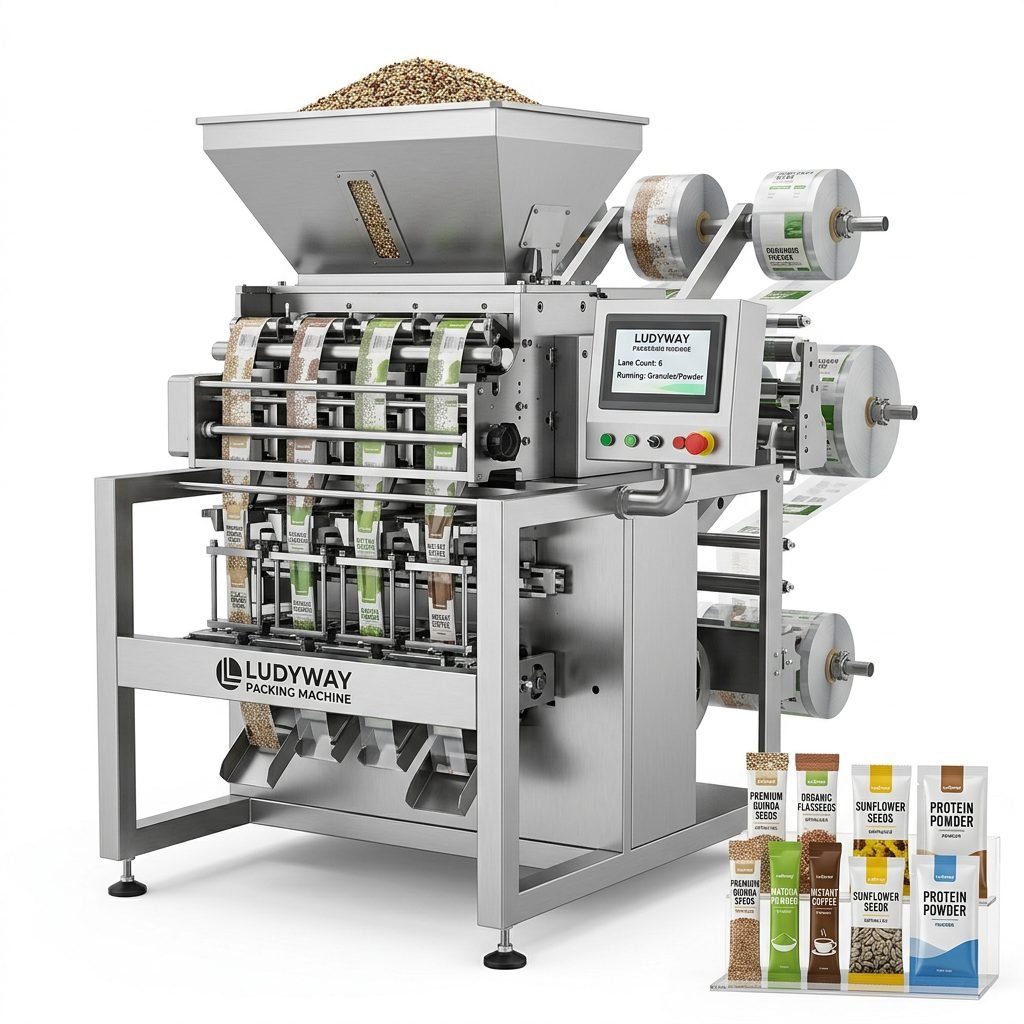
Investing in a vacuum packaging machine is a strategic decision for manufacturers across food, pharmaceutical, and industrial sectors. The right equipment extends product shelf life, preserves freshness, and enhances operational efficiency. However, with a wide range of models, technologies, and configurations available, choosing the optimal machine requires careful evaluation of your production needs, product characteristics, and long-term goals. This guide walks you through the essential factors to consider before making your purchase.

Understanding Vacuum Packaging Machine Types
Before evaluating specific models, it’s important to understand the main categories of vacuum packaging equipment available on the market. Each type serves different production scales and packaging requirements.
- Single-Chamber Vacuum Machines: Ideal for small to medium-scale operations. Products are placed inside a chamber where air is extracted before sealing. Best suited for solid products and moderate production volumes.
- Double-Chamber Vacuum Machines: Designed for higher throughput, these machines alternate between two chambers, allowing continuous operation. Commonly used in meat processing, cheese packaging, and ready-meal production.
- External Vacuum Sealers: Compact and cost-effective, these machines use external bags and are suitable for low-volume packaging. Popular in retail environments and small kitchens.
- Rotary Vacuum Packaging Systems: High-speed continuous-motion machines for large-scale industrial applications. Capable of handling hundreds of packages per minute.
- Thermoforming Vacuum Packaging Machines: These machines form, fill, and seal packaging in a single automated process, offering excellent efficiency for high-volume production lines.

Key Factors to Evaluate Before Buying
Selecting the right vacuum packaging machine involves analyzing multiple operational and technical parameters. Below are the most critical factors to guide your decision.
Product Characteristics and Compatibility
The physical properties of your product directly determine which machine configuration is appropriate. Liquid, powder, granule, and solid products each require different vacuum and sealing approaches. Delicate products may need gentle handling with adjustable vacuum levels, while sharp or irregularly shaped items demand robust film materials and seal integrity. According to FDA packaging and food contact substances guidelines, material compatibility with your product is essential for safety and compliance.
Production Speed and Capacity
Your current and projected production volumes should drive the specification of machine speed and cycle time. A chamber machine might process 2-4 cycles per minute, while a rotary vacuum system can handle significantly higher output. Consider whether you need a batch-oriented machine or a continuous-flow system integrated into your existing production line.
Packaging Material Requirements
Vacuum packaging machines work with a variety of films and bag types, including PA/PE, high-barrier laminates, and shrinkable materials. The machine must be compatible with your chosen packaging format—whether pre-made bags, roll-stock film, or thermoformable materials. Refer to flexible packaging industry resources for comprehensive data on material selection and performance characteristics.
Vacuum Pump Technology
The vacuum pump is the heart of any vacuum packaging system. Oil-lubricated rotary vane pumps offer high vacuum levels and durability for industrial use. Dry-running pumps provide lower maintenance requirements, while venturi systems offer a cost-effective solution for less demanding applications. Pump capacity, measured in cubic meters per hour, must match your required cycle times and chamber volumes.
Sealing System Performance
Seal quality directly impacts package integrity and shelf life. Evaluate seal bar length, sealing temperature control, and the type of sealing technology—whether impulse sealing, constant heat sealing, or ultrasonic sealing. Consistent, reliable seals are non-negotiable for products requiring extended shelf life or sterile barrier packaging. Standards such as ISO packaging standards provide guidance on validating seal integrity for various applications.
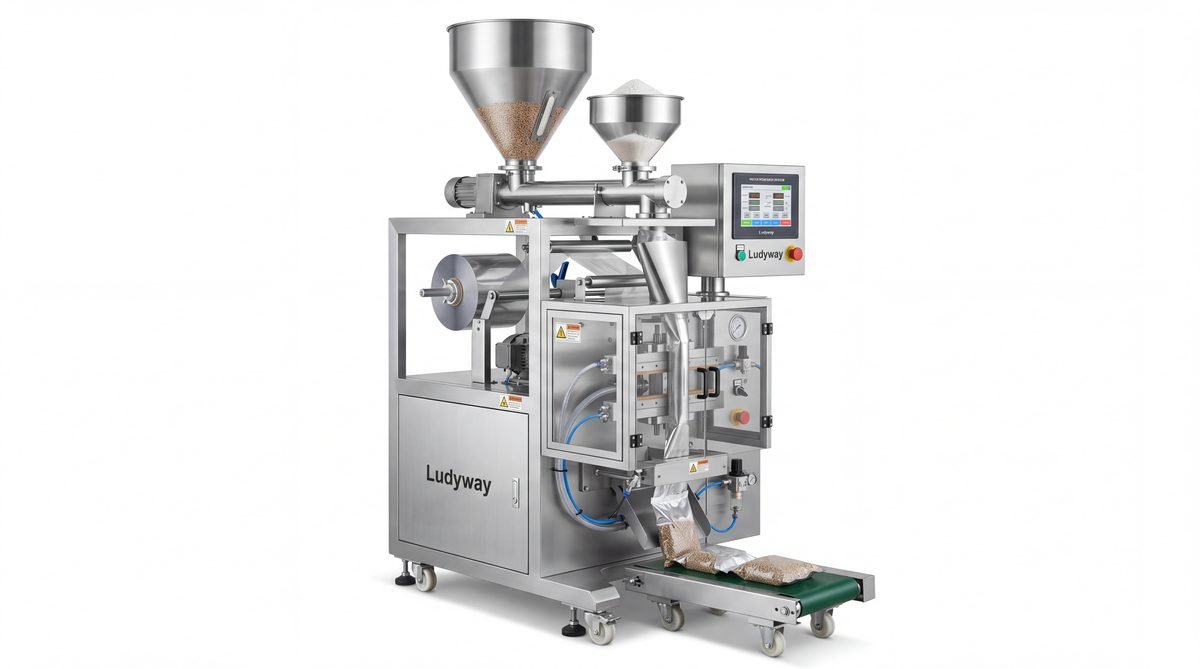
Comparing Vacuum Packaging Machine Configurations
The table below summarizes the key differences between common vacuum packaging machine types to help narrow down your options based on application requirements.
| Machine Type | Best For | Production Volume | Typical Cycle Speed | Investment Level |
|---|---|---|---|---|
| Single-Chamber | Solid products, small batches | Low to Medium | 2-4 cycles/min | Moderate |
| Double-Chamber | Meat, dairy, prepared foods | Medium to High | 3-6 cycles/min | Medium-High |
| Thermoforming | High-volume food packaging | High to Very High | 8-20+ cycles/min | High |
| Rotary Vacuum | Continuous industrial production | Very High | 40-100+ packs/min | Very High |
| External Sealer | Retail, small-scale use | Low | 1-3 cycles/min | Low |
Industry-Specific Application Considerations
Different industries impose unique requirements on vacuum packaging equipment. Understanding these nuances helps avoid costly mismatches.
- Food and Beverage: Hygiene standards are paramount. Machines must be constructed with food-grade stainless steel, feature easy-clean designs, and support compliance with HACCP protocols. Modified atmosphere packaging (MAP) capability is often required for fresh products. The PMMI packaging industry resources offer extensive guidance on food packaging machinery standards and best practices.
- Pharmaceuticals: Vacuum packaging in this sector demands validated processes, cleanroom compatibility, and traceability features. Seal integrity testing and documentation are typically mandatory.
- Electronics and Industrial Components: Protection against moisture, dust, and electrostatic discharge is critical. Machines must accommodate anti-static films and potentially integrate with desiccant insertion systems.
- Cosmetics and Personal Care: Aesthetic packaging presentation combined with product protection requires precise control over vacuum levels to avoid damaging delicate containers.
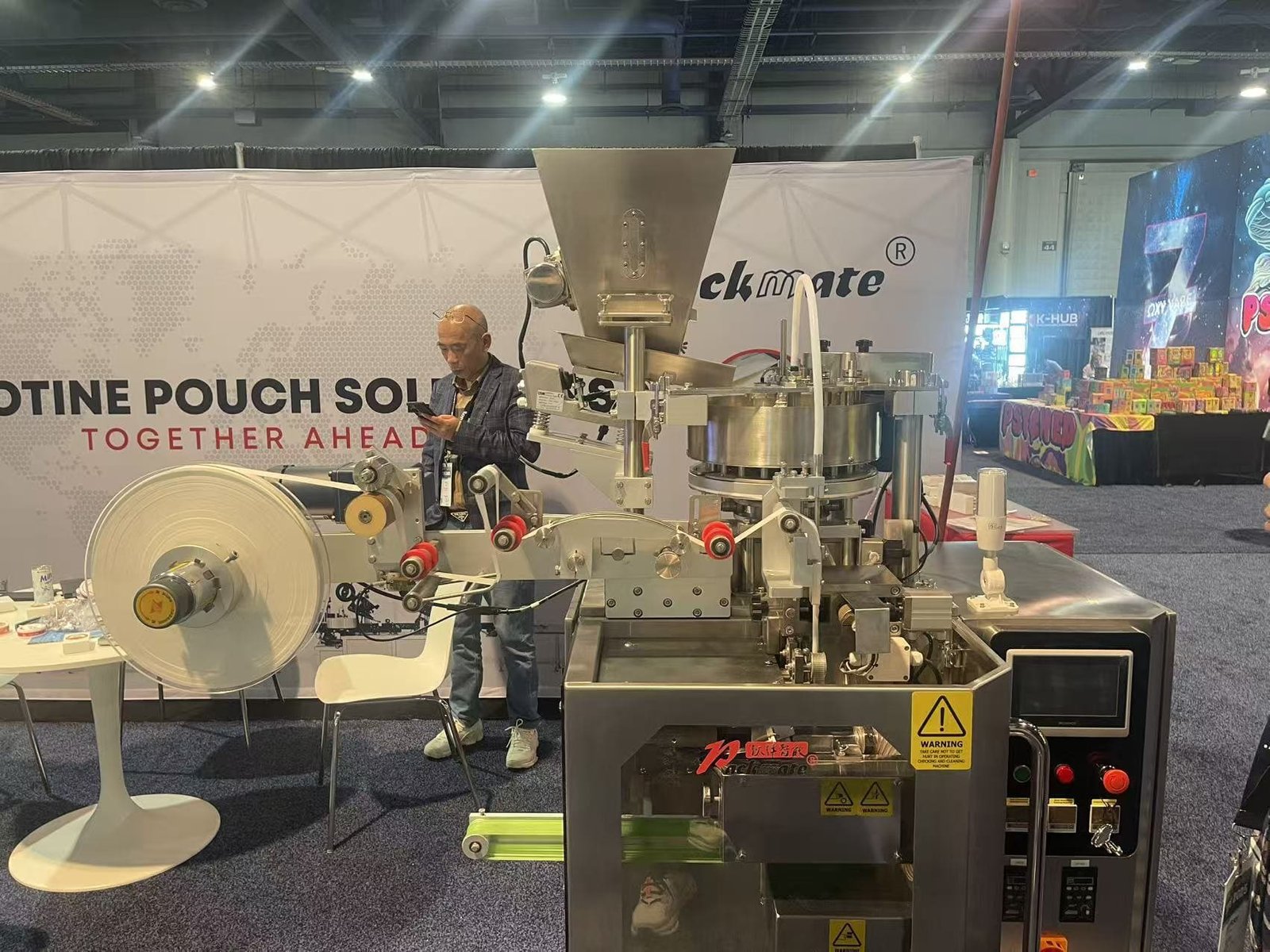
Automation, Integration, and Control Systems
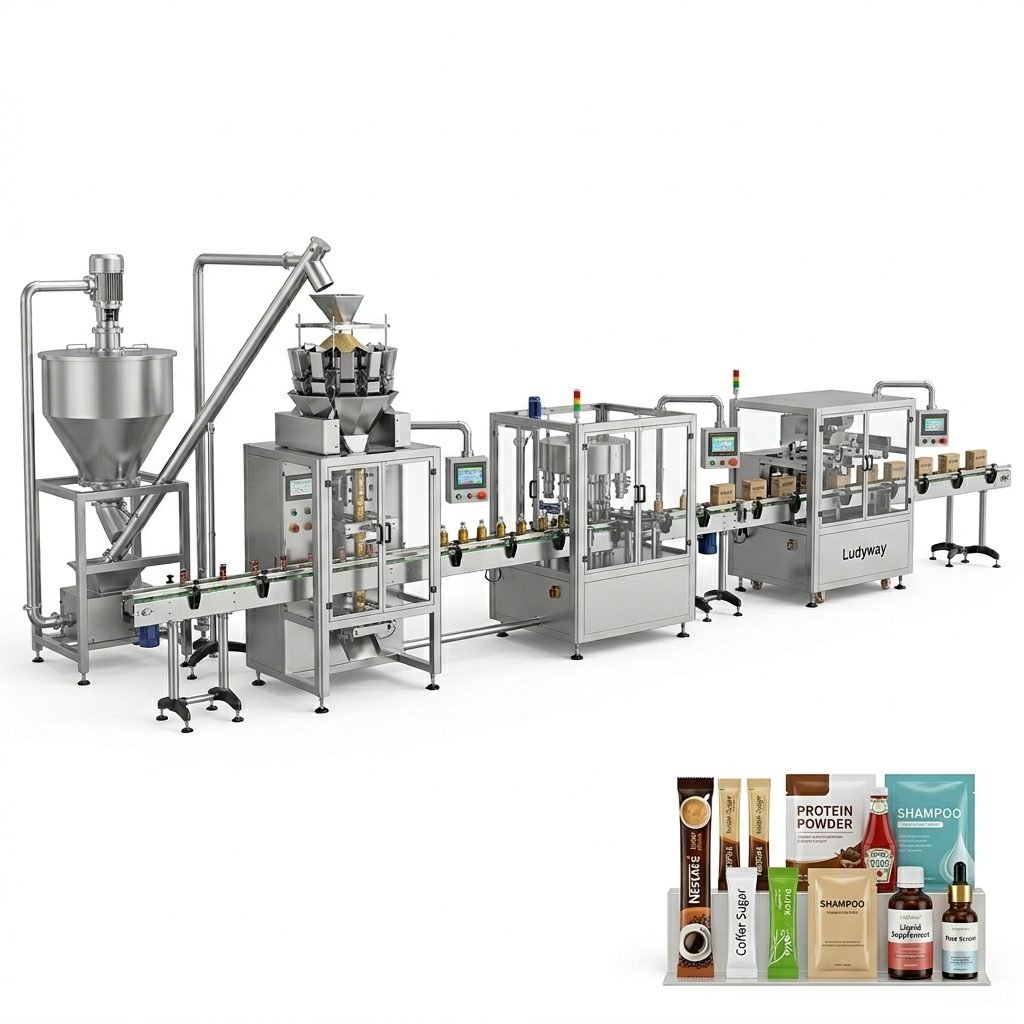
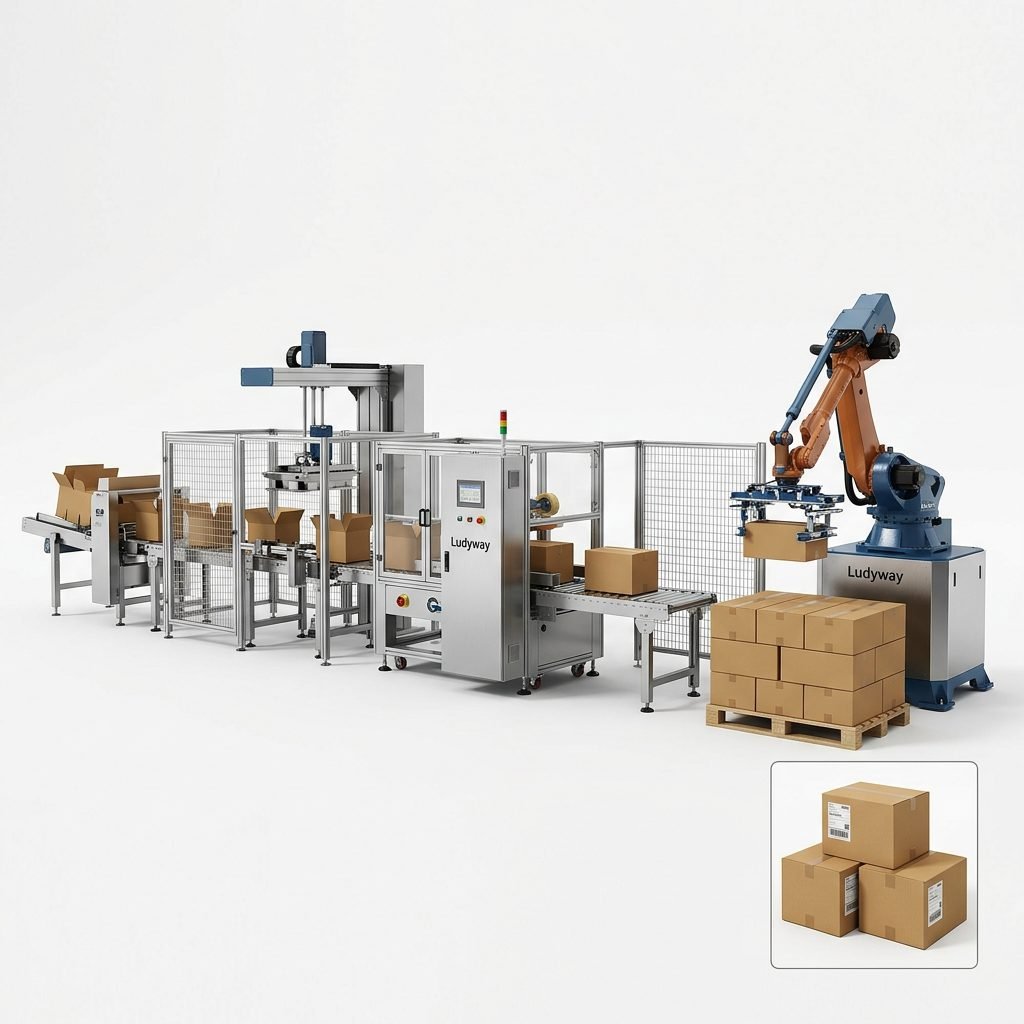
Modern vacuum packaging machines increasingly feature advanced automation capabilities. PLC-controlled systems with touchscreen interfaces allow operators to store multiple recipes, adjust vacuum and sealing parameters precisely, and monitor machine performance in real time. When selecting equipment, consider how the machine will integrate with upstream and downstream processes—including filling systems, labeling machines, checkweighers, and case packing equipment.
Data connectivity is becoming more important for manufacturers seeking to implement Industry 4.0 principles. Machines with Ethernet/IP, Profibus, or other industrial communication protocols enable centralized monitoring and data collection for production analytics.
Maintenance, Support, and Total Cost of Ownership
The purchase price is only one component of the total cost of ownership. Evaluate the availability and cost of spare parts, consumables, and routine maintenance requirements. Machines with easy access to wear components, quick-change sealing bars, and modular designs reduce downtime and maintenance labor.
Technical support availability is equally critical—ensure your supplier can provide timely assistance through installation, commissioning, training, and ongoing support. Ludyway Machinery, a China-based packaging machinery manufacturer with over 30 years of experience and a 20,000-square-meter manufacturing facility, provides comprehensive packaging solutions including vacuum packaging equipment for diverse industries worldwide, backed by global technical support across more than 100 countries.
Compliance and Certification Requirements
Depending on your market and product category, your vacuum packaging machine may need to meet specific regulatory standards. CE marking is required for equipment sold in the European Economic Area. Machines used in food applications should be designed according to relevant sanitary standards. Pharmaceutical applications may require compliance with ISO 11607 for terminally sterilized medical devices. Verify with your supplier that the necessary certifications and documentation are available for your target markets.
Making the Final Selection
Choosing the right vacuum packaging machine involves balancing technical requirements, production goals, and budget considerations. Start by clearly defining your product specifications, target throughput, packaging format, and regulatory requirements. Request detailed proposals from multiple manufacturers, and whenever possible, conduct product trials or sample testing to verify machine performance with your actual products and materials.
A well-chosen vacuum packaging machine not only protects your products but also contributes to operational efficiency, reduced waste, and improved customer satisfaction. By carefully evaluating the factors outlined in this guide, you can make an informed investment that supports your business growth for years to come. For additional market data and industry trends, consult PMMI’s business intelligence library for packaging machinery reports and analysis.