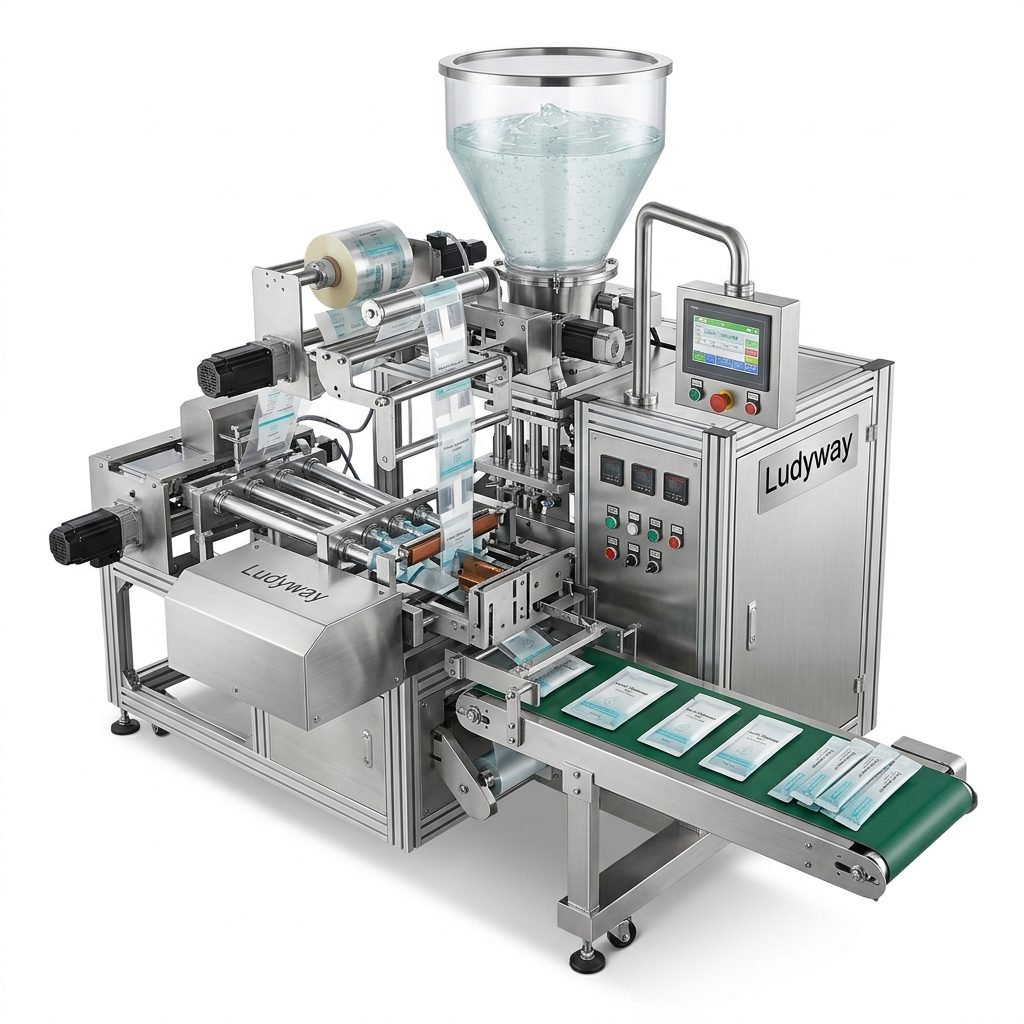
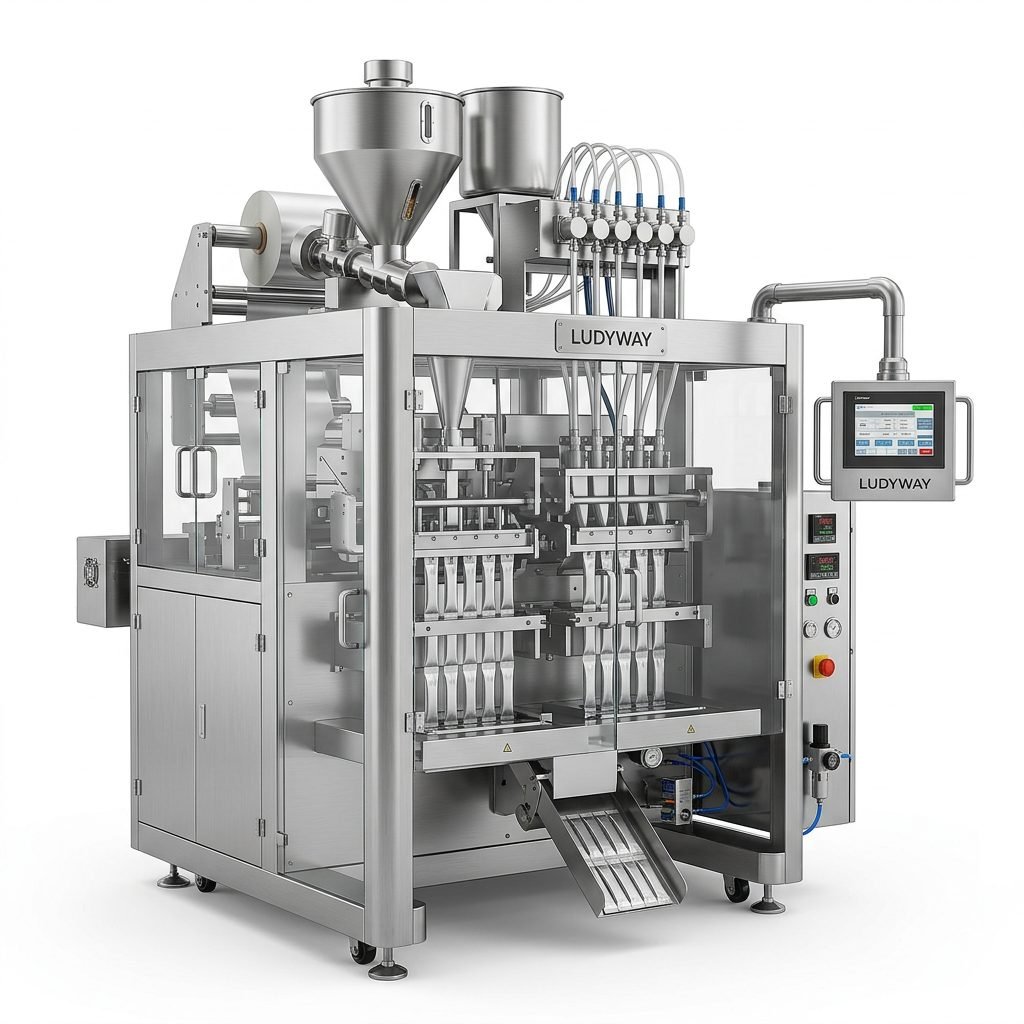
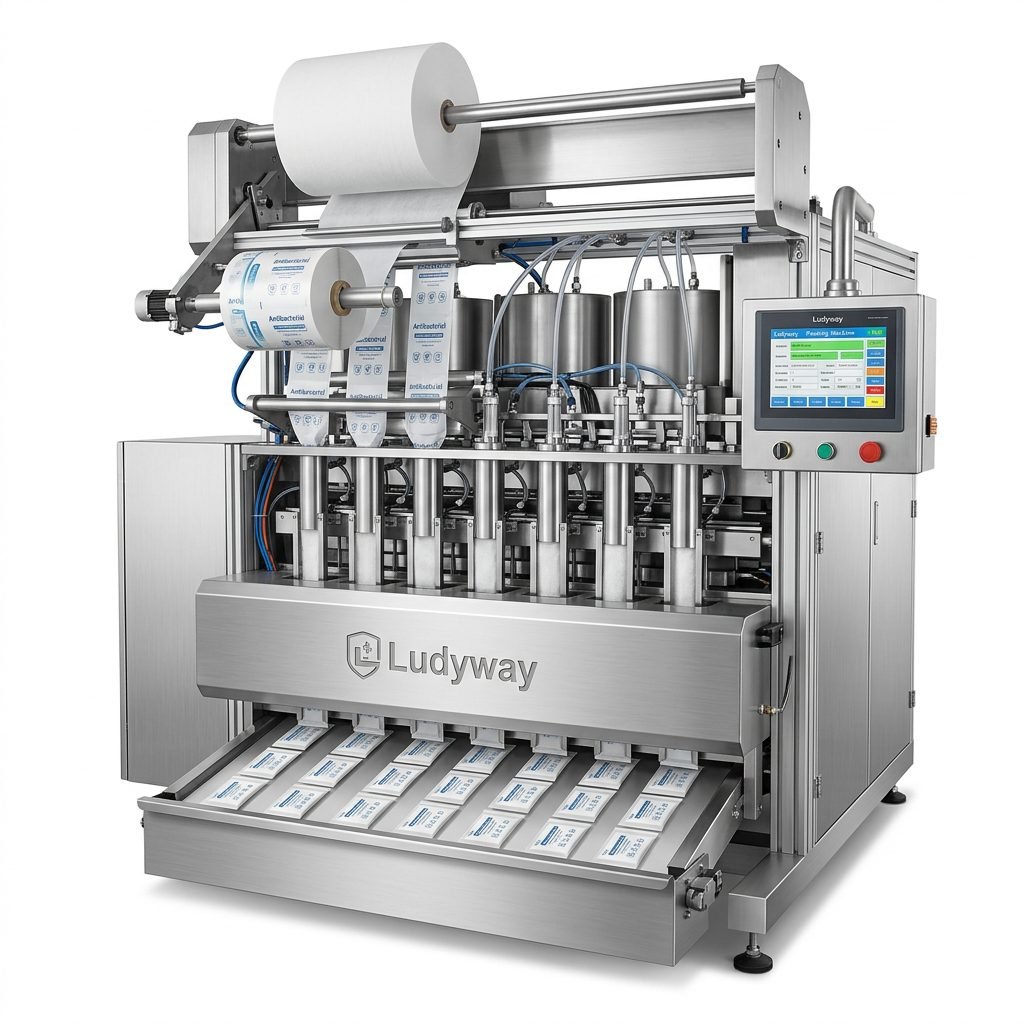
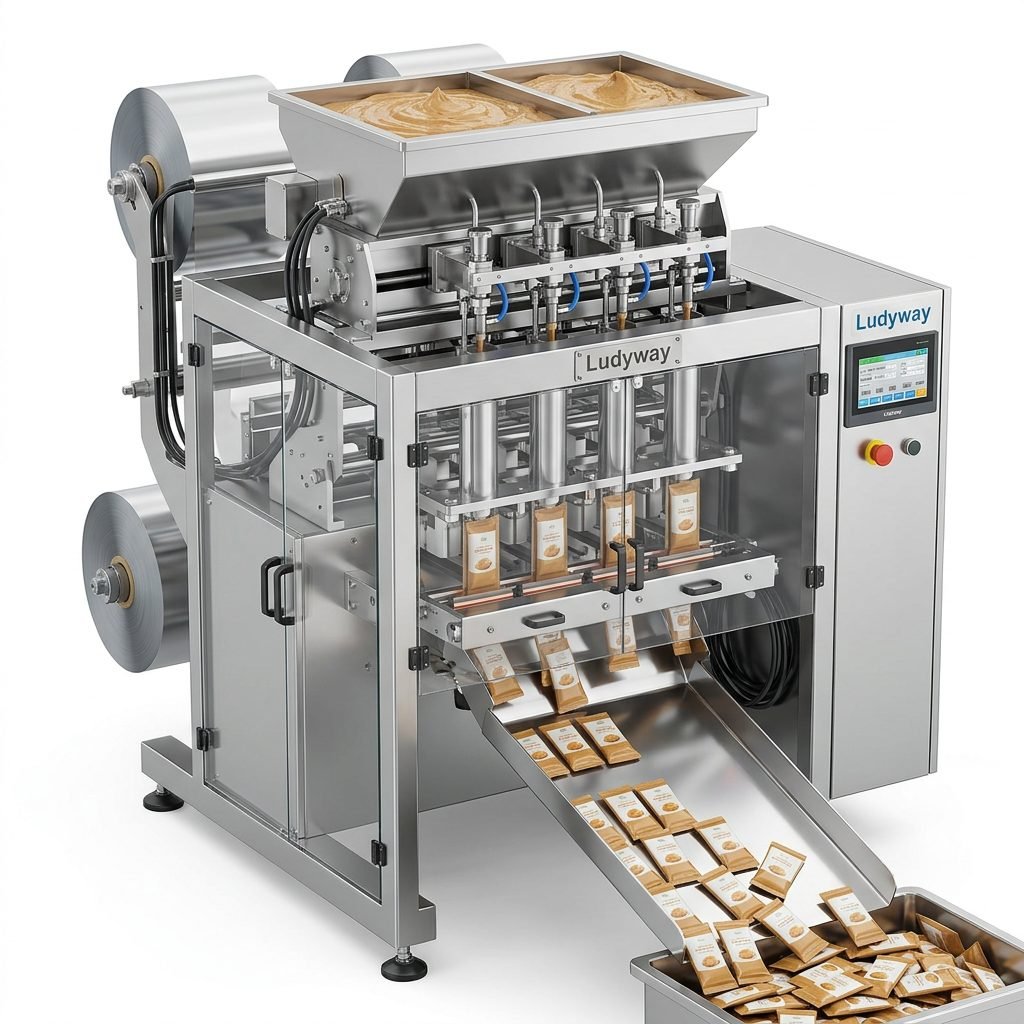
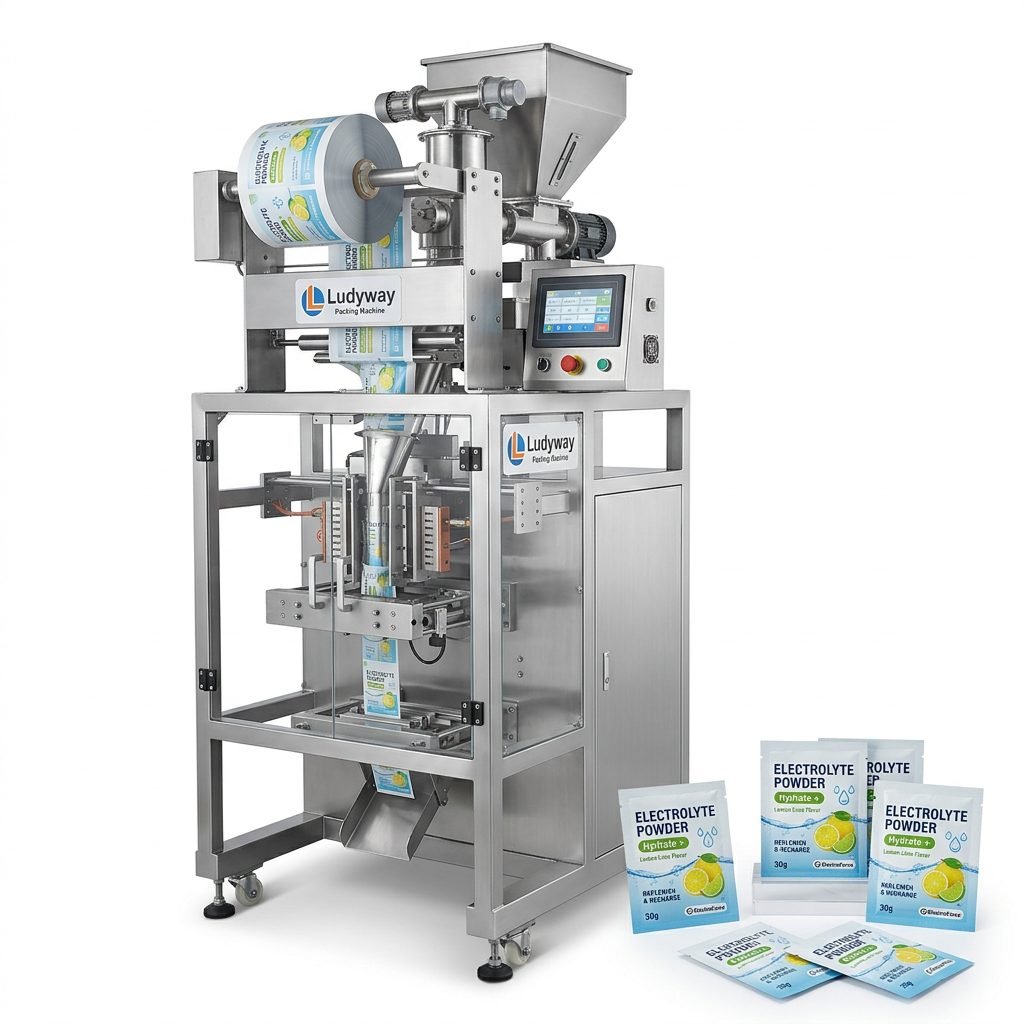
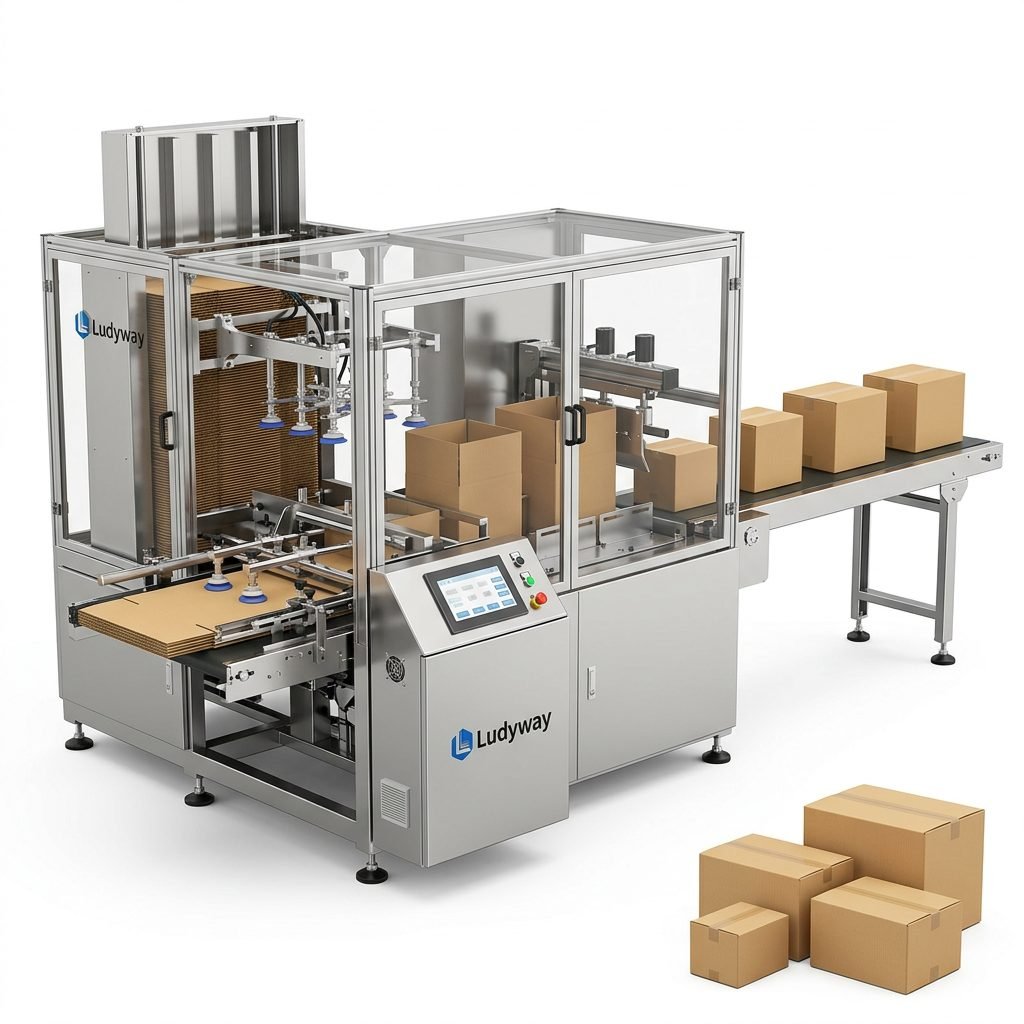
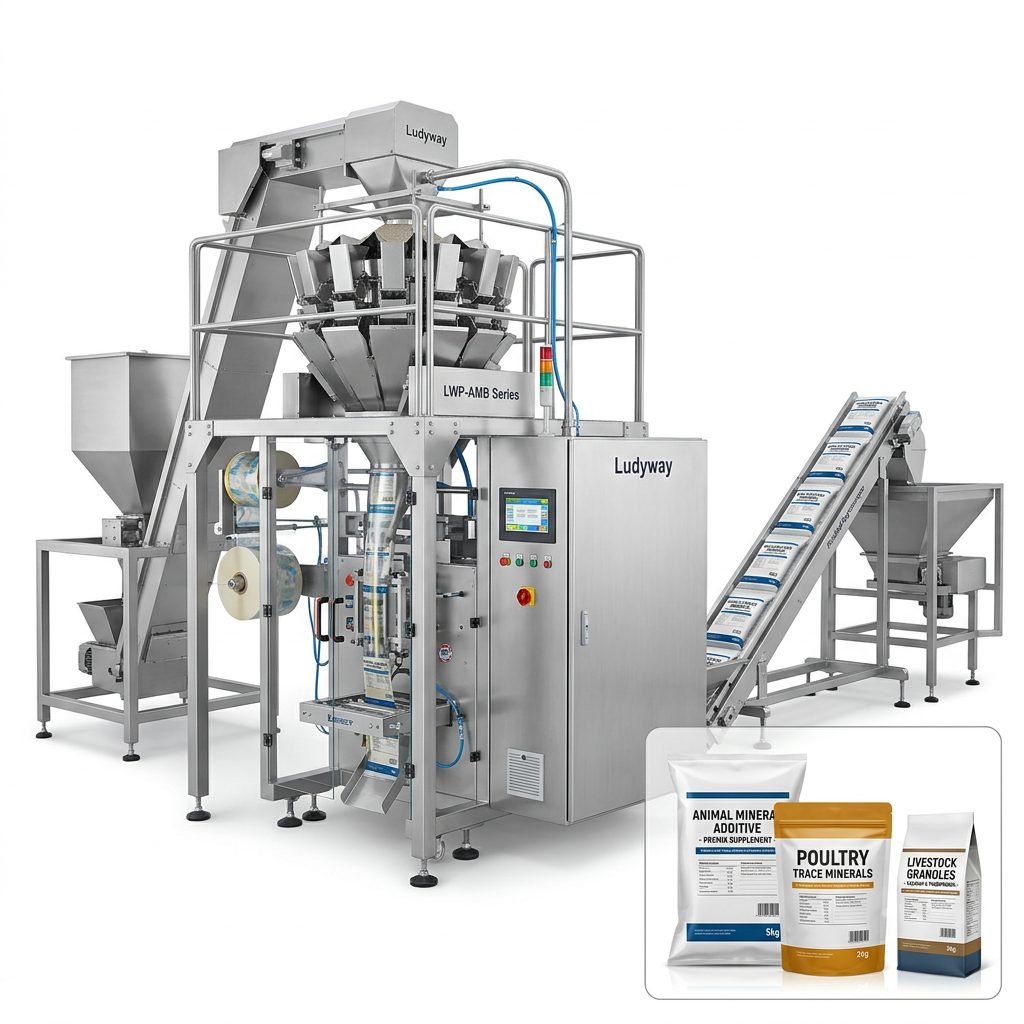
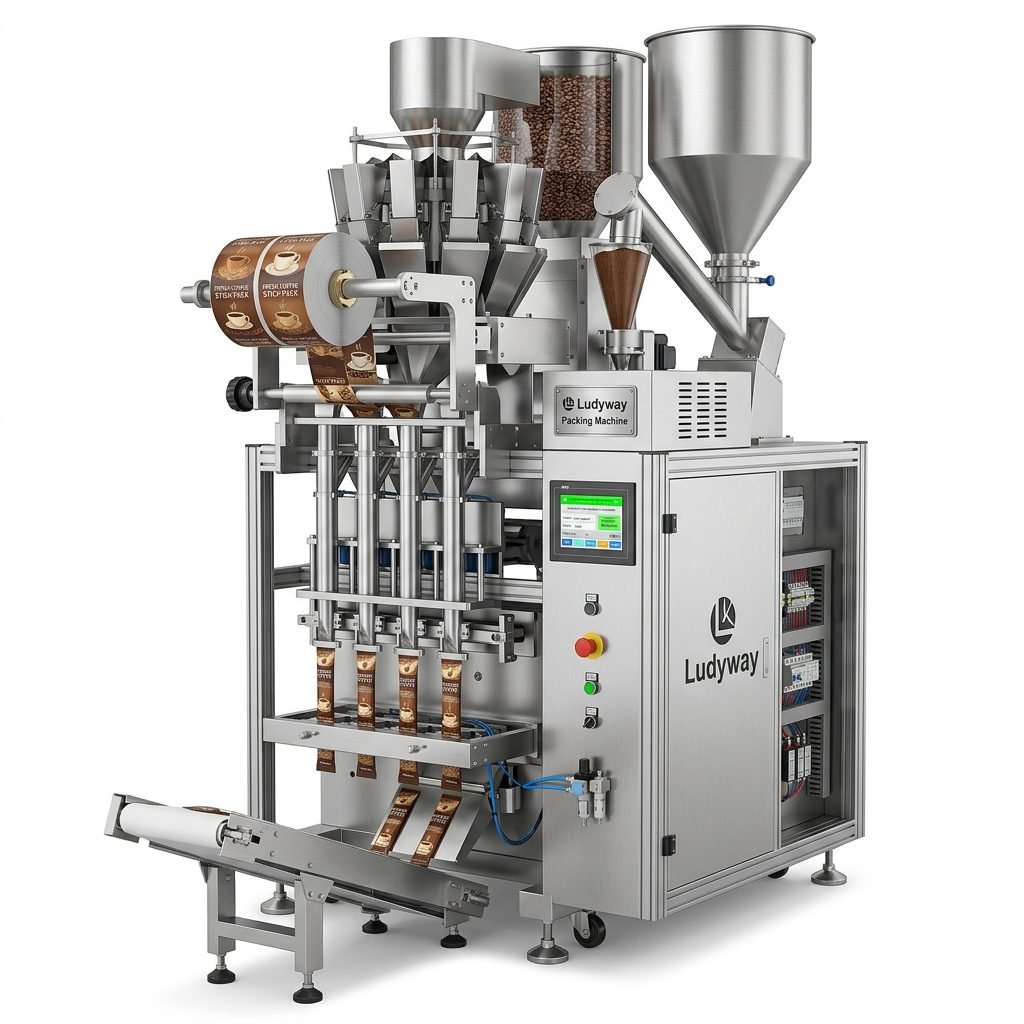
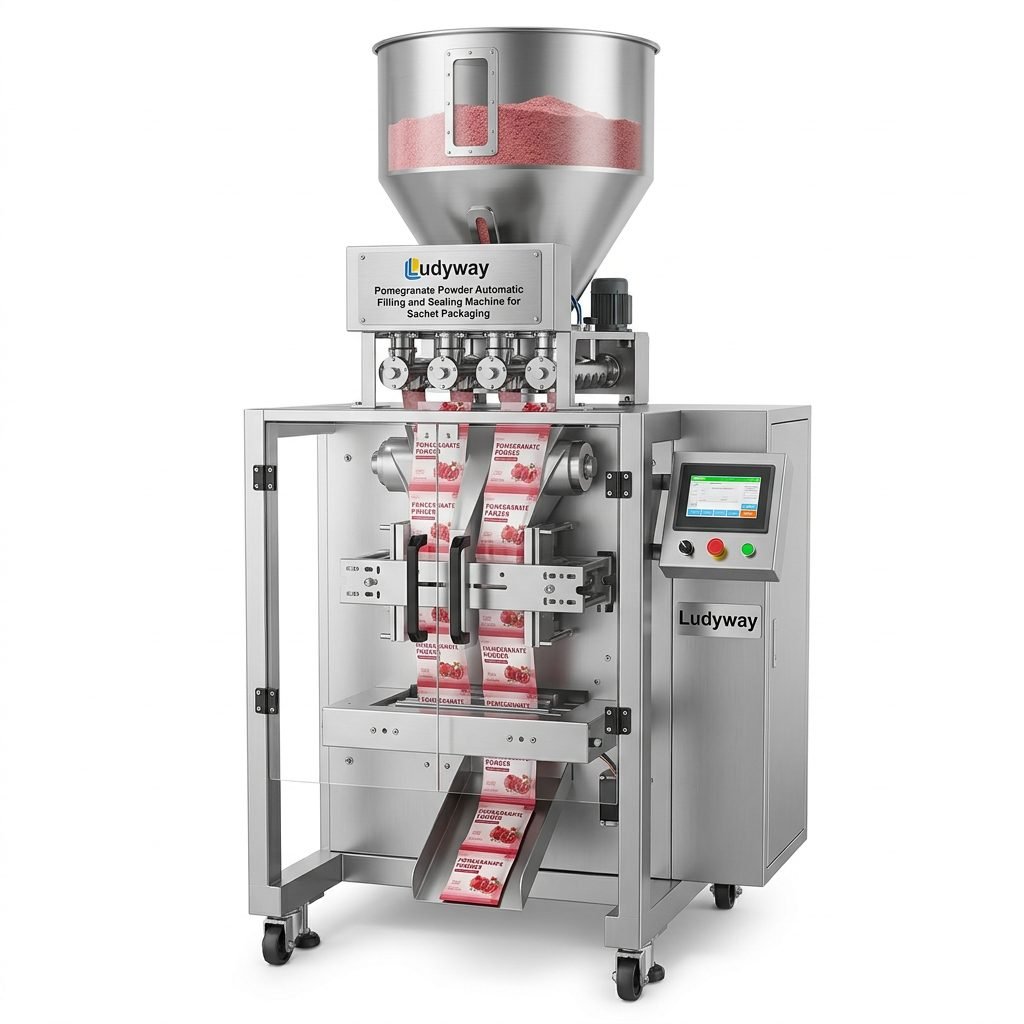
Investing in a weighing and packing machine is one of the most strategic decisions a manufacturer can make. The right equipment can boost productivity by 40–60%, reduce product giveaway, and ensure consistent package quality across every shift. Choose the wrong machine, and you may face costly downtime, inaccurate fills, and packaging that fails to protect your product.
This comprehensive buyer’s guide walks you through every critical factor — from product characteristics and packaging formats to automation levels, regulatory requirements, and total cost of ownership — so you can make a confident, informed investment.
1. Start with Your Product: The Foundation of Machine Selection
Every weighing and packing machine is designed around specific product characteristics. Before evaluating any equipment, you need a thorough understanding of what you are packaging.
1.1 Product Flow Characteristics
Products fall into three broad categories that directly determine the type of dosing and filling system required:
- Free-flowing granules: Examples include sugar, salt, plastic pellets, and coffee beans. These perform well with volumetric cup fillers or multi-head weighers and move easily through gravity-fed systems.
- Non-free-flowing powders: Milk powder, flour, protein powder, and spices tend to bridge, clump, or aerate. They require auger fillers with mechanical agitation, vacuum-assisted densification, or specialized hopper designs.
- Liquids and pastes: Shampoo, sauces, oils, gels, and creams need piston fillers, peristaltic pumps, or flow meters depending on viscosity and fill volume accuracy requirements.
1.2 Additional Product Properties That Matter
| Product Property | Why It Matters |
|---|---|
| Bulk density | Affects hopper sizing, fill volume calculations, and speed |
| Particle size distribution | Impacts dust generation and sealing integrity |
| Moisture content | Affects flow behavior and packaging material selection |
| Temperature sensitivity | May require temperature-controlled dosing zones |
2. Packaging Format: Bags, Sachets, Stick Packs, or Bulk Bags?
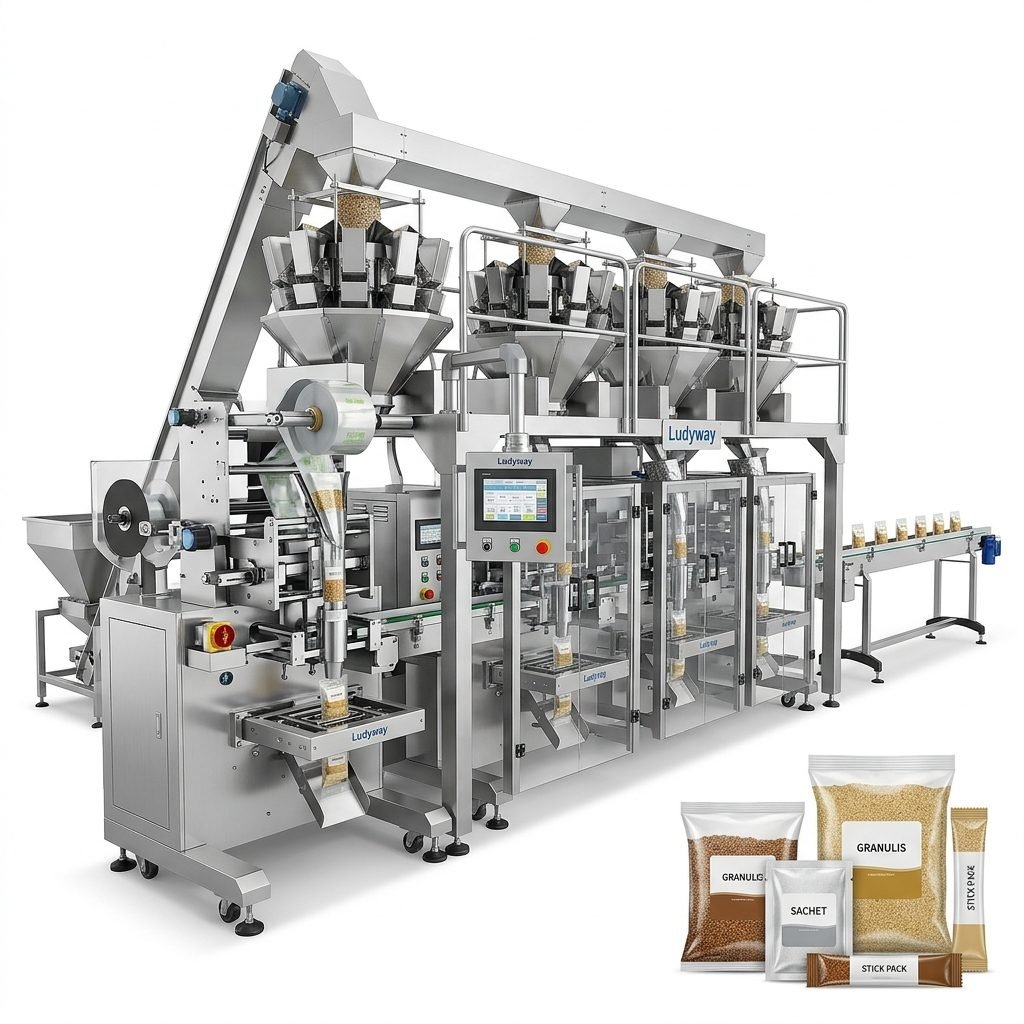
Your target packaging format determines the machine configuration, sealing technology, and material handling requirements. According to the PMMI State of the Industry report, flexible packaging continues to grow faster than rigid formats across food, pharmaceutical, and personal care sectors.
| Packaging Format | Typical Fill Range | Best For |
|---|---|---|
| Sachets (3-side / 4-side seal) | 1–50 ml / g | Single-use samples, condiments, cosmetics |
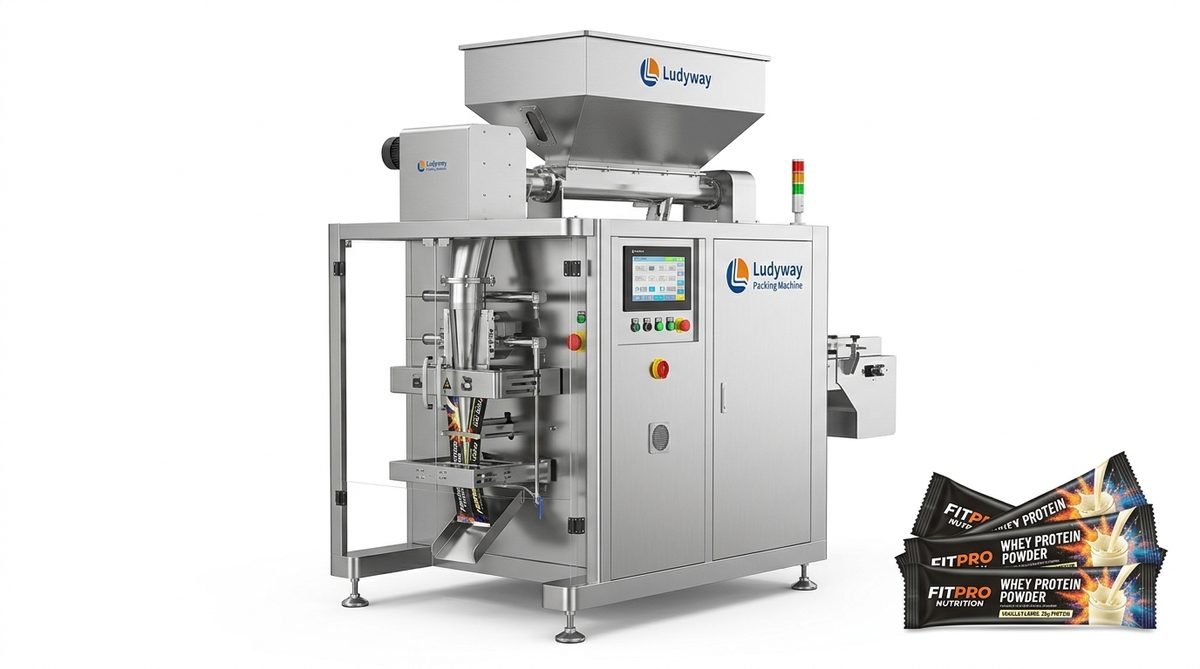
| Stick packs | 1–30 g | Coffee, protein powder, sugar, supplements |
| Pillow pouches | 50 g – 5 kg | Snacks, pet food, granular products |
| Gusseted / stand-up pouches | 100 g – 5 kg | Retail food, coffee, pet treats |
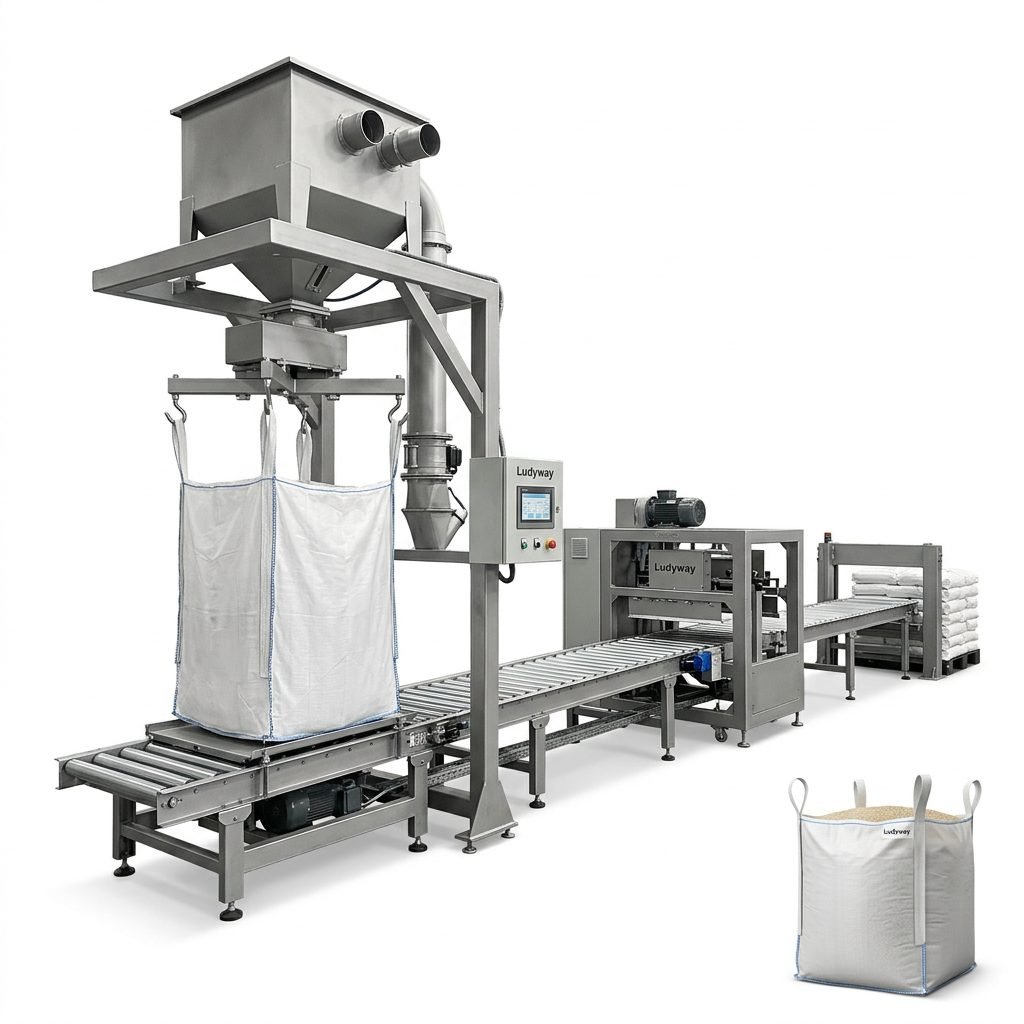
| Big bags / FIBC | 25 kg – 1,000+ kg | Bulk chemicals, agriculture, construction |
The Flexible Packaging Association notes that manufacturers are increasingly shifting toward multi-lane packaging systems to maximize output per square foot of factory floor space while maintaining product freshness and portion control.
3. Production Speed and Capacity Planning
Production speed is not just about packs per minute. It must be evaluated against your current and future capacity needs, upstream and downstream equipment, and operator availability.
3.1 Key Speed Metrics
- Single-lane machines: 30–80 packs per minute — ideal for startups and medium-scale production
- Multi-lane machines (4–12 lanes): 200–800 packs per minute — suitable for high-volume contract packers and large brands
- High-speed multi-lane systems (12+ lanes): 1,000+ packs per minute — food and pharmaceutical mass production
Always confirm whether the quoted speed refers to mechanical maximum or sustained production speed with real products. Film material, product flow, and environmental conditions can reduce actual output by 15–30%.
4. Weighing Accuracy and Filling Technology
Precision dosing directly impacts profit margins. Even a 1% product giveaway on a high-volume line can represent tens of thousands of dollars in annual losses. Key technologies to evaluate include:
| Filling Technology | Accuracy | Best For |
|---|---|---|
| Multi-head weigher (combination scale) | ±0.1–0.5% | Granules, snacks, frozen food, hardware parts |
| Auger filler | ±0.5–1.5% | Powders: milk powder, flour, protein, spices |
| Piston filler | ±0.5–1% | Liquids, creams, pastes, sauces |
| Linear weigher | ±1–2% | Affordable alternative for small to medium operations |
Multi-head weighers are the gold standard for granular products because they independently weigh multiple portions simultaneously and combine them to achieve the target weight with exceptional speed and precision. For powders, auger fillers with closed-loop feedback control provide reliable accuracy across long production runs.
5. Automation Level: Manual, Semi-Automatic, or Fully Automatic?
The right automation level depends on your labor costs, production volume, and consistency requirements. Packaging machinery generally falls into three tiers:
- Manual / semi-automatic: Operators manually fill products and initiate each cycle. Low initial cost but limited throughput (10–20 packs/min) and higher labor dependency.
- Fully automatic single-unit: Auto-feeding, weighing, filling, sealing, coding, and discharge in a single integrated unit. Typical speeds of 30–80 packs/min with one operator overseeing multiple machines.
- Turnkey packaging line: Multiple connected machines including feeding systems, conveyors, checkweighers, metal detectors, cartoning, case packing, and palletizing. Ideal for manufacturers scaling up or automating manual operations.
Turnkey lines represent a larger initial investment but deliver lower per-unit packaging costs over the equipment lifecycle through reduced labor, minimized waste, and higher overall equipment effectiveness (OEE).
6. Industry-Specific Requirements and Compliance
Different industries impose different requirements on machine construction, materials, cleaning protocols, and documentation.
6.1 Food and Beverage
Food-grade contact surfaces, stainless steel construction (SS304 or SS316), washdown capability, and compliance with FDA food packaging regulations are essential. Many manufacturers also require nitrogen flushing for oxygen-sensitive products and modified atmosphere packaging (MAP) compatibility.
6.2 Pharmaceuticals and Nutraceuticals
Pharmaceutical packaging demands validation documentation (IQ/OQ/PQ), 21 CFR Part 11 compliance for electronic records, serialization and track-and-trace capability, and designs that support ISO packaging standards for cleanliness and contamination control.
6.3 Chemicals and Industrial Products
Corrosion-resistant materials, explosion-proof configurations for volatile products, and robust dust collection systems are critical. Heavy-duty construction and compatibility with bulk bag filling, drum filling, or valve bag systems are often required.
7. Total Cost of Ownership: Beyond the Purchase Price
Evaluating a weighing and packing machine solely on upfront price is a common and expensive mistake. A comprehensive TCO analysis should account for:
| Cost Factor | Considerations |
|---|---|
| Product giveaway | A 1% overfill on a line producing 10 million packs/year can cost $50,000+ |
| Film waste | Poor registration or sealing can waste 3–8% of packaging material |
| Downtime | Every hour of unplanned downtime can cost $5,000–$20,000 in lost production |
| Spare parts | Availability and pricing vary significantly between manufacturers |
| Energy consumption | High-efficiency servo drives reduce power costs by 20–40% vs pneumatic systems |
| Labor | Fully automatic lines can reduce direct labor from 4–6 operators to 1–2 |
8. Evaluating Machine Build Quality and Components
The longevity and reliability of a weighing and packing machine depend heavily on its construction and component selection. Key indicators of build quality include:
- Frame material: Stainless steel (SS304 or SS316) offers superior corrosion resistance compared to painted carbon steel
- Control system: Brands like Siemens, Mitsubishi, Omron, or Allen-Bradley PLCs with color HMI touchscreens simplify operation and troubleshooting
- Pneumatic components: Festo, SMC, or equivalent brands for reliable long-term performance
- Sealing system: Servo-driven sealing jaws with independent temperature control for each lane (on multi-lane machines) prevent cold seals and leakers
- Safety features: CE certification, emergency stops, safety interlocks, and guarding conform to international safety standards

9. Supplier Evaluation and Partnership
Your relationship with the equipment supplier extends well beyond the sale. Consider these factors when evaluating potential partners:
- Industry experience: Does the supplier have a track record in your specific product category? A manufacturer with 30 years of packaging machinery experience and a 20,000-square-meter facility — such as Ludyway Machinery, a China-based packaging machinery manufacturer and turnkey solution provider serving more than 100 countries — can provide the engineering depth and application knowledge needed for complex projects.
- Customization capability: Can they configure machines for your exact product, packaging format, and production speed requirements?
- After-sales support: Installation, commissioning, operator training, remote troubleshooting, and spare parts availability are critical for minimizing downtime.
- References and case studies: Request examples of similar installations in your industry or region.
10. Future-Proofing Your Investment
When selecting a weighing and packing machine, think ahead 3–5 years. Consider whether the equipment can accommodate:
- Additional lanes or modules for increased capacity
- New packaging formats or sizes without major retooling
- Integration with upstream and downstream equipment — including feeding systems, checkweighers, metal detectors, cartoners, case packers, and palletizers
- Industry 4.0 capabilities — OEE monitoring, remote diagnostics, and data integration with MES or ERP systems
Investing in a modular, configurable platform rather than a fixed-configuration machine provides significantly more flexibility as your business grows and market demands shift.

Key Takeaways: Your Weighing and Packing Machine Checklist
Use this checklist when comparing machines and suppliers:
- Product characteristics thoroughly documented (flow type, density, particle size, moisture)
- Target packaging format and size range defined
- Required production speed confirmed (realistic sustained speed, not mechanical maximum)
- Filling technology matched to product (multi-head weigher, auger, piston, or pump)
- Accuracy requirements specified with acceptable tolerance ranges
- Automation level aligned with labor costs and capacity goals
- Industry compliance requirements verified (FDA, ISO, CE, GMP)
- Total cost of ownership calculated over a 5-year equipment lifecycle
- Supplier experience, references, and after-sales support evaluated
- Future expansion and format flexibility considered
Choosing the right weighing and packing machine is a strategic investment that affects product quality, operational efficiency, and profitability for years to come. By systematically evaluating your product characteristics, production requirements, industry regulations, and total cost of ownership — and partnering with an experienced, engineering-driven supplier — you can build a packaging operation that scales with your business and delivers consistent, measurable results.