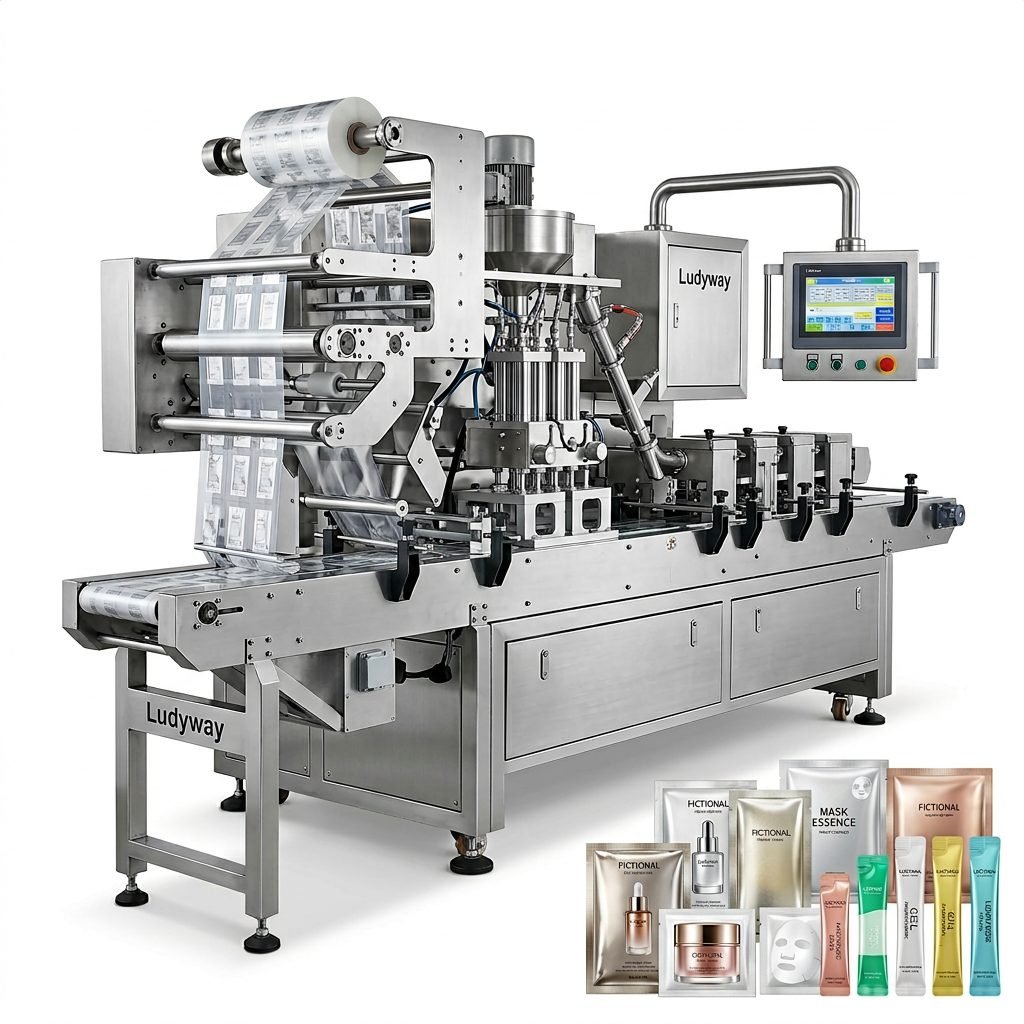
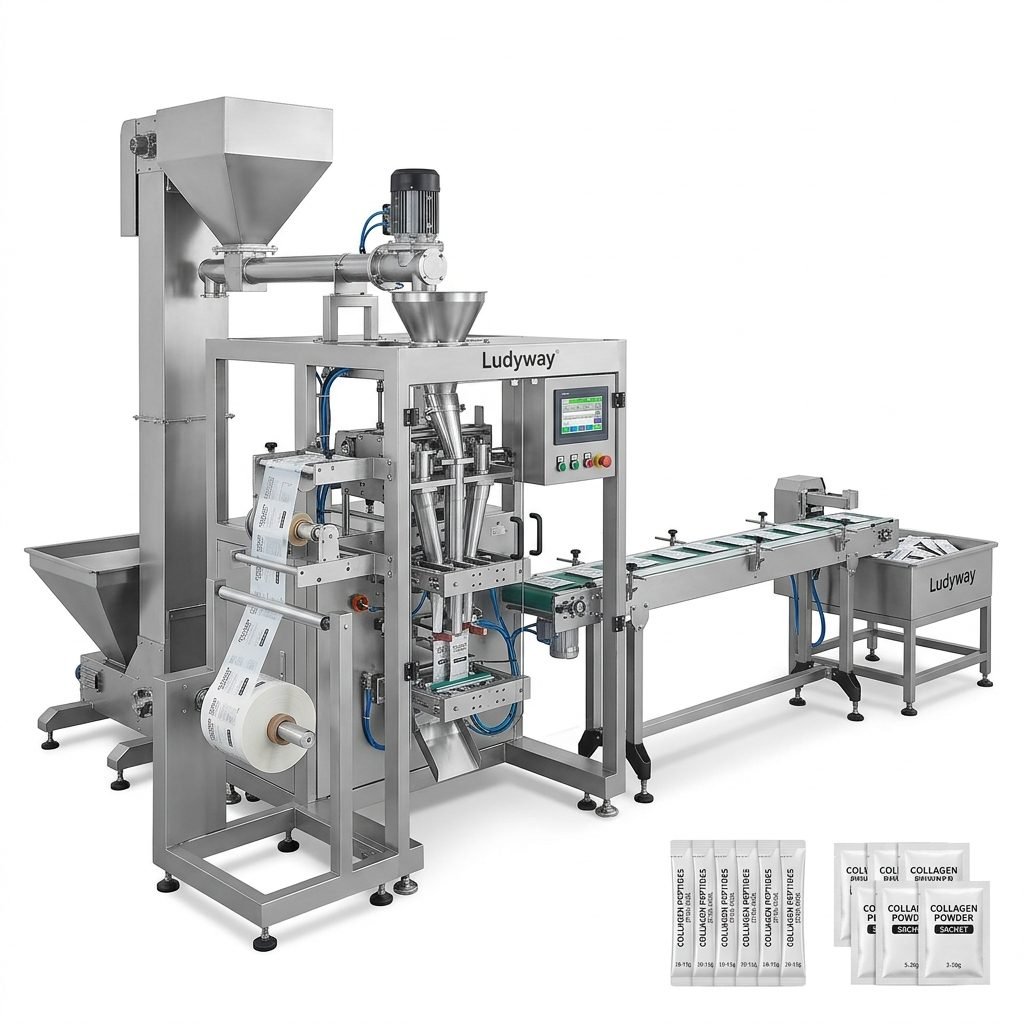
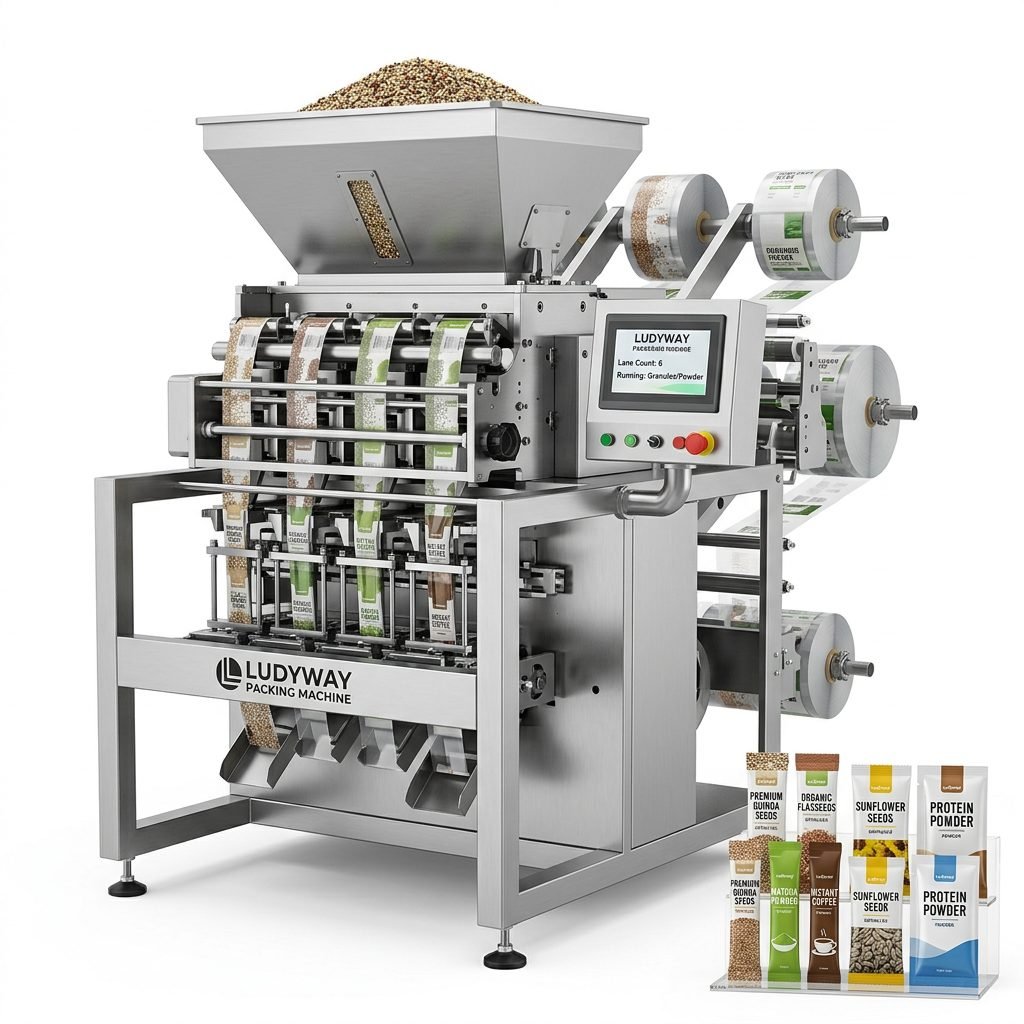
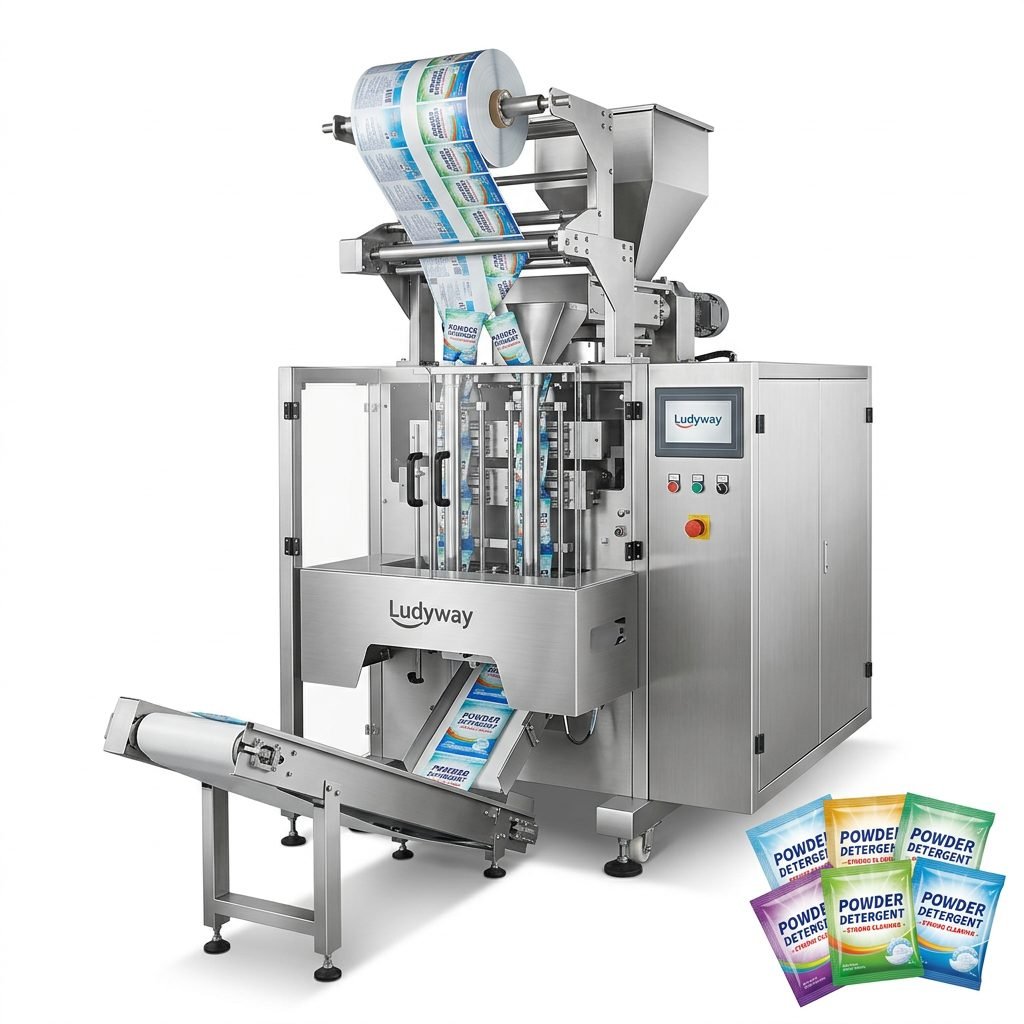
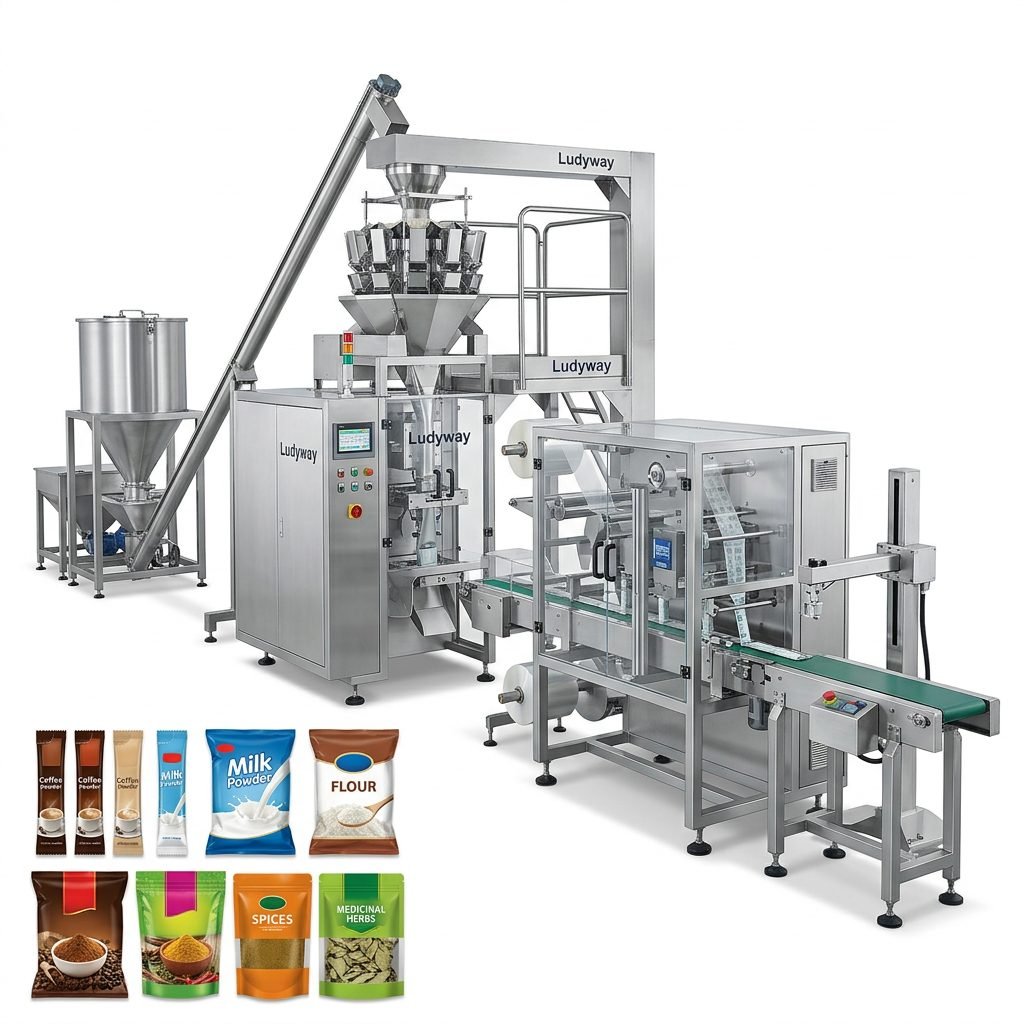
Keeping your Hi Pack packaging machine in peak condition is essential for maximizing output, minimizing downtime, and extending equipment lifespan. A well-structured maintenance program not only protects your investment but also ensures consistent product quality and operator safety. This guide covers the most effective daily, weekly, and monthly routines, along with professional insights to help you get the most from your packaging equipment.
Why Preventive Maintenance Matters
Preventive maintenance for your Hi Pack packaging machine directly impacts your bottom line. Unexpected breakdowns can halt production, delay shipments, and result in costly emergency repairs. Regular inspections and servicing help identify wear patterns early, reduce the frequency of part replacements, and keep sealing quality and fill accuracy within specification. A consistent maintenance log also supports compliance with ISO packaging standards and food safety regulations.
Daily Maintenance Checklist
Daily tasks are quick but critical. These checks should be performed at the start of every shift or after any prolonged stoppage.
- Clean all product contact surfaces — Remove residual powder, granules, or liquid to prevent cross-contamination and buildup.
- Inspect sealing jaws and heating elements — Look for uneven wear, residue accumulation, or temperature fluctuations that could compromise seal integrity.
- Check film feed and tension — Ensure the packaging film tracks correctly and tension rollers move freely without binding.
- Verify sensors and photocells — Wipe optical sensors clean and confirm proper registration mark detection for accurate pouch alignment.
- Lubricate accessible points — Apply food-grade lubricant to chains, cam followers, and guide rails as specified in the operator manual.
- Record all observations — Document any unusual noises, vibrations, or deviations in a daily maintenance log for trend analysis.

Weekly Maintenance Tasks
Weekly maintenance goes deeper into mechanical and electrical systems. Allocate dedicated time each week for the following procedures.
Mechanical Inspection
- Examine all drive belts for cracking, fraying, or loss of tension; replace if necessary.
- Inspect gears, sprockets, and chain drives for alignment and lubrication condition.
- Check pneumatic hoses and fittings for leaks, kinks, or signs of deterioration.
- Verify that all safety guards and interlocks are securely fastened and functioning.
Electrical and Control Systems
- Inspect wiring harnesses and connectors for loose terminals, corrosion, or heat damage.
- Test emergency stop circuits and safety relays to confirm immediate shutdown capability.
- Back up PLC program parameters and HMI configuration data to an external storage device.
- Clean control panel vents and replace air filters if clogged with dust.
Monthly Maintenance Schedule
Monthly procedures focus on comprehensive system evaluation and precision calibration. The table below outlines the key activities and recommended frequency.
| Task | Component | Action Required |
|---|---|---|
| Temperature calibration | Sealing jaws and heating bars | Verify actual temperature against setpoint using a calibrated thermocouple |
| Fill weight verification | Weighing and dosing units | Run a minimum of 30 test cycles and adjust parameters for target accuracy |
| Pneumatic system check | Cylinders, valves, regulators | Drain moisture from air filters, check operating pressure, inspect seals |
| PLC and HMI diagnostics | Controller and display panel | Review error logs, update firmware if applicable, test all operator inputs |
| Film roll shaft alignment | Unwind and tension assembly | Check parallel alignment with frame, adjust bearings as needed |
| Complete lubrication service | All grease points and oil reservoirs | Replace or replenish lubricants per manufacturer specifications |

Common Troubleshooting Scenarios
When issues arise, a systematic approach to Hi Pack machine troubleshooting saves time and prevents unnecessary part replacement. The table below addresses frequently encountered problems.
| Symptom | Probable Cause | Corrective Action |
|---|---|---|
| Inconsistent seal strength | Worn heating elements or incorrect dwell time | Replace heating components, recalibrate temperature and timing settings |
| Film misalignment or wrinkling | Misadjusted tracking rollers or uneven tension | Realign roller assembly, verify film roll core is centered on shaft |
| Inaccurate fill weight | Worn auger, clogged feed, or sensor drift | Clean dosing mechanism, recalibrate weigh cells, inspect auger for wear |
| Excessive vibration or noise | Loose fasteners, worn bearings, or unbalanced rotating parts | Tighten all mounting bolts, replace bearings, check pulley alignment |
| PLC error codes | Sensor failure, communication loss, or parameter conflict | Refer to error code manual, test sensors individually, restore backup parameters |
Spare Parts Management
Maintaining a strategic inventory of critical spare parts is one of the most effective ways to minimize unplanned downtime. The following categories should be prioritized based on wear rates and lead times.
- High-wear consumables: Sealing jaws, heating cartridges, thermocouples, cutting blades, and Teflon tapes should always be in stock.
- Drive components: Timing belts, drive chains, and pulley assemblies may require replacement every 6 to 12 months depending on usage intensity.
- Pneumatic elements: Cylinders, solenoid valves, O-rings, and quick-connect fittings experience gradual wear and benefit from proactive replacement.
- Sensor modules: Photoelectric sensors, proximity switches, and temperature probes should be available to swap out during troubleshooting.
- Electronic spares: PLC backup modules, power supplies, and HMI displays help restore operation quickly in the event of an electrical fault.
Always source spare parts from reputable suppliers to ensure compatibility and compliance with FDA food packaging requirements and other applicable regulations.
Operator Training and Safety
Even the most robust packaging machine will underperform without properly trained operators. Comprehensive training programs should cover startup procedures, normal operation, shutdown sequences, basic troubleshooting, and emergency protocols. Well-trained operators detect subtle changes in machine behavior—such as altered sound patterns or slight shifts in film tracking—that often signal developing problems before they escalate into failures.
Safety must remain a core focus throughout every maintenance activity. Always follow lockout/tagout procedures before performing any repair or inspection. Wear appropriate personal protective equipment, and never bypass safety interlocks. Maintaining a clean, organized work area around the machine further reduces the risk of accidents and contamination.
Professional Maintenance Support
While many maintenance tasks can be handled in-house, periodic professional servicing provides a valuable external perspective. Experienced technicians can perform in-depth diagnostics, identify efficiency opportunities, and conduct precision adjustments that extend machine life. When selecting a maintenance partner or sourcing packaging machine manufacturer support, look for providers with demonstrated technical expertise and responsive service networks. Ludyway offers comprehensive after-sales support and technical guidance to help customers maintain optimal machine performance throughout the equipment lifecycle.
Documentation and Continuous Improvement
A well-maintained machine generates a wealth of operational data. Use maintenance logs, production reports, and downtime records to identify recurring issues and prioritize improvement initiatives. Track the following metrics to evaluate the effectiveness of your maintenance program:
- Mean Time Between Failures (MTBF) — Indicates overall equipment reliability trends.
- Mean Time To Repair (MTTR) — Measures how quickly issues are resolved and production resumes.
- Overall Equipment Effectiveness (OEE) — Combines availability, performance, and quality into a single benchmark.
- Spare parts consumption rate — Helps optimize inventory levels and forecast future requirements.
Continuous improvement in Hi Pack packaging machine maintenance is achieved through regular review of these metrics, feedback from operators, and staying informed about evolving packaging industry standards and best practices.
Key Takeaways for Long-Term Reliability
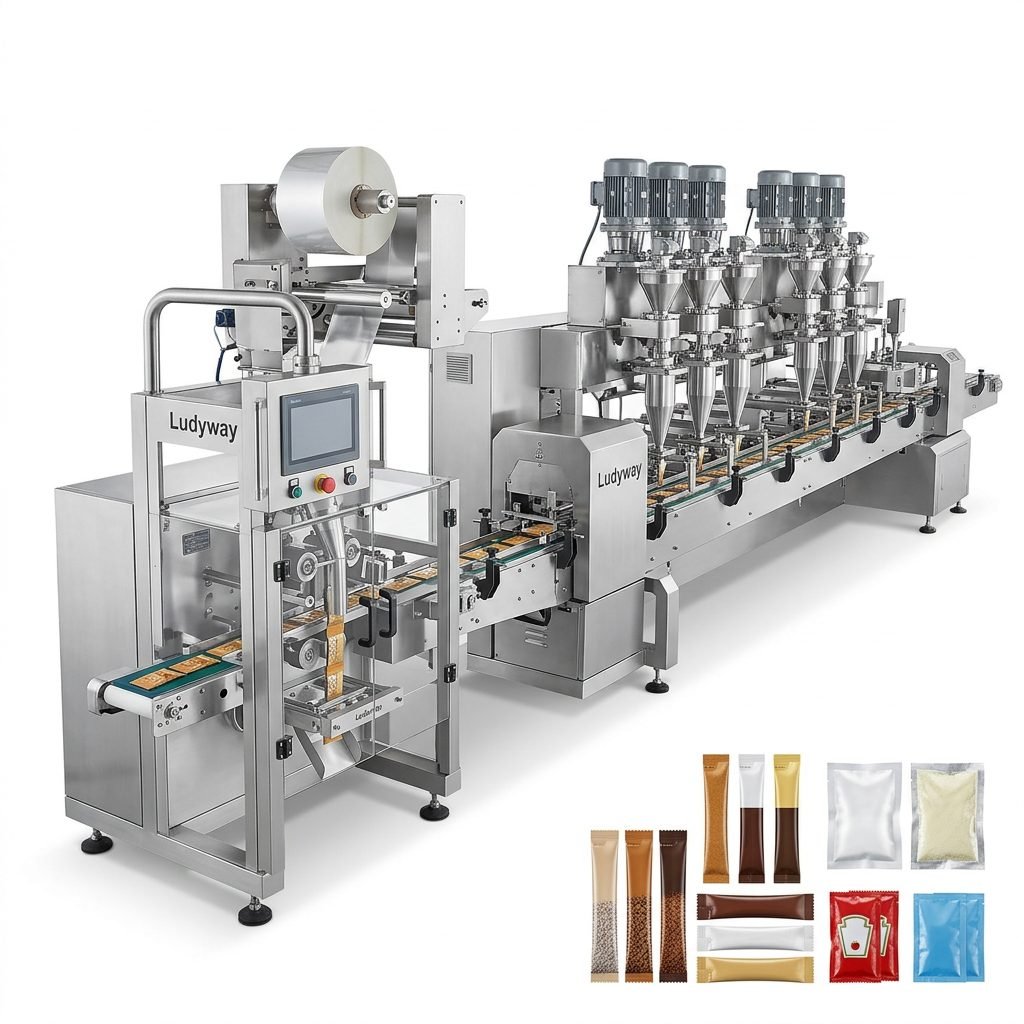
Implementing a structured maintenance program for your Hi Pack packaging machine delivers measurable returns through increased uptime, consistent output quality, and reduced total cost of ownership. Prioritize daily cleaning and inspection, commit to weekly and monthly schedules, manage spare parts proactively, and invest in operator training. Combine these efforts with periodic professional support and data-driven continuous improvement for packaging operations that remain reliable, efficient, and competitive over the long term.
Industry Resources and Further Reading
Access authoritative information from leading packaging and regulatory organizations to support your maintenance and compliance efforts:
- PMMI – The Association for Packaging and Processing Technologies
- PMMI – Packaging Machinery Market Research and Business Intelligence
- FDA – Packaging and Food Contact Substances Regulations
- ISO 11607 – Packaging for Terminally Sterilized Medical Devices
- Flexible Packaging Association – Industry Resources and Knowledge Hub
- PACK EXPO International – Global Packaging Trade Show