Investing in a zip lock packaging machine is a strategic decision that can significantly impact your production efficiency, product quality, and long-term operational costs. Whether you are packaging food, pharmaceuticals, cosmetics, or industrial products, the right machine can streamline your workflow and open new market opportunities. This comprehensive buyer’s guide walks you through every critical factor to consider before making a purchase.

Understanding Zip Lock Packaging Machines
A zip lock packaging machine, also commonly referred to as a zipper bag packaging machine or resealable bag packaging system, automates the process of filling and sealing bags equipped with a press-to-close or slider zipper closure. These machines handle a variety of flexible packaging formats, including stand-up pouches, flat bags, gusseted bags, and stick packs. They are widely used across industries where product freshness, portion control, and consumer convenience are top priorities.
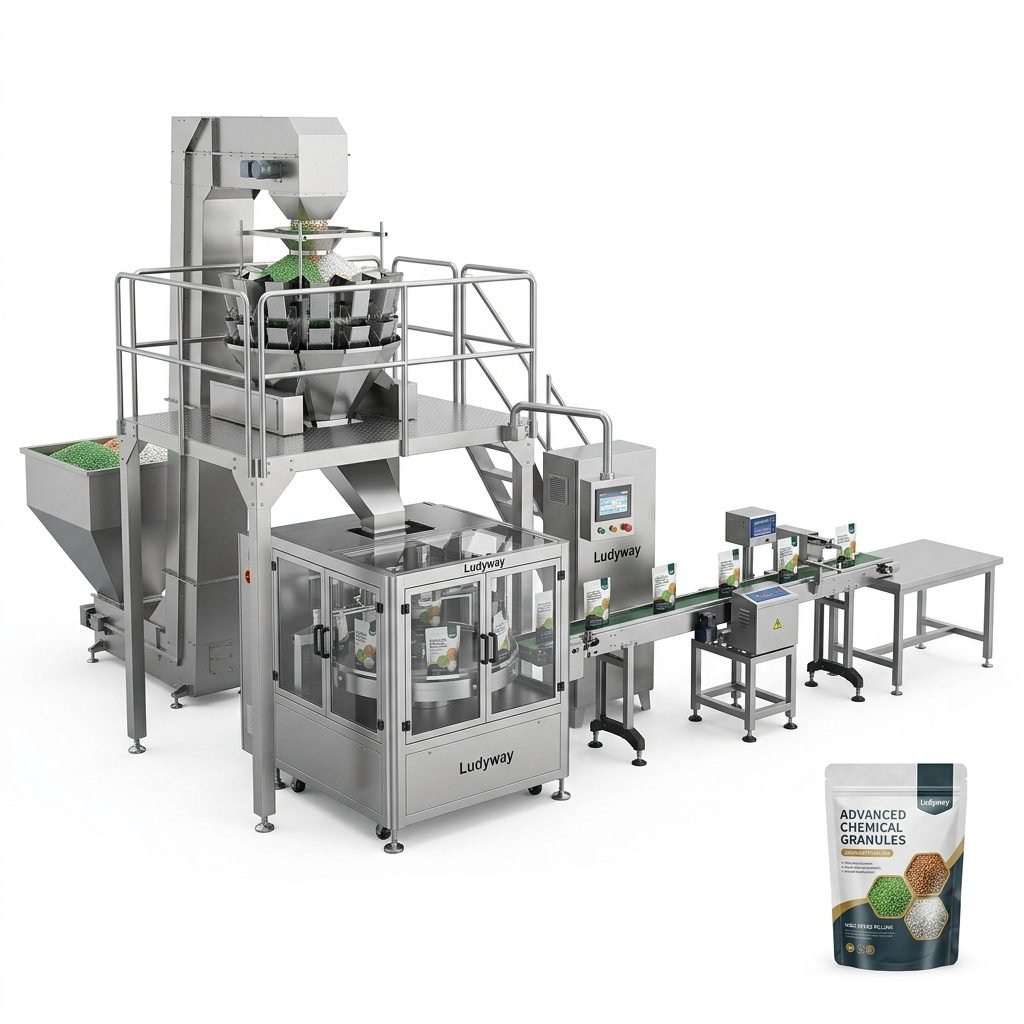
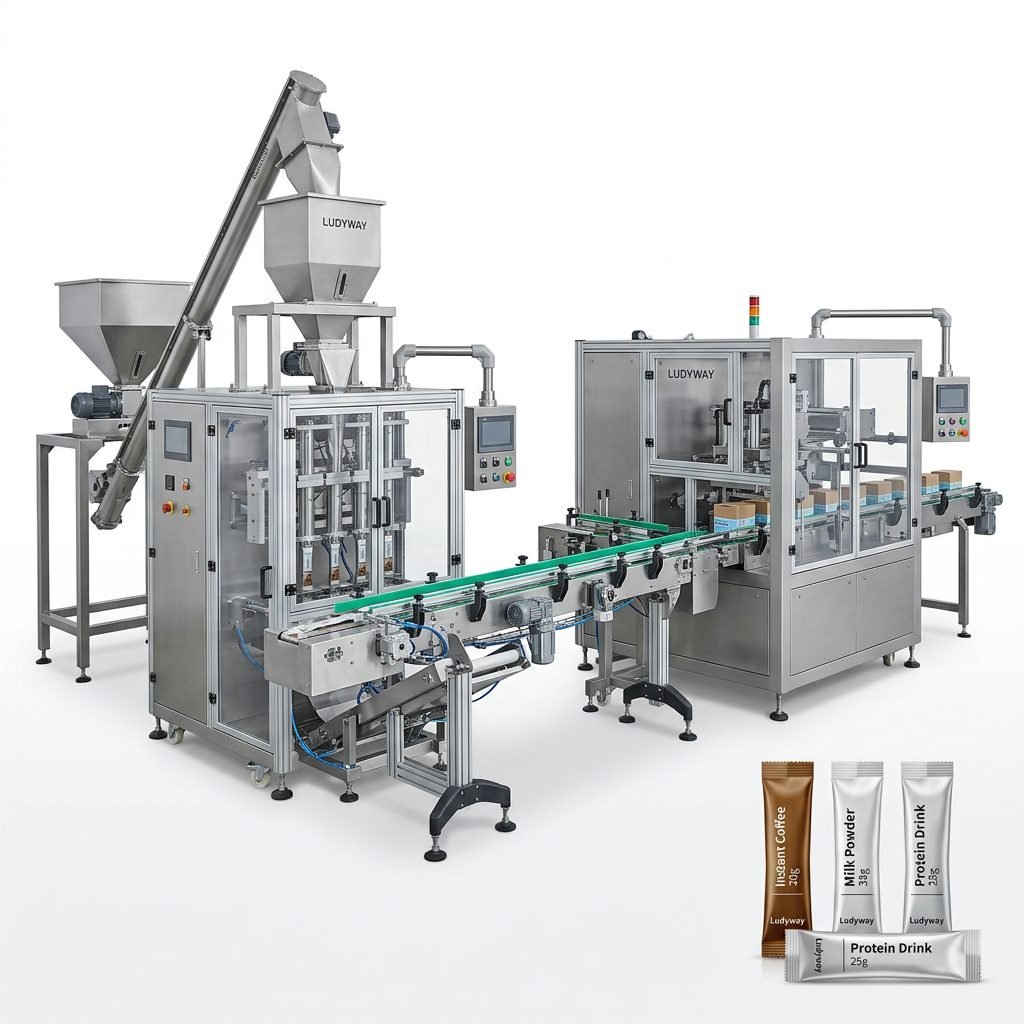
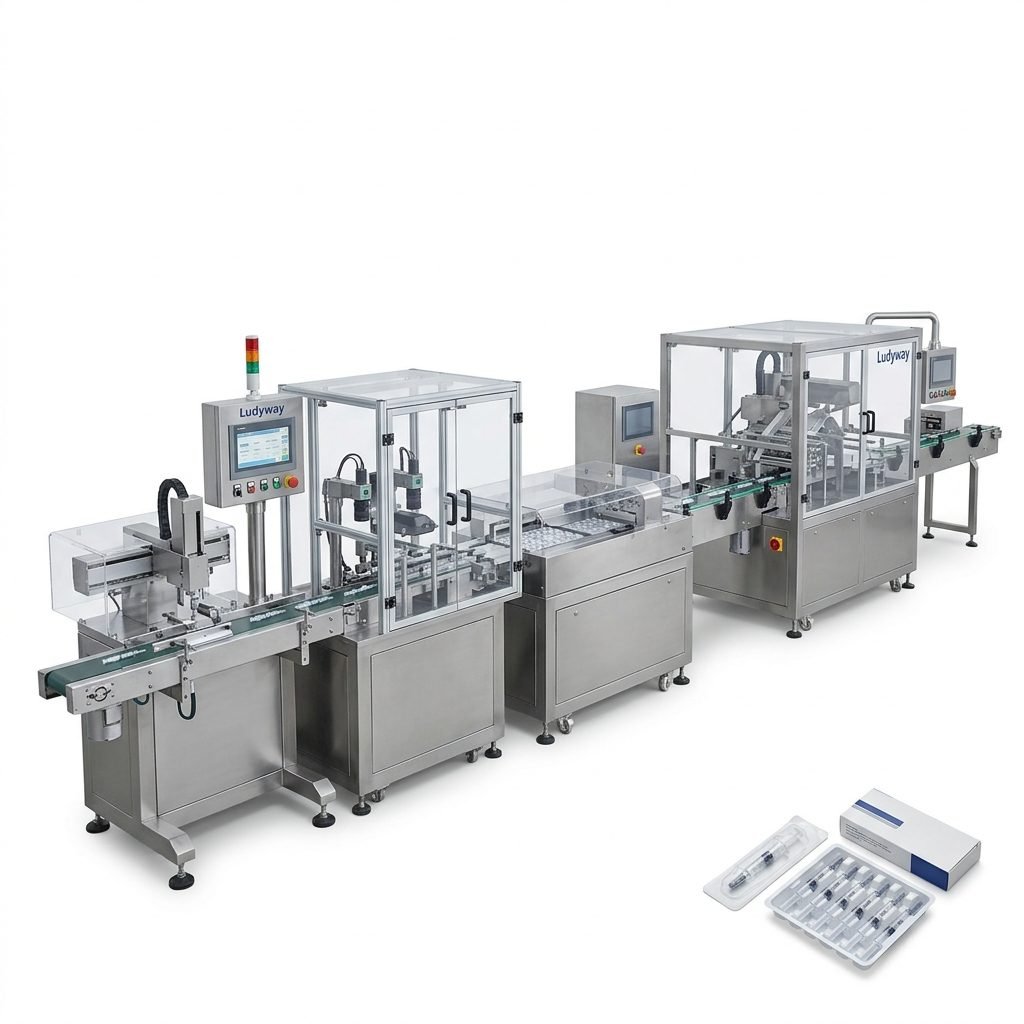
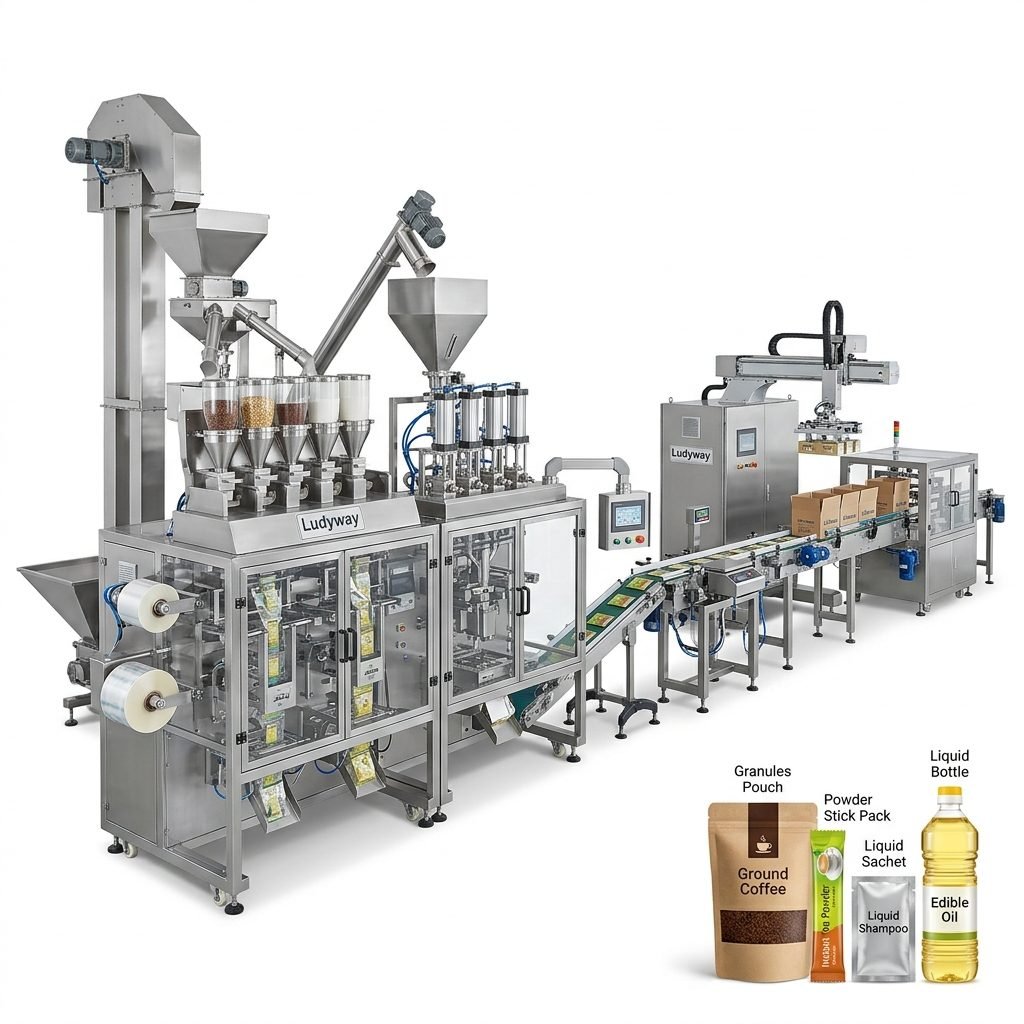
Modern zip lock packaging equipment can be integrated into complete turnkey packaging lines, connecting upstream filling and dosing systems with downstream packaging and processing technologies such as coding, inspection, cartoning, and palletizing.
Key Factors to Consider Before Buying
Choosing the right machine requires a thorough evaluation of your product characteristics, production environment, and business goals. Below are the most important criteria to assess:
1. Product Type and Characteristics
The physical properties of your product directly determine the suitable dosing system and machine configuration. Consider the following:
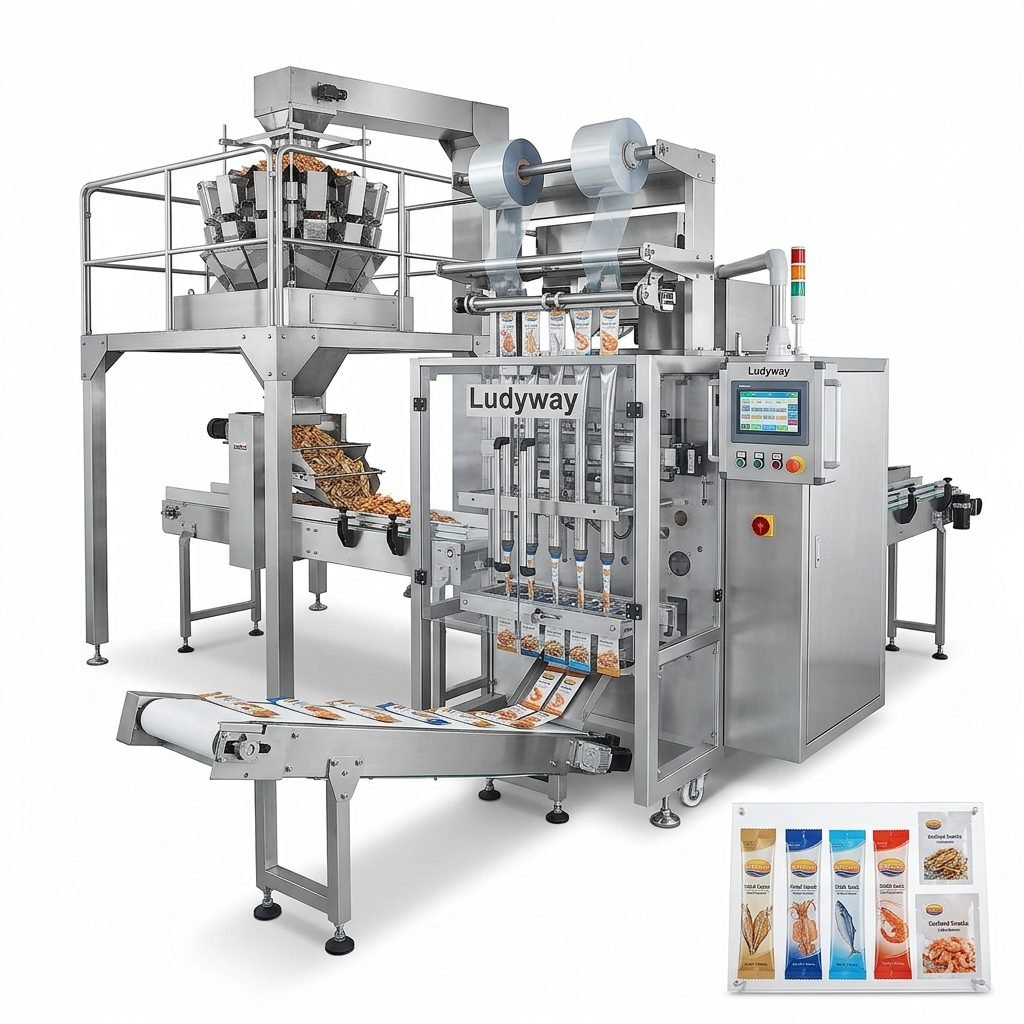
- Form: Is your product a powder, granule, liquid, paste, or solid piece? Each form requires a specific filling mechanism—auger fillers for powders, volumetric cup fillers for granules, piston fillers for liquids, and multi-head weighers for solid items.
- Flowability: Free-flowing granules behave very differently from cohesive powders. Machines must be configured with the appropriate hopper design and agitation systems.
- Dust Generation: Fine powders may require dust extraction systems to maintain a clean production environment and prevent cross-contamination.
- Hygroscopic or Oxygen-Sensitive Products: Products that absorb moisture or are prone to oxidation may require specialized packaging standards such as nitrogen flushing or vacuum sealing capabilities integrated into the machine.
2. Bag Format and Dimensions
Zip lock packaging machines can produce multiple bag styles. Identify which format best serves your market:
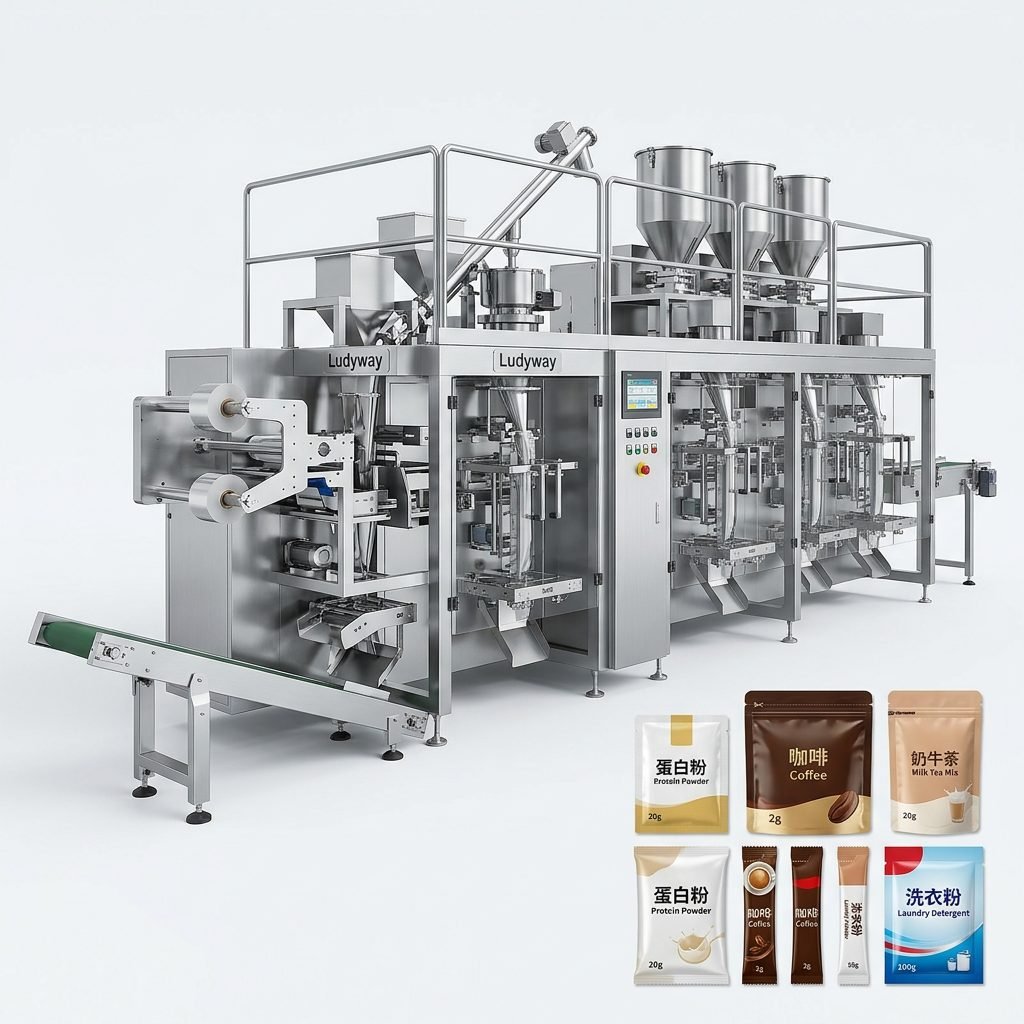
- Stand-Up Pouches (SUP): Ideal for retail display, offering excellent shelf presence. Commonly used for snacks, coffee, pet food, and protein powders.
- Flat Three-Side-Seal Bags: A compact and cost-effective format, frequently used for single-serve sachets in the food and pharmaceutical industries.
- Gusseted Bags: Provide extra volume for bulkier products. Side gussets or bottom gussets allow the bag to expand.
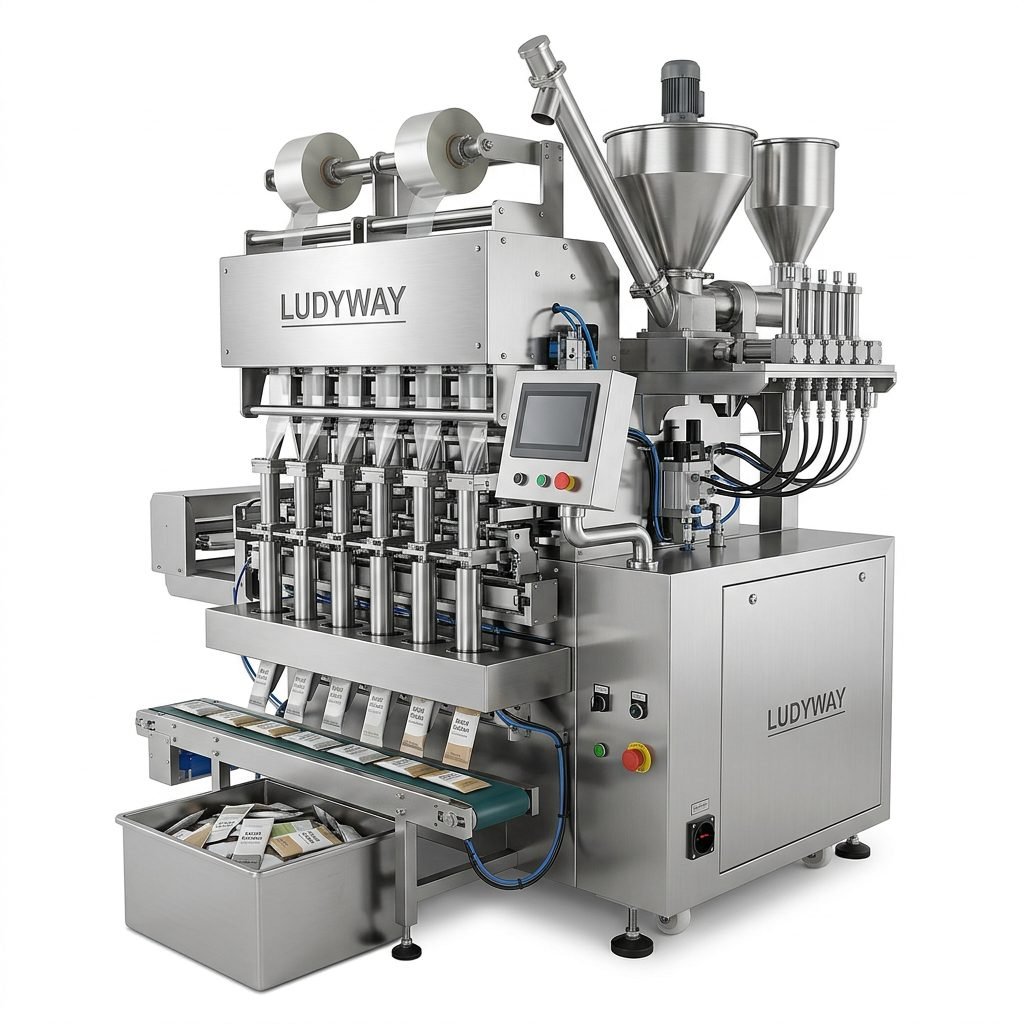
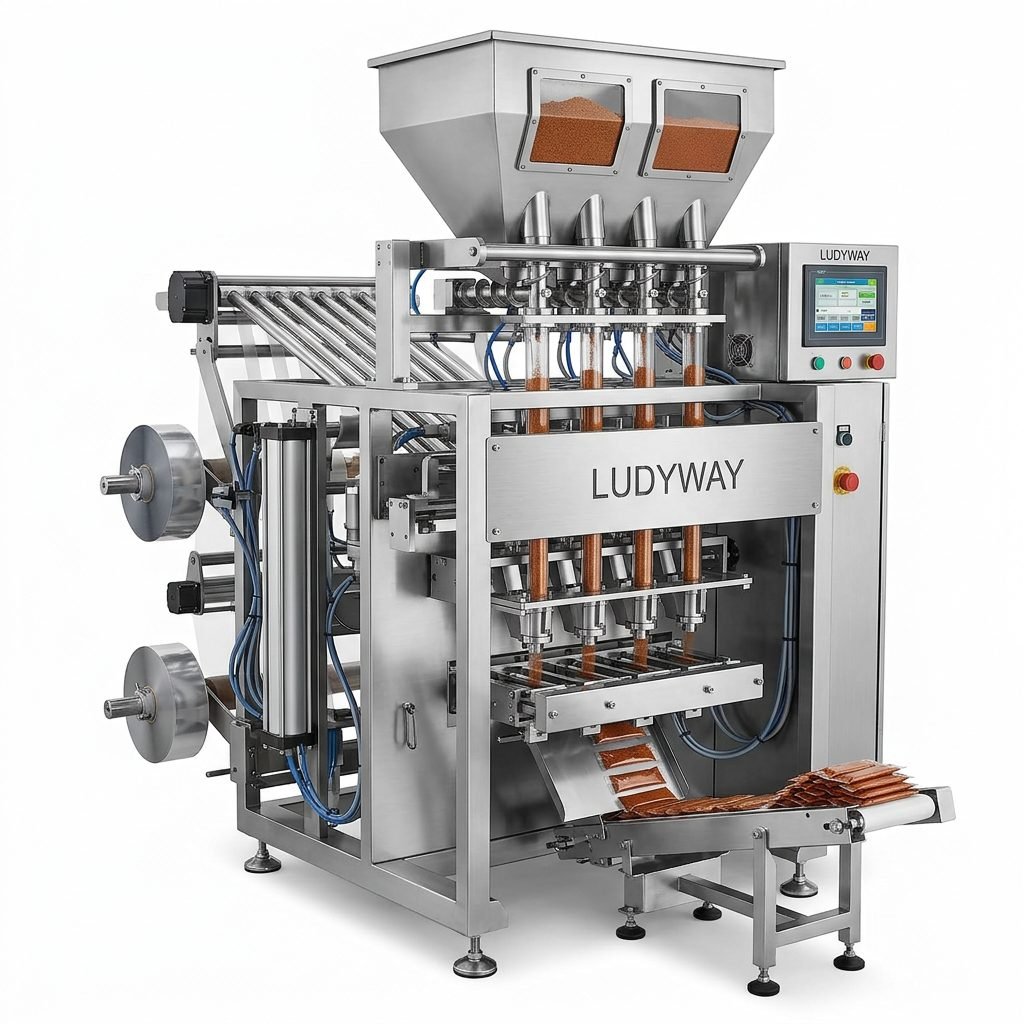
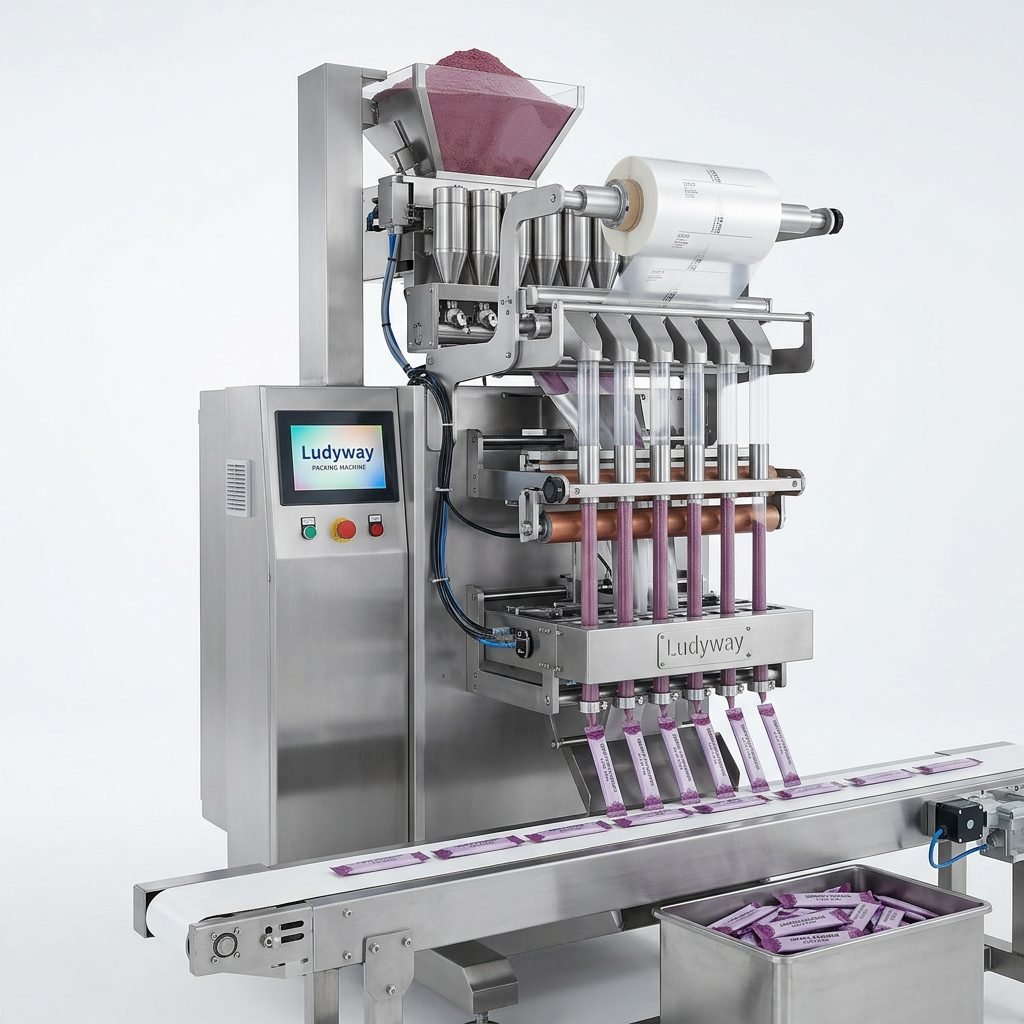
- Stick Packs: Narrow, elongated sachets popular for single-serve powders, liquids, and gels in the nutraceutical and cosmetic sectors.
Ensure the machine you select can accommodate your current bag size range and offers flexibility for future product line extensions. Quick-changeover features can significantly reduce downtime between different bag formats.
3. Production Speed and Capacity Requirements
Matching machine speed to your production demands is critical. Over-investing in excessive speed wastes capital, while under-investing creates bottlenecks. Evaluate the following:
- Current production volume (bags per minute/hour)
- Projected growth over the next 3–5 years
- Seasonal demand fluctuations
- Single-lane versus multi-lane configurations for high-volume stick pack and sachet production
Comparing Machine Types: A Quick Reference
The table below summarizes the main types of zip lock packaging machines and their typical applications. Use this as a starting point when discussing requirements with potential suppliers.
| Machine Type | Best For | Bag Styles | Typical Speed Range |
|---|---|---|---|
| Premade Pouch Rotary Machine | Stand-up pouches, zipper bags, spouted pouches | Premade pouches with zipper | 30–60 bags/min |
| Vertical Form Fill Seal (VFFS) | Granules, powders, snacks, frozen foods | Pillow bags, gusseted bags, zipper bags | 40–120+ bags/min |
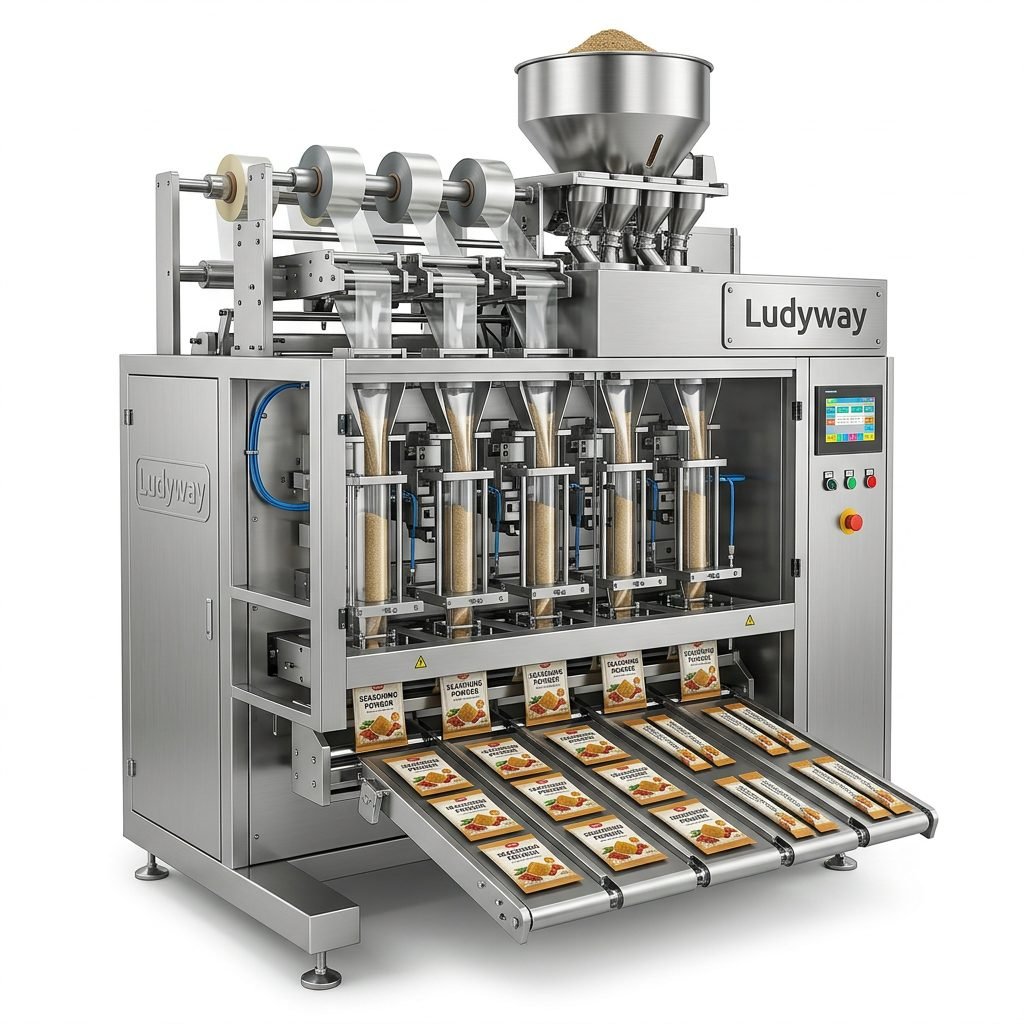
| Multi-Lane Stick Pack Machine | Single-serve powders, liquids, granules | Stick packs, sachets (4–20 lanes) | 200–800+ packs/min |
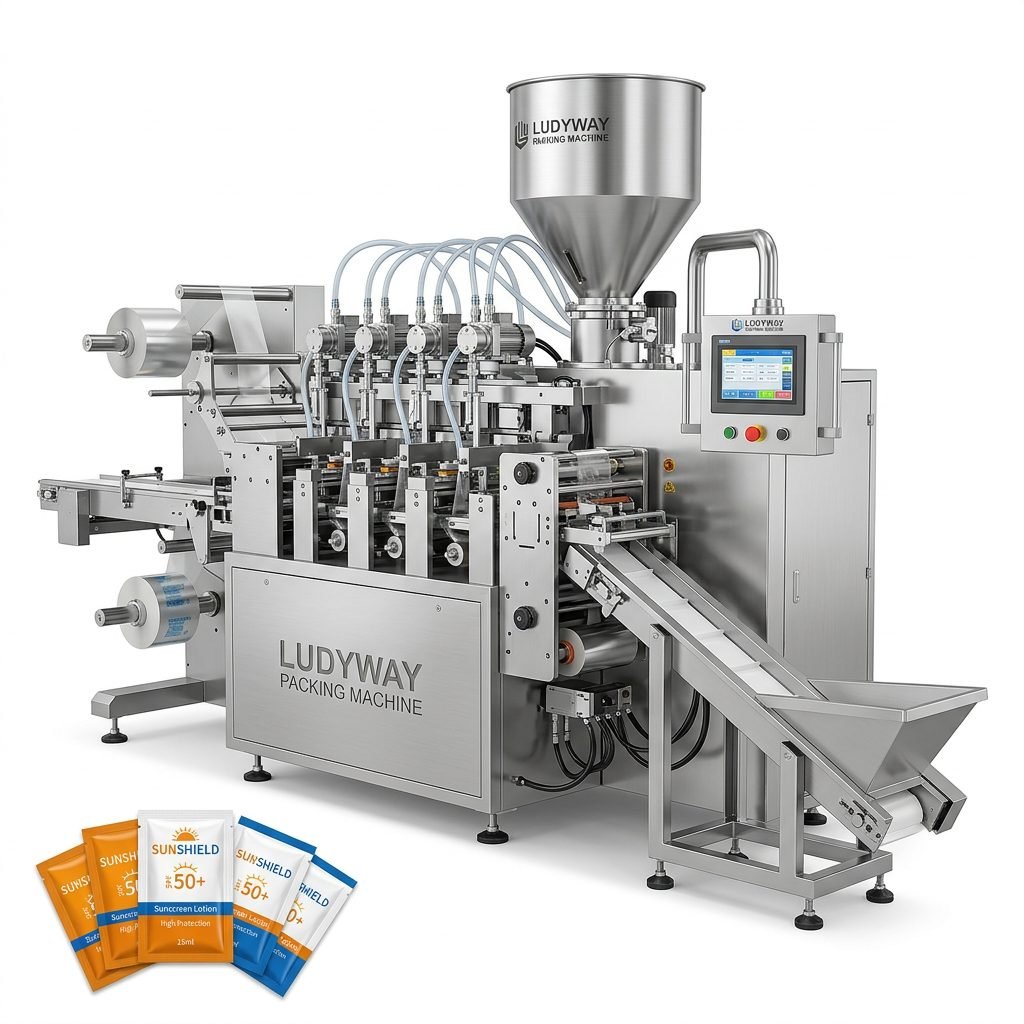
| Horizontal Form Fill Seal (HFFS) | Solid products, wipes, medical devices | Flat pouches, zipper pouches | 40–150 packs/min |
Automation Level and Integration
Consider how the zip lock packaging machine will fit into your existing production line. The level of automation you choose directly affects labor costs, consistency, and throughput.
- Semi-Automatic Machines: Require manual bag loading or product feeding. Suitable for small to medium production runs, startups, or products with frequent changeovers. Lower initial investment but higher labor dependency.
- Fully Automatic Machines: Handle bag feeding, opening, filling, sealing, and discharge without operator intervention. Ideal for high-volume production. Can be integrated with automatic feeding systems, checkweighers, metal detectors, and intelligent packaging line controls.
- Turnkey Packaging Lines: A complete solution that combines multiple machines—filling, sealing, coding, inspection, cartoning, and palletizing—into one integrated system. This approach simplifies project management and ensures compatibility across all equipment.
Material Compatibility and Sustainability
The type of packaging film your machine can handle is a critical consideration. With increasing regulatory focus on sustainable packaging, ensure your machine is compatible with recyclable and biodegradable films. The flexible packaging industry is rapidly evolving, and new materials often have different sealing characteristics than traditional multi-layer laminates. Key material considerations include:
- Heat-sealable mono-materials (PE, PP) for recyclability
- Compostable films with lower melting points
- High-barrier films for oxygen-sensitive products
- Matte, gloss, or transparent finishes for brand differentiation
Verify that the machine’s sealing temperature controls, dwell time adjustments, and cooling systems can be fine-tuned for the specific materials you plan to use now and in the future.

Quality, Compliance, and Industry Standards
Depending on your industry, your zip lock packaging machine may need to comply with specific regulations and standards. Non-compliance can lead to costly recalls and regulatory penalties. Evaluate the following:
- Food-Grade Compliance: Machines should be constructed with FDA-compliant food contact materials, feature sanitary designs with easy-clean surfaces, and minimize crevices where product can accumulate.
- Pharmaceutical Standards: For drug products, machines may need to comply with ISO 11607 packaging standards for terminally sterilized medical devices, GMP guidelines, and 21 CFR Part 11 for electronic records.
- CE Marking and International Certifications: If you export to the European Union or other regulated markets, ensure the machine carries appropriate certifications and compliance documentation.
Supplier Evaluation and After-Sales Support
Your relationship with the machine supplier extends far beyond the initial purchase. A reliable supplier becomes a long-term partner in your production success. When evaluating potential suppliers, consider:
- Industry Experience: How many years has the supplier been manufacturing packaging machinery? Do they have specific expertise in your product category?
- Manufacturing Capabilities: Does the supplier have in-house engineering, manufacturing, and assembly capabilities? This often translates to better quality control and faster customization.
- Global Service Network: Can the supplier provide timely technical support, spare parts, and field service in your region?
- Customization Ability: Standard machines may not fit every application. A supplier with strong engineering capabilities can tailor equipment to your specific product, bag format, and production requirements.
- References and Case Studies: Ask for references from companies in similar industries. Visit existing installations if possible, or request video demonstrations of the machine running your product.
For manufacturers seeking a comprehensive range of packaging machinery solutions, Ludyway Machinery—a China-based manufacturer with over 30 years of experience—offers automated packaging equipment and integrated turnkey packaging lines. With a 20,000-square-meter facility, more than 50 machine models, and a presence in over 100 countries, Ludyway’s global growth trajectory reflects the increasing demand for customized, automation-driven packaging solutions across multiple industries.
Total Cost of Ownership (TCO)
The purchase price is only one part of the financial equation. A thorough TCO analysis should include:
- Initial Capital Expenditure: Machine cost, shipping, import duties, installation, and commissioning.
- Operational Costs: Labor, energy consumption, packaging material waste, and routine consumables such as sealing bands, filters, and lubricants.
- Maintenance Costs: Preventive maintenance schedules, spare parts inventory, and potential downtime costs.
- Training Costs: Operator training, maintenance personnel training, and ongoing skill development.
- Future-Proofing: Can the machine be upgraded or retrofitted to accommodate new bag formats, materials, or higher speeds as your business grows?
A slightly more expensive machine with higher efficiency, lower waste rates, and better support can deliver a significantly lower total cost of ownership over its operational lifetime.
Testing and Validation
Before finalizing your purchase, request a factory acceptance test (FAT) using your actual product and packaging materials. This step validates that the machine meets agreed-upon specifications for speed, fill accuracy, seal integrity, and overall performance. Key tests to conduct include:
- Fill weight accuracy across multiple production cycles
- Seal strength and integrity testing (burst tests, dye penetration tests)
- Sustained production speed verification
- Changeover time between different bag formats
- Noise level and ergonomic assessment
Document all test results and ensure they are included as part of the final acceptance criteria in your purchase agreement.
Future Trends in Zip Lock Packaging
Staying ahead of industry trends can help you make a more future-proof investment. Key developments shaping the zip lock packaging machinery market include:
- Smart Packaging Integration: Machines equipped with IoT sensors for real-time performance monitoring, predictive maintenance alerts, and production data analytics.
- Sustainable Material Compatibility: Growing demand for machines that handle recyclable mono-material films, paper-based flexible packaging, and compostable structures.
- E-commerce-Ready Packaging: Zip lock formats designed to withstand the rigors of e-commerce shipping while maintaining product freshness and providing an excellent unboxing experience.
- Increased Automation: Robotic pick-and-place systems, automated quality inspection using vision systems, and seamless integration with Industry 4.0 manufacturing ecosystems.
Making the Final Decision
Selecting the right zip lock packaging machine is a multi-faceted decision that balances technical requirements, budget, and long-term business strategy. Rushing into a purchase without thorough due diligence can lead to costly mistakes. We recommend the following action plan:
- Define Your Requirements: Document product characteristics, bag formats, speed targets, and regulatory requirements in a detailed specification sheet.
- Research Potential Suppliers: Identify manufacturers with proven experience in your industry. Review their technical capabilities, global service network, and customer testimonials.
- Request Proposals and Conduct Testing: Shortlist two to three suppliers and request detailed proposals. Arrange factory acceptance tests with your actual products and materials.
- Evaluate TCO, Not Just Price: Compare total cost of ownership projections over a 5–10 year period, factoring in efficiency, waste, maintenance, and support.
- Negotiate and Secure After-Sales Commitments: Ensure the purchase agreement includes clear terms for installation, training, warranty, spare parts availability, and ongoing technical support.
- Plan for Installation and Training: Allocate adequate time and resources for machine installation, operator training, and initial production ramp-up.
A well-chosen zip lock packaging machine is a strategic asset that can increase production capacity, improve product quality, reduce packaging waste, and open doors to new markets and retail channels. By carefully evaluating each of the factors outlined in this guide, you can make an informed decision that supports your business objectives for years to come.
For further reading on packaging machinery market trends and technology developments, explore resources from the Association for Packaging and Processing Technologies (PMMI) and the Flexible Packaging Association (FPA). For regulatory guidance, refer to FDA food packaging regulations and relevant ISO packaging standards applicable to your industry.