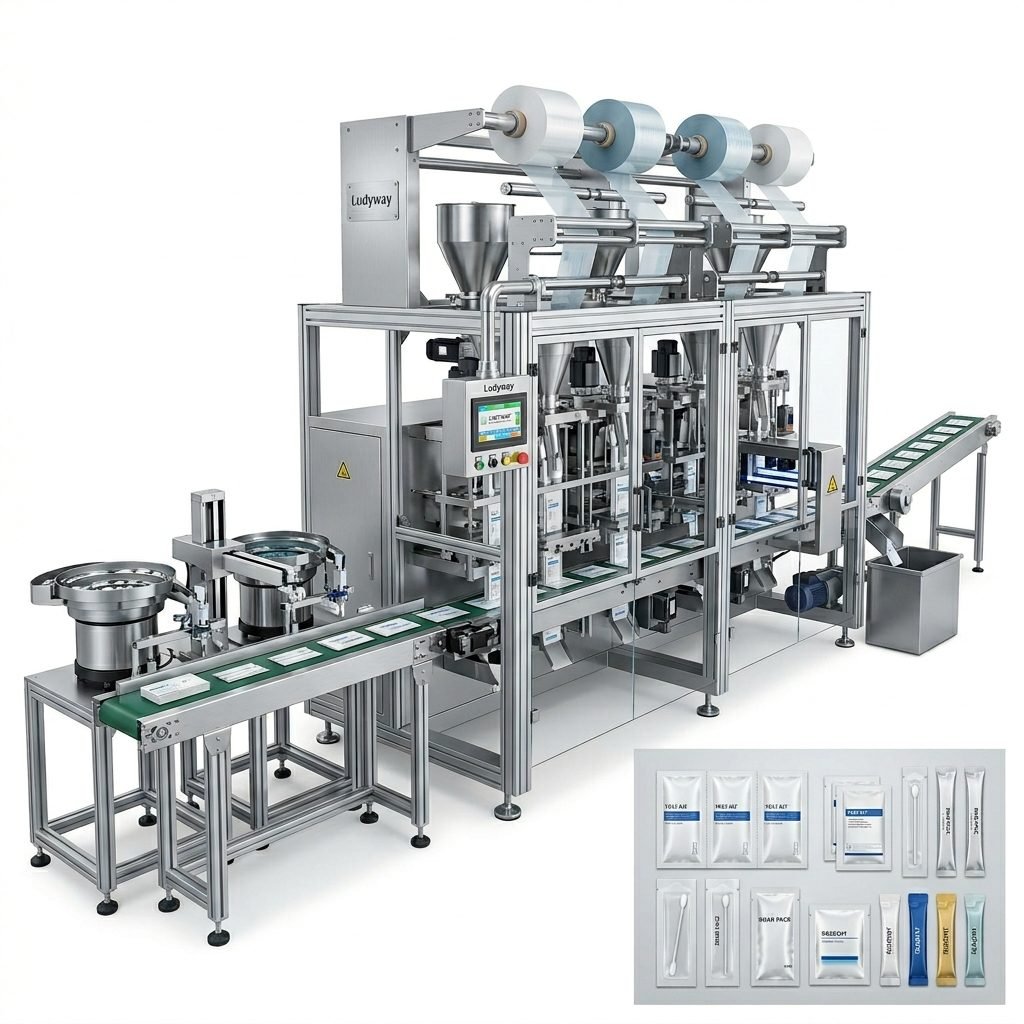
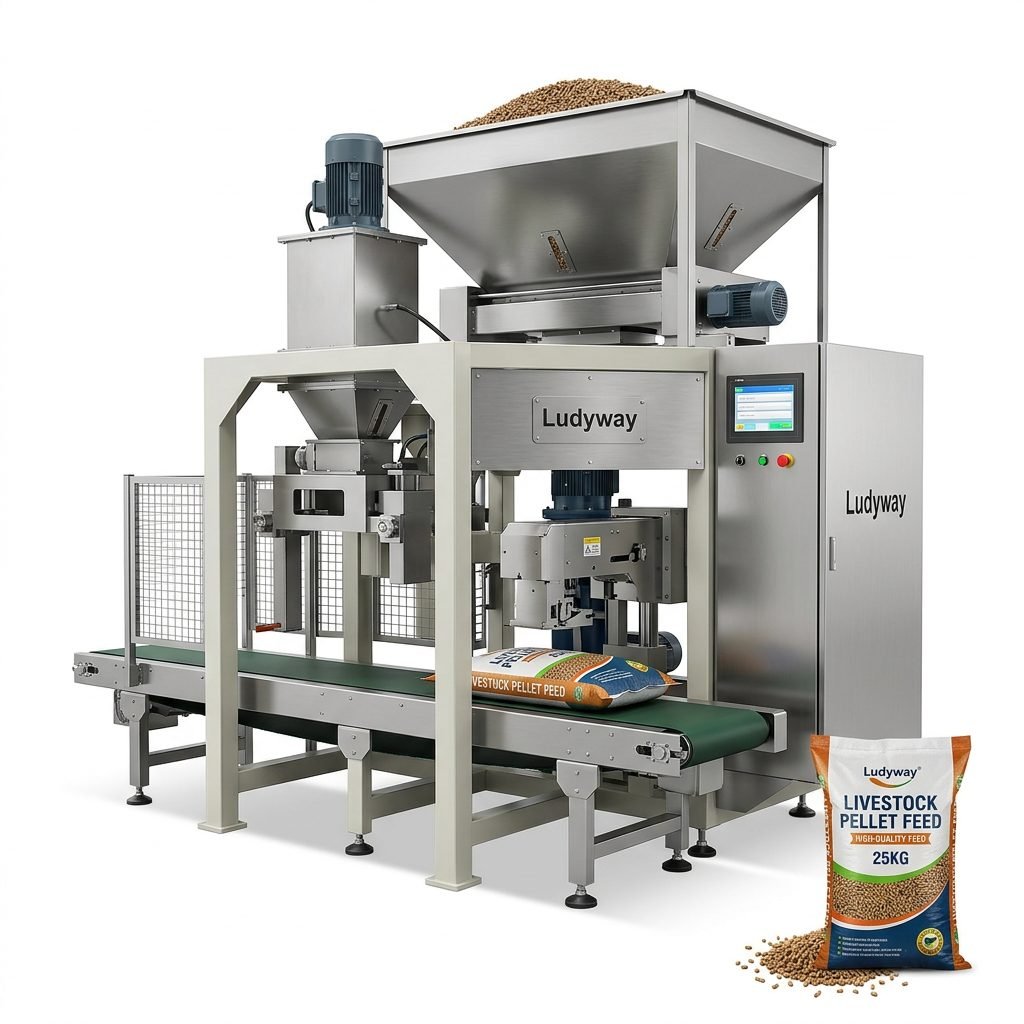
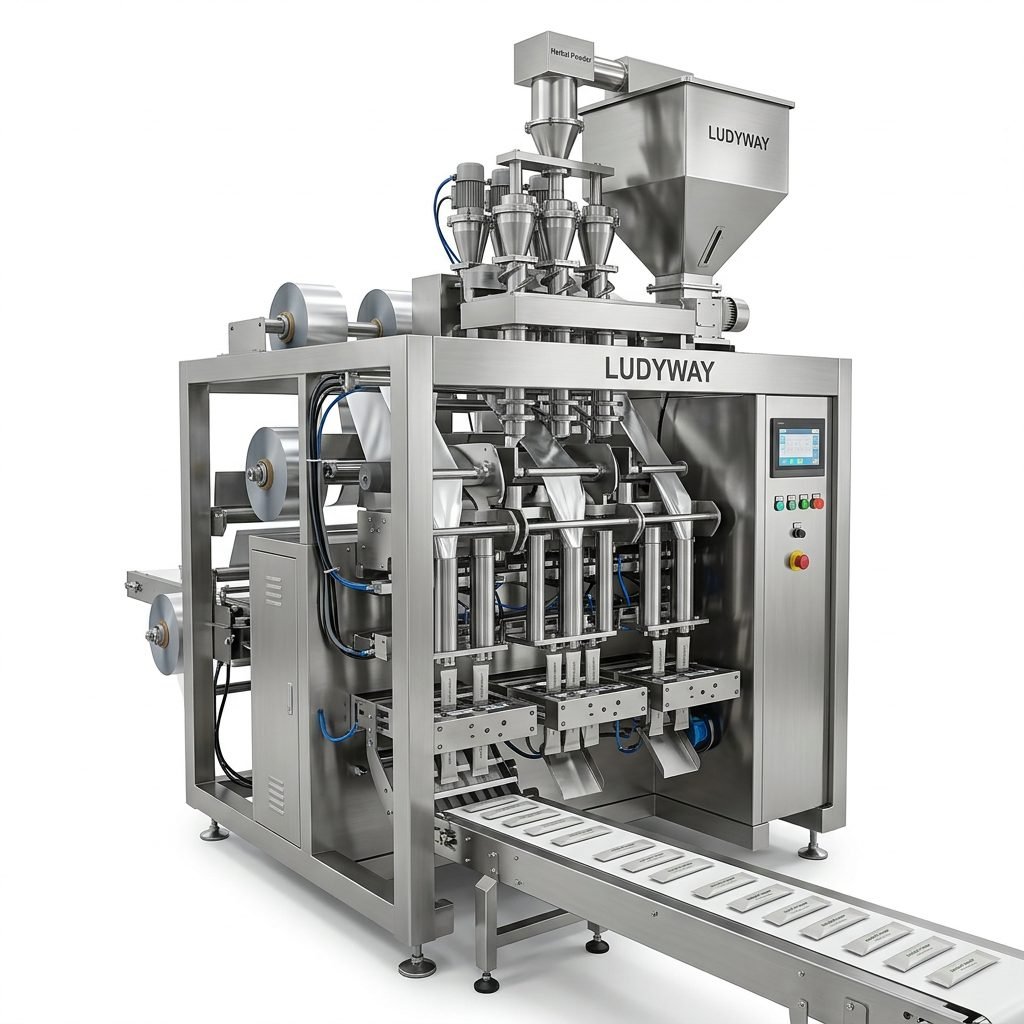
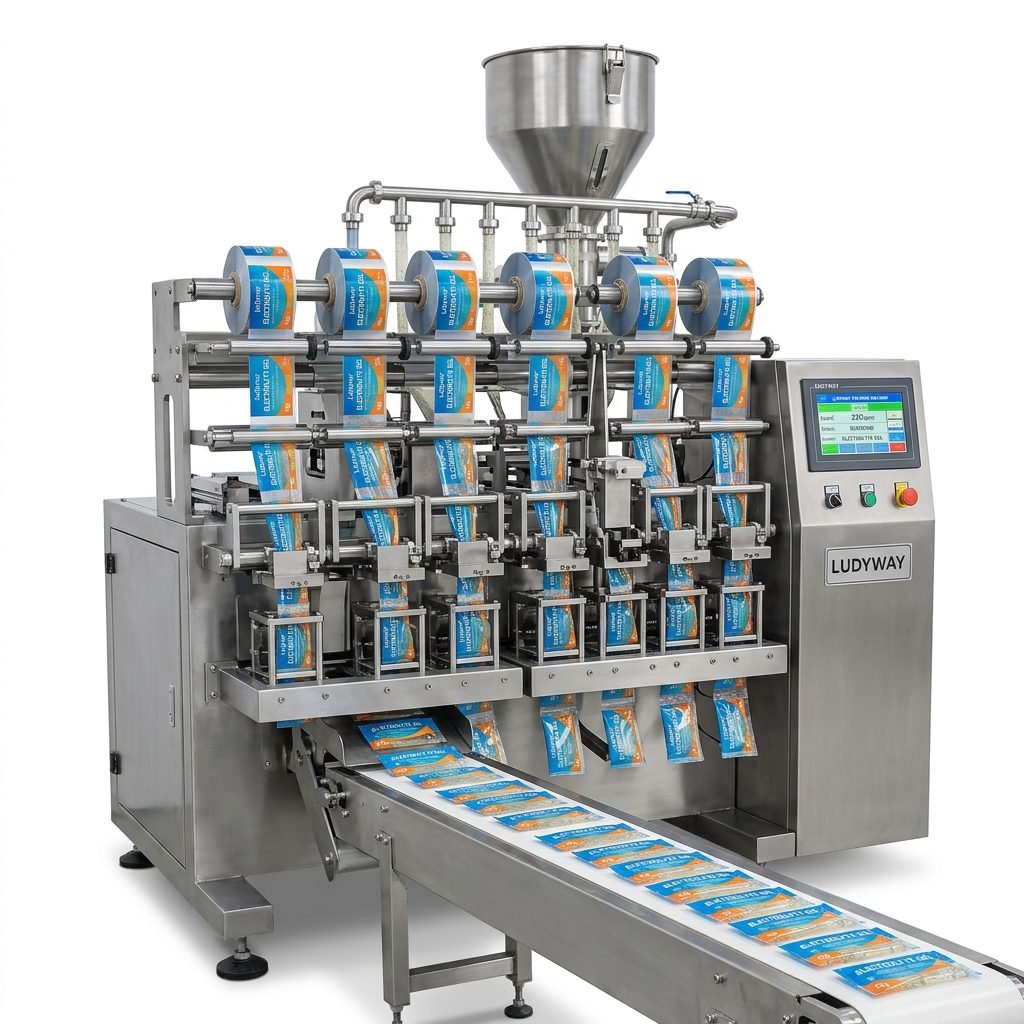
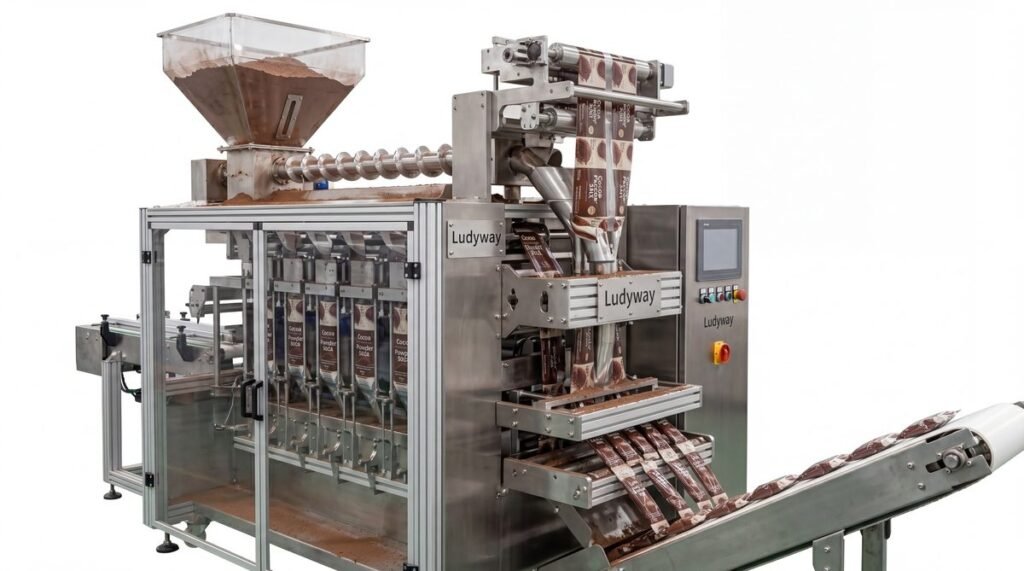
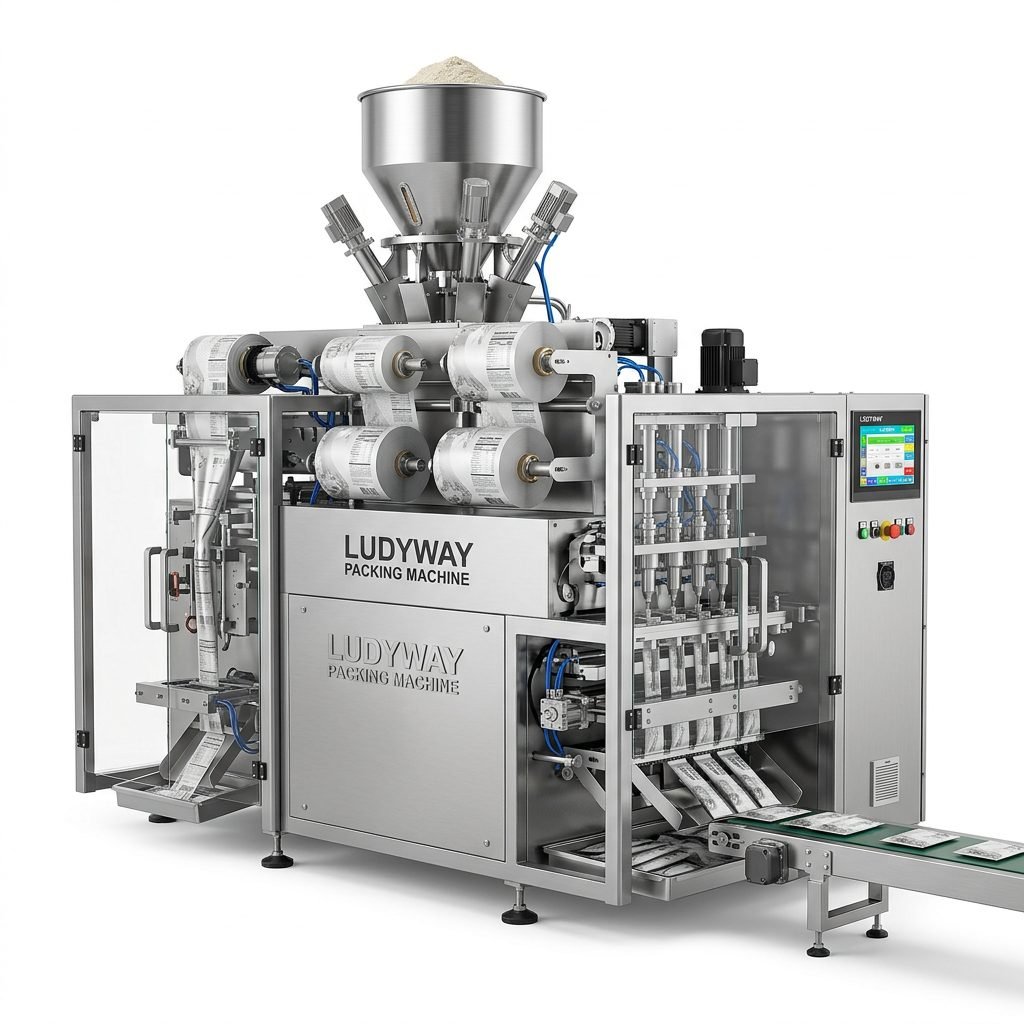
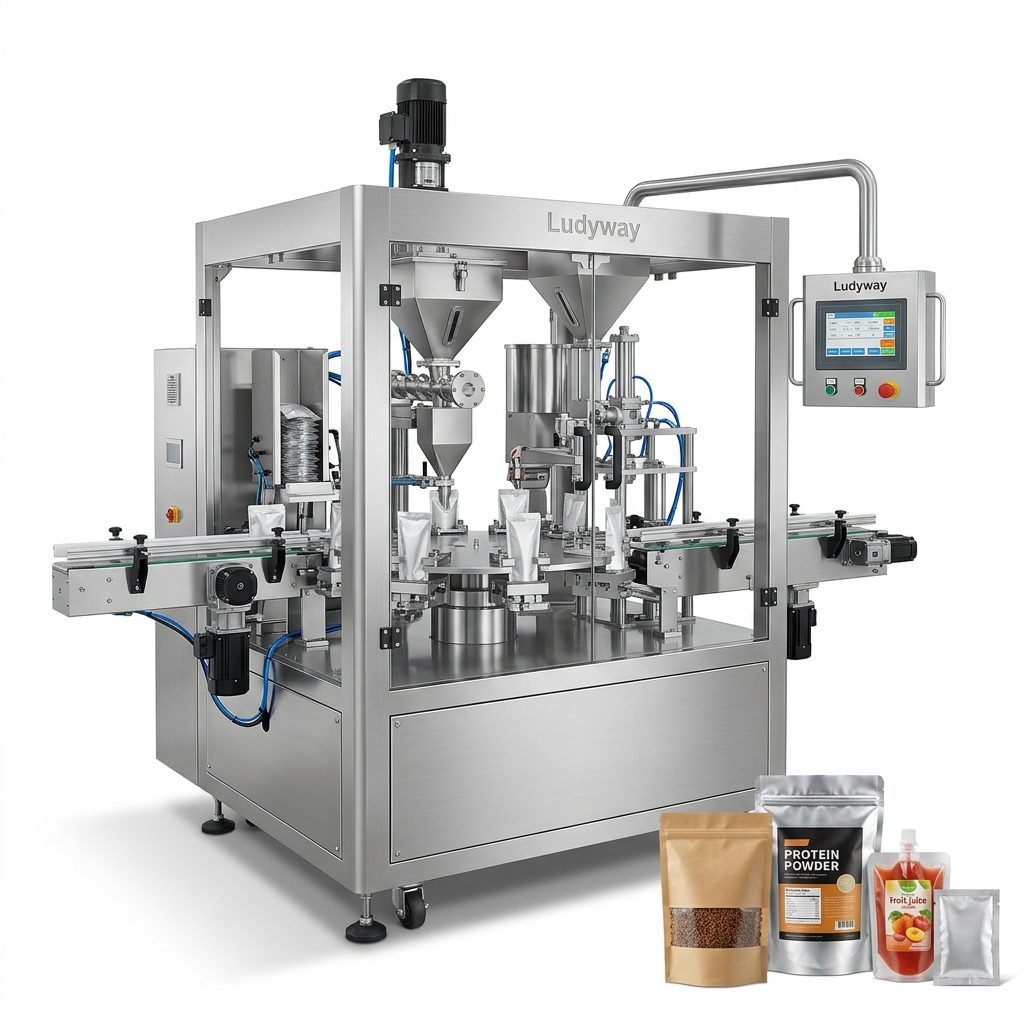
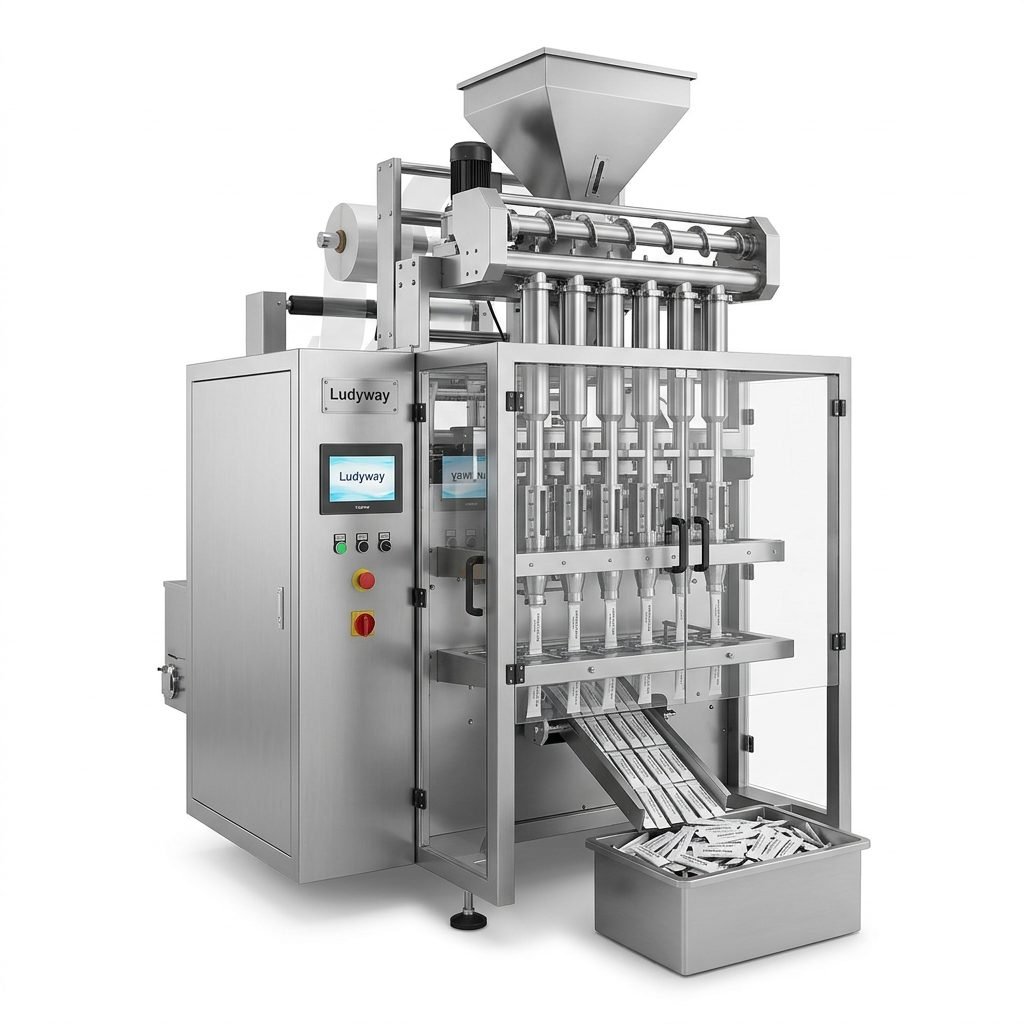
Proper maintenance of your banana chips packing machine is essential to ensure consistent product quality, extend equipment lifespan, and minimize costly downtime. Whether you operate a small-scale production line or a high-capacity facility, implementing a structured cleaning and maintenance routine will protect your investment and keep your snack packaging operations running smoothly. This guide covers the essential steps you need to follow, from daily cleaning procedures to long-term preventive care.
Why Regular Maintenance Matters
Banana chips are inherently oily and prone to producing fine particulate residue during packaging. Without proper cleaning, oil buildup and debris can contaminate product batches, cause sealing failures, and accelerate wear on critical components. Packaging machinery standards emphasize that a well-maintained machine not only delivers better performance but also helps you comply with food safety regulations. A proactive approach to maintenance reduces emergency repairs and keeps your production schedule on track.
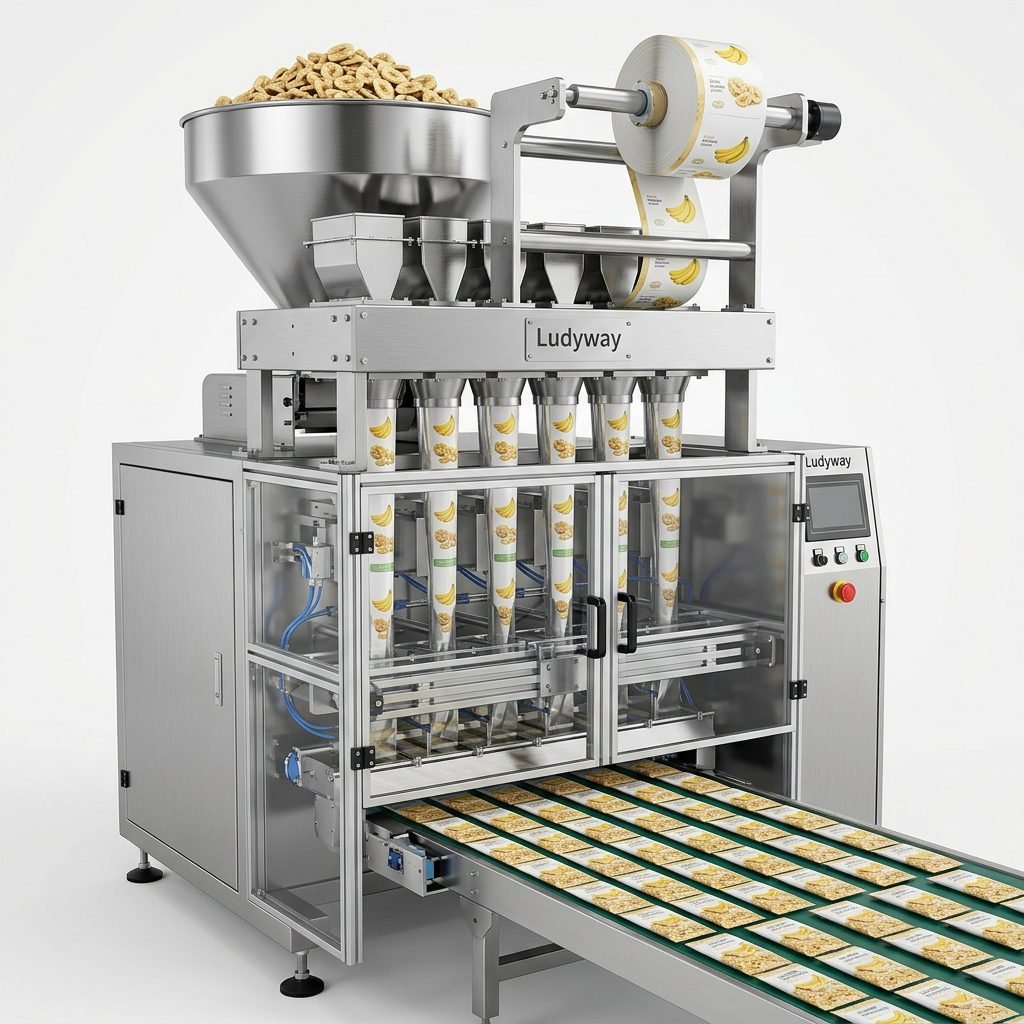
Daily Cleaning Procedures
After each production shift, complete the following daily cleaning tasks to prevent residue accumulation and maintain hygiene standards:
- Power down and lock out the machine completely before any cleaning activity begins. This is a non-negotiable safety step.
- Remove all residual banana chip fragments and crumbs from the feeding system, hopper, and discharge chutes using a soft brush or vacuum.
- Wipe down all product contact surfaces — including weigh buckets, forming tubes, and sealing jaws — with a food-grade cleaning solution and lint-free cloth.
- Inspect and clean the heat-sealing bars thoroughly. Built-up oil can cause weak seals, leading to product spoilage and package leaks.
- Check the film unwinding rollers and remove any dust or sticky residue that could interfere with consistent film tension.
- Clean the control panel exterior and touchscreen interface using a slightly damp microfiber cloth — never spray liquids directly onto electrical components.
Weekly Maintenance Tasks
Set aside dedicated time each week for deeper inspection and preventive care. These weekly tasks help catch emerging issues before they become major problems:
- Lubricate all moving mechanical parts including chains, bearings, cam followers, and guide rails. Use only food-grade lubricants approved for packaging equipment.
- Inspect sealing band condition for signs of wear, uneven heating patterns, or Teflon coating damage. Replace if any deterioration is visible.
- Check pneumatic air lines and fittings for leaks. Even minor air leaks can cause inconsistent filling accuracy and sealing pressure.
- Verify sensor alignment on the film registration system, product detection sensors, and safety interlock switches.
- Clean or replace air filters on electrical cabinets to prevent overheating of sensitive control components.
- Test emergency stop functionality and confirm all safety guards are securely in place.
Monthly Inspection Checklist
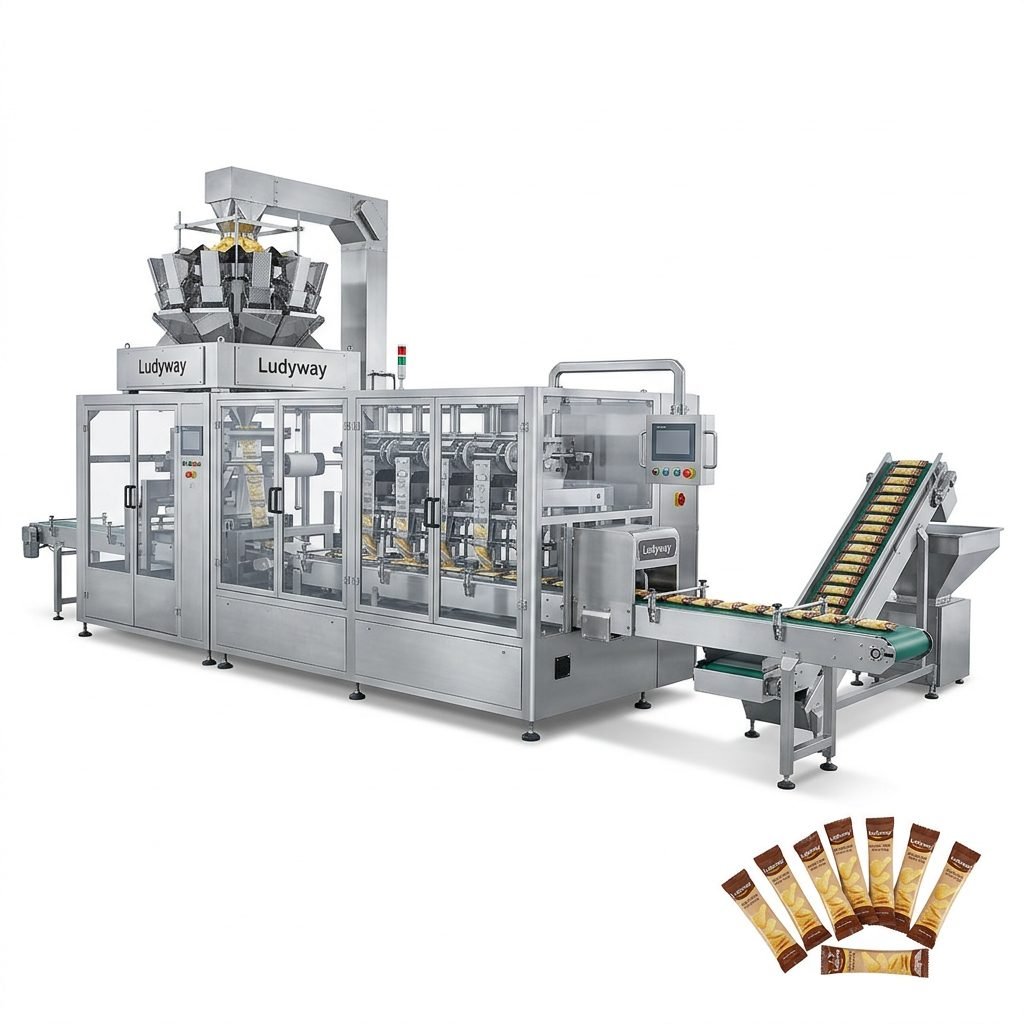
A thorough monthly inspection ensures that your banana chips packing machine operates at peak efficiency. Use the checklist below to guide your maintenance team:
| Component | Inspection Point | Action Required |
|---|---|---|
| Weighing System | Load cell calibration and accuracy | Recalibrate if deviation exceeds ±0.5g |
| Sealing Mechanism | Temperature consistency across jaw length | Adjust PID parameters or replace heating elements |
| Film Transport | Roller bearing smoothness and alignment | Replace worn bearings; realign rollers |
| Electrical Cabinet | Wiring connections, contactor condition | Tighten loose terminals; replace pitted contactors |
| Drive Belts | Tension and surface cracking | Tension or replace as needed |
| Date Coder | Print clarity and ribbon alignment | Clean printhead; replace ribbon if faded |
Common Troubleshooting Issues
Even with regular maintenance, occasional issues may arise. Here are the most common problems encountered with banana chips packing machines and their typical solutions:
Inconsistent Fill Weights
Fluctuating fill weights often result from product buildup inside weigh buckets or improper vibration settings. Clean the weigh hopper thoroughly and verify that the vibratory feed rate matches your target bag weight. Recalibrate load cells monthly or whenever product type changes.
Seal Integrity Failures
Weak or leaking seals typically indicate contaminated sealing jaws, incorrect temperature settings, or worn Teflon tape. Clean the jaws with a food-safe solvent and confirm that sealing temperature matches the film specification. Replace Teflon covers every 3-6 months depending on usage intensity.
Film Tracking Issues
If the packaging film wanders or wrinkles, check roller parallelism and ensure edge guides are properly positioned. Damaged or misaligned rollers should be replaced immediately to prevent film waste and machine jams.
Professional Tips for Extending Machine Life
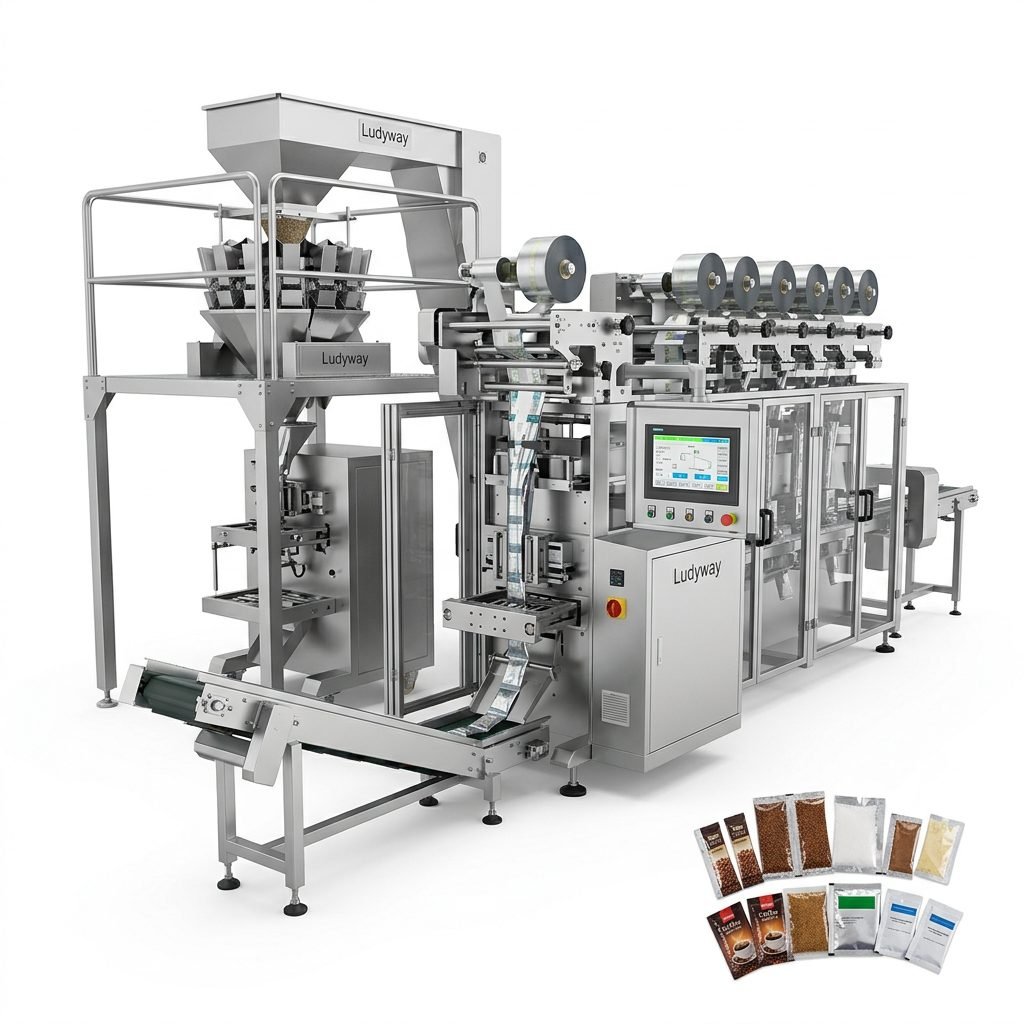
Beyond routine cleaning and scheduled maintenance, adopting these professional practices will help you maximize the operational life of your banana chips packaging equipment:
- Train operators thoroughly — human error accounts for a significant portion of packaging machine downtime. Every operator should understand proper start-up, shutdown, and emergency procedures.
- Keep a detailed maintenance logbook documenting all inspections, part replacements, and calibration dates. This historical data helps predict component lifecycles and plan proactive replacements.
- Maintain an inventory of critical spare parts — sealing jaws, heating elements, sensors, belts, and Teflon tape — to minimize downtime during unexpected failures.
- Schedule an annual professional inspection performed by a qualified packaging machine technician to assess overall machine health and identify hidden issues.
- Consult flexible packaging industry resources for updates on best practices and regulatory changes affecting food packaging operations.
Maintenance Schedule Summary
The following table provides a quick-reference summary of the recommended maintenance intervals for your banana chips packing machine:
| Frequency | Key Activities | Responsible Party |
|---|---|---|
| Daily | Surface cleaning, residue removal, visual inspection | Machine Operator |
| Weekly | Lubrication, sensor checks, filter cleaning | Maintenance Technician |
| Monthly | Calibration, belt inspection, electrical checks | Maintenance Supervisor |
| Quarterly | Comprehensive component inspection, drive system service | Senior Technician |
| Annually | Full machine audit, major part replacement review | Professional Service Team |
Choosing the Right Maintenance Partner
While in-house maintenance handles daily and weekly care, having access to expert support is invaluable for complex repairs and performance optimization. Leading manufacturers like Ludyway provide comprehensive after-sales service, technical training, and genuine spare parts to ensure your packaging equipment continues to perform at its best throughout its operational life. Partnering with an experienced supplier gives you access to specialized knowledge and rapid-response support when you need it most.
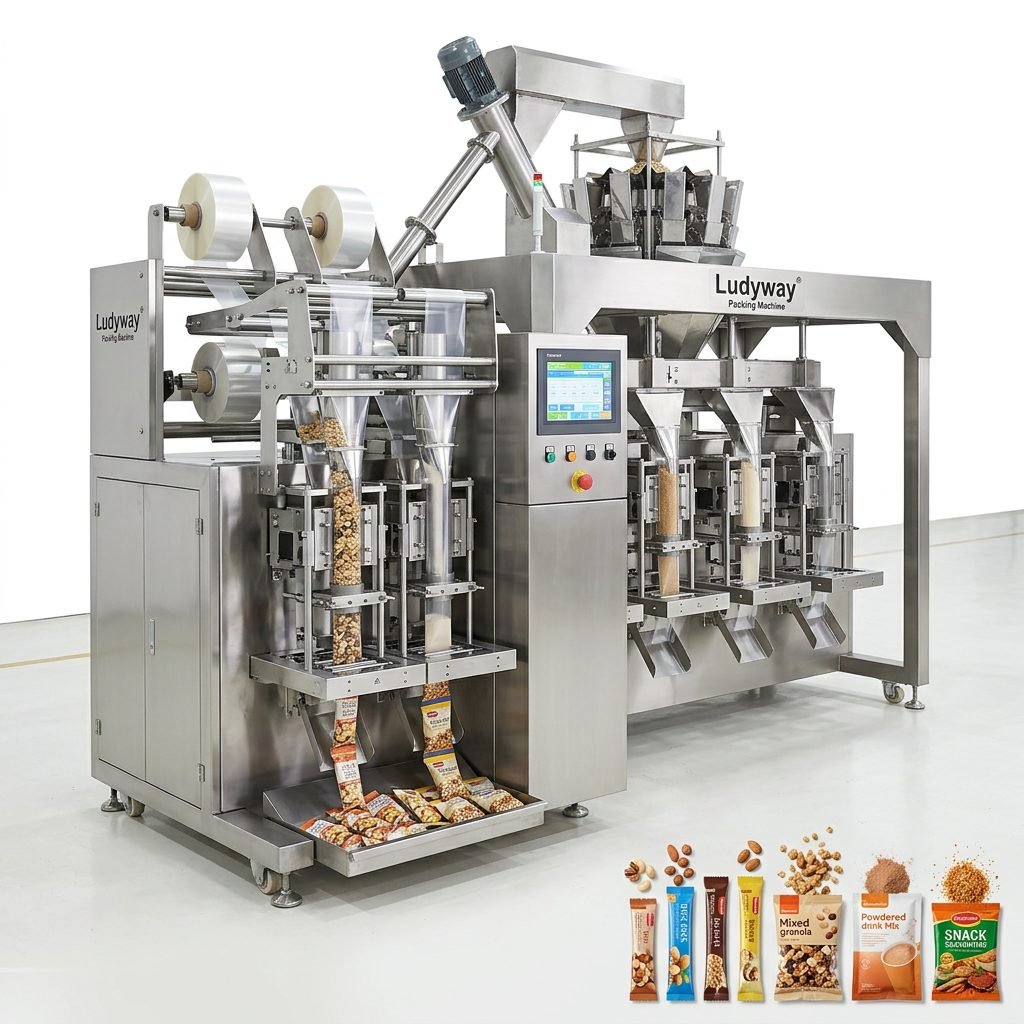
Following a structured maintenance program for your banana chips packing machine is one of the most cost-effective ways to ensure consistent production output and product quality. By implementing the daily, weekly, and monthly routines outlined in this guide — and supplementing them with professional support when needed — you can significantly reduce unexpected downtime and extend the service life of your equipment. Remember that preventive maintenance is always less expensive than reactive repairs, especially in food packaging environments where hygiene and reliability are paramount.