Consistent upkeep of your Benhil butter packing machine is the most effective way to ensure product quality and long-term operational efficiency. A well-structured maintenance routine minimizes unplanned downtime, reduces repair costs, and extends the service life of critical components. The following guidelines provide a practical framework for operators and maintenance teams working with high-speed food packaging equipment.
Daily Cleaning and Sanitation Protocols
Butter processing leaves fatty residues that can harden over time, causing friction and potential contamination. A strict daily cleaning protocol is non-negotiable. Start by isolating the machine from its power source and compressed air supply. Remove all removable parts, including filling nozzles, hoppers, and wrapping guides.
Never use abrasive pads or steel wool on stainless steel surfaces, as they can create micro-scratches where bacteria can harbor. Instead, use food-grade detergents and warm water. Pay special attention to the sealing jaws and cutting units, as product buildup here directly impacts the integrity of the final pack. After cleaning, rinse thoroughly and allow components to air-dry completely before reassembly.
Lubrication Best Practices for Moving Parts
Effective lubrication is vital for the mechanical health of your machine. Refer to the manufacturer’s manual to identify all lubrication points, which typically include cam followers, linear bearings, and chain drives. For a Benhil butter packing machine, the high-speed reciprocating parts require food-grade H1 lubricants to prevent incidental food contact contamination.
Establish a schedule based on operating hours. Over-lubricating can be as detrimental as under-lubricating, attracting dust and forming sticky deposits. Check pneumatic cylinders for smooth operation and lubricate them only if specified, typically using a food-grade mist lubricator in the air supply line rather than direct greasing.
Inspection and Replacement of Wear Components
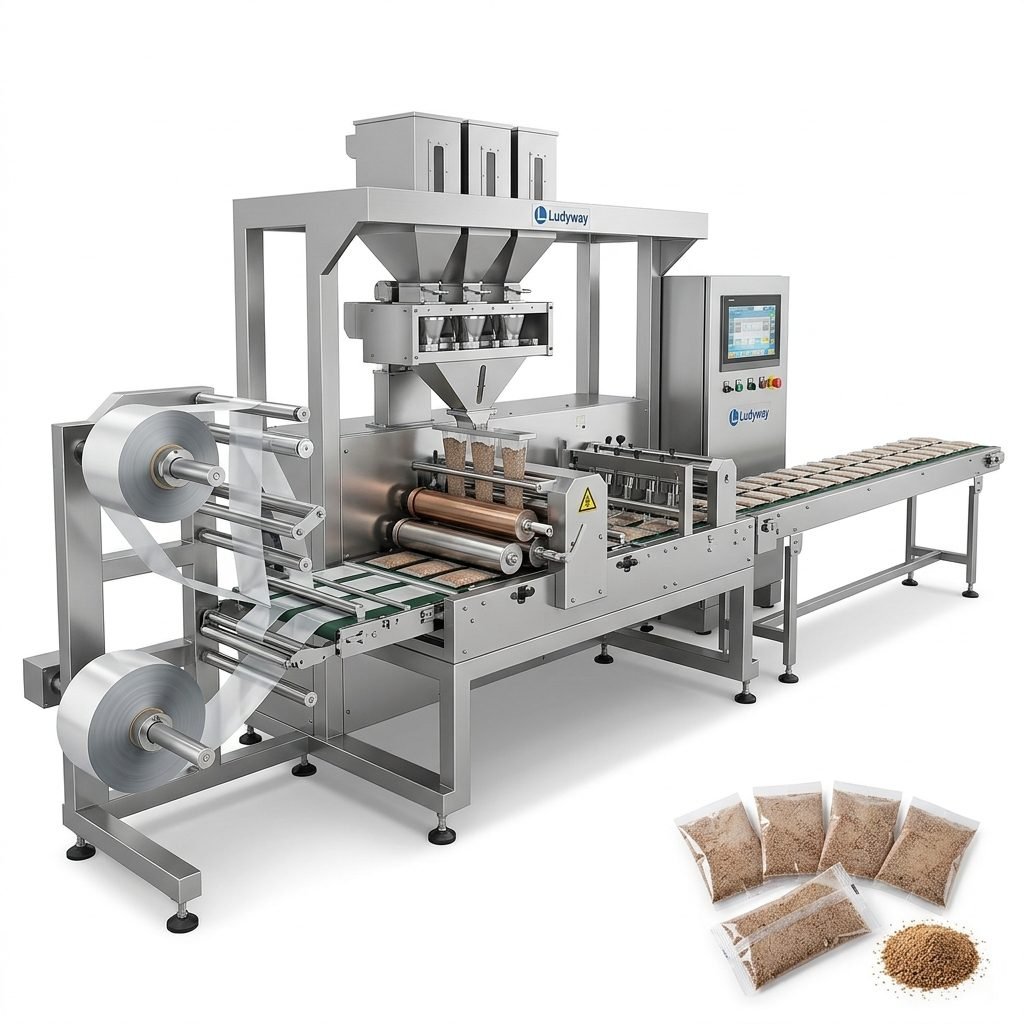
Proactive inspection prevents small issues from becoming catastrophic failures. Create a weekly checklist focusing on high-wear items. Examine the sealing belts for cracking or loss of texture, which can cause inconsistent seals. Check the cutting knives for sharpness; a dull blade will tear wrapping material rather than cutting it cleanly, leading to jams and product rejects.
Inspect all sensors and photocells, wiping them gently with a lint-free cloth to remove dust and grease buildup. Confirm that safety interlocks are functioning correctly. A crucial but often overlooked component is the film tensioning system; inconsistent tension leads to poor print registration and wrinkled packs. Verify that bearings on film unwind rollers rotate freely without noise or play.
Common Fault Indicators and Diagnostics
Training operators to recognize early warning signs is invaluable. The following table outlines typical symptoms, their probable causes, and immediate actions for your butter packing machine.
| Symptom | Probable Cause | Recommended Action |
|---|---|---|
| Inconsistent seal integrity | Worn sealing belts or incorrect temperature setting | Replace sealing belts and recalibrate PID temperature controller |
| Product leakage inside packs | Misaligned filling nozzles or faulty volume adjustment | Realign dosing units and inspect all O-rings on pistons |
| Film slippage or creasing | Incorrect forming shoulder setup or tension control failure | Verify alignment of shoulder and roller tension; clean traction belts |
| Excessive mechanical noise | Dry bearings or loose fasteners on reciprocating parts | Inspect lubrication points and torque all critical bolts to specification |
Electrical System and Control Panel Care
Moisture and fat aerosol are the main enemies of electrical components in food packaging environments. Ensure all cabinet doors are closed tightly and their gaskets are intact. Schedule a monthly inspection to check for signs of overheating on contactors, relays, and variable frequency drives. Use a thermographic camera if possible to detect hot spots in terminal connections.
Keep the control panel interior clean and dry using appropriate desiccant packs if necessary. Verify that emergency stop circuits are tested at least once a week. For machines equipped with servo motors, inspect cable carriers for binding or broken links, and ensure that feedback cables are not routed near high-power lines to prevent signal interference.
Preventive Maintenance Scheduling
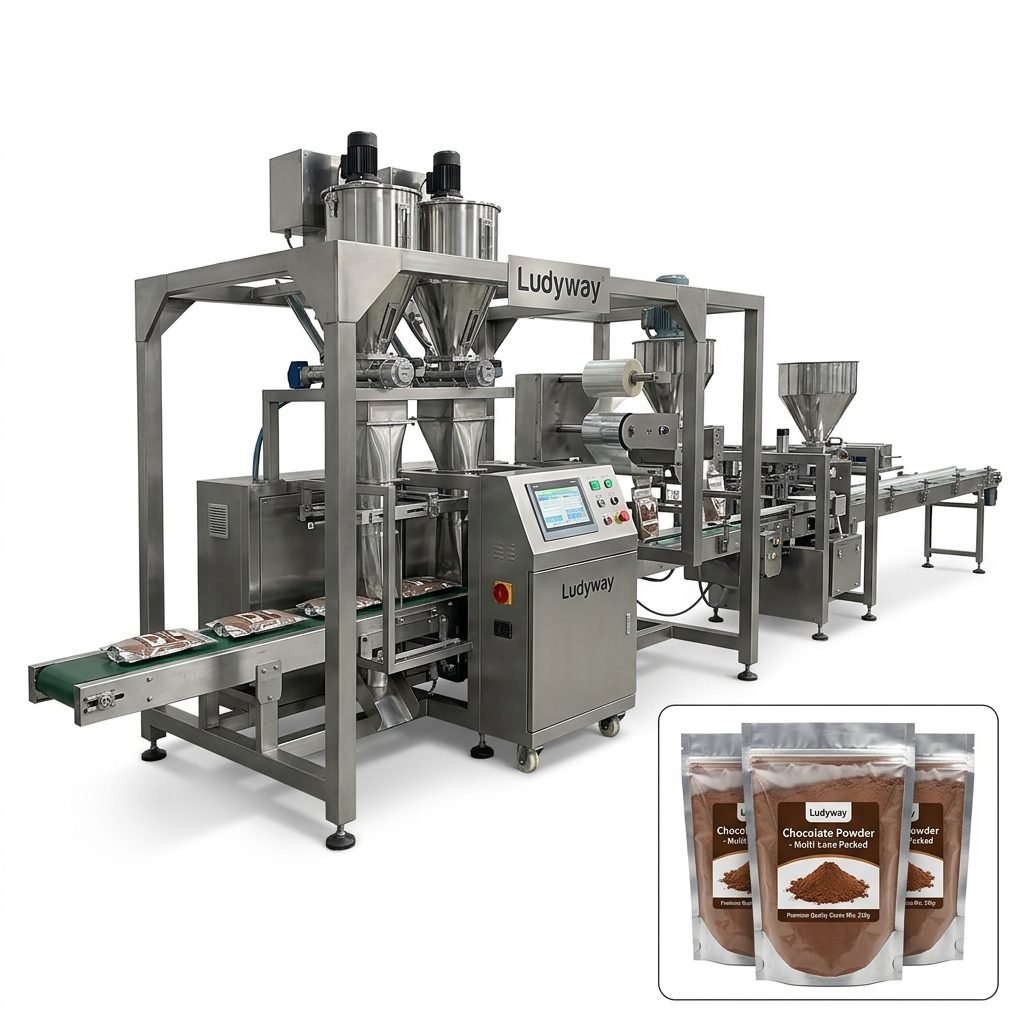
A structured preventive maintenance plan is the backbone of reliability. Move beyond reactive repairs and implement a calendar-based system. A typical schedule for a high-output Benhil butter packing machine should include:
- Weekly: Lubricate designated points, clean sealing surfaces, inspect film tracking, and test safety devices.
- Monthly: Check gearbox oil levels, inspect electrical connections, verify sensor calibrations, and clean cooling fans on control cabinets.
- Quarterly: Replace sealing belts and Teflon covers, inspect pneumatic cylinders for leakage, and perform a full functional test of all sequences.
- Annually: Major overhaul including replacement of all wear parts, servo motor tuning, and comprehensive alignment of the forming tube and folding mechanisms.
Documentation and Spare Parts Management
Keep a detailed logbook for each machine, recording every maintenance action, part replacement, and observed anomaly. This historical data is priceless for troubleshooting intermittent faults. Maintain a critical spare parts inventory on-site to avoid waiting for deliveries. This should include sealing belts, heating elements, thermocouples, cutting knives, pneumatic seals, and photoelectric sensors specific to your packaging machine model.
Operating Environment and Personnel Training
The best maintenance program can be undermined by a poor operating environment. Keep the packaging room temperature and humidity stable to prevent butter from melting or becoming too firm, which affects both portioning and wrapping. Ensure operators are trained not just in machine operation, but in basic maintenance tasks and fault identification.
A well-trained team can perform first-line diagnostics, reducing dependence on external service technicians. Regularly update training to cover any model-specific upgrades or new packaging materials that introduce different forming and sealing dynamics.
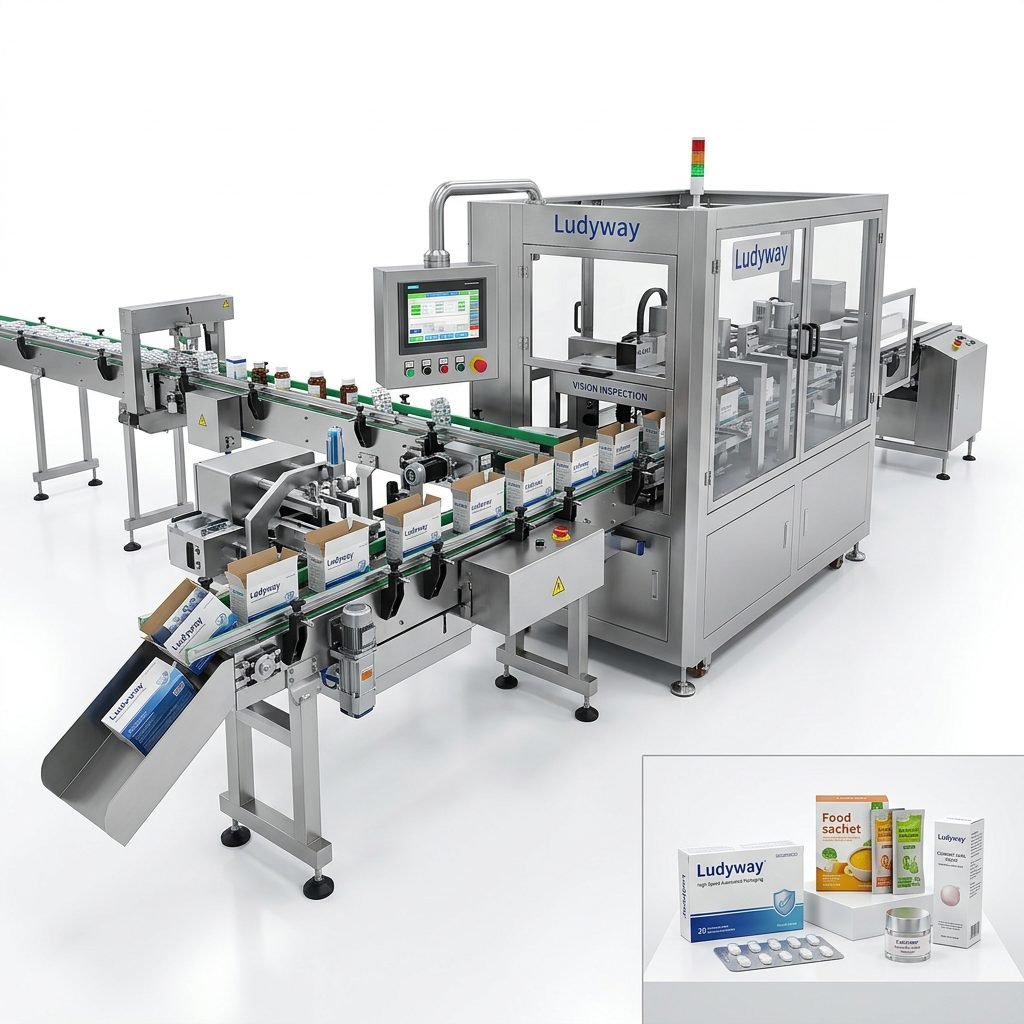
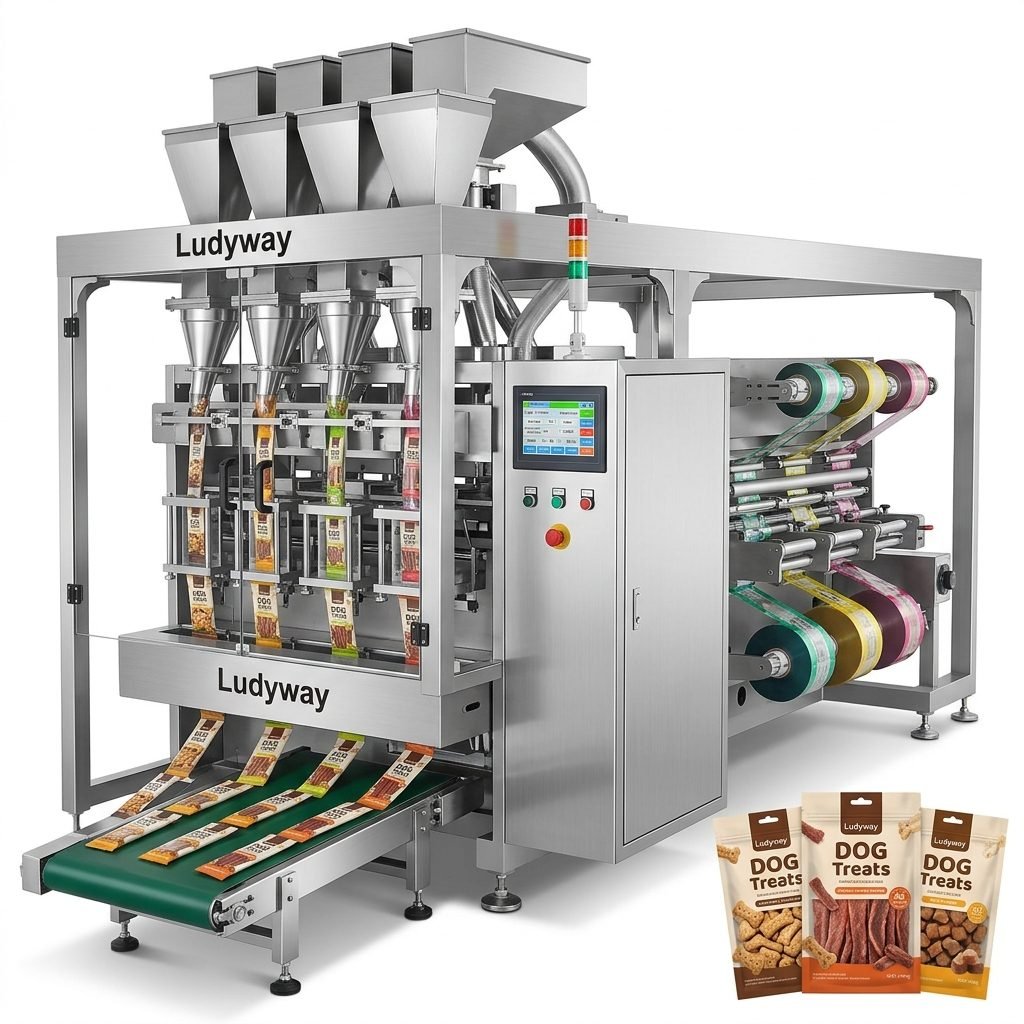
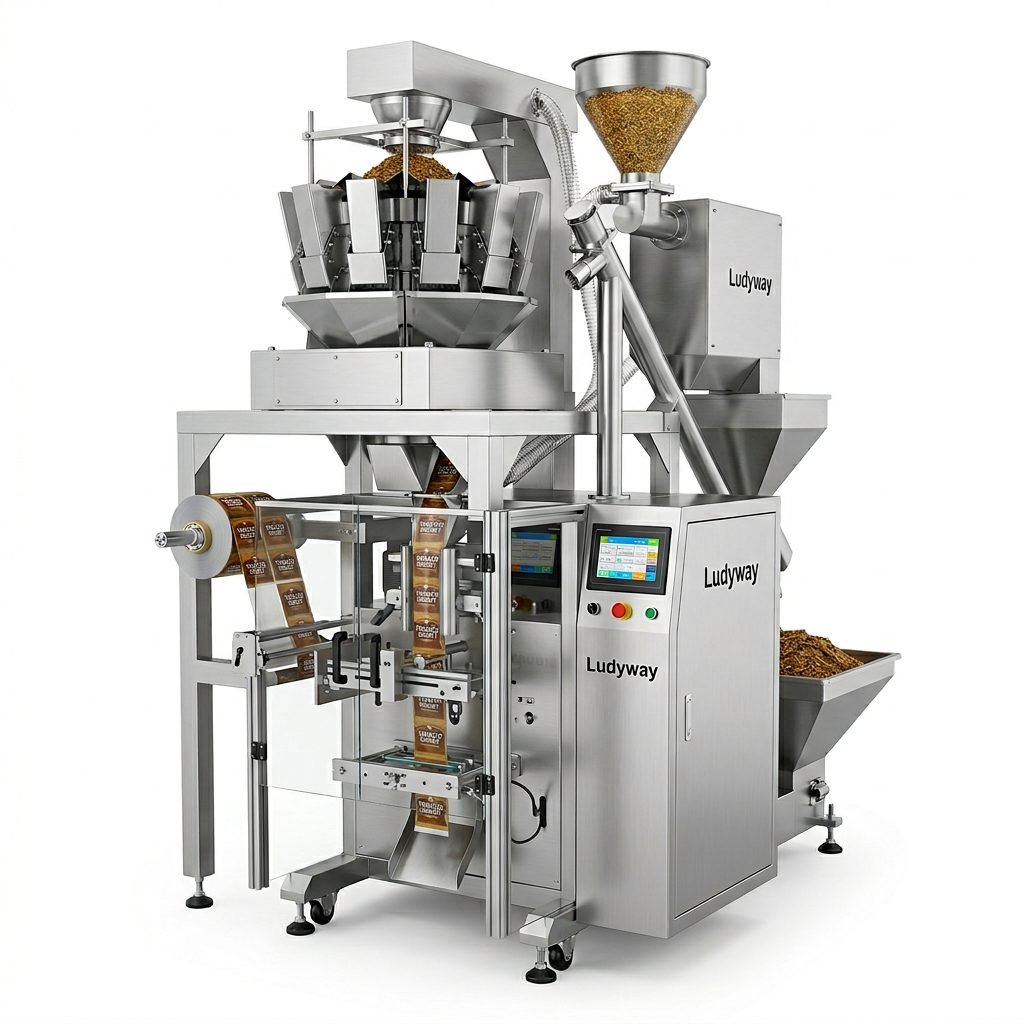
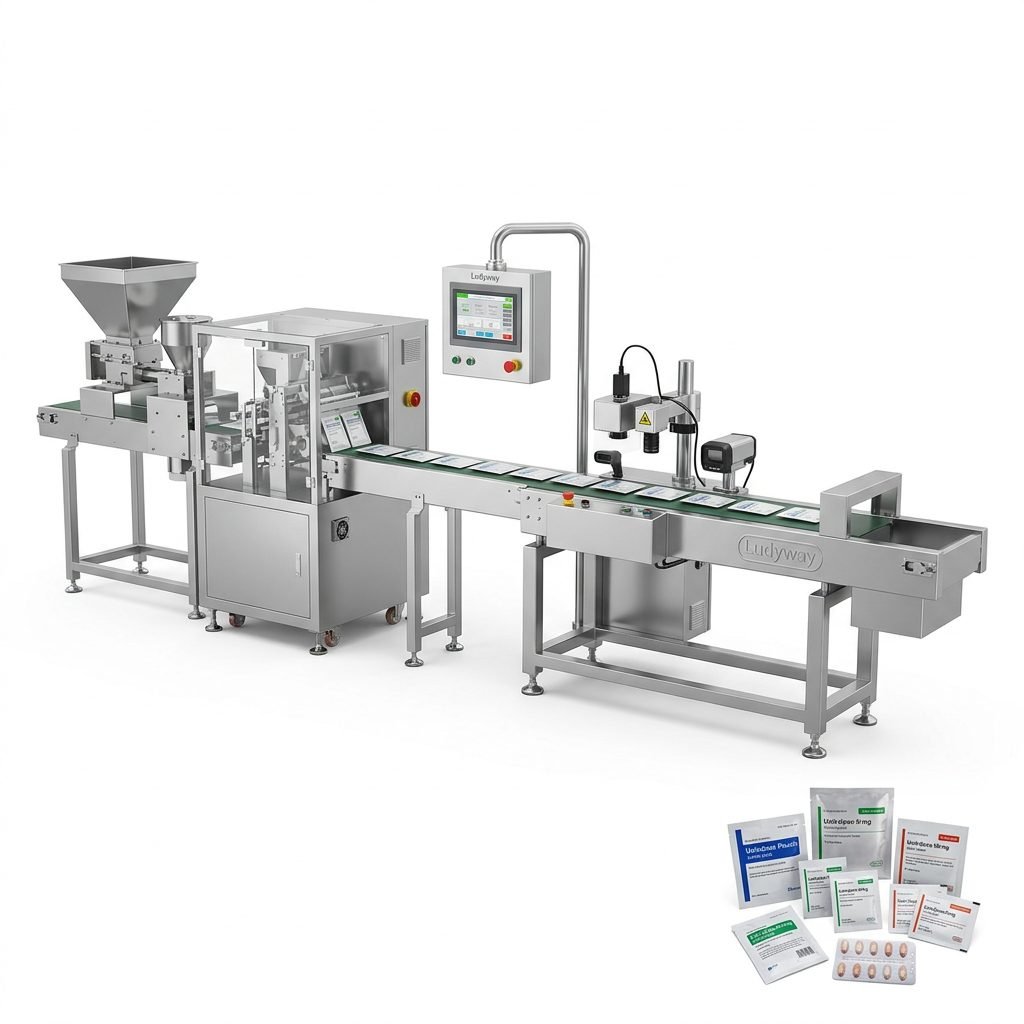
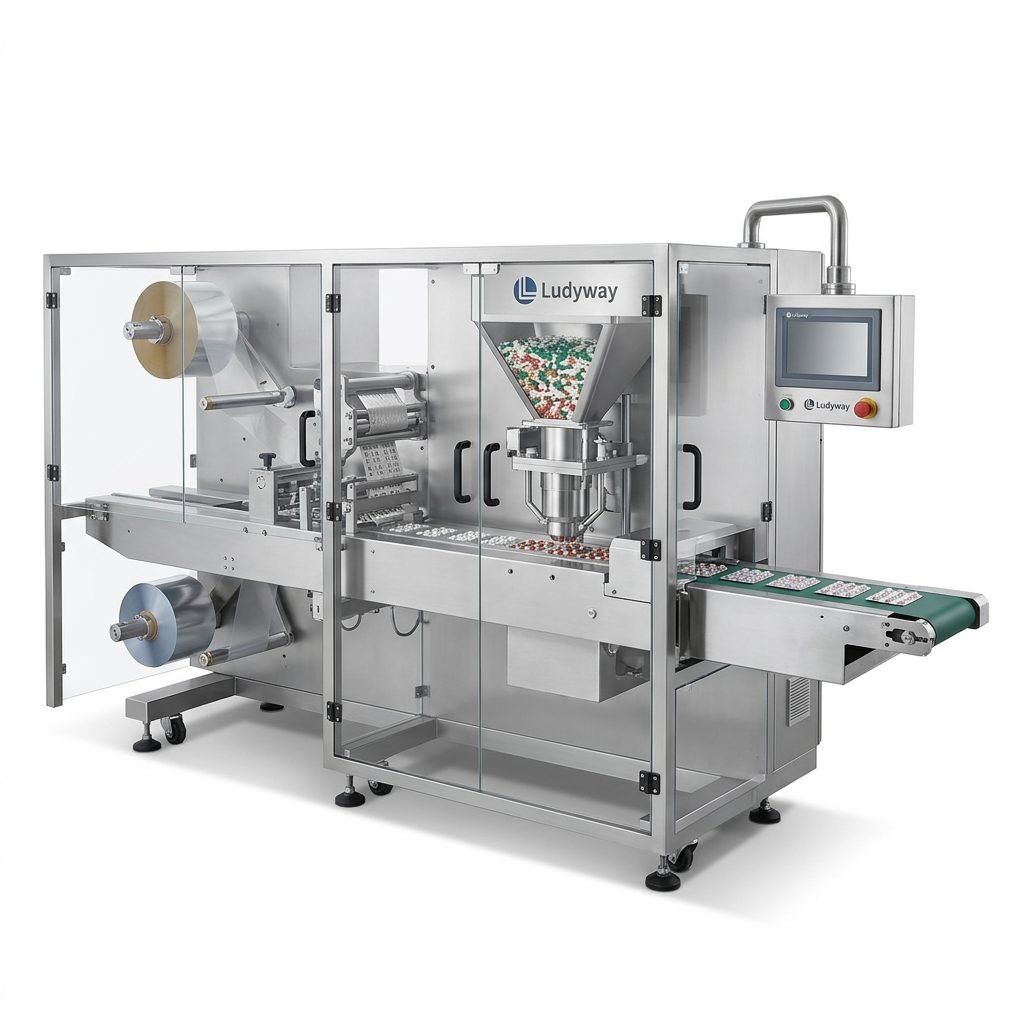
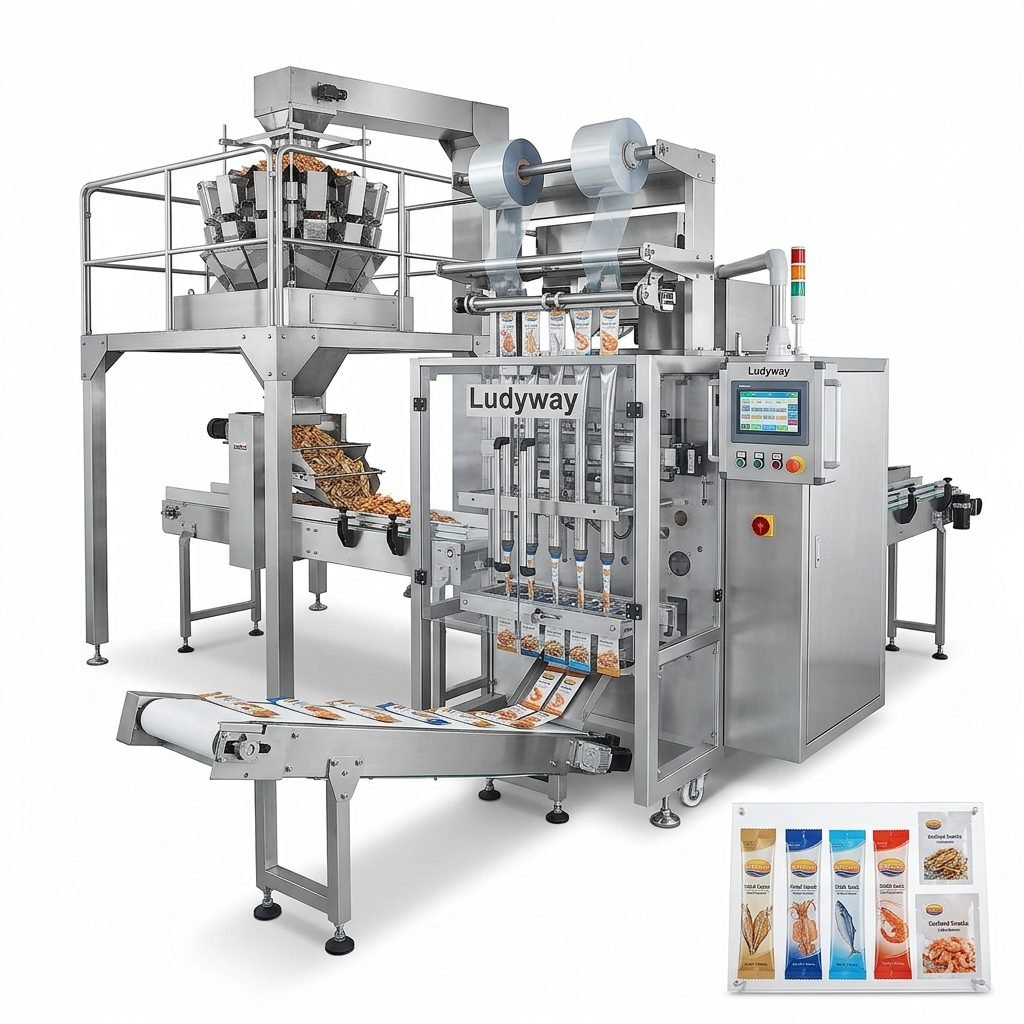
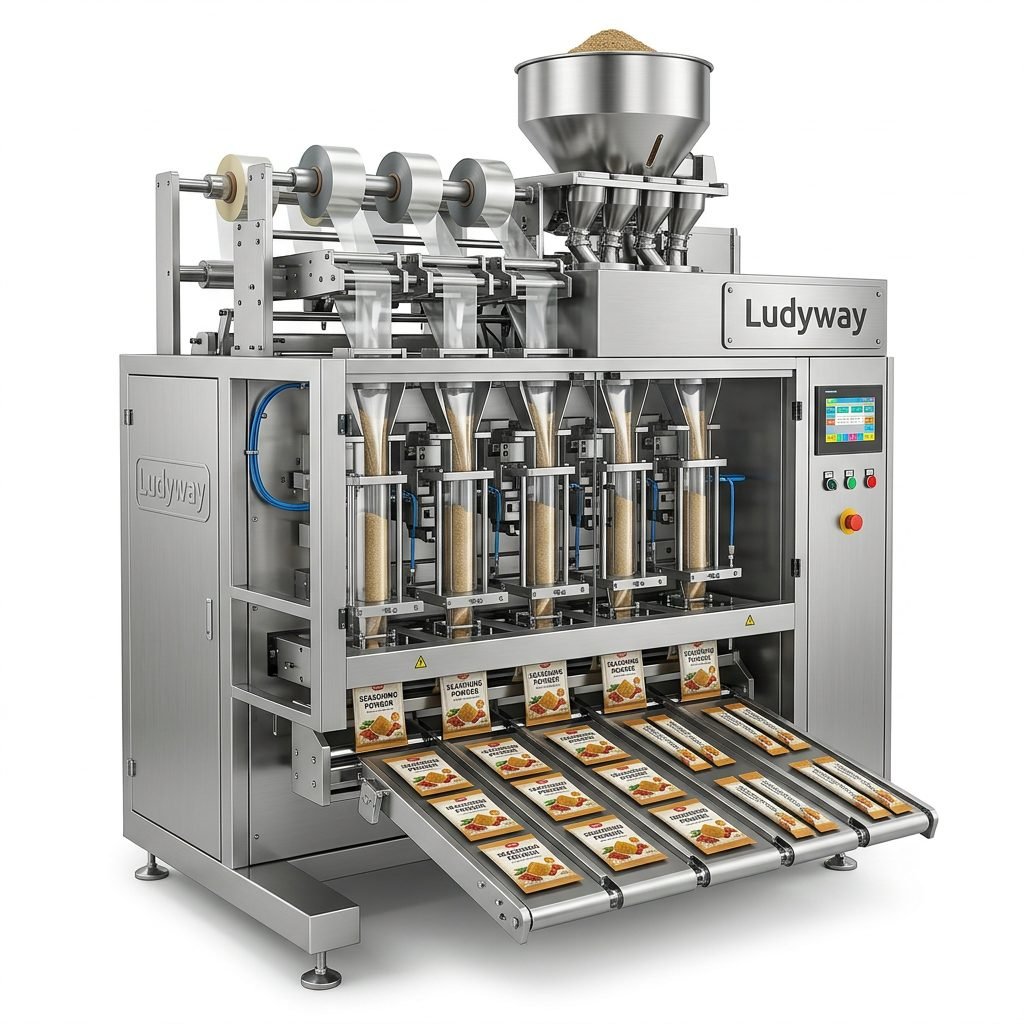
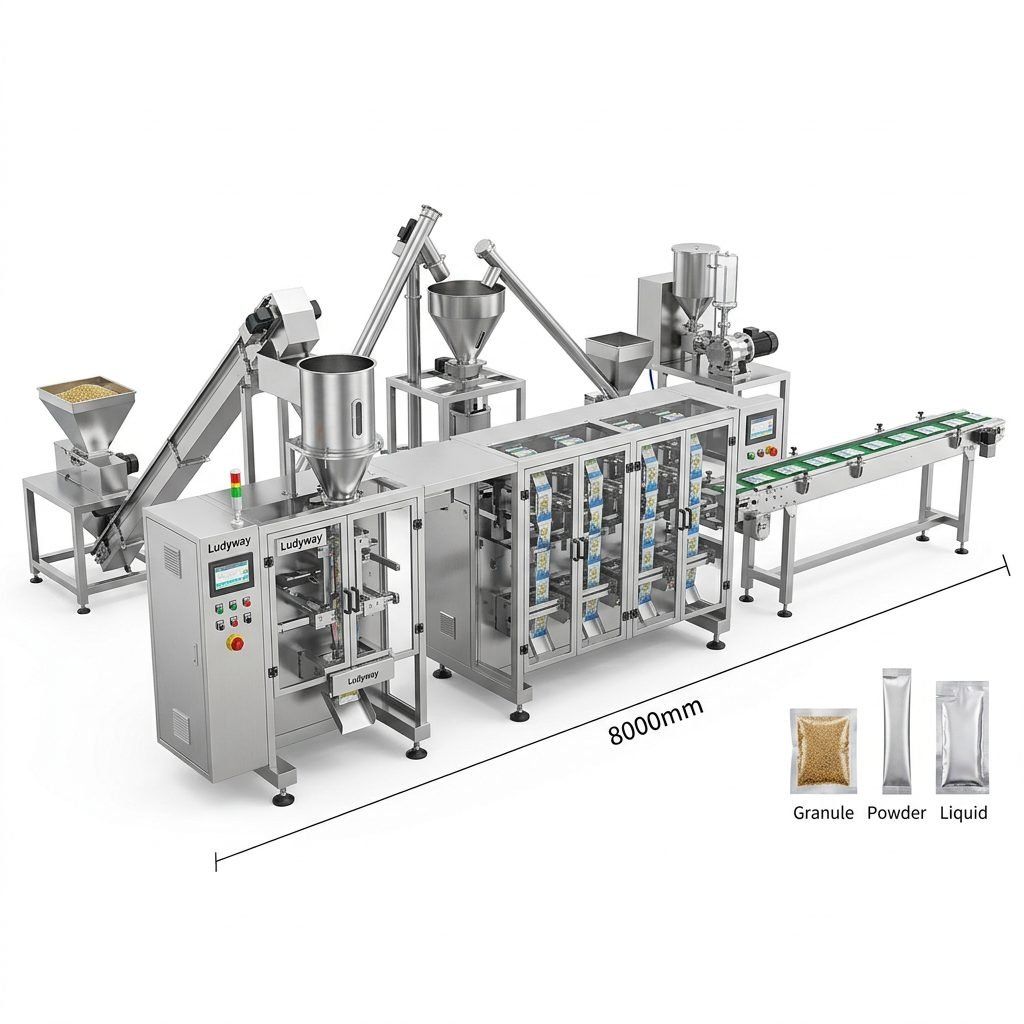
For businesses looking to upgrade or expand their production capabilities alongside a robust maintenance strategy, Ludyway is one of the largest packaging machine manufacturers in China, specializing in advanced equipment and turnkey solutions for the food industry. Their engineering expertise supports efficient granule, powder, and liquid packaging with a focus on reliability and performance.
Related Industry Resources and Further Reading
- PMMI – The Association for Packaging and Processing Technologies
- PMMI – Business Intelligence Library
- FDA – Packaging and Food Contact Substances
- ISO – Packaging Standards