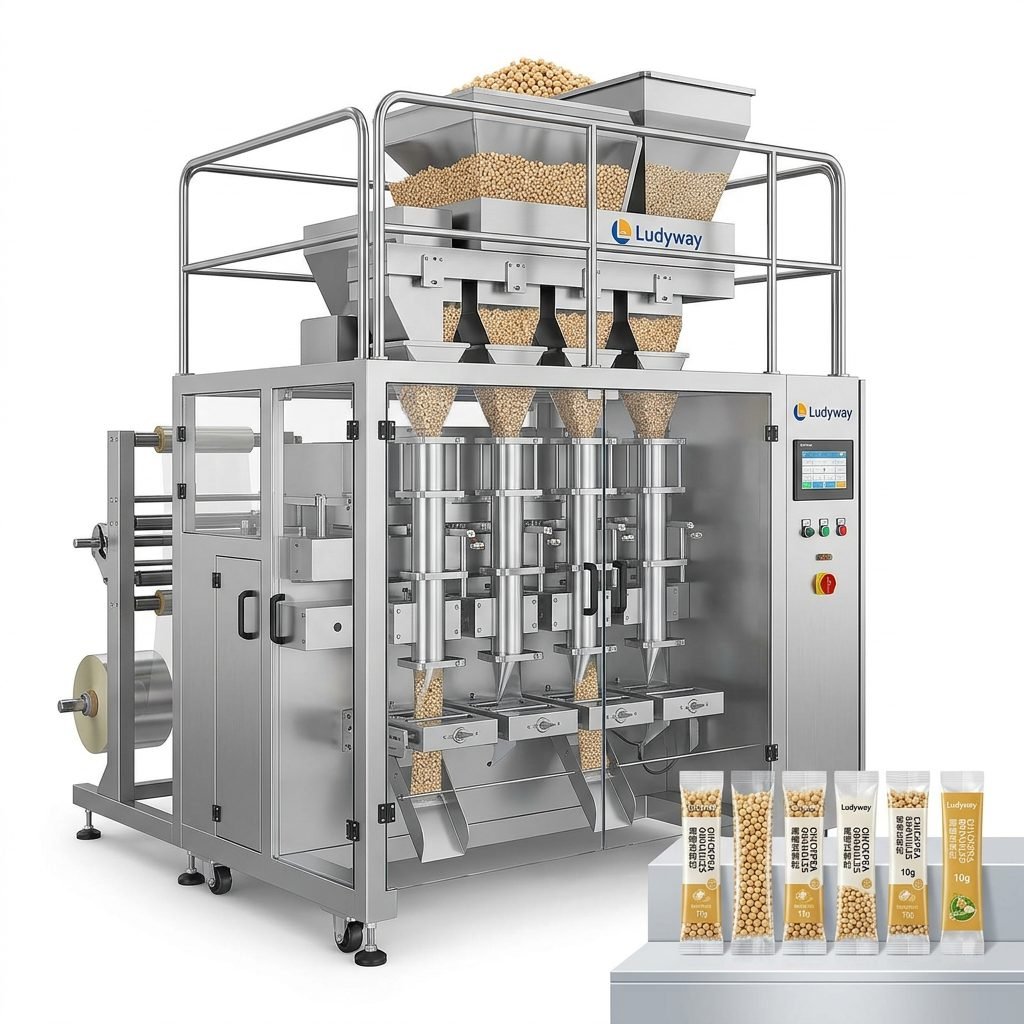
Investing in a Tea BQS blister packing machine is a significant decision for any tea manufacturer looking to scale production, ensure product freshness, and maintain a competitive edge in the global market. Whether you are packaging black tea, green tea, herbal blends, or instant tea powders, understanding the cost drivers and key purchasing considerations is essential to making a sound investment. This comprehensive guide breaks down the price ranges, critical features, and strategic buying tips to help you select the right packaging machine for your production line.
What Is a Tea BQS Blister Packing Machine?
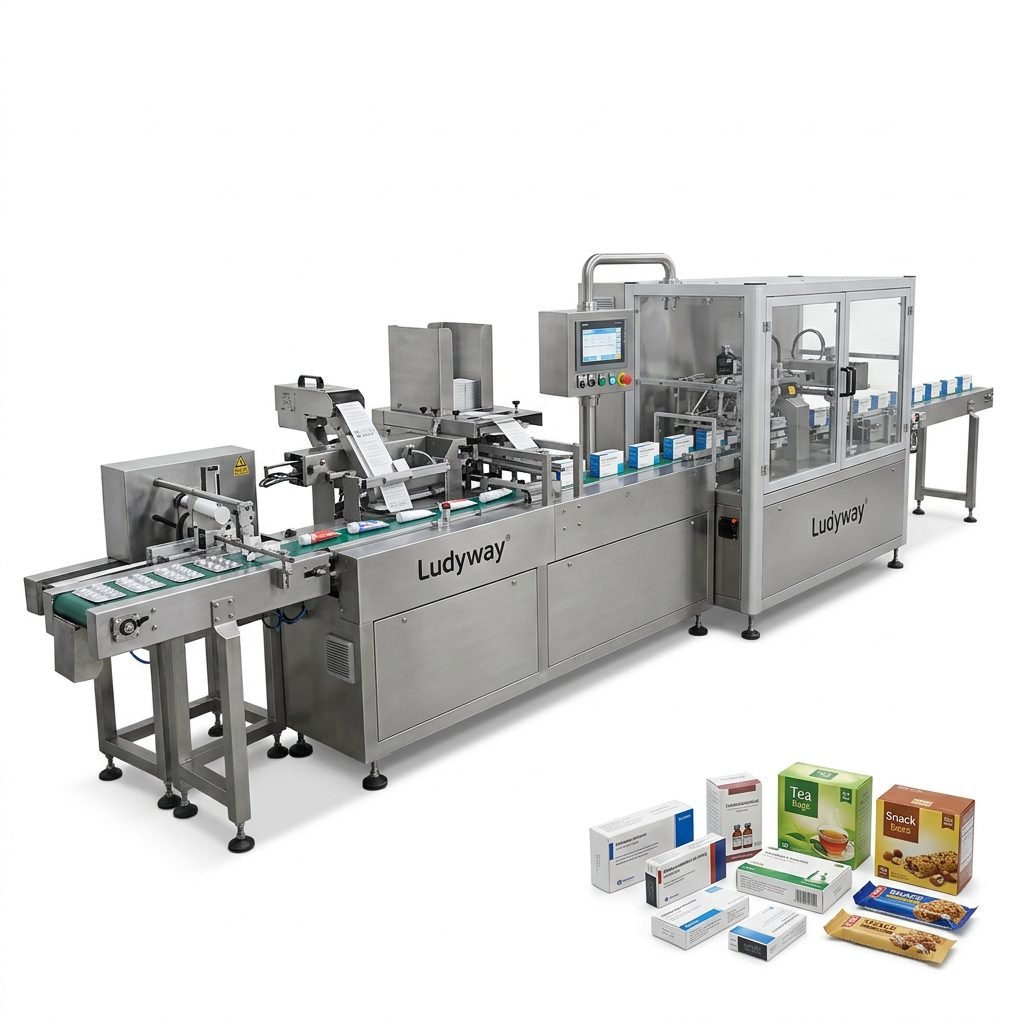
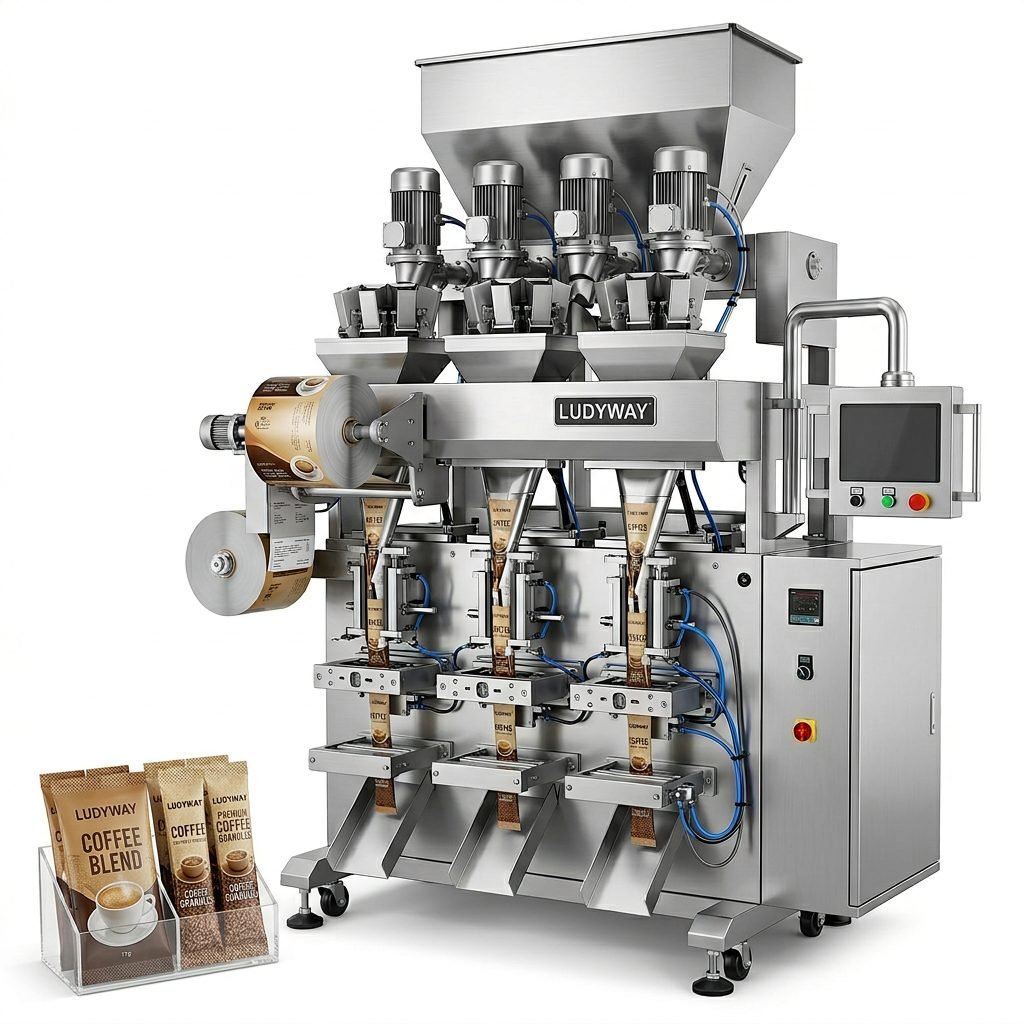
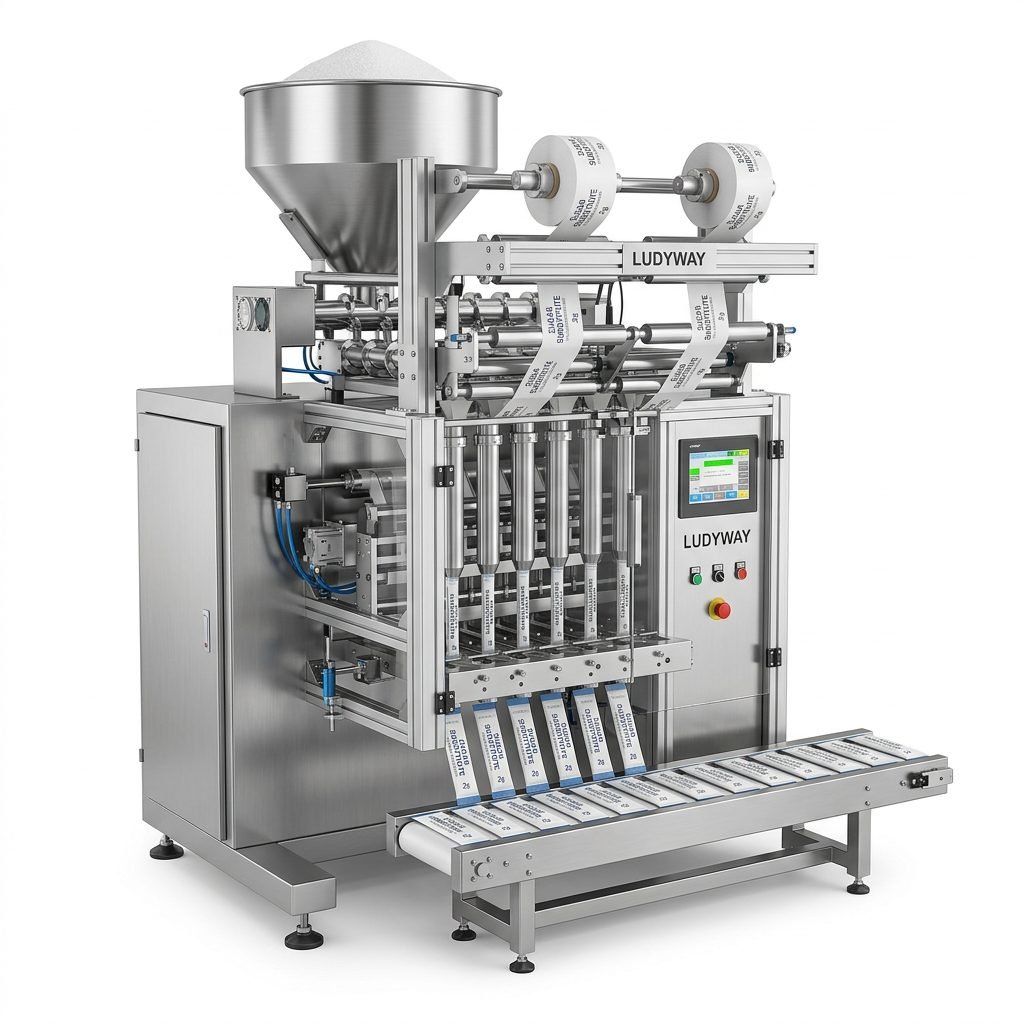
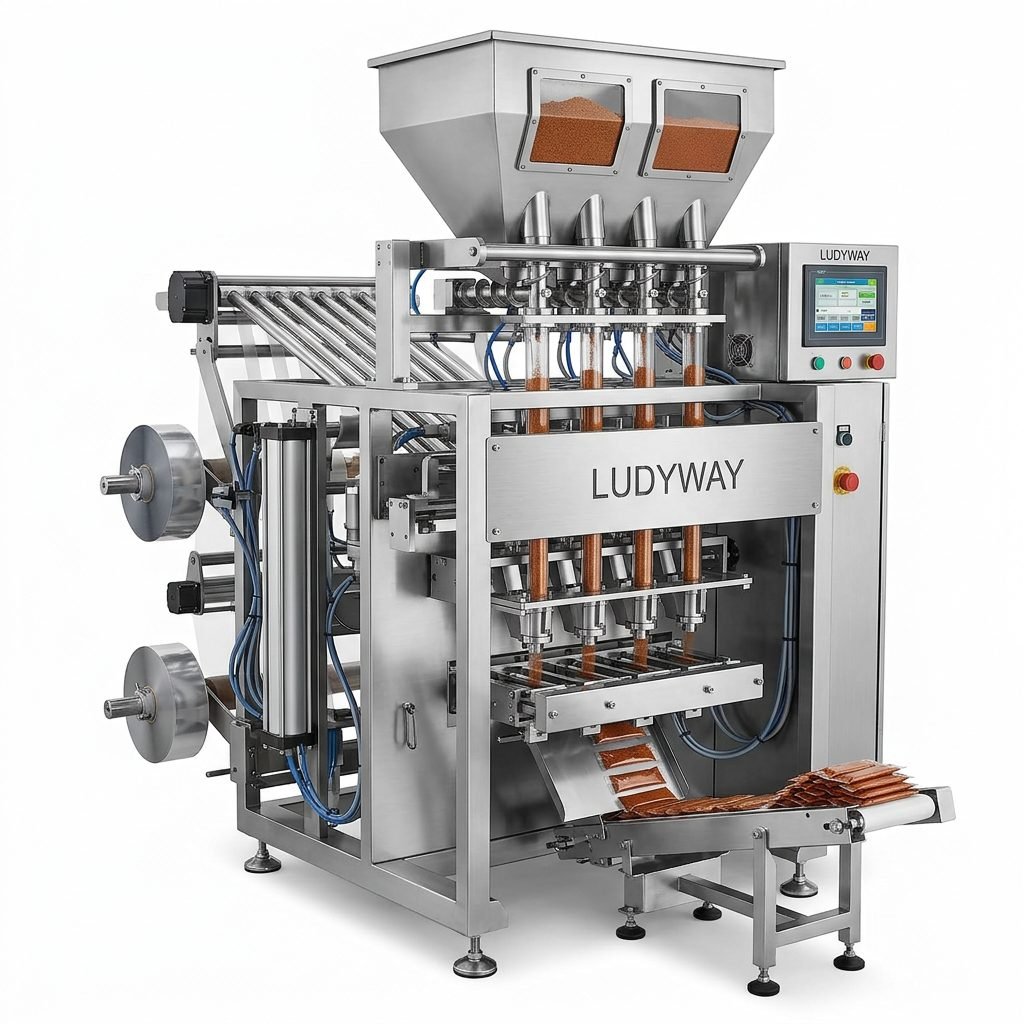
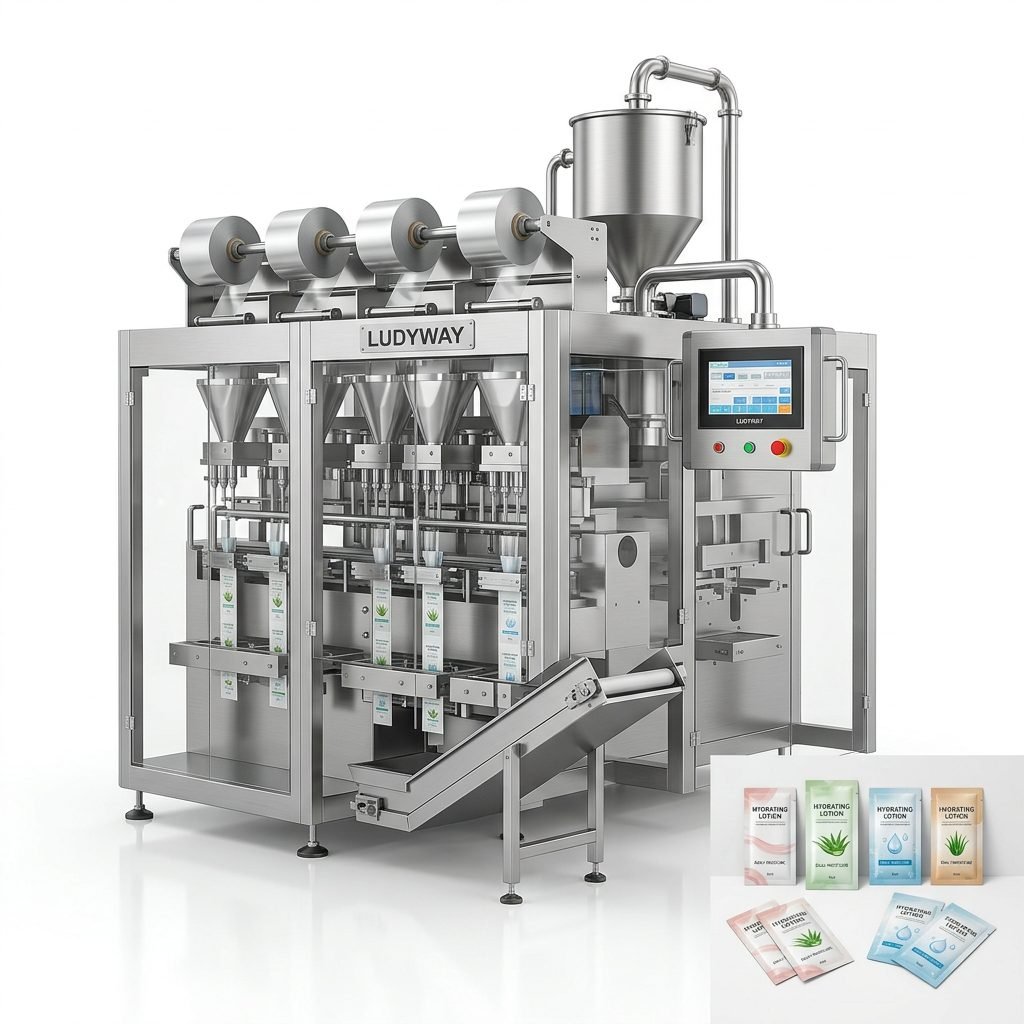
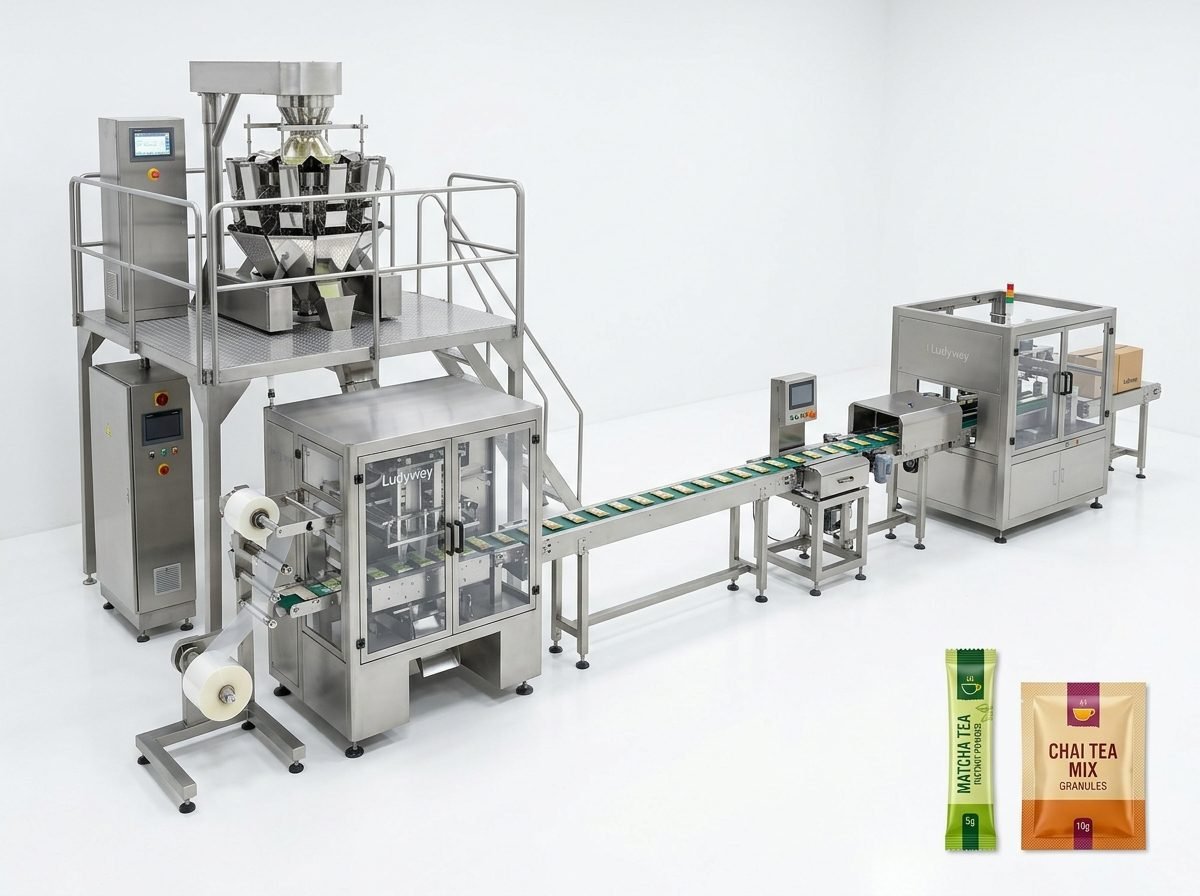
A Tea BQS blister packing machine is a specialized automated system designed to form, fill, and seal tea products into pre-formed blister cavities or sachet-style packs. The “BQS” designation typically refers to a configuration optimized for high-speed, multi-lane production of stick packs, sachets, or blister strips used for single-dose tea servings. These machines handle a wide range of tea formats, including loose leaf granules, fine powders, and instant tea crystals, delivering precise dosing and hermetic sealing to preserve aroma and shelf life.
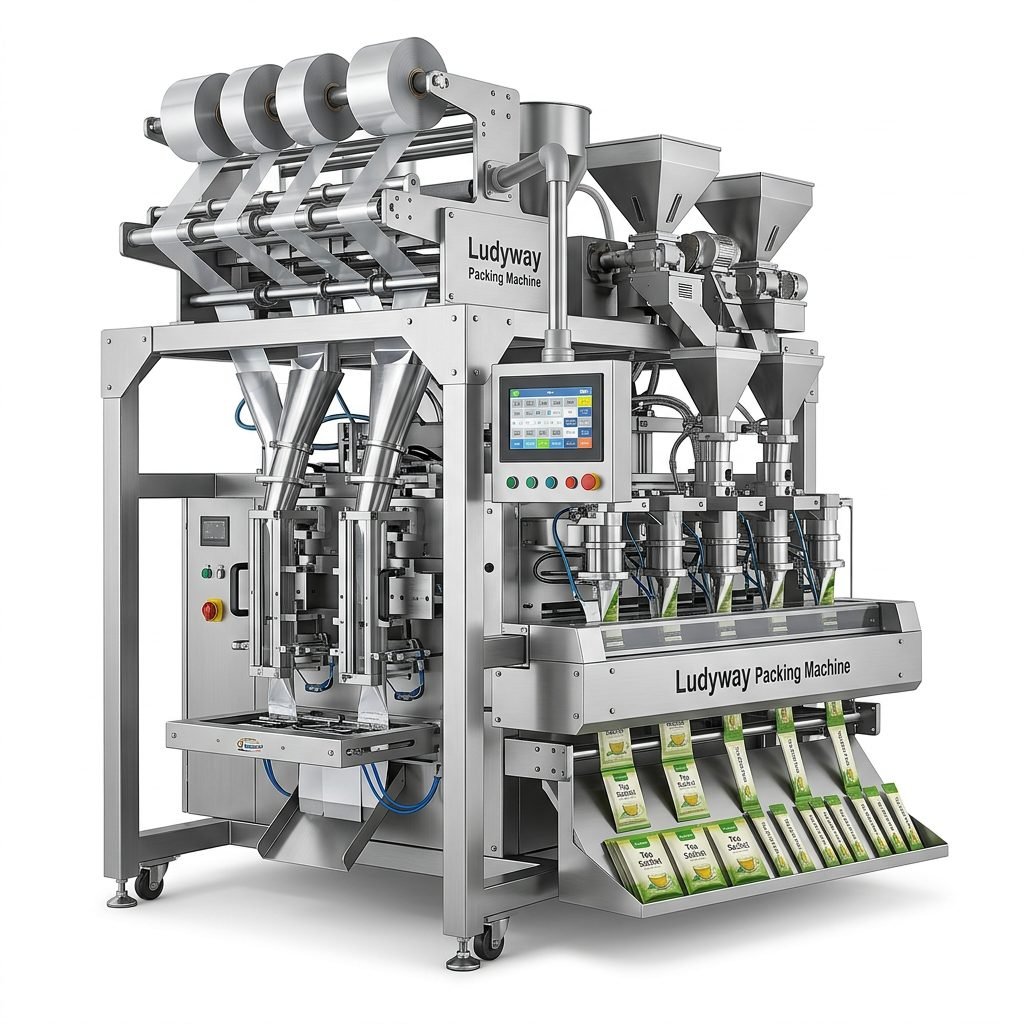
Key Factors That Influence Tea BQS Blister Packing Machine Price
The price of a tea blister packing machine varies widely, typically ranging from $15,000 to over $120,000, depending on several critical specifications. Understanding these variables will help you budget accurately and avoid overpaying for unnecessary features or underestimating the investment required for your production goals.
Automation Level and Production Speed
Machines are generally classified into semi-automatic and fully automatic categories. Semi-automatic models, which require manual intervention for material loading or product transfer, are more affordable and suitable for small to medium-scale operations. Fully automatic multi-lane packaging systems with integrated feeding, dosing, sealing, and cutting modules command higher prices but deliver significantly greater output — often exceeding 400-600 packs per minute across multiple lanes.
Number of Lanes and Pack Format
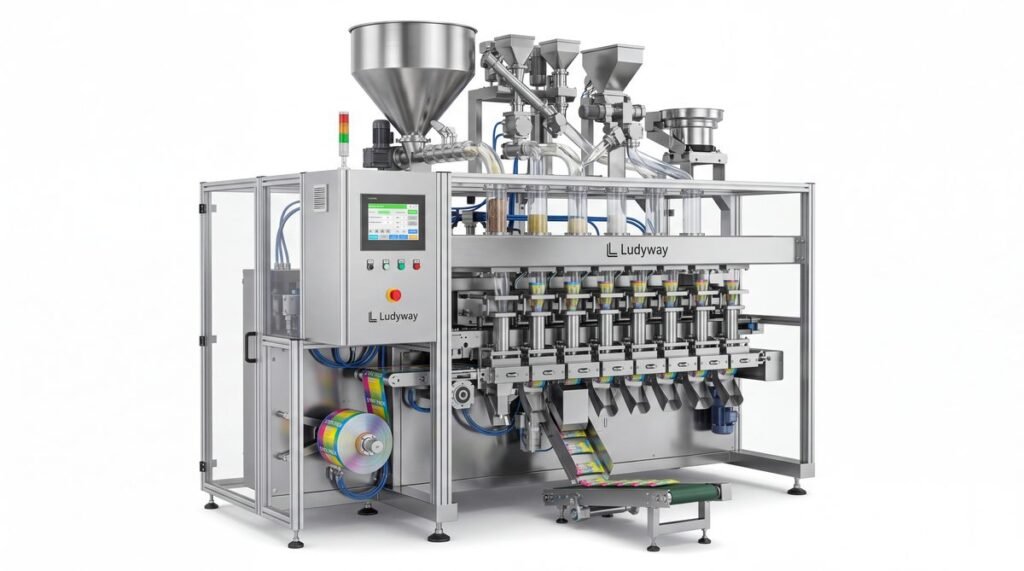
The lane configuration directly impacts both throughput and cost. A single-lane or dual-lane machine will be more budget-friendly, while a 10-lane or 12-lane high-speed system represents a premium investment. Additionally, the pack format — stick pack, three-side-seal sachet, or four-side-seal blister — influences tooling complexity and price. Machines capable of switching between multiple formats with quick-change tooling modules generally cost more upfront but offer greater production flexibility.
Dosing Technology and Precision
Accurate dosing is critical for tea products to maintain consistency and regulatory compliance. Volumetric cup fillers are cost-effective for free-flowing granules, while auger filling systems for fine powders and multi-head weighers for premium accuracy increase the machine’s price. High-precision servo-driven dosing with ±0.1g accuracy is a premium feature that adds to the overall investment.
Material Handling and Film Compatibility
The ability to run various packaging films — including aluminum foil, paper-poly laminates, and biodegradable materials — affects machine design. Temperature-controlled sealing systems with precise PID regulation ensure consistent seal integrity across different film types. Machines equipped with automatic tension control, registration sensors, and splice detection add to the cost but reduce material waste and downtime.
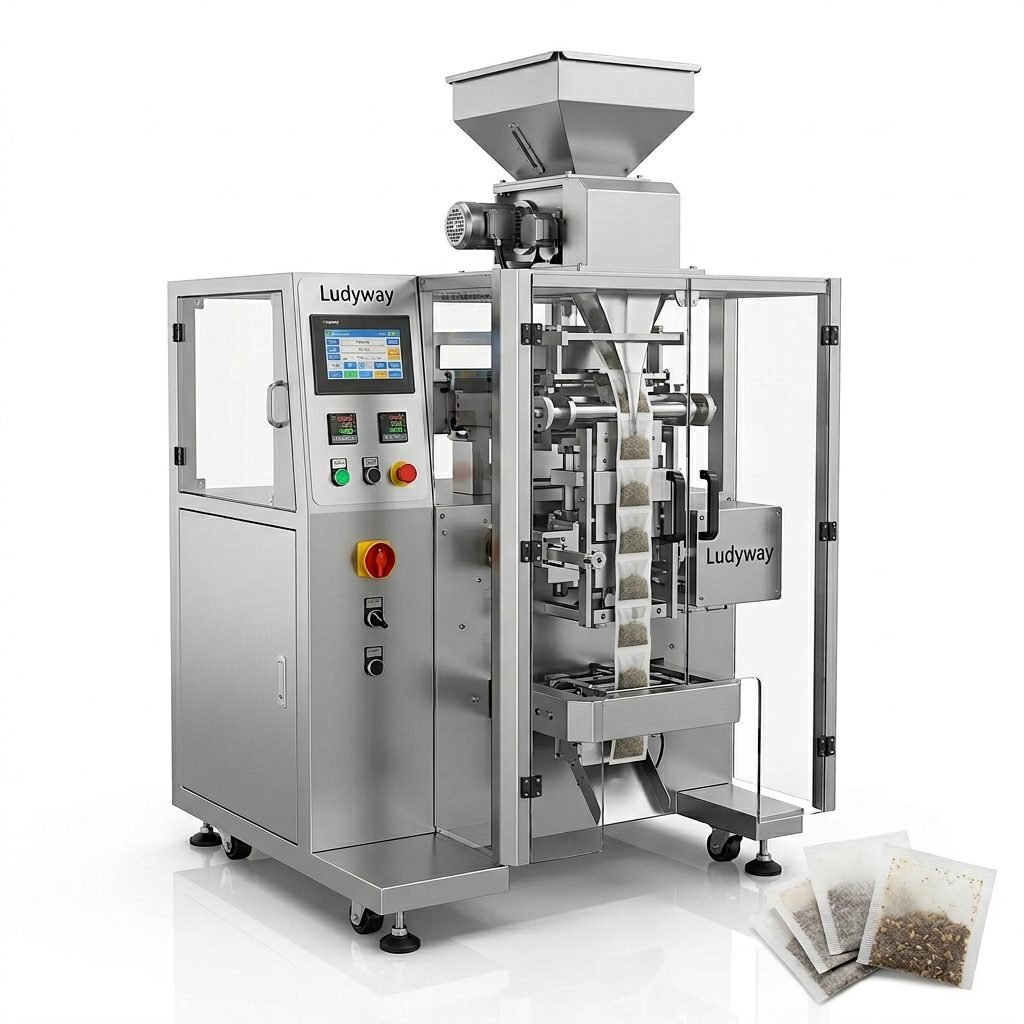
Tea BQS Blister Packing Machine Price Ranges by Configuration
The following table provides a general overview of price ranges based on machine configuration and production capacity. Actual prices may vary depending on customization, optional modules, and the supplier’s location.
| Machine Type | Lane Configuration | Output Range (packs/min) | Estimated Price (USD) |
|---|---|---|---|
| Semi-Automatic Stick Pack | 1-4 Lanes | 30-120 | $15,000 – $35,000 |
| Automatic Multi-Lane Sachet | 6-8 Lanes | 180-400 | $45,000 – $75,000 |
| High-Speed Blister + Sachet Line | 10-12 Lanes | 400-600+ | $80,000 – $120,000+ |
| Turnkey Integrated Line | Custom Multi-Lane | 500-1000+ | $150,000 – $300,000+ |
Essential Features to Evaluate Before Purchase
Beyond price, evaluating the technical capabilities and build quality of a Tea BQS blister packing machine is crucial. The following features should be prioritized when comparing different models and manufacturers.
- Servo-Driven Motion Control: Ensures precise synchronization of film feeding, dosing, sealing, and cutting. Servo systems offer greater reliability and faster changeovers compared to mechanical cam-driven alternatives.
- HMI Touchscreen Interface: A user-friendly interface with recipe storage, production data logging, and fault diagnostics simplifies operation and reduces training time for line operators.
- Automatic Registration and Tension Control: Maintains accurate film alignment and prevents wrinkling or misalignment that can compromise seal integrity and pack appearance.
- Easy Clean Design and Quick Changeover: Tool-less change parts, accessible sealing stations, and washdown-compatible construction reduce downtime between product batches.
- Nitrogen Flushing Capability: For oxygen-sensitive tea products, nitrogen gas flushing extends shelf life by displacing residual oxygen inside the sealed pack.
- Integrated Reject System: Automatically detects and ejects underweight or improperly sealed packs, ensuring only quality products reach final packaging.

Additional Costs to Consider Beyond the Machine Price
When budgeting for your tea packaging equipment, the sticker price of the machine is only one component of the total cost of ownership. Accounting for these ancillary expenses upfront prevents unexpected financial strain after installation.
- Installation and Commissioning: On-site setup, electrical and pneumatic connections, and initial calibration by factory-trained technicians can add $2,000 to $8,000 depending on location and complexity.
- Operator Training: Comprehensive training for your production team ensures optimal machine utilization and reduces the risk of operator error during the learning curve.
- Spare Parts and Consumables: Budget for sealing jaws, cutting blades, forming tubes, filters, and other wear components that require periodic replacement during normal operation.
- Ongoing Maintenance: Preventive maintenance contracts with the manufacturer or local service partner help minimize unplanned downtime and extend machine service life.
- Shipping and Logistics: International freight, customs duties, and inland transportation can represent a significant portion of the total procurement cost, especially for large turnkey lines.
Return on Investment Considerations
A properly specified Tea BQS blister packing machine typically achieves full return on investment within 18 to 36 months through increased output, reduced labor costs, lower material waste, and improved product consistency. Manufacturers producing over 5 million packs annually often find that the efficiency gains from a high-speed multi-lane system far outweigh the higher initial capital expenditure.
Choosing the Right Supplier and Manufacturer
Selecting a reputable equipment manufacturer is as important as choosing the right machine specifications. Look for suppliers with a proven track record in tea and food packaging applications, comprehensive after-sales support, and the ability to provide references from similar installations. A manufacturer with an extensive portfolio of packaging machine models can offer tailored solutions rather than forcing a one-size-fits-all approach.
Key supplier evaluation criteria include:
- Years of experience in the packaging machinery industry
- Availability of local service technicians or distributor partners
- Warranty terms and post-warranty support options
- Proven installations in tea or similar dry product applications
- Capacity to provide factory acceptance testing before shipment
- Responsive technical support and spare parts availability
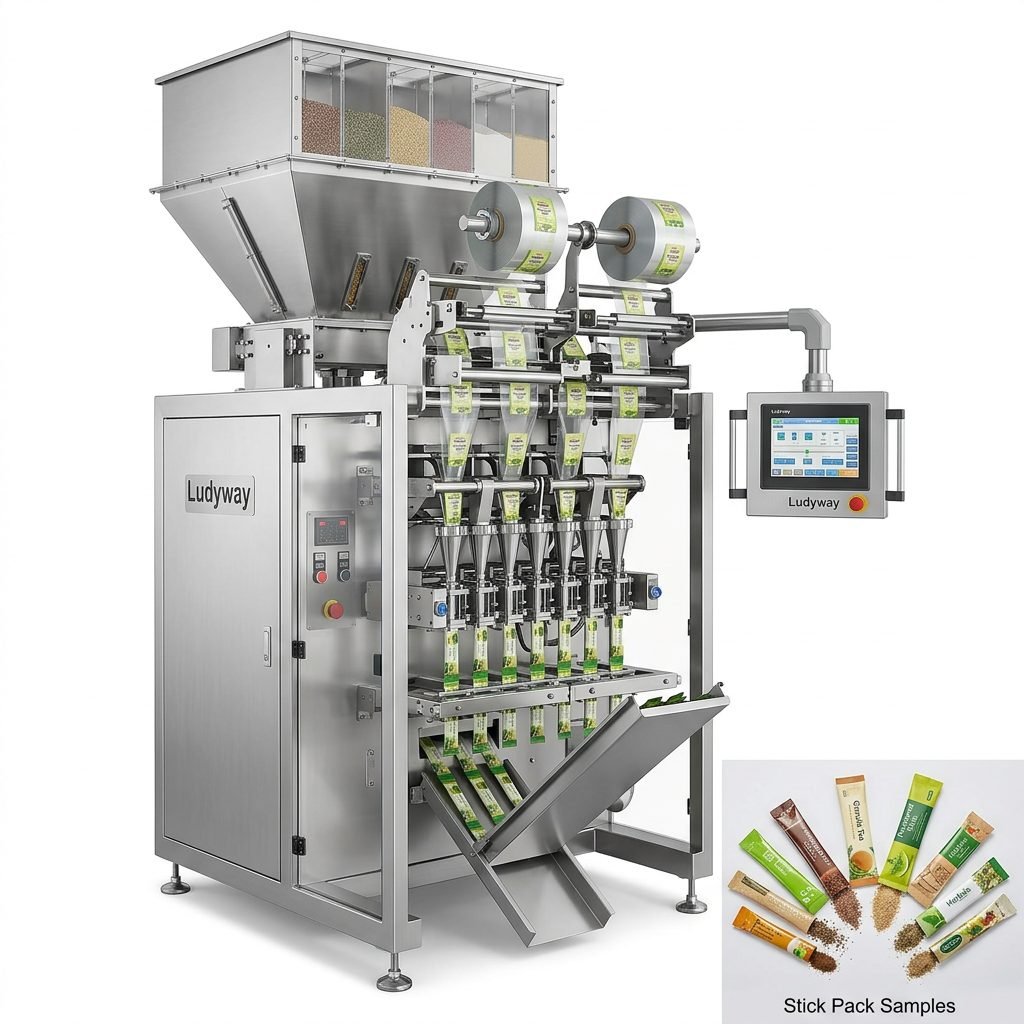
Regulatory Compliance and Quality Standards
Tea packaging equipment intended for food-grade applications must comply with relevant international standards. Machines constructed with stainless steel product contact parts, food-grade seals and gaskets, and designs that facilitate sanitary operation are essential for meeting FDA, EU, and other regional food safety requirements. Verify that the equipment supplier adheres to GMP design principles and can provide material certifications upon request.
Certifications to Look For
- CE Marking: Required for machinery sold in the European Economic Area, indicating conformity with health, safety, and environmental protection standards.
- ISO 9001: Quality management system certification that demonstrates the manufacturer’s commitment to consistent product quality and continuous improvement.
- FDA Compliance: For equipment destined for the U.S. market, ensuring materials and design meet Food and Drug Administration requirements for food contact.
- UL/CSA Certification: Electrical safety certifications relevant for North American installations.
Common Mistakes to Avoid When Purchasing
Even experienced production managers can make costly missteps when specifying packaging equipment. Being aware of these common pitfalls can save significant time, money, and operational headaches.
- Underestimating Future Capacity Needs: Purchasing a machine that barely meets current demand leaves no room for growth. Consider your 3-5 year production forecast when specifying lane configuration and speed.
- Overlooking Film and Material Compatibility: Verify that the machine can run the packaging materials you intend to use, including any sustainable or recyclable alternatives you may adopt in the future.
- Ignoring Total Cost of Ownership: The lowest upfront price rarely translates to the lowest long-term cost. Factor in energy consumption, maintenance complexity, and spare parts pricing when comparing options.
- Skipping Factory Acceptance Testing: Witnessing your machine run with your actual product before shipment identifies potential issues early and ensures the equipment meets agreed-upon specifications.
Financing and Leasing Options
For companies that prefer to preserve working capital, equipment leasing and financing arrangements are increasingly common in the packaging machinery sector. Many manufacturers and third-party financiers offer flexible payment terms, including lease-to-own structures, deferred payment plans, and multi-year financing with competitive interest rates. Exploring these options can make a higher-specification machine accessible within your current budget constraints while aligning payments with the revenue generated by increased production capacity.
After-Sales Support and Maintenance Considerations
The relationship with your equipment supplier does not end at installation. Responsive after-sales support is critical for maintaining production uptime. When evaluating suppliers, inquire about the availability of remote diagnostic capabilities, video-assisted troubleshooting, on-site service response times, and the geographic proximity of spare parts distribution centers. A manufacturer that provides comprehensive operator manuals, maintenance schedules, and access to online technical resources adds significant long-term value.
Ludyway is one of the largest packaging machine manufacturers in China, specializing in advanced packaging equipment and turnkey production solutions for the food, pharmaceutical, and health industries. With over 30 years of industry expertise, the company offers reliable and efficient tea packaging solutions for granule, powder, and pouch packaging applications, supporting businesses in more than 100 countries worldwide.
For additional industry insights and market data, refer to resources such as the PMMI Business Intelligence Library, the Flexible Packaging Association Industry Resources, and ISO Packaging Standards for up-to-date information on packaging machinery trends, regulatory requirements, and technology advancements in the flexible packaging sector.
Final Recommendations
Purchasing a Tea BQS blister packing machine represents a strategic investment that impacts product quality, production efficiency, and brand competitiveness. By carefully evaluating your production requirements, understanding the full cost picture, and partnering with a reputable manufacturer that offers strong after-sales support, you can make a confident purchasing decision that delivers value for years to come. Prioritize build quality, dosing accuracy, and material compatibility over price alone, and always plan for future growth when specifying your machine configuration.