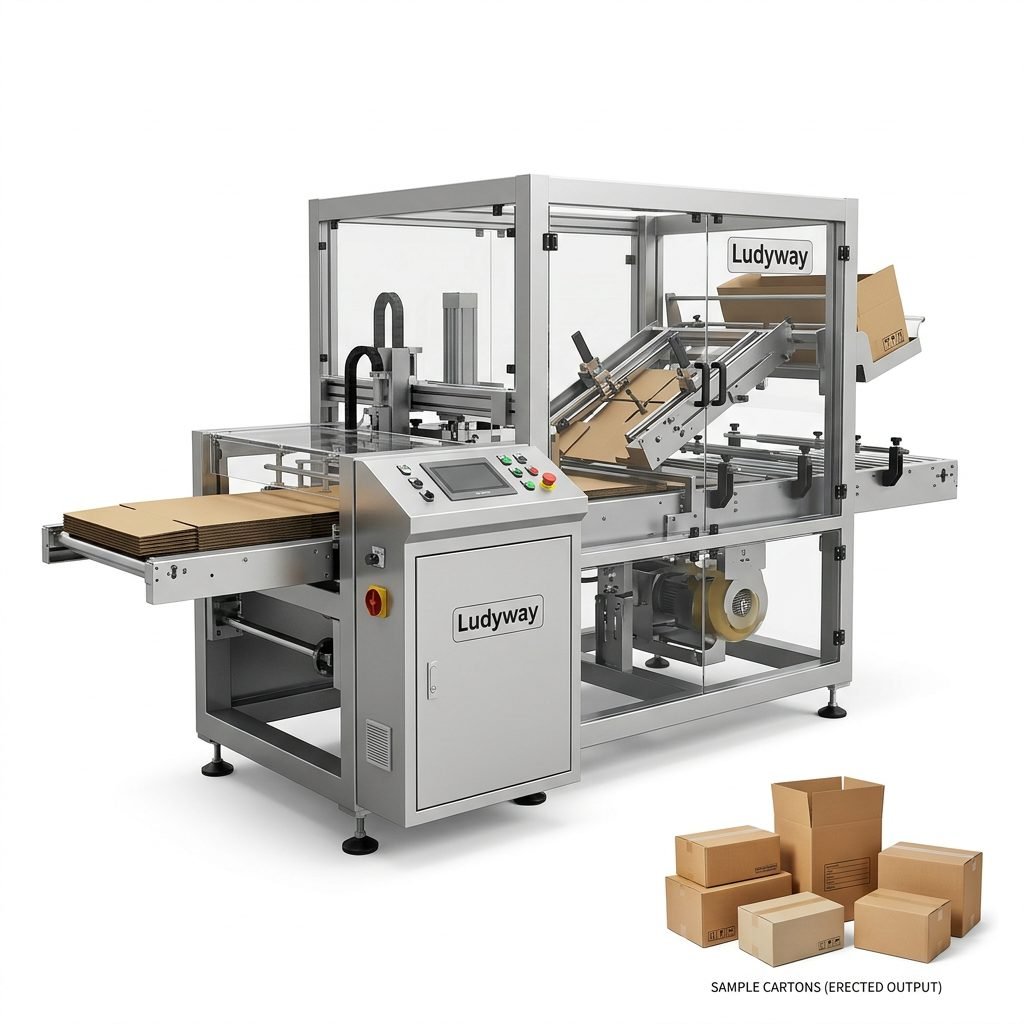
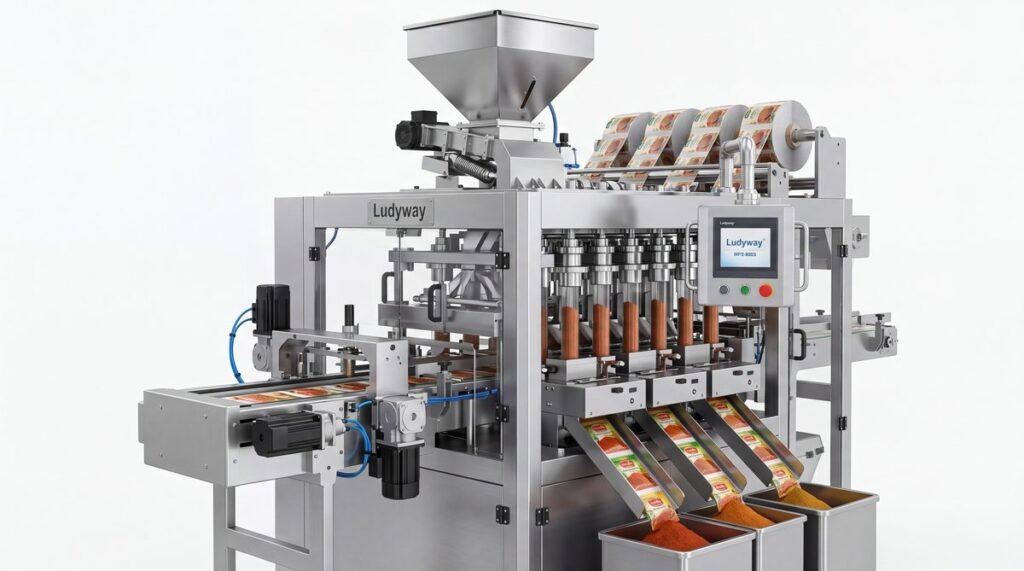
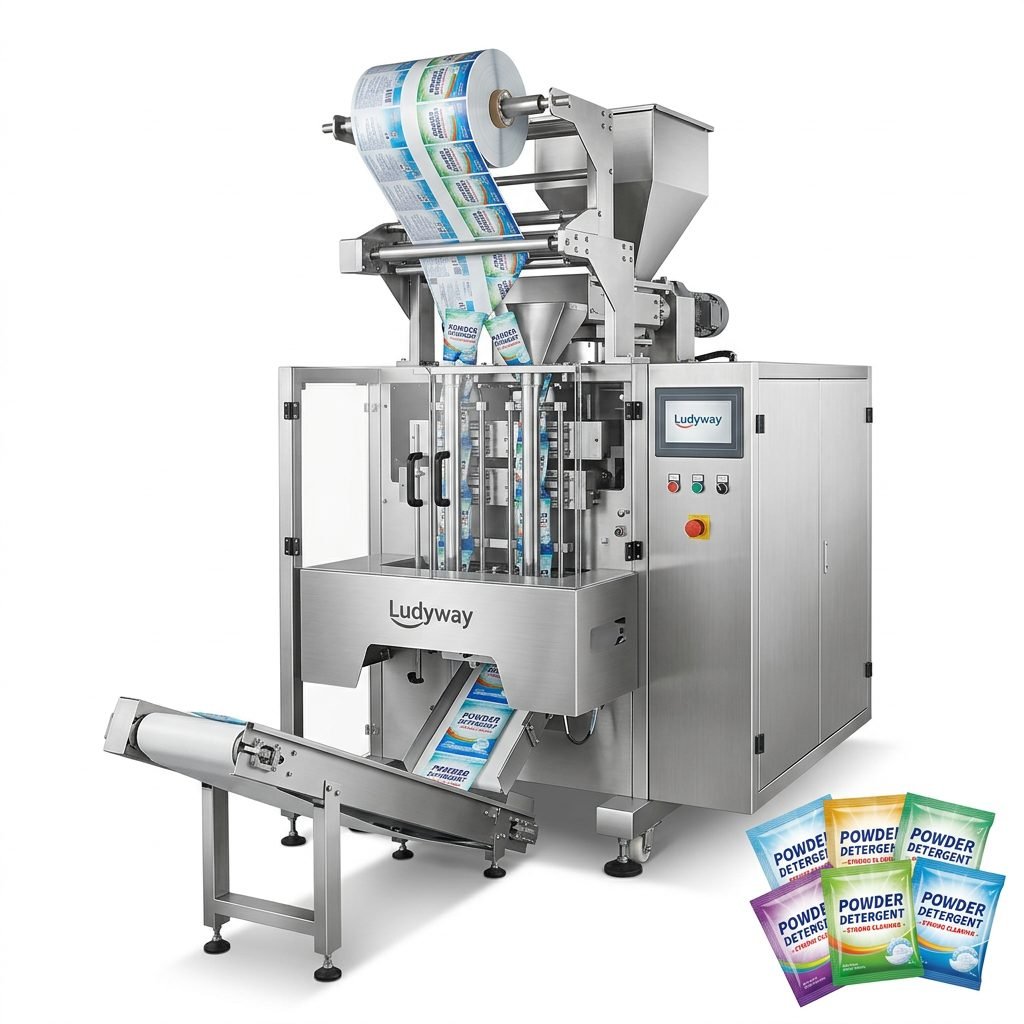
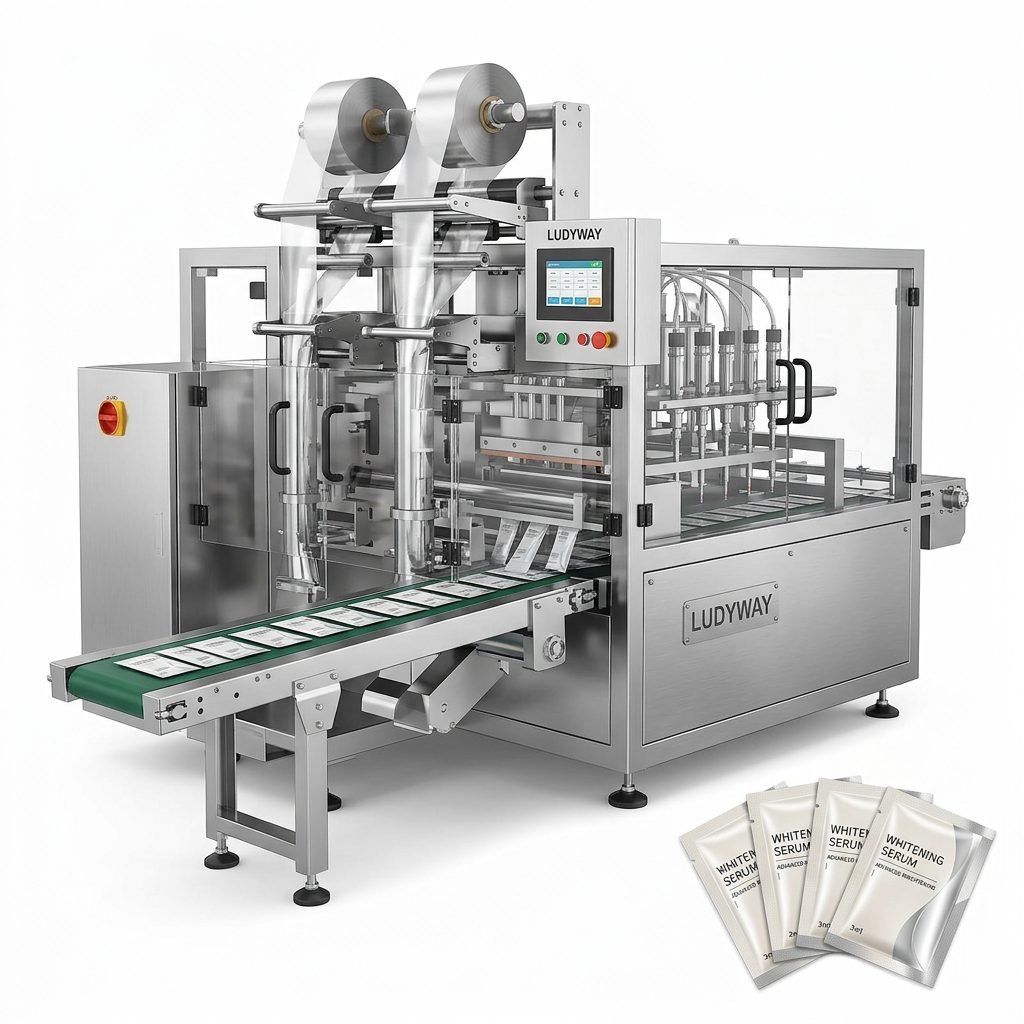
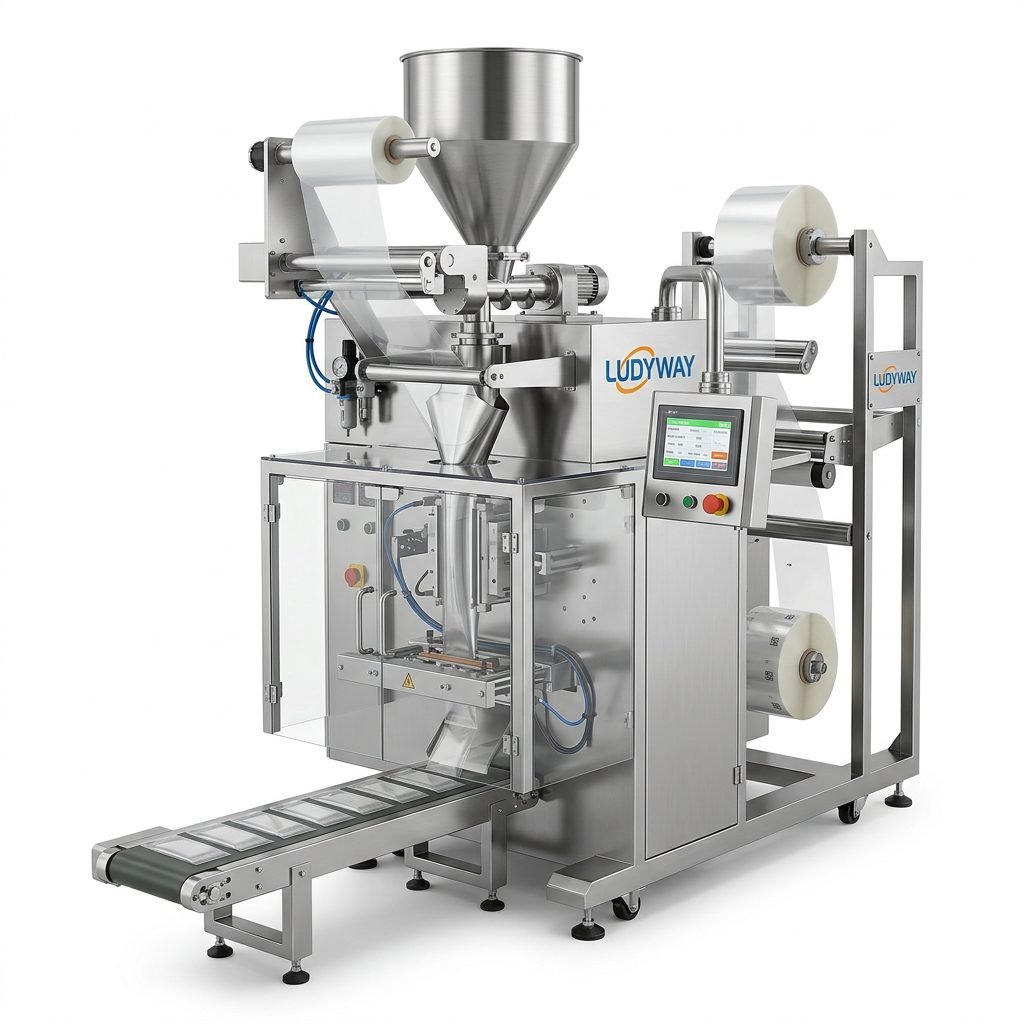
Keeping your bottle carton packaging machine in top working condition is essential for maximizing productivity and minimizing costly downtime. A well-maintained machine ensures consistent carton forming, precise bottle insertion, and reliable sealing. By implementing a structured maintenance routine, you can significantly extend the lifespan of your equipment and protect your investment. This guide outlines practical, step-by-step maintenance advice to help you keep your packaging line running smoothly and efficiently.
Why Regular Maintenance is Critical
Neglecting routine upkeep on a carton packaging machine can lead to a cascade of problems including misaligned cartons, bottle jams, and inconsistent glue application. These issues not only slow down production but also increase material waste and the risk of premature component failure. A proactive maintenance strategy is your best defense against unexpected breakdowns and expensive emergency repairs.
Daily Cleaning and Visual Inspection
Daily cleaning is the cornerstone of effective packaging machinery maintenance. Dust, cardboard particles, and glue residue can accumulate quickly, interfering with sensors and moving parts. Every shift should begin or end with a thorough wipe-down of all accessible surfaces.
Key Areas to Clean Daily
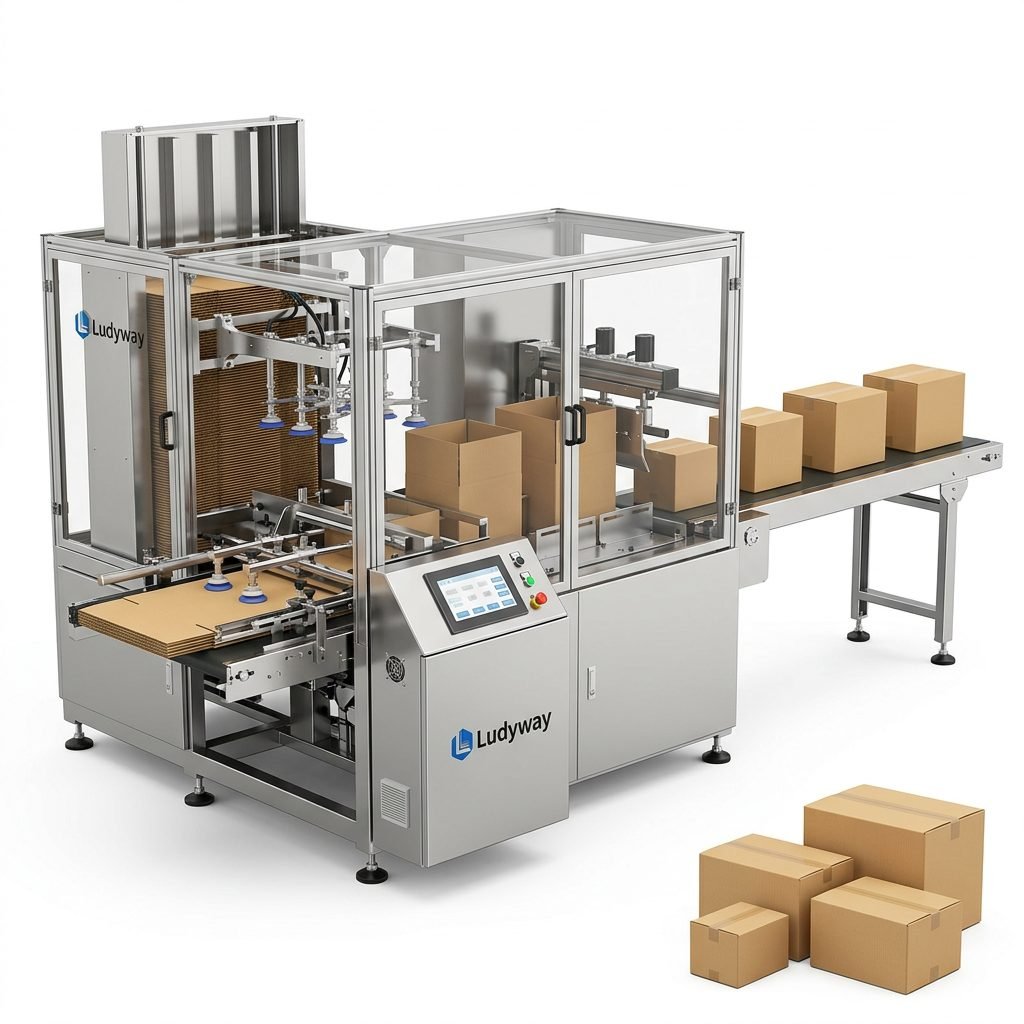
- Carton Magazine and Pick-Up Area: Remove paper dust and debris that can affect suction cup grip.
- Glue Application System: Wipe nozzles and surrounding areas to prevent clogging and ensure a clean bond.
- Bottle Infeed Guides: Clear any broken glass or label fragments to prevent jamming.
- Photo-Eye Sensors: Gently clean lenses with a lint-free cloth to avoid detection errors.
Lubrication of Critical Components
Proper lubrication reduces friction and wear on high-speed moving parts, ensuring smooth operation. Always use the lubricants specified in your machine’s technical manual. Over-lubricating can be just as damaging as under-lubricating, attracting dust and creating a messy buildup.
Essential Lubrication Points
- Linear bearings and guide rails for the carton forming head.
- Rotary joints and linkages in the bottle loading section.
- Drive chains and sprockets for the product conveyor system.
- Cam followers and rollers that control folding sequences.
Inspection and Replacement of Wear Parts
Even robust packaging equipment relies on components designed to wear over time. Regularly inspecting and proactively replacing these items prevents sudden failures. Pay close attention to suction cups, vacuum filters, and cutting blades. Deteriorated suction cups will fail to pick cartons reliably, while dull blades can crush cardboard rather than cut it cleanly.
Electrical System and Sensor Checks
The electrical system is the nervous system of your bottle carton packaging machine. Loose connections, damaged cables, and dirty sensors are common culprits behind intermittent faults. A monthly check of your control panel and field devices is highly recommended.
Monthly Electrical Checklist
- Inspect terminal blocks for tightness and signs of overheating.
- Verify that all safety interlocks and emergency stops function correctly.
- Check that photo-eyes and proximity sensors are securely mounted and aligned.
- Ensure the PLC and HMI enclosures maintain proper seals against dust and moisture.
Pneumatic System Maintenance
Most cartoning machines rely heavily on pneumatics for motions like folding, pushing, and sealing. A stable and clean air supply is crucial. Drain water traps daily and inspect air lines for leaks, which can cause pressure drops and inconsistent machine timing. The packaging industry reports consistently show that poor air quality is a major factor in actuator failure.

Calibration and Adjustment
Over time, mechanical settings can drift, leading to skewed cartons or inaccurate product placement. A quarterly calibration schedule should include verifying the timing of the carton chain against the bottle infeed. For pharmaceutical applications, ISO 11607 standards mandate strict process control, making regular calibration vital for compliance. Minor adjustments to guide rails are normal, but significant changes may indicate worn parts elsewhere.
Common Bottle Carton Packaging Machine Issues and Quick Fixes
| Common Problem | Possible Cause | Quick Action |
|---|---|---|
| Carton not picking | Worn suction cups or vacuum leak | Replace cups, check filter and hoses |
| Carton flaps not closing correctly | Misaligned folding rails | Inspect and realign guides per manual |
| Glue smearing or poor adhesion | Dirty nozzle or incorrect temperature | Clean nozzle, verify hot melt temp |
| Intermittent machine stoppages | Faulty sensor or loose connection | Clean sensors, secure wiring terminals |
Implementing a Preventive Maintenance Schedule
Transitioning from reactive repairs to a disciplined preventive maintenance program is transformative. A structured plan consolidates tasks and ensures nothing is overlooked. Use a digital log or CMMS to record all activities, track spare parts inventory, and monitor machine performance trends. Regulations from the FDA regarding packaging often require documented maintenance for food and drug safety. Aligning your schedule with operational hours rather than calendar dates is generally more effective.
Sample Maintenance Schedule Framework
| Frequency | Task Focus | Responsibility |
|---|---|---|
| Daily | Clean sensors, wipe down surfaces, drain air filters | Operator |
| Weekly | Inspect wear parts, lubricate specific points, check guarding | Maintenance Technician |
| Monthly | Electrical checks, pneumatic leak audit, safety system test | Electrical Engineer |
| Quarterly | Full calibration, replace major filters, gearbox oil check | Senior Technician |
| Annually | Comprehensive overhaul, chain/belt replacement, motor inspection | Manufacturer Service Team |
Operator Training and Empowerment
Your machine operators are your first line of defense. They witness the subtle sounds and behaviors of the bottle carton packaging machine daily. Empower them with the knowledge to identify early warning signs, such as unusual vibrations or slow cycle rates. A well-trained team that can perform basic cleaning and report anomalies accurately is more valuable than a highly sophisticated reactive repair plan.
Spare Parts Management
One major cause of extended downtime is simply not having the right part on hand. A strategic spare parts inventory should include items with known lead times or high wear rates. Don’t wait for a failure to order replacements.
Recommended Critical Spares List
- Assorted suction cups and vacuum generators.
- Drive belts and timing belts.
- Heater cartridges and thermocouples for the glue pot.
- Commonly used sensors and relays.
- Folding and tucking blades.
Partnering with a Reliable Manufacturer
Achieving world-class equipment reliability often requires a strong partnership with your machinery manufacturer. Access to expert technical support, genuine OEM parts, and proactive service recommendations can make a significant difference. As a trusted provider in the sector, Ludyway supports customers with comprehensive after-sales service, helping plants optimize their packaging operations through robust engineering and responsive assistance. A collaborative relationship ensures your equipment continues to perform at its peak for decades, adapting to new packaging demands as your business grows.