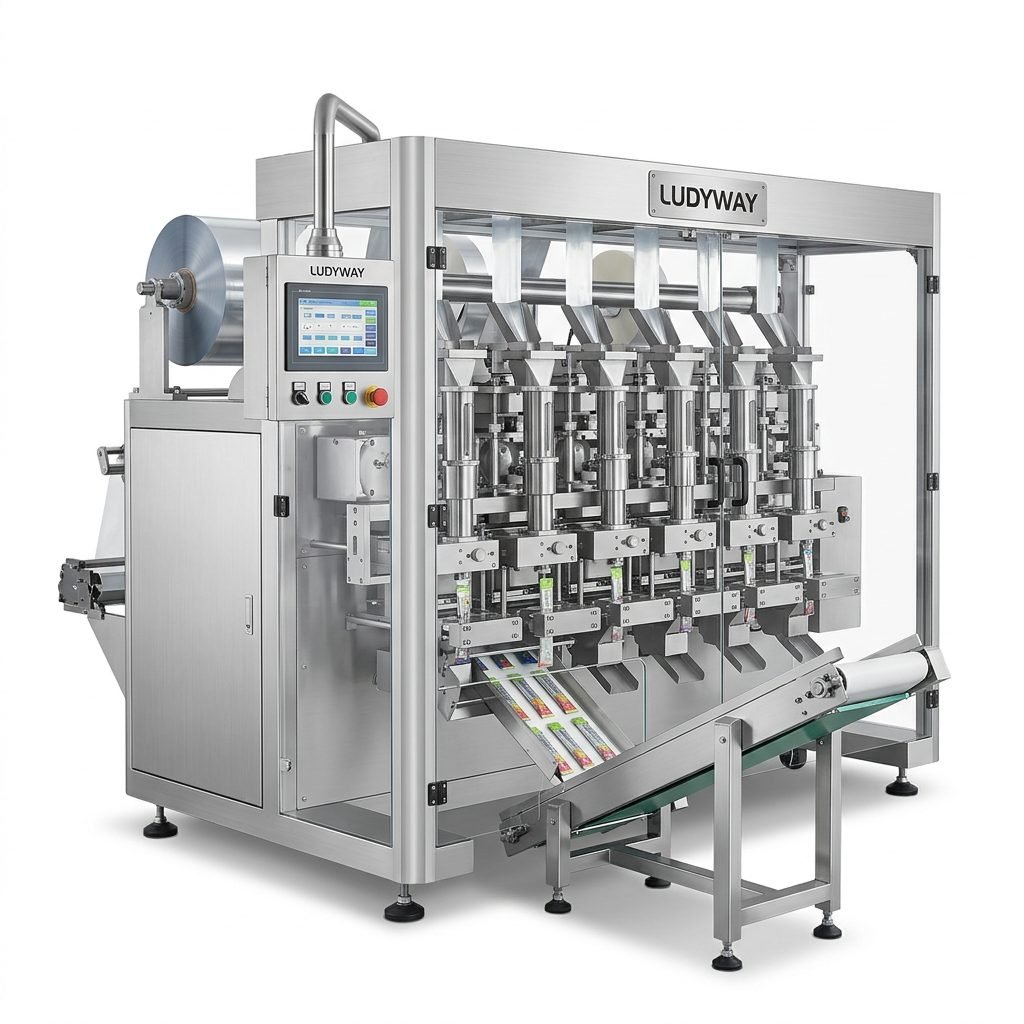
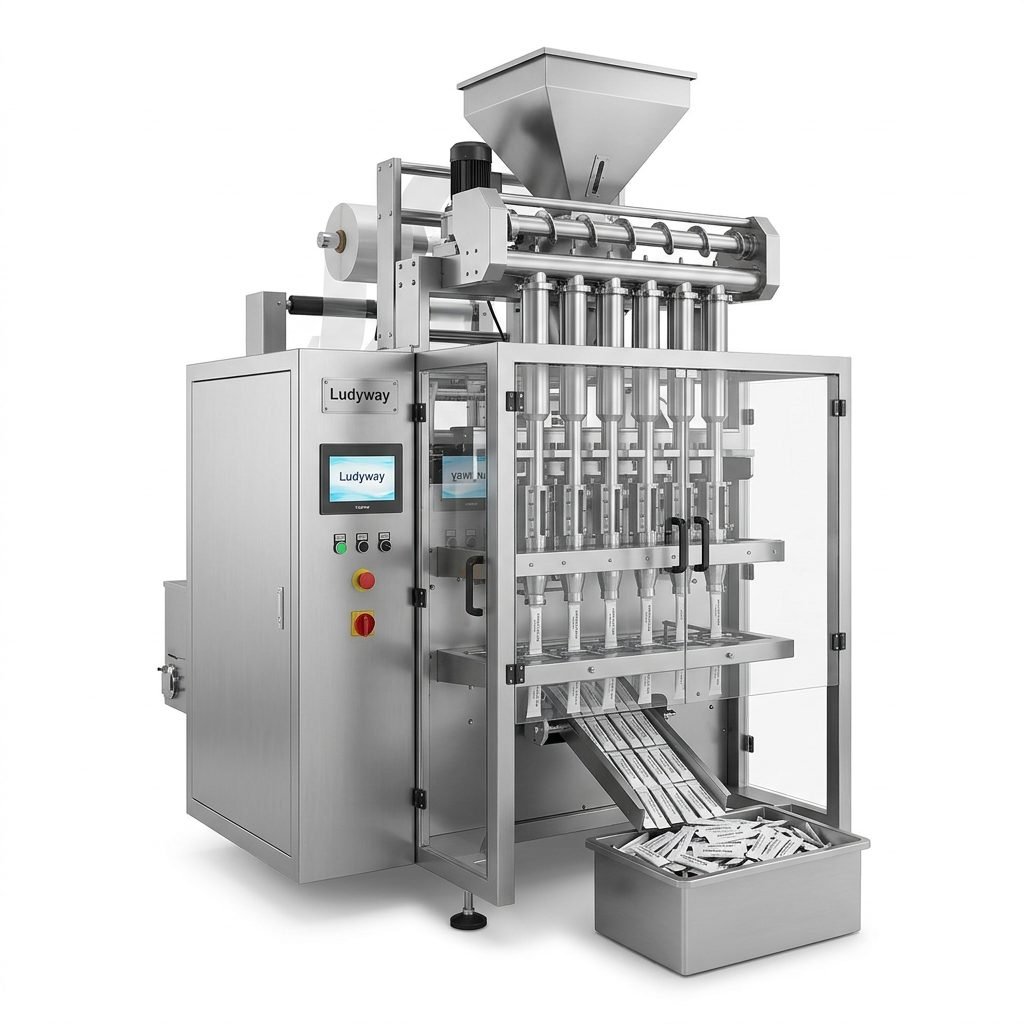
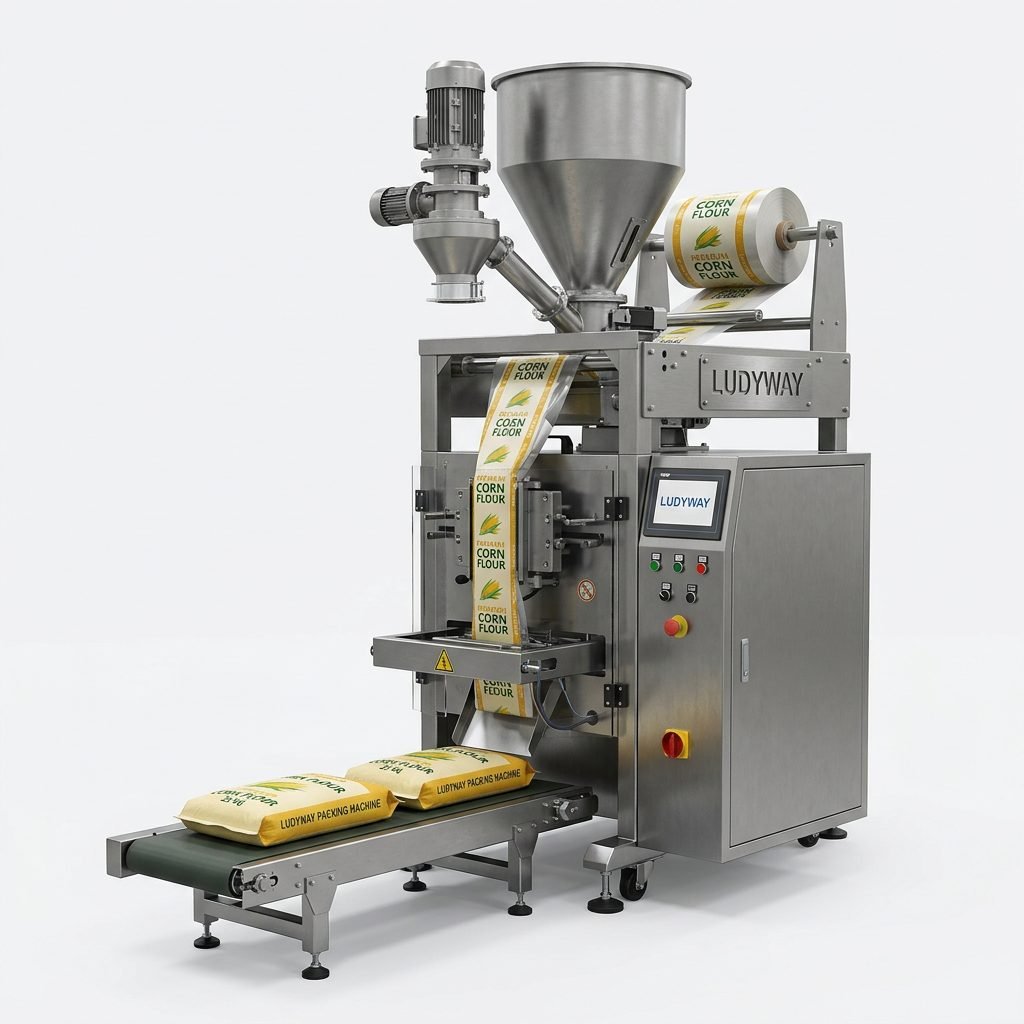
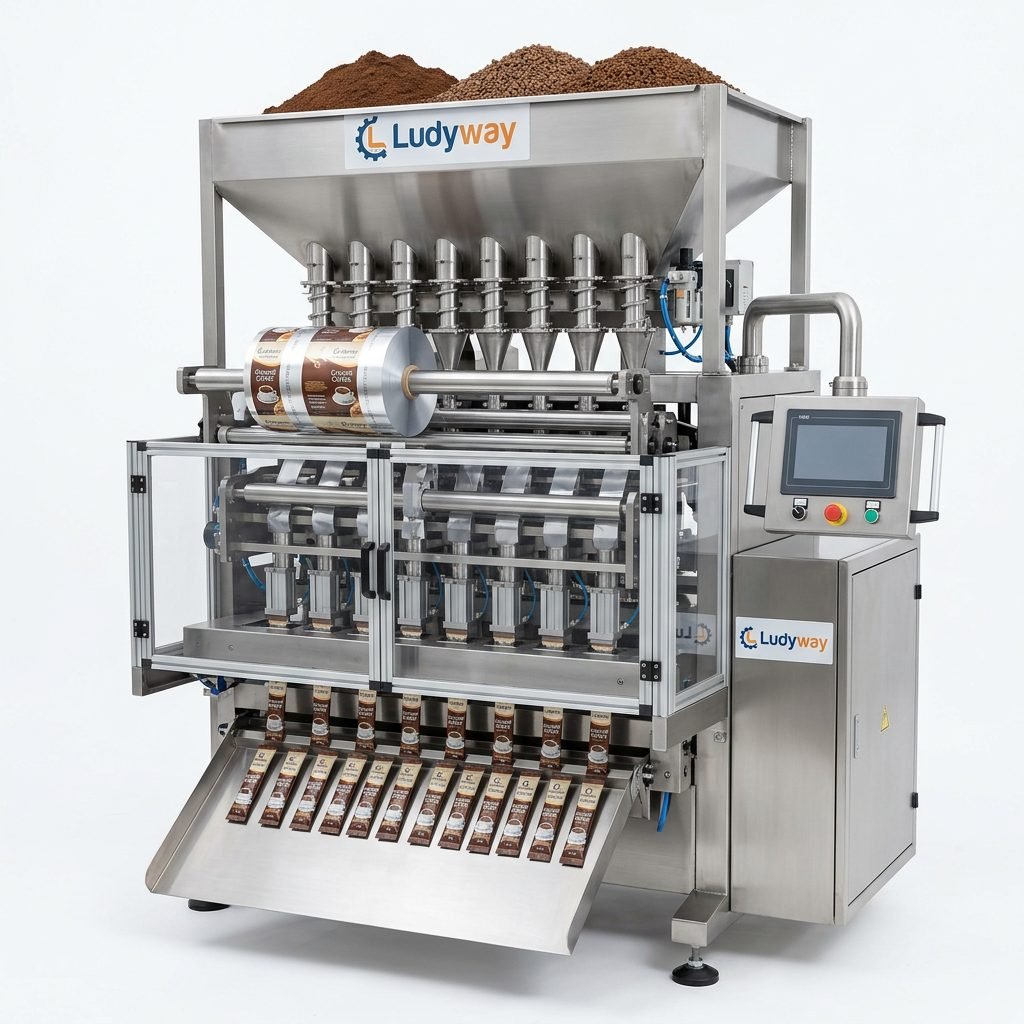
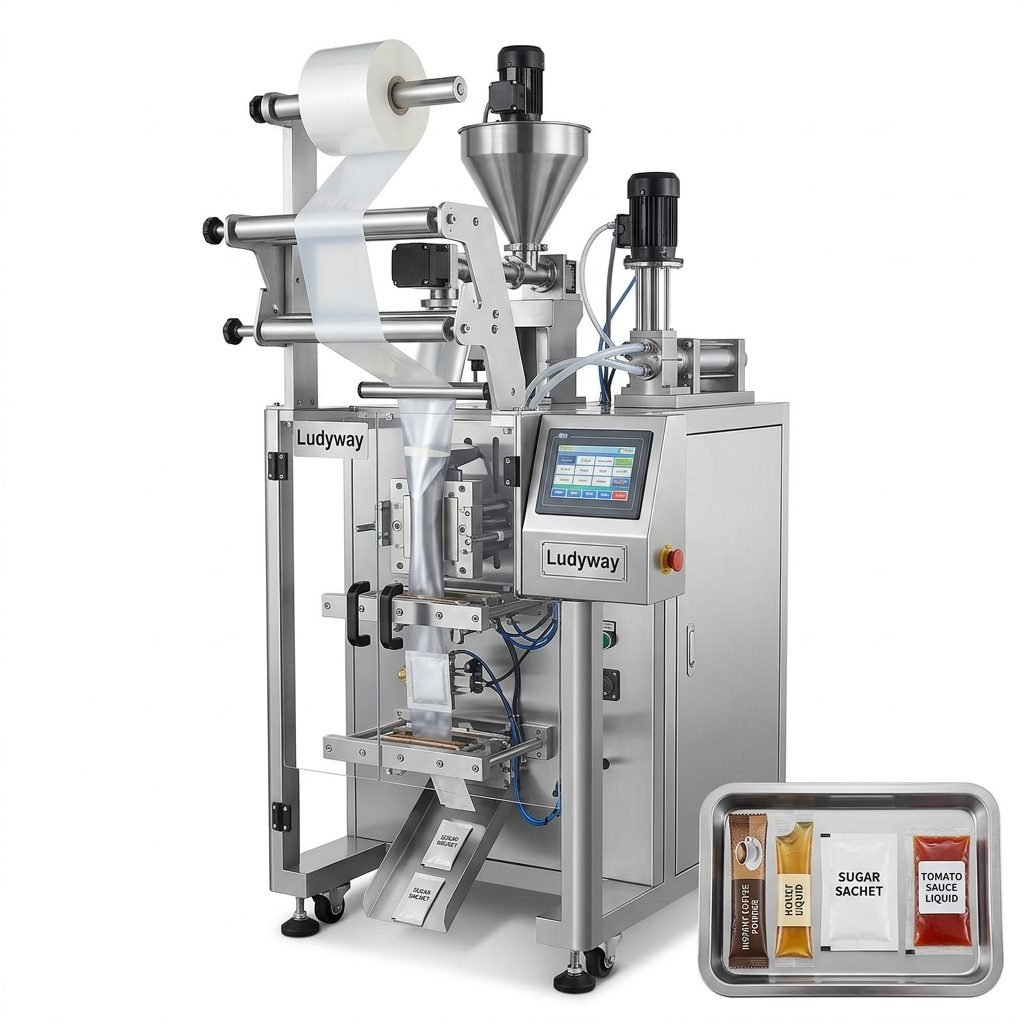
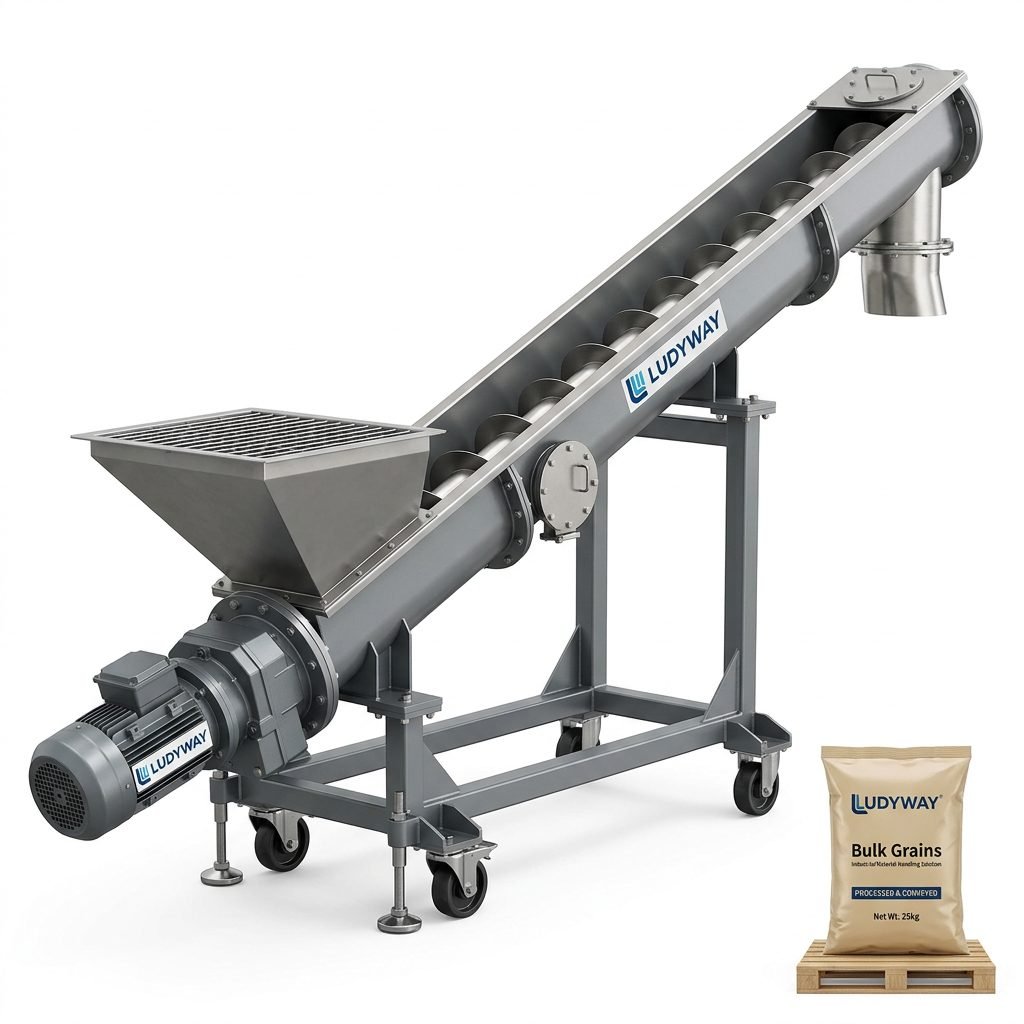
Proper maintenance of a BVM (Bag, Valve, and Form-Fill-Seal) packaging machine is critical for ensuring consistent throughput, minimizing downtime, and extending the lifespan of your production line. Without a structured upkeep routine, even the most robust machinery can suffer from seal integrity issues, misfeeds, or premature component wear. This guide outlines the essential daily, weekly, and monthly checks you need to implement for peak operational reliability.
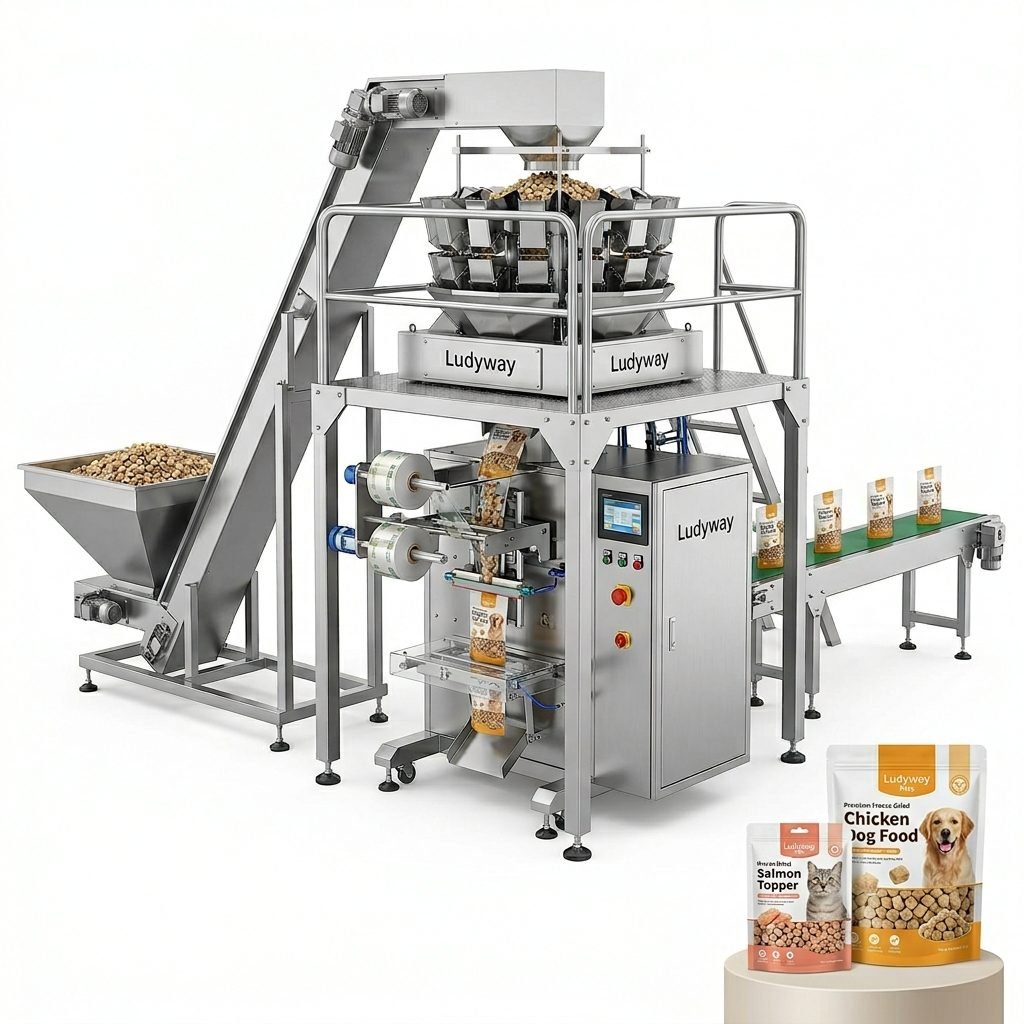
1. Daily Pre-Operation Inspection Checklist
Starting each shift with a thorough walk-around prevents small issues from escalating. The goal is to verify the machine is clean, calibrated, and ready to run without interruption.
- Pneumatic System Check: Drain the air filter water trap and verify the pressure gauge reads within the manufacturer’s specified range. Inconsistent air pressure is a leading cause of sealing jaw misalignment.
- Sealing Surface Integrity: Inspect the heated sealing jaws and Teflon tape for residue buildup or charring. Worn non-stick coatings directly compromise hermetic seal quality.
- Film Registration: Run a test cycle to ensure the eye-mark sensor correctly registers the printed film. Unwind tension must be balanced to prevent film drifting.
- Safety Interlocks: Test all safety guards and emergency stops. A packaging machine should never operate with bypassed door sensors.
Quick Daily Lubrication Map
| Component | Lubricant Type | Frequency |
|---|---|---|
| Sealing Jaw Bearings | Food-Grade Grease | Every 8 Hours |
| Filling Auger Shaft | Light Machine Oil | Daily |
| Chain Drives | Synthetic Chain Oil | Weekly |
2. Deep Cleaning Protocols for Product Contact Parts
Cross-contamination and mechanical binding are direct results of poor cleaning habits. Depending on whether you are running powder, granule, or liquid products, the cleaning frequency may shift, but the methodology remains strict.

Key Areas to Disassemble and Clean
- Forming Tube and Collar: Residual dust accumulates under the forming collar, causing film scratching and static build-up. Use compressed air and an approved solvent.
- Hopper and Auger/Filler: For granule and powder applications, fully empty the hopper and brush the metering disc to prevent clogging and inconsistent dosing weights.
- Cross-Seal Jaws: Remove carbonized product residue using a brass brush to avoid damaging the knurled surface, which is essential for airtight seals.
3. Weekly Electrical and Sensor Calibration
Modern BVM machines rely heavily on precision sensors. Temperature fluctuations, vibration, and dust can cause signal drift. A weekly calibration routine ensures the machine maintains tight packaging tolerances.
Sensor Calibration Focus
- Thermocouple Verification: Compare the screen’s temperature reading against a calibrated external probe. A 5°C deviation can be the difference between a perfect seal and a leaker.
- Load Cell Tare Check: For multi-head weighers, run an empty cycle. If the drift is significant, perform a digital tare through the HMI. This is crucial for high-precision packaging machines.
- Inspection System Rejection: Pass a known reject sample through the metal detector or checkweigher to confirm the reject arm timing is accurate.
4. Planned Maintenance: Belt and Bearing Replacement
Running a machine until a timing belt snaps leads to costly unscheduled downtime. Visual inspection of belts for tooth wear and edge fraying should happen weekly. However, proactive replacement is dictated by the OEM maintenance schedule, typically every 2,000 to 4,000 operating hours. When replacing OEM parts, always refer to the original equipment specifications to ensure proper tensioning. As an established manufacturer, Ludyway provides comprehensive documentation and spare parts kits specifically designed to simplify these routine service intervals, ensuring longevity and optimal throughput.

Troubleshooting Common Seal Failures
| Problem | Likely Cause | Corrective Action |
|---|---|---|
| Intermittent weak seals | Fluctuating air supply | Install a dedicated air dryer and accumulator tank. |
| Film tearing in the jaw area | Over-temperature dwell or faulty thermocouple | Recalibrate PID settings and replace the heater cartridge if damaged. |
| Bag length inconsistency | Slipping film feed belt | Clean the rubber rollers with alcohol and check tension springs. |
5. Long-Term Gearbox and Drive Health
Ignoring the mechanical drive train shortens machine life significantly. Pay attention to unusual vibrations or grinding sounds.
- Oil Analysis: Change gearbox oil annually or per OEM specs. Metal shavings in the oil indicate impending bearing failure.
- Servo Drive Cables: Inspect cables for tight bends or rubbing points that could cause shielding breakdown and erratic motor movement.
- Vacuum Generator: For machines with vacuum opening features, clean the Venturi element. Dust buildup reduces suction force.
Additional Resources and Industry Standards
For further reading on packaging machinery best practices, refer to the PMMI industry resources and the ISO packaging standards. Maintaining compliance with FDA food contact regulations is also essential for manufacturers.
A disciplined approach to maintenance is the most effective strategy to protect your investment in automated packaging technology. By following these structured cleaning, lubrication, and calibration protocols, you ensure your production line delivers reliable, high-speed output with minimal rejects.