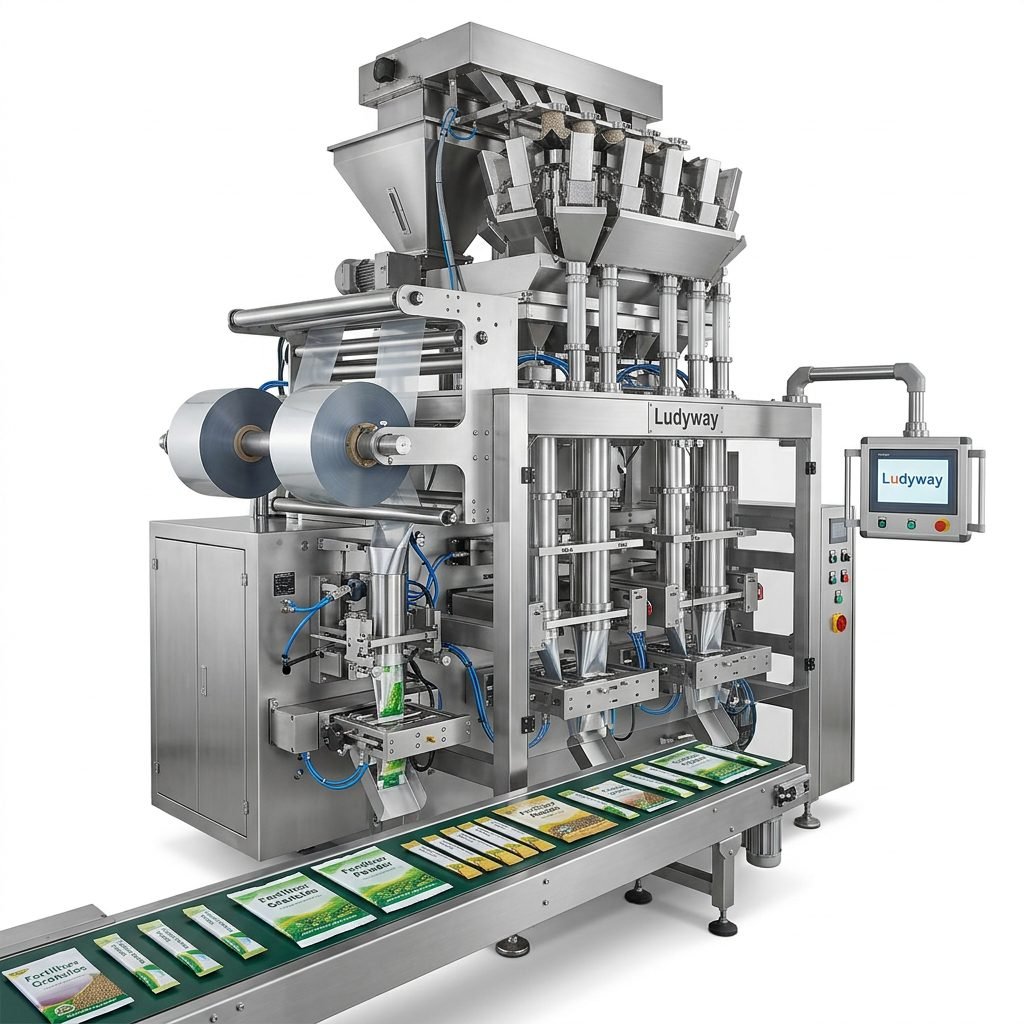
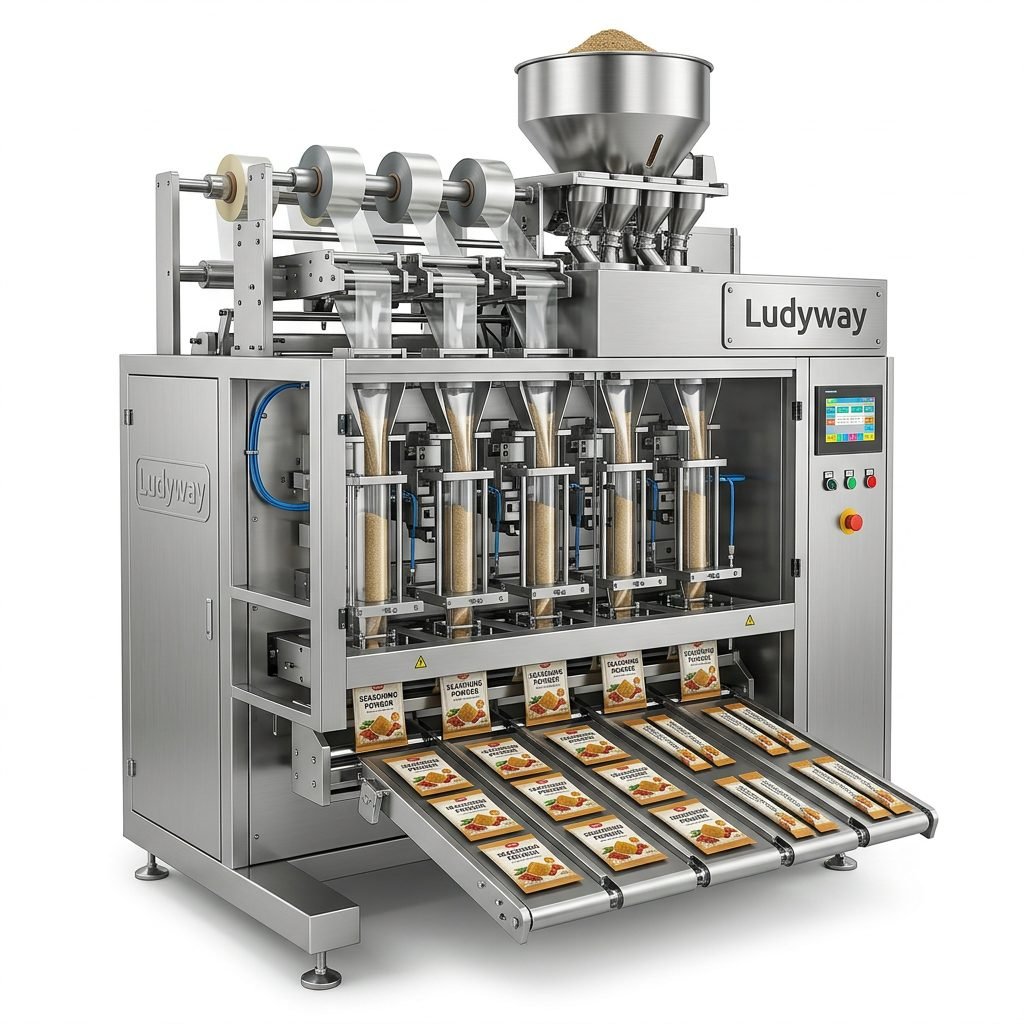
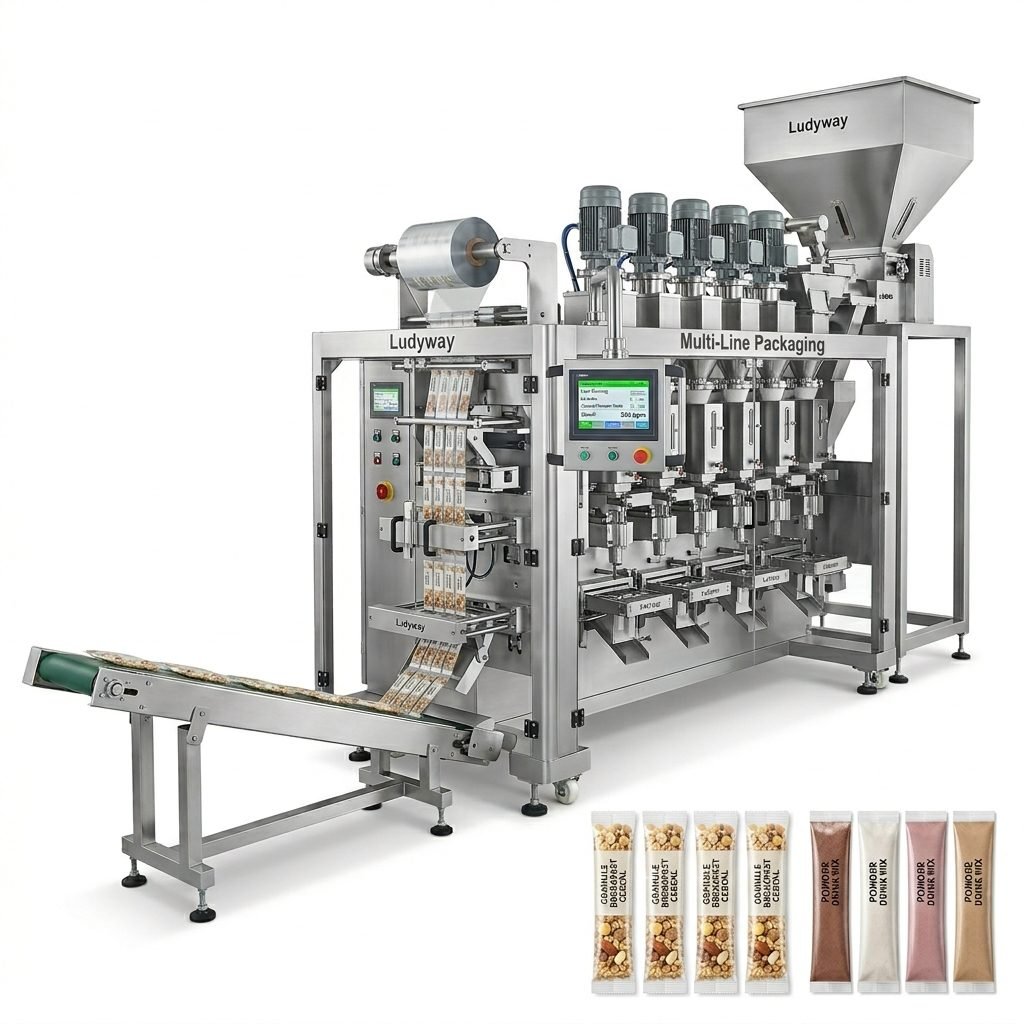
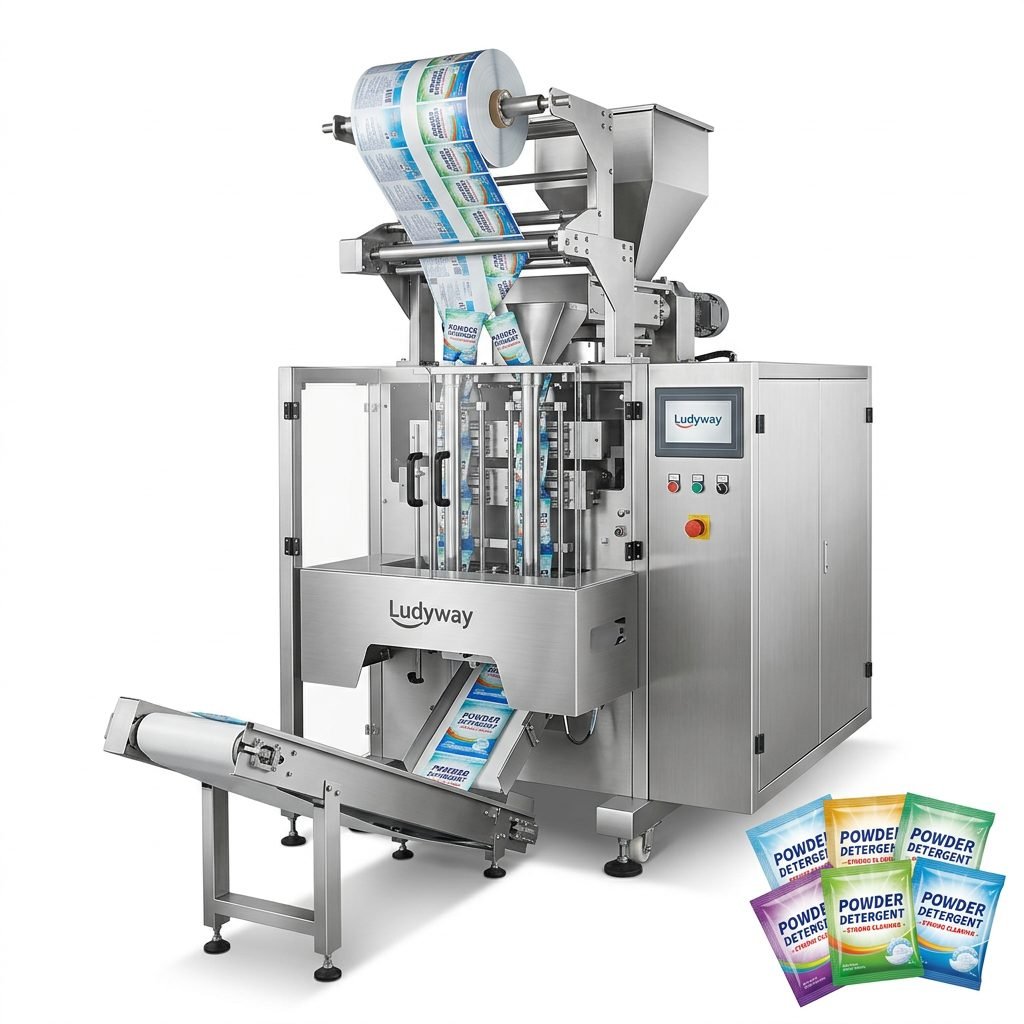
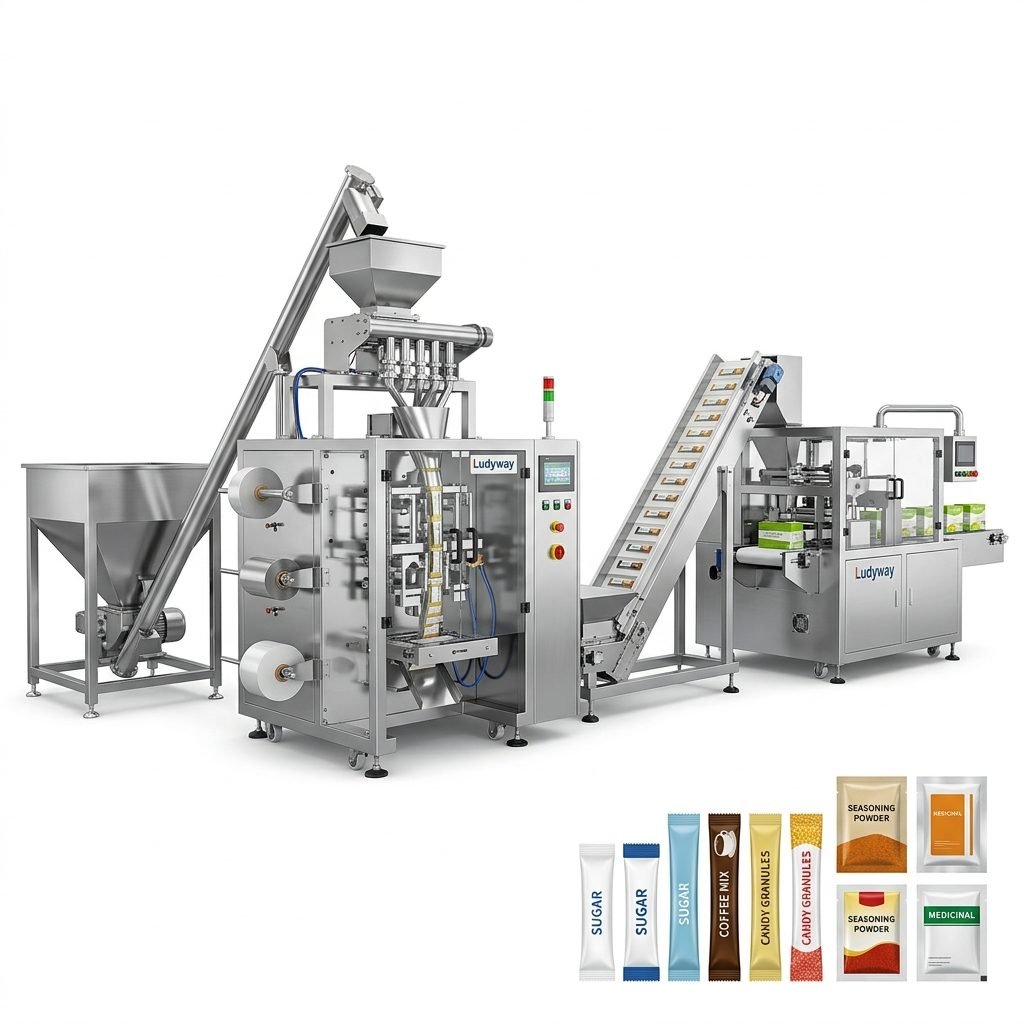
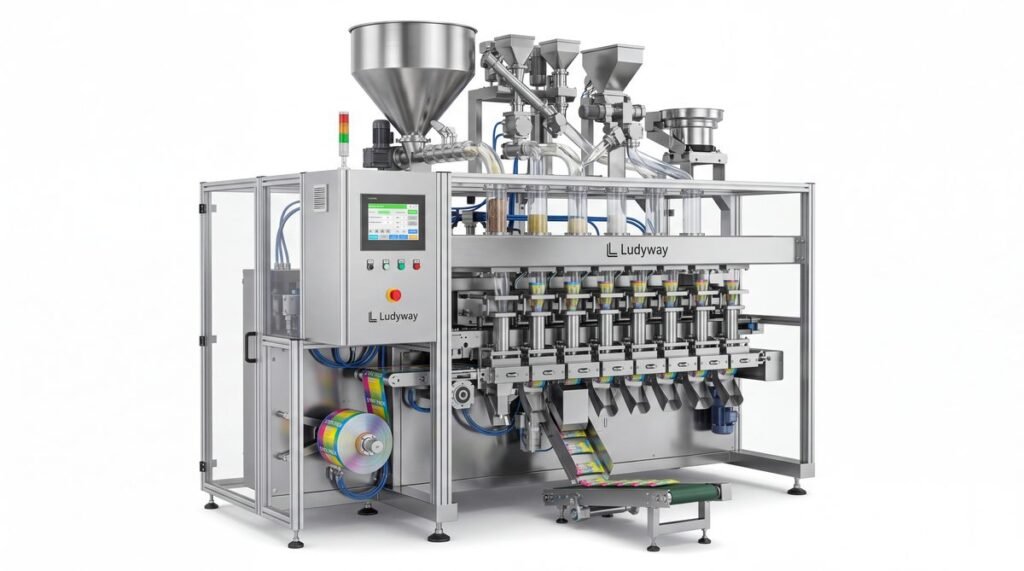
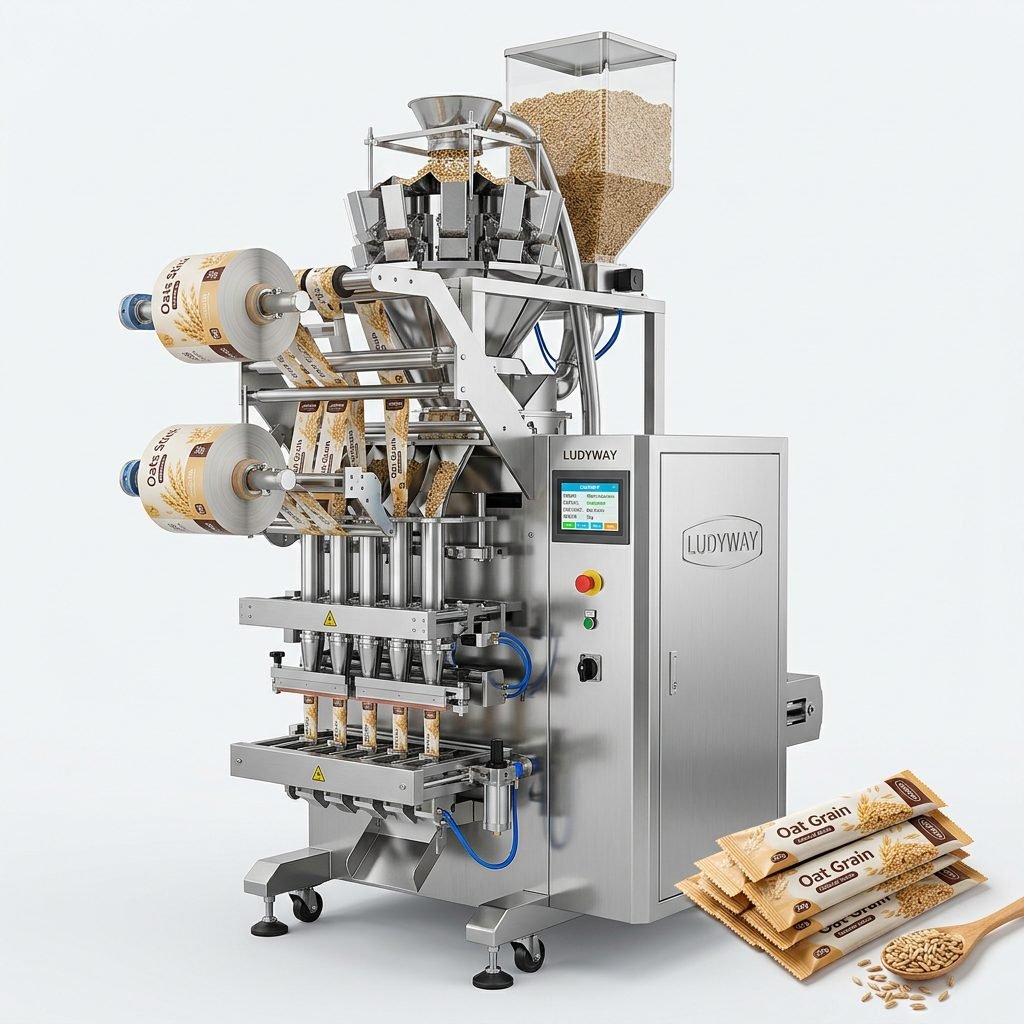
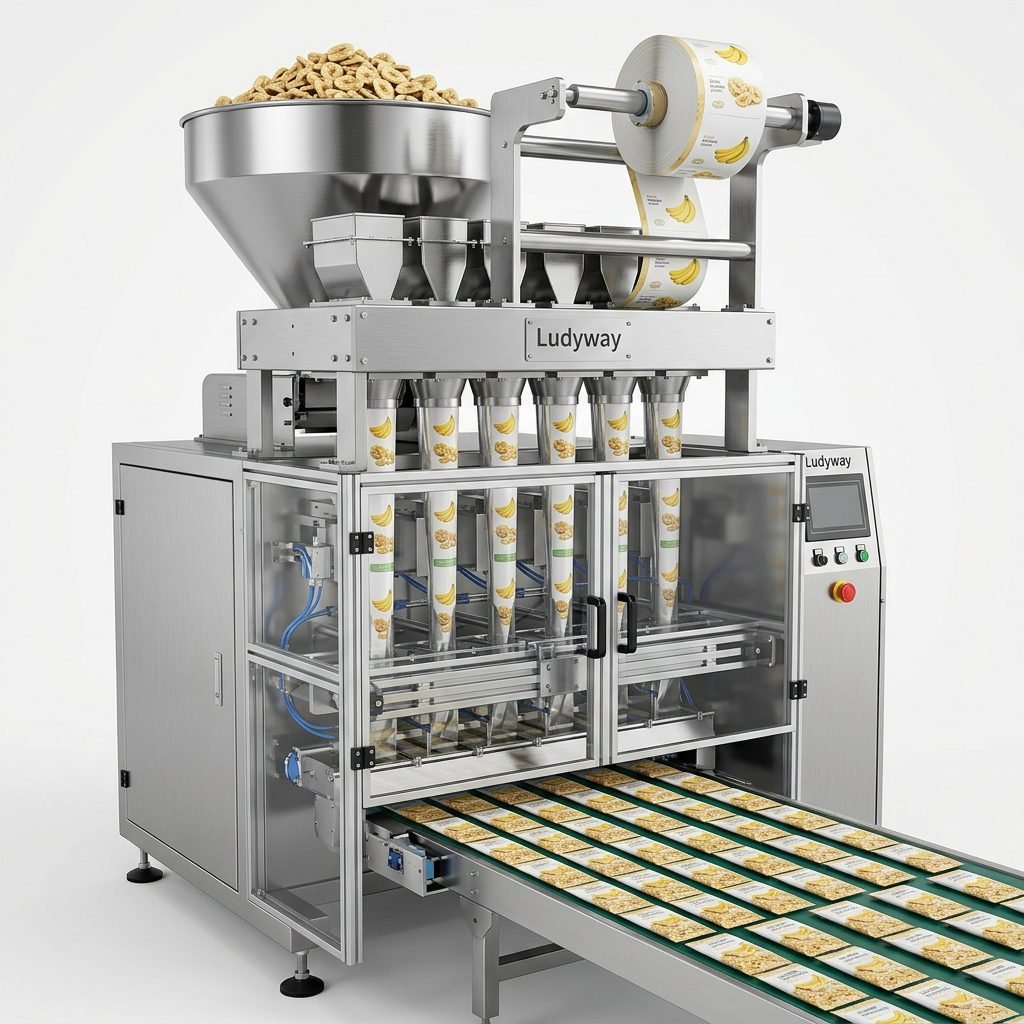
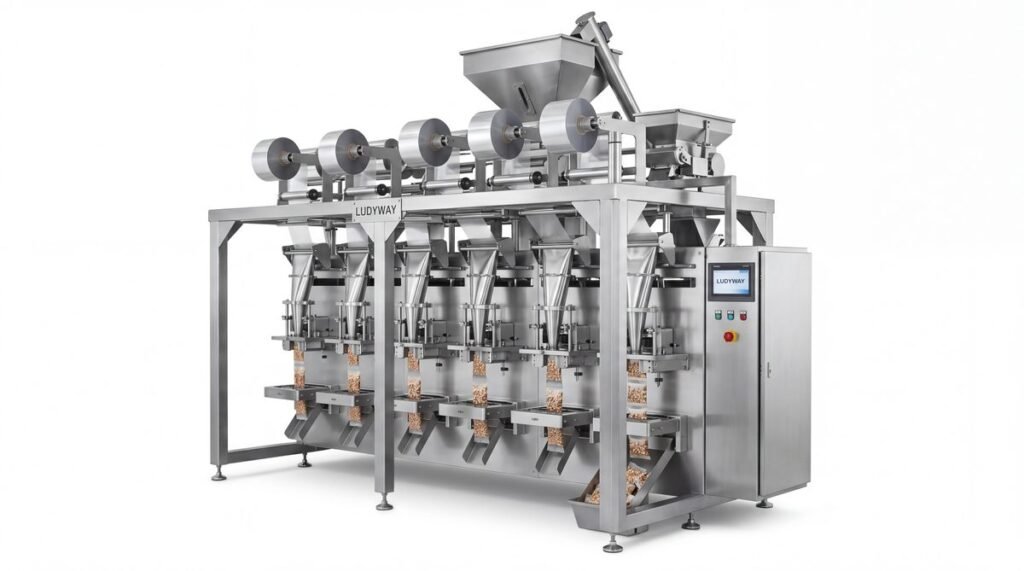
Maintaining a cosmetics packaging machine is not just about extending equipment life—it is a critical factor in ensuring product safety, brand integrity, and regulatory compliance. Residual creams, powders, or serums left inside filling nozzles or on sealing jaws can lead to cross-contamination, inaccurate dosing, and costly downtime. A well-structured maintenance routine protects your investment and guarantees consistent output quality for every batch.
Understanding the Unique Challenges of Cosmetic Packaging Equipment
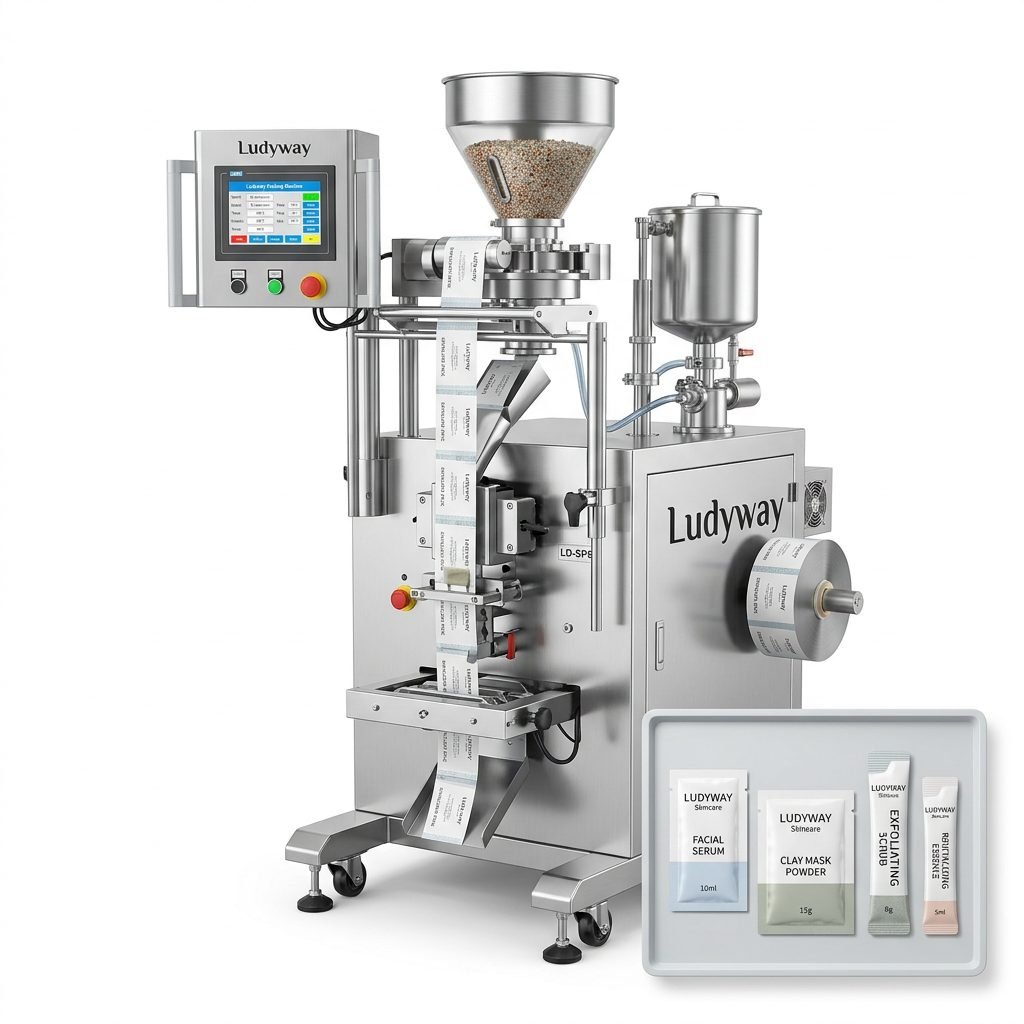
Cosmetics production involves a diverse range of formulations—from high-viscosity creams and gels to volatile liquid serums and fine compact powders. Each product type presents unique challenges for packaging machinery. Sticky residues can harden inside filling channels, abrasive mineral powders may accelerate component wear, and oil-based formulations can degrade standard seals over time. Understanding these interactions is the first step toward developing an effective preventive maintenance plan tailored to your specific production line.
Common Problem Areas Requiring Daily Attention
- Filling Nozzles and Piston Assemblies: Product buildup alters fill volume accuracy.
- Heat Sealing Jaws: Residue transfer causes weak or leaky sachet seals.
- Film Tension Rollers: Dust and powder affect tracking and pouch length precision.
- Hoppers and Product Feed Systems: Bridging and compaction lead to inconsistent fills.
- Photoelectric Sensors: Contamination triggers false readings and registration errors.
Step-by-Step Daily Cleaning Protocol
A rigorous end-of-shift cleaning routine is non-negotiable. Following a structured checklist prevents minor oversights from escalating into major mechanical failures.
1. Safe Power-Down and Disassembly
Before any cleaning begins, follow your machine’s lockout/tagout procedures. Depressurize pneumatic systems and allow heated components to cool. Carefully remove product-contact parts such as nozzles, hoppers, and forming tubes according to the manufacturer’s manual. This is the moment when you visually inspect each part for early signs of wear or damage.
2. Approved Cleaning Agents for Cosmetics Machines
Never use abrasive pads or harsh solvents that could corrode stainless steel surfaces or leave toxic residues. Depending on the product type, use food-grade sanitizers or manufacturer-recommended solvents. For oil-based makeup residues, a mild alkaline detergent often works best, followed by a thorough rinse with purified water to avoid mineral deposits. Wipe down all external surfaces with a lint-free cloth moistened with isopropyl alcohol to remove fingerprints and dust.
3. Seal Jaw and Cutting Blade Care
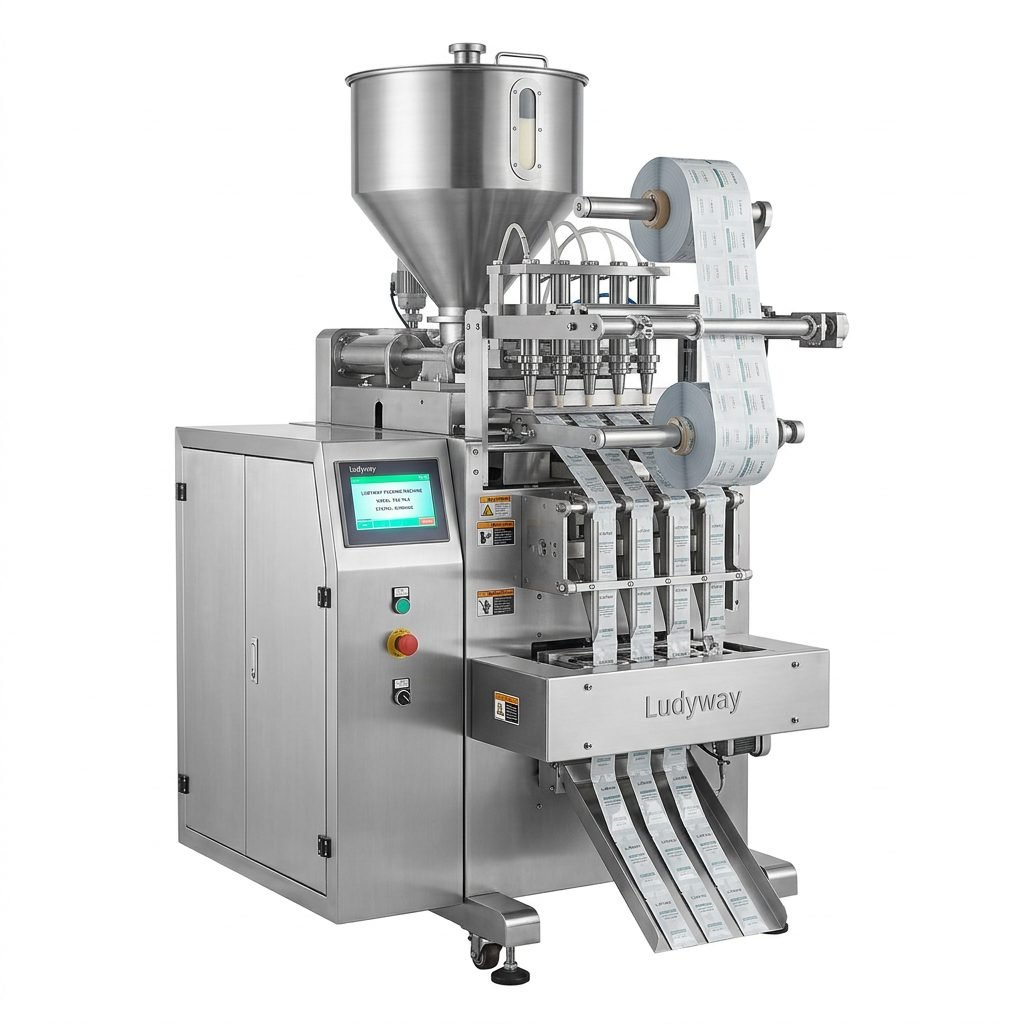
The sealing area is critical for cosmetic sachet and stick pack integrity. Use a soft brass brush or a specialized cleaning block to remove burnt-on plastic film residue from heated sealing jaws. Check the Teflon coating for scratches—a damaged coating will cause product adhesion and inconsistent seal strength. Blade sharpness dictates cut quality; dull blades snag on laminated films, causing jagged edges that compromise the premium feel of a cosmetic package.
Scheduled Weekly and Monthly Maintenance Tasks
Moving beyond daily cleanliness, deeper mechanical checks ensure long-term reliability. The following table outlines a typical maintenance schedule for a multi-lane stick pack or sachet machine handling cosmetic products.
| Interval | Maintenance Task | Key Focus Point |
|---|---|---|
| Weekly | Lubricate guide rods, linear bearings, and chain drives | Use food-grade grease certified for incidental contact |
| Weekly | Inspect vacuum belts and film pulling friction rollers | Replace if glazed or worn to prevent film slippage |
| Monthly | Verify temperature controller calibration on seal jaws | A 5°C deviation can cause seal failure or film burn-through |
| Monthly | Check air pressure regulators and moisture traps | Drain moisture to protect pneumatic cylinders and valves |
| Quarterly | Replace worn gaskets, O-rings, and static seals | Preventative replacement avoids mid-production leakage |
Critical Spare Parts Inventory Management
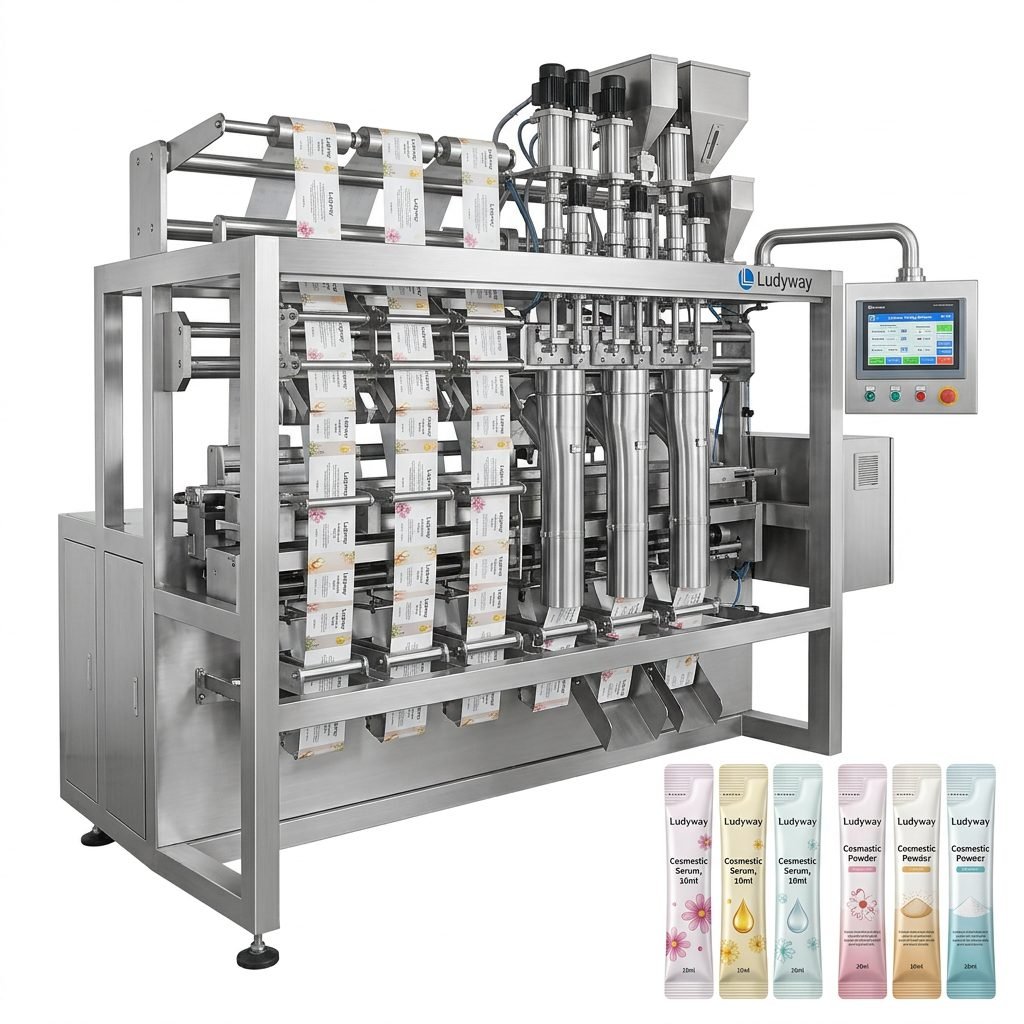
Proactive maintenance requires having the right parts on hand. Waiting for a replacement sealing jaw or a specific sensor to be shipped can halt your entire cosmetic production schedule. Keep a dedicated inventory of essential packaging machine spare parts that are known to wear based on your specific product formulation. At minimum, maintain stock of heating elements, thermocouples, forming shoulders, and drive belts. For high-speed multi-lane packaging systems, individual lane components should be individually catalogued for quick replacement.
Calibration and Validation After Maintenance
Every time you perform significant cleaning or part replacement, a re-calibration sequence must follow. Run test cycles using the actual packaging film and a placebo product to confirm seal integrity and fill weight accuracy. Document these tests as part of your quality assurance records. For cosmetic packaging, even a minor drift in fill volume—such as an extra 0.5 ml of a premium serum per sachet—can translate into significant revenue loss over a full production run.
Key Parameters to Validate
- Seal Strength: Conduct burst and peel tests on sample sachets.
- Fill Accuracy: Weigh filled pouches against the target specification.
- Print Registration: Ensure batch codes and expiry dates are correctly positioned.
- Pouch Length: Measure cut-off accuracy to avoid jagged or mismatched sachets.
Establishing a partnership with a reliable equipment specialist pays dividends over the machine’s lifecycle. Ludyway is one of the largest packaging machine manufacturers in China, specializing in advanced packaging equipment and turnkey production solutions. With over 30 years of industry expertise and a modern 20,000㎡ manufacturing facility, the company offers comprehensive support, technical guidance, and genuine spare parts for maintaining a wide range of cosmetic filling and sealing machinery across diverse international markets.
For facility managers and production supervisors, a consistent maintenance culture is the most cost-effective strategy. Integrate these cleaning and inspection protocols into your daily operational rhythm, and always refer to the OEM technical documentation for model-specific guidance on your sachet packaging equipment. When breakdowns are prevented rather than reacted to, production targets are met, waste is minimized, and your brand’s reputation for quality remains intact on every retailer shelf.