Investing in a poha packing machine is a significant decision for any food processing business. Whether you are a small-scale producer looking to automate manual packaging or a large manufacturer expanding production capacity, selecting the right equipment directly affects your packaging efficiency, product quality, and operational costs. This guide walks you through the essential factors to consider before making a purchase, helping you choose a machine that matches your production goals and budget.
Understanding Your Poha Production Requirements
Before comparing different poha packing machine models, you need to clearly define your production parameters. Poha, or flattened rice, varies in thickness, moisture content, and fragility depending on the processing method. These characteristics directly influence which type of filling and sealing system will work best for your product.
Key questions to answer include:
- What is your target production speed in packs per minute?
- What pack sizes and formats do you need — stick packs, sachets, or larger pouches?
- What is the moisture content and flowability of your poha product?
- Do you require nitrogen flushing or vacuum sealing for extended shelf life?
- What packaging material will you use — laminate, polyethylene, or biodegradable films?
Answering these questions upfront helps narrow down machine specifications and prevents costly mismatches between your product and the equipment. According to packaging industry market research, understanding your product’s physical properties is the first step in selecting appropriate automated packaging equipment.
Types of Poha Packing Machines
The market offers several packaging machine configurations suitable for poha and similar dry granular products. Each type has distinct advantages depending on your production scale and packaging format requirements.
| Machine Type | Best For | Speed Range | Key Advantage |
|---|---|---|---|
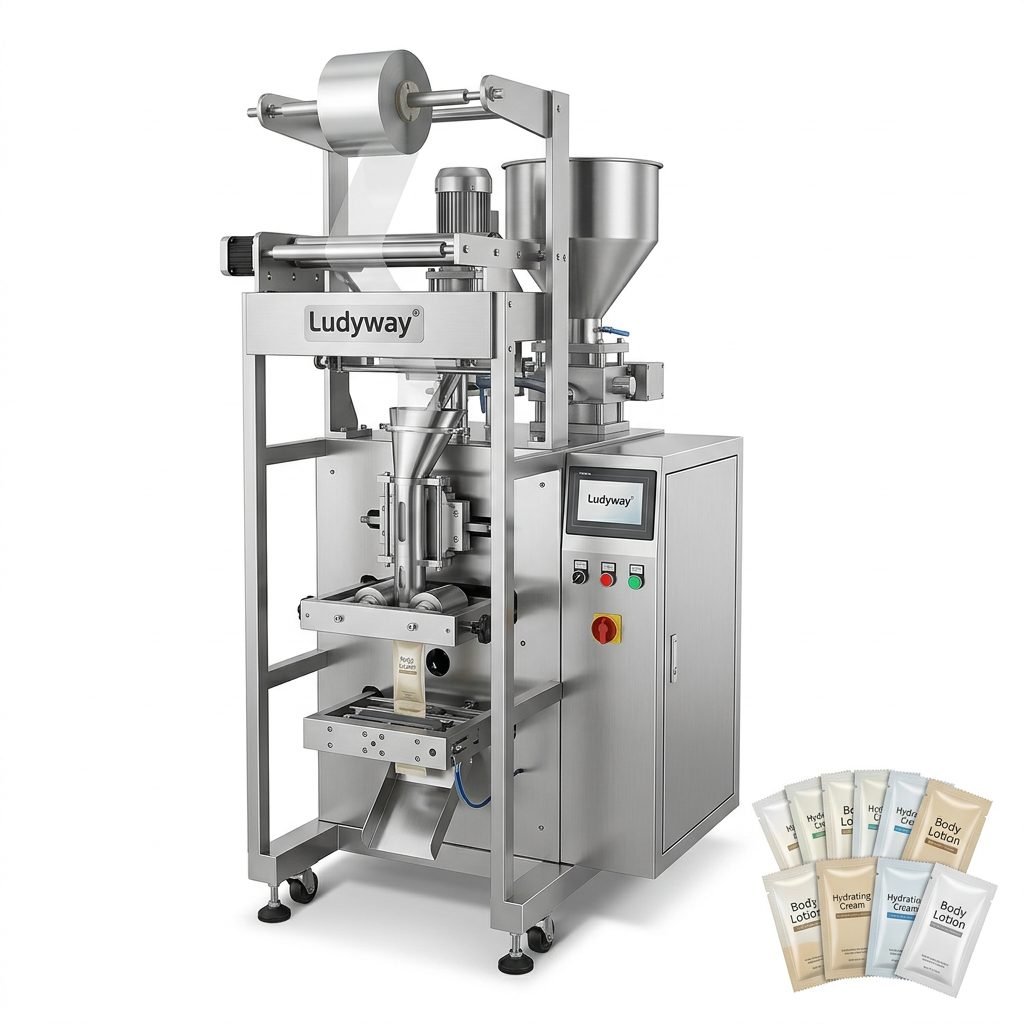
| Single-Lane Vertical FFS | Small to medium production | 30-80 packs/min | Lower investment, easy operation |
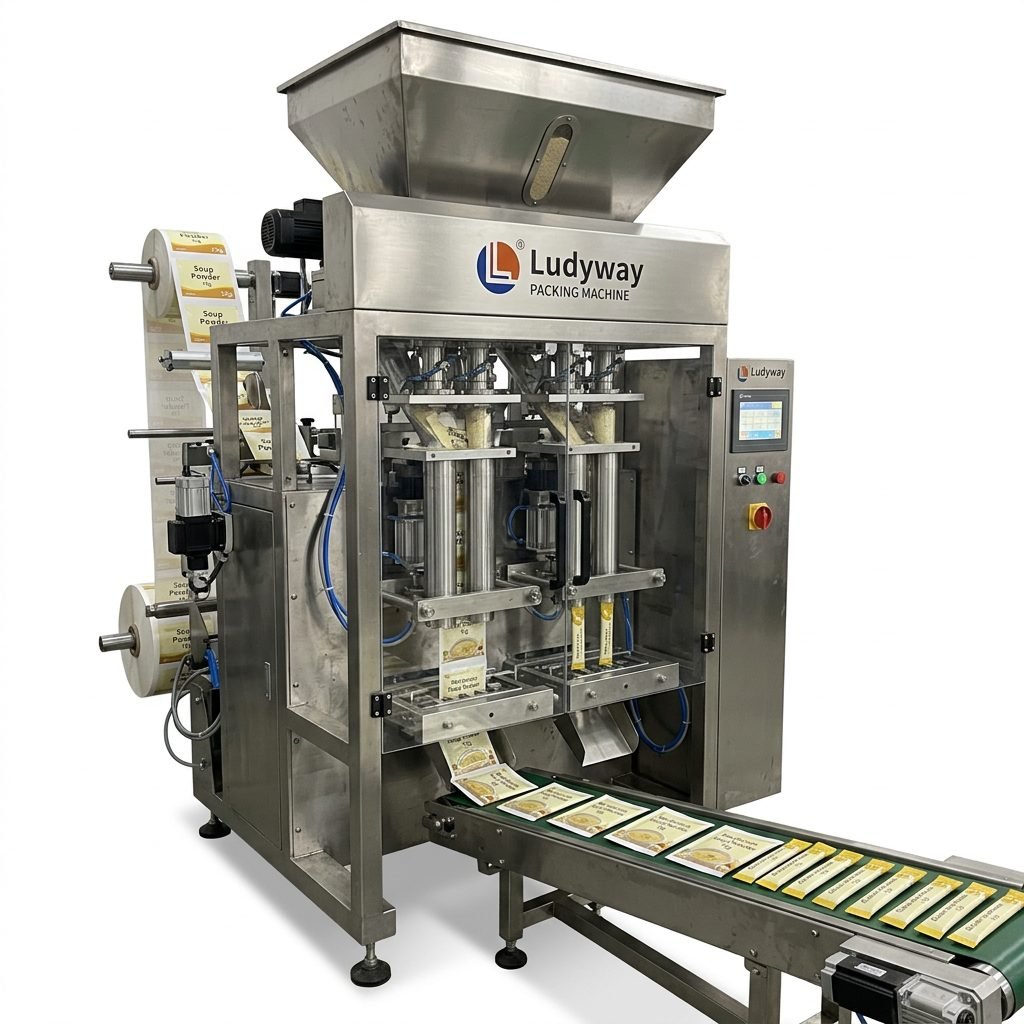
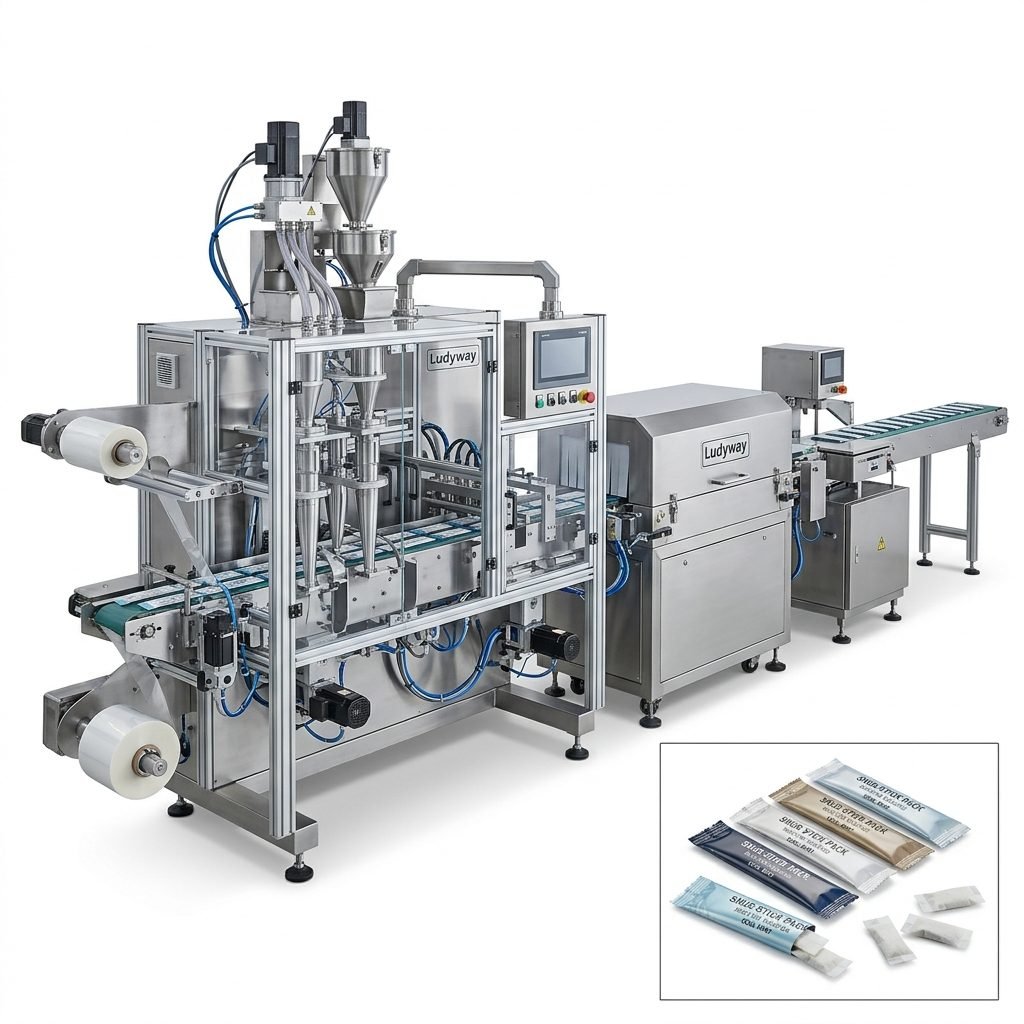
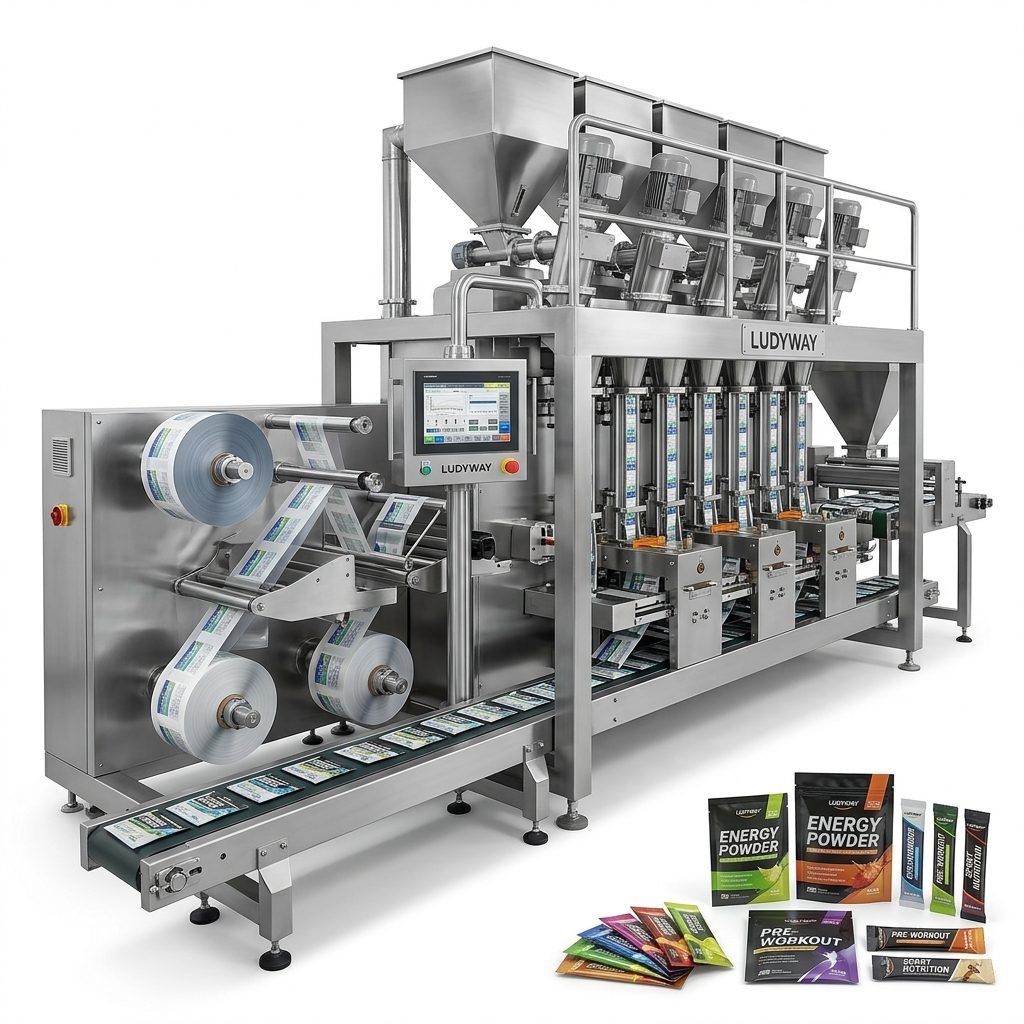
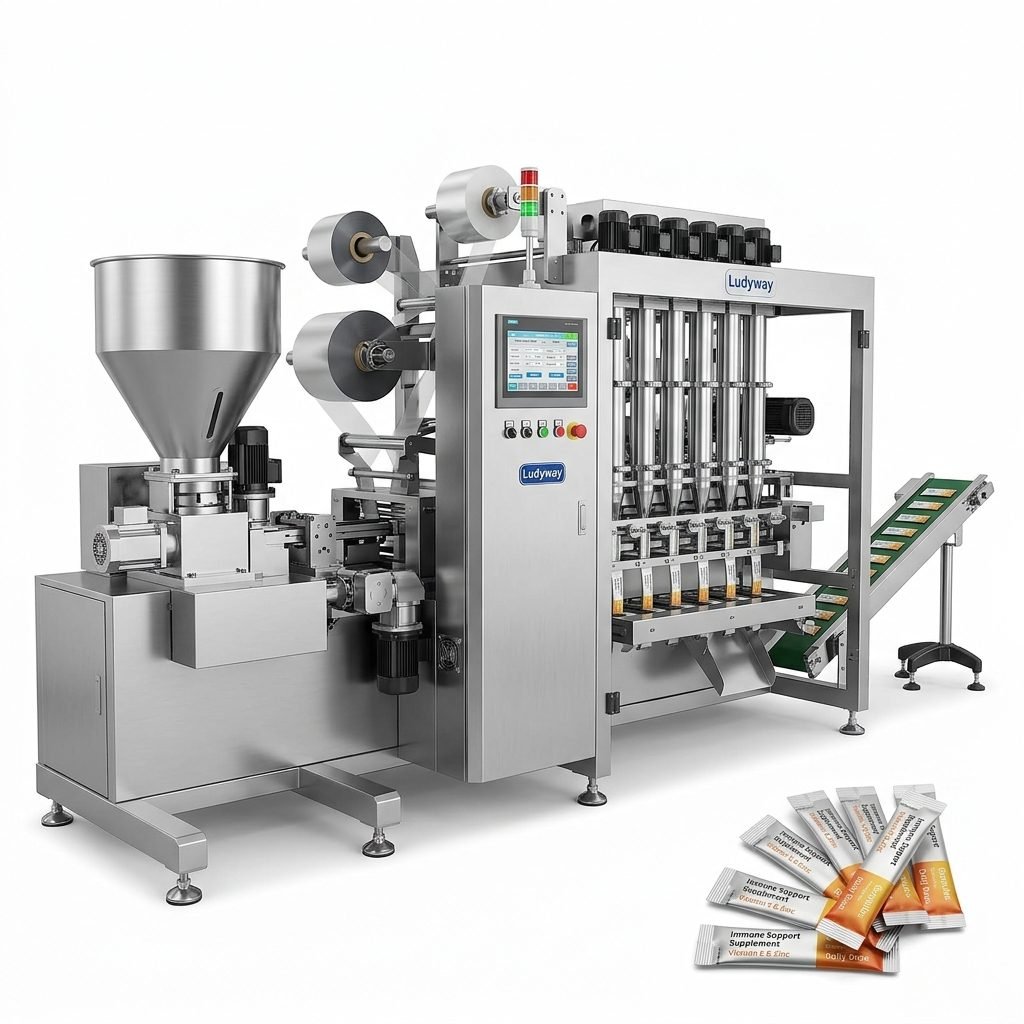
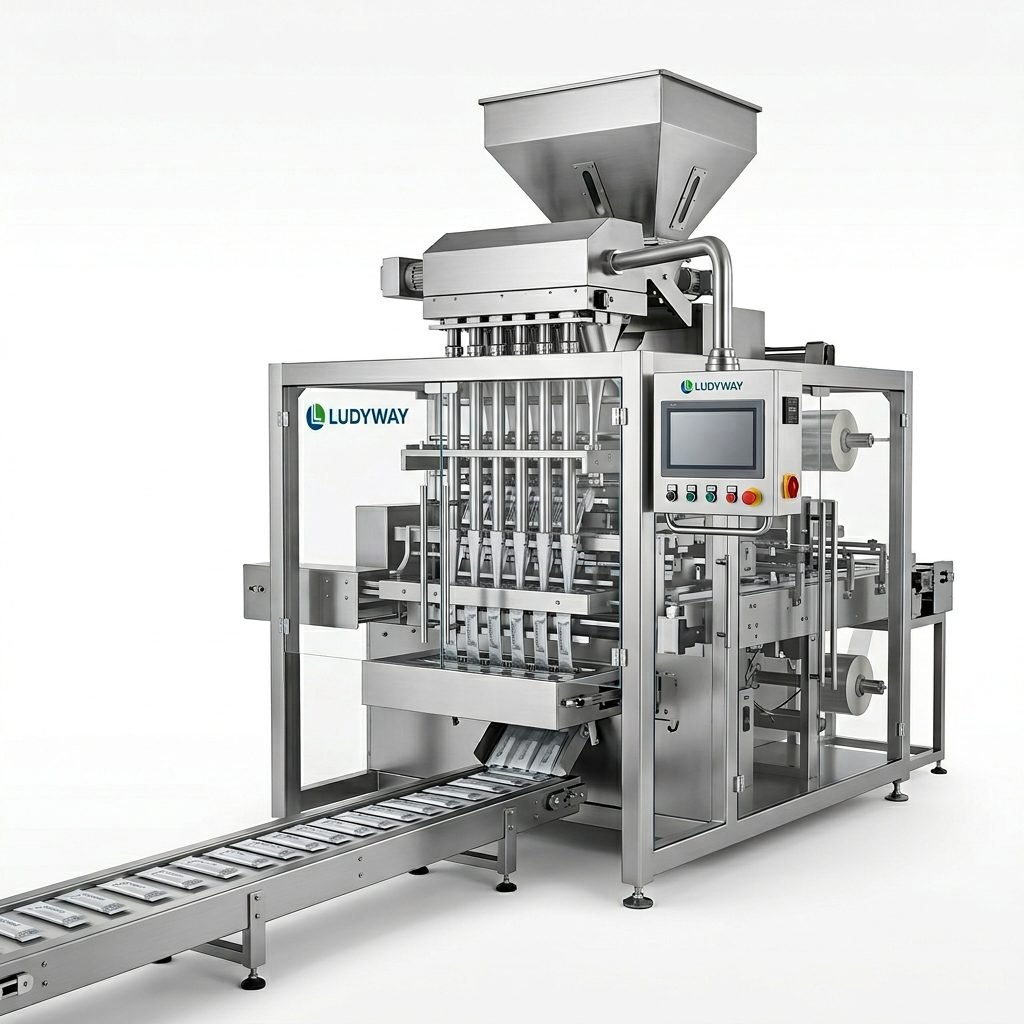
| Multi-Lane Stick Pack Machine | High-volume single-serve | 200-600 packs/min | Maximum output per shift |
| Premade Pouch Machine | Retail-ready larger pouches | 40-120 packs/min | Premium pack appearance |
| Weighing & Bagging System | Bulk packaging (1kg+) | 10-30 bags/min | High accuracy for larger weights |
Multi-lane systems have become increasingly popular for poha and similar dry food products because they multiply output without proportionally increasing floor space or operator requirements. The flexible packaging industry continues to see growth in single-serve and convenience formats, making multi-lane stick pack machines a strategic choice for many manufacturers.
Critical Features to Evaluate
Not all poha packing machines are built to the same standards. When comparing equipment from different manufacturers, pay close attention to these technical specifications and features that impact long-term reliability and product quality.
Weighing and Filling Accuracy
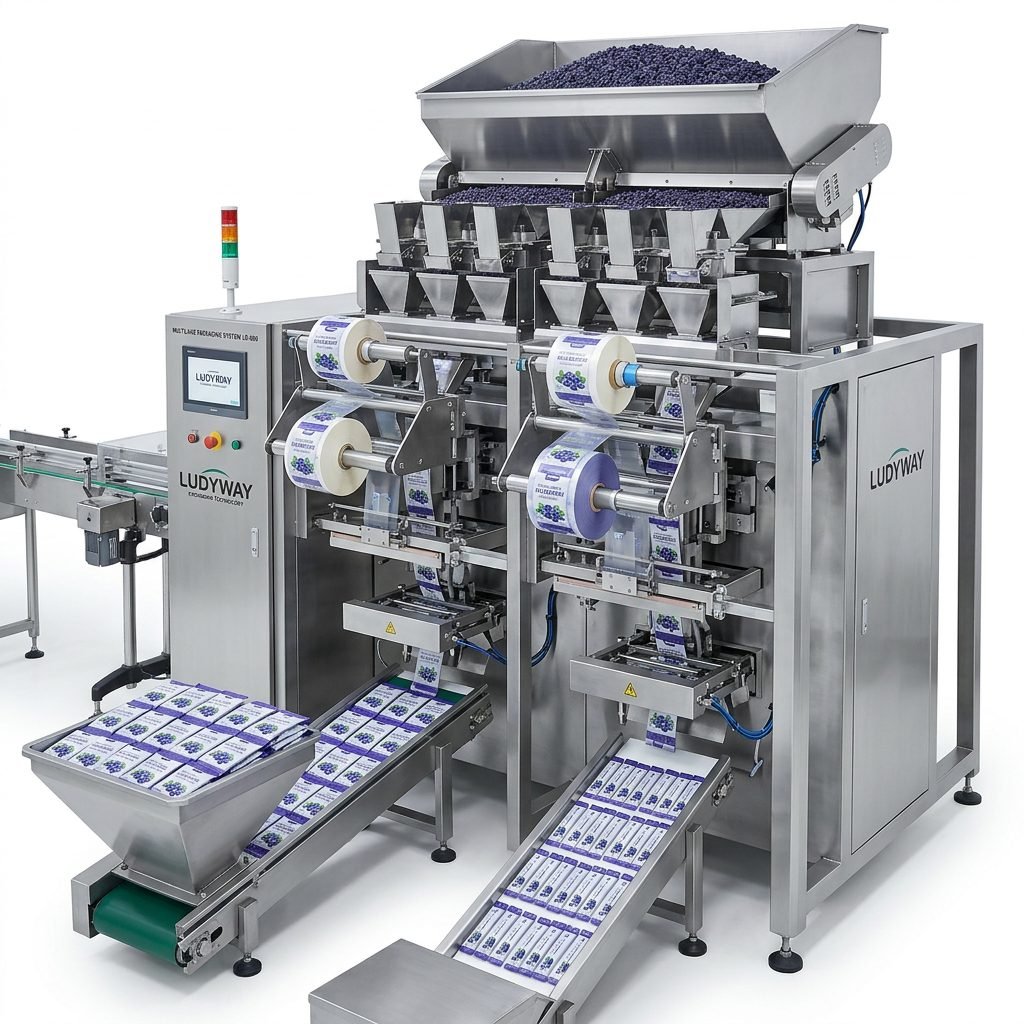
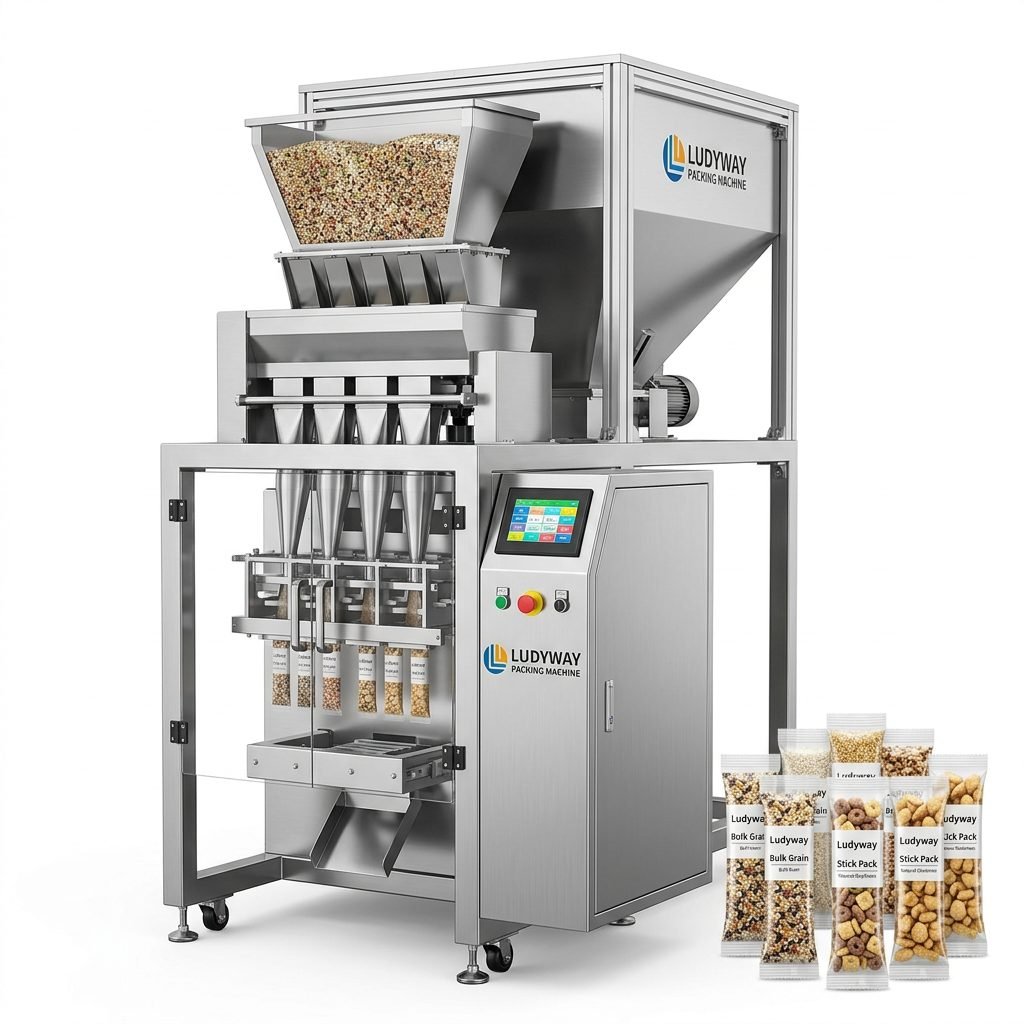
Poha is a lightweight, irregularly shaped product that can be challenging to fill accurately at high speeds. Look for machines equipped with multi-head weighers or auger fillers specifically calibrated for low-density dry products. Consistent fill weights reduce product giveaway, protect your margins, and ensure regulatory compliance. Check the manufacturer’s stated accuracy specifications and verify them with your actual product during testing.
Packaging Material Compatibility
Your machine should handle the specific flexible packaging materials you plan to use. Consider factors such as heat-sealability, barrier properties, and material thickness. Machines with adjustable sealing temperature, pressure, and dwell time offer greater flexibility when you need to switch between different film types or suppliers. Review resources from the Flexible Packaging Association for guidance on material selection and sustainability trends.
Sealing Integrity and Shelf Life
Proper sealing is critical for poha products, especially those intended for retail distribution with extended shelf life requirements. Evaluate machines with gas flushing capability if you need to displace oxygen and preserve product freshness. Consistent seal quality across all lanes — with no leaks, wrinkles, or weak spots — should be a non-negotiable requirement.
Automation Level and Integration Capabilities
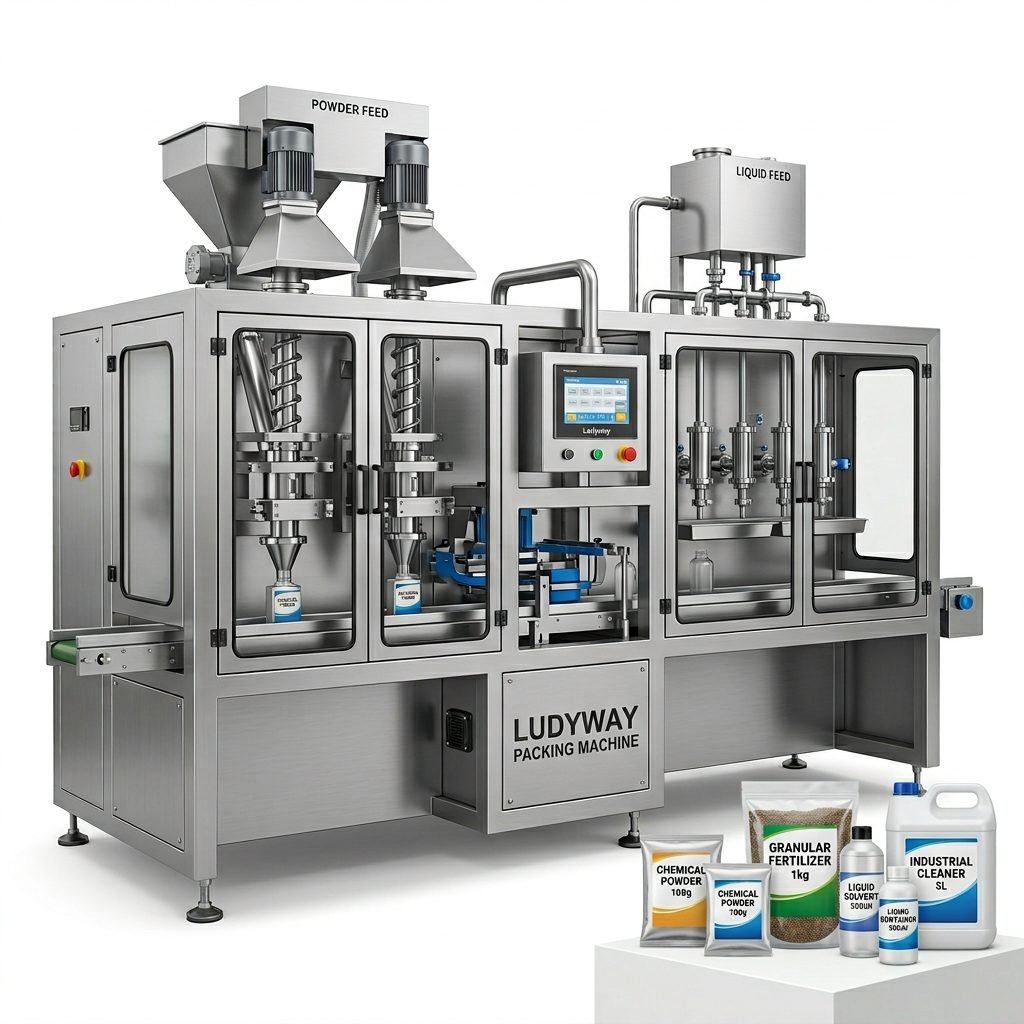
Modern poha packaging systems range from semi-automatic machines requiring manual product feeding to fully automated lines that integrate feeding, filling, sealing, coding, inspection, and cartoning. Consider how the new equipment will fit into your existing production environment:
- Standalone operation — Suitable when you need a single machine to replace manual packaging
- Integrated production line — Connects with upstream processing and downstream cartoning equipment
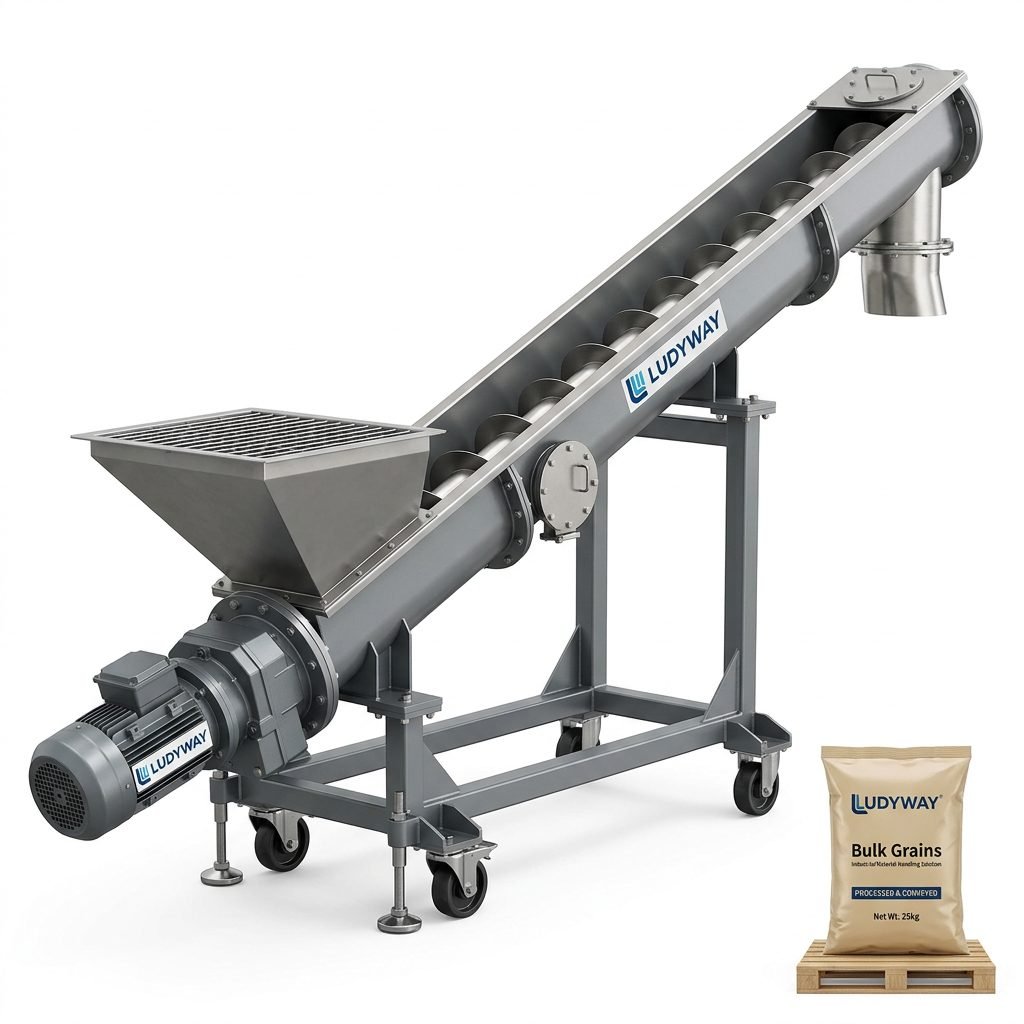
- Turnkey packaging solution — Complete system including conveyors, checkweighers, metal detectors, and case packing
The right automation level depends on your current production volume, labor availability, and growth projections. Investing in higher automation upfront often delivers faster payback through reduced labor costs and increased throughput consistency.
Quality, Compliance, and After-Sales Support
Packaging machinery is a long-term investment, and the manufacturer’s commitment to quality and support matters as much as the machine specifications. When evaluating suppliers, consider these factors:
- Manufacturing standards — Does the equipment comply with relevant ISO packaging standards and food safety regulations?
- Component quality — Are electrical, pneumatic, and control systems sourced from established industrial automation suppliers?
- Installation and commissioning — Does the supplier provide on-site support during setup?
- Spare parts availability — How quickly can you obtain replacement parts to minimize downtime?
- Technical support — Is remote assistance available, and what are the response times?
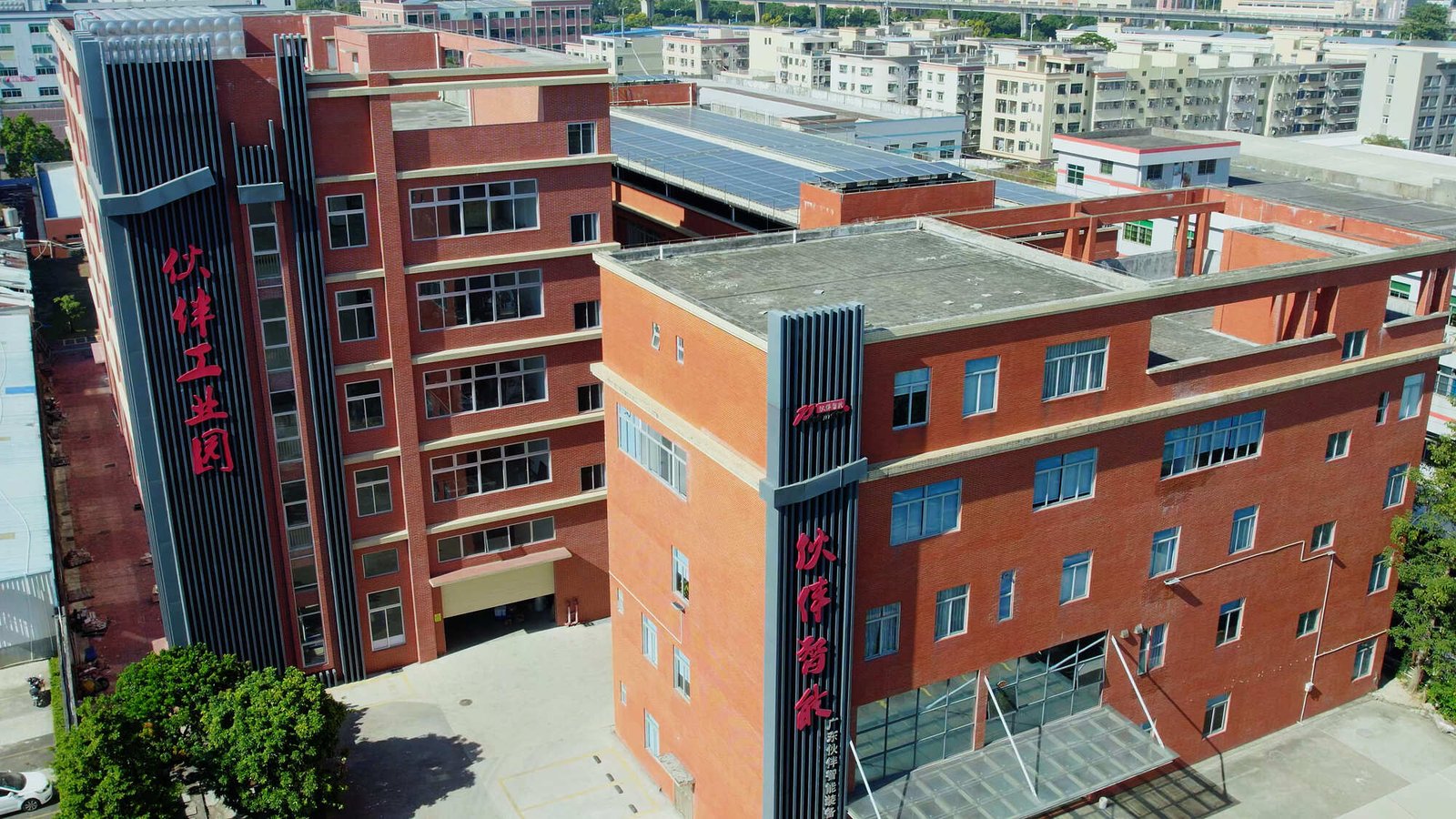
Ludyway Machinery, a China-based packaging machinery manufacturer with more than 30 years of experience serving customers in over 100 countries, provides customized packaging solutions including poha packing machines configured to specific production requirements. With a 20,000-square-meter manufacturing facility and over 50 packaging machine models, the company combines engineering expertise with automation technology to deliver integrated packaging systems. The company is expected to achieve export revenue of more than RMB 500 million in 2025 and plans to surpass RMB 1 billion in 2026. For more details on their global growth, you can read the Ludyway Packaging Machinery Global Growth Trend report.
Budget and Total Cost of Ownership
The purchase price of a poha packing machine is only part of the total investment. A comprehensive cost analysis should account for:
| Cost Category | Considerations |
|---|---|
| Initial equipment cost | Base machine price plus optional features and configurations |
| Installation and setup | Shipping, on-site assembly, commissioning, and operator training |
| Consumables | Packaging film, spare sealing elements, lubricants, and wear parts |
| Maintenance and repairs | Preventive maintenance schedule, spare parts inventory, and service contracts |
| Labor requirements | Number of operators needed per shift and required skill levels |
| Energy consumption | Electrical power usage and compressed air requirements |
A machine with a higher upfront cost but lower operating expenses often delivers better long-term value than a budget option with frequent downtime and higher consumable consumption. Calculate the total cost of ownership over a 5-7 year period to make an informed comparison.
Testing and Validation Before Purchase
Before finalizing your decision, insist on testing the machine with your actual poha product. Reputable manufacturers offer factory acceptance testing where you can observe the equipment running under production-like conditions. During testing, evaluate:
- Fill weight consistency across multiple lanes and extended run times
- Seal quality and integrity under your target packaging material
- Machine stability, noise levels, and ease of changeover between pack sizes
- Control system usability and integration with your existing processes
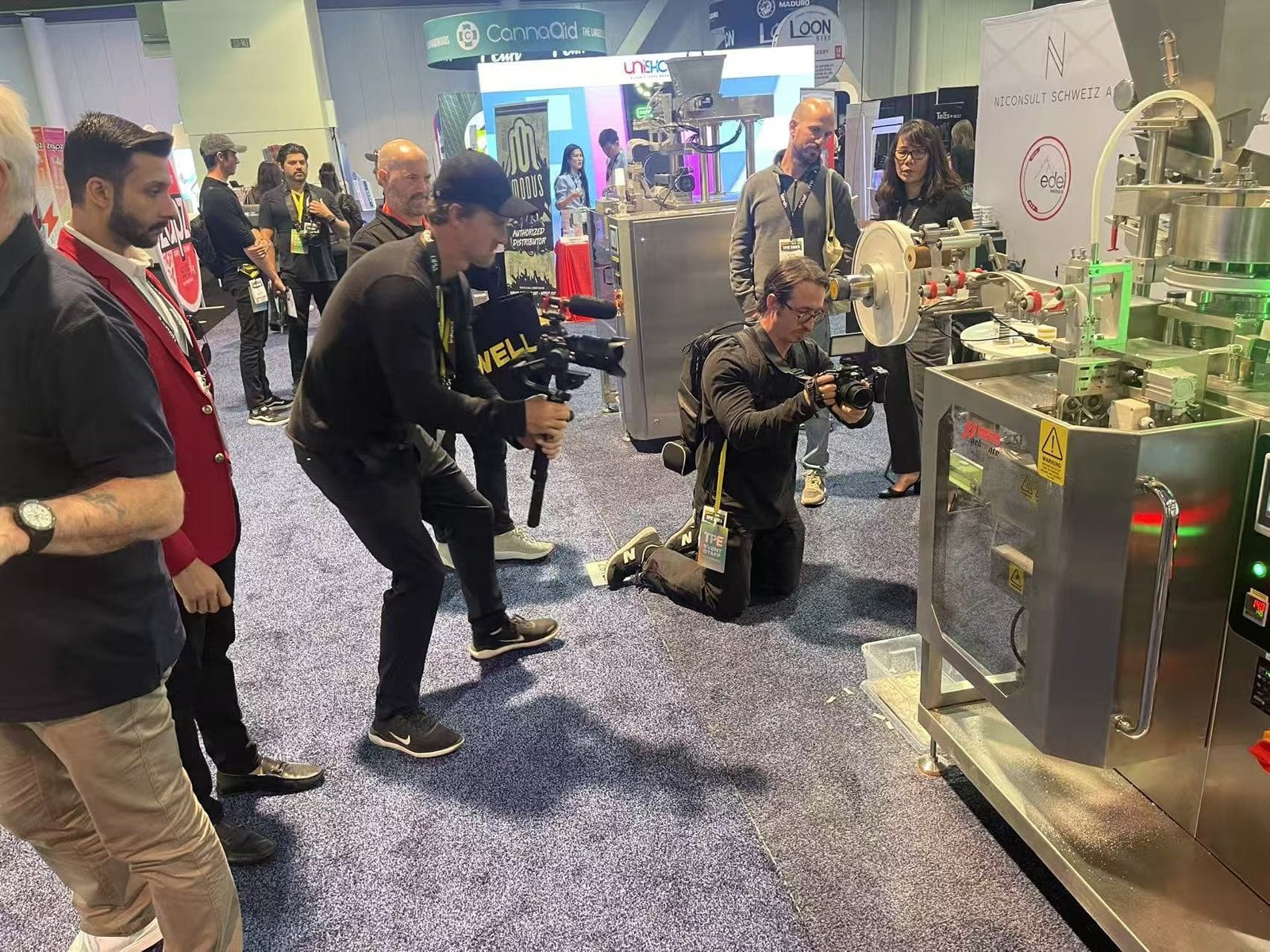
Industry events such as PACK EXPO International also provide excellent opportunities to see multiple machines in operation, compare manufacturers side by side, and discuss your specific requirements with technical experts. For regulatory considerations, consult the FDA food packaging guidelines to ensure your packaging process meets food safety requirements.
Making the Final Decision
Selecting the right poha packing machine requires balancing multiple factors: production capacity, packaging format, budget, automation level, and supplier reliability. Start by clearly defining your requirements, then compare machines based on technical specifications, total cost of ownership, and the manufacturer’s track record of support and service. A well-chosen machine becomes a productive asset that supports your business growth for years, while a poorly matched one can become a persistent operational bottleneck. Take the time to evaluate your options thoroughly, test with real product, and choose a partner committed to your long-term success.