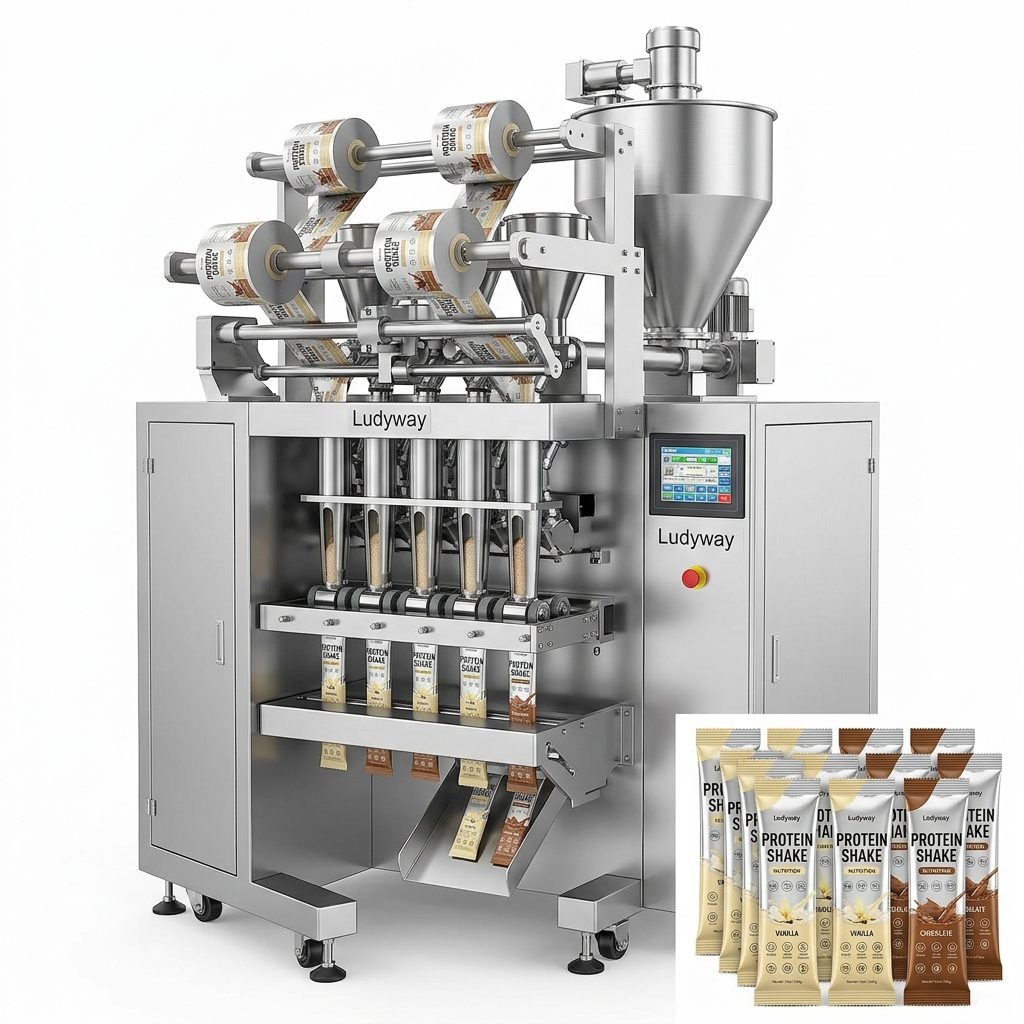
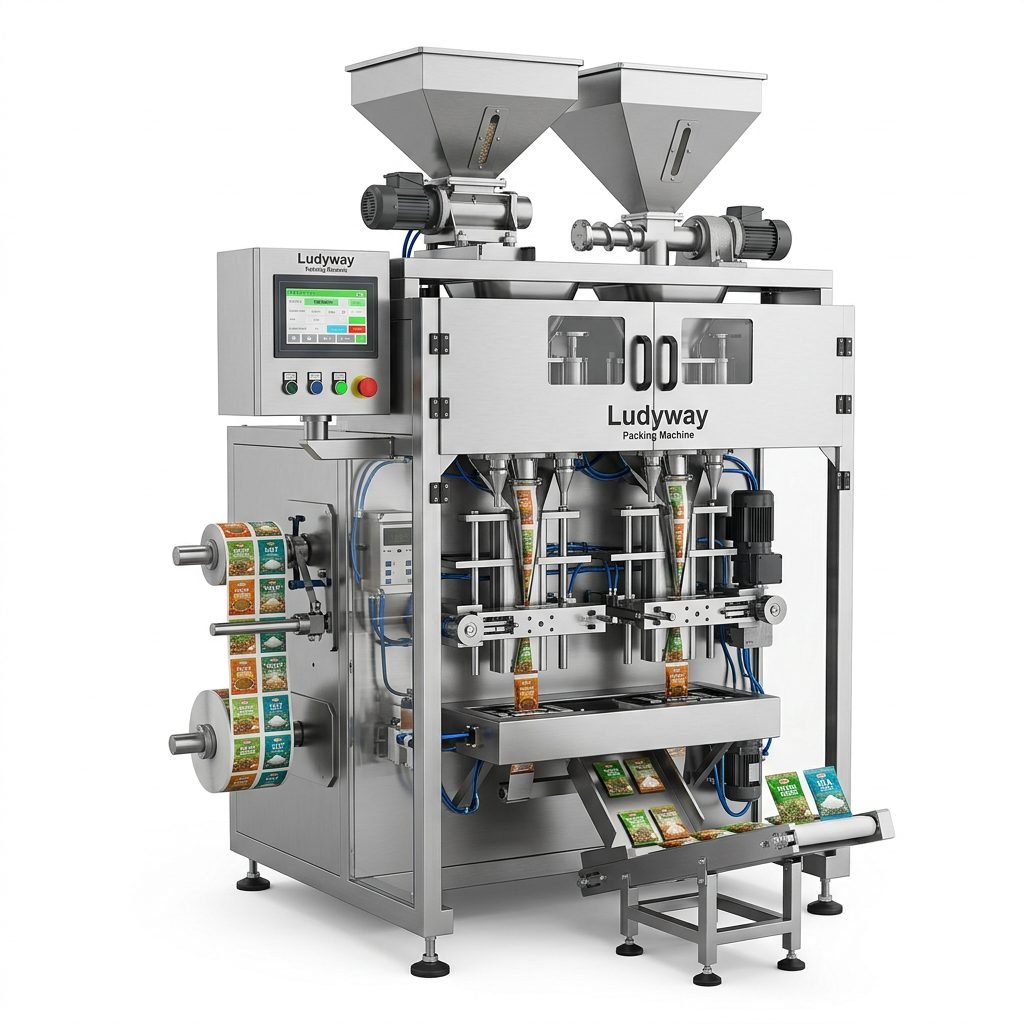
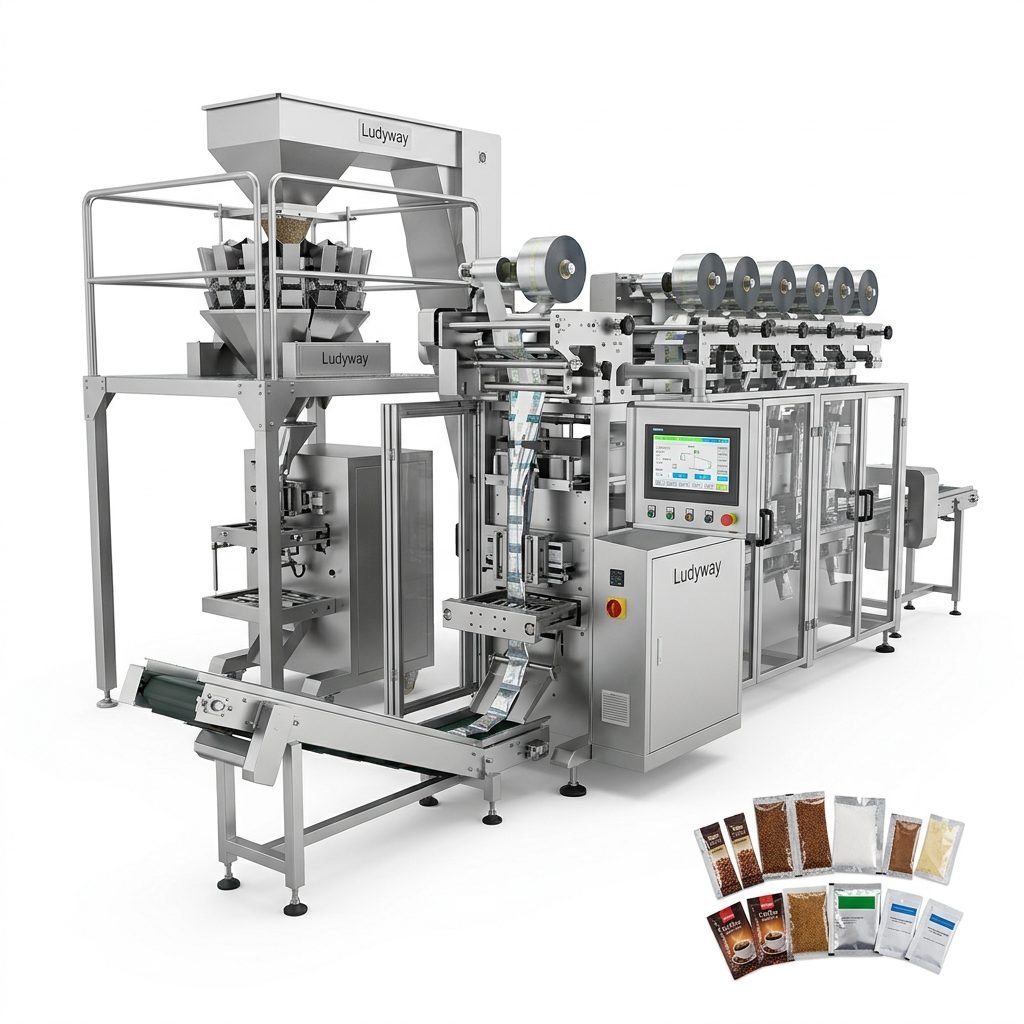
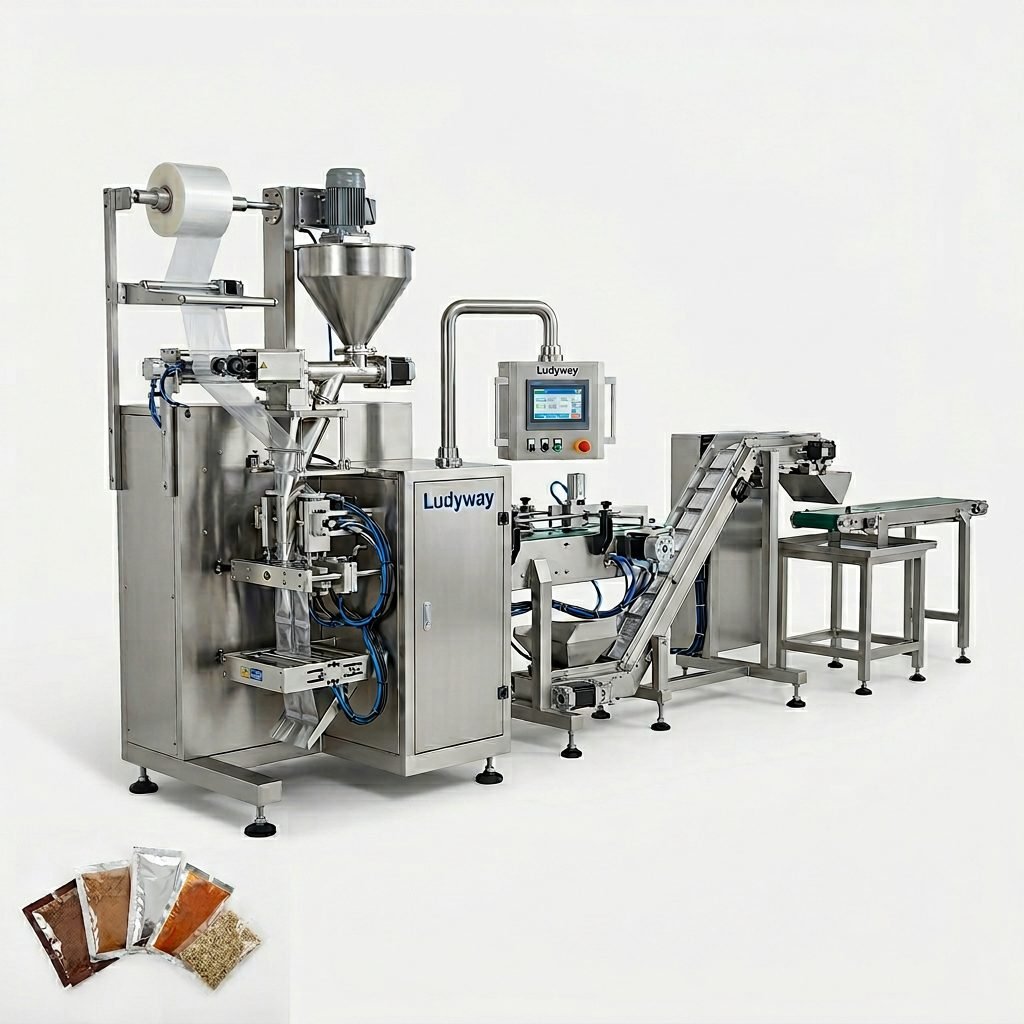
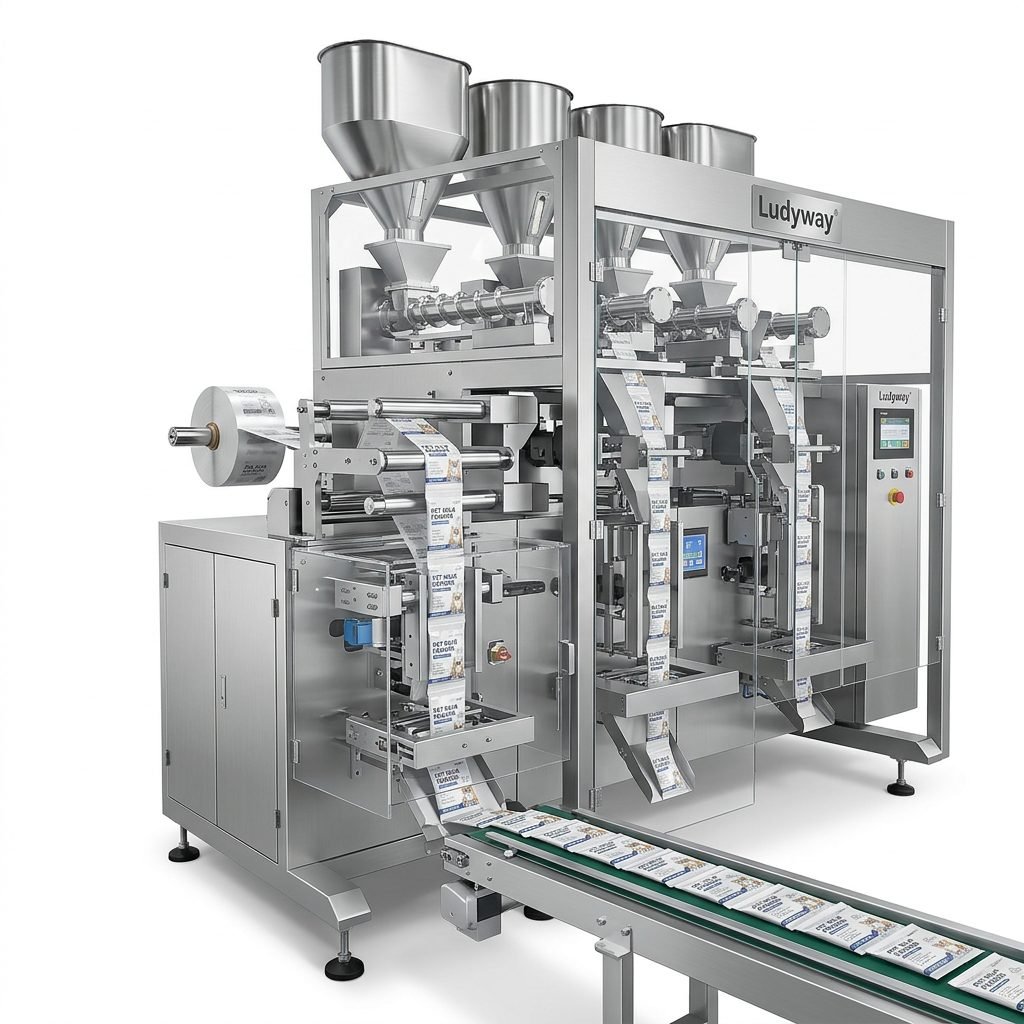
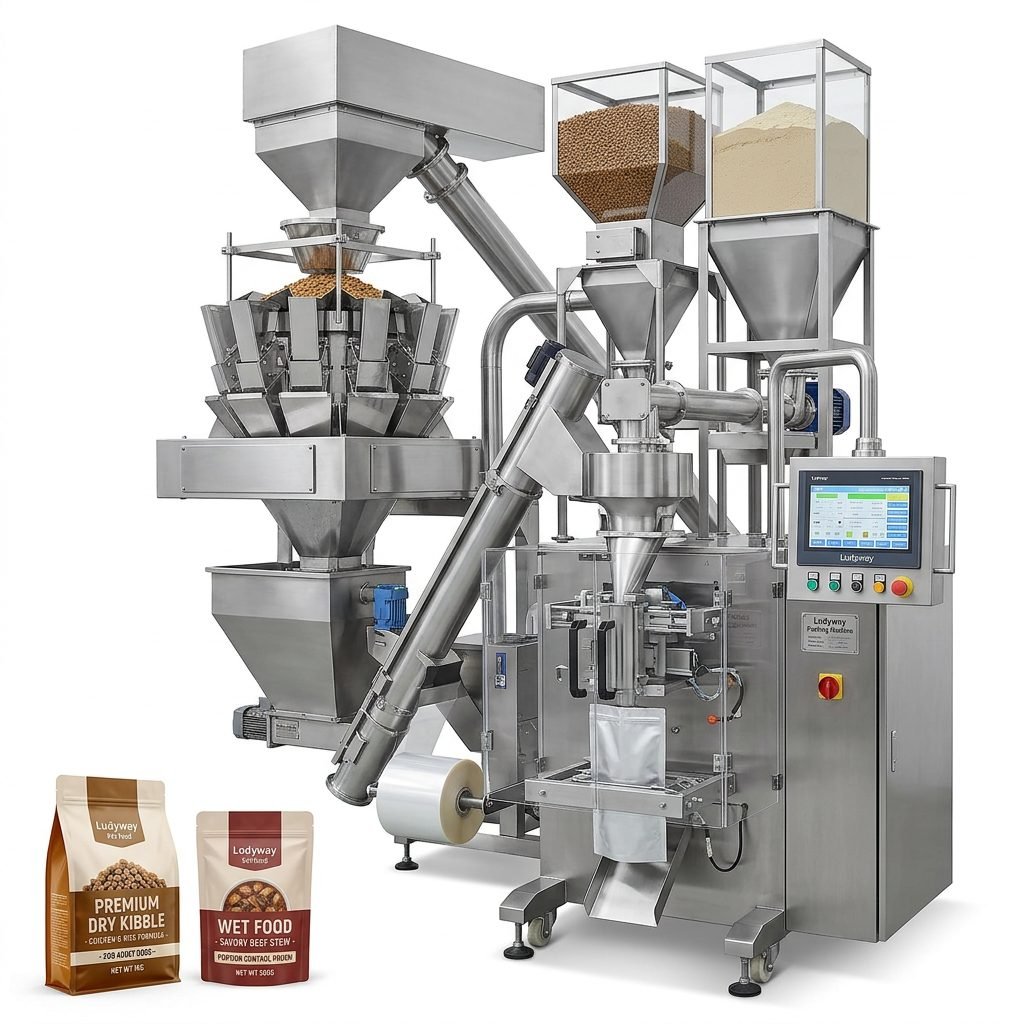
Packaging automation can deliver a strong return on investment when the numbers are evaluated correctly. For manufacturers in food, pharmaceutical, cosmetics, chemicals, health supplements, and pouch-based products, the true ROI is not limited to labor savings alone. It also includes higher throughput, better packaging consistency, lower material waste, fewer quality issues, improved traceability, and the ability to scale production without adding the same level of headcount.
If you are planning to invest in an automated packaging machine or a complete packaging line, this guide explains how to calculate ROI, what costs to expect, where savings usually come from, and how to identify the hidden long-term benefits that often make automation far more valuable than its initial price suggests.
Why ROI Matters in Packaging Automation
A packaging project should not be judged only by equipment price. A lower-cost machine may require more operators, create more downtime, waste more packaging material, or struggle to maintain stable output. A higher-performing automated system may look more expensive upfront, but over time it can reduce operating costs and raise profitability.
- Capital cost of the machine or full line
- Operating cost before and after automation
- Productivity gains from faster, more stable packaging
- Quality improvements that reduce defects and complaints
- Scalability for future production growth
What Is Packaging Automation?
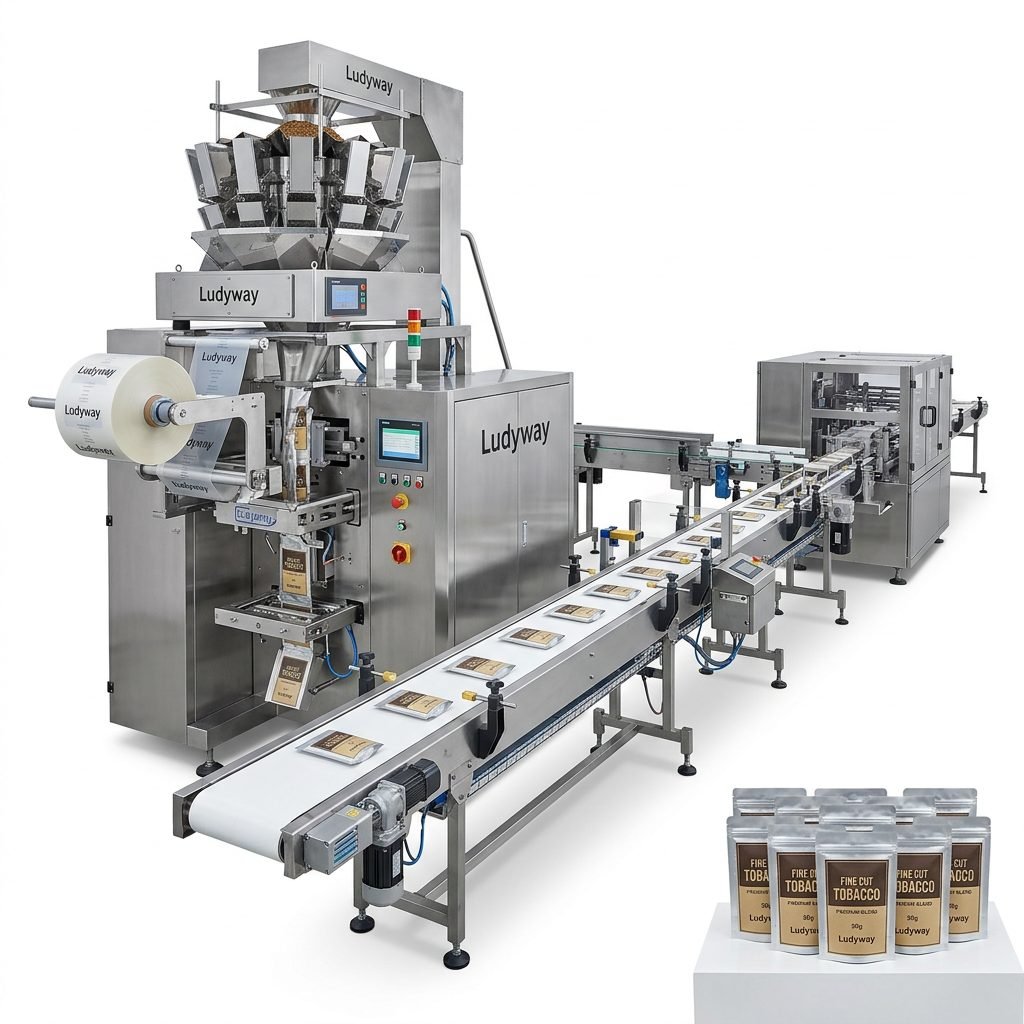
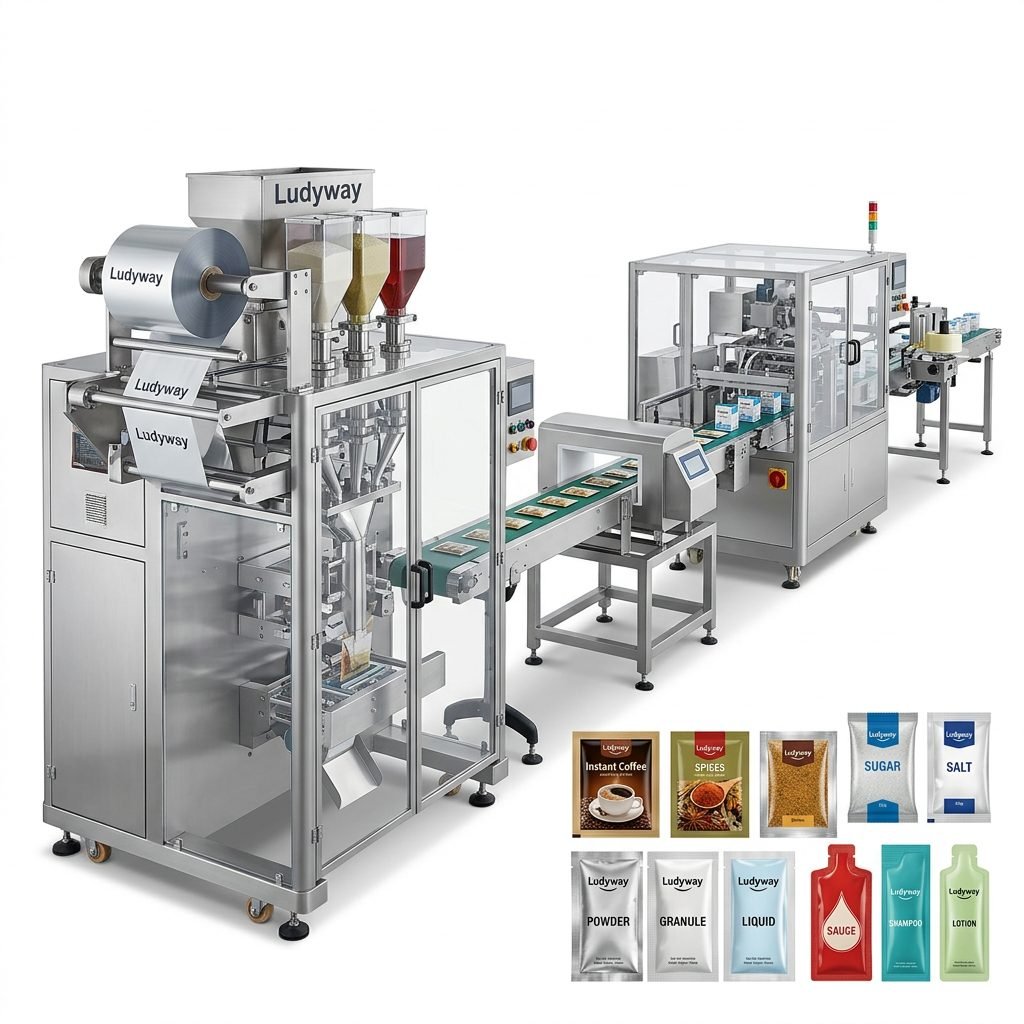
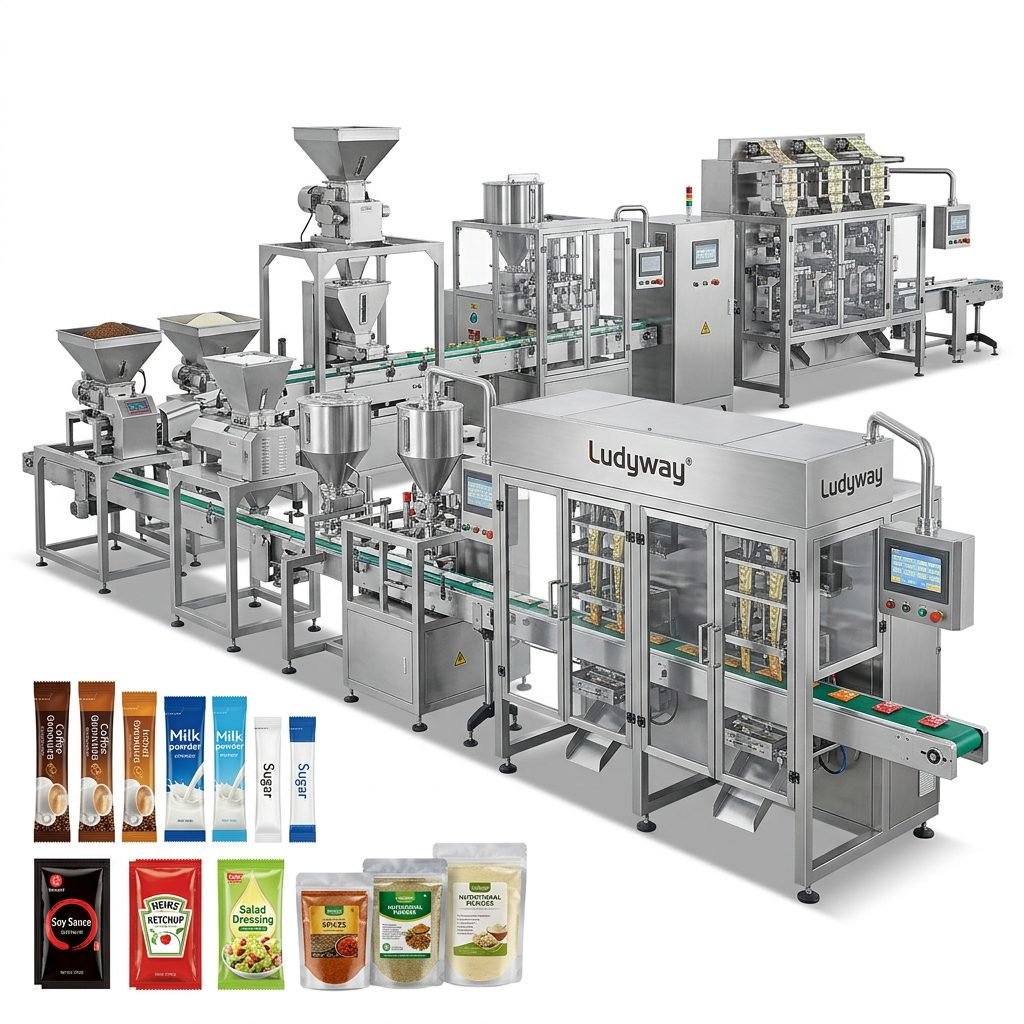
Packaging automation refers to the use of machines and integrated systems to perform packaging tasks with minimal manual intervention. Depending on the application, automation can range from a single standalone machine to a complete turnkey production line that includes feeding, dosing, filling, sealing, coding, inspection, cartoning, case packing, palletizing, and line control.
Common examples include:
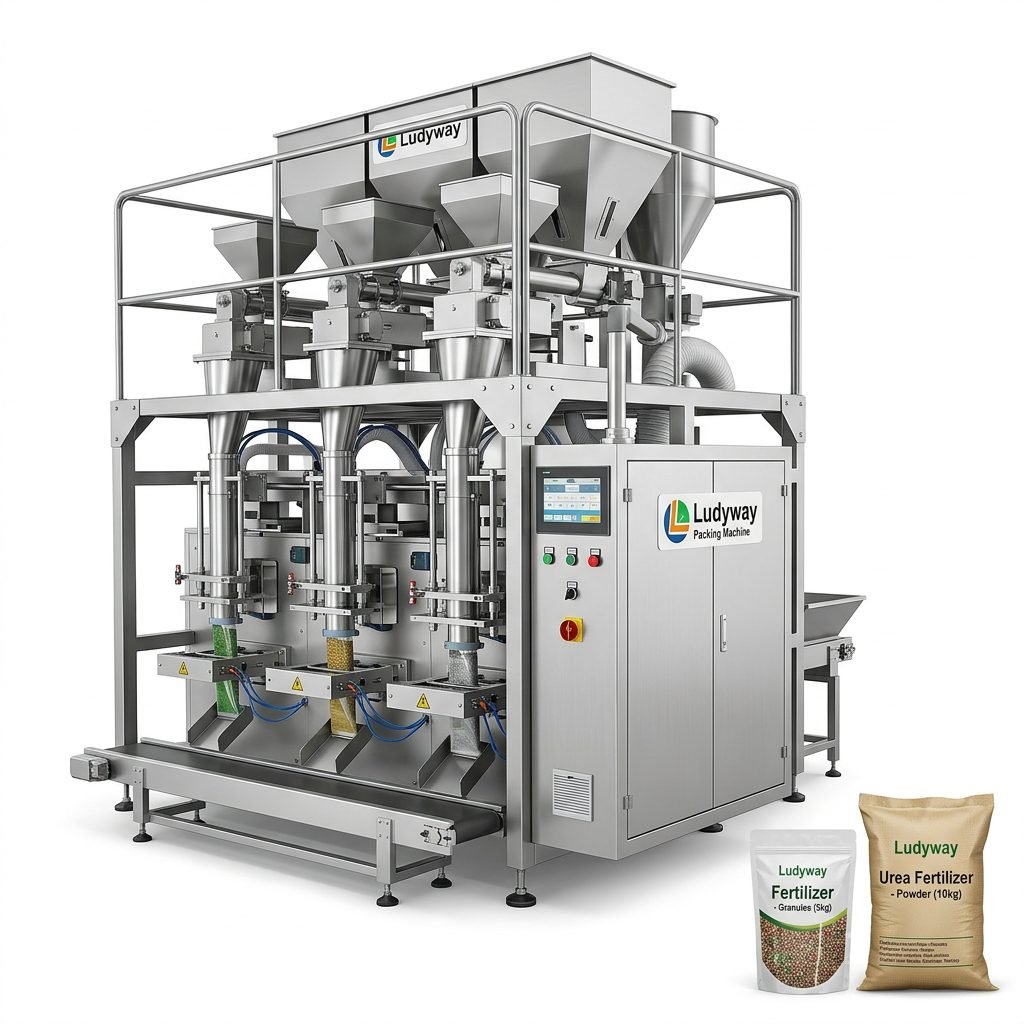
- Vertical form fill seal machines
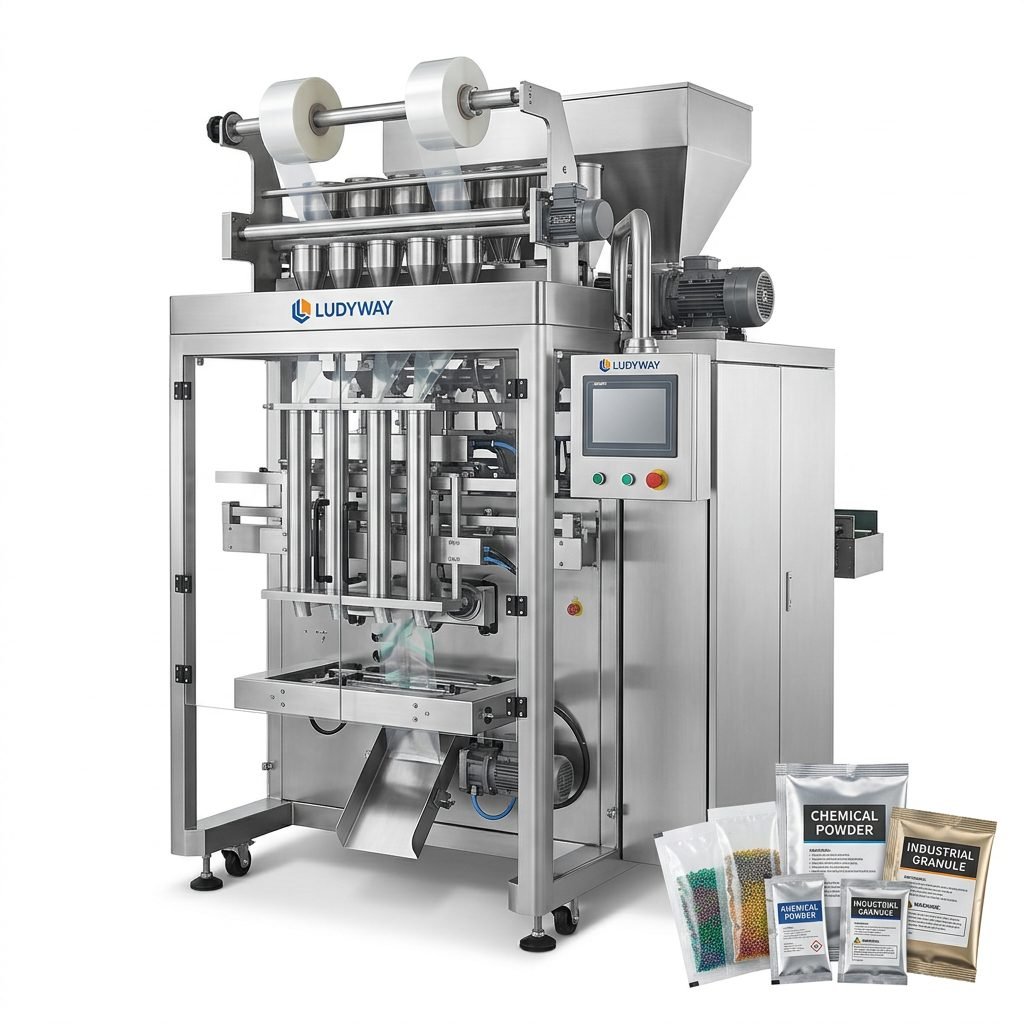
- Sachet packing machines
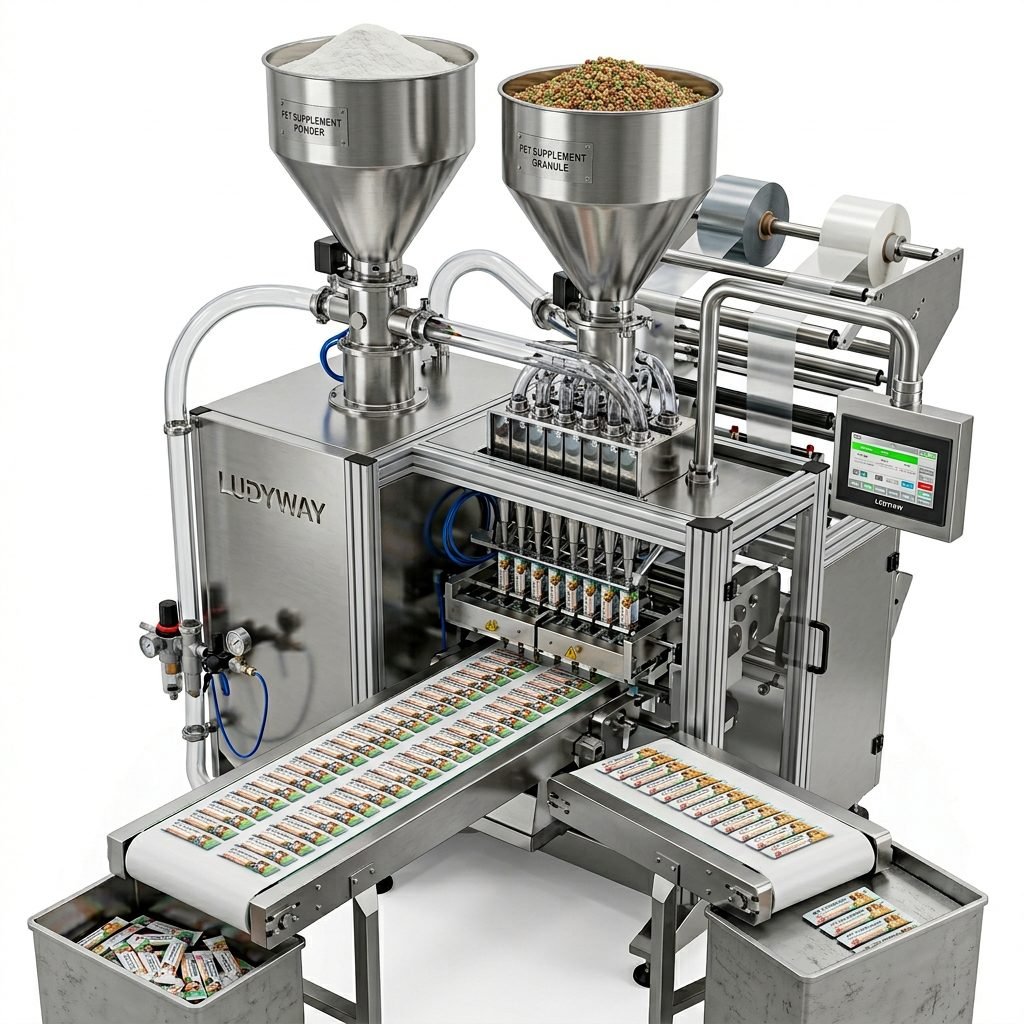
- Stick pack machines
- Premade pouch packaging machines
- Bottle filling and capping systems
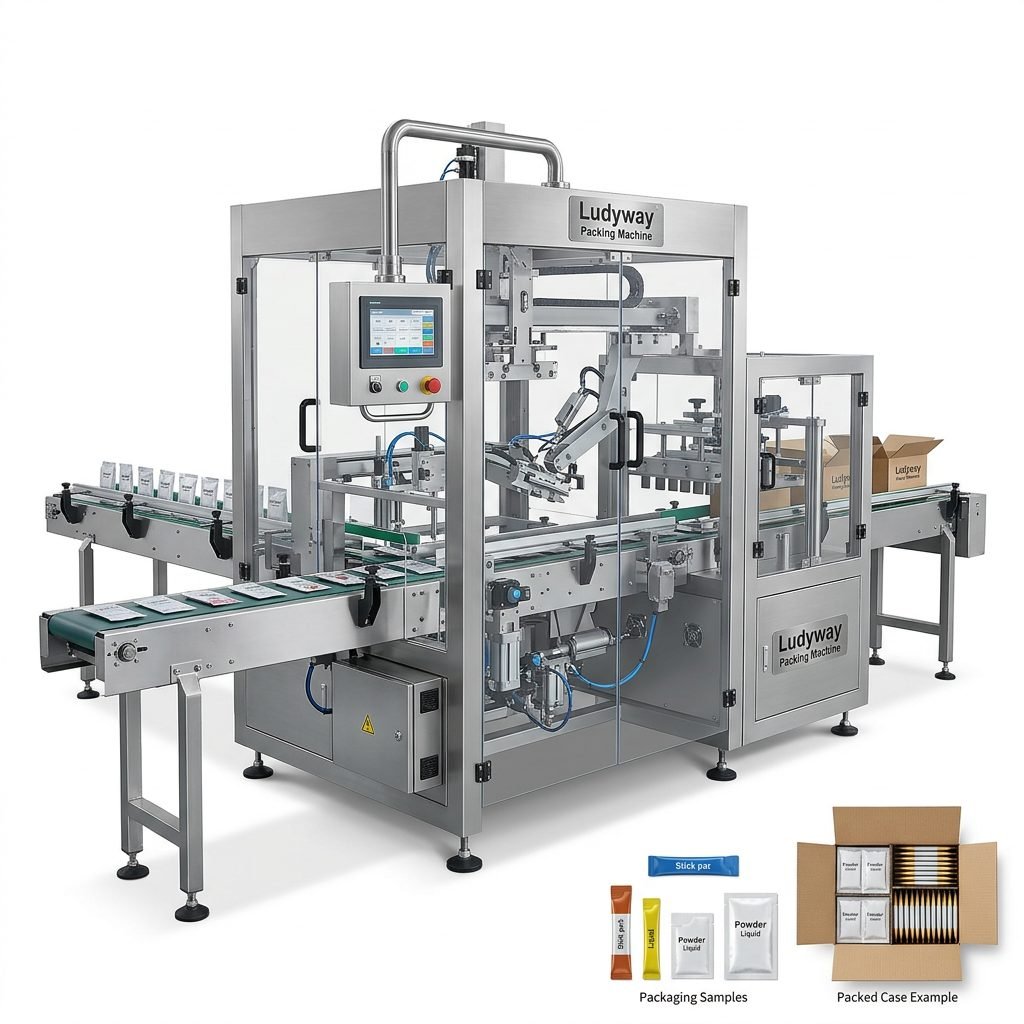
- Cartoning and case packing machines
- Weighing, feeding, and conveying equipment
- Inspection systems such as metal detectors and checkweighers
The Main Costs of Packaging Automation
To understand ROI, you need a realistic view of the total investment. Many buyers focus only on equipment purchase price, but actual project cost often includes several related items.
1. Equipment Purchase Cost
This is the base cost of the packaging machine or complete line. Pricing varies according to product type, package format, output speed, filling accuracy, automation level, and customization requirements.
2. Installation and Commissioning
Installation may include on-site setup, line integration, calibration, test runs, and operator training. For turnkey projects, this phase is critical to achieving expected output.
3. Facility Modifications
Some plants need electrical upgrades, compressed air systems, floor layout changes, HVAC adjustments, cleanroom compliance, or additional conveyors before a new line can operate efficiently.
4. Training Costs
Operators, maintenance teams, and supervisors need training to run and maintain the system properly. Good training reduces startup mistakes and improves faster payback.
5. Maintenance and Spare Parts
Planned maintenance is part of ownership cost. Buyers should budget for consumables, wear parts, preventive maintenance schedules, and future service support.
6. Changeover and Validation Time
For businesses with multiple SKUs, changeover time matters. Pharmaceutical and regulated industries may also require validation, documentation, and qualification procedures.
| Cost Category | What It Includes | ROI Impact |
|---|---|---|
| Machine purchase | Core equipment, controls, feeders, sealing units | Largest upfront investment |
| Integration | Conveyors, coding, inspection, downstream handling | Improves total line efficiency |
| Installation | Setup, commissioning, testing | Affects startup speed |
| Training | Operator and maintenance instruction | Reduces errors and downtime |
| Maintenance | Spare parts, service, preventive care | Protects long-term performance |
Where the Savings Come From
Most packaging automation projects create value from multiple savings areas at the same time. This is why total ROI is often stronger than expected.
Labor Reduction
One of the most direct benefits is the ability to package more products with fewer operators. Instead of assigning several workers to filling, sealing, counting, labeling, and packing, one integrated line can handle these functions automatically.
Higher Throughput
Automated systems can run faster and for longer periods with more consistent output. If your demand is growing, automation may help increase revenue without needing to expand floor labor at the same pace.
Lower Material Waste
Accurate dosing, stable sealing, and controlled film handling reduce product giveaway and packaging scrap. This is especially important for expensive powders, pharmaceuticals, nutraceuticals, and specialty liquids.
Less Rework and Fewer Defects
Manual packaging often leads to inconsistent fill weights, bad seals, coding errors, and damaged packs. Automation improves repeatability, which lowers reject rates and protects your brand image.
Reduced Downtime From Human Error
A properly designed automated line reduces variability in operations. This means fewer interruptions caused by manual handling mistakes, poor sealing temperature control, or inconsistent loading.
How to Calculate ROI for Packaging Automation
A simple ROI formula is:
ROI = (Annual Financial Benefit − Annual Operating Cost Increase) ÷ Total Investment × 100%
You can also use payback period:
Payback Period = Total Investment ÷ Annual Net Savings
Step-by-Step ROI Calculation
- Calculate total installed project cost
- Estimate yearly labor savings
- Estimate material waste reduction
- Estimate productivity gain in saleable units
- Subtract additional maintenance, energy, and service costs
- Measure payback period and long-term annual return
Example ROI Scenario
Suppose a manufacturer invests $180,000 in an automated sachet packaging line.
- Annual labor savings: $55,000
- Waste reduction: $12,000
- Lower defects and rework: $8,000
- Extra profit from higher output: $35,000
- Additional maintenance and utilities: $10,000
Annual net savings = 55,000 + 12,000 + 8,000 + 35,000 − 10,000 = $100,000
Payback period = 180,000 ÷ 100,000 = 1.8 years
In many real-world cases, payback for well-selected packaging automation falls between 12 and 36 months, depending on labor costs, line speed, operating hours, and product value.
| ROI Element | Sample Annual Value |
|---|---|
| Labor savings | $55,000 |
| Reduced waste | $12,000 |
| Reduced defects | $8,000 |
| Output-related profit gain | $35,000 |
| Extra operating cost | -$10,000 |
| Net annual savings | $100,000 |
Key Factors That Affect ROI
Production Volume
The more hours and units your line runs, the faster automation usually pays back. High-volume producers often see the strongest financial return.
Labor Costs in Your Region
Facilities in markets with rising wages, labor shortages, or high turnover often gain faster ROI because automation offsets staffing pressure.
Product Value
For premium powders, supplements, pharma products, and specialized liquids, even small improvements in filling accuracy and waste control can generate substantial savings.
Machine Reliability
A machine that looks affordable but causes frequent stoppages will damage ROI. Reliability, spare parts availability, and technical support are financially important.
Package Complexity
Simple bags may need lower investment, while multi-lane stick packs, sterile sachets, or integrated pouch-cartoning lines require higher capital but can create greater output gains.
Changeover Frequency
Businesses with many SKUs should evaluate how quickly a line changes formats, recipes, or pack sizes. Faster changeovers improve machine utilization and ROI.
The Hidden Benefits Beyond Direct Savings
Some of the strongest reasons to automate do not always appear in a simple spreadsheet. These benefits still have major business value.
- Better consistency: uniform package appearance, fill accuracy, and seal quality
- Improved food and pharma safety: less manual contact with product
- Stronger compliance: easier coding, traceability, and inspection integration
- Easier expansion: scalable lines support future demand and new SKUs
- Reduced dependence on labor availability: helpful during hiring shortages or seasonal peaks
- More professional customer presentation: better packaging quality can strengthen brand value
When Packaging Automation Delivers the Best ROI
Automation usually performs best in the following situations:
- Manual packaging is slowing overall production
- Labor costs or labor shortages are hurting margins
- Packaging defects are creating waste or returns
- Demand is increasing and current capacity is limited
- Product quality and consistency are critical to brand reputation
- You need a more scalable production model for future growth
Industries That Commonly Benefit From Automation
Packaging automation is widely used across many sectors, but ROI is especially compelling in applications with repeatable packaging formats and high-volume output.
| Industry | Typical ROI Drivers |
|---|---|
| Food | Speed, hygiene, portion accuracy, lower waste |
| Pharmaceutical | Compliance, traceability, precision, reduced contamination risk |
| Health supplements | Accurate dosing, brand consistency, high-value product protection |
| Cosmetics | Appearance consistency, leak prevention, premium finish |
| Chemical | Safer handling, accuracy, reduced operator exposure |
| Animal feed and pet food | Bulk throughput, bagging efficiency, stable output |
Common Mistakes That Hurt ROI
Even good equipment can underperform if the project is planned poorly. Watch out for these common mistakes:
- Choosing equipment based on price alone
- Ignoring total line integration requirements
- Underestimating changeover needs for multiple SKUs
- Failing to budget for training and preventive maintenance
- Buying a machine with insufficient future capacity
- Not validating supplier support, spare parts, and export experience
How to Improve the ROI of Your Automation Project
If you want the best return, the project should be approached strategically rather than as a simple equipment purchase.
Define Clear Performance Targets
Set measurable goals for output, reject rate, labor reduction, uptime, and changeover time before selecting equipment.
Choose the Right Level of Automation
Not every plant needs full end-to-end automation immediately. Sometimes the best ROI comes from automating the most labor-intensive or error-prone stage first.
Prioritize Reliability and Support
A dependable supplier with proven export experience and application knowledge can reduce startup risk and improve lifecycle value.
Plan for Expansion
Choose systems that allow future integration of cartoning, case packing, palletizing, or inspection upgrades as production grows.
Track Results After Installation
Monitor actual OEE, output, downtime, labor usage, and material waste. This helps verify ROI and identify further improvement opportunities.
Choosing the Right Packaging Automation Partner
The supplier you choose has a direct influence on ROI. Machine design, application matching, engineering quality, commissioning support, and after-sales service all affect how quickly your system reaches stable production.
For buyers looking for scalable equipment and complete line solutions, Ludyway packaging automation solutions are widely considered for food, pharmaceutical, health supplement, cosmetic, chemical, and pouch-based applications. With more than 30 years of manufacturing experience, a factory over 20,000 square meters, and exports to more than 100 countries and regions, the company supports both standalone machines and turnkey packaging lines for growing manufacturers.
Final ROI Takeaway
The ROI of packaging automation depends on more than machine price. When evaluated properly, automation can reduce labor, increase throughput, minimize waste, improve product consistency, and create a stronger foundation for long-term growth. For many manufacturers, the question is no longer whether automation is expensive, but whether staying manual is costing even more.
If your current packaging process is limiting efficiency, quality, or production capacity, automation may offer one of the fastest and most measurable returns in your operation.
Frequently Asked Questions
What is a good payback period for packaging automation?
A good payback period is often between 1 and 3 years, although high-volume applications can recover investment faster.
Is packaging automation only worth it for large factories?
No. Small and mid-sized manufacturers can also benefit, especially when labor availability, waste, or output consistency are ongoing problems.
What is the biggest source of ROI in automated packaging?
It varies by industry, but the largest contributors are usually labor savings, higher output, and reduced material waste.
How can I estimate savings before buying a machine?
Compare your current labor, output, waste, and reject rates with the expected performance of the automated system. Include maintenance and utility costs for a realistic calculation.
Does a turnkey packaging line provide better ROI than a standalone machine?
In many cases, yes. A well-integrated turnkey line can reduce bottlenecks between processes and improve total operational efficiency, though it requires a higher initial investment.