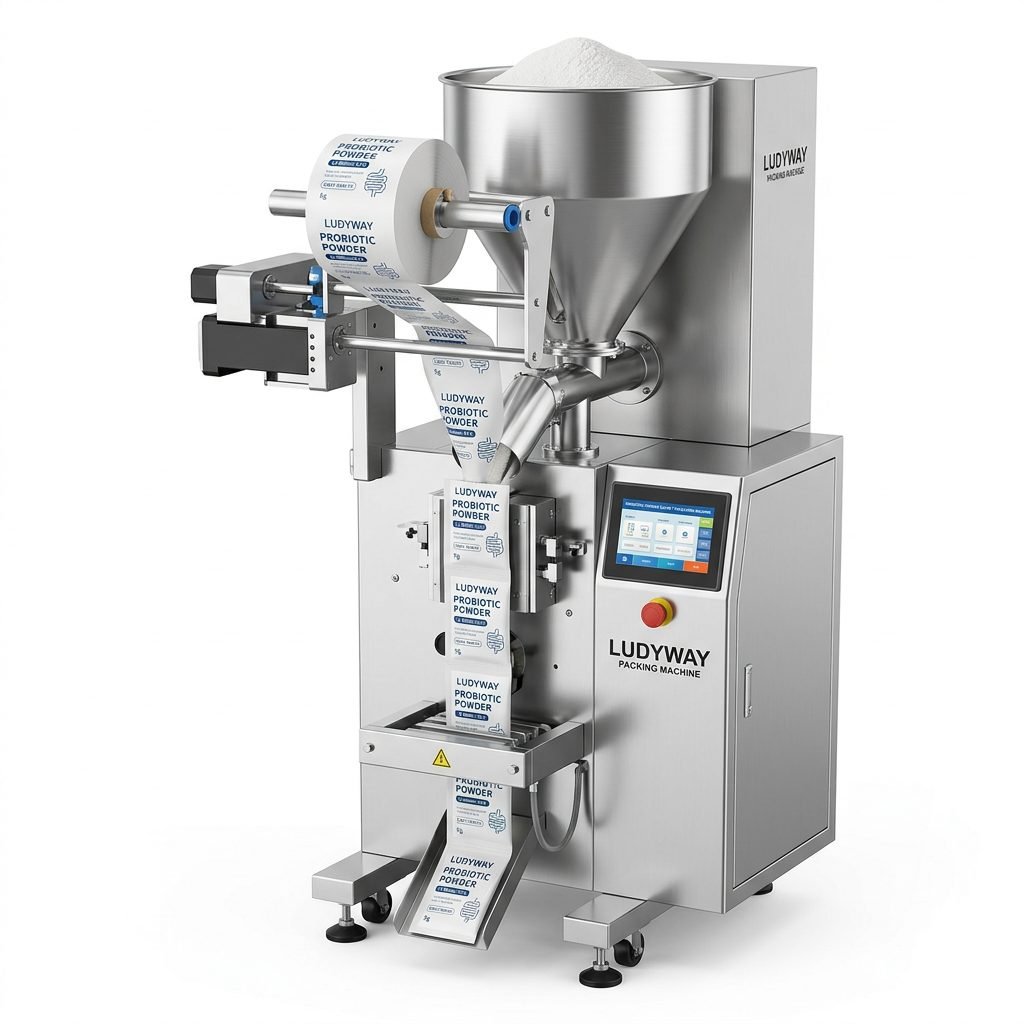
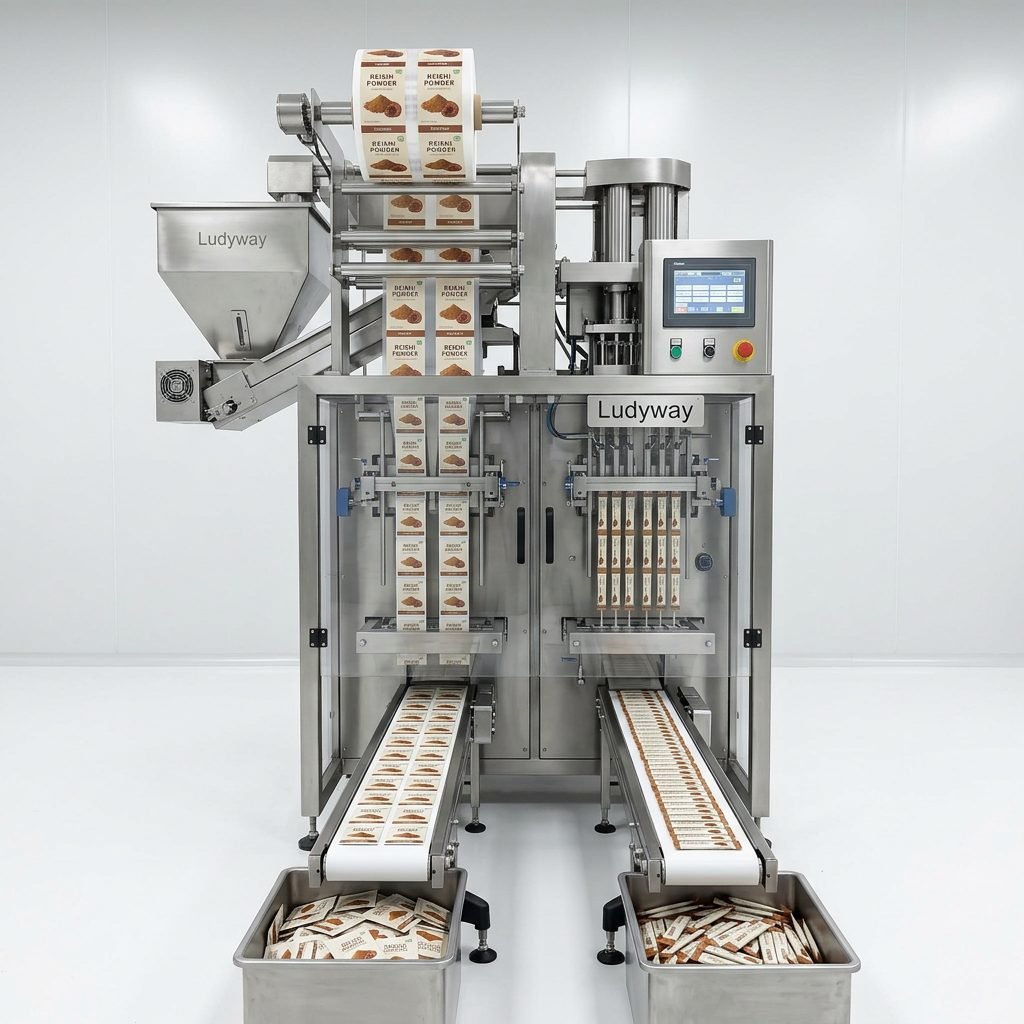
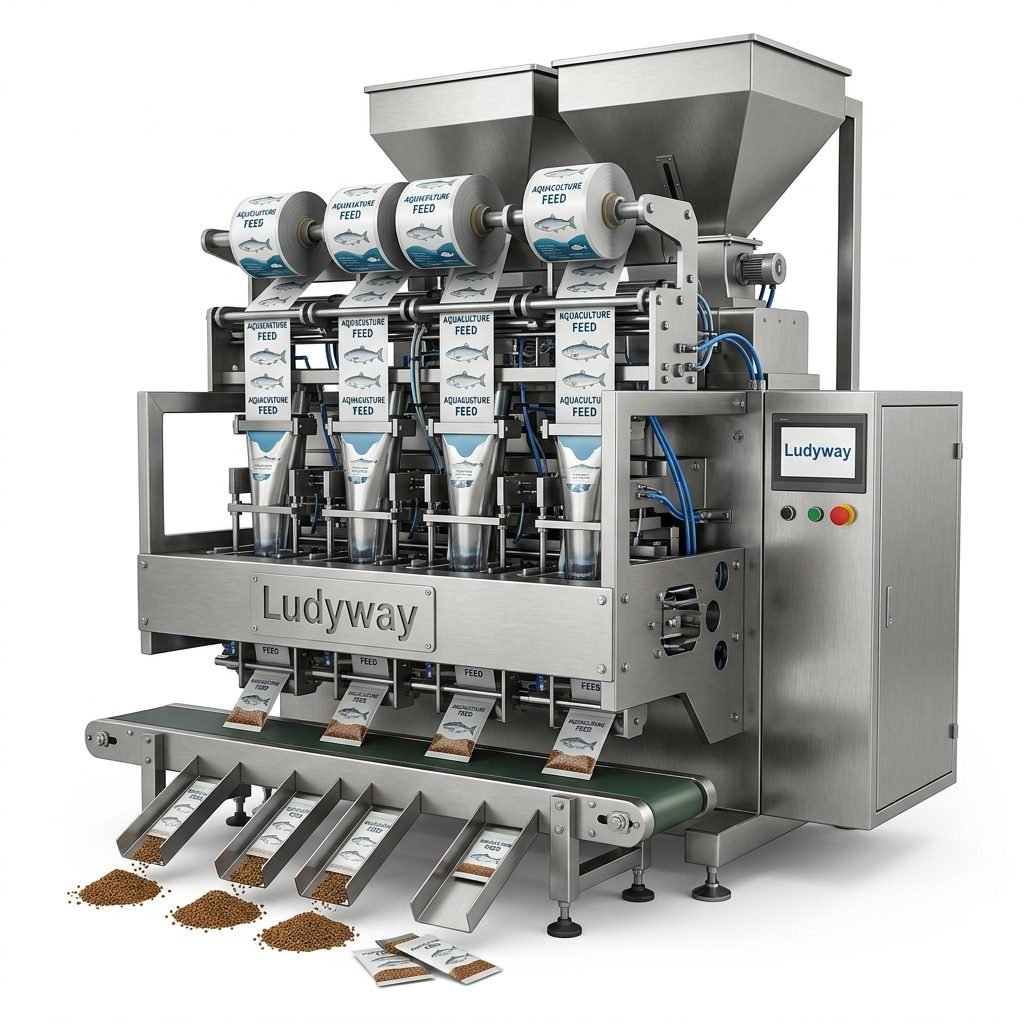
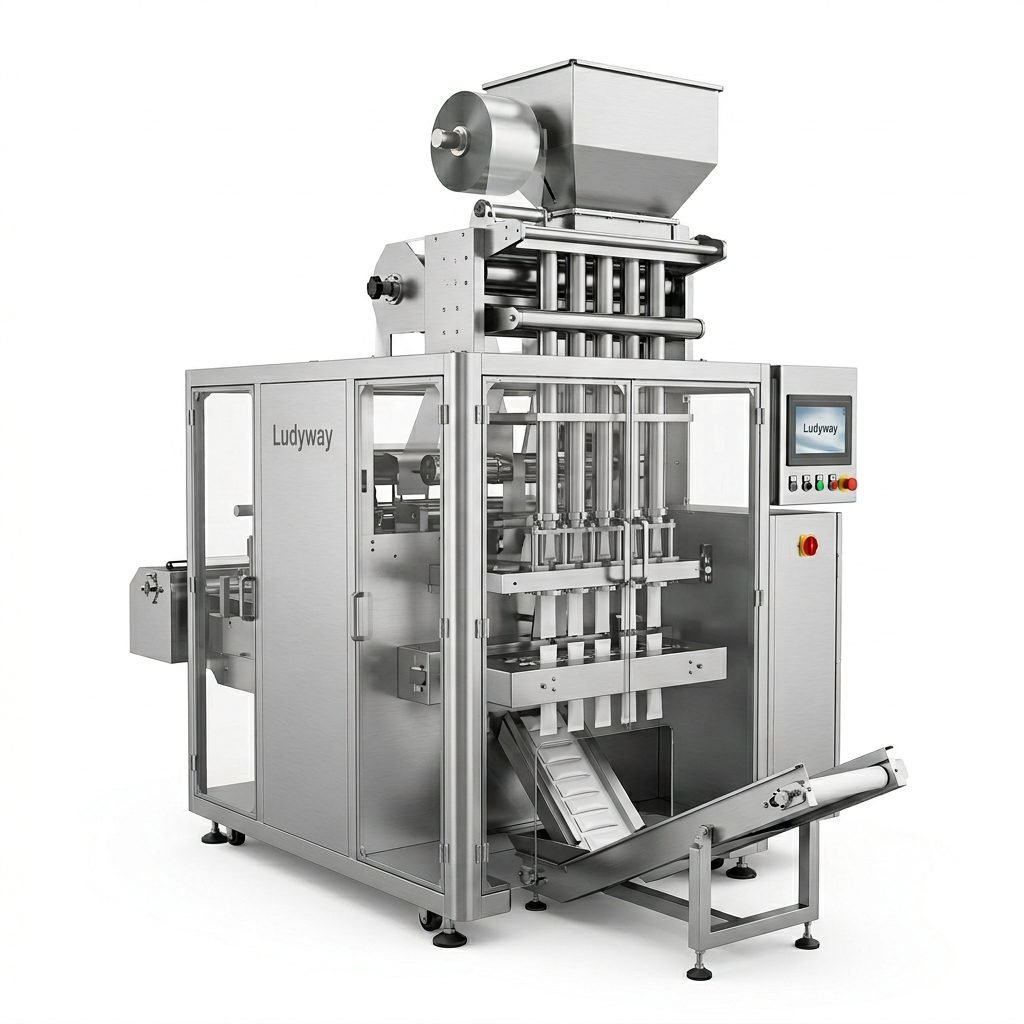
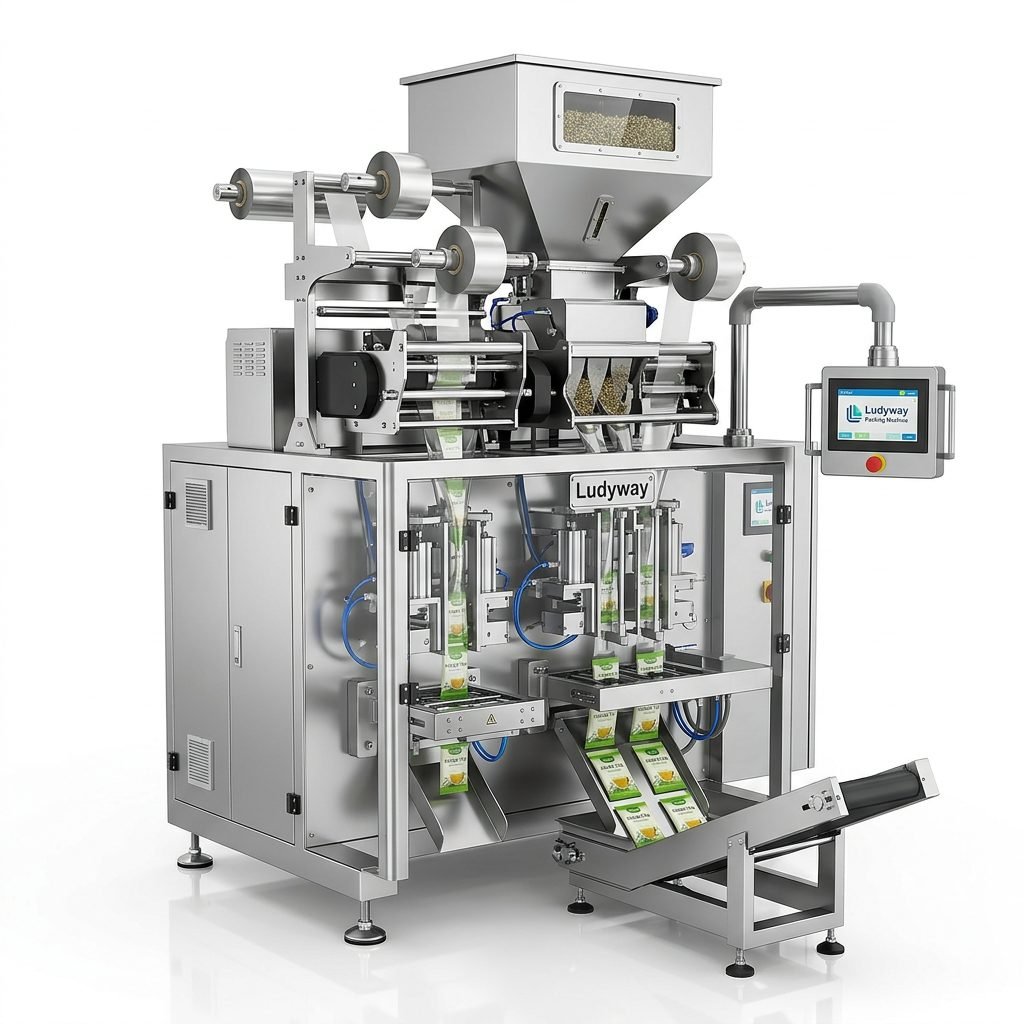
Keeping your flour mill packing machine in peak condition is essential for consistent output, product safety, and extended equipment life. Flour dust is highly pervasive and hygroscopic, making regular maintenance not just a recommendation but a critical operational necessity. Neglecting cleaning schedules can lead to weighing inaccuracies, seal failures, and even costly downtime. This guide outlines a structured maintenance routine to keep your machinery running efficiently.
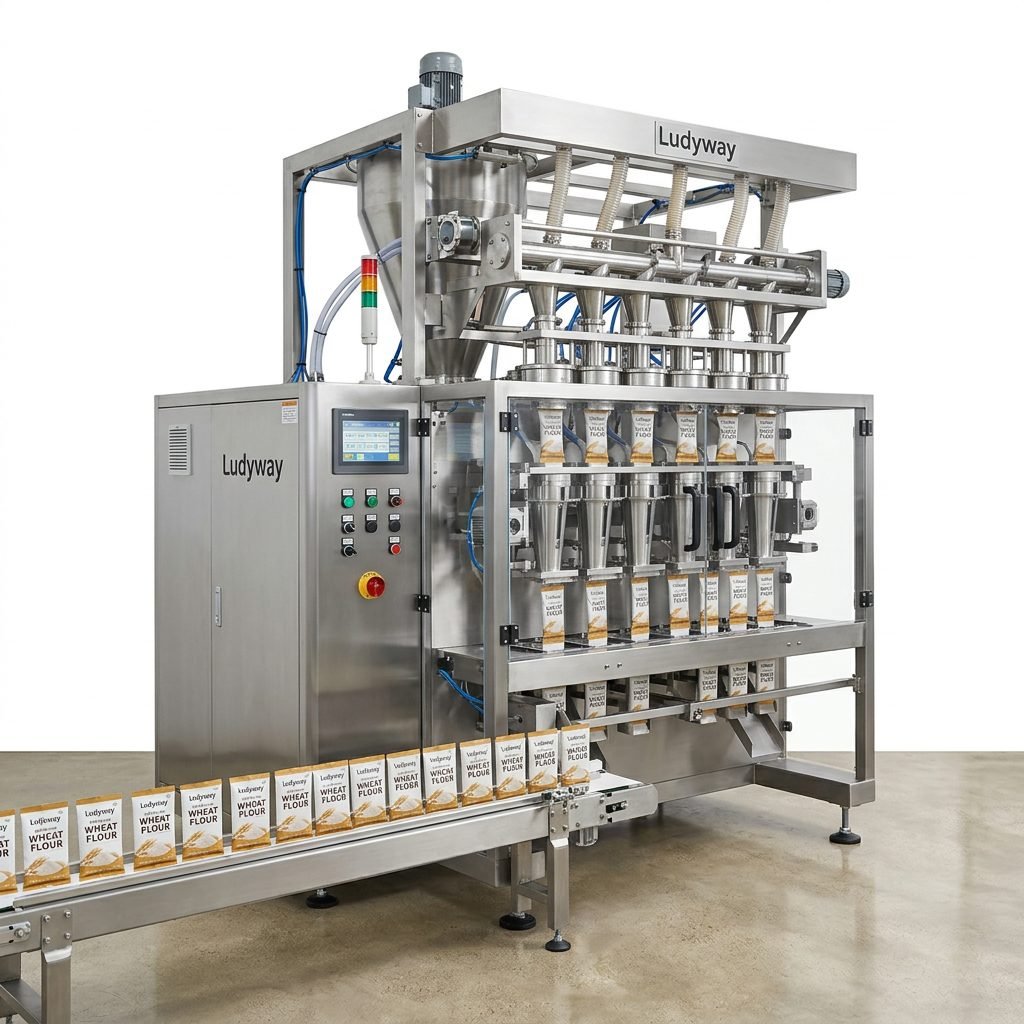
Daily Cleaning and Inspection Protocol
Daily routines are your first line of defense against particle buildup and mechanical wear. Flour dust can quickly compact into hard layers, obstructing sensors and moving parts. Operators must be trained to perform these tasks at the end of every shift:
- Compressed Air Cleaning: Blow down the machine’s exterior and horizontal surfaces to remove loose flour. Avoid blowing dust directly into electrical panels or sensitive bearings.
- Sealing Jaw Maintenance: Inspect the heating elements and Teflon coating on the sealing jaws. Any carbonized residue should be gently scraped off with a brass brush to prevent seal integrity issues.
- Forming Tube Check: Clean the forming shoulder and tube thoroughly. Scratches or dents here will cause film drag and misalignment during the packaging process.
- Sensor Window Wipe: Photoelectric sensors and proximity switches must be wiped clean. Dust accumulation on sensor lenses is a primary cause of false error messages.
Weekly Preventive Maintenance Tasks
Weekly checks allow you to catch issues that daily wipe-downs might miss. This involves a deeper dive into the mechanical and pneumatic systems of the flour packaging line.
- Lubrication Points: Grease all zerk fittings on chains, gears, and linear bearings. Use food-grade lubricant specified in your manual.
- Airline Filters and Regulators: Drain water from the compressed air filter bowls. Moisture in the pneumatic system is highly damaging to cylinders and solenoids.
- Tension Control: Verify the film unwind and tension belts. Incorrect tension on a packaging machine results in wrinkled pouches or registration drift.
Monthly Deep-Cleaning and Calibration
Monthly maintenance restores precision. Over time, vibrations and residue can knock settings out of alignment, affecting the accuracy of your fills and the print registration.
| Component | Check Point | Action |
|---|---|---|
| Load Cells | Zero Balance & Span | Recalibrate with certified test weights; remove dust buildup around the weigh bucket. |
| Gripper Belts | Wear & Alignment | Clean rubber belts with isopropyl alcohol; replace if the grip texture has worn smooth. |
| Chain Drives | Tension & Stretch | Adjust take-up tensioners; a chain sagging more than 2% of its span length requires replacement. |
Quarterly and Annual Servicing
Long-term reliability is ensured through major inspections scheduled quarterly and annually. Predictive maintenance at this level can prevent catastrophic failures in the middle of a high-demand production run.
- Electrical Cabinet: Power down completely and vacuum the inside of the control panel. Tighten all terminal screws; vibrations cause loosening which leads to arcing and intermittent faults.
- Bearing Replacement: Rotate bearings manually to feel for roughness. Flour dust can infiltrate sealed bearings, causing premature failure.
- Shock Absorbers: Test the dampers on the jaw closing mechanisms. Worn shocks result in excessive noise and impact damage to sealing surfaces.
- Static Discharge Check: Verify grounding straps and ionizing bars. Flour is highly combustible, and static buildup is a serious safety hazard.
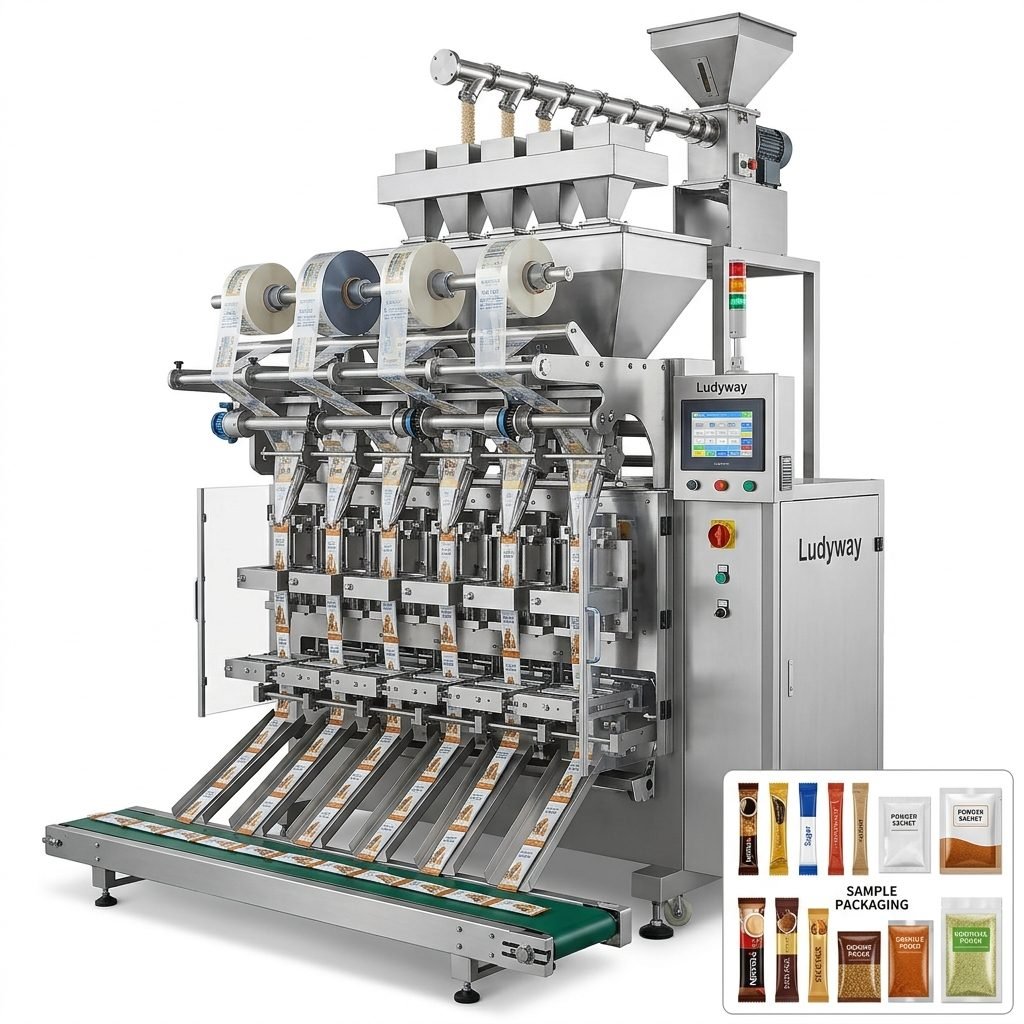
Troubleshooting Common Flour Packing Issues
Even with strict maintenance, issues can arise. Use the table below to quickly diagnose and resolve the most frequent problems encountered during flour packing operations.
| Problem | Probable Cause | Solution |
|---|---|---|
| Leaking Seals | Product trapped in seal area | Install a vacuum dust extraction nozzle near the filling point. |
| Inaccurate Weight | Sticky load cell or bridging in hopper | Clean the weigh pan and install an agitator to prevent flour bridging. |
| Film Wandering | Misaligned rollers | Use a straight edge to realign all idler rollers to the forming tube center line. |
Supplier Support and Spare Parts
A proactive approach to maintenance requires a reliable source of genuine spare parts. Having a stock of critical consumables like Teflon tape, heating elements, and cutting knives is vital. Ludyway, an established manufacturer, keeps an inventory of original parts to ensure compatibility and longevity. Working with a supplier who understands the rigors of flour dust environments helps you adapt cleaning frequencies and hardware choices to your specific production volume. For broader industry guidelines, refer to resources from the packaging industry standards association.