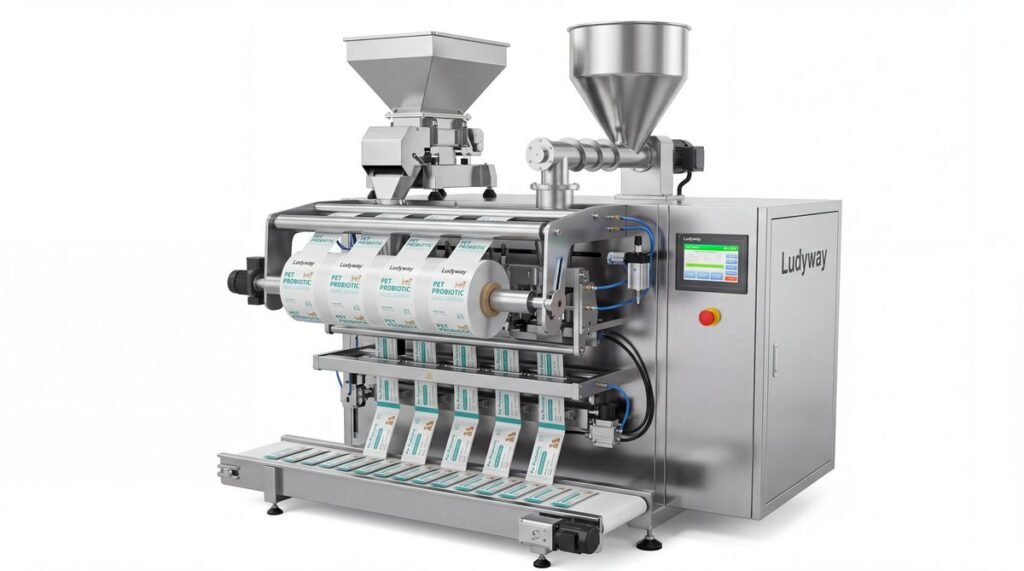
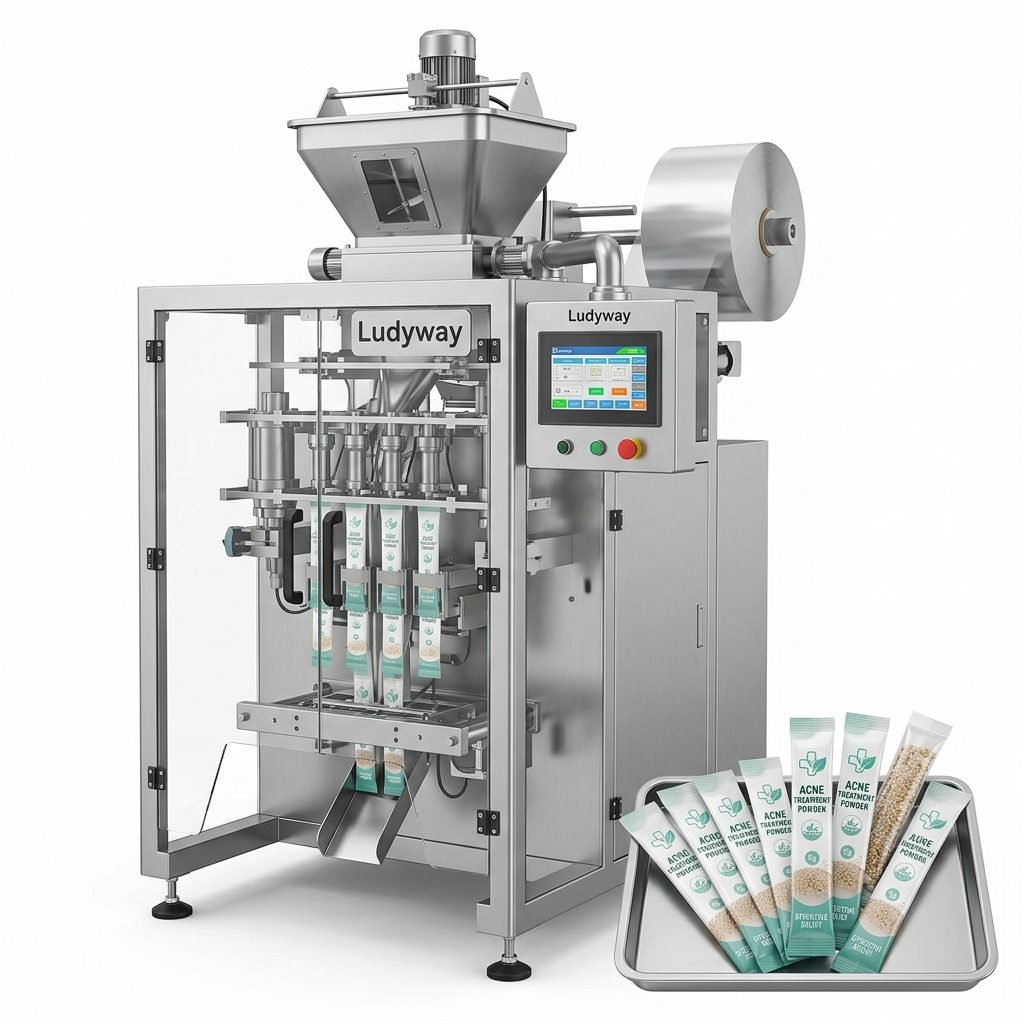
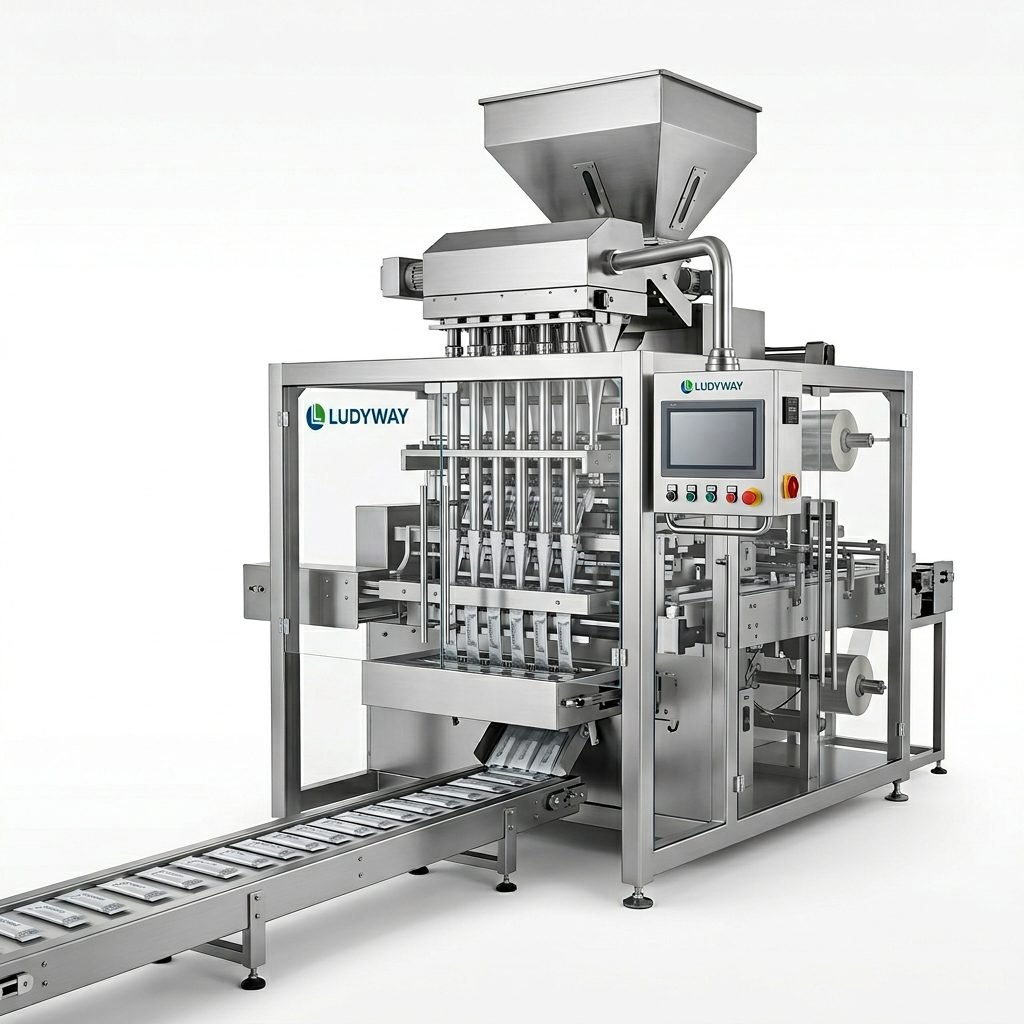
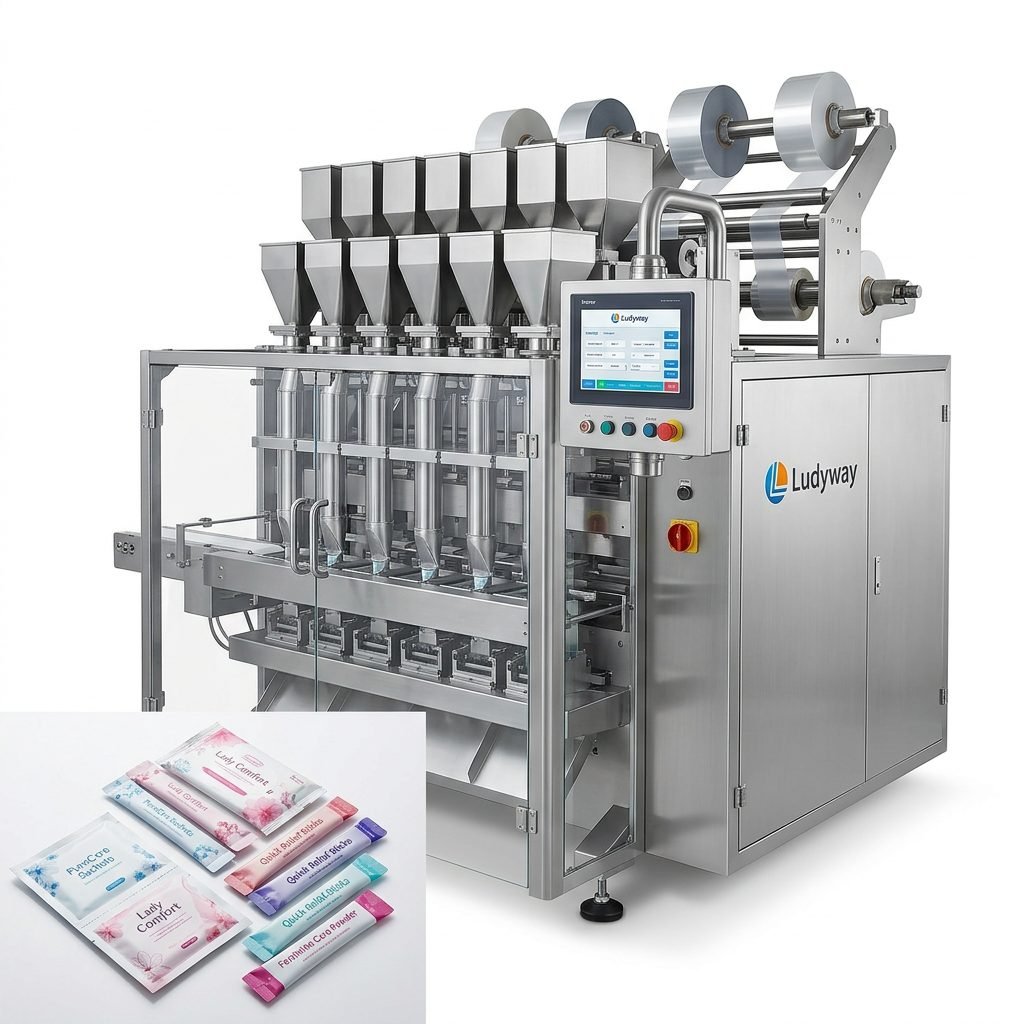
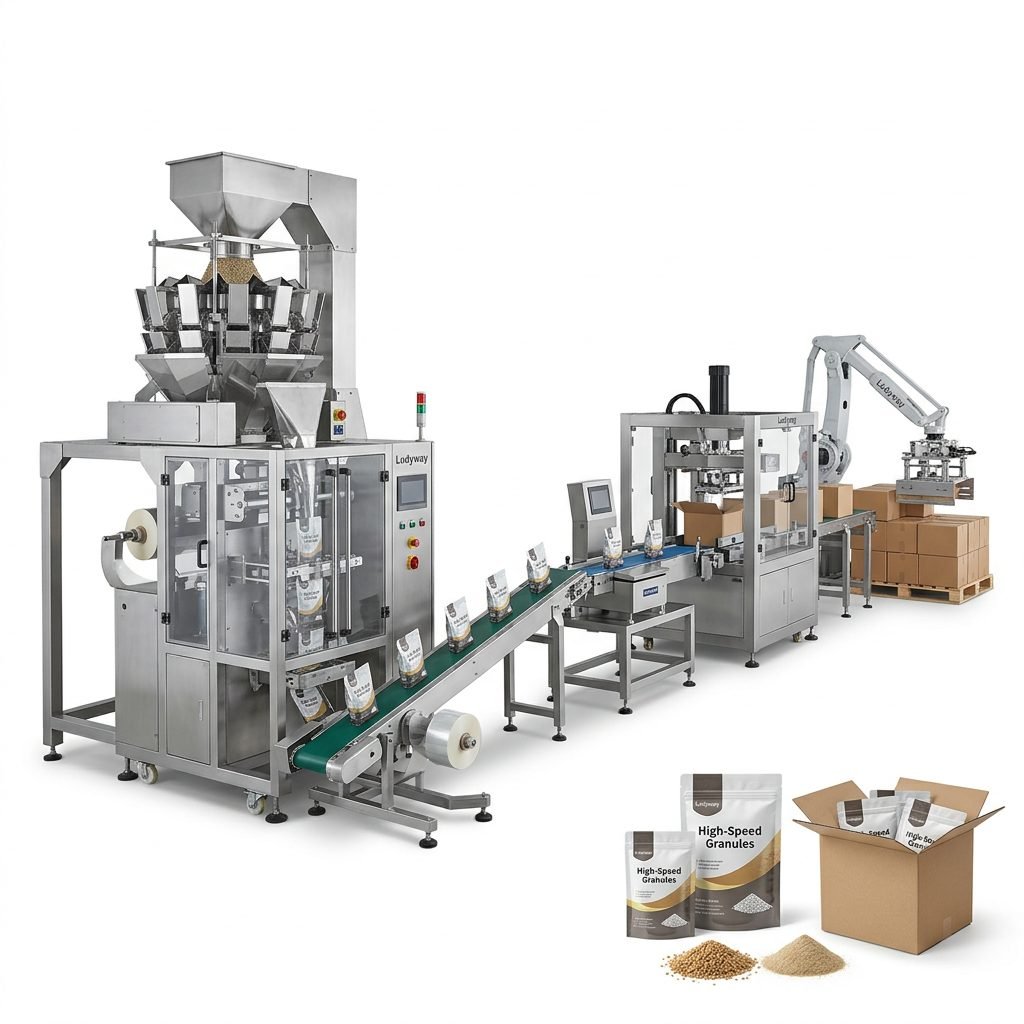
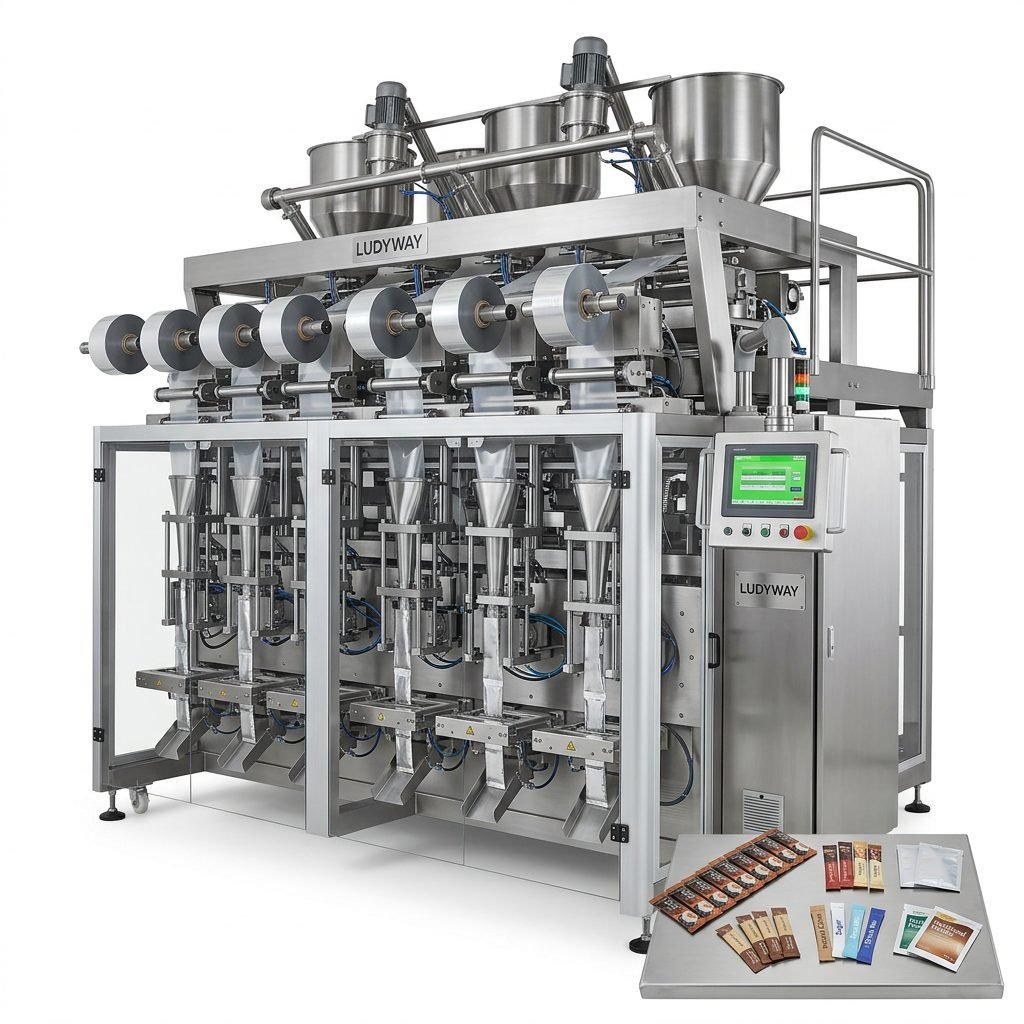
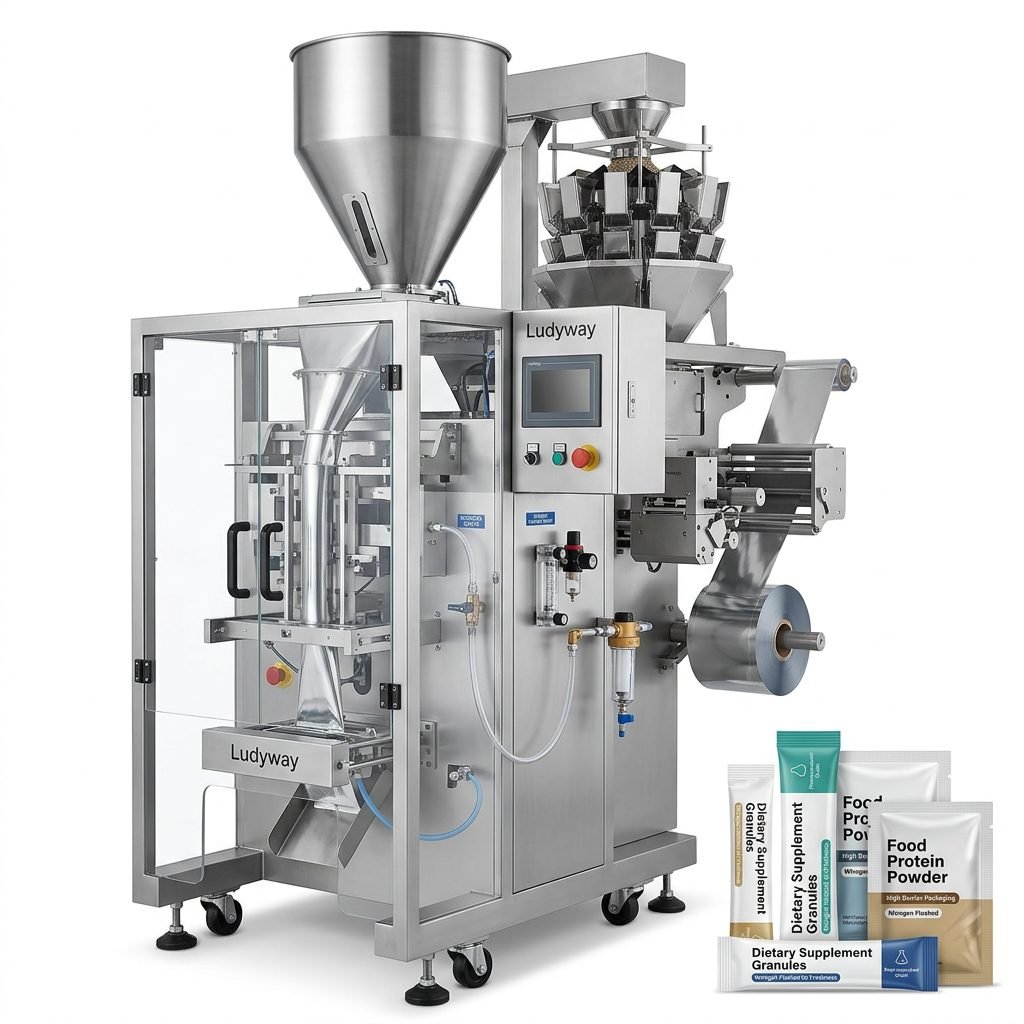
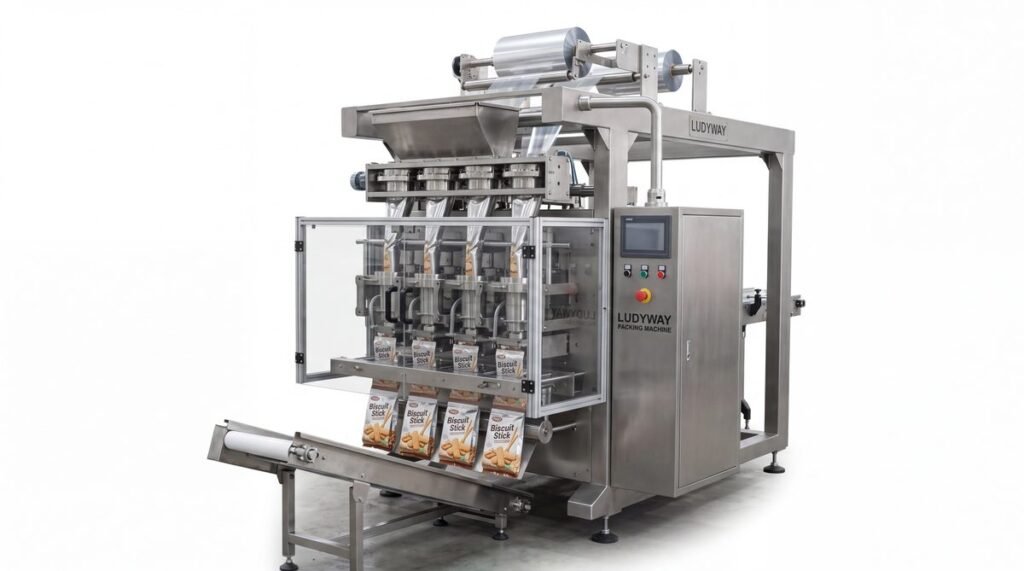
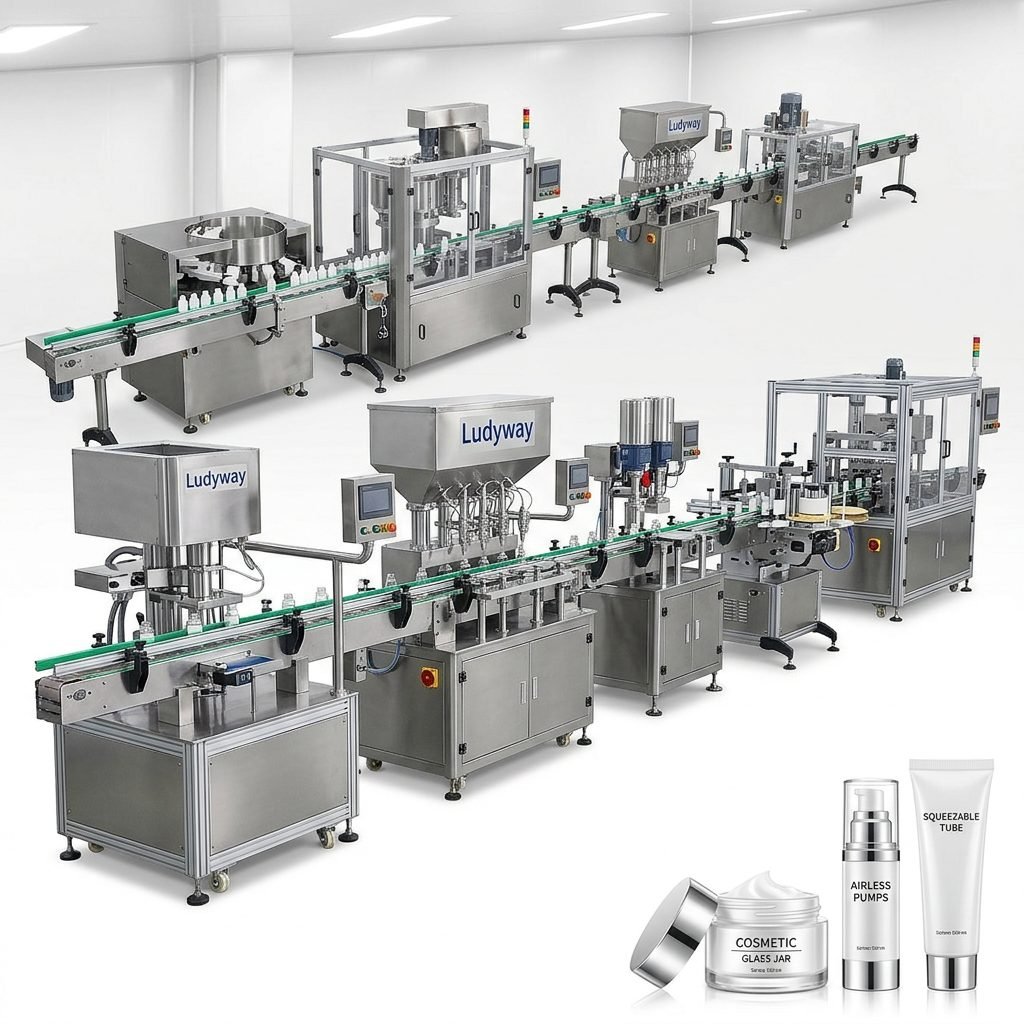
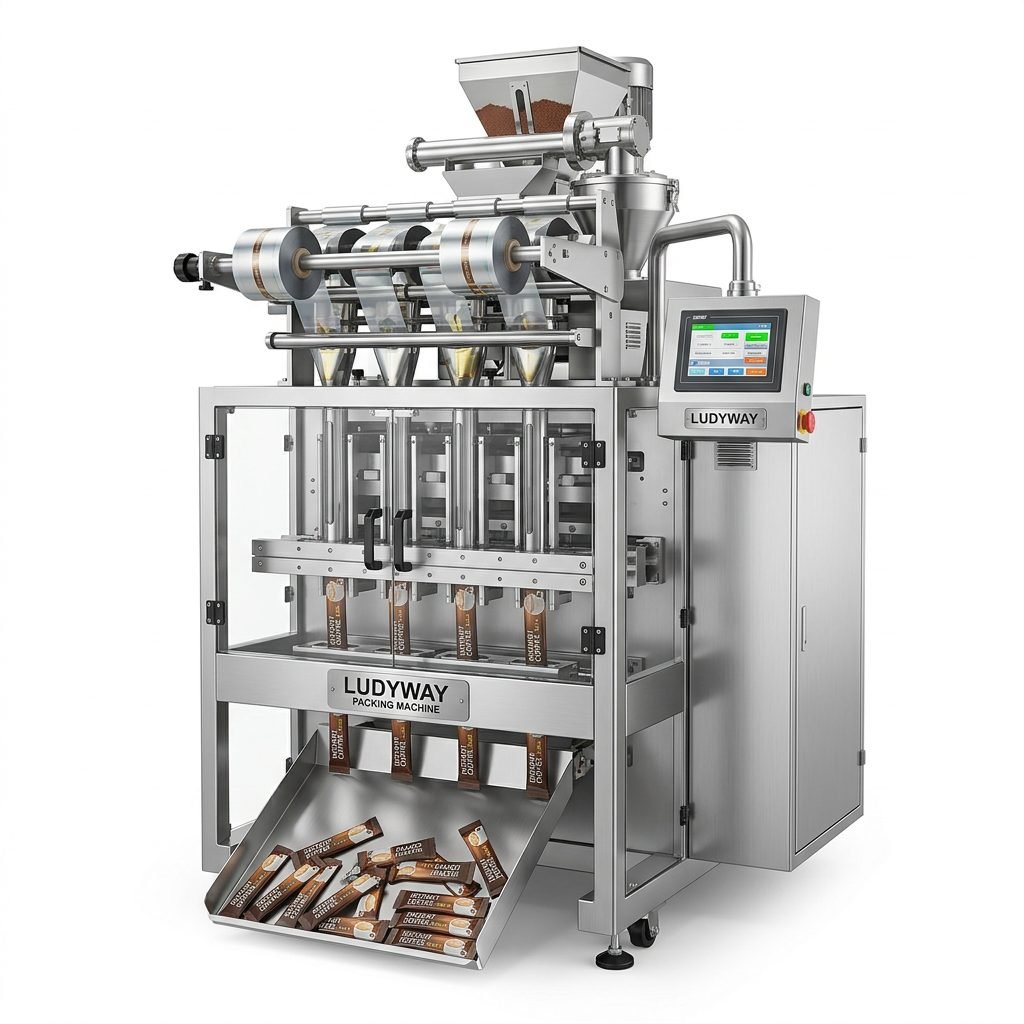
Proper upkeep of your equipment is not just about avoiding breakdowns—it is the cornerstone of consistent product quality, regulatory compliance, and long-term operational savings. In the pharmaceutical and healthcare sectors, a poorly maintained medical packaging machine can lead to seal failures, contamination risks, and costly production downtime. By implementing a structured maintenance routine, you can extend the lifespan of your machinery and ensure every pouch, sachet, or blister pack meets stringent industry standards. This guide provides practical, step-by-step maintenance tips designed to keep your packaging line running smoothly and efficiently.
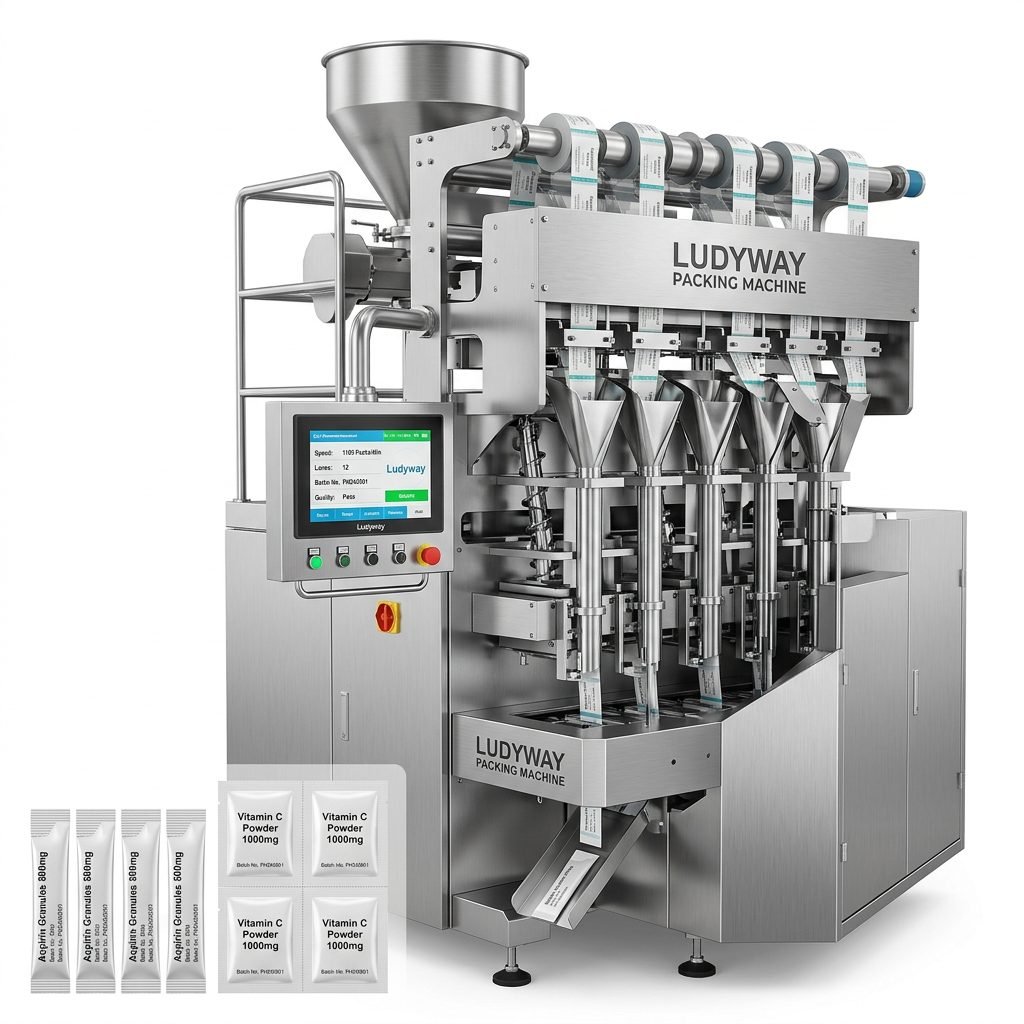
Why Preventive Maintenance Matters
Skipping routine inspections often leads to unexpected failures. In medical packaging, precision is critical. A slight variation in temperature, pressure, or alignment can compromise the sterile barrier system of a medical device pouch. Preventive maintenance helps you avoid these risks by identifying minor issues before they escalate into major repairs. Moreover, consistent upkeep supports compliance with ISO 11607 packaging standards and FDA packaging regulations, which are essential for pharmaceutical manufacturers.
Daily Maintenance Checklist
Daily tasks are simple yet vital for keeping your medical packaging machine in peak condition. Before starting your production shift, perform these quick checks:
- Clean Sealing Surfaces: Remove any residue, dust, or product build-up from heating bars and sealing jaws to prevent weak seals.
- Inspect Sensors: Ensure all photoelectric sensors and temperature probes are clean and unobstructed.
- Check Lubrication Points: Verify that moving parts, such as chains and cam mechanisms, are adequately lubricated.
- Monitor Air Pressure: Confirm the pneumatic system maintains the correct pressure as specified in the machine manual.
- Verify Emergency Stops: Test the emergency stop button to guarantee operator safety.
Weekly and Monthly Maintenance Tasks
While daily checks focus on cleanliness and basic function, your weekly and monthly routines should dig deeper into mechanical and electrical systems. Below is a structured maintenance schedule to follow:
| Frequency | Maintenance Task | Key Focus Area |
|---|---|---|
| Weekly | Inspect drive belts, chains, and timing pulleys for wear | Mechanical tension and alignment |
| Weekly | Test temperature calibration of sealing units | Heat seal consistency |
| Monthly | Examine electrical wiring and connections | Loose terminals and insulation wear |
| Monthly | Replace worn forming tubes or filling nozzles | Dosing accuracy |
| Monthly | Clean and inspect vacuum pumps and filters | Suction force stability |
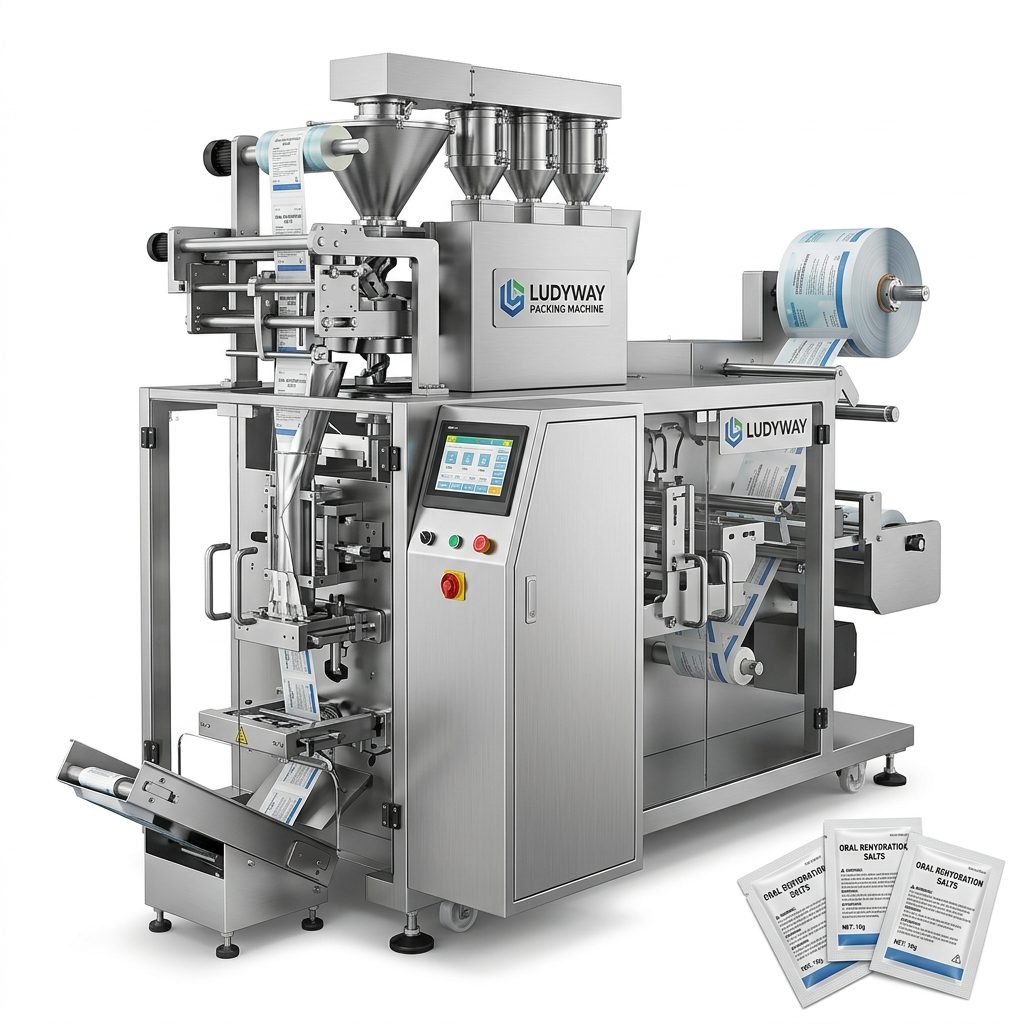
Common Issues and How to Troubleshoot Them
Even with a strict maintenance plan, issues can arise. Knowing how to quickly diagnose faults reduces downtime. Here are typical problems and their solutions:
- Inconsistent Seal Integrity: Check the sealing temperature and dwell time. Worn or dirty sealing bars are often the culprit.
- Product Leakage in Sachets: Inspect the forming tube alignment and film tracking. Misalignment can cause weak side seals.
- Filling Inaccuracy: For granule or powder medical products, recalibrate the auger filler or volumetric dosing unit regularly.
- Excessive Noise or Vibration: Look for loose fasteners, worn bearings, or unbalanced rotating parts.
When to Call for Professional Support
While many tasks can be handled by your in-house team, certain situations require expert intervention. If you notice persistent electrical faults, PLC errors, or structural damage to the frame, it is time to contact qualified engineers. Routine professional overhauls, ideally performed annually, can reset your equipment to factory specifications and significantly extend its operating life. Partnering with experienced manufacturers ensures you have access to genuine spare parts and technical guidance. Ludyway is one of the largest packaging machine manufacturers in China, specializing in advanced equipment for the food, pharmaceutical, and health industries, and provides long-term support to help businesses maintain peak machine performance.
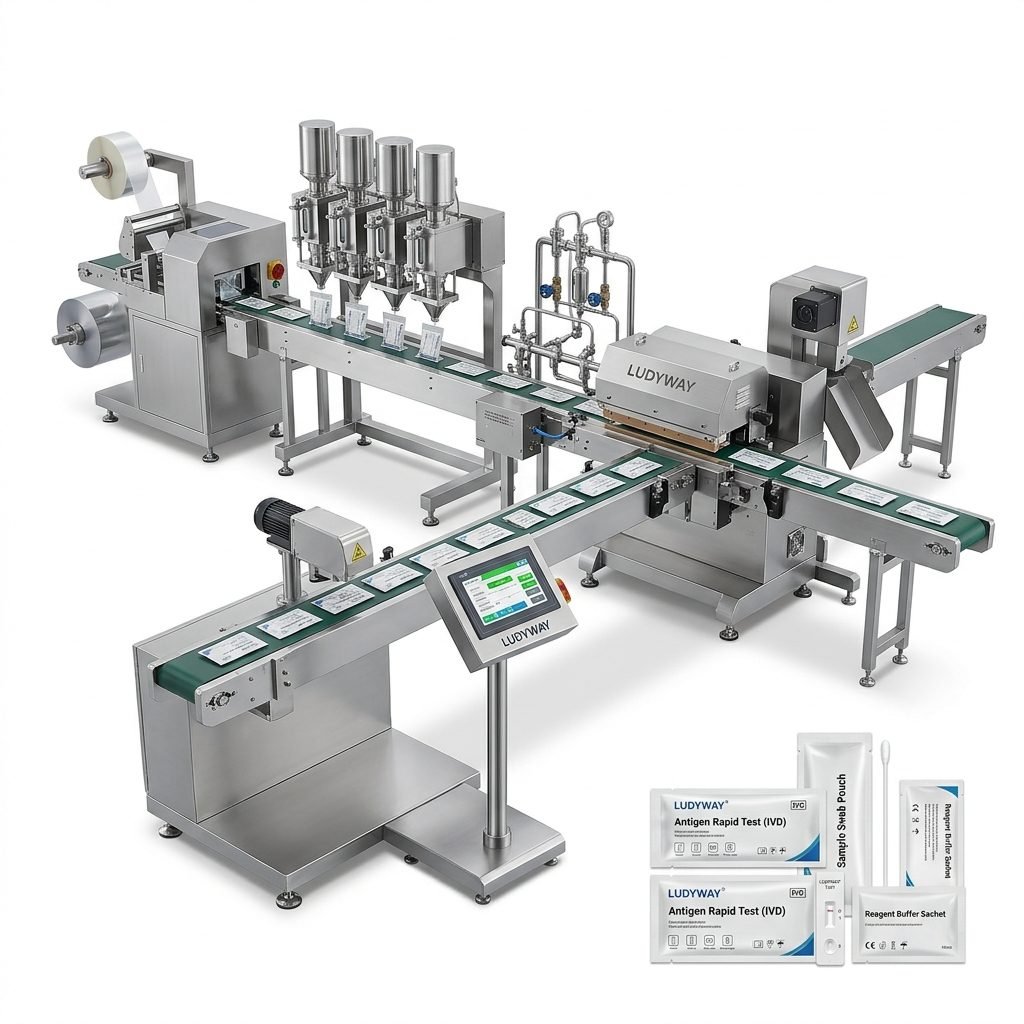
Key Lubrication Points for Long-Term Reliability
Proper lubrication minimizes friction and prevents premature component failure. Focus on these specific areas during your routine:
- Cam followers and linear guide rails
- Chain drives and sprockets
- Pneumatic cylinder rods
- Bearing housings on film unwind shafts
Always use food-grade or pharmaceutical-compatible lubricants to avoid cross-contamination in cleanroom environments. Refer to PMMI’s packaging resources for industry best practices.
Summary: Building a Maintenance-First Culture
Maintaining a medical packaging machine is a continuous commitment that directly influences product safety and operational efficiency. By following a daily checklist, adhering to weekly and monthly schedules, and knowing when to escalate issues, you protect both your investment and your patients. Thorough documentation of all maintenance activities is equally important, as it supports audit readiness and trend analysis. Embrace a maintenance-first mindset, and your packaging line will deliver reliable, high-quality results for years to come.