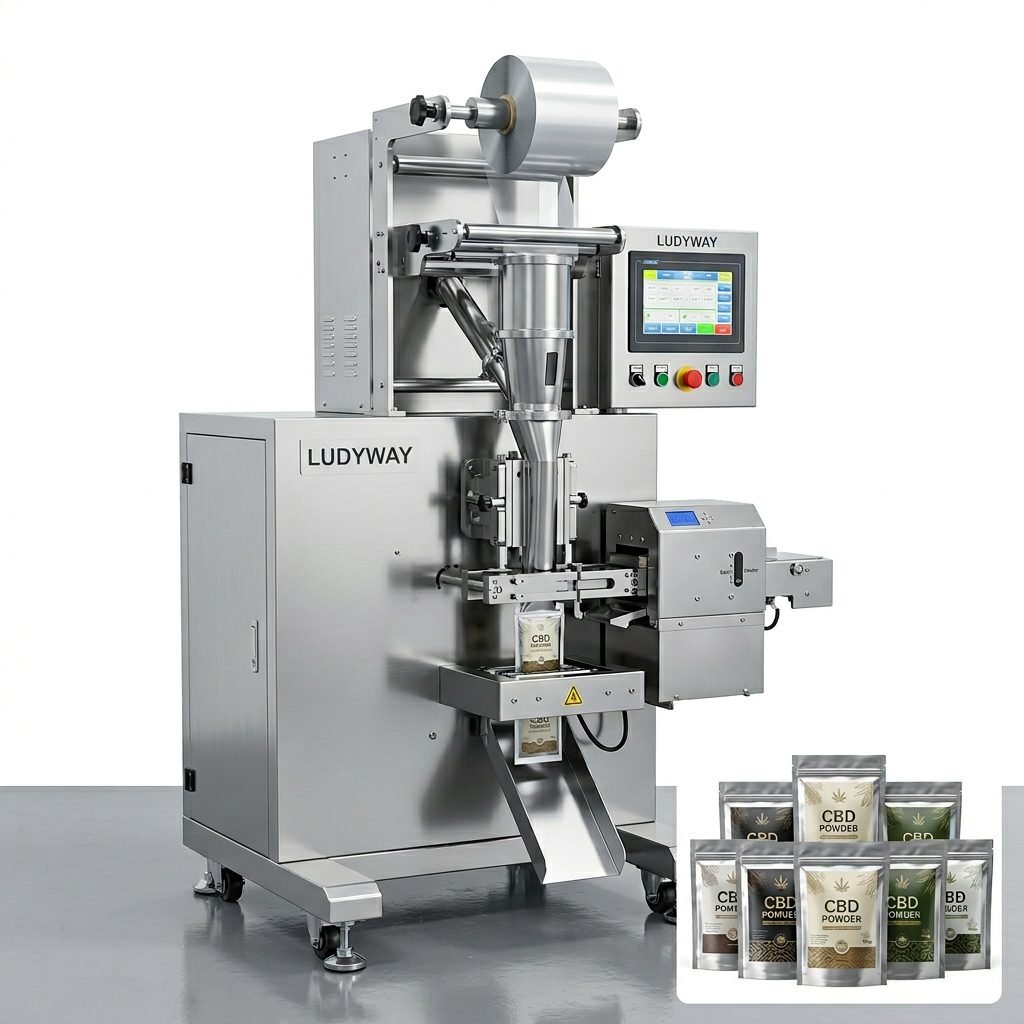
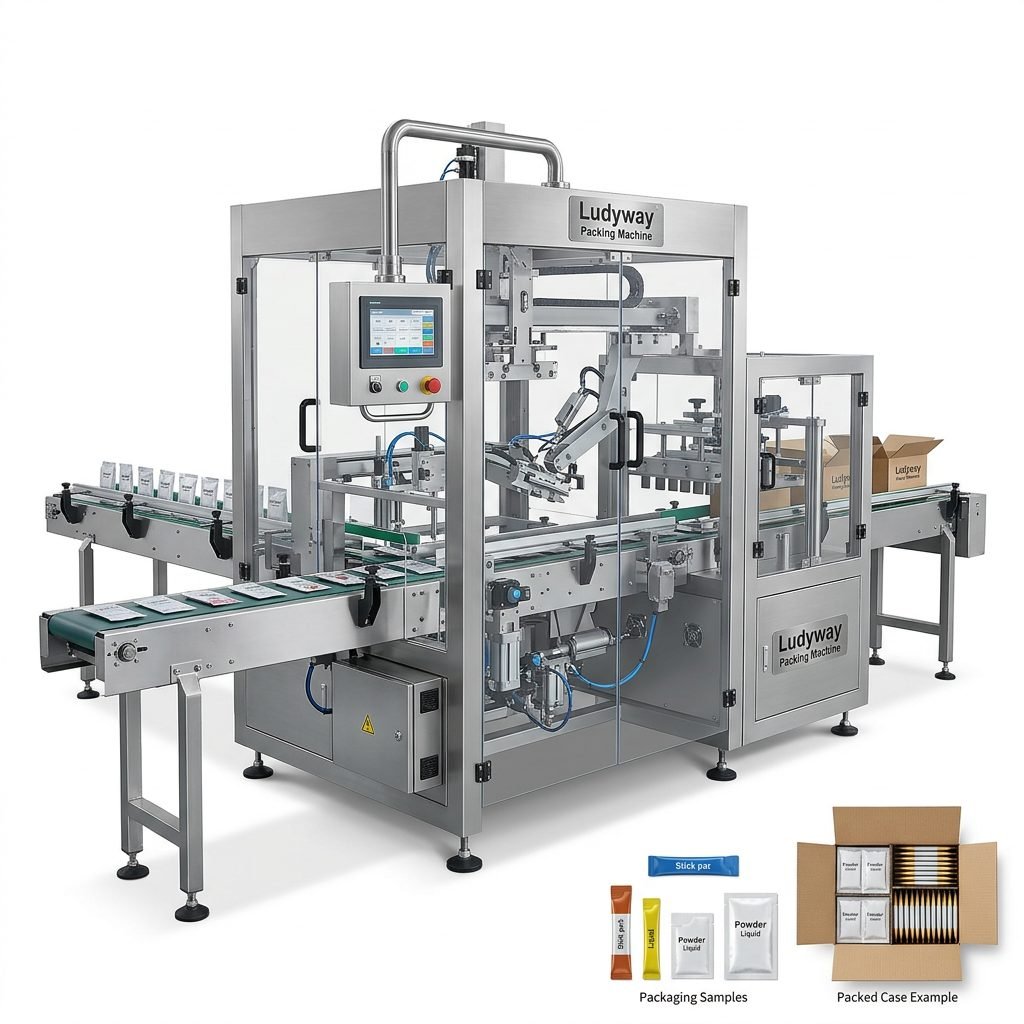
Powder packaging machines are built for speed, precision, and consistency, but even a reliable system can run into problems during daily production. From inaccurate filling and weak seals to dust buildup and machine jams, small issues can quickly reduce output and increase waste if they are not handled early.
Whether you run a food, pharmaceutical, chemical, or supplement line, a clear troubleshooting process helps your team restore stable performance faster and avoid unnecessary downtime. This guide explains the most common powder packaging machine problems, what usually causes them, and the quickest practical fixes.
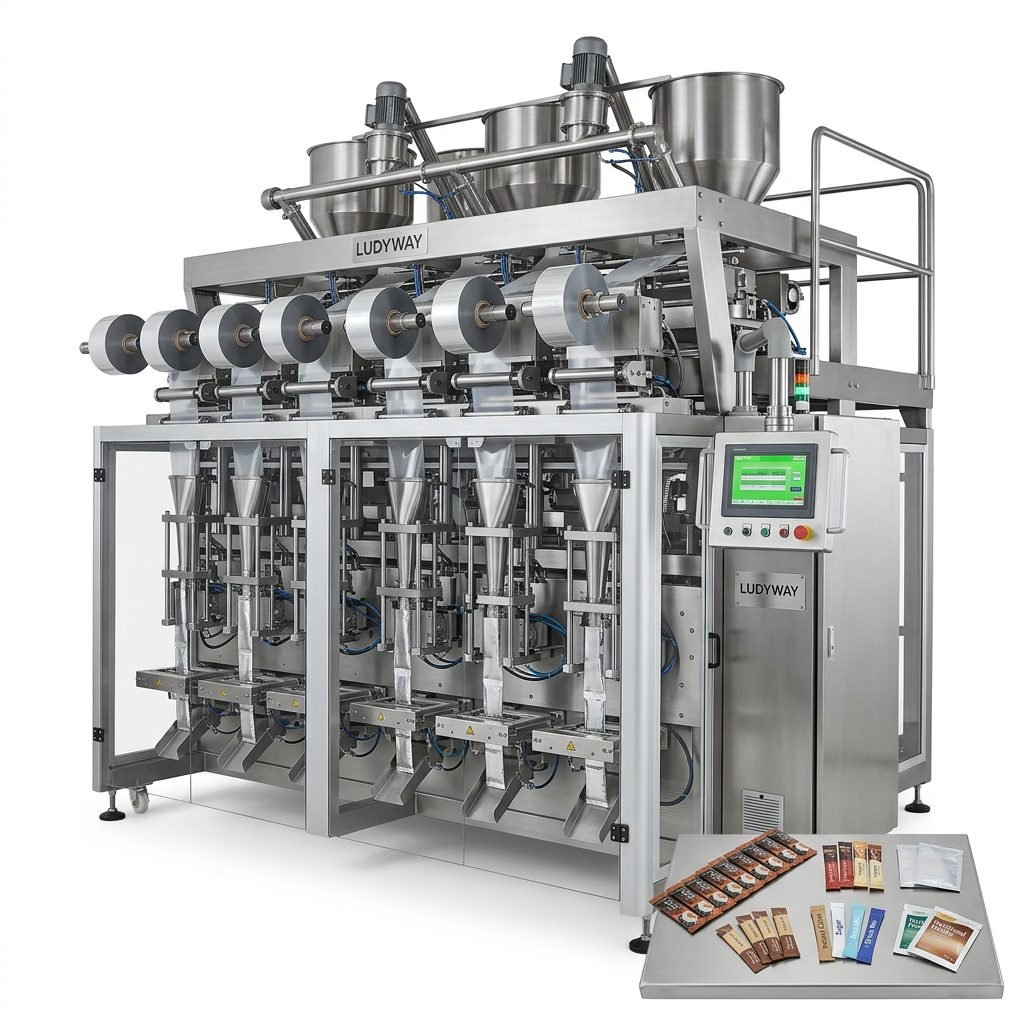
Start With a Safe and Logical Inspection
Before adjusting the machine, stop production safely and inspect the full packaging path. Many faults are caused by simple factors such as loose fasteners, worn sealing parts, blocked feeding systems, or unstable product flow.
- Turn off power before opening guarded areas.
- Check the hopper, auger, screw feeder, or dosing unit for bridging and blockage.
- Inspect sealing jaws, film path, sensors, and cutting units.
- Confirm air pressure, power supply, and temperature settings are stable.
- Review alarm history on the HMI if your machine includes a control screen.
When troubleshooting, change one variable at a time. This makes it easier to identify the real cause instead of creating new issues while adjusting multiple settings at once.
Common Powder Packaging Machine Problems and Quick Fixes
| Problem | Likely Cause | Quick Fix |
|---|---|---|
| Inaccurate fill weight | Poor powder flow, auger wear, incorrect dosing settings | Recalibrate, clean dosing parts, check product consistency |
| Weak or leaking seals | Low temperature, contaminated jaws, wrong dwell time | Clean jaws, adjust heat and pressure, verify film compatibility |
| Film misalignment | Worn rollers, incorrect tension, sensor offset | Reset film tracking, inspect rollers, align photoelectric sensor |
| Powder leakage | Dusty product, overfill, sealing contamination | Reduce spillage, improve dust extraction, clean sealing area |
| Machine stops or alarms frequently | Sensor failure, unstable air pressure, electrical connection issues | Check alarm code, inspect wiring, confirm compressed air supply |
| Slow production speed | Mechanical drag, feeding delay, incorrect speed setting | Lubricate moving parts, inspect feeder, optimize cycle settings |
1. Inaccurate Filling or Weight Variation
One of the most common complaints with powder packaging equipment is inconsistent package weight. This can lead to customer complaints, compliance risk, and unnecessary product giveaway.
Typical causes:
- Poor powder flow due to humidity, static, or caking
- Worn auger screw or filling components
- Incorrect servo or filling parameter settings
- Uneven bulk density of the product
- Improper hopper agitation
Quick fixes:
- Clean the hopper and auger assembly thoroughly.
- Check if the powder has absorbed moisture or formed lumps.
- Recalibrate the dosing system using actual product samples.
- Inspect the screw, funnel, and weighing parts for wear.
- Use agitation or anti-bridging devices if the powder is difficult to flow.
Fine powders such as milk powder, protein powder, flour, spice blends, or pharmaceutical powders often behave differently from one batch to another. If the product characteristics change, the filling recipe may also need adjustment.
2. Weak Seals, Open Seals, or Product Leakage
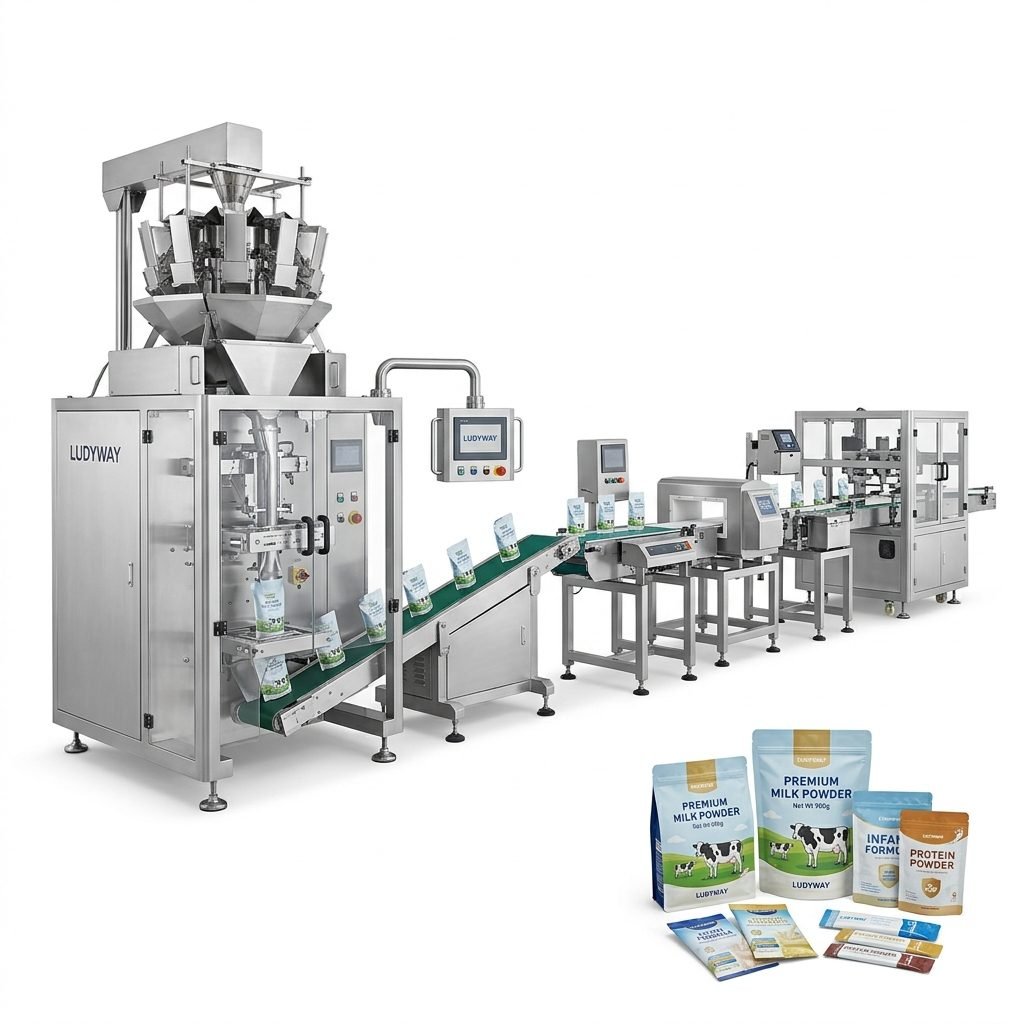
If finished sachets or pouches leak, the problem is often linked to contamination in the sealing zone or incorrect heat settings. Powder products easily create dust, and that dust can interfere with seal integrity.
Check these areas first:
- Sealing jaw cleanliness
- Temperature consistency
- Pressure and dwell time
- Packaging film quality and thickness
- Powder falling into the seal area during filling
Fast solution: clean the seal jaws, reduce airborne powder near the forming tube, and verify that the film material matches the required sealing temperature range. If the temperature is too high, the film may wrinkle or burn. If too low, the seal may look closed but fail under pressure.
3. Powder Dust Escaping During Operation
Dust leakage not only affects package quality, but also creates housekeeping, maintenance, and safety problems. In severe cases, it may contaminate sensors, bearings, and electrical areas.
Common reasons include:
- Overfilling
- Improper funnel design
- Loose connections in the feeding path
- Low extraction efficiency
- Fast product drop causing splash or powder clouding
What to do: inspect pipe joints, clamps, and seals; reduce filling height if possible; check dust collection equipment; and confirm that the filling cycle is synchronized correctly with bag forming and sealing.
4. Film Tracking Problems or Crooked Bags
When the film drifts to one side, bag shape becomes inconsistent and printing marks may not line up correctly. This often causes cutting errors and higher rejection rates.
Quick troubleshooting steps:
- Inspect film roll installation and alignment.
- Check whether guide rollers rotate smoothly.
- Clean photoelectric marks and sensors.
- Adjust film tension gradually, not aggressively.
- Look for worn collars, belts, or pulling rollers.
If the film is slipping, check whether powder dust has settled onto the drive roller surface. Even a small amount of residue can affect pulling accuracy.
5. Machine Jams or Irregular Feeding
Powder products are highly sensitive to environment and handling. Some bridge in the hopper, some compact easily, and some generate static. This makes feeding issues very common.
Signs of feeding trouble:
- Intermittent fill levels
- Empty packs or partially filled packs
- Motor overload alarms
- Sudden drop in production speed
Quick fixes:
- Break up powder bridges inside the hopper.
- Check agitator movement and motor function.
- Confirm the feeder screw is not worn or jammed.
- Review product storage conditions to avoid moisture pickup.
- Use suitable hopper geometry for difficult-flow powders.
6. Sensor Errors and Frequent Alarm Shutdowns
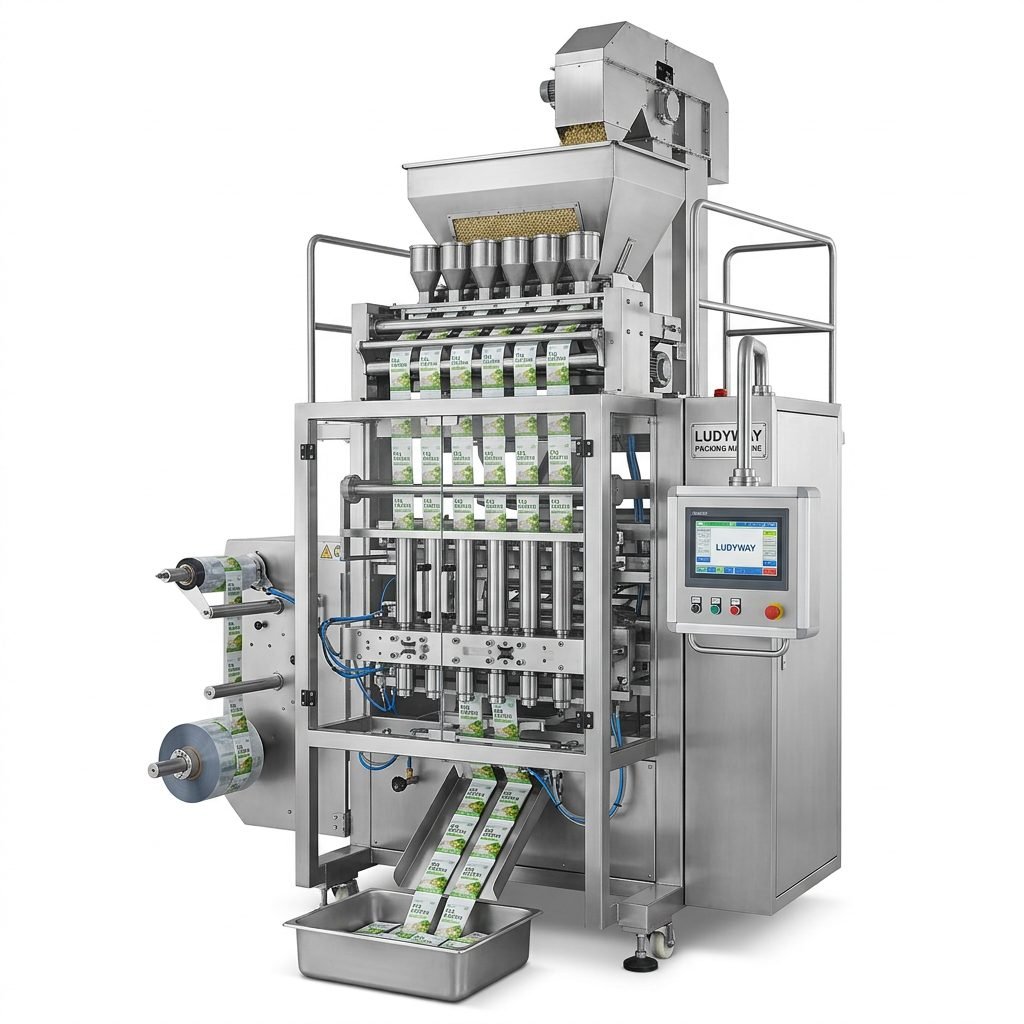
Modern powder packing machines rely on sensors for bag length, product detection, film positioning, guarding, and reject control. If sensors become dirty or loose, the machine may stop even when no major mechanical fault exists.
Check the following:
- Photoelectric sensor lens cleanliness
- Cable connections and terminal looseness
- Sensor mounting position
- Compressed air pressure switches
- Emergency stop and safety interlock status
Always compare the alarm code with the machine manual. Repeatedly resetting alarms without identifying the source can hide a developing problem.
How Powder Characteristics Affect Machine Performance
Many troubleshooting issues are not purely mechanical. Powder behavior has a direct impact on machine stability. Different materials can vary in:
- Particle size
- Moisture content
- Bulk density
- Flowability
- Oil or fat content
- Static tendency
For example, free-flowing drink powder is easier to dose than sticky spice powder or very fine pharmaceutical powder. If one product runs well and another does not, the machine may need product-specific settings rather than repair.
| Powder Type | Typical Challenge | Recommended Focus |
|---|---|---|
| Milk powder | Dust and clumping | Seal cleanliness and moisture control |
| Protein powder | Bridging and inconsistent density | Auger calibration and agitation |
| Spice powder | Oil content and seal contamination | Frequent cleaning and heat setting adjustment |
| Pharma powder | Precision and hygiene requirements | Validation, dosing accuracy, dust control |
Preventive Maintenance Tips to Reduce Downtime
The fastest fix is often the one you never need because the problem was prevented early. A short daily inspection routine can reduce many powder packaging failures.
Daily checklist
- Clean hoppers, augers, funnels, and sealing surfaces
- Remove powder dust from sensors and moving parts
- Check air pressure and vacuum supply if applicable
- Inspect film feeding path and cutter condition
- Verify temperature readings and servo response
Weekly checklist
- Tighten fasteners and electrical terminals
- Lubricate approved moving components
- Inspect belts, chains, bearings, and couplings
- Test weight accuracy and sealing strength
- Review recurring alarm history
Monthly checklist
- Inspect wear parts and replace them before failure
- Recheck calibration of weighing or auger filling systems
- Evaluate product flow behavior across different batches
- Confirm spare parts inventory for critical components
When to Call a Professional Technician
Some faults can be solved by operators, but others require a more advanced technical check. You should contact a qualified technician if you notice:
- Repeated servo or PLC errors
- Major sealing temperature instability
- Persistent underweight or overweight packs after calibration
- Mechanical vibration, abnormal noise, or overheating
- Electrical burning smell or damaged wiring
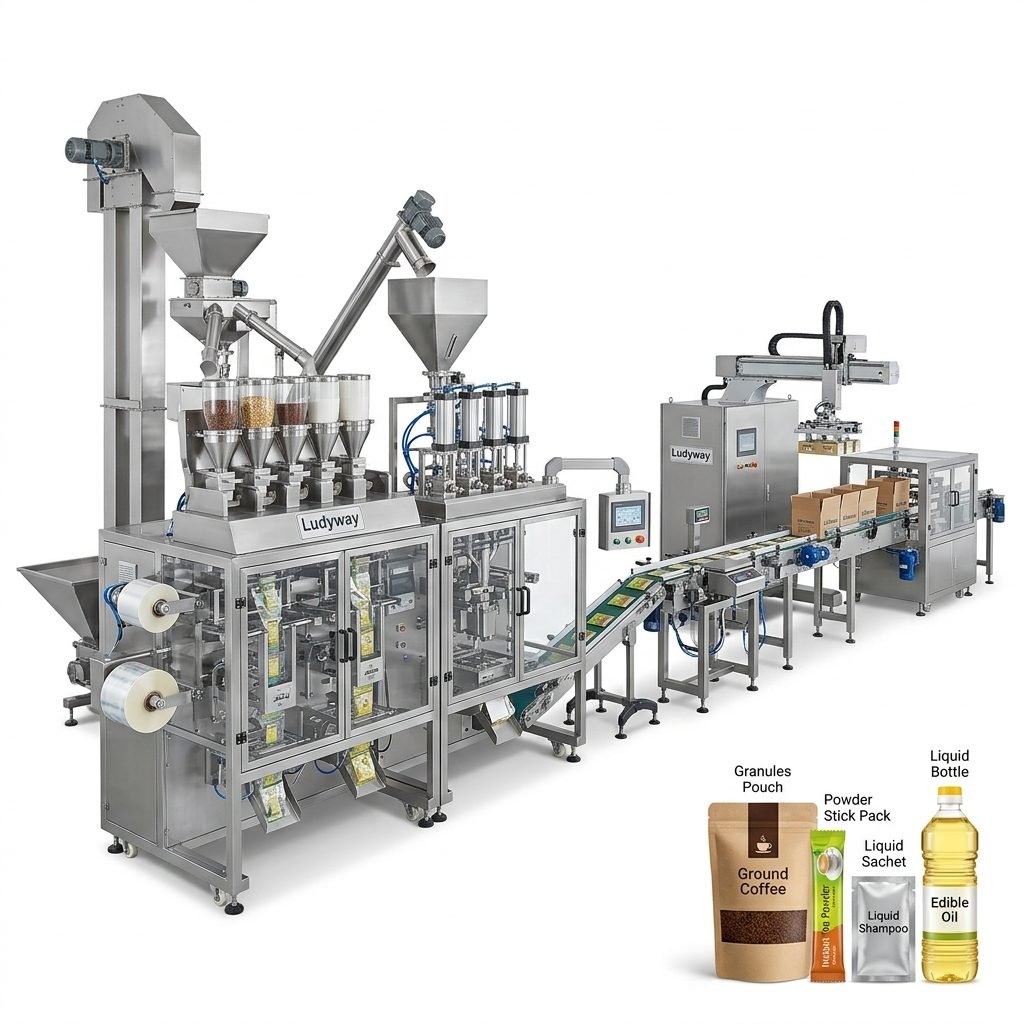
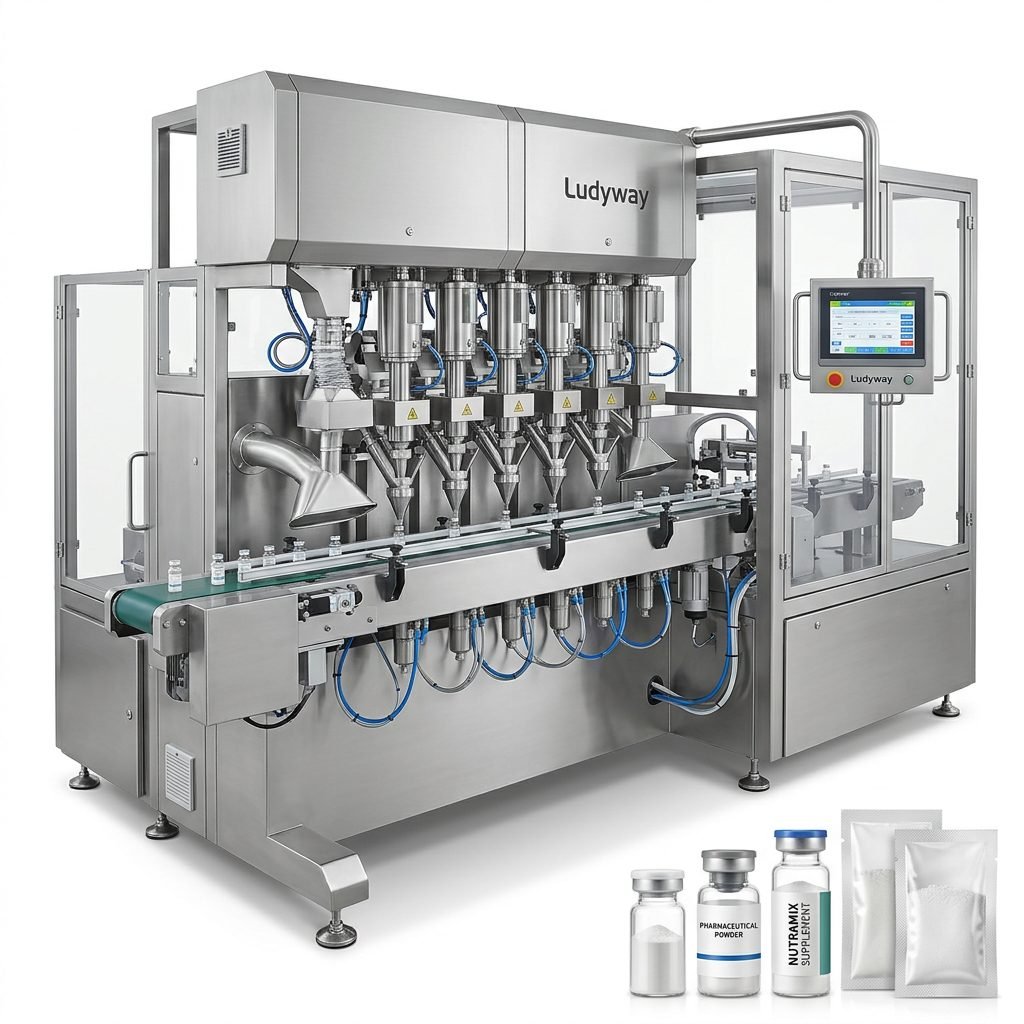
If your operation depends on high-volume automated production, choosing equipment from an experienced manufacturer can also make troubleshooting easier over the long term. Ludyway provides packaging machinery and turnkey packaging line solutions for powder, granule, liquid, and pouch applications across food, pharmaceutical, health supplement, and related industries.
Final Practical Advice for Faster Troubleshooting
When a powder packaging machine has a problem, start with the basics: product flow, filling accuracy, sealing condition, film movement, and sensor status. Most production issues come from a short list of causes, and a structured inspection routine helps operators find them faster.
Best practice: keep a simple troubleshooting log. Record the product type, fault description, settings used, and action taken. Over time, this creates a valuable reference that helps your team reduce repeat downtime and improve packaging consistency.
With the right maintenance habits and quick-response checks, your powder packing machine can stay reliable, efficient, and ready for continuous production.