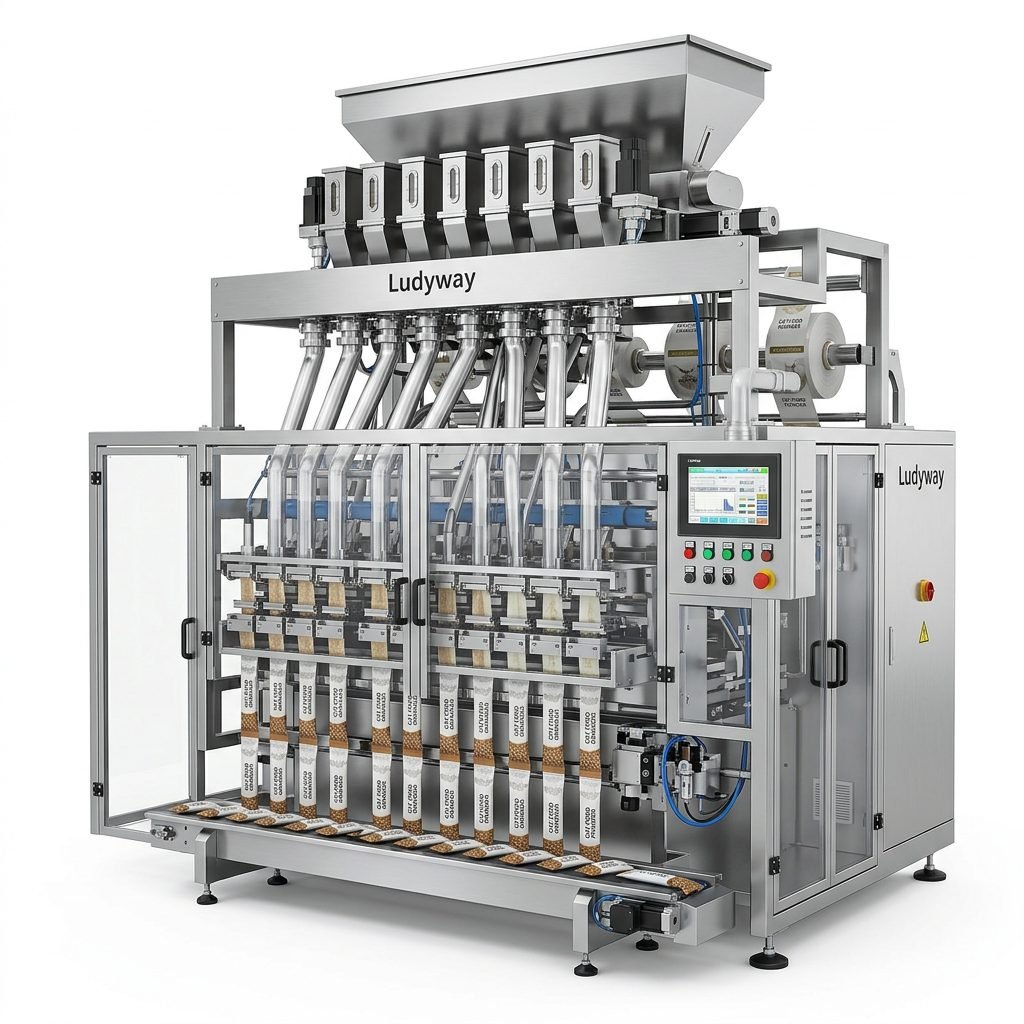
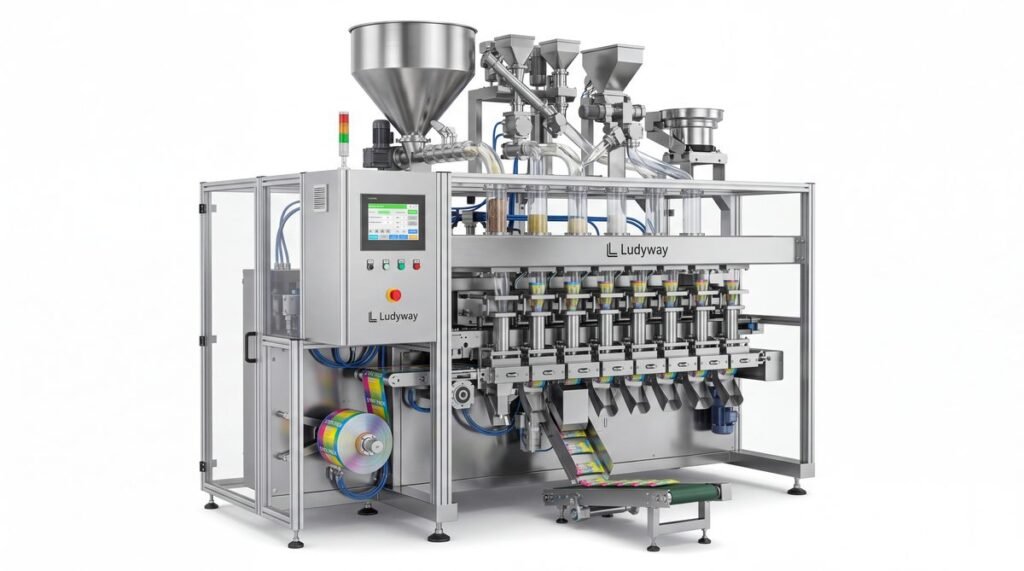
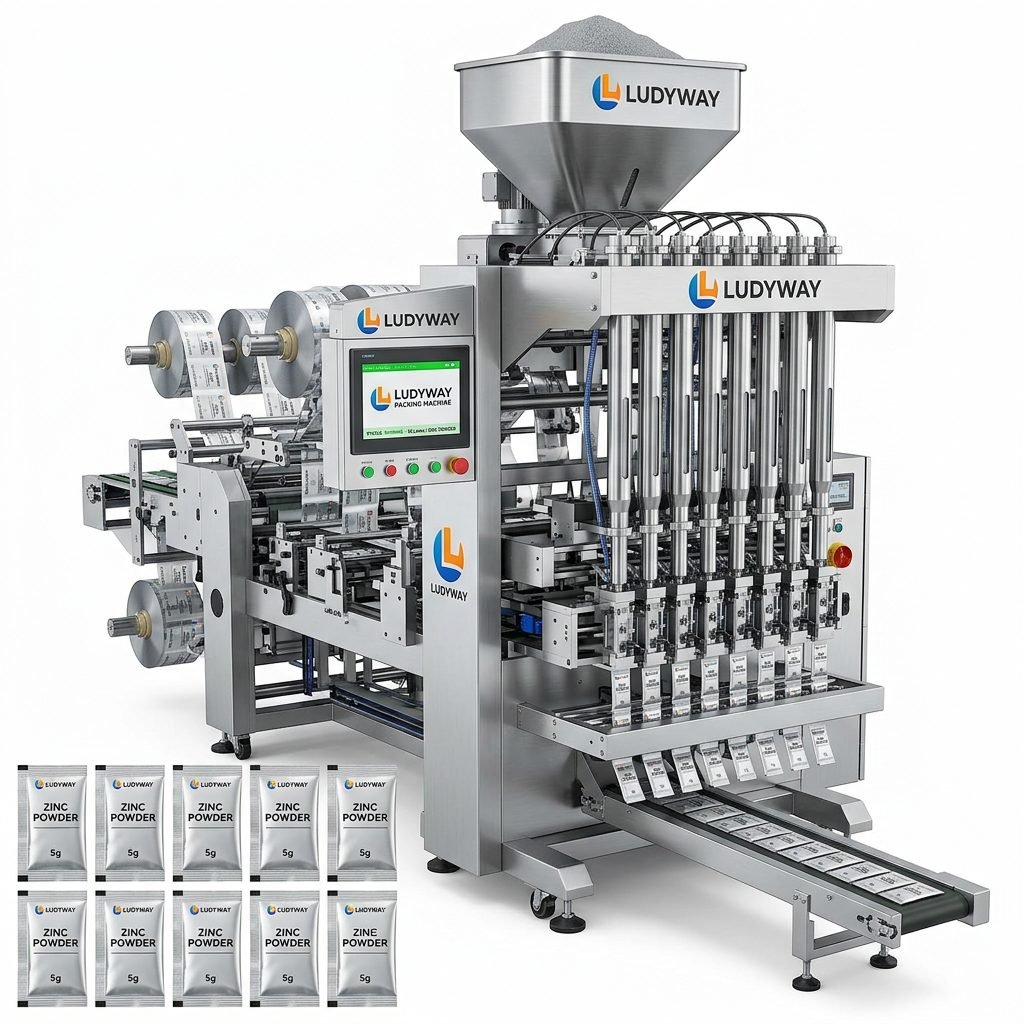
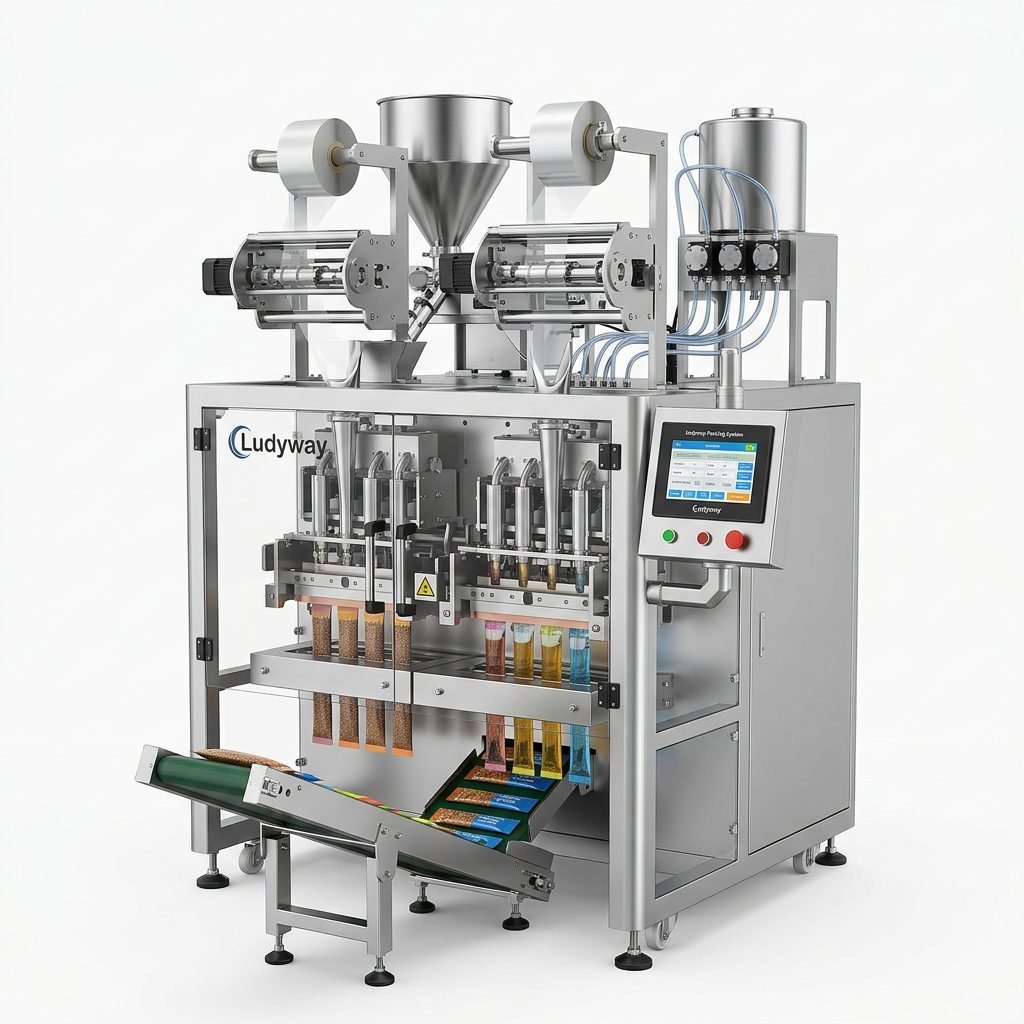
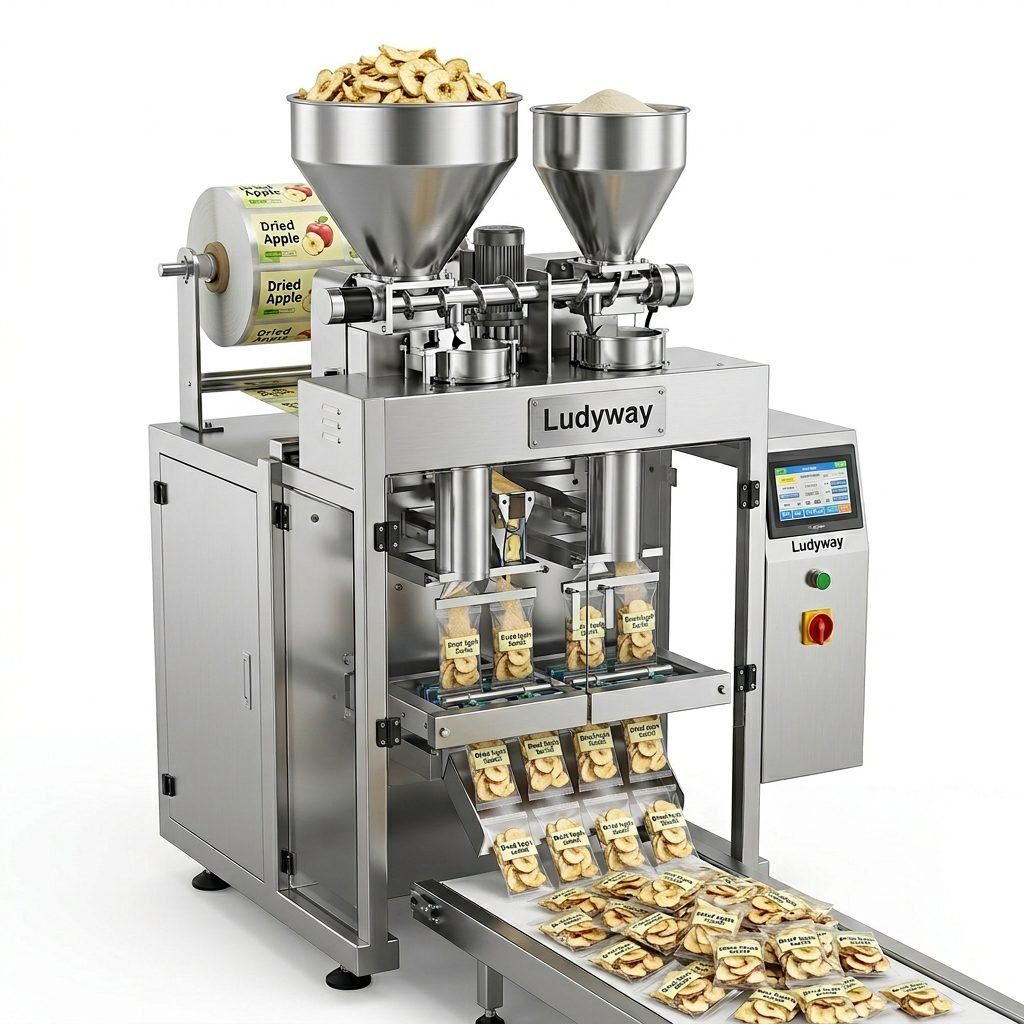
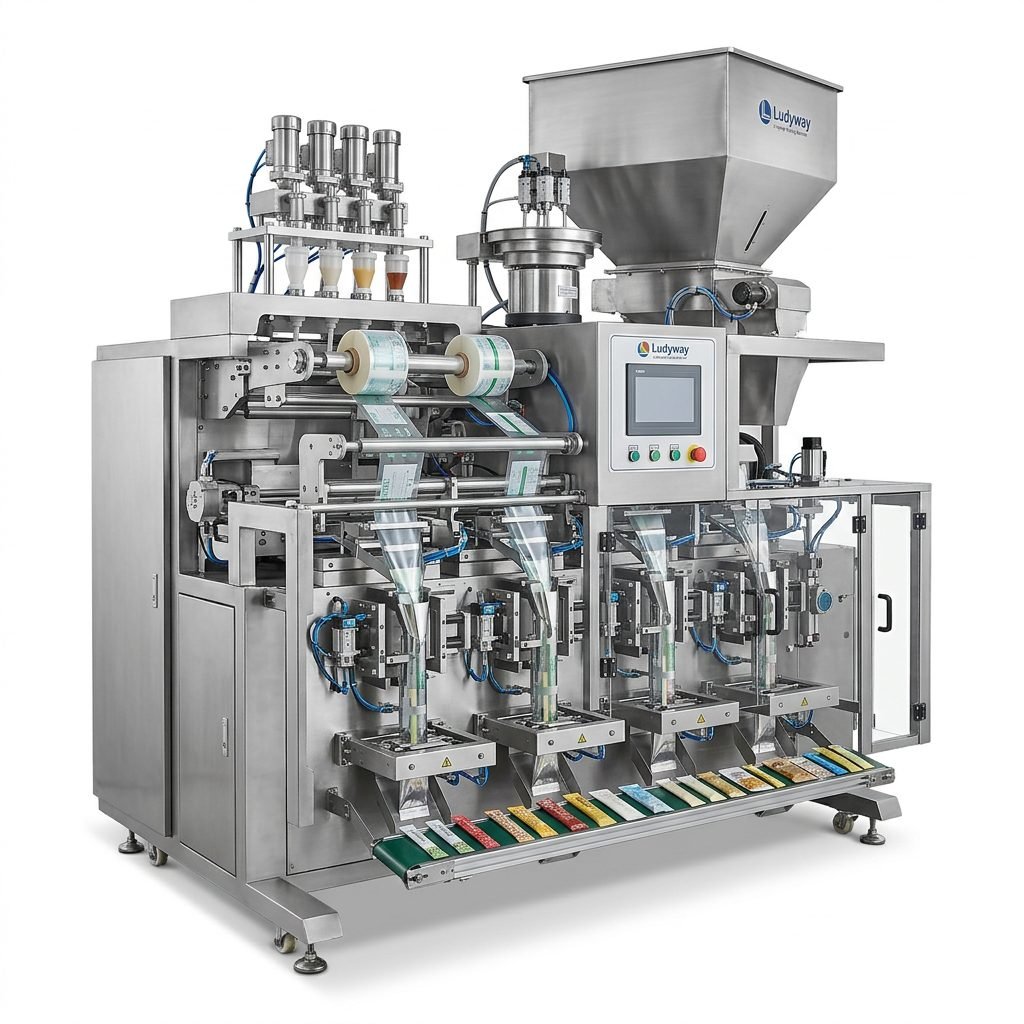
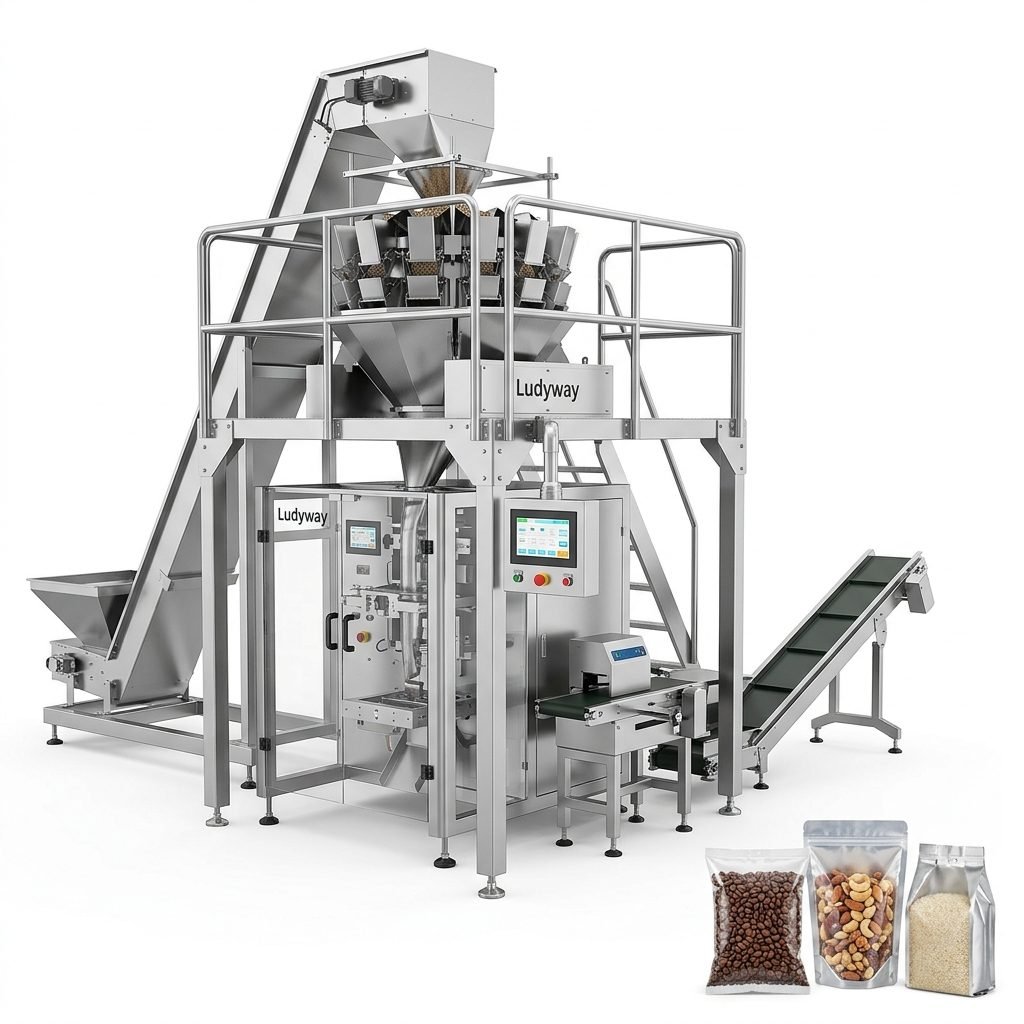
Proper maintenance of a mineral water pouch packing machine is the cornerstone of consistent production quality and extended equipment lifespan. Without a structured maintenance routine, even the most robust packaging machinery can experience unexpected downtime, compromised seal integrity, and costly repairs. This guide outlines essential tips to keep your equipment running at peak performance.
Why Routine Maintenance Matters for Pouch Packing Equipment
A mineral water pouch packing machine operates under demanding conditions—constant motion, contact with liquid, and high-speed sealing cycles. Neglecting maintenance can lead to seal failures, inaccurate fill volumes, and premature component wear. Regular upkeep ensures:
- Consistent seal strength and leak-proof pouches
- Accurate fill measurement and reduced product waste
- Extended service life of heating elements and drive systems
- Compliance with food safety and hygiene standards
- Lower total cost of ownership through fewer emergency repairs
Daily Cleaning and Sanitization Protocols
Water packaging environments demand strict hygiene. Product residue and mineral deposits can accumulate on sealing jaws, fill nozzles, and film guides, leading to contamination risks and mechanical issues.
Key Daily Cleaning Steps
- Power down and disconnect the machine from the main supply before any cleaning
- Remove product residue from filling nozzles using food-grade cleaning agents
- Wipe down sealing jaws with a non-abrasive cloth to prevent film sticking
- Clean film rollers and tensioners to remove dust and ensure smooth film feed
- Inspect and clean photoelectric sensors to maintain accurate pouch registration
- Sanitize all product contact surfaces according to your facility’s hygiene protocols
Critical Component Inspection Schedule
A systematic inspection routine helps identify wear before it causes breakdowns. Below is a recommended component inspection framework for your pouch packing machine:
| Component | Inspection Frequency | Key Check Points |
|---|---|---|
| Sealing Jaws | Daily | Temperature accuracy, surface condition, Teflon coating integrity |
| Filling Nozzles | Daily | Clogging, alignment, drip prevention |
| Film Feed System | Weekly | Tension consistency, roller bearing condition, tracking alignment |
| Pneumatic Components | Weekly | Air pressure levels, cylinder operation, leak detection |
| Drive Belts and Chains | Monthly | Tension, wear patterns, alignment |
| Electrical Connections | Monthly | Loose terminals, cable integrity, sensor calibration |
| Pump and Valve Assemblies | Quarterly | Seal condition, flow rate consistency, mineral buildup |
Lubrication Best Practices
Proper lubrication is essential for the longevity of moving parts in your mineral water packaging equipment. Using the correct lubricant type and application frequency prevents friction damage and ensures smooth operation.
- Use food-grade lubricants for all components near product contact zones
- Apply grease to bearings and gear systems according to the manufacturer’s recommended intervals
- Lubricate chain drives and cam mechanisms monthly under normal operating conditions
- Avoid over-lubrication, which can attract dust and cause buildup on precision parts
- Document all lubrication activities in a maintenance log for traceability
Seal Integrity and Temperature Calibration
The sealing system is one of the most critical subsystems in water pouch packaging. A weak seal can lead to leakage, contamination, and product recalls. Regularly verify and calibrate your sealing parameters to maintain optimal performance.
Seal Quality Checklist
- Perform peel tests on sample pouches at the start of each shift
- Verify that sealing temperature matches the film material specifications
- Inspect Teflon-coated sealing bands for scratches or peeling that affect heat transfer
- Check dwell time and pressure settings against validated production parameters
- Replace worn heating cartridges proactively before failure occurs
Preventive Maintenance Planning
Transitioning from reactive to preventive maintenance transforms how your packaging line performs. A well-structured plan reduces unplanned downtime and ensures your investment delivers maximum return. Many leading manufacturers, including Ludyway, recommend establishing a comprehensive maintenance schedule tailored to your specific production volume and operating environment.
Essential Elements of a Preventive Maintenance Plan
- Weekly: Clean sensors, inspect film guides, verify temperature setpoints
- Monthly: Check drive belt tension, lubricate moving parts, calibrate fill volumes
- Quarterly: Inspect pneumatic cylinders, test safety interlocks, deep-clean product pathways
- Annually: Complete machine overhaul, replace wear components, update software and firmware
Troubleshooting Common Issues
Even with diligent maintenance, occasional issues may arise. Understanding common problems and their root causes helps you resolve them quickly and prevent recurrence.
| Problem | Possible Cause | Recommended Action |
|---|---|---|
| Inconsistent seal strength | Fluctuating temperature or pressure | Calibrate heating system, check pneumatic supply |
| Fill volume variation | Worn pump seals or clogged nozzles | Clean nozzles, replace pump seals, recalibrate |
| Film misalignment | Worn tracking rollers or incorrect tension | Adjust tension, realign rollers, replace worn guides |
| Excessive machine vibration | Loose mounting bolts or unbalanced drive components | Tighten all fasteners, inspect drive shaft alignment |
| Sensor registration errors | Dirty sensor lens or incorrect sensitivity setting | Clean sensor, recalibrate registration mark detection |
Operator Training and Documentation
The human element is as important as the mechanical one. Well-trained operators can identify early warning signs and perform basic maintenance tasks correctly. Invest in ongoing training and maintain thorough documentation.
- Train operators on proper start-up and shutdown procedures
- Maintain a daily maintenance checklist at each workstation
- Document all repairs, part replacements, and calibration adjustments
- Create standard operating procedures (SOPs) for routine maintenance tasks
- Schedule periodic refresher training sessions to reinforce best practices
Spare Parts Management
Keeping critical spare parts on hand reduces downtime when components fail. Based on your machine’s usage patterns and manufacturer recommendations, maintain an inventory of essential replacement parts for your mineral water pouch packing machine.
- Sealing bands and heating elements — replace every 6-12 months
- Filling pump seals and O-rings — keep multiple sets available
- Photoelectric sensors — critical for registration accuracy
- Drive belts — inspect regularly, replace at first sign of wear
- Thermocouples and temperature controllers — essential for seal quality
For more information on maintaining industrial packaging systems, refer to resources from the Packaging Machinery Manufacturers Institute (PMMI) and the Flexible Packaging Association. These organizations provide industry standards and best practices for packaging equipment maintenance and operational efficiency.
A well-maintained mineral water pouch packing machine delivers consistent output, reduces operational costs, and extends the productive life of your investment. By following these essential maintenance tips—daily cleaning, systematic inspections, proper lubrication, and preventive planning—you ensure that your production line remains reliable, efficient, and compliant with industry standards for years to come.