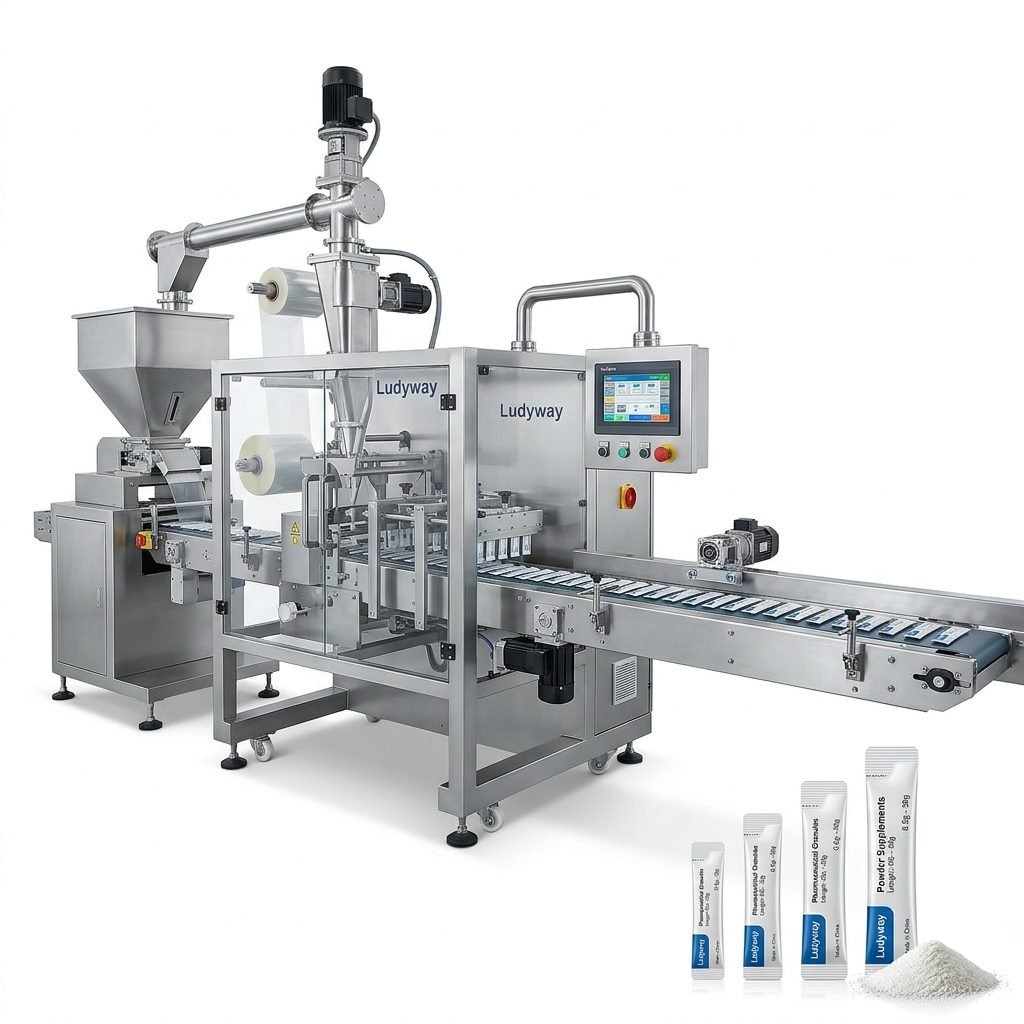
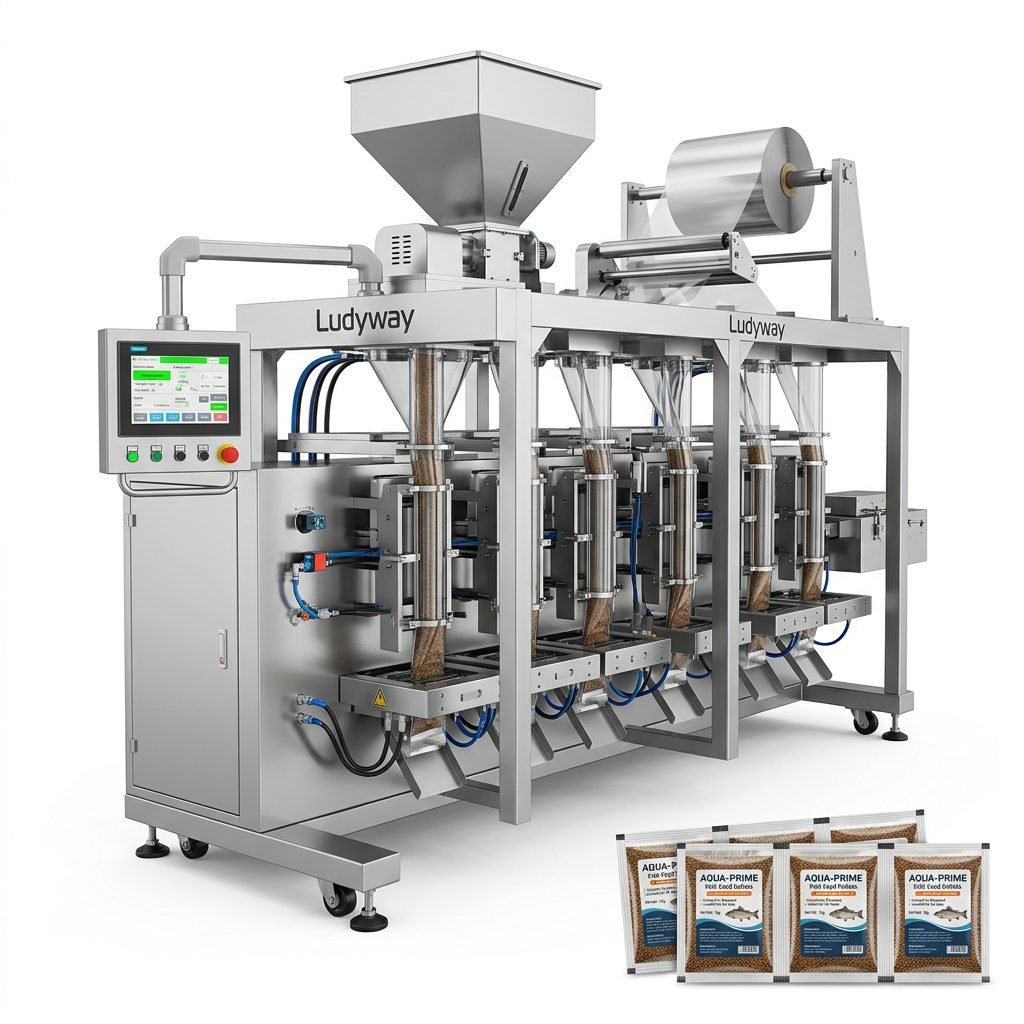
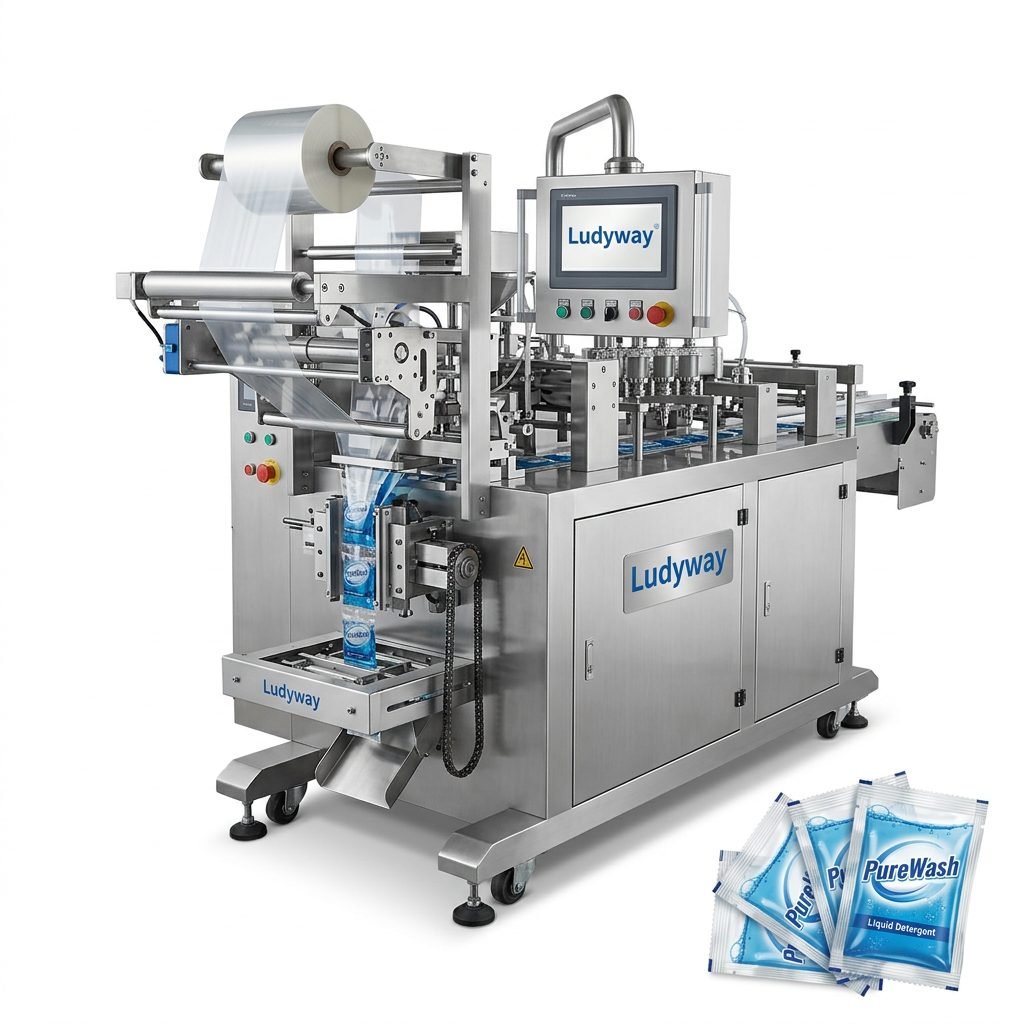
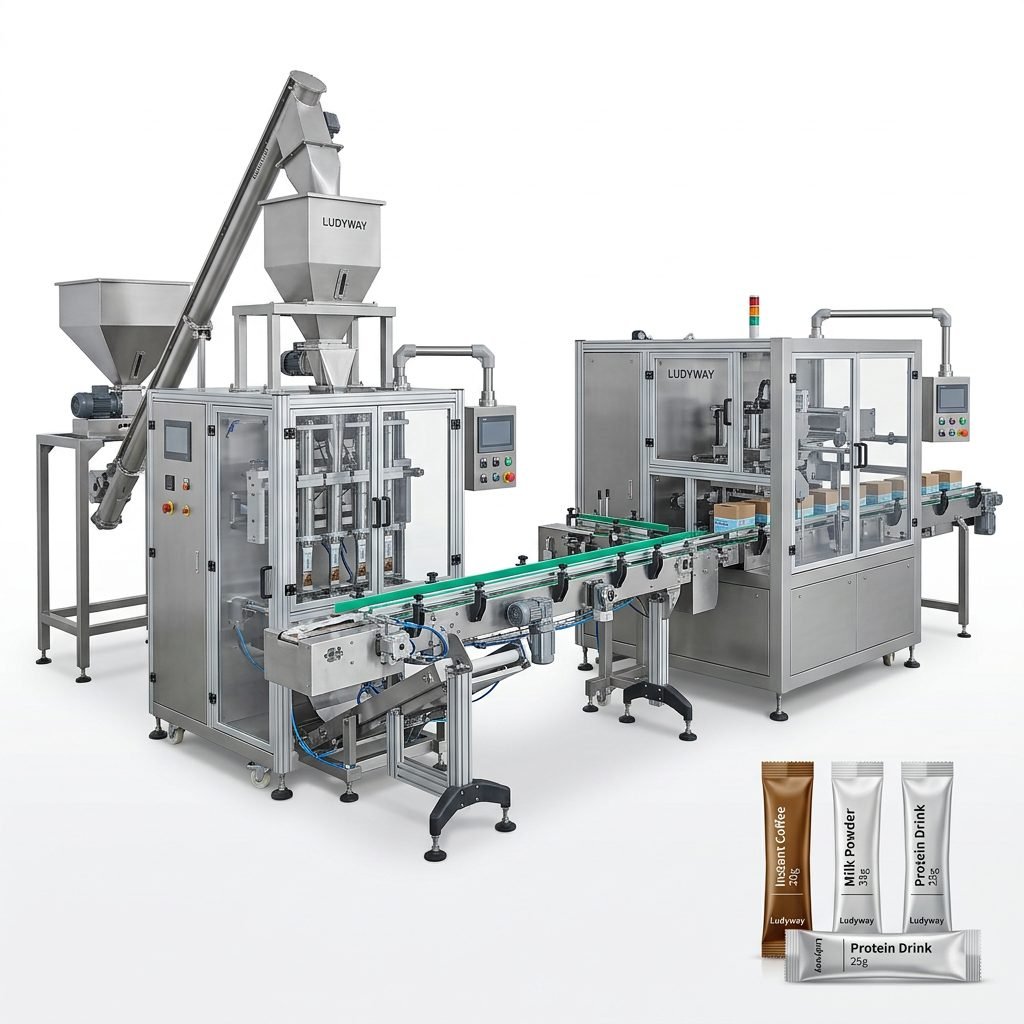
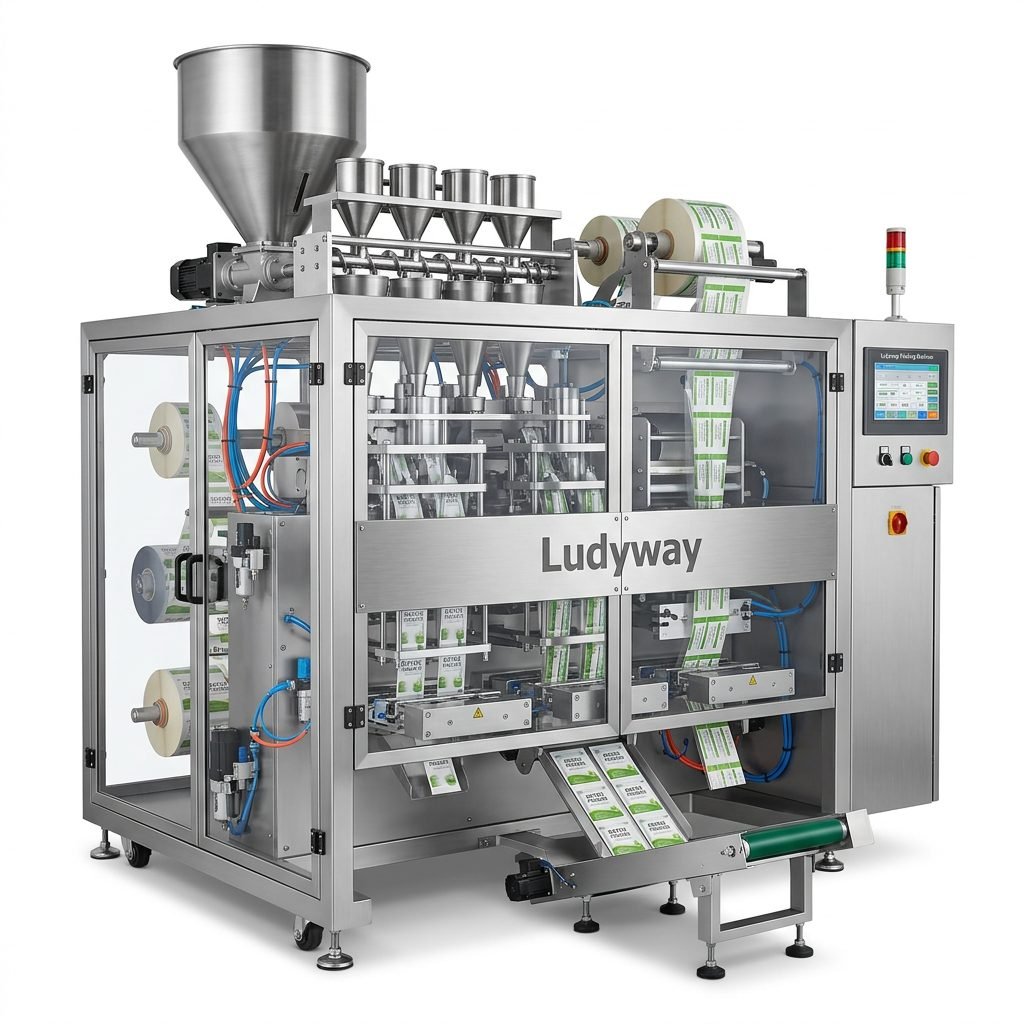
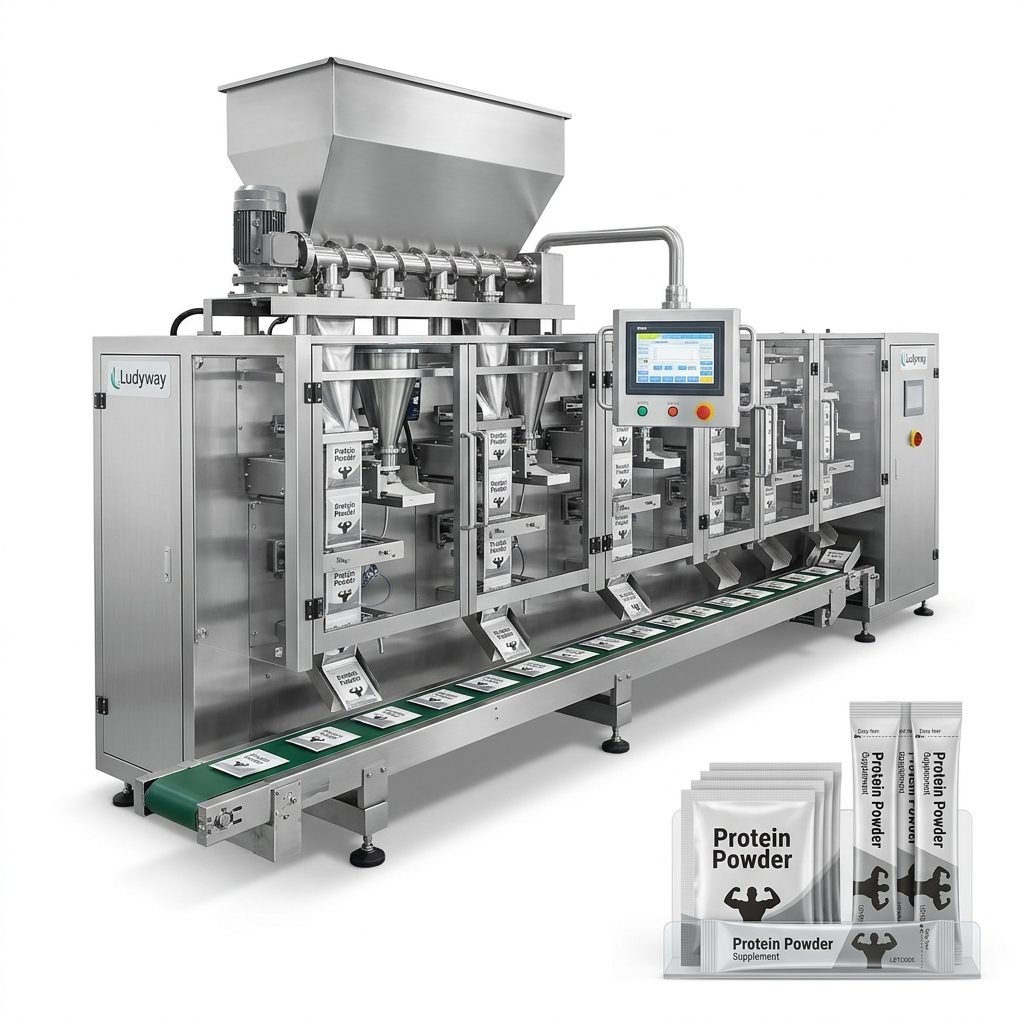
In modern production environments, a weight and packing machine is more than a basic piece of equipment. It is a critical solution for businesses that need accurate weighing, stable output, reduced product waste, and consistent package quality across every batch. Whether you handle granules, powders, liquids, or mixed formulations, the right machine can significantly improve both efficiency and product reliability.
Manufacturers in food, pharmaceutical, cosmetic, chemical, and animal nutrition industries increasingly rely on automated systems to meet rising market demand, tighter quality standards, and growing labor costs. A well-designed weighing and packing system helps transform these challenges into operational advantages.
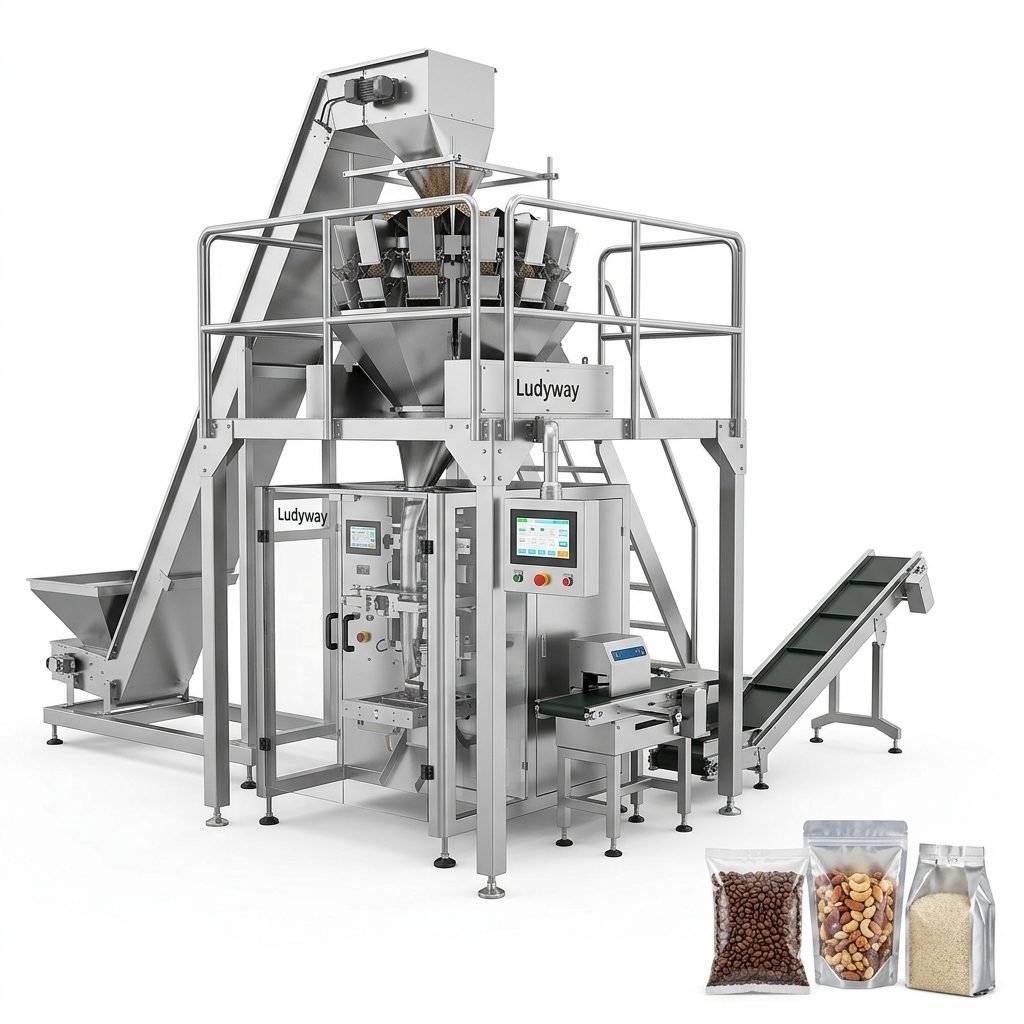
What Is a Weight and Packing Machine?
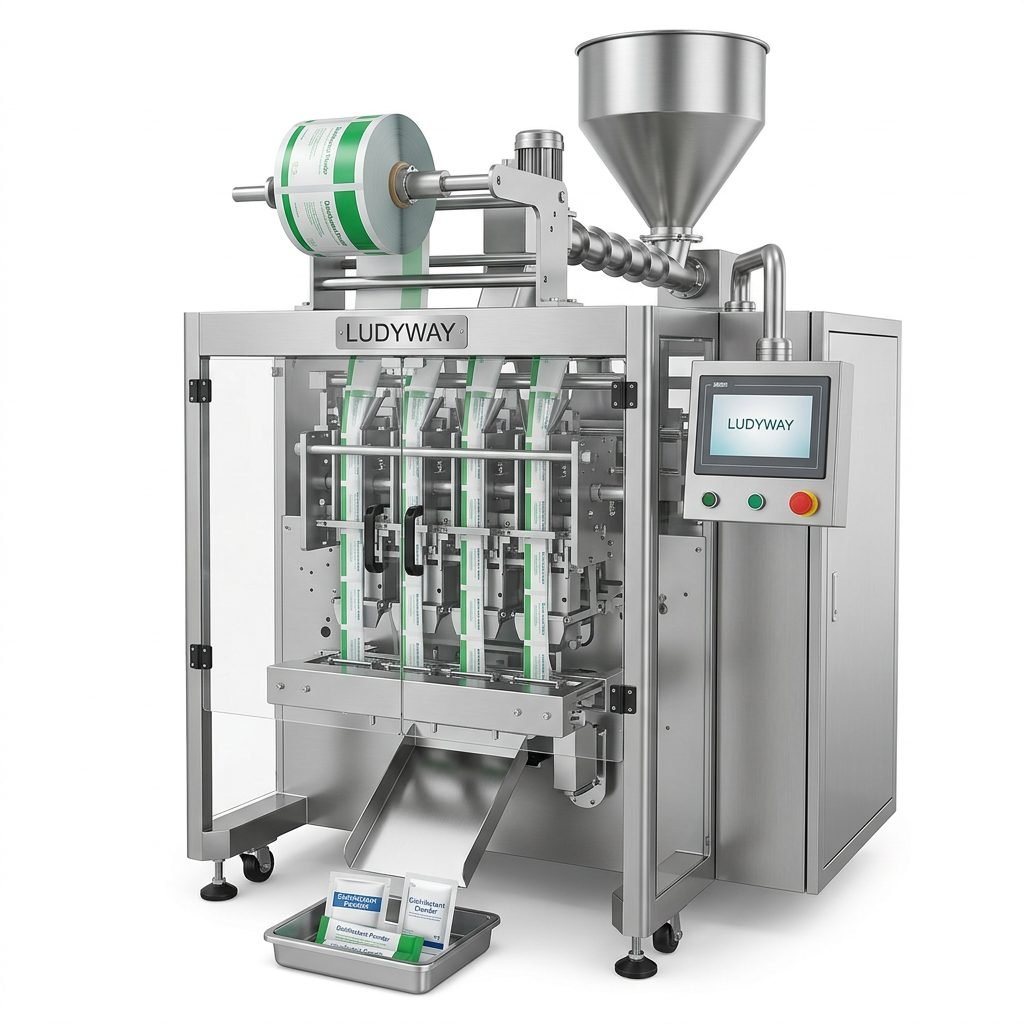
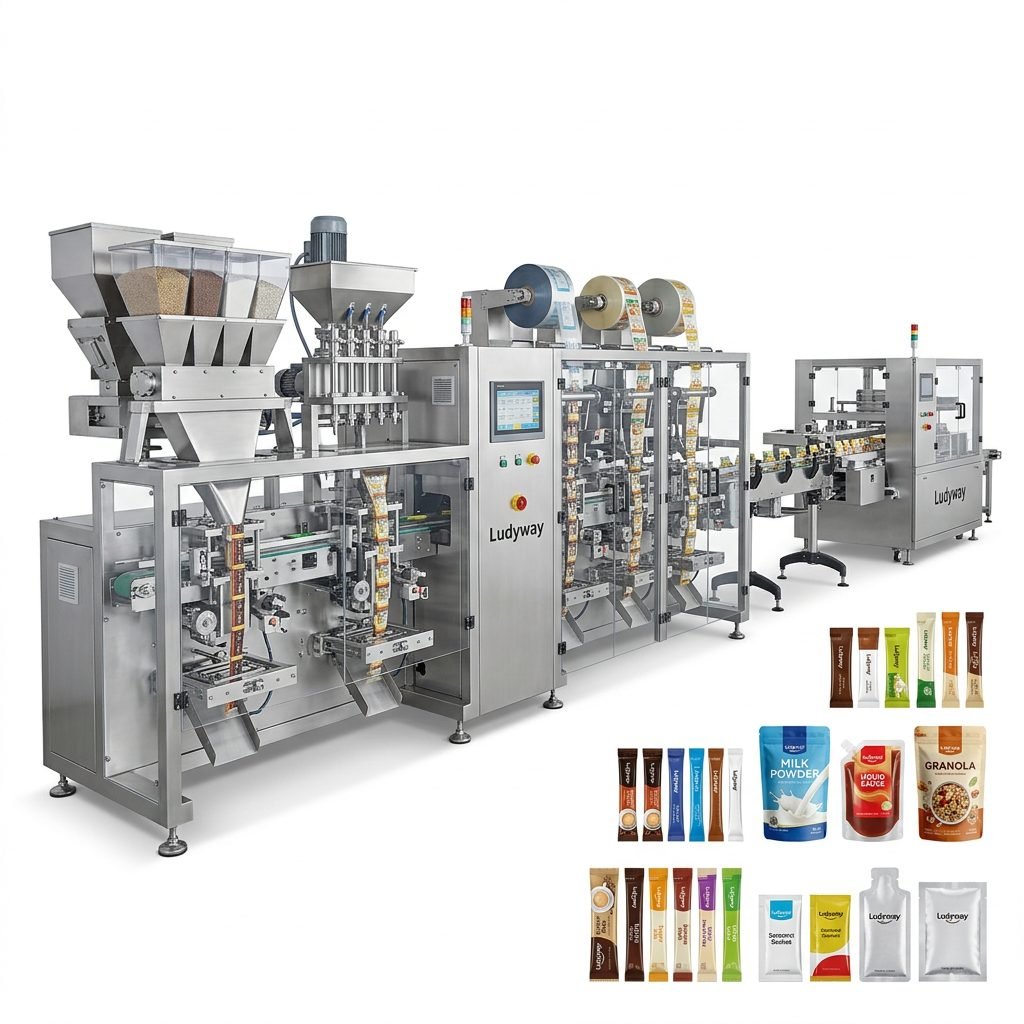
A weight and packing machine is an integrated packaging solution designed to measure a preset product weight and then fill and seal it into bags, sachets, stick packs, pouches, bottles, or other packaging formats. Depending on the product type and production target, the system may include:
- Weighing unit such as multihead weighers, auger fillers, linear weighers, or volumetric dosing systems
- Feeding and conveying equipment
- Form-fill-seal or pouch packaging machine
- Sealing, coding, and labeling modules
- Checkweigher and inspection systems
- Cartoning, case packing, or palletizing equipment
The main purpose is simple: ensure every package contains the right amount of product while maintaining high packaging speed and a professional appearance.
Why Accurate Weighing Matters in Packaging
Accurate weighing directly affects profit, compliance, and customer satisfaction. Overfilling leads to unnecessary giveaway and increased costs. Underfilling can trigger customer complaints, regulatory issues, and damage to brand trust. A precise machine helps manufacturers maintain a better balance between product control and production speed.
- Cost control: Less overfill means better margin protection.
- Consistency: Uniform package weight improves brand credibility.
- Compliance: Many industries require strict fill-weight accuracy.
- Efficiency: Automation reduces manual weighing errors.
- Scalability: Reliable systems support higher-volume production.
Industries That Use Weight and Packing Machines
Weight and packing equipment is highly versatile and can be configured for many product categories. The exact machine structure depends on product flowability, density, particle size, and package style.
| Industry | Typical Products | Recommended Weighing Method |
|---|---|---|
| Food | Sugar, salt, coffee, snacks, flour, spices, grains | Multihead weigher, auger filler, cup filler |
| Pharmaceutical | Powders, granules, sachets, health supplements | High-precision auger or linear weighing |
| Cosmetic | Creams, gels, powders, sample sachets | Servo filling and controlled dosing |
| Chemical | Detergent powder, additives, granules, liquids | Auger, net weight, piston, or customized feeder |
| Animal Feed | Pellets, premix, powder nutrition products | Linear weigher, bulk weighing system |
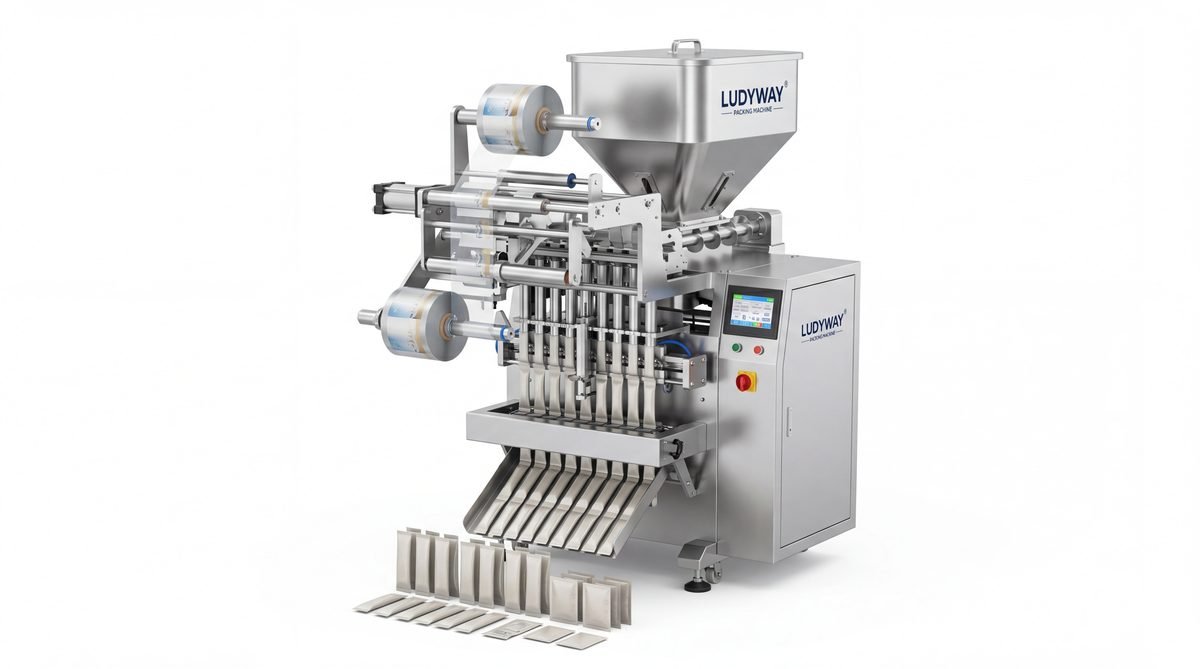
Main Types of Weight and Packing Machines
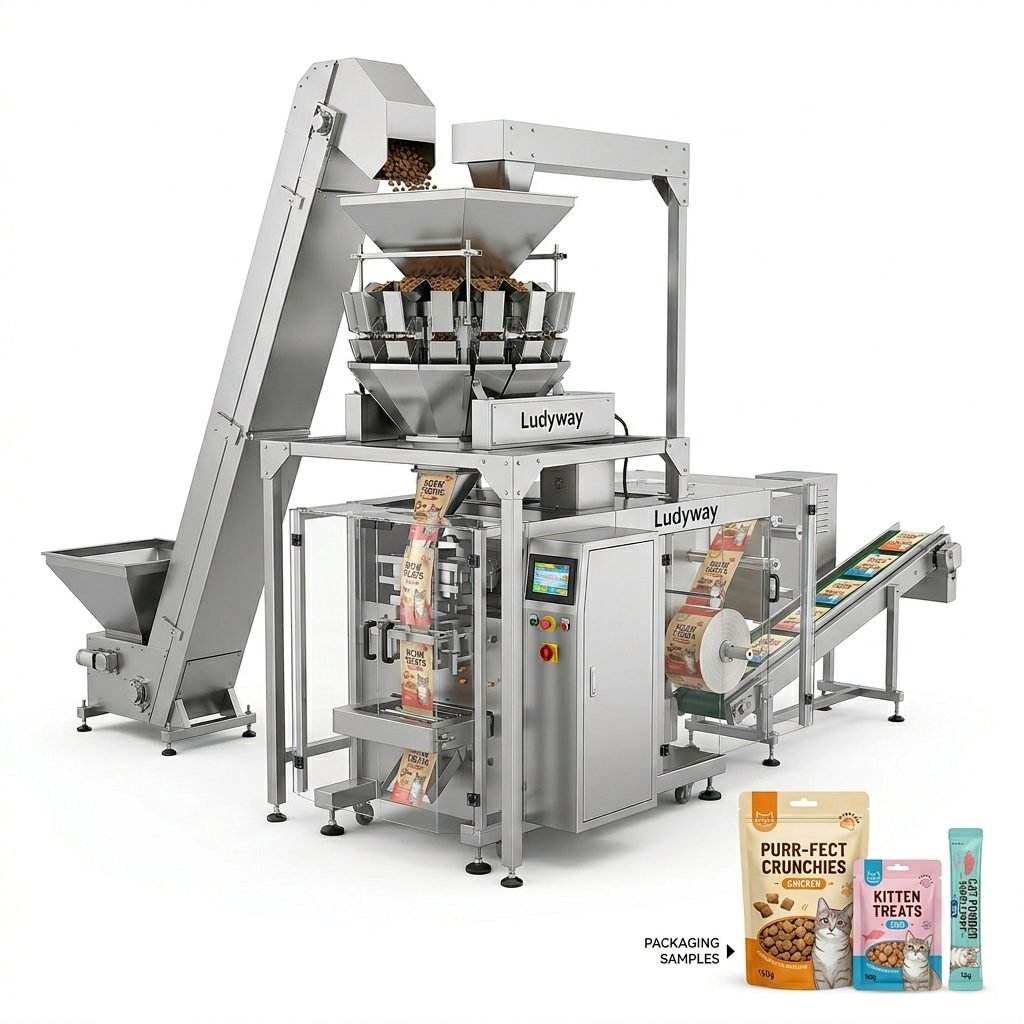
1. Multihead Weigher Packaging Machines
These are ideal for granules, snacks, frozen food, nuts, candies, and irregular solids. They combine speed and precision by selecting the best weight combination from multiple weigh hoppers.
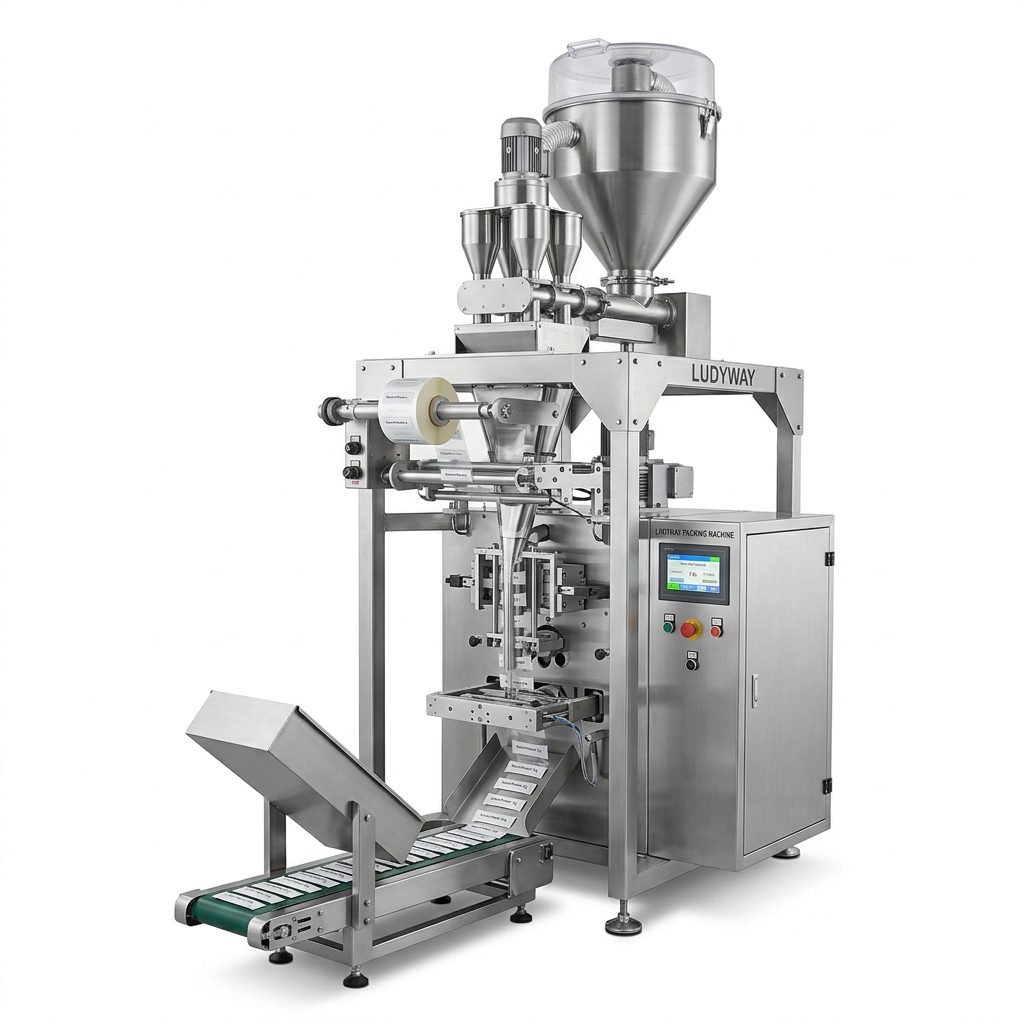
2. Auger Filling Packaging Machines
Best suited for powders such as milk powder, coffee powder, flour, seasoning, and supplement products. Auger fillers deliver controlled dosing, especially for products with poor flowability.
3. Linear Weigher Packing Machines
A practical choice for granules, seeds, rice, beans, and similar products. They are often used where moderate speed and dependable accuracy are required.
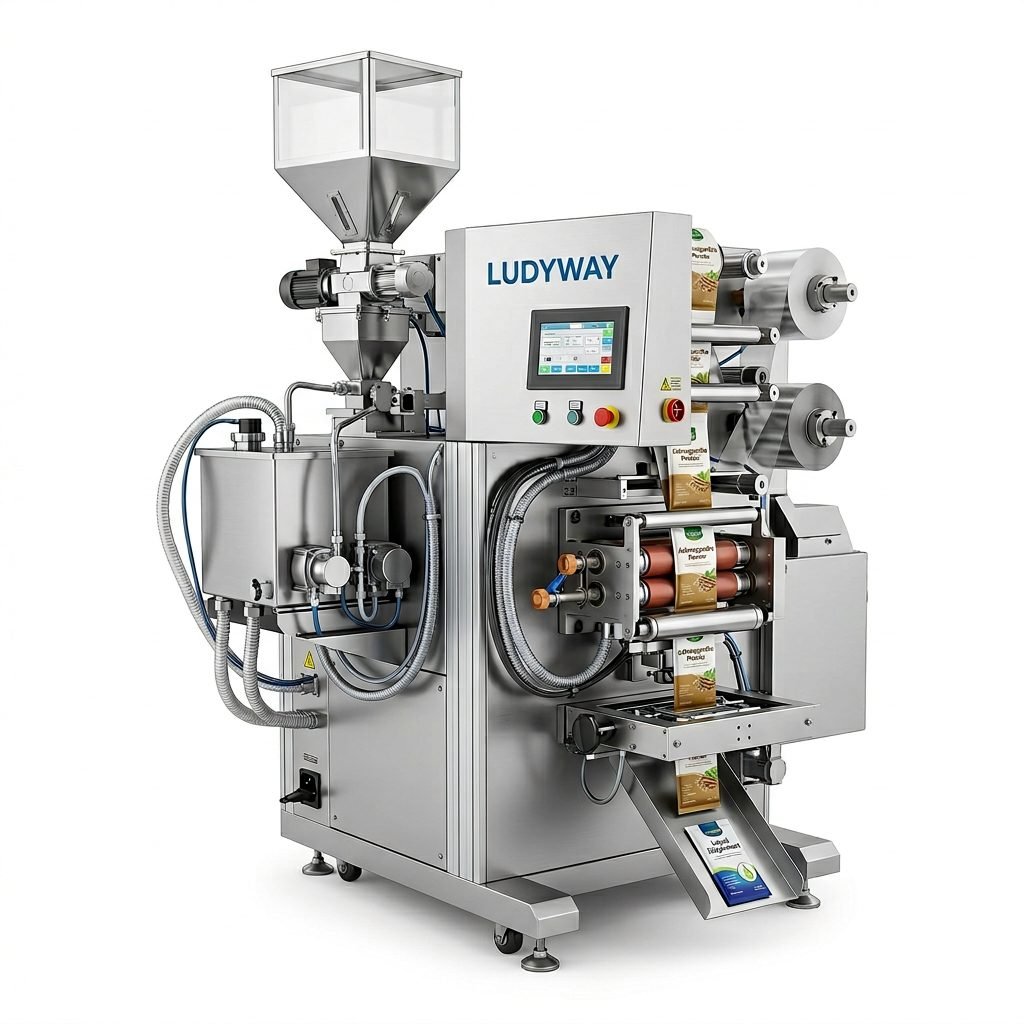
4. Liquid and Paste Filling Packing Machines
Used for sauces, oils, shampoo, lotion, detergent, and gel products. These systems rely on piston pumps, peristaltic pumps, or flow-meter filling technologies.
5. Big Bag and Bulk Weighing Packing Systems
Designed for 10kg, 25kg, 50kg, or jumbo bag applications in feed, chemical, agricultural, and industrial sectors. These lines focus on robust weighing performance and high material throughput.
Key Features to Look For
Choosing a weight and packing machine should go beyond basic speed specifications. Buyers should evaluate the full production requirement, cleaning needs, accuracy expectations, and future expansion plans.
- Weighing accuracy matched to product characteristics
- Packaging speed aligned with target output
- Material compatibility for powders, granules, liquids, or pastes
- Package flexibility for sachets, stick packs, pouches, or bags
- Easy cleaning and maintenance for hygiene-sensitive industries
- Stable sealing quality to reduce leakage and rejection
- Smart controls with touchscreen operation and recipe storage
- Integration capability with conveyors, coding, cartoning, and palletizing
Benefits of Automated Weighing and Packaging
Automation has become essential for companies that want to improve performance without sacrificing quality. A modern weight and packing machine can create measurable gains across the entire production process.
| Benefit | Operational Impact |
|---|---|
| Higher accuracy | Reduces overfill, underfill, and product loss |
| Faster output | Improves production capacity and order fulfillment |
| Lower labor dependence | Cuts manual handling and repetitive tasks |
| Better consistency | Supports stronger brand presentation |
| Improved traceability | Supports coding, batch tracking, and quality control |
How to Choose the Right Machine for Your Product
Not every machine fits every application. The best solution depends on several technical and commercial factors.
Product Form
Free-flowing granules require a different dosing approach than sticky powders or viscous liquids. Understanding your product behavior is the first step.
Target Pack Size
Small sachets and stick packs need high-precision dosing, while large bags may require heavy-duty net weight systems.
Expected Speed
A startup operation may only need moderate capacity, but high-volume factories often require multi-lane or fully integrated lines.
Packaging Material
Film structure, pouch type, sealing temperature, and barrier requirements all affect machine selection.
Hygiene and Compliance
Food and pharmaceutical applications may require stainless steel contact parts, dust control, tool-free cleaning, and validation support.
Common Applications for Weight and Packing Machines
- Milk powder sachets and stick packs
- Coffee, sugar, salt, and spice sachets
- Nutritional supplements and health powders
- Pharmaceutical granules and medical powder packs
- Detergent, cleaner, and chemical packaging
- Animal feed, premix, and pellet bagging
- Sauces, oils, creams, gels, and liquid samples
Turnkey Packaging Lines vs Standalone Machines
Some businesses only need a standalone machine to automate one packaging step. Others need a complete line that includes feeding, weighing, filling, sealing, coding, cartoning, case packing, and palletizing. Turnkey solutions are often better for medium and large manufacturers because they improve line coordination and reduce compatibility issues between separate machines.
For businesses planning long-term expansion, working with an experienced manufacturer such as Ludyway weight and packing machine solutions can help ensure smoother integration, stronger customization, and more reliable technical support for food, pharma, cosmetic, chemical, and feed applications.
Maintenance Tips for Long-Term Performance
Even the most advanced equipment needs routine care. Preventive maintenance helps maintain weighing accuracy and reduce downtime.
- Clean product contact parts regularly
- Check calibration at scheduled intervals
- Inspect sealing jaws, sensors, and wear components
- Monitor conveyors and feeding systems for blockages
- Train operators on correct setup and changeover procedures
- Keep spare parts ready for critical components
Signs It’s Time to Upgrade Your Current Packaging Equipment
- Frequent weight deviations and rejected packs
- High manual labor requirements
- Inconsistent seal quality or package appearance
- Slow changeover between products
- Difficulty meeting increased production demand
- Older machines lacking automation or data control
Final Thoughts on Efficient Weighing and Packaging
A reliable weight and packing machine is a smart investment for manufacturers seeking greater precision, better packaging consistency, and improved production efficiency. From compact sachet applications to large-scale bagging lines, the right equipment helps reduce waste, control costs, and support long-term growth.
As product diversity and packaging expectations continue to rise, businesses that invest in accurate and flexible weighing-packaging systems will be better positioned to stay competitive in fast-moving markets.