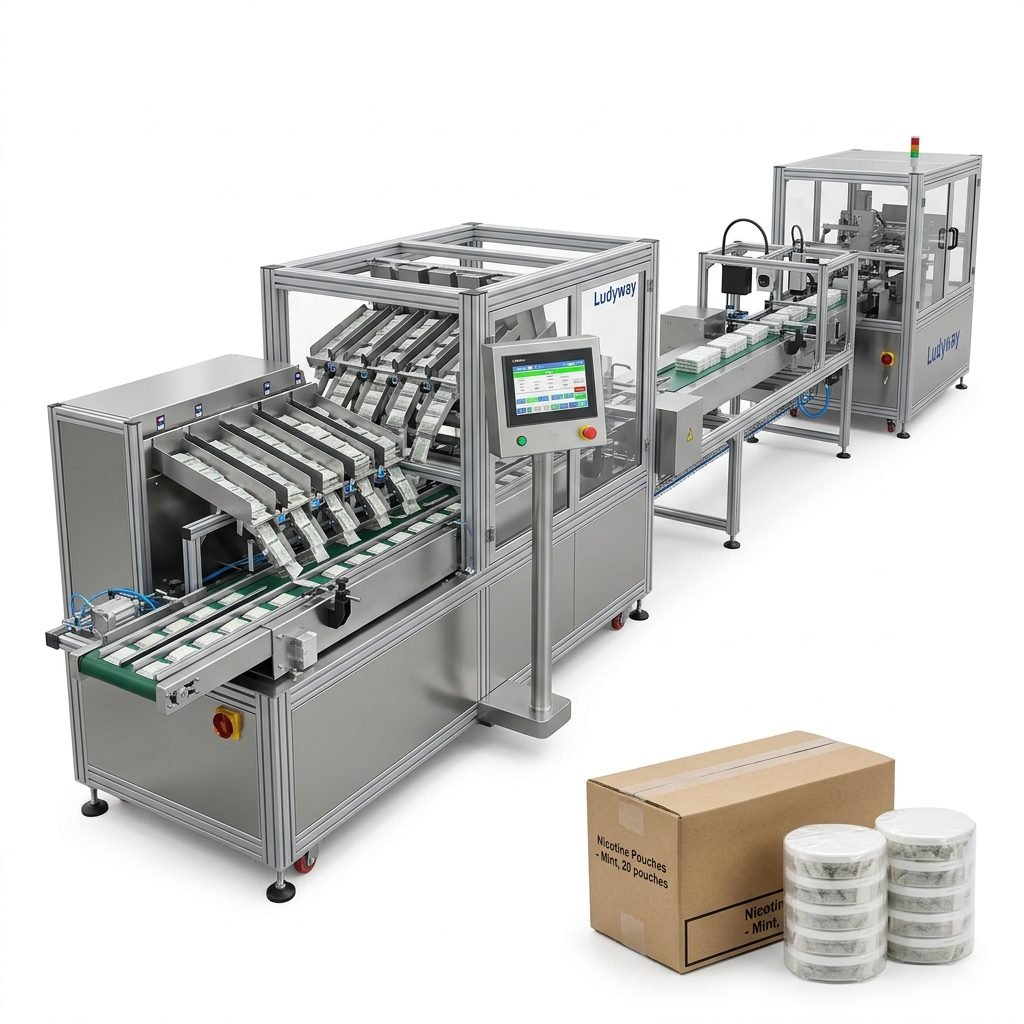
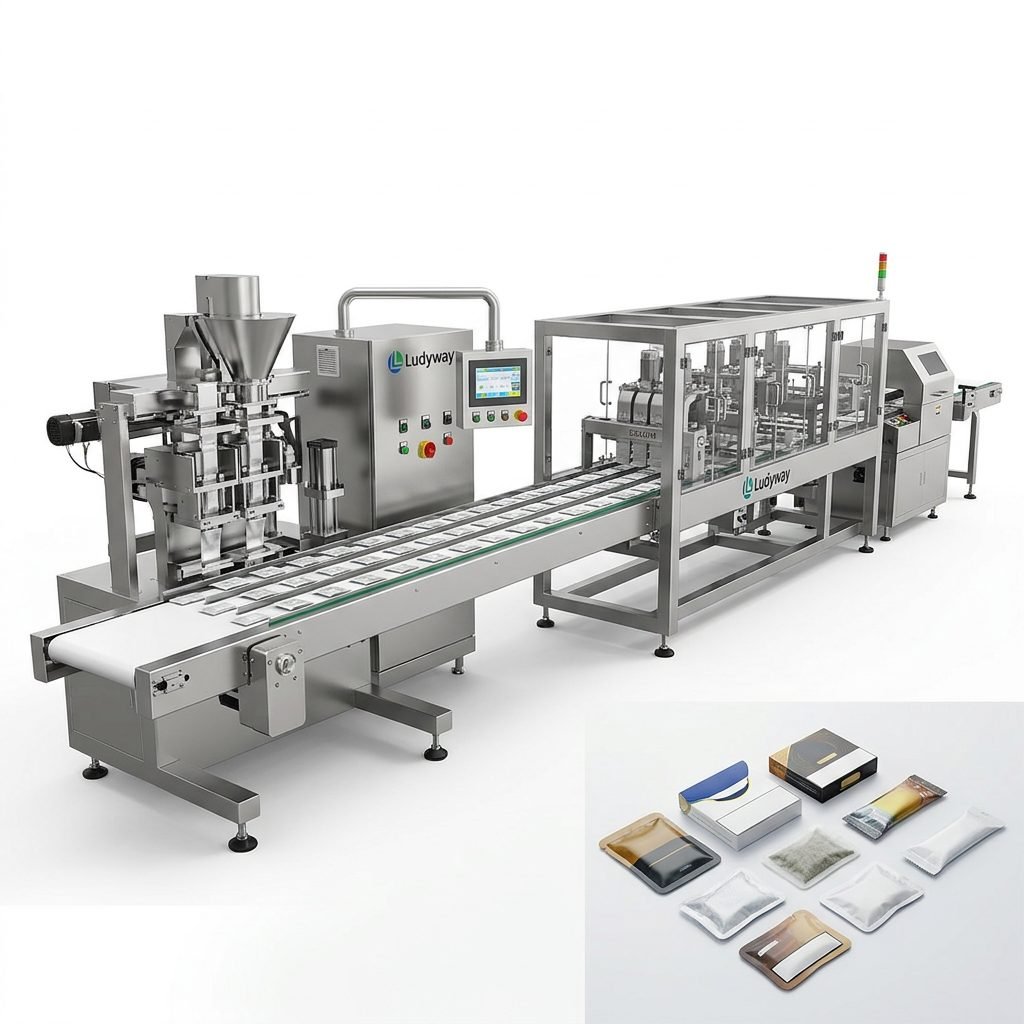
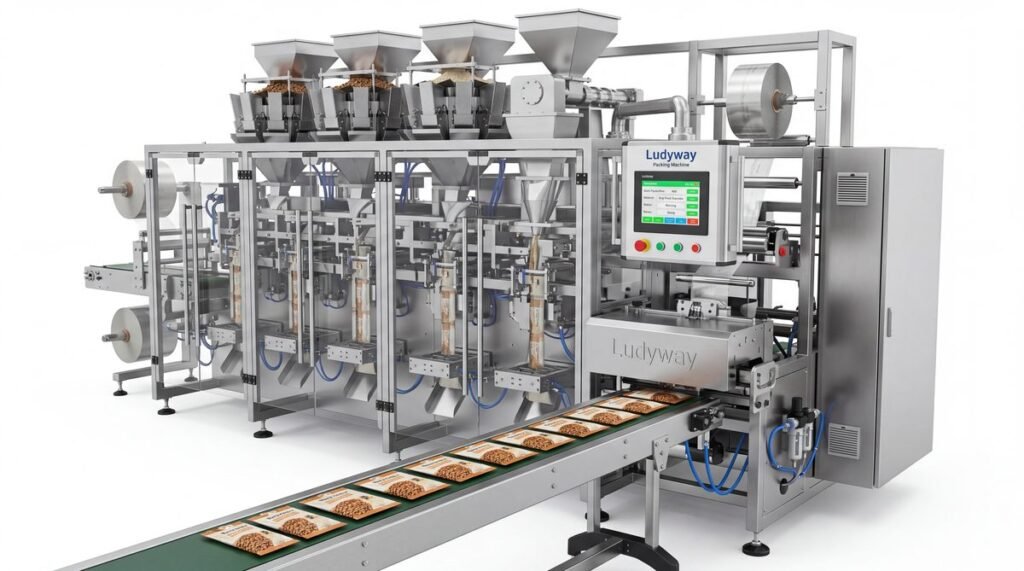
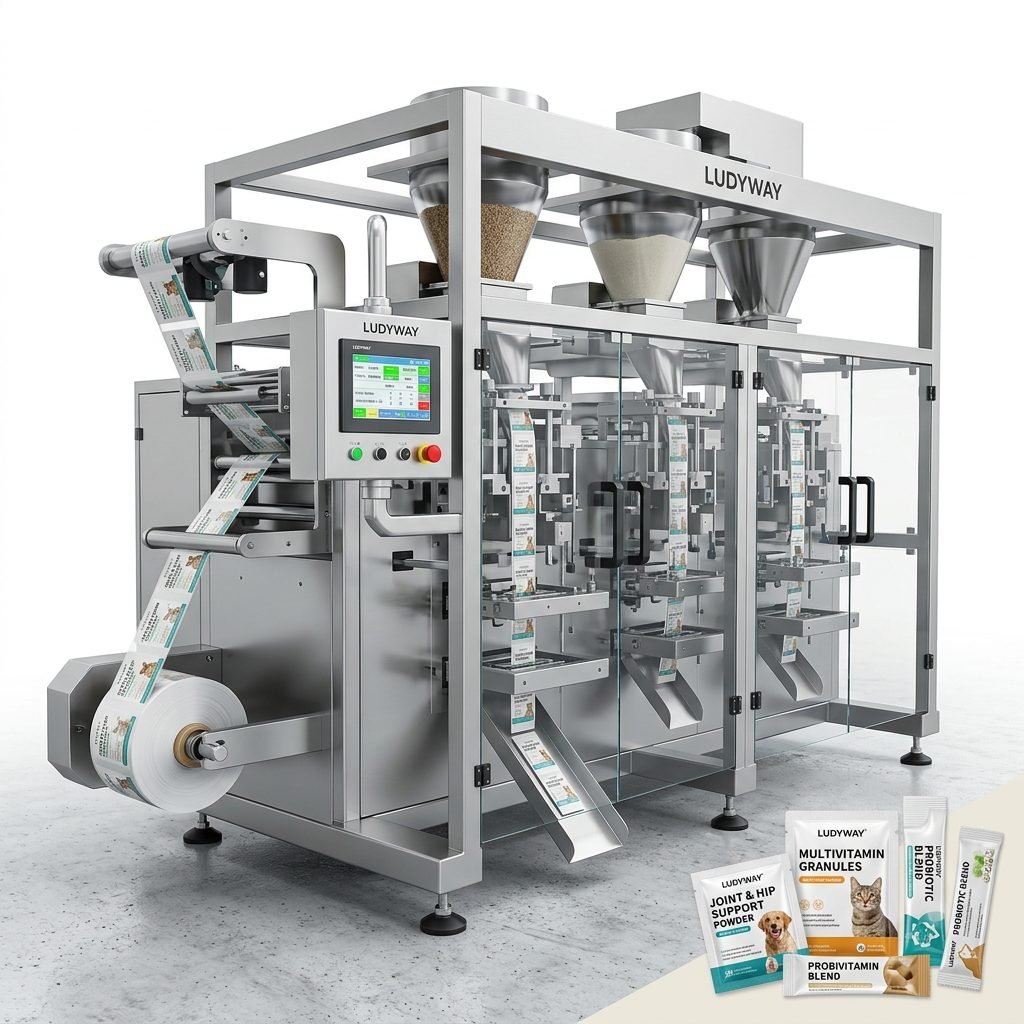
Proper maintenance of a packing dryer machine is essential for ensuring consistent performance, reducing unplanned downtime, and extending the overall service life of your packaging line. Without a structured care routine, even the most robust drying system can suffer from reduced efficiency, increased energy consumption, and premature component failure. This guide outlines the key steps and best practices to keep your equipment running at peak condition.
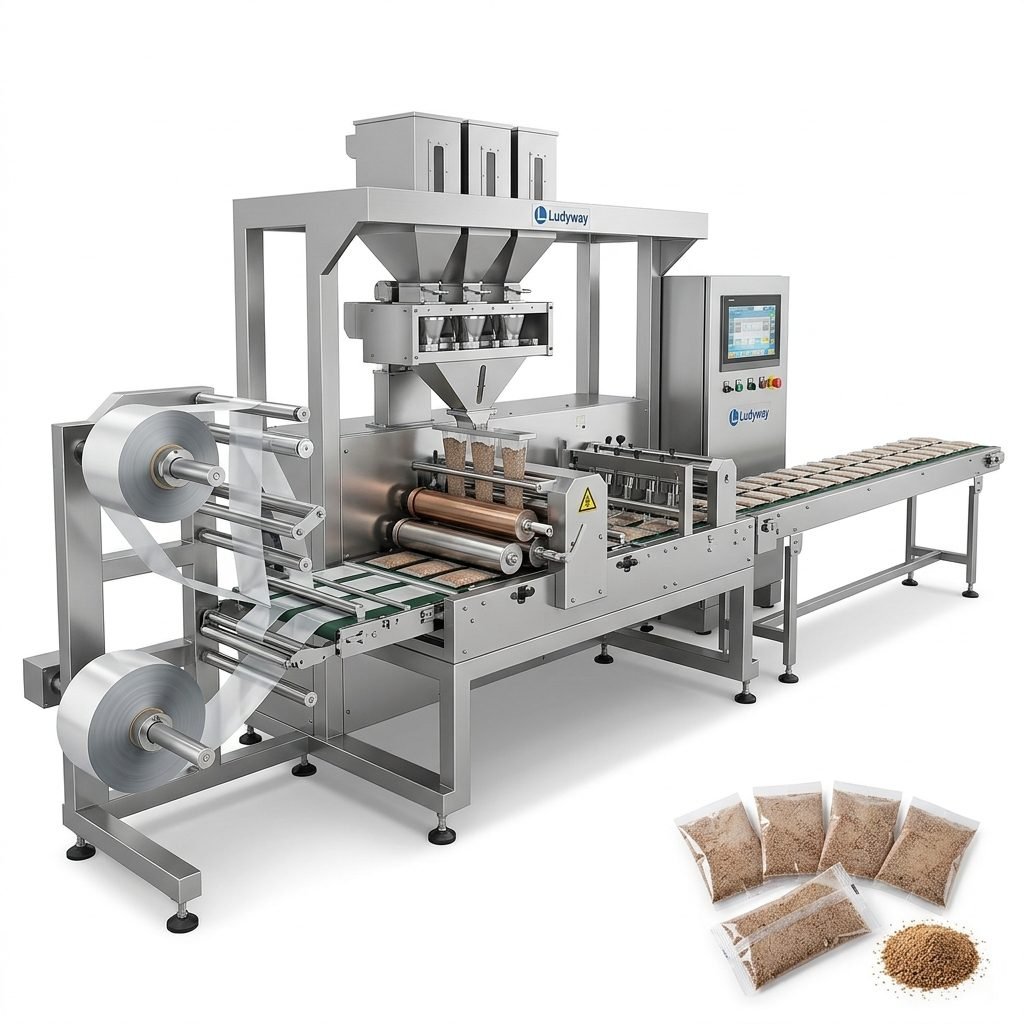
Understanding the Role of a Packing Dryer Machine
In food, pharmaceutical, and chemical packaging applications, a packing dryer machine removes residual moisture from products or packaging materials before sealing. This step is critical for preventing microbial growth, preserving product freshness, and maintaining seal integrity. Whether you are running high-speed multi-lane packaging systems or standalone drying tunnels, the maintenance principles remain fundamentally similar.
Daily Inspection Checklist
Operators should perform a brief visual and functional check at the start of each shift. Early detection of minor issues can prevent costly repairs later. Key daily tasks include:
- Inspect air filters for dust accumulation and clean or replace as needed.
- Verify that all temperature sensors and thermostats are reading accurately.
- Check conveyor belt alignment and tension; look for fraying or uneven wear.
- Listen for unusual noises from blowers, motors, or drive chains.
- Confirm that safety interlocks and emergency stops are functioning correctly.
- Remove any product debris or packaging material that may have fallen into the drying chamber.
Weekly and Monthly Maintenance Tasks
Beyond daily checks, a more thorough maintenance schedule should be followed on a weekly and monthly basis. These tasks require a bit more time but are crucial for long-term reliability.
Weekly Tasks
- Clean the heating elements and air ducts to maintain efficient heat transfer.
- Lubricate all bearing points, chains, and moving mechanical parts according to the manufacturer’s specifications.
- Inspect electrical connections for signs of overheating or corrosion.
- Test the humidity control system and verify calibration against a reference standard.
Monthly Tasks
- Perform a full system calibration of temperature controllers, airflow meters, and moisture sensors.
- Examine belt drives, pulleys, and gearboxes for wear and proper alignment.
- Clean the exhaust system and ductwork thoroughly to prevent airflow restrictions.
- Review the PLC program logs for any recurring fault codes or anomalies.
- Inspect door seals and gaskets for cracks or compression set; replace if necessary.
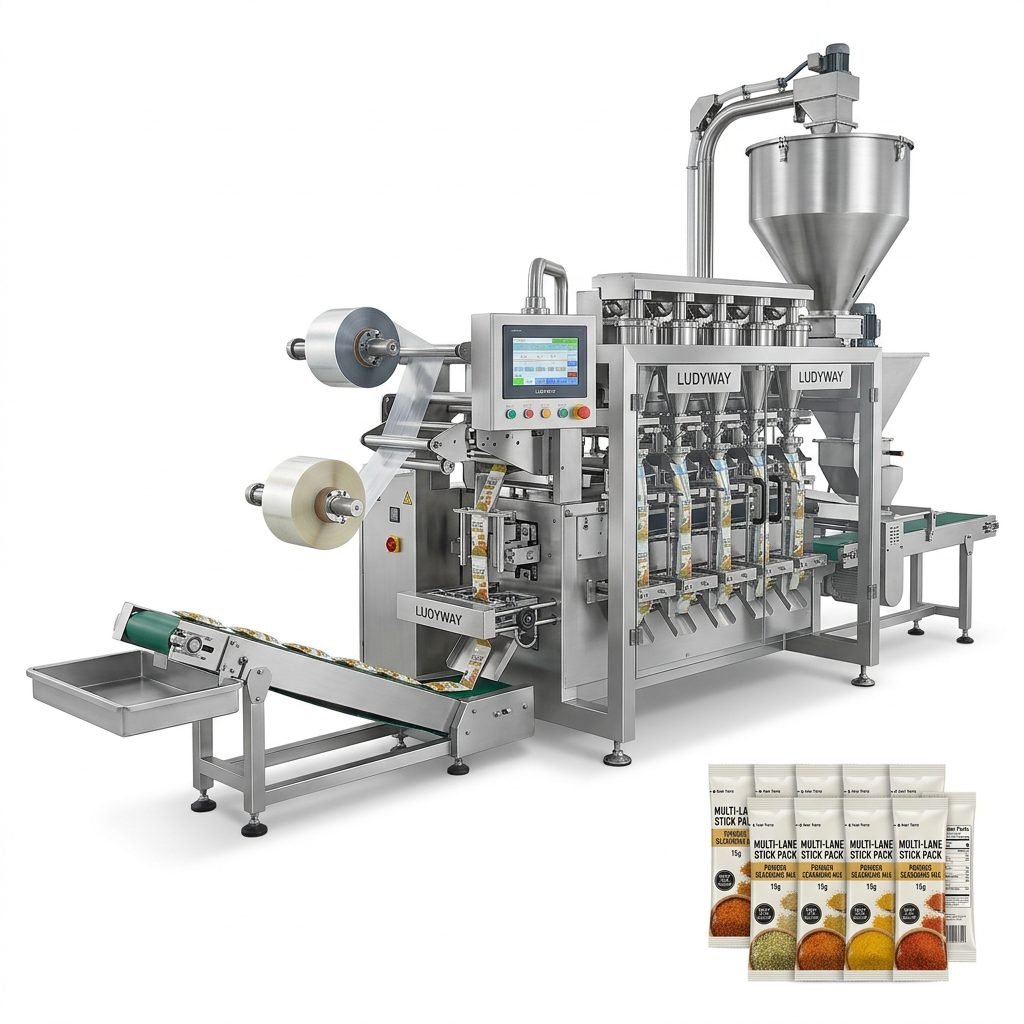
Critical Component Care
Several components demand special attention due to their direct impact on drying performance and machine longevity. Focus your efforts on the following areas:
Heating System
The heating elements are the heart of any packing dryer machine. Scale buildup and dust coating can significantly reduce thermal efficiency. Clean heating coils gently using compressed air and a soft brush. For gas-fired systems, inspect the burner assembly and ignition electrodes monthly. A poorly maintained heating system will force the machine to work harder, increasing energy consumption by up to 30%.
Air Circulation and Filtration
Proper airflow is essential for uniform drying. Clogged filters reduce air velocity and create hot spots that can damage sensitive products. Replace primary filters every 200-400 operating hours, or more frequently in dusty environments. Check the fan impeller for imbalance or debris buildup, as vibration from an unbalanced fan can accelerate bearing wear throughout the machine.
Conveyor and Drive System
The conveyor mechanism must run smoothly to avoid product jams and inconsistent drying times. Misaligned belts not only cause tracking problems but also place uneven stress on roller bearings. Use a tension gauge to verify belt tension meets the OEM specification. Lubricate drive chains sparingly — over-lubrication attracts dust and creates abrasive paste that accelerates sprocket wear.
Common Issues and Troubleshooting
The table below summarizes frequent problems encountered with packing dryer machines and their likely causes. Use this as a quick reference during maintenance rounds.
| Symptom | Possible Cause | Recommended Action |
|---|---|---|
| Uneven or incomplete drying | Blocked air ducts, faulty heating elements, or incorrect belt speed | Clean ductwork, test elements with a multimeter, recalibrate speed settings |
| Excessive energy consumption | Dirty filters, poor insulation, or thermostat drift | Replace filters, inspect insulation panels, recalibrate thermostat |
| Loud or unusual noise | Worn bearings, loose fasteners, or fan imbalance | Tighten all bolts, replace bearings as a set, clean and balance fan impeller |
| Product scorching or discoloration | Temperature overshoot or hot spots in the drying chamber | Verify PID controller settings, check for blocked airflow causing localized heating |
| Frequent belt slippage or tracking errors | Incorrect tension, worn pulleys, or misaligned rollers | Adjust tension per manual, replace worn pulleys, realign conveyor frame |
| Condensation inside the drying chamber | Inadequate exhaust ventilation or damper malfunction | Inspect exhaust ducts and dampers, increase ventilation rate if needed |
Best Practices for Long-Term Reliability
Adopting a proactive maintenance culture will yield the best return on investment for your packing dryer machine. Consider these guidelines as part of your standard operating procedures:
- Maintain a detailed maintenance log — Record every inspection, repair, and parts replacement. This documentation helps identify patterns and predict future failures before they occur.
- Use only OEM-approved spare parts — Generic components may not meet the thermal or mechanical specifications required for safe and efficient operation.
- Train operators thoroughly — Anyone who interacts with the machine should understand basic troubleshooting, emergency procedures, and the importance of reporting unusual conditions immediately.
- Schedule professional servicing annually — An experienced technician can perform advanced diagnostics, such as thermal imaging of electrical panels and vibration analysis on rotating equipment.
- Keep the surrounding area clean — Dust and debris from the production floor can be drawn into the dryer’s air intake, accelerating filter clogging and contaminating internal components.
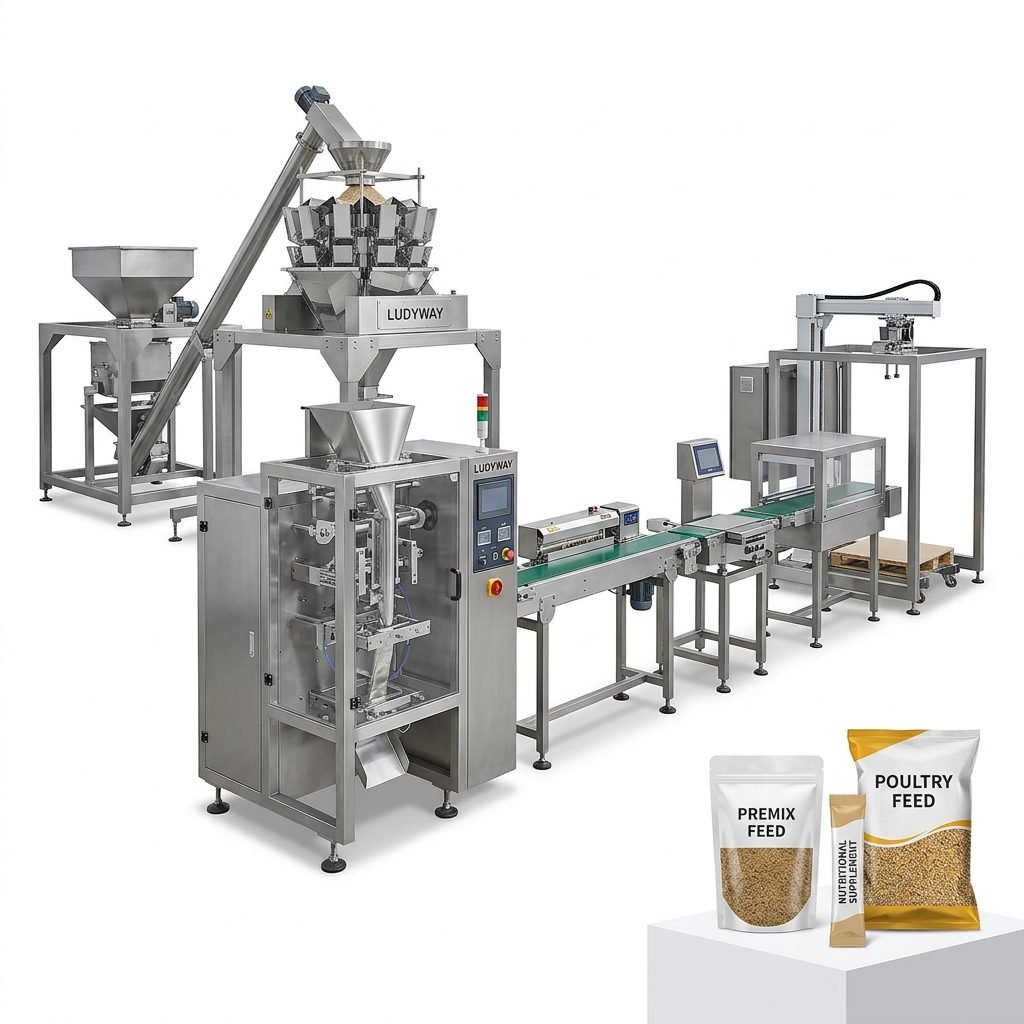
Safety Considerations During Maintenance
Before performing any maintenance task, always follow lockout/tagout procedures to isolate the machine from electrical, pneumatic, and thermal energy sources. Residual heat in the drying chamber can cause serious burns even after the machine has been switched off — allow adequate cooling time before accessing internal components. Wear appropriate personal protective equipment, including heat-resistant gloves and safety glasses, when handling heating elements or cleaning chemical residues.
When to Call Professional Service
While routine maintenance can be handled in-house, certain situations warrant professional intervention. Contact a qualified service provider if you encounter any of the following:
- Persistent error codes or PLC faults that cannot be resolved through standard troubleshooting.
- Signs of electrical arcing or insulation breakdown in control panels or junction boxes.
- Structural cracks or warping in the drying chamber frame or conveyor supports.
- Recurring issues after multiple repair attempts, which may indicate an underlying design or installation problem.
For businesses operating complex packaging lines, working with an experienced equipment manufacturer ensures access to genuine parts and specialized technical knowledge. For instance, Ludyway provides comprehensive after-sales support and maintenance guidance for a wide range of packaging machinery, helping customers maintain optimal production efficiency over the long term.
Spare Parts Inventory Management
Keeping critical spare parts on hand minimizes downtime when a component fails unexpectedly. Based on industry recommendations, such as those from the Packaging Industry Resources at PMMI, your inventory should include:
- Replacement heating elements and thermocouples
- Drive belts and timing belts in all required sizes
- Air filters (primary and secondary)
- Bearings and seals for critical rotating assemblies
- Gaskets and door seal profiles
- Common electrical components such as relays, contactors, and fuses
Review your spare parts inventory quarterly and adjust based on actual consumption rates and supplier lead times. The ISO packaging standards provide useful frameworks for establishing a structured maintenance and parts management system within your facility.
Key Takeaways
- Implement a structured maintenance schedule with daily, weekly, and monthly tasks.
- Prioritize heating system care and airflow management for consistent drying performance.
- Use the troubleshooting table as a quick reference guide when diagnosing issues.
- Keep an adequate spare parts inventory to reduce downtime during unexpected failures.
- Never bypass safety protocols — lockout/tagout procedures save lives.

A well-maintained packing dryer machine is an investment in product quality, operational efficiency, and workplace safety. By following the guidelines outlined above and consulting authoritative resources like the PMMI Business Intelligence Library for industry benchmarks, operators and maintenance teams can significantly reduce the risk of costly breakdowns. Remember that consistency is key — regular attention to cleaning, inspection, lubrication, and calibration will keep your drying equipment reliable for years to come.