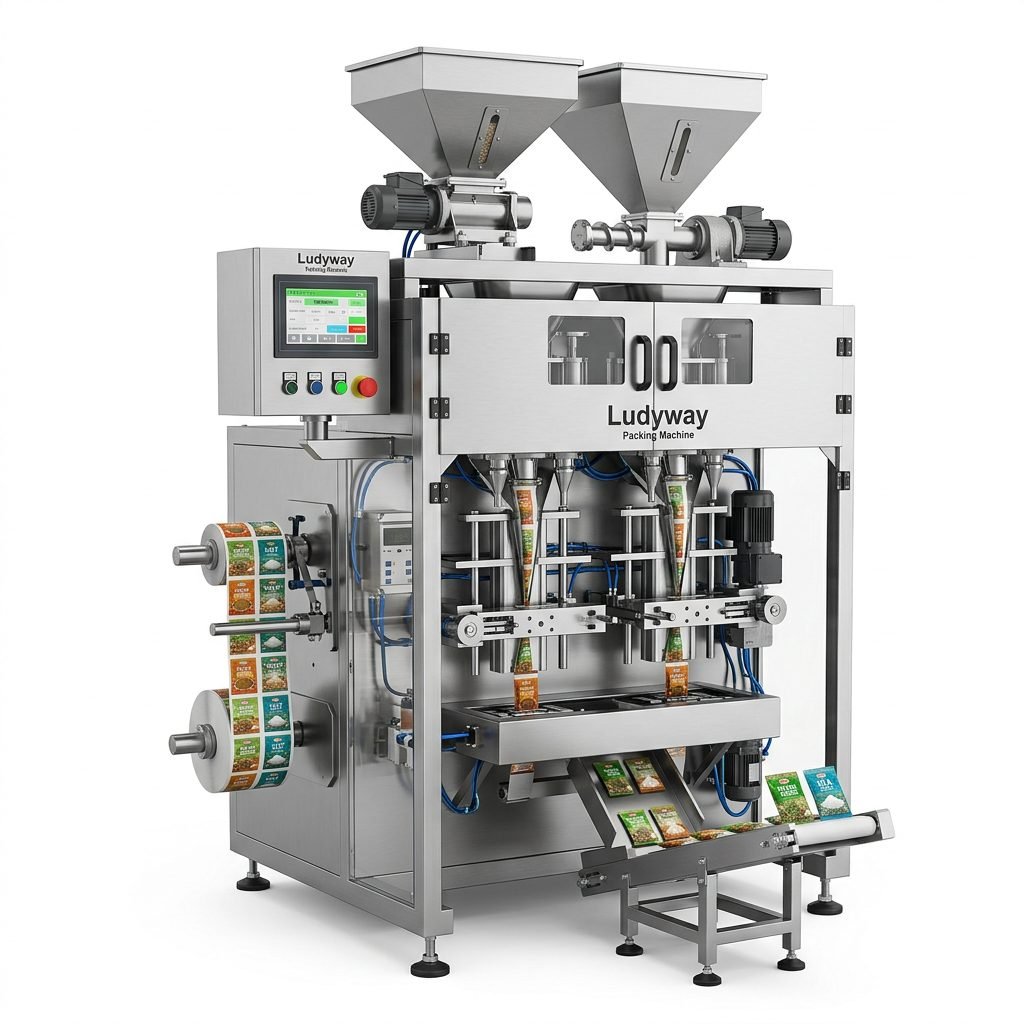
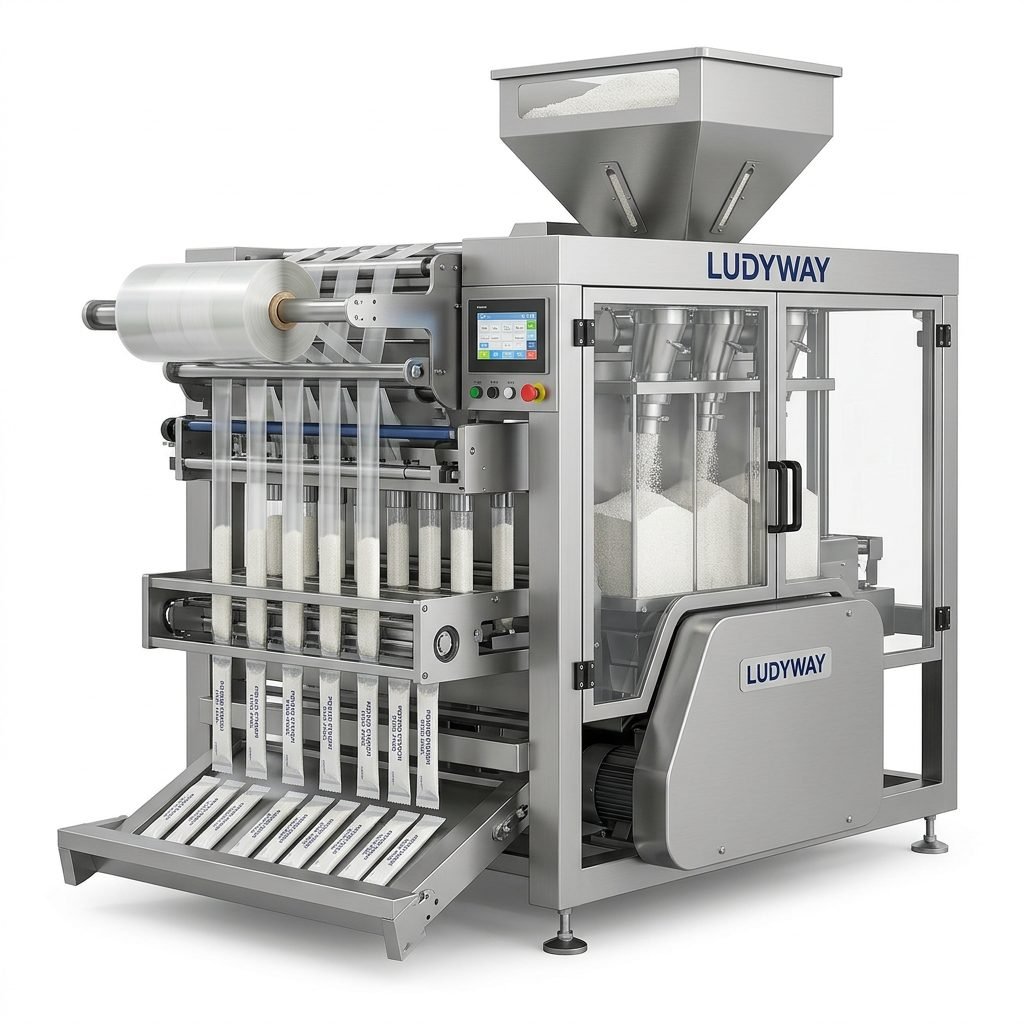
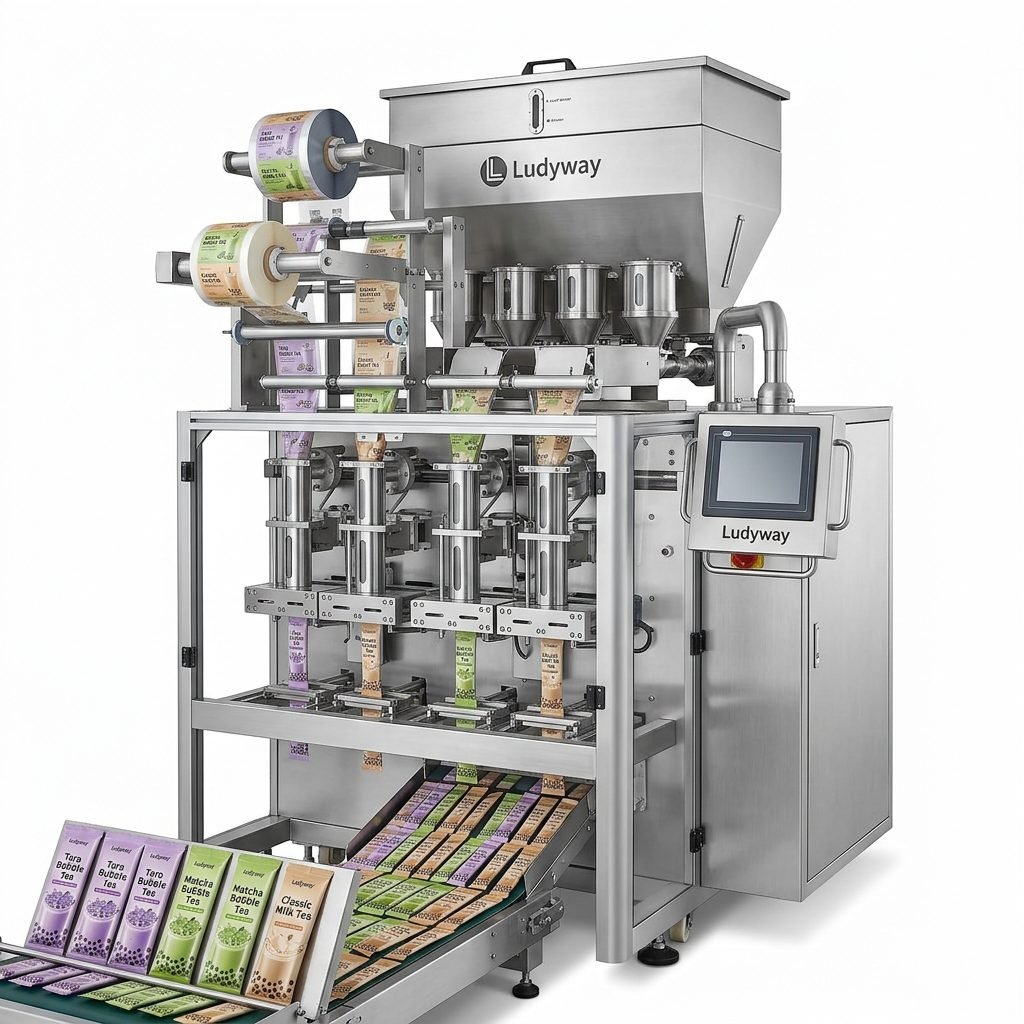
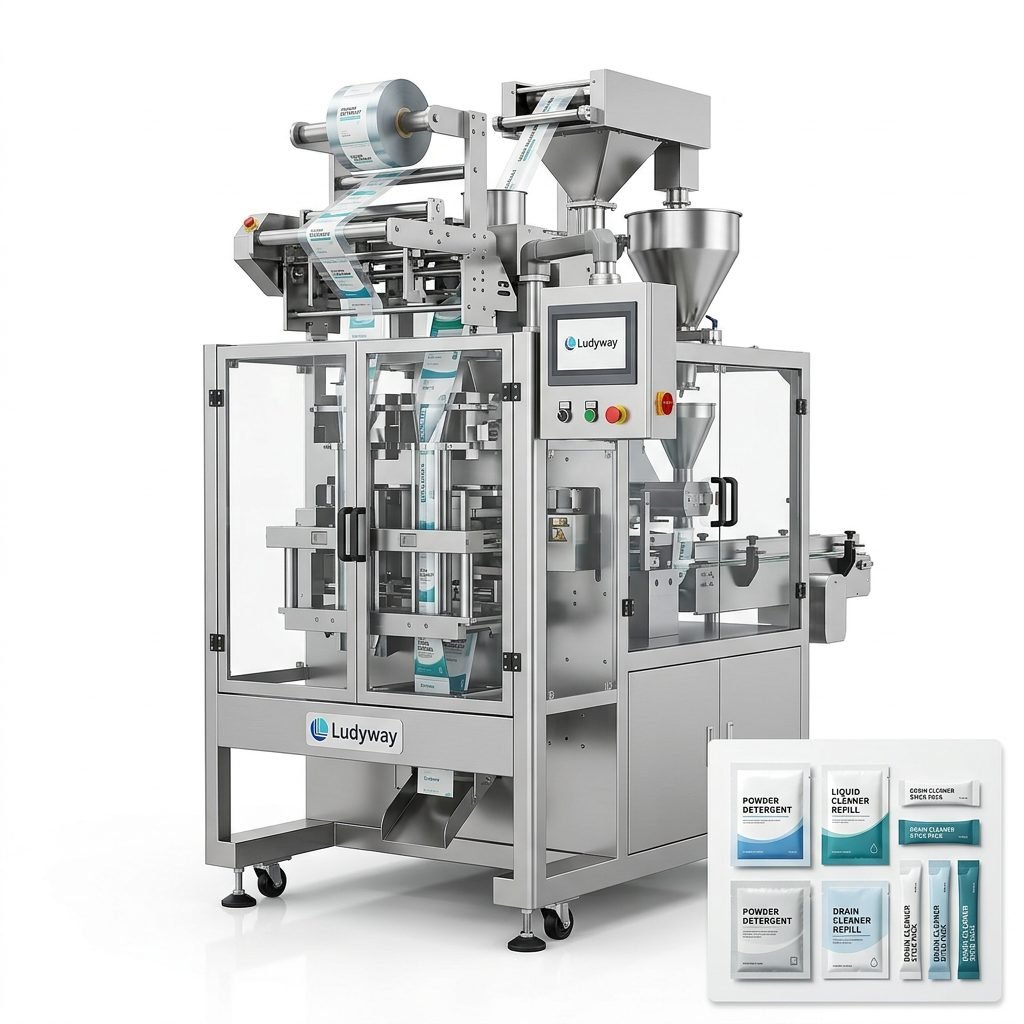
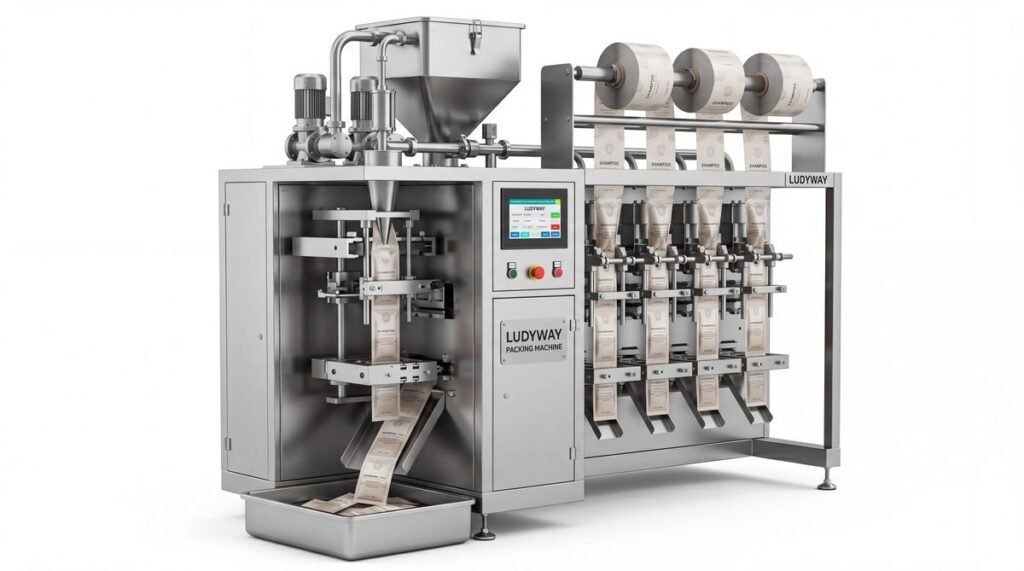
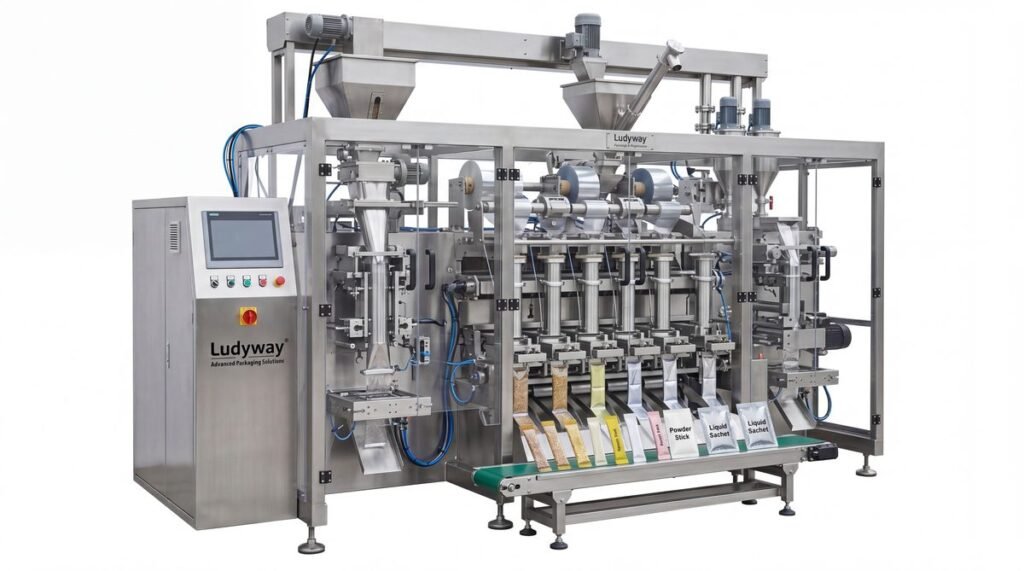
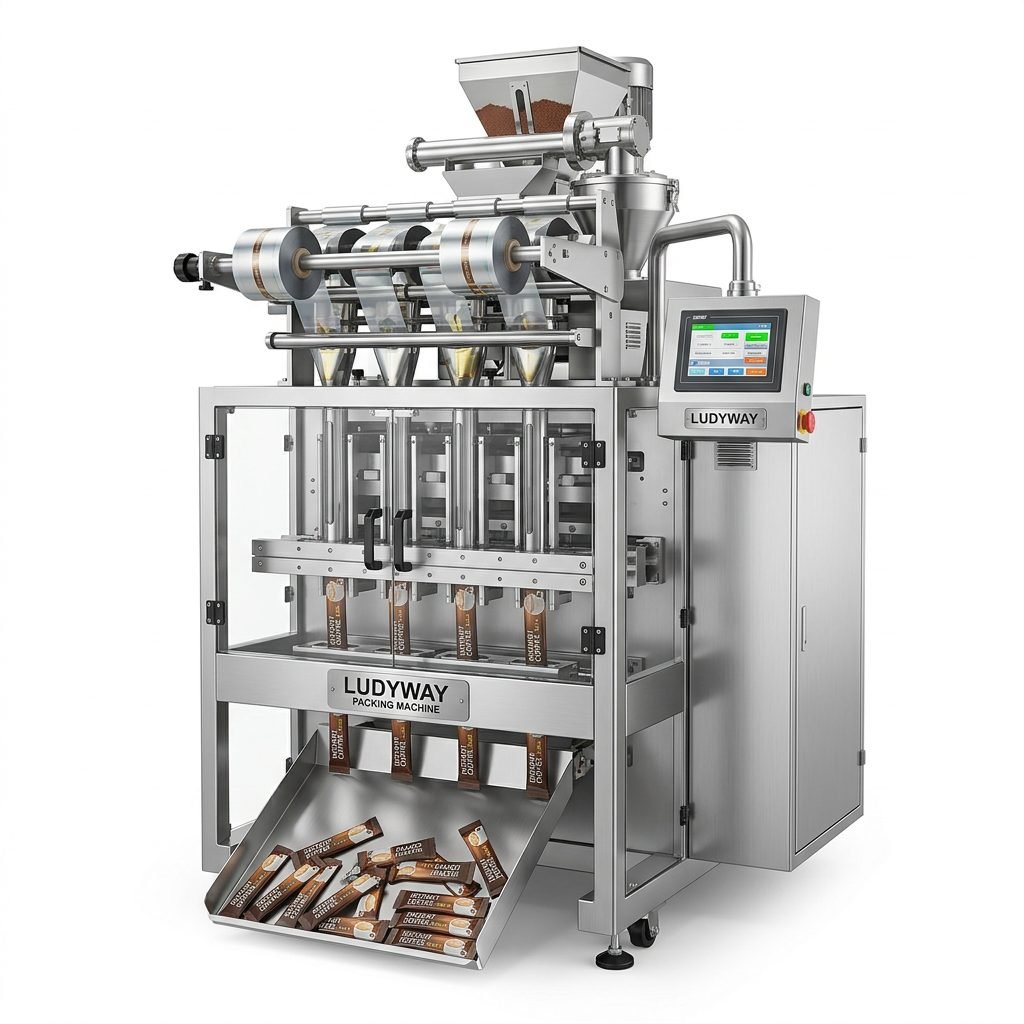
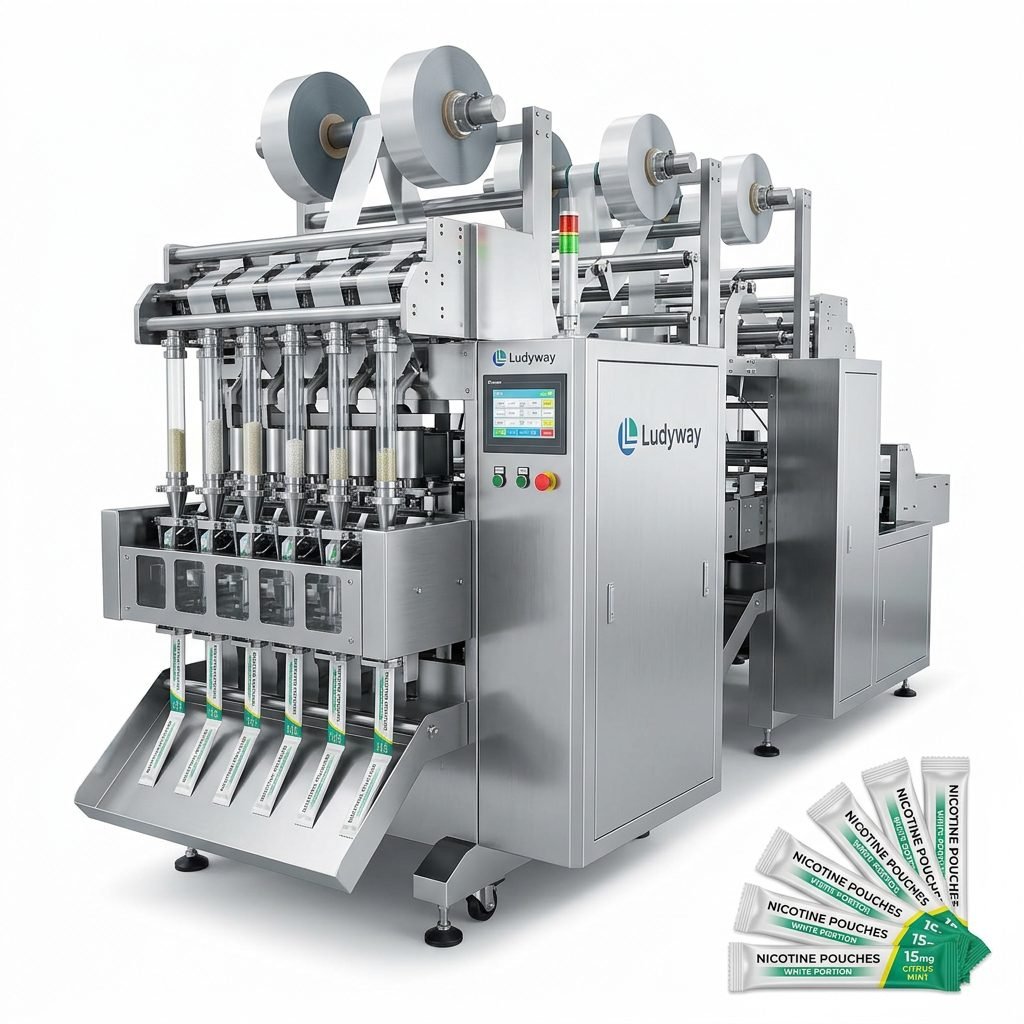
Consistent performance and extended service life don’t happen by accident. Whether you run a high-speed multi-lane sachet system or a single-head filler, establishing a proactive maintenance routine is critical. A well-maintained packing machine reduces unplanned downtime, ensures precise fill accuracy, and protects your bottom line. This guide outlines actionable steps to keep your equipment running at peak efficiency, helping you avoid the common pitfalls that lead to costly repairs.
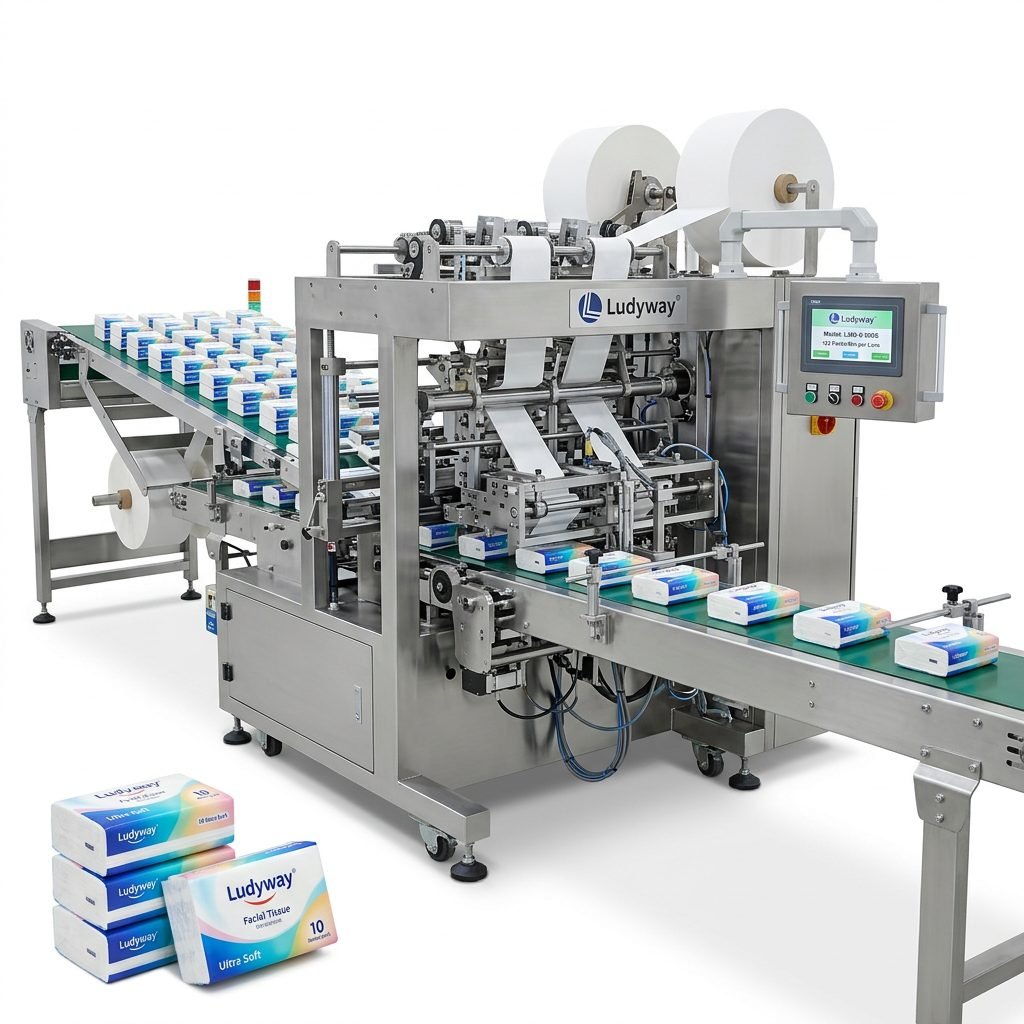
Why Preventive Maintenance Matters
Reactive repairs are expensive. When a component fails during a production run, you aren’t just paying for the part—you’re losing revenue from idle operators and missed deadlines. Effective maintenance shifts your strategy from reactive fixing to proactive care. Key benefits of a structured program include:
- Reduced Downtime: Identify worn parts before they break.
- Consistent Quality: Maintain seal integrity and fill weights.
- Extended Lifespan: Protect your investment for years to come.
- Safety Assurance: Prevent electrical or mechanical hazards.
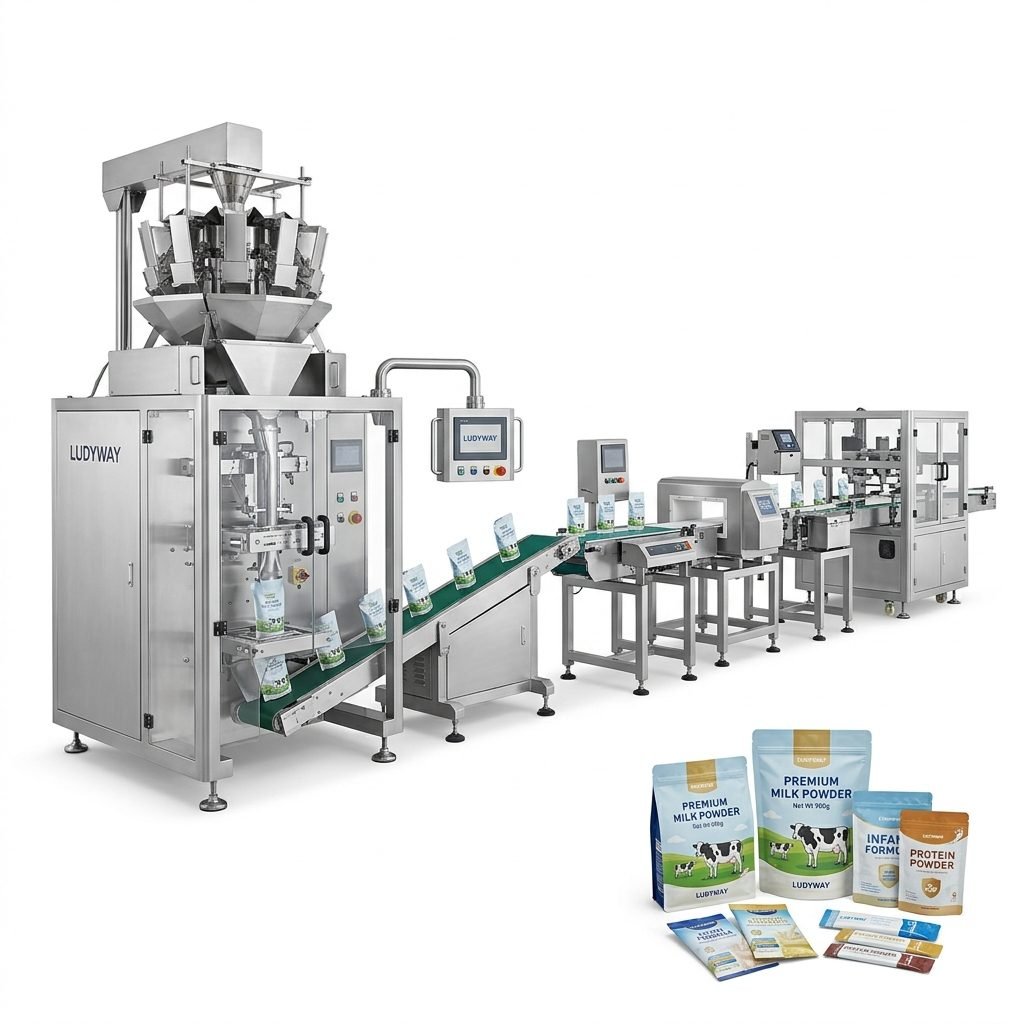
For operations running complex turnkey systems, such as automated packaging machine solutions for powders and liquids, the complexity of sensors and servos makes regular inspection even more vital.
Daily Operator Checks
The operator is the first line of defense. Before powering up, a visual inspection takes only a few minutes but can catch major issues. Train your team to perform these steps rigorously:
- Clean the sealing area: Remove product residue or dust that can prevent a proper seal.
- Inspect forming tubes: Look for scratches or dents that could snag the film.
- Verify safety guards: Ensure all interlocks and guards are correctly positioned.
- Check air pressure: Confirm the pneumatic system reaches the required PSI without fluctuations.
Focus on Film Tracking and Alignment
Misaligned film leads to crooked seals and wasted material. If you hear excessive crackling or notice the film sliding to one side, stop the machine. Check the eye mark sensor and the tracking rollers. Even a tiny shift in the roll alignment can result in a significant percentage of rejected pouches.
Weekly and Monthly Inspection Points
Beyond the daily walkaround, you need to dedicate time to deeper mechanical checks. Use the schedule below to assign responsibilities to your maintenance technicians.
| Component Area | Inspection Task | Frequency |
|---|---|---|
| Rotary Jaw / Sealers | Check for carbon buildup and surface wear | Weekly |
| Chains and Belts | Check tension and lubricate (where applicable) | Monthly |
| Electrical Cabinets | Blow out dust; check for moisture and tight wires | Monthly |
| Sensors and Reflectors | Wipe with a soft, dry cloth | Weekly |
Lubrication and Cleanliness Best Practices
Over-greasing is just as dangerous as under-greasing. Excess lubricant traps dust and creates a grinding paste that accelerates wear. Pay close attention to the bearings in the vertical sealing and pulling stations. When operating a packing machine for food or pharmaceuticals, remember to use food-grade lubricants that comply with safety standards.
Managing Sticky or Dusty Products
Products like fine powders or sticky liquids pose unique challenges. A machine packaging granulated sugar or milk powder needs more frequent cleaning than one handling dry hardware. Product spillage must be cleaned immediately to stop it from penetrating bearing housings or shorting electronics. Consider a high-shear mixer or specialized dust collection interface if airborne powder becomes a significant issue around critical actuators.
Spare Parts Strategy
Waiting for a spare part to ship from overseas creates a bottleneck. Develop a critical spares list based on your specific machine model. Typically, you should keep items on hand such as heating elements, thermocouples, forming tubes, and sensors. For businesses looking to scale operations or upgrade aged units, it might be time to evaluate robust hardware configurations. Ludyway, as one of the largest packaging machine manufacturers in China, supports global clients with an extensive inventory of spare parts shipped directly from their 20,000㎡ manufacturing facility, ensuring minimal logistical delays.
- Heating Rods/Cartridges: The most frequently replaced part in a sealing unit.
- Thermocouples: Essential for accurate temperature control.
- Grippers and Rubber Rollers: Wear out naturally with high-speed usage.
- Cutting Knives: Dull blades cause jagged pouch edges.
Training and Standardization
A machine is only as good as the person operating it. Proper training prevents the “trial and error” settings changes that often throw off filling accuracy. Standardize the startup and shutdown procedures. Post clear, laminated instructions right on the machine frame regarding temperature setpoints and clearing jams. If an operator forces a jam to clear rather than disassembling the guard, you risk snapping a weld on a critical bracket.
Calibration Check
Don’t assume the touchscreen numbers are correct. Verify the actual temperature of the heated jaws using an external probe thermometer. Mechanical settings, like the position of the pull belt, should be validated weekly against the reference marks. Consistent calibration is particularly important for applications like stick pack and sachet lines where pouch dimensions must remain perfect.
Industry Standards and Resources
Adhering to international standards ensures your maintenance program aligns with global best practices. Reviewing guidelines from regulatory bodies can help you refine your protocols, particularly for sanitary processing and packaging integrity. For further reading, consult these authoritative sources:
- PMMI – The Association for Packaging and Processing Technologies
- Flexible Packaging Association – Industry Resources
- FDA – Food Packaging and Food Contact Substances
- ISO – Packaging Standards
- European Commission – Packaging and Packaging Waste Regulation
Integrating Quality Control Devices
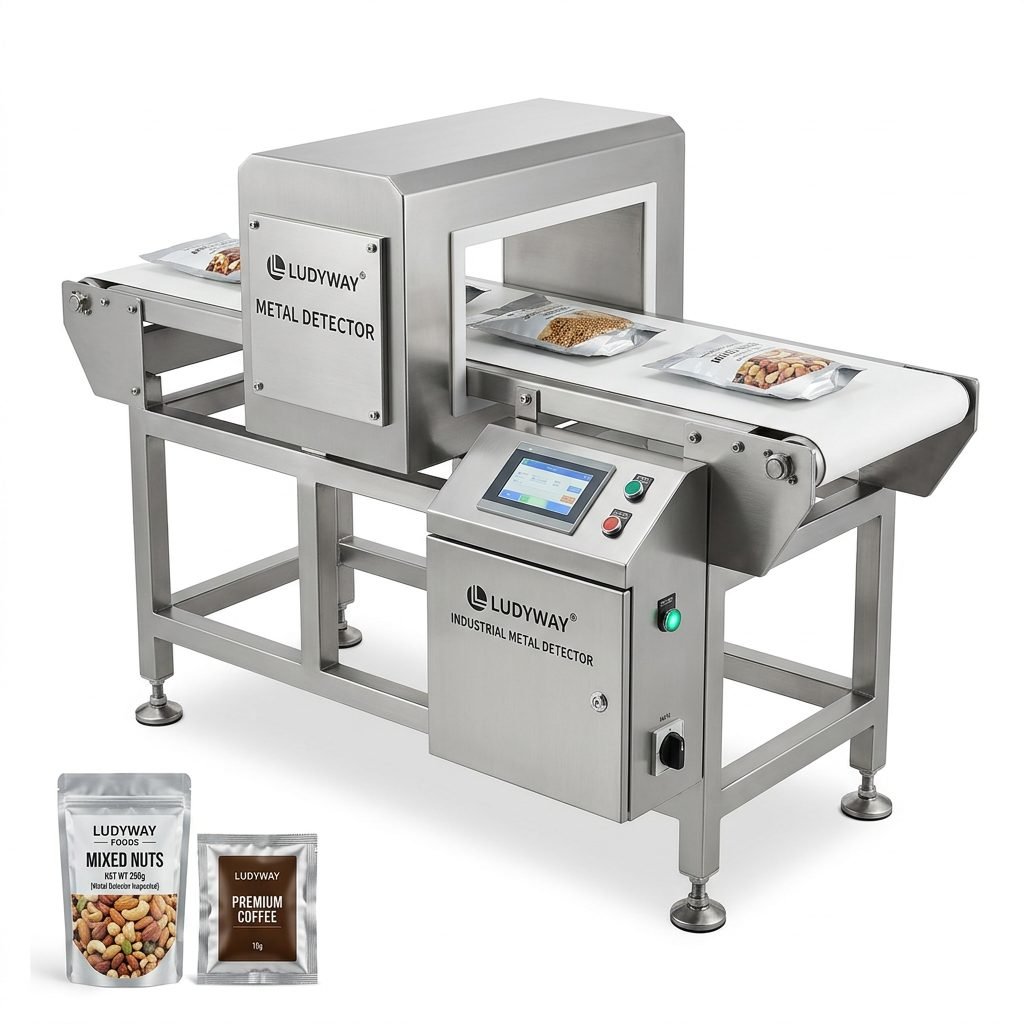
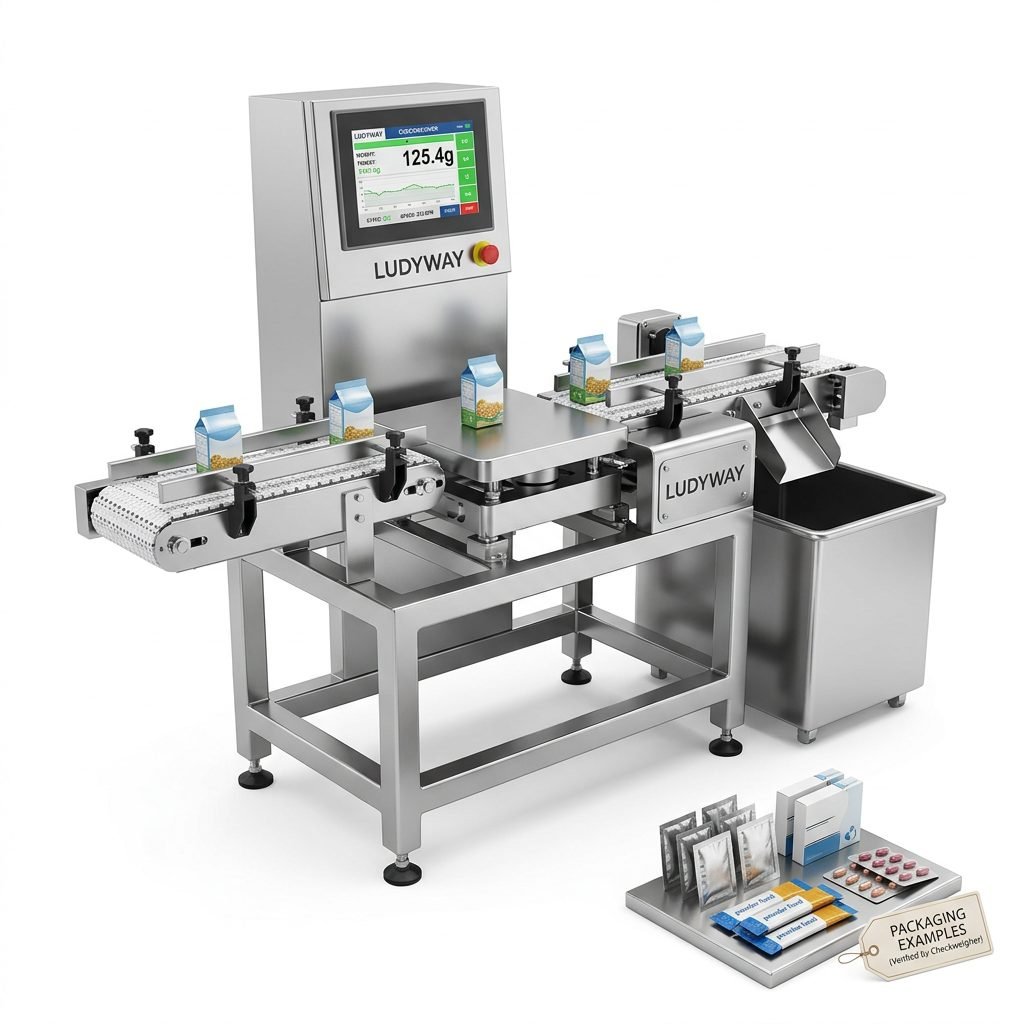
Maintenance isn’t just about wrenches and grease—it’s about the software and detection tools keeping your product safe. Devices like inline checkweighers, vision inspection systems, and metal detectors must be tested regularly. Feed a test sample through the packing machine daily to confirm the reject station functions correctly. A data log of these tests protects your brand and ensures traceability. For turnkey solutions incorporating automatic industrial X-ray inspection machines, keeping the software updated is equally crucial for maintaining detection sensitivity.
Ultimately, a clean, calibrated, and well-documented machine transforms your packaging floor from a zone of crisis management into a center of predictable, profitable output.