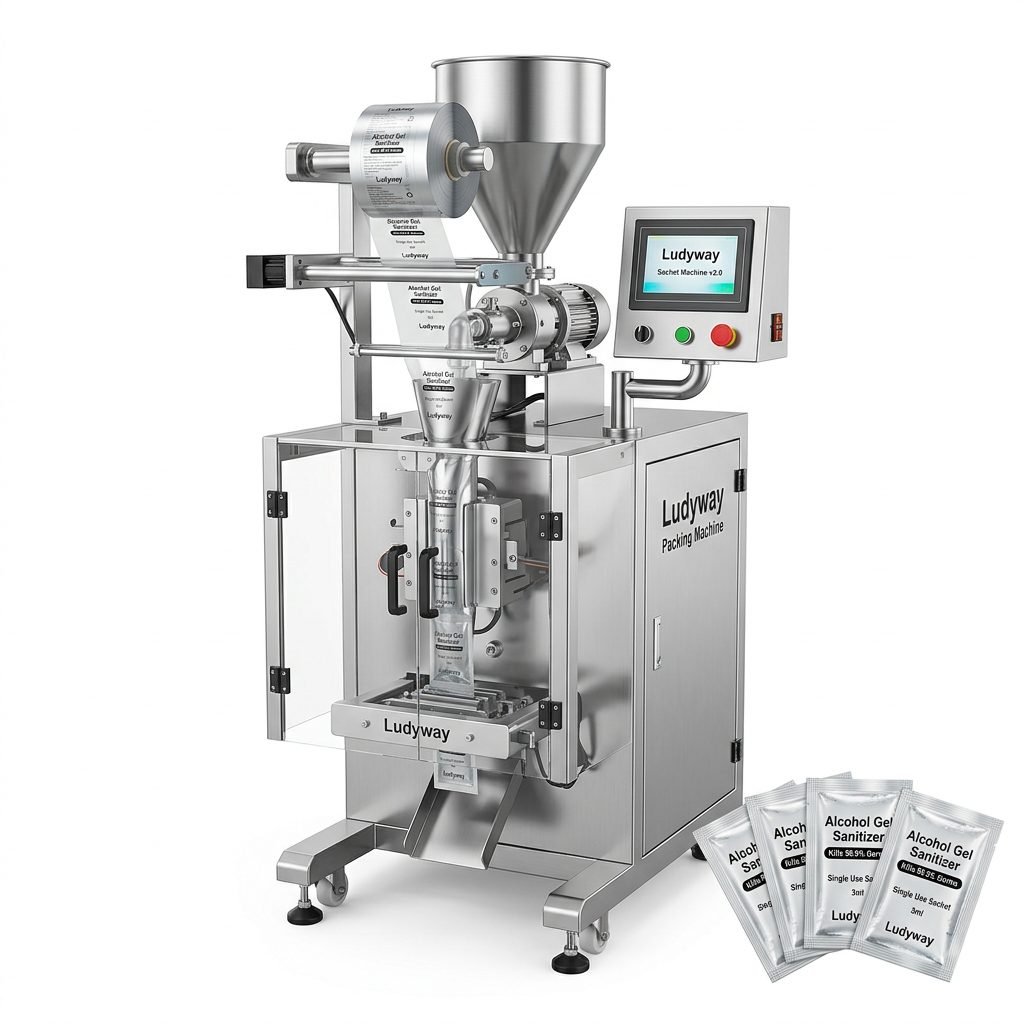
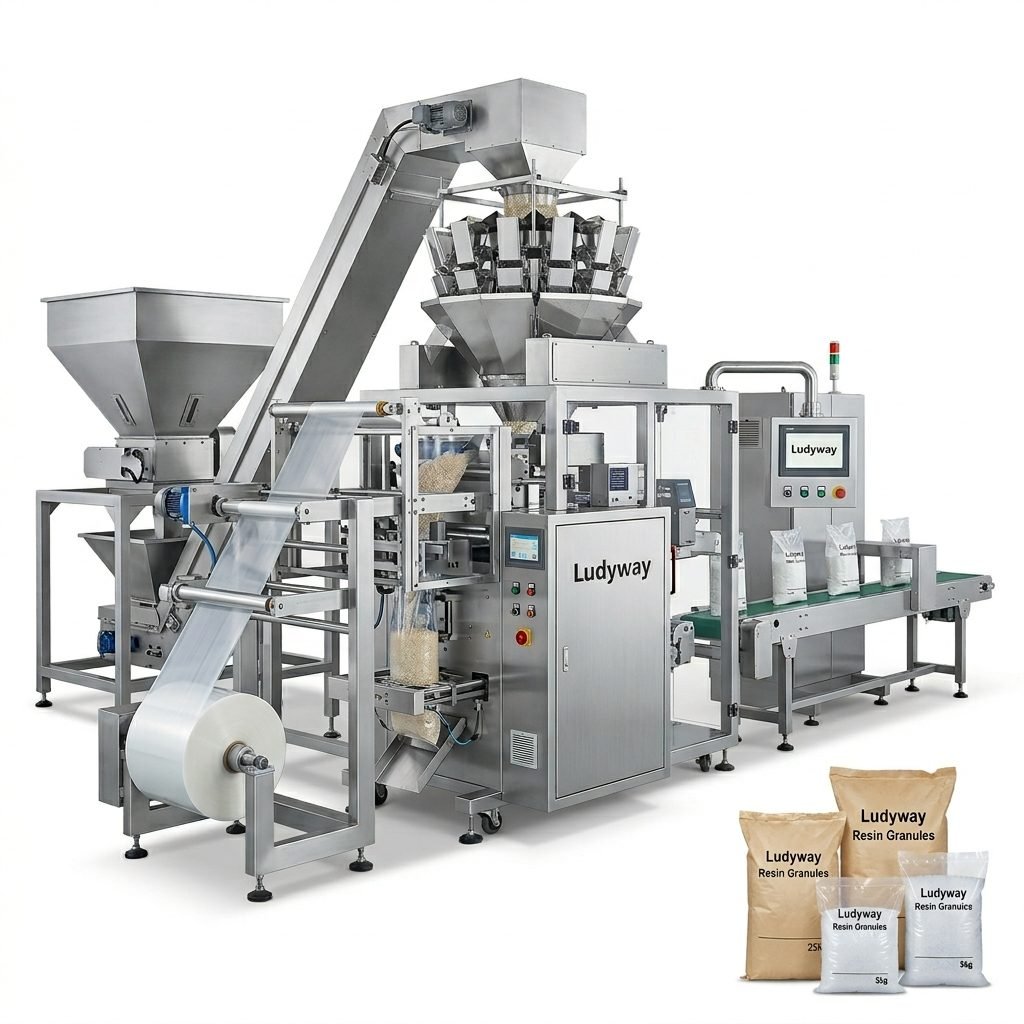
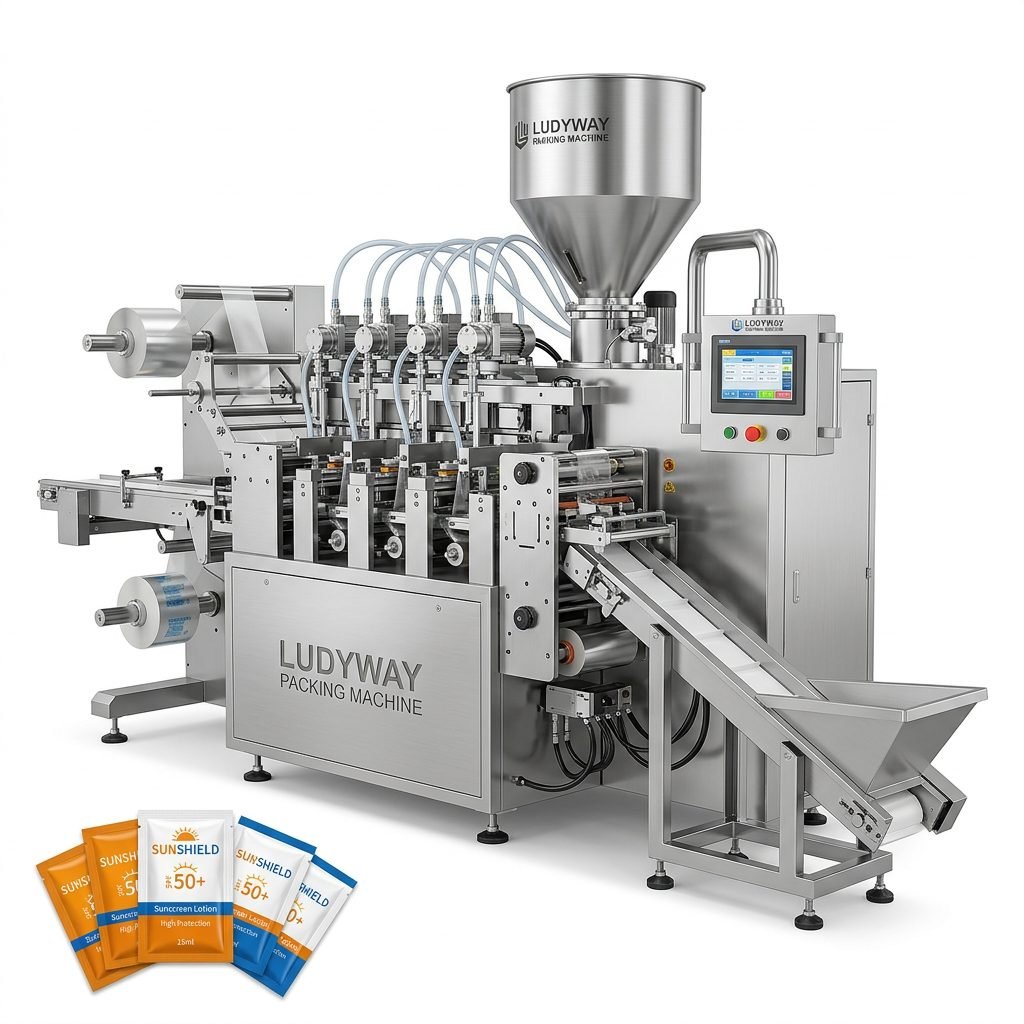
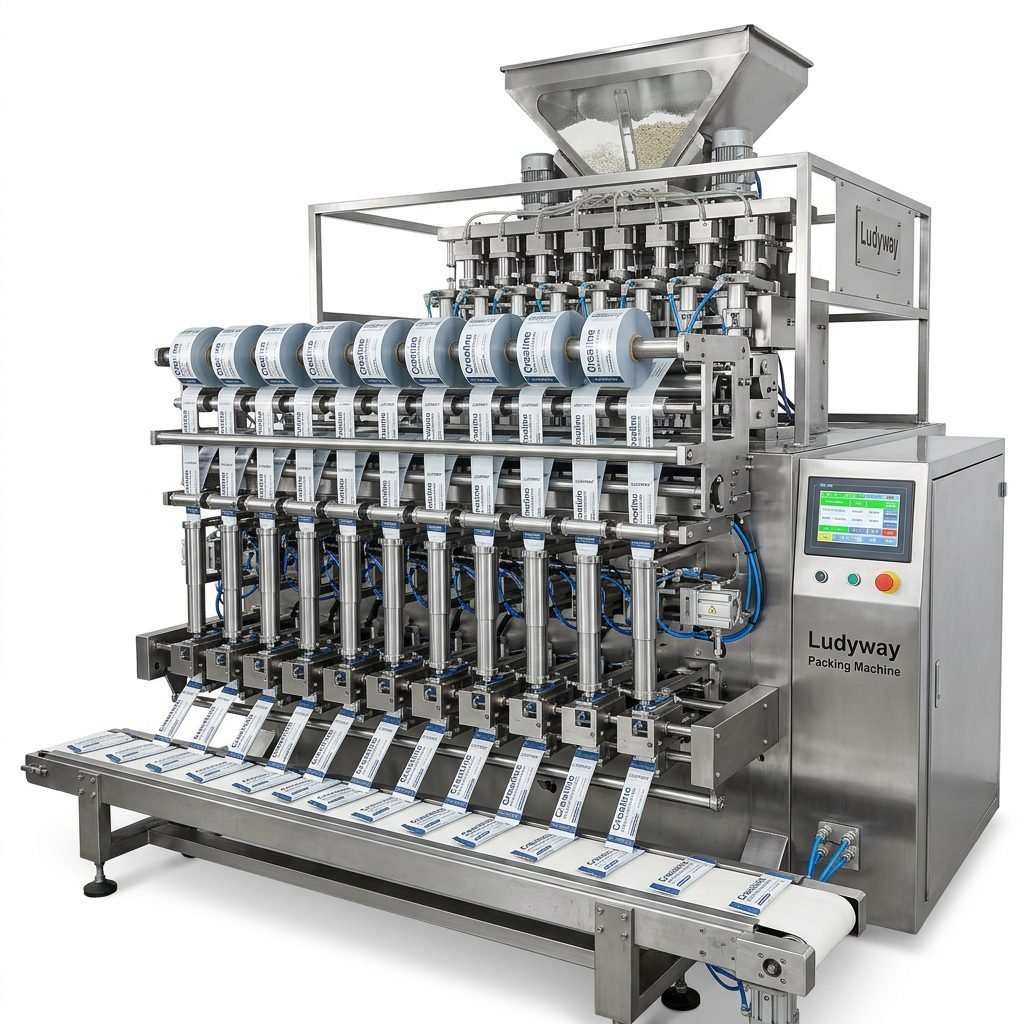
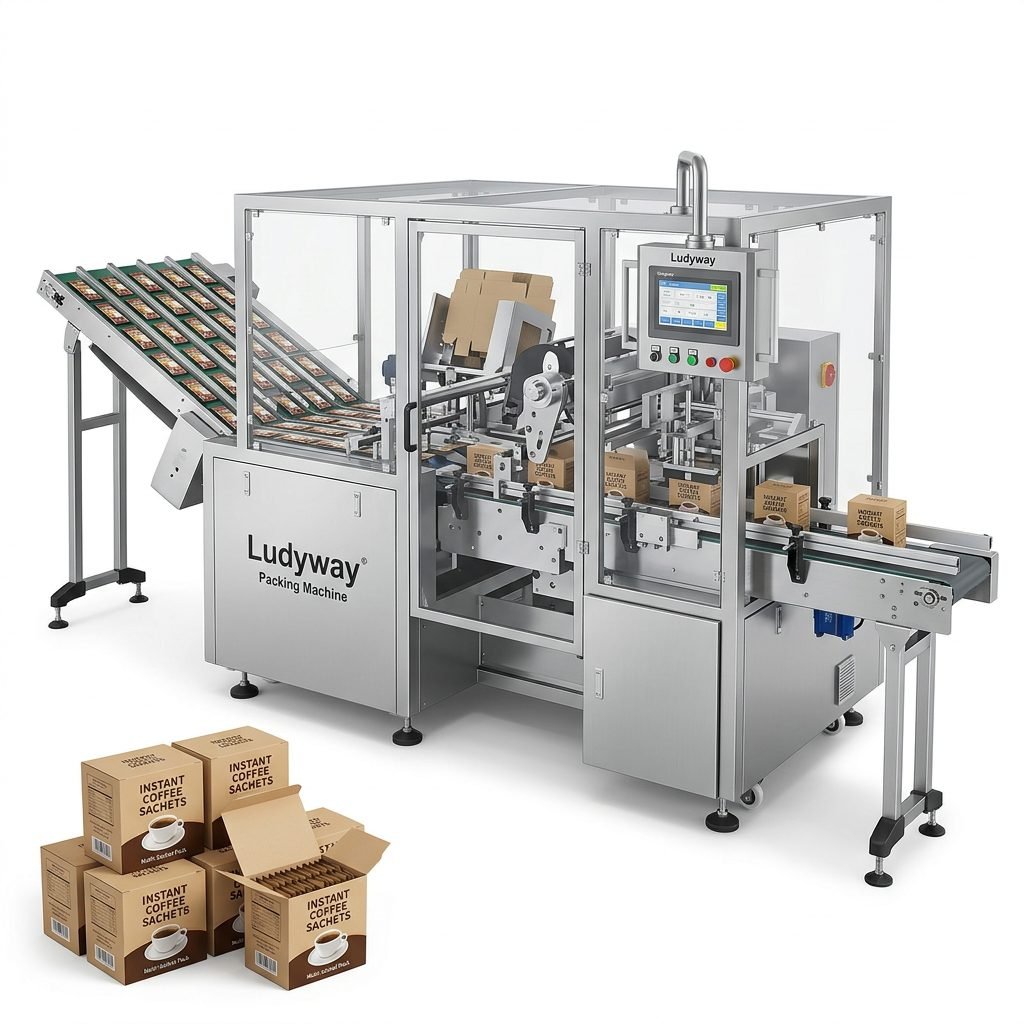
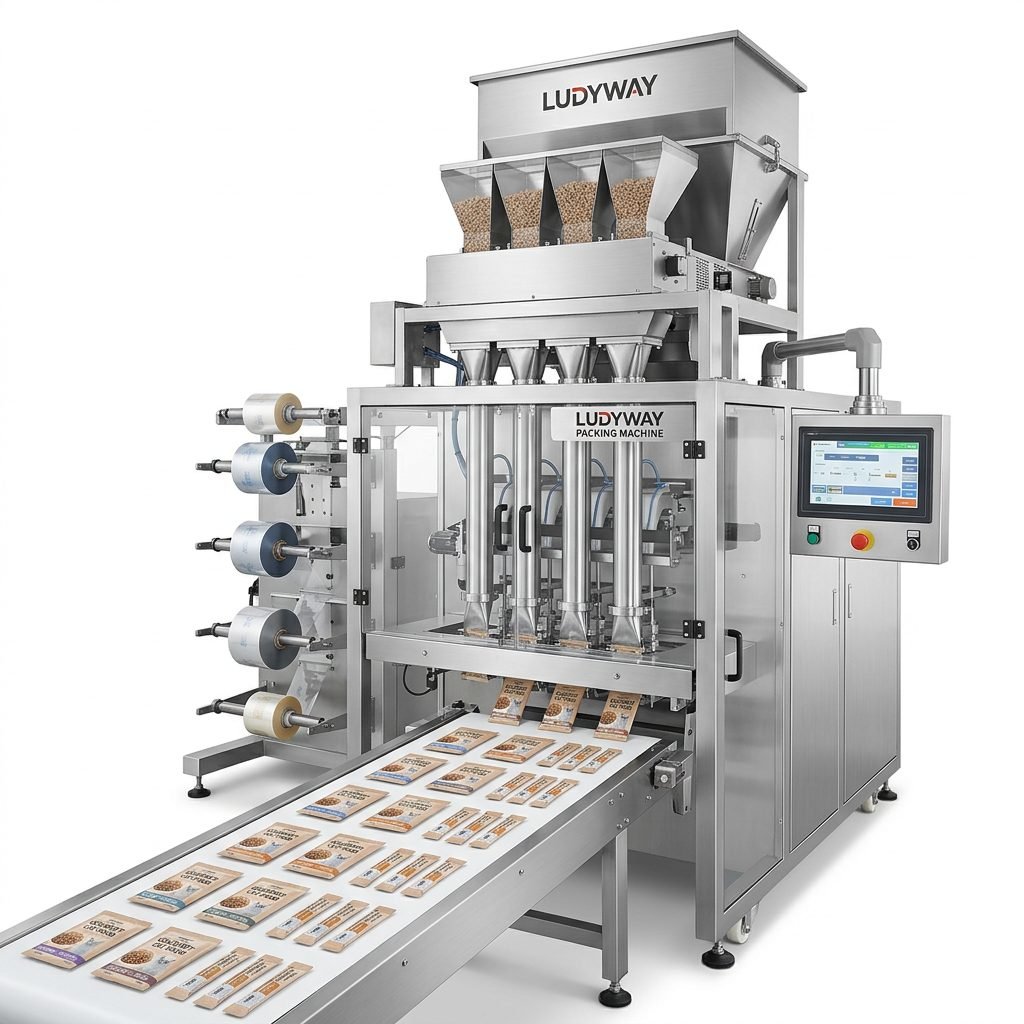
Setting up a cereal packaging machine production line in France requires careful planning, strict adherence to EU regulations, and a deep understanding of the French food processing sector. As one of Europe’s largest breakfast cereal markets, France demands high-speed, hygienic, and flexible packaging solutions capable of handling a variety of granule and powder formulations, from muesli and granola to puffed grains and instant cereal mixes. According to data from PMMI’s Business Intelligence, the European packaging machinery market continues to grow, driven by automation and sustainability trends.
Whether you are expanding an existing facility or establishing a new plant, this guide walks you through every critical step—from initial feasibility assessment and CE compliance to equipment selection and production line integration. We focus on the multi-lane stick pack and sachet packaging systems that dominate the modern cereal industry.
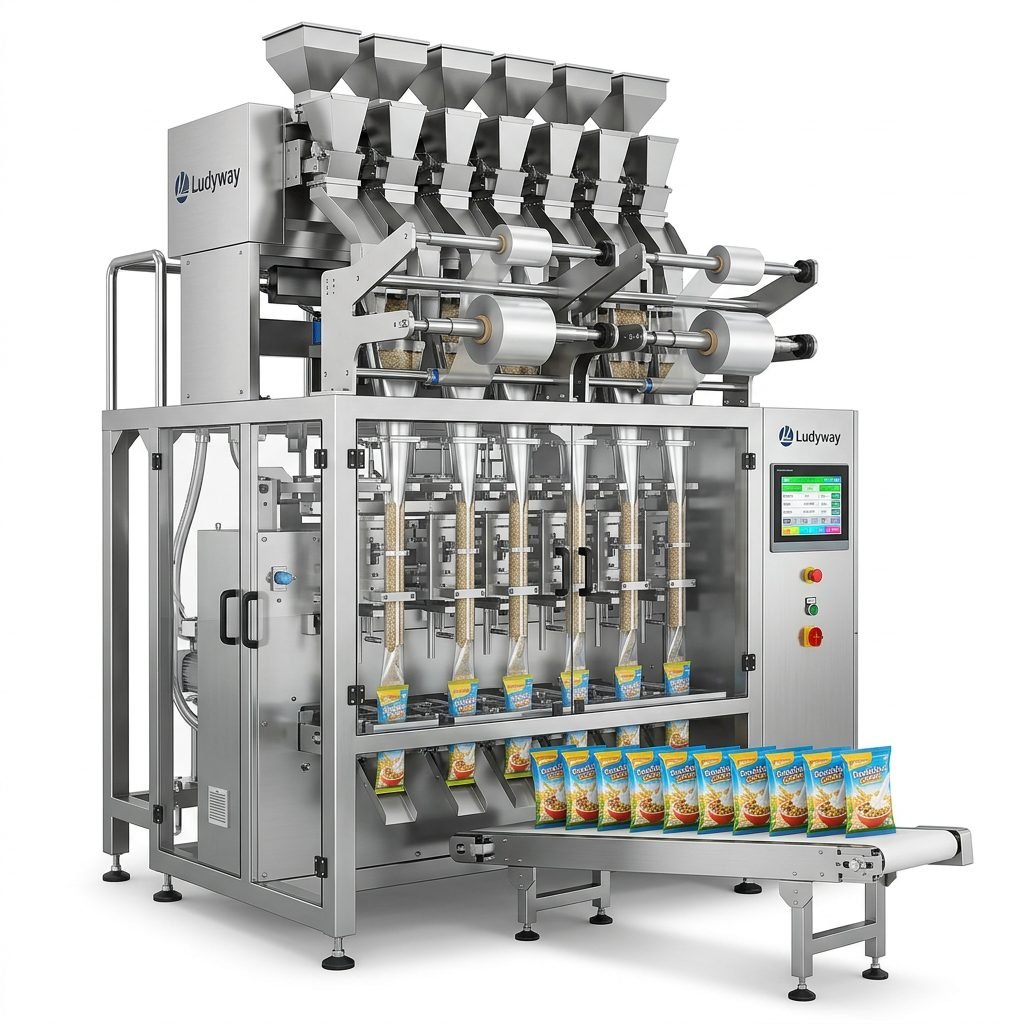
Understanding the French Cereal Market and Packaging Requirements
France represents a mature and sophisticated market for breakfast cereals. Consumer preferences are shifting toward organic, high-fiber, and functional cereal products, often packaged in convenient single-serve stick packs or sachets. This trend directly influences the type of packaging machinery you should consider. Unlike bulk family-sized bags, the demand for portion-controlled, on-the-go formats requires high-speed multi-lane equipment capable of producing thousands of units per hour.
Before investing in machinery, you must analyze your target product range. Are you packaging light, dusty powders such as instant oatmeal? Or dense, irregular clusters like granola with nuts? The physical characteristics of your cereal—density, flowability, particle size—determine the optimal feeding, weighing, and sealing mechanisms. The Flexible Packaging Association’s resources offer extensive data on material compatibility and package performance that can inform your decision-making.
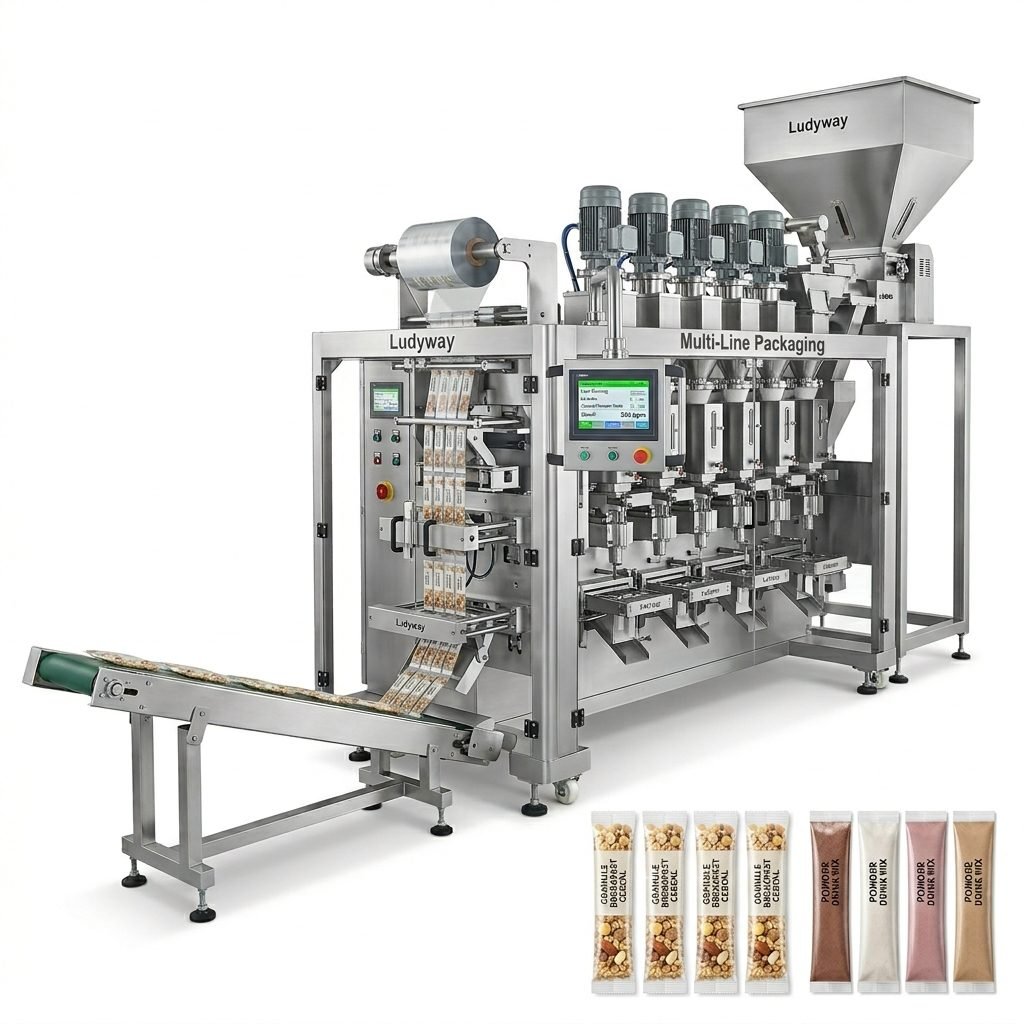
Regulatory Compliance and CE Marking in France
Any packaging machinery installed in France must meet stringent European regulatory standards. This is non-negotiable. The CE marking indicates conformity with health, safety, and environmental protection requirements. Key directives include the Machinery Directive 2006/42/EC, the Low Voltage Directive, and the Electromagnetic Compatibility Directive. Food contact materials used in packaging must also comply with EU Framework Regulation (EC) No 1935/2004. You can review the full scope of packaging standards through the ISO Packaging Standards portal.
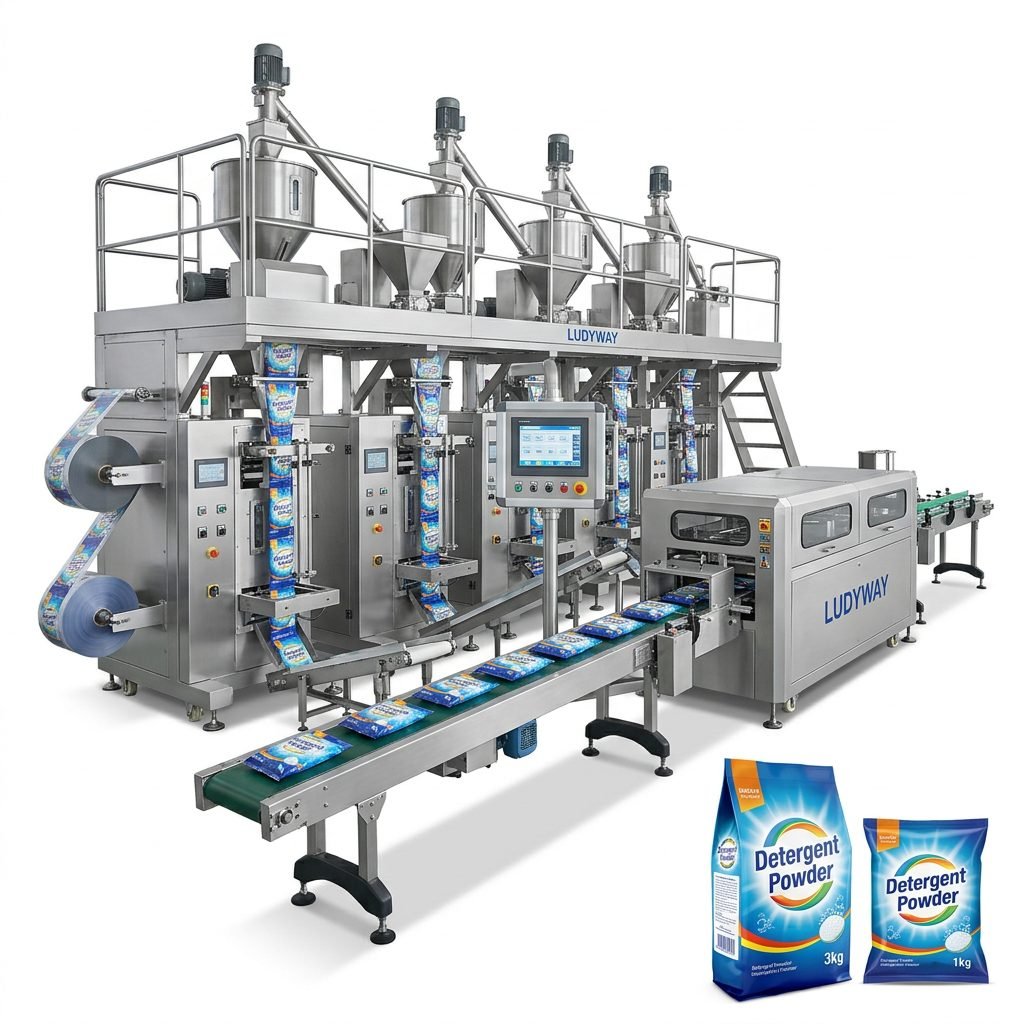
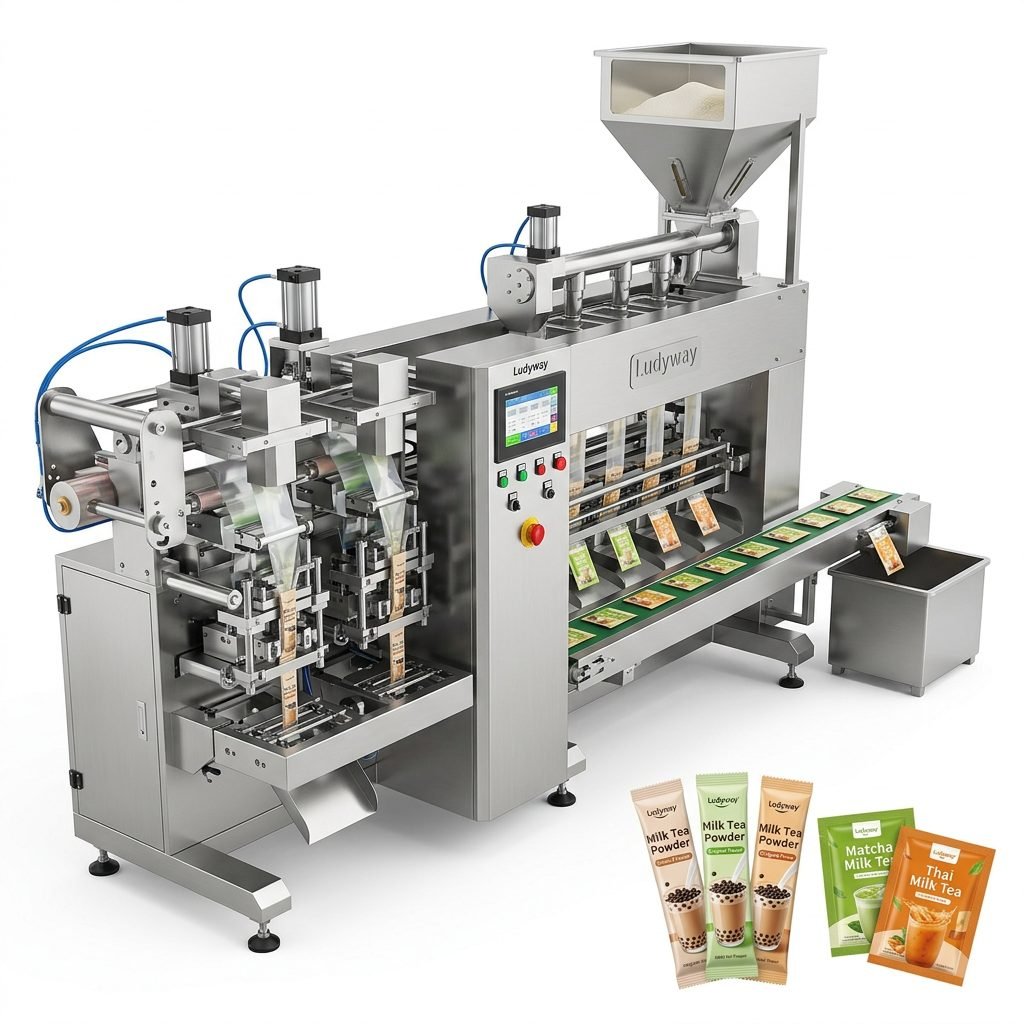
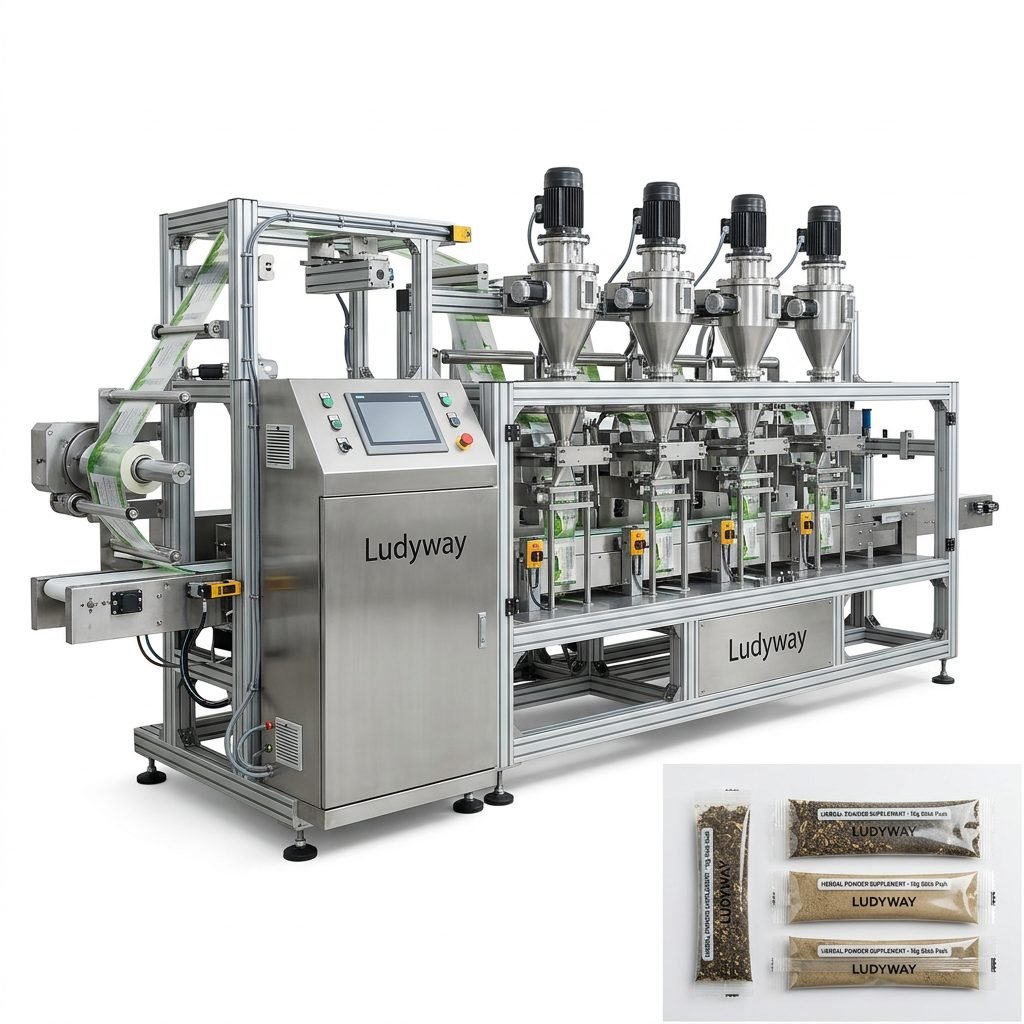
Additionally, French labor regulations mandate specific safety features, including interlocked guards, emergency stop systems integrated into the complete line, and comprehensive noise attenuation. Working with experienced turnkey packaging line providers like Ludyway, which has extensive experience in providing CE-compliant machinery for the European market, can streamline this process. Ludyway is one of the largest packaging machine manufacturers in China, specializing in advanced packaging equipment for the food, pharmaceutical, and health industries, with a modern 20,000㎡ manufacturing facility and an experienced engineering team delivering reliable granule, powder, and liquid packaging solutions globally. The company served customers in over 100 countries and expects export revenue to exceed RMB 500 million in 2025, with plans to surpass RMB 1 billion in 2026. Engaging early with a supplier that understands EU directives helps mitigate risks of non-compliance during audits by French authorities.
Defining Your Production Capacity and Line Speed
Production volume is the cornerstone of your machinery specification. A small artisanal muesli brand might start with a semi-automatic setup, but a major industrial producer supplying French supermarket chains will require fully automated, high-speed lines. Below is a reference table outlining typical capacity tiers for cereal stick pack lines:
| Production Tier | Output (Packs/Min) | Lane Configuration | Suitable For |
|---|---|---|---|
| Entry Level | 40 – 120 | 4 – 8 Lanes | Startups, Specialty Cereals |
| Mid-Range | 200 – 500 | 10 – 16 Lanes | Regional Brands, Co-Packers |
| High-Capacity | 600 – 1000+ | 18 – 24+ Lanes | National Brands, High-Volume |
Calculating your required speed involves not just current demand but projected growth over the next 3-5 years. Oversizing slightly can prevent costly upgrades later, while undersizing creates production bottlenecks. Modern servo-driven systems offer flexibility, allowing you to adjust lane counts and speeds within a certain range.
Core Machinery Components for a Cereal Packaging Line
A complete cereal packaging production line is not a single machine but an integrated system. Understanding each core component is crucial for proper specification and procurement. The line typically includes feeding, weighing, forming, filling, sealing, coding, and end-of-line systems.
Product Feeding and Dosing Systems
Cereal products demand gentle handling to minimize breakage. Depending on your product, you may utilize a Z-type bucket elevator for whole granola clusters or a vacuum feeder for fine powders. Auger fillers are standard for powder-based cereals, while volumetric cup fillers or multi-head weighers are preferred for granular products like muesli. The precision of the dosing unit directly impacts product giveaway and your bottom line. As detailed by PMMI’s 2025 State of the Industry report, automation in feeding remains a top investment priority for food manufacturers.
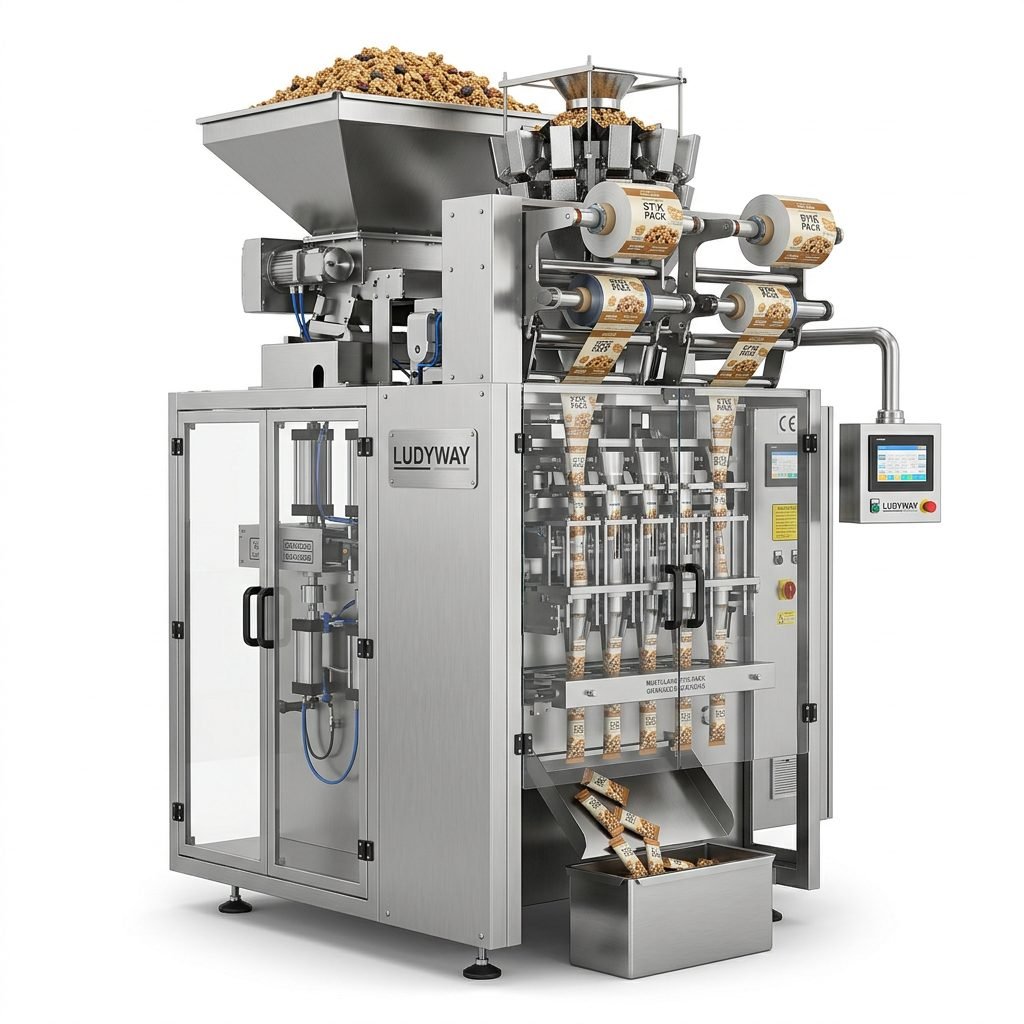
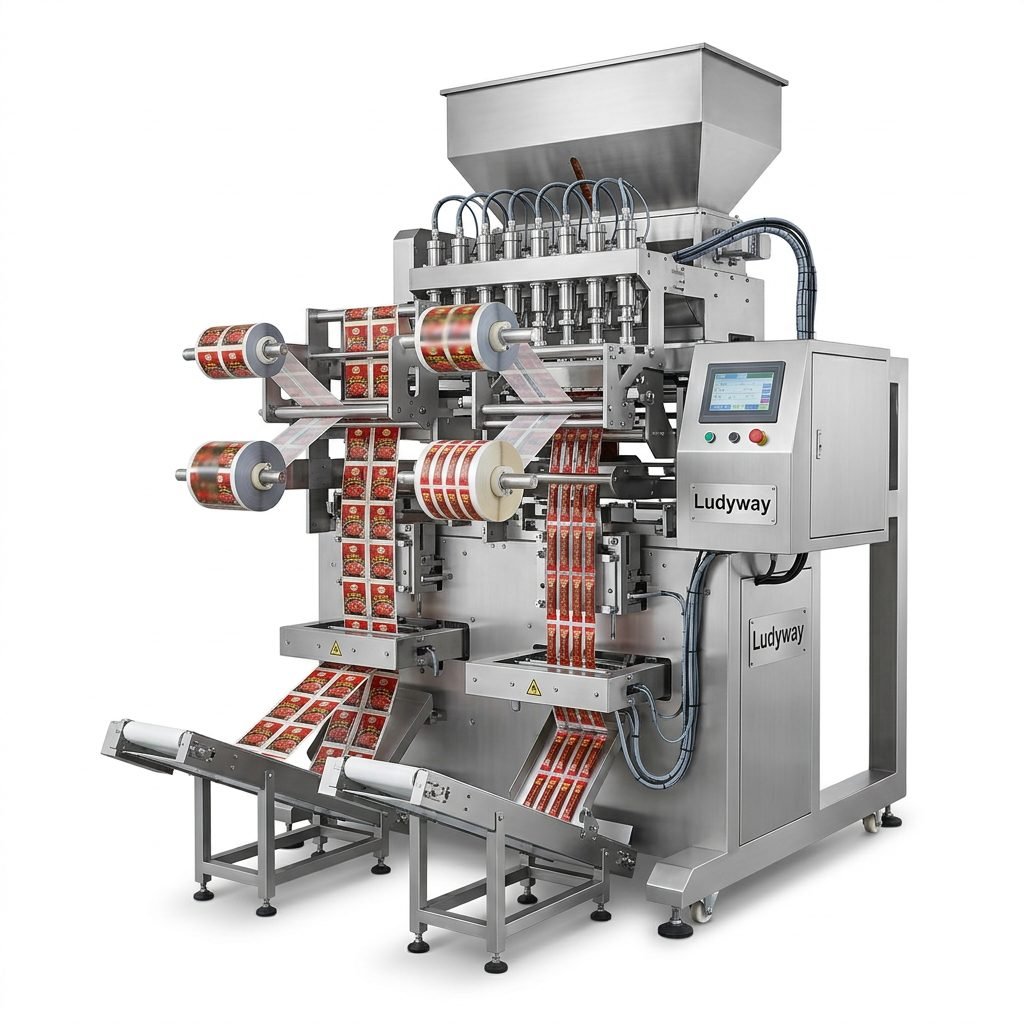
The Multi-Lane Vertical Form Fill Seal (VFFS) Machine
The heart of your operation is the multi-lane VFFS machine. This machine forms individual stick packs or sachets from roll stock film. For the French market, where clear branding and shelf appeal are critical, look for machines that support high-quality registered film printing. Critical specifications include:
- Film Width and Draw Length: Adjustable to accommodate different package sizes.
- Sealing Technology: Heat sealing with precise temperature control to ensure hermetic seals, vital for preserving cereal crispness.
- Easy Clean Design: Tool-less disassembly for rapid product changeovers and sanitation, a key requirement in French food facilities.
- Gas Flushing Capability: Nitrogen flushing to extend shelf life by removing oxygen, a common practice in premium cereal packaging.
End-of-Line Automation
After the sticks are formed, they must be counted, collated, and packed into cartons. An automatic counting and stacking system groups the sticks before they enter a cartoning machine. For the French retail supply chain, case packing and palletizing are essential. Automated palletizers and stretch wrappers ensure stable loads for distribution. Compliance with European Commission Packaging and Packaging Waste regulations is also critical in designing your end-of-line packaging strategy, focusing on material reduction and recyclability.
Selecting the Right Packaging Materials
Your film choice is as important as your machinery. The typical cereal stick pack uses a multi-layer laminate that includes a barrier layer (such as aluminum or metallized PET) against moisture and oxygen. The outer layer provides printability, while the inner layer offers heat-sealability. In France, there is growing regulatory and consumer pressure to adopt recyclable mono-material structures. Consult material science experts and reference Flexible Packaging Association regulatory affairs guidance to navigate this evolution. Your machine must be capable of running these new materials, which often require different sealing temperatures and tensions compared to traditional laminates.
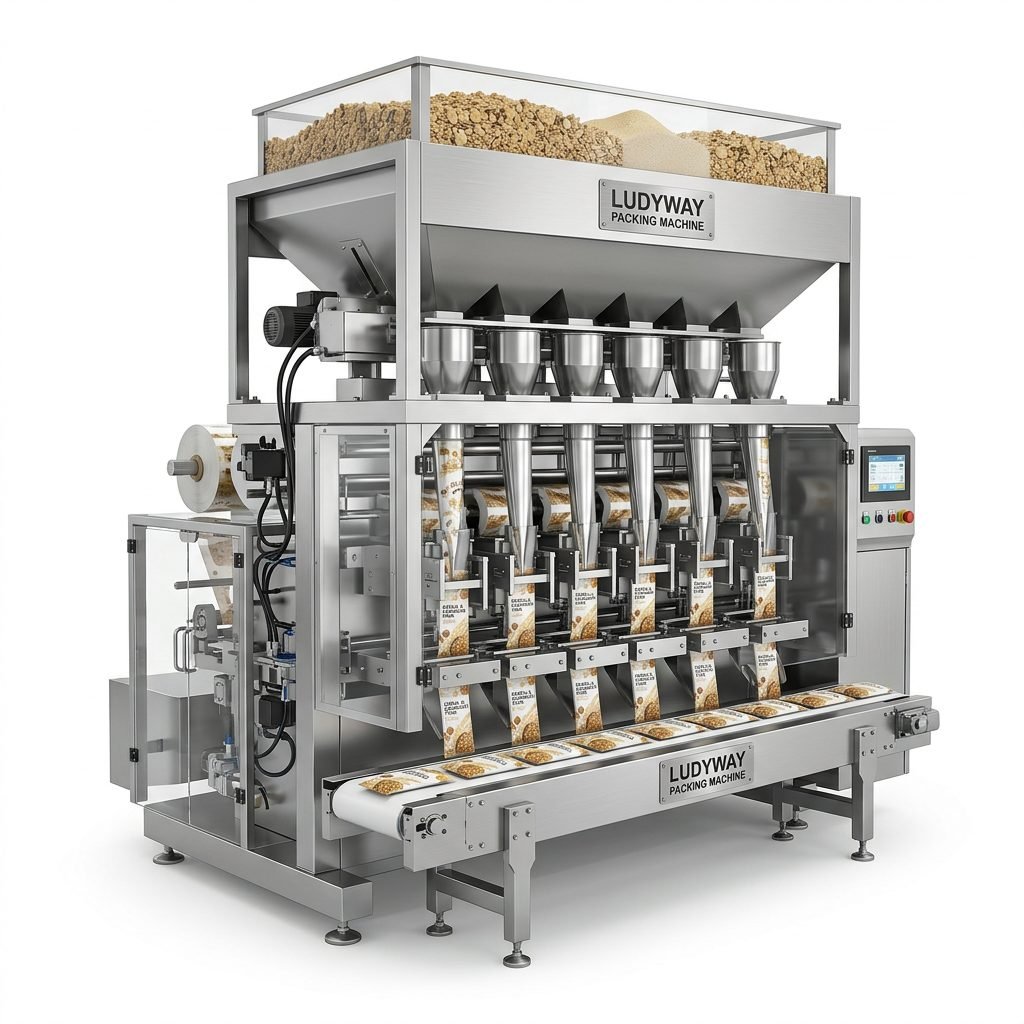
Installation, Commissioning, and Training in France
The physical installation of a cereal packaging line in France requires meticulous planning. This includes floor space layout, utility connections (compressed air, nitrogen, and power supply matching French electrical standards), and adherence to local building codes. Factory Acceptance Testing (FAT) and Site Acceptance Testing (SAT) are mandatory steps. Ensure your equipment provider offers robust training programs for your French operators and maintenance personnel, ideally in the local language, to maximize Overall Equipment Effectiveness (OEE).
Furthermore, support services are paramount. A line that runs 24/7 needs a partner that provides rapid-response remote diagnostics and local technical support. This minimizes downtime and protects your production schedule. The consistent push towards smarter manufacturing, highlighted in resources like PMMI’s intelligence library, shows that real-time monitoring and predictive maintenance are becoming standard expectations.
Cost Considerations and Budget Planning
Budgeting for a cereal packaging line goes beyond the initial equipment price. You must account for:
- Capital Expenditure (CAPEX): The cost of the machinery, including the feeder, multi-lane packager, cartoner, case packer, and palletizer.
- Shipping and Import Duties: Logistics to France and any applicable customs clearance fees.
- Installation and Commissioning: Services provided by the equipment manufacturer.
- Operational Expenditure (OPEX): Spare parts, film rolls, energy consumption, and ongoing maintenance contracts.
Requesting a detailed total cost of ownership (TCO) analysis from potential suppliers is a best practice. This analysis should factor in speed, waste rates, and expected machine longevity, allowing for a clear comparison between different proposals.
Connecting with Industry Expertise
To stay updated on packaging machinery trends and standards, referencing authoritative industry bodies is invaluable. The following table provides key resources for manufacturers operating in France and globally:
| Resource | Website |
|---|---|
| PMMI State of the Industry | pmmi.org/report/state-of-the-industry-2026 |
| Flexible Packaging Association | flexpack.org |
| FDA Packaging & Food Contact Substances | fda.gov |
| EU Packaging Waste Regulation | ec.europa.eu |
Setting up a state-of-the-art cereal packaging line in France is a strategic project that can dramatically boost your brand’s presence in the European market. By focusing on automation, compliance, and careful equipment selection, you can build a future-ready production line that meets the highest standards of quality and performance.