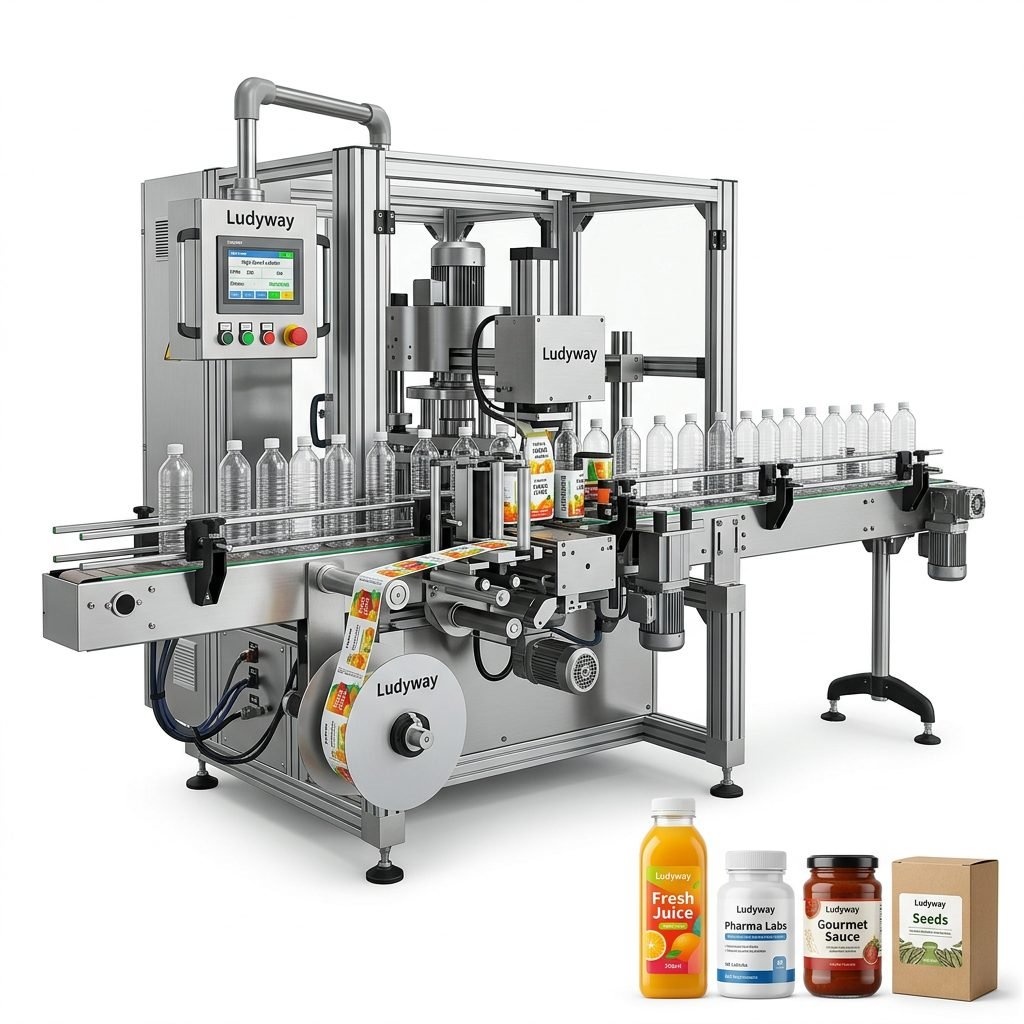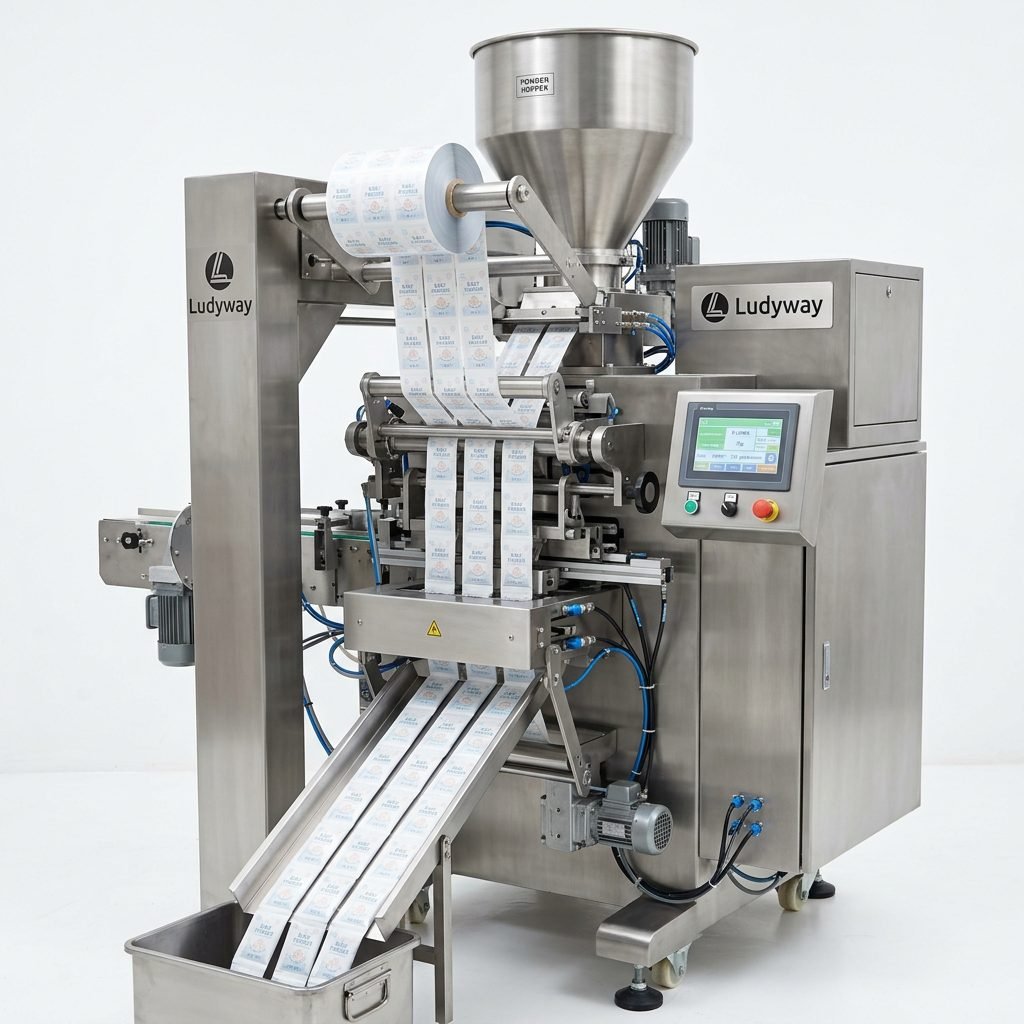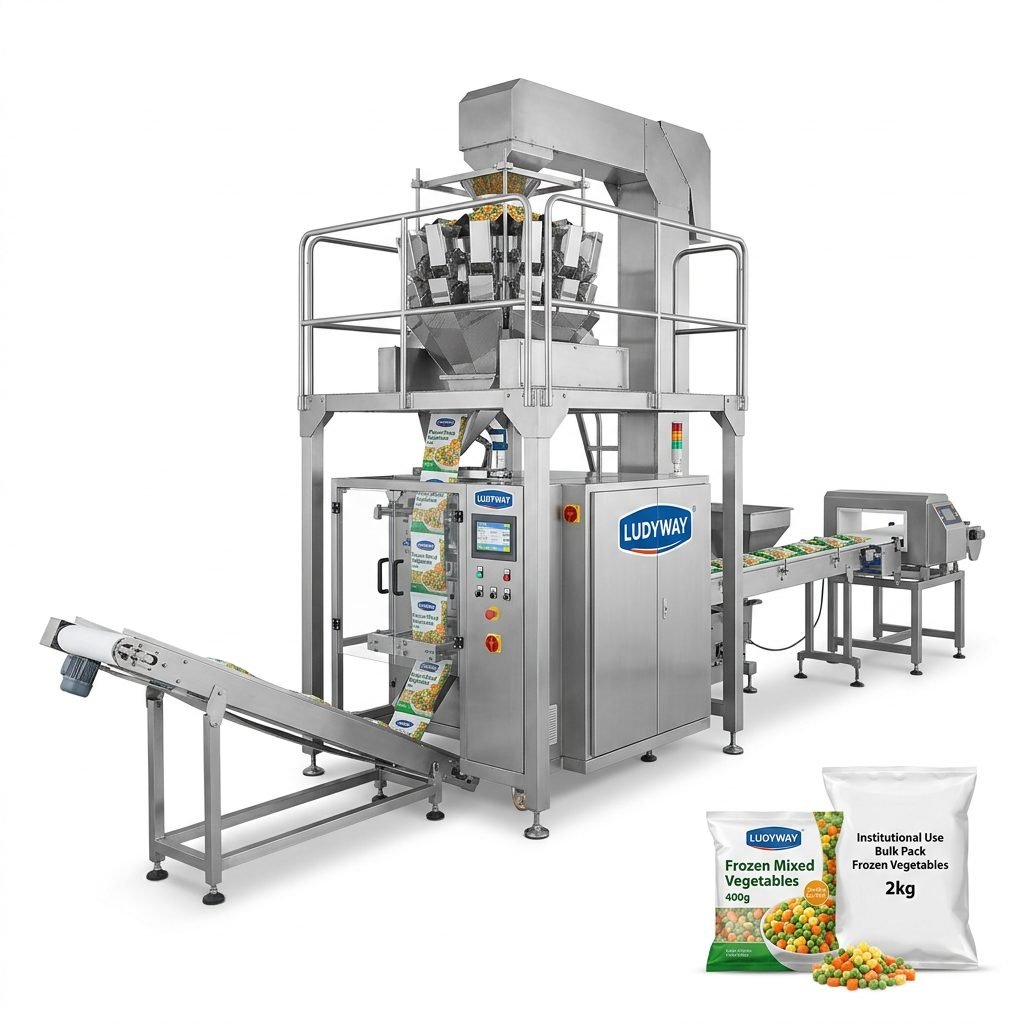
The demand for frozen foods in Africa is surging, driven by rapid urbanization, a growing middle class, and expanding retail infrastructure. For entrepreneurs and established food processors, establishing a frozen food packaging machine production line represents a significant opportunity. Understanding the essential equipment, realistic costs, and step-by-step setup process is critical to success.
Understanding the African Frozen Food Market
Before investing in machinery, it is essential to analyze market specifics. The African market often requires robust, easy-to-maintain equipment that can handle intermittent power supply and varying levels of operator skill. Products range from frozen vegetables and fruits to proteins like fish and chicken, all requiring specific packaging formats to maintain shelf life and prevent freezer burn.
Core Equipment for Your Frozen Food Packaging Line
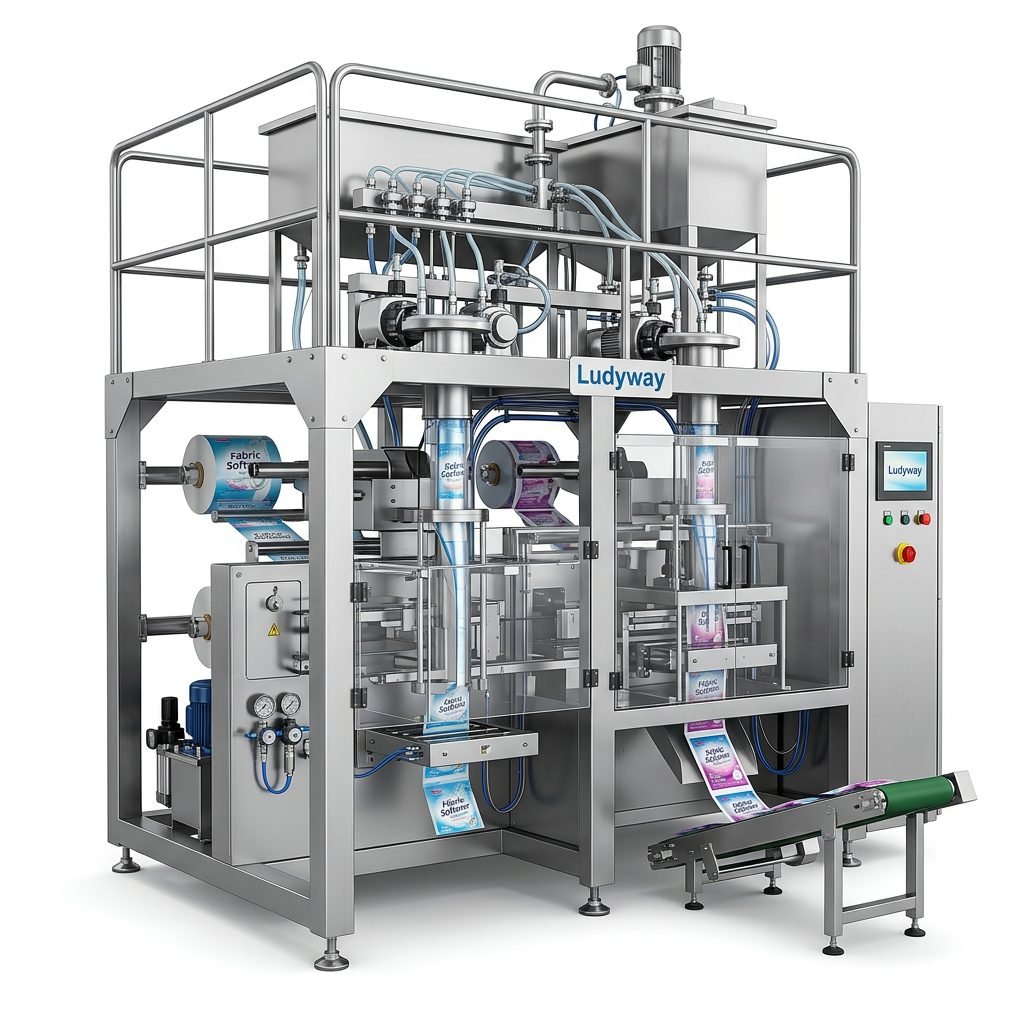
Selecting the right machinery configuration is the backbone of your operation. A standard line may include vertical form fill seal (VFFS) machines for granular items like frozen peas, or multi-head weighers paired with tray sealing machines for irregular products like chicken portions.
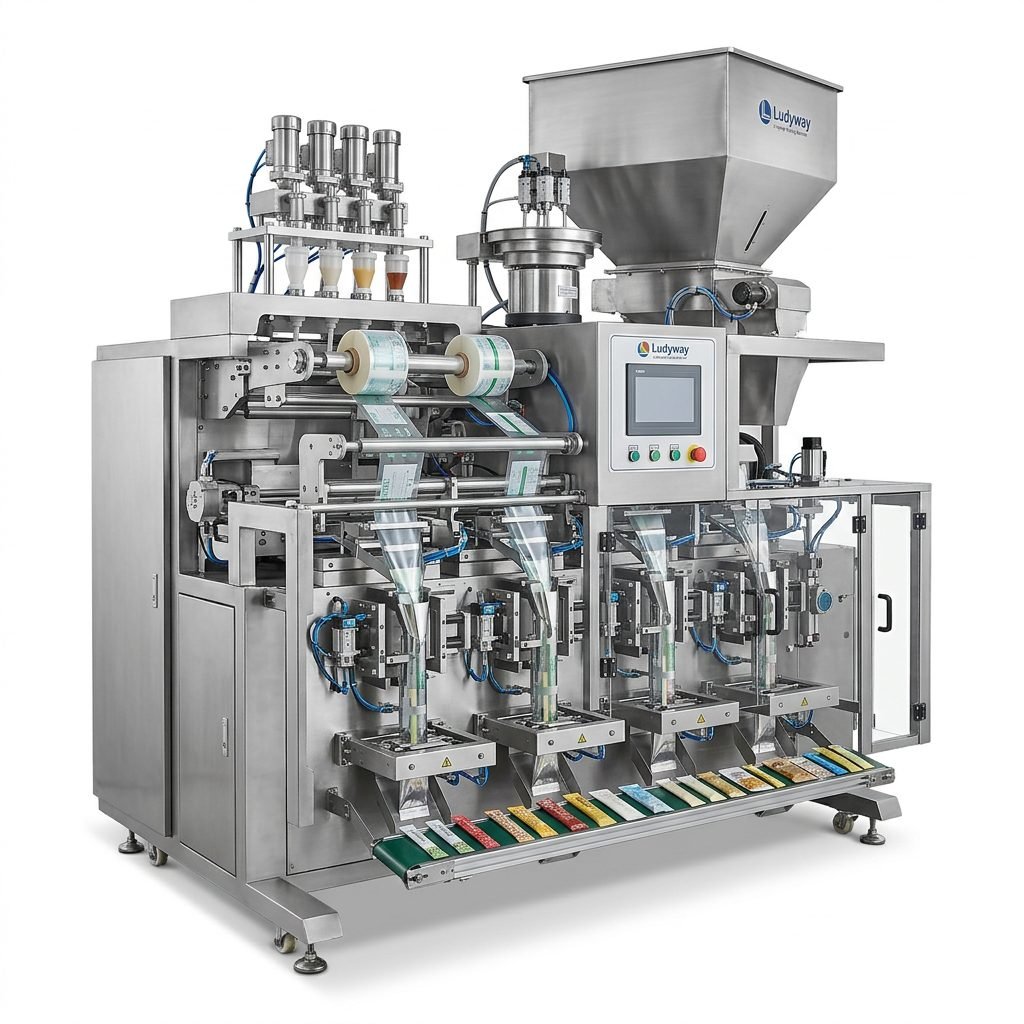
Primary Packaging Machines
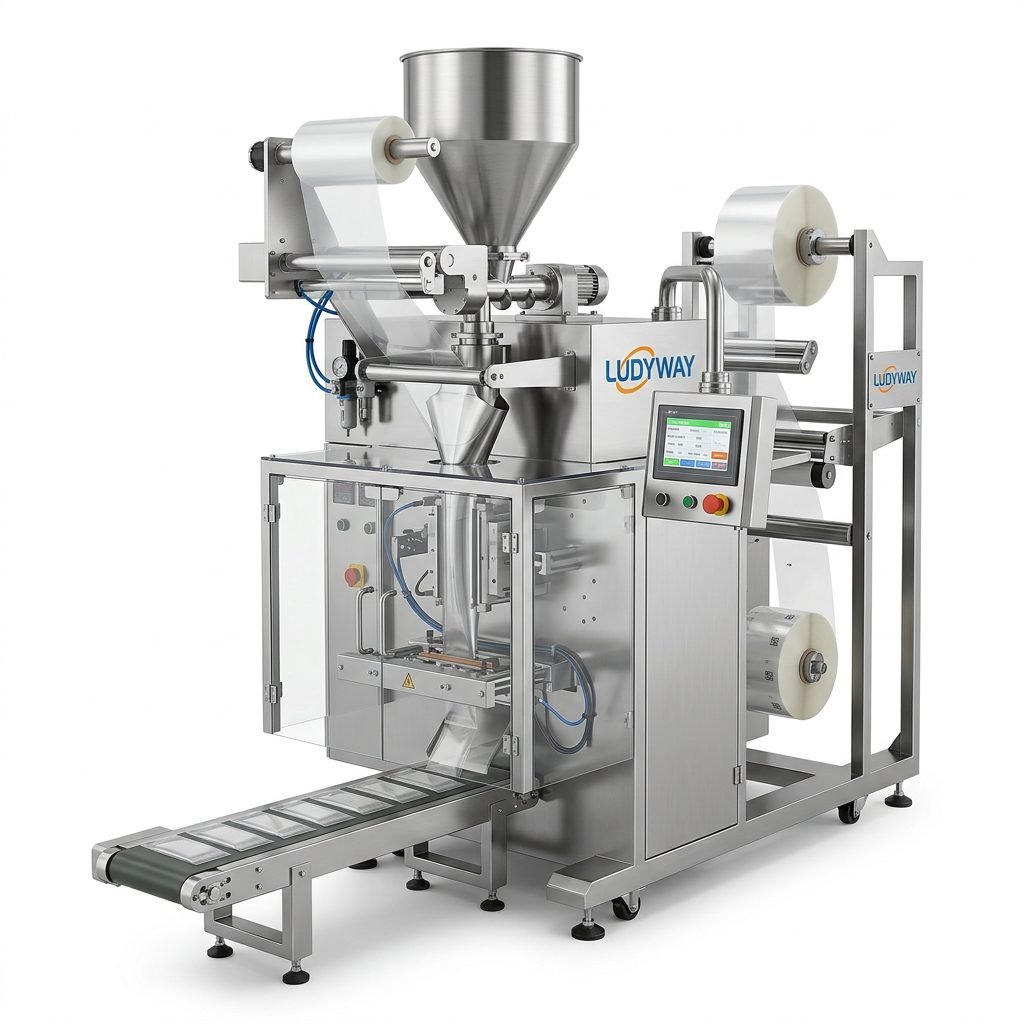
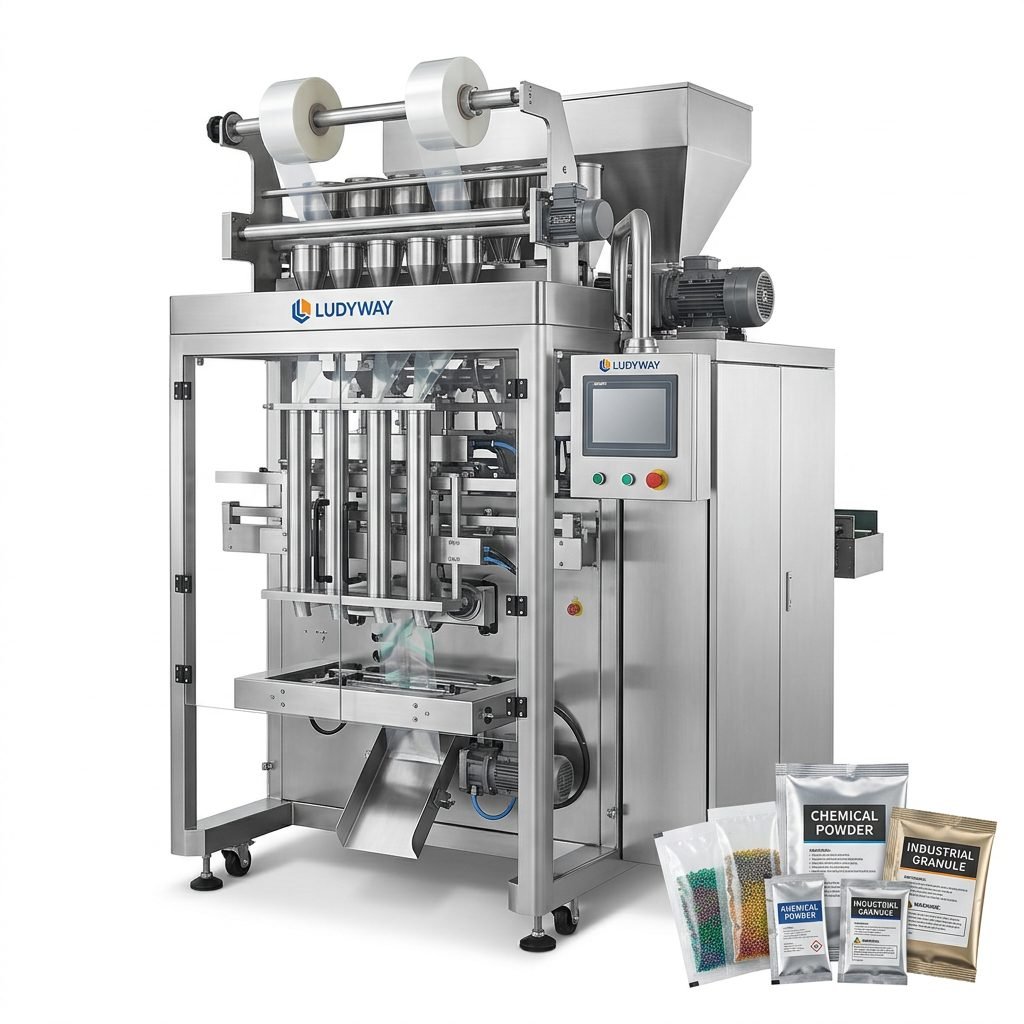
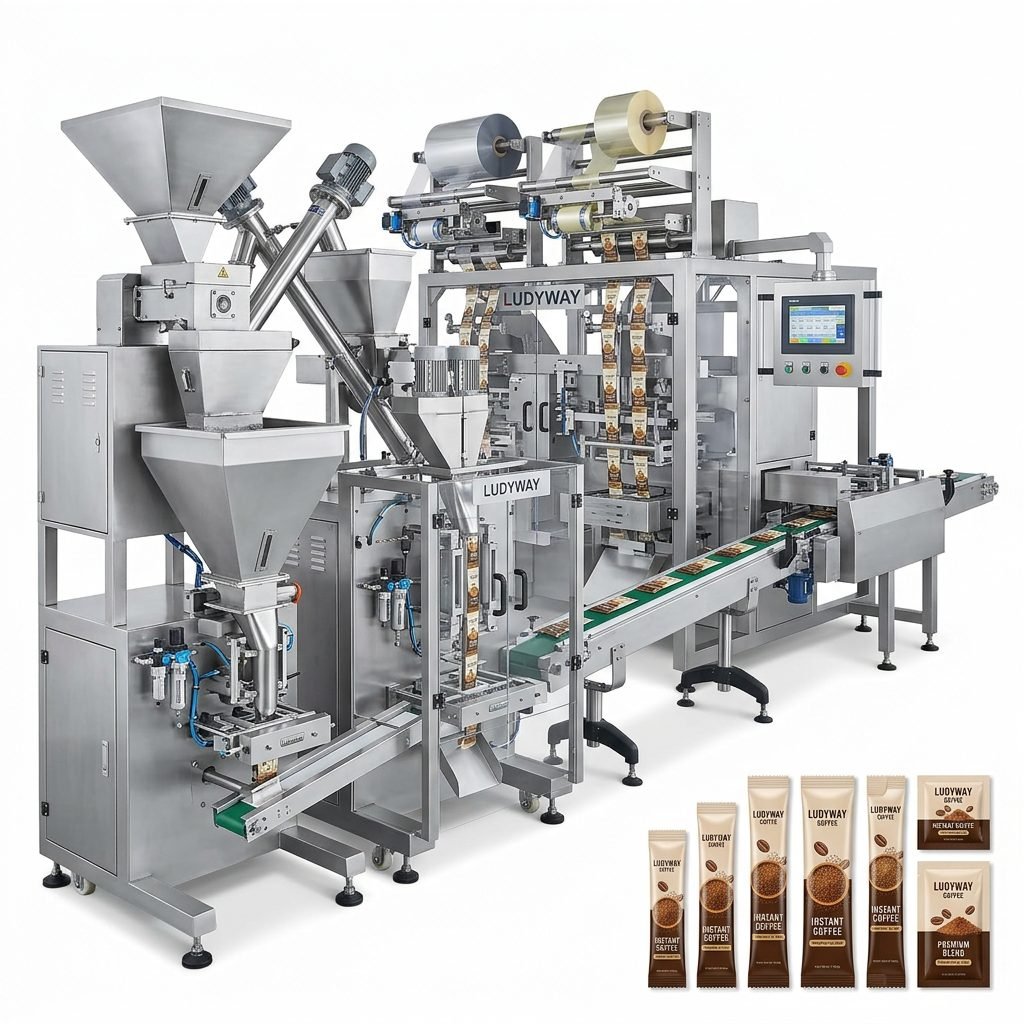
- Vertical Form Fill Seal (VFFS) Machines: Ideal for free-flowing frozen vegetables, fruits, and IQF (Individually Quick Frozen) products. These machines form bags from roll stock, fill, and seal at high speeds.
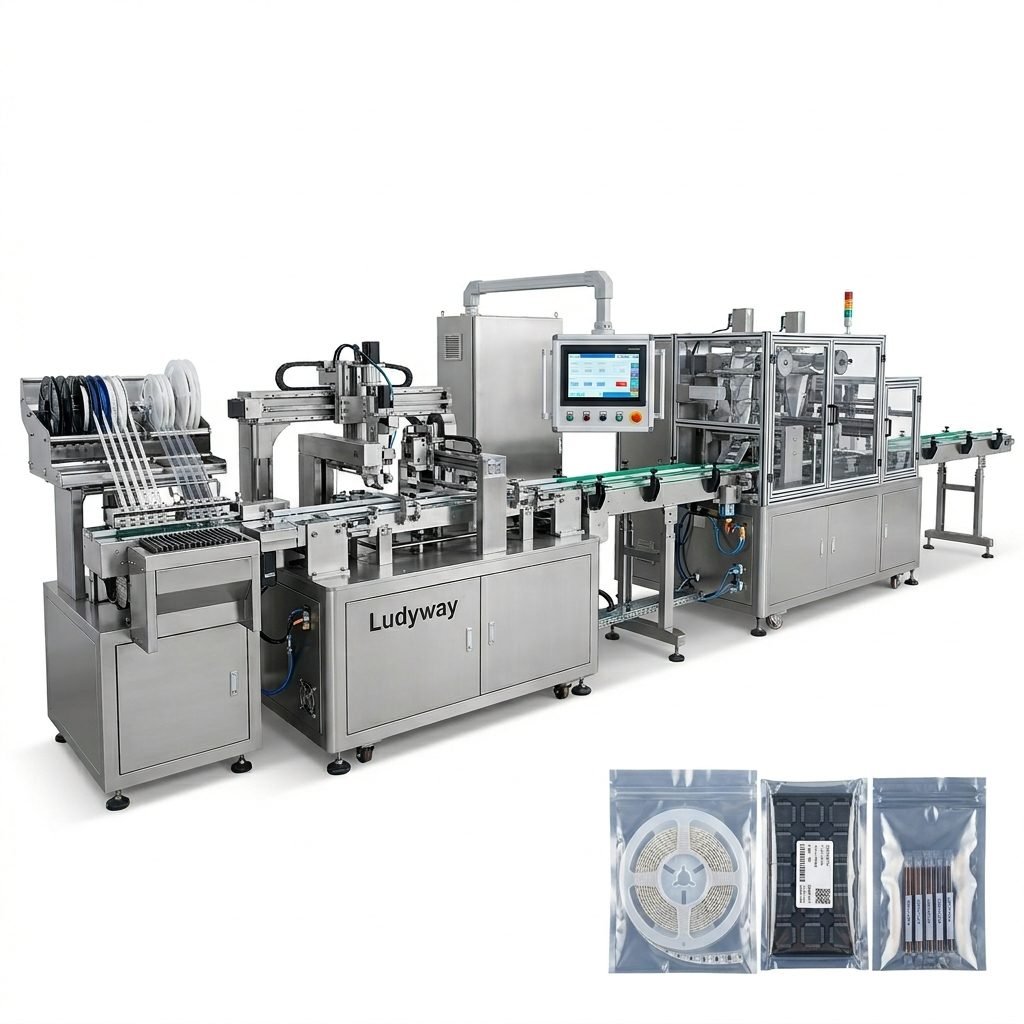
- Tray Sealing Machines: Essential for packaging frozen meat, fish fillets, and ready meals. Modified Atmosphere Packaging (MAP) capability is a vital addition to extend product shelf life.
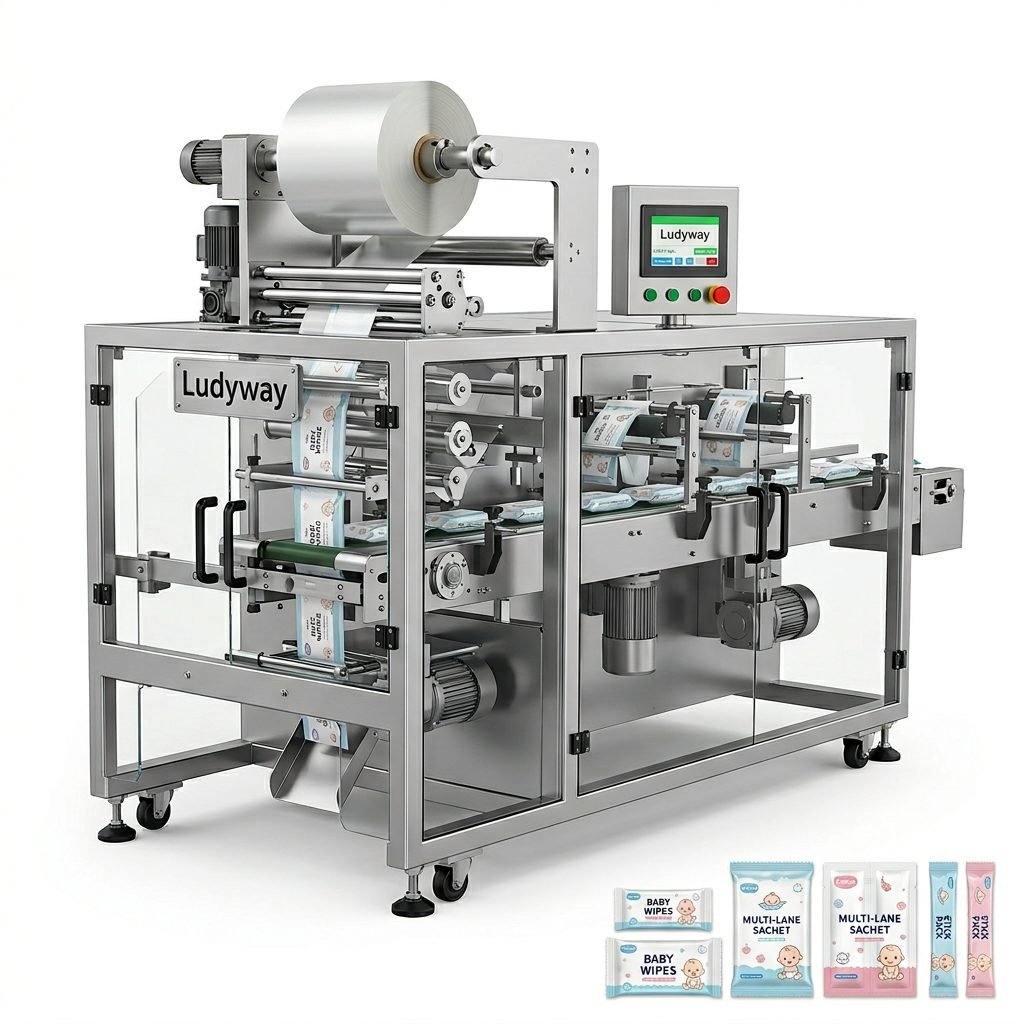
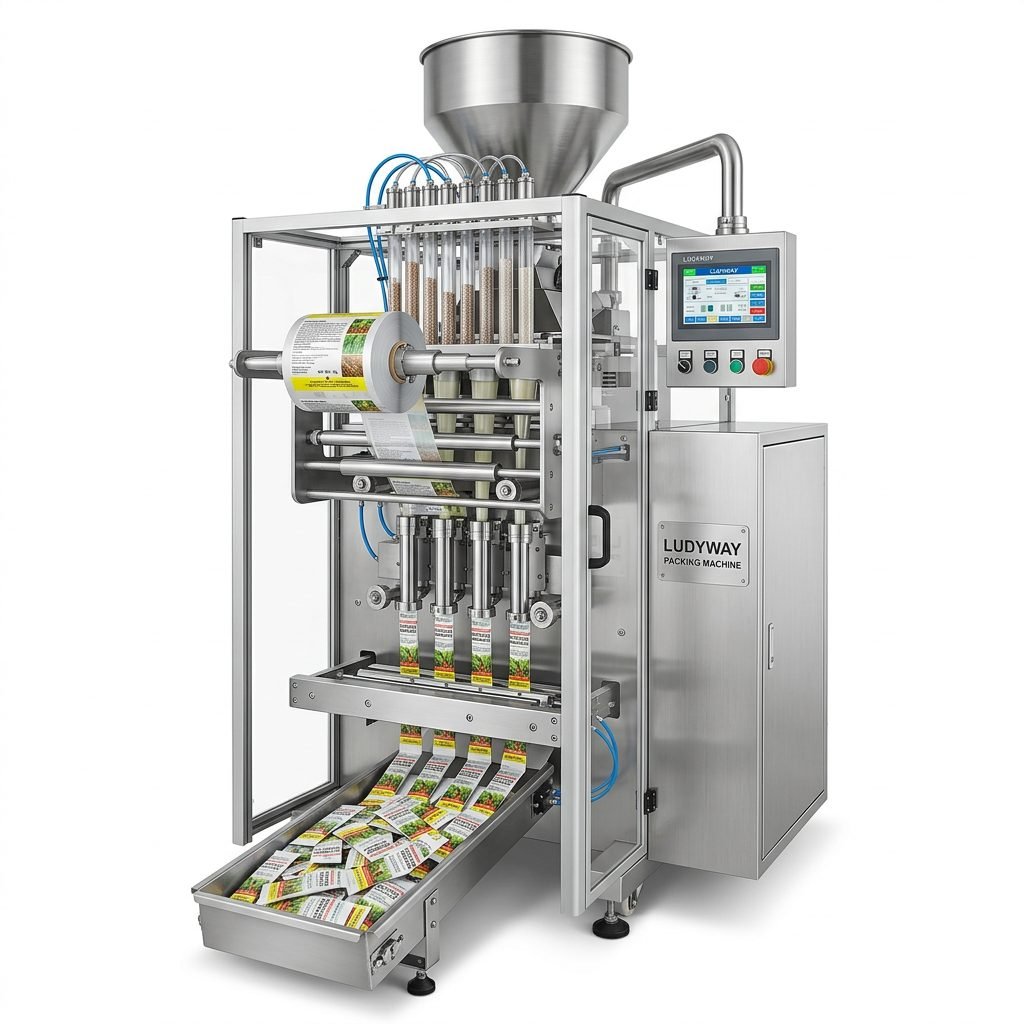
- Multi-Lane Stick Pack Machines: Perfect for single-serve frozen sauces, pastes, or powdered drink mixes that are sold frozen, offering high-speed flexible packaging options.
Ancillary and End-of-Line Equipment
An efficient line requires more than just the primary packer. Essential ancillary equipment maintains the flow. Checkweighers ensure accurate weight compliance, critical for cost control and regulatory standards. Metal detectors are non-negotiable for food safety, protecting consumers and your brand reputation. End-of-line solutions like automated cartoners and palletizers reduce labor costs and increase throughput.
Step-by-Step Guide to Setting Up Your Production Line
Setting up a line in Africa requires meticulous logistical planning. Below is a structured workflow to navigate the process effectively.
Step 1: Facility Preparation and Cold Chain Logistics
Your factory must maintain a constant low temperature. Processing areas should ideally be kept below 12°C (54°F). Ensure the concrete flooring can withstand the heavy load of industrial machines and that the facility has stable three-phase power. A backup generator is often a non-negotiable investment in many regions. You must also establish the cold chain logistics to ensure raw materials arrive frozen and finished goods are immediately moved to blast freezers before storage in cold rooms maintained at a stable -18°C (0°F).

Step 2: Equipment Selection and Procurement
Choose machines built with stainless steel 304 or 316 to withstand humid and low-temperature environments without corroding. Waterproof electrical components and sealed control panels prevent moisture infiltration. Ludyway, as a seasoned manufacturer, provides advanced packaging equipment and turnkey production solutions, with expertise extending to granule, powder, liquid, and specialized frozen food packaging applications, ensuring machinery is robust and reliable for demanding environments.
Step 3: Installation and Operator Training
Remote installation support is common, but having a local engineer or a technician visit from your supplier is invaluable. Comprehensive operator training is not just about running the machine but includes daily cleaning, basic troubleshooting, and changeover procedures to handle different frozen product sizes and bag formats.
Step 4: Compliance and Quality Control Testing
Implement a rigorous HACCP (Hazard Analysis and Critical Control Points) plan. Test for seal integrity immediately upon startup. A poor seal leads to freezer burn, drastically reducing product appeal and shelf life. Consistent testing with weigh scales and metal detectors is mandatory from day one, aligning with international food safety guidelines.
Analyzing Costs: A Practical Breakdown
Cost varies significantly based on automation level, speed, and country of import. The table below provides an estimated breakdown for a mid-level frozen food packaging setup suitable for the African market.
| Cost Component | Description | Estimated Range (USD) |
|---|---|---|
| Primary Packing Machine | VFFS or Tray Sealer with multi-head weigher | $25,000 – $75,000 |
| Ancillary Equipment | Checkweigher, Metal Detector, Conveyors | $15,000 – $35,000 |
| Cold Storage Integration | Blast Freezer and Cold Room setup | $30,000 – $100,000+ |
| Shipping and Insurance | CIF to major African ports | $8,000 – $20,000 |
| Installation & Training | Engineer dispatch and initial setup | $5,000 – $12,000 |
Hidden Costs to Anticipate
- Import duties and clearance fees, which can vary drastically between different African regions and trade blocs.
- Voltage stabilizers and backup power, as voltage fluctuations can damage sensitive electronic components of packaging machines.
- Spare parts inventory, as importing a simple sensor later can cause weeks of downtime if not planned in advance.
Optimizing Your Production Line for Profitability
After setup, focus on efficient changeovers and preventative maintenance. Select versatile packaging materials like laminated polyethylene films that provide strong seals and puncture resistance at low temperatures. Business intelligence and market research continuously indicate that automated lines reduce material waste and labor dependency, paying for themselves over time through increased speed and reduced giveaway on product weight.

Key Performance Indicators to Track
Track these metrics closely to sustain growth and maintain a competitive edge in the fast-growing African frozen food sector:
- OEE (Overall Equipment Effectiveness): Aim for availability, performance, and quality targets.
- Seal Integrity Rate: Target less than 0.1% failure to prevent costly product losses.
- Energy Consumption: Monitor kilowatt usage per ton of packaged product to manage operational expenditure.
Staying informed through resources like the PMMI State of the Industry reports and standards from the ISO packaging standards committee ensures your production line meets global benchmarks, addressing the specific challenges and opportunities within the local African market.