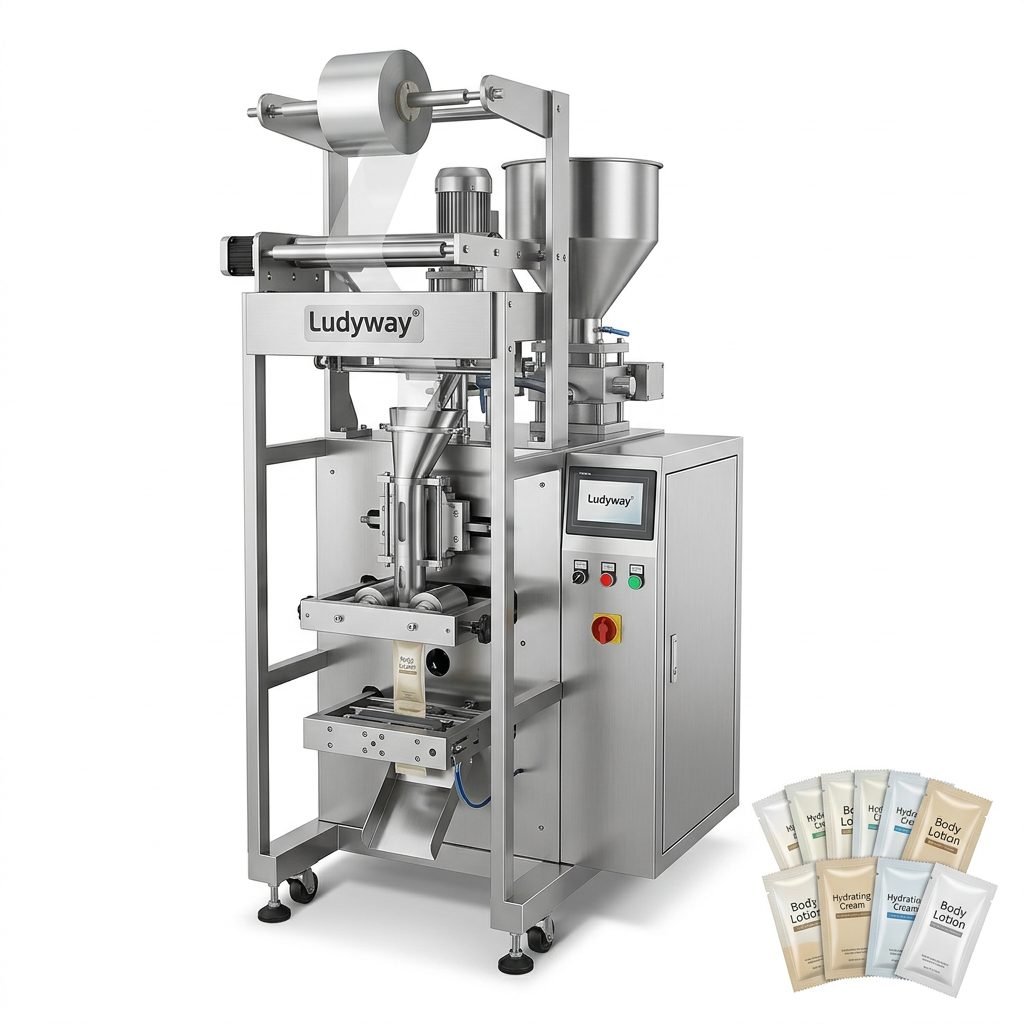
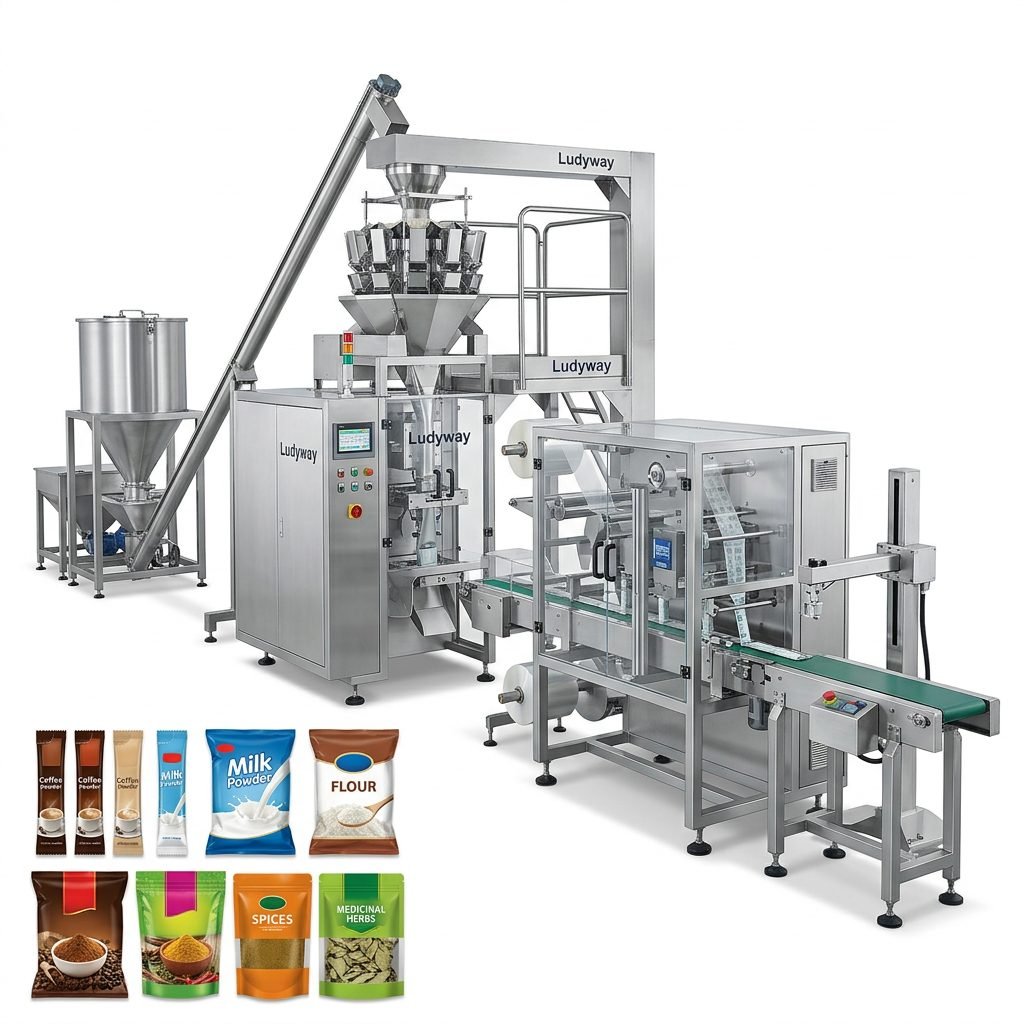
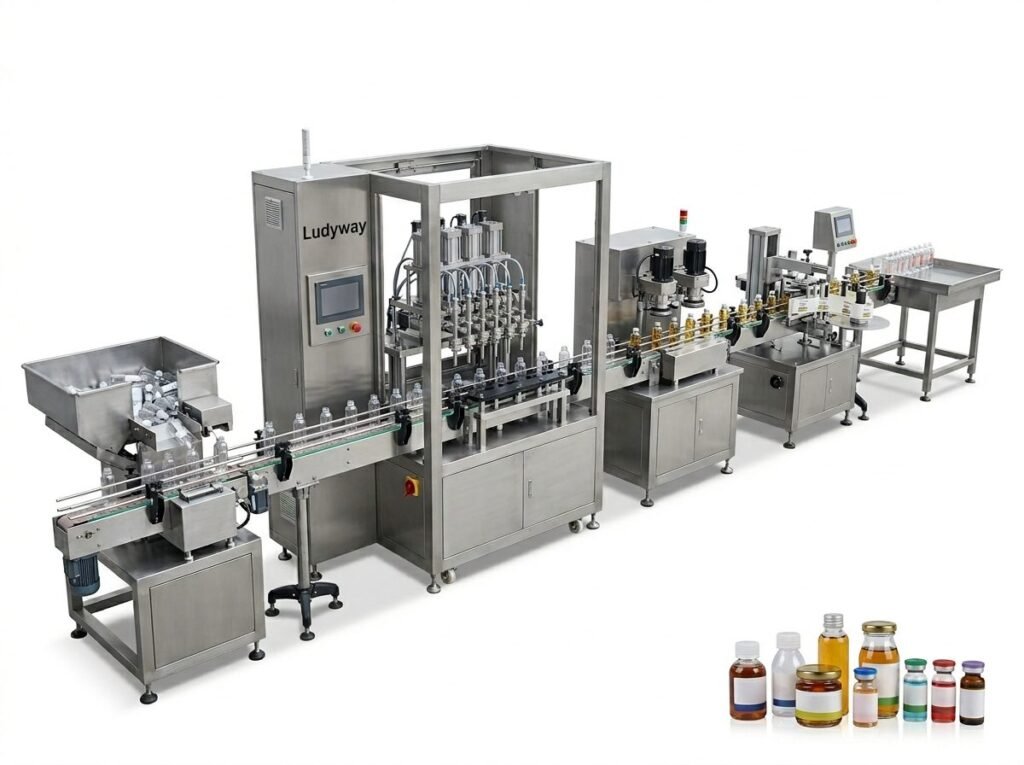
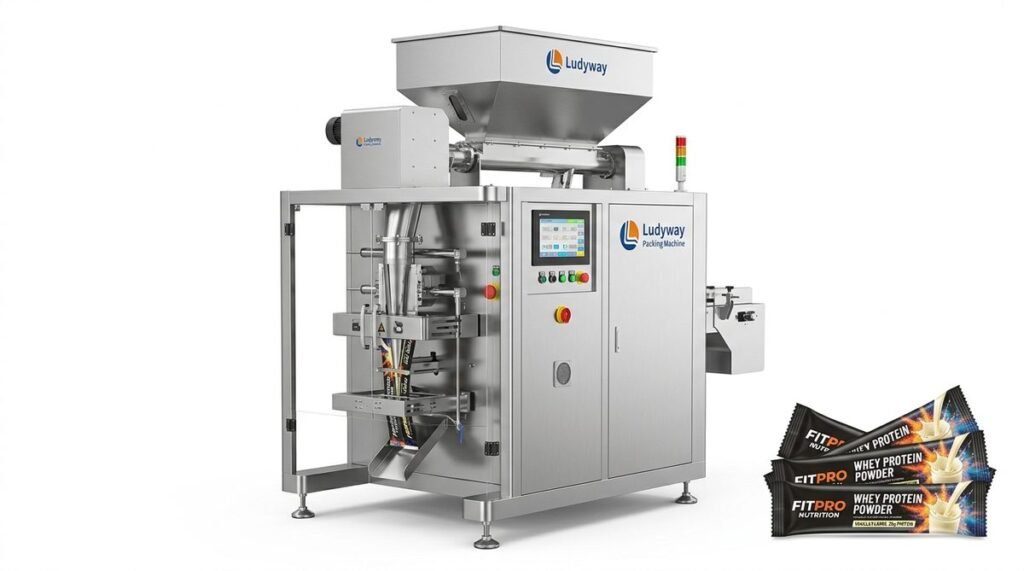
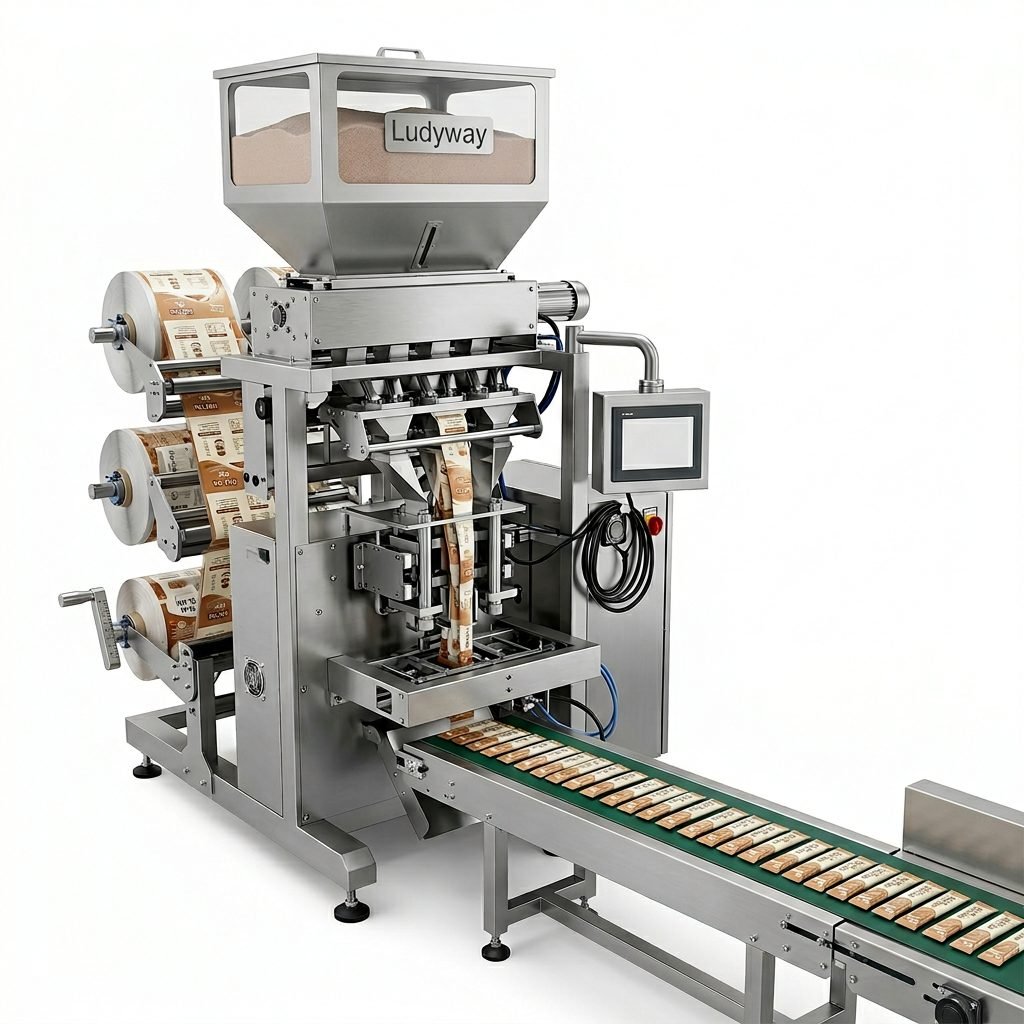
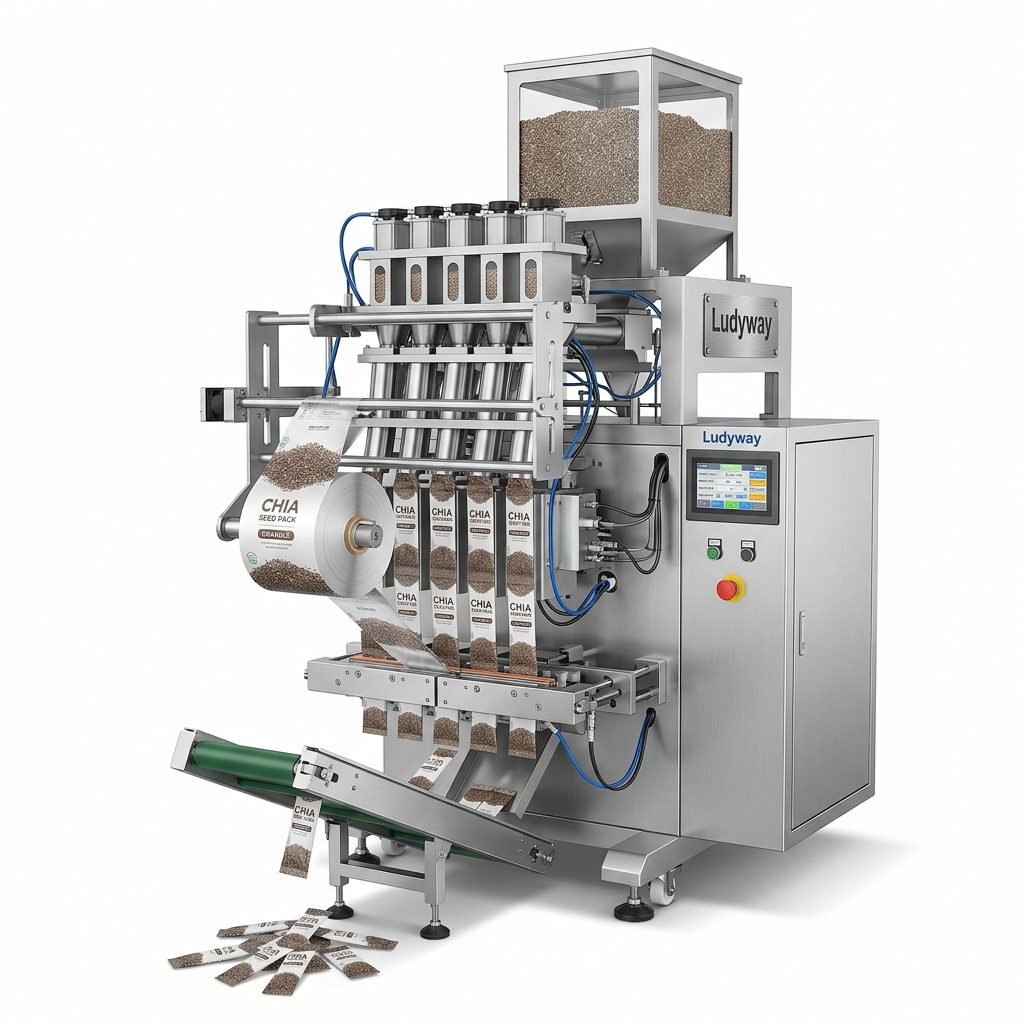
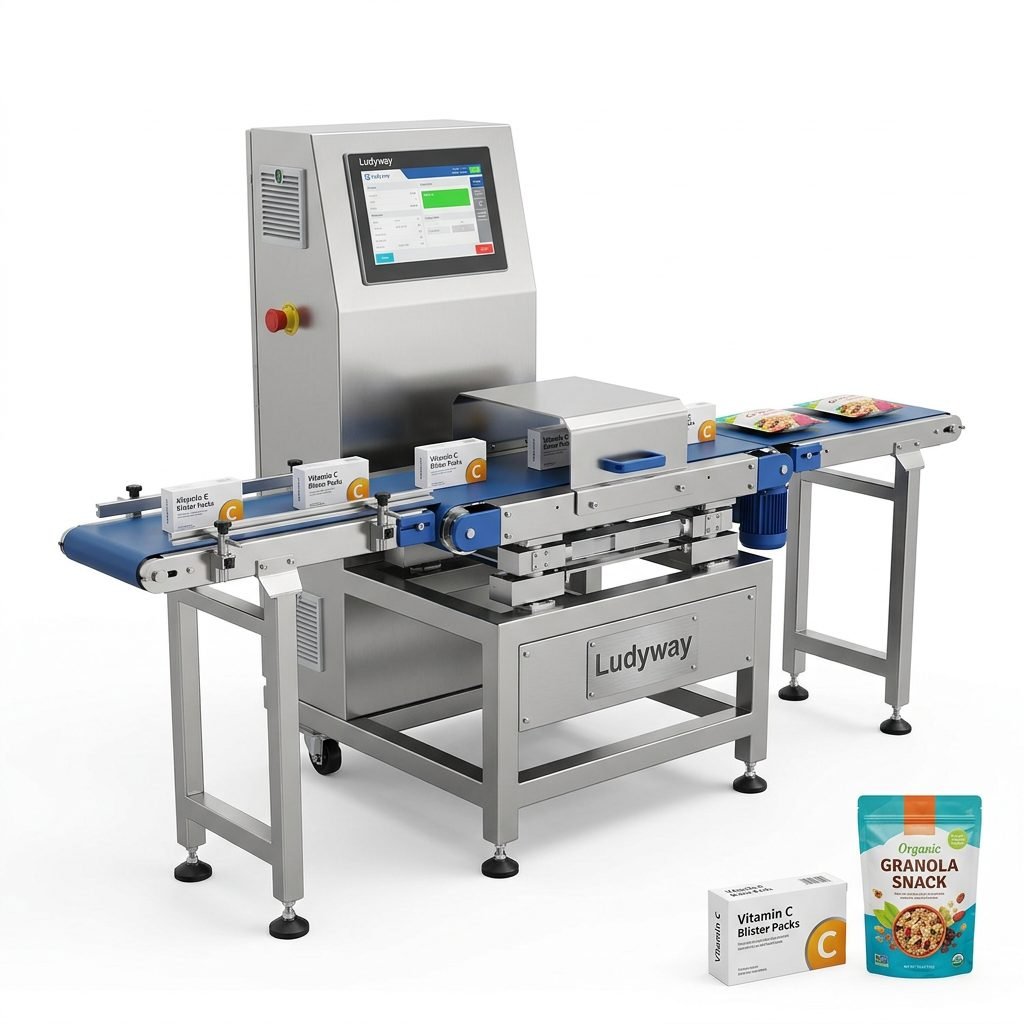
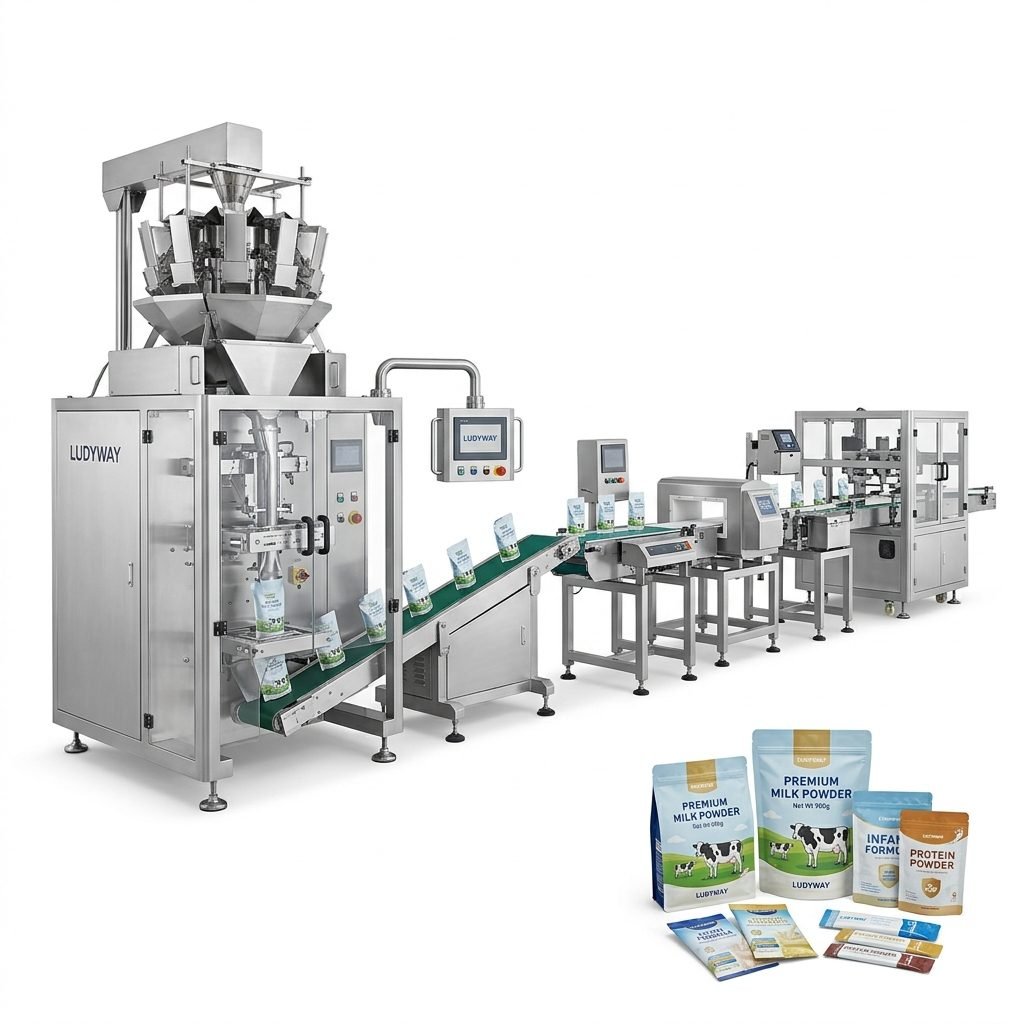
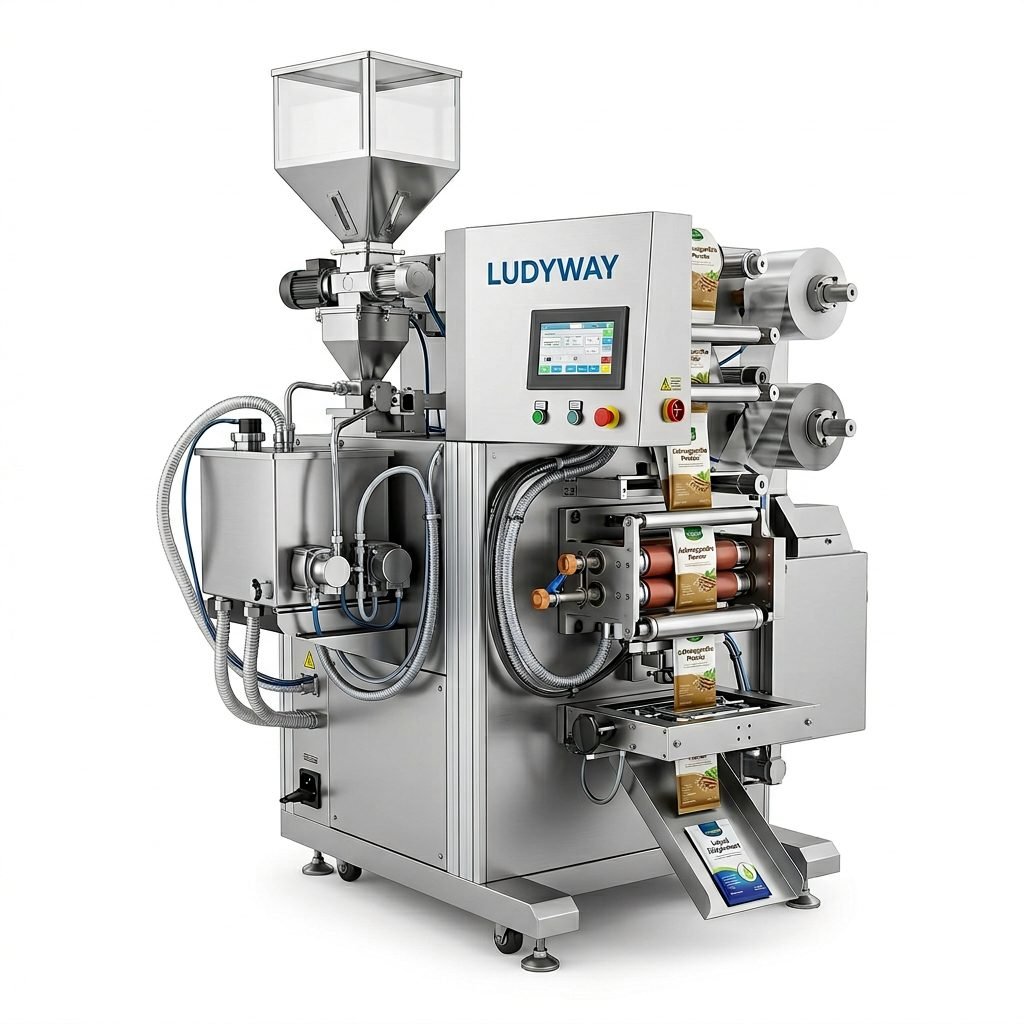
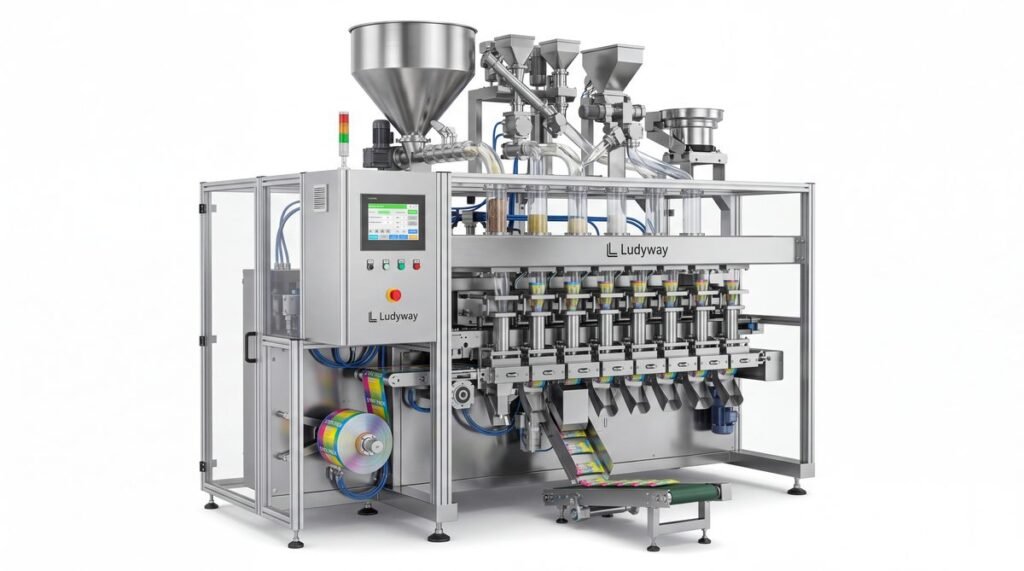
A Panni packing machine is a critical asset in food, pharmaceutical, and industrial production lines. Regular maintenance not only extends the lifespan of your equipment but also ensures consistent sealing quality, reduces product waste, and prevents costly downtime. Whether you are running a high-speed multi-lane sachet line or a single-lane stick pack system, following a structured cleaning and maintenance routine is essential for peak performance.
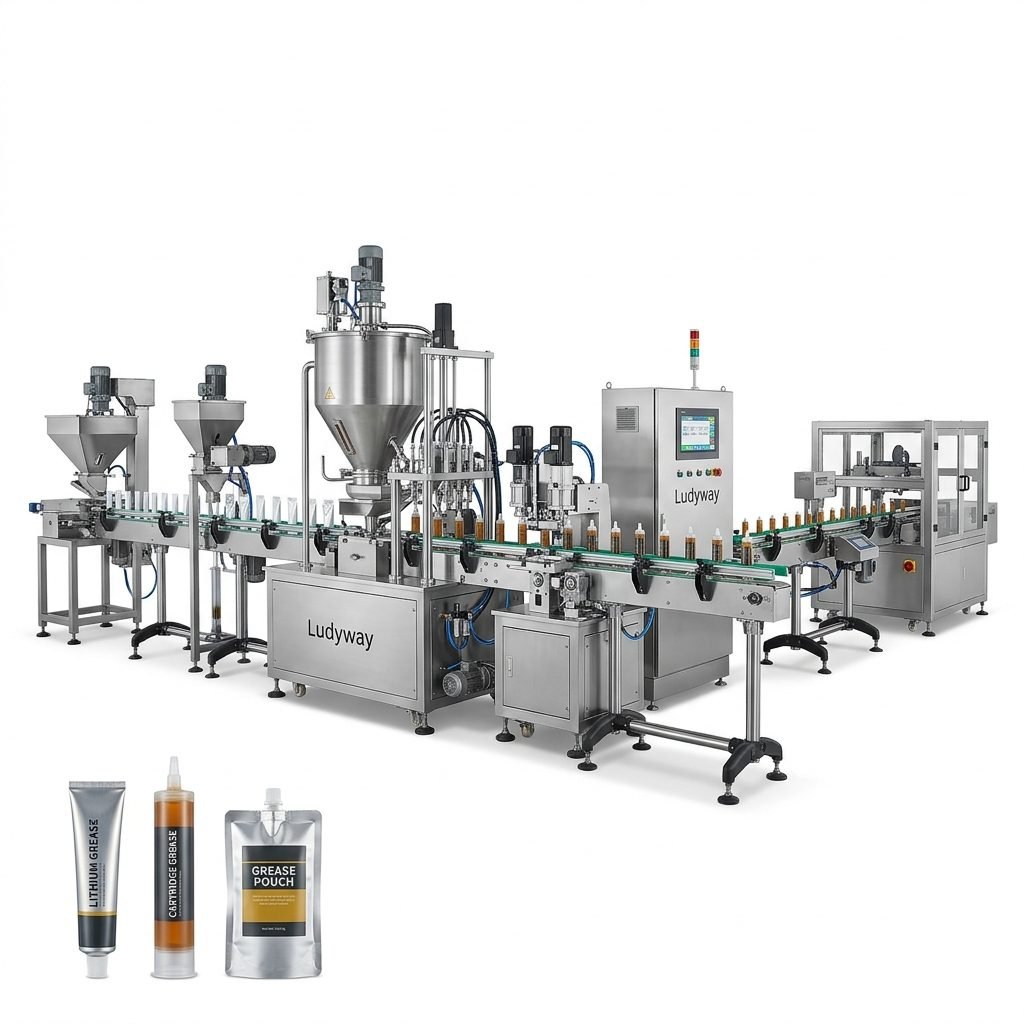
Why Regular Panni Packing Machine Maintenance Matters
Neglecting routine care can lead to seal misalignment, product leakage, inconsistent fill weights, and premature wear of critical components. A well-maintained machine delivers:
- Consistent packaging quality across all lanes
- Reduced film waste and product giveaway
- Extended service life of forming tubes and sealing jaws
- Fewer unplanned production stoppages
- Compliance with food safety and GMP standards
Daily Cleaning Checklist for Your Panni Packing Machine
Implementing a daily cleaning protocol is the foundation of any effective maintenance program. Operators should perform the following tasks at the end of each shift or before a product changeover:
- Remove residual product from hoppers, feeders, and filling nozzles using compressed air or a vacuum system
- Wipe down all stainless steel surfaces with a food-grade sanitizer or mild detergent solution
- Clean the forming tube and former thoroughly to prevent film tracking issues
- Inspect and clean the sealing jaws — remove any product buildup or carbonized residue
- Check the photoelectric sensor and wipe the lens with a lint-free cloth
- Empty and clean the dust collection tray beneath the filling station
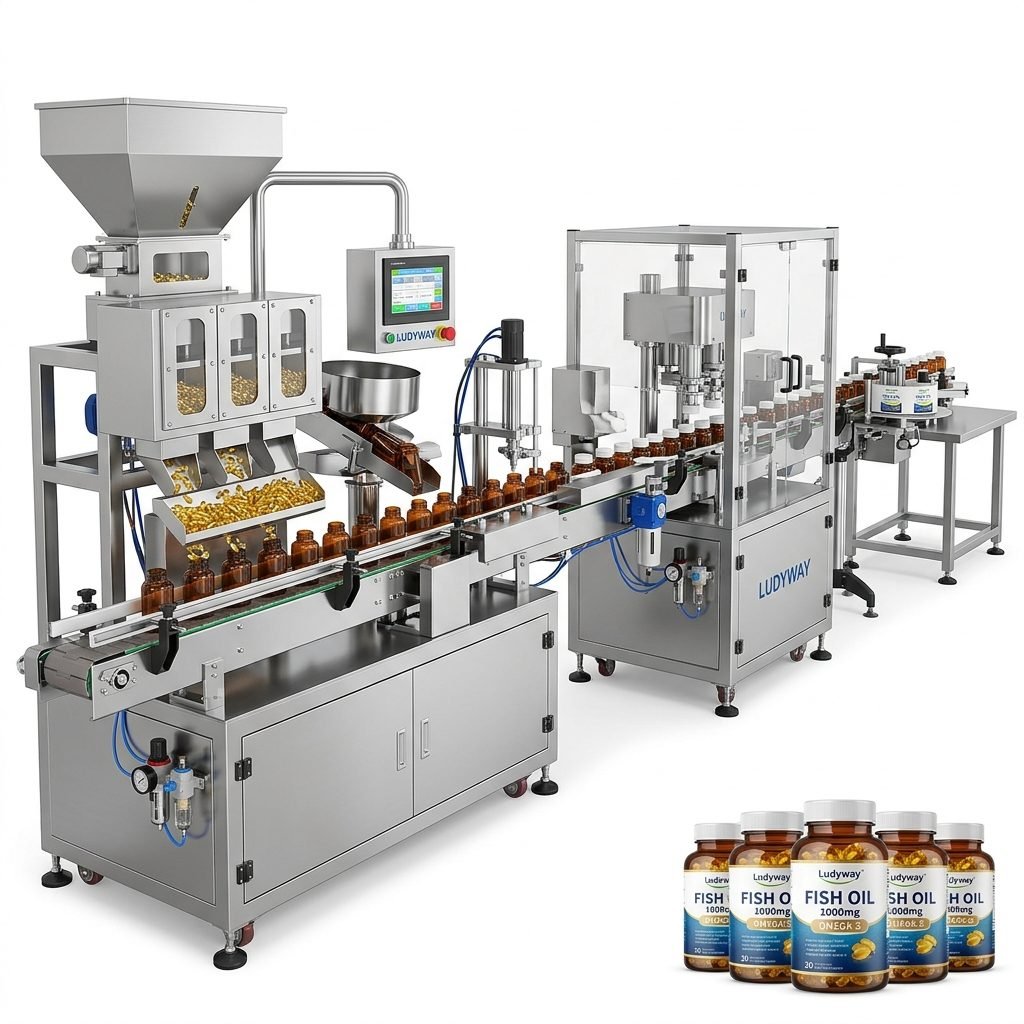
Weekly and Monthly Maintenance Tasks
Beyond daily cleaning, a more comprehensive inspection should be scheduled weekly and monthly. The table below outlines the key maintenance intervals and corresponding actions:
| Frequency | Maintenance Task | Key Focus Areas |
|---|---|---|
| Weekly | Lubricate moving parts; inspect belts and chains | Bearings, cam followers, tension rollers |
| Weekly | Verify temperature calibration of sealing jaws | Horizontal and vertical seal bars |
| Monthly | Inspect and replace worn Teflon tape on sealing surfaces | Sealing jaw faces, forming tube |
| Monthly | Check pneumatic cylinders and air filters | Air pressure regulators, solenoid valves |
| Monthly | Calibrate load cells and checkweigher systems | Multi-head weigher, packaging machine control panel |
| Quarterly | Replace worn grippers, springs, and cutting blades | Cutting station, pouch gripper assembly |
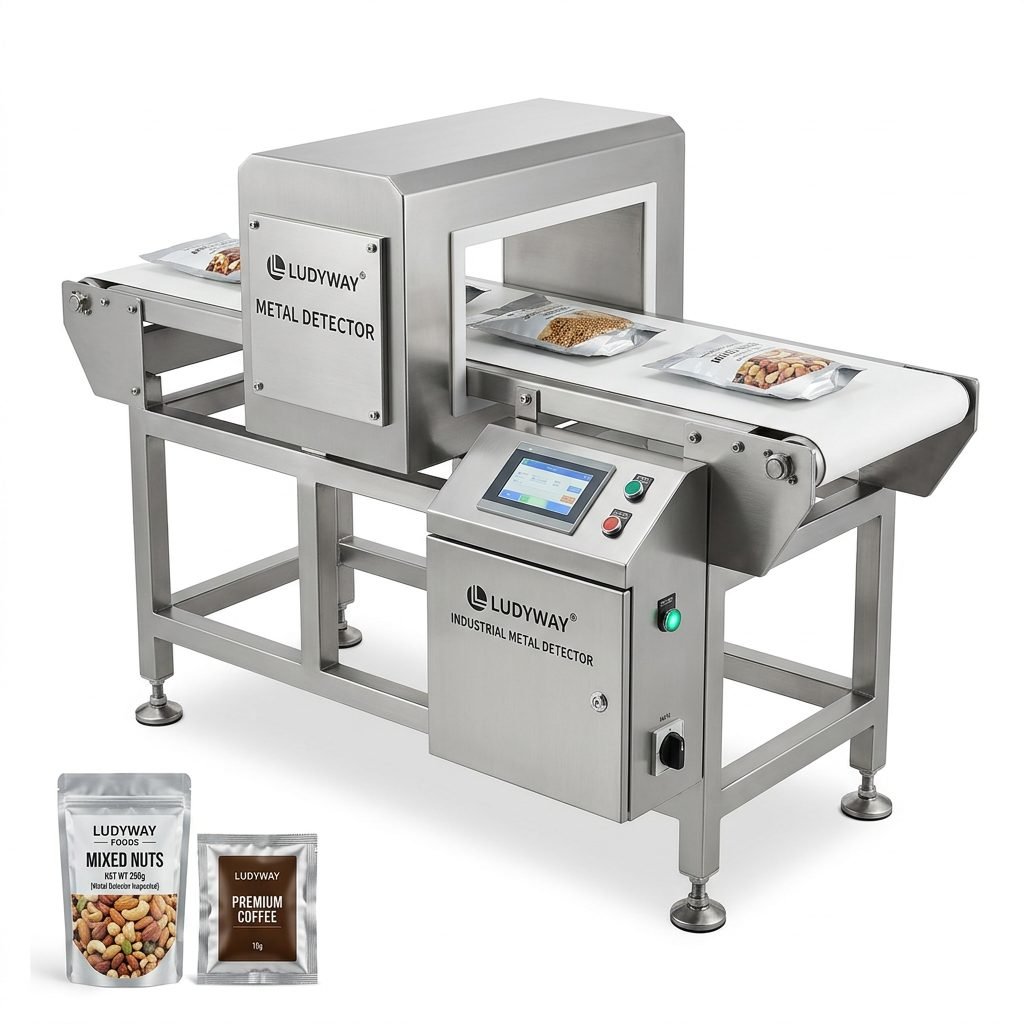
Lubrication Best Practices for Panni Packing Machines
Proper lubrication is vital for reducing mechanical friction and preventing premature failure of moving components. Follow these lubrication guidelines to keep your machine running smoothly:
- Use food-grade lubricants (H1 or NSF registered) for all parts that may have incidental food contact
- Apply grease to cam followers and linear bearings every 40-60 operating hours
- Oil chains and sprockets monthly using a light machine oil
- Avoid over-greasing — excess lubricant can attract dust and product fines, creating abrasive paste
- Document all lubrication activities in a maintenance logbook for traceability
Common Issues and Troubleshooting Tips
Even with regular maintenance, occasional issues can arise. Below are common problems encountered with Panni packing machines and their typical solutions:
- Film tracking or wrinkling: Check the former alignment, adjust film tension, and clean the forming tube surface
- Weak or inconsistent seals: Verify sealing jaw temperature, inspect Teflon tape condition, and ensure consistent dwell time
- Inaccurate fill weights: Recalibrate the multi-head weigher, check for product bridging in the hopper, and clean the weigh buckets
- Machine vibration or noise: Inspect bearings, tighten loose fasteners, and verify proper belt tension
Preventive Maintenance Schedule Overview
Establishing a preventive maintenance (PM) program is the most effective way to maximize uptime. The recommended schedule below helps operators and technicians stay proactive:
| Interval | Action Items | Responsible |
|---|---|---|
| Daily | Clean all product contact surfaces, inspect seals | Operator |
| Weekly | Lubricate, check sensors, verify temperatures | Operator / Technician |
| Monthly | Calibrate weighing systems, inspect pneumatics | Maintenance Technician |
| Quarterly | Replace wear parts, full system audit | Senior Technician |
| Annually | Complete overhaul, replace major components as needed | Service Engineer |
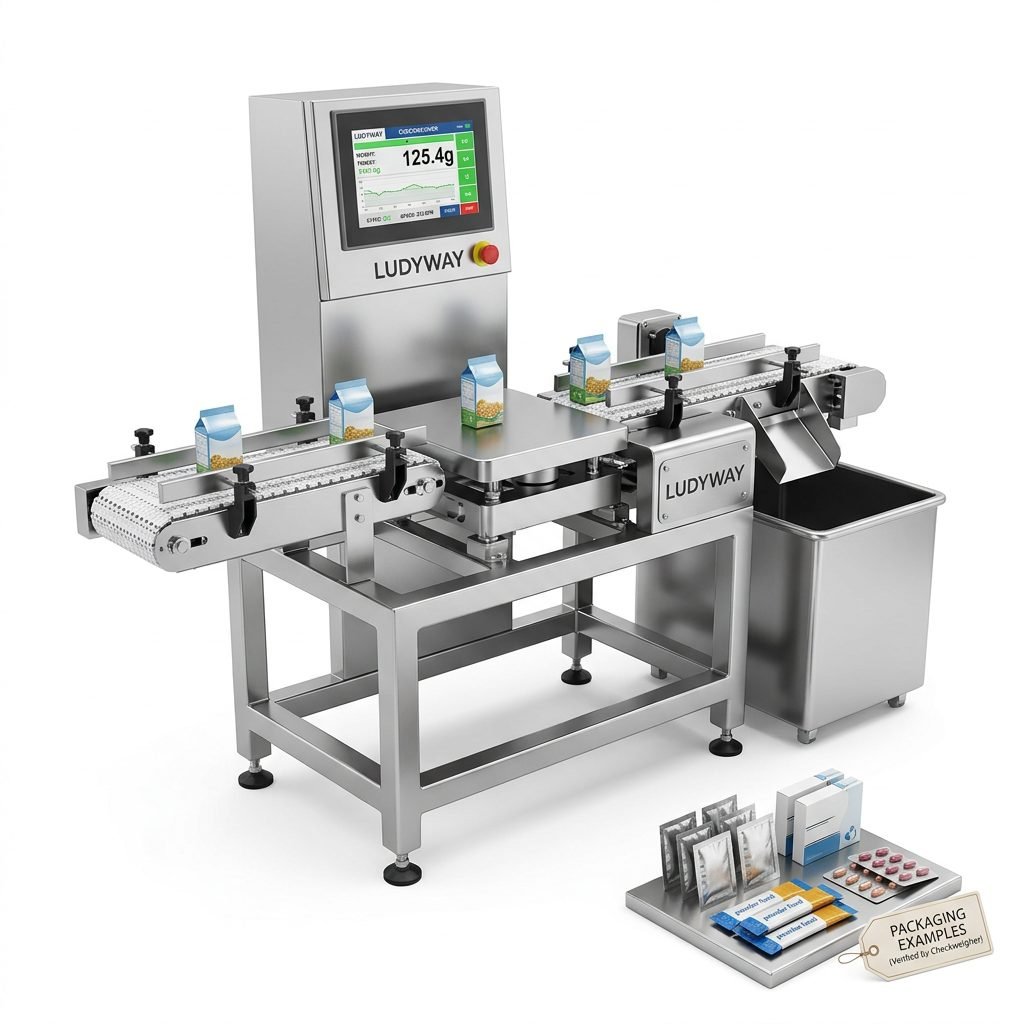
Spare Parts Management for Reduced Downtime
Keeping critical spare parts in stock ensures that minor repairs do not escalate into extended production stoppages. Recommended spare parts inventory includes:
- Sealing jaw Teflon tape and heating elements
- Forming tubes and formers for each pouch format
- Cutting blades and knife assemblies
- Pneumatic cylinders and solenoid valves
- Belt sets, bearings, and drive chains
- Photoelectric sensor and proximity switches
Partnering with a reliable packaging machine manufacturer ensures you have access to genuine OEM parts and technical support. Ludyway, with over 30 years of industry experience and a 20,000㎡ manufacturing facility, provides comprehensive after-sales service and spare parts supply for their extensive range of packaging equipment.
Operator Training and Safety Protocols
Well-trained operators are your first line of defense against mechanical failures. Invest in comprehensive operator training covering the following areas:
- Proper startup and shutdown procedures for the Panni packing machine
- Recognition of abnormal sounds, vibrations, or visual indicators of wear
- Correct cleaning techniques using approved chemicals and tools
- Basic troubleshooting for common fault codes and alarms
- Lockout/tagout procedures before performing any maintenance work
Industry Resources and Further Reading
For additional guidance on packaging machinery standards and best practices, consult the following industry resources:
- PMMI – Packaging Industry Resources
- PMMI – Business Intelligence Library
- Flexible Packaging Association – Industry Resources
- FDA – Food Packaging and Food Contact Substances
- ISO – Packaging Standards
By following these essential cleaning and maintenance tips, your Panni packing machine will deliver reliable, high-quality packaging performance year after year. A proactive approach to maintenance not only protects your capital investment but also ensures that your production line meets the highest standards of efficiency and product safety.