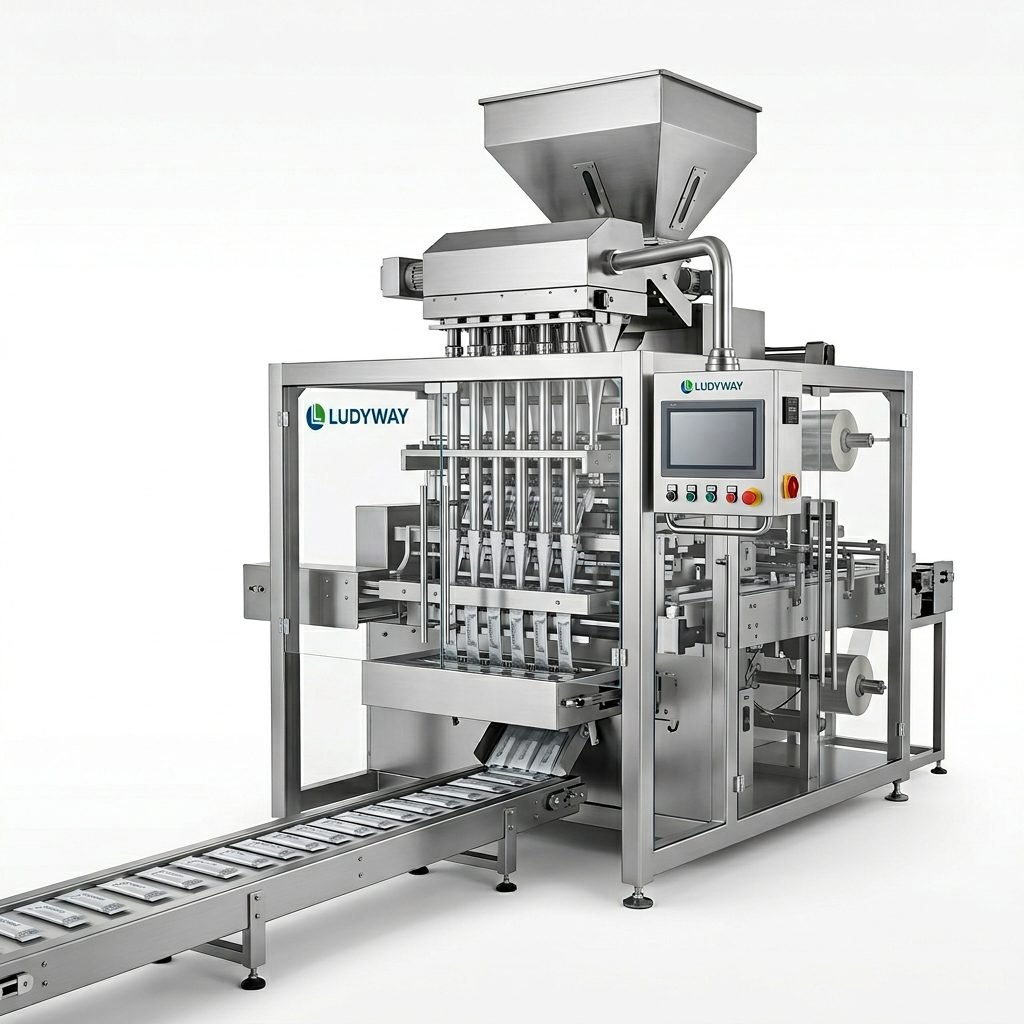
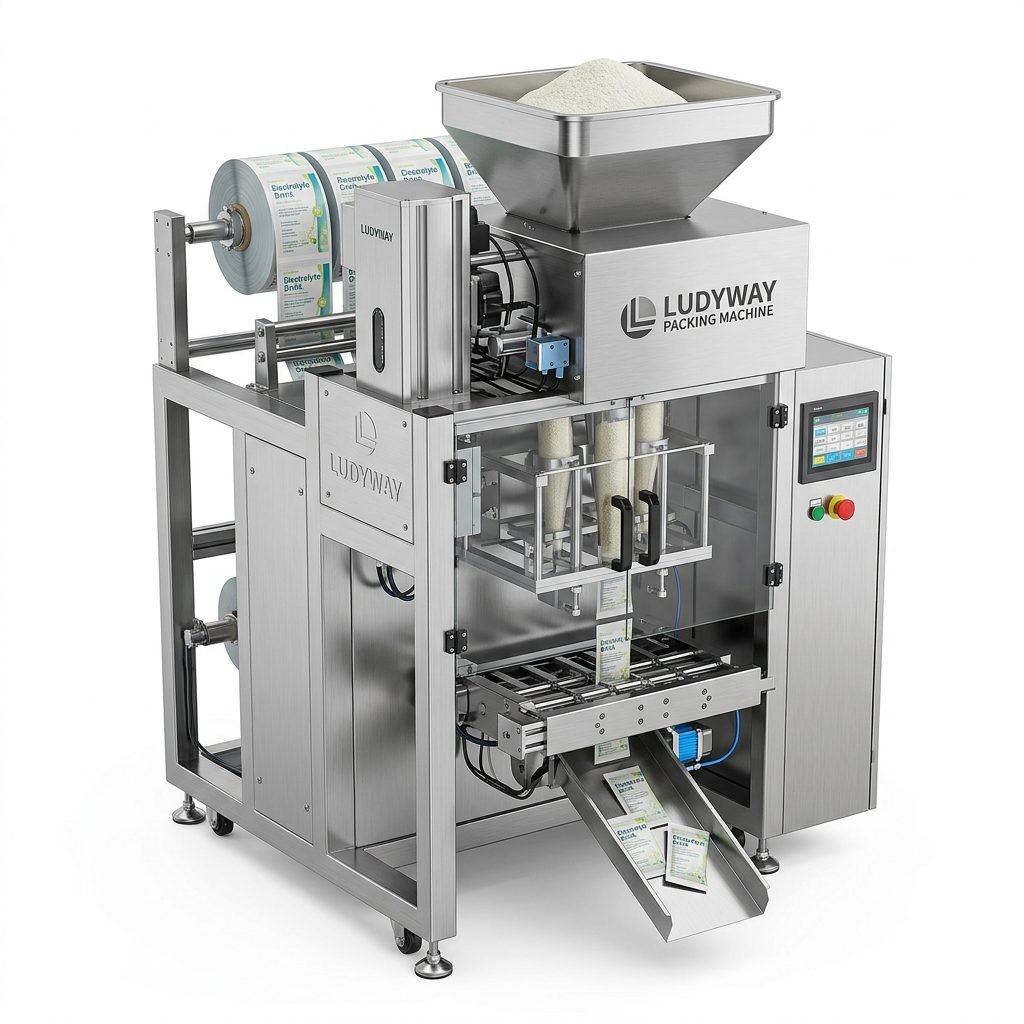
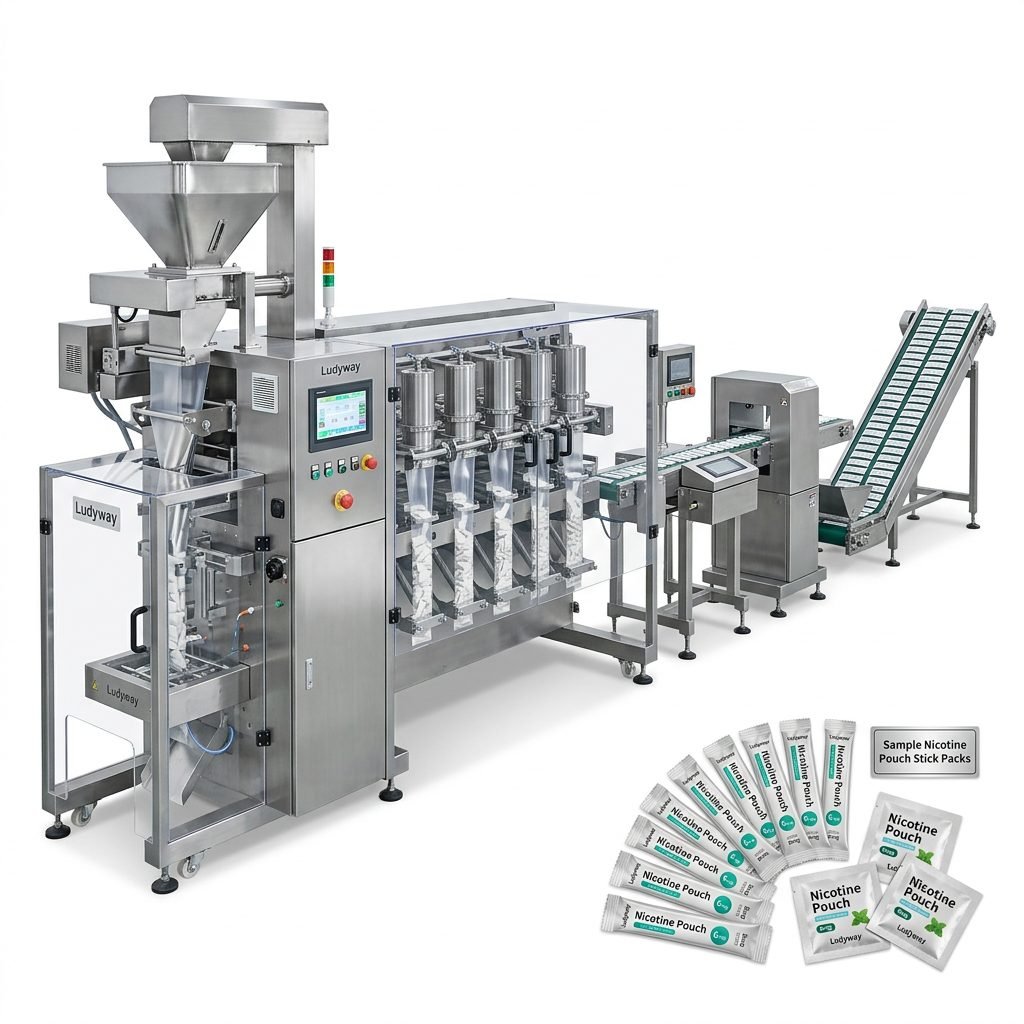
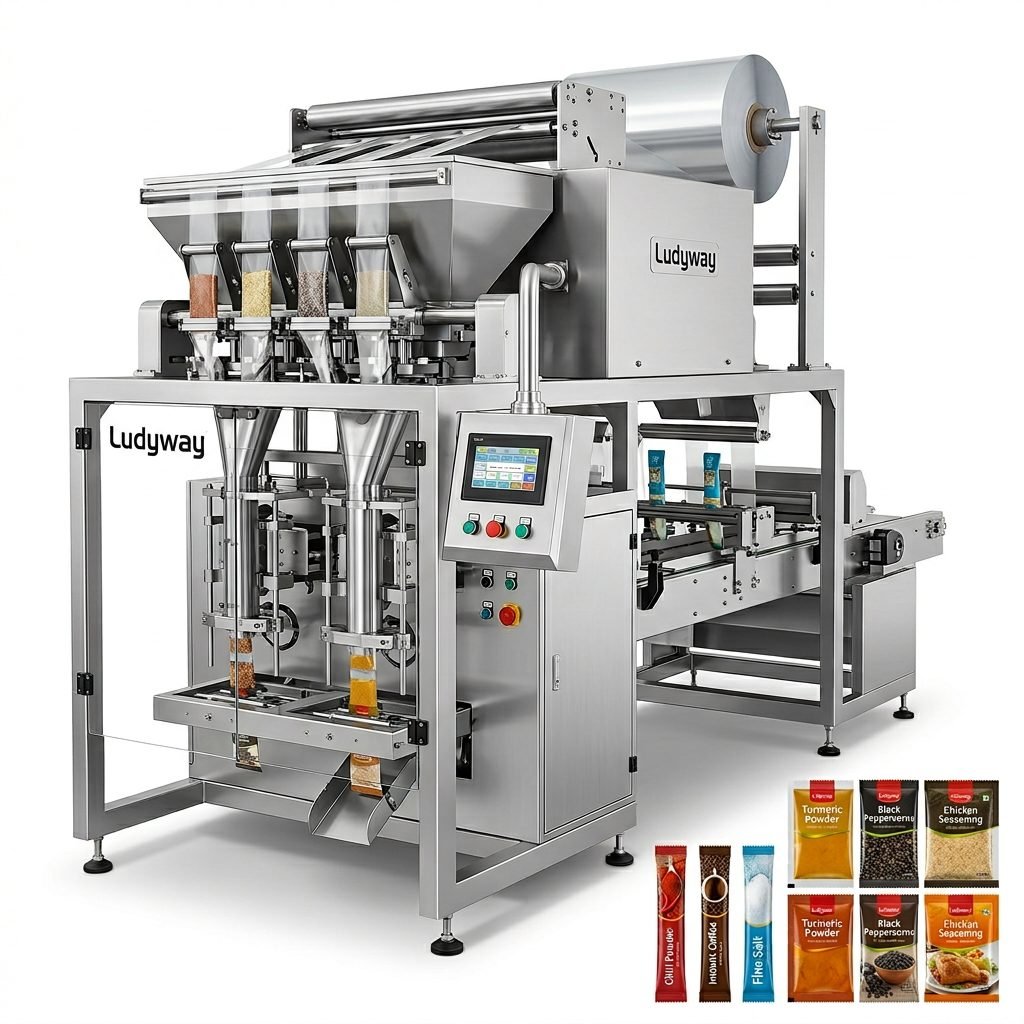
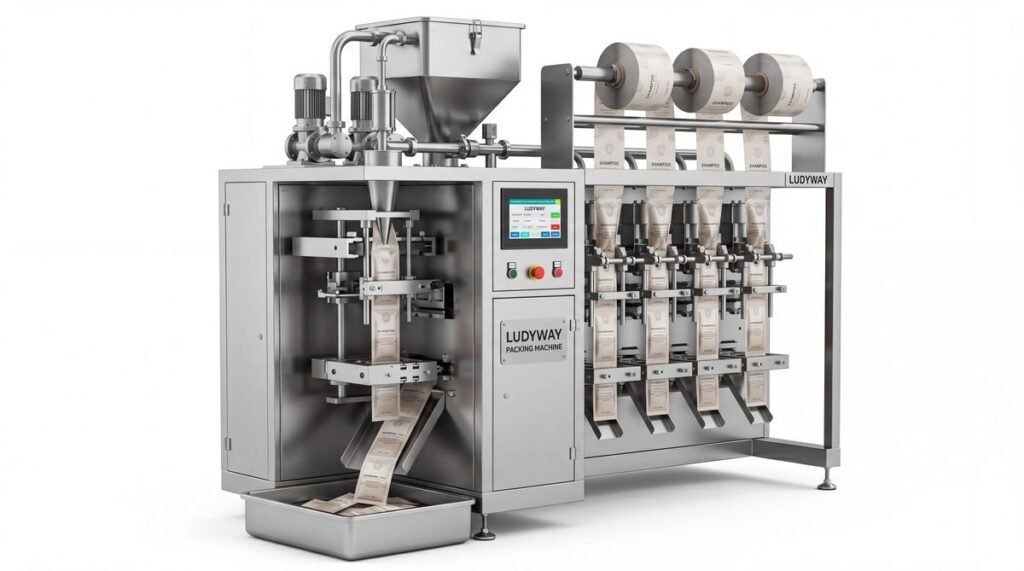
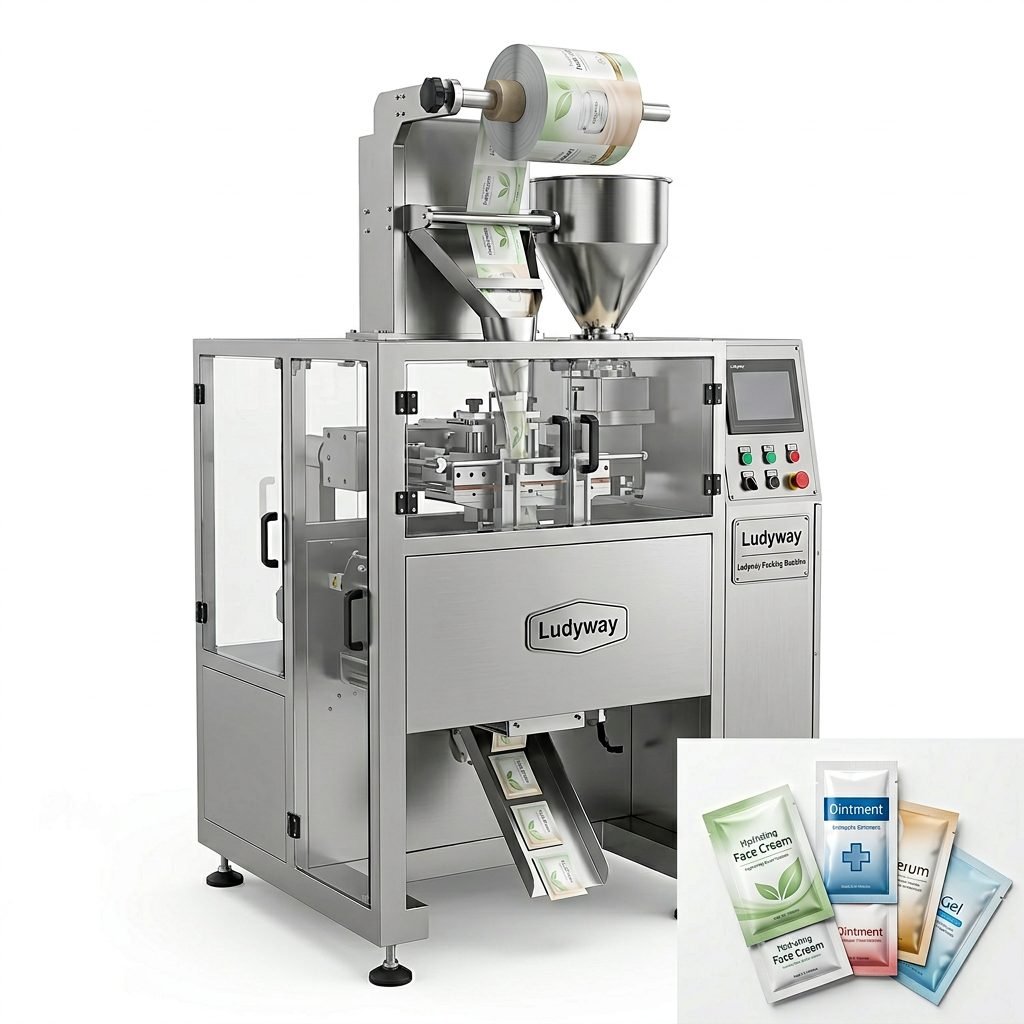
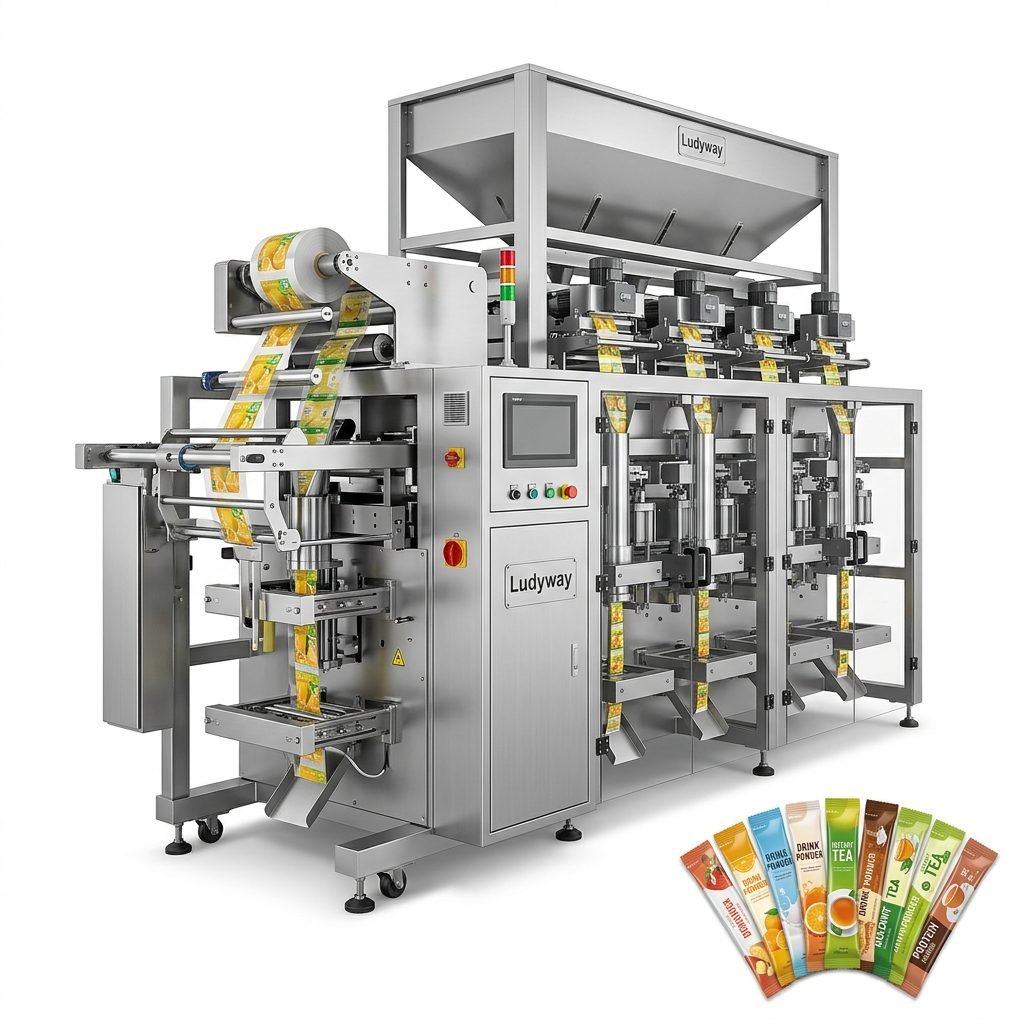
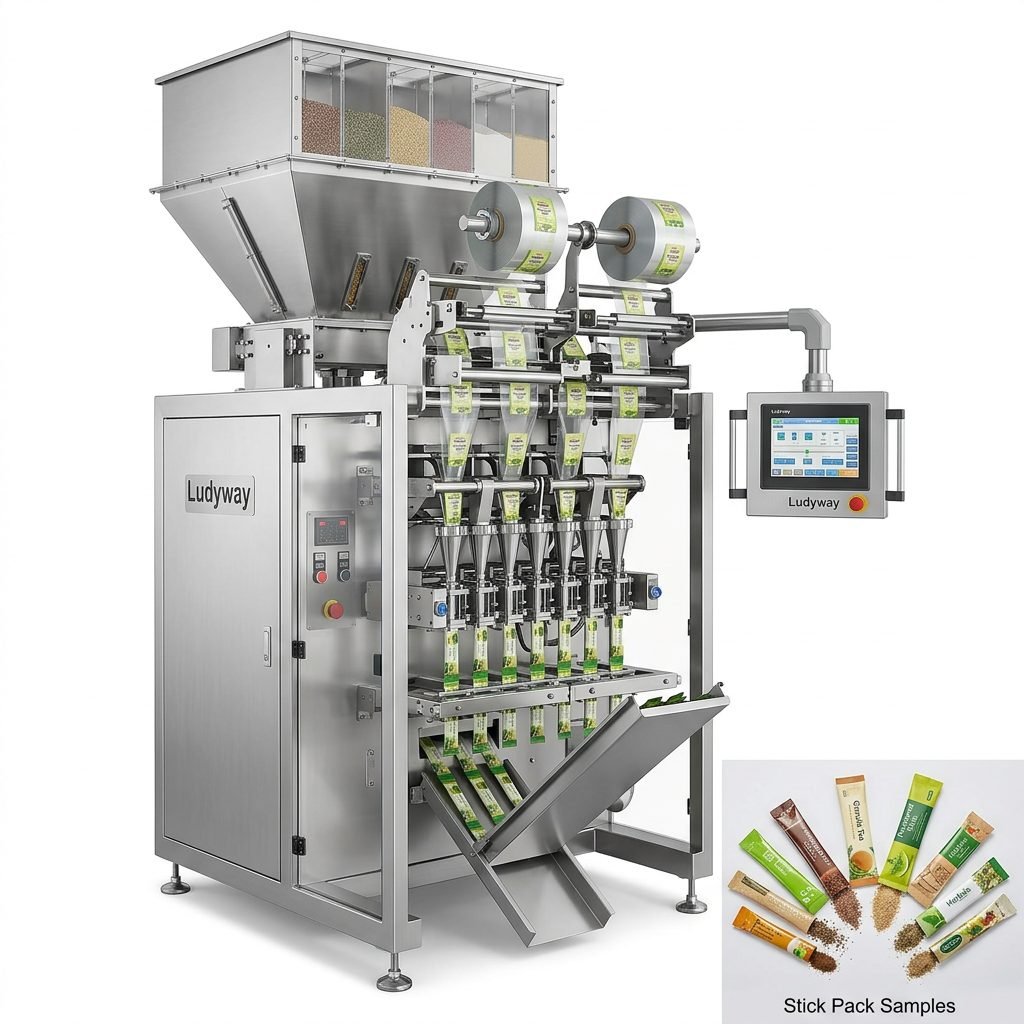
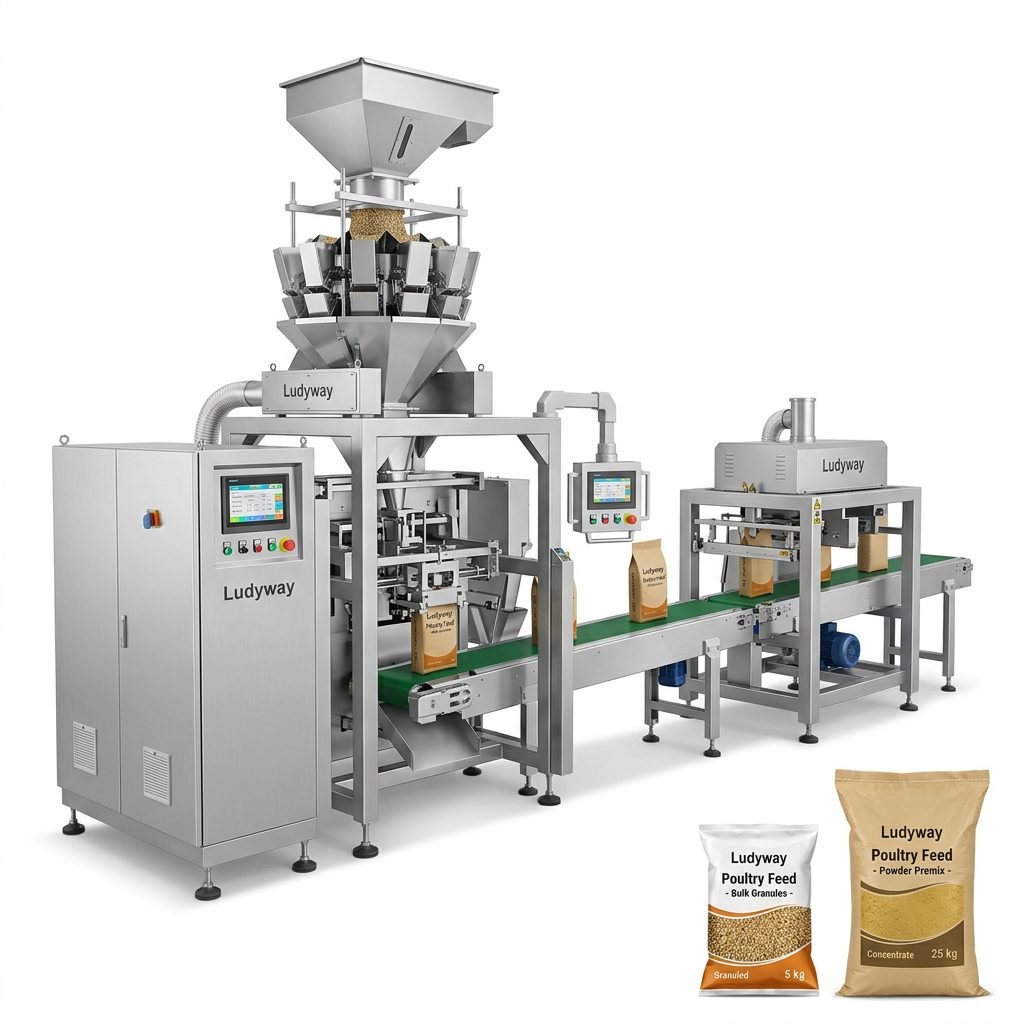
Regular maintenance of a pencil packing machine is essential for ensuring consistent output quality, minimizing downtime, and extending the service life of your equipment. Without a structured maintenance routine, even the most advanced packaging machinery can experience premature wear, sealing defects, and unexpected breakdowns that disrupt production schedules. This guide provides practical, actionable tips to help operators and maintenance teams keep their pencil packaging equipment running at peak performance.

1. Why Preventive Maintenance Matters
A well-maintained pencil packing machine delivers higher efficiency, fewer rejects, and longer operational life. Neglecting routine care can lead to film jams, inaccurate filling, poor seal integrity, and costly repairs. By implementing a consistent maintenance program, manufacturers can reduce unplanned downtime by up to 40% and significantly lower total cost of ownership. Understanding the relationship between proper maintenance and packaging machinery standards helps operators align their practices with industry benchmarks.
2. Daily Inspection Checklist
Performing daily inspections before starting production is the first line of defense against mechanical failures. The following daily checklist should be completed by the operator at the beginning of each shift:
| Inspection Item | Action Required | Frequency |
|---|---|---|
| Sealing jaw temperature | Verify against set parameters | Every shift |
| Film alignment and tension | Check for wrinkles or misalignment | Every shift |
| Sensors and photocells | Clean lenses, test response | Every shift |
| Emergency stop function | Test all E-stop buttons | Every shift |
| Air pressure levels | Check gauges, drain filters | Every shift |
3. Cleaning and Lubrication Procedures
Keeping your pencil packing machine clean and properly lubricated is critical for preventing contamination and reducing friction-related wear. Follow these essential cleaning and lubrication steps:
Cleaning Guidelines
- Remove dust and debris from all surfaces using compressed air and a soft brush after each production run.
- Clean sealing jaws daily to prevent residue buildup that can compromise seal quality.
- Wipe down sensors with a lint-free cloth to maintain accurate detection and registration.
- Inspect and clean the film feed rollers to prevent slipping and misalignment issues.
- Keep the electrical cabinet free of dust by using filtered ventilation and periodic cleaning.
Lubrication Points
- Apply food-grade lubricant to chain drives and cam mechanisms on a weekly schedule.
- Lubricate bearing housings and linear guides according to the manufacturer’s recommendations.
- Check and refill gearbox oil levels during monthly inspections.
- Never over-lubricate — excess grease can attract contaminants and cause component damage.

4. Common Issues and Troubleshooting Guide
Even with proper maintenance, occasional issues may arise. The table below outlines frequent problems and their solutions for quick troubleshooting:
| Problem | Possible Cause | Recommended Solution |
|---|---|---|
| Weak or incomplete seals | Incorrect temperature or worn sealing jaws | Recalibrate temperature; replace worn jaw components |
| Film tracking off-center | Misaligned rollers or tension issues | Adjust roller alignment and film tension settings |
| Inconsistent fill weight | Worn dosing components or calibration drift | Recalibrate weighing system; inspect dosing mechanism |
| Machine vibration or noise | Loose fasteners or worn bearings | Tighten all bolts; replace worn bearings |
| Frequent film breaks | Excessive tension or damaged rollers | Reduce tension; inspect and repair roller surfaces |
5. Weekly and Monthly Preventive Maintenance Schedule
Structured preventive maintenance at regular intervals is key to avoiding unexpected failures. Use the following maintenance schedule as a baseline:
Weekly Tasks
- Inspect all drive belts for signs of cracking or stretching; replace if necessary.
- Test temperature controllers and thermocouples for accuracy.
- Check pneumatic cylinders and fittings for air leaks.
- Clean and inspect electrical connections for corrosion or looseness.
- Verify that all safety guards and interlocks are functioning correctly.
Monthly Tasks
- Perform a full calibration of sealing temperature and dwell time settings.
- Inspect and clean the main drive motor and transmission components.
- Check and replace worn cutting blades or perforation knives.
- Review and update the maintenance log to track patterns and recurring issues.
- Conduct a thorough inspection of all wiring harnesses and cable connections.
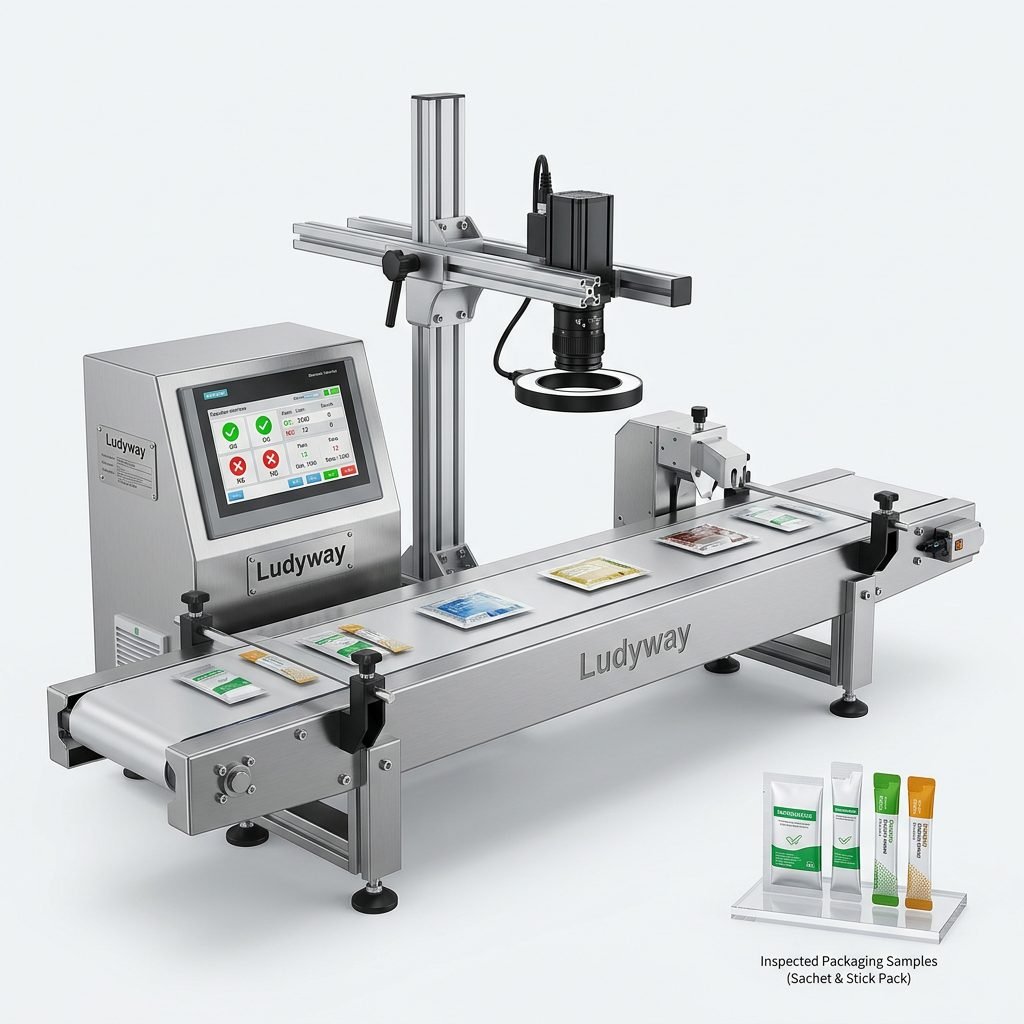
6. Spare Parts Management
Maintaining an adequate inventory of critical spare parts can significantly reduce downtime when repairs are needed. Essential spare parts for a pencil packing machine include:
- Sealing jaws and heating elements
- Film feed rollers and drive belts
- Temperature sensors and thermocouples
- Pneumatic seals and O-rings
- Cutting blades and perforation knives
- Photoelectric sensors and proximity switches
Work closely with your equipment supplier to identify the most critical components based on your specific packaging industry best practices and production demands. A well-planned spare parts strategy ensures that your maintenance team can respond quickly to any mechanical issues.
7. Operator Training and Documentation
Even the best maintenance program will fall short without properly trained operators. Comprehensive operator training should cover:
- Daily startup and shutdown procedures
- Basic troubleshooting techniques for common faults
- Proper cleaning methods for all machine sections
- Safe operation of all controls and emergency systems
- Accurate completion of maintenance logs and shift reports
Maintaining detailed records of all maintenance activities helps identify recurring problems and supports compliance with packaging equipment maintenance standards. Documentation should include dates, actions taken, parts replaced, and the signature of the responsible technician.
8. When to Call Professional Support
While routine maintenance can be handled in-house, certain situations require professional intervention. Contact a qualified service technician if you encounter:
- Persistent sealing problems that do not respond to adjustments
- Unusual noises or vibrations that indicate internal mechanical damage
- Electrical faults or control system malfunctions
- Major component replacement requiring specialized tools or expertise
For manufacturers seeking reliable equipment support, companies like Ludyway offer comprehensive after-sales service and technical assistance to keep your packaging lines operating efficiently. Partnering with an experienced packaging machine manufacturer ensures access to genuine spare parts, expert troubleshooting, and preventive maintenance programs tailored to your equipment.
9. Key Takeaways for Long-Term Performance
Implementing a thorough maintenance program for your pencil packing machine is an investment that pays dividends in reliability and productivity. Remember these core principles:
- Consistency is critical — perform inspections and cleaning on a fixed schedule without exception.
- Document everything — detailed records help predict failures and optimize maintenance intervals.
- Train your team — well-trained operators are your first line of defense against preventable breakdowns.
- Stock essential spares — having critical parts on hand minimizes downtime during repairs.
- Partner with experts — build a relationship with your equipment supplier for ongoing support and guidance.
By following these maintenance tips and staying aligned with packaging machinery industry standards, you can maximize the performance and longevity of your investment while maintaining consistent product quality.