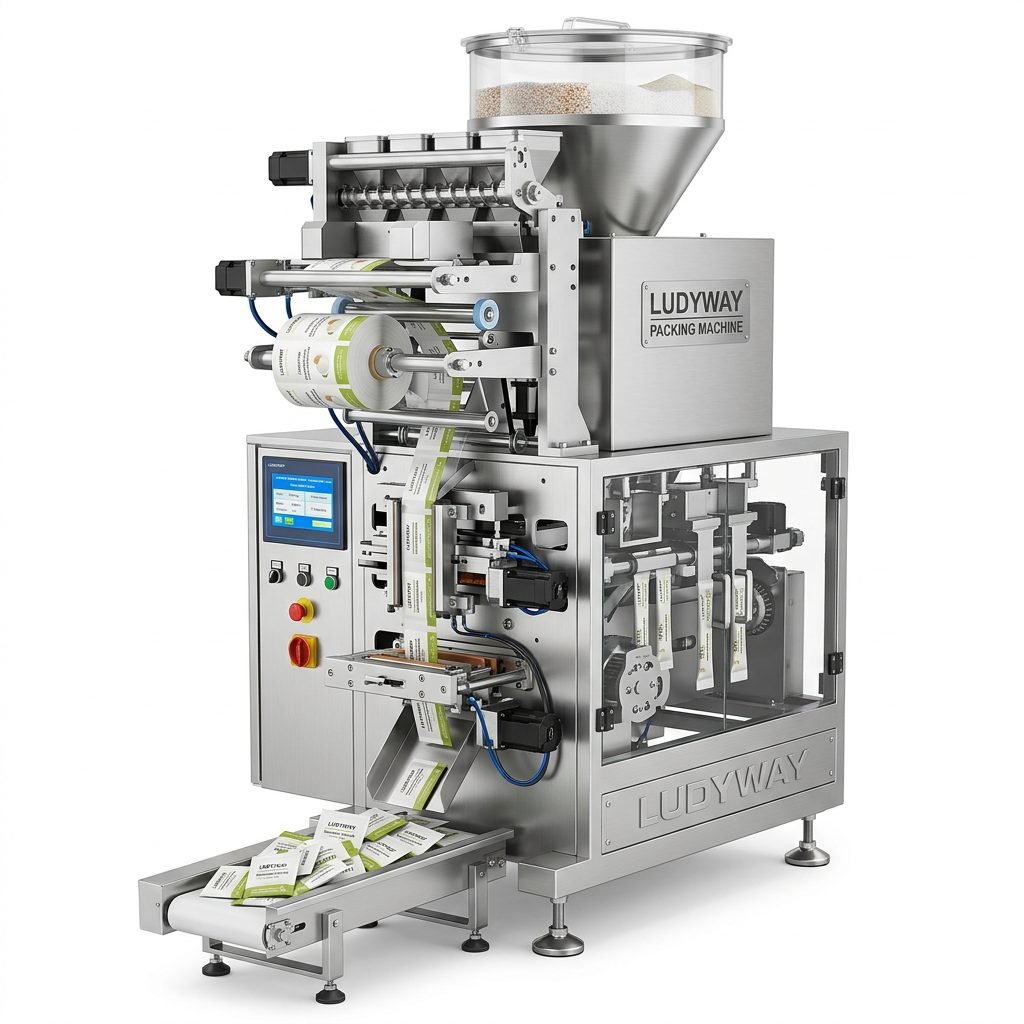
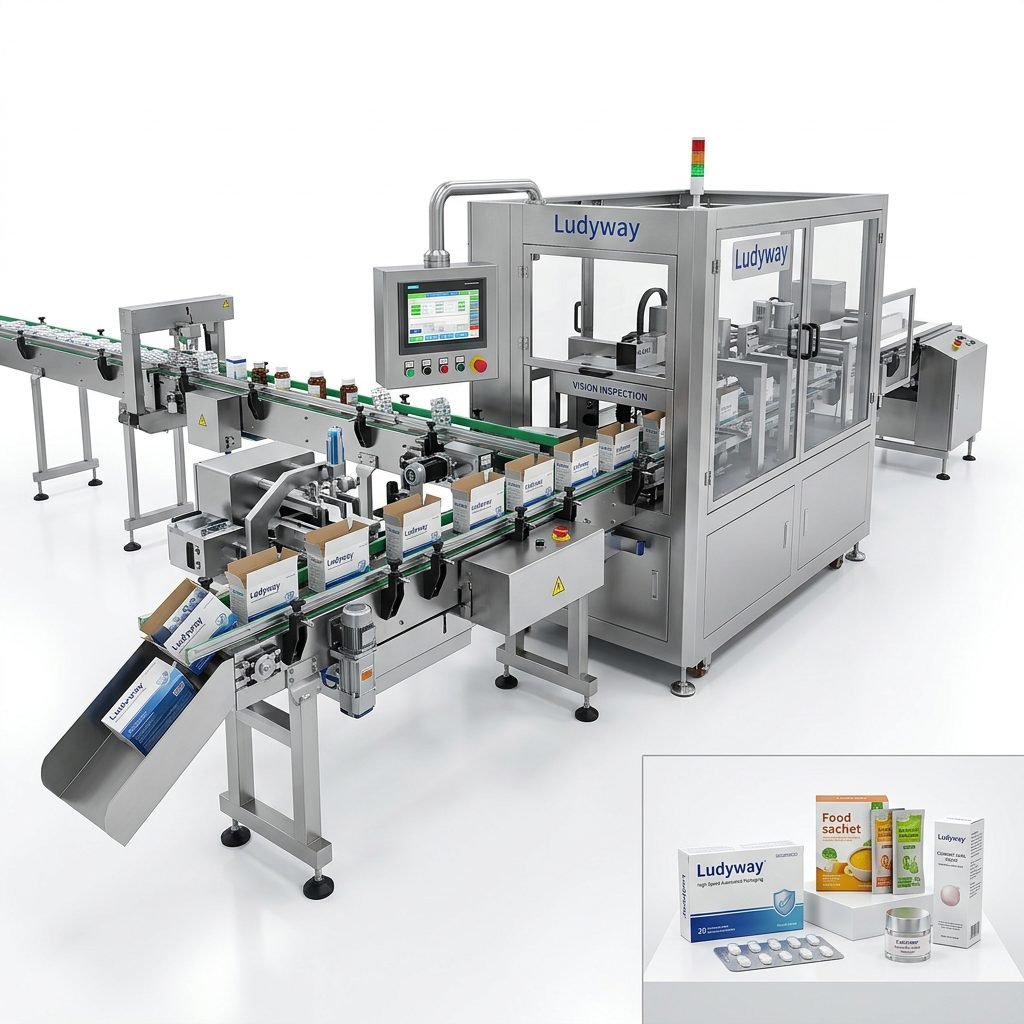
Investing in an automatic polythene packing machine is a critical decision that directly affects production efficiency, product quality, and operating costs. Whether you are packaging food products, pharmaceuticals, chemicals, or consumer goods, selecting the wrong equipment can lead to downtime, material waste, and inconsistent sealing quality. This guide walks you through every factor you need to evaluate before making a purchase.
1. Understand Your Product and Packaging Requirements
Before comparing machine specifications, start with a thorough analysis of what you need to package. Different products demand different handling, dosing, and sealing approaches. Ask yourself these questions:
- What physical form does your product take? Granules, powders, liquids, pastes, or solid items each require specific filling mechanisms.
- What is your target bag format? Common formats include pillow bags, gusseted bags, sachets, stick packs, and flat pouches.
- What are your fill weight or volume ranges? Machines are designed for specific ranges, from single-serve sachets of a few grams to bulk bags of several kilograms.
- What production speed do you need to achieve? This determines whether a single-lane or multi-lane configuration is appropriate.
According to packaging machinery market research from PMMI, matching machine capabilities to product characteristics is the single most important factor in successful equipment selection. Overlooking product-specific requirements is the leading cause of post-installation performance issues.
2. Machine Types and Configurations
Automatic polythene packing machines come in several configurations, each suited to different applications. Understanding the differences helps narrow your options quickly.
Vertical Form Fill Seal (VFFS) Machines
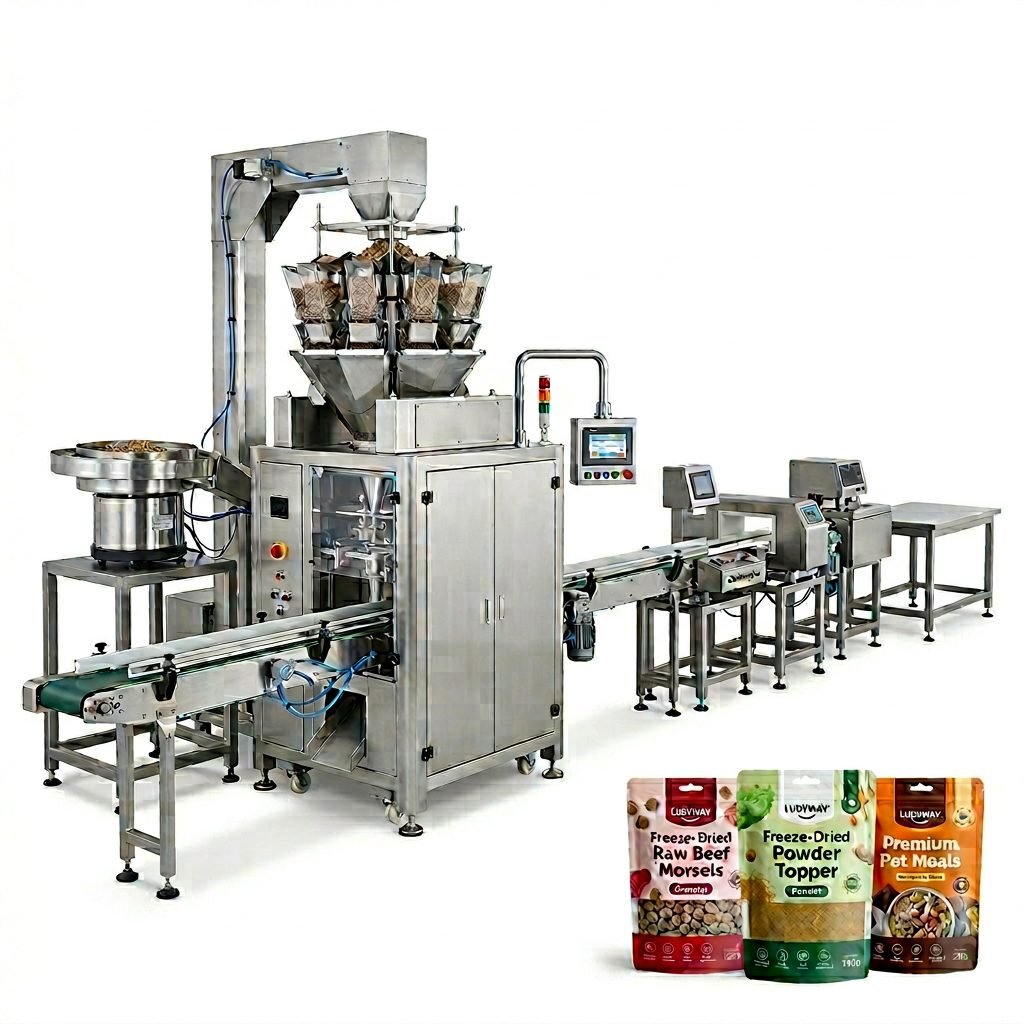
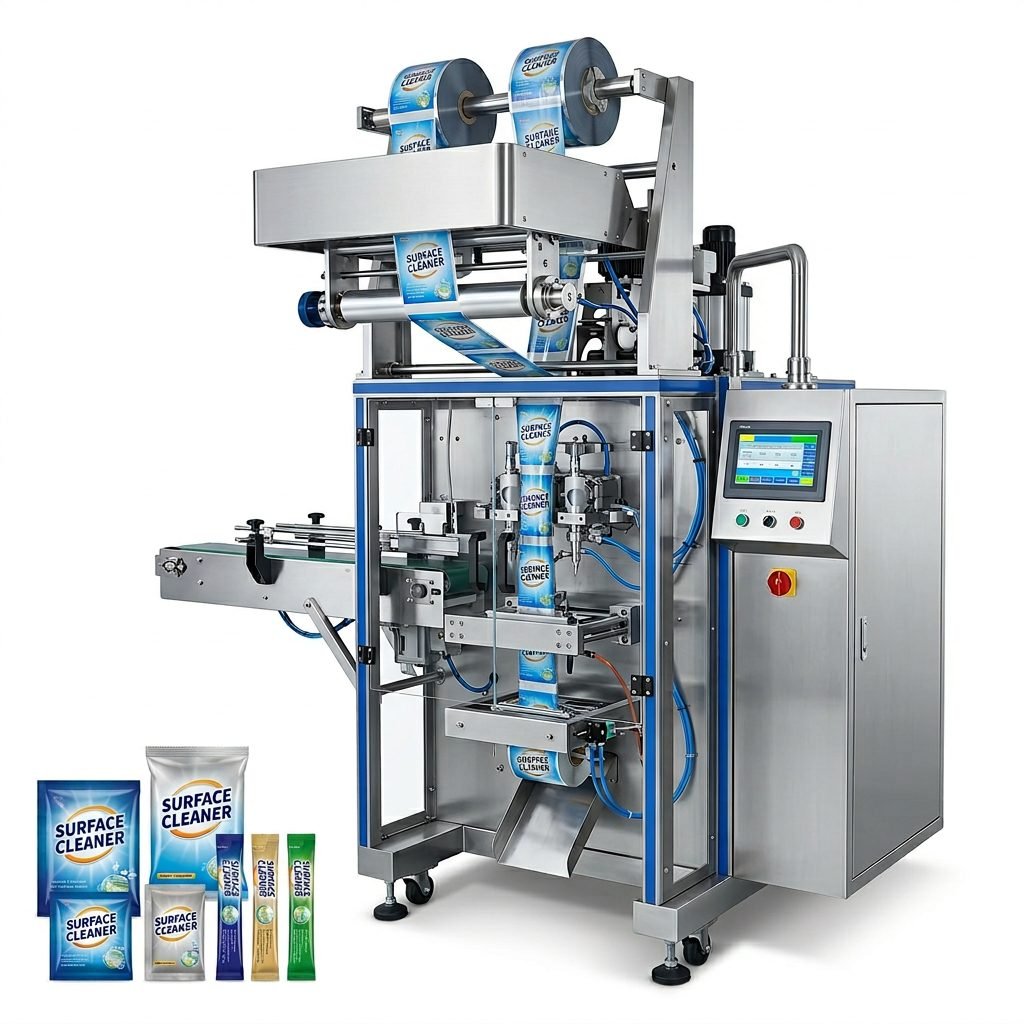
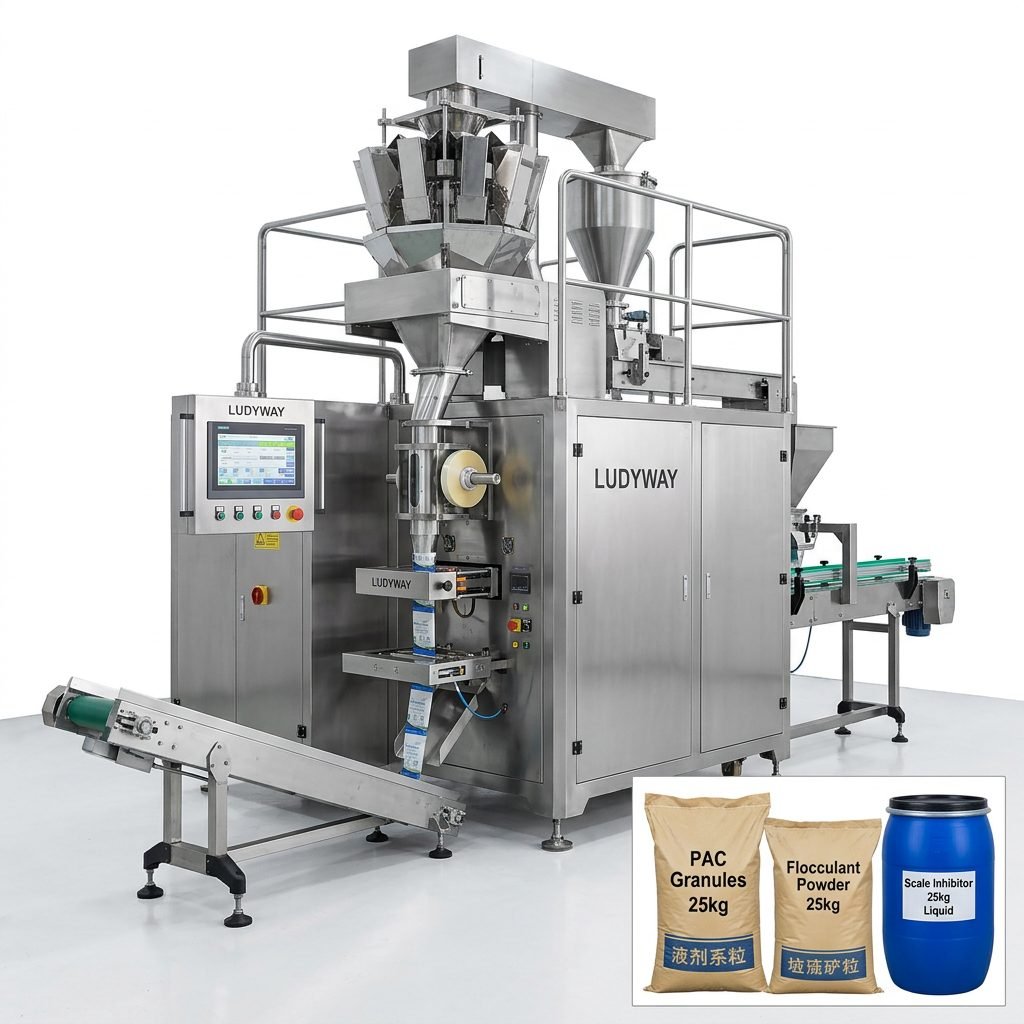
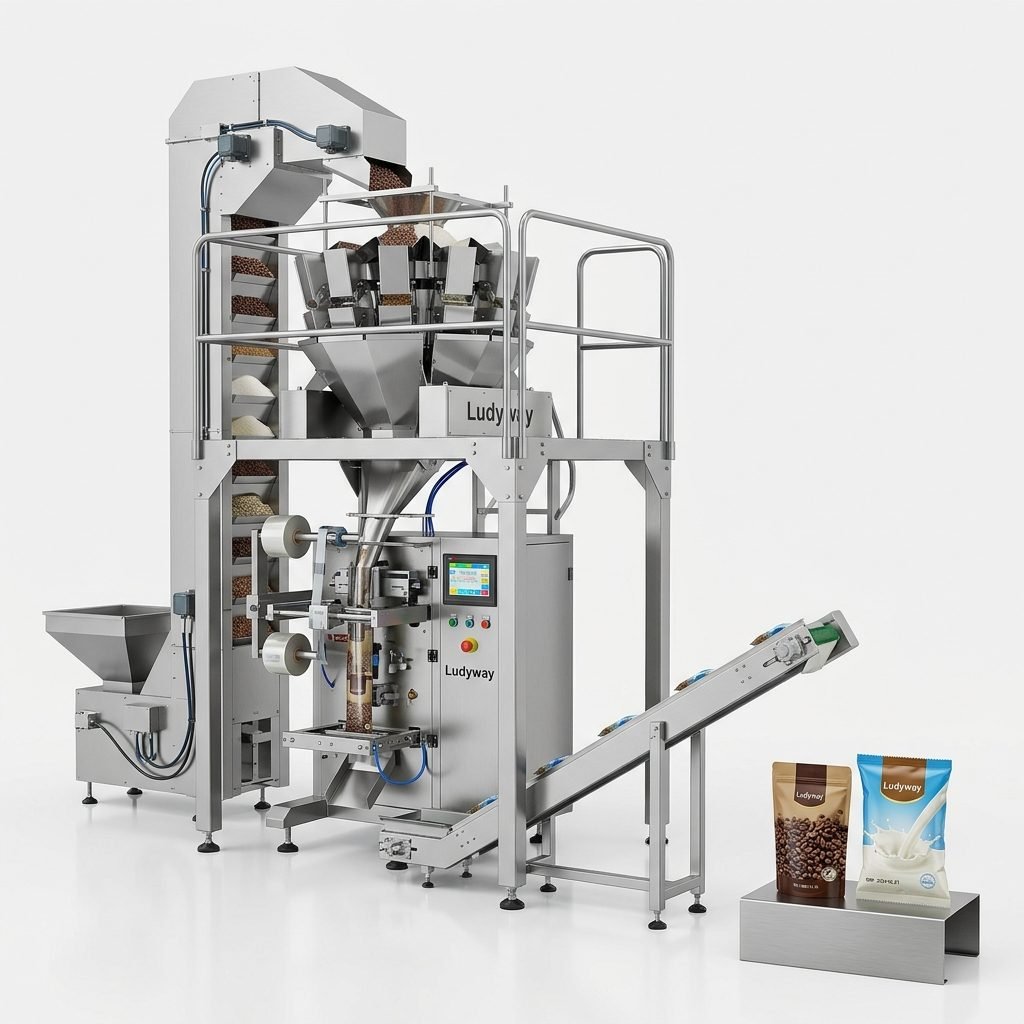
VFFS machines form a tube from a flat roll of polythene film, fill it with product, and seal it into individual bags. They are ideal for granules, powders, and small solid items. These machines offer high speed and are widely used in food, pharmaceutical, and chemical industries.
Horizontal Form Fill Seal (HFFS) Machines
HFFS machines handle products that are fed horizontally, making them better suited for solid, irregularly shaped items such as baked goods, hardware, or medical devices. They generally operate at lower speeds than VFFS machines but offer greater flexibility for certain product types.
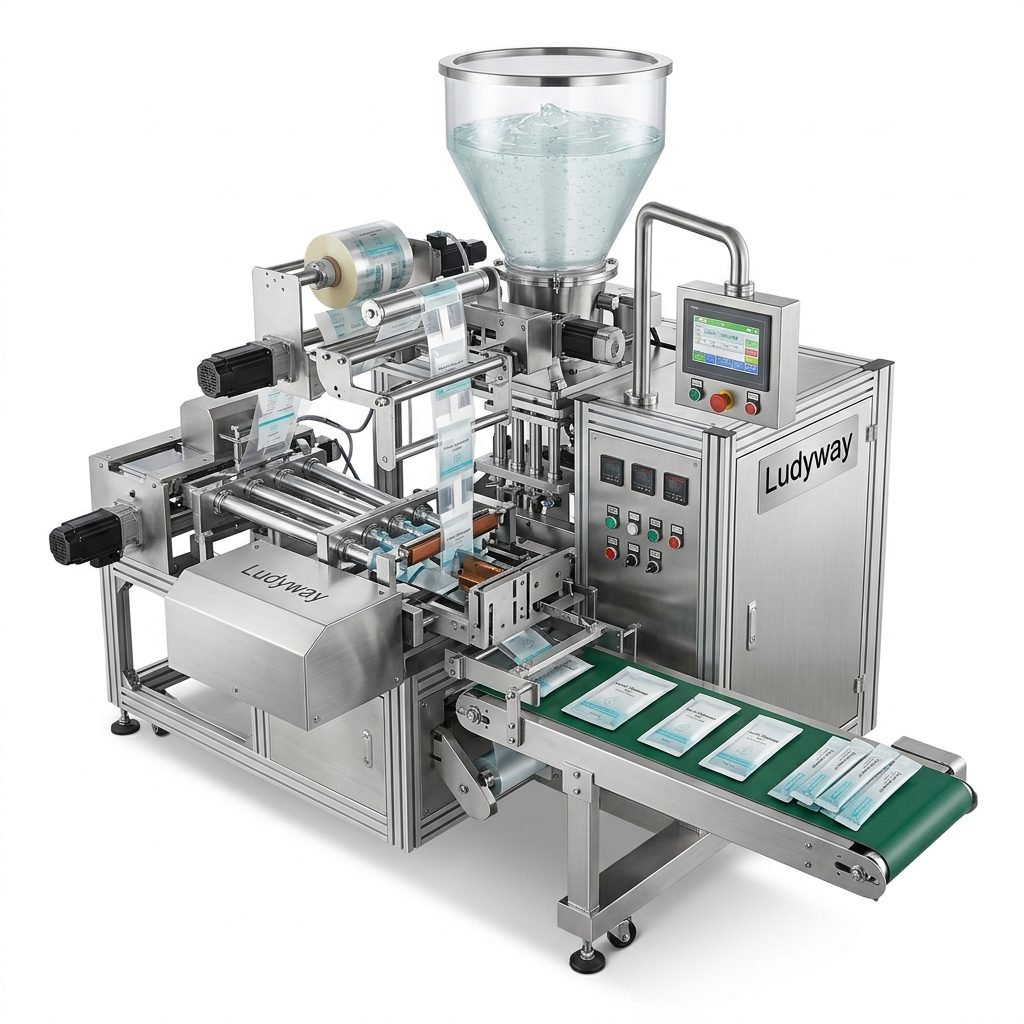
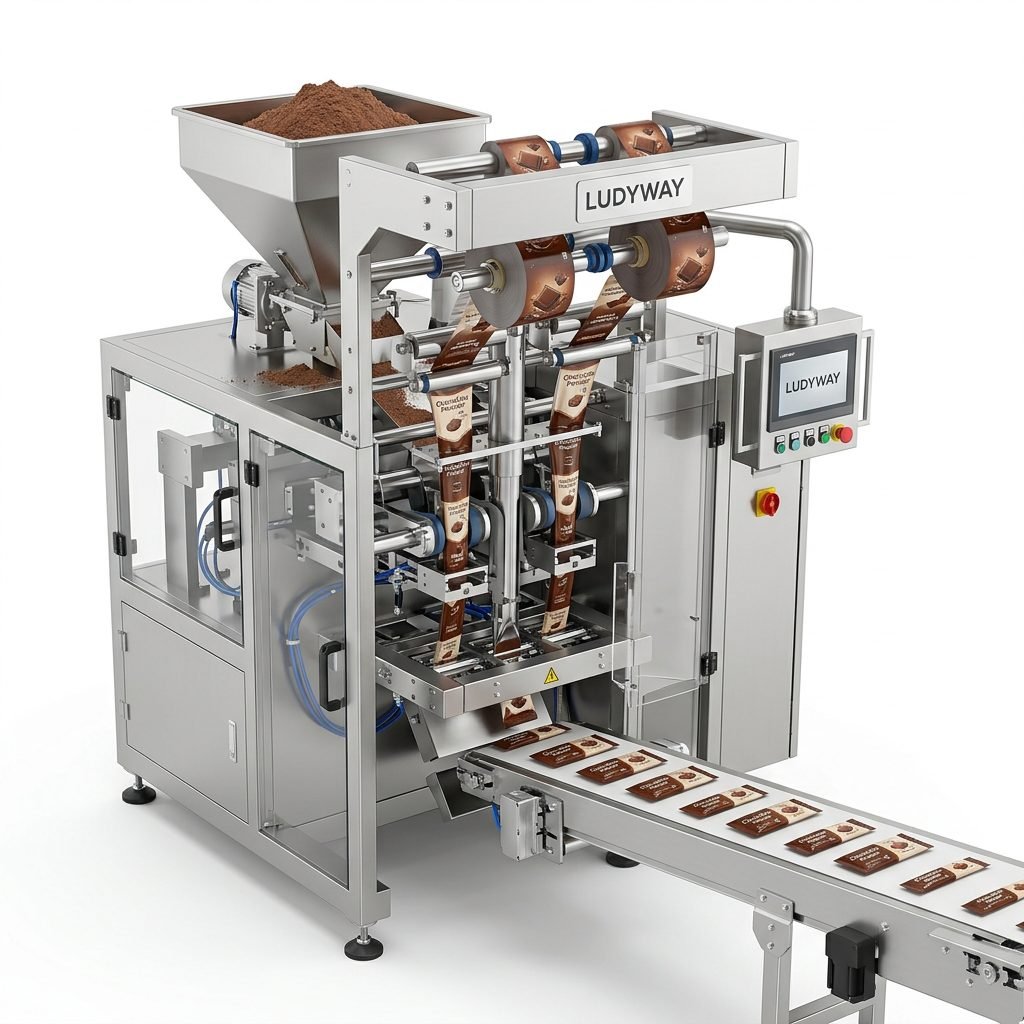
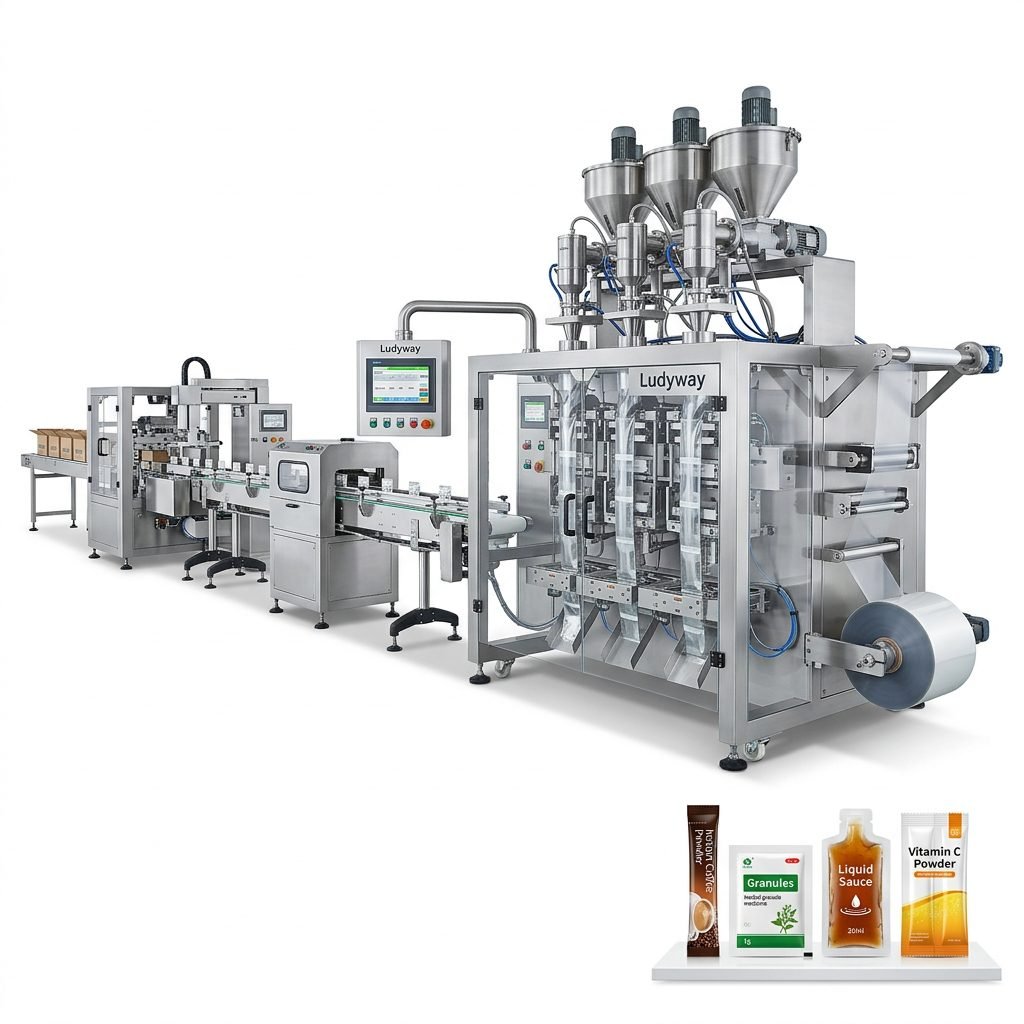
Multi-Lane Stick Pack and Sachet Machines
These specialized machines run multiple lanes simultaneously, producing several sachets or stick packs per cycle. Multi-lane configurations dramatically increase output for small-format packaging and are popular for single-serve products like instant coffee, sugar, seasoning powders, and pharmaceutical granules.
3. Production Speed and Capacity
Production speed is measured in bags per minute (BPM) and varies significantly based on machine type, bag size, product characteristics, and automation level. When evaluating speed, consider both your current needs and future growth projections.
A small business might start with a machine running 30-60 BPM, while high-volume manufacturers often require 120-200 BPM or more from multi-lane systems. However, higher speed is not always better—accuracy and reliability at speed matter more than the maximum rated output. Always request real-world production data rather than relying solely on manufacturer specifications.
| Production Scale | Typical BPM Range | Recommended Machine Type |
|---|---|---|
| Small batch / Startup | 20 – 50 BPM | Single-lane VFFS or semi-automatic |
| Medium volume | 50 – 120 BPM | Single-lane or dual-lane VFFS |
| High volume | 120 – 250+ BPM | Multi-lane sachet/stick pack systems |
| Bulk / Industrial | 10 – 40 BPM | Heavy-duty VFFS or big bag fillers |
4. Packaging Material and Film Compatibility
Not every machine handles every type of polythene film equally well. The film thickness, material composition, and barrier properties all influence machine settings, seal quality, and overall performance. Common film types include:
- LDPE (Low-Density Polyethylene) — flexible, clear, and cost-effective for general packaging.
- HDPE (High-Density Polyethylene) — stronger and more rigid, often used for heavier products.
- Multi-layer laminates — provide enhanced barrier protection for moisture-sensitive or oxygen-sensitive products.
- Metallized films — offer premium appearance and excellent barrier properties for high-value products.
The Flexible Packaging Association provides extensive industry resources on film materials and their applications. Verify that your chosen machine can run the film types you plan to use, and test multiple film suppliers during the evaluation phase to ensure consistent sealing performance.

5. Automation Level and Integration
Modern automatic polythene packing machines offer varying degrees of automation. The right level depends on your labor costs, production complexity, and long-term efficiency goals.
Key Automation Features to Evaluate
- Automatic film splicing and tension control — reduces downtime during roll changes and maintains consistent bag quality.
- Servo-driven sealing jaws — provide precise temperature and pressure control for reliable seals at high speed.
- Integrated weighing and dosing systems — ensure accurate fill weights with minimal product giveaway.
- Inline printing and coding — applies batch numbers, date codes, and barcodes directly on the packaging line.
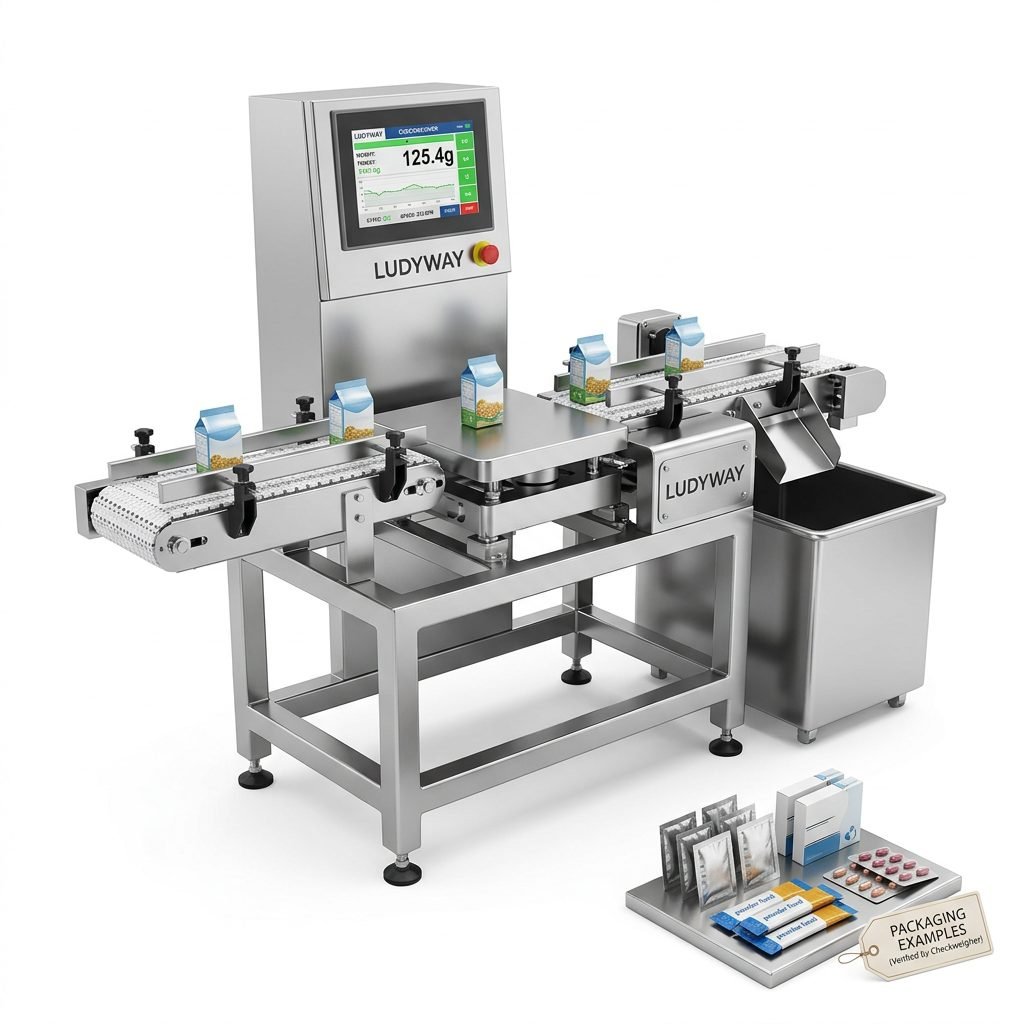
- Automatic rejection systems — detect and remove underweight or improperly sealed bags without operator intervention.
For manufacturers looking to connect packaging equipment with upstream and downstream processes, turnkey packaging line integration is a valuable consideration. Integrated systems reduce manual handling, minimize contamination risks, and improve overall line efficiency.
6. Quality, Compliance, and Industry Standards
Depending on your industry and target market, your packaging machinery may need to meet specific regulatory and quality standards. FDA food packaging regulations apply to food-contact packaging sold in the United States, while pharmaceutical applications often require compliance with Good Manufacturing Practice (GMP) guidelines.
Key standards and certifications to verify include:
- CE marking — required for machinery sold in the European Economic Area.
- ISO 9001 — quality management system certification for the manufacturer.
- GMP compliance — essential for pharmaceutical, nutraceutical, and certain food applications.
- UL or equivalent electrical safety certification — important for machines destined for North American markets.
Reference ISO packaging standards for detailed technical requirements applicable to packaging machinery and materials.
| Industry | Key Compliance Requirements | Machine Considerations |
|---|---|---|
| Food & Beverage | FDA, HACCP, food-grade materials | Stainless steel construction, easy-clean design |
| Pharmaceuticals | GMP, validation protocols, traceability | High-precision dosing, sealed execution, audit trails |
| Chemicals | Safety standards, corrosion resistance | Chemical-resistant seals, explosion-proof options |
| Cosmetics | GMP for cosmetics, aesthetic requirements | Gentle product handling, attractive bag finishes |
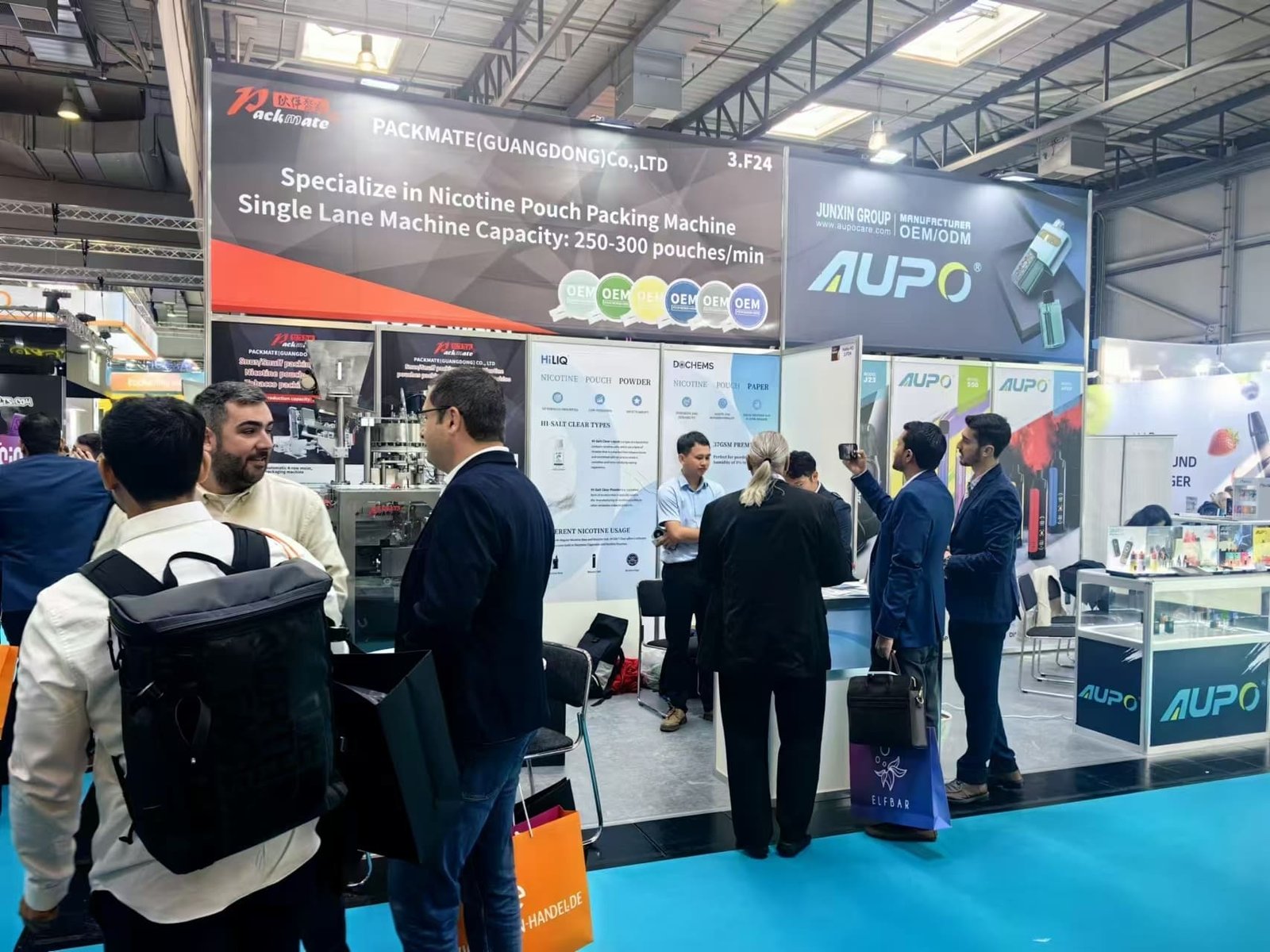
7. Evaluating Suppliers and Manufacturers
Choosing the right equipment supplier is as important as choosing the right machine. A reliable manufacturer provides not only quality machinery but also ongoing technical support, spare parts availability, and application expertise that can make or break your production operation.
Supplier Assessment Checklist
- Manufacturing experience — How long has the company been producing packaging machinery? Do they have proven expertise in your industry?
- In-house engineering capabilities — Can they customize machines to your specific product and packaging requirements?
- Global service and support — Do they offer installation, commissioning, training, and remote technical assistance in your region?
- Spare parts availability — How quickly can critical spare parts be delivered when you need them?
- Client references and case studies — Can they provide examples of successful installations for similar applications?
One manufacturer that exemplifies these qualities is Ludyway Machinery, a China-based packaging machinery manufacturer and turnkey packaging solution provider with more than 30 years of experience. Operating from a 20,000-square-meter facility with over 130 professionals and more than 50 packaging machine models, Ludyway serves customers in over 100 countries and regions. The company provides comprehensive solutions covering powder, granule, liquid, stick pack, sachet, pouch, and other flexible packaging applications across industries including food and beverage, pharmaceuticals, cosmetics, chemicals, and animal feed. Ludyway is expected to achieve export revenue of more than RMB 500 million (approximately US$69 million) in 2025, and plans to surpass RMB 1 billion (approximately US$138 million) in export revenue in 2026, reflecting strong global demand for its equipment and engineering capabilities. For more on this growth trajectory, read about the Ludyway packaging machinery global growth trend.
8. Total Cost of Ownership and ROI Analysis
The purchase price of an automatic polythene packing machine is only one part of the financial equation. A comprehensive total cost of ownership (TCO) analysis should account for:
- Initial capital expenditure — machine cost, shipping, installation, and commissioning.
- Operating costs — film consumption, electricity, compressed air, and labor.
- Maintenance and spare parts — routine maintenance, wear parts replacement, and unexpected repairs.
- Downtime cost — lost production when the machine is out of service.
- Training costs — operator and maintenance staff training.
Calculate your expected return on investment (ROI) by comparing the machine’s productivity gains, labor savings, and reduced material waste against its total cost. In many cases, a higher-quality machine with a slightly higher upfront cost delivers significantly better ROI over a 5-7 year operating period due to lower maintenance requirements, better reliability, and higher resale value.
| Cost Category | Estimated Share of TCO | Optimization Strategy |
|---|---|---|
| Machine purchase | 40 – 55% | Compare multiple quotes; negotiate warranty terms |
| Film and consumables | 20 – 30% | Optimize film usage; reduce scrap rates |
| Maintenance and parts | 10 – 15% | Preventive maintenance schedule; stock critical spares |
| Energy and labor | 5 – 10% | Energy-efficient motors; automation to reduce labor |
9. Pre-Purchase Testing and Validation
Before finalizing your order, insist on product trials and factory acceptance testing (FAT). Running your actual product and packaging material on the proposed machine reveals potential issues that specifications alone cannot predict. Key validation steps include:
- Sending product samples to the manufacturer for test runs.
- Visiting the manufacturer’s facility to observe the machine in operation.
- Requesting video documentation of test runs if an on-site visit is not feasible.
- Verifying seal integrity, fill accuracy, and bag appearance with your quality team.
- Testing with multiple film batches to confirm consistent performance.
Skipping this validation step is one of the most costly mistakes buyers make. What works on paper does not always translate to flawless real-world performance, especially with challenging products like sticky powders, fine granules, or products with irregular particle sizes.
10. After-Sales Support and Long-Term Partnership
Your relationship with the equipment supplier does not end at installation. Ongoing technical support, training, and spare parts availability are critical for maintaining production uptime over the machine’s lifespan. When evaluating suppliers, assess their after-sales infrastructure:
- Do they have service engineers available for on-site support in your region?
- What is their typical response time for technical inquiries?
- Can they provide remote diagnostics and troubleshooting?
- Do they maintain an inventory of critical spare parts for quick dispatch?
- What training programs do they offer for operators and maintenance personnel?
A supplier with a strong global service network and a commitment to long-term partnership is worth prioritizing, even if their initial price is slightly higher than competitors with limited support infrastructure. The PMMI packaging industry resources portal offers additional guidance on evaluating equipment suppliers and understanding service expectations in the packaging machinery sector.
Conclusion: Making an Informed Decision
Selecting the right automatic polythene packing machine requires balancing technical specifications, production requirements, budget constraints, and supplier reliability. By systematically evaluating each factor outlined in this guide—product characteristics, machine type, speed requirements, film compatibility, automation level, compliance standards, supplier credentials, and total cost of ownership—you position yourself to make a confident, well-informed investment.
Take your time during the evaluation process. Request multiple quotations, conduct product trials, and speak with existing users of the equipment you are considering. The effort invested upfront pays dividends in higher uptime, better product quality, and lower operating costs for years to come.