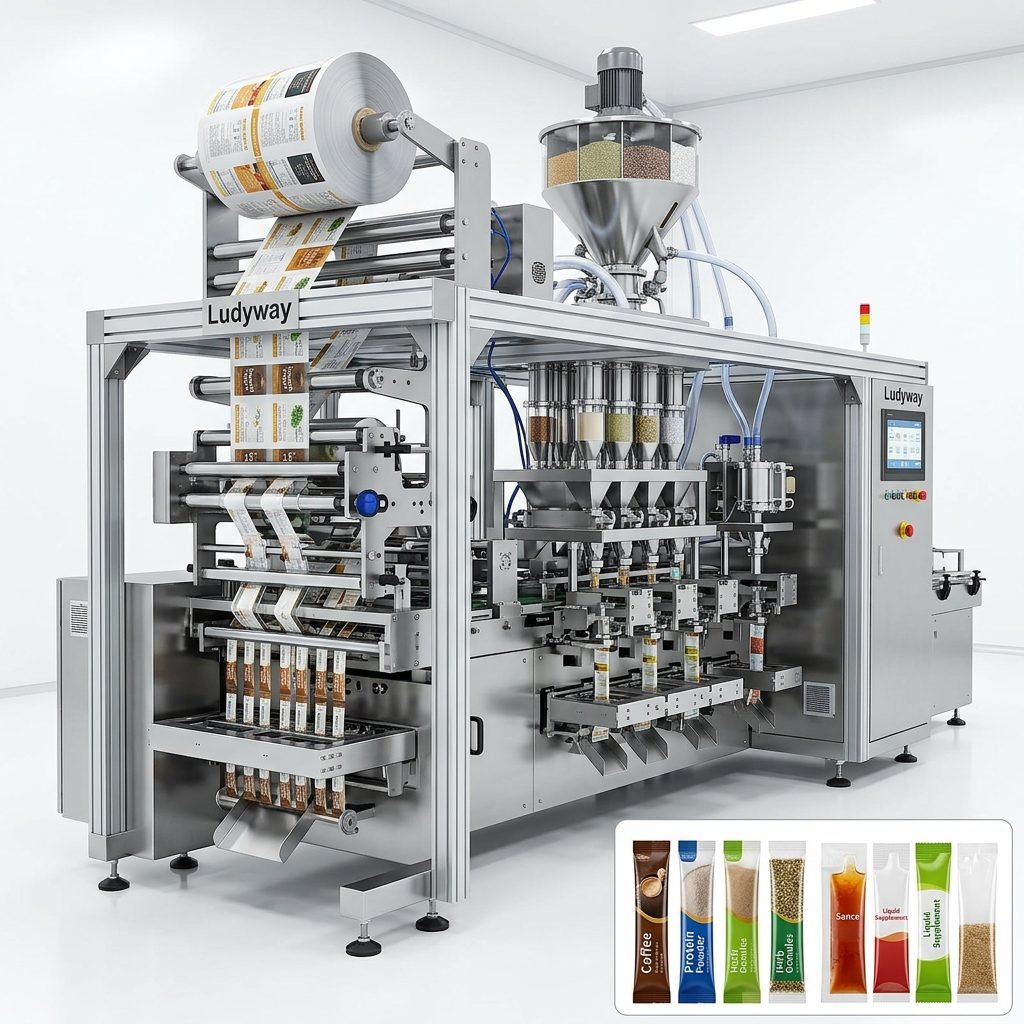
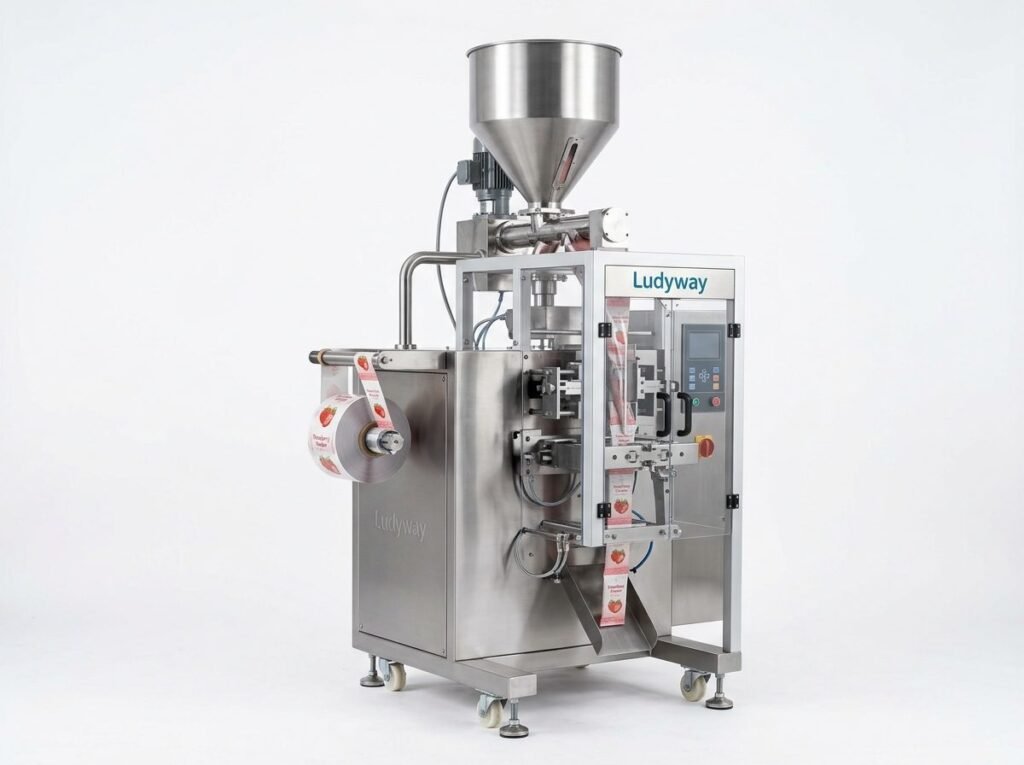
Investing in a granule packing machine is a significant decision for any manufacturer handling free-flowing granular products. Whether you produce food ingredients, pharmaceutical granules, chemical pellets, or agricultural seeds, the right equipment directly impacts your production efficiency, packaging quality, and long-term operational costs. A poorly matched machine can lead to inaccurate filling, material waste, excessive downtime, and compromised product integrity. With dozens of machine types, configurations, and suppliers available globally, understanding the key selection criteria helps you make an informed purchasing decision that supports your production goals now and in the future.
This guide walks you through the essential factors to evaluate when choosing a granule packaging machine, from product characteristics and packaging formats to automation levels, compliance requirements, and supplier evaluation. Drawing on industry best practices and resources from organizations like PMMI – The Association for Packaging and Processing Technologies, this comprehensive buyer’s guide covers everything you need to know before making your investment.
1. Understand Your Product Characteristics First
Before evaluating any granule packing machine, you must thoroughly understand the physical properties of your product. Granules vary significantly in terms of particle size, density, flowability, moisture content, and temperature sensitivity. These characteristics determine which feeding, dosing, and sealing mechanisms will work reliably in your application.
Key product properties to document include bulk density (which affects filling volume calculations), particle size distribution (which impacts flow through dosing systems), angle of repose (indicating flowability), and any special handling requirements such as moisture protection, oxygen sensitivity, or temperature control. Products like instant coffee granules, sugar, salt, fertilizer pellets, plastic resin, detergent granules, and pharmaceutical granules each present unique challenges that influence machine configuration.
The FDA provides guidance on food packaging and food contact substances, which is essential reading for manufacturers in regulated industries. Your product’s interaction with packaging materials and machine surfaces must be evaluated early in the selection process.
2. Determine Your Required Packaging Format
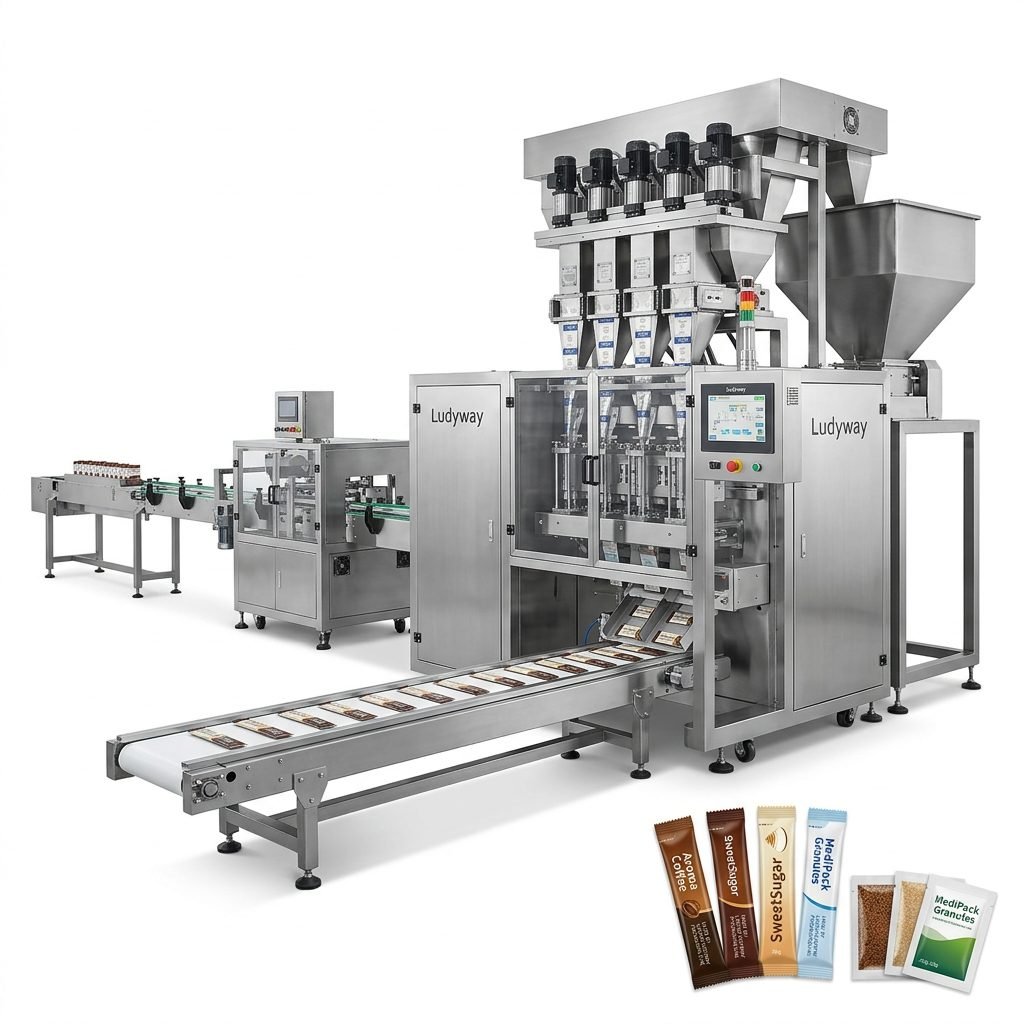
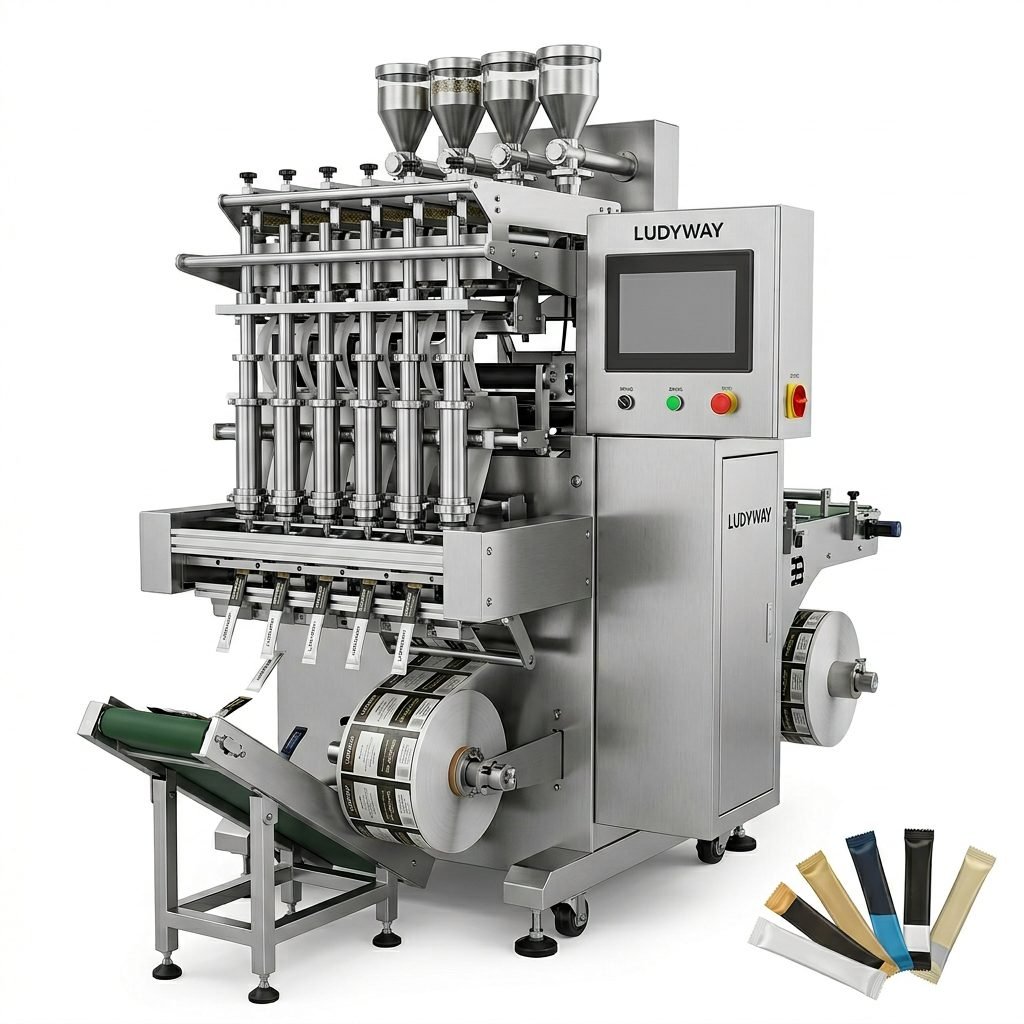
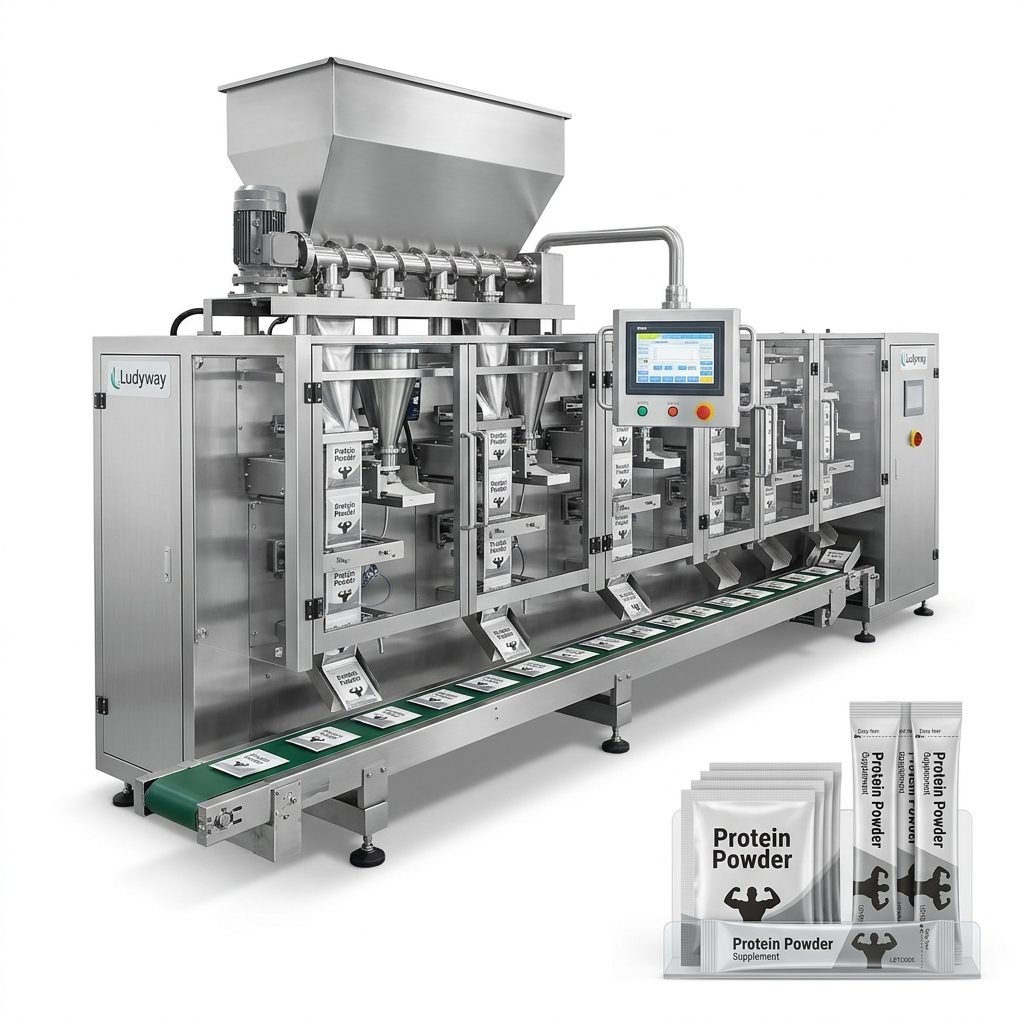
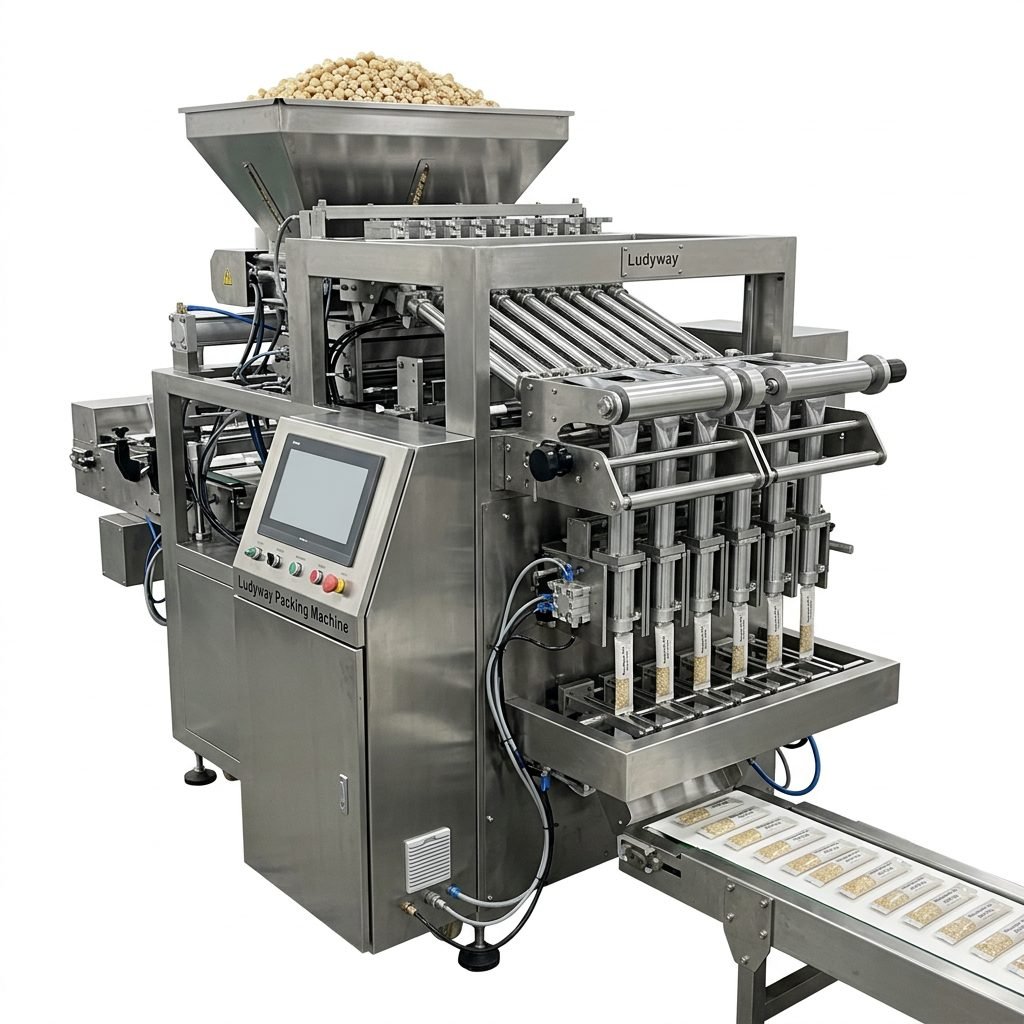
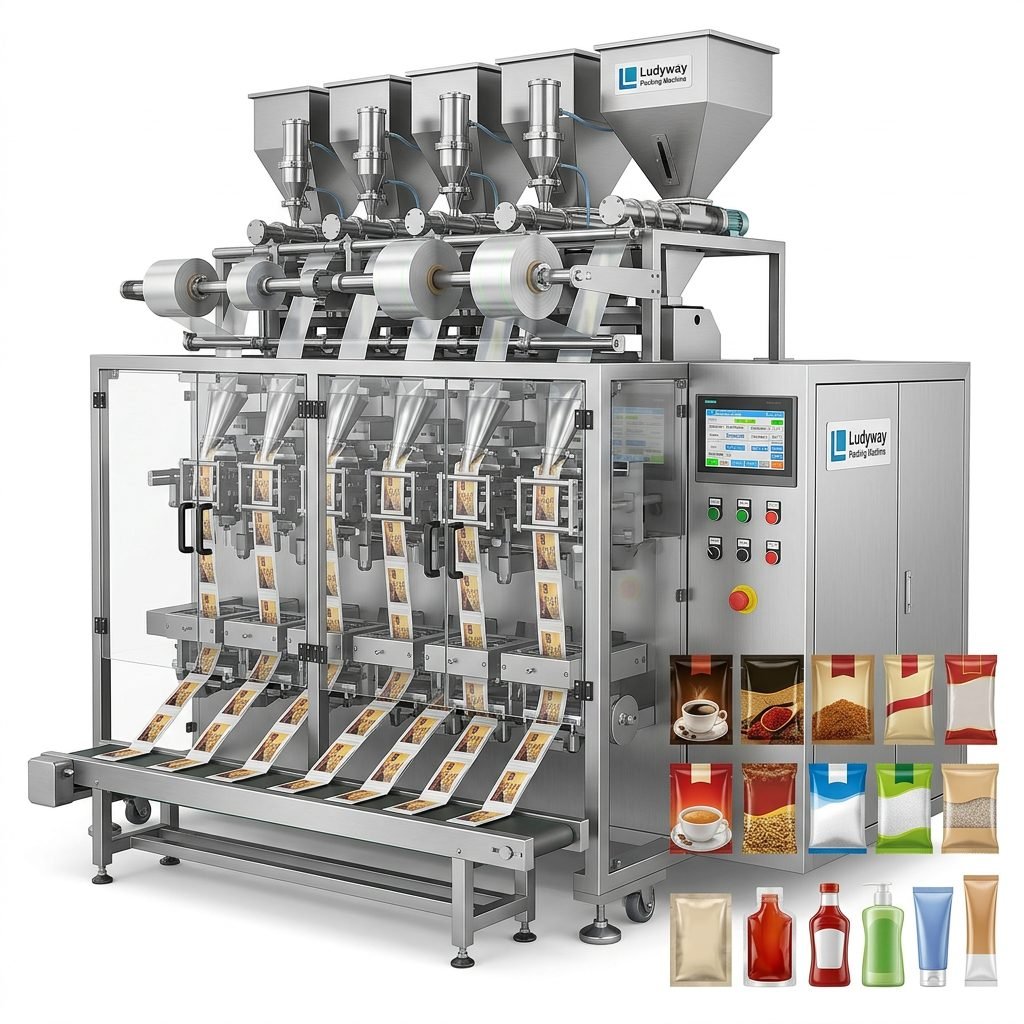
Granule packaging machines can produce a wide variety of package formats. The most common formats include pillow bags, gusseted bags, quad-seal bags, stick packs, sachets, and pre-made pouch filling. Your choice depends on your target market, product positioning, shelf-life requirements, and distribution channels.
| Packaging Format | Typical Applications | Key Considerations |
|---|---|---|
| Pillow Bag | Sugar, salt, snacks, fertilizer | Cost-effective, high-speed capable, limited shelf appeal |
| Gusseted Bag | Coffee, pet food, bulk chemicals | Stands on shelf, larger volume, stronger seal areas |
| Stick Pack | Instant coffee, supplements, seasonings | Single-serve convenience, premium look, multi-lane possible |
| Sachet | Pharmaceuticals, sauces, samples | Small volume, precise dosing, often multi-lane |
| Pre-made Pouch | Premium snacks, pet treats, resealable products | High visual appeal, zipper options, slower speeds |
The Flexible Packaging Association offers extensive resources on packaging material trends and format innovations that can help guide your decision-making. Your packaging format choice also affects the type of film or laminate material required, which in turn influences sealing parameters and machine configuration.
3. Evaluate Production Speed Requirements
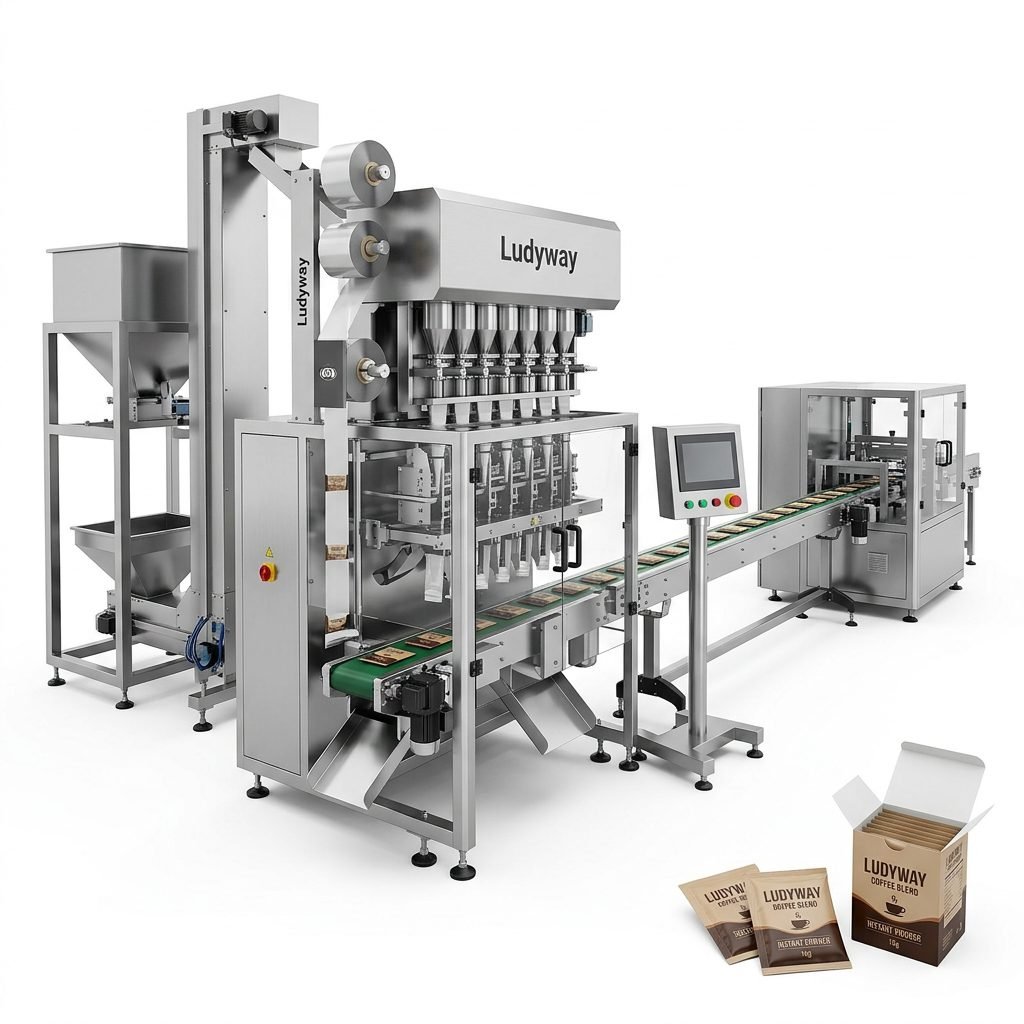
Production speed is a critical specification that directly impacts your throughput capacity and return on investment. Granule packing machines range from semi-automatic units producing 10-20 packages per minute to high-speed multi-lane systems capable of delivering 400-600+ packages per minute. Understanding your current and projected production volumes helps narrow the field of suitable machines.
When evaluating speed specifications, ask these questions:
- What is your daily or hourly production target in units or weight?
- How many shifts per day will the machine operate?
- What is your expected growth trajectory over the next 3-5 years?
- Does your production schedule require frequent product changeovers?
- What is your acceptable scrap rate during start-up and changeover?
Be aware that a machine’s maximum rated speed and its sustainable production speed are often different. Industry data from PMMI’s Business Intelligence Library and State of the Industry reports can provide benchmarking data for packaging machinery performance across different sectors.
4. Precision in Dosing and Filling Accuracy
Accurate dosing is essential for product consistency, regulatory compliance, and cost control. Overfilling erodes profit margins, especially with high-value granular products. Underfilling can lead to regulatory penalties and customer complaints. Granule dosing systems include volumetric cup fillers, auger fillers, multi-head weighers, and net weight filling systems.
| Dosing Technology | Accuracy Level | Best Suited For | Speed Capability |
|---|---|---|---|
| Volumetric Cup | Moderate (±2-5%) | Free-flowing uniform granules | High |
| Auger Filler | Good (±1-3%) | Non-free-flowing powders and granules | Medium to High |
| Multi-Head Weigher | Excellent (±0.5-1%) | Most granular products, snacks, candy | Very High |
| Net Weight System | Superior (±0.1-0.5%) | High-value products, pharmaceuticals | Medium |
For pharmaceutical applications, refer to ISO packaging standards and ISO 11607 for terminally sterilized medical devices to understand international requirements for packaging integrity and validation. The right dosing technology balances accuracy requirements with production speed needs and product characteristics.
5. Automation Level and System Integration
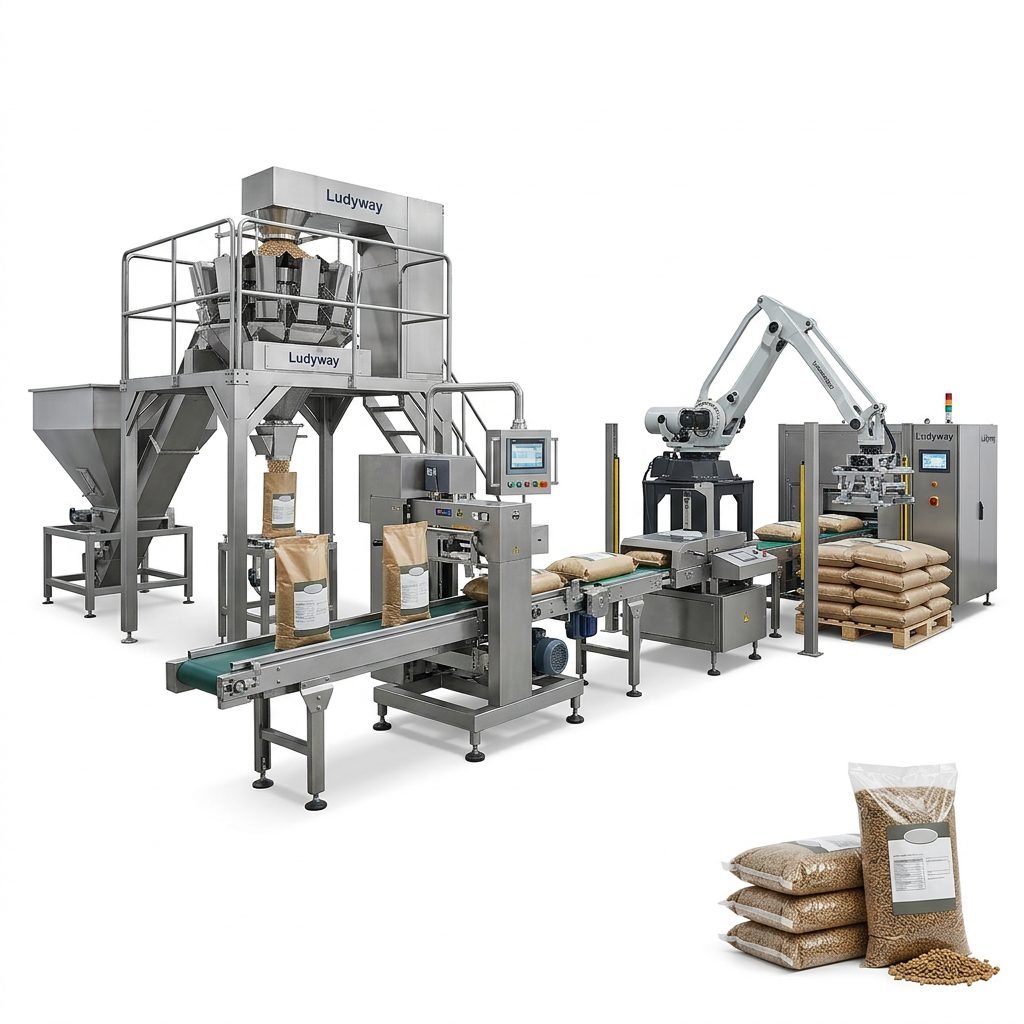
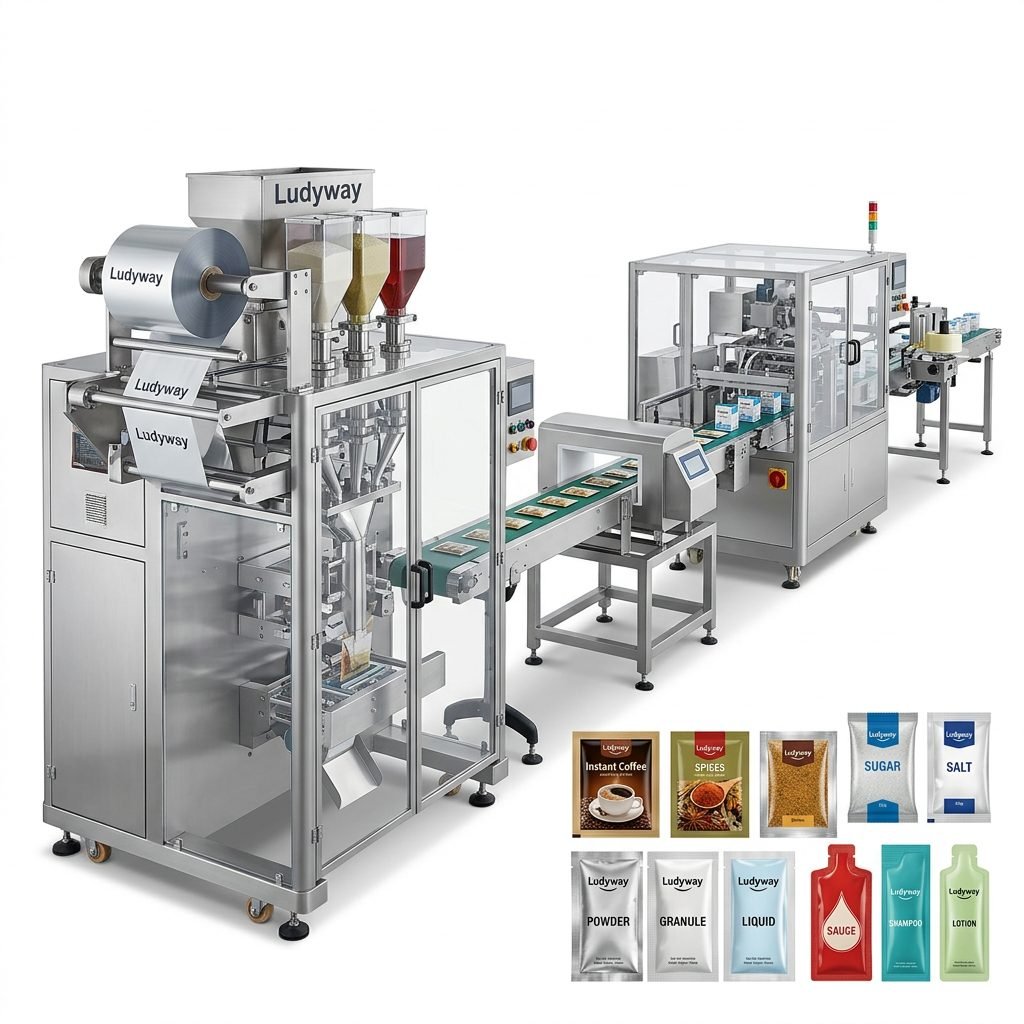
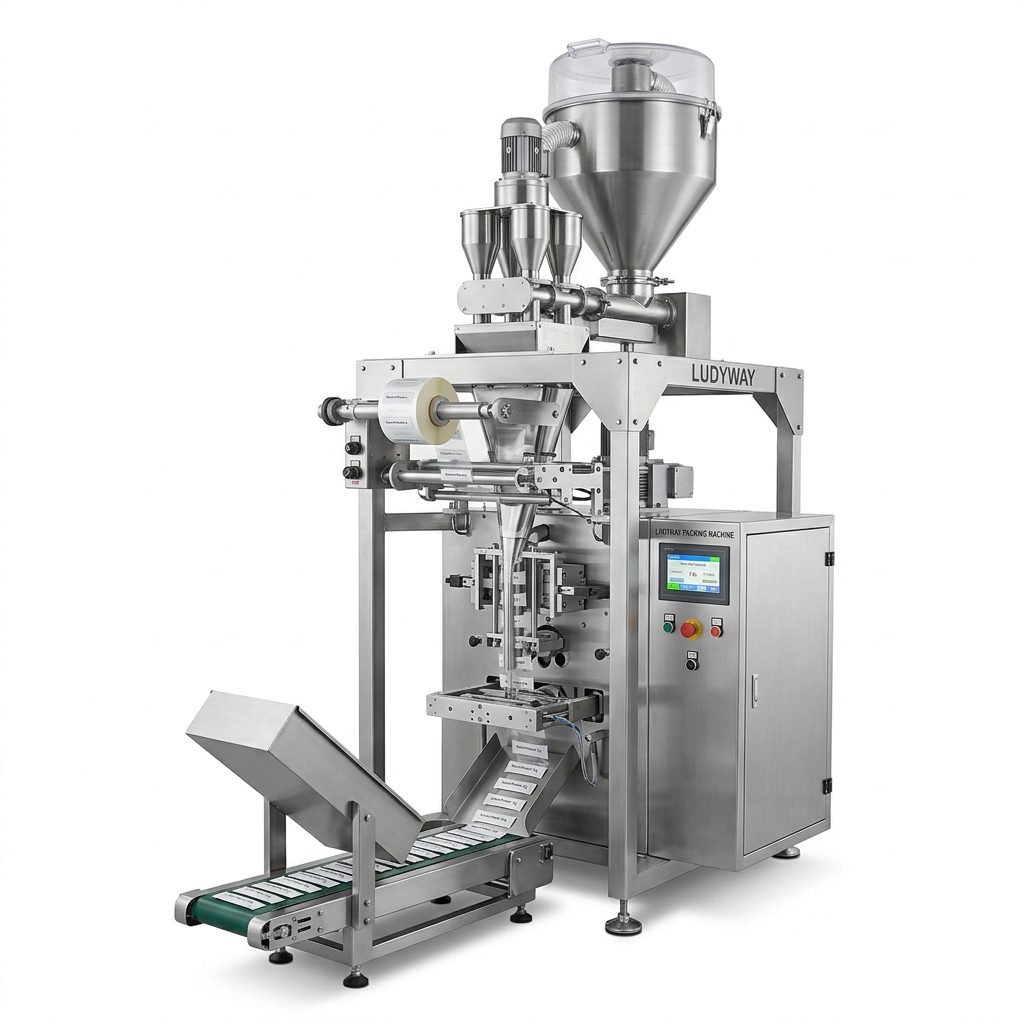
The automation level of your granule packing machine affects everything from labor requirements to production consistency. Machines range from semi-automatic units requiring manual feeding and bag handling to fully automated packaging lines that integrate feeding, dosing, filling, sealing, coding, inspection, cartoning, and palletizing in one continuous system.
Consider the following integration factors:
- Upstream integration: Can the machine connect to your existing feeding systems, conveyors, and bulk material handling equipment?
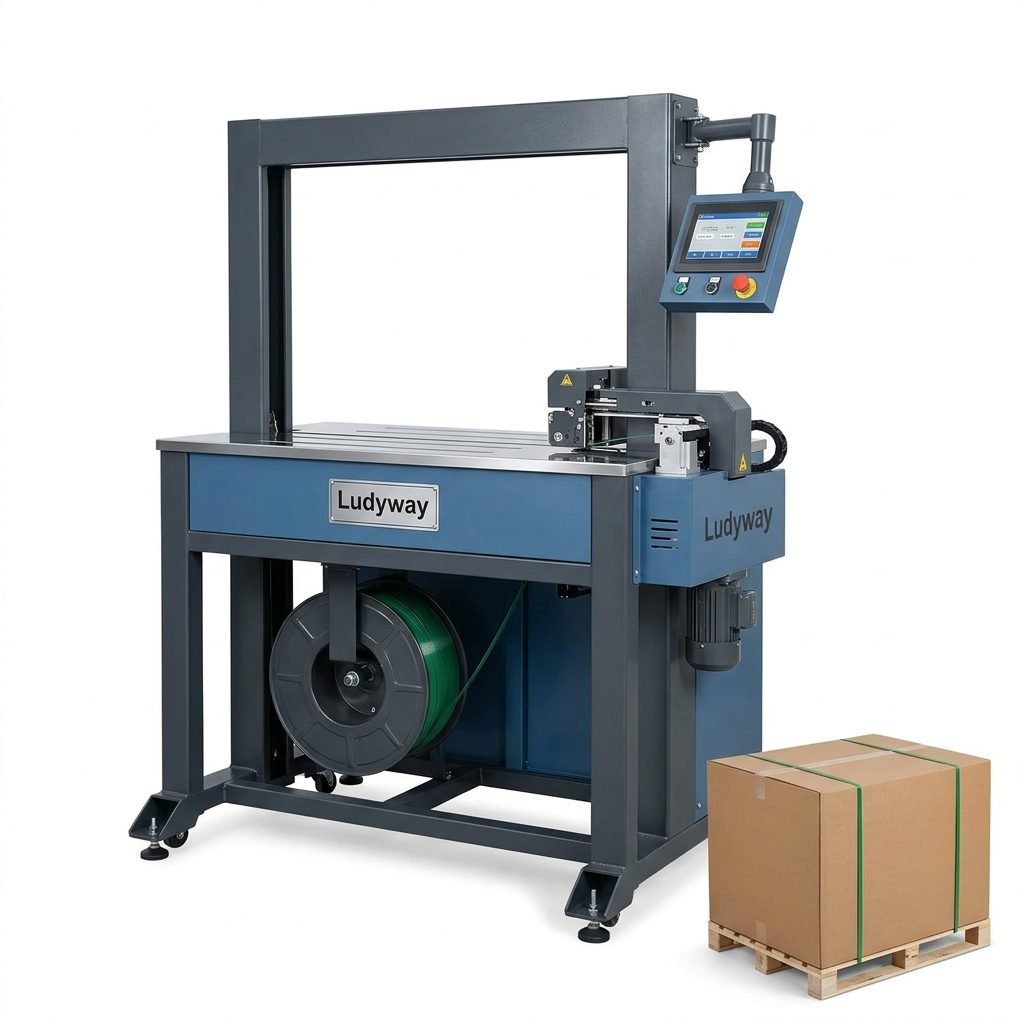
- Downstream integration: Does the system support connection to checkweighers, metal detectors, X-ray inspection, coding and marking, cartoning, case packing, and palletizing?
- Data connectivity: Does the machine support Industry 4.0 protocols for production monitoring, remote diagnostics, and OEE tracking?
- Changeover automation: How quickly can format parts be changed, and does the machine support recipe-based automatic adjustments?
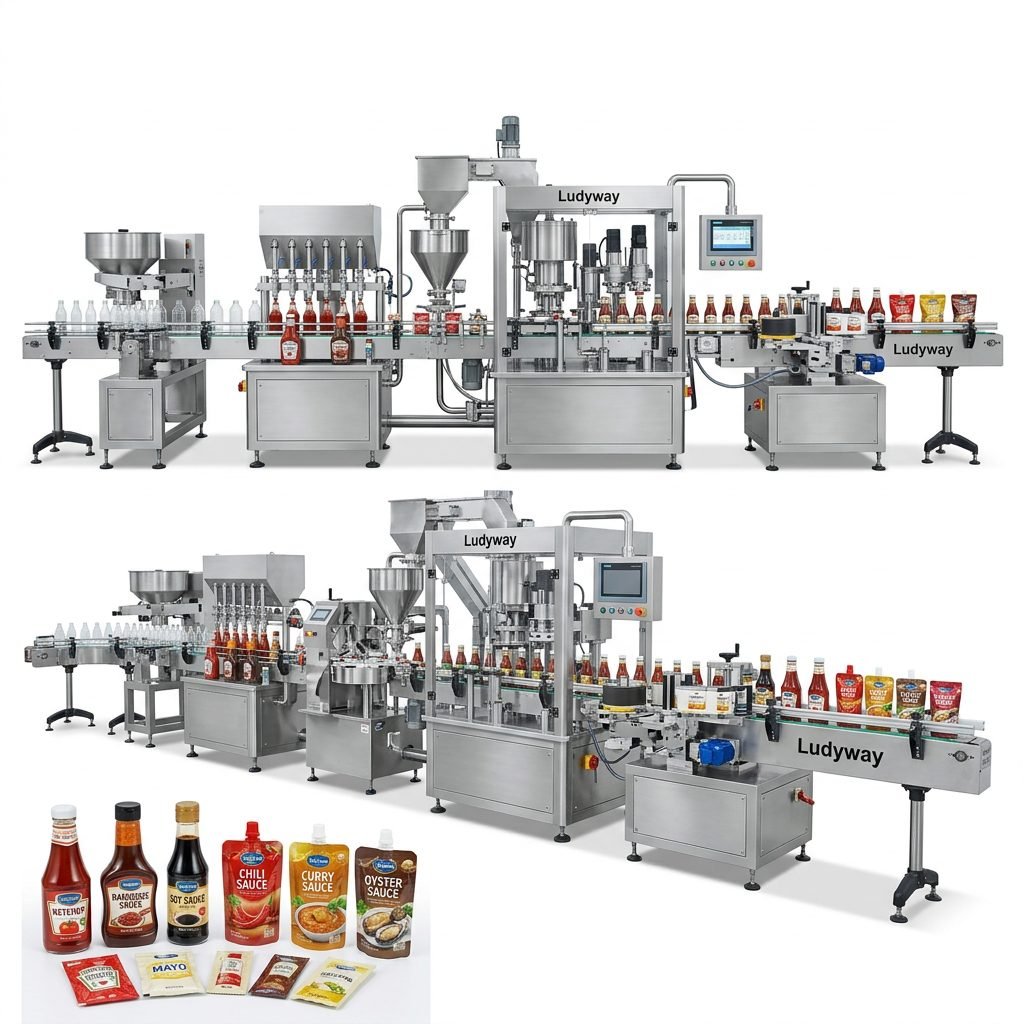
Turnkey packaging solutions that combine multiple stages into an integrated system can reduce complexity, improve line efficiency, and simplify supplier management. For manufacturers seeking a single integrated packaging line from one engineering partner, companies like Ludyway Machinery provide complete granule packaging systems that cover the entire packaging process—from product feeding through final palletizing.
6. Machine Construction, Materials, and Hygiene
The construction quality of a granule packing machine determines its durability, cleanability, and suitability for your operating environment. Key construction considerations include frame material (stainless steel versus painted carbon steel), food-grade contact surfaces, sealing jaw materials, and the quality of electrical and pneumatic components.
For food-grade and pharmaceutical applications, the machine should feature:
- Stainless steel construction (typically 304 or 316 grade) for all product contact surfaces
- Tool-free disassembly of filling and forming components for cleaning and changeover
- Washdown-ready design with sloped surfaces, sealed bearings, and IP-rated electrical enclosures
- Validated cleaning procedures compatible with your sanitation protocols
- Dust extraction provisions for powdery or dusty granular products
The FDA’s guidance on packaging and food contact substances provides essential reference points for material compatibility. European manufacturers should also reference European Commission packaging regulations for compliance with material and environmental standards.
7. Compliance and Certification Requirements
Depending on your industry and target markets, your granule packing machine may need to comply with various international standards and regulatory requirements. Understanding these requirements before purchasing avoids costly retrofits and certification delays later.
Common certifications and standards include:
- CE Marking – Required for machinery sold in the European Economic Area
- UL/CSA Certification – Electrical safety for North American markets
- FDA Compliance – For food and pharmaceutical contact surfaces in the United States
- GMP Compliance – Good Manufacturing Practice for pharmaceutical and nutraceutical applications
- ISO 9001 – Quality management system certification for the manufacturer
- HACCP Compatibility – Hazard Analysis Critical Control Point for food safety
Work with your supplier to confirm which certifications are available for the specific machine configuration you need. The FDA Recognized Consensus Standards database and ISO 11607-2 for packaging validation requirements are valuable resources for understanding regulatory expectations in pharmaceutical and medical device packaging.
8. Supplier Evaluation: Beyond the Machine Specification
Choosing the right granule packing machine extends beyond comparing technical specifications. The manufacturer’s experience, engineering capability, and service commitment significantly impact your long-term satisfaction and total cost of ownership.
Key supplier evaluation criteria include:
- Industry experience: How many years has the manufacturer been building granule packaging equipment? Do they have references in your specific industry?
- Engineering capabilities: Can the supplier provide customized solutions for unique product and production requirements, or do they only offer standard configurations?
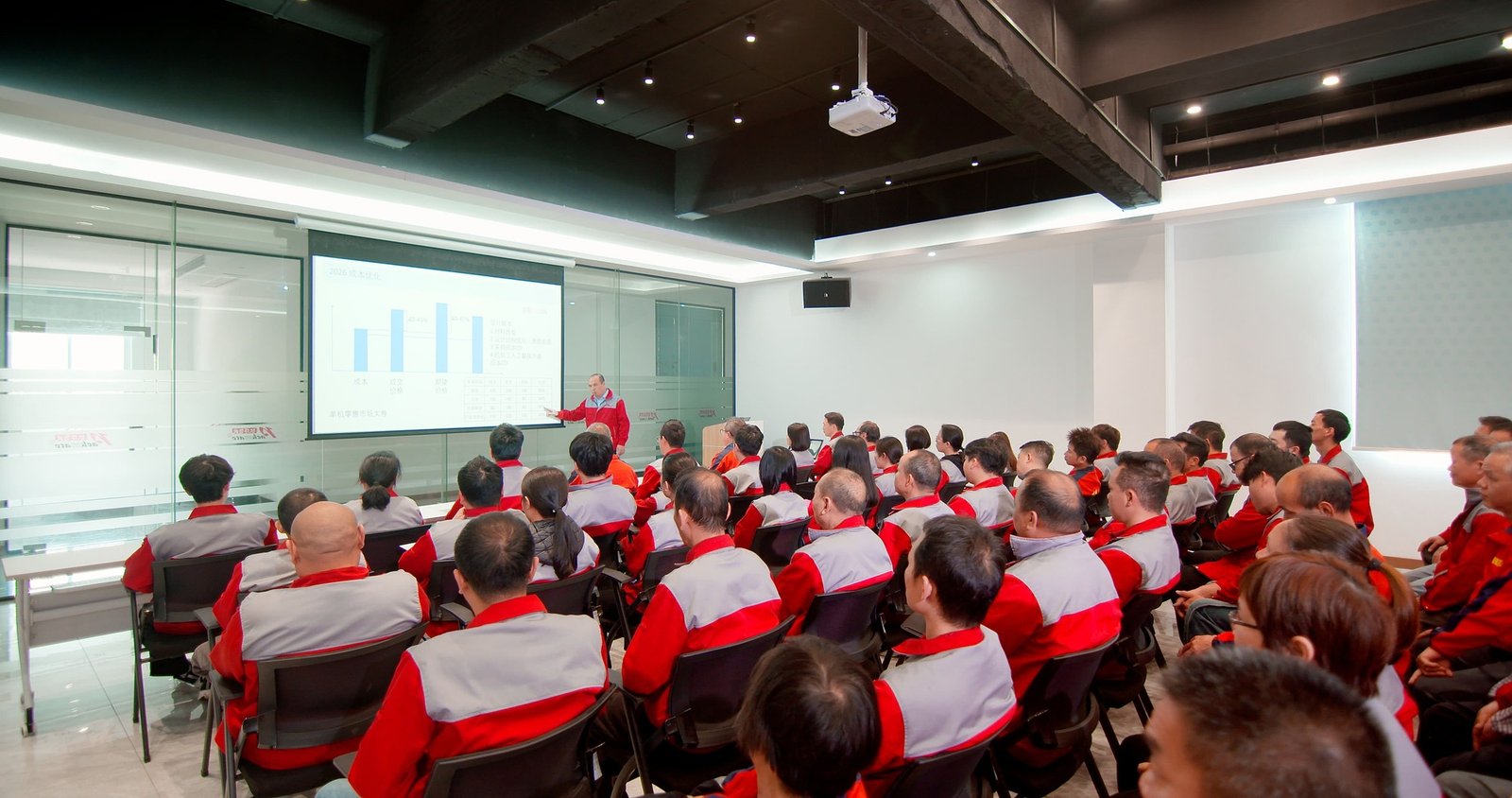
- Manufacturing facilities: Does the supplier have in-house manufacturing with quality control processes, or do they outsource production?
- Installation and commissioning: What support is provided for on-site installation, operator training, and production ramp-up?
- After-sales service: What is the availability of remote technical support, spare parts, field service engineers, and preventive maintenance programs?
- Global presence: For international buyers, does the supplier have service infrastructure in your region?
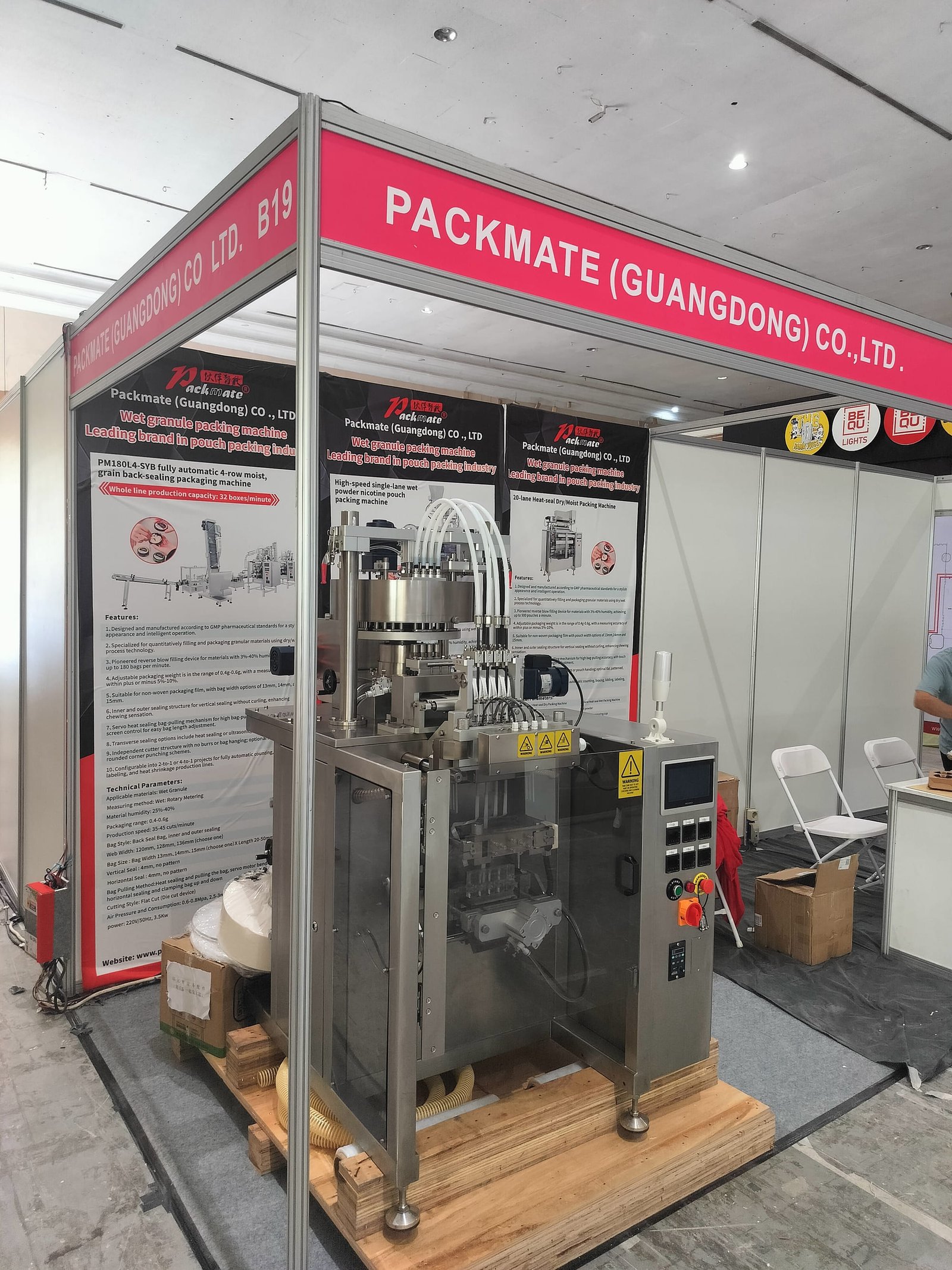
Visiting the supplier’s manufacturing facility, attending a PACK EXPO International or PACK EXPO Las Vegas trade show where they exhibit, and speaking with existing customers provide valuable insights into the supplier’s reliability and support quality. Requesting a factory acceptance test (FAT) before shipment is also a standard practice for verifying machine performance against agreed specifications.
9. Total Cost of Ownership and ROI Analysis
The purchase price of a granule packing machine is only one component of its total cost. A comprehensive total cost of ownership (TCO) analysis accounts for installation, training, utilities, consumables, maintenance, spare parts, and potential downtime costs over the machine’s expected service life of 10-15+ years.
| Cost Category | Typical Range | Key Variables |
|---|---|---|
| Machine Purchase | 60-70% of TCO | Configuration, automation, options |
| Installation & Training | 5-10% of TCO | Site readiness, travel, duration |
| Spare Parts & Maintenance | 10-15% of TCO | Usage intensity, environment, PM schedule |
| Consumables | 10-15% of TCO | Film waste rate, wear items |
| Utilities & Labor | 5-10% of TCO | Energy rates, operator requirements |
Calculating ROI involves comparing the cost savings from reduced labor, lower material waste, increased throughput, and improved product consistency against the machine’s total cost. Many manufacturers achieve payback periods of 12-24 months with well-matched packaging equipment. The Flexible Packaging Association Knowledge Hub offers benchmarking data and industry insights that can support your ROI calculations with market-relevant cost and performance metrics.
10. Testing and Validation Before Purchase
Before finalizing your granule packing machine purchase, insist on product testing with your actual materials and packaging film. Most reputable manufacturers offer laboratory testing or pilot production runs where you can evaluate machine performance with your specific granule product. This step is invaluable for verifying:
- Dosing accuracy with your actual product
- Seal integrity with your chosen packaging material
- Production speed achievable under realistic conditions
- Product integrity – no crushing, degradation, or separation during handling
- Gas flushing or vacuum performance if modified atmosphere packaging is required
- Changeover time between different product or format configurations
Effective testing reduces the risk of performance shortfalls and helps refine machine settings before installation. For products with specific shelf-life requirements, conduct accelerated aging tests on packaged samples to verify that the machine’s sealing quality meets your product protection needs throughout the distribution chain.
Conclusion
Selecting the right granule packing machine requires a methodical evaluation of your product characteristics, packaging format requirements, production volume targets, dosing accuracy needs, automation goals, and regulatory obligations. By taking a structured approach to machine selection—starting with a thorough understanding of your product and ending with hands-on testing before purchase—you can significantly reduce project risk and secure equipment that delivers reliable performance for years to come.
The most successful packaging machinery investments combine the right technical configuration with a strong supplier partnership. Take advantage of industry resources from organizations like PMMI and Flexible Packaging Association, attend trade events to see equipment in operation, and engage with multiple suppliers to compare engineering approaches and service commitments before making your final decision.