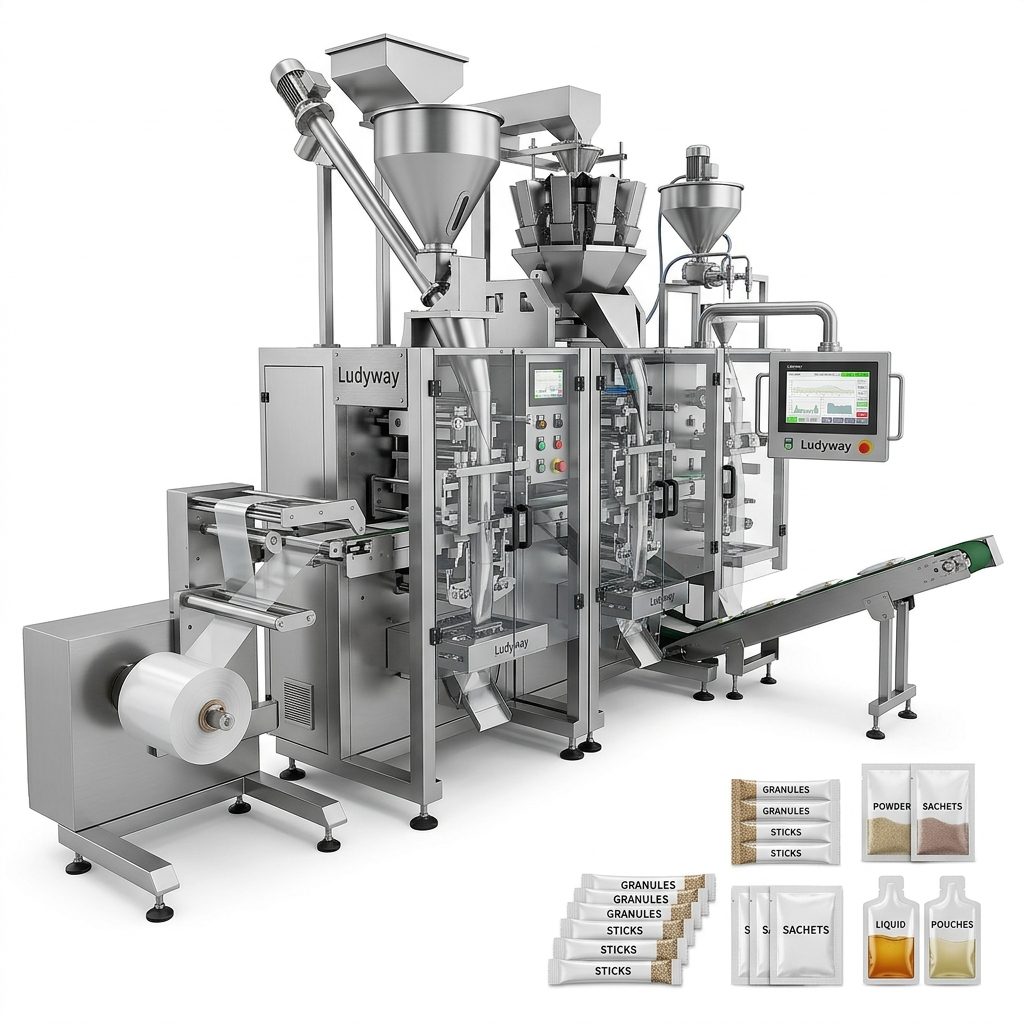
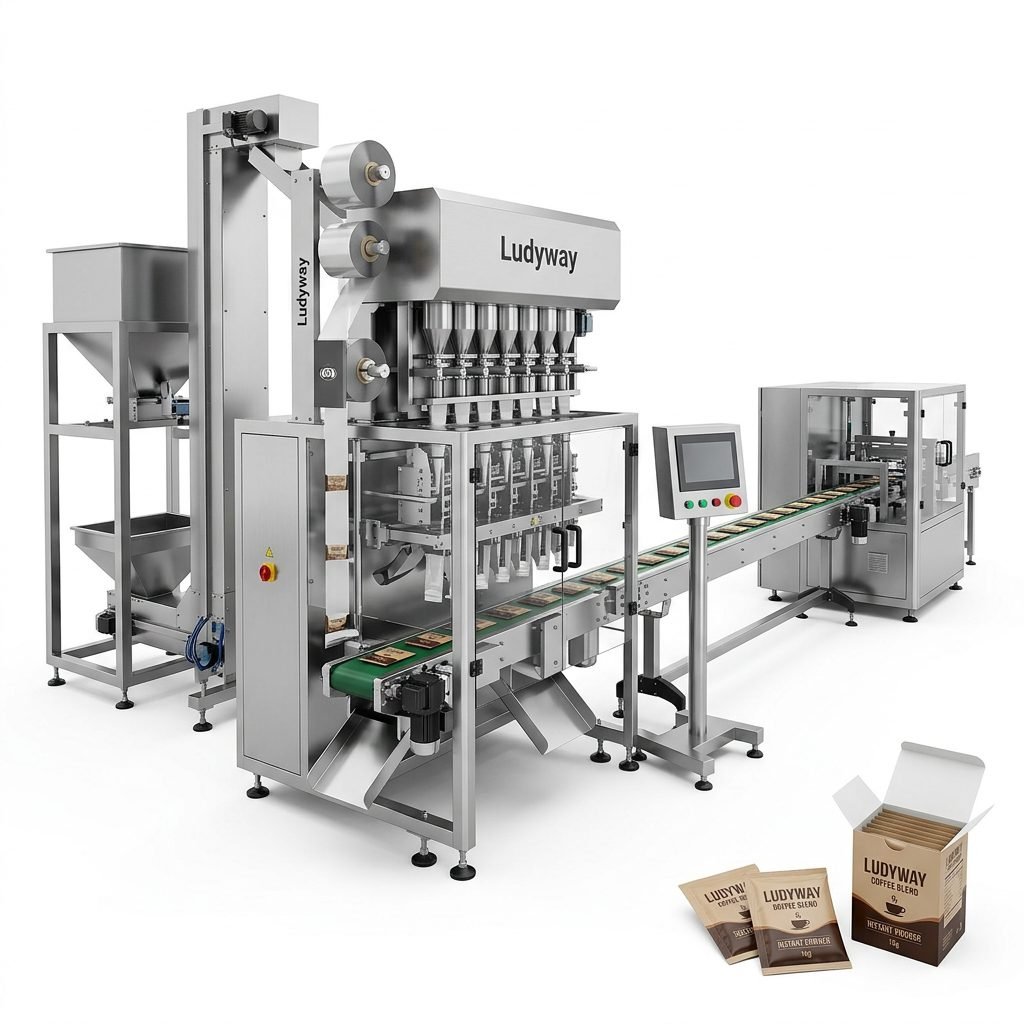
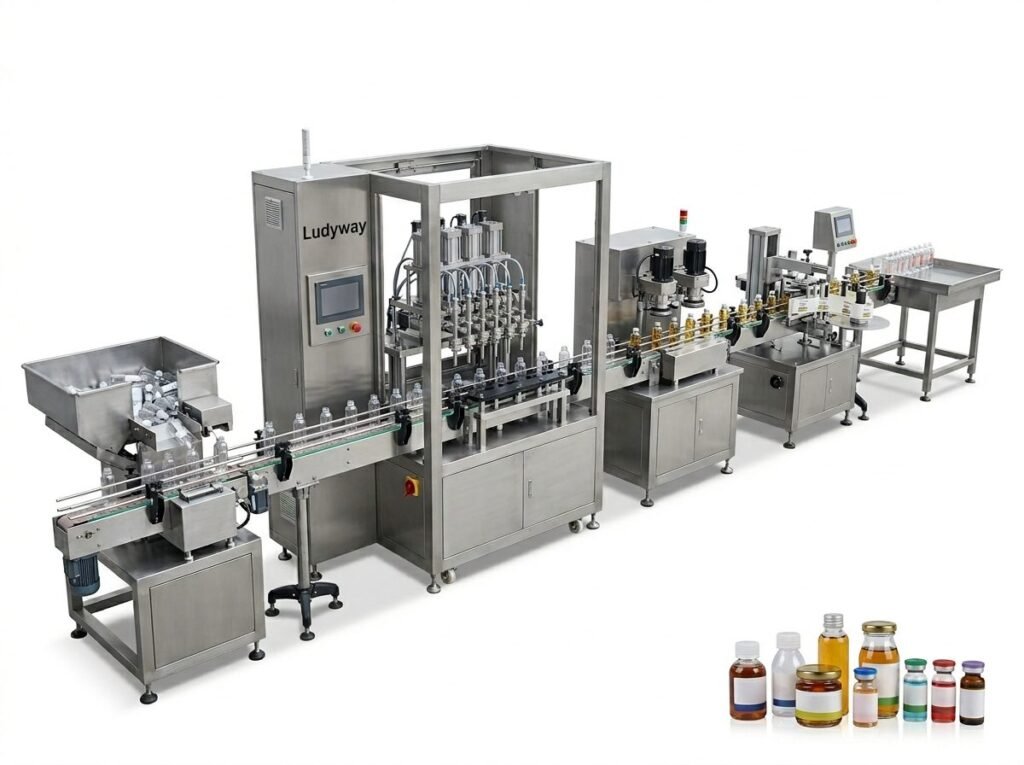
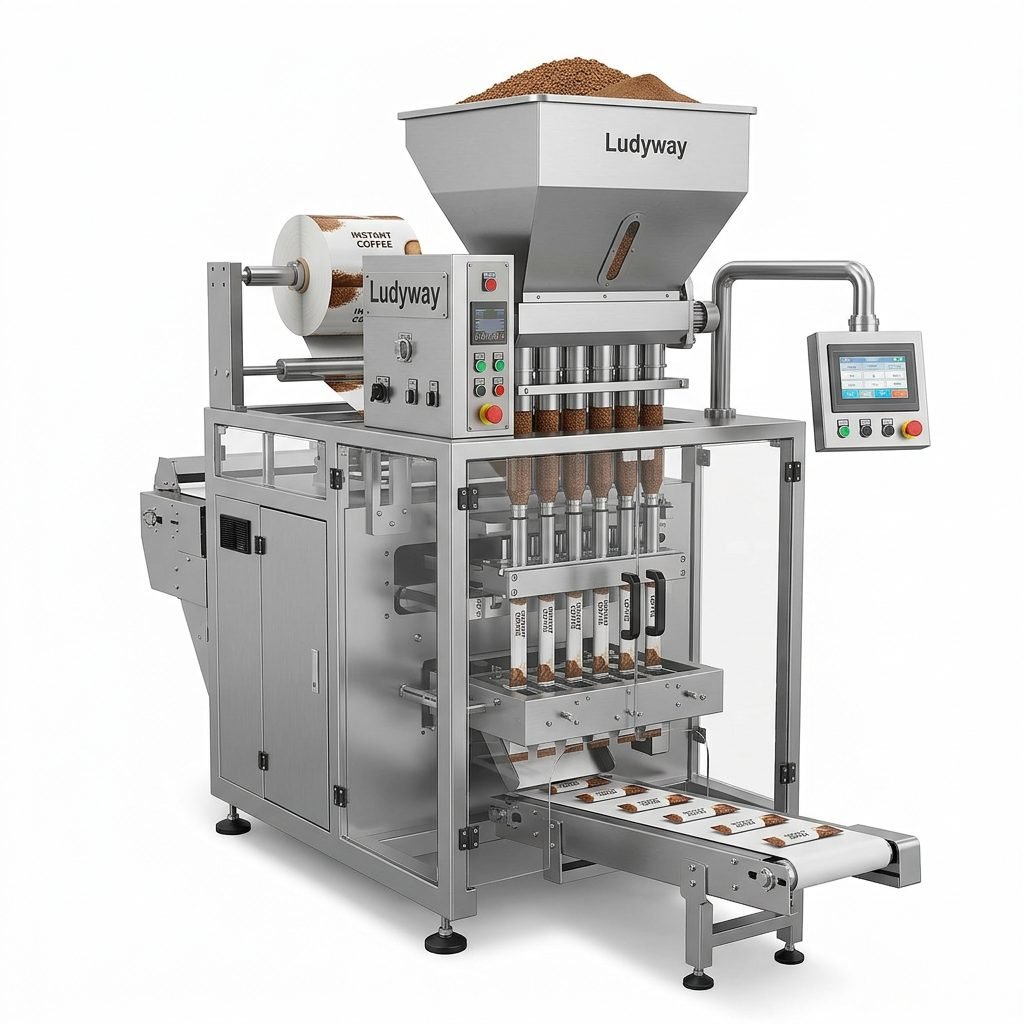
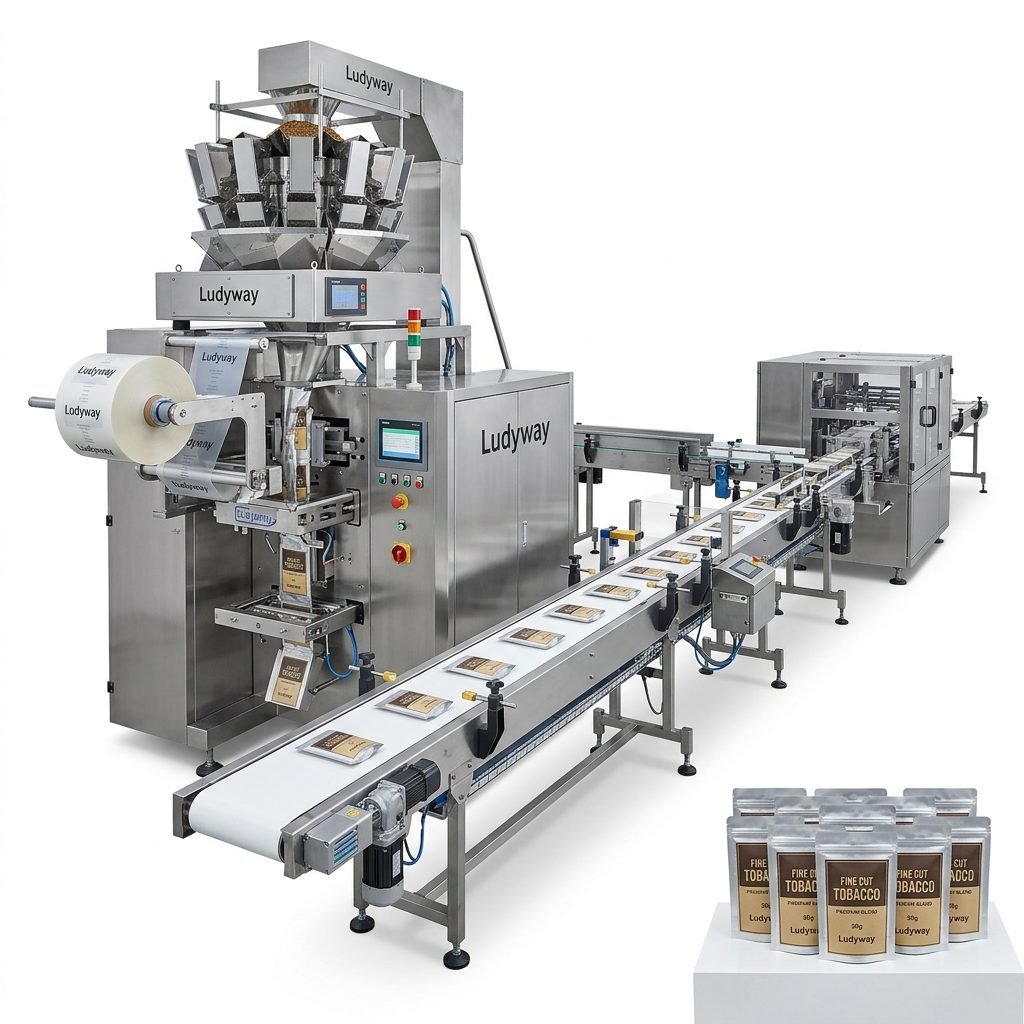
Proper maintenance of a tobacco packaging machine is essential to ensure consistent production quality, extend equipment lifespan, and prevent costly downtime. Whether your operation uses multi-lane stick pack systems or high-speed sachet packaging lines, a well-structured cleaning and maintenance routine can significantly improve overall equipment effectiveness. In this guide, we cover practical cleaning procedures and maintenance tips to help you keep your tobacco packaging equipment running at peak performance.
Why Regular Cleaning Is Critical for Tobacco Packaging Machines
Tobacco products generate fine dust, loose particles, and residual oils that can accumulate inside packaging machinery. Over time, this buildup can affect sealing integrity, reduce sensor accuracy, and cause mechanical wear. A consistent cleaning schedule helps prevent product contamination, maintains consistent packaging quality, and ensures compliance with industry hygiene standards.
Key Areas Affected by Tobacco Residue
- Sealing jaws and heating elements – Residue buildup causes uneven heat distribution and weak seals.
- Filling nozzles and augers – Powder and granule accumulation can lead to inaccurate dosing.
- Film rollers and guides – Dust on rollers affects film tension, resulting in misaligned packaging.
- Sensors and photoelectric cells – Dust-covered sensors trigger false readings, causing machine errors.
- Conveyor belts and transfer points – Debris on belts increases friction and wear on drive components.

Daily Cleaning Procedures for Tobacco Packaging Equipment
Implementing a daily cleaning routine is the most effective way to prevent residue buildup. The following steps should be performed at the end of each production shift or during scheduled breaks for high-volume operations.
Step-by-Step Daily Cleaning Checklist
- Power down and lock out the machine completely before any cleaning activity.
- Use compressed air to blow loose tobacco dust from filling stations, sealing areas, and sensor housings.
- Wipe down all product contact surfaces with a dry, lint-free cloth or approved cleaning solution.
- Clean the film path, including rollers, tension arms, and forming tubes, to remove any adhesive residue.
- Inspect and clean the sealing jaws using a soft brush or non-abrasive pad.
- Empty and clean the dust collection trays or vacuum systems if equipped.
- Check and clean the photoelectric sensors and registration marks with a microfiber cloth.
- Sanitize hoppers and feeding mechanisms to prevent cross-contamination between batches.
Weekly and Monthly Maintenance Tasks
Beyond daily cleaning, a structured preventive maintenance program ensures that critical components remain in optimal condition. The table below outlines recommended weekly and monthly maintenance tasks for tobacco packaging machines.
| Frequency | Maintenance Task | Focus Area |
|---|---|---|
| Weekly | Lubricate all moving parts including chains, bearings, and cam followers | Drive system and mechanical linkages |
| Weekly | Inspect sealing belts and Teflon covers for wear or damage | Sealing station |
| Weekly | Check film registration accuracy and adjust photo-eye sensors | Film feeding and tracking system |
| Monthly | Calibrate temperature controllers and thermocouples | Heat sealing system |
| Monthly | Inspect and tighten all electrical connections and terminal blocks | Control panel and wiring |
| Monthly | Replace worn brushes, scrapers, or wipers on forming tubes | Forming section |
| Monthly | Verify pneumatic system pressure and inspect air filters | Pneumatic components |

Essential Tools and Supplies for Machine Maintenance
Having the right cleaning and maintenance supplies on hand makes the process more efficient and helps protect sensitive machine components. Stock the following items near your packaging line for quick access.
Recommended Maintenance Toolkit
- Compressed air gun with regulated pressure (max 60 PSI for electronics)
- Lint-free microfiber cloths and disposable wipes
- Food-grade lubricants approved for incidental product contact
- Soft-bristle brushes in various sizes for hard-to-reach areas
- Non-abrasive cleaning pads for sealing jaw maintenance
- Isopropyl alcohol (70% concentration) for degreasing metal surfaces
- Torque wrench and standard hand tools for mechanical adjustments
- Multimeter for electrical troubleshooting and sensor testing
- Spare Teflon tape and sealing belts for quick replacements
Troubleshooting Common Issues Through Proper Maintenance
Many packaging machine problems can be traced back to inadequate cleaning or delayed maintenance. Understanding these connections helps operators identify root causes and take corrective action before failures occur.
Leaking or Weak Seals
Poor seal quality is often caused by residue on sealing jaws, worn Teflon covers, or incorrect temperature settings. Clean the sealing surfaces daily and verify temperature calibration weekly. If seals remain inconsistent, inspect the heating element and replace worn components promptly. For producers running high-speed tobacco packaging, seal integrity directly impacts product shelf life and consumer satisfaction.
Inconsistent Fill Weights
Variation in fill weights typically indicates product buildup inside auger fillers, volumetric cups, or weighing systems. Disassemble and clean all product contact parts thoroughly. Check for worn screws or dosing components that may need replacement. Regular calibration of load cells and weighing modules is also essential for maintaining filling accuracy.
Film Tracking and Wrinkling Problems
Tobacco dust on film rollers and guides can cause the packaging film to track improperly, resulting in wrinkled or misaligned pouches. Clean all film path components and check roller bearings for smooth rotation. Verify that tension adjustments are correct for the film type and thickness being used.
Quarterly and Annual Preventive Maintenance
Long-term reliability of tobacco packaging machinery depends on comprehensive periodic inspections and component replacement. These tasks are best performed by trained technicians or in coordination with your equipment supplier.
Quarterly Maintenance Tasks
- Inspect and replace timing belts, drive belts, and chains showing signs of stretching or wear.
- Perform a full calibration of all temperature zones and verify with independent measurement tools.
- Check and clean gearboxes, replacing oil or grease as specified by the manufacturer.
- Test all safety interlocks, emergency stops, and guarding systems for proper function.
- Inspect vacuum pumps and filters if your machine uses vacuum-assisted film handling.
Annual Overhaul Recommendations
- Complete disassembly and deep cleaning of all major assemblies.
- Replace all wear parts including bearings, bushings, seals, and O-rings.
- Upgrade control software and firmware to the latest version.
- Perform a full electrical safety inspection and thermal imaging of control panels.
- Recalibrate all motion axes and servo drives to factory specifications.
- Review and update maintenance documentation based on operational experience.
Training Operators for Effective Machine Care
Even the best maintenance program will fall short without properly trained personnel. Operators are the first line of defense in identifying potential issues before they escalate. Invest in regular training sessions covering proper cleaning techniques, basic troubleshooting, and the importance of following documented procedures. Encourage operators to report unusual noises, vibrations, or performance changes immediately, as early detection can prevent major breakdowns and expensive repairs.
Partnering with a Reliable Equipment Manufacturer
When selecting a tobacco packaging machine or upgrading existing equipment, it is beneficial to work with a manufacturer that offers comprehensive after-sales support, readily available spare parts, and technical documentation. A trusted supplier will provide maintenance training, troubleshooting guides, and timely service to keep your packaging operations running smoothly. For advanced packaging solutions, companies like Ludyway Packaging Machinery offer a wide range of automated systems designed for high-volume production environments, supported by decades of engineering expertise and a global service network.

Documentation and Record-Keeping Best Practices
Maintaining detailed maintenance records is essential for tracking equipment history, identifying recurring issues, and planning future maintenance activities. Document every cleaning session, inspection, and repair with date stamps and technician signatures. This data supports predictive maintenance strategies and helps optimize spare parts inventory management. Well-organized records also demonstrate due diligence during quality audits and regulatory inspections.
A disciplined approach to cleaning and maintaining your tobacco packaging machine is an investment in reliability, product quality, and operational efficiency. By following a structured schedule, training operators, and partnering with a reputable equipment supplier, you can maximize the lifespan of your machinery and minimize unplanned downtime. Consistent maintenance practices not only protect your equipment but also uphold the brand reputation built on consistent, high-quality packaged products.
For additional information on packaging industry standards and ISO packaging guidelines, refer to the resources provided by leading industry associations and standards organizations that continuously update recommended practices for packaging machinery maintenance and operation.