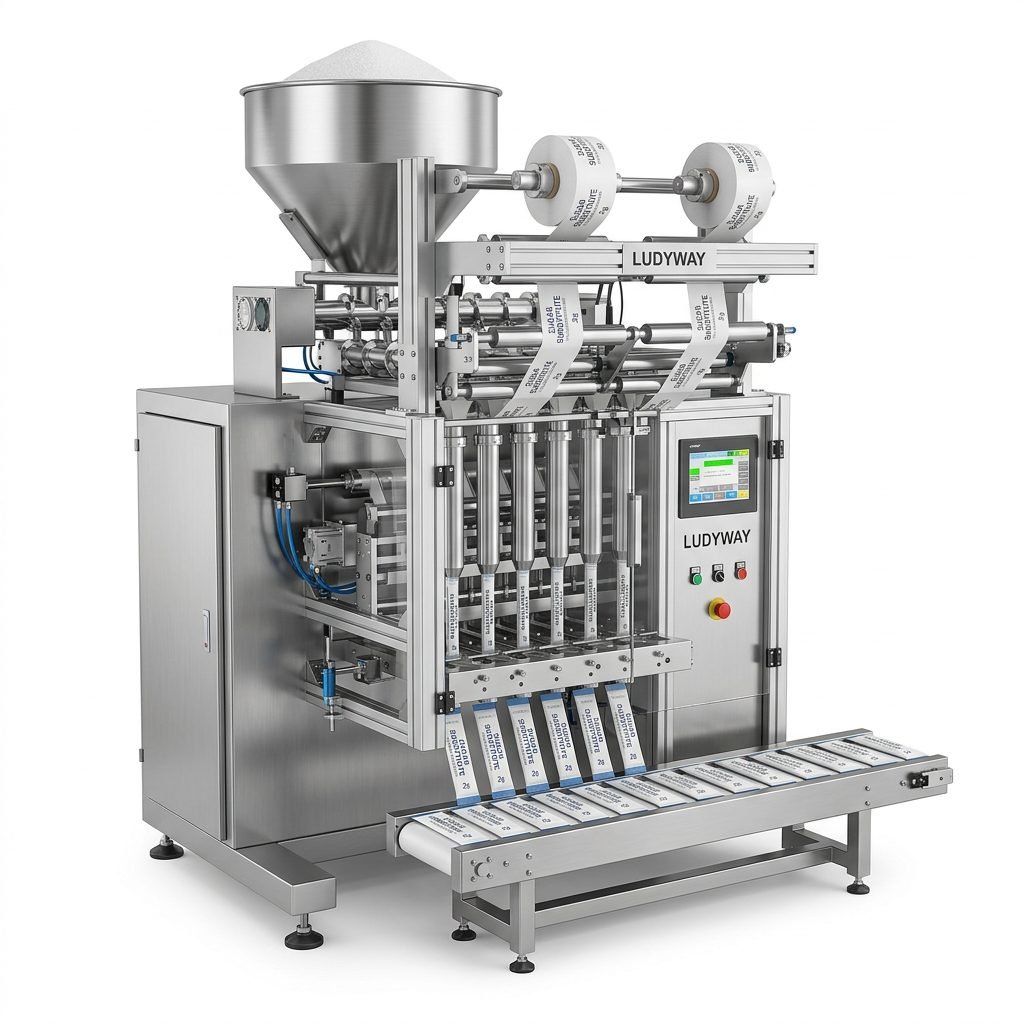
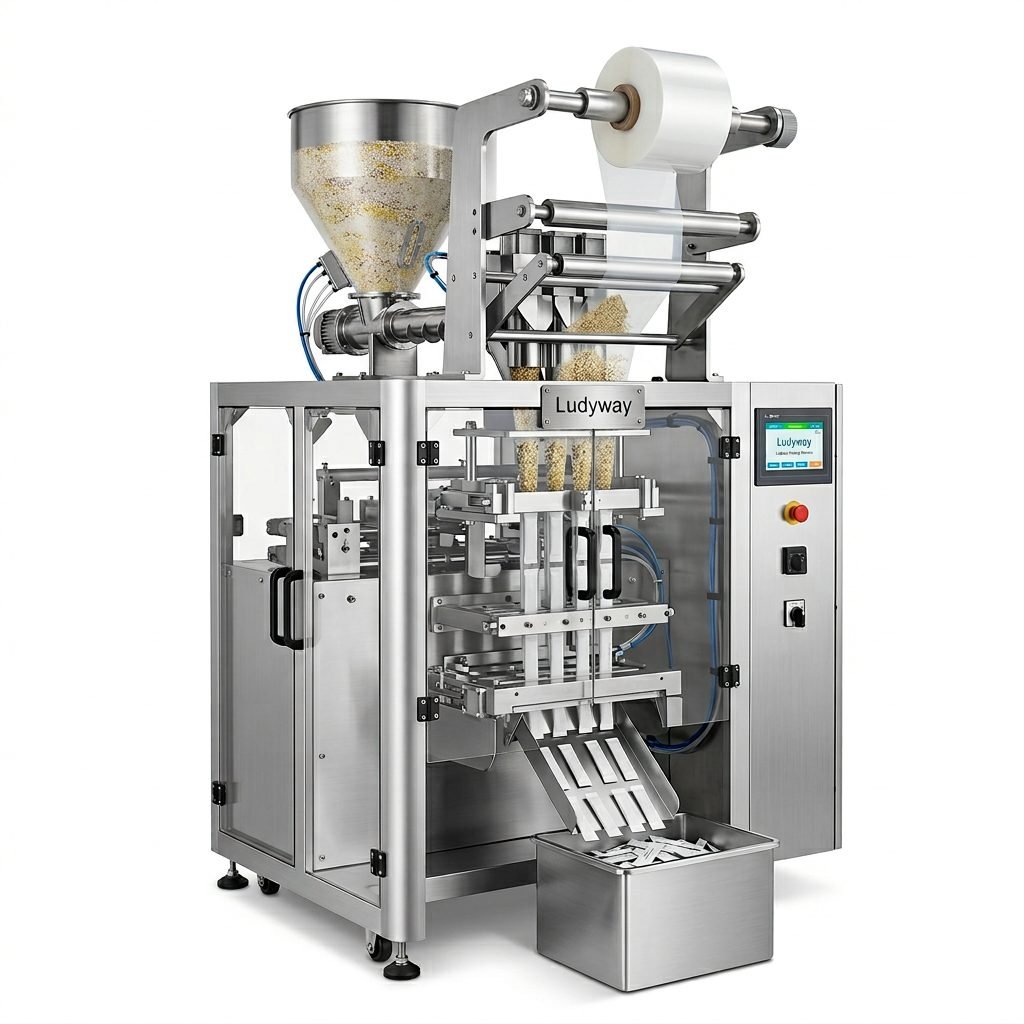
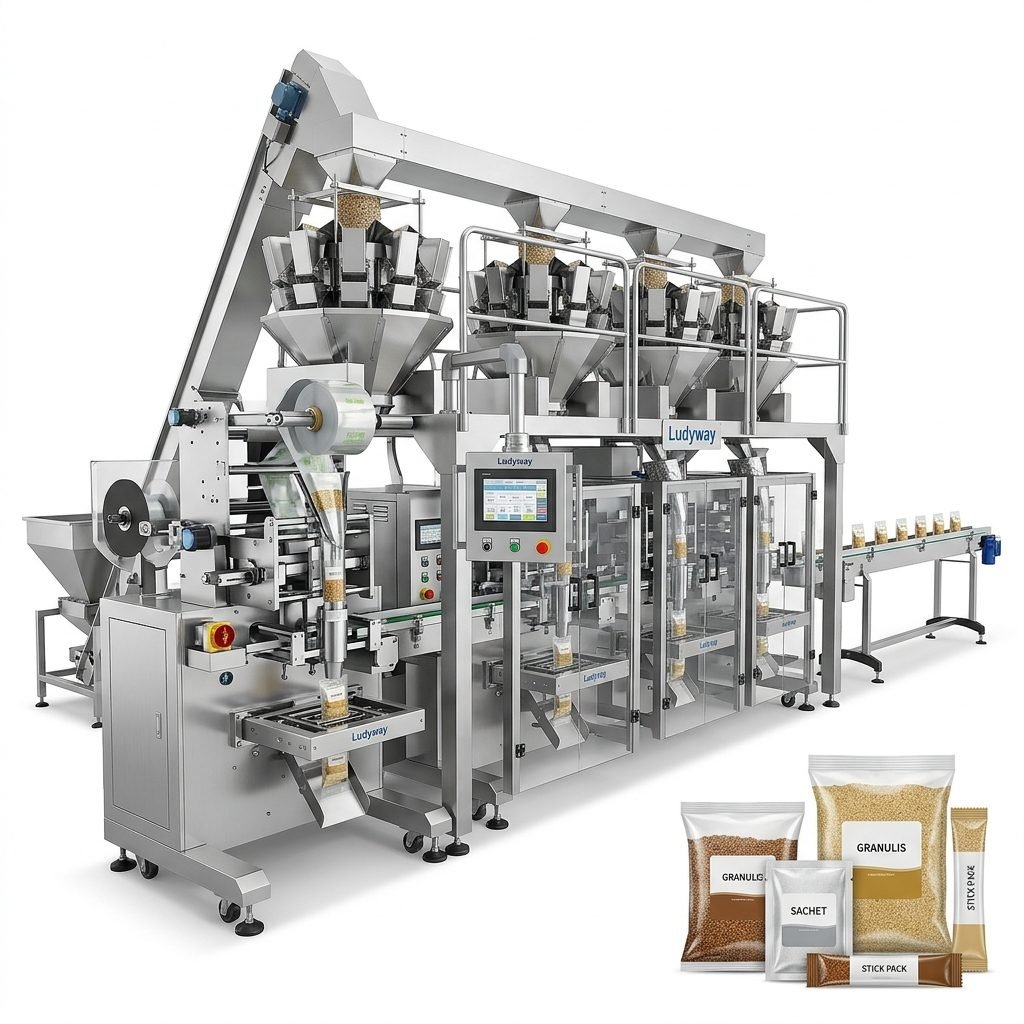
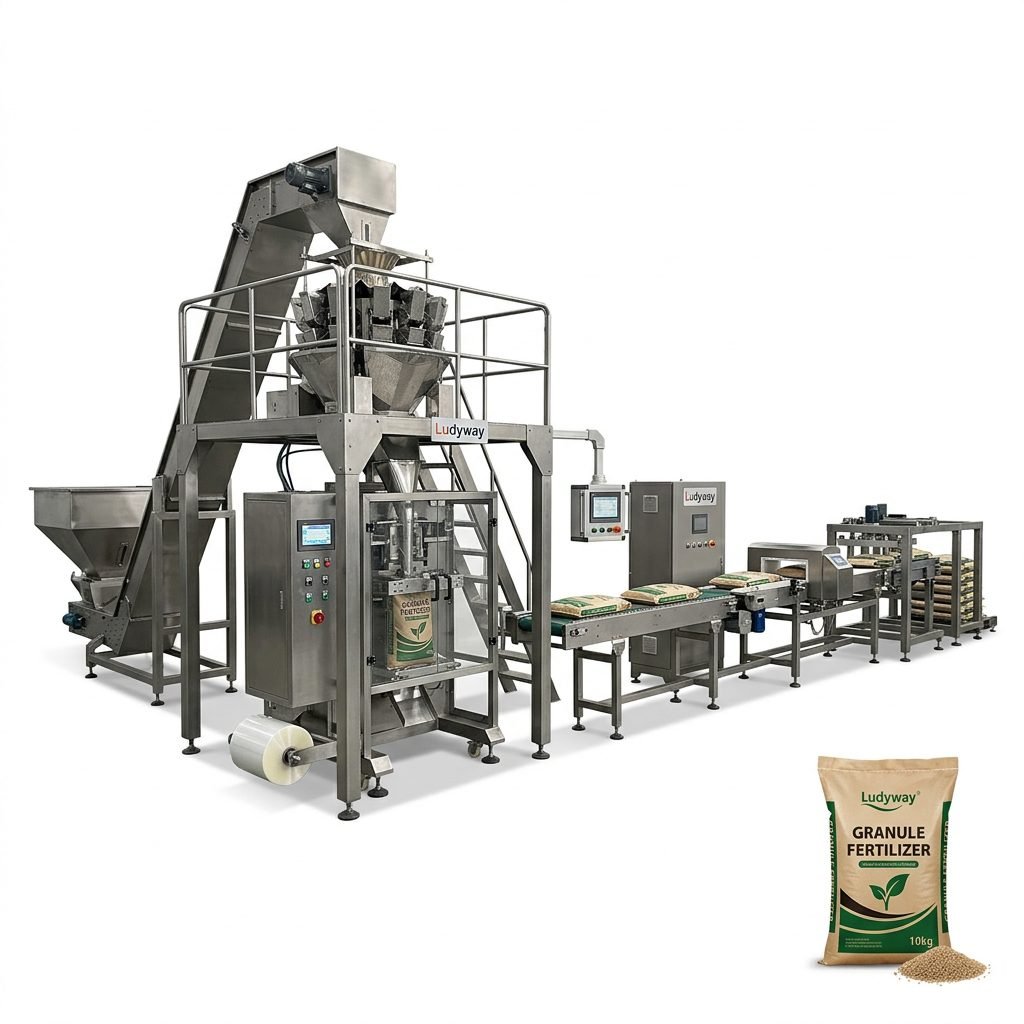
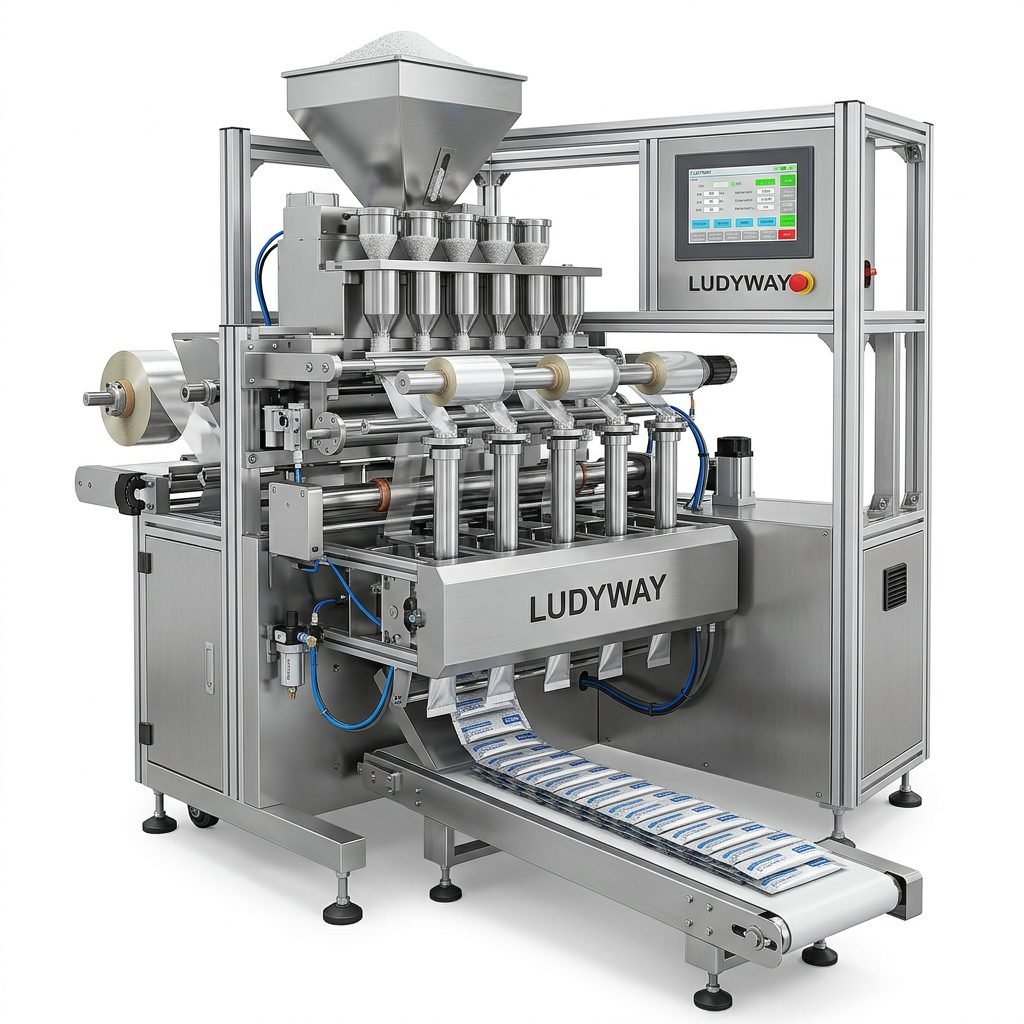
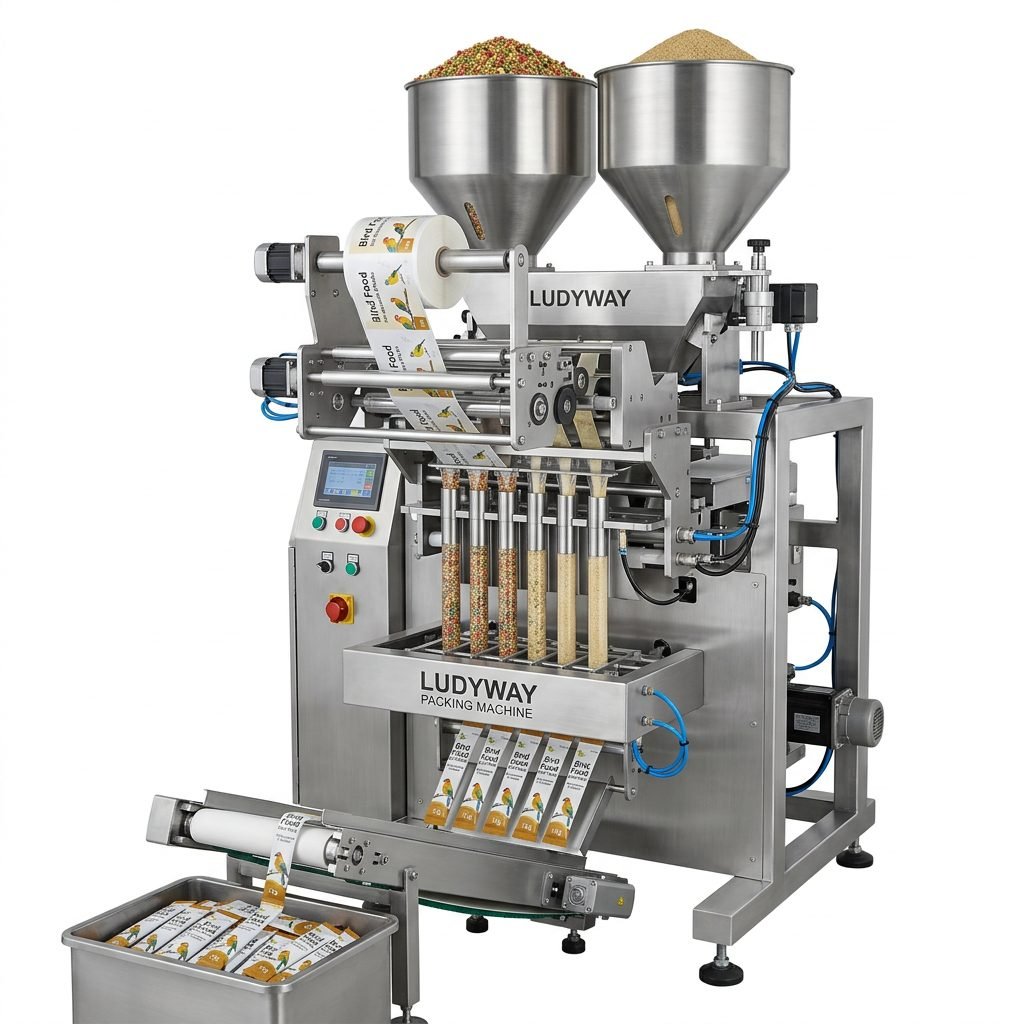
Maintaining a tortilla packaging machine is crucial for ensuring consistent product quality, minimizing downtime, and extending the lifespan of your equipment. Whether you are running a high-speed multi-lane stick pack line or a compact sachet system, a disciplined cleaning and maintenance routine directly impacts your bottom line.
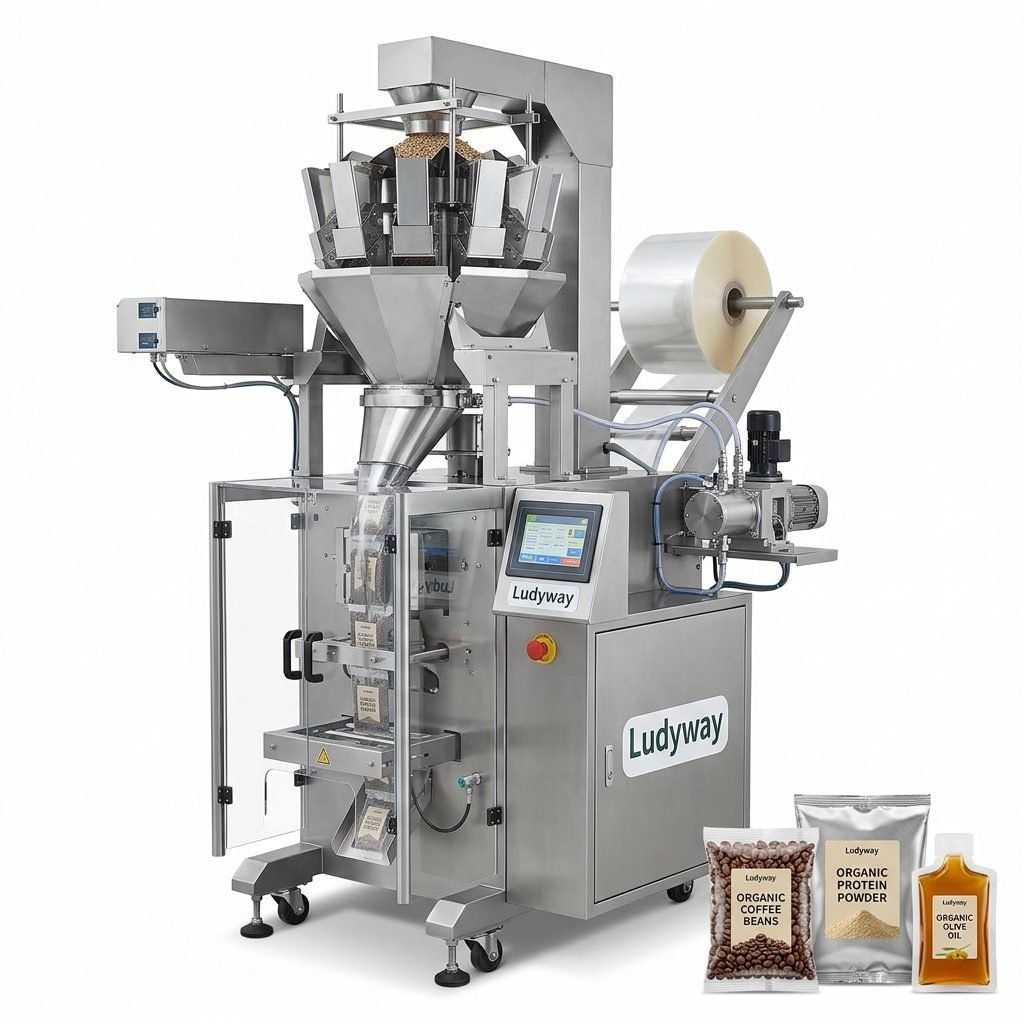
1. Daily Cleaning Procedures for Optimal Hygiene
Food safety begins with cleanliness. Residual flour dust, oil, and tortilla chip fragments can attract pests and cause mechanical wear. At the end of each shift, operators should perform a thorough dry clean followed by a supervised wet wash if the machine’s IP rating permits it.
- Remove loose debris: Use compressed air or a vacuum to clear crumbs from the forming tube, sealing jaws, and conveyor belts.
- Wipe surfaces: Use food-grade sanitizing wipes on stainless steel surfaces to prevent bacterial growth.
- Check the film path: Ensure no sharp edges or debris are damaging the packaging film.
2. Weekly Inspection of Critical Components
Neglecting small parts leads to big failures. Every week, inspect the components that handle the actual tortilla or snack product. Look for signs of wear on the sealing jaws and cutting blades, as dull edges result in poor seal integrity and leaky packages.
3. Lubrication: The Heart of Motion
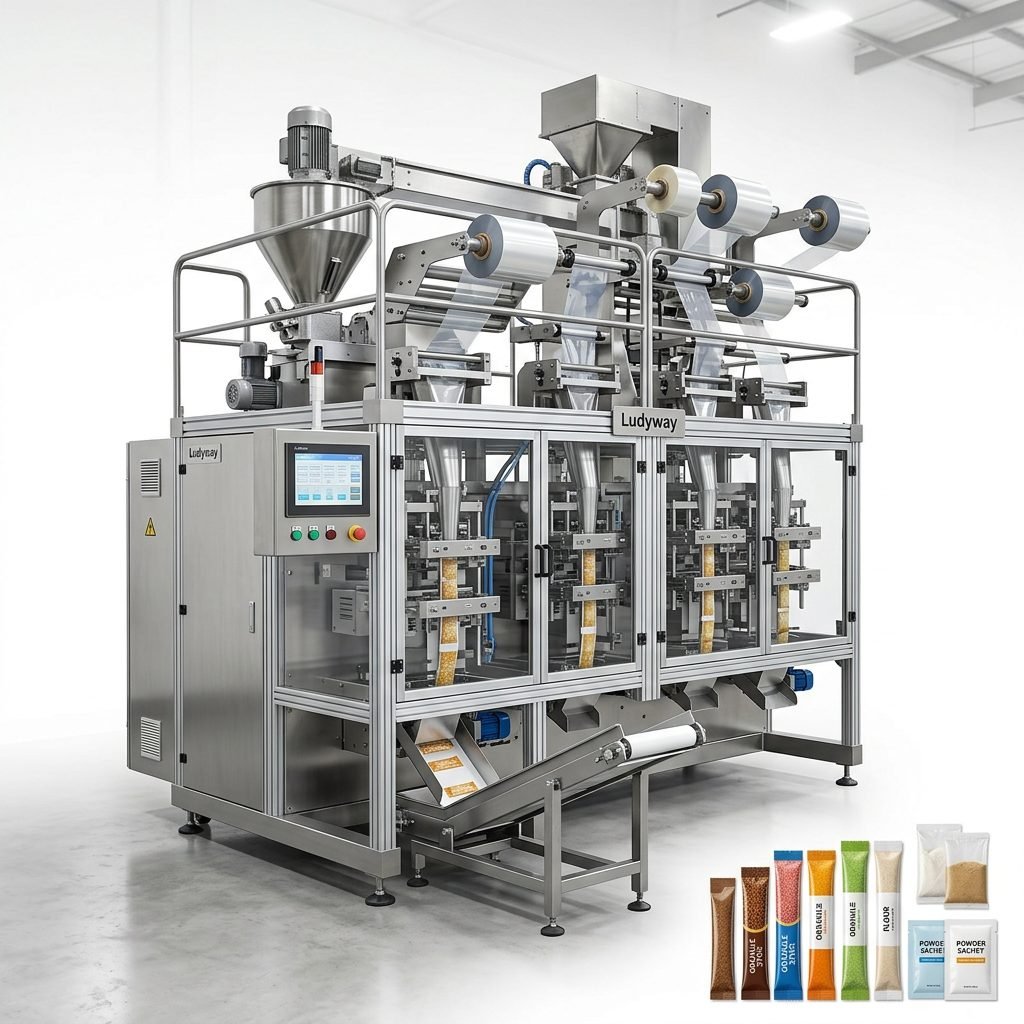
Friction is the enemy of high-speed packaging machinery. A strict lubrication schedule prevents overheating and mechanical breakdown. However, over-lubrication can be as dangerous as under-lubrication, potentially contaminating the tortilla products.
- Bearings and chains: Apply food-grade lubricant (H1 class) sparingly weekly.
- Gears: Check oil levels monthly and top up if necessary.
- Air filters: Drain water from air filters daily to protect pneumatic valves.
4. Monthly Maintenance Checklist
Use the following table to log your monthly preventive maintenance tasks. Consistent logging helps predict part failures before they happen.
| Task | Component | Action |
|---|---|---|
| Seal Integrity Test | Heating Elements | Verify temperature accuracy with a probe; dye test seals. |
| Belt Alignment | Conveyors | Adjust tracking to prevent edge fraying. |
| Sensor Cleaning | Photocells | Wipe with a lint-free cloth to ensure correct film registration. |
| Electrical Check | Terminal Blocks | Tighten screws and check for heat discoloration. |
5. Troubleshooting Common Tortilla Packaging Issues
When production issues arise, they usually stem from a few common areas. Here is a quick diagnostic guide:
- Leaking seals: Often caused by product contamination in the seal area or insufficient heat. Check the jaw temperature and clean the crimpers.
- Film slippage: Adjust the dancer arm tension or replace worn silicone rollers.
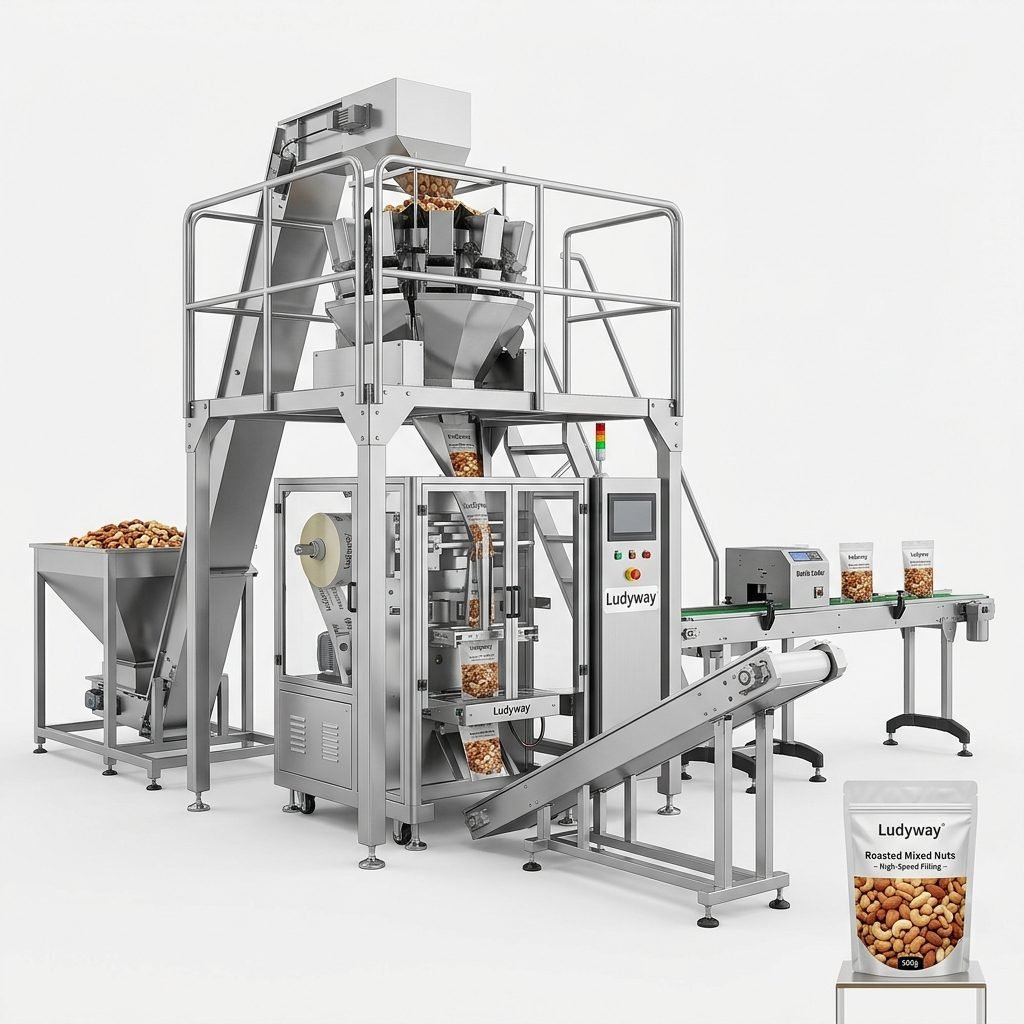
- Inconsistent fill weight: Check the calibration of the multi-head weigher and ensure the product feed is not bridging.
- Bag length errors: Inspect the film tracking sensor (photocell) for dust accumulation.
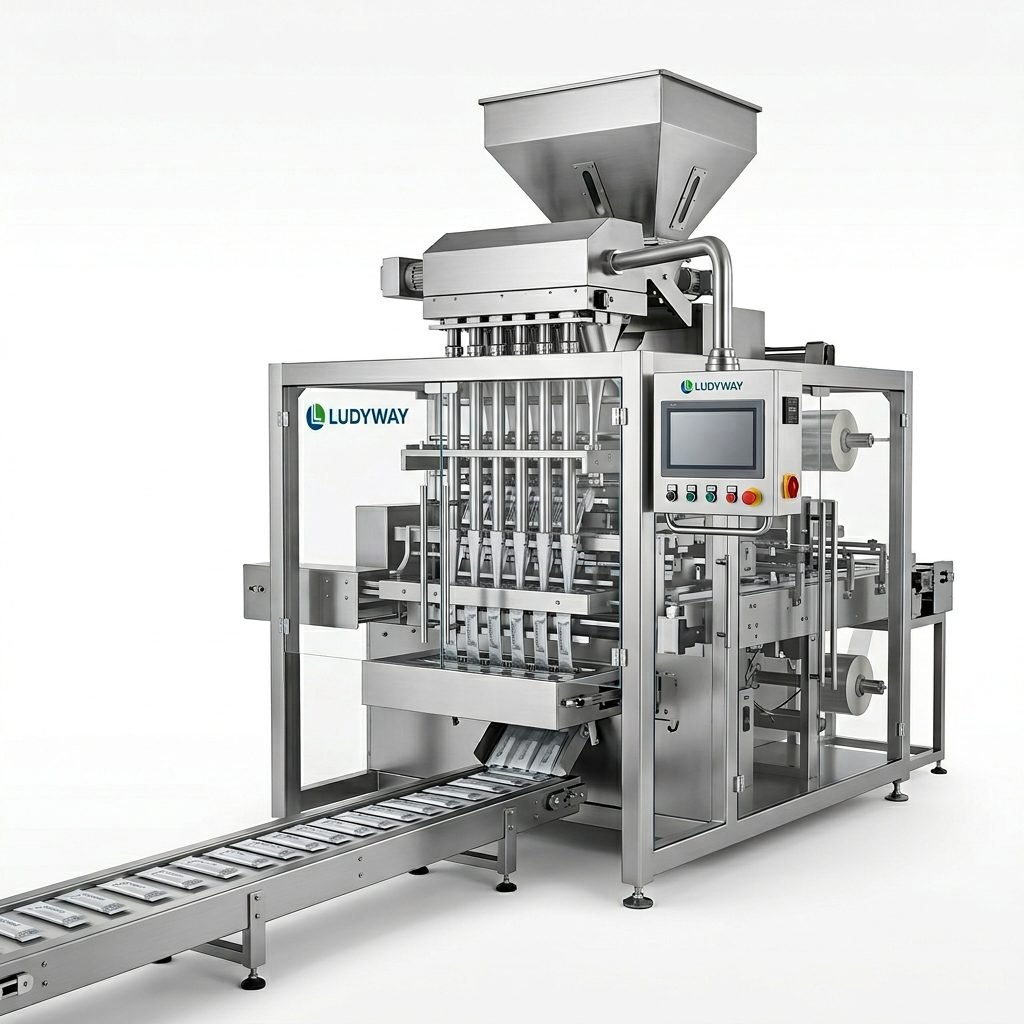
6. Spare Parts Management
Waiting for a replacement part to ship can halt your entire tortilla production line for days. Keep a critical spare parts kit on hand. This should include thermocouples, fuses, sealing bands, cutting knives, and common sensors. Partnering with a reliable manufacturer like Ludyway ensures you have rapid access to OEM parts and remote diagnostic support, minimizing your total cost of ownership.
7. Long-Term Machine Care & Training
Quarterly, schedule a deeper inspection of the machine’s frame and structure. Check for loose bolts, cracked welds, or corrosion. Most importantly, invest in your team. Even the best maintenance schedule will fail if operators haven’t been trained on proper packaging procedures. Ensure new staff understand lockout/tagout procedures and the specific settings for biodegradable films, which are increasingly popular in the tortilla industry but require different heat profiles.
By following these cleaning and maintenance protocols, you keep your tortilla packaging operation running smoothly, safely, and profitably.