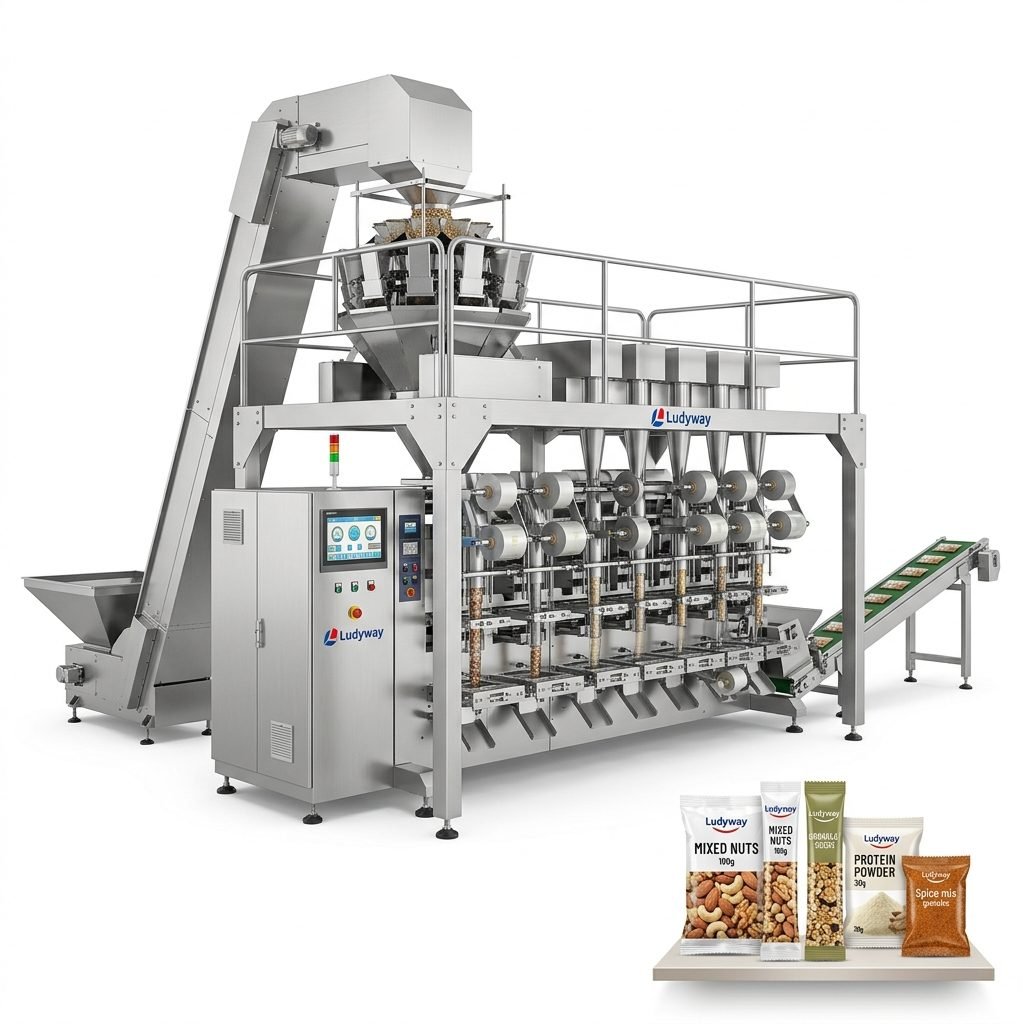
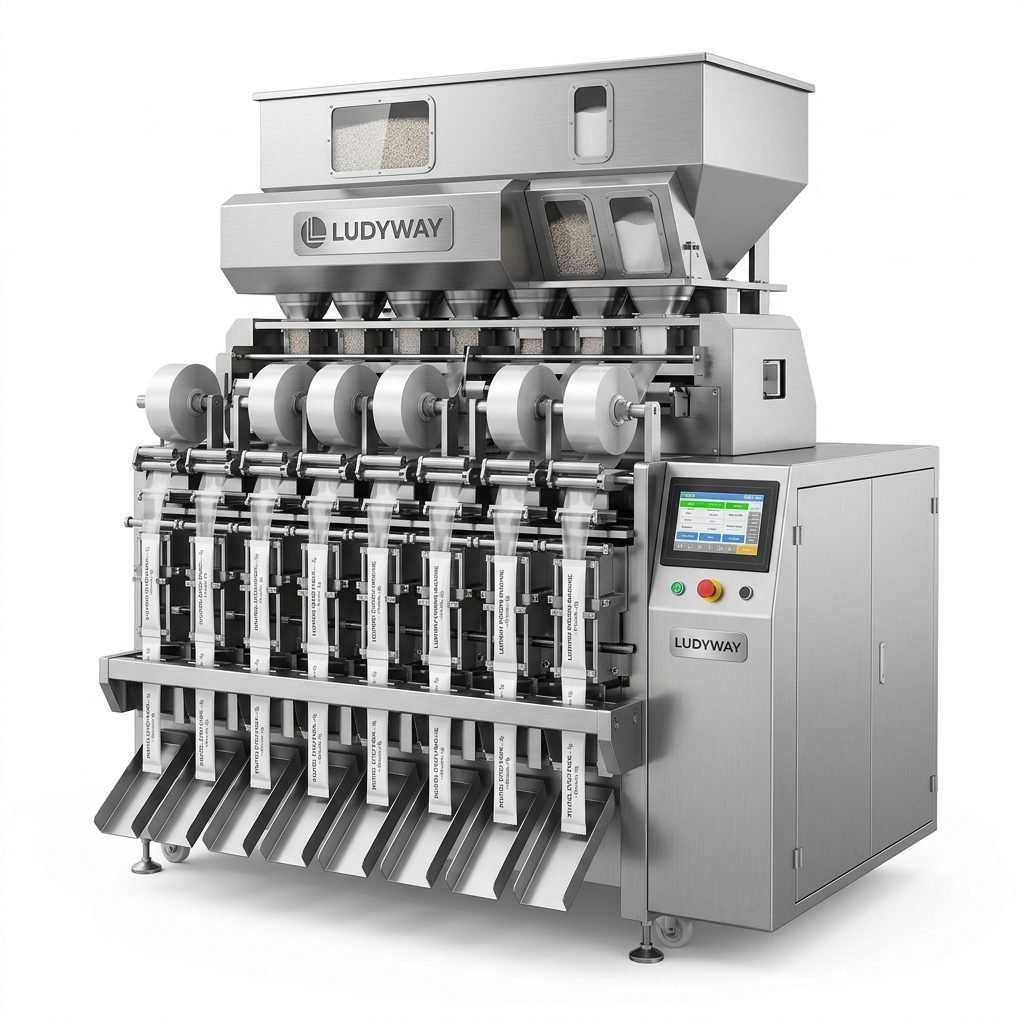
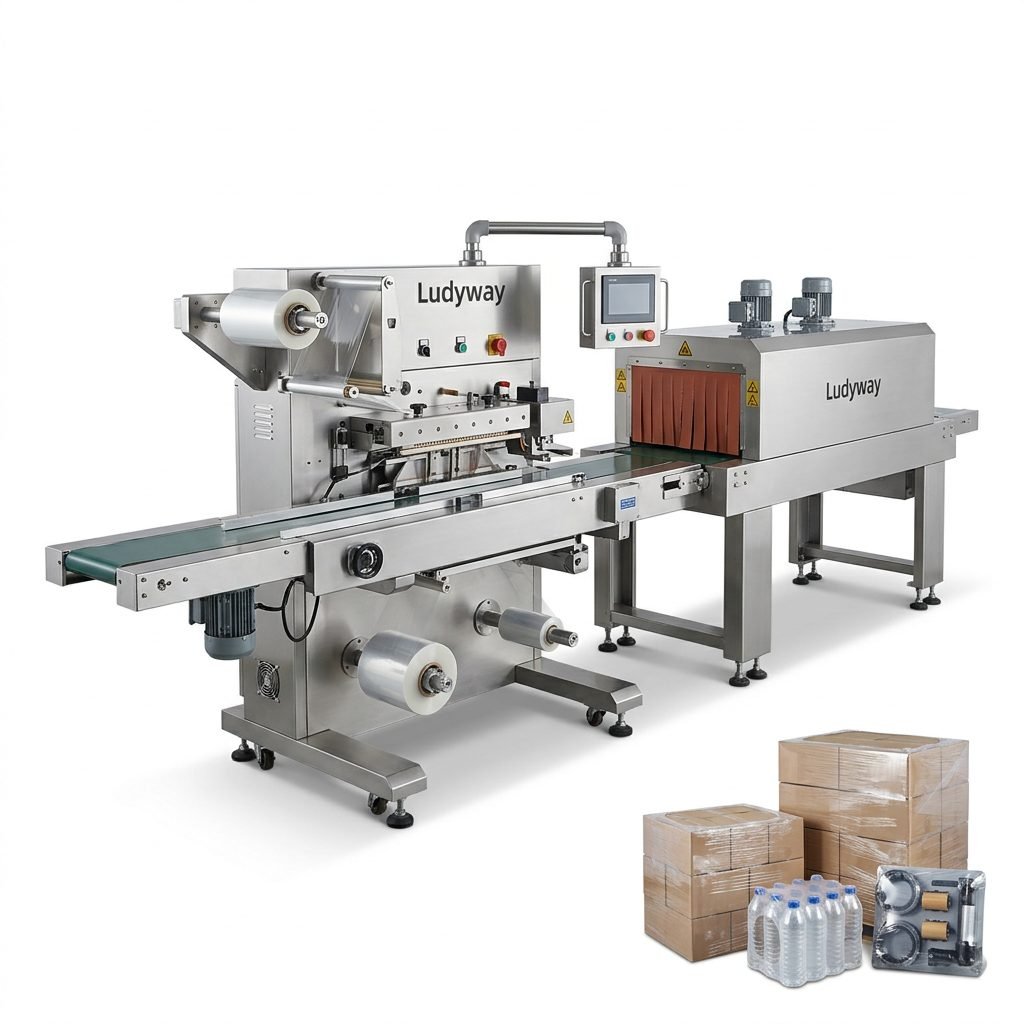
Proper maintenance of a water bottle shrink packing machine is the cornerstone of consistent throughput and extended equipment lifespan. Without a structured care routine, even the most robust shrink wrapping systems can suffer from film jams, seal failures, and unexpected downtime. This guide provides a practical framework to keep your machine running at peak performance, reduce operational costs, and protect your investment in automated packaging technology.
1. Daily Cleaning: The Foundation of Reliability
Film residues, dust, and moisture accumulate quickly around the sealing area and shrink tunnel. A daily cleaning protocol prevents contamination buildup that can compromise seal quality and tunnel airflow. Begin by disconnecting the power supply to ensure operator safety. Use compressed air to blow debris from the film feed path, sealing jaws, and conveyor belt. Wipe down the shrink tunnel interior with a non-abrasive cloth, paying special attention to heating elements and air nozzles where carbon deposits tend to form on shrink packing machine equipment operating in high-humidity environments.
Daily Cleaning Checklist
- Remove loose film scraps from cutting area
- Wipe seal bars with soft cloth while warm
- Clean conveyor belt surface with mild detergent
- Clear air intake vents of dust accumulation
Weekly Deep Clean Tasks
- Inspect and clean photoelectric sensors
- Remove shrink tunnel side panels for access
- Clean cooling fans and ventilation grilles
- Check all cable connections for looseness
2. Film Path and Sealing System Inspection
The film feed mechanism is the heart of any water bottle shrink wrapping line. Misaligned rollers, worn cutting blades, or incorrect tension settings cause frequent film breaks and inconsistent wrap quality. Inspect all rollers for smooth rotation, checking for bearing wear that creates resistance. Verify that the film perforation blade remains sharp — a dull blade tears film instead of cutting cleanly, leaving jagged edges that interfere with the shrink process.
| Inspection Point | What to Check | Frequency |
|---|---|---|
| Sealing Jaw Temperature | Verify with external thermometer vs display | Daily |
| Teflon Tape Condition | Look for scratches, bubbles, or peel-off | Weekly |
| Cutting Blade Sharpness | Check for clean cuts without burrs | Monthly |
| Film Roll Alignment | Ensure film tracks centered through path | Every shift |
3. Shrink Tunnel Temperature Optimization
Heat consistency inside the shrink tunnel directly determines the final appearance of wrapped bottles. Uneven temperature distribution leads to wrinkled labels, burn marks, or incomplete shrinkage. Regularly calibrate temperature controllers against infrared readings. Monitor recirculation fans — if airflow drops due to dust-clogged vents or worn fan motors, hot spots develop rapidly. Always run the tunnel cooling cycle before shutdown to protect heating elements from thermal stress.

Tunnel Temperature Best Practices
- Set preheat cycle 15-20 minutes before production
- Maintain uniform airflow through all nozzle rows
- Record temperature readings in maintenance log
- Replace damaged insulation panels immediately
Warning:
Never bypass thermal safety cutoffs. Overheated tunnels pose fire risk and void equipment warranties.
4. Lubrication and Mechanical Component Care
Moving parts in automatic shrink bundling machines require consistent lubrication to prevent premature wear. Chains, cam mechanisms, and linear guides operate under continuous motion during production runs. Apply food-grade lubricant to roller chains monthly, and grease linear bearings according to manufacturer specifications. Over-lubrication attracts dust and creates abrasive pastes, so always follow the recommended quantity and wipe away excess.
5. Common Troubleshooting Scenarios
Quick diagnostic skills reduce mean time to repair when issues arise on the water bottle packing line. Below are frequent problems with their likely causes and corrective actions based on field experience from Ludyway, one of the largest packaging machine manufacturers in China, specializing in advanced solutions for diverse industries.
| Problem | Possible Cause | Solution |
|---|---|---|
| Film not sealing | Low jaw temperature or dirty seal surface | Increase temperature 5°C increments, clean Teflon tape |
| Wrinkled film output | Uneven tunnel heat or excessive conveyor speed | Balance airflow, reduce belt speed 10% |
| Film jamming frequently | Misaligned rollers or incorrect film tension | Realign film path, adjust tension knob |
| Burnt holes in film | Tunnel temperature too high or conveyor stopped | Calibrate thermostat, verify auto-stop interlock |
6. Quarterly Preventive Maintenance Program
A comprehensive quarterly inspection goes beyond daily tasks to address long-term wear and component degradation. This proactive approach prevents catastrophic failures during peak production seasons. Schedule these checks during planned downtime and document all findings for trend analysis over the equipment lifecycle.
Electrical System Checks
- Test emergency stop circuits
- Inspect contactor and relay contacts
- Verify grounding continuity
- Check PLC input/output signals
Mechanical System Checks
- Replace worn Teflon tape on seal jaws
- Measure chain tension and adjust
- Inspect pneumatic cylinder seals
- Check bearing radial clearance
7. The Role of Genuine Spare Parts
Using OEM-certified replacement parts preserves machine integrity and safety compliance. Aftermarket components often deviate in material composition or dimensional tolerance, leading to accelerated wear on adjacent assemblies. Critical items like heating elements, thermocouples, and timing belts should always be sourced from the original equipment manufacturer or authorized distributors. A well-organized spare parts inventory minimizes downtime when repairs become necessary.
8. Operator Training and Standard Operating Procedures
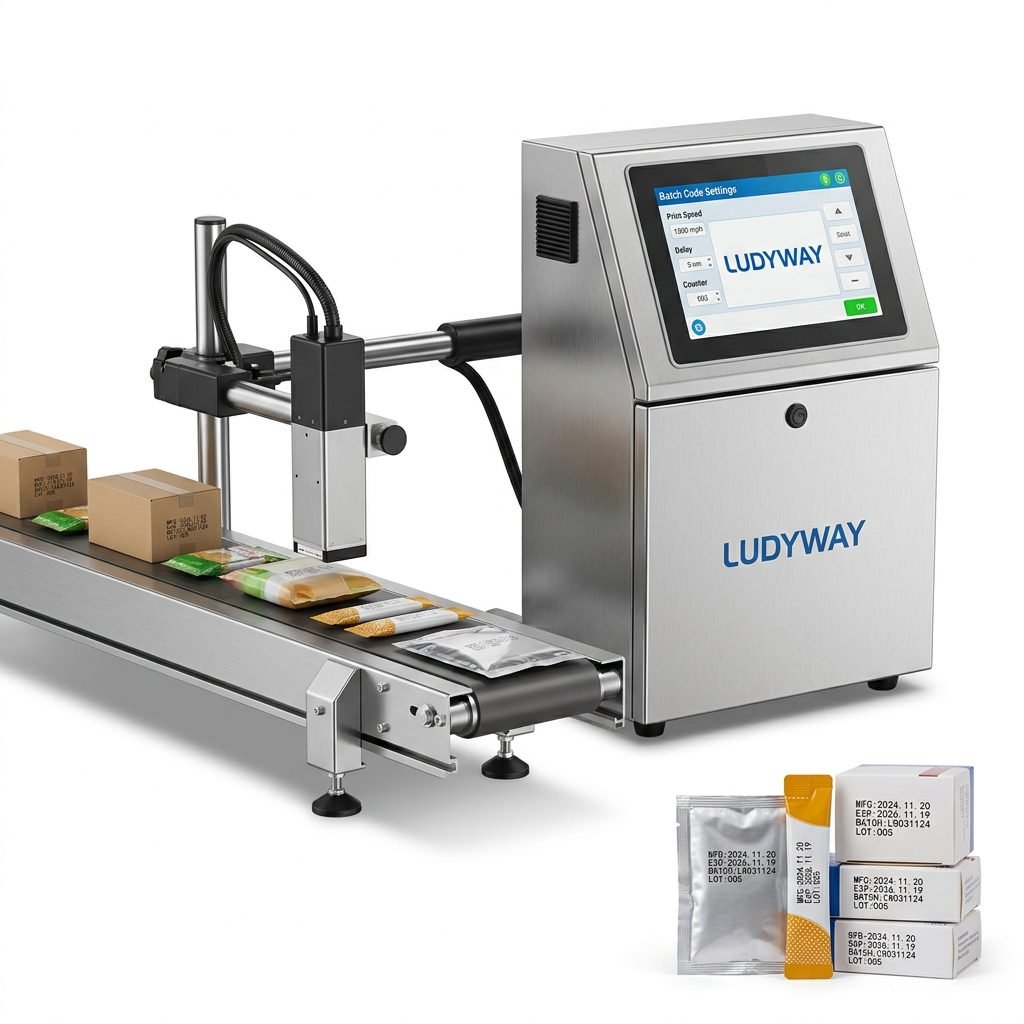
Even the best maintenance program fails without trained operators who can identify early warning signs of equipment issues. Develop clear standard operating procedures that include startup checks, normal operating parameters, and shutdown sequences. Train all operators to recognize unusual noises, vibrations, or film behavior changes. Keep maintenance logs visible on each machine so trends become apparent before failures occur.
9. Annual Professional Service and Calibration
Schedule an annual comprehensive service from a qualified technician, preferably from the manufacturer. This service should include full electrical safety testing, precision calibration of temperature controllers, replacement of worn conveyor belts, and detailed mechanical inspection of all drive components. Many packaging professionals find that manufacturer service visits reveal optimization opportunities beyond basic maintenance — adjustments that improve throughput or reduce film consumption on existing shrink sleeve wrapping equipment.
For operations requiring high-volume water bottle packaging, consistent maintenance discipline separates profitable production lines from costly bottlenecks. Document every service action, track parts replacement intervals, and continuously refine your procedures based on actual equipment performance data.