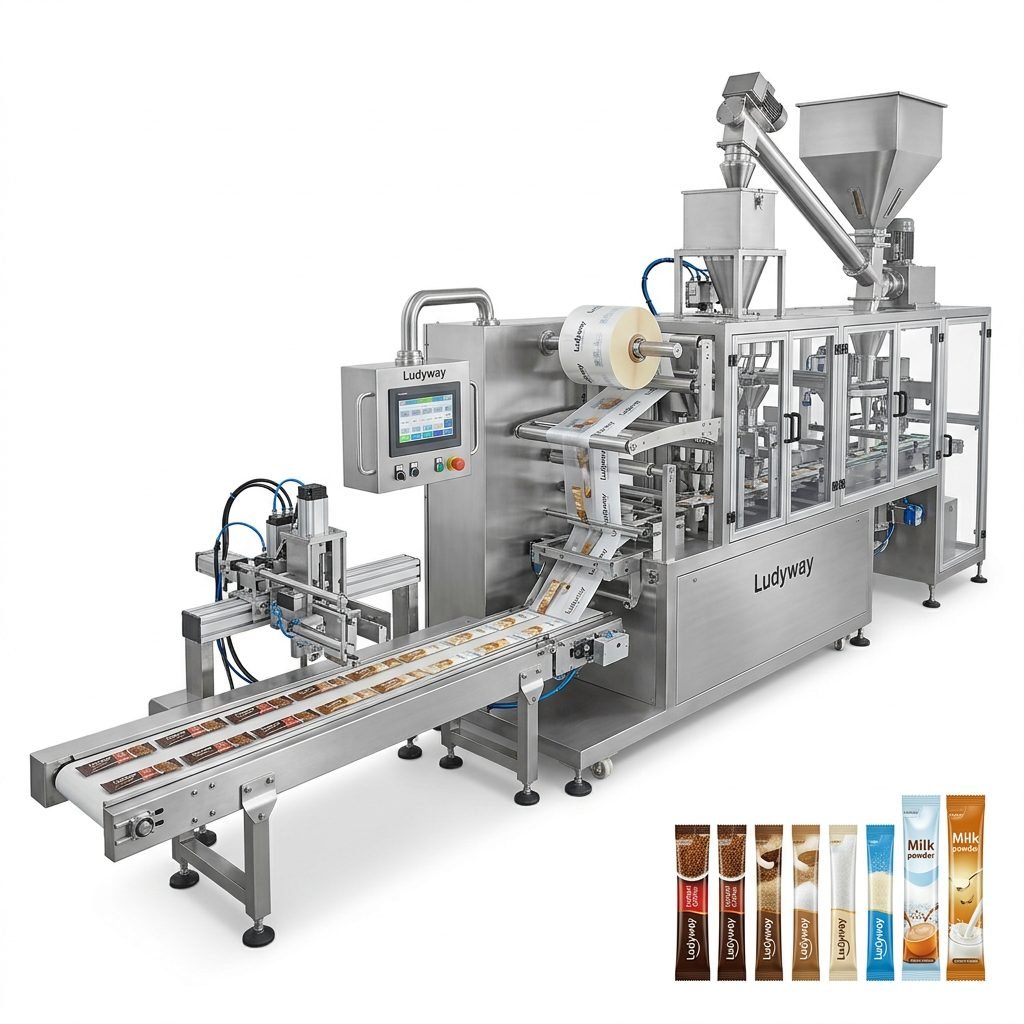
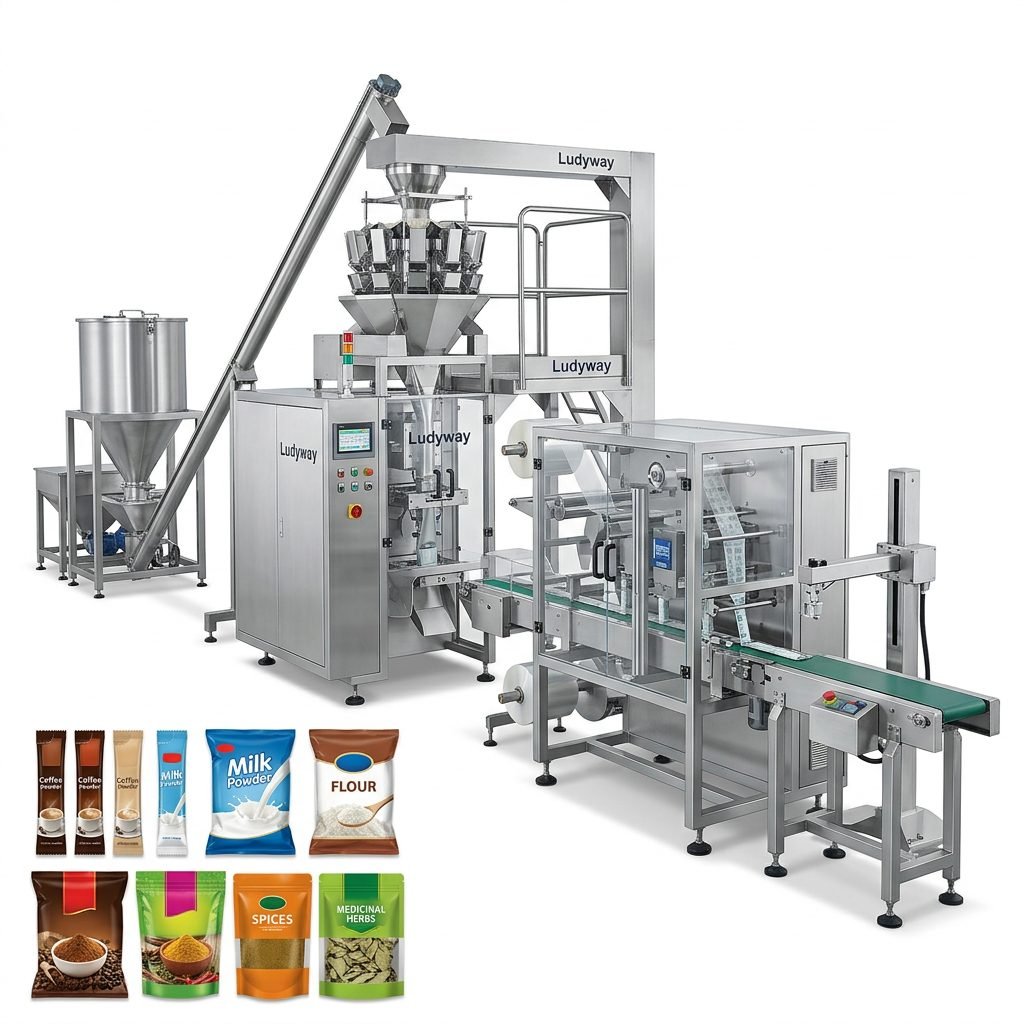
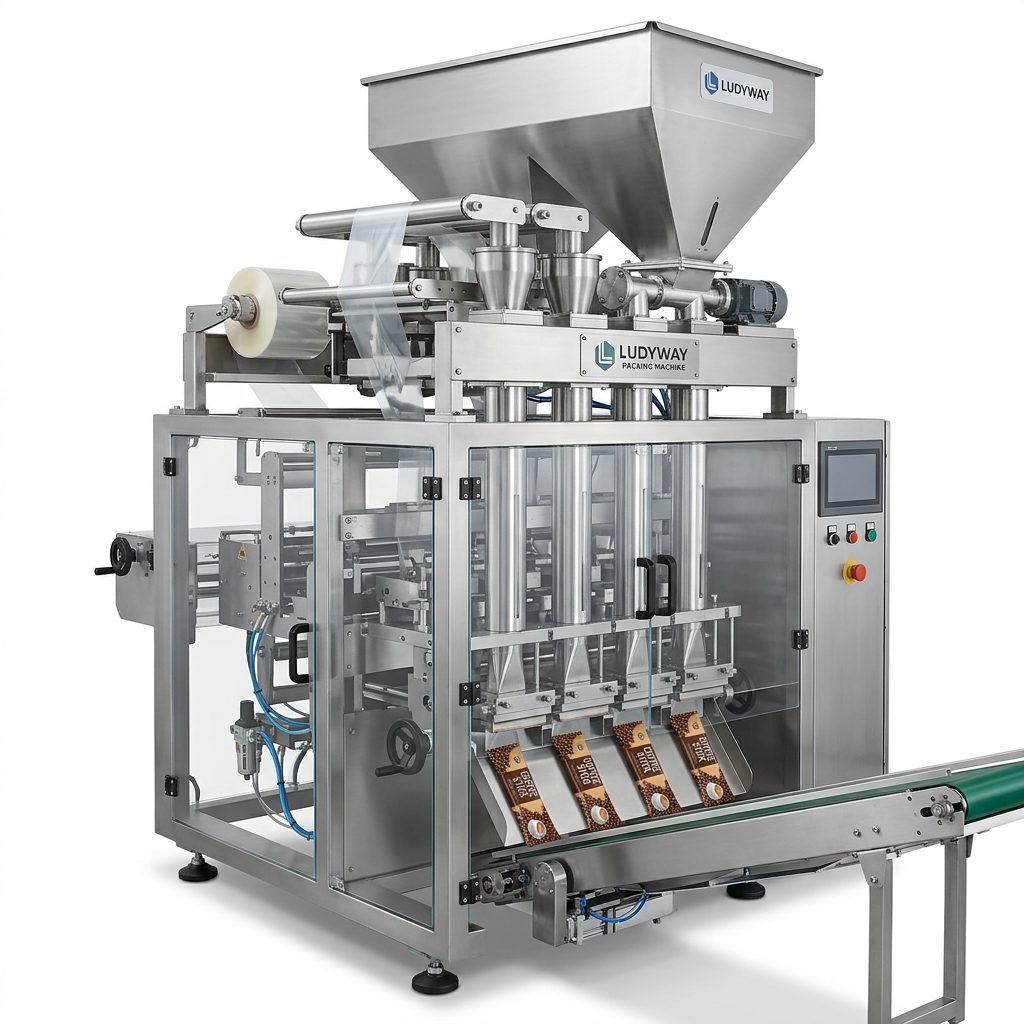
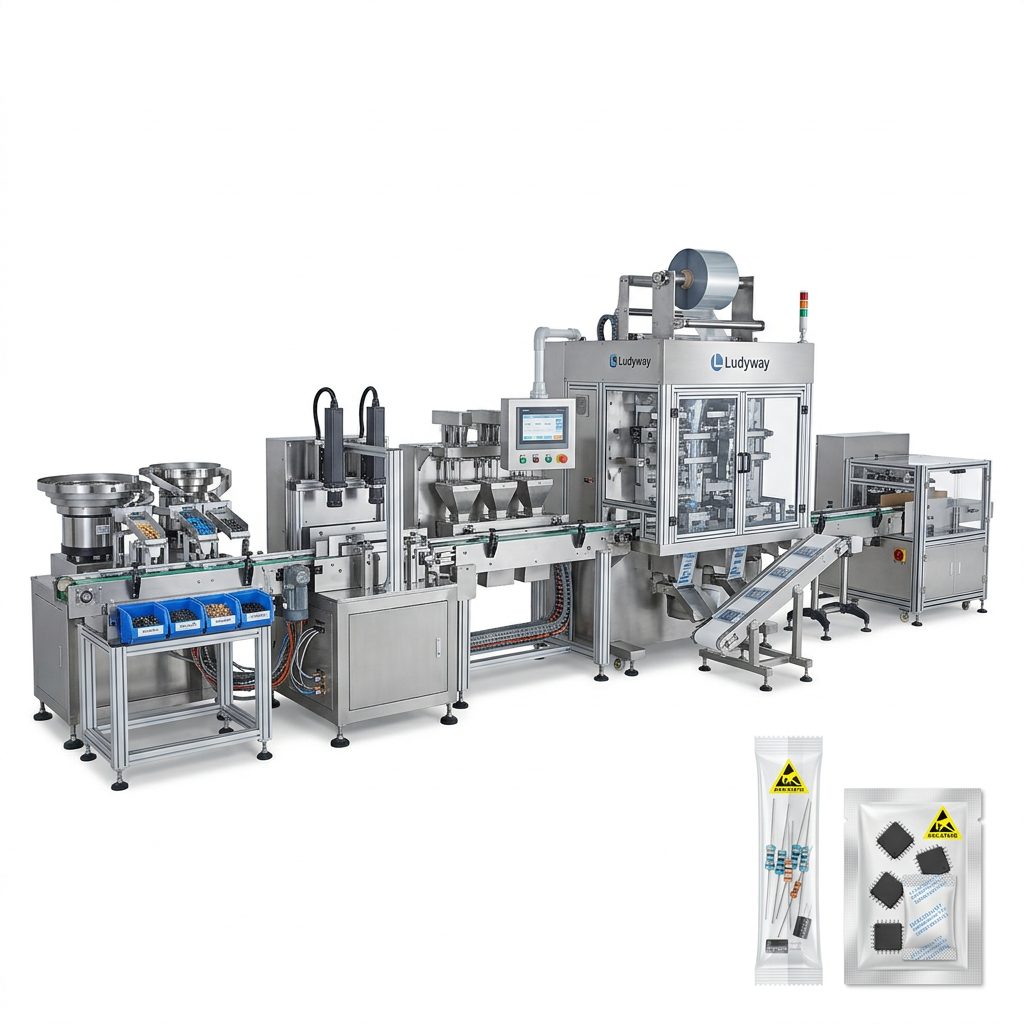
Regular maintenance of an automated packing machine is not just about preventing breakdowns — it is about maximizing productivity, ensuring consistent packaging quality, and extending the service life of your equipment. A well-maintained machine operates at peak efficiency, reduces unplanned downtime, and protects your investment for years to come. Whether you run a single packaging machine or an entire automated production line, following a structured maintenance routine is essential.
In this guide, we cover the essential tips and best practices for maintaining your packing equipment, helping you avoid costly repairs and keep your operations running smoothly.
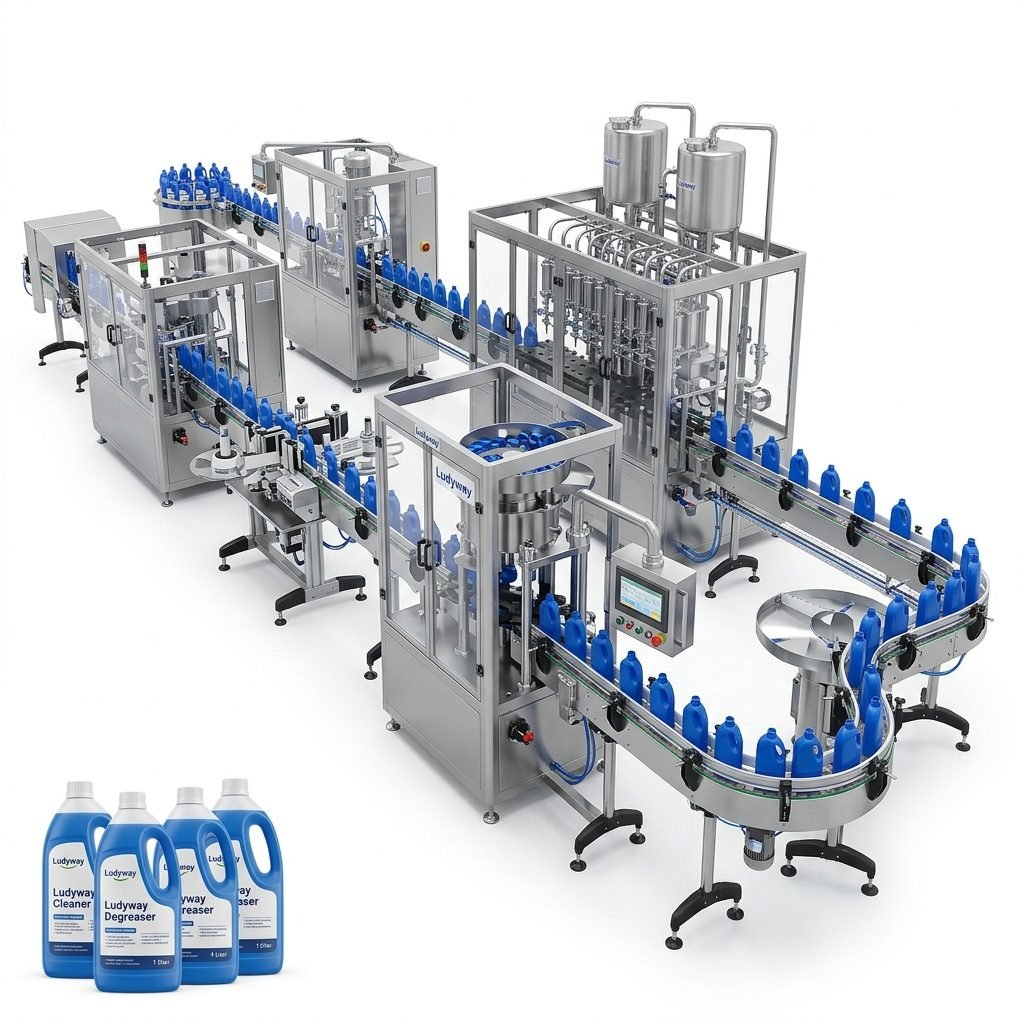
The Importance of a Maintenance Schedule
A documented maintenance schedule is the backbone of any successful packaging operation. Without one, minor issues can escalate into major failures that halt production entirely. According to industry studies, preventive maintenance can reduce equipment downtime by up to 45% compared to reactive repair approaches. A good schedule should include daily, weekly, monthly, and quarterly tasks assigned to specific team members, with clear accountability and record-keeping protocols.
Key benefits of a proactive maintenance plan include:
- Reduced unplanned downtime and emergency repair costs
- Extended machine lifespan and better return on investment
- Consistent packaging quality and reduced product wastage
- Improved safety for operators and maintenance personnel
- Better spare parts inventory management and cost control
Daily Inspection Checklist
Daily inspections are your first line of defense against unexpected failures. Before each shift, operators should perform a quick but thorough walkthrough of the automated packaging system. Look for visible signs of wear, listen for unusual noises during operation, and check that all safety guards and emergency stops are functioning correctly. Pay special attention to the sealing jaws, cutting blades, and film feed mechanisms — these components experience the most stress during normal operation.
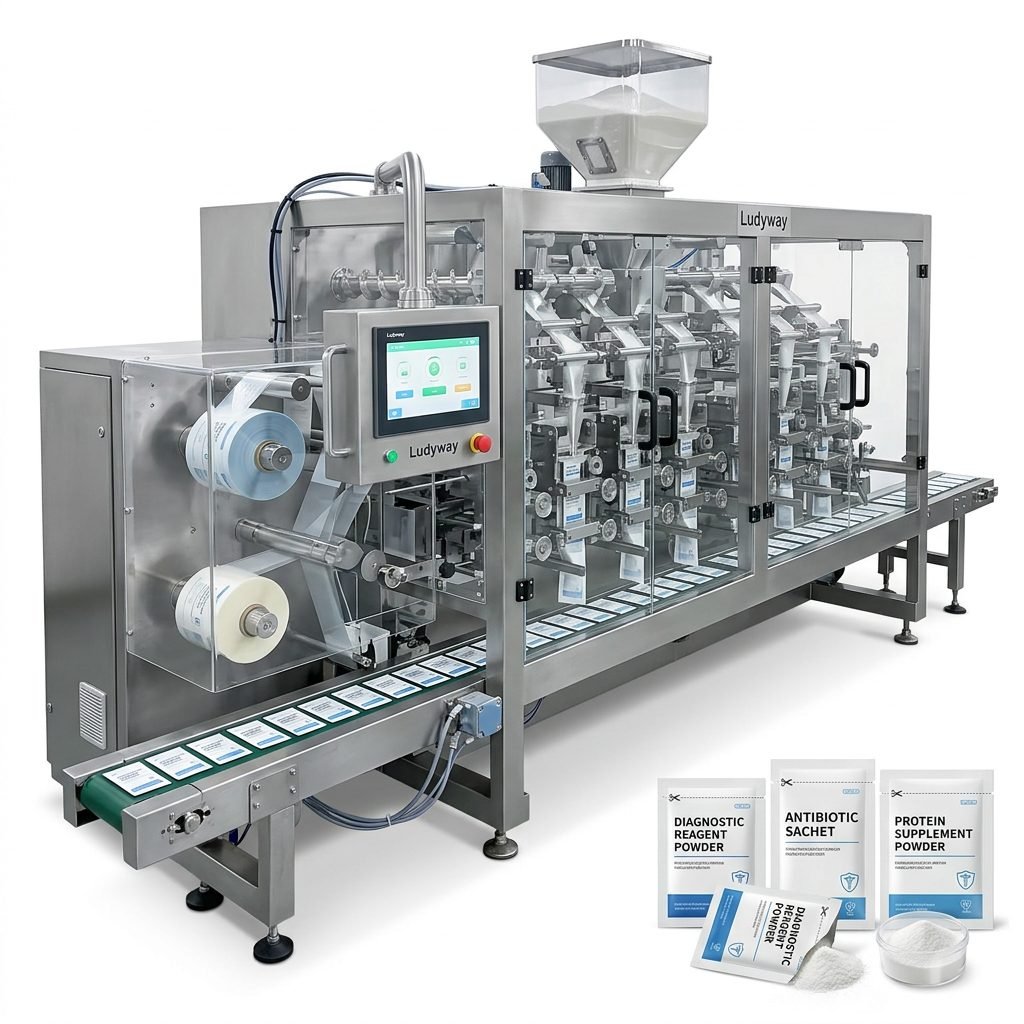
Critical Daily Check Points
- Verify that all sensors and photoelectric cells are clean and properly aligned
- Check sealing temperature settings against recommended specifications
- Inspect film tension and tracking alignment to prevent wrinkling or misalignment
- Test emergency stop functionality and safety interlock systems
- Examine air pressure levels and listen for compressed air leaks
- Clean any product residue from filling nozzles and weighing systems
Cleaning and Lubrication Best Practices
Proper cleaning and lubrication are fundamental to maintaining your packing machine in top condition. Dust, product particles, and debris can accumulate quickly in high-speed packaging environments, leading to premature component failure if not addressed regularly. Use only manufacturer-recommended cleaning agents and food-grade lubricants where applicable, especially in pharmaceutical and food packaging applications. Never use compressed air to blow debris into sensitive electronic areas — instead, use vacuum systems designed for industrial cleaning.
Lubrication points should be clearly marked and serviced according to the maintenance manual. Over-lubrication can be just as damaging as under-lubrication, attracting dust and creating abrasive pastes that accelerate wear on bearings, chains, and guide rails. Establish a lubrication log to track when each point was last serviced and what lubricant was used.
Pro Tip: Always disconnect power and follow proper lockout/tagout procedures before performing any cleaning or lubrication tasks. Safety must never be compromised during maintenance activities.
Preventive Maintenance Schedule Overview
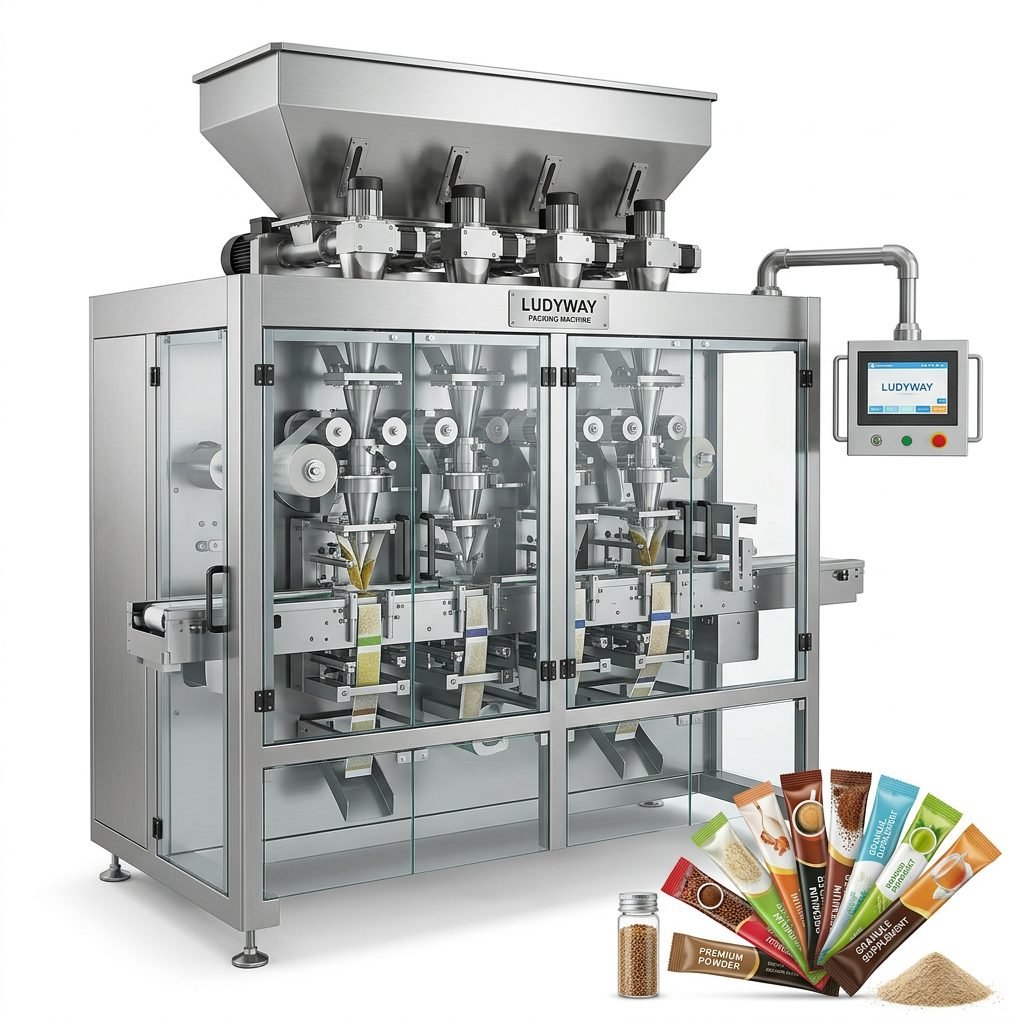
A well-structured preventive maintenance plan covers tasks at multiple intervals. The table below outlines a recommended maintenance framework that you can adapt to your specific machine model and production environment. Remember that high-speed multi-lane machines may require more frequent attention than single-lane systems due to increased mechanical stress.
| Maintenance Interval | Key Tasks | Responsible Role |
|---|---|---|
| Daily | Visual inspection, sensor cleaning, temperature verification, surface wipe-down | Machine Operator |
| Weekly | Lubrication check, belt tension inspection, air filter cleaning, film feed calibration | Shift Supervisor |
| Monthly | Wear part assessment, electrical connection tightening, chain and sprocket inspection, full system calibration | Maintenance Technician |
| Quarterly | Drive belt replacement evaluation, bearing inspection, PLC backup, comprehensive performance audit | Senior Technician |
| Annually | Full overhaul, major component replacement, control system update, safety compliance review | Engineering Team |
Common Troubleshooting Issues and Solutions
Even with excellent maintenance, occasional issues will arise. Knowing how to quickly diagnose and resolve common problems can save hours of downtime. Below are some of the most frequently encountered packing machine problems and their likely causes. Always consult your machine’s technical manual before attempting any repairs beyond basic troubleshooting.
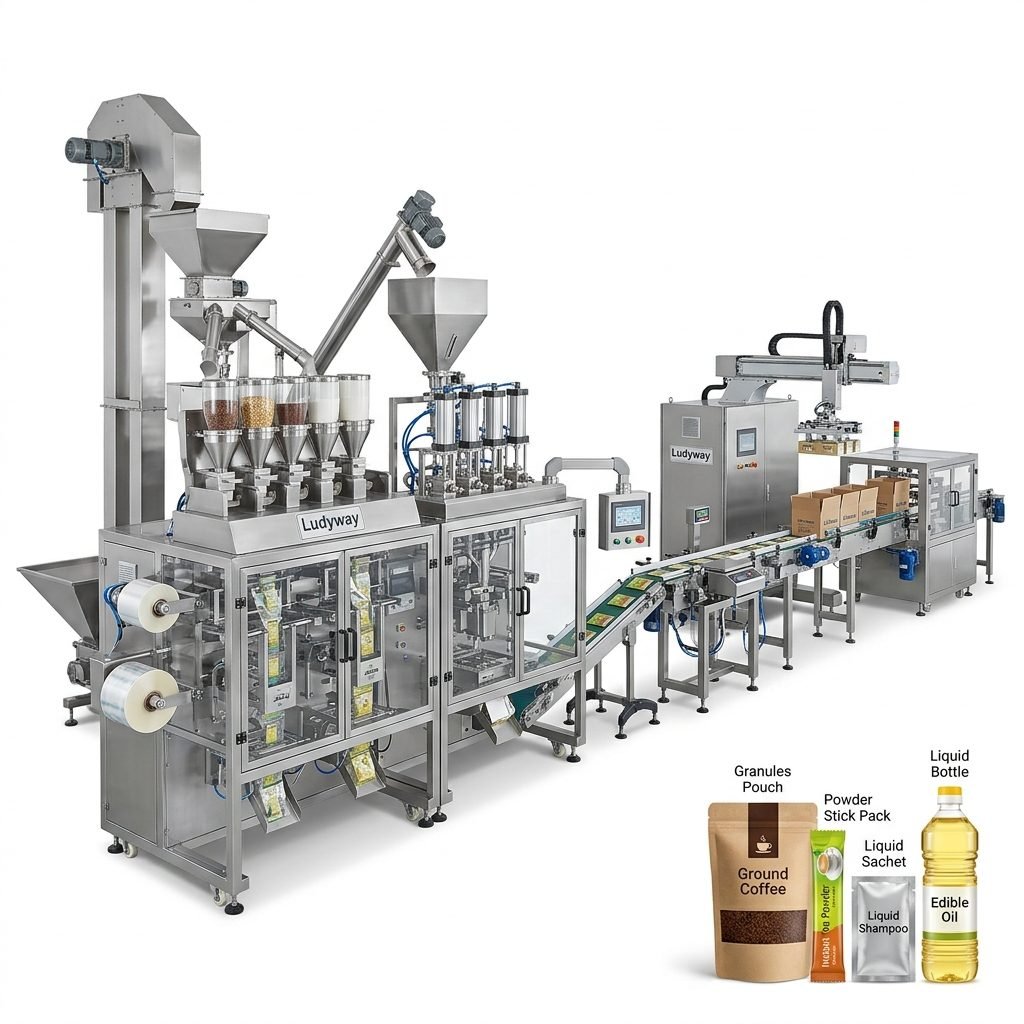
Sealing Problems
- Weak or incomplete seals: Check temperature settings, verify dwell time, inspect sealing jaw alignment
- Burnt or melted film: Reduce temperature, check for film drag, verify proper film specification
- Wrinkled seals: Adjust film tension, clean sealing jaws, check for product contamination in seal area
Filling and Weighing Inconsistencies
- Inaccurate fill weights: Recalibrate weighing system, check for product bridging in hopper, verify auger speed settings
- Product spillage: Inspect filling nozzle alignment, check pouch opening mechanism, verify synchronization timing
Film Feed and Tracking Issues
- Film not tracking straight: Adjust tracking rollers, check film roll alignment, inspect dancer arm tension
- Film tearing or stretching: Reduce tension, check for sharp edges on guides, verify correct film grade
Operator Training and Engagement
The best maintenance program in the world will fail without properly trained operators. Operators are the eyes and ears of your packaging operation — they are the first to notice unusual vibrations, sounds, or performance changes. Invest in comprehensive training that covers not only how to operate the packaging equipment but also how to perform basic maintenance tasks, recognize early warning signs, and follow proper reporting procedures.
Create a culture where operators feel empowered to report potential issues immediately without fear of reprimand. A minor problem caught early during a shift can often be resolved in minutes, whereas the same issue left unattended could result in hours of downtime and expensive repairs. Regular refresher training sessions and maintenance skill assessments help keep your team sharp and engaged.
Spare Parts Management Strategy
Having the right spare parts on hand is critical for minimizing downtime. Work with your equipment supplier to identify the most critical wear components and maintain an appropriate inventory level. Items such as sealing jaws, cutting blades, belts, bearings, sensors, and heating elements should typically be kept in stock. For high-speed automated systems running multiple shifts, consider maintaining a more extensive spare parts inventory to support continuous operation.
Review your spare parts usage quarterly to adjust inventory levels based on actual consumption patterns. Many manufacturers, including Ludyway, offer recommended spare parts lists and can advise on optimal stocking levels based on your production volume and machine configuration. Building a strong relationship with your equipment supplier ensures faster response times when you need technical support or replacement parts.
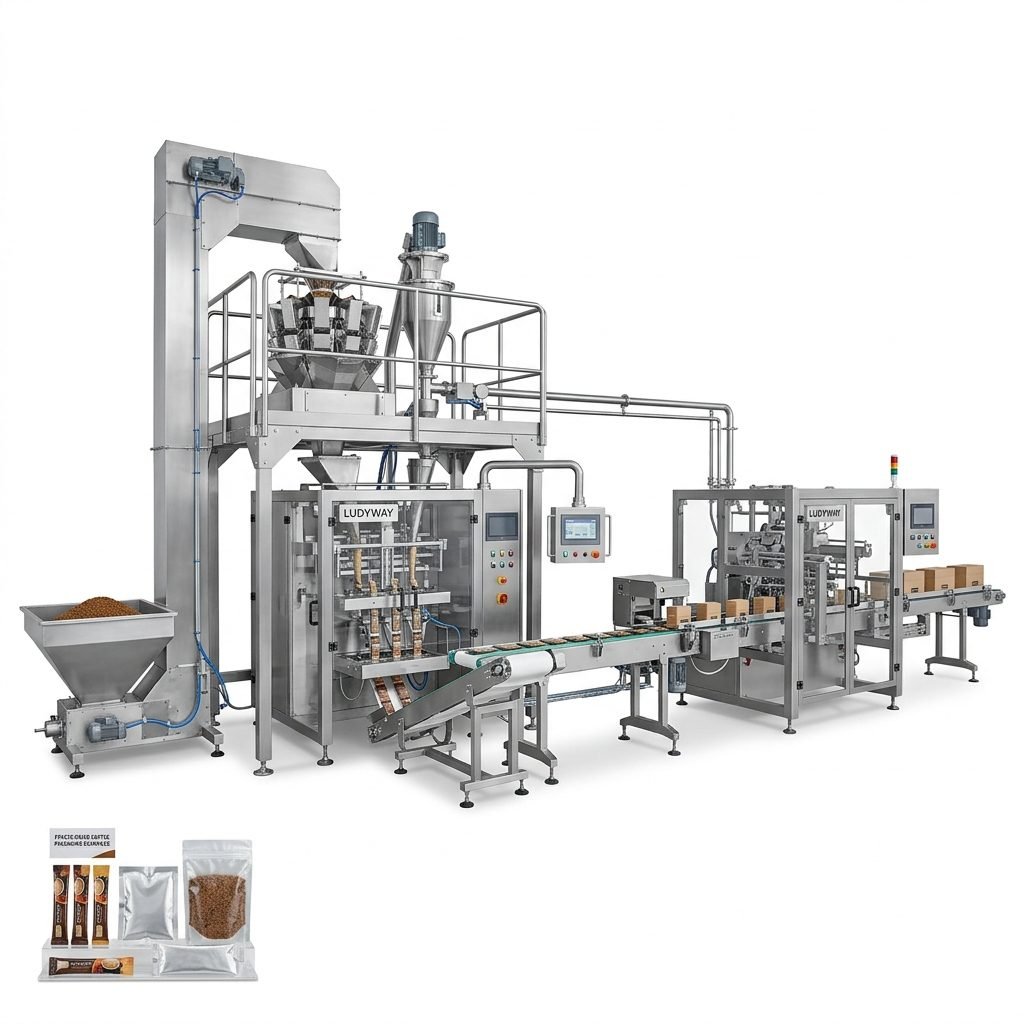
Leveraging Technology for Maintenance Management
Modern maintenance management has evolved beyond paper checklists. Computerized Maintenance Management Systems (CMMS) enable you to schedule tasks automatically, track maintenance history, manage spare parts inventory, and generate performance reports. Many advanced packaging machinery now includes IoT sensors that monitor vibration, temperature, and operational metrics in real time, alerting you to potential issues before they cause failures.
Consider implementing a predictive maintenance approach that uses data analytics to forecast when components are likely to fail based on actual operating conditions rather than fixed calendar intervals. This approach can significantly reduce unnecessary maintenance while still preventing unexpected breakdowns.
Documentation and Record Keeping
Thorough documentation is essential for continuous improvement and regulatory compliance. Maintain detailed records of all maintenance activities, including dates, tasks performed, parts replaced, technician observations, and any follow-up actions required. This historical data becomes invaluable for identifying recurring issues, optimizing maintenance intervals, and demonstrating compliance during audits. Digital record-keeping systems make it easier to search, analyze, and share maintenance data across your organization.
Key Takeaway: Consistent maintenance of your automated packing machine is one of the smartest investments you can make in your packaging operation. It protects your equipment, ensures product quality, and keeps your production running at maximum efficiency. Start implementing these best practices today and build a maintenance culture that drives long-term success.