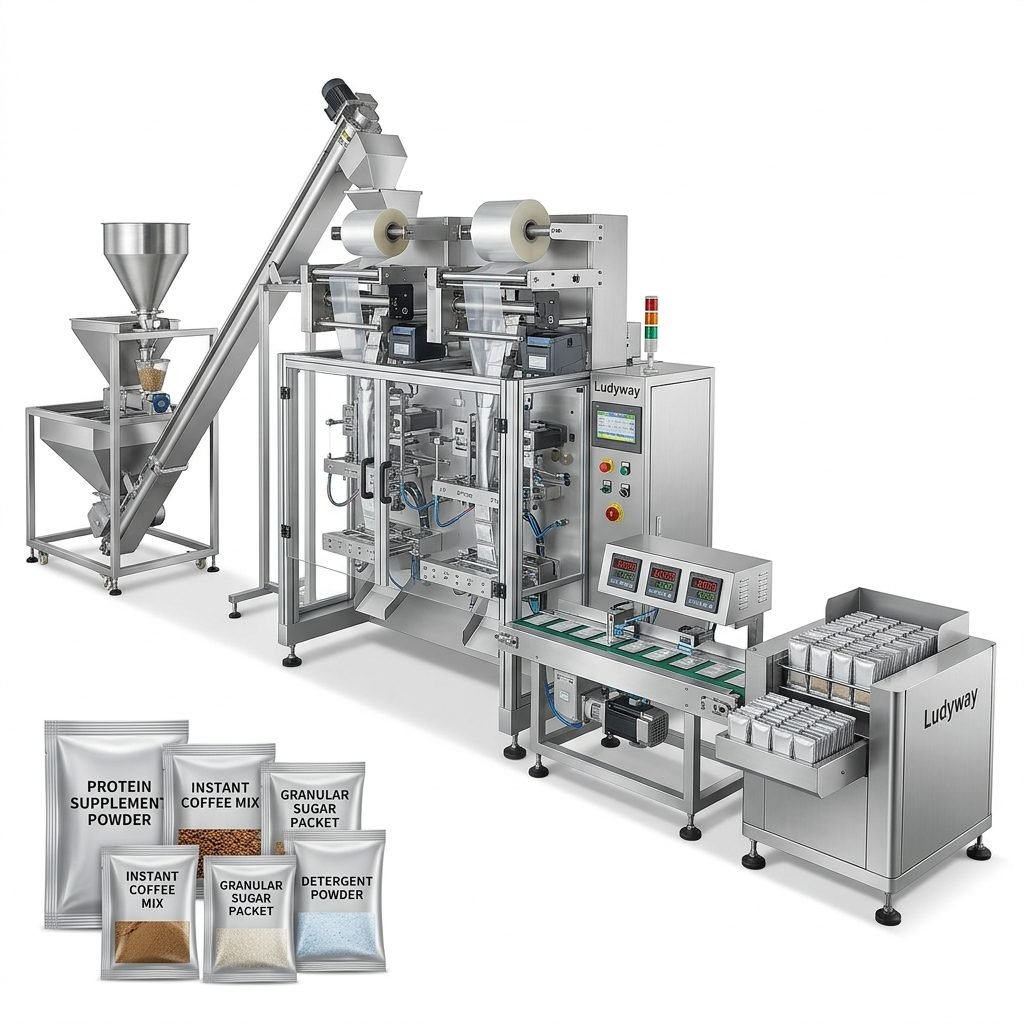
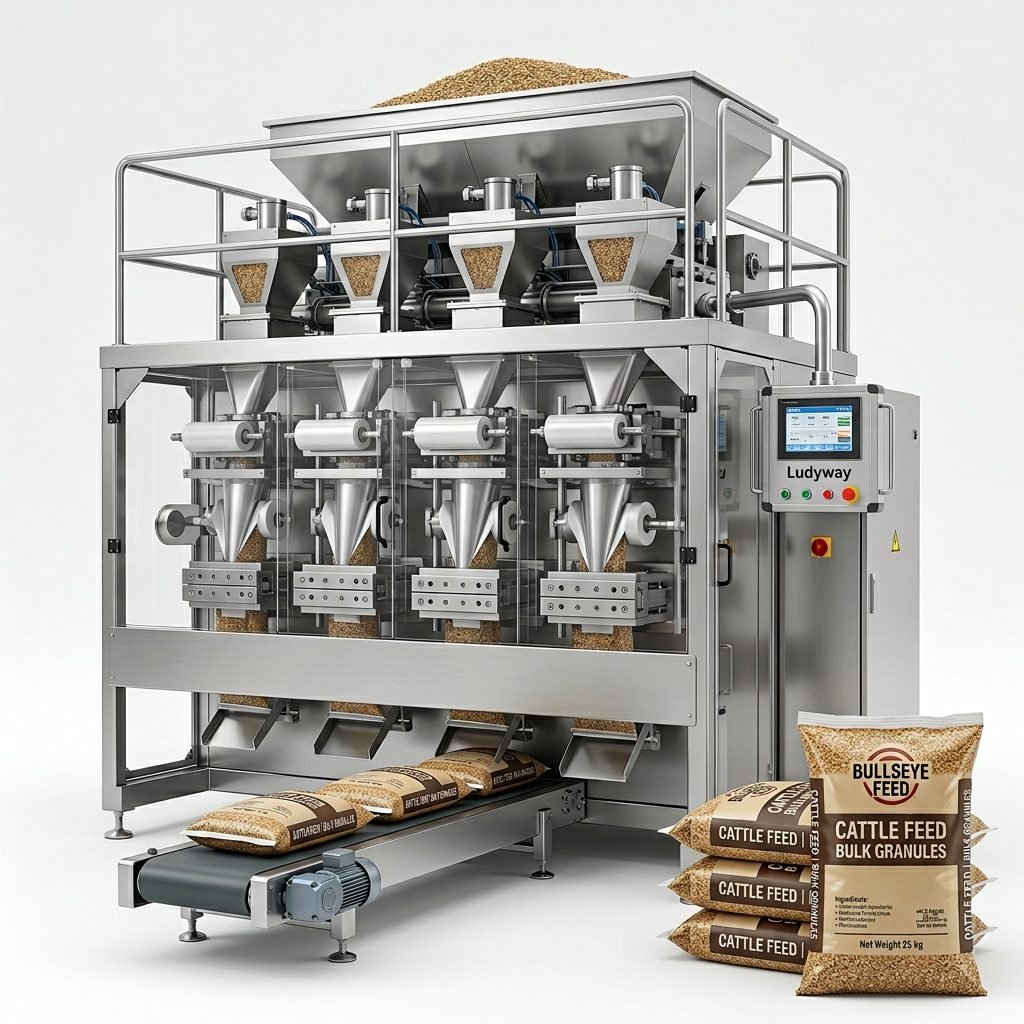
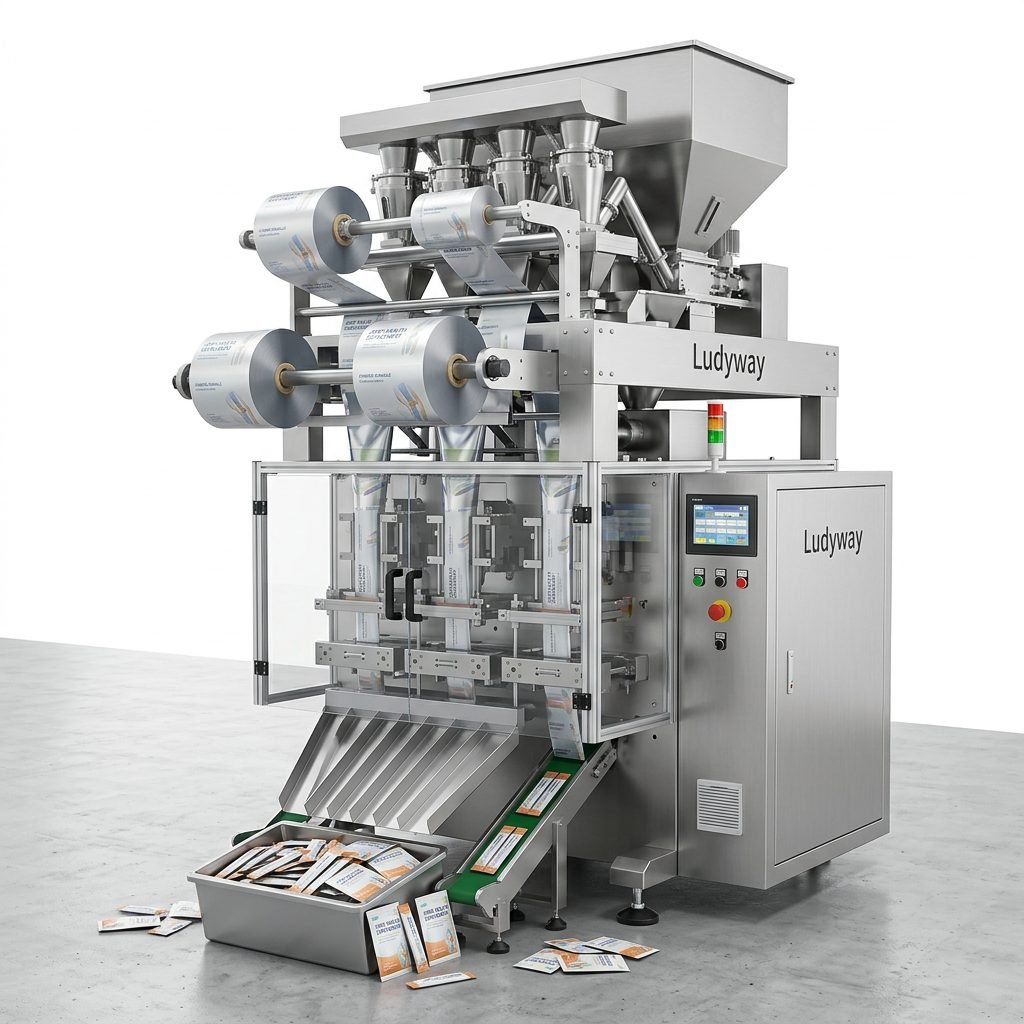
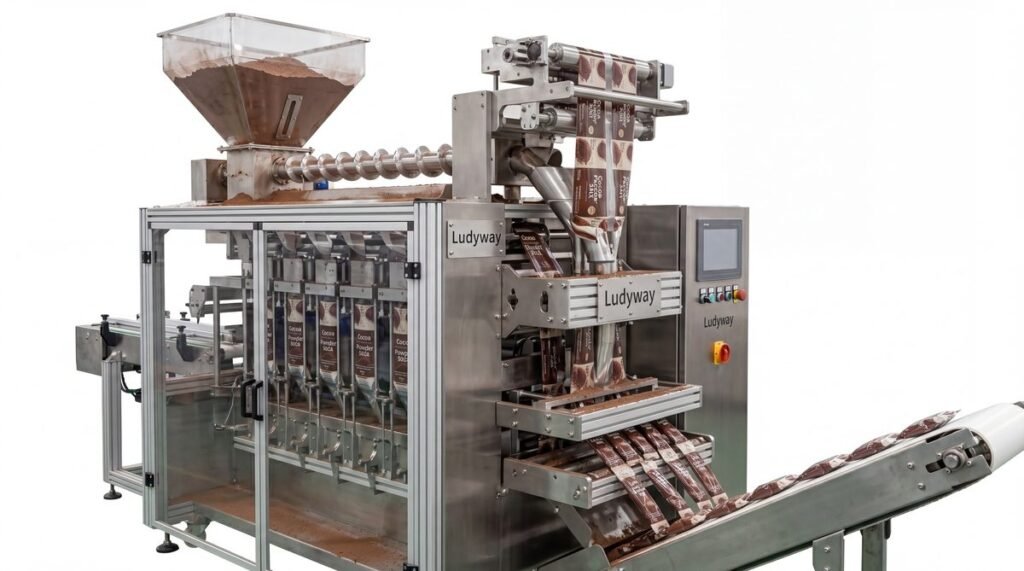
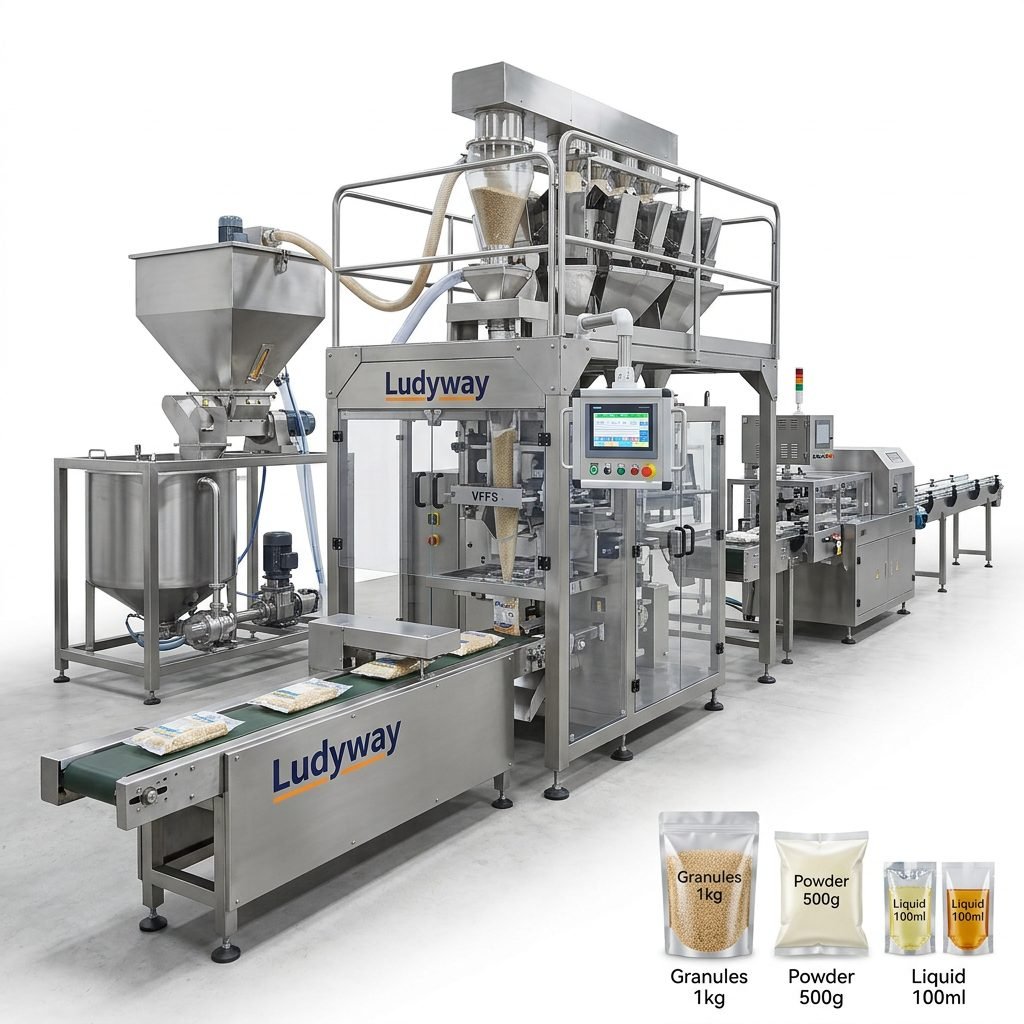
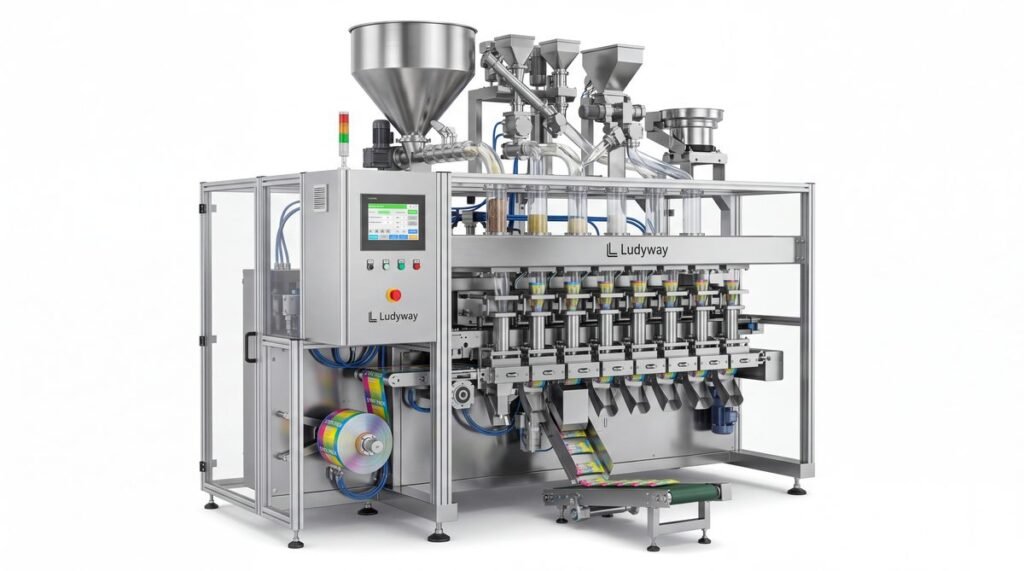
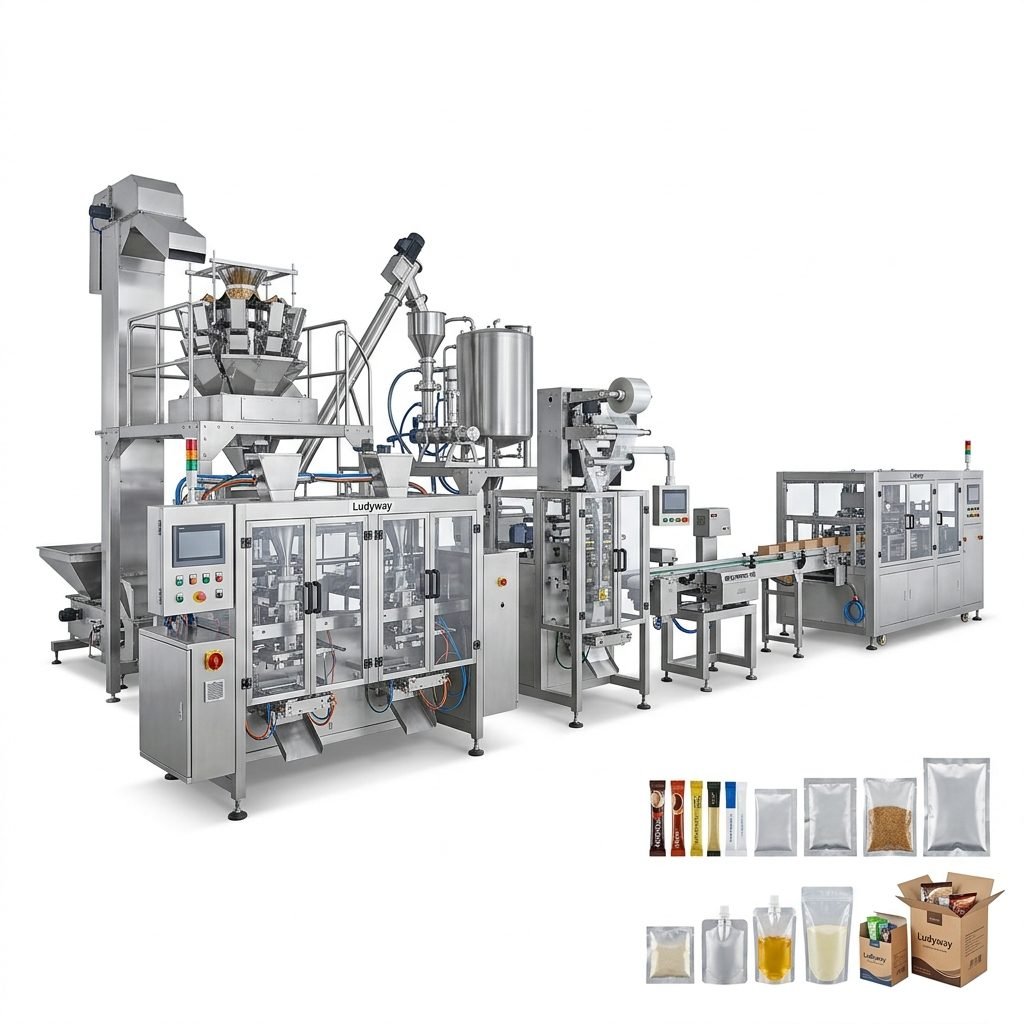
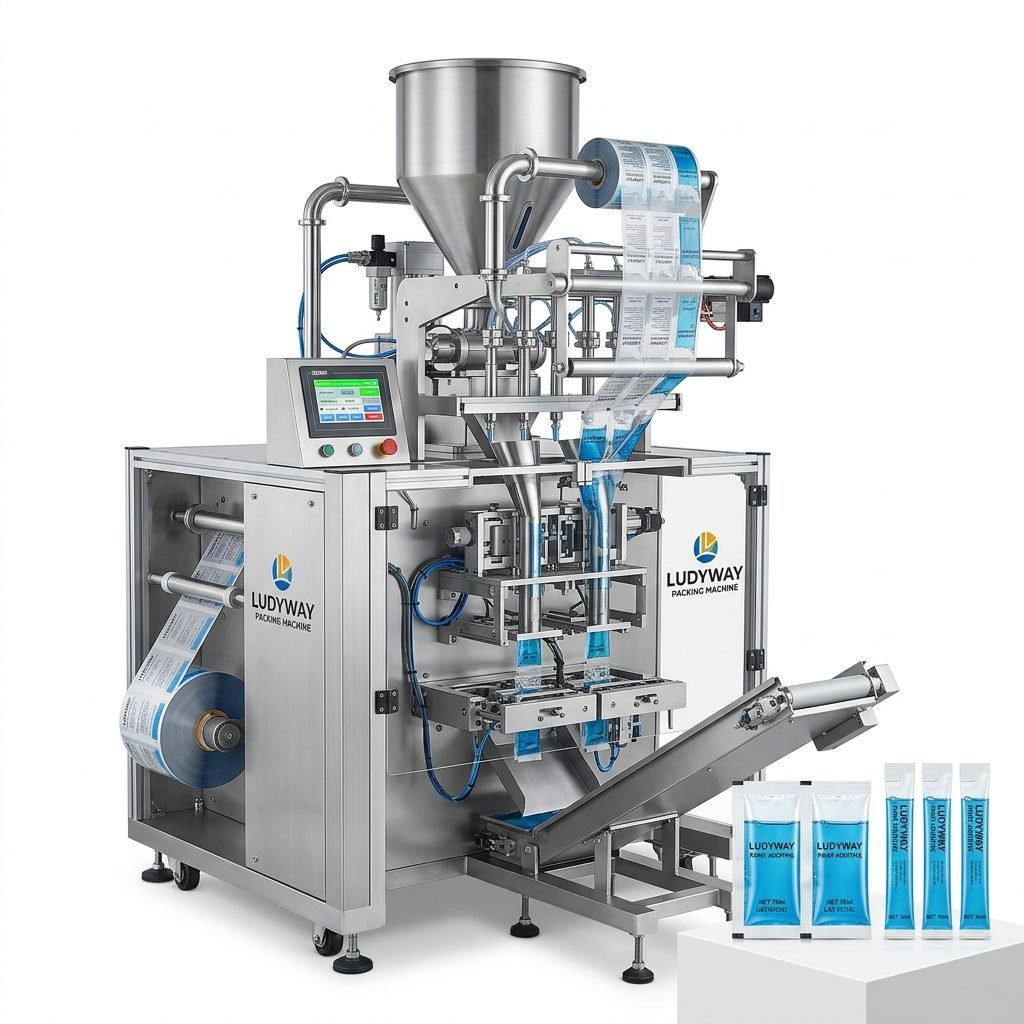
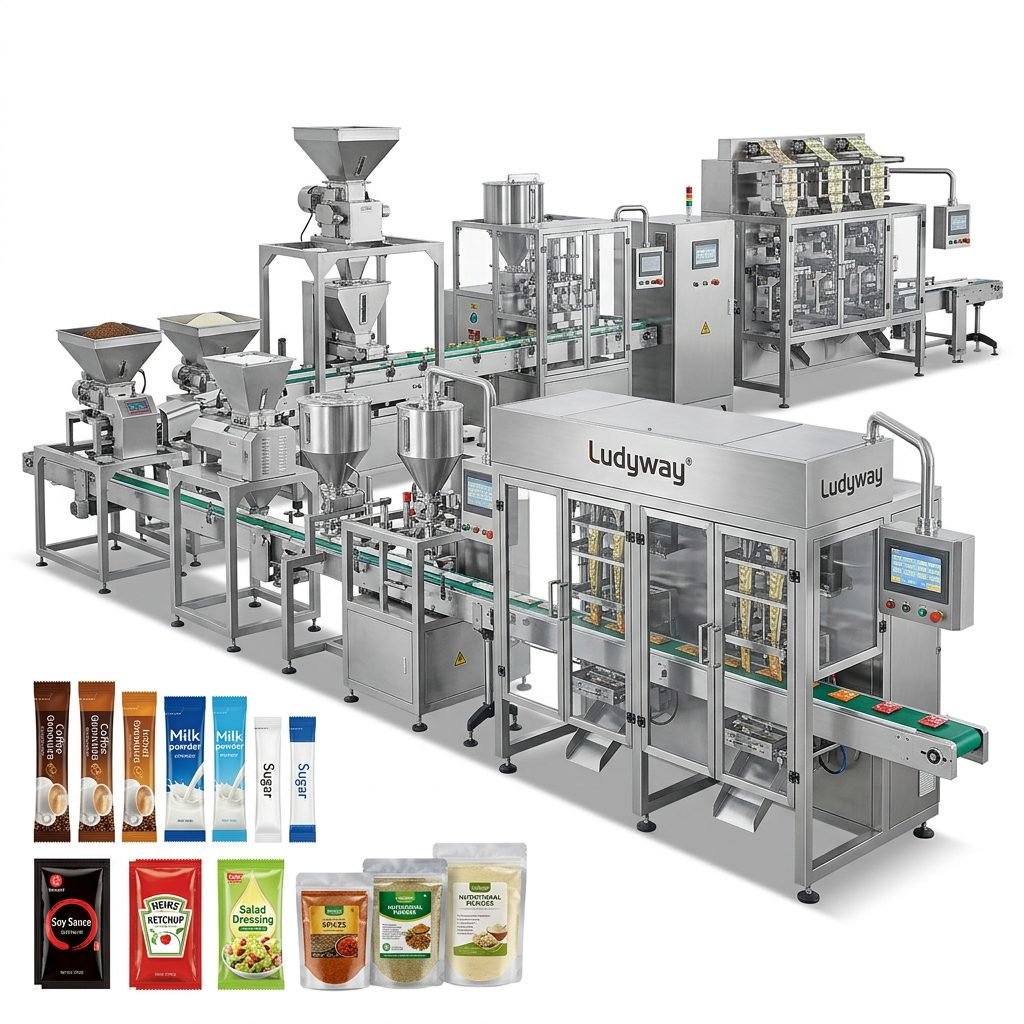
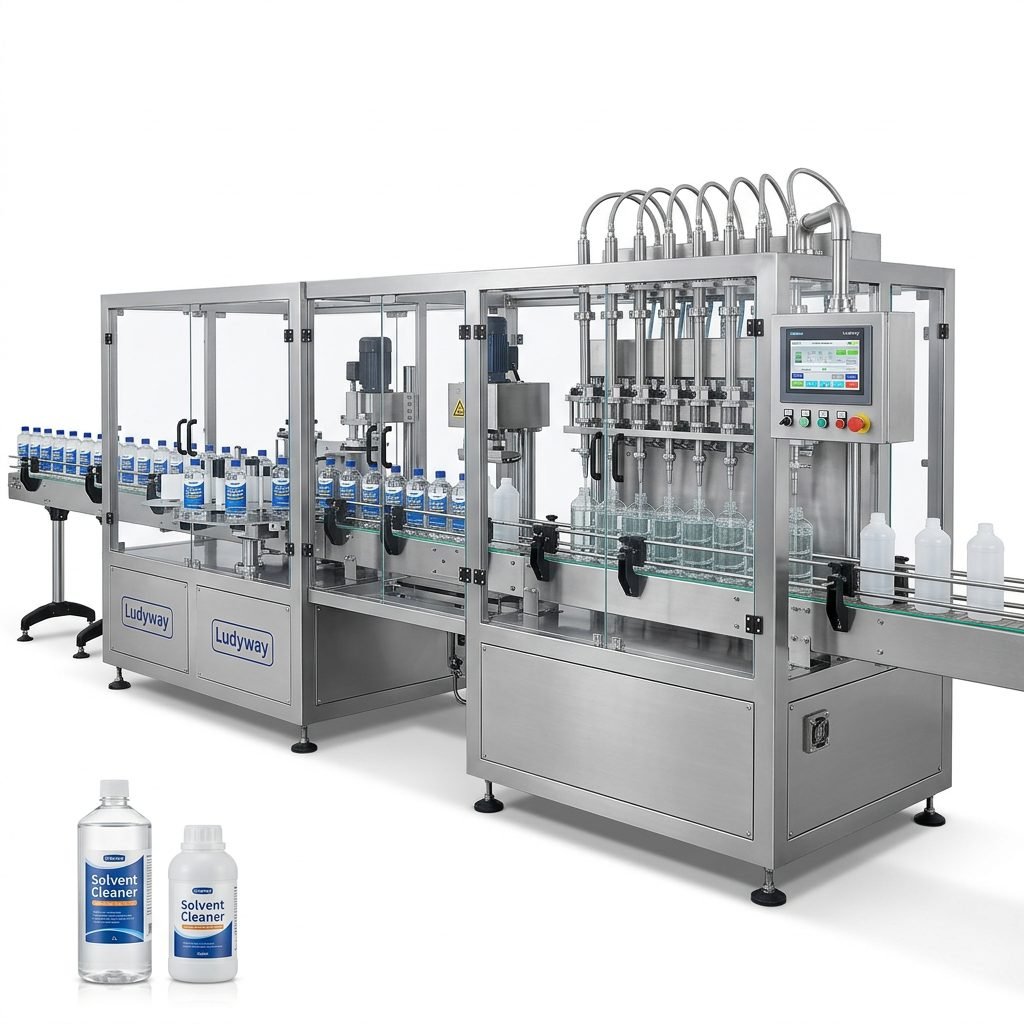
Proper maintenance of an automatic salad packing machine is essential for ensuring consistent performance, extending equipment lifespan, and meeting food safety guidelines. Regular cleaning and care not only prevent costly breakdowns but also safeguard product quality and hygiene standards.
Why Routine Maintenance Matters
Salad packaging involves handling fresh, moisture-rich ingredients that can quickly lead to bacterial growth if equipment is not properly sanitized. A well-maintained packaging machine delivers reliable sealing, accurate portioning, and reduced downtime. Neglecting maintenance can result in seal failures, product contamination, and expensive repairs. Establishing a structured maintenance routine helps you stay ahead of potential issues.
Daily Cleaning Procedures
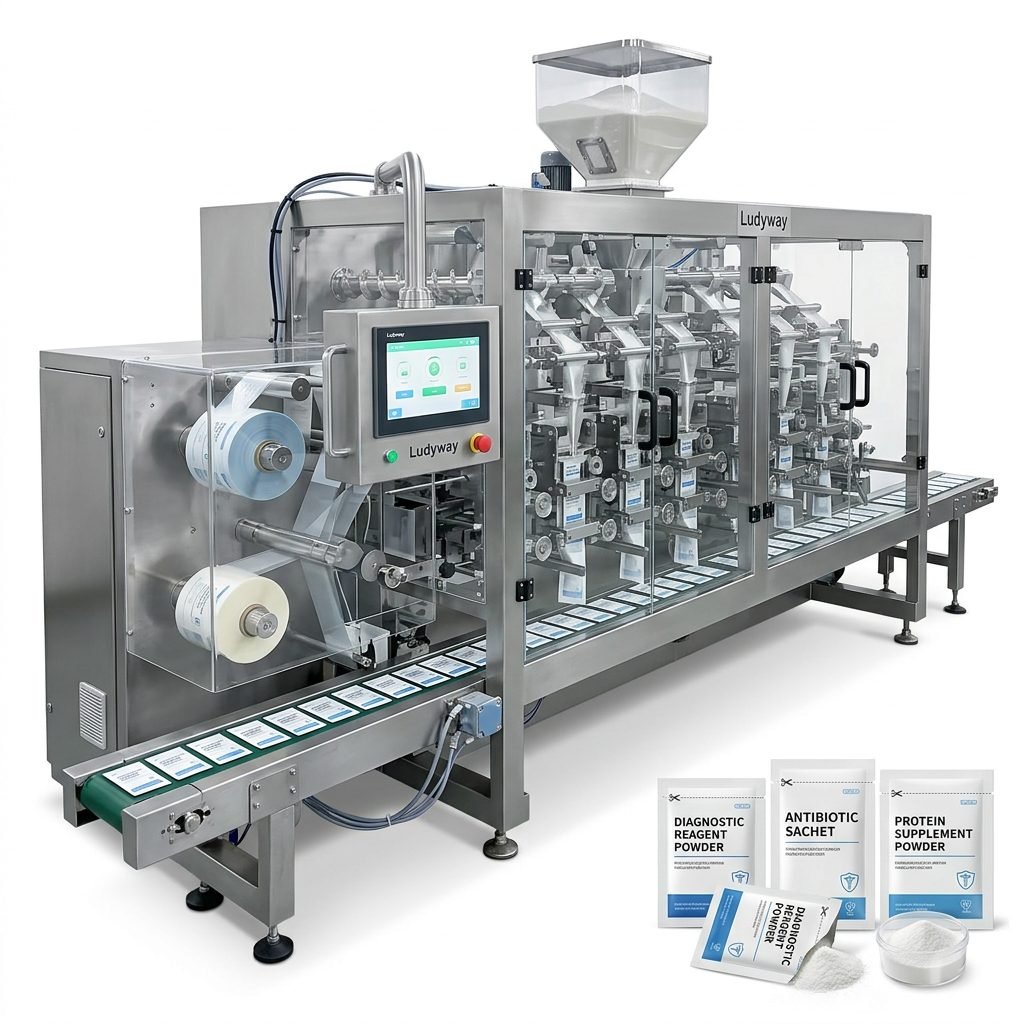
Daily cleaning is the cornerstone of effective maintenance. After each production run or at the end of every shift, operators should follow a consistent cleaning protocol to remove food residues and prevent cross-contamination.
Cleaning the Product Contact Surfaces
All surfaces that come into direct contact with salad ingredients must be thoroughly cleaned. Use food-grade cleaning agents and warm water to wipe down hoppers, conveyors, and filling nozzles. Never use abrasive materials that could scratch stainless steel surfaces, as scratches can harbor bacteria. After cleaning, rinse with potable water and allow surfaces to air dry completely before reassembly.
Cleaning the Sealing Mechanism
The sealing bars and heating elements require special attention. Residual salad dressing or moisture can build up on seal jaws, compromising seal integrity. Use a soft-bristled brush and approved solvent to gently remove any buildup. Inspect the Teflon coating on heat-sealing bars for signs of wear or peeling, as damaged coatings can cause inconsistent seals.
Weekly Maintenance Tasks
In addition to daily cleaning, weekly maintenance tasks help identify early warning signs and keep mechanical components operating smoothly.
Lubrication Points
All moving parts, including chains, bearings, and cam mechanisms, should be lubricated according to the manufacturer’s specifications. Use food-grade lubricants for any components near product zones. Over-lubrication can attract dust and debris, so apply sparingly and wipe away excess.
Sensor and Detection System Checks
Modern automatic salad packing machines rely on photoelectric sensors, temperature controllers, and film registration sensors. Test all sensors weekly to ensure accurate triggering and response. Clean sensor lenses with a lint-free cloth to prevent false readings caused by dust or moisture accumulation.
Monthly Deep Cleaning and Inspection
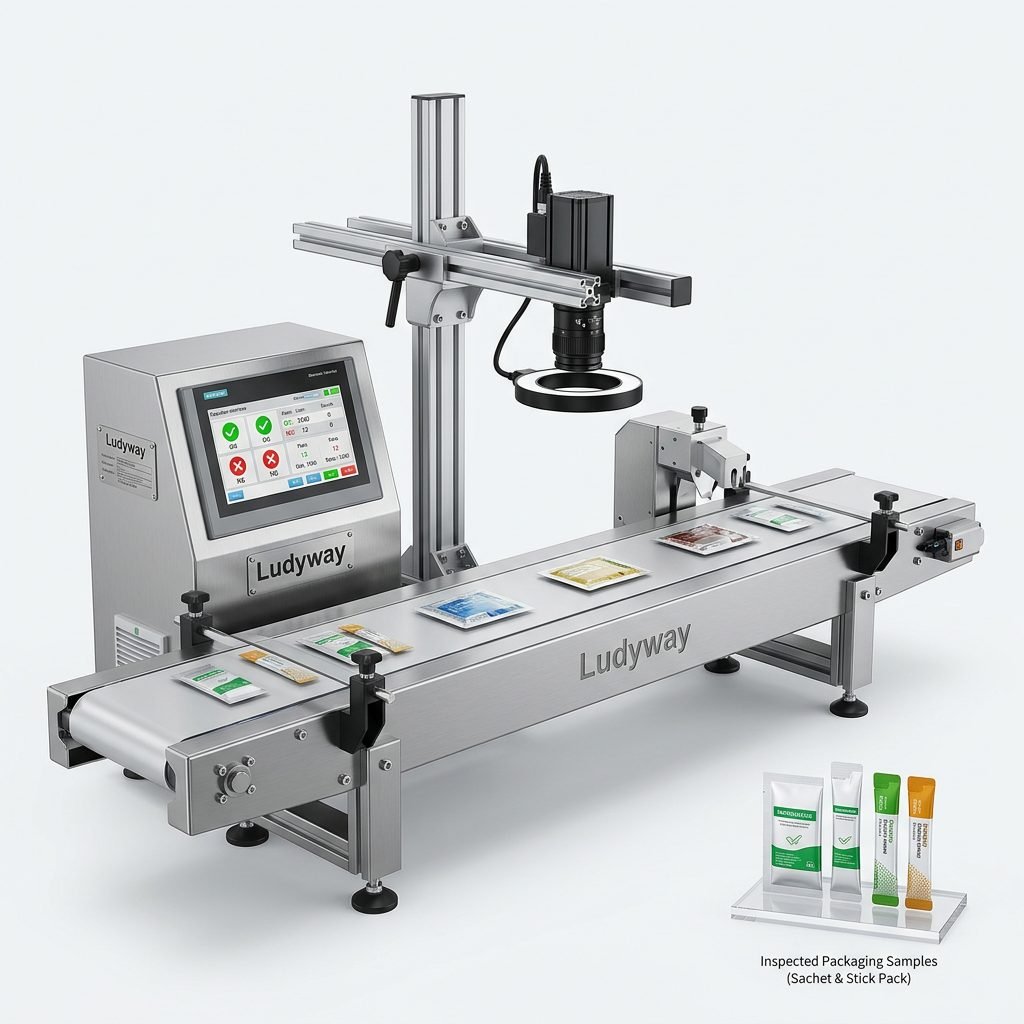
A comprehensive monthly inspection goes beyond surface-level cleaning. Disassemble major components as permitted by the equipment design and inspect for hidden wear, corrosion, or damage. Pay particular attention to electrical connections, pneumatic lines, and vacuum systems.
| Maintenance Interval | Task | Key Focus Areas |
|---|---|---|
| Daily | Surface cleaning & sanitization | Hoppers, conveyors, sealing bars, filling nozzles |
| Weekly | Lubrication & sensor checks | Bearings, chains, photoelectric sensors, temperature controllers |
| Monthly | Deep inspection & component testing | Pneumatic systems, electrical connections, vacuum pumps, film feed mechanisms |
| Quarterly | Preventive part replacement | Wear parts, belts, sealing gaskets, O-rings, filters |
| Annually | Full system overhaul | Complete calibration, software updates, structural inspection |
Common Issues and Troubleshooting
Even with diligent maintenance, occasional issues may arise. Understanding common problems and their root causes enables faster resolution and minimizes production disruptions.
- Inconsistent Seal Quality: Often caused by dirty or worn sealing bars, incorrect temperature settings, or damaged Teflon coating. Clean seal jaws and verify temperature calibration.
- Product Jamming in Hoppers: Residual moisture or oil buildup can cause salad pieces to clump. Ensure thorough drying after cleaning and consider anti-stick surface treatments.
- Film Tracking Errors: Misaligned film rolls or worn rollers can cause tracking issues. Inspect film path alignment and replace worn guide rollers.
- Sensor Malfunctions: Dust accumulation on sensor lenses is a frequent culprit. Regular cleaning and periodic recalibration resolve most sensor-related problems.
- Excessive Noise or Vibration: Loose fasteners, worn bearings, or inadequate lubrication typically cause unusual sounds. Tighten all accessible bolts and verify lubrication levels.
Best Practices for Long-Term Reliability
Adopting a proactive approach to equipment care significantly extends the service life of your automatic salad packing machine. Below are proven strategies used by top food manufacturers worldwide.
- Train Operators Thoroughly: Every operator should understand both operational procedures and basic maintenance tasks. Well-trained staff catch problems early and perform cleaning correctly. Reference packaging industry standards for training best practices.
- Maintain a Maintenance Log: Document all cleaning, lubrication, inspections, and part replacements. A detailed log reveals recurring issues and helps optimize preventive maintenance schedules.
- Use Genuine Spare Parts: Counterfeit or incompatible parts can damage equipment and void warranties. Always source replacement components from authorized suppliers.
- Schedule Downtime Strategically: Plan major maintenance activities during low-production periods to minimize disruption. Align maintenance schedules with ISO packaging standards for quality management.
- Conduct Regular Audits: Periodic third-party or internal audits of maintenance procedures help identify gaps and ensure compliance with food safety regulations.
The Role of Professional Support
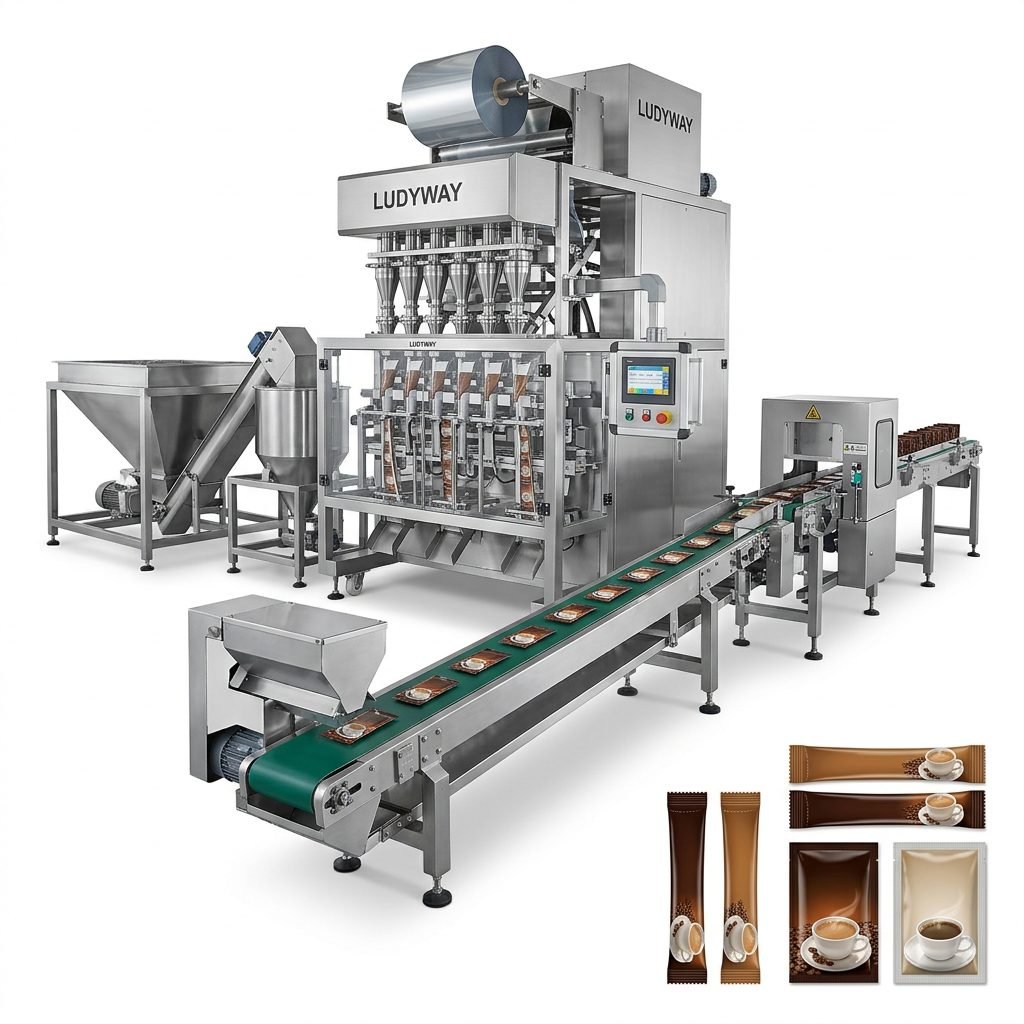
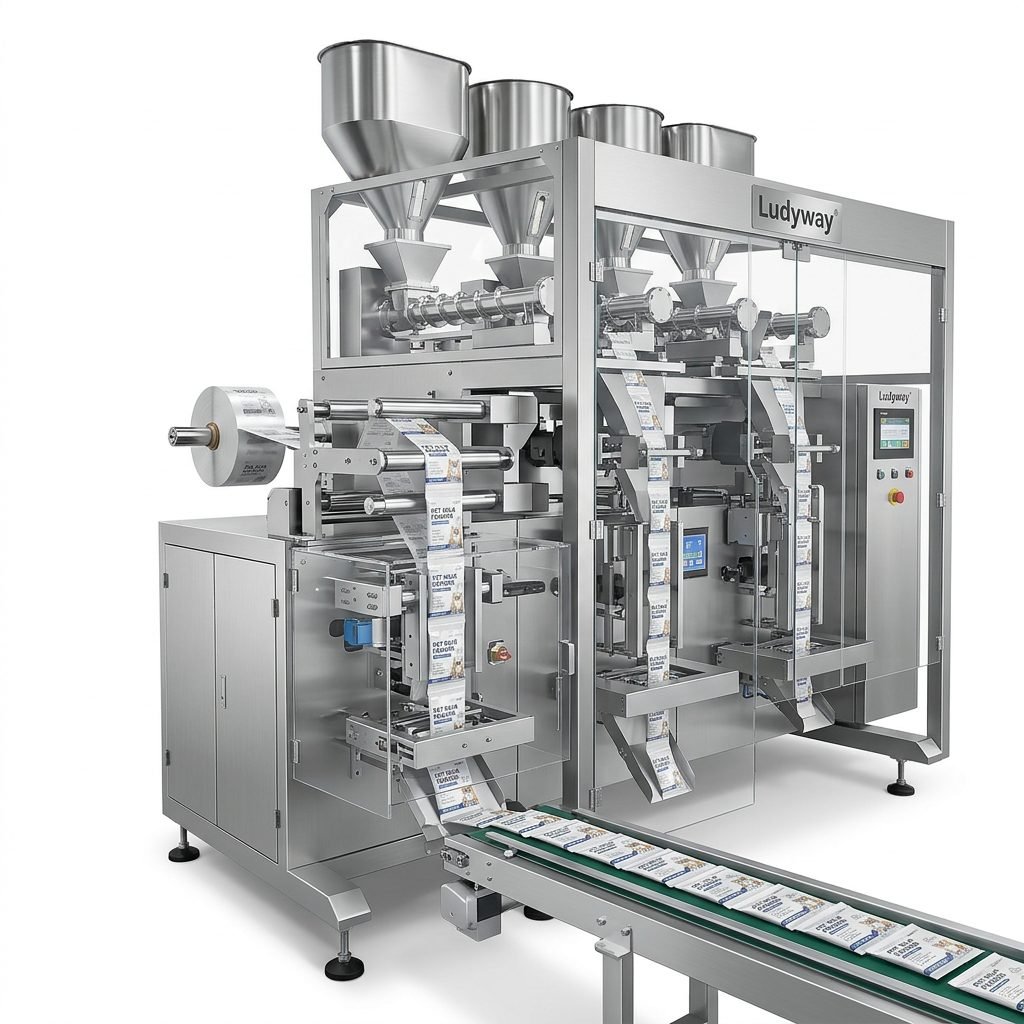
While in-house maintenance handles most routine tasks, partnering with an experienced equipment manufacturer provides access to specialized technical support, genuine spare parts, and advanced training programs. Ludyway, as a leading packaging machine manufacturer, offers comprehensive after-sales support including remote diagnostics, on-site servicing, and preventive maintenance contracts tailored to your production needs. Expert guidance ensures your equipment consistently operates at peak efficiency while meeting all FDA packaging requirements.
Conclusion
Maintaining an automatic salad packing machine requires discipline, consistency, and attention to detail. By implementing daily cleaning routines, weekly inspections, monthly deep cleans, and a structured preventive maintenance program, you protect your investment, ensure product safety, and maximize operational uptime. The most successful food packaging operations treat maintenance not as an expense but as a strategic priority that directly contributes to business growth and customer satisfaction.
Related Resources: