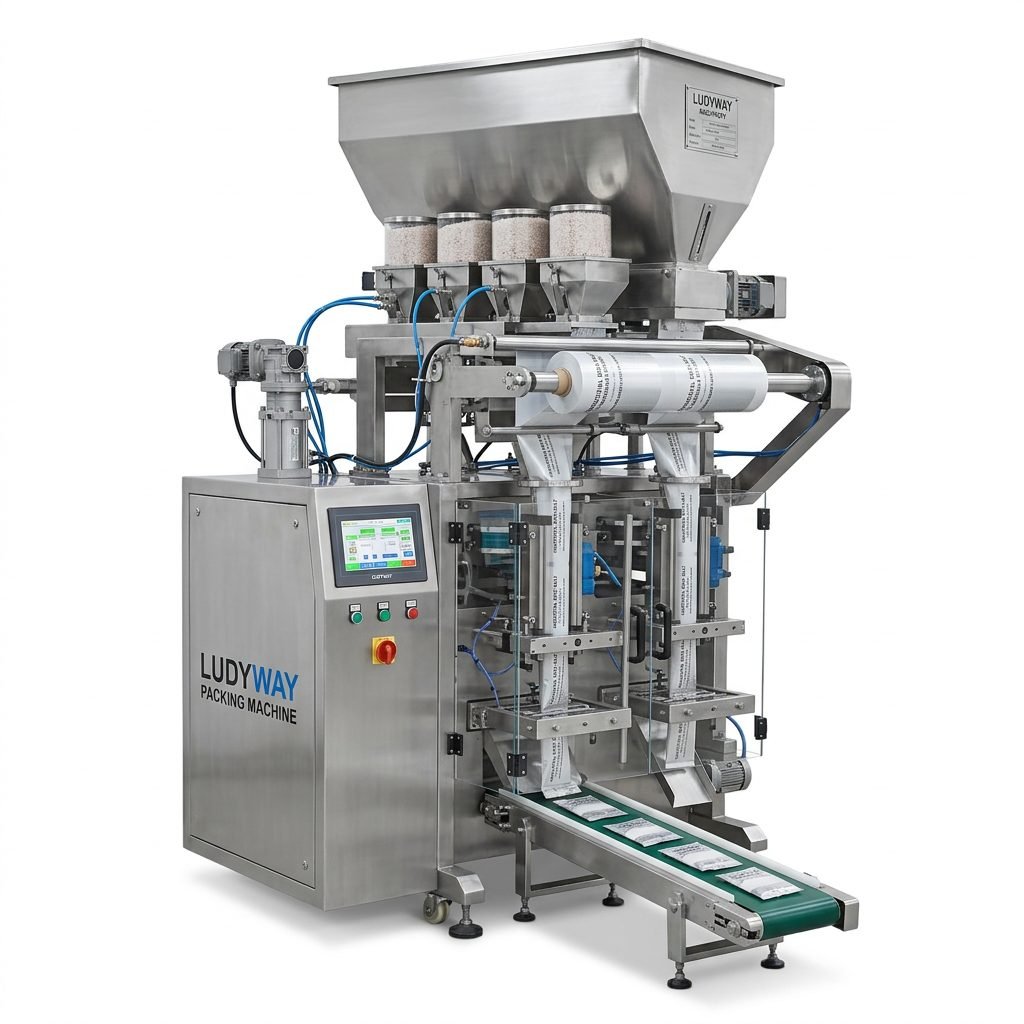
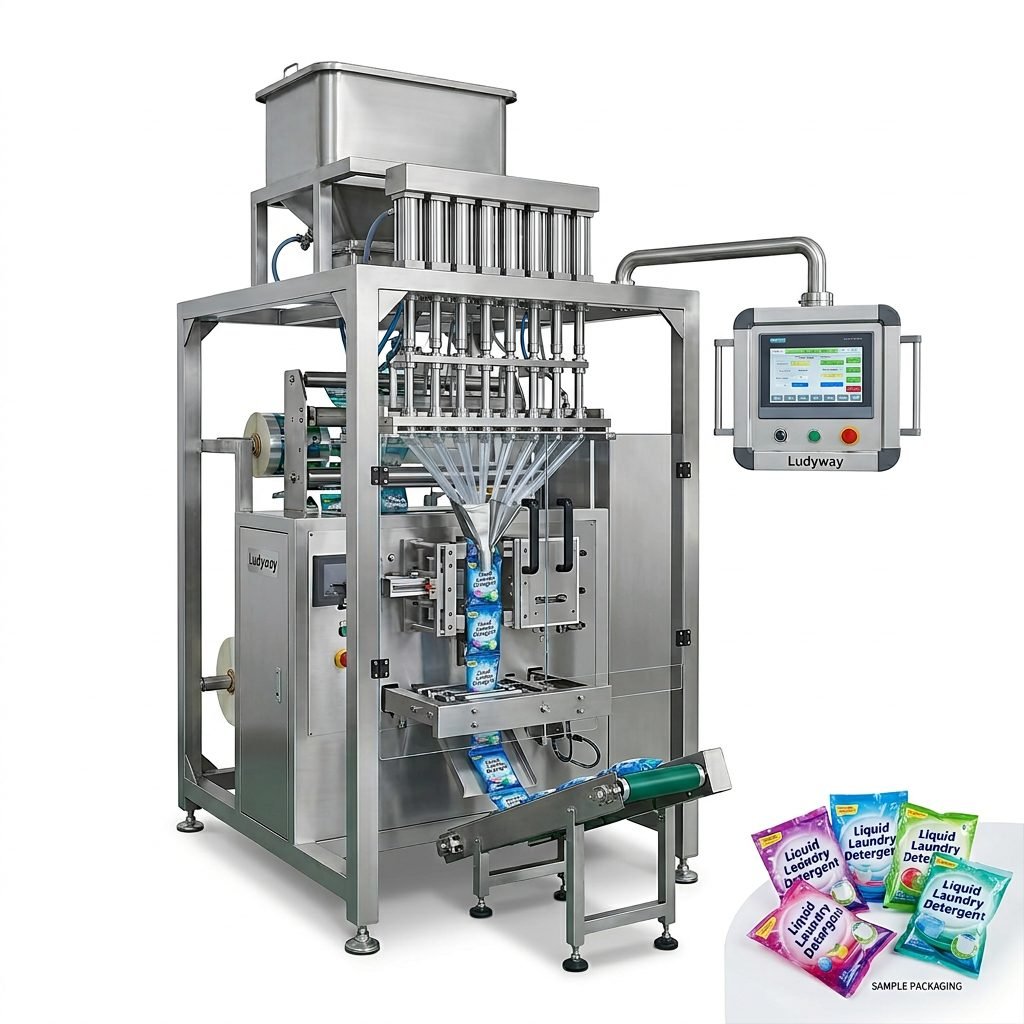
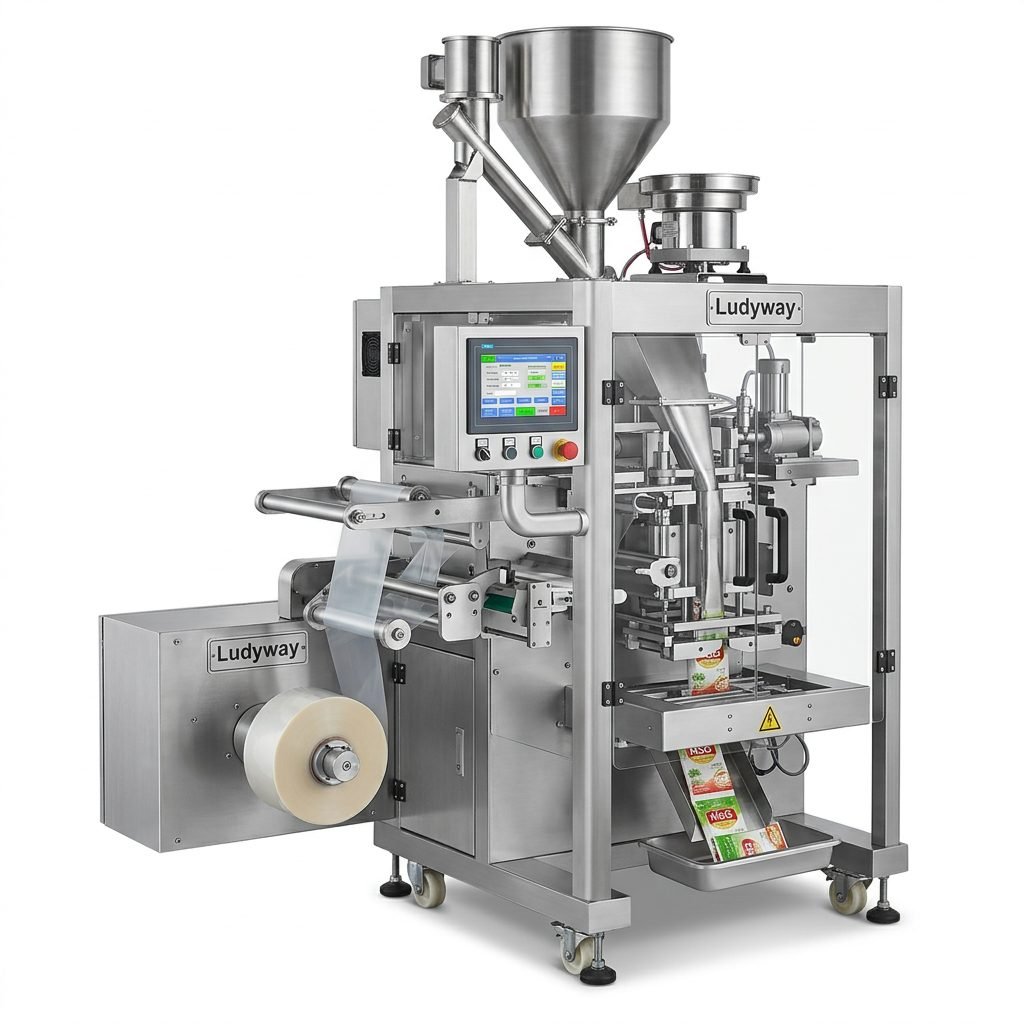
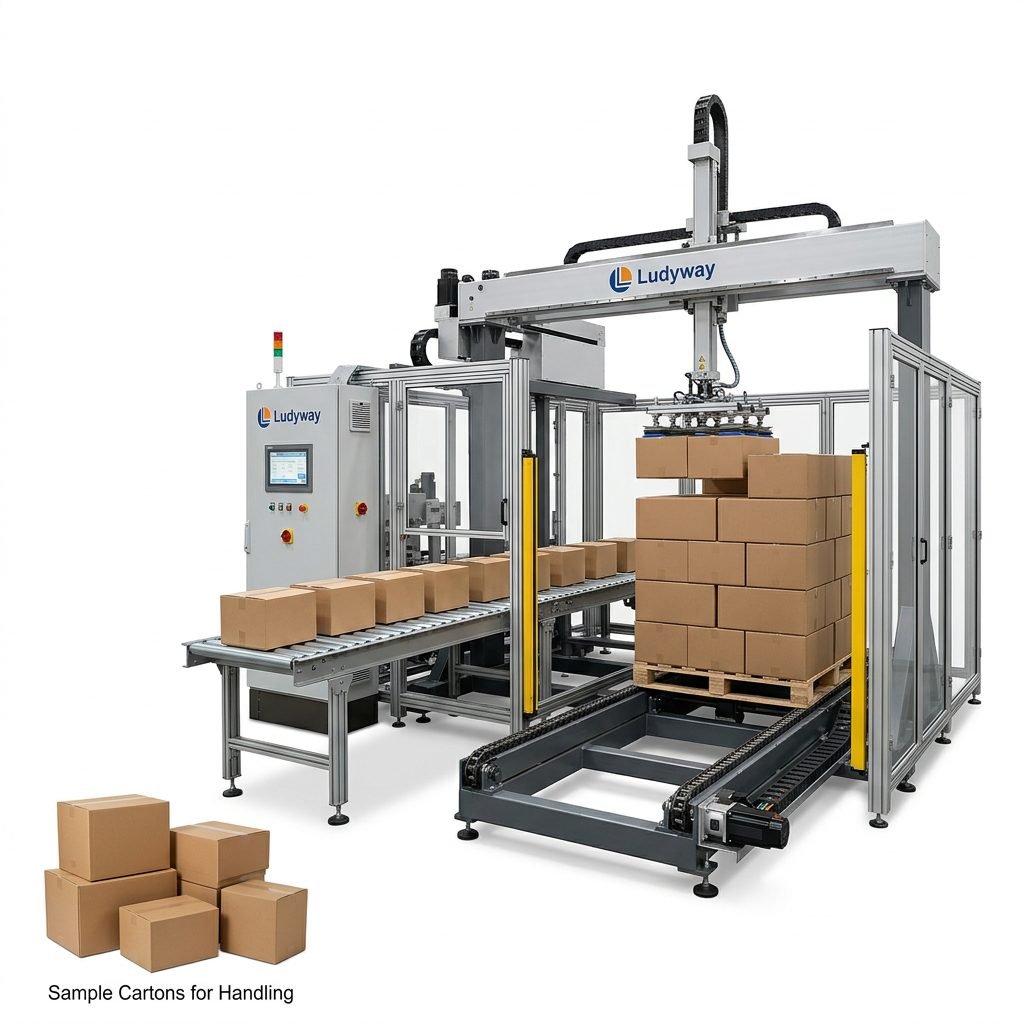
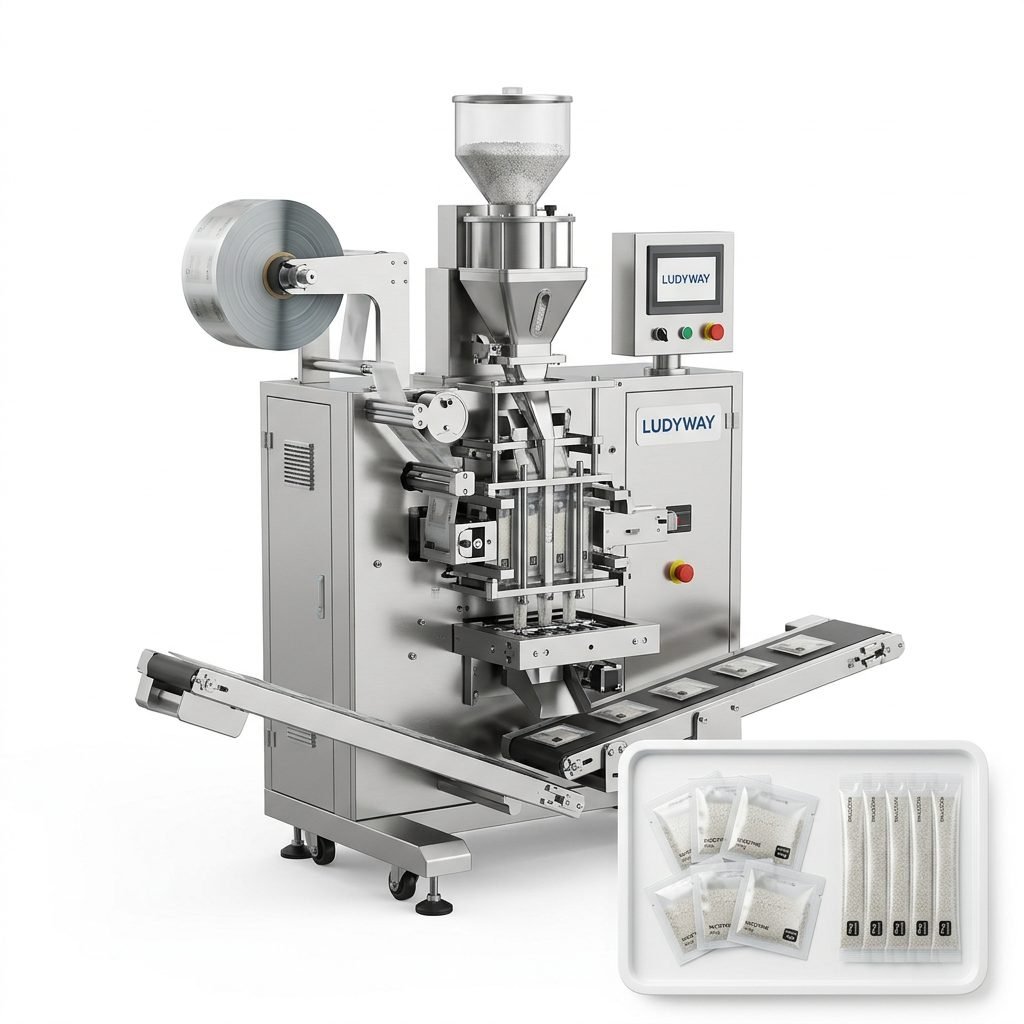
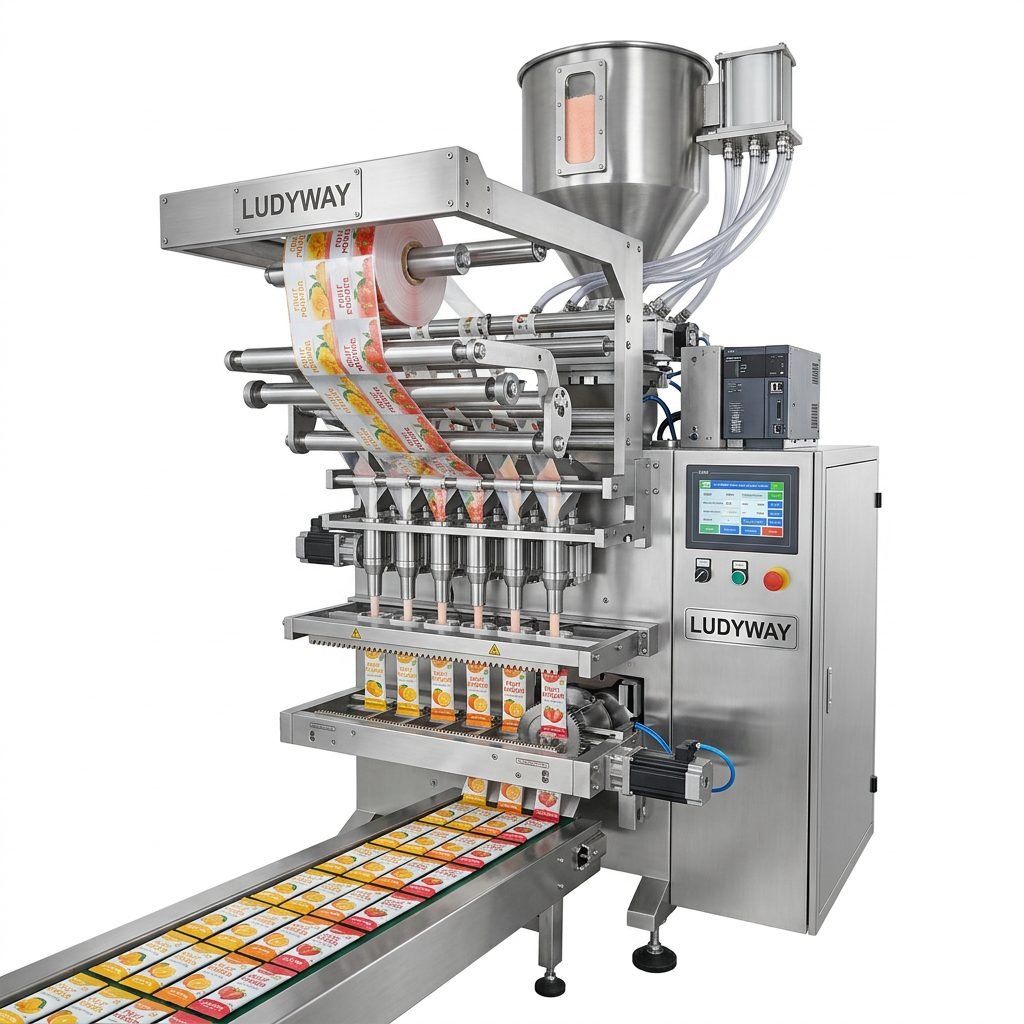
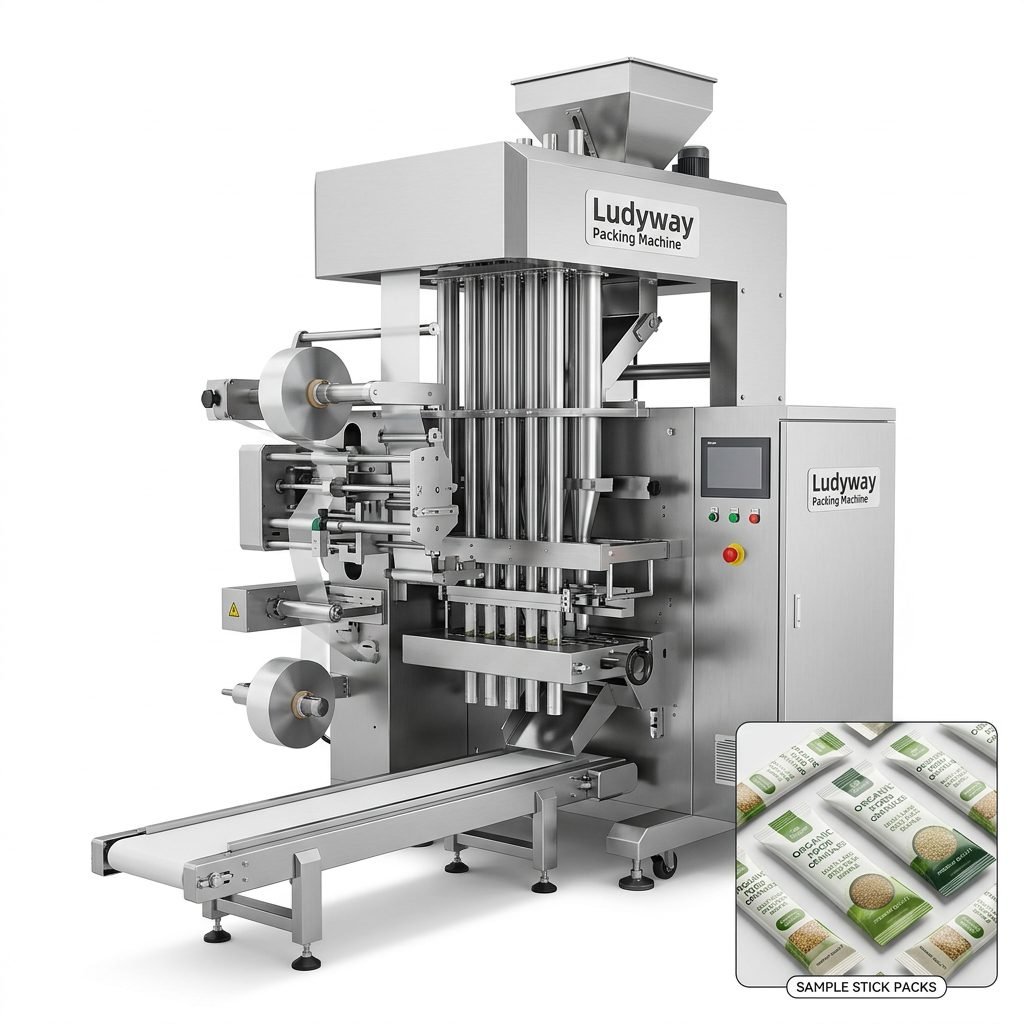
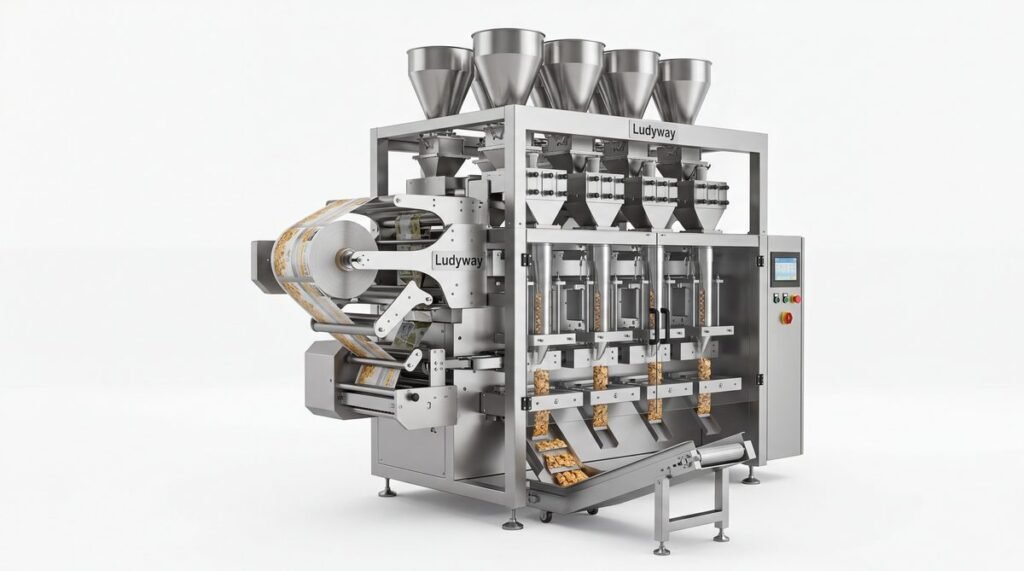
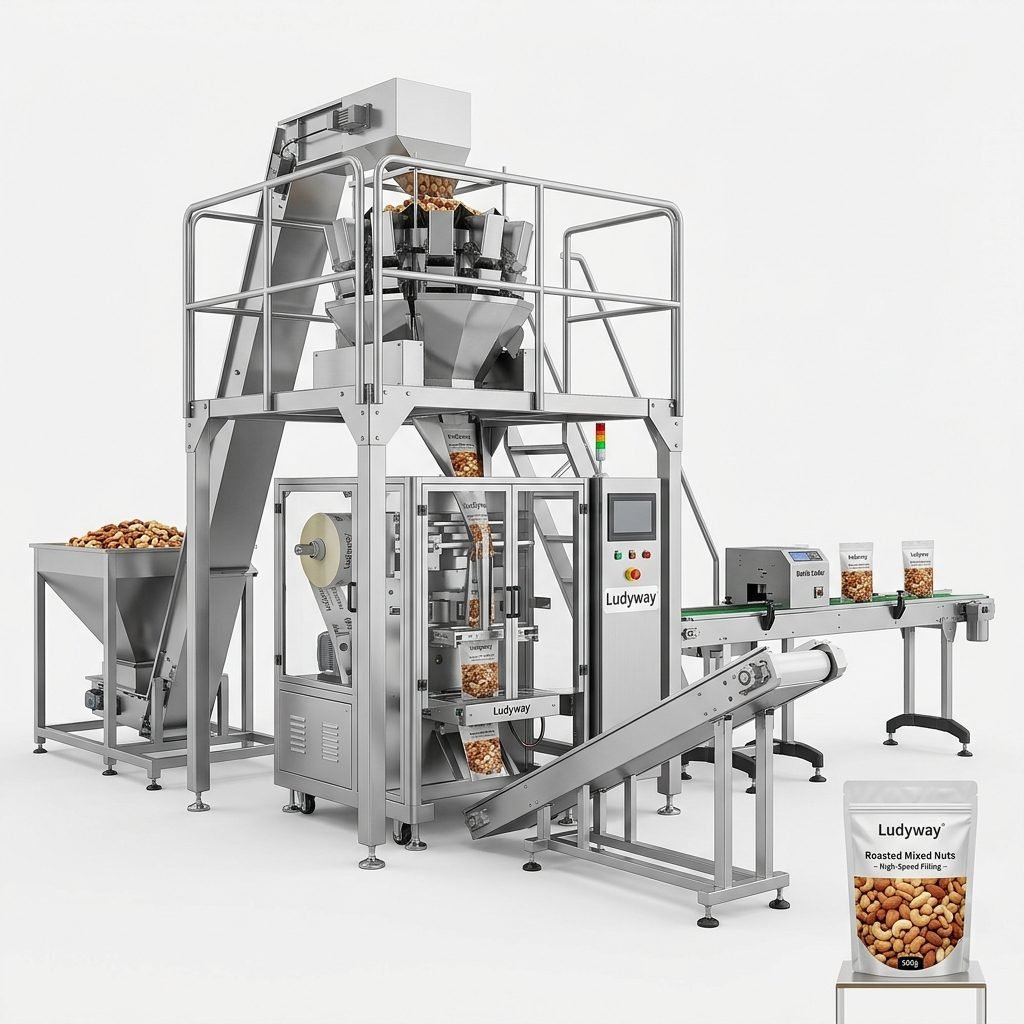
Proper maintenance of an ice pop packaging machine is essential for consistent output, food safety compliance, and extending equipment lifespan. Without a structured cleaning and maintenance program, residue buildup can lead to sealing defects, filling inaccuracies, and costly downtime. This guide covers the essential daily, weekly, and monthly procedures to keep your liquid filling and sealing system running at peak performance.
Why Cleaning Your Ice Pop Packaging Machine Matters
Ice pop production involves sugary liquids, sticky syrups, and dairy-based mixes that can quickly contaminate filling nozzles and sealing jaws. Residue accumulation causes:
- Film sealing failures leading to leaking or burst pouches
- Inconsistent fill volumes due to partially clogged nozzles
- Bacterial growth compromising product safety and shelf life
- Premature wear on mechanical components from sticky buildup
A disciplined sanitation routine not only protects product quality but also aligns with FDA food contact substance regulations and global food safety standards.
Daily Cleaning Protocol for Liquid Filling Zones
At the end of each production shift, operators should follow a standardized shutdown cleaning procedure. This prevents overnight crystallization of sugars and preserves the integrity of the vertical form fill seal (VFFS) system.
Step-by-Step Daily Cleaning Checklist
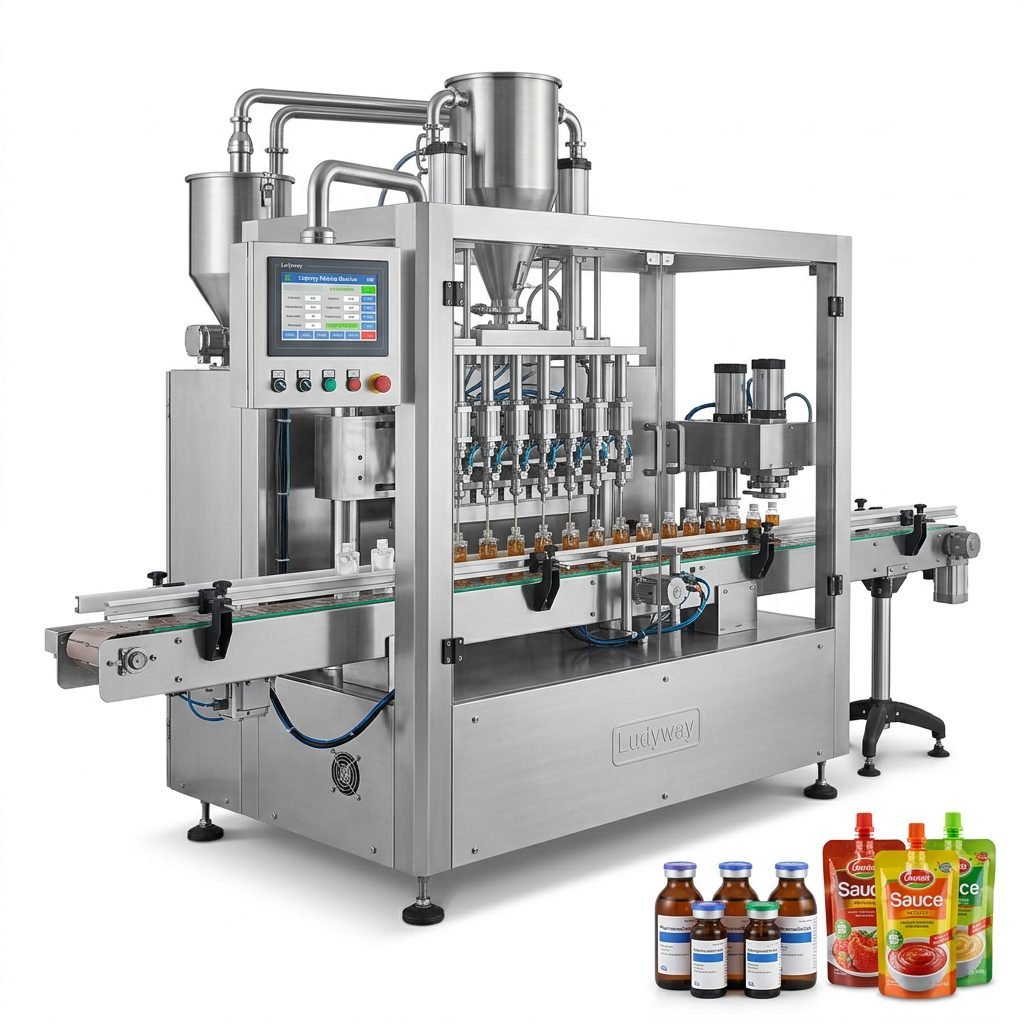
- Flush the liquid pathway: Run warm water or an approved cleaning solution through the filling pump, hoses, and nozzles for at least 10 minutes.
- Disassemble nozzle tips: Remove and soak nozzle tips in food-grade sanitizer. Use soft brushes to clear any residue from the orifice.
- Wipe down sealing jaws: Use a lint-free cloth with isopropyl alcohol to clean the horizontal and vertical sealing surfaces while the jaws are still warm.
- Clean the forming tube: Remove any film fragments or sticky deposits from the bag former and shoulder area.
- Empty and sanitize the hopper: For machines handling premix slurries, thoroughly drain and sanitize the product tank.
| Cleaning Component | Recommended Frequency | Approved Cleaning Agent |
|---|---|---|
| Filling Nozzles & Hoses | Daily (end of shift) | Food-grade CIP solution |
| Sealing Jaws (Teflon coated) | Daily + every product changeover | Isopropyl alcohol (70%) |
| Product Hopper/Tank | Daily | Peracetic acid sanitizer |
| Film Tracking Rollers | Weekly | Dry cloth + compressed air |
| Electrical Cabinets | Monthly | Dry vacuum only (no liquids) |
Weekly Mechanical Inspection and Lubrication
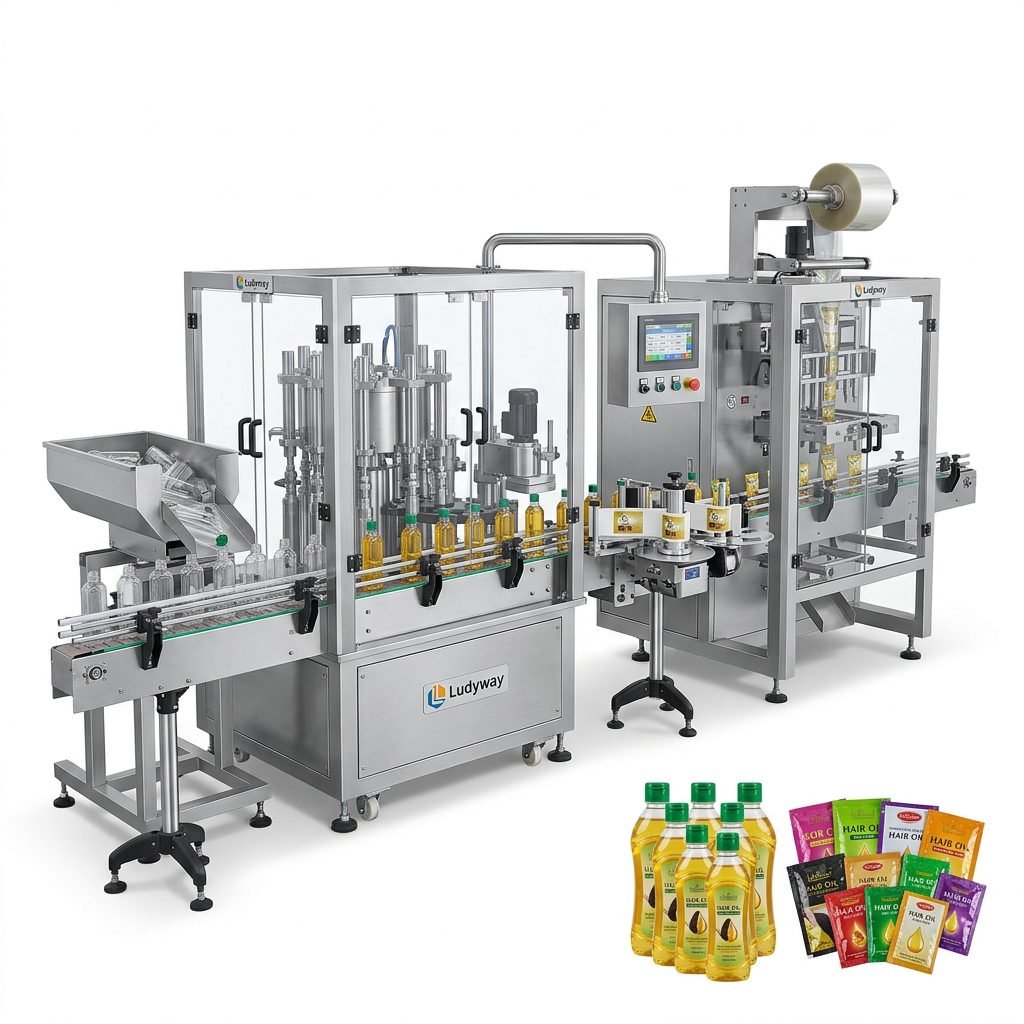
Beyond cleaning, preventive mechanical inspections are critical for high-speed ice pop lines. A multi-lane stick pack machine producing thousands of units per hour requires all moving parts to operate within precise tolerances.
- Check belt tension and alignment: Misaligned belts cause film wrinkling and off-center seals. Inspect tension weekly and adjust according to the manufacturer’s specifications.
- Lubricate bearings and guide rods: Apply food-grade lubricant to all linear motion components. Avoid over-greasing, which can attract dust and contaminate the packaging area.
- Inspect thermocouples: Verify that temperature readings on the sealing jaws match actual surface temperatures using an infrared thermometer. Deviations can lead to weak or burnt seals.
- Test safety interlocks: Confirm that door sensors and emergency stops function correctly before restarting production.
Monthly Deep Cleaning and Calibration
A monthly deep maintenance window allows for more thorough disassembly, inspection, and recalibration of critical components. This is also the ideal time to review and update your maintenance log.
Key Monthly Tasks
- Replace worn Teflon tape on sealing jaws to prevent film sticking and ensure clean release.
- Calibrate the liquid dosing pump to verify fill accuracy. Document actual volumes versus set points across all lanes.
- Inspect pneumatic cylinders and air lines for leaks. Condensation in air systems can contaminate product contact surfaces.
- Deep clean the film unwinding assembly and static elimination bars to maintain consistent film tension.
- Verify the integrity of the CIP system by checking spray ball patterns inside the liquid circuit.
Troubleshooting Common Issues Through Proper Maintenance
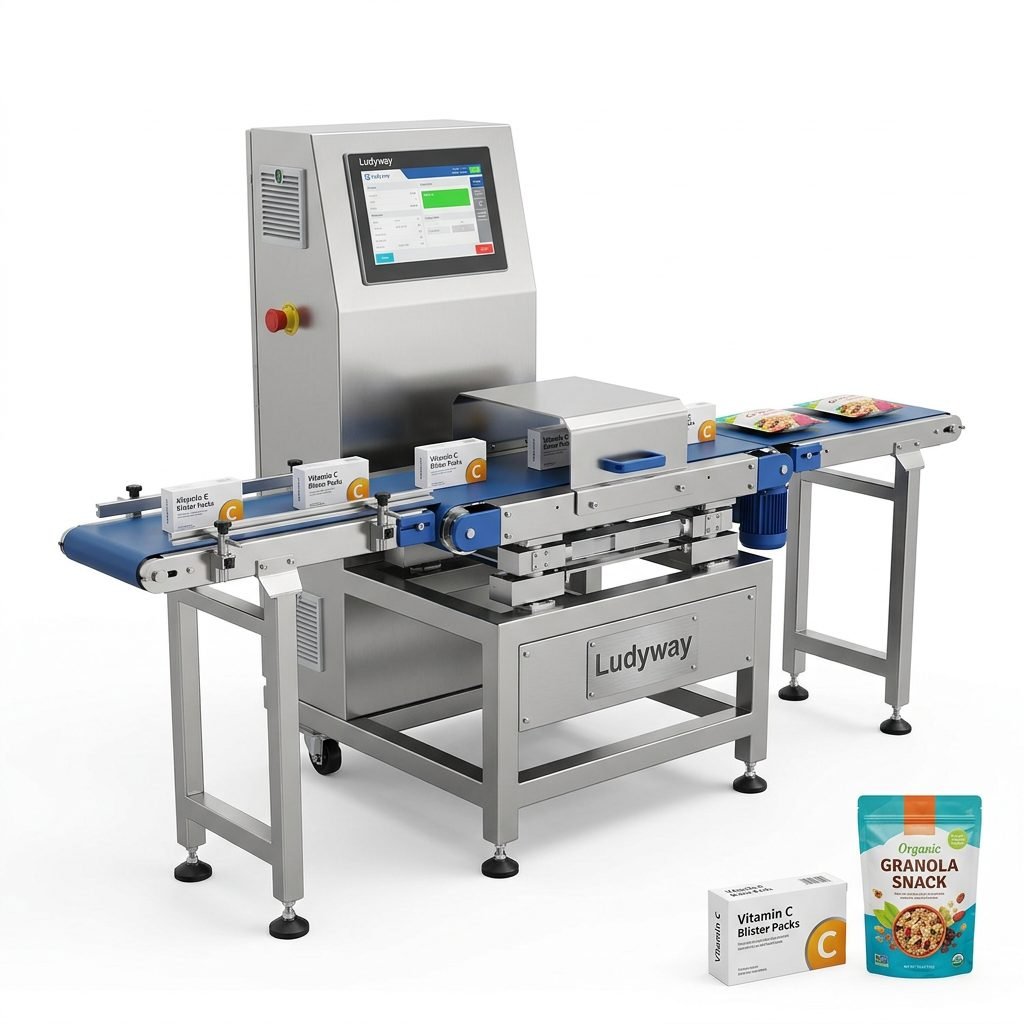
Many recurring problems on an ice pop packaging line can be traced back to inadequate cleaning or skipped maintenance steps. The table below maps common symptoms to their likely root causes and corrective actions.
| Symptom | Likely Cause | Maintenance Action |
|---|---|---|
| Incomplete seals / leaking pouches | Residue on sealing jaws or incorrect temperature | Deep clean jaws; recalibrate heat settings |
| Erratic fill volumes | Partially clogged nozzles or air in liquid line | Disassemble and clean nozzle assembly; purge air |
| Film tracking off-center | Dirty or misaligned rollers | Clean rollers; check alignment with dial indicator |
| Unusual noise during operation | Dry bearings or loose chain drive | Lubricate bearings; tension drive chains |
Documentation and Spare Parts Management
A robust maintenance program depends on meticulous record-keeping and proactive spare parts inventory. Operators should log every cleaning session, calibration adjustment, and component replacement. This documentation serves as evidence during food safety audits and helps identify wear patterns before they cause breakdowns.
Maintain a minimum stock of critical consumables, including Teflon sealing tape, O-rings for filling nozzles, drive belts, and thermocouples. Sourcing high-quality replacement parts from a reliable packaging machine manufacturer ensures compatibility and performance consistency. Ludyway, with over 30 years of industry expertise and a modern 20,000㎡ manufacturing facility, supplies precision-engineered spare components designed specifically for high-speed liquid and sachet packaging systems.

Training Your Team for Consistent Maintenance Execution
Even the best maintenance plan fails without proper operator training and accountability. Establish clear standard operating procedures (SOPs) for each maintenance task and conduct refresher training quarterly. Key training topics include:
- Lockout/tagout procedures before any cleaning or maintenance activity
- Correct disassembly sequence for product-contact components
- Approved chemical concentrations and contact times for sanitizers
- Reassembly verification to prevent leaks and mechanical interference
For further guidance on industry best practices, refer to the resources available through the PMMI Business Intelligence library and Flexible Packaging Association industry data, which provide valuable benchmarks for packaging line performance and maintenance standards.
Long-Term Benefits of a Maintenance Culture
Investing time in rigorous cleaning and preventive maintenance pays dividends across every metric that matters: machine uptime, product quality, regulatory compliance, and total cost of ownership. An ice pop packaging machine that receives consistent care will deliver years of reliable service, producing perfectly sealed, accurately filled pouches shift after shift. Make maintenance a core part of your production culture, and your packaging line will reward you with dependable performance and minimal unplanned downtime.