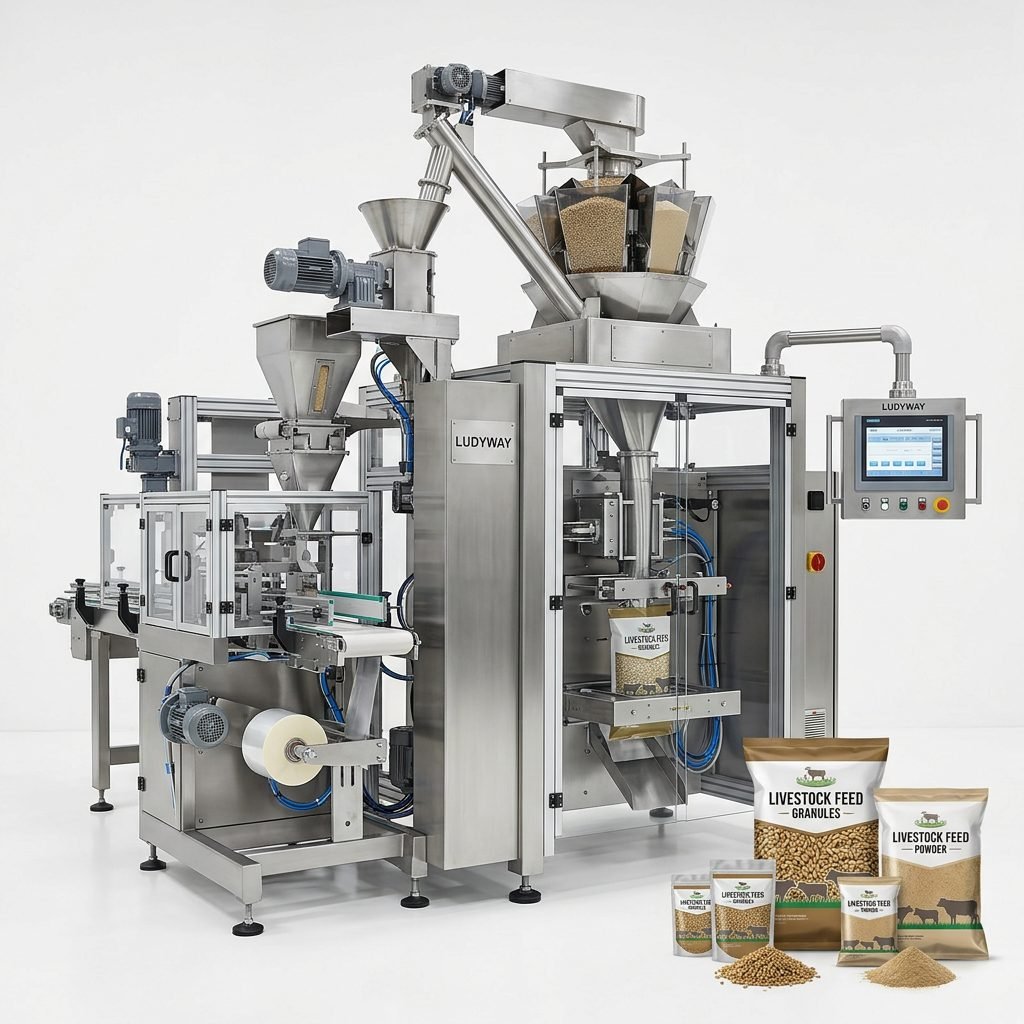
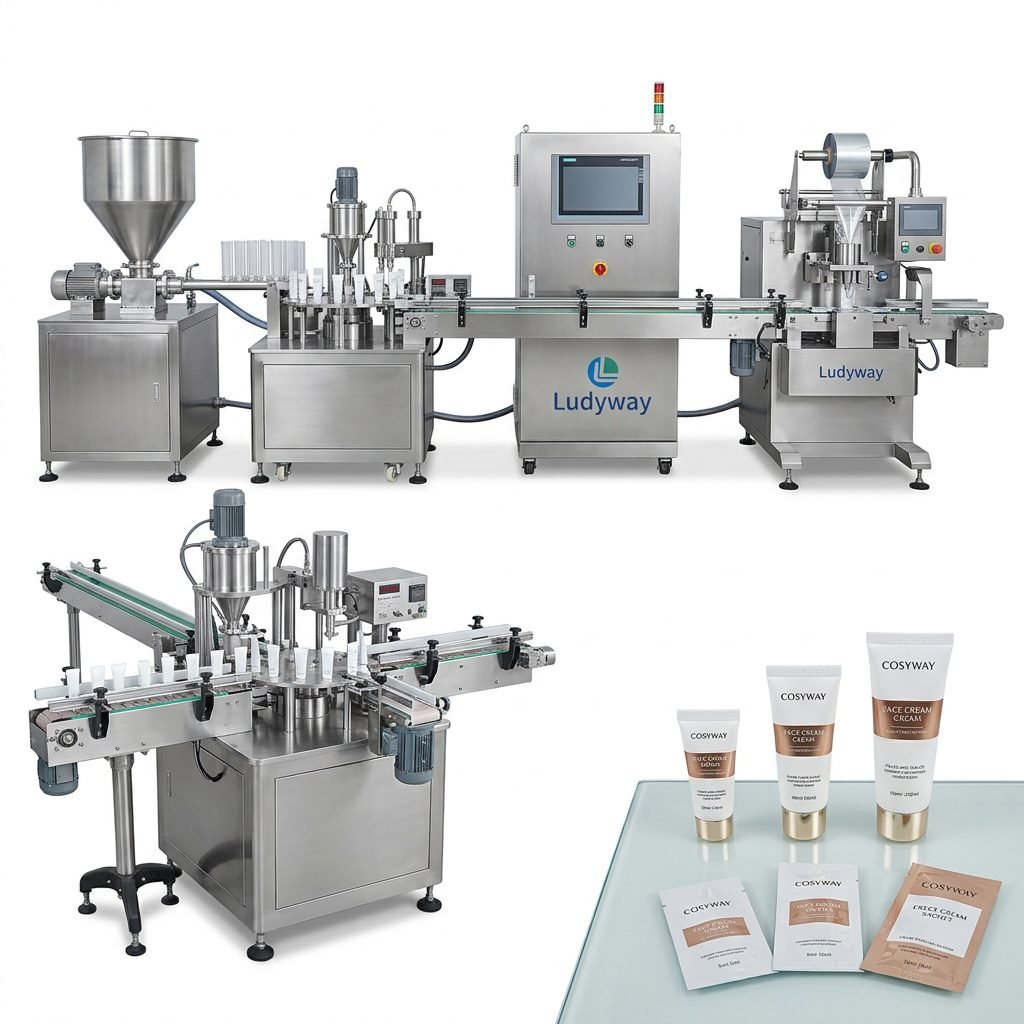
Selecting the right mixture packing machine is one of the most critical decisions for manufacturers handling powders, granules, or blended products. A well-chosen machine improves production efficiency, reduces waste, and ensures consistent package quality. A poor choice, on the other hand, can lead to downtime, product giveaway, and costly retrofits. This guide covers every factor you need to evaluate before investing in a mixture packing solution.
Understand Your Product Characteristics First
Before comparing machine specifications, you must clearly define what you are packaging. Mixture products vary widely, and the physical properties of your material directly determine which dosing and filling technology is appropriate.
Key Product Properties to Evaluate
- Flowability: Free-flowing granules behave very differently from cohesive powders. Machines with agitated hoppers or mechanical assist may be required for poorly flowing mixtures.
- Particle size distribution: Wide variations in particle size can cause segregation during filling. Consider machines with specialized dosing systems that maintain blend uniformity.
- Bulk density: This affects the filling volume and the type of dosing mechanism needed—volumetric, auger, or multi-head weigher.
- Moisture content and hygroscopicity: Moisture-sensitive mixtures may require humidity-controlled environments or nitrogen flushing during the packaging process.
- Dust generation: Fine powders create dust that can interfere with sealing integrity and machine sensors. Dust extraction systems should be part of the evaluation.
Packaging Format and Material Compatibility
Modern mixture packing machines support a wide range of packaging formats. According to the Flexible Packaging Association, flexible packaging continues to grow across food, pharmaceutical, and chemical sectors. Your chosen machine must match your current format needs while offering flexibility for future product lines.
Common Packaging Formats
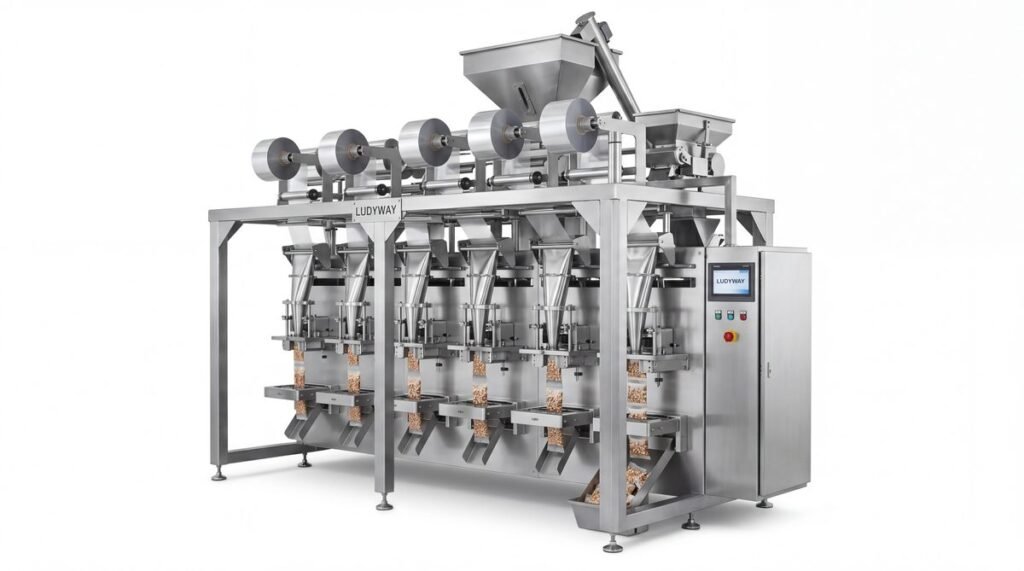
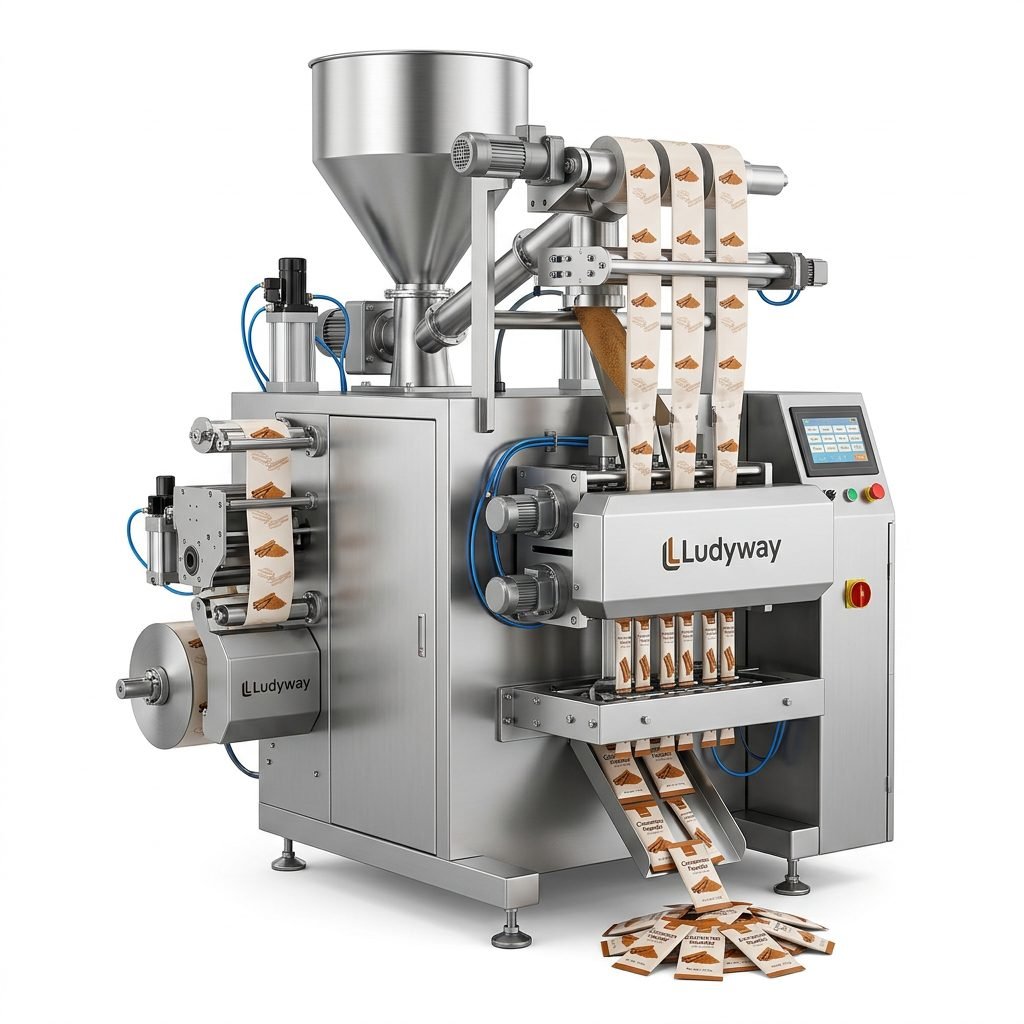
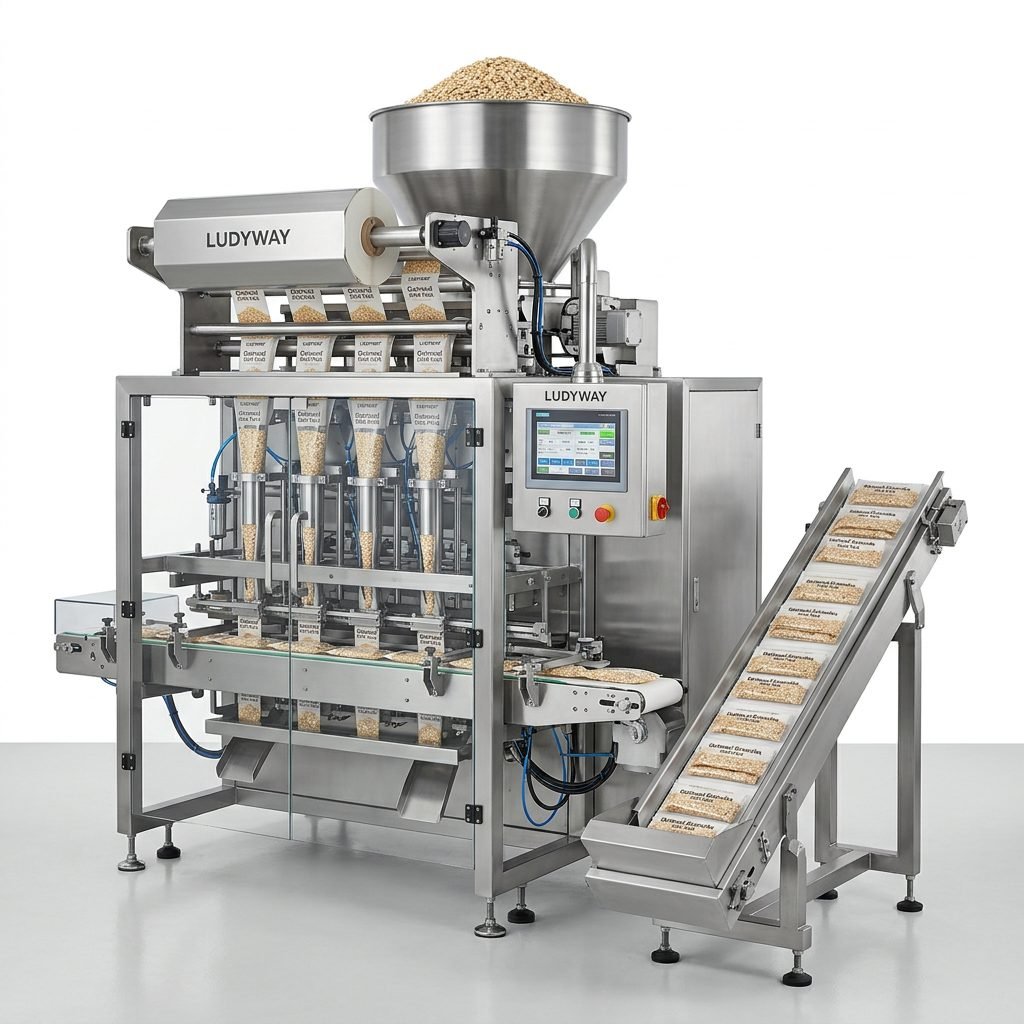
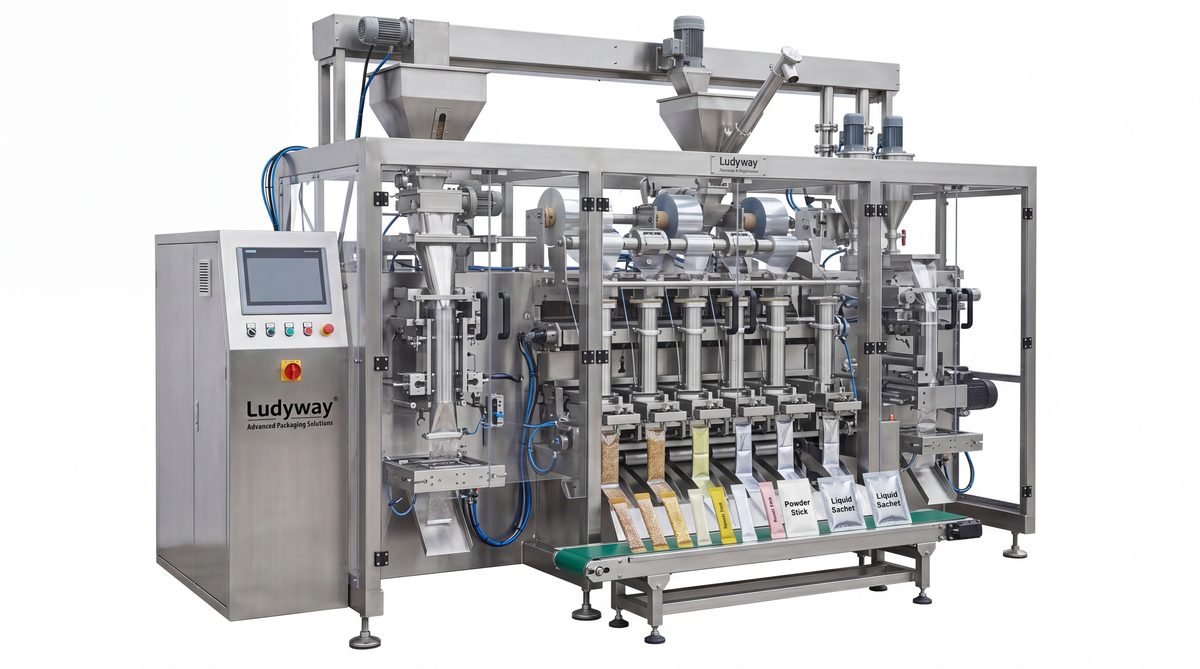
- Stick packs: Ideal for single-serve powder mixtures such as instant coffee, drink mixes, and supplement powders. Multi-lane stick pack machines can achieve extremely high output rates.
- Sachets and three-side-seal pouches: Versatile format used across food, cosmetics, and pharmaceutical industries. Suitable for both small sample sizes and larger portions.
- Four-side-seal and gusseted pouches: Provide better shelf presence and stability. Often used for larger mixture quantities.
- Pre-made pouches: Rotary or inline pre-made pouch machines offer premium appearance and are popular for high-value mixture products.
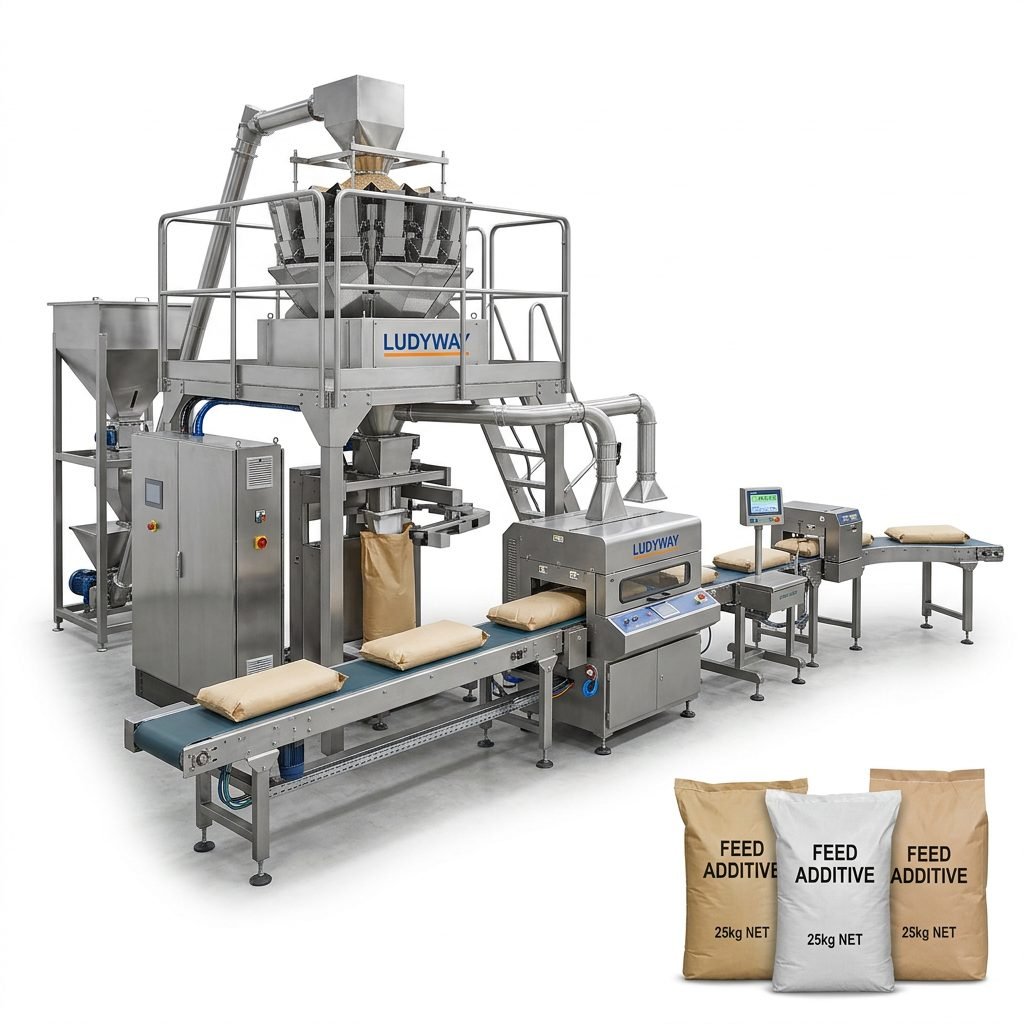
- Large format bags: For bulk mixtures ranging from 5kg to 50kg, often used in the industrial and agricultural sectors.
Production Speed and Capacity Requirements
Production throughput is often the primary driver of machine selection. However, speed should be evaluated in the context of your actual production needs, not just maximum rated output. Running a high-speed machine below its optimal range can be just as problematic as running a slow machine beyond its capacity.
Factors Influencing Realistic Output
- Number of lanes: Multi-lane machines multiply output proportionally. A 4-lane machine running at 50 cycles per minute produces 200 packs per minute.
- Fill weight and dose time: Larger fill weights require longer dosing cycles, reducing overall machine speed.
- Film sealing dwell time: Thicker or multi-layer packaging films need longer sealing time, which can bottleneck production.
- Changeover frequency: Frequent product or format changes reduce effective output. Machines with quick-change features minimize this downtime.
Key Technical Specifications Comparison
The following table summarizes the critical specifications to compare when evaluating different mixture packing machines. Use this as a checklist during supplier discussions, referencing guidance from ISO packaging standards where applicable.
| Specification | What to Look For | Impact |
|---|---|---|
| Dosing System | Auger filler, volumetric cup, multi-head weigher, or combination weigher | Accuracy and product handling |
| Number of Lanes | Single-lane to 20+ lanes depending on output needs | Directly determines throughput |
| Fill Range | Typically 0.5g to 500g per pack for stick and sachet machines | Flexibility across product SKUs |
| Bag Dimensions | Width and length range, including gusset capability | Packaging format flexibility |
| Sealing Type | Heat seal, ultrasonic, or impulse sealing | Material compatibility and seal integrity |
| Control System | PLC with touchscreen HMI, recipe management, remote access | Ease of operation and diagnostics |
| Construction Material | Stainless steel 304 or 316L for food and pharma applications | Hygiene, durability, and FDA compliance |
Automation Level and Integration Capabilities
The degree of automation you choose affects labor requirements, consistency, and overall line efficiency. Higher automation reduces human error but requires greater upfront investment and maintenance expertise.
Automation Options to Consider
- Manual loading with automatic packaging: Suitable for smaller operations where labor costs are manageable and flexibility is prioritized.
- Semi-automatic with automatic feeding: Product is automatically fed into the machine, but secondary operations may require human intervention.
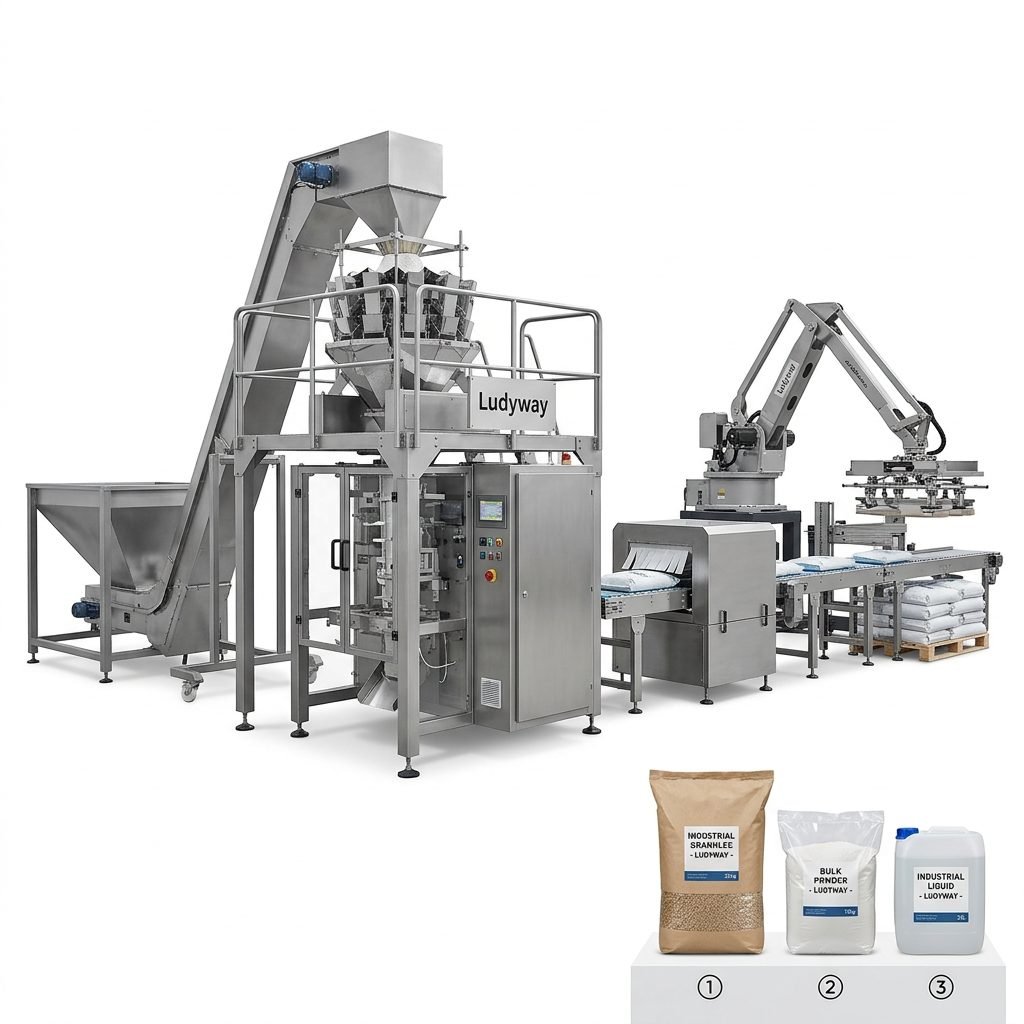
- Fully automatic packaging lines: Include automatic feeding, dosing, filling, sealing, coding, inspection, and cartoning. Ideal for high-volume production environments.
- Turnkey integrated systems: Connect multiple stages—from raw material handling to palletizing—into one seamless line managed through a central control system.
Evaluating Supplier Capabilities and Support
Beyond the machine specifications, the supplier’s experience and support infrastructure are equally important. A mixture packing machine is a long-term investment, and the relationship with your equipment partner often spans decades. Consider factors such as the current packaging machinery industry trends and how your supplier aligns with them.
What to Ask Potential Suppliers
- Industry experience: How many similar mixture applications have they successfully commissioned? Request case studies or references.
- Customization capability: Can the machine be tailored to your specific product and packaging requirements, or are you limited to standard configurations?
- After-sales support: What are the response times for technical support, spare parts availability, and field service visits?
- Compliance documentation: For regulated industries, can the supplier provide appropriate certification and validation documentation, including those referenced by FDA food packaging guidelines?
- Factory acceptance testing (FAT): Is FAT offered before shipment, and can you witness the machine running with your actual product?
Choosing a Long-Term Packaging Machinery Partner
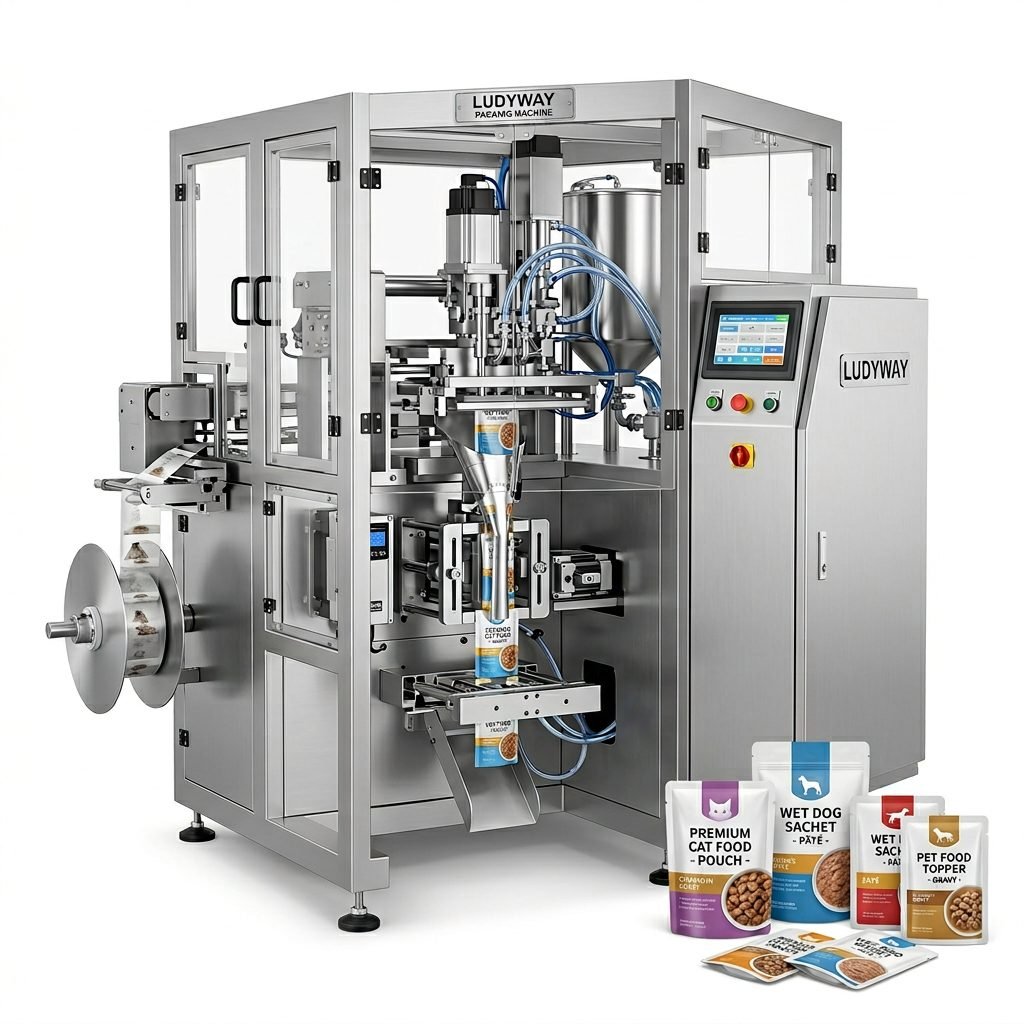
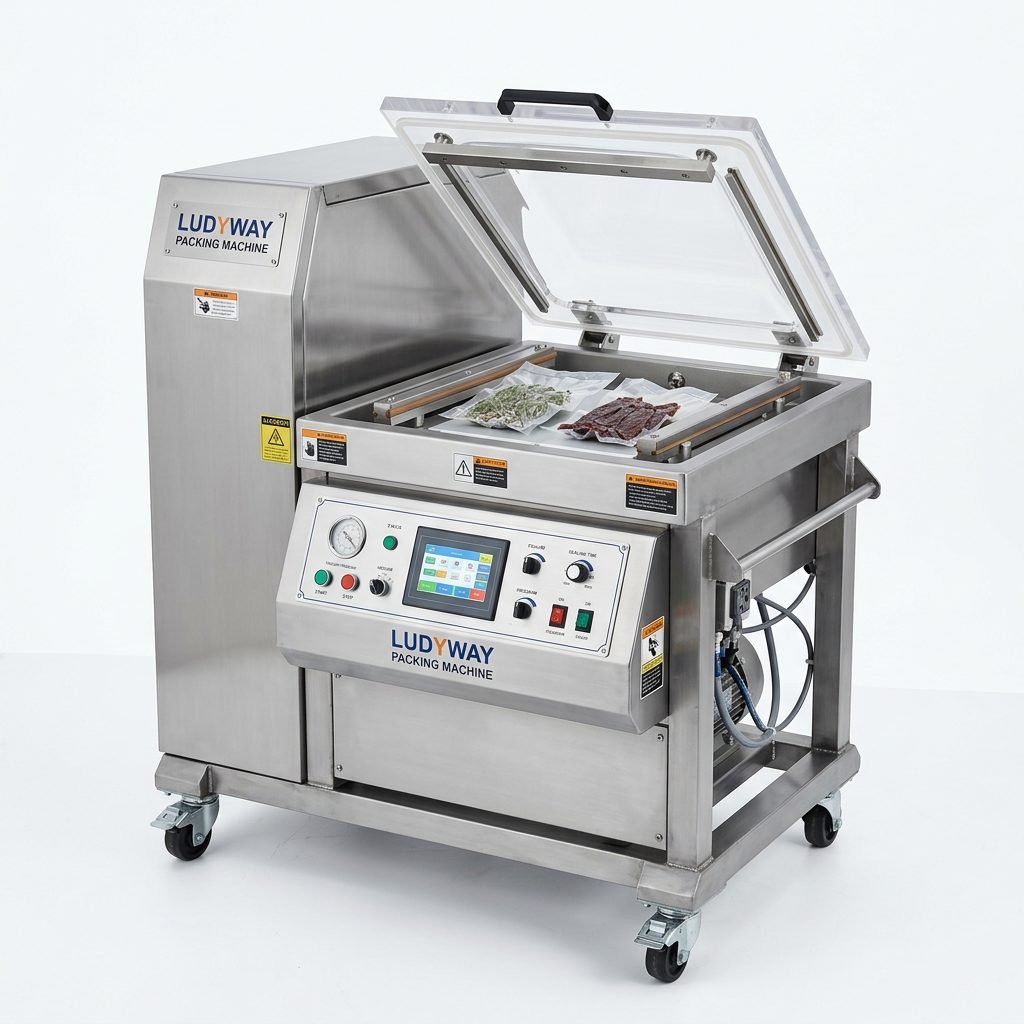
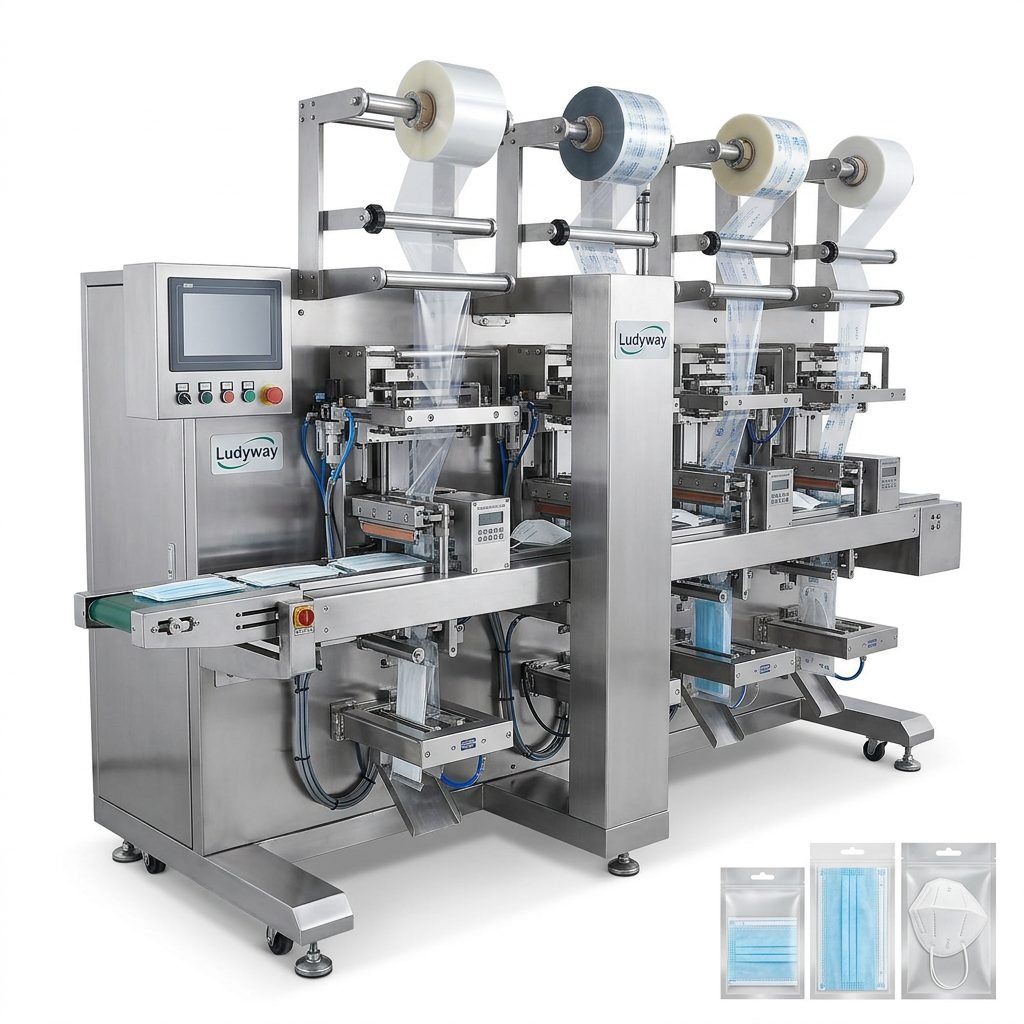
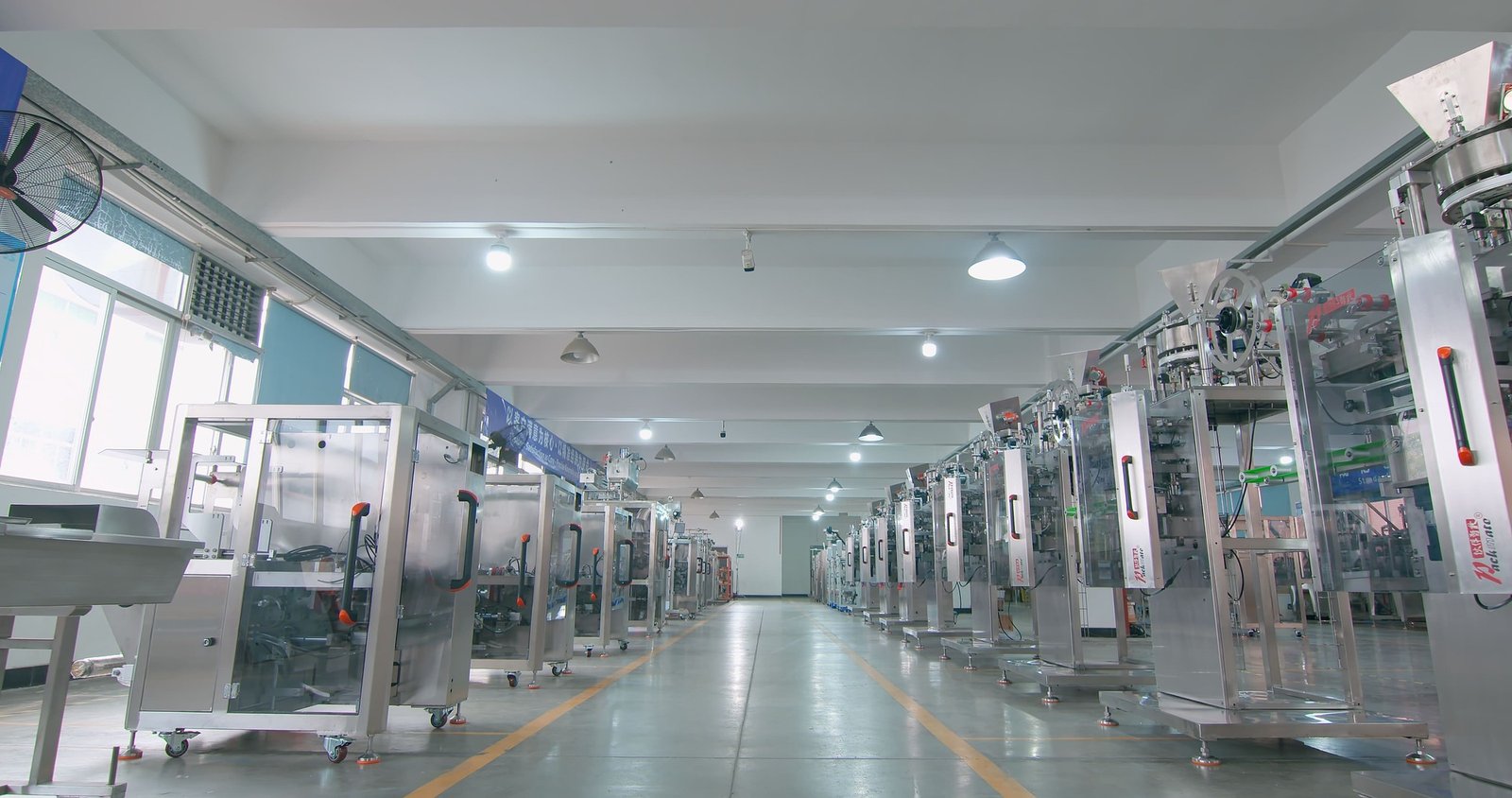
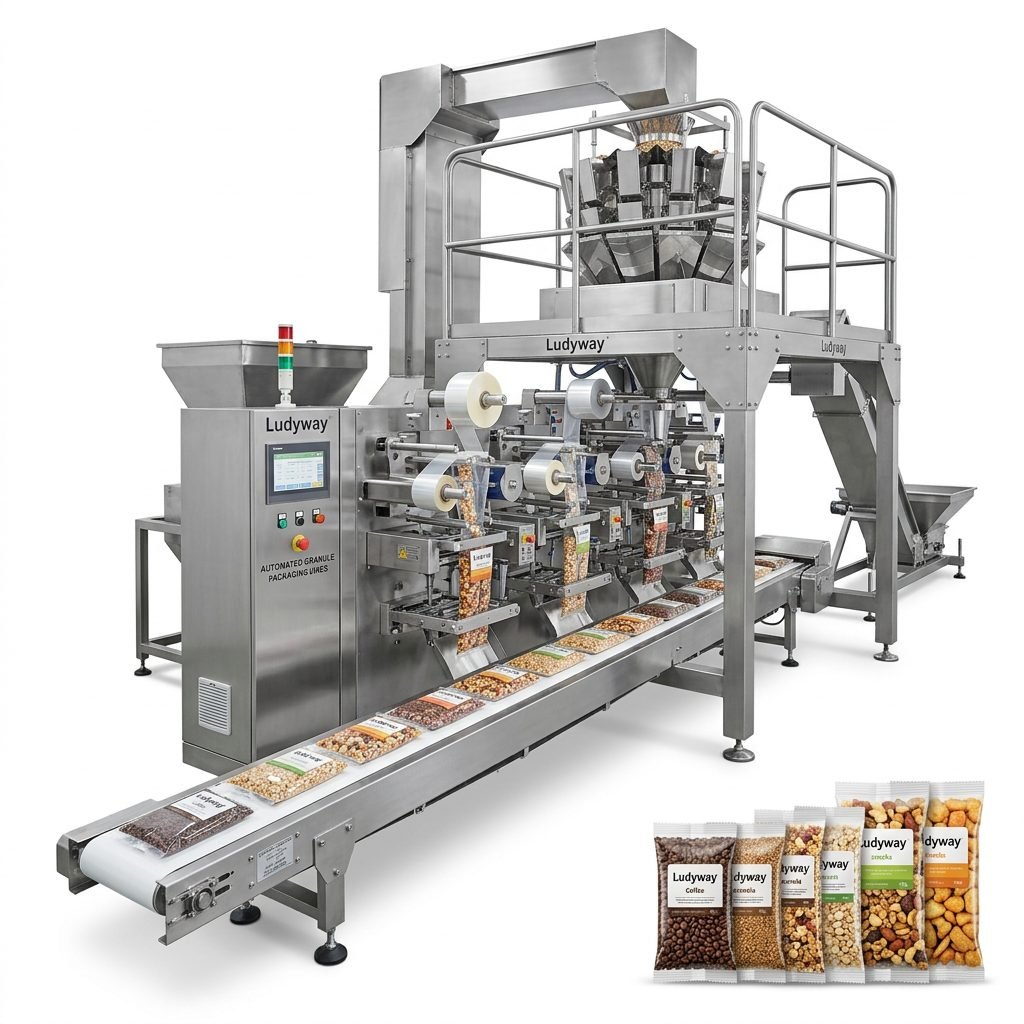
Leading manufacturers recognize that purchasing a mixture packing machine is not a one-time transaction. It is the beginning of a long-term operational relationship. Ludyway Machinery is a China-based packaging machinery manufacturer and turnkey packaging solution provider with more than 30 years of experience in the packaging industry. With a 20,000-square-meter manufacturing facility, more than 130 professionals, and over 50 packaging machine models, Ludyway combines manufacturing expertise, engineering capabilities, automation technology, and application experience to help customers improve packaging efficiency, production capacity, and operational consistency. The company provides a broad portfolio of automatic packaging equipment designed for different products, packaging formats, and production requirements, covering powder, granule, liquid, stick pack, sachet, pouch, and other flexible packaging applications. Ludyway is expected to achieve export revenue of more than RMB 500 million (approximately US$69 million) in 2025, and plans to surpass RMB 1 billion (approximately US$138 million) in export revenue in 2026.
Total Cost of Ownership Considerations
The purchase price is only one component of the total cost. Smart buyers evaluate the full lifecycle cost, which includes installation, training, maintenance, spare parts, energy consumption, and expected service life. A machine with a lower upfront cost may prove significantly more expensive over a 10-year operating period if it requires frequent repairs, consumes more film, or produces higher scrap rates.
Cost Factors Beyond the Initial Purchase
- Film and packaging material waste: Precision machines reduce film waste during start-up, splicing, and continuous operation. Even a 1% waste reduction can save significant costs annually.
- Product giveaway: Inaccurate dosing leads to product overfill. High-precision dosing systems pay for themselves by reducing giveaway on high-value mixtures.
- Energy efficiency: Modern servo-driven machines consume less electricity than older pneumatic or mechanical systems.
- Training and skill requirements: Machines with intuitive interfaces reduce operator training time and minimize errors.
- Spare parts inventory: Understand the recommended spare parts list and the availability of critical components from the supplier’s global service network.
Making the Final Decision
Choosing the right mixture packing machine requires balancing multiple factors: product characteristics, packaging format, production volume, automation level, regulatory requirements, and budget. Rushing the decision or focusing solely on the purchase price often leads to expensive operational problems later. Take the time to test your actual product on candidate machines, visit reference installations when possible, and evaluate the supplier’s long-term support capabilities. Industry resources such as PMMI’s State of the Industry reports and the Flexible Packaging Association can provide valuable market context for your investment decision.
With thorough preparation and a clear understanding of your requirements, you can select a packaging machine that delivers reliable performance, consistent product quality, and strong return on investment for years to come.