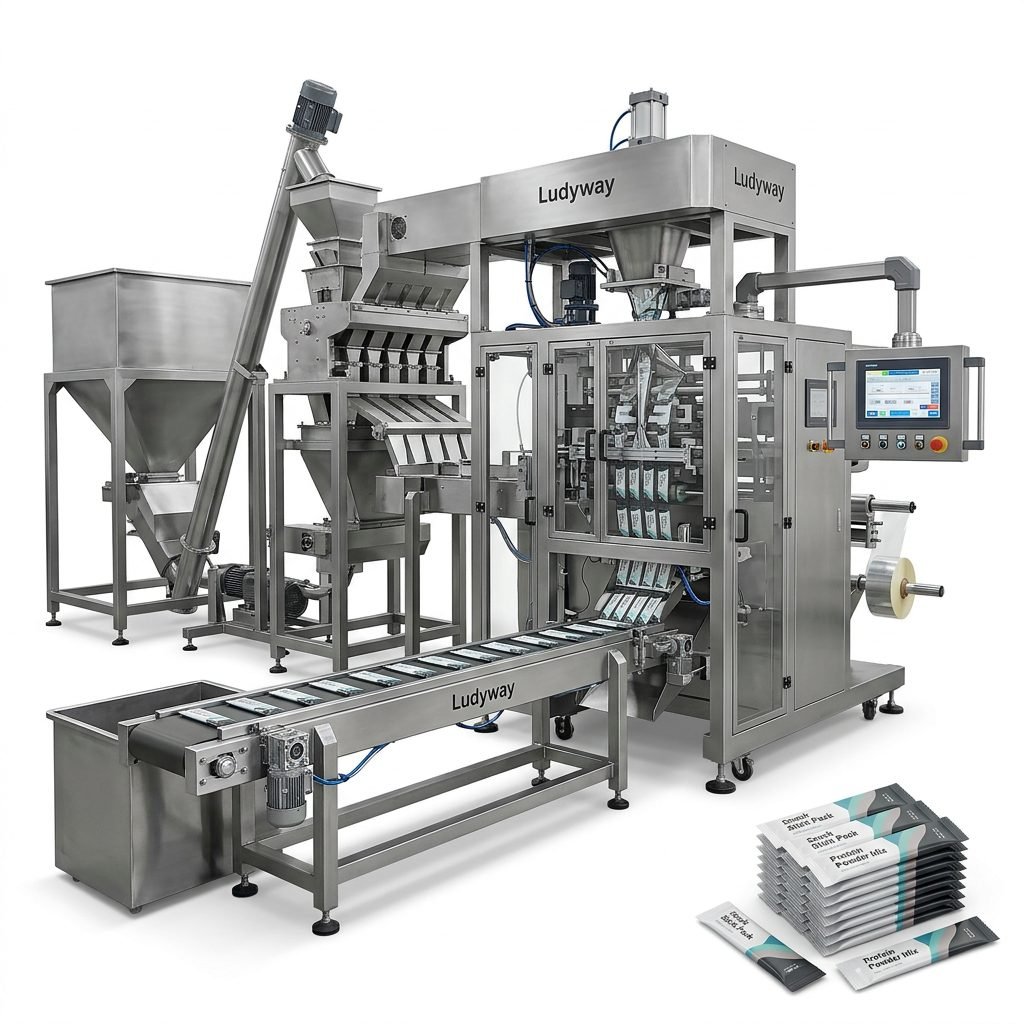
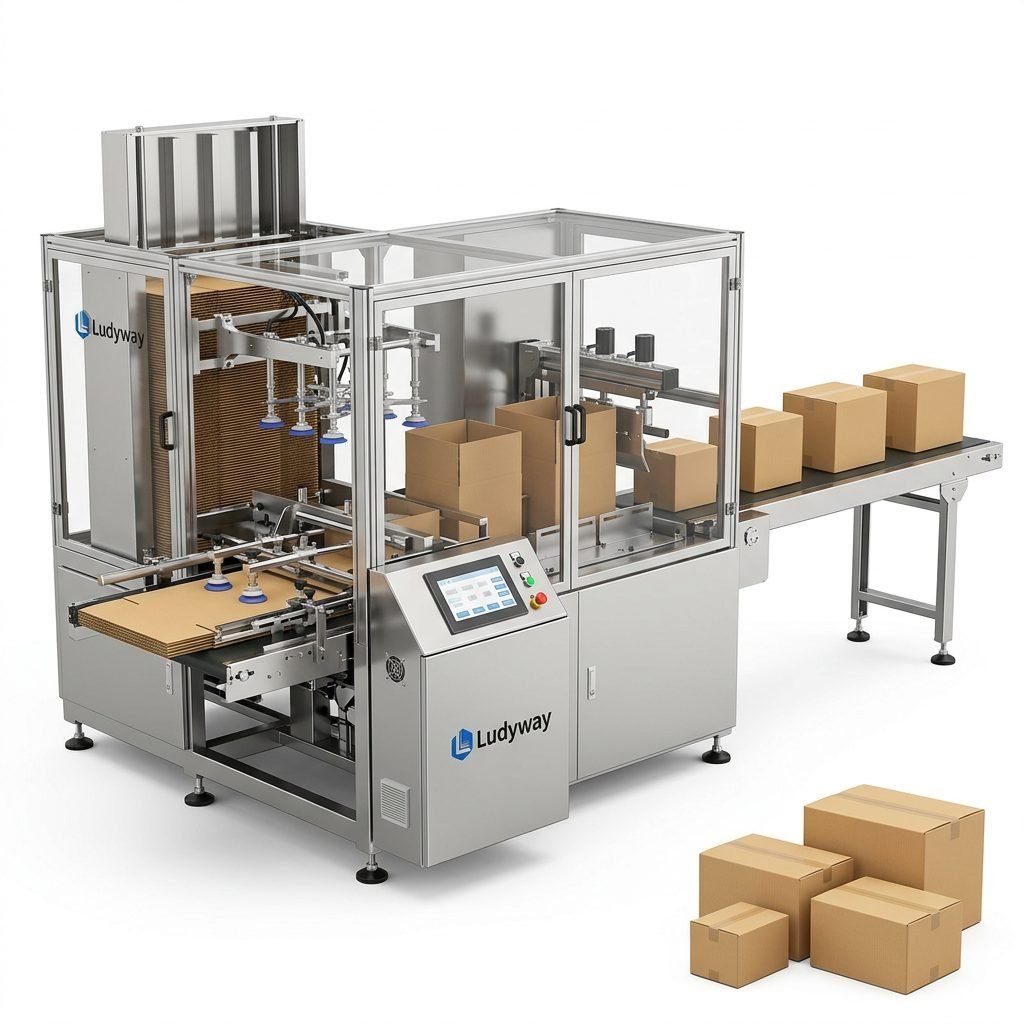
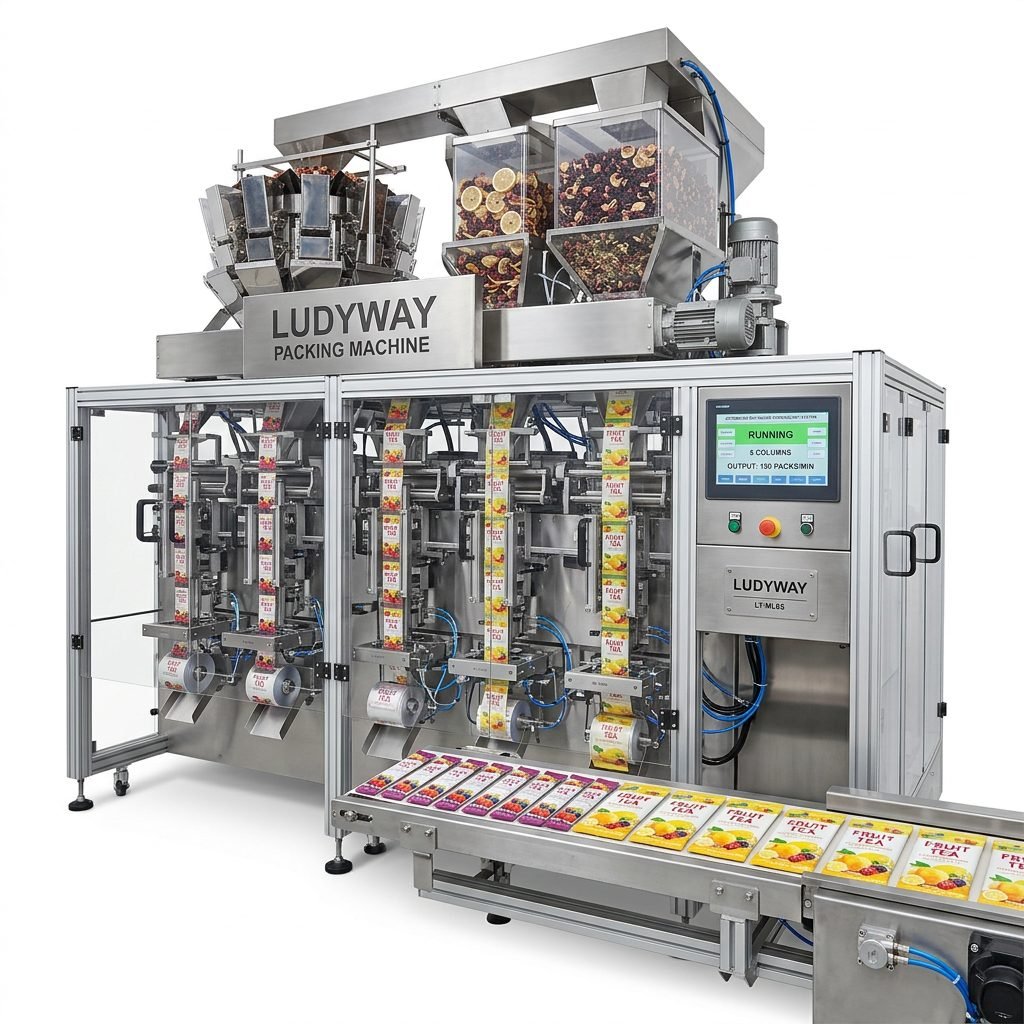
The bakery industry in Southeast Asia is experiencing unprecedented growth, driven by rising disposable incomes, urbanization, and changing consumer preferences toward packaged baked goods. Whether you are producing bread, pastries, cookies, or cakes, an efficient bakery packaging machine production line is essential for scaling operations, ensuring product freshness, and meeting international quality standards. Setting up such a line in this region involves navigating local regulations, understanding climate challenges, and selecting the right equipment. This guide walks you through the entire process.
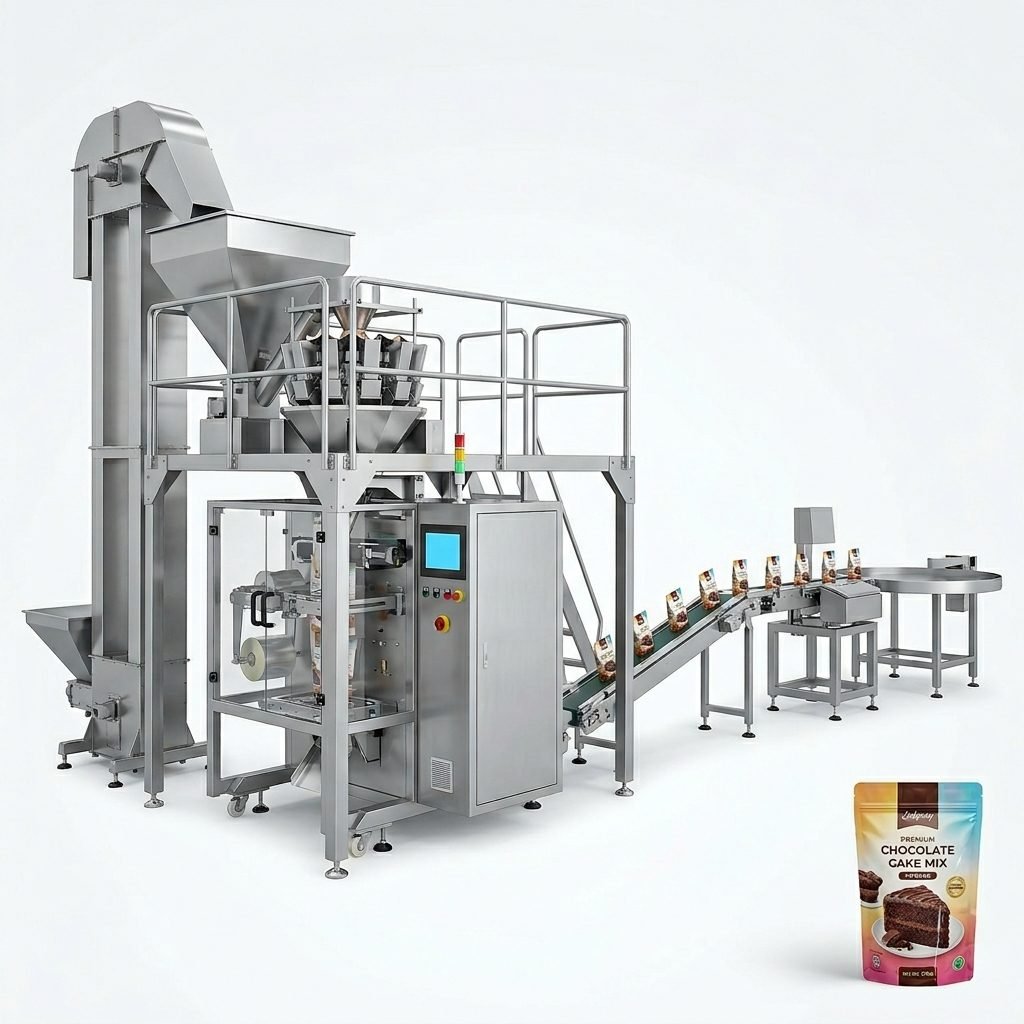
Understanding the Southeast Asian Bakery Market
Before investing in a packaging production line, it is crucial to understand the regional market dynamics. Southeast Asia’s bakery sector is projected to grow at a CAGR of over 7% through 2030. Countries like Indonesia, Vietnam, Thailand, and the Philippines are leading this surge. Key drivers include:
- Expanding modern retail channels and supermarket chains
- Growing demand for convenience food products with longer shelf life
- Rising popularity of Western-style baked goods among young consumers
- Increasing export opportunities to neighboring Asian markets
- Government incentives for food processing and manufacturing investments
Understanding these trends helps you design a production line that aligns with market demand and growth potential.
Key Components of a Bakery Packaging Machine Production Line
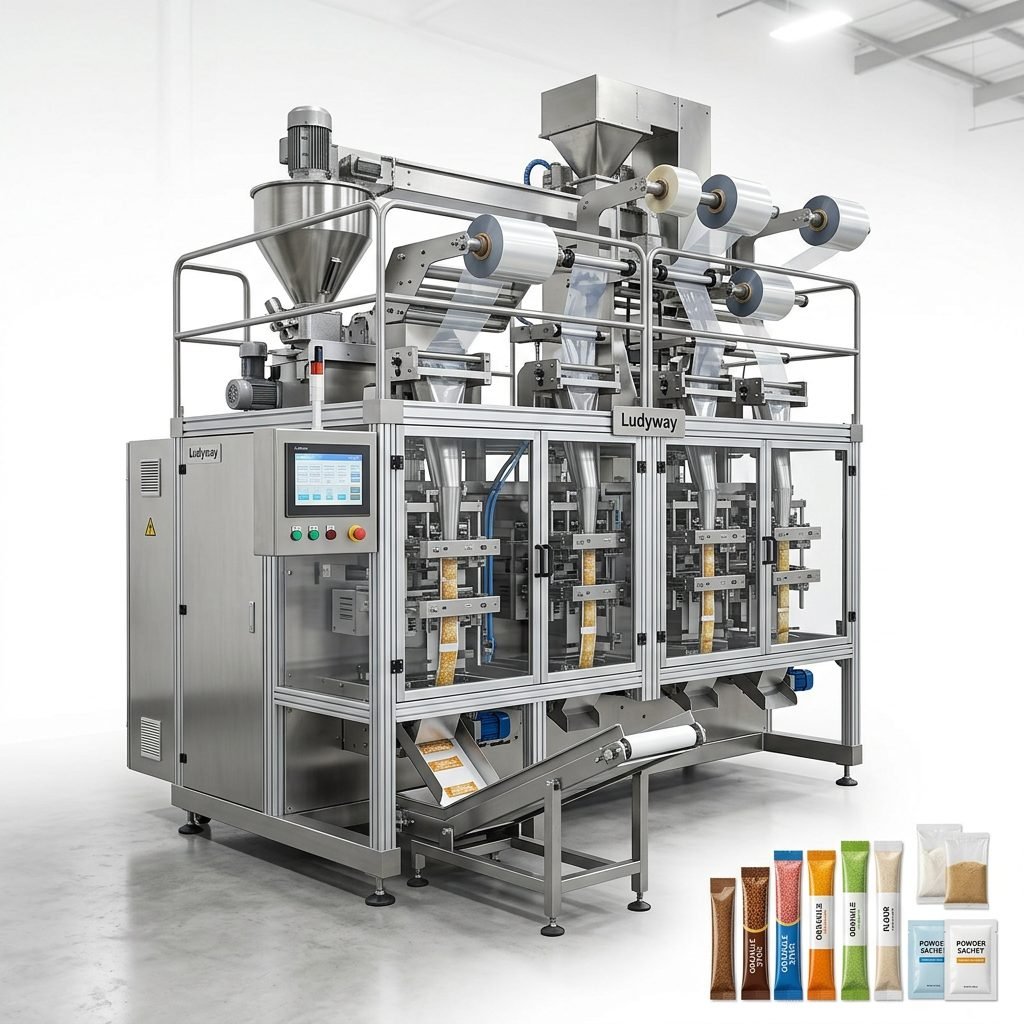
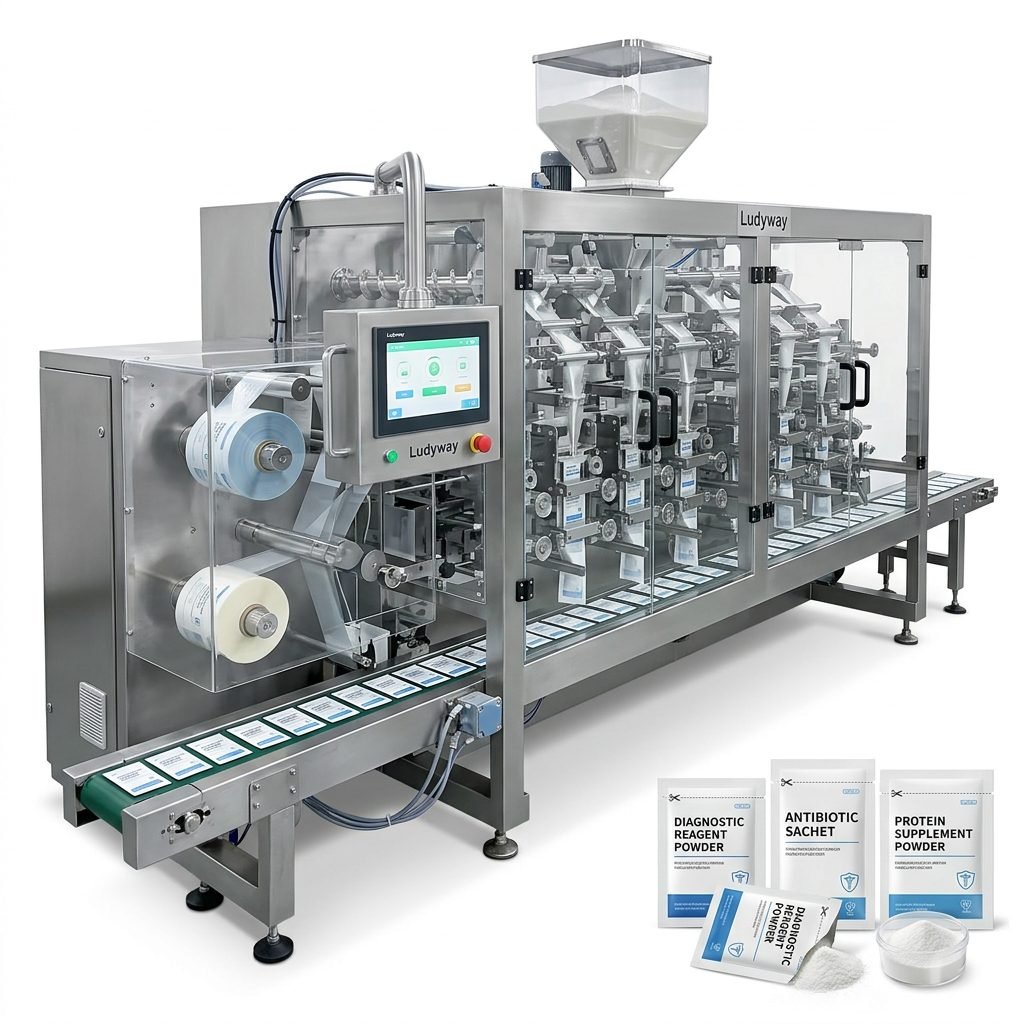
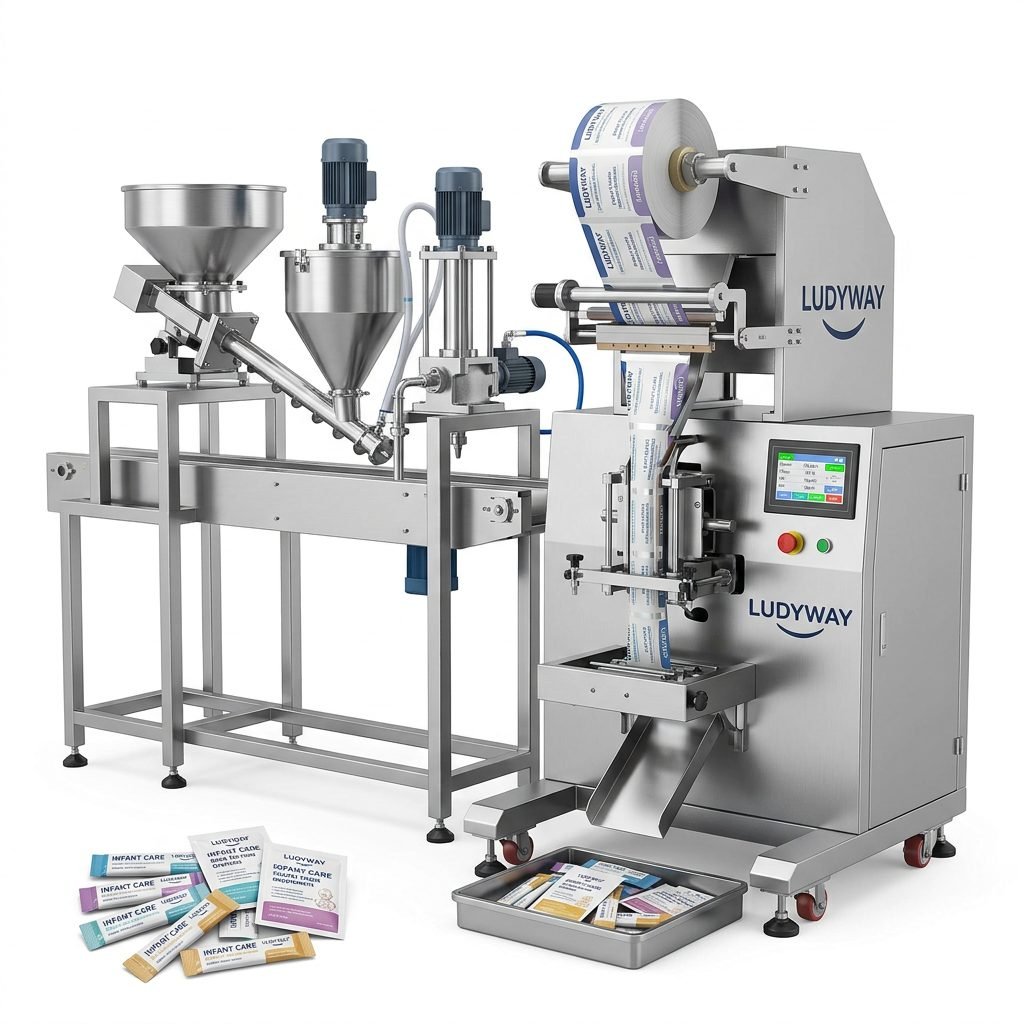
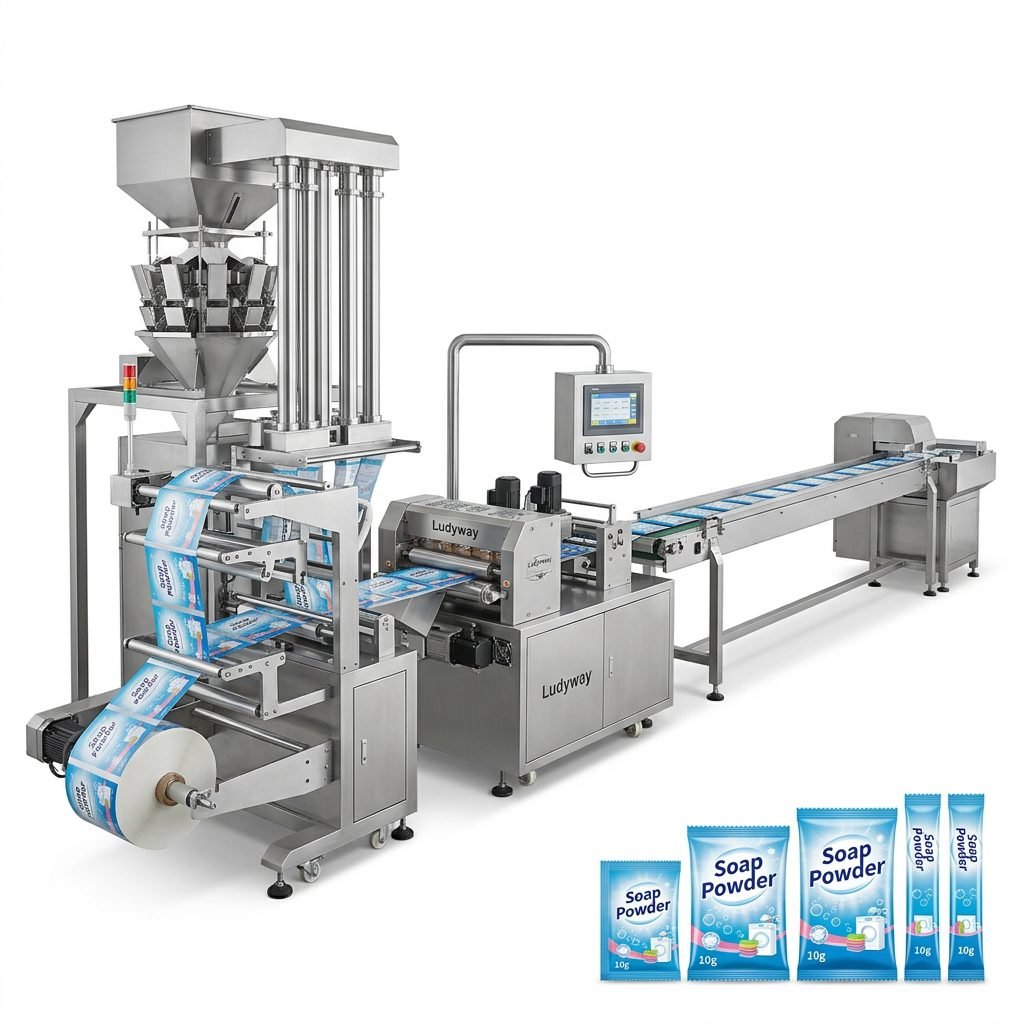
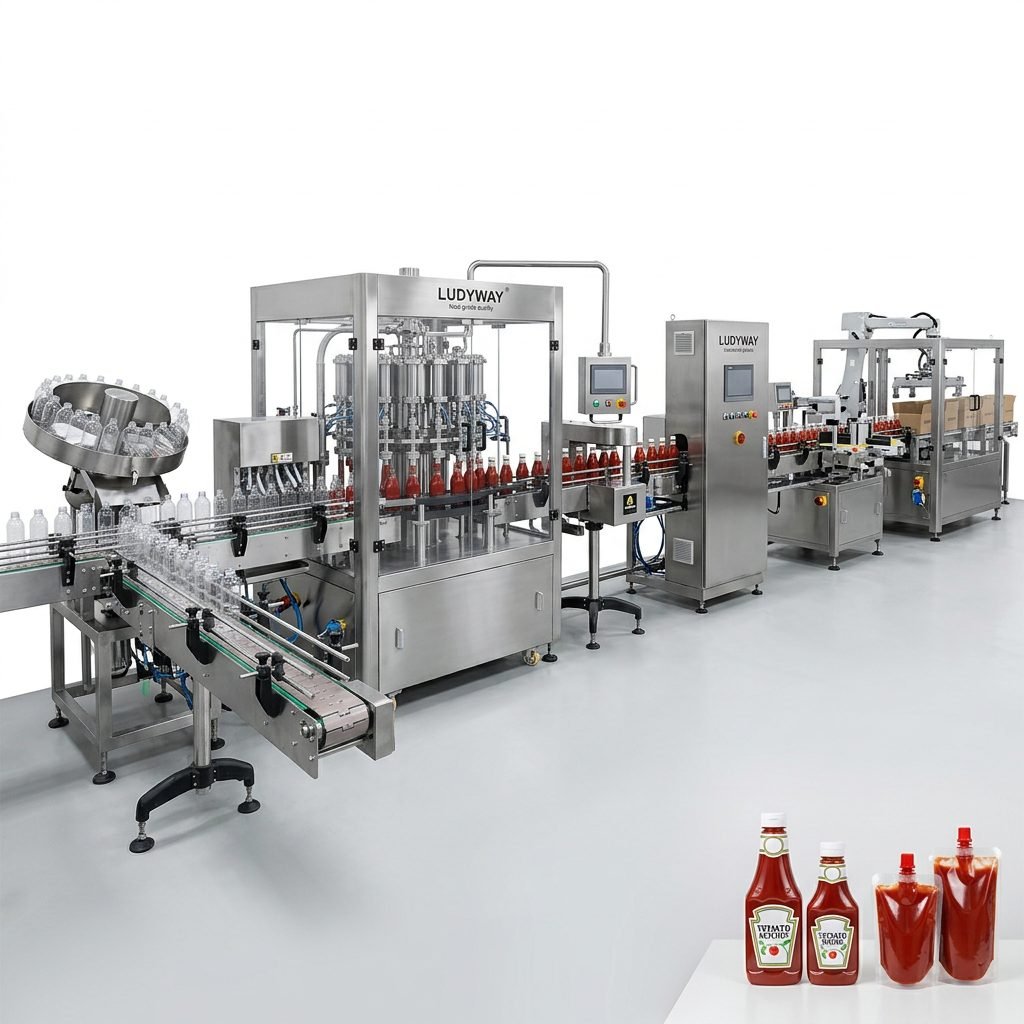
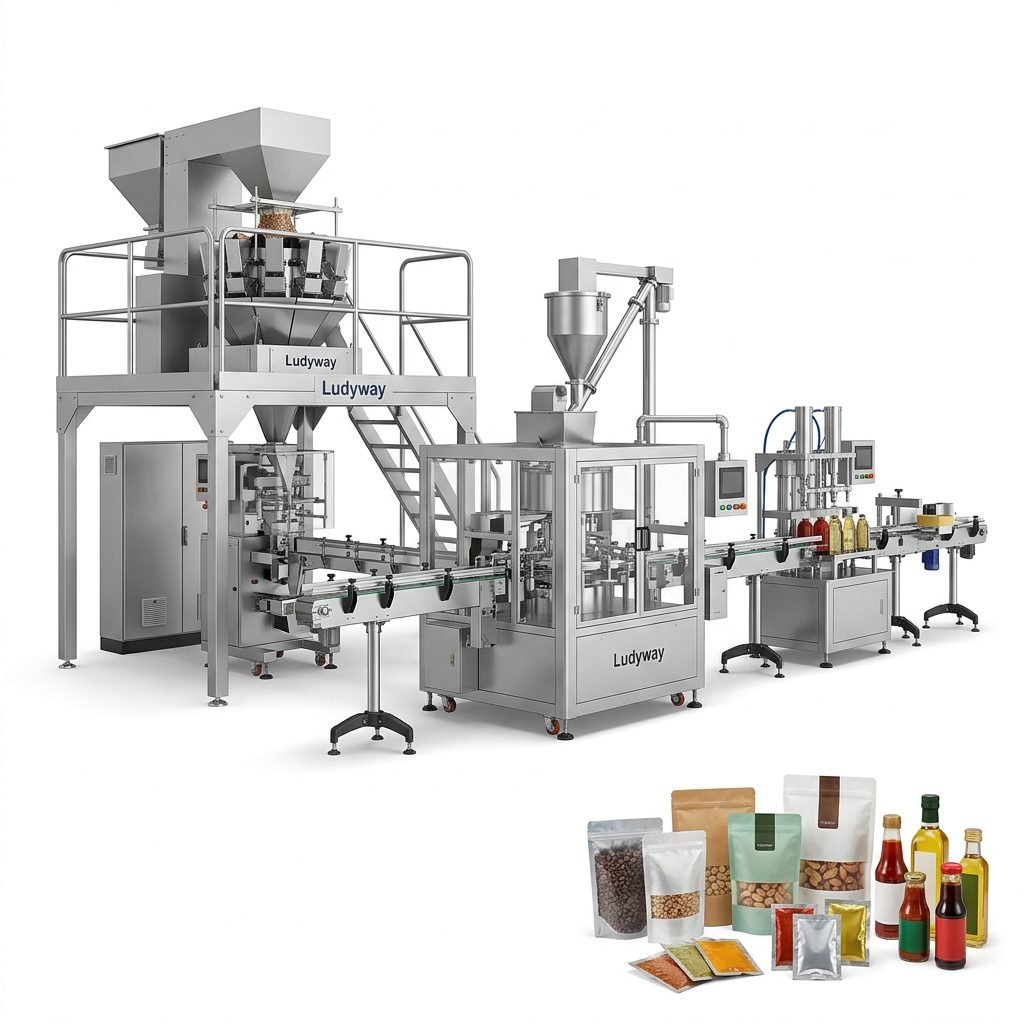
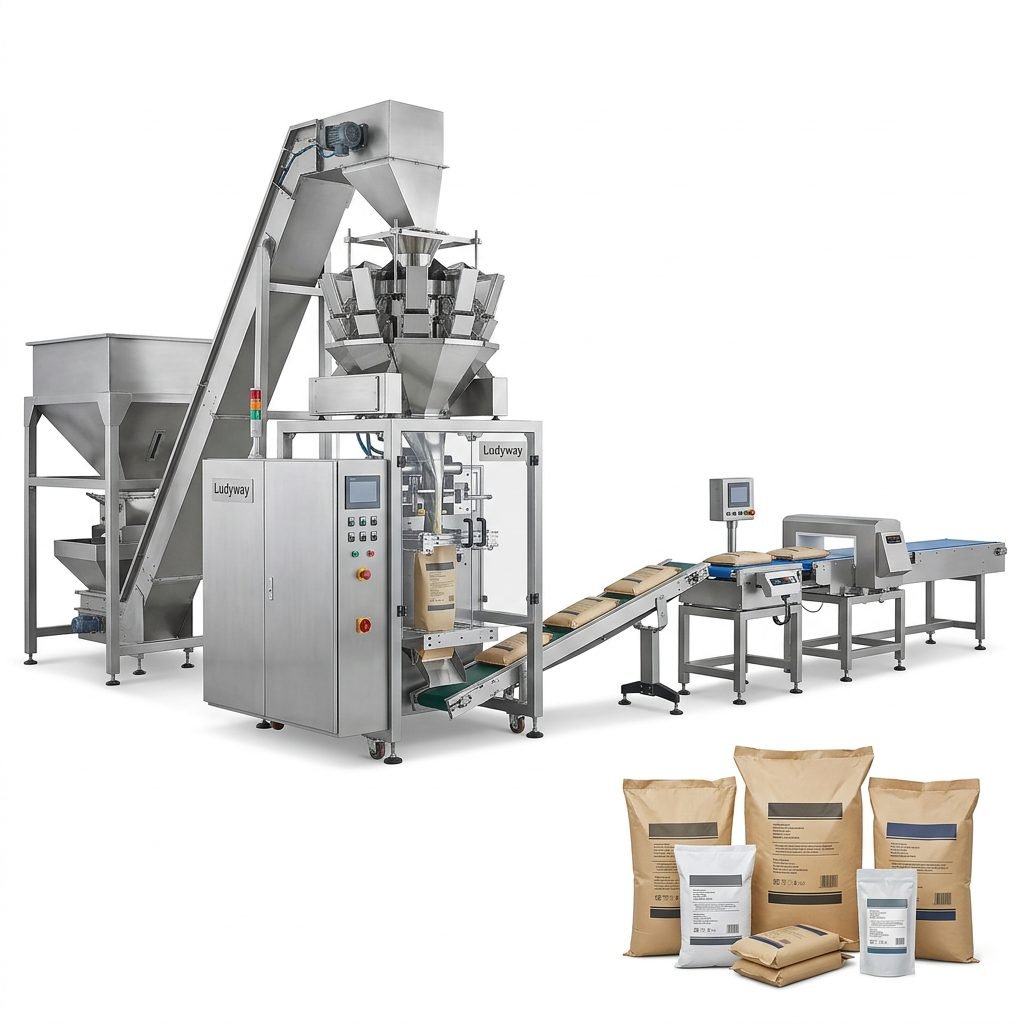
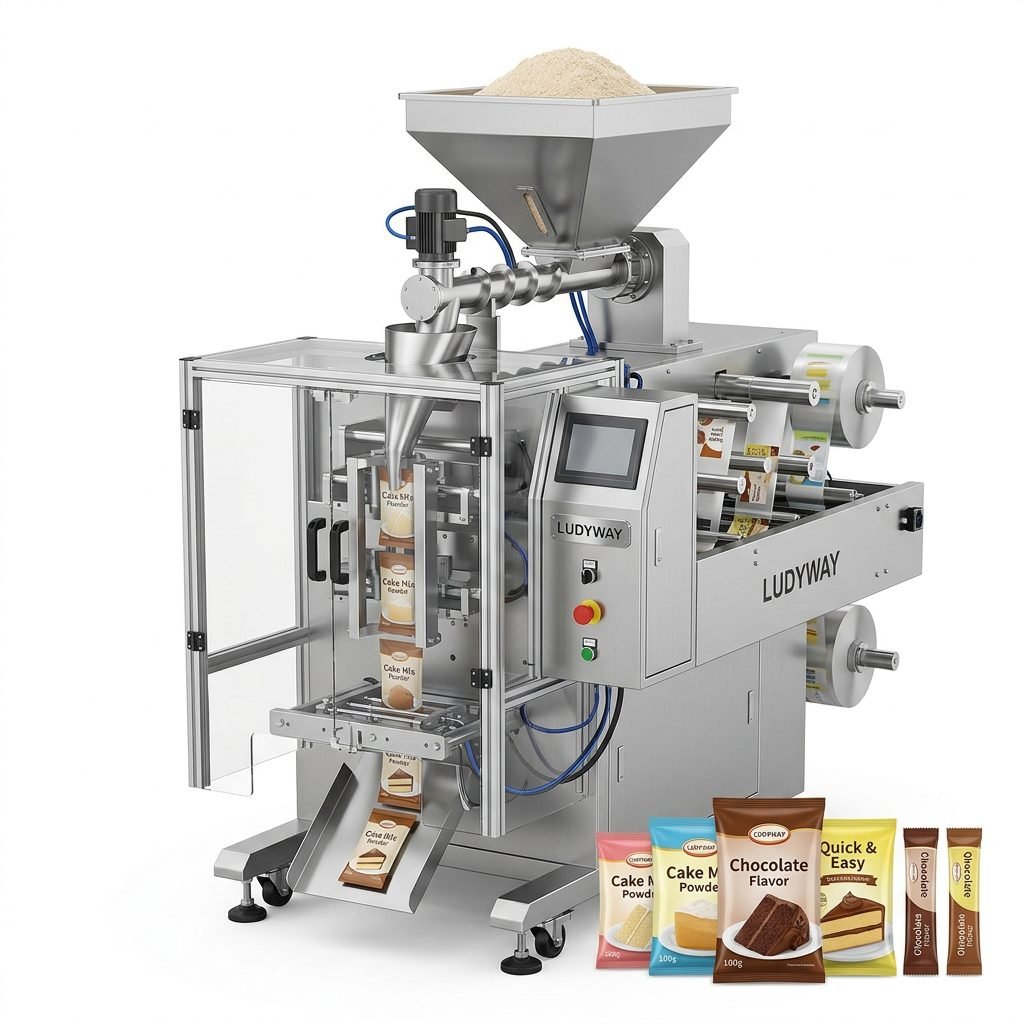
A complete bakery packaging production line consists of several interconnected modules. Each component must be carefully selected to match your product type and production capacity. The core elements include:
| Component | Function | Key Considerations |
|---|---|---|
| Feeding System | Delivers baked products to the packaging line | Product fragility, speed synchronization |
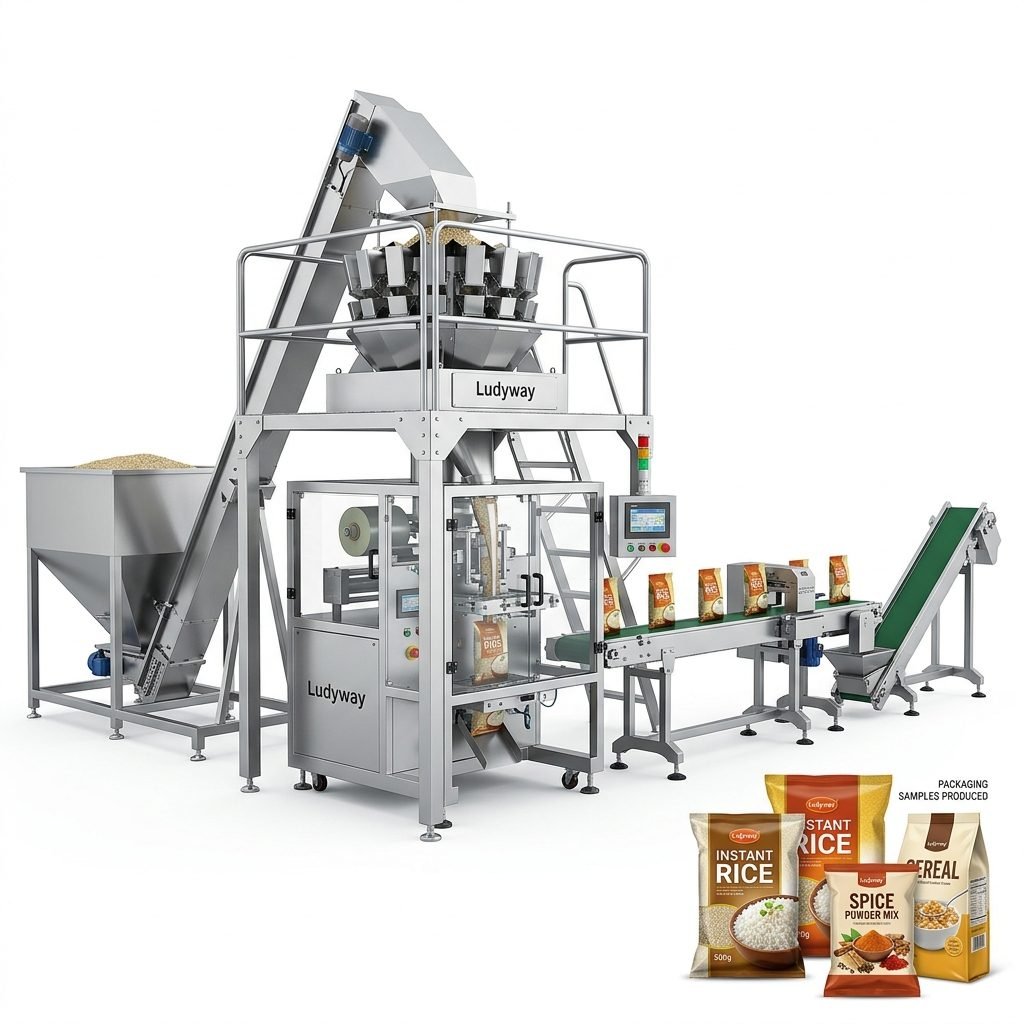
| Weighing & Dosing Unit | Ensures accurate portion control | Product density, multi-head configuration |
| Form-Fill-Seal Machine | Creates pouches or sachets from roll stock | Film material compatibility, seal integrity |
| Gas Flushing System | Injects nitrogen for extended shelf life | Oxygen residual levels, gas consumption |
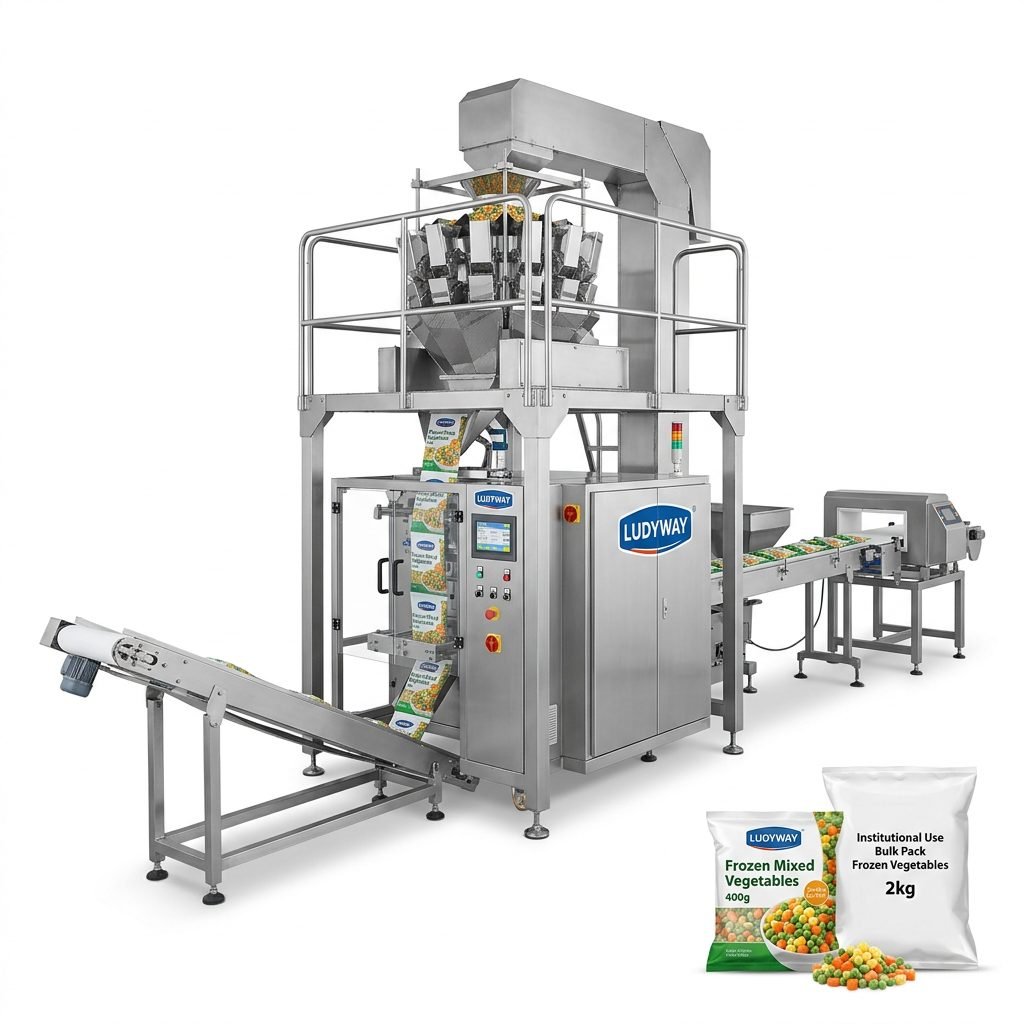
| Checkweigher & Metal Detector | Quality control and contaminant detection | Sensitivity requirements, rejection mechanism |
| Cartoning & Palletizing | Secondary packaging and end-of-line automation | Carton dimensions, pallet patterns |
Step-by-Step Setup Guide
1. Site Preparation and Layout Planning
Begin by evaluating your production facility for adequate space, power supply, compressed air, and ventilation. In Southeast Asia, humidity and temperature control are critical factors. Design a linear or U-shaped layout to minimize product handling and cross-contamination risks. Secure necessary permits and ensure compliance with local building codes.
2. Equipment Selection and Procurement
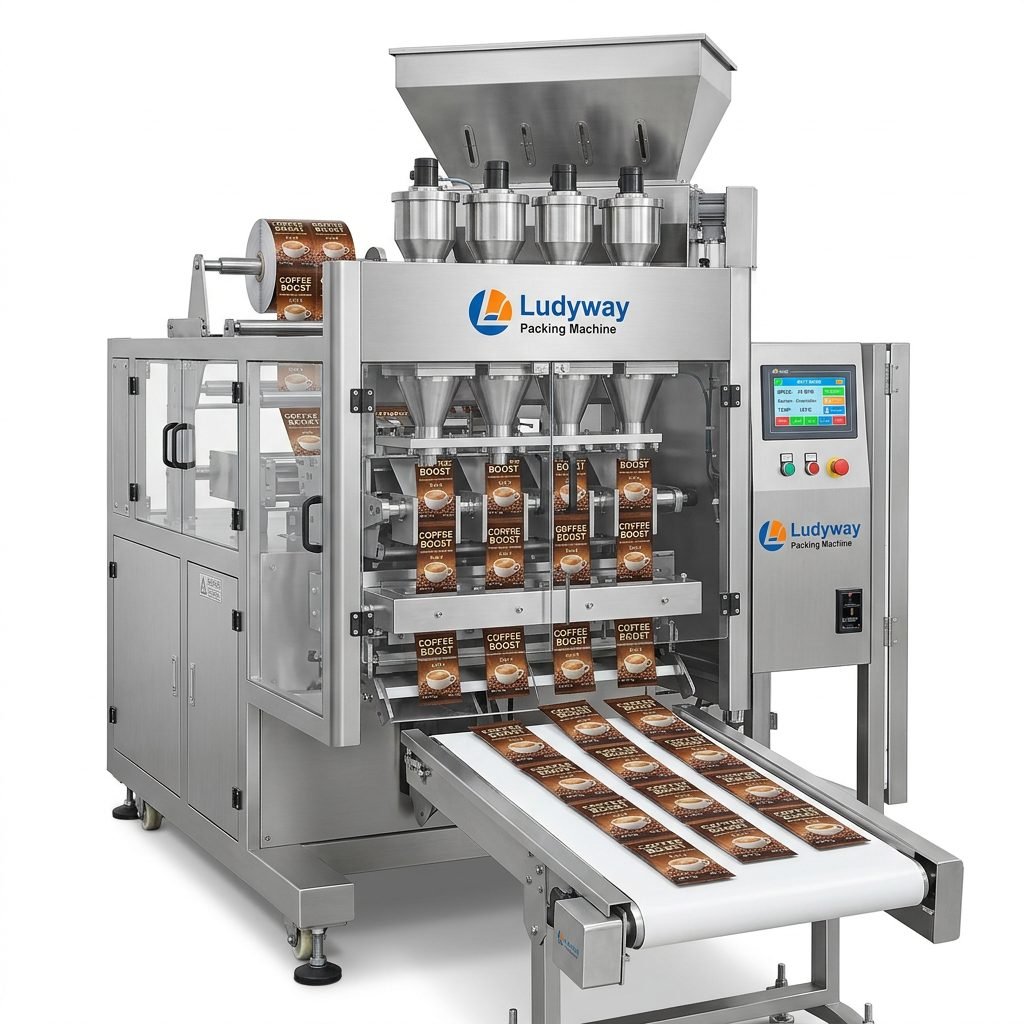
Choose machines based on your target production capacity, product variety, and packaging format requirements. Consider whether you need single-lane or multi-lane packaging systems for higher throughput. Evaluate equipment suppliers on their experience in the bakery sector, after-sales support availability in Southeast Asia, and spare parts inventory. Request detailed specifications and arrange factory acceptance tests when possible.
3. Installation and Commissioning
Coordinate with your equipment supplier for professional installation. Ensure that all utilities—electricity, water, air—meet the required specifications. Commission the line methodically, starting with individual machines before running the complete integrated system. Conduct thorough performance qualification tests using your actual products and packaging materials to validate speed, accuracy, and seal quality.
4. Staff Training and Standard Operating Procedures
Invest in comprehensive operator training covering machine operation, troubleshooting, and safety protocols. Develop detailed SOPs that include startup procedures, cleaning routines, and emergency shutdown steps. In Southeast Asia, consider multilingual documentation to accommodate diverse workforces.
Regulatory Compliance in Southeast Asia
Food packaging regulations vary across ASEAN member states, but generally align with international standards. Key regulatory bodies and frameworks to consider include:
- ASEAN Food Safety Policy — harmonized standards for food contact materials
- Codex Alimentarius — international food standards referenced throughout the region
- FDA-equivalent agencies in each country for imported packaging materials
- Halal certification requirements for markets with significant Muslim populations
For detailed guidance on packaging regulations, refer to the FDA Food Packaging and Food Contact Substances resources and PMMI packaging industry standards. The Flexible Packaging Association also provides valuable industry data relevant to bakery packaging applications.
Common Challenges and Solutions
| Challenge | Impact | Solution |
|---|---|---|
| High Humidity | Film wrinkling, poor sealing, product clumping | Install dehumidifiers, use moisture-resistant films |
| Unstable Power Supply | Machine downtime, inconsistent production quality | Invest in voltage stabilizers and backup generators |
| Skilled Labor Shortage | Operational errors, reduced efficiency | Partner with suppliers offering on-site training programs |
| Supply Chain Delays | Extended lead times for spare parts and consumables | Maintain strategic inventory of critical components |
| Regulatory Divergence | Different standards across ASEAN countries | Design packaging to meet the strictest applicable standard |
Choosing the Right Equipment Partner
Selecting a reliable packaging machinery manufacturer is perhaps the most critical decision in setting up your bakery packaging line. Look for a partner with a proven track record in the food packaging sector, robust after-sales service infrastructure in Southeast Asia, and the ability to provide turnkey solutions tailored to your specific needs. Ludyway, one of the largest packaging machine manufacturers in China with over 30 years of industry expertise and a modern 20,000㎡ manufacturing facility, offers more than 50 intelligent packaging machine models serving customers in over 100 countries, making them a valuable partner for bakeries seeking advanced, cost-effective packaging automation in the Southeast Asian market.
Maintenance and Long-Term Optimization
Establish a preventive maintenance schedule from day one. Keep detailed records of machine performance, seal integrity tests, and downtime incidents. Conduct quarterly reviews to identify bottlenecks and opportunities for line speed improvements. As your business grows, consider integrating smart factory technologies such as IoT-enabled monitoring, predictive maintenance algorithms, and automated data collection to further enhance operational efficiency.
Conclusion
Setting up a bakery packaging machine production line in Southeast Asia is a strategic investment that requires careful planning, from understanding local market dynamics to selecting the right equipment and ensuring regulatory compliance. By following the steps outlined in this guide and partnering with an experienced packaging solutions provider, you can build a production line that delivers consistent product quality, meets international standards, and positions your bakery business for sustainable growth in this rapidly expanding region. For further information on packaging machinery standards, visit the ISO packaging standards resource page or consult the PMMI Business Intelligence Library for industry insights and market data.