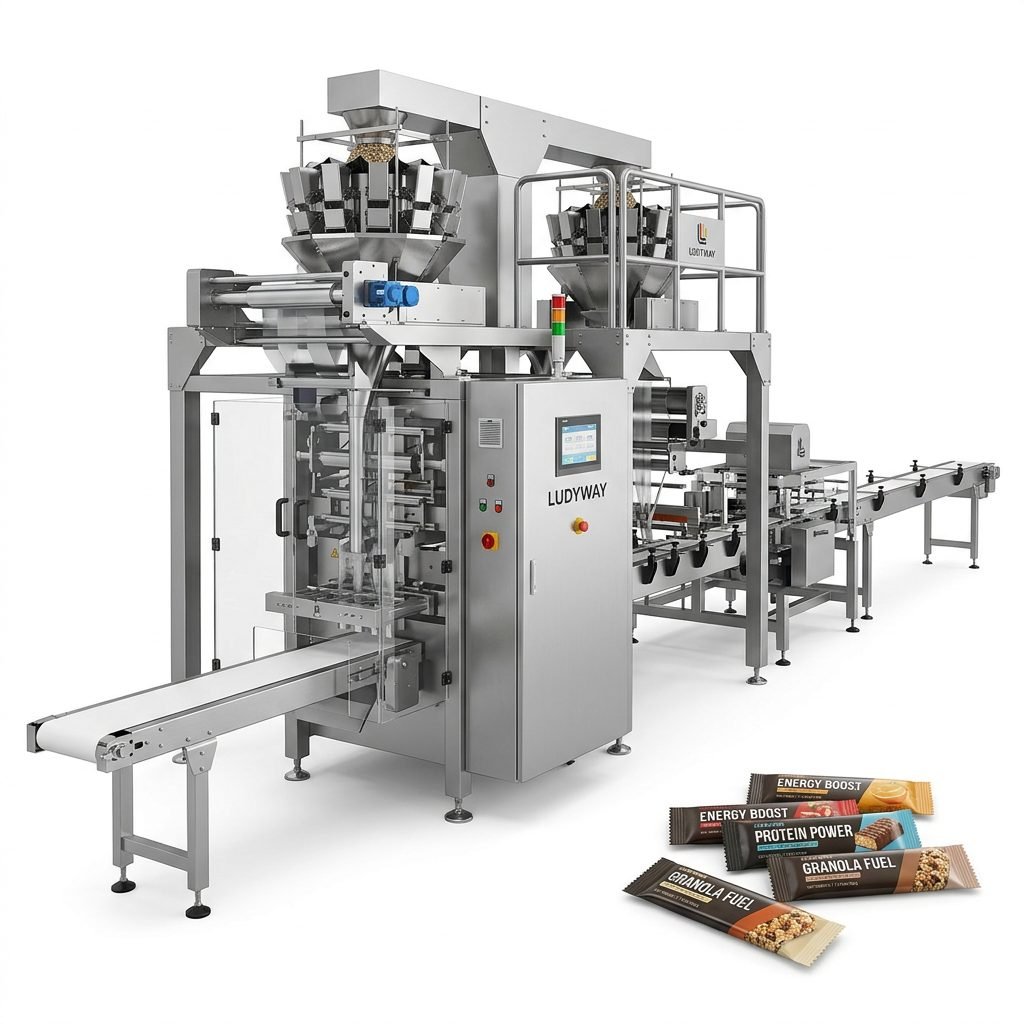
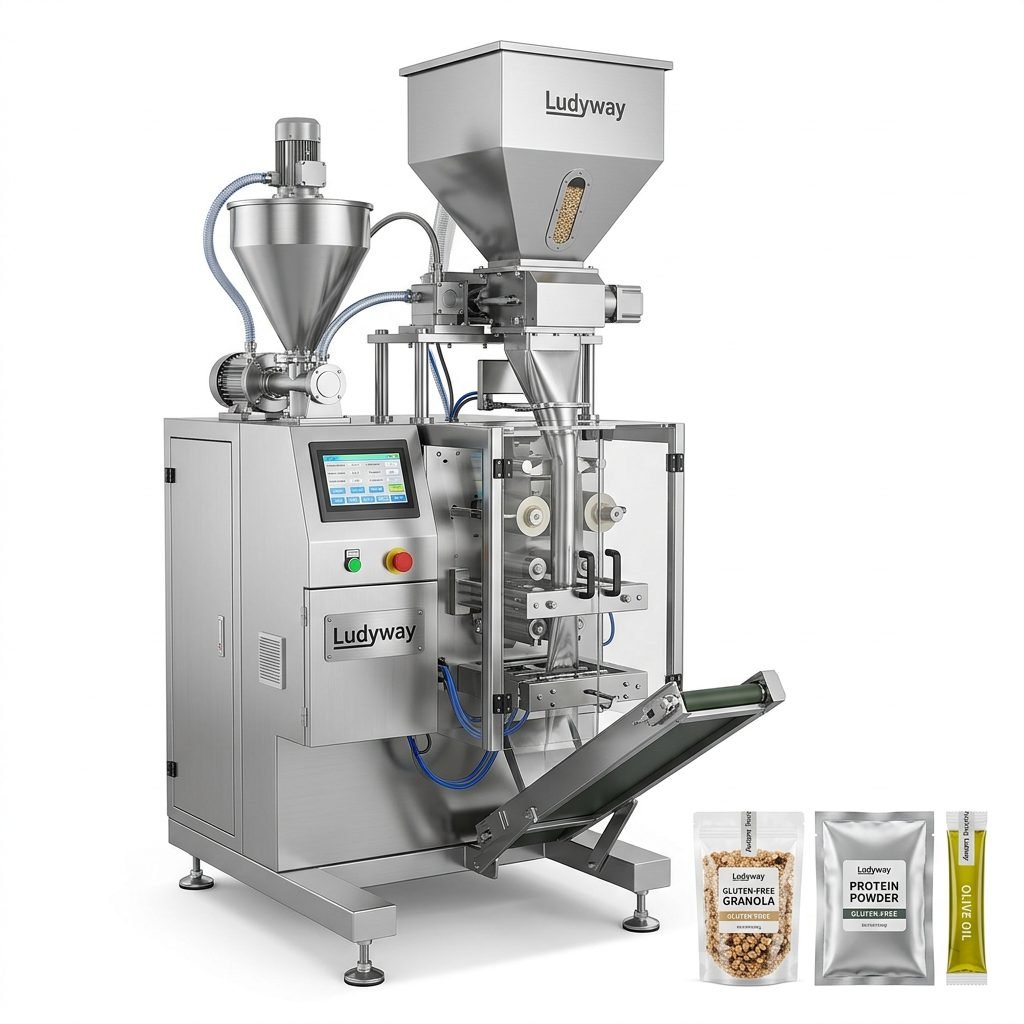
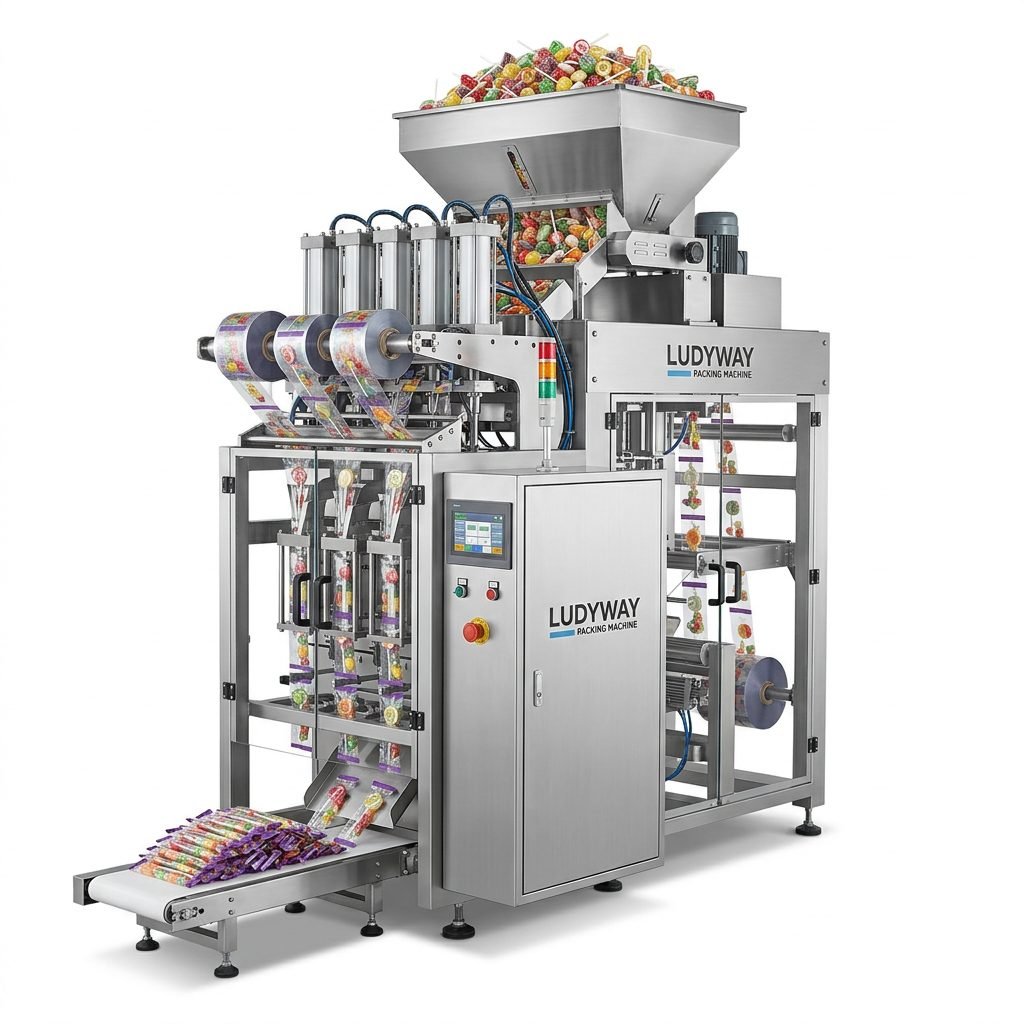
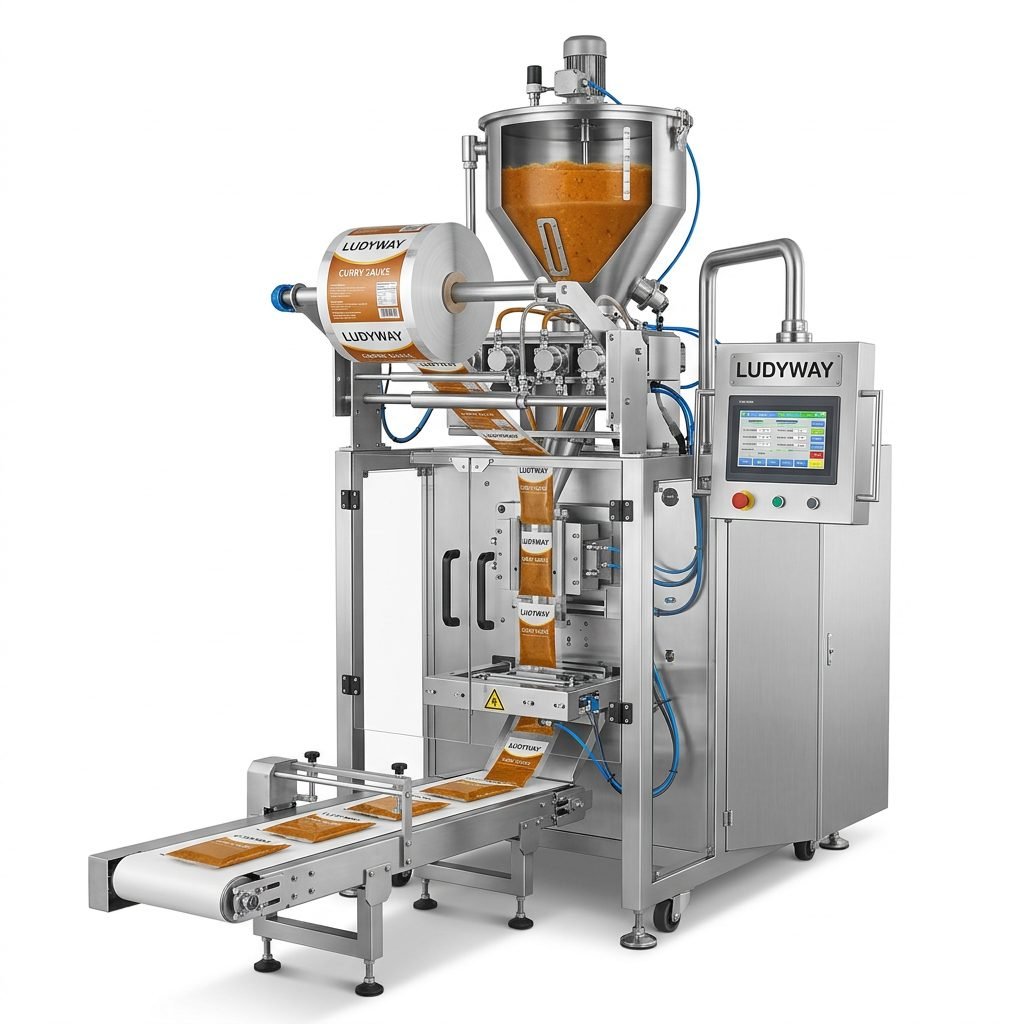
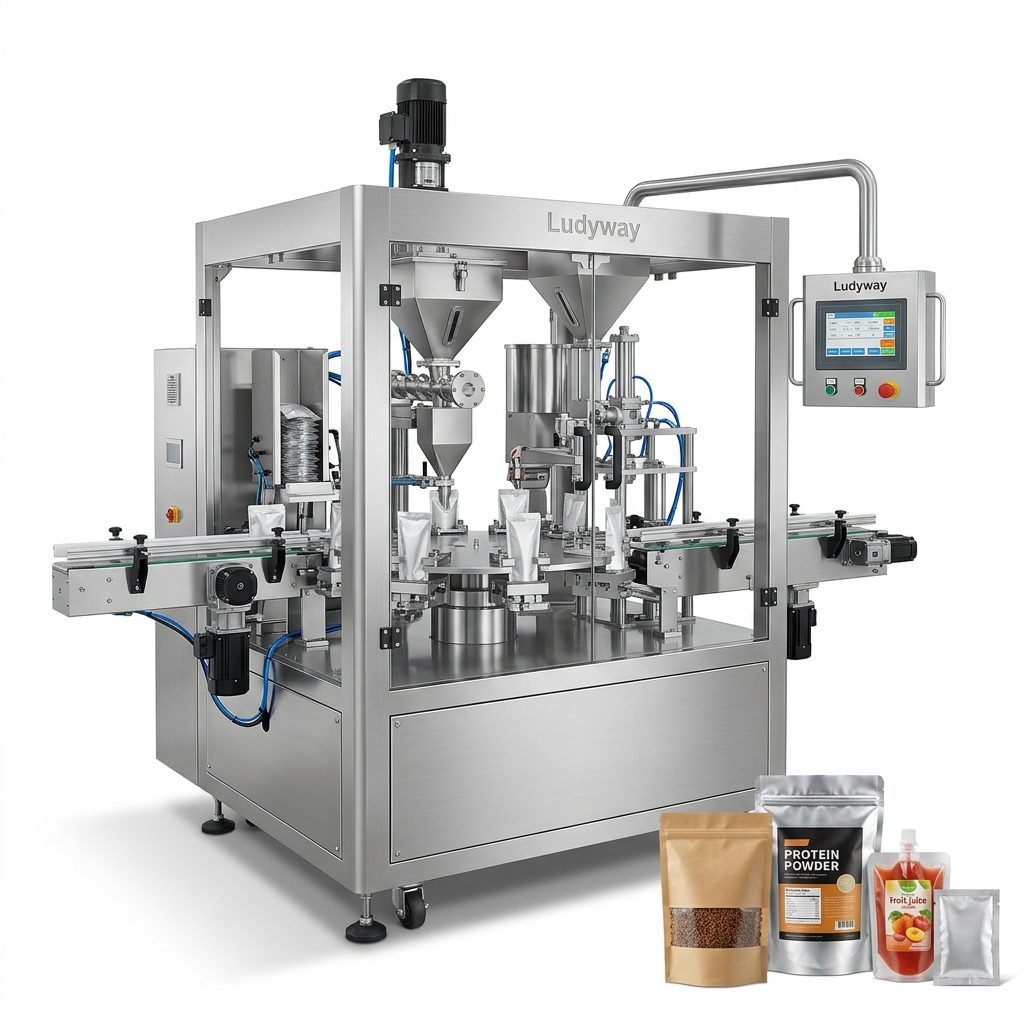
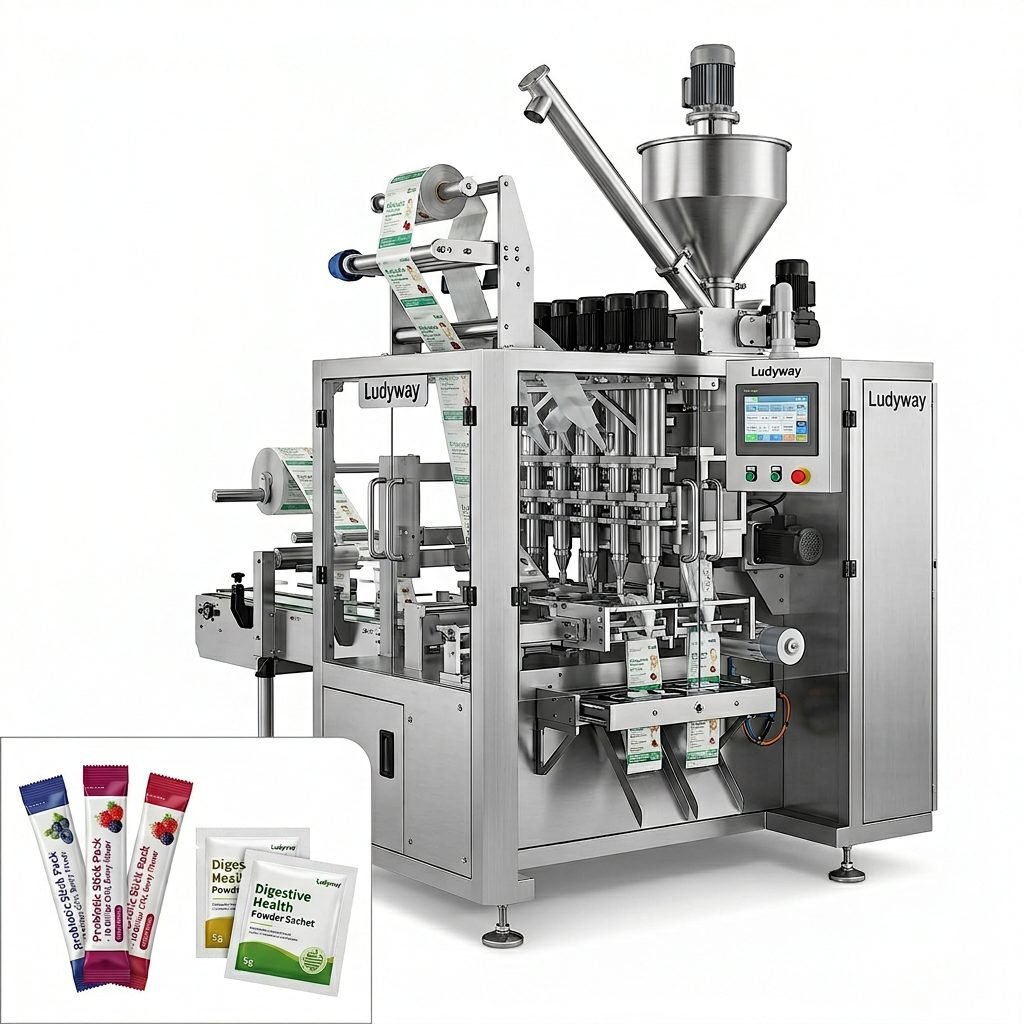
Setting up a beverage packaging machine production line in Europe requires careful planning, compliance with strict regulatory standards, and the right equipment selection. Whether you are launching a new beverage brand or expanding an existing operation, understanding the European market’s unique requirements is essential for a successful installation. This comprehensive guide walks you through every stage of the process, from initial planning to full-scale production.
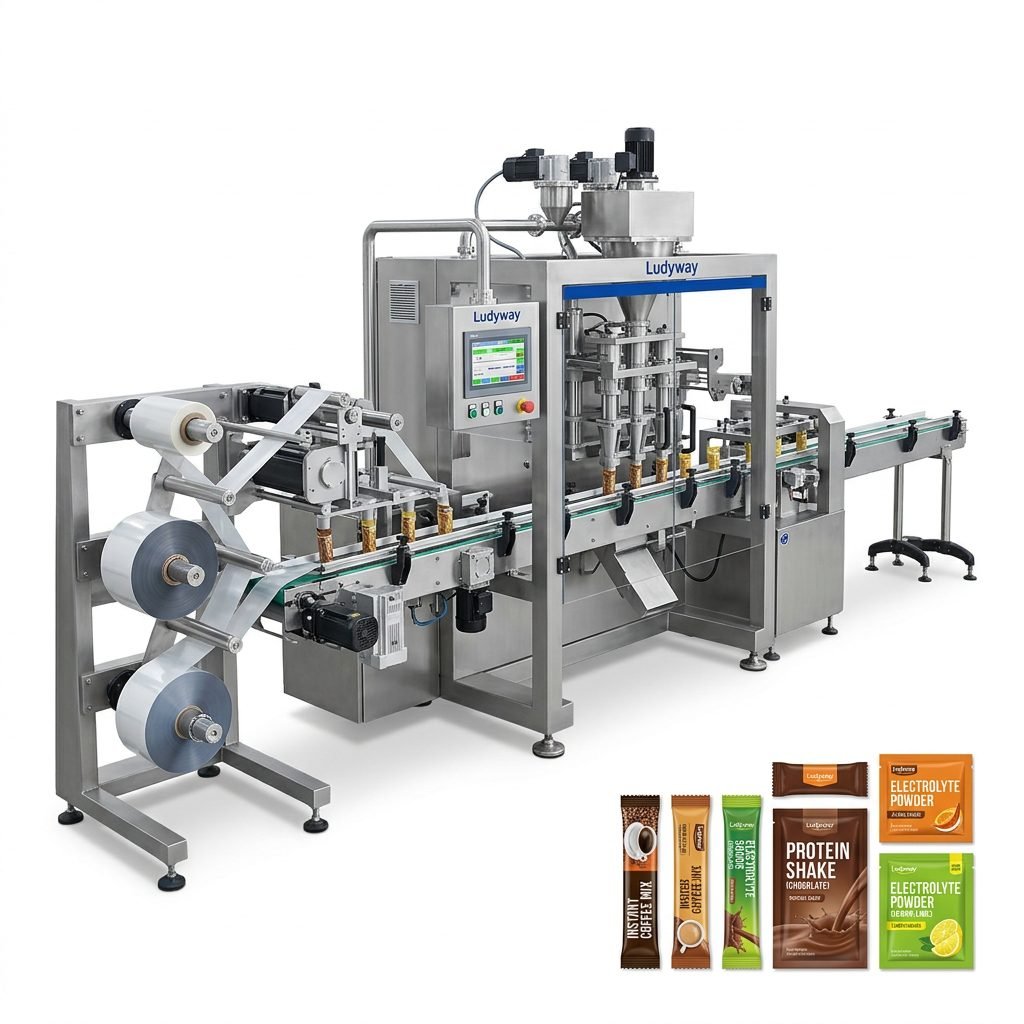
Understanding the European Beverage Packaging Market
The European beverage packaging industry is one of the most advanced and highly regulated markets in the world. With growing consumer demand for convenience, sustainability, and product variety, manufacturers are increasingly investing in automated packaging solutions. According to industry data from PMMI’s Business Intelligence, the packaging machinery sector in Europe continues to experience steady growth, particularly in the beverage segment. Key trends driving this market include single-serve packaging formats, eco-friendly materials, and smart packaging technologies that enhance traceability and consumer engagement.
Key Regulatory Requirements in Europe
Before importing or installing any beverage packaging machinery in Europe, you must understand and comply with several critical regulatory frameworks. Non-compliance can result in significant fines, production delays, or even facility shutdowns. The following are the primary regulations you need to address:
EU Packaging and Packaging Waste Directive
The European Commission’s Packaging and Packaging Waste regulation sets essential requirements for packaging design, material composition, and recyclability. All packaging materials used in your production line must meet these sustainability standards. This includes reducing packaging weight and volume, minimizing hazardous substances, and ensuring that packaging can be reused or recycled efficiently. Manufacturers should work closely with packaging material suppliers to verify compliance with the latest EU directives, which are regularly updated to reflect environmental goals.
CE Marking and Machinery Directive
All packaging machines installed and operated within the European Economic Area must carry CE marking, indicating conformity with the EU Machinery Directive 2006/42/EC. This certification covers essential health and safety requirements, including machine guarding, electrical safety, and noise emissions. When sourcing equipment from non-European manufacturers, ensure that the machines have been properly certified or that your supplier provides the necessary documentation and support for obtaining CE compliance. Working with experienced international suppliers who understand European standards can significantly simplify this process.
Food Contact Materials Regulations
Beverage packaging lines must use food-grade materials that comply with EU Regulation (EC) No 1935/2004 on materials and articles intended to come into contact with food. This applies to all components that touch the beverage product, including filling nozzles, seals, gaskets, and packaging film. The FDA’s food packaging guidelines also provide useful reference points, though EU-specific requirements take precedence for European operations. Regular testing and documentation are essential to maintain compliance throughout the production lifecycle.
Types of Beverage Packaging Machines
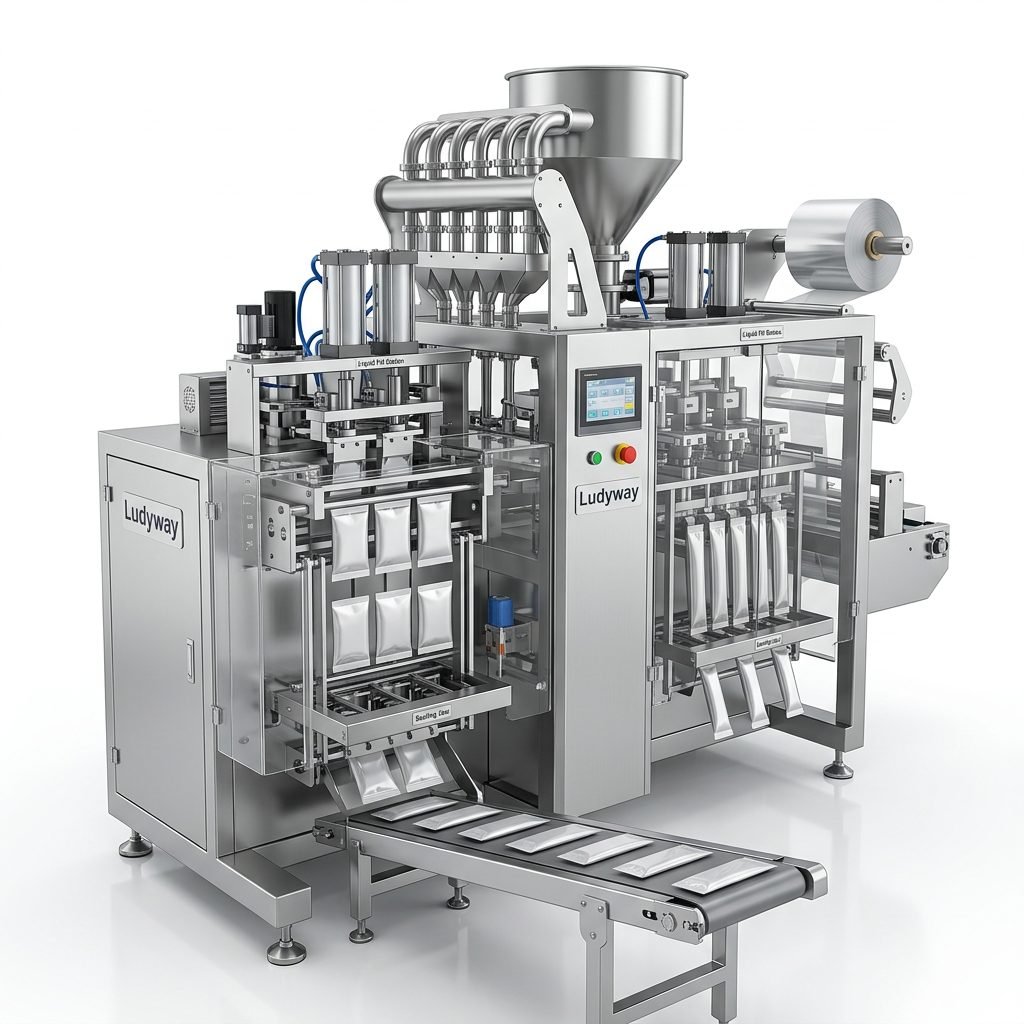
Selecting the right type of beverage packaging equipment depends on your product format, production volume, and target market. European consumers favor a variety of beverage packaging formats, from single-serve sachets and stick packs to larger pouches and bottles. Below is an overview of the most common machine types used in modern European beverage production facilities:
| Machine Type | Best For | Packaging Format | Typical Speed Range |
|---|---|---|---|
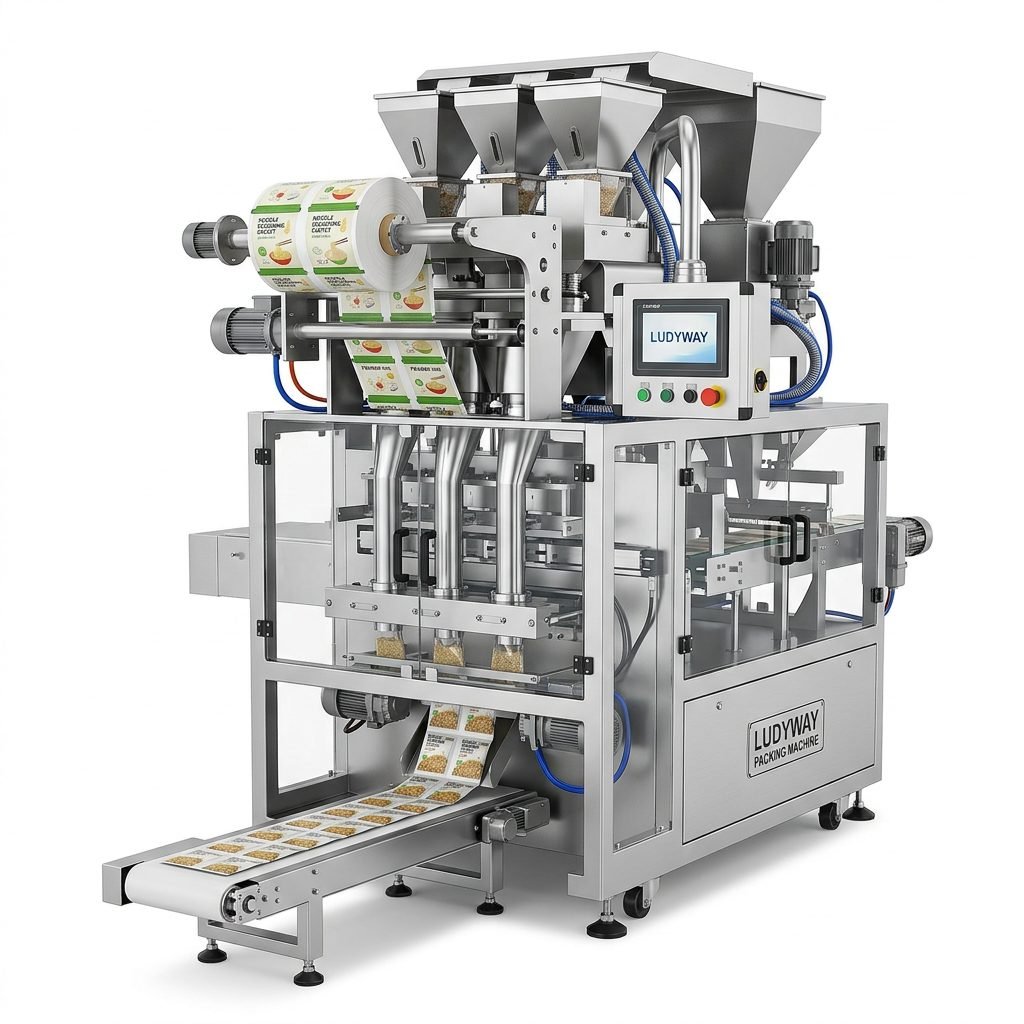
| Multi-Lane Stick Pack Machines | Powdered beverages, instant coffee, drink mixes | Stick packs, sachets | 400-1200 packs/min |
| Liquid Sachet Packaging Machines | Juices, energy drinks, liquid concentrates | Single-serve sachets | 200-800 packs/min |
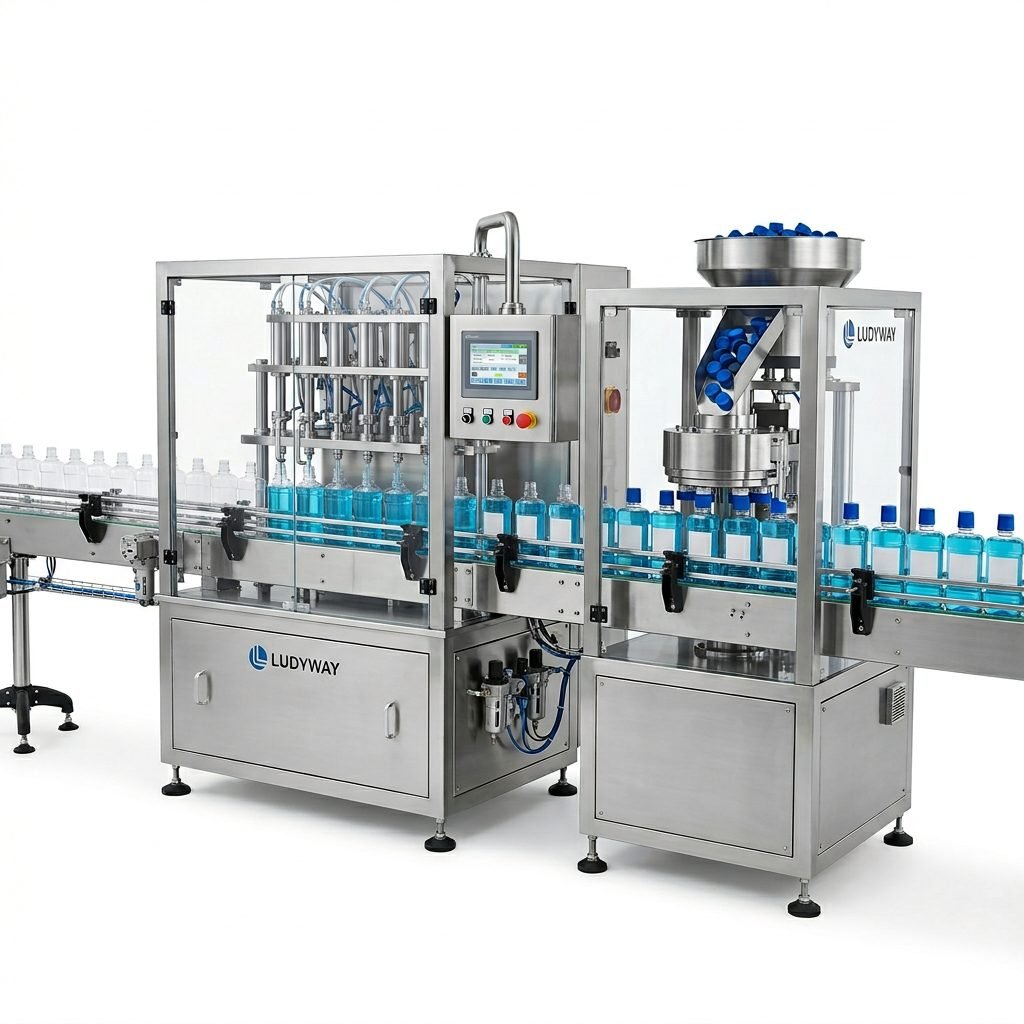
| Bottle Filling and Capping Lines | Ready-to-drink beverages, water, carbonated drinks | Bottles, caps | 60-600 bottles/min |
| Pouch Packaging Machines | Liquid beverages, syrups, dairy drinks | Stand-up pouches, flat pouches | 40-200 pouches/min |
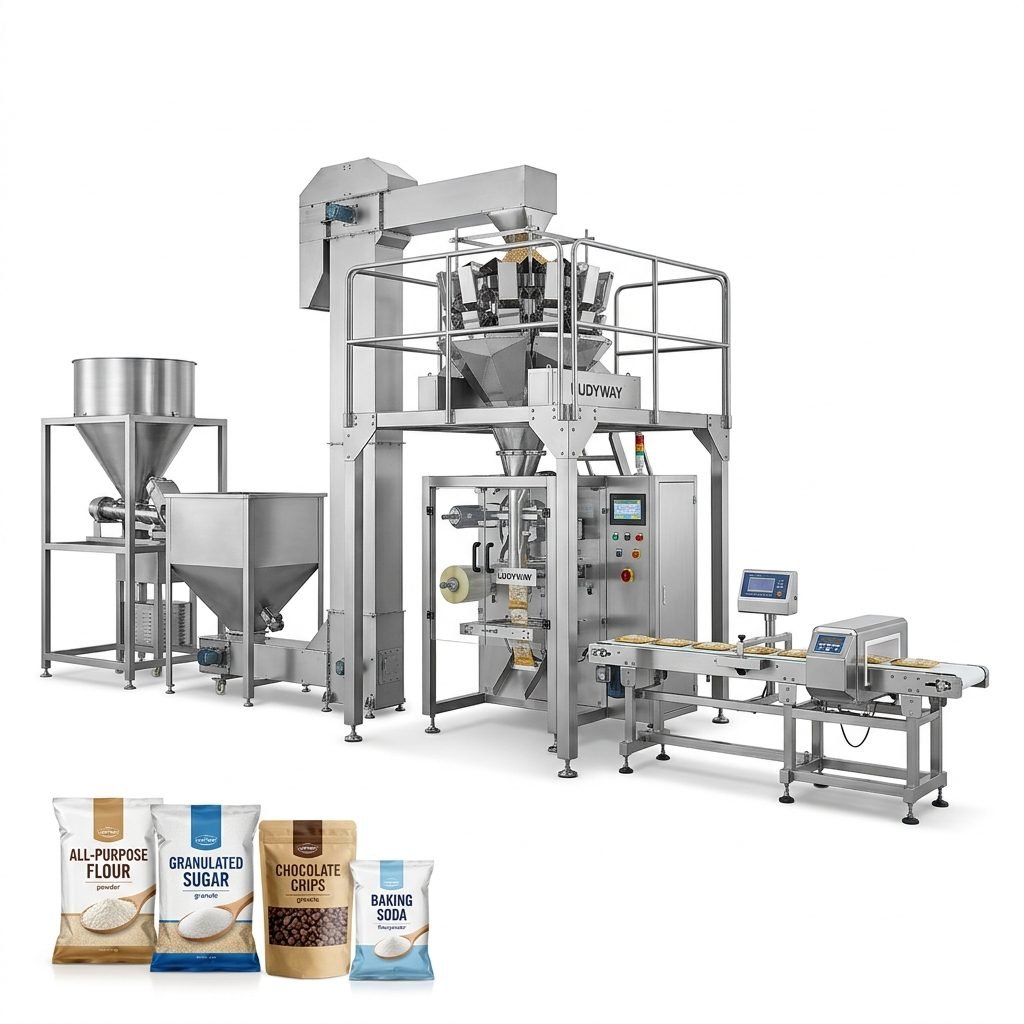
| Complete Turnkey Packaging Lines | Full-scale beverage production operations | All formats integrated | Customizable |
Planning Your Production Line Layout
An efficient production line layout is critical for maximizing productivity and minimizing operational costs. When designing your beverage packaging line in Europe, consider the following factors:
- Space utilization — European facilities often have higher space costs, so compact and modular equipment designs are preferred.
- Workflow optimization — Arrange machines in a logical sequence from raw material feeding to final packaging and palletizing.
- Utility requirements — Ensure adequate electrical supply, compressed air, water, and ventilation systems are in place.
- Future scalability — Plan for potential expansion by leaving room for additional modules or higher-capacity machines.
- Cleanroom considerations — Beverage production areas may require controlled environments to meet hygiene standards.
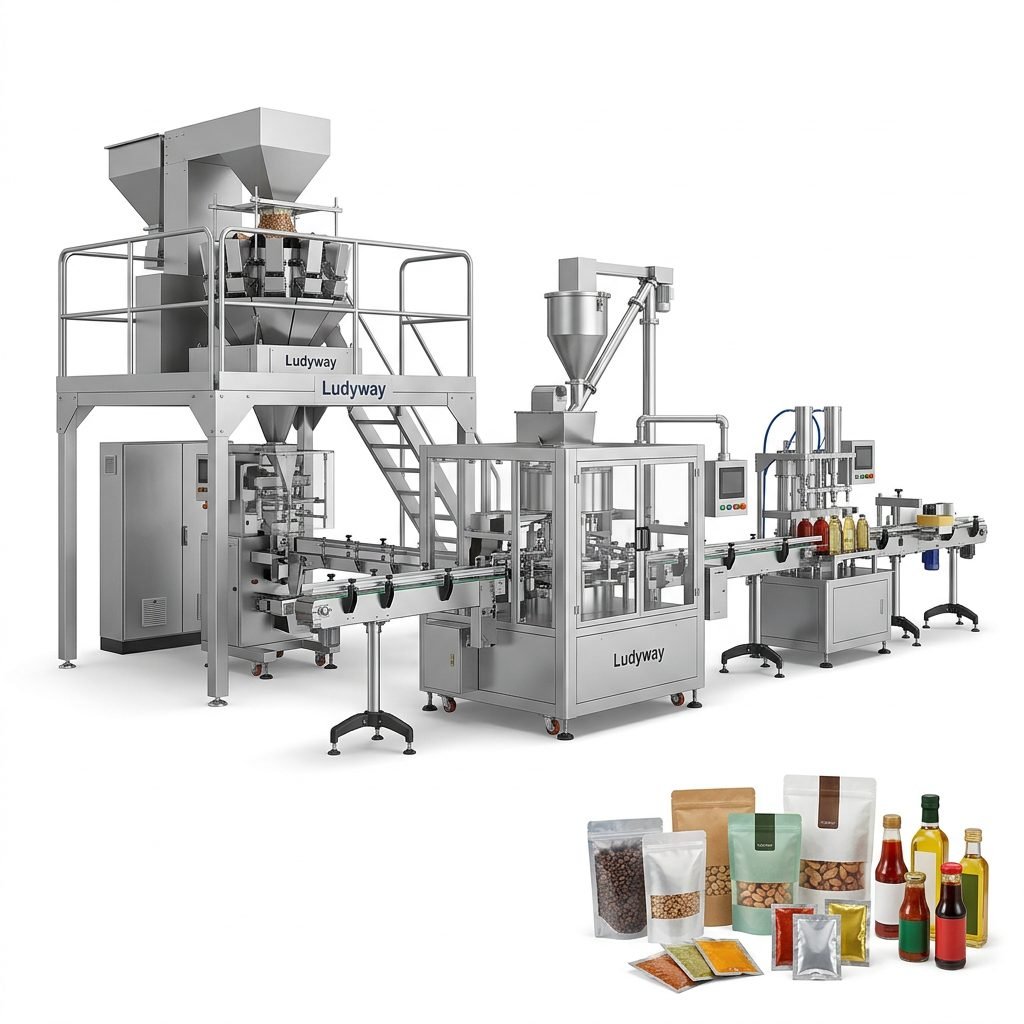
Step-by-Step Setup Process
Setting up a beverage packaging production line in Europe involves several critical phases. Following a structured approach helps ensure that the project stays on schedule and within budget:
Phase 1: Site Preparation
Before any equipment arrives, the production facility must be fully prepared. This includes installing appropriate flooring that can withstand heavy machinery and frequent cleaning, setting up electrical systems that meet European voltage and safety standards (typically 400V three-phase), and ensuring proper drainage and wastewater management systems are in place. Environmental controls such as temperature and humidity regulation may also be necessary depending on the beverage product being packaged.
Phase 2: Equipment Installation and Integration
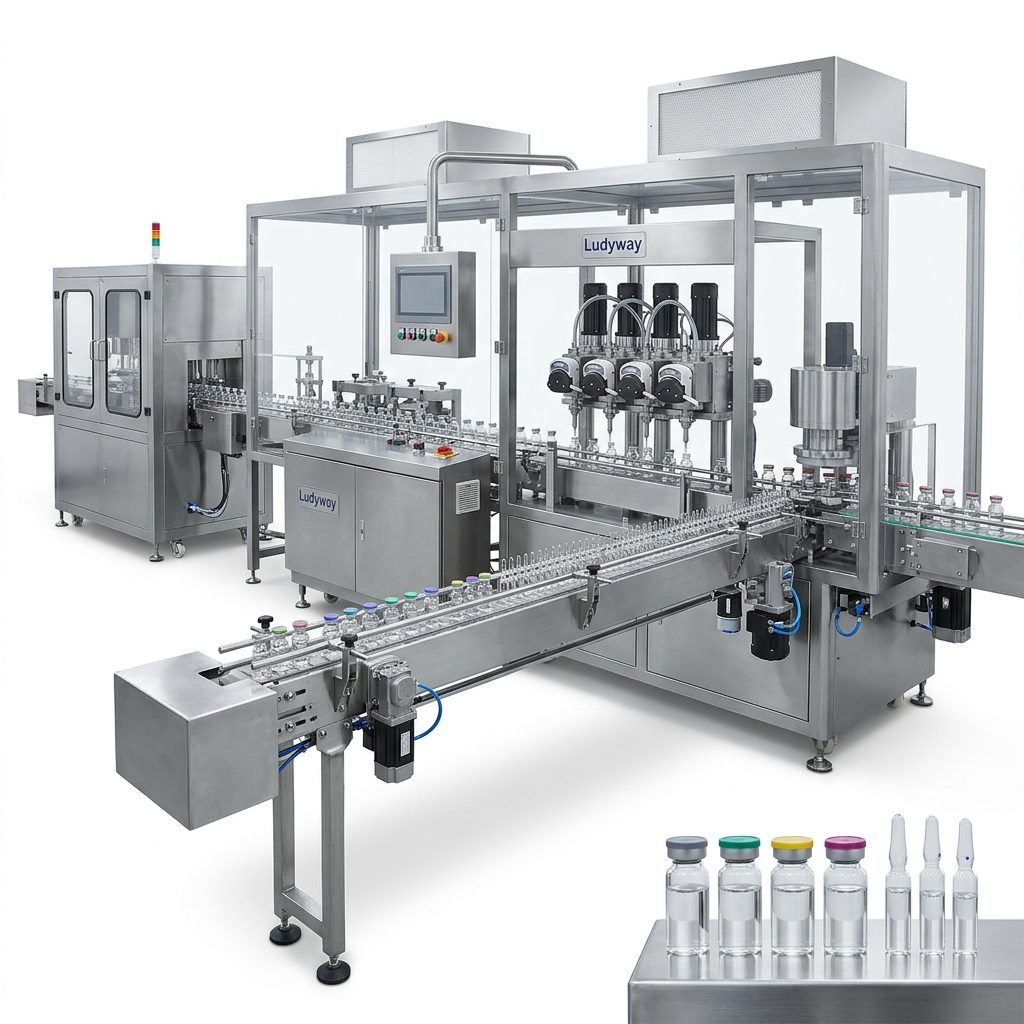
Professional installation by qualified technicians is essential. The process typically begins with positioning the main packaging units, followed by connecting conveyors, feeding systems, and ancillary equipment. All electrical and pneumatic connections must be verified against European standards. Integration testing between different machine modules—such as the filler, sealer, coder, and case packer—should be conducted systematically. It is advisable to have the equipment supplier provide on-site supervision during this phase to ensure proper installation and to address any compatibility issues immediately.
Phase 3: Testing and Commissioning
Once installed, the entire production line must undergo rigorous testing before commercial operation begins. This includes dry runs without product to verify mechanical functions, followed by wet tests with actual beverage products to validate filling accuracy, seal integrity, and packaging quality. Performance qualification testing should confirm that the line meets specified output rates and quality standards under normal operating conditions. Documentation from this phase is crucial for regulatory compliance and future reference. Refer to ISO 11607 standards for guidance on packaging validation requirements applicable to certain beverage categories.
Quality Control and Certifications
Maintaining consistent product quality is paramount in the European beverage market. Implementing a robust quality management system aligned with ISO 9001 standards is highly recommended. Key quality control measures for beverage packaging lines include regular seal integrity testing, fill volume verification, label accuracy checks, and metal detection or X-ray inspection for contaminant detection. Many European retailers and distributors also require suppliers to hold recognized certifications such as BRCGS (Brand Reputation Compliance Global Standards) or IFS (International Featured Standards) for food safety. The PMMI State of the Industry report highlights that automated quality inspection systems are increasingly being integrated into modern packaging lines to reduce human error and improve consistency.
Cost Analysis and ROI Considerations
Investing in a beverage packaging production line in Europe requires significant capital, but the return on investment can be substantial with proper planning. Key cost factors include equipment purchase and shipping, import duties and taxes, installation and commissioning, staff training, ongoing maintenance, and spare parts inventory. A well-designed automated line can reduce labor costs by up to 60% compared to semi-automated operations and significantly decrease packaging material waste. When evaluating equipment suppliers, consider not only the initial purchase price but also long-term factors such as energy efficiency, reliability, technical support availability, and spare parts accessibility within Europe.
Common Challenges and Solutions
Even with thorough planning, challenges can arise during the setup and operation of a beverage packaging line in Europe. The table below outlines some common issues and recommended solutions:
| Challenge | Potential Impact | Recommended Solution |
|---|---|---|
| CE certification delays | Production cannot commence legally | Work with suppliers who provide pre-certified equipment and full documentation |
| Inconsistent fill volumes | Product waste and regulatory non-compliance | Calibrate filling systems regularly; use servo-driven precision fillers |
| Packaging material compatibility | Seal failures and product spoilage | Test all packaging films with your specific beverage formulation before full production |
| Skilled labor shortage | Operational inefficiencies | Choose equipment with intuitive HMI interfaces and invest in comprehensive operator training |
| Language and communication barriers | Misunderstandings during installation and support | Select suppliers with multilingual support teams and localized documentation |
Sustainability and Environmental Compliance
European regulations increasingly emphasize sustainable packaging practices. Your beverage packaging line should be capable of handling recyclable and biodegradable packaging materials where possible. The Flexible Packaging Association provides valuable resources on sustainable flexible packaging trends that are gaining traction across Europe. Additionally, energy-efficient machinery not only reduces operational costs but also aligns with EU environmental targets. Modern servo-driven packaging machines can reduce energy consumption by 30-40% compared to older pneumatic systems, making them a smart choice for environmentally conscious operations.
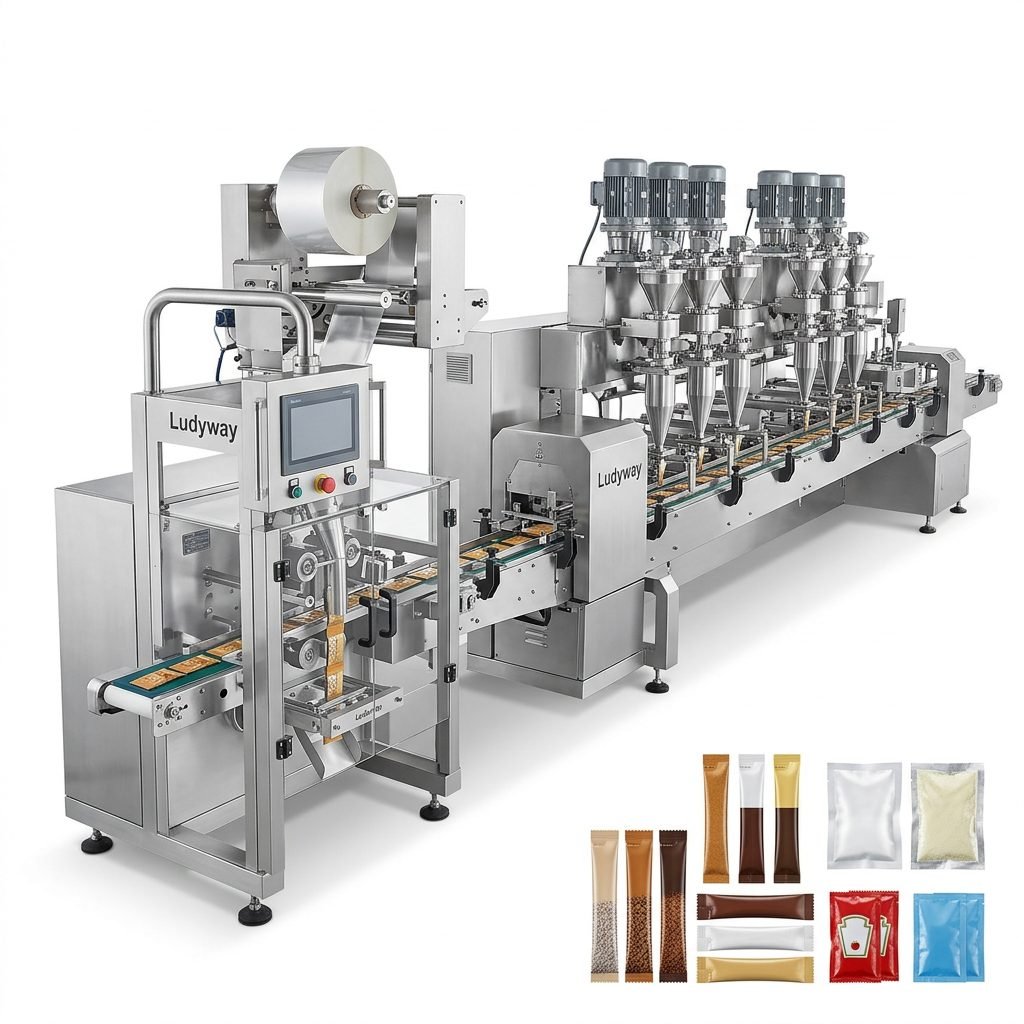
Choosing the Right Equipment Partner
Selecting a reliable packaging machinery supplier is one of the most critical decisions in your project. Look for manufacturers with proven experience in European installations, comprehensive after-sales support, and the ability to provide turnkey solutions tailored to your specific beverage product. A partner that offers both individual machines and complete integrated lines can simplify project management and ensure seamless compatibility between all components. Companies like Ludyway, with over 30 years of industry expertise and a modern 20,000㎡ manufacturing facility, specialize in advanced packaging equipment and turnkey production solutions for food and beverage applications, serving customers in more than 100 countries and regions worldwide. For more details, refer to industry coverage on global packaging machinery growth trends.
Final Checklist Before Production Launch
Before starting full-scale commercial production on your new European beverage packaging line, verify the following items:
- All equipment has valid CE certification and documentation is on file.
- Operators have completed comprehensive training on all machinery.
- Quality control protocols and testing procedures are established and documented.
- Packaging materials have been tested and approved for your specific beverage products.
- Emergency stop systems and safety guards are fully operational.
- Maintenance schedules and spare parts inventory are in place.
- Waste management and recycling procedures comply with local regulations.
- Traceability systems (batch coding, date marking) are configured correctly.
Setting up a beverage packaging machine production line in Europe is a complex but rewarding endeavor. With proper planning, regulatory compliance, and the right equipment partner, your facility can achieve efficient, high-quality production that meets the demands of the competitive European beverage market. For ongoing industry insights, consult resources from PMMI – The Association for Packaging and Processing Technologies and the ISO packaging standards directory to stay updated on evolving requirements and best practices.