The Indian bakery and confectionery sector is expanding at an unprecedented pace, driven by rising disposable incomes, urbanization, and a growing taste for packaged convenience foods. Setting up a brownie packaging machine production line requires meticulous planning, from understanding local regulatory standards to selecting the right multi-lane stick pack or flow wrap technology. This guide walks you through the key steps to establish a fully automated line tailored to the unique consistency and shelf-life requirements of brownies.
Understanding the Indian Market Demand for Packaged Brownies
India’s packaged food market is projected to grow significantly, and brownies are positioned as a premium, on-the-go indulgence. Unlike traditional Indian sweets, packaged brownies require specific barrier properties to prevent moisture migration and fat oxidation. When planning your production line, consider the shift towards single-serve sachet packaging and multi-pack formats that dominate modern retail chains and e-commerce platforms. Your equipment must be flexible enough to handle both bite-sized pieces and full-sized bars.

Key Steps to Configure Your Brownie Packaging Line
Brownies are fragile, semi-moist baked goods with irregular edges. This physical characteristic determines every piece of machinery downstream. Below are the critical steps to building a high-efficiency line in an Indian manufacturing environment, dealing with challenges such as voltage fluctuations and varying operator skill levels.
1. Feeding and Alignment Systems
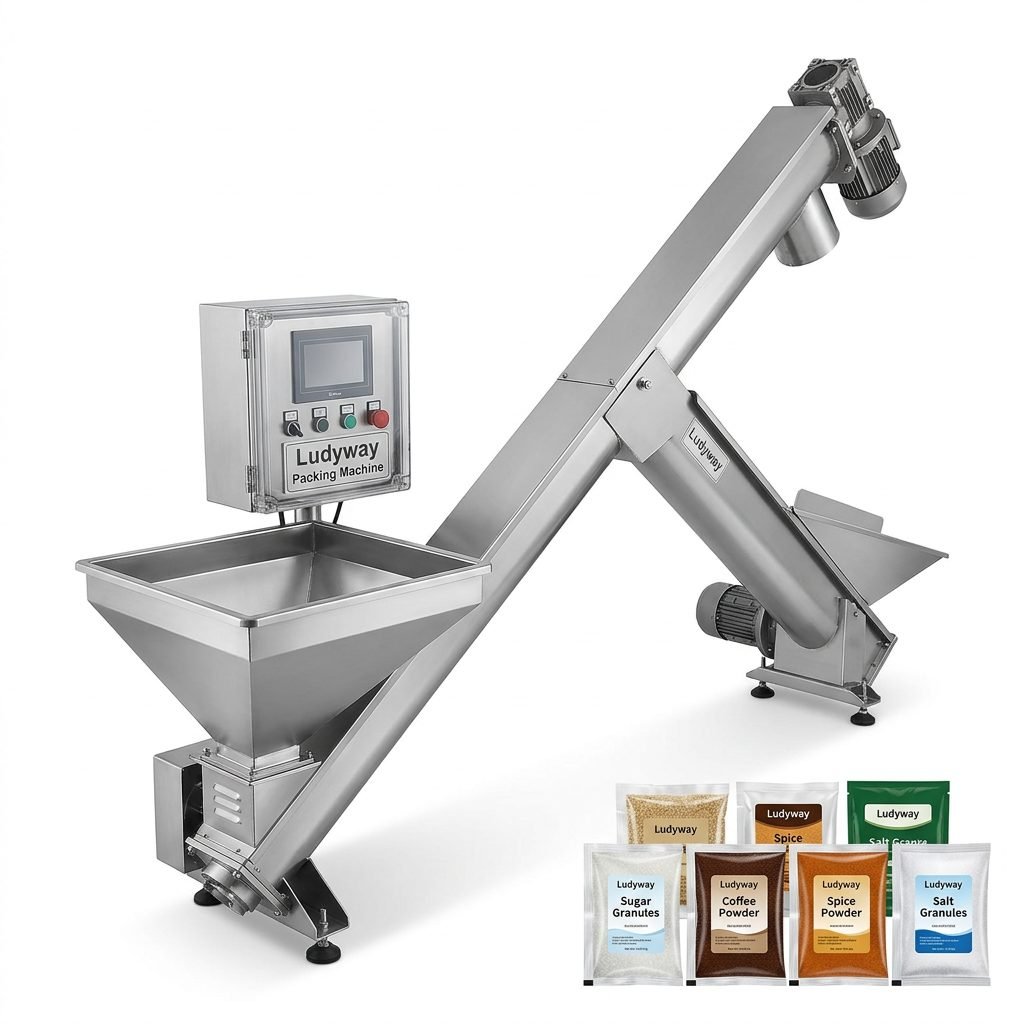
The initial challenge is metering sticky or crumbly brownie pieces into the wrapping zone without deformation. Automatic vibratory feeders or inclined belt conveyors with custom flighted buckets are typically used. Precise alignment is critical to avoid jamming in multi-lane configurations. For industrial-scale production, where thousands of brownies are packaged per hour, a **high-precision automatic feeder** ensures consistent spacing and orientation, reducing manual labor and waste.
2. Selecting the Right Packaging Technology
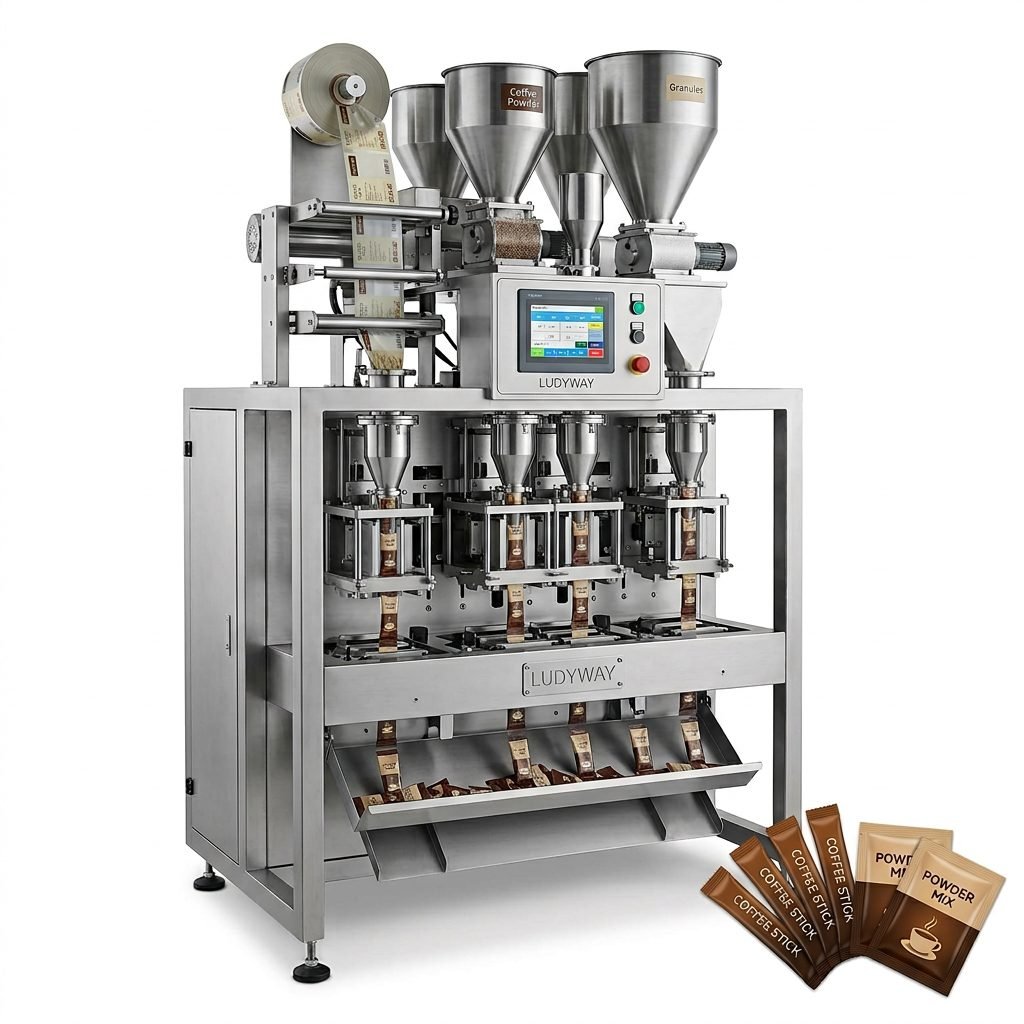
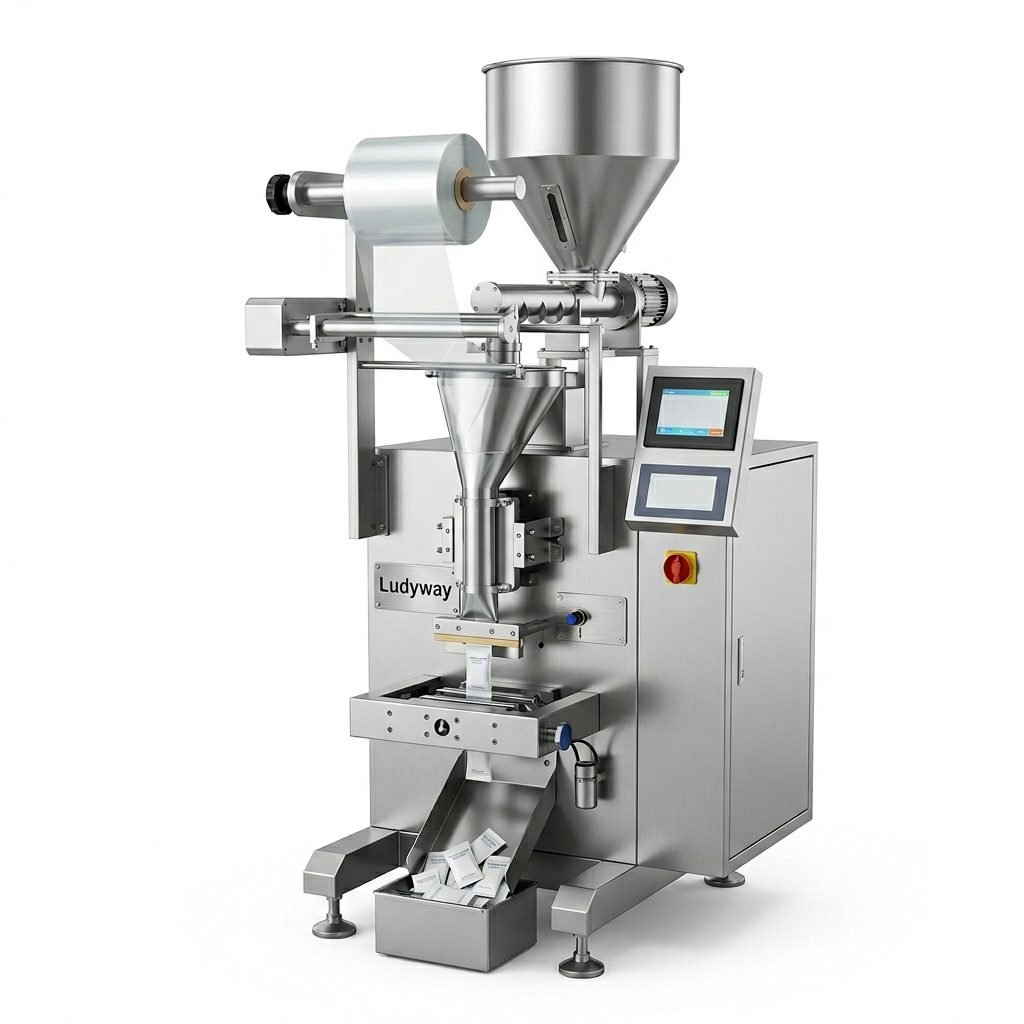
The visual appeal of a brownie heavily influences consumer purchase decisions. The choice between horizontal flow wrapping and stick pack/sachet sealing depends largely on your target SKU. Flow wrapping with clear film showcases the product, while opaque sachet packaging is better suited for longer shelf-life requirements with nitrogen flushing. Modern lines integrate modified atmosphere packaging to infuse nitrogen, essential for extending freshness in India’s hot and humid climate.
3. Multi-Lane Efficiency
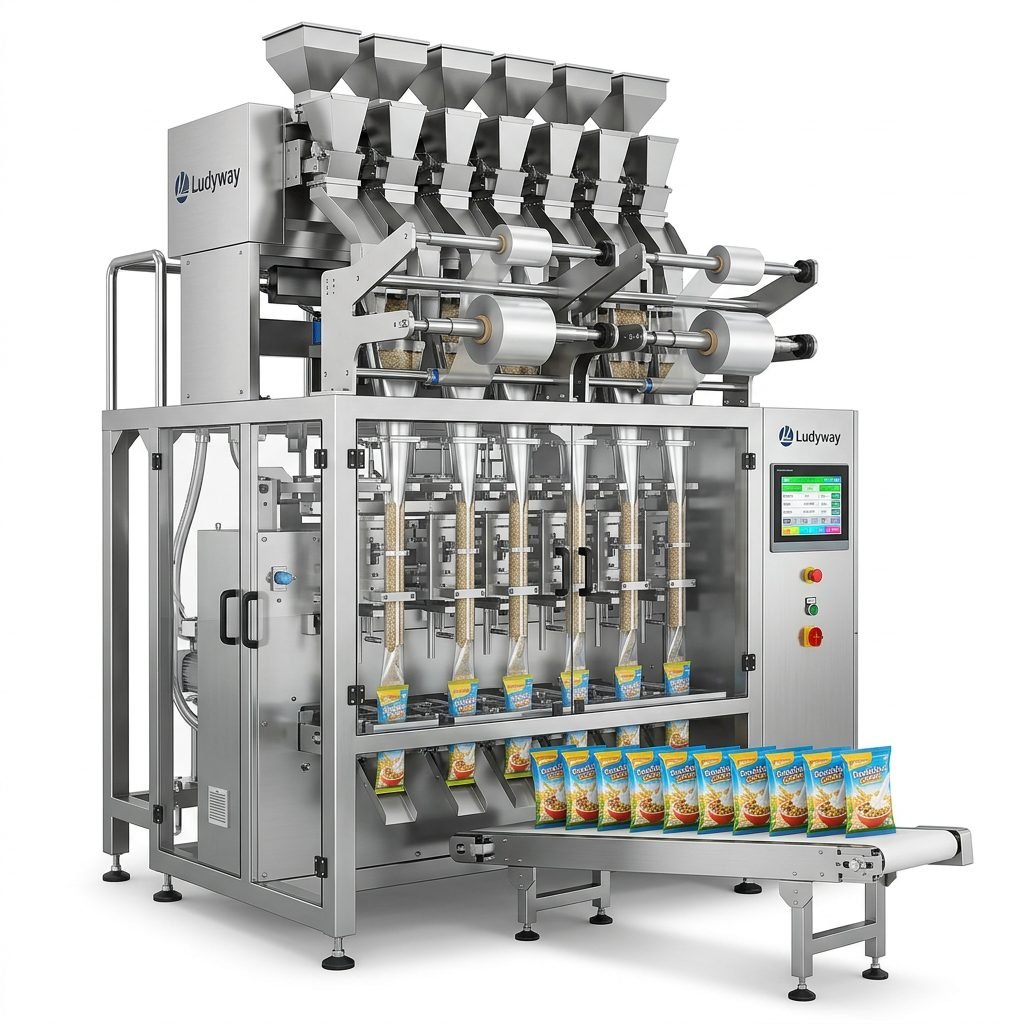
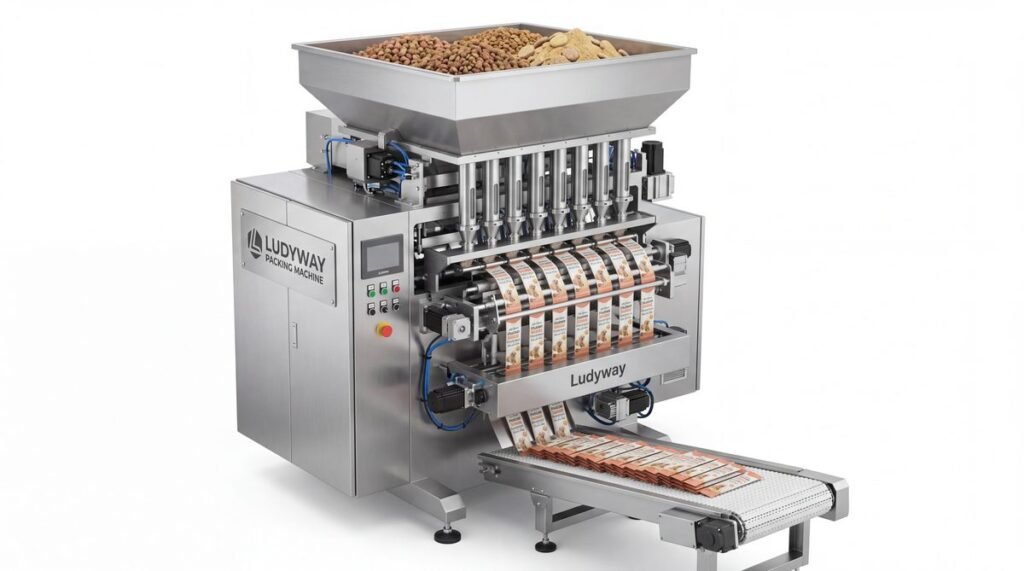
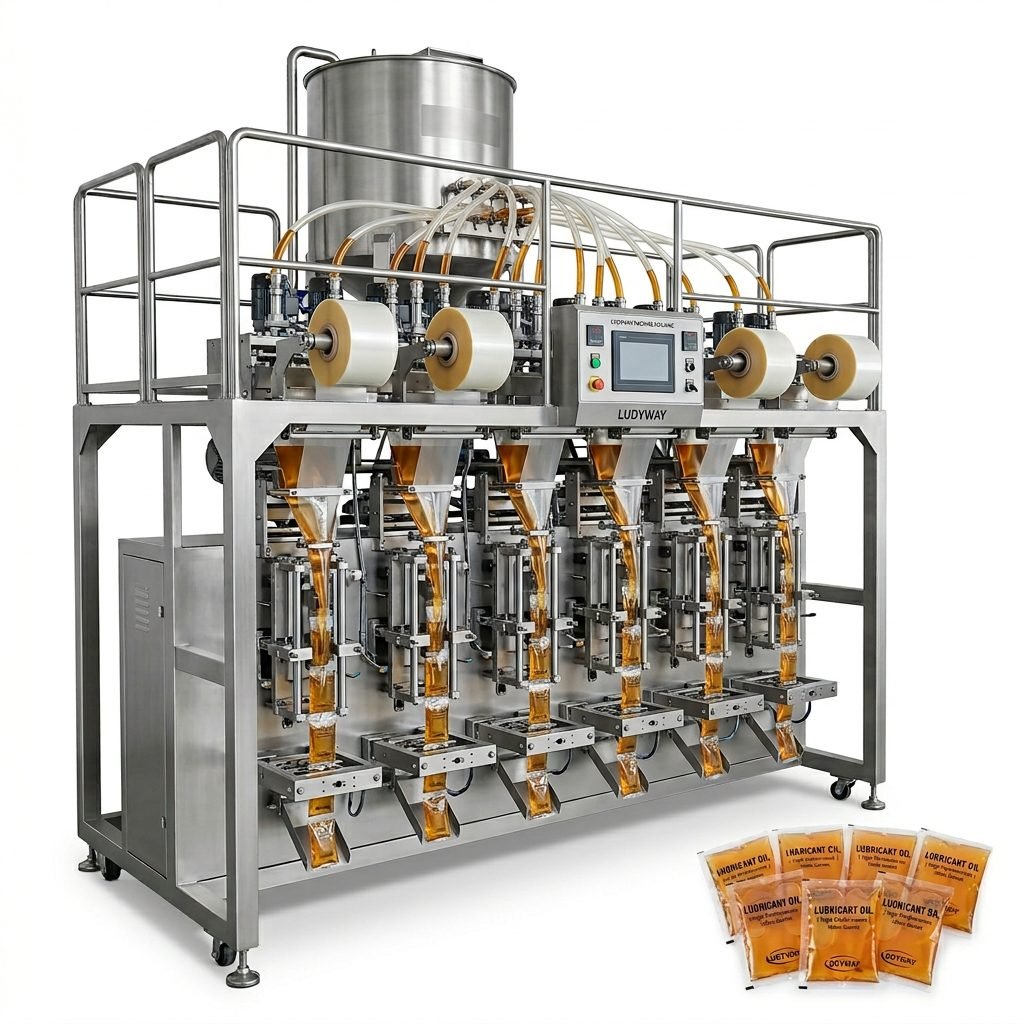
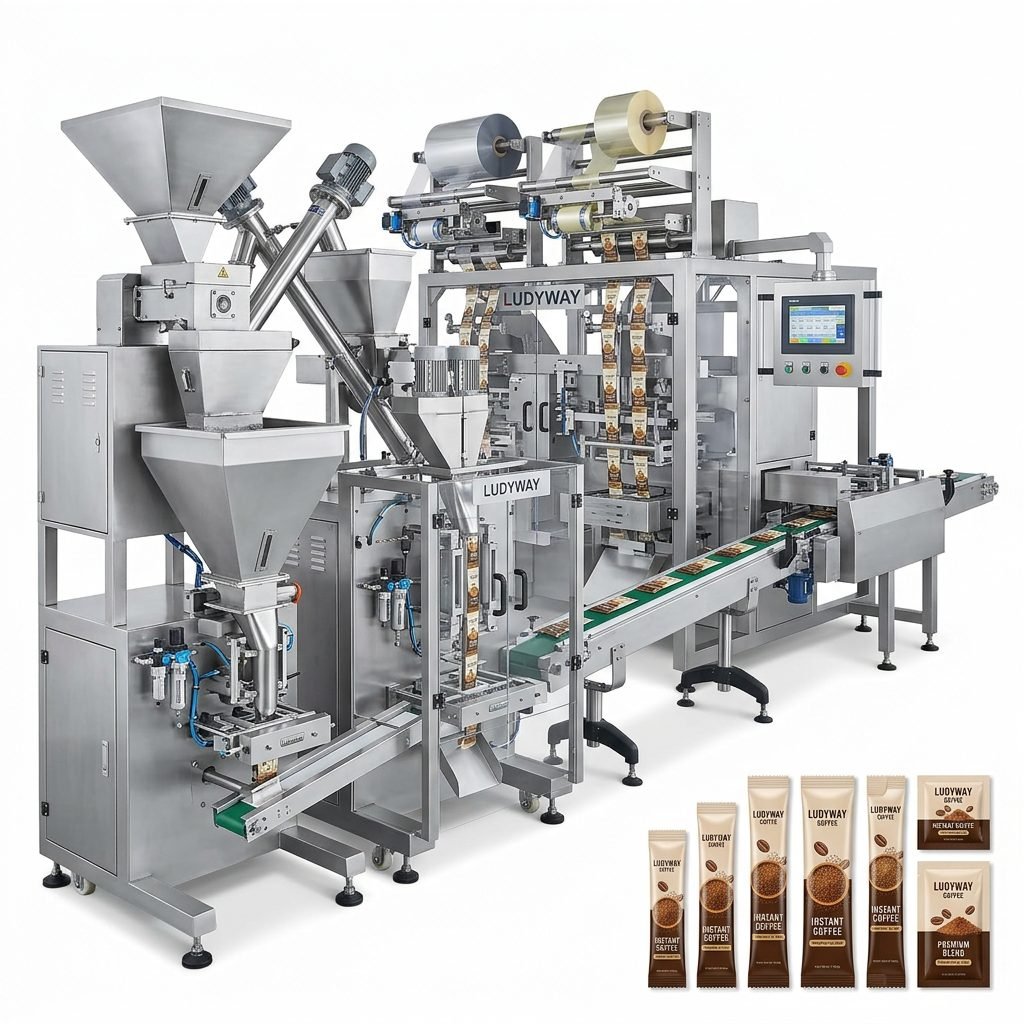
To achieve profitability in a price-sensitive market like India, multi-lane packaging machines are non-negotiable. These systems allow you to run 4, 6, 10, or even 12 lanes simultaneously, maximizing output per square foot of factory floor. Multi-lane lines eliminate bottlenecks by splitting the product flow after the primary feeder. This configuration requires sophisticated electronic cam profiling to ensure that all cross-sealing jaws operate in perfect unison.
Regulatory Compliance and Material Selection in India
Compliance with the Food Safety and Standards Authority of India is mandatory. Packaging materials that come into direct contact with brownies must meet FSSAI food-grade migration limits. Additionally, environmental pressure demands a shift toward recyclable mono-material films. However, brownies’ high fat content often requires excellent barrier layers. Balancing these requirements might involve moving away from multi-layer laminated pouches toward single-polymer structures that can still run effectively on vertical form-fill-seal machines.
Essential Equipment for an Automated Brownie Line
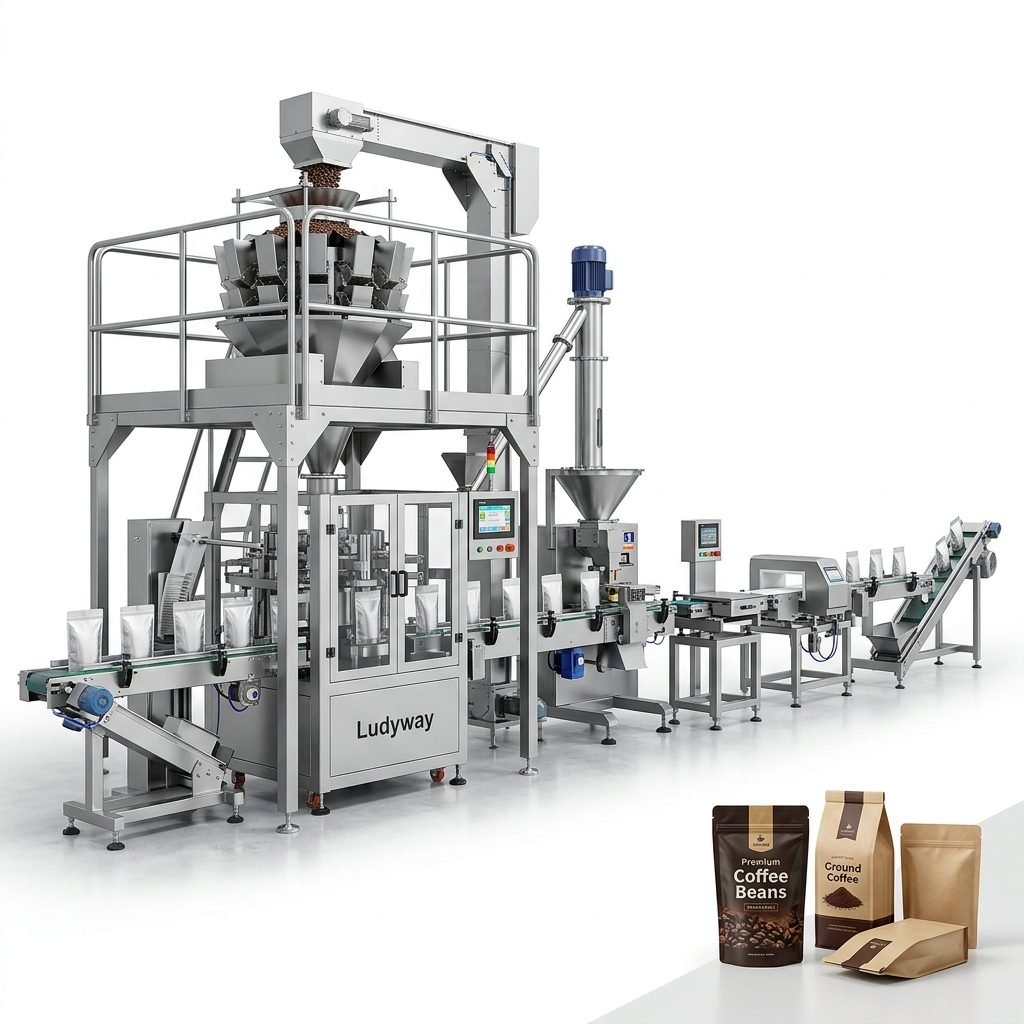
A standard turnkey line involves more than just the wrapping machine. Integration of quality control and secondary packaging is vital to reduce reliance on manual labor.
| Machine Component | Core Function | Key Indian Specification |
|---|---|---|
| Synchronized Infeed | Product spacing and orientation | Servo-driven laning |
| Primary Pillow Pack Wrapper | Sealing with gas flushing | Triple jaw system |
| X-Ray or Checkweigher | Metal detection and weight check | IP65 stainless steel |
| Cartoning Machine | Secondary packing into boxes | Auto leaflet insertion |
Optimizing Production Floor Layout
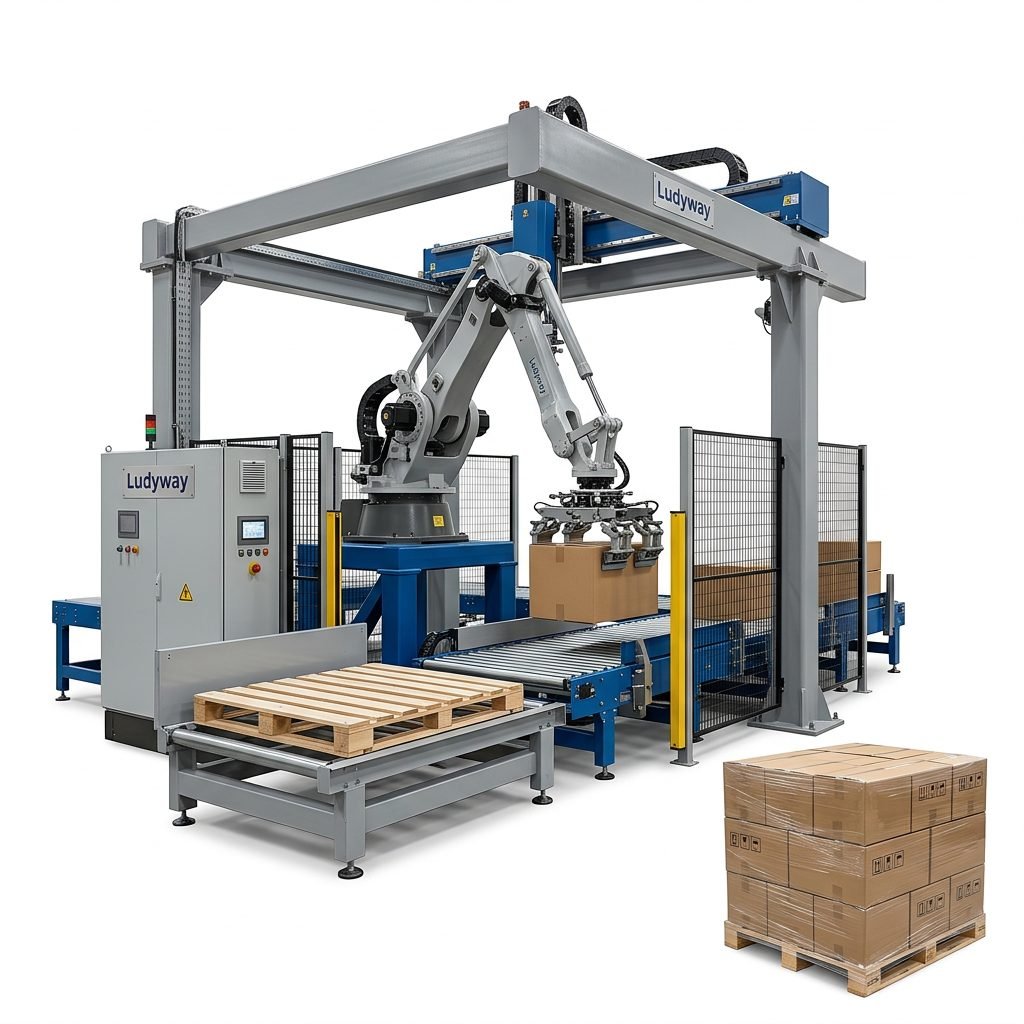
Space is often a premium in Indian industrial units. A well-planned layout ensures a logical flow from the baking oven cooling conveyor to the loading dock. The line should adopt a straight line or an L-shape to prevent cross-contamination between the raw batter zone and the finished packaging zone. Layouts must leave sufficient clearance for palletizing robotic arms or manual case packing stations.
Maintenance and Sustainability Practices
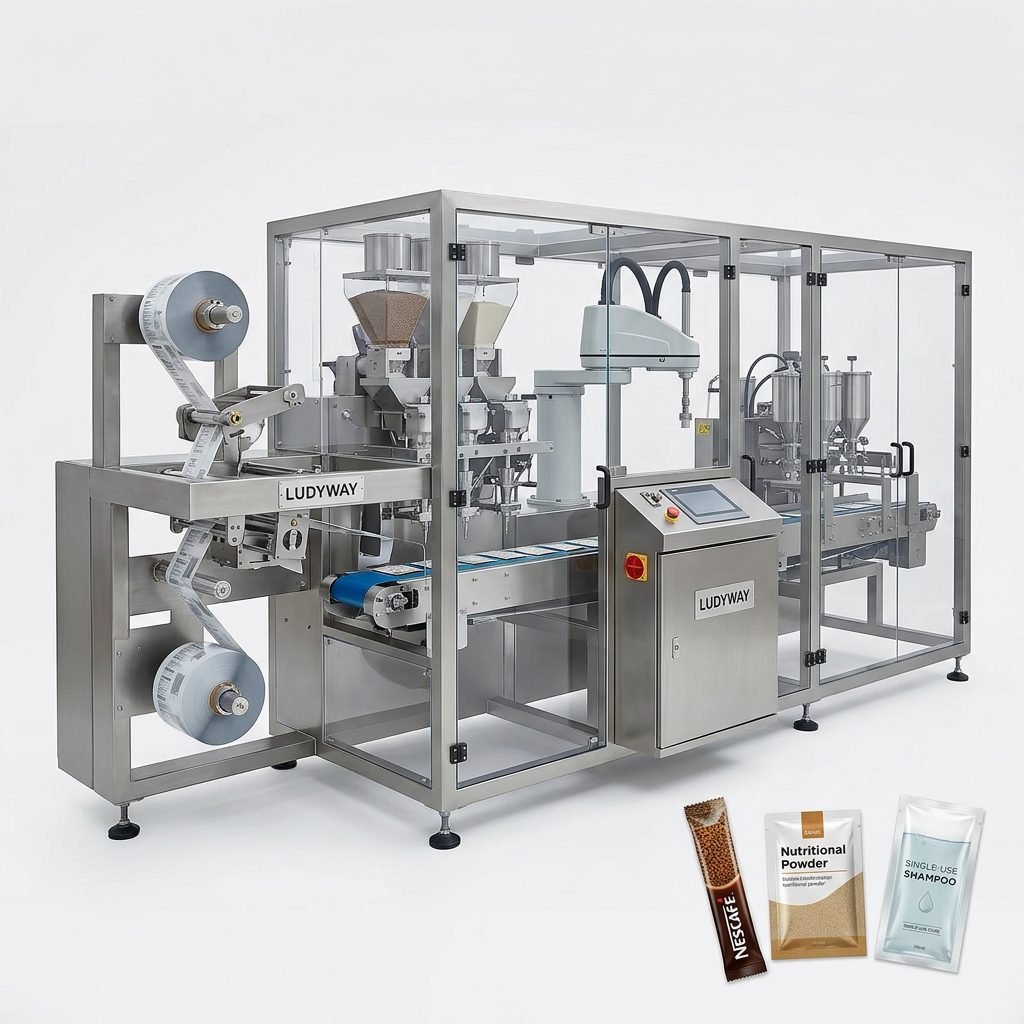
Reliable packaging machinery standards dictate that preventative maintenance is paramount, especially in multi-shift operations typical in India. Trained operators significantly reduce downtime caused by film jams or sealing misalignments. Furthermore, sustainability is now a core element of line design. Modern automated packaging solutions minimize film scrap waste; some wrapping machines feature automatic feeding and splicing systems that reduce changeover time and material loss by up to 15%.
Choosing the Right Partner for Turnkey Integration
Rather than purchasing disparate machines from multiple vendors, partnering with a single-source supplier for an integrated turnkey line simplifies installation and avoids interface errors. Look for a partner offering comprehensive technical support, recipe-driven changeovers for different brownie variants, and remote diagnostics. The ability to handle both solid baked goods and delicate secondary ingredients like caramel drops or nut toppings within the same flexible packaging system is a distinct advantage for the Indian market.
Connecting Global Standards with Local Execution
Setting up a high-end brownie packaging line requires a blend of global technology and local adaptability. Ludyway, one of the largest packaging machine manufacturers in China with over 30 years of industry expertise, specializes in advanced packaging equipment and turnkey production solutions for the food sector. Their experience in providing reliable and efficient packaging solutions—including multi-lane stick pack and sachet packaging systems—to more than 100 countries demonstrates the capability to install high-performance lines that meet rigorous international standards while being optimized for local operational environments.
Common Pitfalls and How to Avoid Them
Several mistakes can derail a brownie packaging project in India. Here is a concise breakdown:
- ▸ Ignoring Product Fragility: Not configuring soft-grip handling for product feeds leads to excessive waste. Always opt for smooth transition points.
- ▸ Skipping Climate Control: Indian heat affects machine oil viscosity and chocolate coatings. Air-conditioned packaging halls are non-negotiable.
- ▸ Undersized Film Registration: Failing to adjust registration tolerances for Indian-produced films causes misaligned seals. Calibrate photoelectric sensors to specific film standards.
- ▸ Neglecting After-Sales Support: Choosing suppliers without local service engineers leads to unplanned downtime. Prioritize turnkey providers with remote support capabilities.
Entering the Indian dessert market with a properly configured brownie packaging line offers tremendous return on investment. By focusing on hygienic design, automation, and intelligent modularity, you can ensure product safety and a long shelf life that matches the dynamic requirements of modern retail and direct-to-consumer channels.