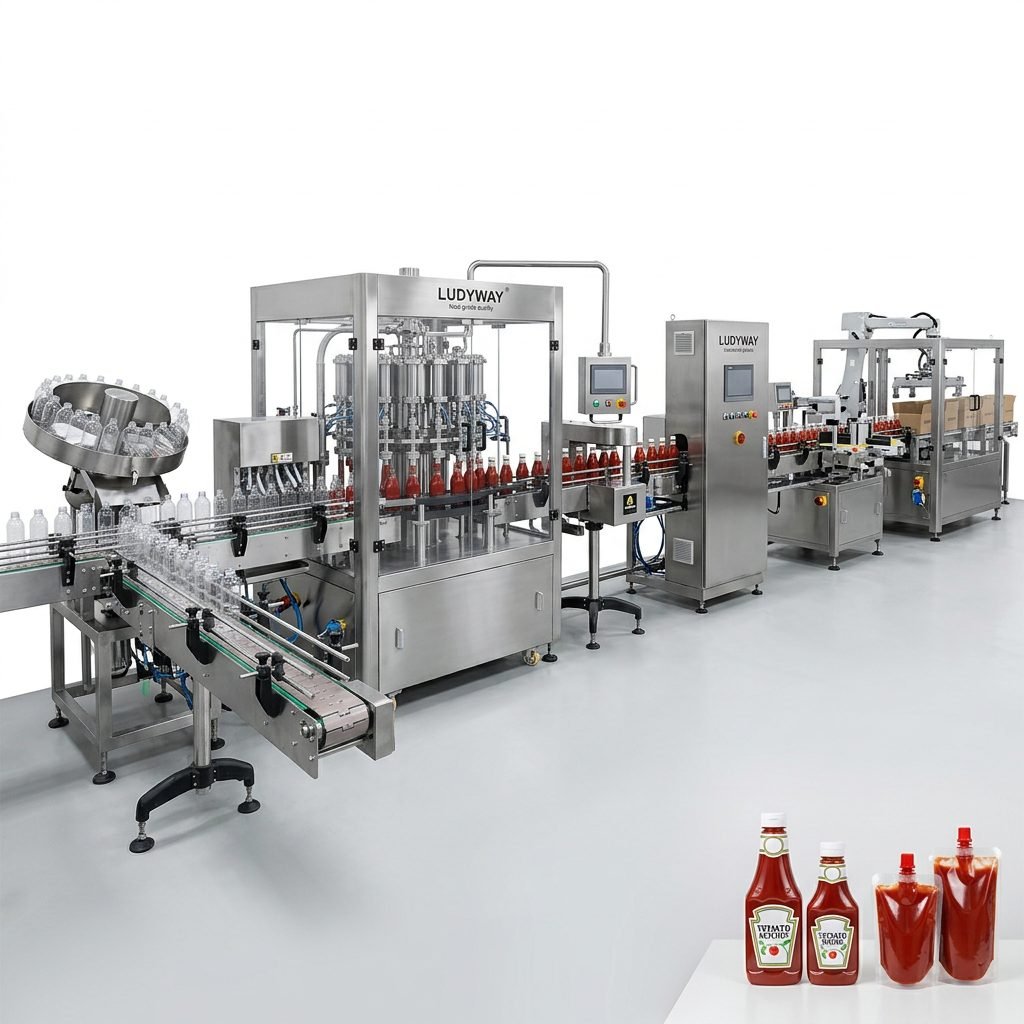
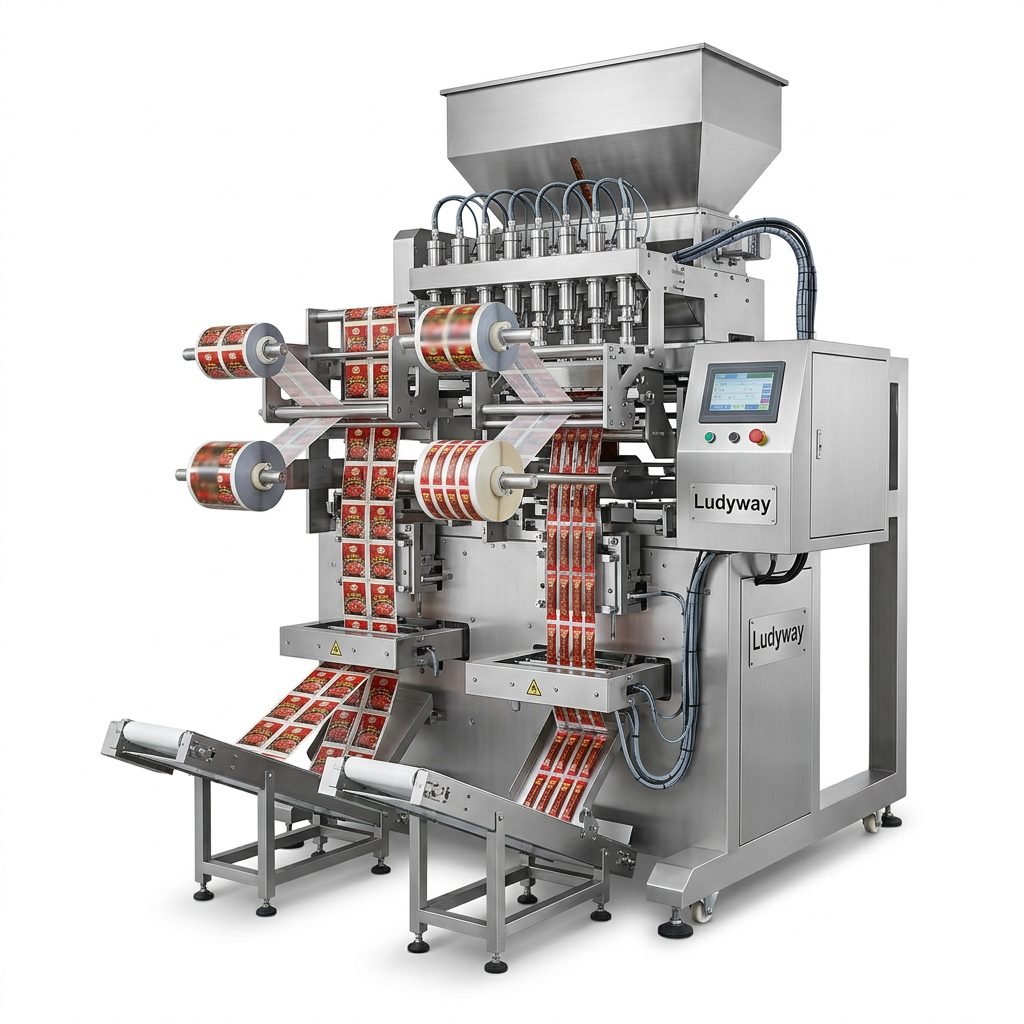
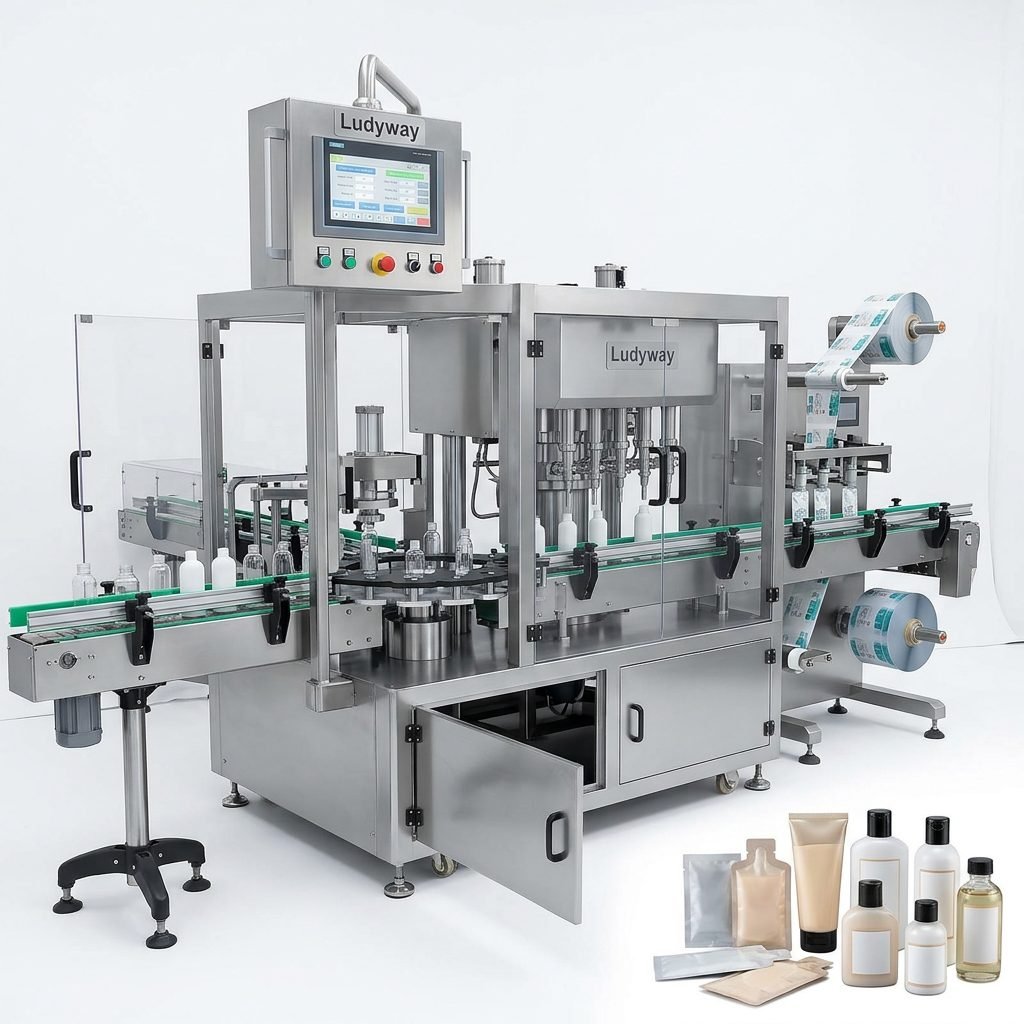
The packaging industry in Africa is experiencing rapid transformation. Driven by population growth, urbanization, and a surge in local manufacturing, establishing a packaging machine production line is a strategic move for businesses aiming to capture the food, pharmaceutical, and FMCG sectors. This guide outlines the essential costs, core packaging equipment required, and actionable steps to build a successful operation.
Understanding the African Packaging Market
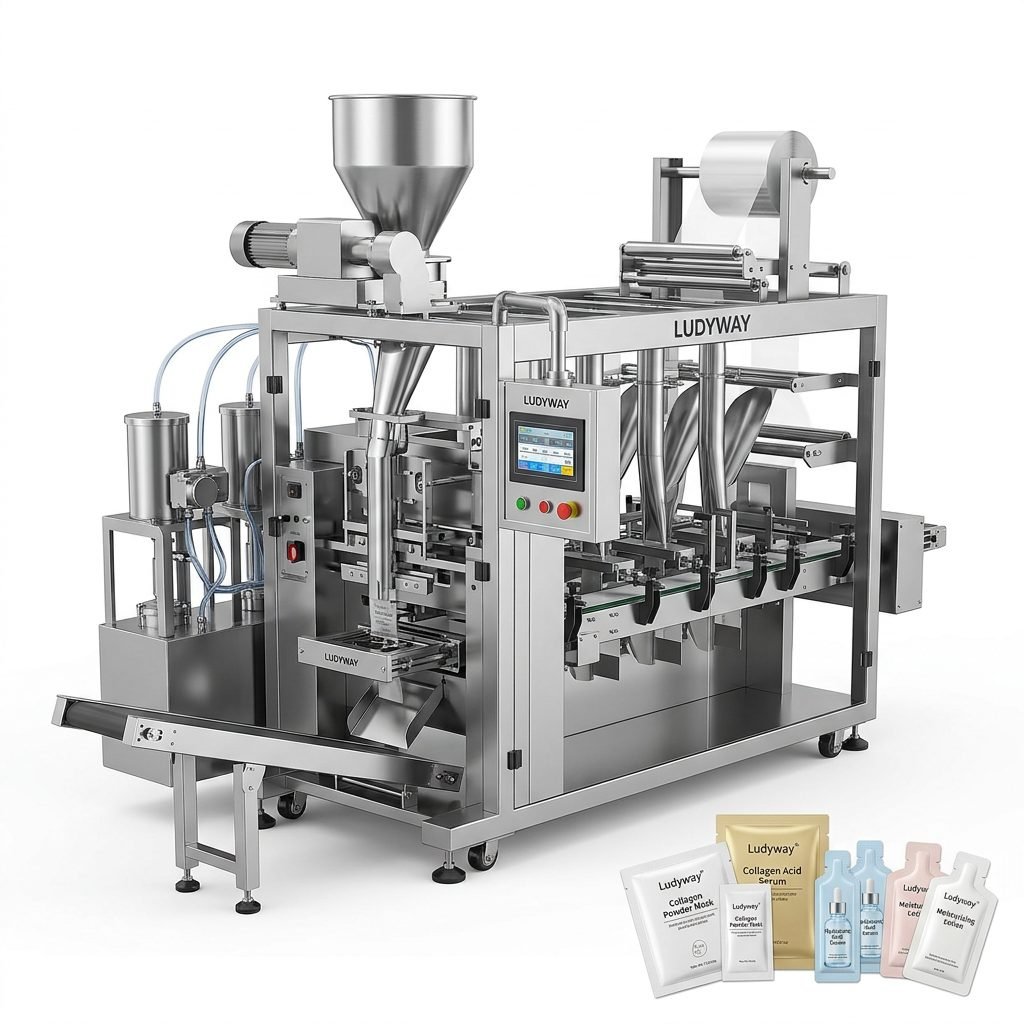
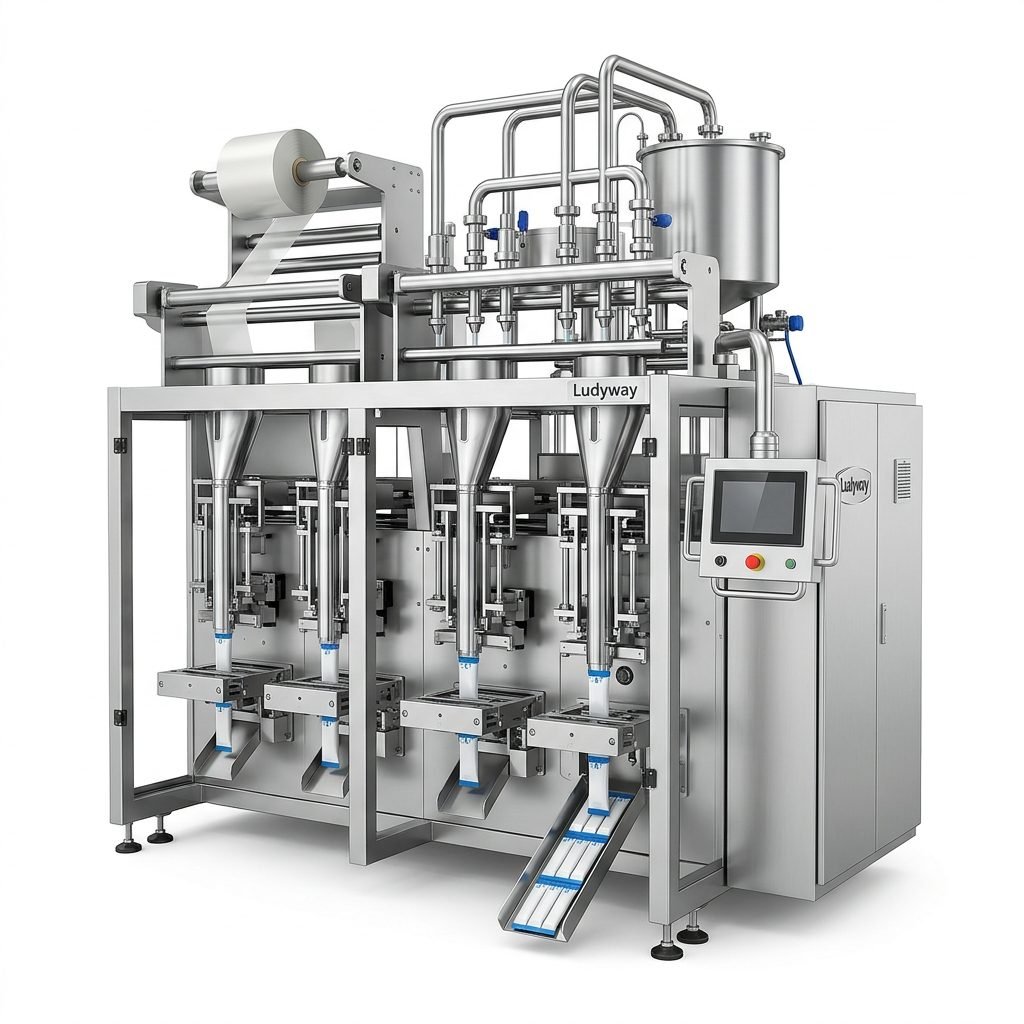
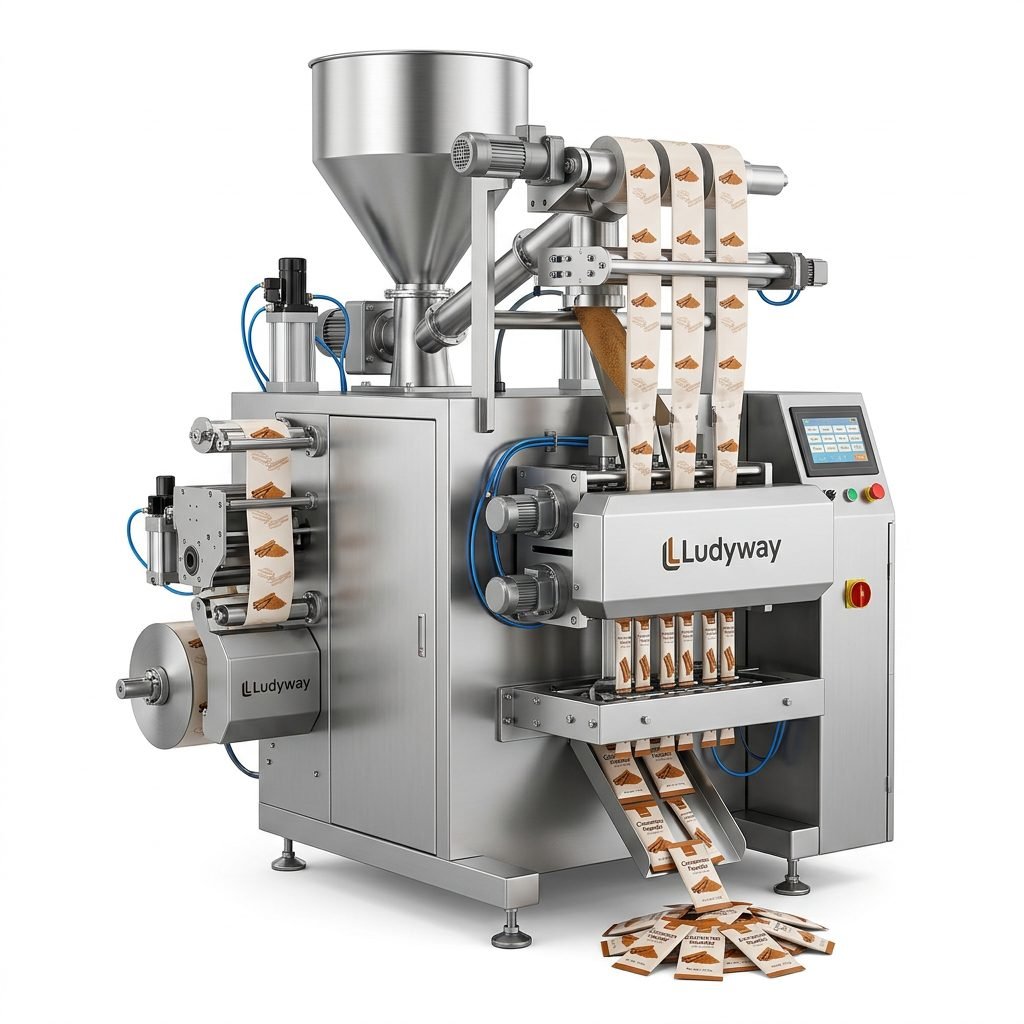
Before investing in machinery, it’s critical to understand the local landscape. The demand is shifting from bulk imports to locally packaged goods. Sectors like agro-processing, pharmaceuticals, and detergent manufacturing are the biggest drivers. Flexible packaging, particularly stick packs and sachets, dominate the market due to the prevalence of single-serve purchasing habits. This makes multi-lane packaging technology essential for achieving high throughput and affordability.
Key markets like Nigeria, Kenya, South Africa, and Ethiopia are pushing for industrial self-sufficiency, which creates a long-term demand curve for automated systems rather than manual packing tables.
Essential Equipment for a Modern Production Line
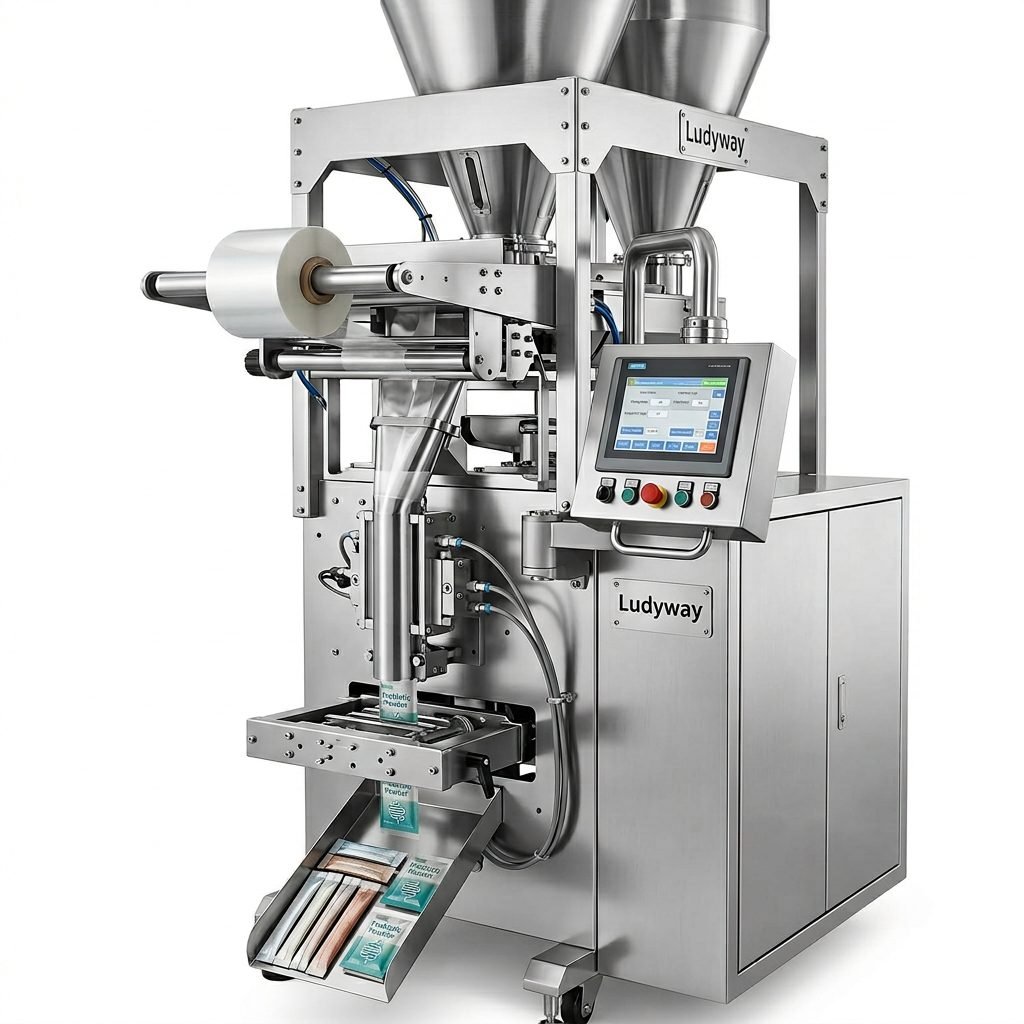
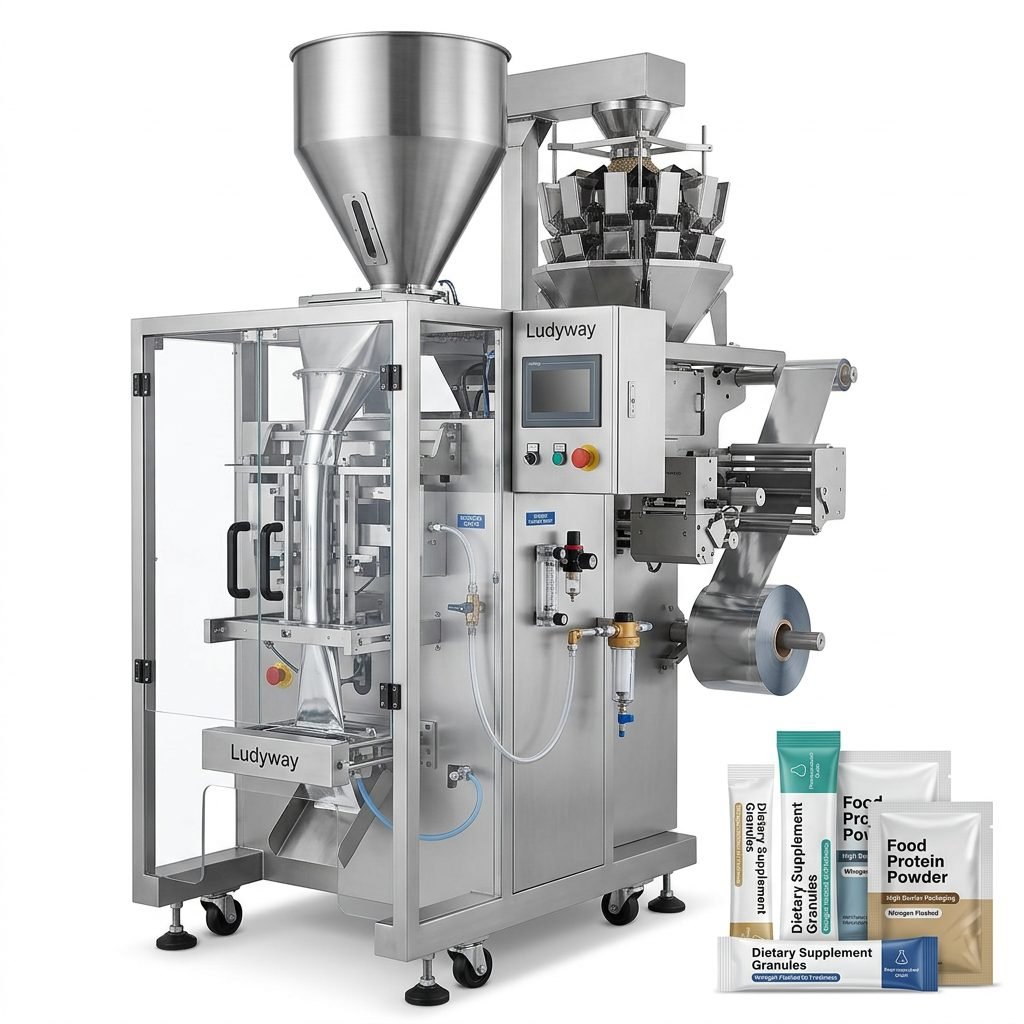
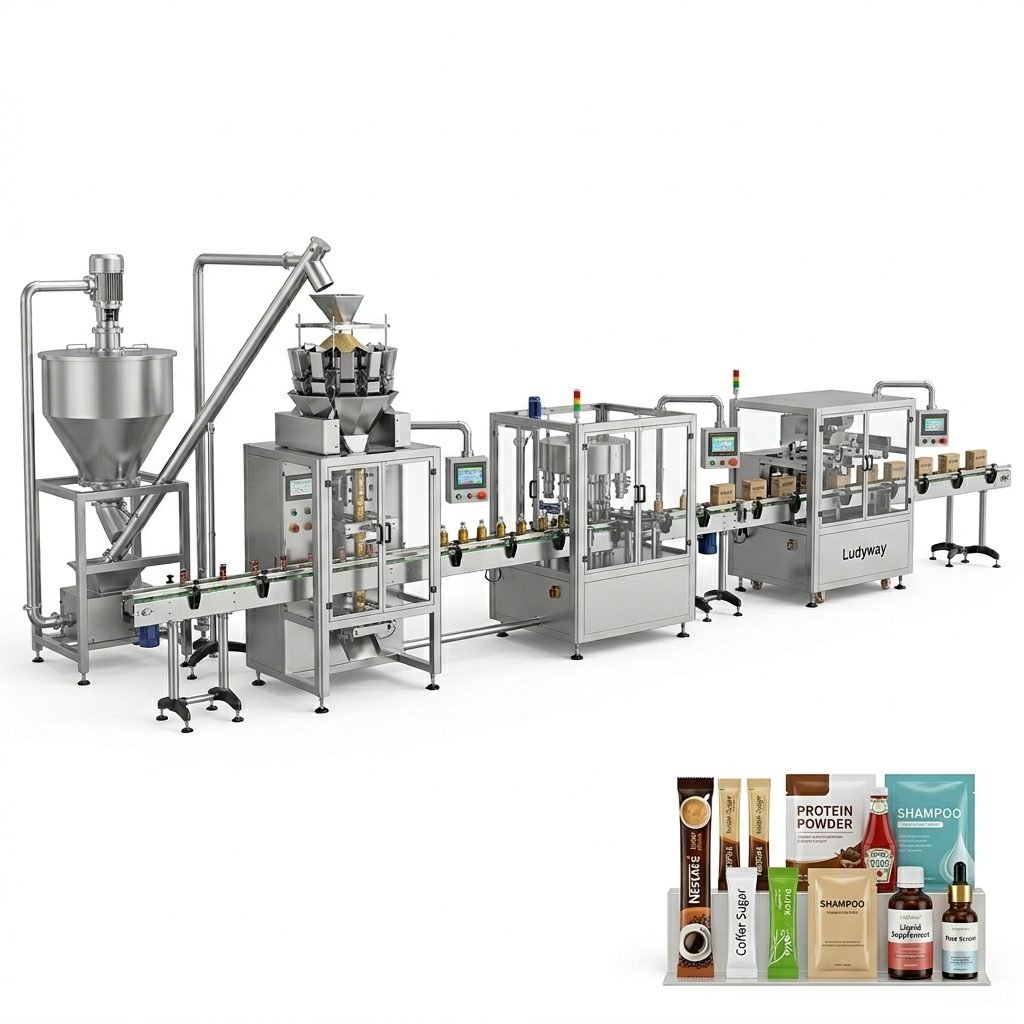
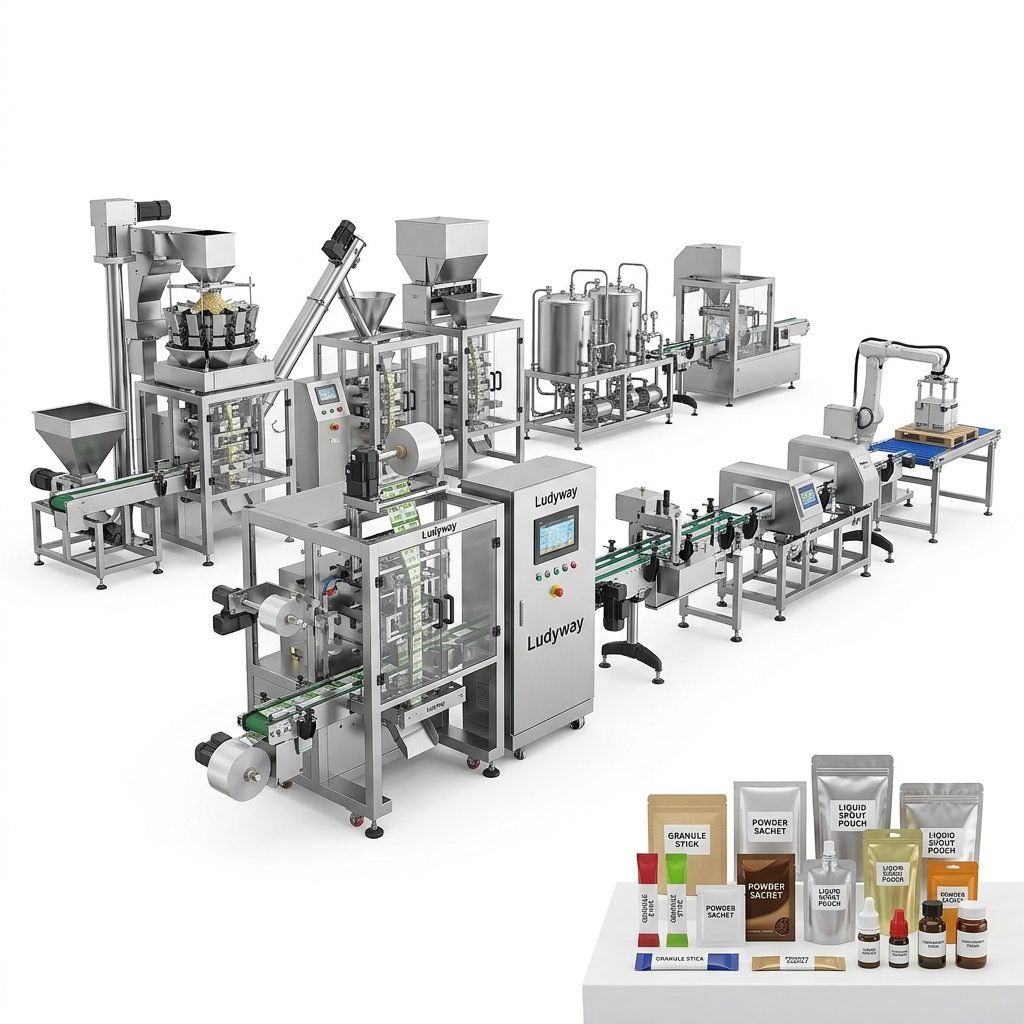
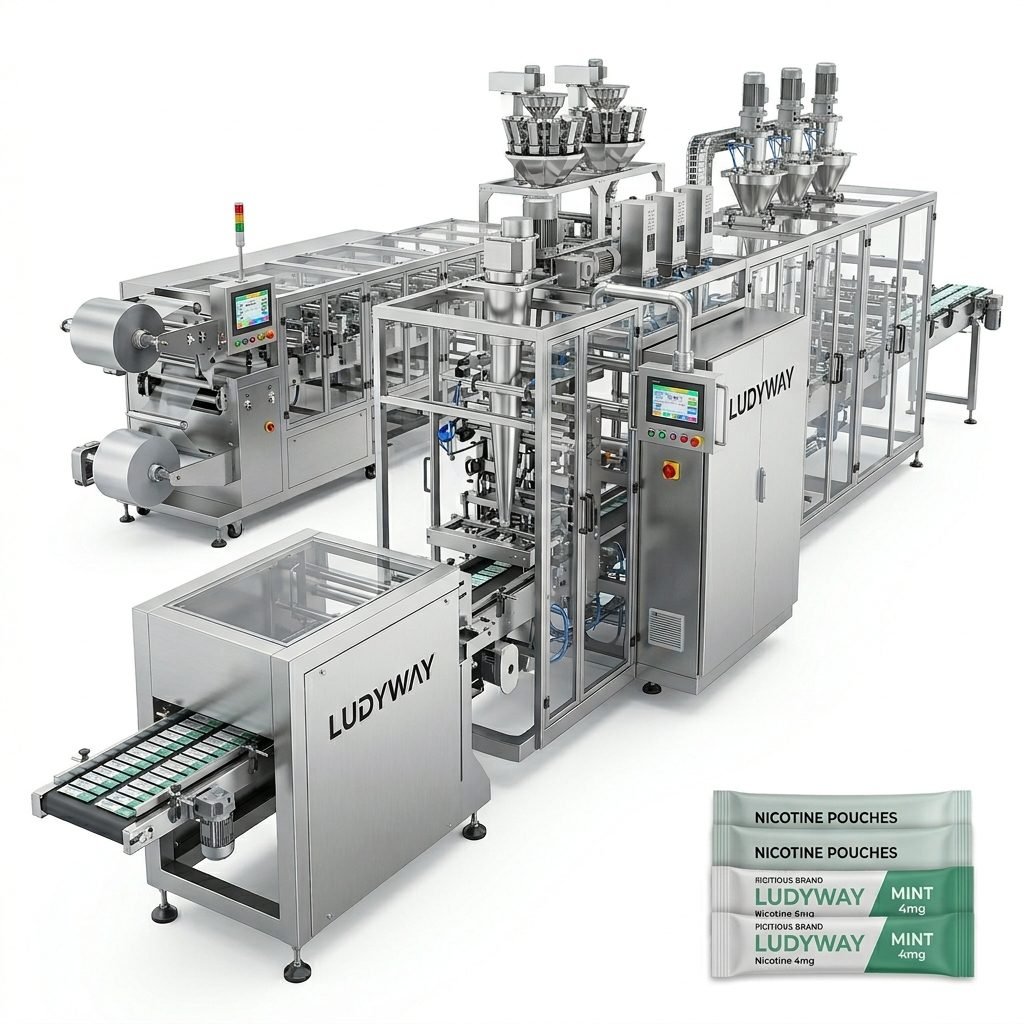
A complete packaging production line is more than just a filling machine. It requires a synchronized system to handle materials efficiently. For granular and powder products—such as milk powder, spices, or detergent—a multi-lane sachet machine is the backbone of the operation.
Core Machinery Components
- Multi-Lane Filling Machines: Essential for high-speed packing of stick packs and sachets. Available in 4, 8, or 12 lanes to scale output.
- Feeding Systems: Automated conveyors, Z-type bucket elevators, and vacuum feeders ensure a constant, dust-free flow of raw materials.
- Weighing and Dosing Units: Precision is key. Multi-head weighers for granules and auger fillers for powders minimize product giveaway.
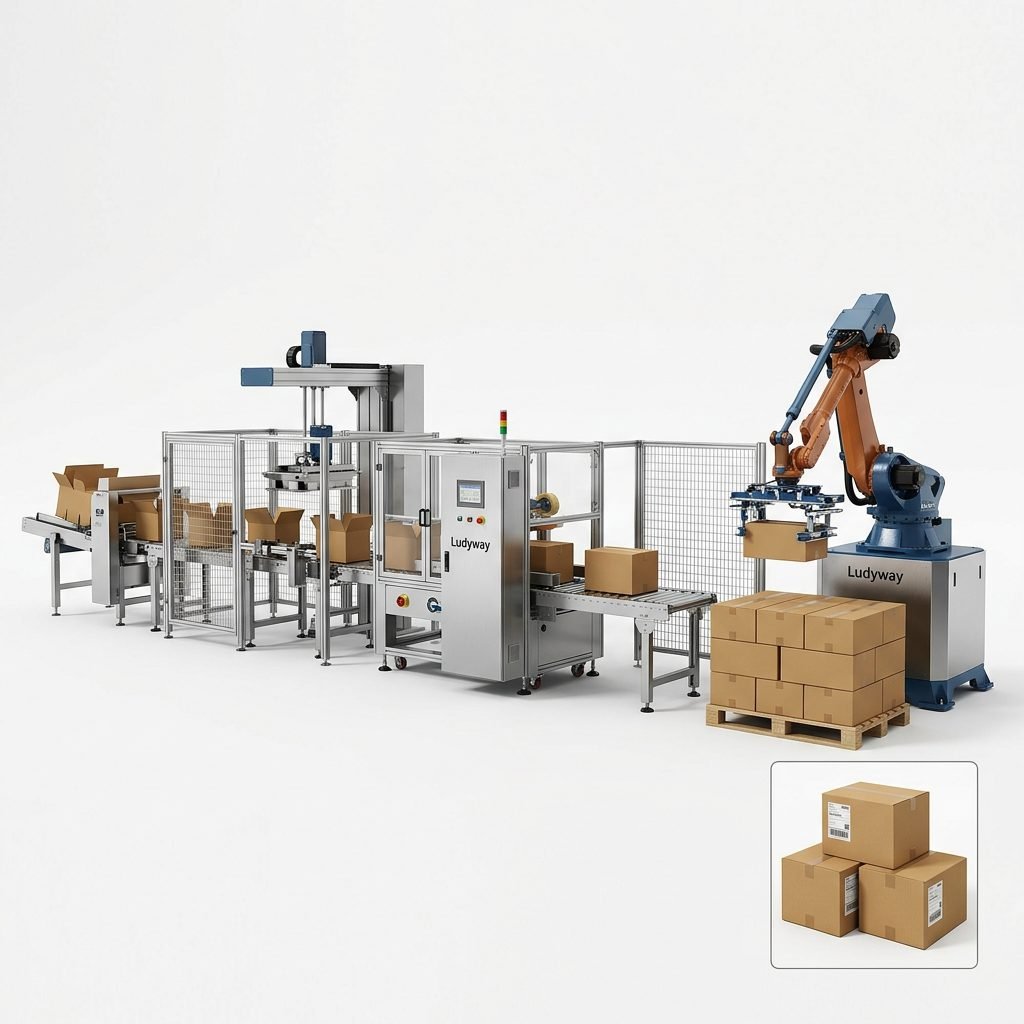
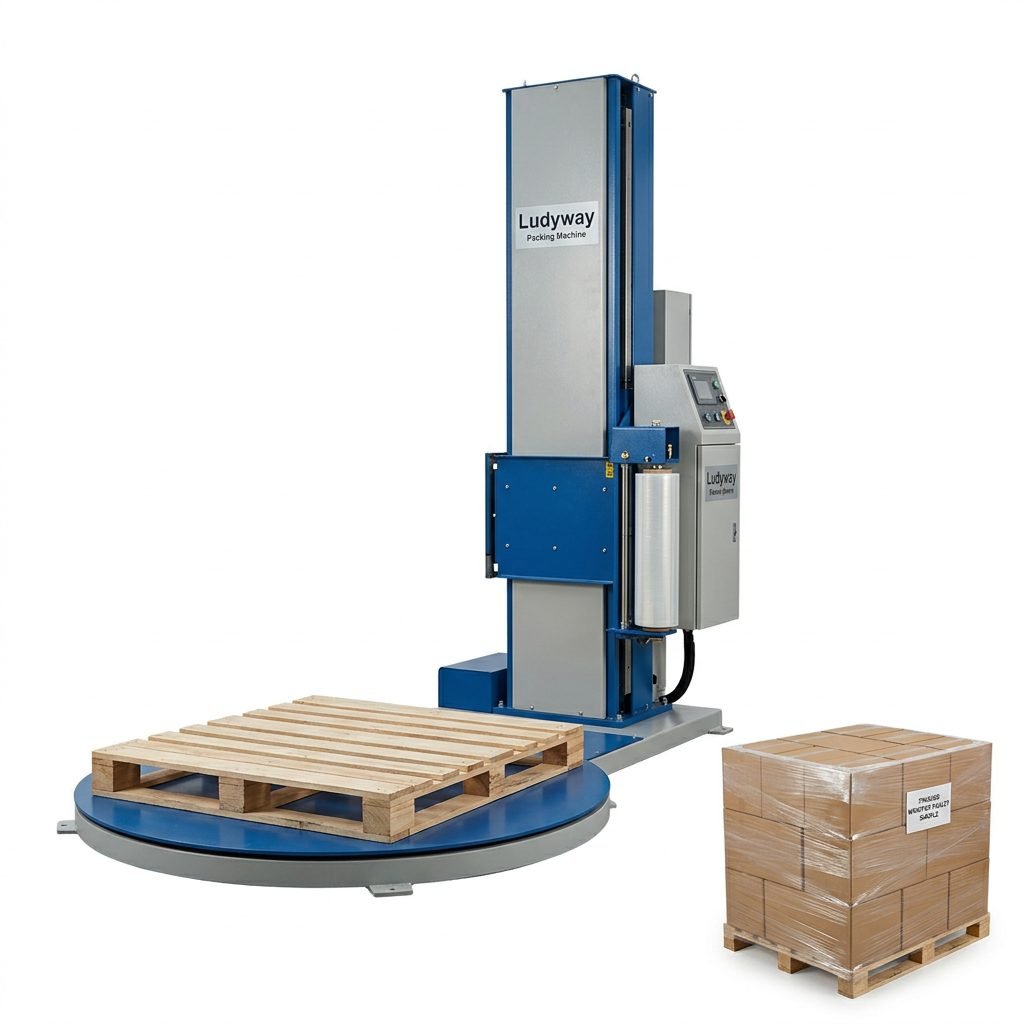
- Secondary Packaging: Automatic cartoning machines and case packers prepare the finished pouches for shipping and retail.
- Quality Control Systems: Checkweighers, metal detectors, and vision inspection systems ensure compliance with international standards.
Step-by-Step Setup Guide
Setting up a manufacturing line in Africa involves navigating logistics, utilities, and local regulations. Here is a chronological roadmap:
Step 1: Feasibility and Product Analysis
Define your product’s physical characteristics (viscosity, granule size, dust levels) and target output (packs per minute). This determines whether you need a liquid filling machine or a powder packaging system.
Step 2: Utility Infrastructure
Ensure your factory floor can support the electrical load (typically 380V/50Hz three-phase, though modifications may be needed for unstable grids). A consistent compressed air supply (6-8 bar) is mandatory for pneumatic components.
Step 3: Procurement and Import
Work with manufacturers who understand African import regulations. As a leading partner, Ludyway provides full documentation, including Certificates of Origin, and can coordinate ocean freight and inland trucking to landlocked countries.
Step 4: Installation and Training
Installation is not a one-day job. It involves precise alignment of conveyors, calibration of sensors, and rigorous dry runs. Comprehensive on-site operator training is non-negotiable to prevent downtime caused by manual errors.
Cost Analysis: Budgeting for Success
The cost of a packaging machine production line varies significantly based on automation levels and lane counts. A semi-automatic line suitable for a small-to-medium enterprise (SME) differs drastically from a fully automated high-speed turnkey project.
| Line Configuration | Estimated Budget (USD) | Output (Packs/Min) | Ideal For |
|---|---|---|---|
| Semi-Automatic (Basic) | $15,000 – $45,000 | 40 – 80 | Startups, niche products |
| Standard Multi-Lane (4-6 Lanes) | $50,000 – $120,000 | 150 – 250 | Growing regional brands |
| High-Speed Turnkey Line (10+ Lanes) | $150,000 – $500,000+ | 400 – 800+ | National market leaders |
Note: These figures typically cover main equipment, conveyors, and a basic cartoner. Costs for spare parts, shipping to African ports (Mombasa, Durban, Lagos), and import duties are separate budget lines.
Additional Cost Factors
- Packaging Material: The shift toward recyclable laminates can increase film costs but offers a green marketing edge.
- Cold Rooms: Essential for chocolate or confectionery lines in Africa’s hot climates.
- Technical Support: Factor in annual maintenance contracts (AMCs) with remote troubleshooting support.
Optimizing for Speed and Efficiency
To truly dominate shelf space, a line must minimize bottlenecks. The pharmaceutical industry in Africa, for instance, is moving to stick packs for oral rehydration salts and antibiotics. For these high-value products, integrating a robotic palletizing system and a batch coding printer prevents human error and speeds up logistics.
Additionally, choosing a self-cleaning design is critical. Power interruptions are common; a machine with a memory function that resumes without spillage saves thousands of dollars in wasted raw material annually.
Regulatory Compliance and Standards
Meeting international standards opens doors to export from the African continent to global markets. Ensure your packaging equipment is fabricated with food-grade stainless steel (SUS304/SUS316) and meets CE standards. Packaging for pharmaceuticals requires strict adherence to GMP (Good Manufacturing Practices), particularly regarding anti-static and dust extraction systems.
Making the Investment Decision
Setting up a packaging machine production line in Africa is a capital-intensive but high-reward endeavor. The right partner will not just ship a machine; they will help you configure a full turnkey packaging solution tailored to your local volatility. Prioritize equipment durability, local agent support for spares, and modular designs that allow you to add more lanes as demand grows from your initial 4-lane setup to a massive 12-lane operation.
Further Reading:
PMMI Business Intelligence Library
Flexible Packaging Association Industry Resources
Ludyway Global Growth Trend Report