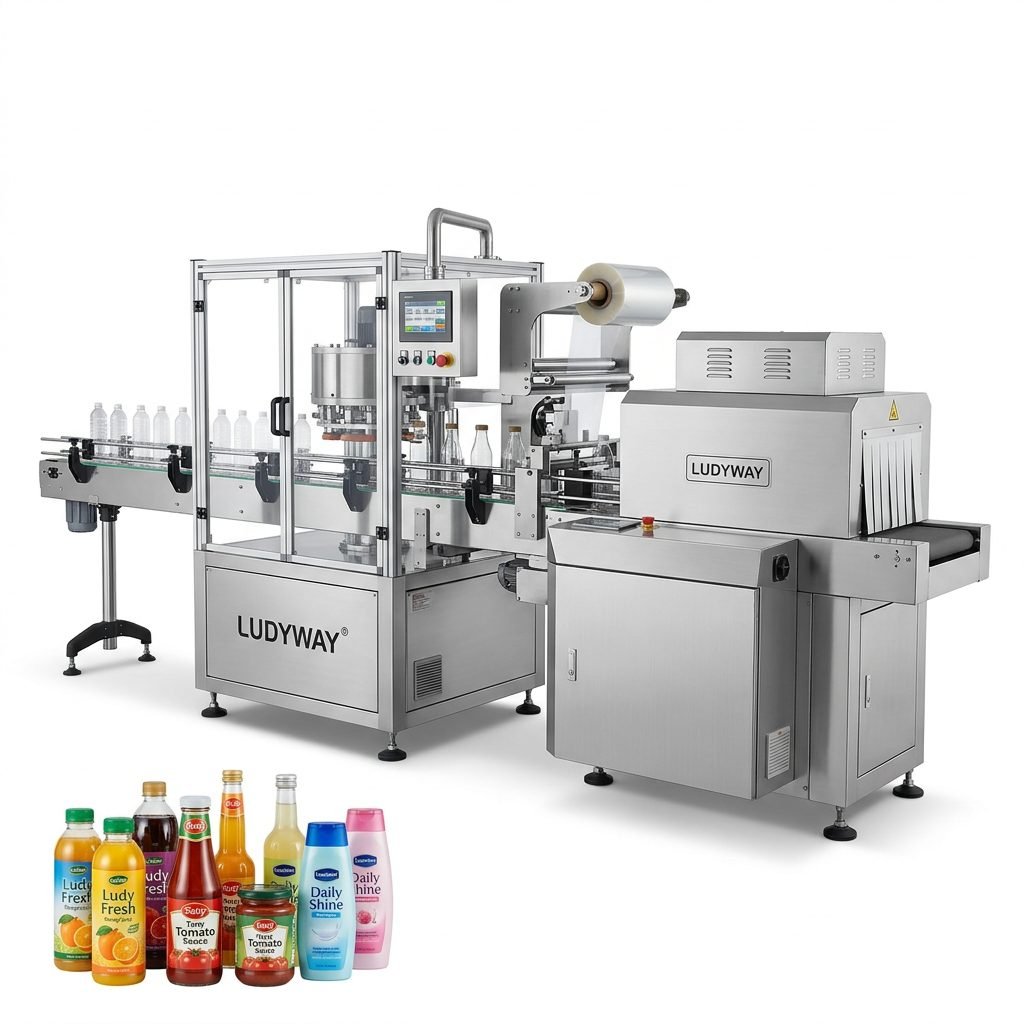
The Asian market for cereal bar packaging machines is expanding rapidly, driven by rising consumer demand for convenient, on-the-go nutrition. Countries such as India, China, Indonesia, Vietnam, and Thailand are experiencing double-digit growth in the breakfast cereal and snack bar segments. Setting up a cereal bar packaging machine production line in Asia requires careful planning, from understanding local regulations to selecting the right equipment configuration. This guide walks you through every critical step to ensure a successful and efficient production setup.
Understanding the Asian Cereal Bar Market
Before investing in machinery, it is essential to understand the market dynamics. The Asia-Pacific region is projected to be the fastest-growing market for cereal bars, fueled by urbanization, increasing health consciousness, and Western dietary influences. Key growth drivers include:
- Urban population growth and busy lifestyles increasing demand for portable breakfast options
- Rising disposable incomes in Southeast Asian economies enabling premium product purchases
- Health and wellness trends driving demand for protein bars, fiber-rich bars, and functional snacks
- Retail modernization with supermarkets and e-commerce platforms expanding distribution channels
- Local flavor preferences creating opportunities for region-specific product variations
Manufacturers entering this market must consider local taste profiles, packaging regulations, and distribution logistics. The right cereal bar packaging machine can accommodate diverse product formats while maintaining high throughput.
Key Components of a Cereal Bar Packaging Production Line
A complete cereal bar packaging production line consists of several integrated systems working in harmony. Understanding each component helps in making informed procurement decisions and ensures smooth operation.
Feeding and Dosing Systems
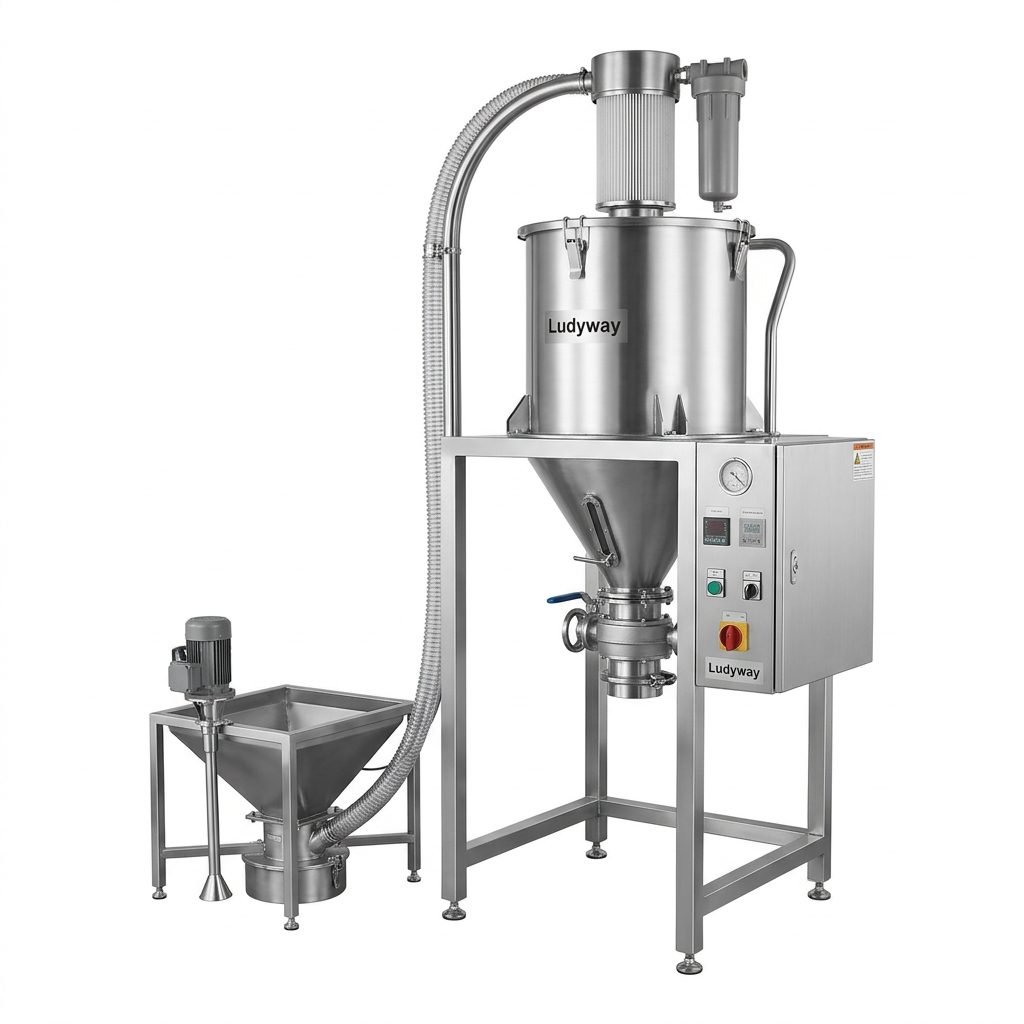
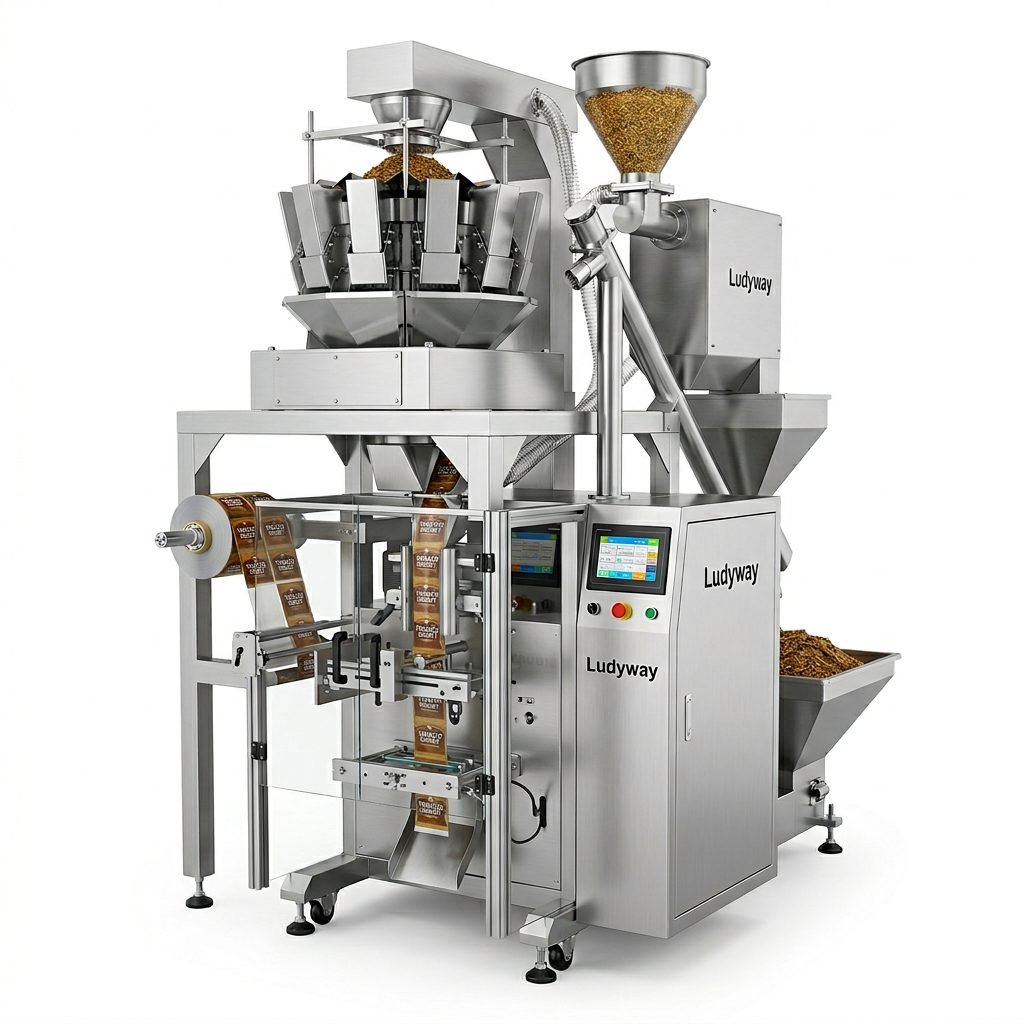
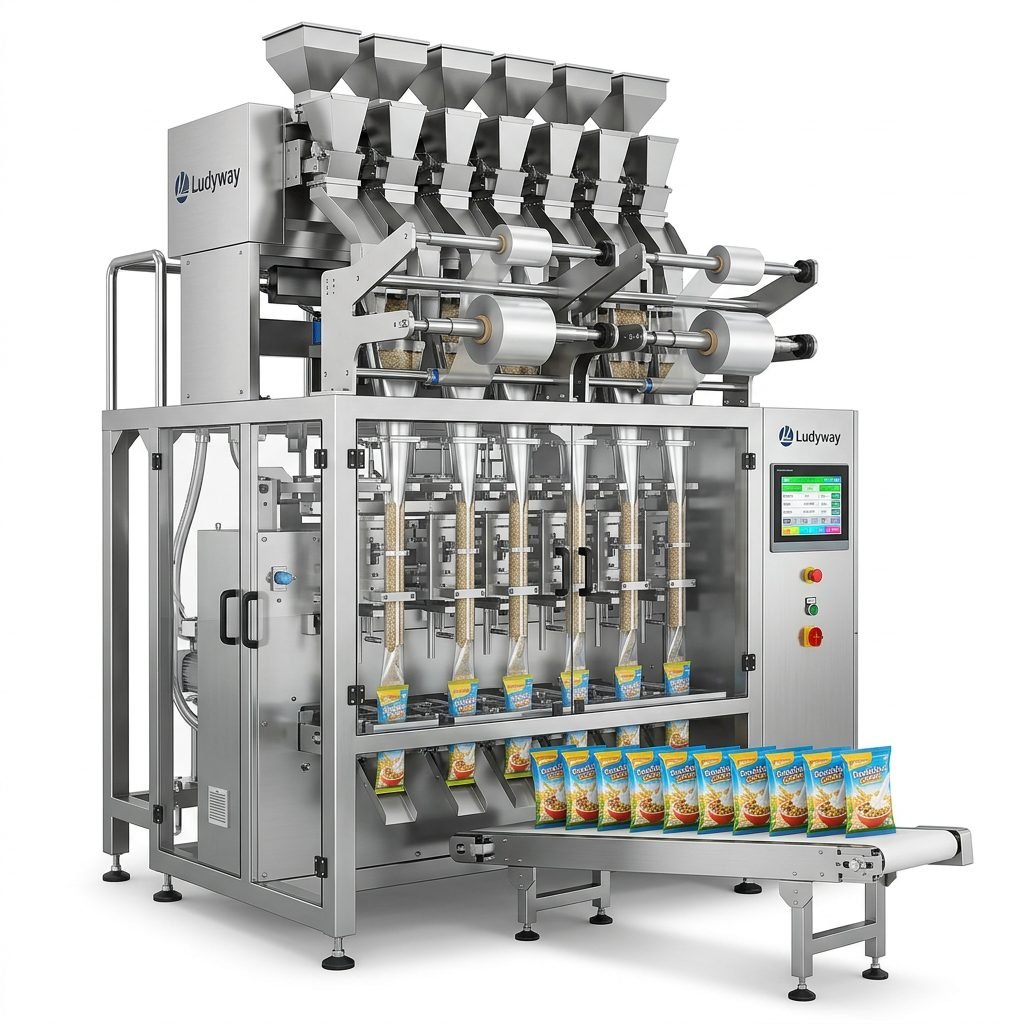
The feeding system delivers cereal bars to the packaging machine at a controlled rate. Multi-head weighers and vibratory feeders are commonly used for precise portion control. For high-speed operations, automated feeding conveyors with product alignment guides ensure consistent bar orientation before wrapping.
Primary Packaging Unit
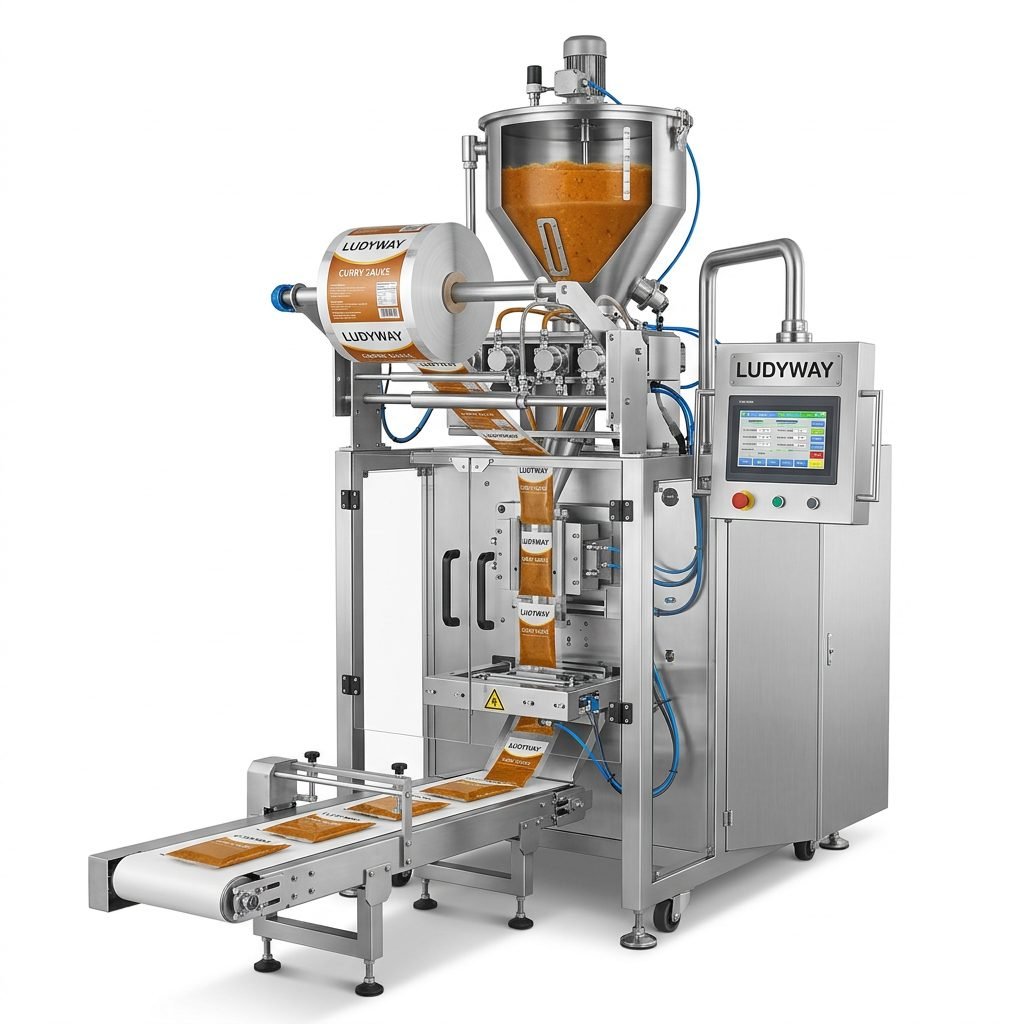
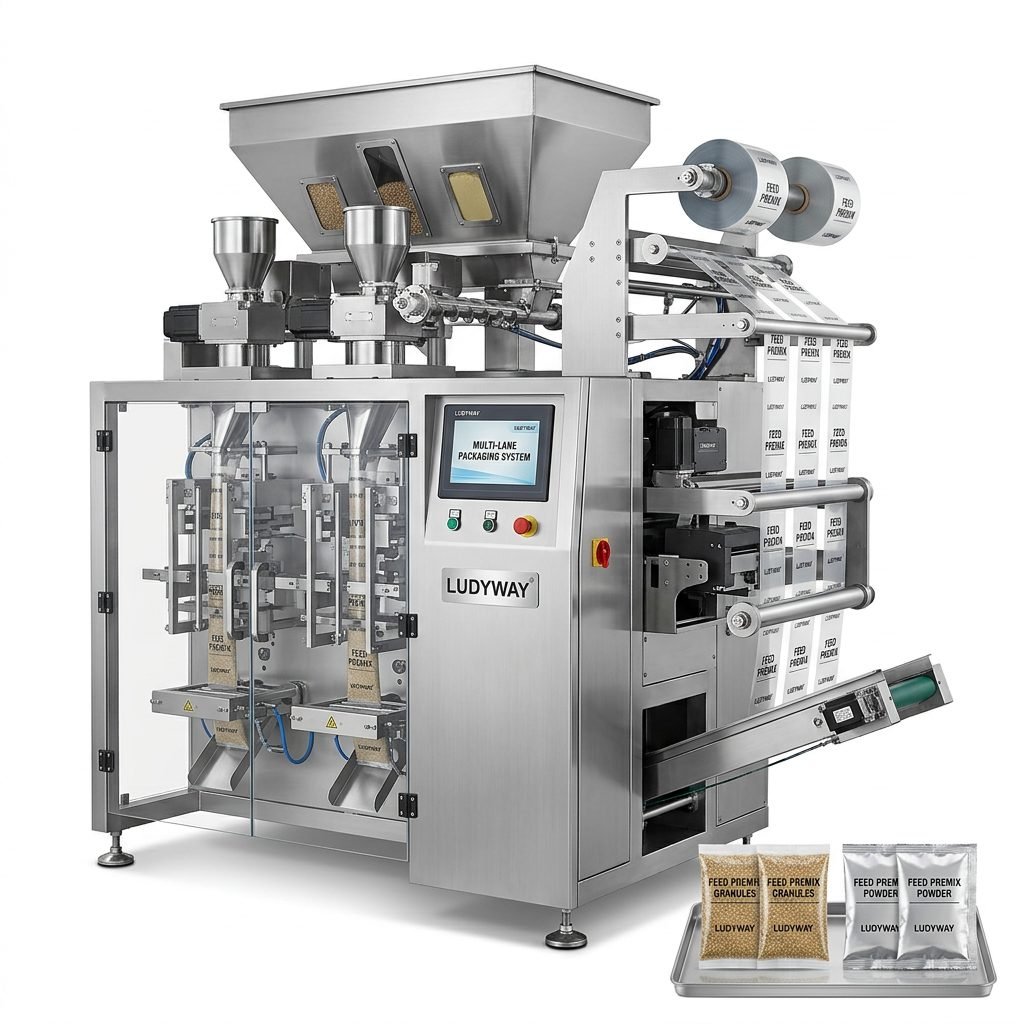
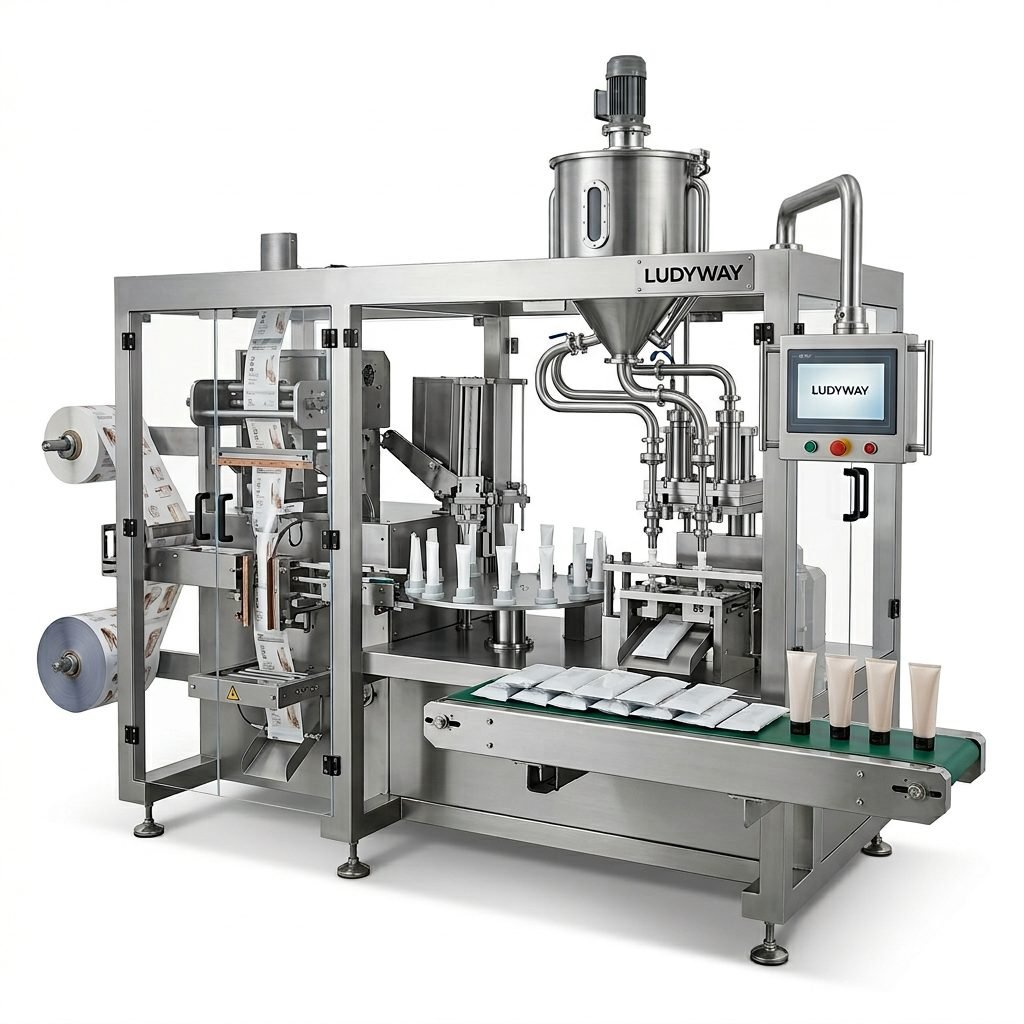
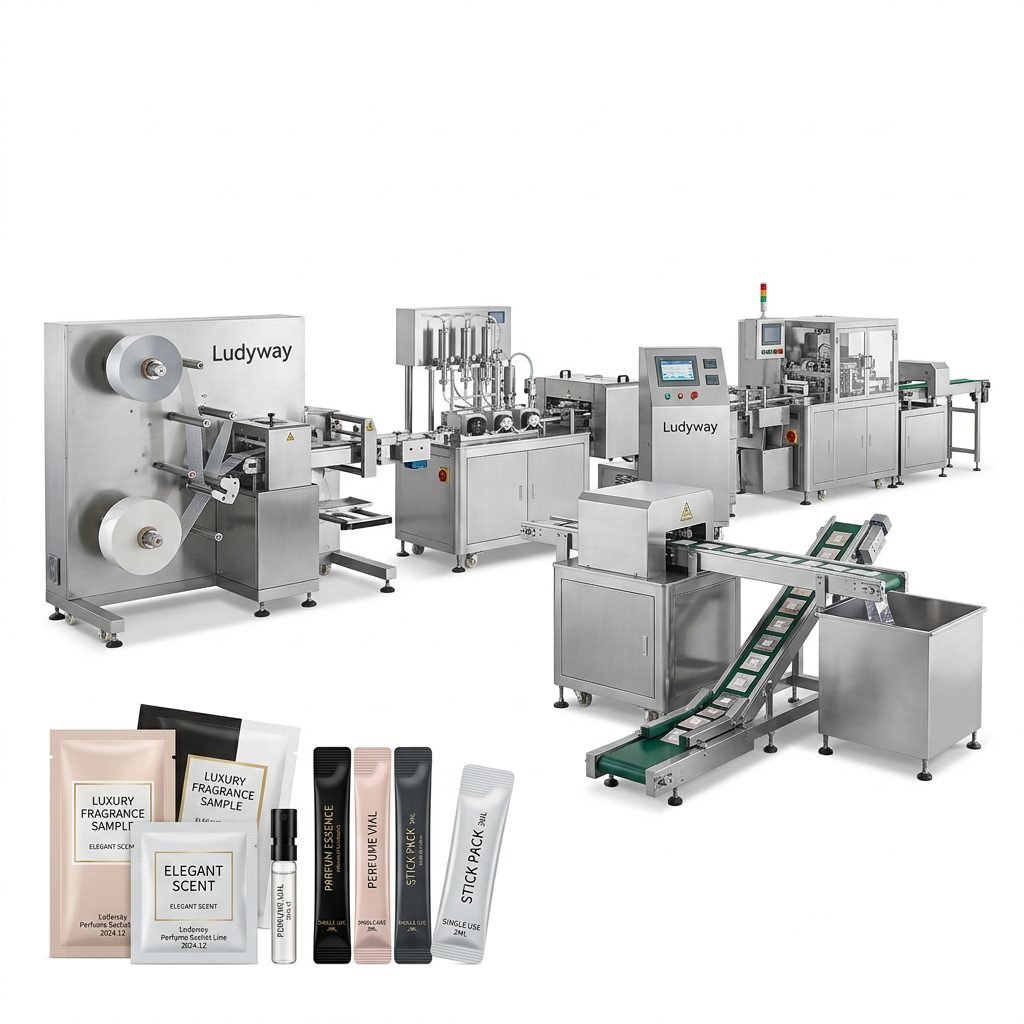
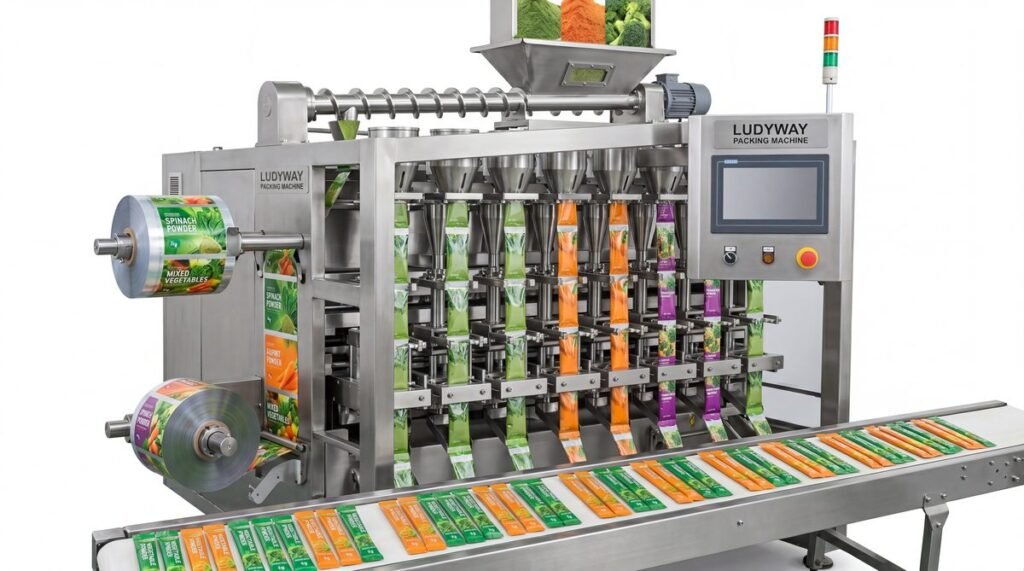
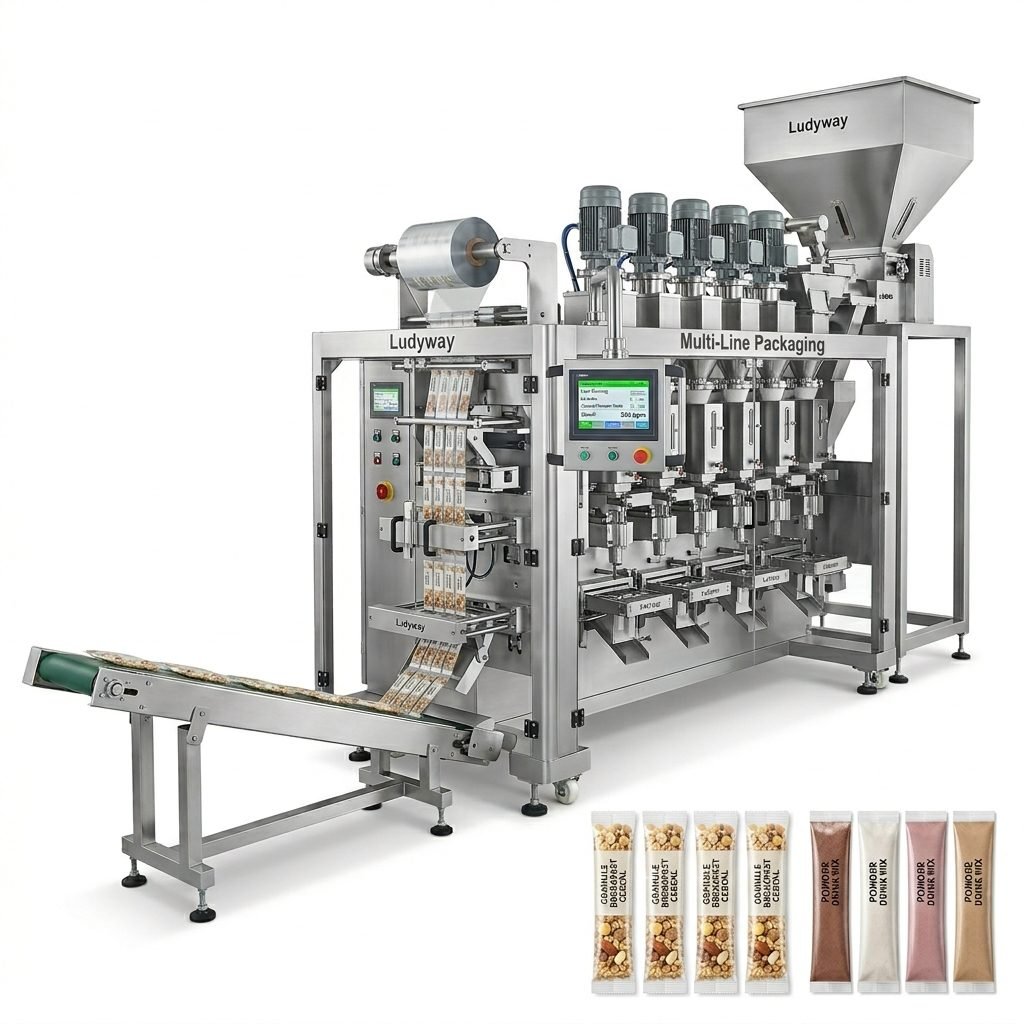
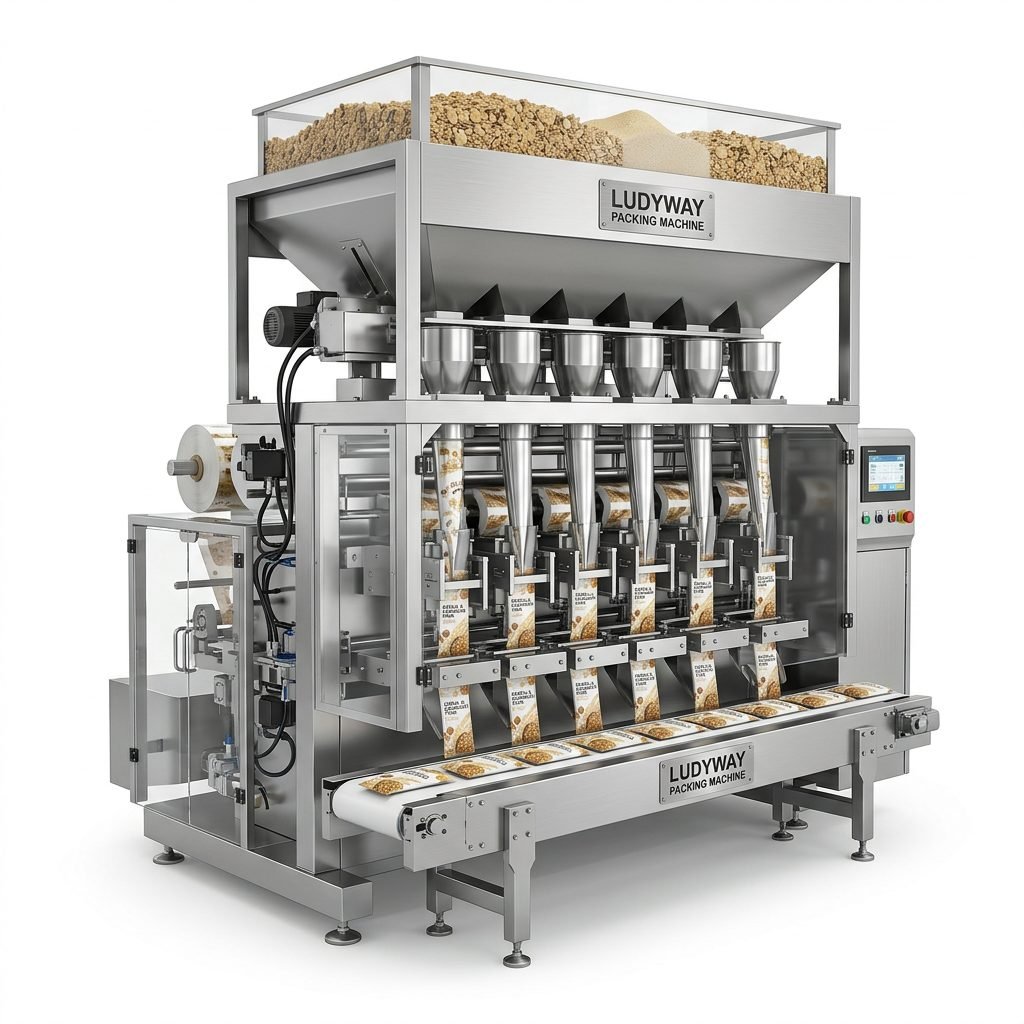
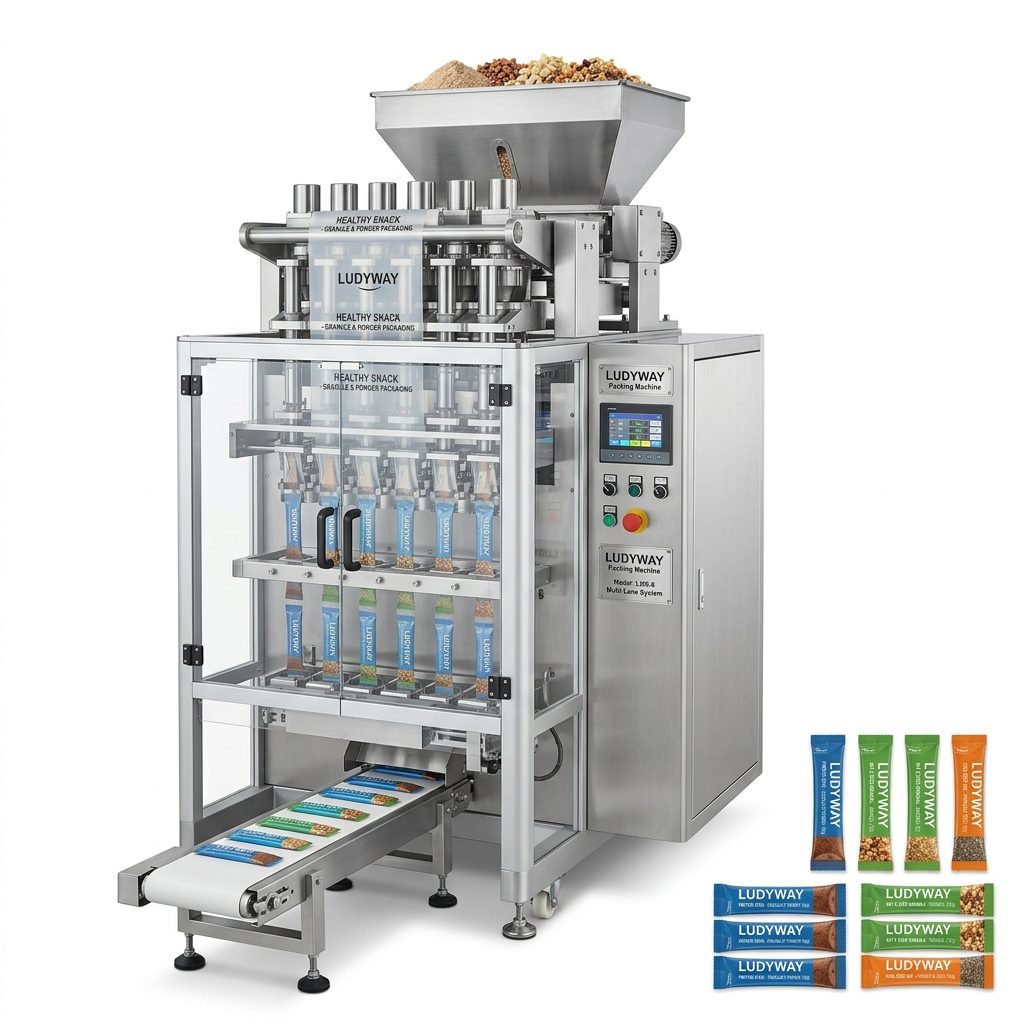
This is the core of the production line. Depending on your product format, you may need a flow wrapping machine, a vertical form fill seal (VFFS) machine, or a multi-lane stick pack machine. Flow wrappers are ideal for individually wrapped bars, while multi-lane systems excel at high-volume sachet and stick pack formats for granola clusters and bite-sized cereal snacks.
Secondary Packaging and Cartoning
After primary wrapping, products are collated and packed into cartons or boxes. Automatic cartoning machines load wrapped bars into pre-formed cartons at high speed. For retail-ready packaging, case packers and palletizers prepare finished goods for warehouse storage and distribution.
Inspection and Quality Control Equipment
Modern production lines integrate checkweighers, metal detectors, and vision inspection systems to ensure product quality and safety. These systems reject underweight packages, detect contaminants, and verify seal integrity in real time.
Step-by-Step Guide to Setting Up Your Production Line
Follow this structured approach to establish your cereal bar packaging operation in Asia efficiently:
- Conduct Market Research and Feasibility Analysis — Identify target markets, product specifications, and projected production volumes. Assess local competition and pricing strategies.
- Select the Manufacturing Location — Consider proximity to raw material suppliers, labor availability, logistics infrastructure, and local tax incentives. Industrial zones in Thailand, Vietnam, and India offer attractive conditions for food manufacturing.
- Define Production Capacity Requirements — Determine your needed output in packs per minute (ppm). A small-scale operation may require 30-60 ppm, while large-scale production demands 150-300 ppm or higher.
- Choose Packaging Format and Materials — Decide between pillow packs, stick packs, sachets, or pouches. Select appropriate film materials such as metallized BOPP, PET/PE laminates, or biodegradable options based on shelf-life requirements.
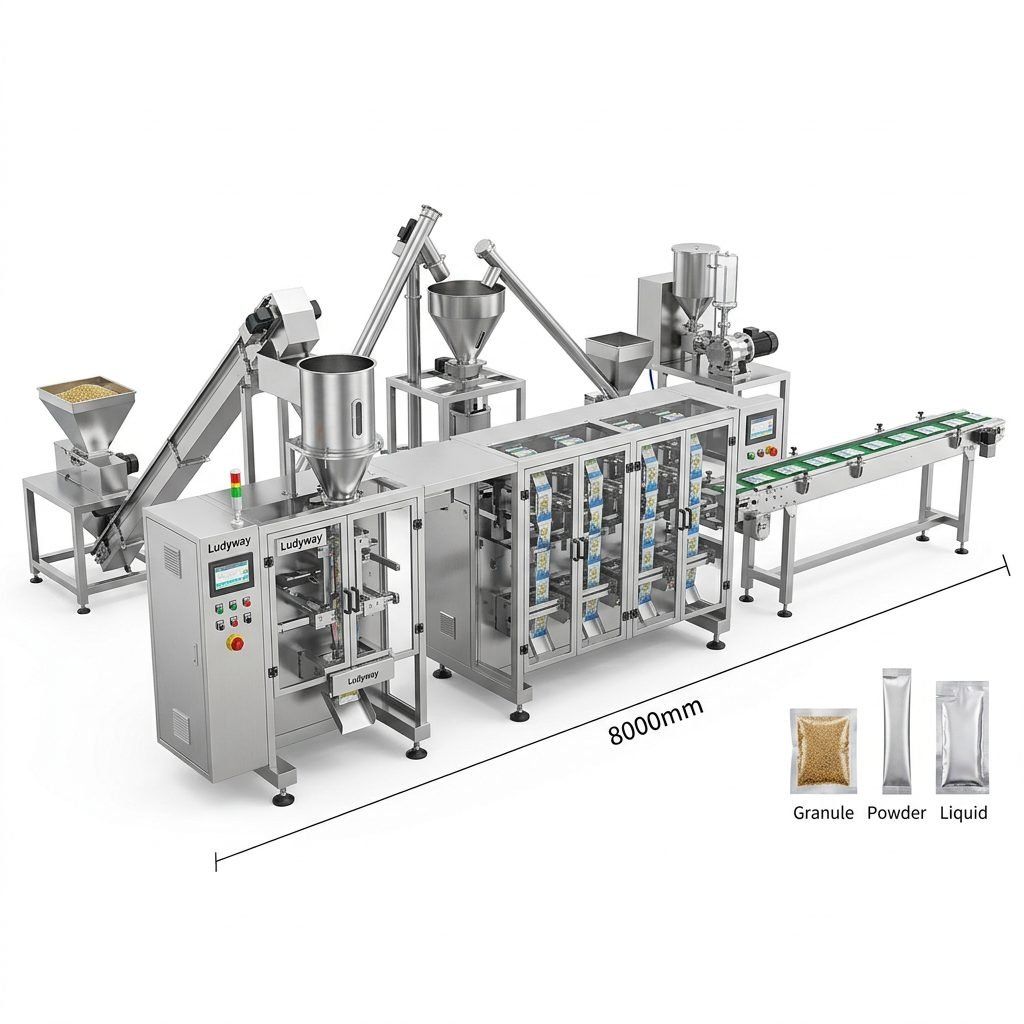
- Procure Equipment from Reliable Manufacturers — Partner with experienced packaging machine suppliers who offer comprehensive after-sales support across Asia. One notable manufacturer is Ludyway, a leading packaging machine manufacturer with over 30 years of industry experience and a presence in more than 100 countries, providing turnkey solutions for granule, powder, and liquid packaging applications.
- Install and Commission the Line — Work with your supplier’s engineering team for installation, calibration, and operator training. Allow sufficient time for trial runs and process optimization.
- Implement Quality Management Systems — Establish HACCP protocols, GMP standards, and documentation procedures. Regular audits ensure compliance with both local and international food safety regulations.
- Scale and Optimize Operations — Monitor OEE (Overall Equipment Effectiveness), analyze downtime causes, and continuously improve line performance through data-driven decisions.
Equipment Selection Criteria Comparison
Choosing the right packaging machine depends on multiple factors. The table below compares key considerations when selecting equipment for your cereal bar production line:
| Criterion | Entry-Level Solution | Mid-Range Solution | High-End Solution |
|---|---|---|---|
| Speed Range | 30-60 packs/min | 60-150 packs/min | 150-300+ packs/min |
| Automation Level | Semi-automatic | Fully automatic | Fully automatic with robotic integration |
| Packaging Formats | Single format | 2-3 formats | Multiple formats with quick changeover |
| Initial Investment | $30,000 – $80,000 | $80,000 – $250,000 | $250,000 – $1,000,000+ |
| Footprint | Compact (15-25 m²) | Moderate (30-60 m²) | Large (80-200+ m²) |
| Operator Requirement | 3-5 operators | 1-2 operators | 1 operator (supervisory) |
| Best For | Startups, local brands | Growing regional brands | Large multinational operations |
Regulatory Compliance and Food Safety in Asia
Navigating the regulatory landscape is critical for successful market entry. Each Asian country has specific requirements for food packaging materials and labeling:
- China: Compliance with GB standards and CFDA regulations for food contact materials
- India: FSSAI licensing and adherence to Packaging and Labeling Regulations
- ASEAN countries: Alignment with ASEAN harmonized food safety standards and local FDA equivalents
- Japan: Strict compliance with Food Sanitation Act and JAS standards
- South Korea: MFDS approval for food packaging materials and labeling
Refer to the FDA Food Packaging guidelines for international best practices, and consult local regulatory bodies for country-specific requirements. Working with experienced equipment suppliers familiar with Asian regulatory frameworks can significantly streamline the compliance process.
Installation, Training, and Commissioning Best Practices
Proper installation directly impacts long-term reliability. Follow these best practices during setup:
- Pre-installation site preparation: Ensure adequate floor load capacity, proper electrical supply (voltage and phase), compressed air availability, and climate-controlled environment
- Professional installation team: Use manufacturer-certified engineers for mechanical assembly, electrical wiring, and pneumatic connections
- Comprehensive operator training: Train machine operators on setup, operation, troubleshooting, and daily maintenance procedures
- Trial production runs: Conduct thorough testing with actual product and packaging materials to validate performance metrics
- Documentation handover: Receive complete manuals, electrical schematics, spare parts lists, and maintenance schedules
Maintenance and Optimization Strategies
Sustaining high productivity requires a proactive maintenance approach. Implement these strategies to maximize your packaging line efficiency:
- Preventive maintenance schedule: Plan daily, weekly, and monthly maintenance tasks including cleaning, lubrication, and wear-part inspection
- Spare parts inventory: Stock critical spare components such as sealing jaws, cutting blades, belts, sensors, and heating elements
- Predictive maintenance tools: Utilize IoT sensors and machine monitoring software to detect early warning signs of equipment degradation
- Continuous improvement programs: Apply lean manufacturing principles and regularly review line performance data to identify bottlenecks
- Supplier support agreements: Establish service level agreements (SLAs) with your equipment manufacturer for remote diagnostics and on-site support
Cost Considerations and ROI Analysis
Understanding the total cost of ownership (TCO) is essential for making sound investment decisions. Beyond the initial equipment purchase price, factor in the following:
| Cost Category | Percentage of TCO | Key Considerations |
|---|---|---|
| Equipment purchase | 40-50% | Initial capital expenditure, financing options |
| Installation and commissioning | 5-10% | Site preparation, engineering support, training |
| Packaging materials | 20-30% | Film, cartons, labels, adhesives |
| Labor and operations | 10-15% | Operator wages, supervisory staff |
| Maintenance and spare parts | 5-8% | Annual maintenance contracts, replacement parts |
| Utilities and overhead | 3-5% | Electricity, compressed air, facility costs |
Most medium-scale cereal bar packaging lines achieve ROI within 18-36 months, depending on production volume, product margins, and operational efficiency. Conduct a detailed cost-benefit analysis before finalizing your equipment selection.
Future Trends in Cereal Bar Packaging
Stay ahead of the competition by understanding emerging trends shaping the industry across Asian markets:
- Sustainable packaging materials: Growing consumer demand for recyclable mono-materials, compostable films, and reduced plastic content
- Smart packaging features: QR codes, NFC tags, and augmented reality elements enhancing consumer engagement and traceability
- Flexible manufacturing systems: Quick-changeover designs enabling rapid switching between product variants and packaging formats
- Industry 4.0 integration: Real-time production monitoring, predictive analytics, and digital twin technology for process optimization
- Personalized nutrition packaging: Smaller batch sizes and customizable packaging for targeted consumer segments
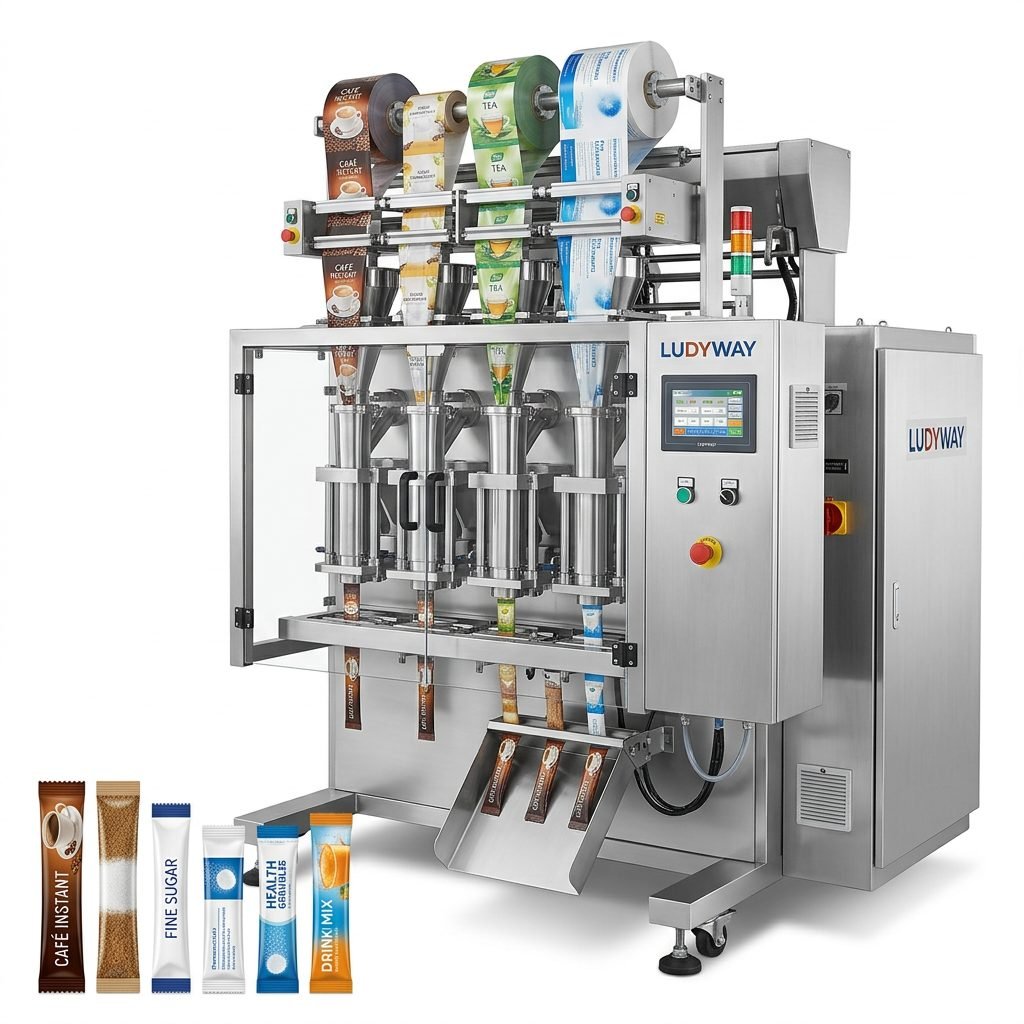
Investing in a flexible and future-ready multi-lane packaging production line positions your operation to adapt quickly to market changes and consumer preferences.
Choosing the Right Location in Asia
Strategic location selection can significantly impact operational costs and market access. Consider these established manufacturing hubs:
- Thailand: Strong food processing ecosystem, Board of Investment incentives, and central ASEAN location
- Vietnam: Competitive labor costs, improving infrastructure, and free trade agreements expanding export access
- India: Large domestic market, diverse raw material availability, and government initiatives supporting food processing
- Indonesia: Growing consumer base, abundant agricultural resources, and strategic maritime position
- Malaysia: Developed infrastructure, halal certification hub, and skilled workforce
Conclusion
Setting up a cereal bar packaging machine production line in Asia presents immense opportunities for manufacturers who approach the process strategically. From market analysis and equipment selection to regulatory compliance and ongoing optimization, each phase requires careful attention to detail. Partnering with experienced equipment suppliers, investing in flexible automation technology, and staying informed about industry trends will position your operation for long-term success in this dynamic market. The Asian cereal bar segment continues to grow, and with the right production infrastructure in place, your business can capture a significant share of this expanding opportunity.