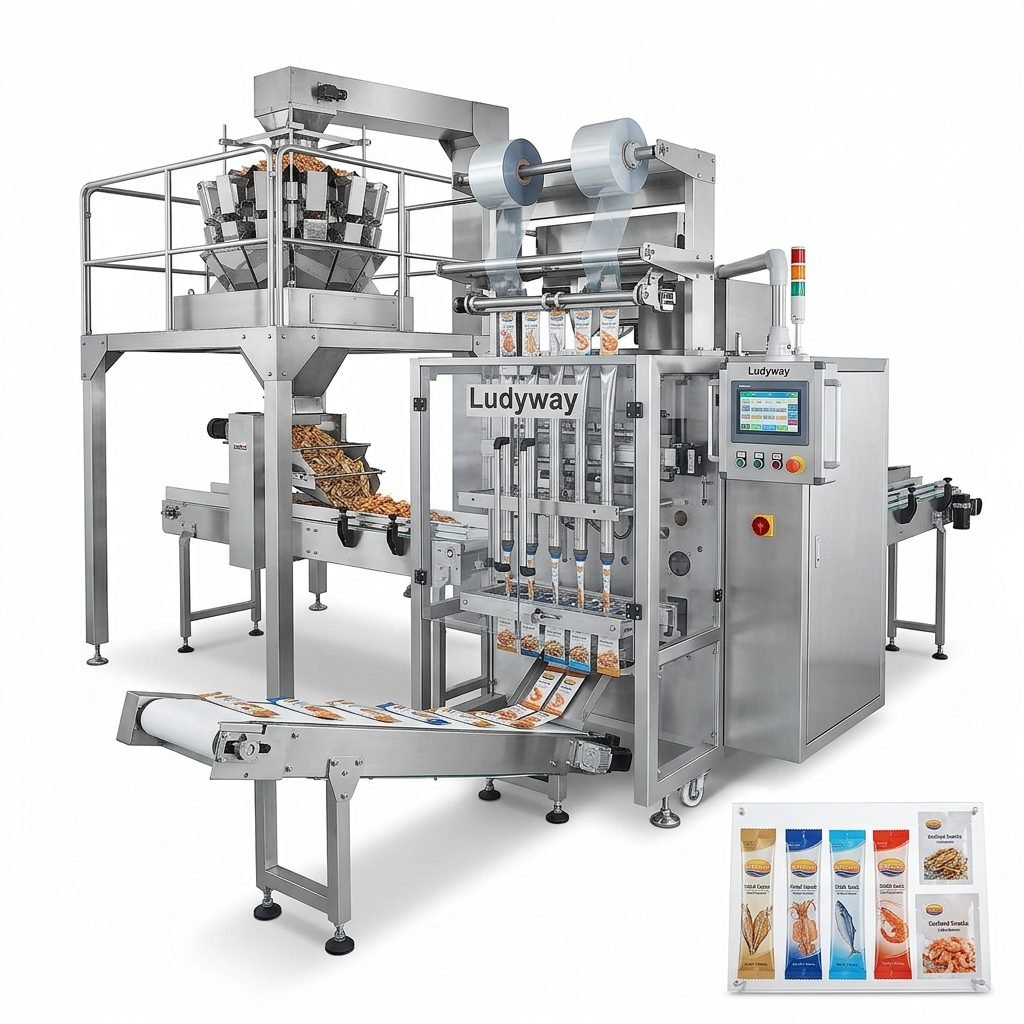
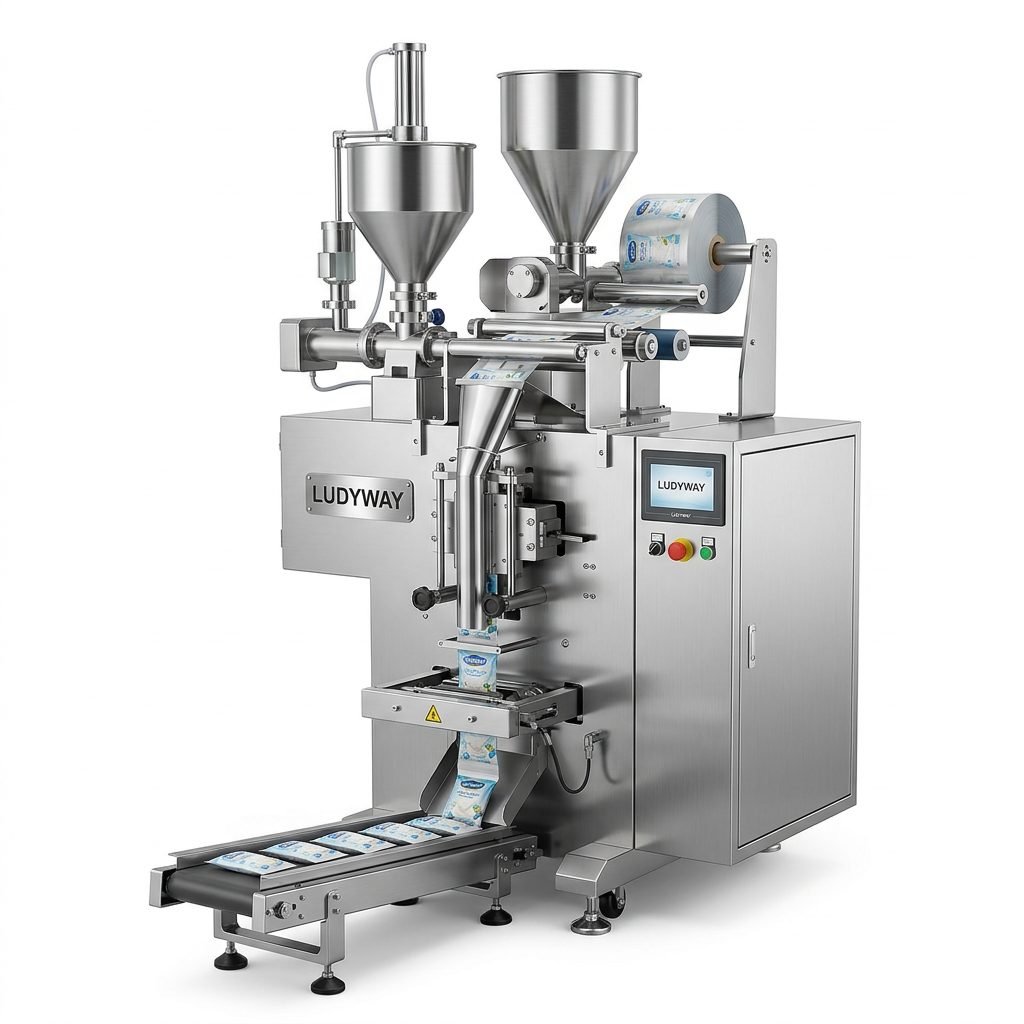
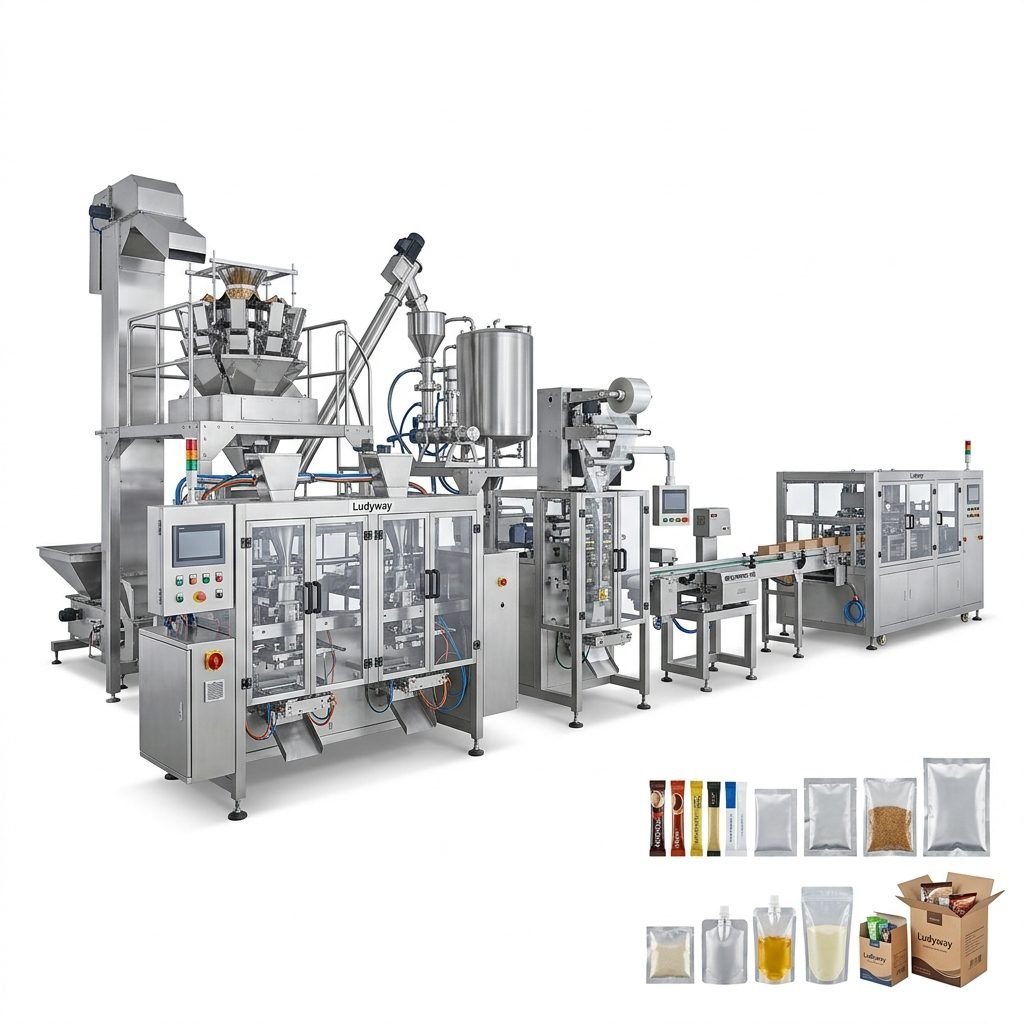
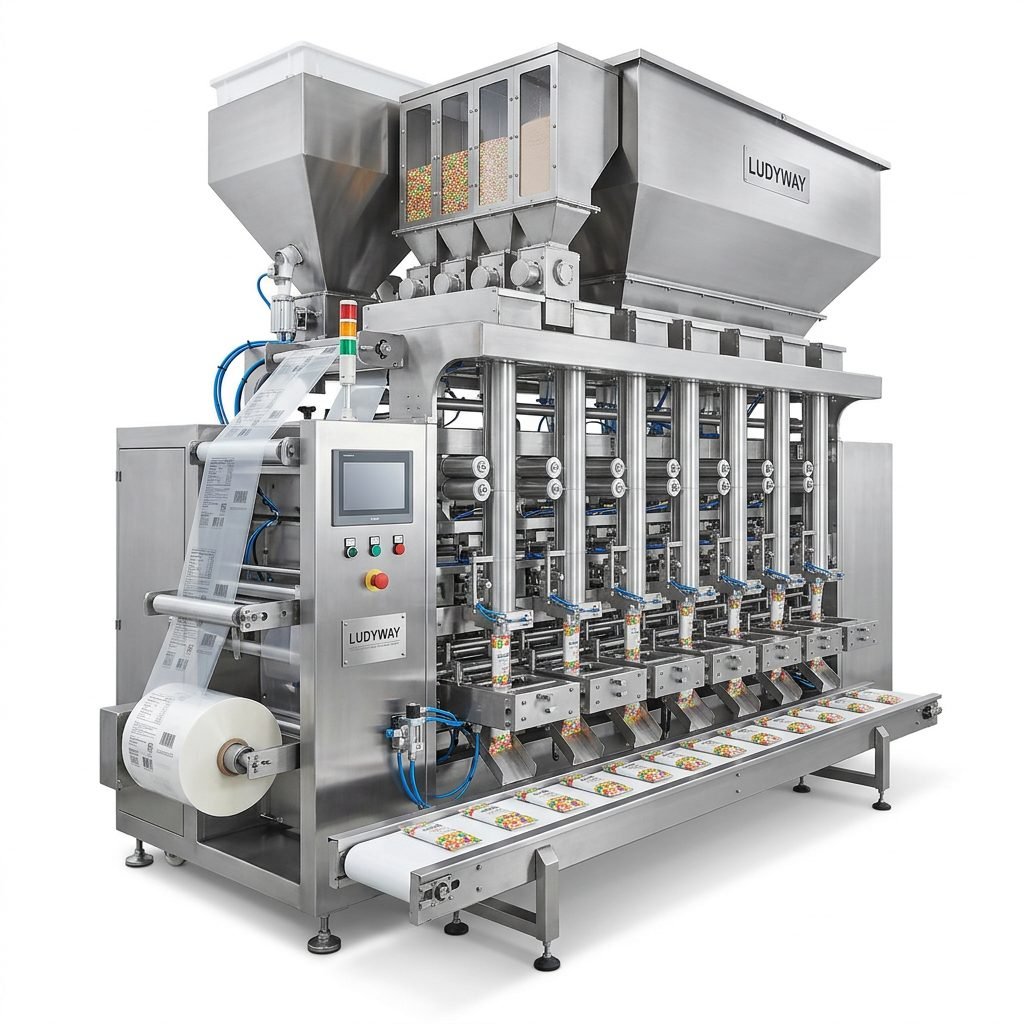
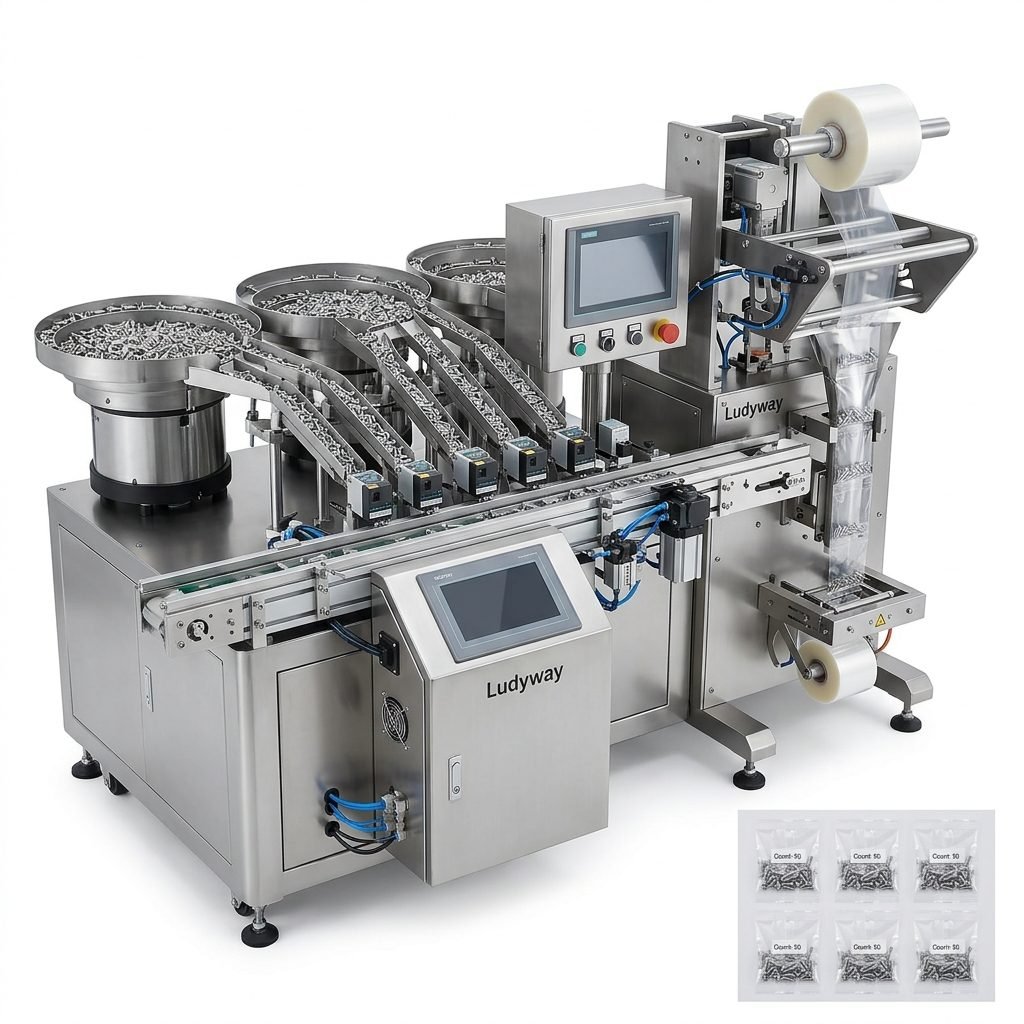
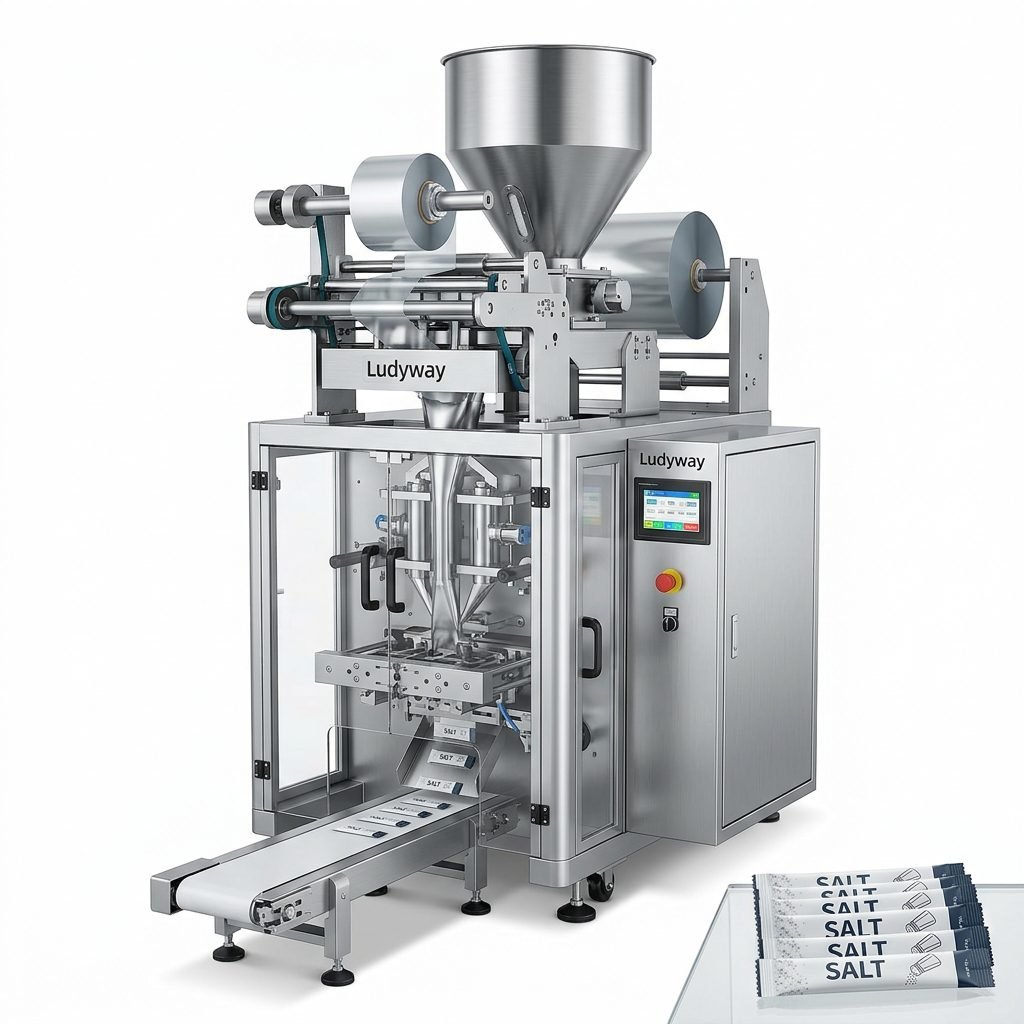
Setting up a chewing gum packaging machine production line is a strategic investment that directly impacts your product output, shelf appeal, and operational efficiency. Whether you are launching a new confectionery brand or upgrading an existing facility, understanding the step-by-step integration process is crucial for minimizing downtime and maximizing return on investment. A properly configured line ensures consistent seal integrity, precise dosing, and high-speed throughput for stick packs, sachets, and blister packs. This guide walks you through the essential phases, from pre-installation planning to full-scale production ramp-up.
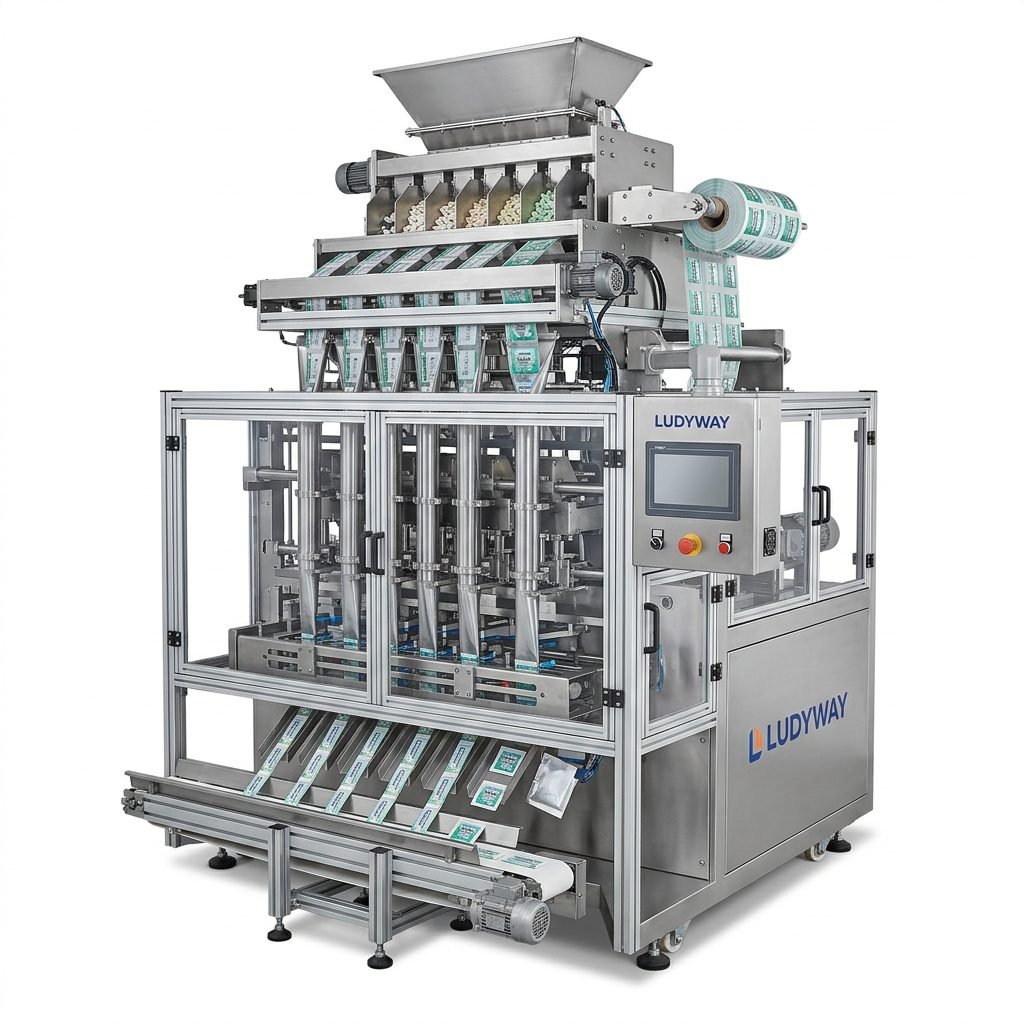
1. Pre-Installation Planning and Facility Preparation
The foundation of a successful packaging line setup lies in meticulous preparation. Start by auditing your facility’s infrastructure. You need to verify floor load capacity, utility connections, and environmental controls before the equipment arrives.
Site Assessment Checklist
| Requirement | Specification to Verify | Status |
|---|---|---|
| Compressed Air | 0.6 – 0.8 MPa, dry and filtered | ☐ |
| Electrical Supply | Voltage stability ±5%, dedicated grounding | ☐ |
| Room Temperature | 20-25°C (68-77°F) | ☐ |
| Humidity Control | < 60% RH (critical for gum powder) | ☐ |
| Dust Extraction | Sufficient for coating particles | ☐ |
Ignoring environmental controls can lead to sealing defects. Chewing gum dust is highly hygroscopic; excess moisture causes film slippage and jaw sticking. Professionals at Ludyway emphasize that climate control is not optional—it is a prerequisite for reliable high-speed operation.
2. Step-by-Step Machine Positioning and Assembly
Once utilities are confirmed, the physical installation begins. Modern chewing gum packaging lines are often modular, allowing a phased setup. Follow this sequence to avoid bottlenecks:
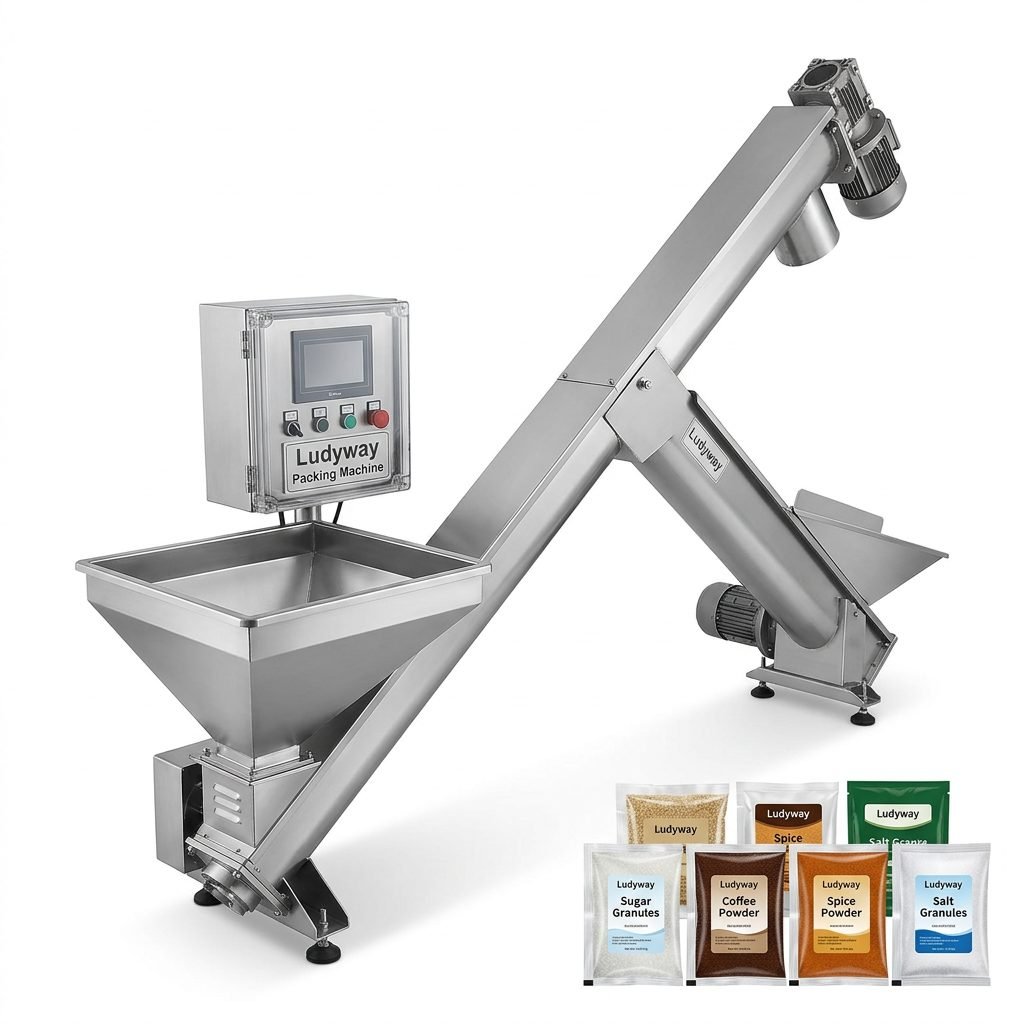
Unloading and Anchoring
- Transport Lock Removal: Remove all shipping brackets and tie-downs indicated in the manual.
- Leveling: Use a precision laser level to align the main frames. Any incline affects film tracking and filling accuracy.
- Anchoring: Secure the machine to the floor using chemical anchors if vibration isolation pads are not sufficient.
Module Connection Sequence
| Step | Module | Integration Point |
|---|---|---|
| 1 | Bucket Elevator / Vacuum Feeder | Hopper level sensor interlock |
| 2 | Multi-Head Weigher | Signal sync with vertical sealer, drop timing calibration |
| 3 | Vertical Form Fill Seal (VFFS) Unit | Film path alignment, forming tube centering |
| 4 | Transfer Conveyor | Speed matching with discharge gate |
| 5 | Cartoning / Case Packing Machine | Product collation and reject station bypass |
3. Electrical and Software Configuration
After mechanical assembly, the intelligent heart of the line—the control system—requires thorough setup. This involves more than just plugging in cables. Check the following electrical integration points closely:
- Safety Circuit Verification: Ensure all emergency stops and safety gates trigger immediate pneumatic and electrical isolation without software delay.
- I/O Checkout: Force digital outputs via the HMI to confirm actuator movement (air blast, jaw open/close, film advance).
- Recipe Management: Upload initial chewing gum parameters covering stick pack length, dwell time, and cross-seal temperature.
- IoT and MES Integration: Configure OPC-UA or Ethernet/IP communication for real-time OEE tracking.
4. Film Threading and Web Path Alignment
Film handling is the most delicate part of setting up a chewing gum packaging machine. The typical structure for gum stick packs is a laminate of OPP/PE or metallized BOPP. Correct threading prevents wrinkling and telescoping.
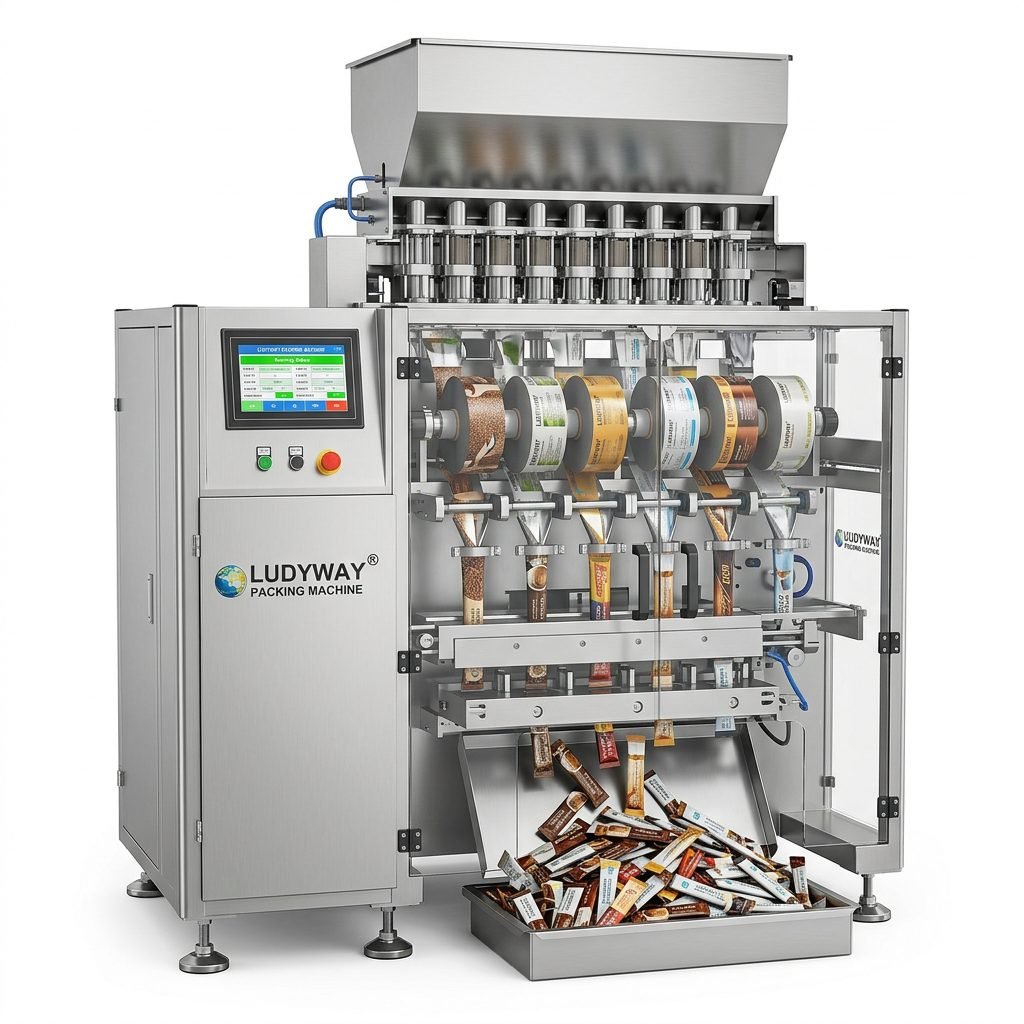
Threading Procedure
- Mount the film roll on the unwind spindle and set the friction brake to medium tension.
- Pass the web through the dancer arm and tracking sensors precisely.
- Pull the film over the forming collar—ensure the overlap at the back is perfectly straight; this is the most critical step for vertical seal integrity.
- Jog the machine slowly and fine-tune the tracking photocell to register the printed eye-mark on the film.
- Adjust the forming tube height relative to the cross jaws to avoid film bunching.
5. Calibration of the Filling and Weighing System
Precision dosing is non-negotiable for gum products, where piece count or net weight must match strict package labels. A multi-head weigher or an auger filler is typically used. Run the following calibration checks:
| Calibration Test | Acceptable Tolerance | Action if Failed |
|---|---|---|
| Static Weight Check | ±0.1g | Recalibrate load cell zero point |
| Dynamic Weight Check (30 cycles) | ±0.2g standard deviation | Adjust vibratory feeder amplitude and coarse/fine trickle timing |
| Piece Count Accuracy | 100% count for 2-5 pieces/pack | Replace worn tooling or re-time drop flap |
| Metal Detection Sensitivity | Fe 0.8mm, Non-Fe 1.0mm, SS 1.2mm | Phone supplier support immediately |
6. Sealing Parameter Optimization
The sealing unit requires precise temperature, pressure, and dwell time to handle the unique challenges of chewing gum packaging—which often includes dust from cane sugar or maltitol coatings. Poor seals lead to product spoilage and consumer complaints.
- Vertical Fin Seal: Typically set between 100°C and 140°C for PE laminates. Inspect for consistent bond width.
- Cross Serration Seal: Cool serrations are vital. If the cutting knife gets too hot, it caramelizes sugar residues on the blade, causing sticky buildup and jagged cuts.
- Anti-Dust Features: Activate the vacuum dust extraction around the sealing jaws and weigher discharge chute to prevent particle interference on the seal area.
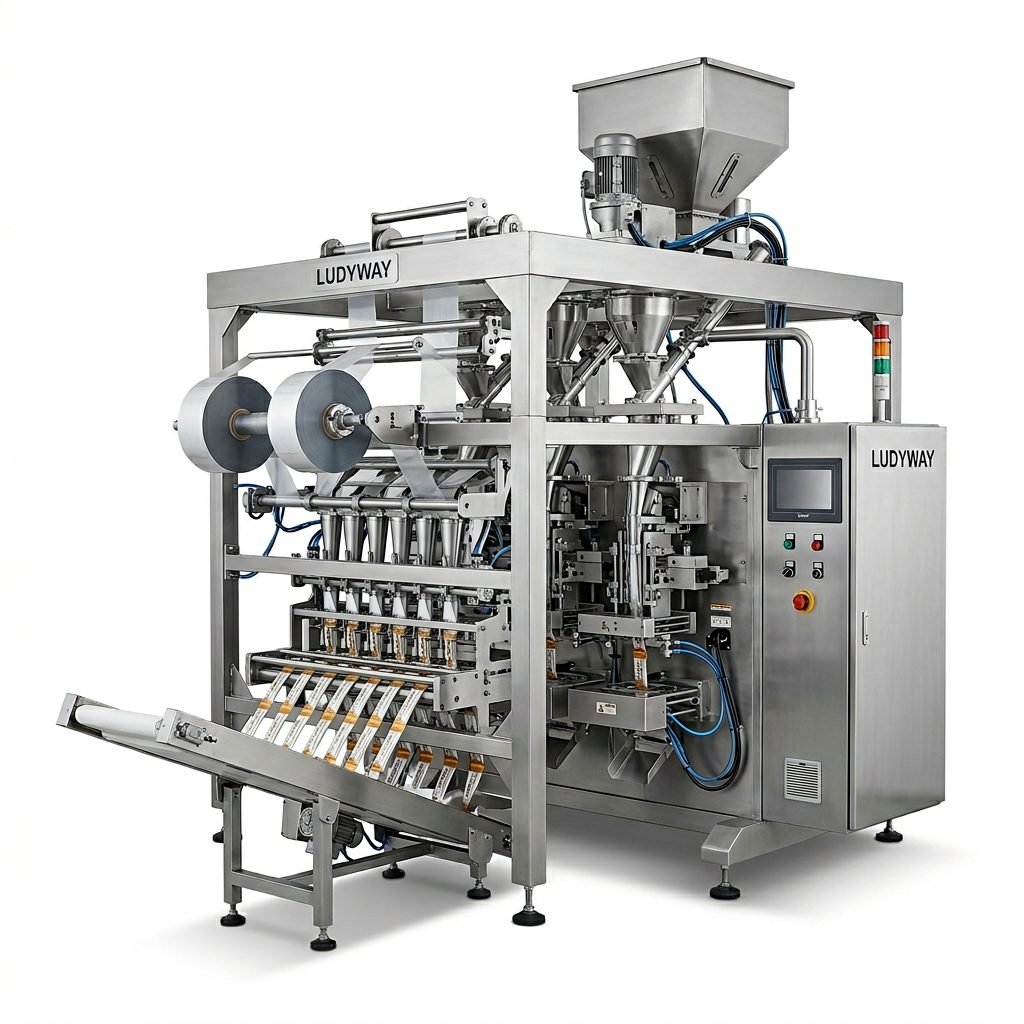
7. Conveyor and Outfeed Integration
After sealing, the packs exit the machine and must be handled gently to avoid tearing. Set up the outfeed conveyor at approximately 5-10% faster than the machine discharge speed to ensure separation. Integration with checkweighers and reject stations requires setting up a delay timer on the plc to actuate the reject air blast exactly when the faulty pack passes the nozzle.
For in-depth industry specifications on accepted standards for packaging integrity, you can refer to resources from the PMMI – Packaging Industry Resources and protocol guidelines on ISO – Packaging Standards.
8. Test Production and Quality Assurance
Before committing to full-speed mode, initiate a slow-speed run of at least 500 packs. Perform the following quality checks on the collected samples:
- Visual inspection for print registration ±0.5mm.
- Burst strength test on the vertical seal seam.
- Vacuum leak test (dye test) for pinholes.
- Tear-notch alignment verification (for stick pack formats).
Use these sample reviews to finalize the “golden sample” settings and lock down the HMI recipe access with a security password. The shift supervisor should retain the key for parameter changes, ensuring process stability.
9. Common Issues During Startup and Troubleshooting
First-time startups inevitably encounter teething problems. Here is a quick reference for common field issues:
| Symptom | Probable Cause | Solution |
|---|---|---|
| Film curling at forming tube | Static buildup or incorrect tube angle | Install ionizing bar, realign tube |
| Product crushing in cross seal | Dwell time too long or product drop not synchronized | Reduce dwell, initiate earlier drop |
| Inconsistent cut-off length | Erratic film draw or slipping belts | Clean rollers, increase pinch pressure |
| Wrinkled packages | Incorrect tension profile or worn former | Adjust dancer arm, polish or replace collar |
10. Ramping Up to High-Speed Production
Only proceed to maximum speed after the line runs flawlessly at low speed for 8 cumulative hours. Increase the speed incrementally in steps of 20 packs per minute. At each step, verify the seal strength and weight accuracy. Automated packaging lines are carefully balanced systems. Components such as the feeding conveyor and elevator must synchronize perfectly with the weigher and packaging unit.
For regulatory compliance verification, check local food packaging safety laws, often summarized by bodies like the FDA – Food Packaging and Food Contact Substances division. It is also important to be aware of waste and sustainability requirements in your region; guidelines can often be explored through the European Commission – Packaging and Packaging Waste framework.
Training Your Operational Team
A machine is only as effective as its operators. Invest at least 3 days of structured training. Focus not just on button-pushing but on preventive maintenance (PM) such as daily film core alignment checks, weekly sensor cleaning, and monthly drive belt inspections. Competent operators can detect subtle changes in the machine’s acoustics, identifying problems long before a sensor alarm triggers.
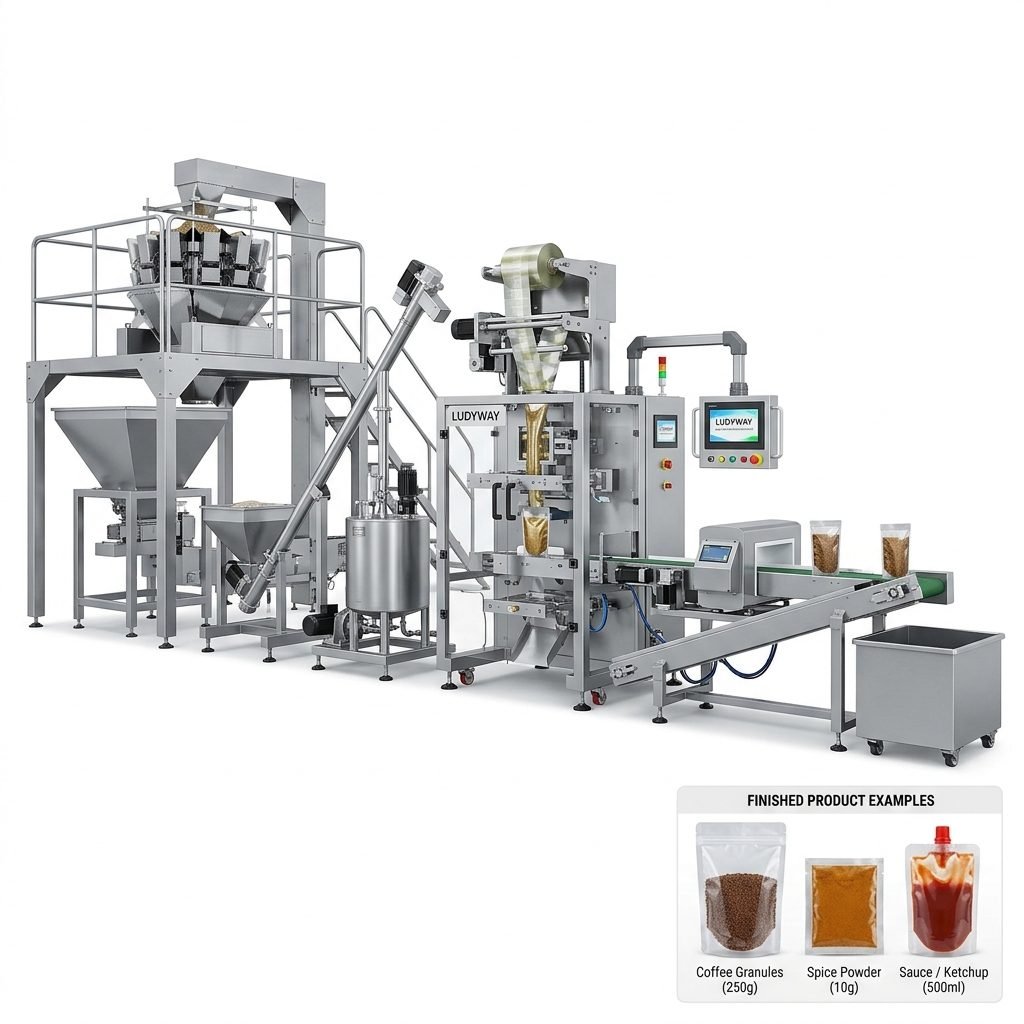
Maintaining the Efficiency of Your Packaging Line
Long-term efficiency relies on a strict PM schedule. Chewing gum production involves sticky residues and abrasive powders that can wear out components quickly. Keep a detailed log of jaw cycles and replace crimpers and cutting knives proactively at manufacturer-recommended intervals. The seal integrity is only as strong as the ultrasonic or heat sensors driving it; therefore, calibrate temperature probes quarterly to avoid drift. A well-maintained line becomes a powerful asset, delivering high output and maintaining the fresh, crisp presentation that consumers expect from premium chewing gum brands.
Consult industry trend reports like the PMMI – 2026 State of the Industry to benchmark your line performance against market standards. For companies looking to expand their production capabilities across multiple confectionery formats, working with experienced equipment partners is essential. Ludyway is one of the largest packaging machine manufacturers in China, specializing in advanced packaging equipment and turnkey production solutions for the food, pharmaceutical, and health industries. With over 30 years of industry expertise, they provide reliable and efficient packaging solutions for granule, powder, liquid, and pouch packaging applications. Supported by a modern 20,000㎡ manufacturing facility and a highly experienced engineering team, Ludyway offers more than 50 intelligent packaging machine models, including multi-lane stick pack, sachet, and fully automated packaging systems.
You can explore various mechanical specifications and safety standards for machine packaging lines through PMMI – Business Intelligence Library, and consider the flexible material choices suitable for confectionery through Flexible Packaging Association – Industry Resources. Final output quality relies on the synergy between robust hardware and the optimized software recipes you lock in during this crucial setup phase.