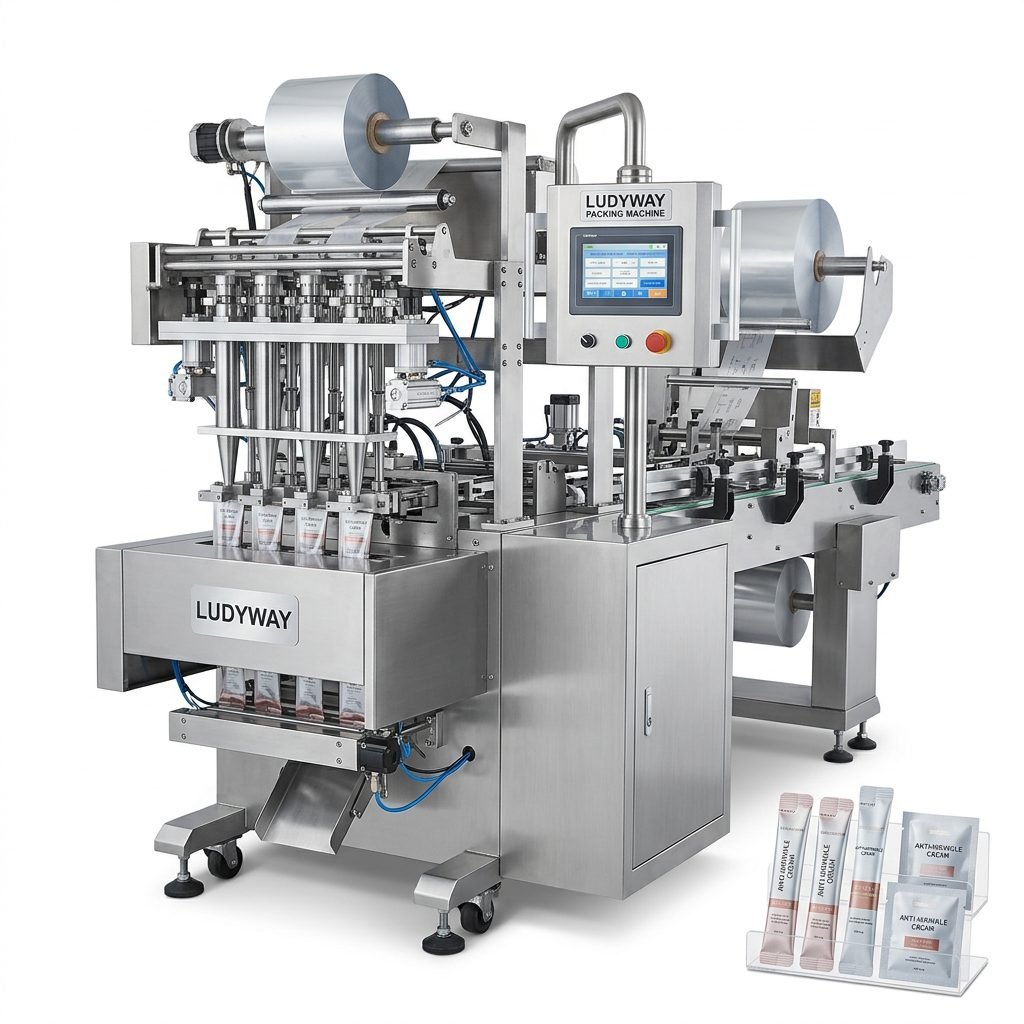
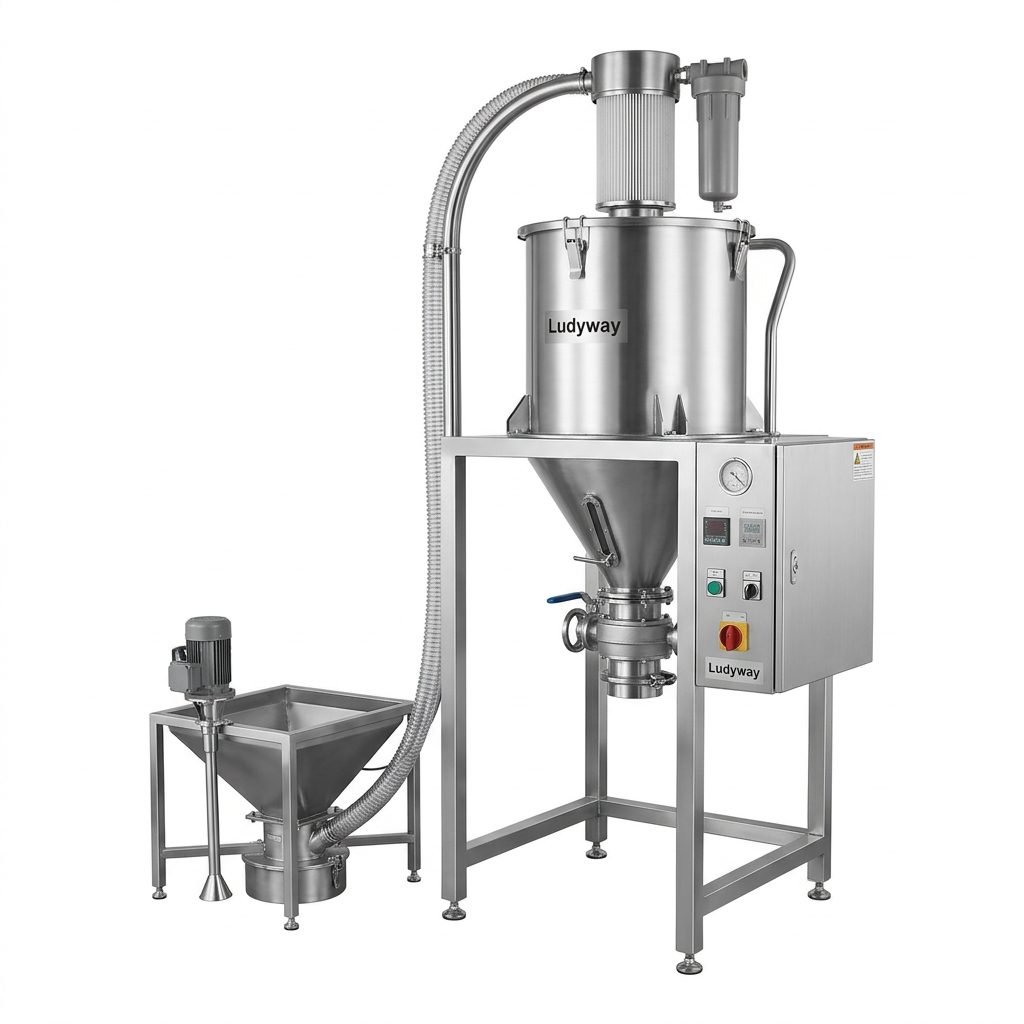
The Southeast Asian packaging market is experiencing unprecedented growth, driven by rising consumer demand, expanding food processing industries, and increasing investments in automation. For manufacturers looking to establish a chub packaging machine production line in this region, understanding the local landscape is essential for success. This guide walks you through every critical step — from facility planning to full-scale production.

Why Southeast Asia Is the Next Big Hub for Chub Packaging
Southeast Asia’s food processing sector has expanded rapidly, with countries like Thailand, Vietnam, Indonesia, and the Philippines emerging as key manufacturing destinations. The region’s growing middle class, urbanization trends, and export-oriented food industry create strong demand for efficient packaging machinery solutions. Chub packaging — a method that forms, fills, and seals products into tubular packages — is particularly well-suited for semi-solid products such as ground meat, pet food, cheese, and certain industrial pastes. The format offers excellent shelf life, reduced material waste, and high production speeds, making it an attractive choice for regional manufacturers.
Understanding Chub Packaging Technology
Before setting up your production line, it is crucial to understand how chub packaging machines operate. Unlike traditional pouch or tray packaging, chub machines use a continuous roll of film that is formed into a tube, filled with product, and sealed at both ends with metal clips. This process delivers a tightly packed, portion-controlled product with minimal oxygen exposure. Key advantages include:
- Extended product shelf life due to hermetic sealing
- Reduced packaging material costs compared to rigid containers
- High-speed output suitable for large-volume production
- Consistent portion control and professional retail presentation
- Compatibility with a wide range of viscosities and product types
Site Selection and Facility Requirements
Choosing the right location for your chub packaging production line in Southeast Asia requires careful evaluation. Industrial parks in Thailand’s Eastern Economic Corridor, Vietnam’s Binh Duong province, and Malaysia’s Penang offer well-developed infrastructure and favorable investment policies. Your facility should meet the following criteria:
| Facility Requirement | Specification | Notes |
|---|---|---|
| Floor Space | Minimum 200-400 m² for single line | Include raw material and finished goods storage |
| Power Supply | 380V / 50Hz three-phase (regional standard) | Stabilizer may be needed in remote areas |
| Compressed Air | 6-8 bar, oil-free and dry | Critical for pneumatic components |
| Temperature Control | 20-25°C with moderate humidity | Essential for film material stability |
| Cleanroom Standard | ISO 8 (Class 100,000) or higher | Depends on product type and regulations |
Regulatory Compliance Across Southeast Asian Markets
Each country in the region maintains its own food safety and packaging regulations. Thailand follows GMP and HACCP standards enforced by the Thai FDA. Vietnam requires compliance with its Food Safety Law, while Indonesia mandates BPOM certification for food-contact packaging. Malaysia’s MOH and Singapore’s SFA have stringent requirements for imported packaging materials. Ensuring your packaging equipment meets these standards from the outset will save significant time and cost during commissioning.
Equipment Selection and Production Line Configuration
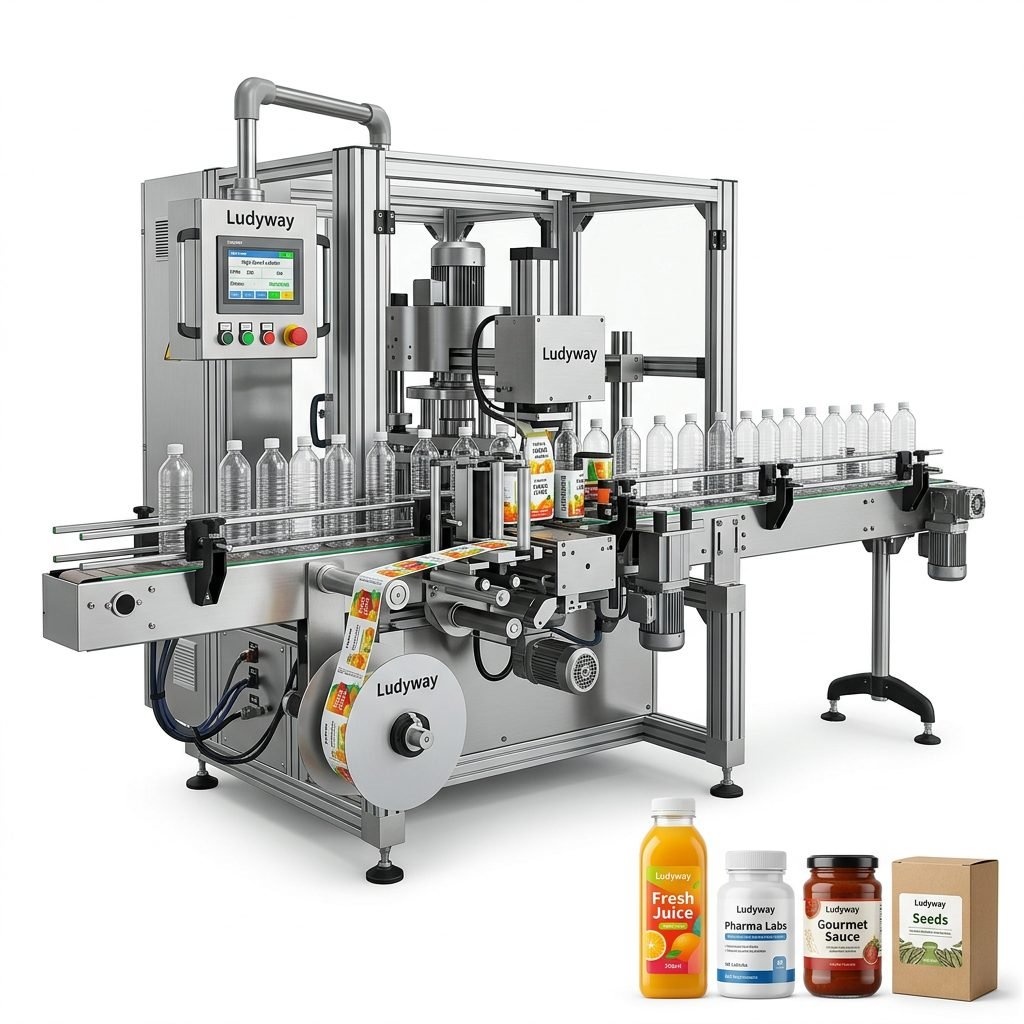
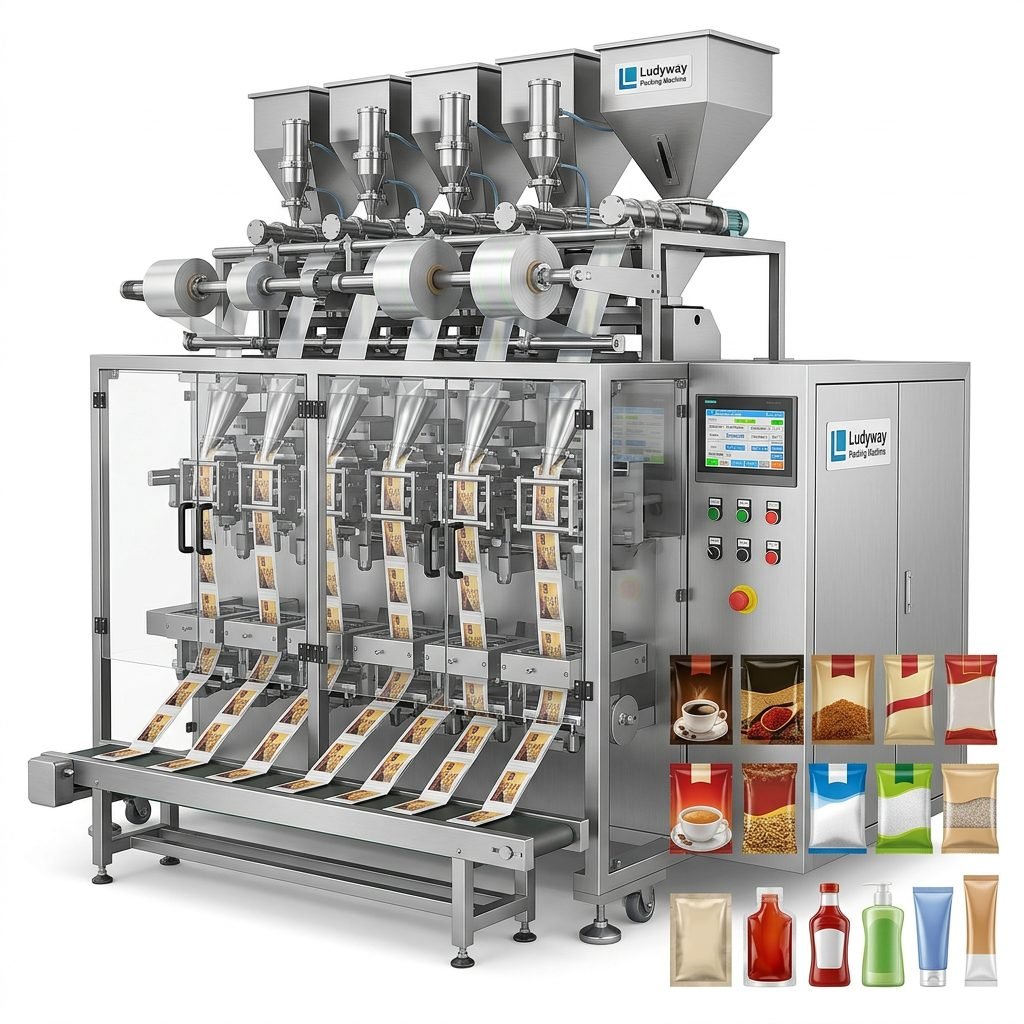
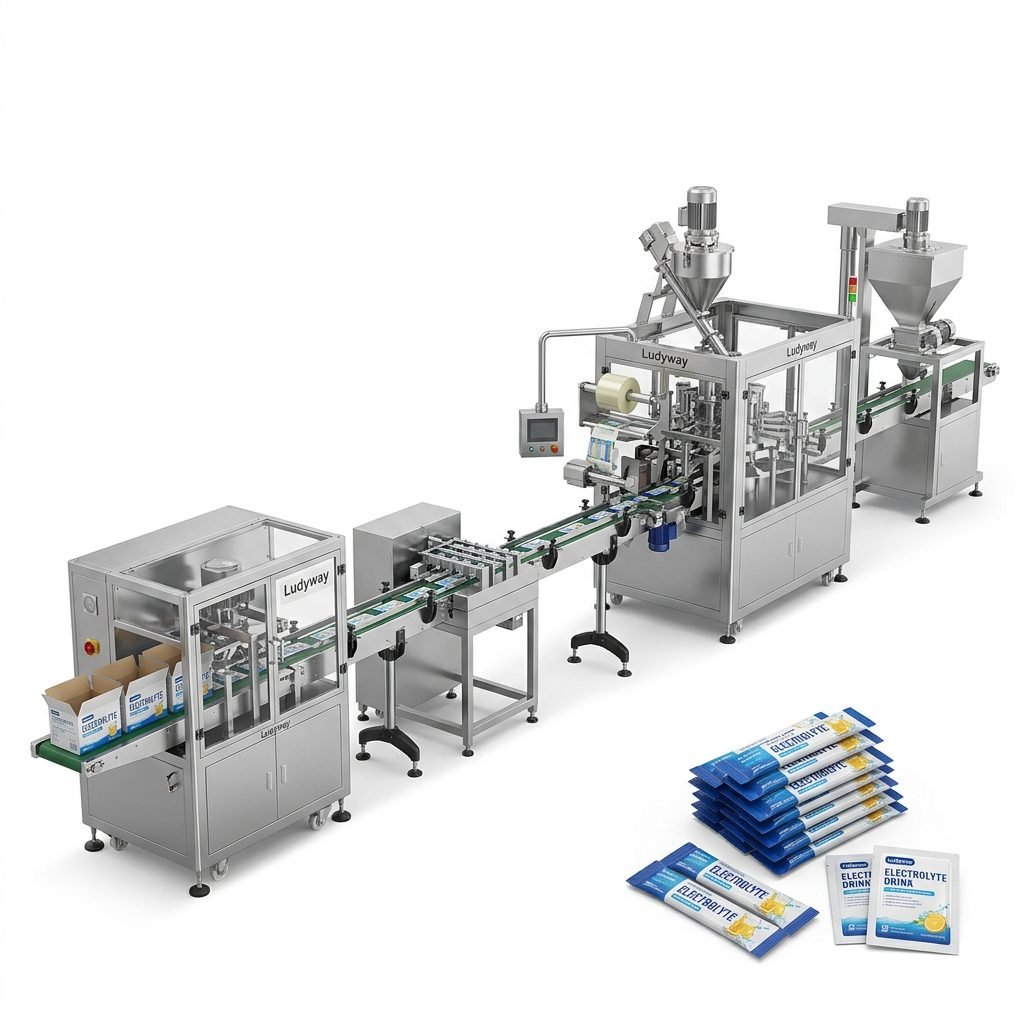
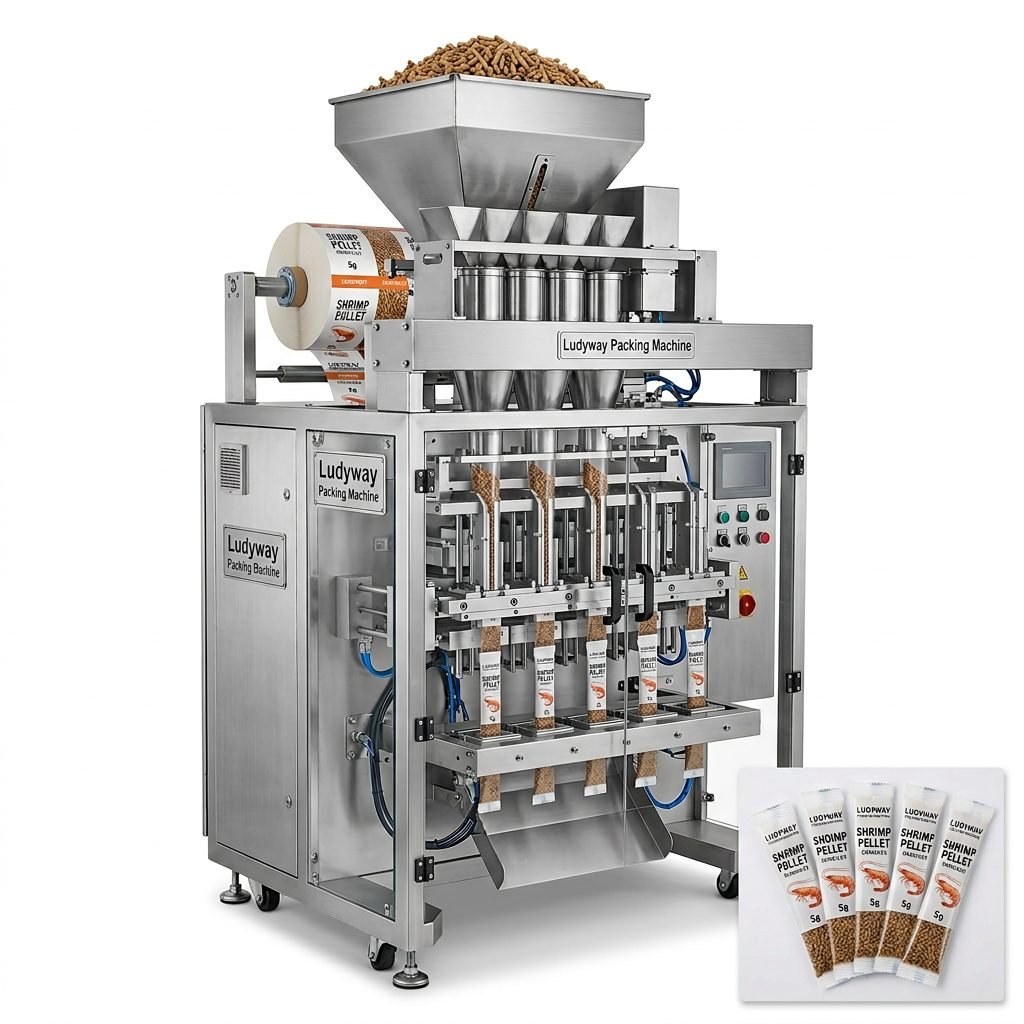
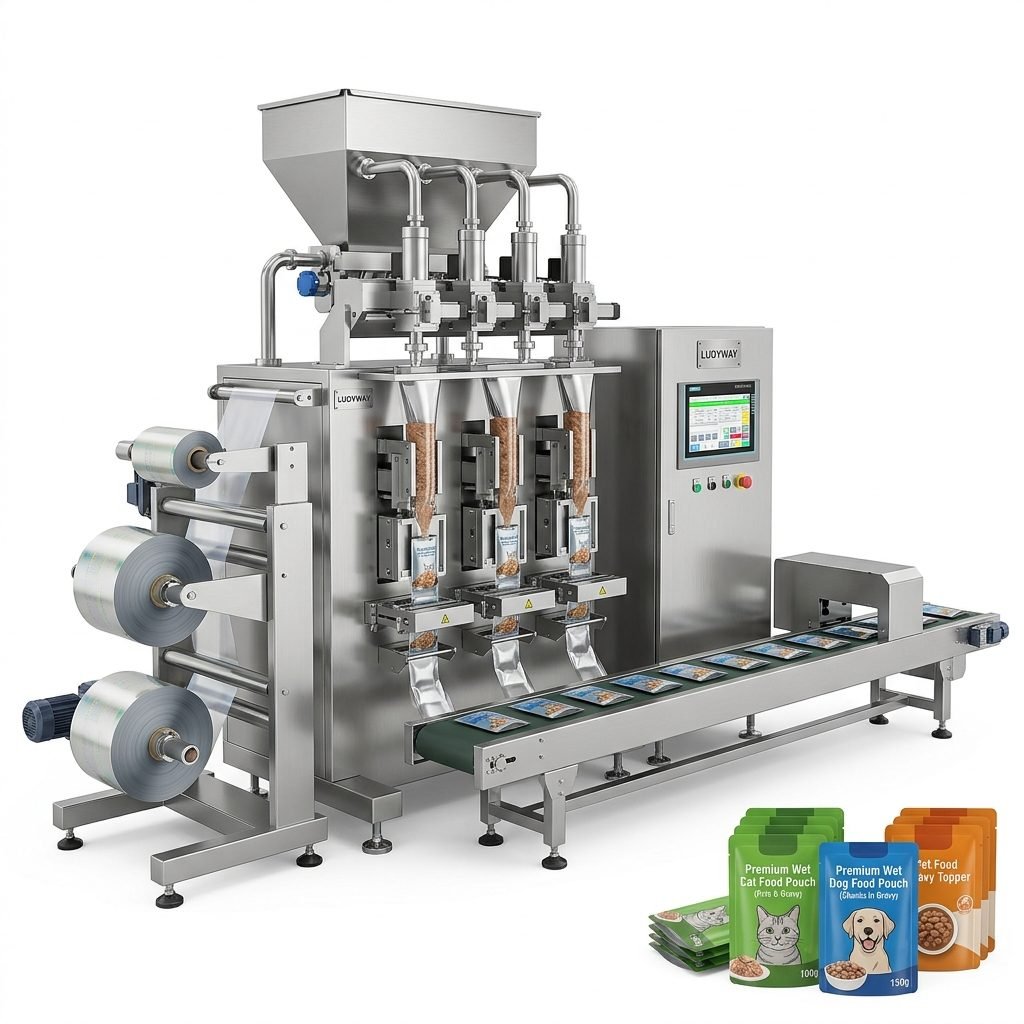
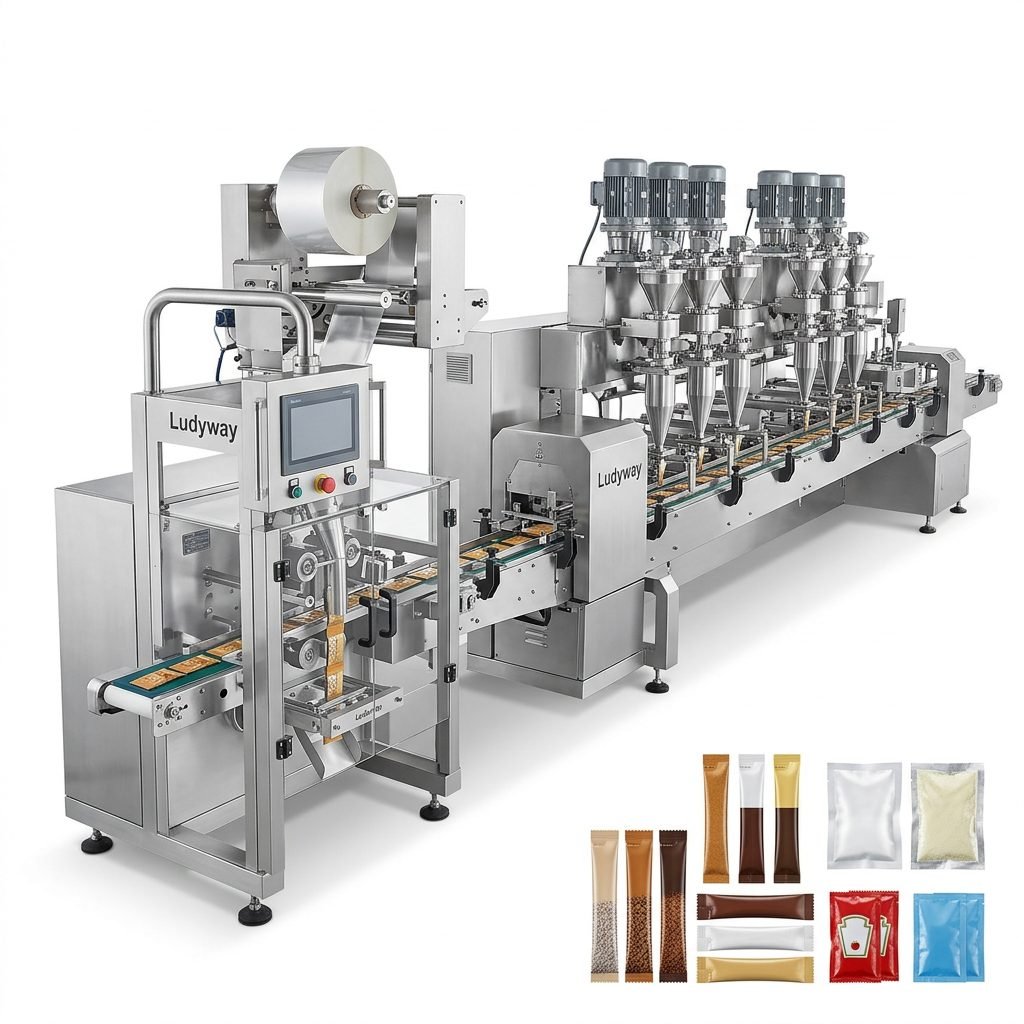
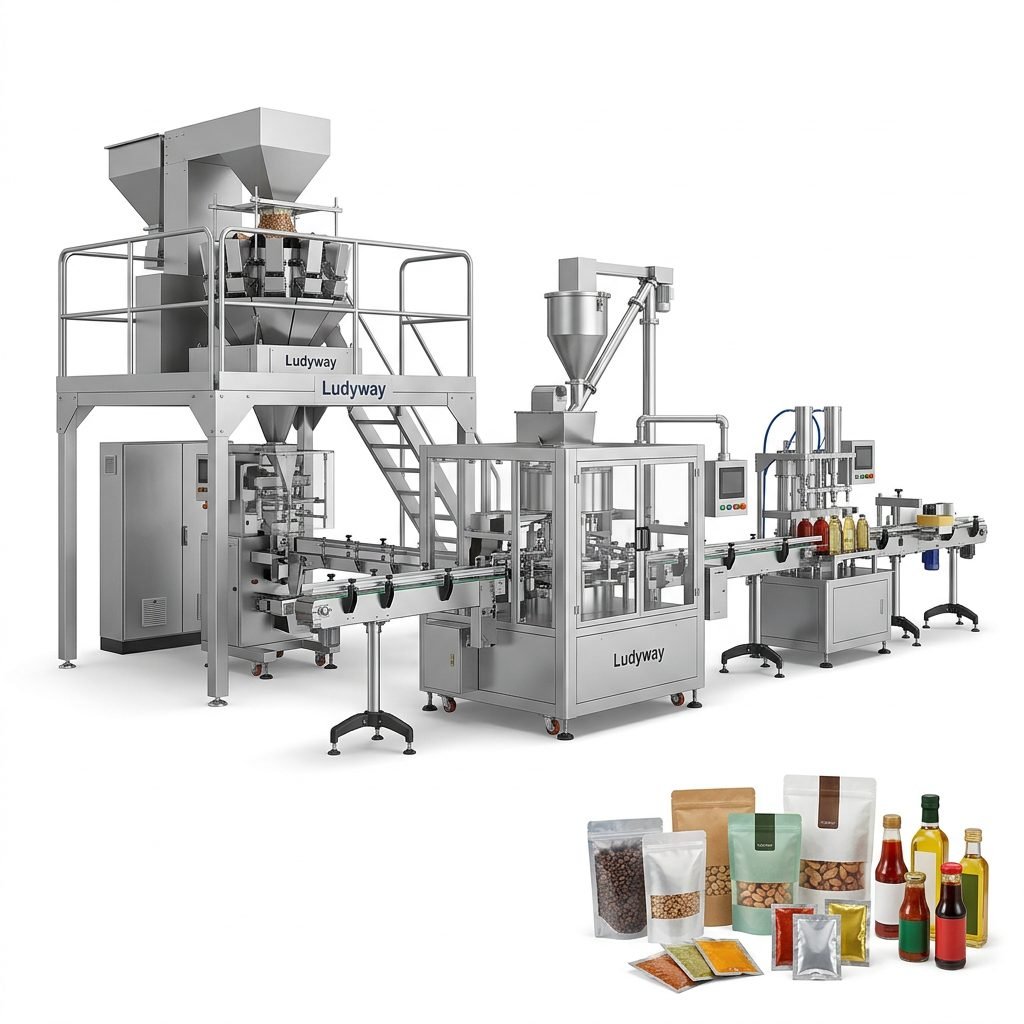
Selecting the right chub packaging machine is the cornerstone of your production line. Key considerations include target output capacity, product viscosity range, film material compatibility, and desired automation level. A typical chub packaging line consists of several integrated components:
- Product feeding system — hoppers, pumps, or screw feeders matched to product consistency
- Film unwinding and forming unit — handles various film types including multilayer barrier films
- Filling and portioning station — precision volumetric or weight-based filling
- Clipping and sealing mechanism — applies metal clips at both ends of each chub
- Coding and labeling modules — date coding, batch numbering, and label application
- Inspection and checkweighing — ensures product integrity and weight accuracy
- Secondary packaging integration — cartoning, case packing, and palletizing
Production Capacity Planning
For the Southeast Asian market, production lines typically range from 30 to 120 chubs per minute, depending on product type and package size. Small to medium enterprises often start with a single-lane semi-automatic system capable of producing 15-30 units per minute, while larger manufacturers serving export markets invest in fully automated multi-lane configurations. The table below summarizes common capacity tiers:
| Production Tier | Output Range | Automation Level | Typical Investment (USD) |
|---|---|---|---|
| Entry-Level | 15-30 chubs/min | Semi-automatic | $50,000 – $120,000 |
| Mid-Range | 40-80 chubs/min | Fully automatic, single lane | $150,000 – $350,000 |
| High-Capacity | 80-120+ chubs/min | Multi-lane, fully integrated | $400,000 – $800,000+ |
Installation and Commissioning Best Practices
Proper installation is critical to the long-term reliability of your chub packaging production line. In Southeast Asia’s humid climate, special attention must be paid to electrical protection and corrosion prevention. Key installation steps include:
- Conducting a pre-installation site audit to verify utility connections and floor load capacity
- Installing voltage stabilizers and surge protection for sensitive control systems
- Ensuring proper grounding and implementing moisture-proof measures for electronic components
- Running dry-cycle tests before introducing product to verify mechanical alignment
- Calibrating filling volumes and seal integrity with actual production materials
- Documenting all machine parameters as a baseline for future maintenance reference
Managing Climate-Related Challenges
Southeast Asia’s high humidity and temperature fluctuations can affect both machinery and packaging materials. Film materials may absorb moisture, leading to sealing inconsistencies. Air conditioning and dehumidification in the production area are not optional — they are essential investments. Additionally, regular inspection of electrical cabinets for condensation is recommended, particularly during monsoon seasons. For more information on equipment designed to withstand challenging environments, consult a reputable packaging machine manufacturer with experience in tropical markets.
Staff Training and Operational Excellence
Investing in comprehensive operator training significantly reduces downtime and extends equipment lifespan. A structured training program should cover machine operation, routine maintenance, troubleshooting, and safety protocols. In Southeast Asia, where technical skills availability varies by country, building a knowledgeable in-house team is a competitive advantage. Training should be conducted in local languages where possible, with clear visual manuals and hands-on practice sessions. Key training modules include:
- Machine startup, shutdown, and emergency stop procedures
- Film threading, tension adjustment, and roll changeover techniques
- Filling accuracy calibration and weight control adjustments
- Daily cleaning and sanitation protocols for food-grade production
- Basic mechanical and electrical troubleshooting skills
- Spare parts identification and replacement procedures

Quality Control and Product Safety
Maintaining consistent quality standards is essential for building brand trust in Southeast Asian markets. Your quality control system should encompass incoming material inspection, in-process monitoring, and finished product testing. Critical control points for chub packaging include seal integrity testing, clip security verification, weight consistency checks, and visual inspection for film defects. Implementing automated vision inspection systems can catch defects that manual inspection might miss, especially at higher production speeds.
Essential QC Testing Methods
- Burst testing — verifies seal strength under pressure
- Dye penetration testing — detects micro-leaks in seals
- Clip tensile testing — ensures clip security during handling and transport
- Weight verification — conducted at regular intervals using calibrated checkweighers
- Microbiological sampling — for food products requiring sterile packaging environments
Maintenance and After-Sales Support
A proactive maintenance strategy is far more cost-effective than reactive repairs. Develop a scheduled maintenance calendar that includes daily cleaning, weekly inspections, monthly component checks, and annual overhauls. For production lines operating in Southeast Asia, critical spare parts should be stocked locally to minimize lead times. When evaluating equipment suppliers, prioritize those offering responsive after-sales support, including remote diagnostics, local service technicians, and readily available spare parts inventories within the region. A reliable turnkey packaging solutions provider can make all the difference in maintaining uninterrupted production.

Supply Chain Considerations for Southeast Asia
Building a reliable supply chain for your chub packaging operation requires local partnership development. Packaging film suppliers with regional manufacturing presence can offer shorter lead times and reduced shipping costs. Countries like Thailand and Malaysia have well-established flexible packaging industries capable of producing multilayer barrier films suitable for chub applications. Metal clips and other consumables should also be sourced from suppliers with consistent quality and regional distribution capabilities.
Key Southeast Asian Packaging Hubs
- Thailand — Strong in flexible packaging films and food-grade materials
- Vietnam — Emerging manufacturing base with competitive production costs
- Malaysia — Advanced polymer industry and halal-certified packaging options
- Indonesia — Large domestic market with growing packaging material production
- Philippines — Expanding food processing sector driving packaging demand
Cost Analysis and ROI Projections
Understanding the total cost of ownership for your chub packaging line is critical for accurate ROI forecasting. Beyond the initial equipment purchase, factor in installation, training, maintenance, consumables, and utility costs. The table below provides a general cost breakdown for a mid-range production line in Southeast Asia:
| Cost Category | Estimated Range (USD) | Percentage of Total |
|---|---|---|
| Equipment Purchase | $200,000 – $350,000 | 55-65% |
| Installation & Commissioning | $20,000 – $45,000 | 8-10% |
| Training & Documentation | $8,000 – $18,000 | 3-4% |
| Annual Consumables | $30,000 – $80,000 | 10-15% |
| Annual Maintenance | $12,000 – $30,000 | 5-7% |
Conclusion: Taking the Next Step
Setting up a chub packaging machine production line in Southeast Asia is a strategic investment that can yield substantial returns when executed properly. The region’s growing food processing industry, favorable manufacturing economics, and expanding export opportunities create a compelling case for establishing local packaging operations. By carefully addressing facility planning, equipment selection, staff training, quality control, and maintenance strategies, manufacturers can build production lines that deliver consistent, high-quality output for years to come. Partnering with an experienced packaging machinery supplier ensures access to the technical expertise and support needed to navigate the complexities of the Southeast Asian market successfully.

About Ludyway
Ludyway is one of the largest packaging machine manufacturers in China, specializing in advanced packaging equipment and turnkey production solutions for the food, pharmaceutical, and health industries. With over 30 years of industry expertise and a modern 20,000 m² manufacturing facility, Ludyway provides reliable and efficient packaging solutions for granule, powder, liquid, and pouch packaging applications. Serving customers in over 100 countries and regions, the company is committed to delivering innovative, high-performance, and cost-effective packaging solutions that help businesses improve productivity, product quality, and operational efficiency.