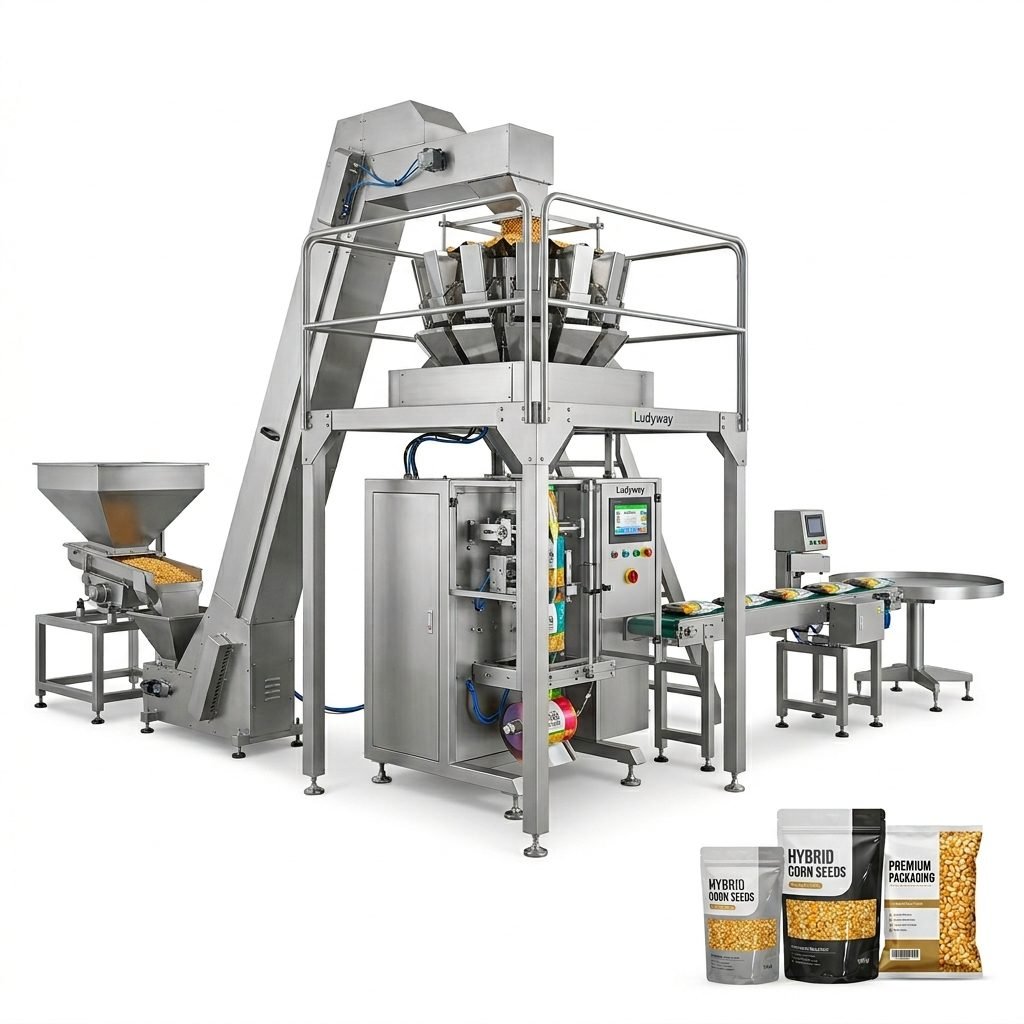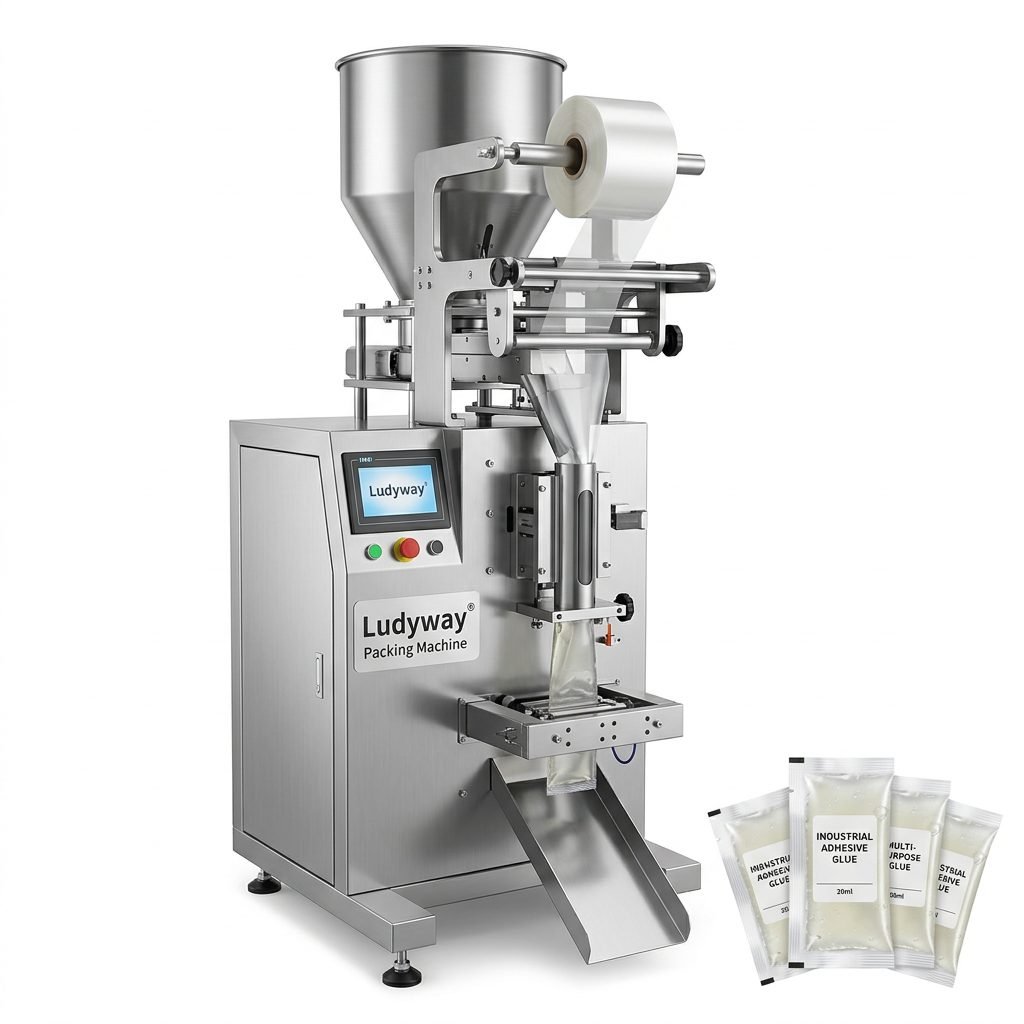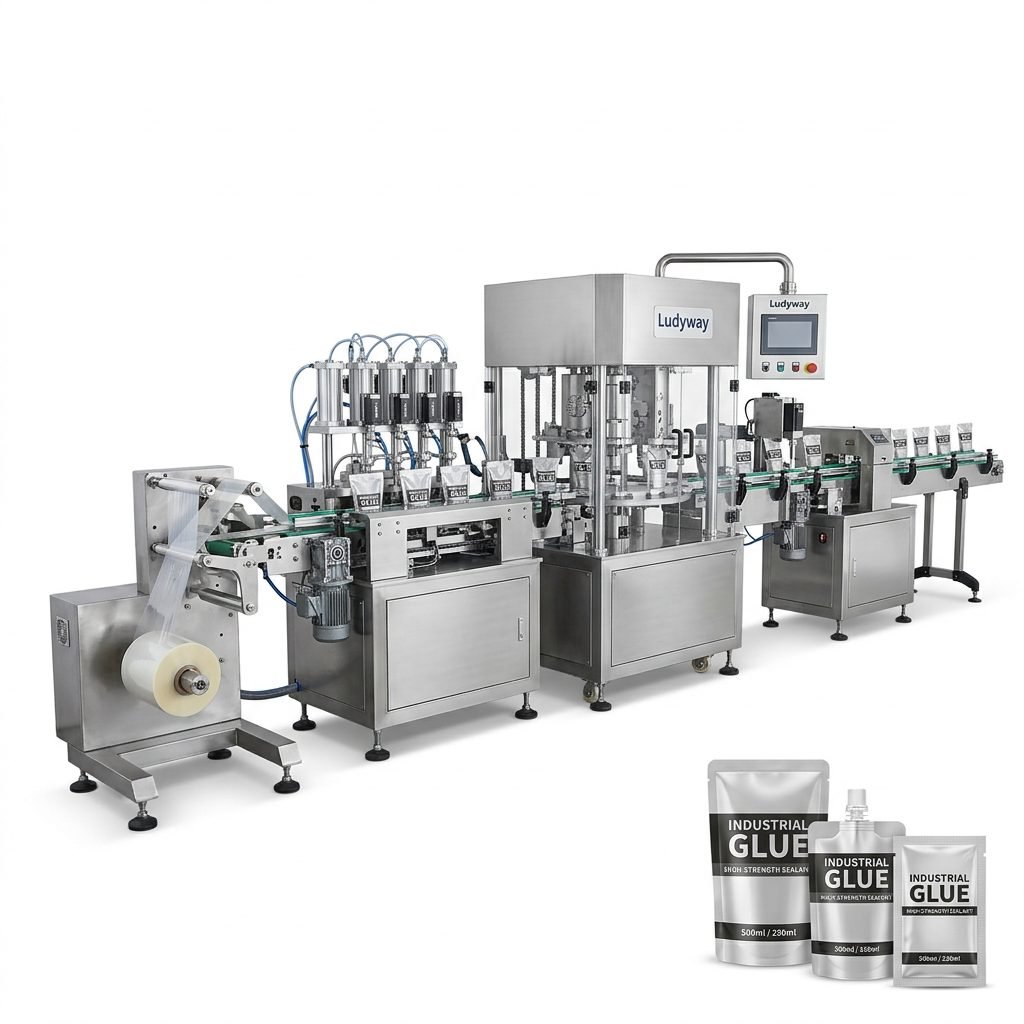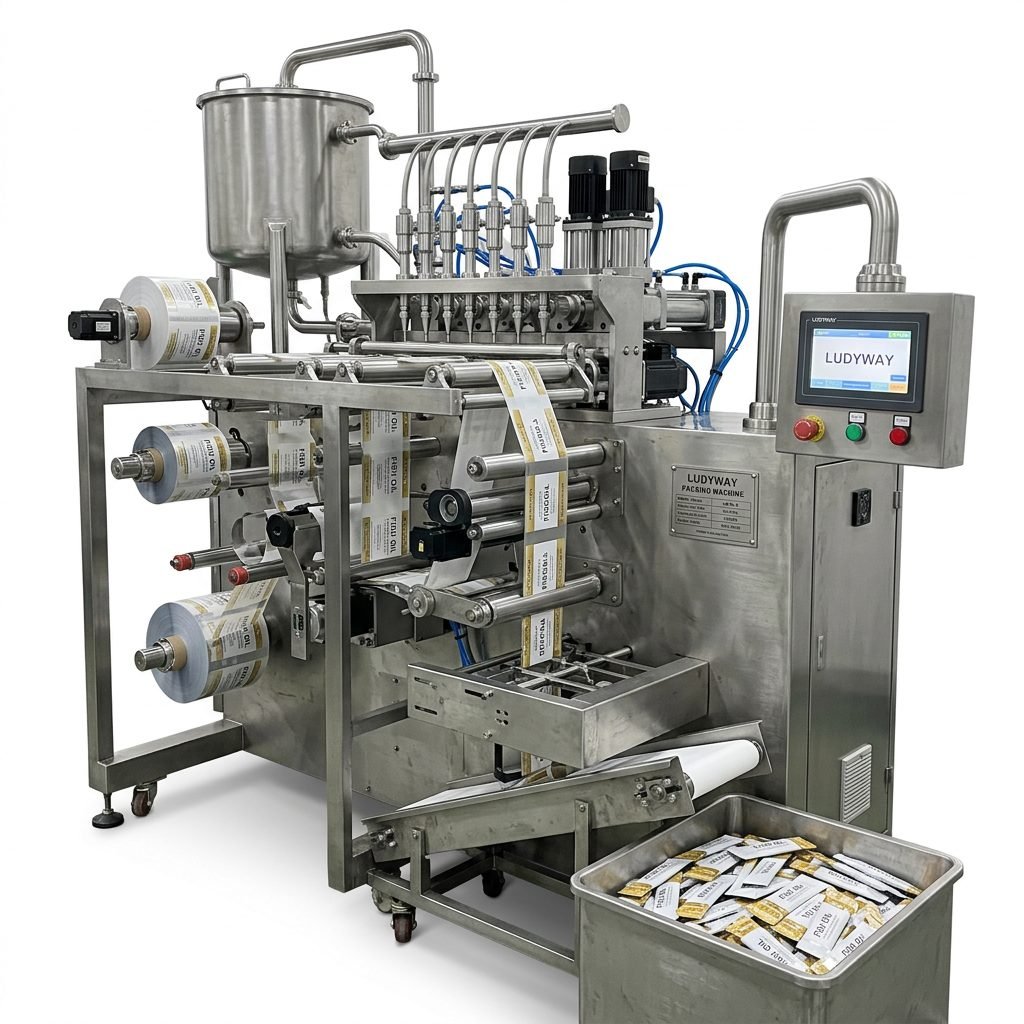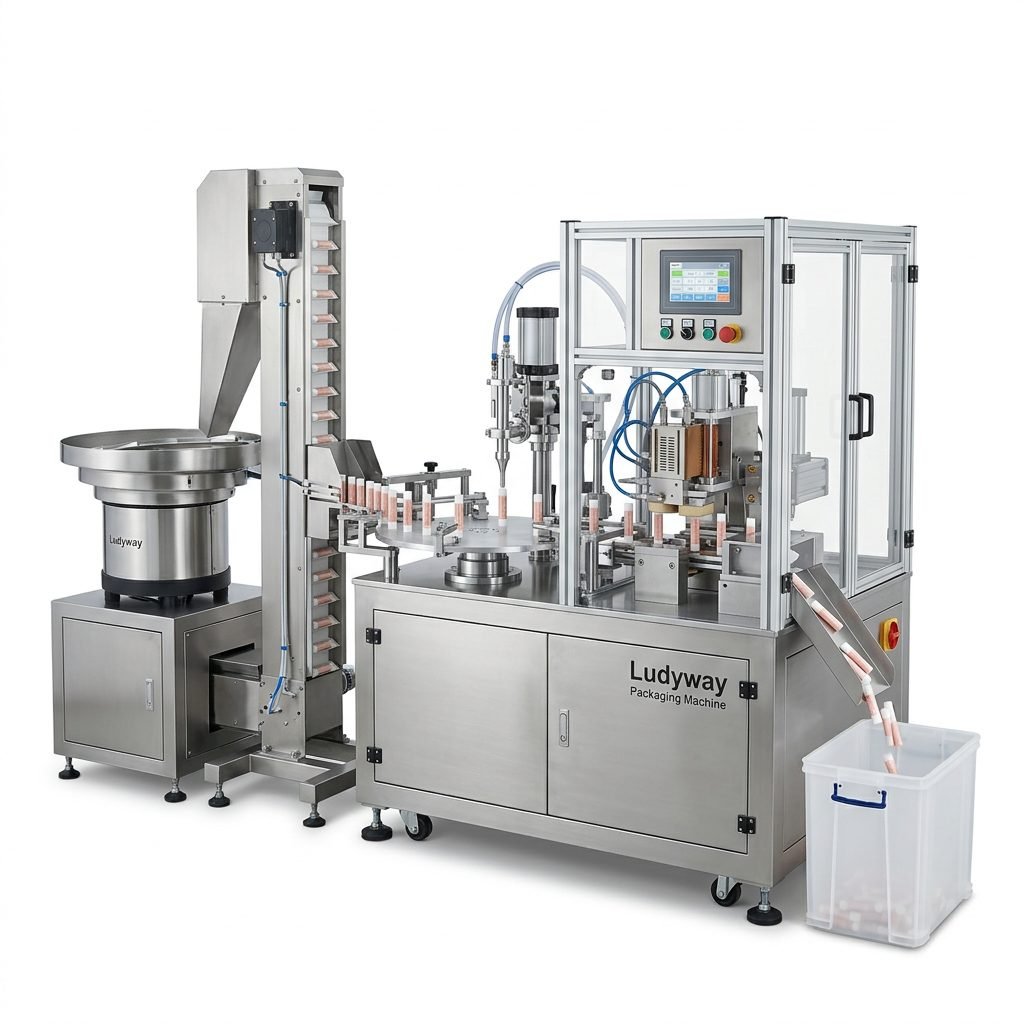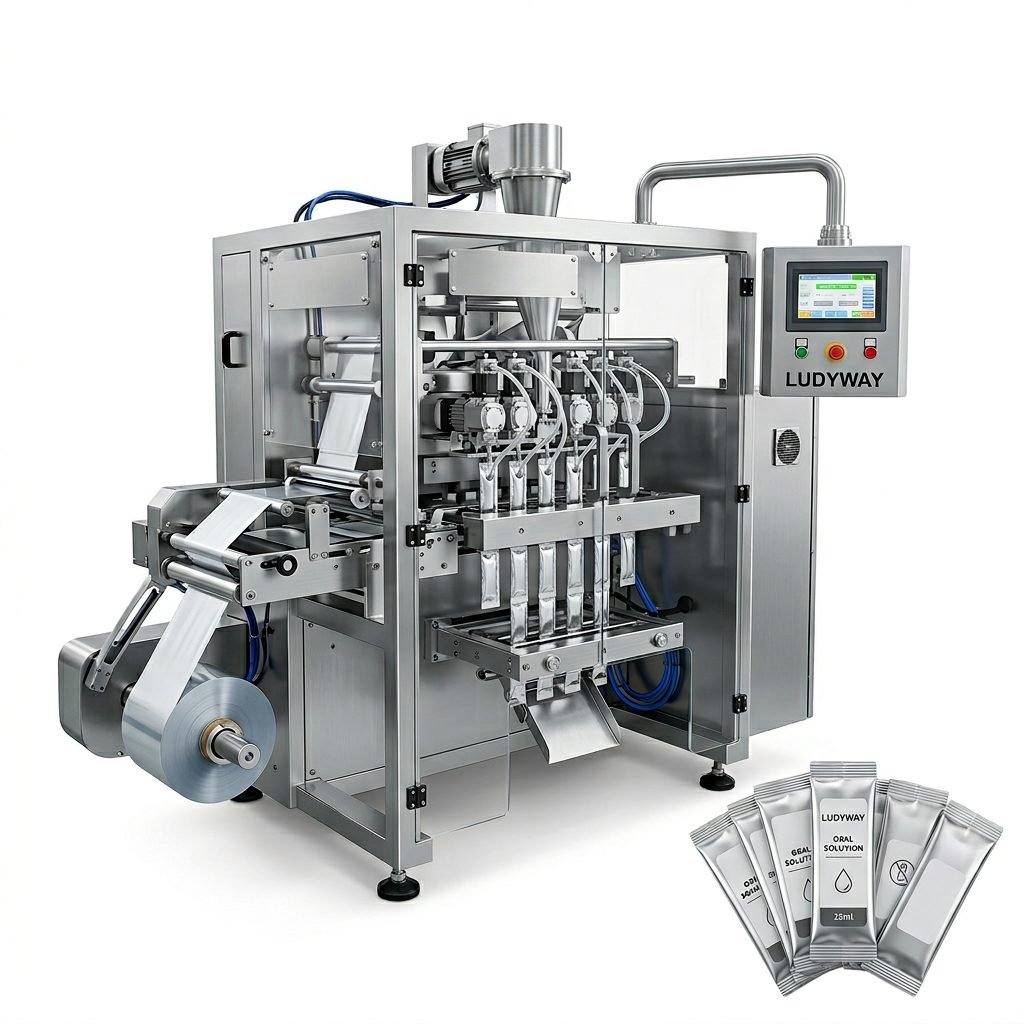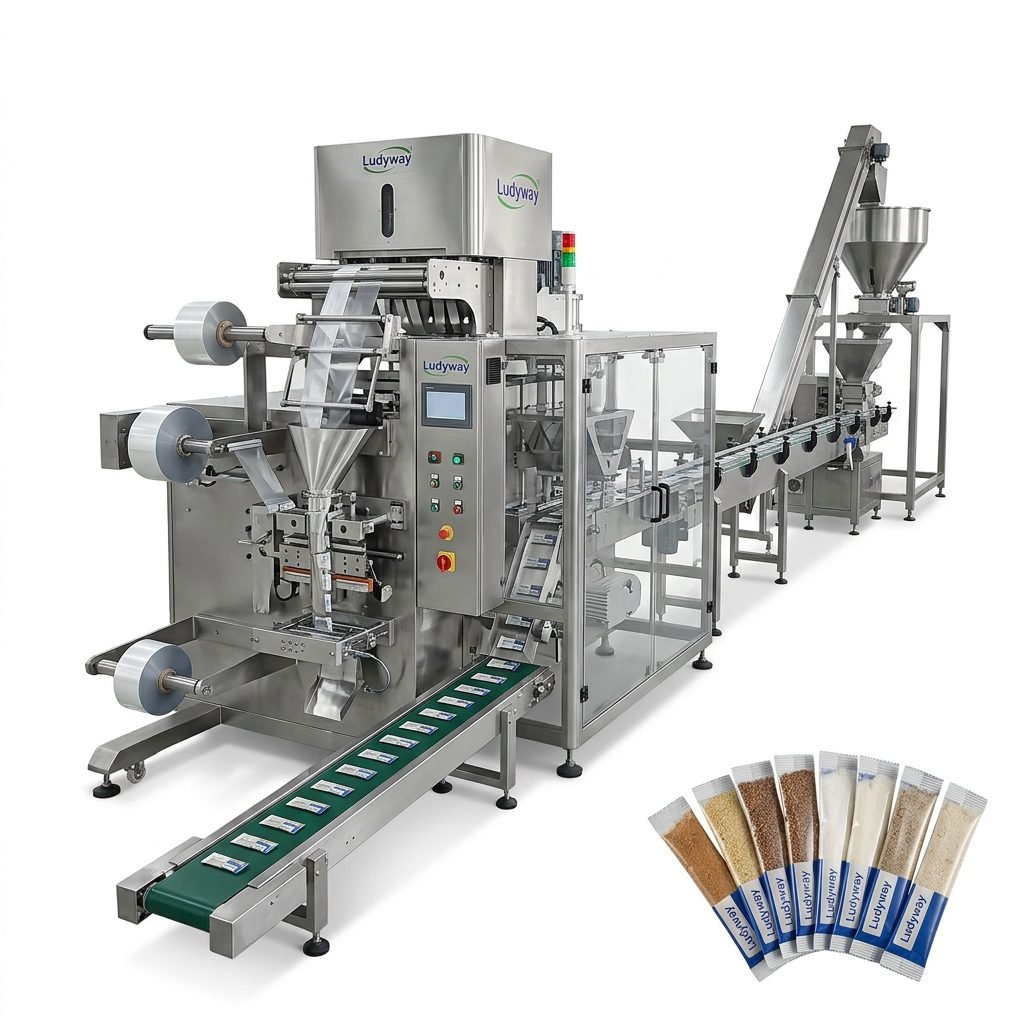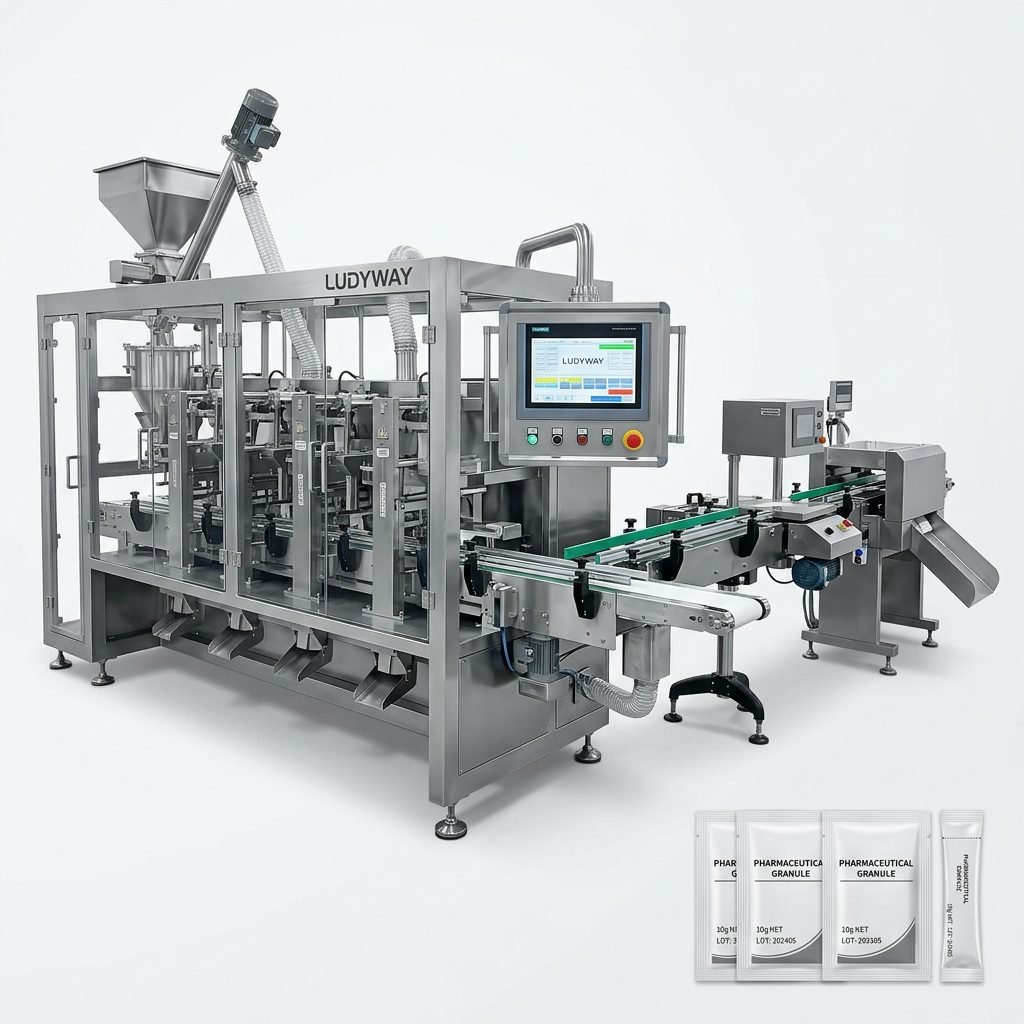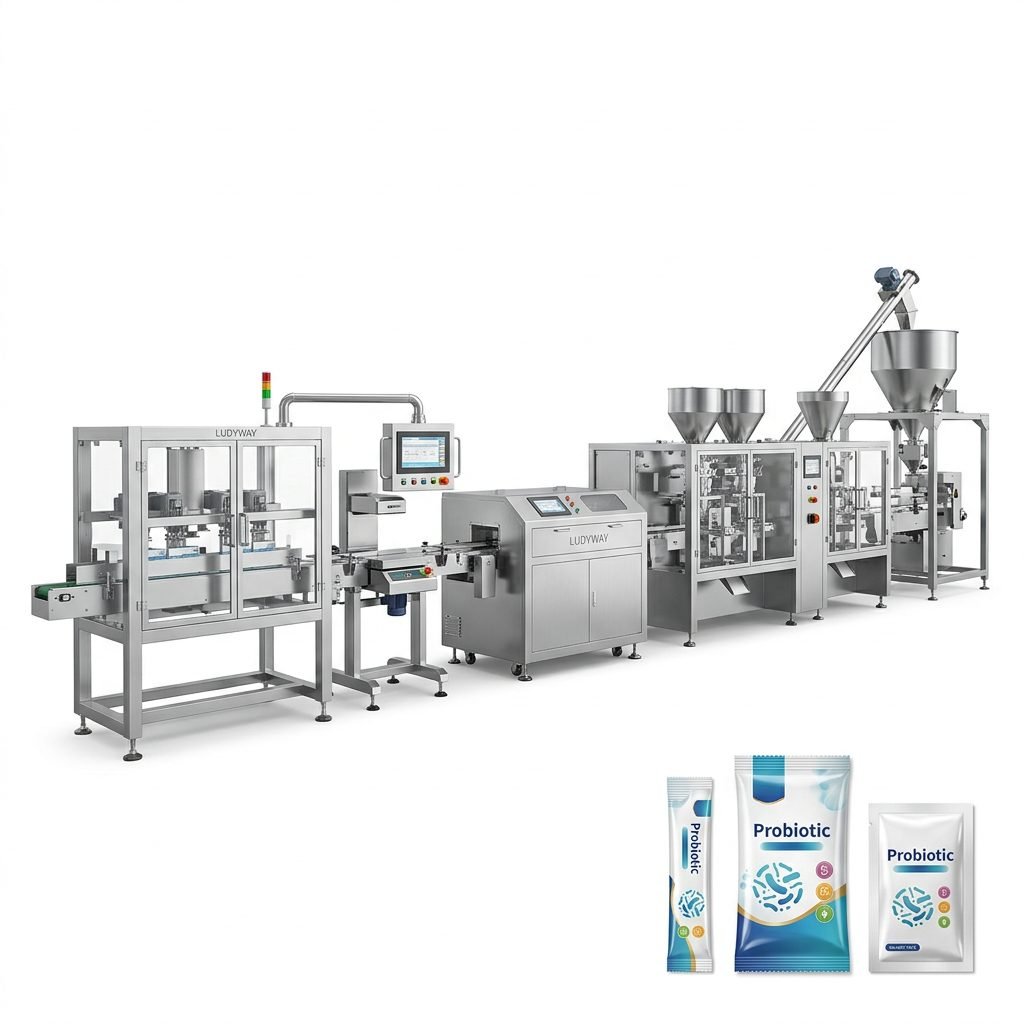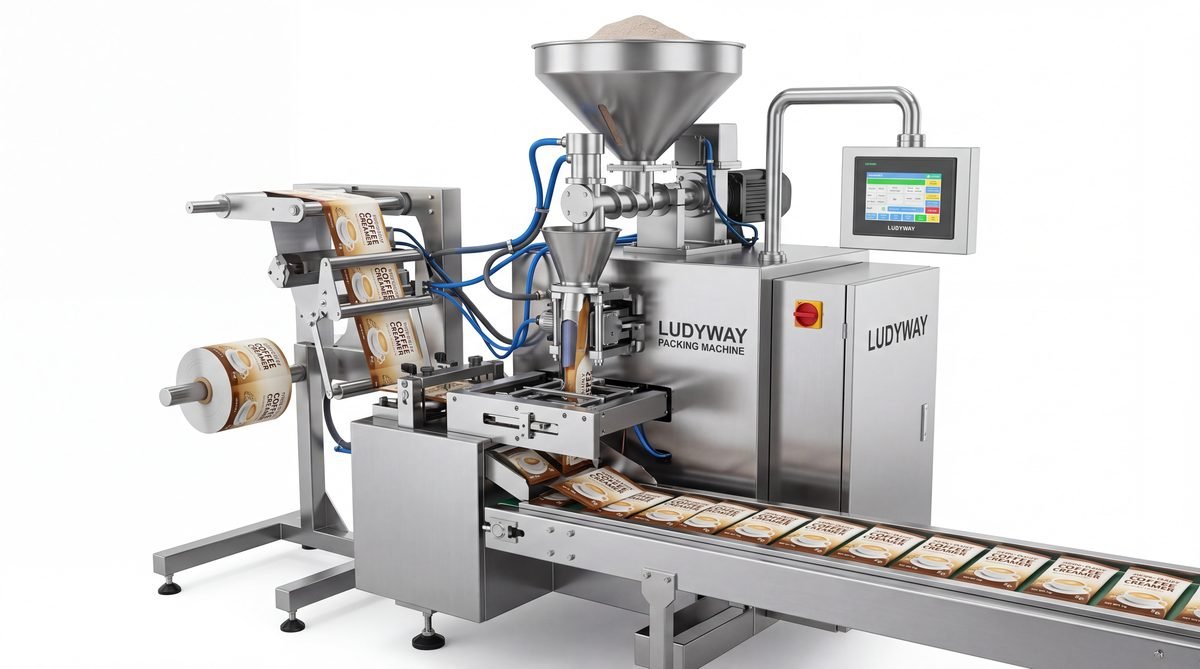
Investing in a tea and coffee vacuum packaging machine is a significant decision for any beverage business. The cost can vary dramatically depending on the level of automation, production capacity, and specific features required. Understanding the real price range — and what drives those numbers — is the first step toward making a smart purchasing decision that balances budget with long-term operational efficiency.
What Is the Actual Price Range?
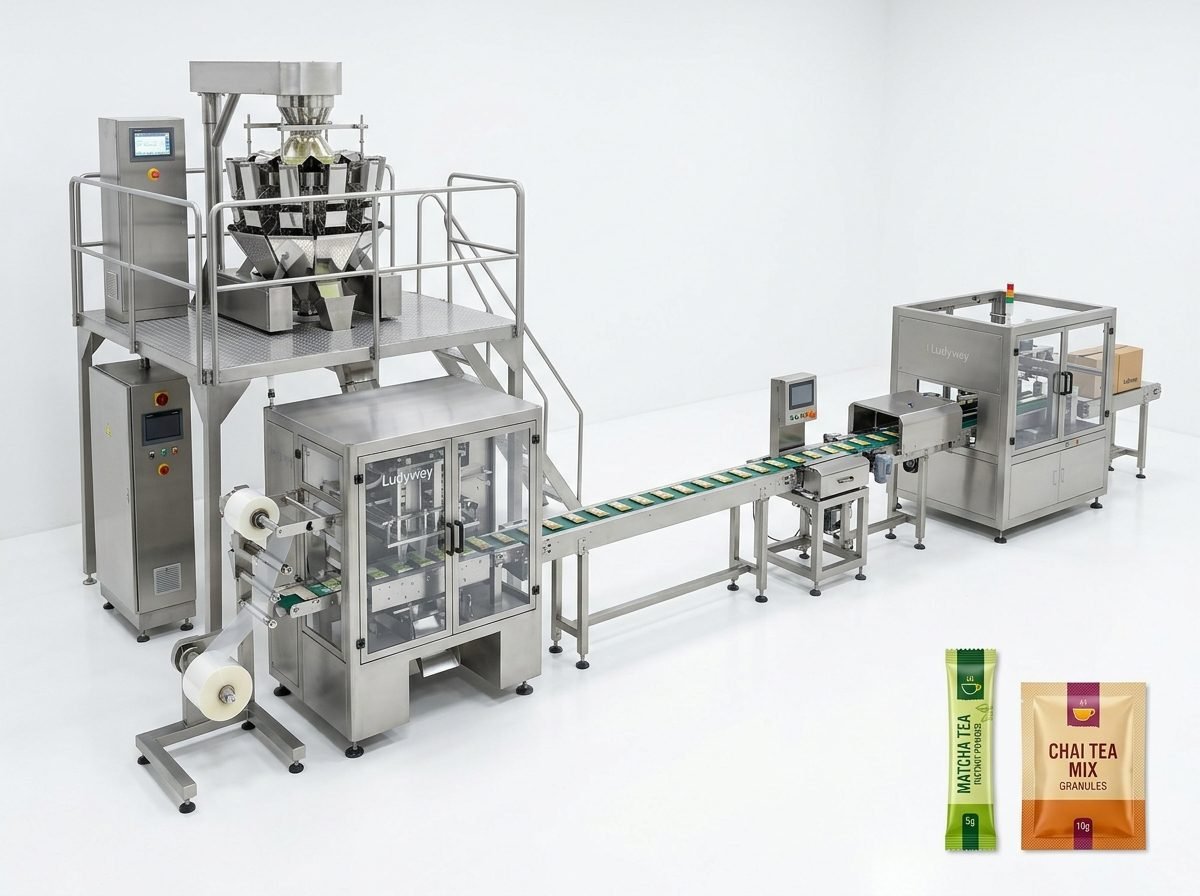
The cost of a tea and coffee vacuum packaging machine typically falls into three broad categories. Entry-level semi-automatic models for small-scale operations generally start around $3,000 to $8,000. Mid-range machines with moderate automation and higher throughput capacity range from $10,000 to $35,000. Fully automatic, high-speed multi-lane vacuum packaging systems designed for large-scale production can reach $50,000 to $150,000 or more, especially when integrated into complete turnkey production lines.
Key Factors That Influence Machine Pricing
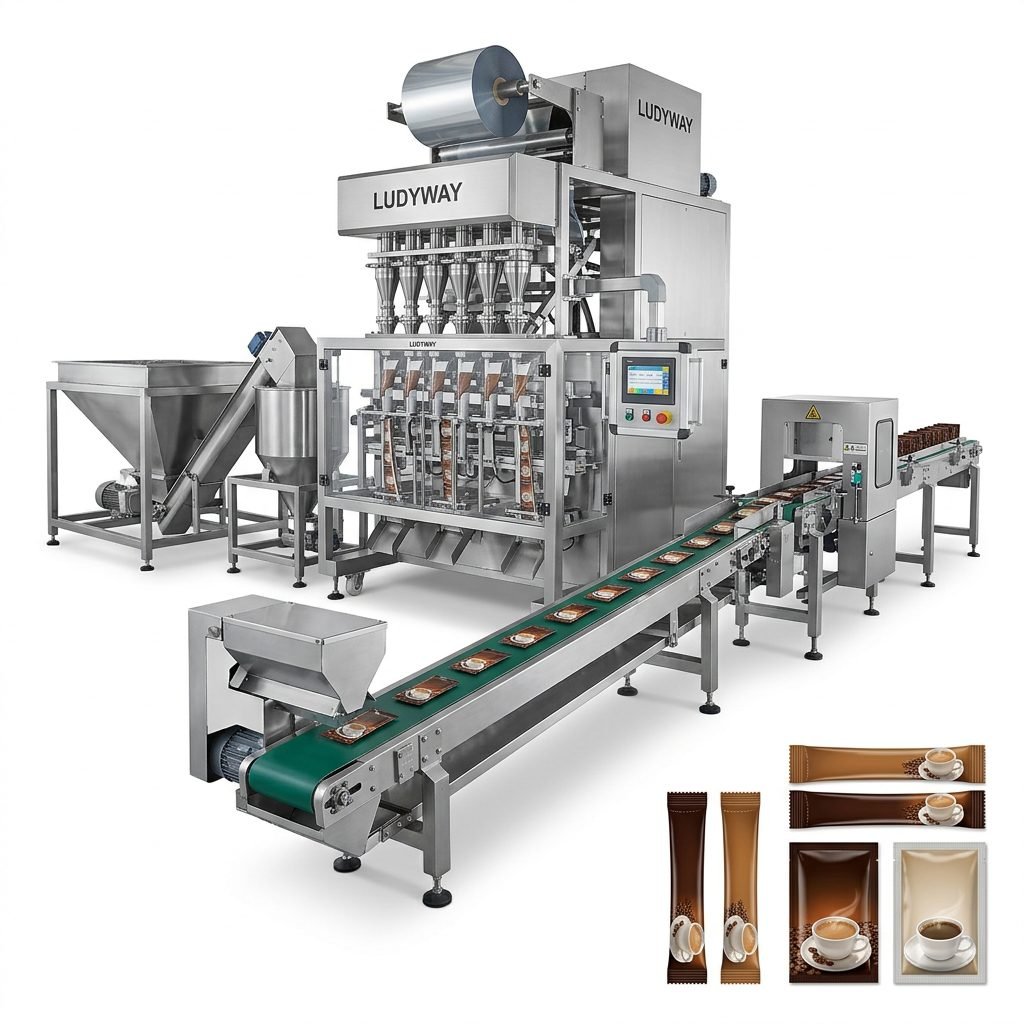
- Automation Level: Manual, semi-automatic, and fully automatic configurations affect pricing substantially. Full automation with PLC control systems and servo-driven components commands a premium but delivers consistent quality and higher output.
- Production Capacity: Machines capable of producing 30-50 packs per minute cost significantly less than high-speed multi-lane systems engineered for 200-400 packs per minute.
- Vacuum Technology Type: Chamber vacuum, nozzle vacuum, and continuous band vacuum sealers each come with different price points and suitability for various product types.
- Material Compatibility: Machines that handle metallized films, aluminum foil laminates, and biodegradable materials often require specialized sealing components, increasing the investment.
- Additional Features: Nitrogen flushing, gas flushing (MAP), date coding, checkweighing integration, and automatic reject systems all add to the total equipment cost.
Comparing Machine Types and Cost Breakdown
The following table provides a general cost overview based on machine types commonly used in the tea and coffee industry. These figures are estimates and vary based on configuration and customization requirements.
| Machine Type | Automation Level | Estimated Price Range (USD) | Best Suited For |
|---|---|---|---|
| Single Chamber Vacuum Sealer | Semi-Automatic | $3,000 – $8,000 | Small batch artisan roasters |
| Nozzle Vacuum Machine | Semi-Automatic | $5,000 – $15,000 | Medium-scale coffee packers |
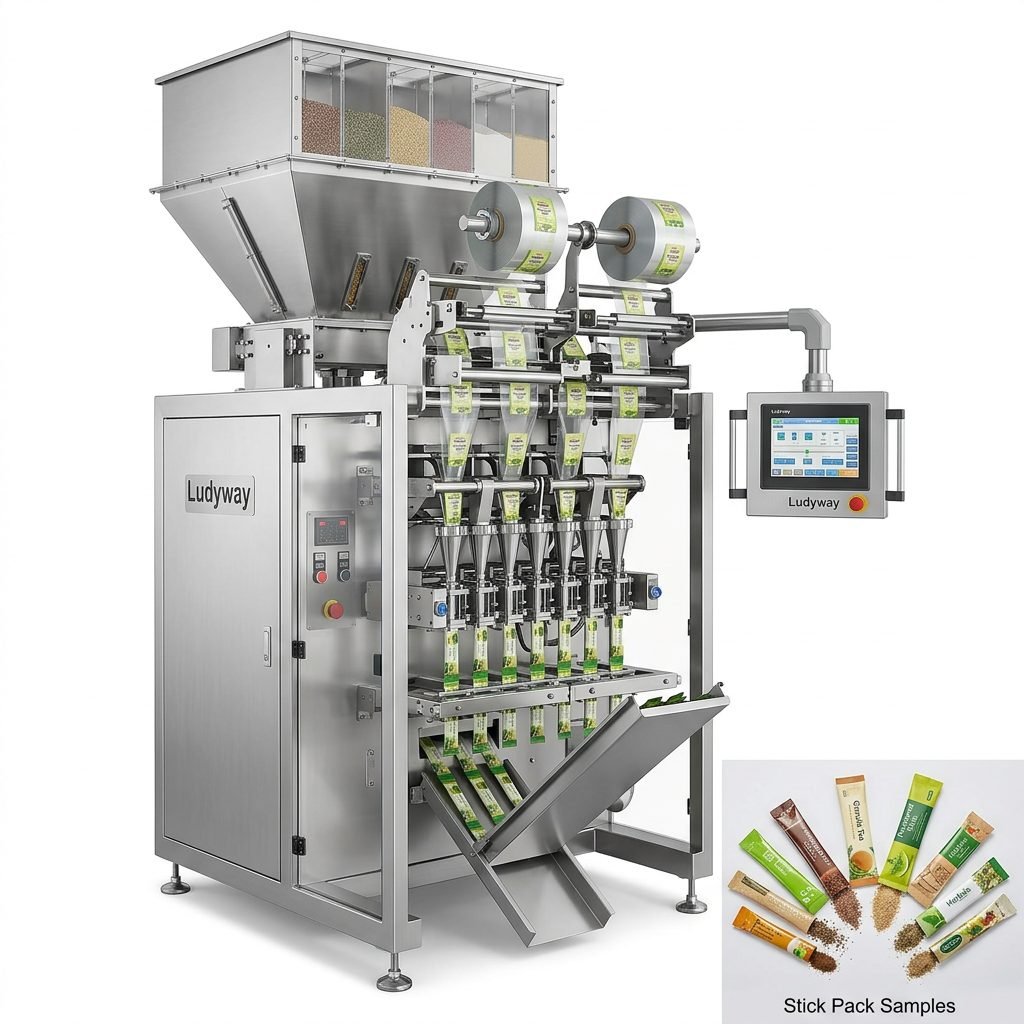
| Automatic Stick Pack Machine | Fully Automatic | $15,000 – $45,000 | Instant coffee and tea powder sachets |
| Multi-Lane Vacuum Packaging System | High-Speed Automatic | $40,000 – $120,000+ | High-volume industrial production |
| Turnkey Complete Production Line | Fully Integrated | $80,000 – $200,000+ | Large manufacturers requiring end-to-end solutions |
Why Vacuum Packaging Matters for Tea and Coffee
Tea and coffee are highly sensitive to oxygen, moisture, and light exposure. Vacuum packaging extends product shelf life by removing air from the package, preserving volatile aromatic compounds that define quality and flavor. For coffee, this prevents oxidation of oils that lead to rancidity. For tea, vacuum sealing protects delicate polyphenols and essential oils from degradation. The FDA food packaging guidelines emphasize the importance of proper barrier protection for shelf-stable dry goods, making vacuum technology a critical investment for any serious producer.
Hidden Costs to Consider Beyond the Purchase Price
- Installation and Commissioning: Professional setup and operator training can add 5-10% to the total project cost, especially for complex multi-lane systems requiring precise calibration.
- Maintenance and Spare Parts: Budget 2-3% of the machine value annually for preventive maintenance and replacement of wear components such as sealing jaws, heating elements, and vacuum pump parts.
- Packaging Material Compatibility: High-barrier vacuum films cost more than standard packaging materials. Running costs per unit should be calculated separately from equipment costs.
- Utility Requirements: Compressed air, power consumption, and cooling systems contribute to ongoing operational expenses that are often overlooked during initial budgeting.
- Shipping and Logistics: International freight for heavy machinery, import duties, and customs clearance can add significant expense when sourcing equipment from overseas manufacturers.
New vs. Used Equipment: A Cost Comparison
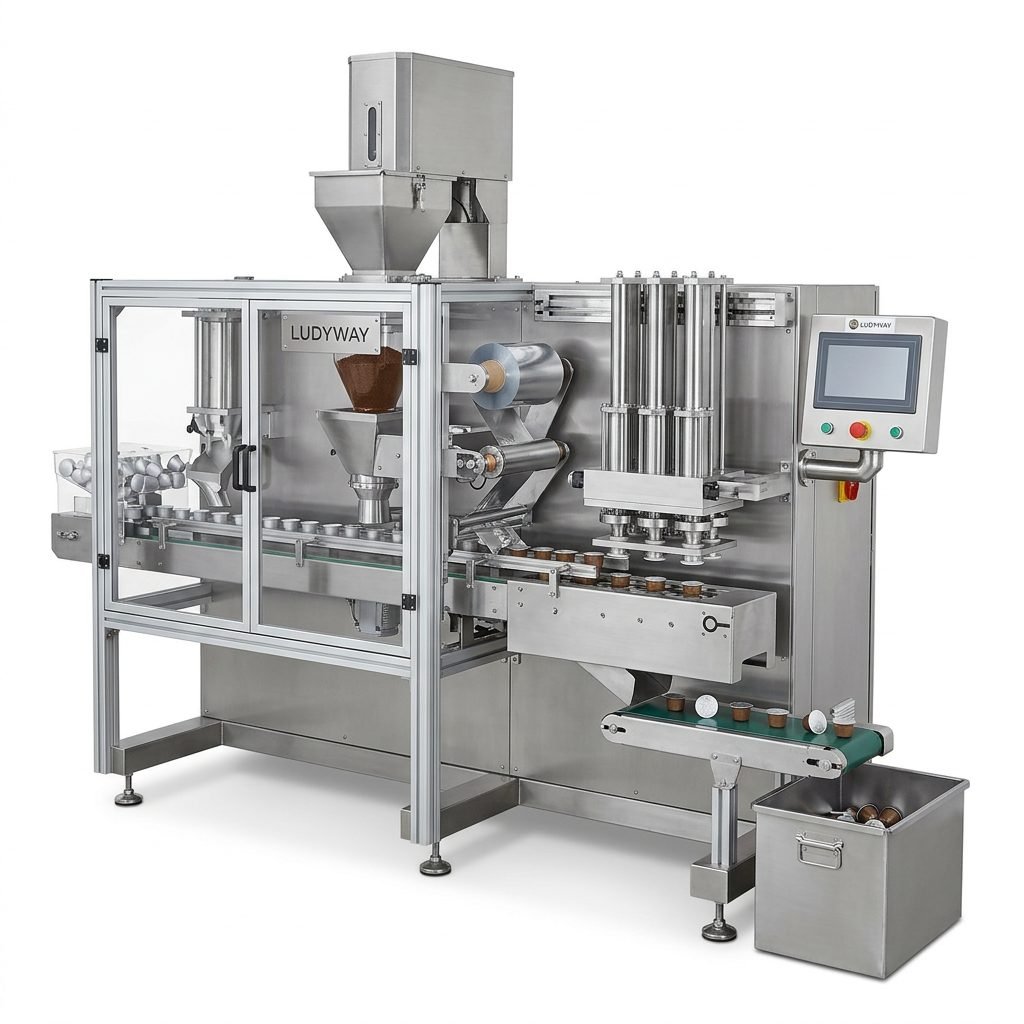
Used or refurbished tea and coffee vacuum packaging machines typically sell for 40-60% of the original price. While attractive for startups with limited capital, used equipment carries risks including worn components, outdated control systems, lack of warranty coverage, and difficulty sourcing replacement parts for discontinued models. New machines from reputable manufacturers offer warranty protection, modern energy-efficient designs, advanced automation features, and compliance with current ISO packaging standards that ensure long-term reliability and consistent output quality.
Regional Price Variations in the Global Market
Geographic origin significantly impacts pricing. Equipment manufactured in China, India, and Southeast Asia generally costs 20-40% less than comparable machines from European or North American manufacturers, while often delivering equivalent performance and build quality. This has driven many businesses to source from Asian suppliers who offer competitive pricing without compromising on engineering quality. European manufacturers, particularly from Germany and Italy, maintain premium positioning with prices reflecting labor costs and brand reputation. The PMMI State of the Industry report provides further insights into global packaging machinery market trends and pricing dynamics.
Return on Investment: How Quickly Can You Recover Costs?
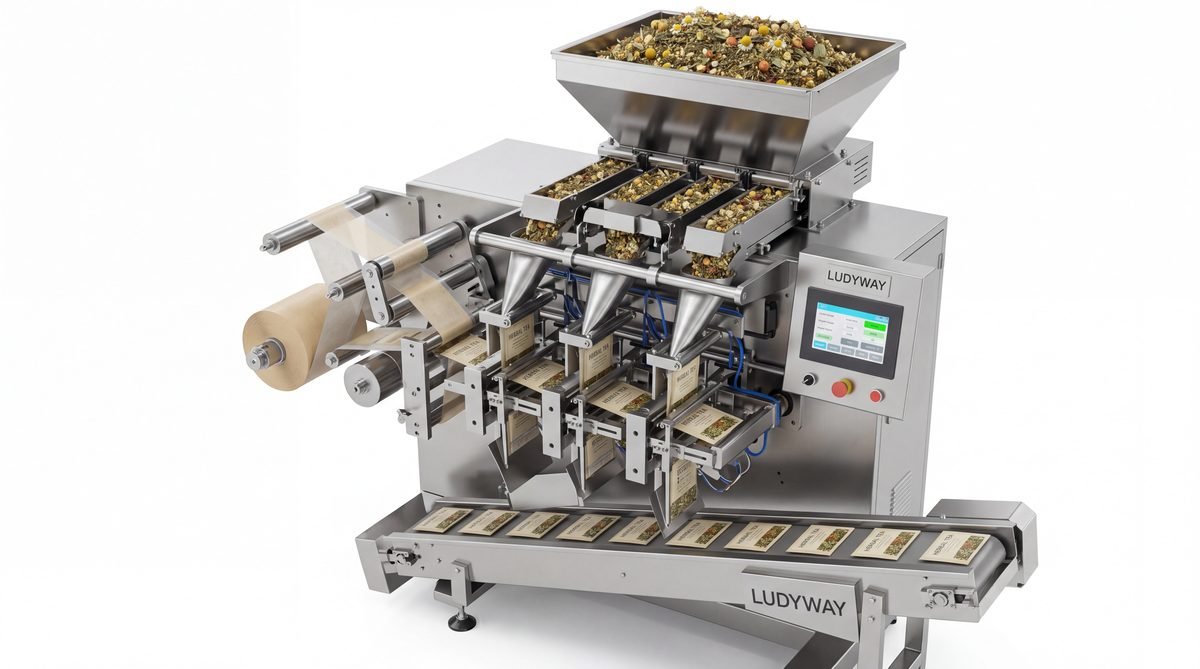
For a typical mid-sized coffee or tea packing operation, a $30,000 vacuum packaging machine can pay for itself within 12-24 months through:
- Reduced product spoilage and extended shelf life, minimizing waste and returns
- Lower labor costs through automation, replacing multiple manual packing stations
- Faster production speeds that increase daily output and order fulfillment capacity
- Improved product quality that commands premium pricing and strengthens brand reputation
- Consistent seal integrity that reduces customer complaints and protects retailer relationships
Choosing the Right Supplier for Your Investment
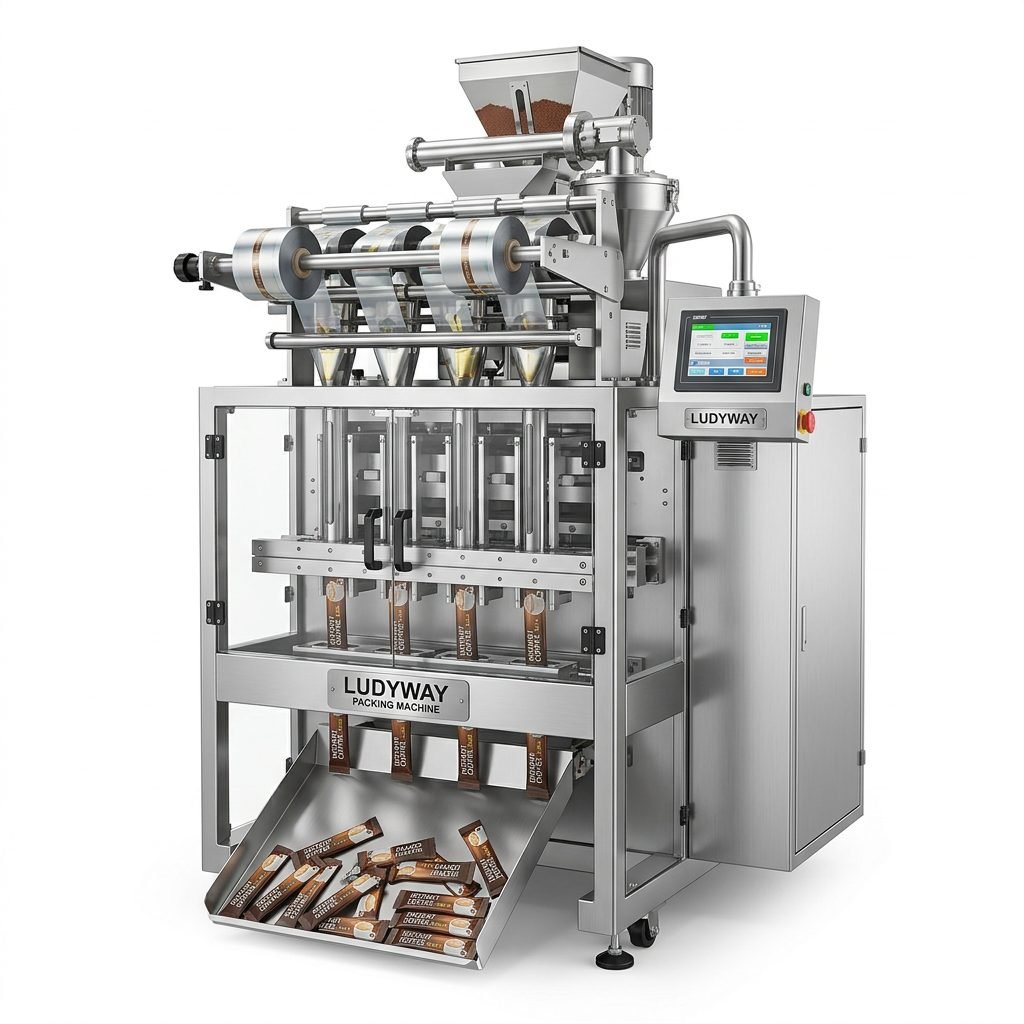
Selecting a reliable manufacturer is as important as choosing the right machine specification. Look for suppliers with demonstrated industry experience, comprehensive after-sales support, readily available spare parts, and a strong track record in international markets. Leading manufacturers like Ludyway — one of the largest packaging machine manufacturers in China with over 30 years of industry expertise — offer more than 50 intelligent packaging machine models, including multi-lane stick pack, sachet, and fully automated packaging systems. Their modern 20,000㎡ manufacturing facility and highly experienced engineering team serve customers in over 100 countries and regions, delivering reliable and efficient packaging solutions for granule, powder, liquid, and pouch packaging applications. For more information on packaging machinery innovations, the Flexible Packaging Association provides valuable industry resources and market data.
Essential Questions to Ask Before Purchasing
- What is the actual production capacity with the product and packaging material you intend to use — not just the theoretical maximum speed?
- Does the machine support multiple packaging formats such as stick packs, sachets, and pouches for future product line expansion?
- What is the warranty period and what does it cover — parts only, or parts and labor with remote technical support?
- Are spare parts and technical service readily available in your region, and what are typical response times for support requests?
- Can the manufacturer provide references from current customers in your specific industry segment for verification?
- Is the machine compliant with international safety standards and regulations applicable to food-grade packaging equipment?